Raised Beds for Root Vegetables
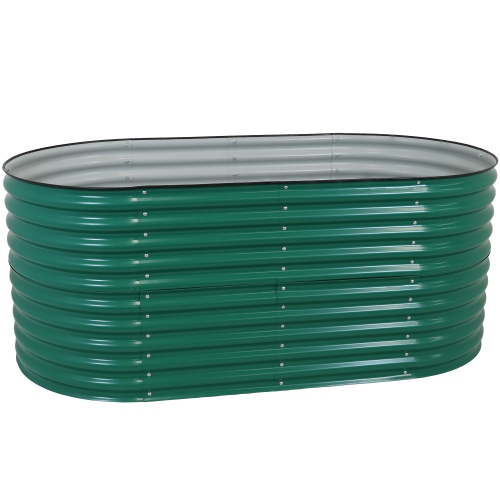
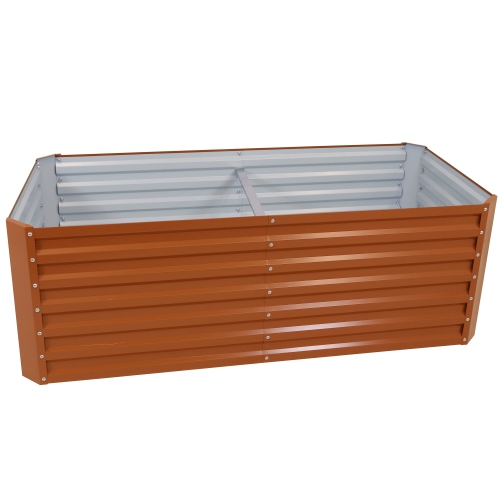
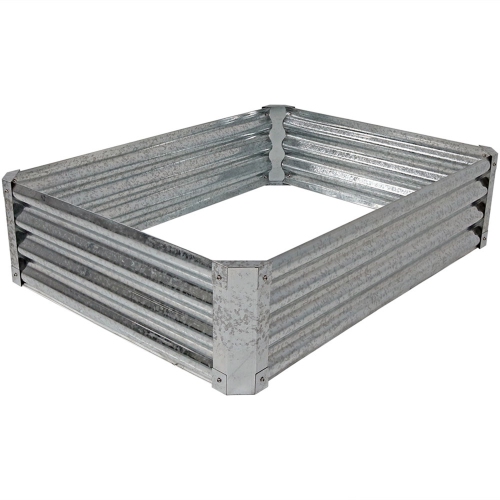
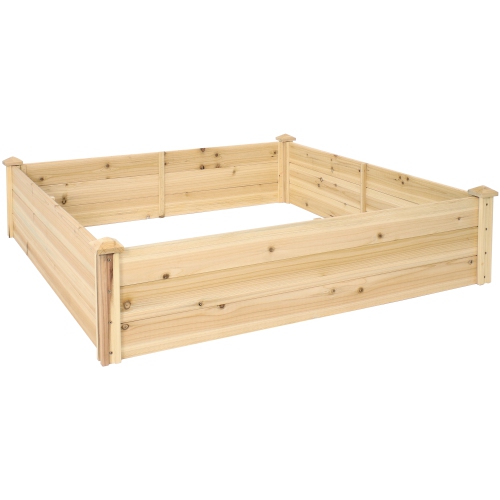
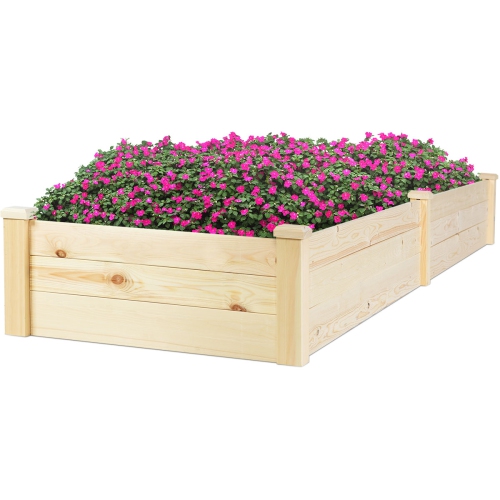
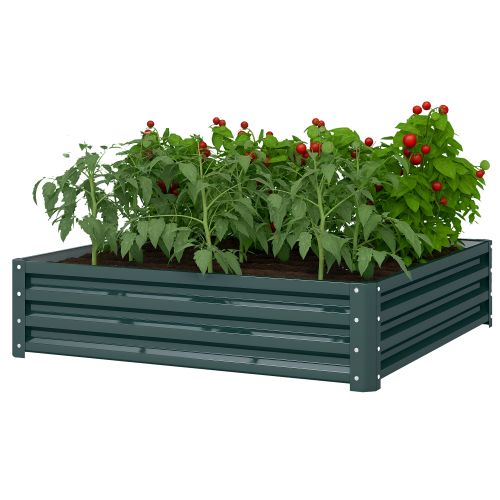
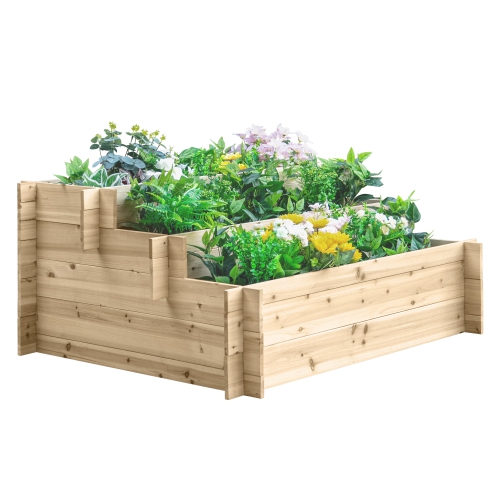
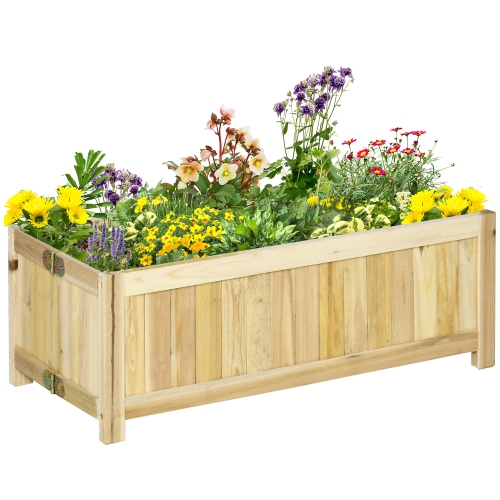
Raised Beds for Root Vegetables offer a practical solution for gardeners looking to cultivate carrots, potatoes, beets, and other underground crops with ease. These raised beds create an optimal growing environment that helps support healthy root development and simplifies garden maintenance. Whether you’re working with limited space or aiming to boost your harvest, Raised Beds for Root Vegetables are designed to make planting and tending your favorite root crops more convenient and enjoyable. Explore a variety of sizes and styles to find the perfect fit for your gardening needs.
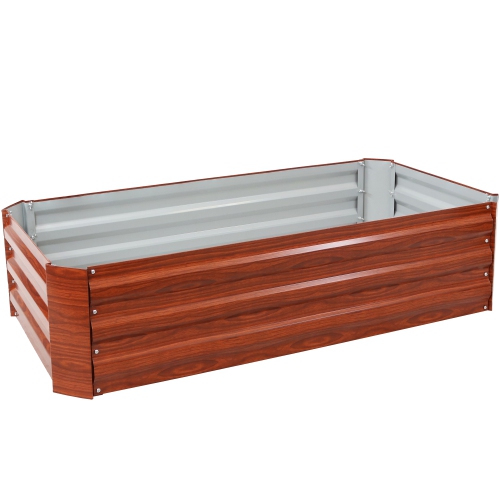
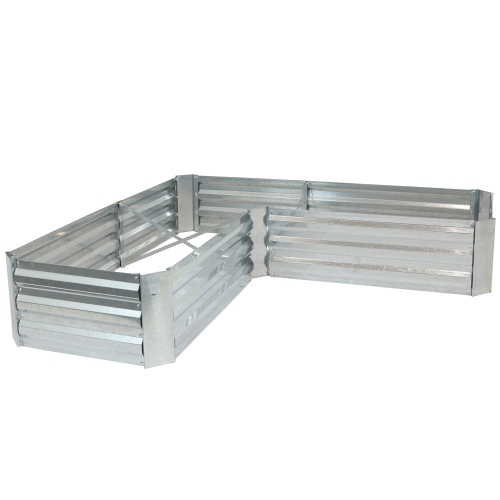
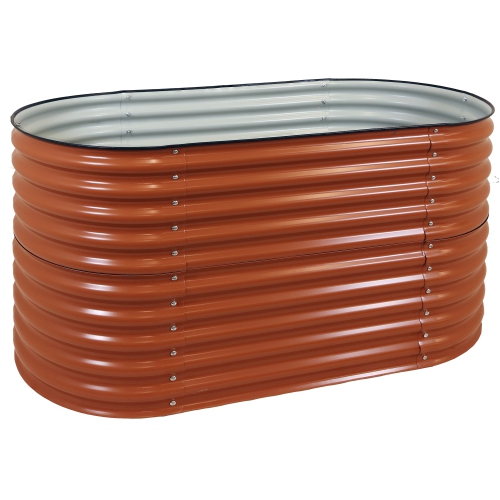
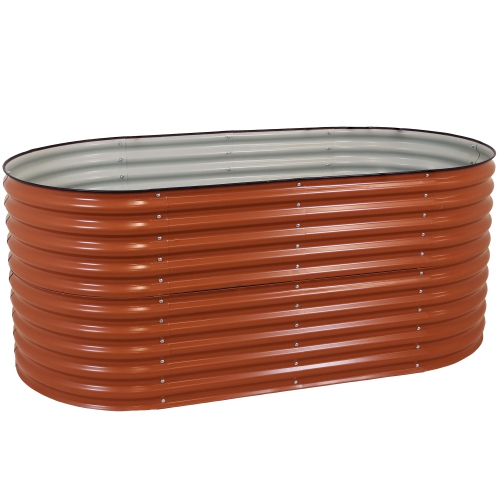

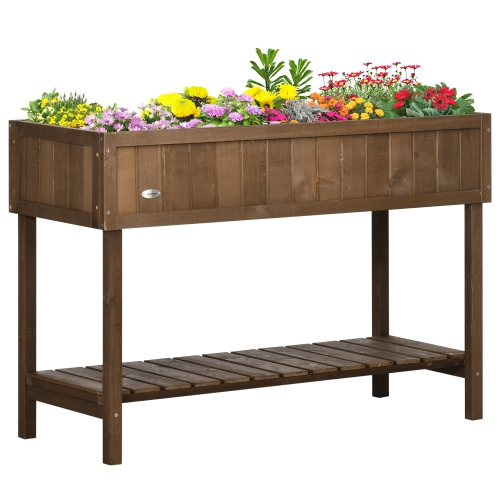

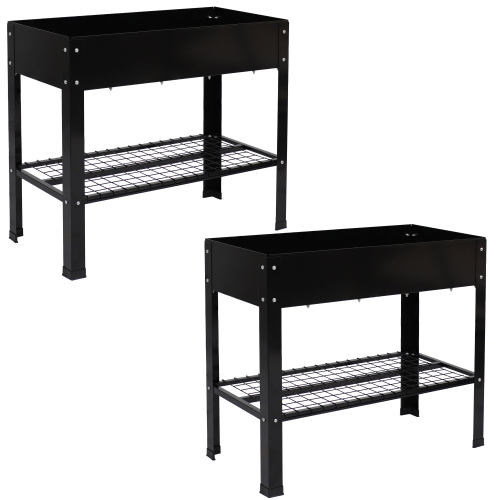
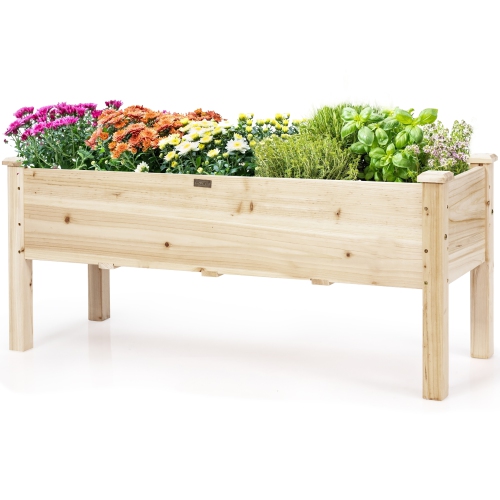
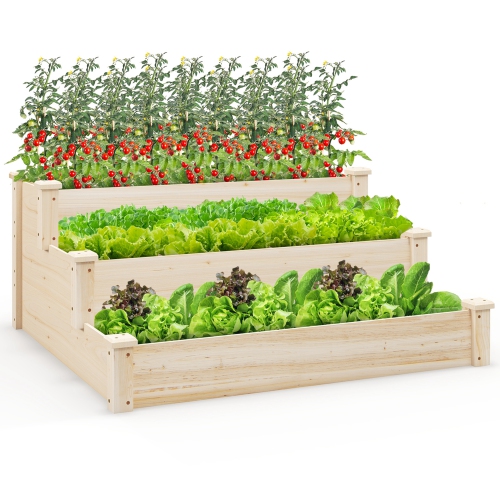
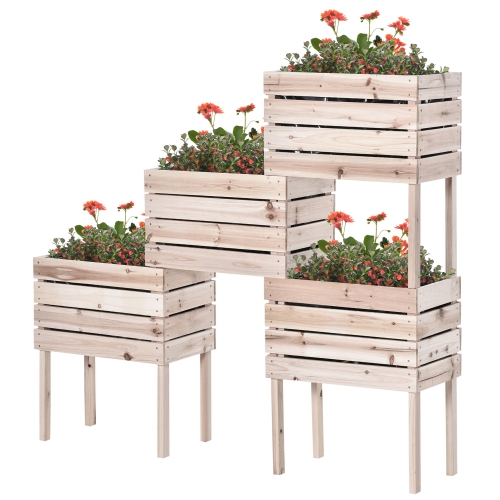
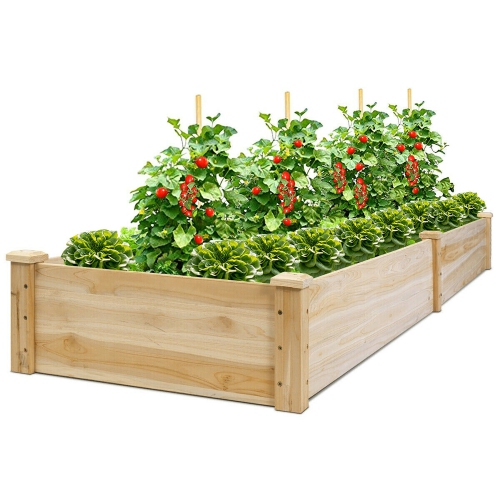
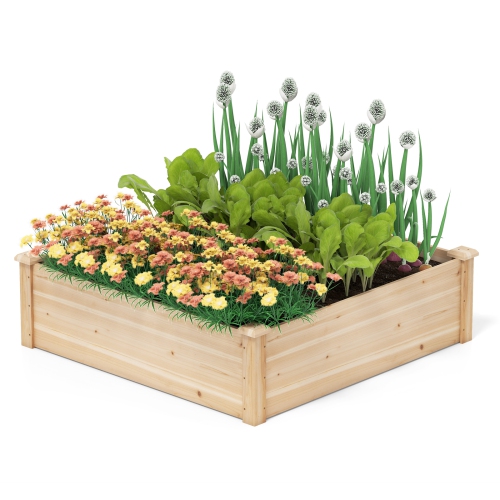
Raised Beds for Root Vegetables
When planning your raised bed, choose a sunny, level spot that receives at least six to eight hours of direct sunlight daily. Orienting the bed north to south can help maximize sun exposure, encouraging even growth throughout the season. Raised beds are especially popular among urban gardeners and those with limited or poor-quality soil, as they allow for a tailored growing medium and efficient use of space. They’re also a thoughtful gift for anyone who loves fresh, homegrown produce—whether it’s a family member just starting out or an experienced gardener looking to expand their harvest. Raised beds can be placed on patios, decks, or directly on the ground, making them versatile for a variety of outdoor spaces. Intensive planting techniques, such as close spacing and crop rotation, can help maximize yields and keep the soil healthy year after year. To maintain soil fertility, many gardeners top-dress with a fresh layer of compost each spring and avoid planting root crops in the same bed consecutively, reducing the risk of nutrient depletion and soil-borne pests.
Beyond their functional benefits, raised beds can add visual interest to your yard or garden, creating neat, organized spaces that are easy to access and maintain. They pair well with other themed garden beds, such as those designed for herbs, greens, or even flowers. If you’re interested in exploring more ways to enhance your outdoor space with raised beds, consider visiting our page on Raised Beds for Flowers for additional inspiration and options. Whether you’re cultivating a bounty of crisp carrots for summer salads or gifting a raised bed to a friend eager to start their own root vegetable patch, these versatile garden solutions make it easy to enjoy the satisfaction of homegrown harvests throughout the growing season.
Top selling and popular products
-
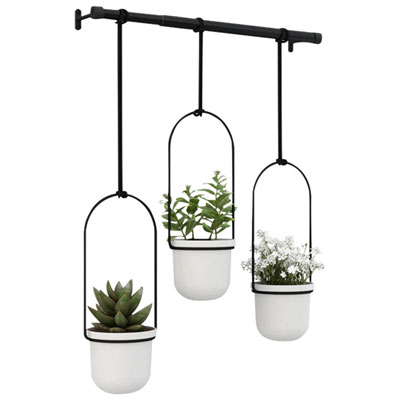 Your price for this item is $54.98
 -
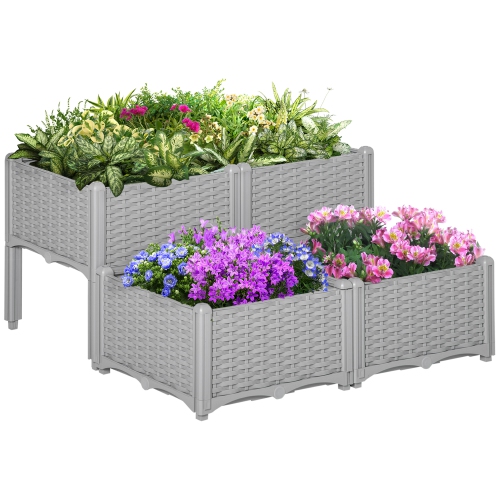 Your price for this item is $94.99
 -
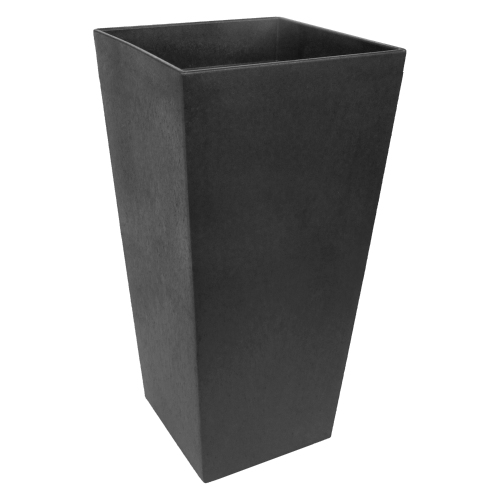 Your price for this item is $79.99
 -
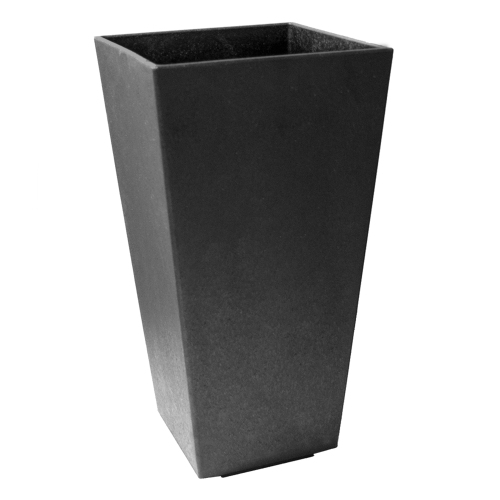 Your price for this item is $39.99
 -
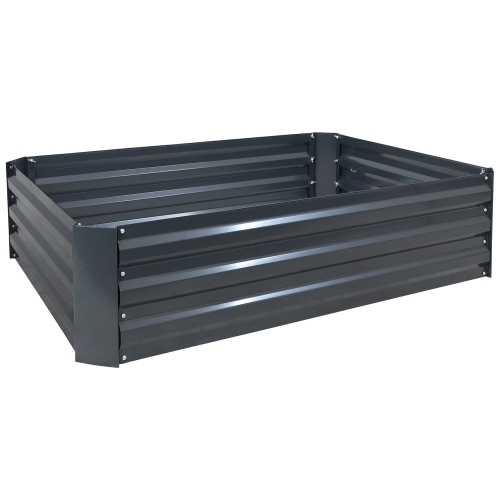 Your price for this item is $117.75
 -
 Your price for this item is $117.75
 -
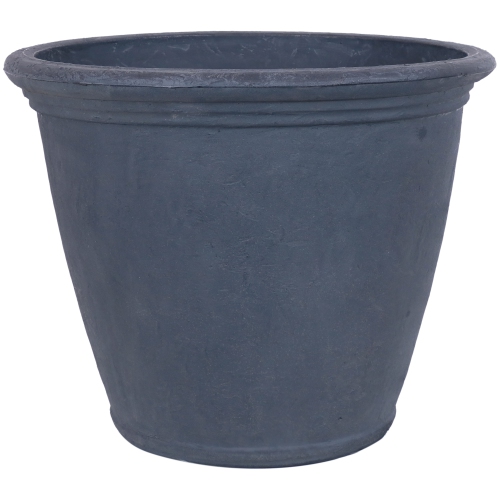 Your price for this item is $173.65
 -
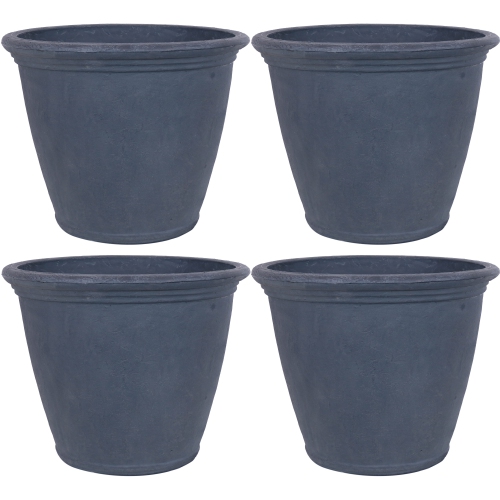 Your price for this item is $415.35
Discover more categories related to Raised Beds for Root Vegetables
-
Raised Beds for Flowers
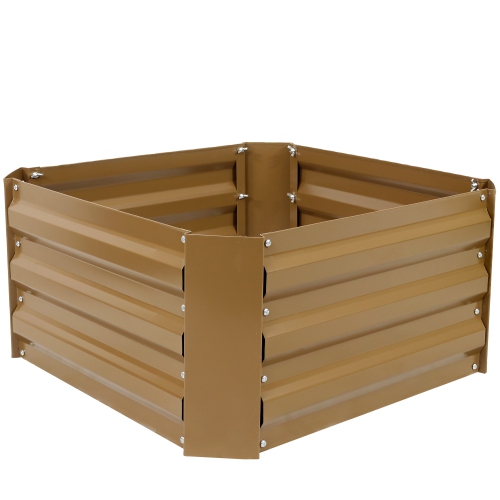
"It is very easy to fill with soil and is a great choice for those who don't want an in ground garden"
-
Raised Garden Beds for Peppers

"These were the best raised Gardens. Saved my back from pain and strain"
-
Raised Beds
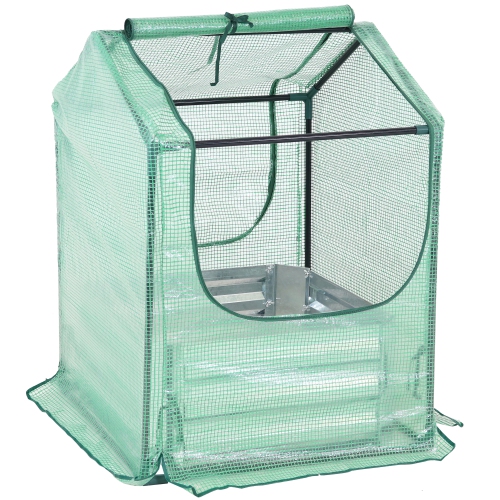
"love this green house"
-
Raised Wooden Garden Planters
"BEST BUY EVER"