Raised Beds for Strawberries
Raised beds for strawberries offer a practical and attractive solution for growing your favorite berries at home. Designed to provide optimal conditions for healthy plants, these garden essentials help you create a dedicated space for strawberry cultivation. Whether you’re an experienced gardener or just starting out, raised beds for strawberries make it easy to organize your garden and enjoy fresh, delicious fruit right from your backyard. Explore a variety of options to find the perfect fit for your outdoor space and gardening needs.
Sort
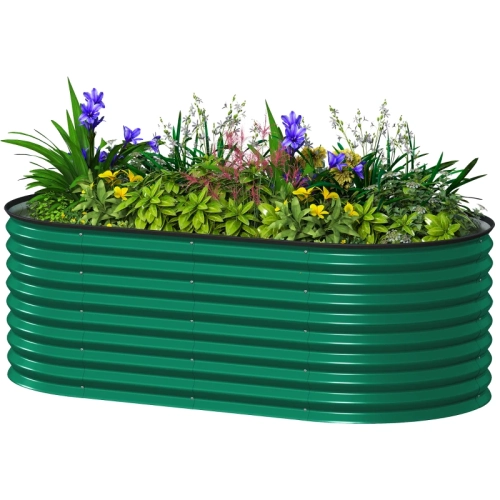
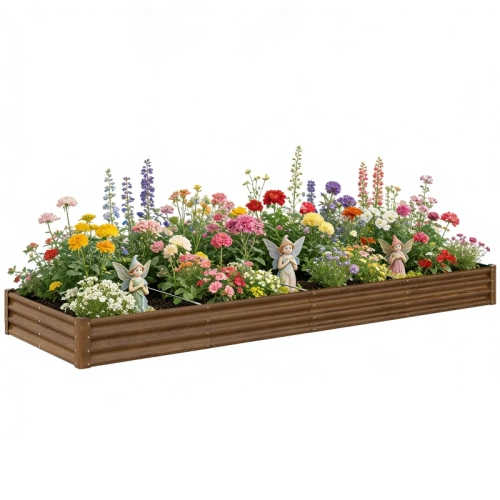
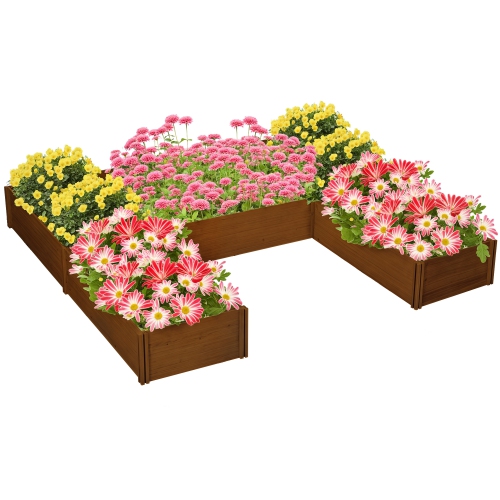
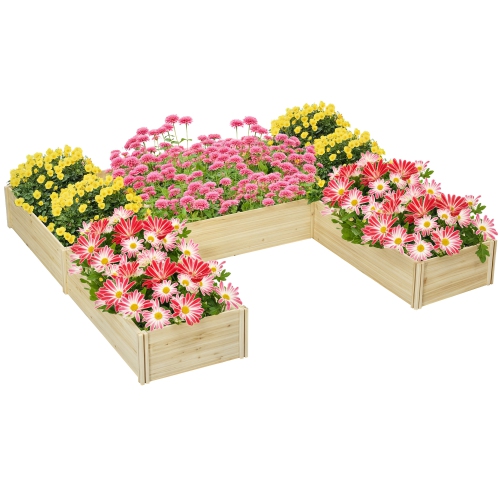
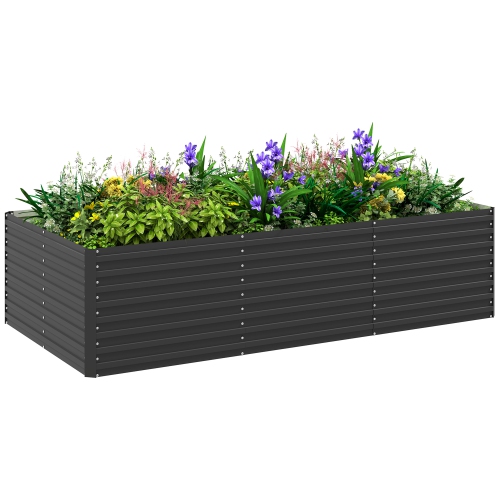
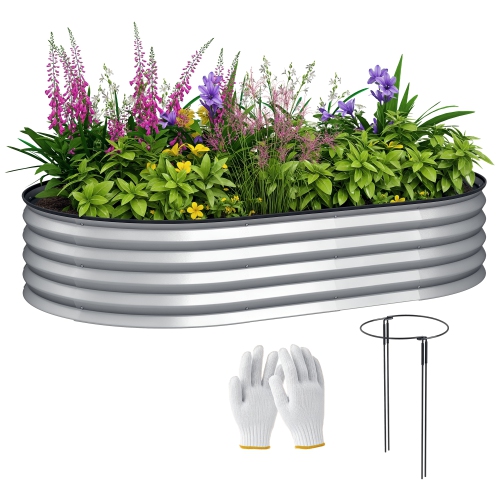
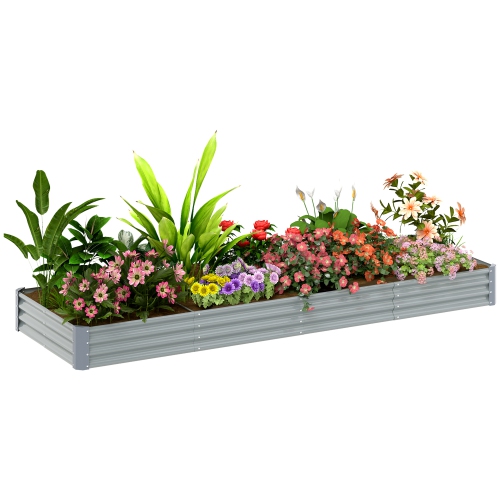
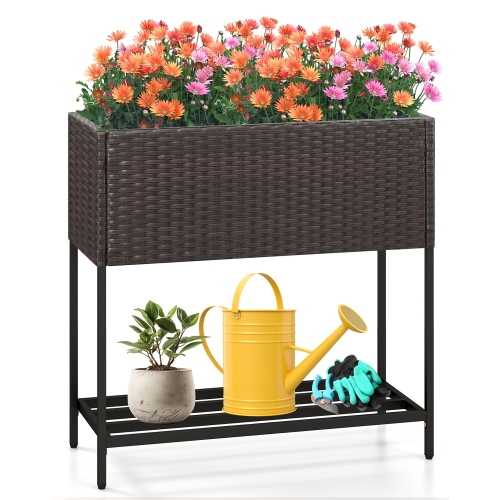
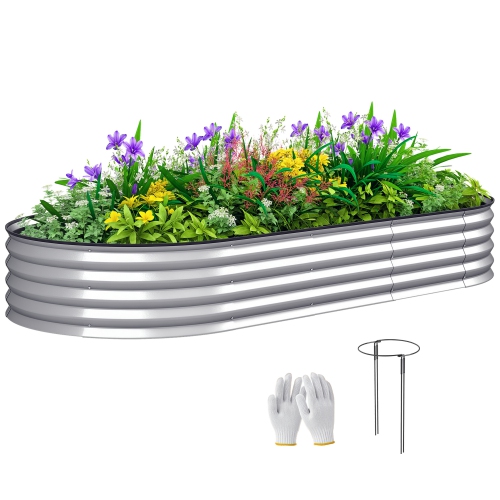
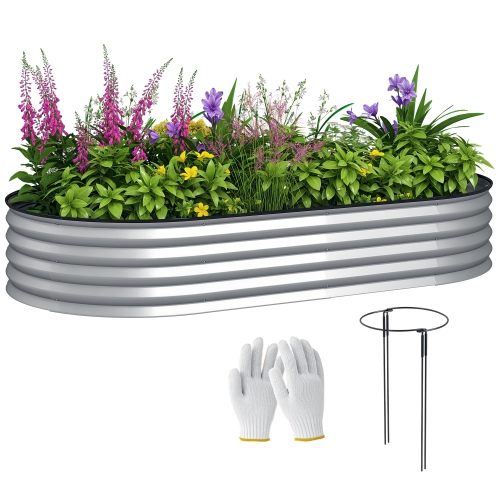
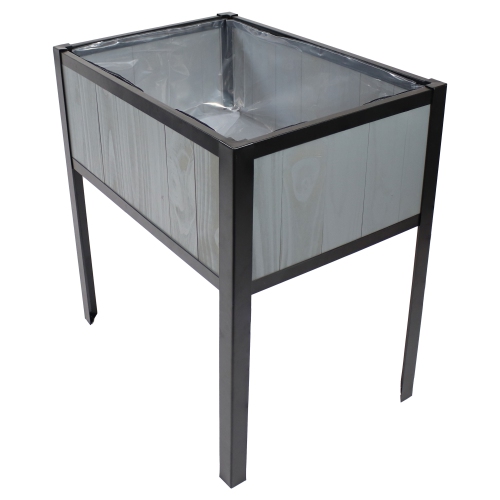
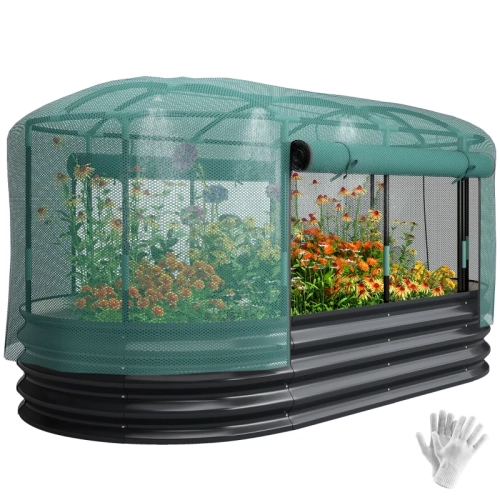
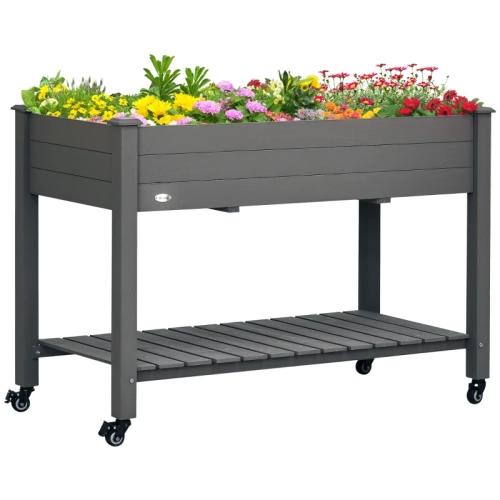
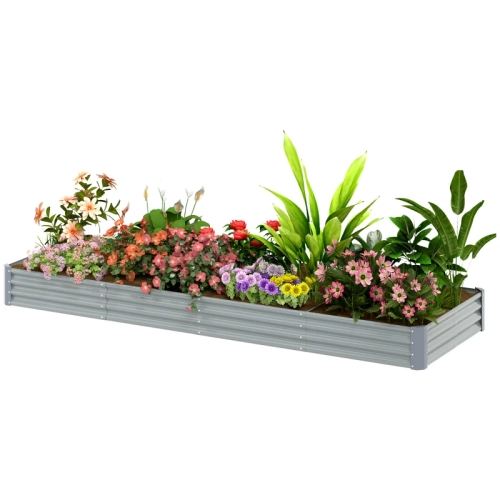
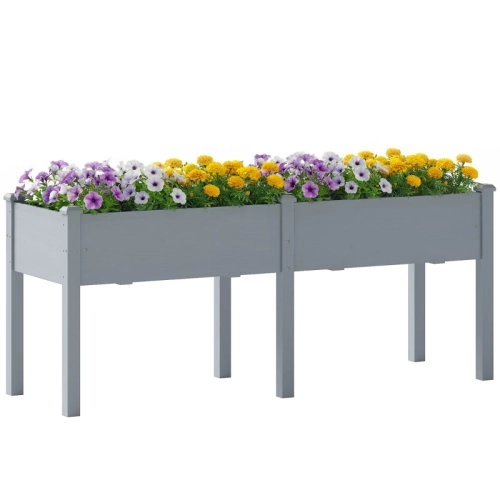
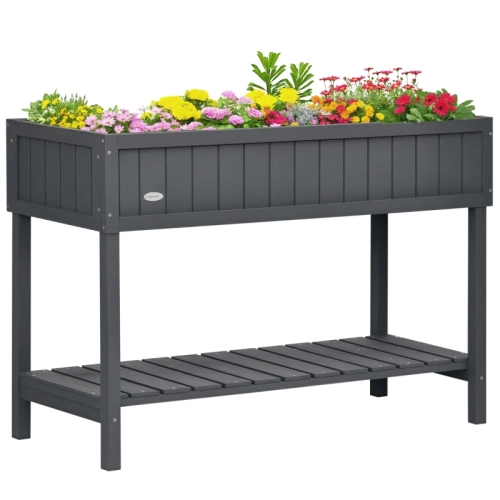
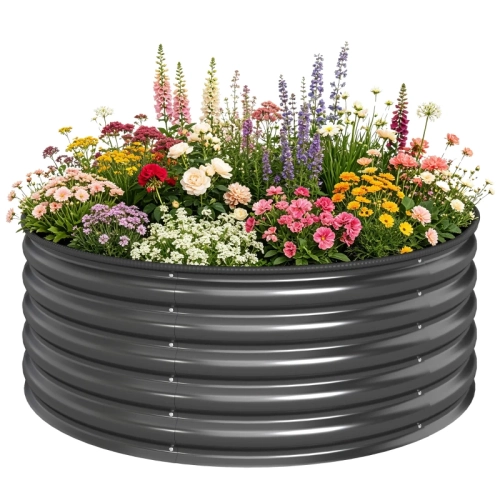
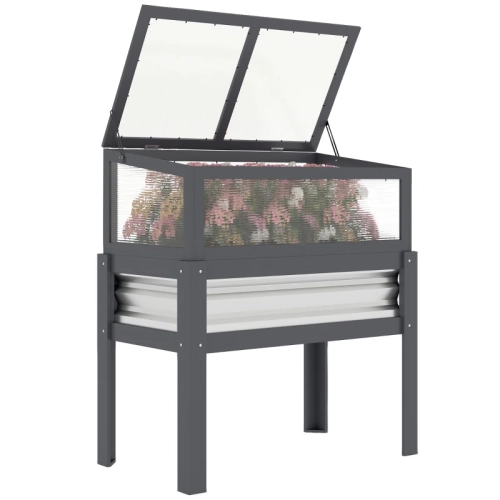
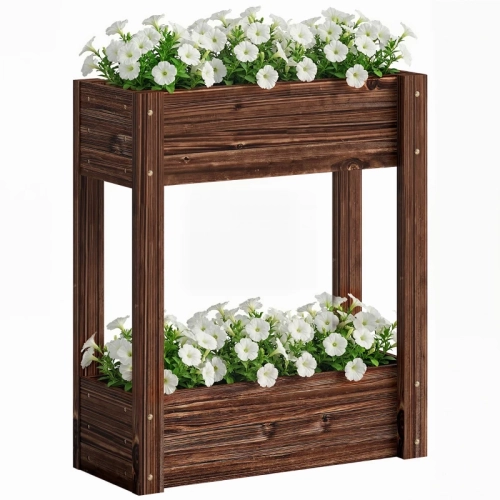
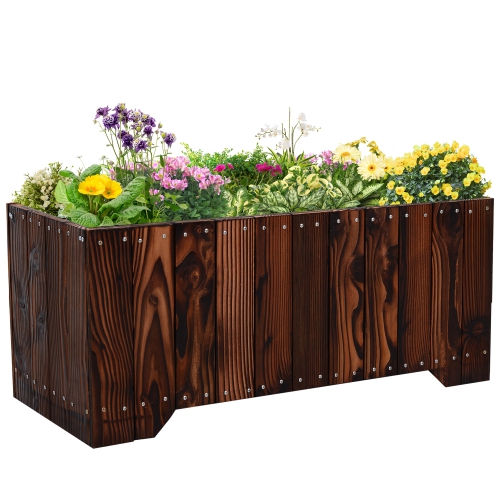
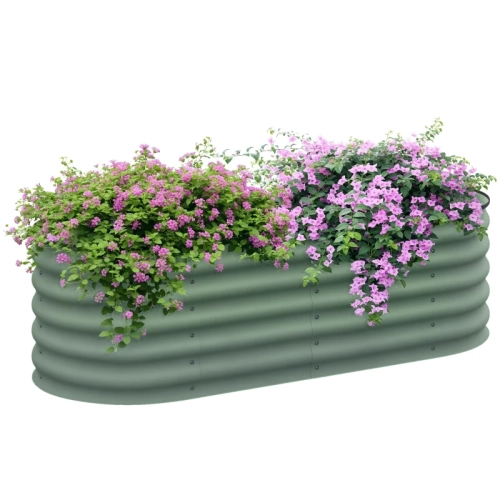
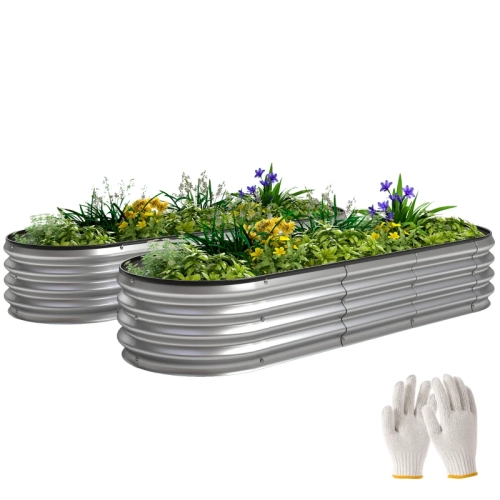
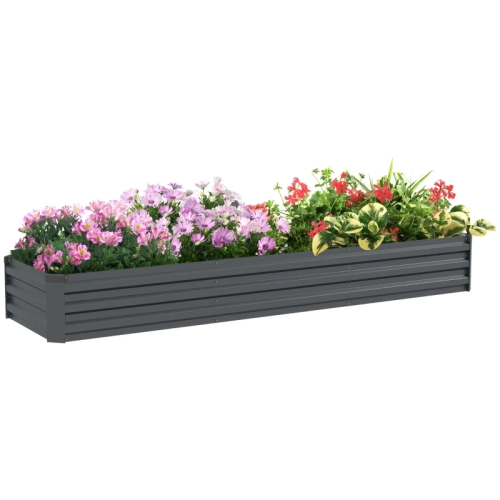
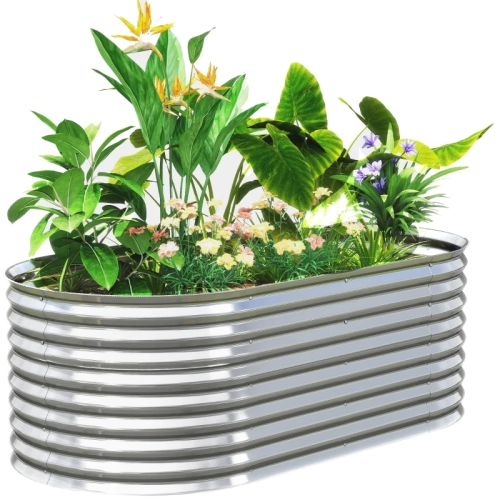
Better growing conditions and easier harvesting for strawberries
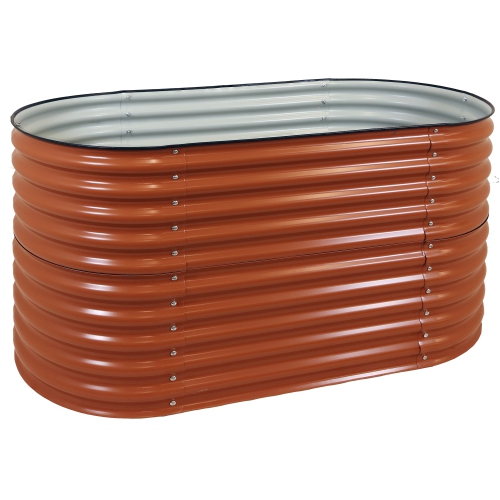
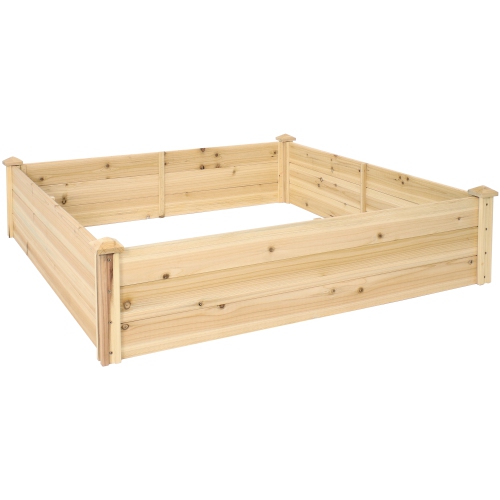
Raised beds for strawberries make it easier to create a dedicated growing space for sweet, low-growing fruit while keeping planting and harvesting more comfortable. Unlike a garden patch at ground level, a raised bed can give you better control over soil quality, drainage, spacing and weed management. The elevated design also helps strawberries stand out from surrounding grass and garden plants, making it easier to spot ripe fruit before it becomes hidden beneath leaves. Look for a bed with enough surface area for the number of plants you want to grow, along with a height that suits the way you prefer to garden. A compact raised bed may be a good fit for a balcony, patio or small yard, while a wider bed can accommodate several rows or allow strawberry plants to spread through runners. Tiered designs can offer additional planting space in a smaller footprint, although each level should be easy to reach for watering, checking leaves and gathering fruit. Raised beds can be made from wood, composite materials, metal or other outdoor-ready construction, so consider the overall style of your space as well as the bed’s dimensions, stability and assembly requirements. Drainage is especially important for strawberries because their roots prefer consistently moist soil without sitting in water. Beds with open bottoms can be placed directly over suitable ground, while enclosed beds and elevated planters should include drainage openings that allow excess water to escape. If you are selecting a bed as a housewarming present, a gift for a new gardener or an addition to a family garden, a manageable size and straightforward setup can make it more approachable. Gardeners who enjoy growing culinary plants may also appreciate browsing Raised Beds for Herb Gardens when planning a coordinated outdoor growing area.
The location of a strawberry bed can have as much influence on the harvest as the bed itself. Choose a place that receives roughly 6 to 8 hours of direct sunlight each day, with enough room around it to walk, water and pick fruit without stepping into the growing area. Strawberries generally perform best in a rich, light soil mix that drains quickly and is slightly acidic, with a pH of approximately 5.5 to 6.5. A combination of quality topsoil, potting mix and compost can provide a useful balance of structure, nutrients and moisture retention, but avoid filling the bed with dense soil that becomes hard or waterlogged. When planting, the central crown—the point where the roots meet the leaves—should sit at the soil surface or just above it. A crown planted too deeply may rot, while one left with exposed roots can dry out. Allow approximately 8 to 18 inches between plants, depending on the variety and whether you want runners to fill open space. More generous spacing improves air circulation and gives foliage room to spread, while tighter spacing may suit a compact bed when the plants are kept neatly contained. Consider the type of strawberry you intend to grow as well. June-bearing plants typically produce one concentrated crop, while everbearing varieties can provide fruit in several periods during the growing season. A raised bed with room for different varieties can extend the enjoyment of harvesting, but it should still leave enough space for each plant to receive light and airflow. Practical details such as bed depth, corner access, liner compatibility, protective covers and ease of replacing soil can make a noticeable difference over time, particularly for gardeners who want a setup that can be refreshed between growing seasons.
Raised beds dry out faster than soil at ground level, especially when the bed is exposed to sun and wind, so regular watering is an important consideration when choosing where to place one. Check the soil near the surface and water deeply when it begins to dry, directing moisture toward the base of the plants rather than over the fruit and leaves. A watering can, hose attachment or drip system can help make maintenance more convenient, depending on the bed’s location and size. Straw mulch placed around the plants can help retain moisture, reduce soil splashing and keep developing berries cleaner as they ripen; leave the crown uncovered so air can circulate around the centre of the plant. Netting or other garden protection may be useful where birds and small animals are common, and a bed with a simple rectangular shape can make it easier to add a cover without crushing the foliage. During the cooler months, raised soil may be more exposed to temperature changes than surrounding ground, so consider the bed’s position and the needs of the strawberry variety when planning seasonal care. In colder regions, plants may benefit from a protective layer of straw or suitable garden covering after they have entered dormancy, with protection removed gradually as the weather warms. Whether it is used by an experienced gardener seeking a neater fruit-growing area or by someone trying strawberries for the first time, a well-chosen raised bed can turn a sunny corner into a productive, inviting space. As leaves fill out, runners trail over the edges and bright berries appear above the mulch, the bed becomes both a practical garden feature and an enjoyable way to bring fresh-picked flavour closer to home.
The location of a strawberry bed can have as much influence on the harvest as the bed itself. Choose a place that receives roughly 6 to 8 hours of direct sunlight each day, with enough room around it to walk, water and pick fruit without stepping into the growing area. Strawberries generally perform best in a rich, light soil mix that drains quickly and is slightly acidic, with a pH of approximately 5.5 to 6.5. A combination of quality topsoil, potting mix and compost can provide a useful balance of structure, nutrients and moisture retention, but avoid filling the bed with dense soil that becomes hard or waterlogged. When planting, the central crown—the point where the roots meet the leaves—should sit at the soil surface or just above it. A crown planted too deeply may rot, while one left with exposed roots can dry out. Allow approximately 8 to 18 inches between plants, depending on the variety and whether you want runners to fill open space. More generous spacing improves air circulation and gives foliage room to spread, while tighter spacing may suit a compact bed when the plants are kept neatly contained. Consider the type of strawberry you intend to grow as well. June-bearing plants typically produce one concentrated crop, while everbearing varieties can provide fruit in several periods during the growing season. A raised bed with room for different varieties can extend the enjoyment of harvesting, but it should still leave enough space for each plant to receive light and airflow. Practical details such as bed depth, corner access, liner compatibility, protective covers and ease of replacing soil can make a noticeable difference over time, particularly for gardeners who want a setup that can be refreshed between growing seasons.
Raised beds dry out faster than soil at ground level, especially when the bed is exposed to sun and wind, so regular watering is an important consideration when choosing where to place one. Check the soil near the surface and water deeply when it begins to dry, directing moisture toward the base of the plants rather than over the fruit and leaves. A watering can, hose attachment or drip system can help make maintenance more convenient, depending on the bed’s location and size. Straw mulch placed around the plants can help retain moisture, reduce soil splashing and keep developing berries cleaner as they ripen; leave the crown uncovered so air can circulate around the centre of the plant. Netting or other garden protection may be useful where birds and small animals are common, and a bed with a simple rectangular shape can make it easier to add a cover without crushing the foliage. During the cooler months, raised soil may be more exposed to temperature changes than surrounding ground, so consider the bed’s position and the needs of the strawberry variety when planning seasonal care. In colder regions, plants may benefit from a protective layer of straw or suitable garden covering after they have entered dormancy, with protection removed gradually as the weather warms. Whether it is used by an experienced gardener seeking a neater fruit-growing area or by someone trying strawberries for the first time, a well-chosen raised bed can turn a sunny corner into a productive, inviting space. As leaves fill out, runners trail over the edges and bright berries appear above the mulch, the bed becomes both a practical garden feature and an enjoyable way to bring fresh-picked flavour closer to home.
Top selling and popular products
-
 Your price for this item is $69.99
 -
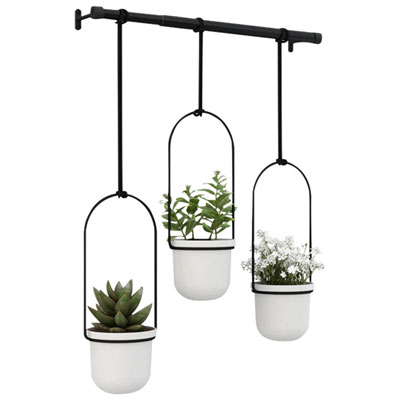 Your price for this item is $54.98
 -
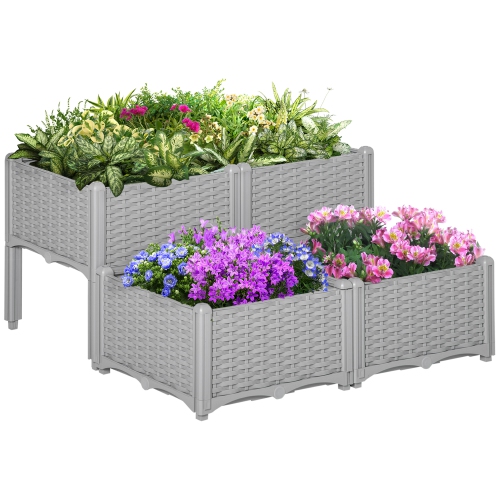 Your price for this item is $89.99
 -
 Your price for this item is $79.99
 -
 Your price for this item is $104.99
 -
 Your price for this item is $141.99
 -
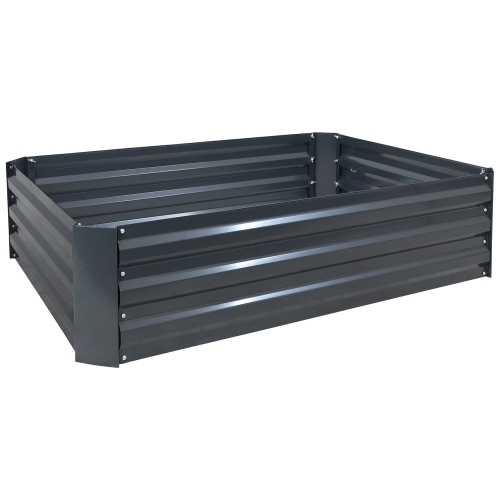 Your price for this item is $117.75
 -
 Your price for this item is $117.75
Discover more categories related to Raised Beds for Strawberries
Top Collections:
Pokemon Centers, Kindle Devices, Best Budget Office Chairs, Apple iPhones 16, Best Laptops for Writers, iPhone 15 Apple, Canon G7X Cameras, Refurbished Apple Laptops, Alarm Clock, Motorola Razr Phones
Some products may be subject to Environmental Handling Fees
(EHF) depending on your province.
Learn more about EHFs.