Rectangular Espresso Coffee Tables
Rectangular espresso coffee tables are a great choice for small spaces, as these are both wide enough to accommodate plenty of guests and long enough to ensure you have room to sit comfortably. The shape also works well in rooms with high ceilings, as it doesn't dominate the space. Here are some of the best rectangular espresso coffee tables on the market today.
Sort


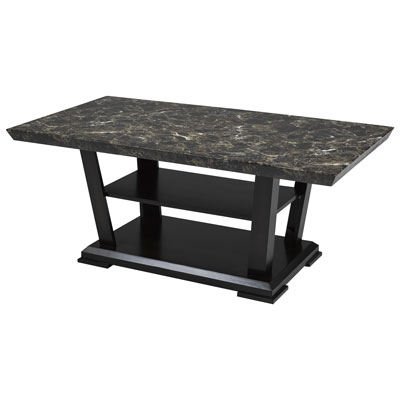


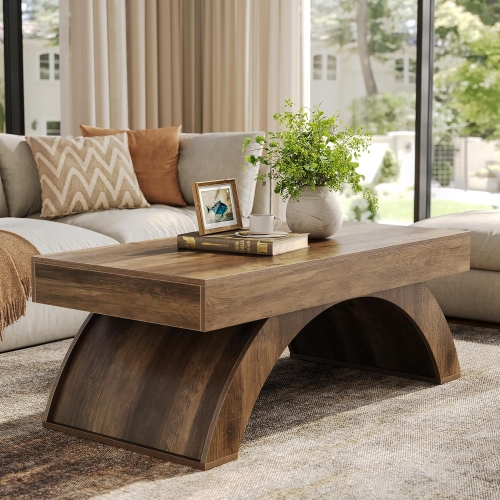
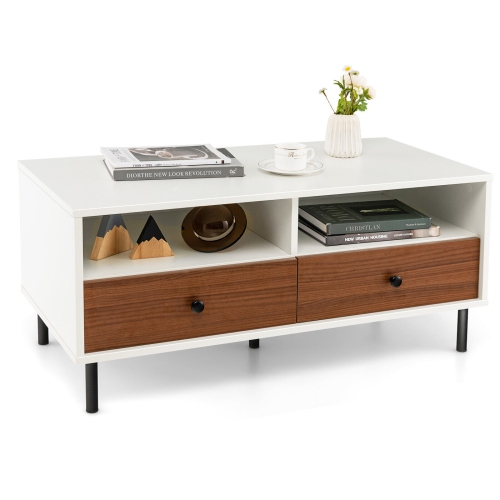
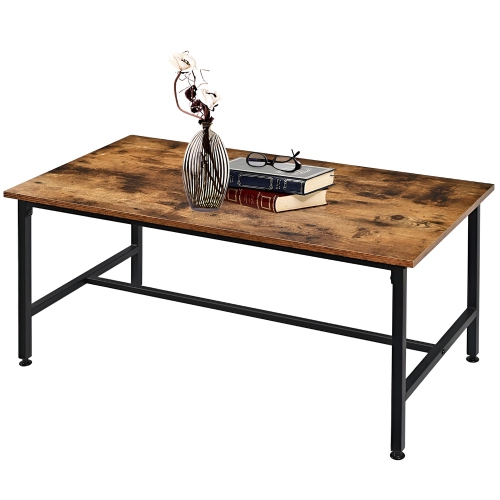
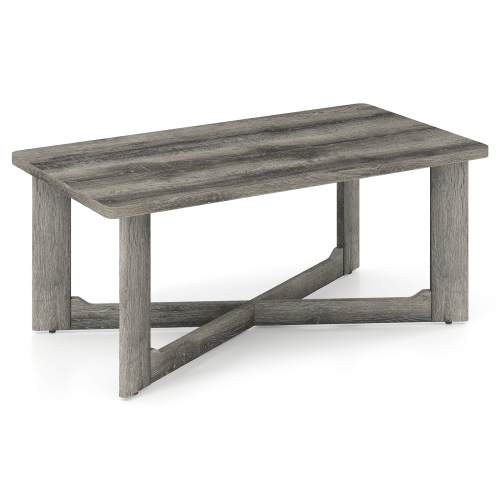
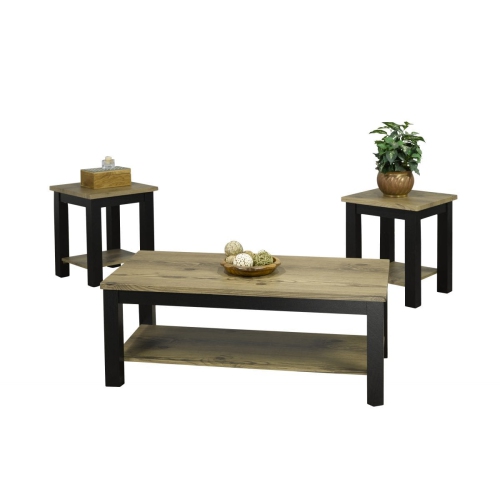
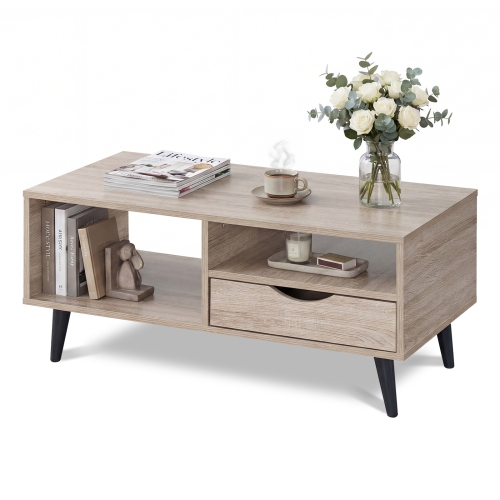
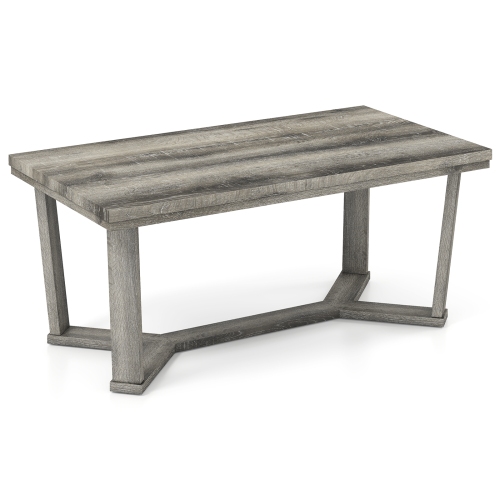


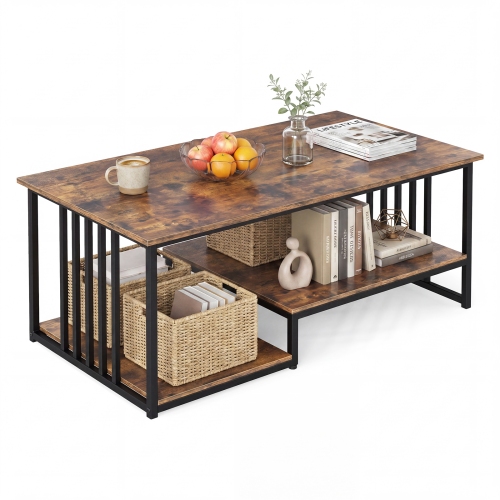


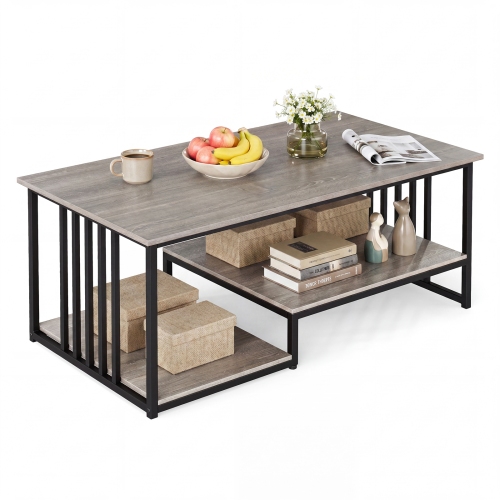


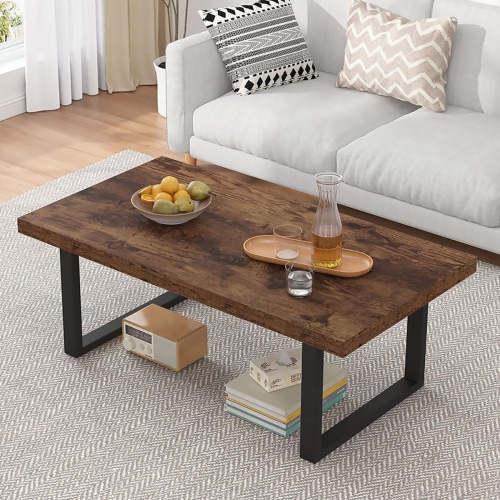


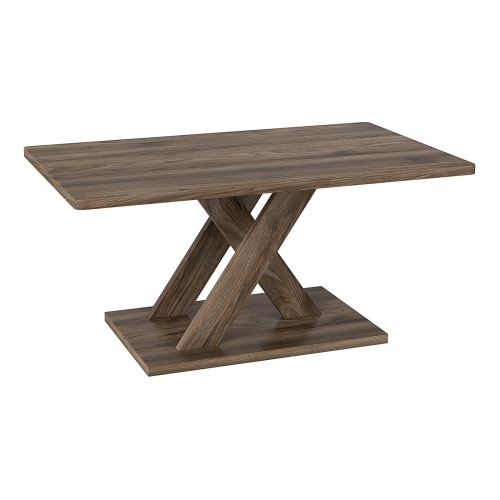








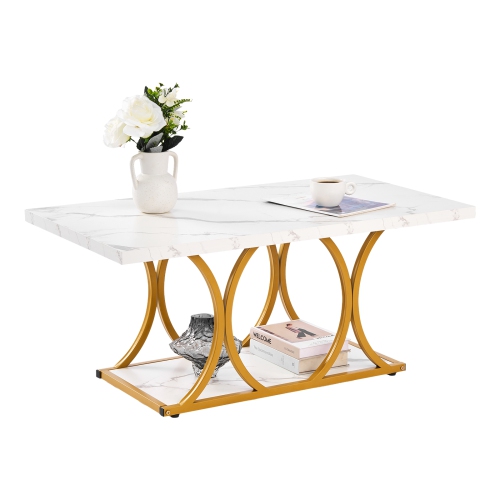


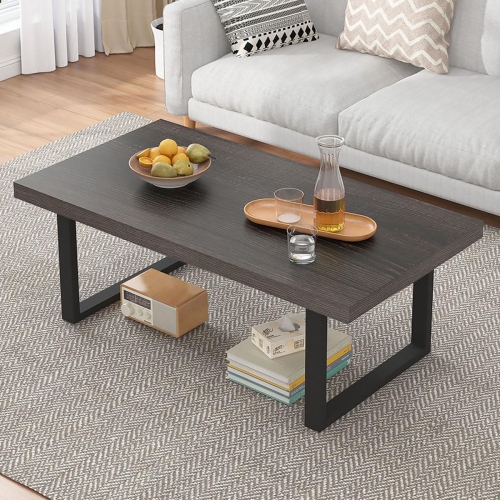


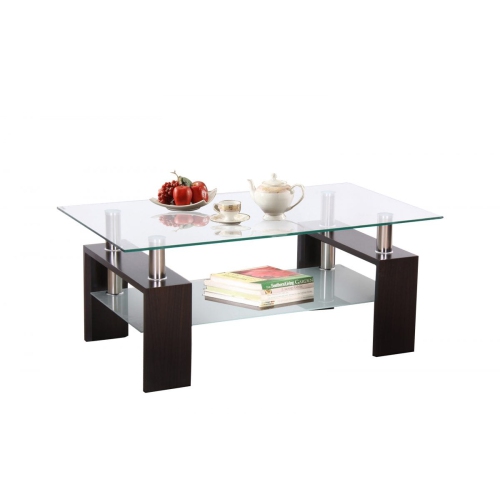


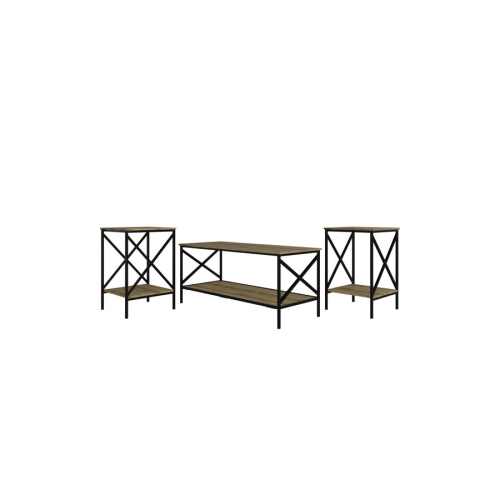

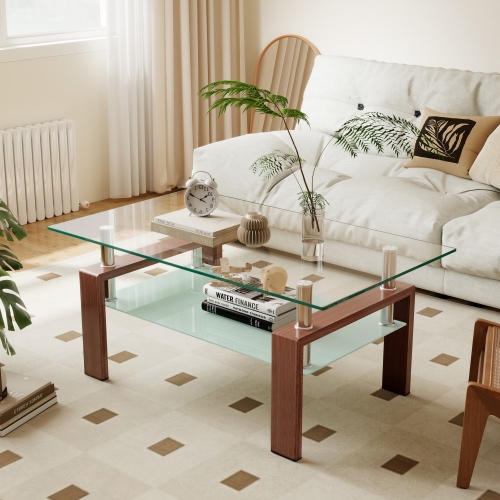
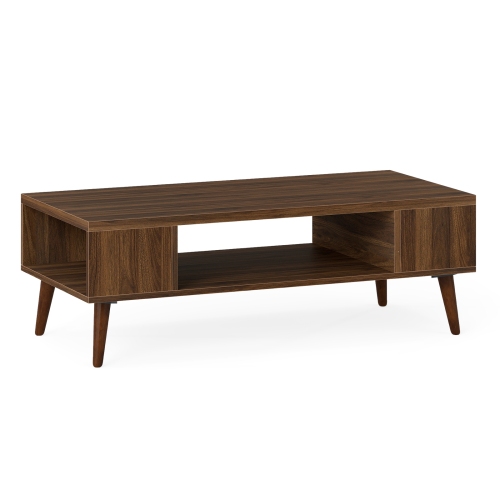
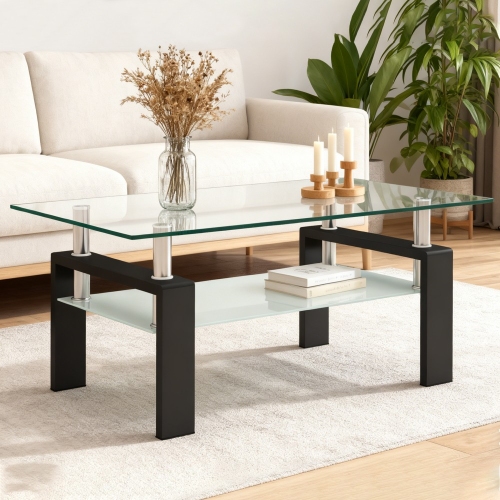

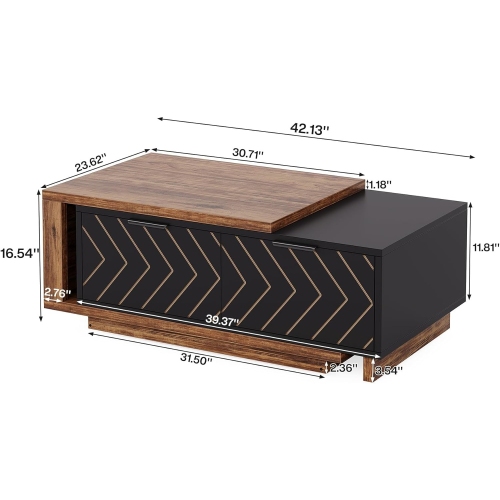




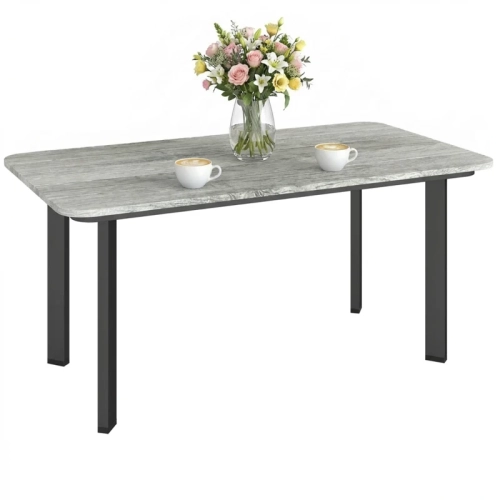


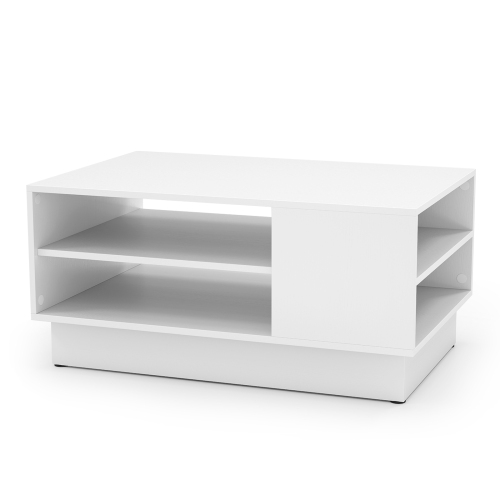


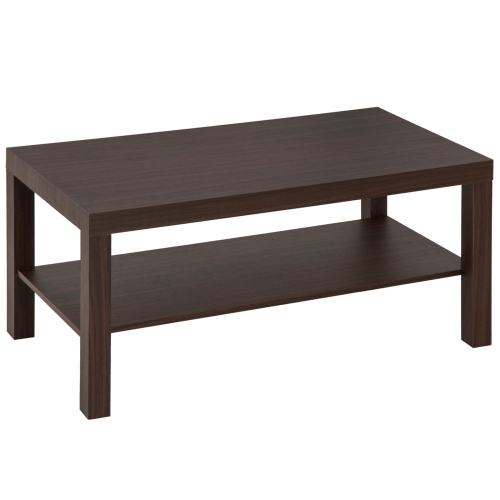


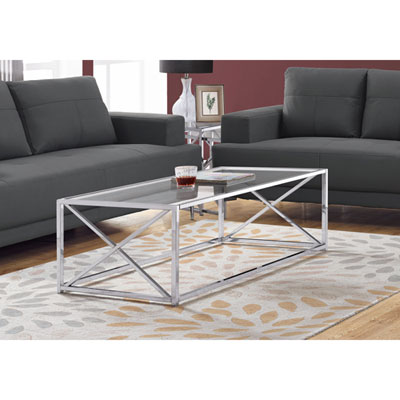





The warm undertones behind espresso’s dark appearance
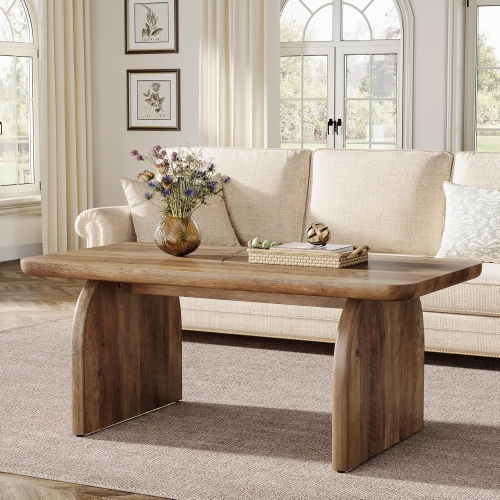
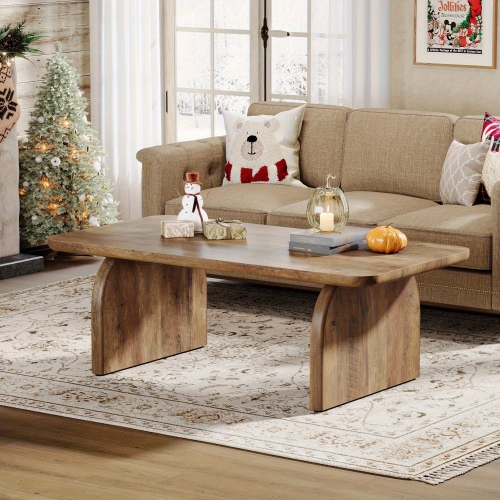
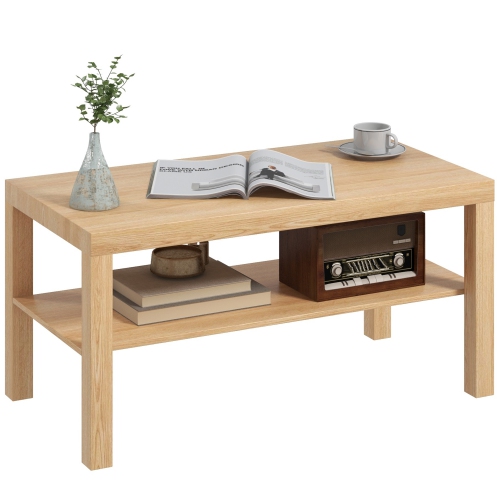
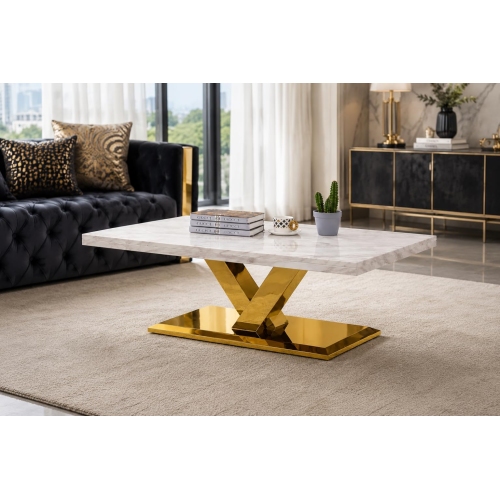
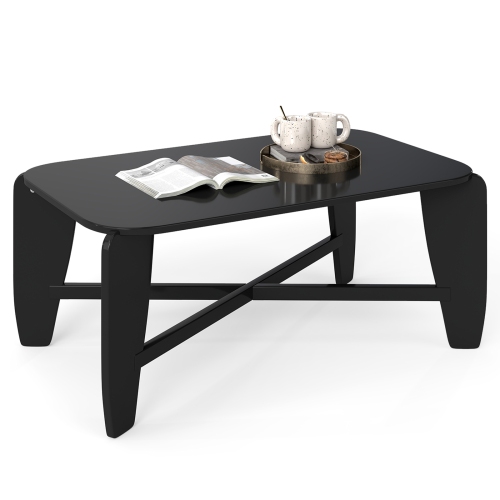
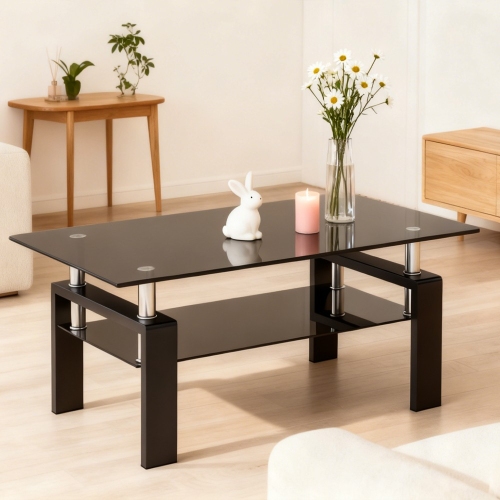
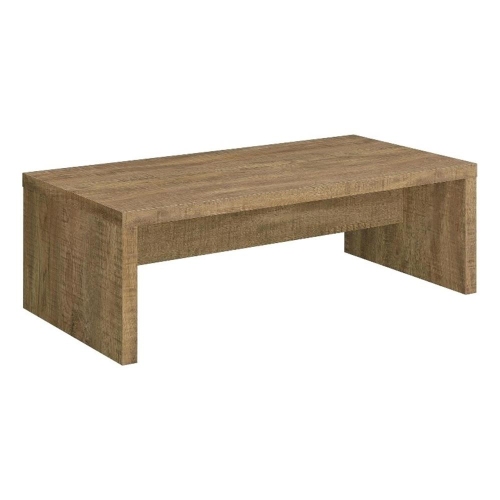
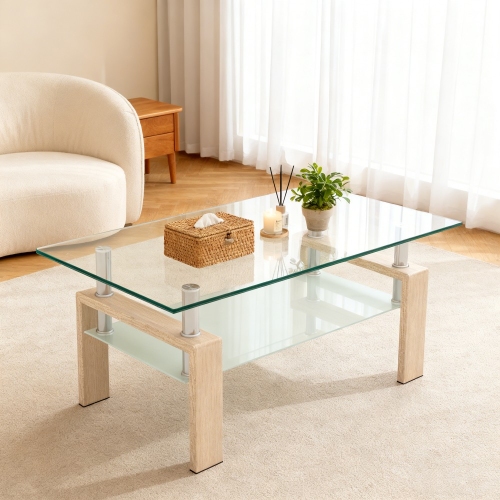
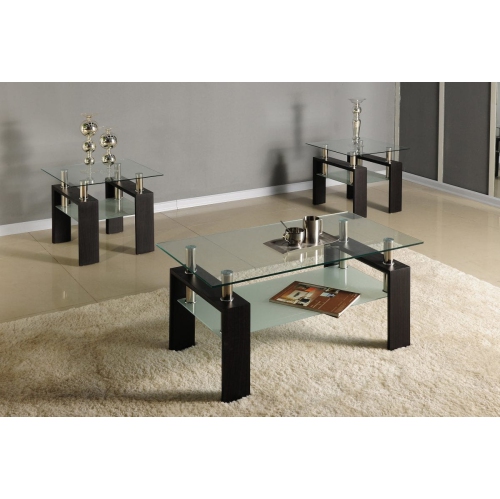
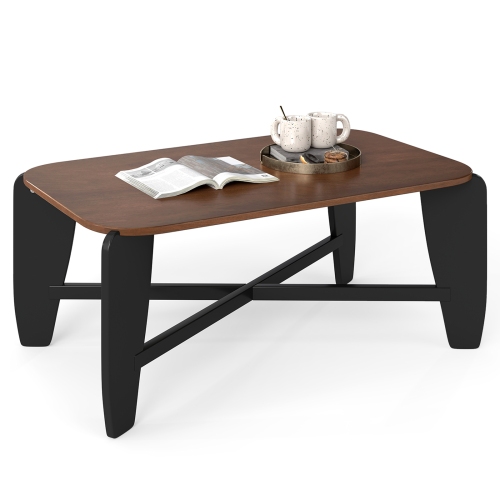
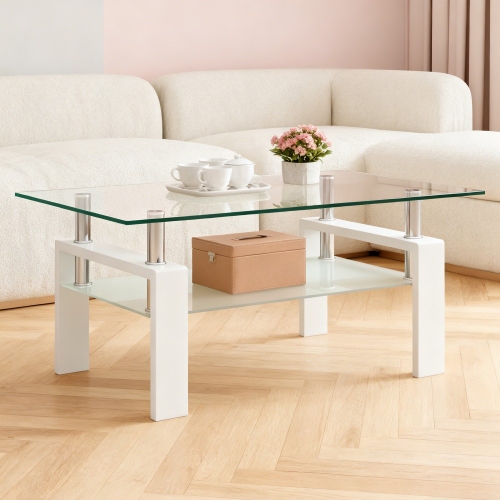
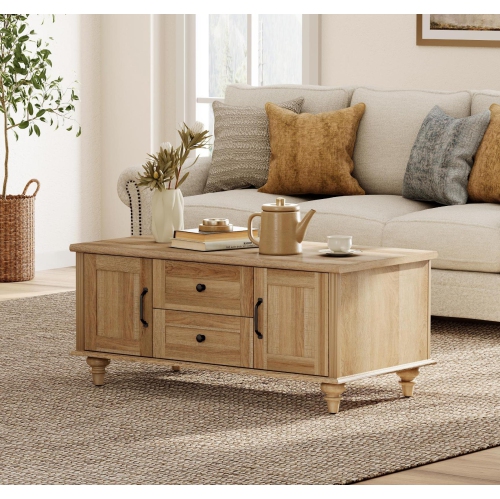
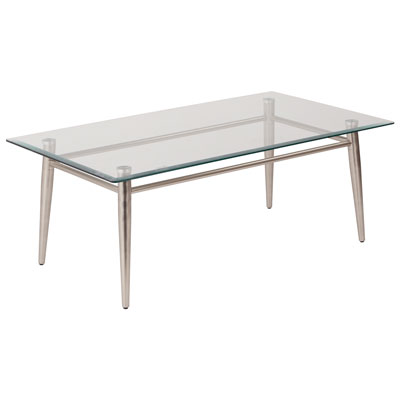
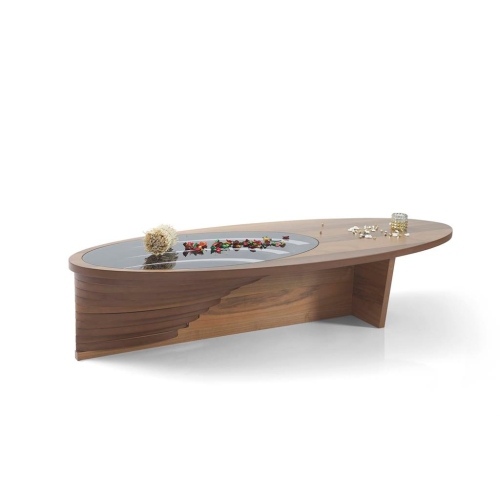
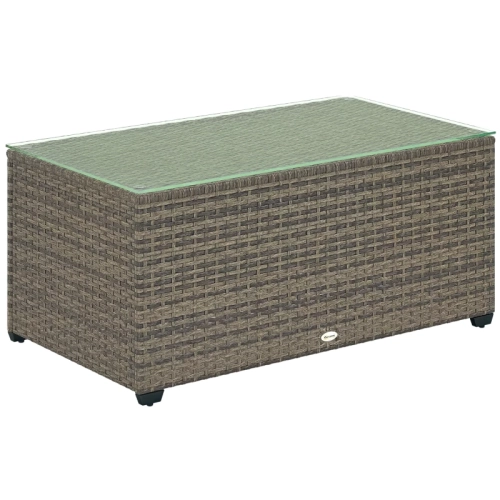
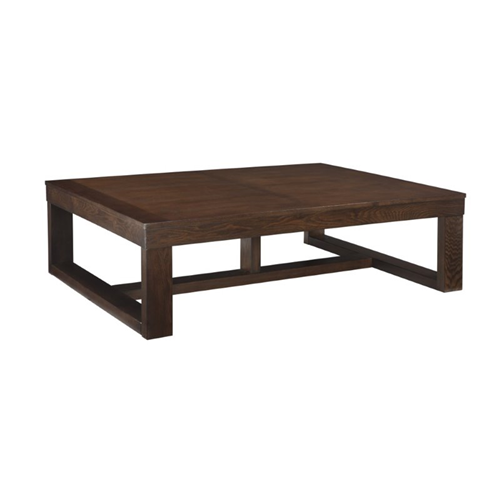
Rectangular espresso coffee tables combine an elongated tabletop with a deep brown finish that can appear almost black in some lighting. Espresso describes the colour rather than a particular wood species, so tables with this finish can have different materials, grain patterns, and surface textures. The rectangular shape sits naturally alongside a sofa, providing a central surface for drinks, books, remote controls, and everyday living room essentials. Its straight lines can bring structure to a seating area without competing with the curves of an upholstered armchair or the softness of a textured rug. Against cream, beige, or light grey upholstery, an espresso finish creates a distinct contrast; alongside deeper colours, it contributes to a more layered, understated arrangement. The finish may reveal warm brown undertones in daylight, while a room with less natural light can make the same colour look richer and darker. Construction affects both appearance and everyday performance. Solid wood can show natural variations in grain and may develop small marks with use, while wood veneer provides a real wood surface over a supporting core. Engineered wood with a laminate or other applied finish can offer a more uniform appearance, with durability depending on the surface, edge treatment, and overall construction. A glass inset can break up the dark tabletop visually and leave the frame visible beneath it. Tempered glass is stronger than ordinary glass, though it still needs protection from sharp impacts, particularly around its edges. Metal legs or framing can give an espresso table a lighter-looking profile, while broad wooden legs and thicker tops create a more substantial presence. These differences allow the same colour and shape to work in rooms ranging from clean-lined contemporary spaces to more traditional living areas. Smooth surfaces tend to look more tailored, while visible grain or a textured finish adds character without changing the table’s basic role as a practical centrepiece.
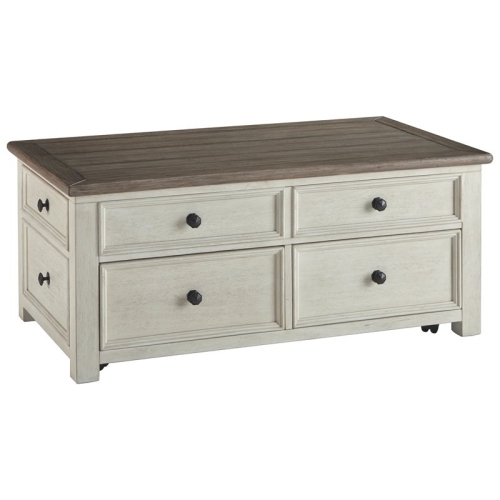
The proportions of a rectangular coffee table matter as much as its finish. A tabletop around two-thirds the length of a sofa often creates a balanced arrangement, although the room layout, nearby chairs, and seating configuration can call for a different size. A height close to the sofa’s seat cushion, or slightly lower, usually keeps drinks and other essentials within comfortable reach. A roughly 14- to 18-inch gap between the sofa and table can provide legroom while keeping the surface accessible, but wider routes may be necessary wherever people regularly walk through the room. Reclining seats need enough room for their footrests to extend without contacting the table, and a sectional’s chaise can limit how much length or depth fits comfortably. In a compact apartment, a narrow rectangular top may preserve a useful path through the seating area; in a larger living room, a longer table can connect several seats around a shared surface. Storage changes how that footprint works. An open lower shelf gives books, baskets, and board games a place away from the tabletop, though it also leaves them visible. Drawers can keep small accessories out of sight, while divided compartments make it easier to separate remotes, charging cables, and reading materials. Lift-top designs bring part of the surface closer for occasional laptop use or a casual meal, with the mechanism, raised height, and clearance requirements varying by design. The table should remain stable during operation, and any stated load limits apply to both the top and storage areas. For households with young children, corner shape, accessible moving parts, and the placement of breakable objects deserve attention. A coffee table is not a seat or step unless it is specifically designed for that purpose. A tray can gather smaller objects into one area, leaving more usable surface for a puzzle, a serving plate, or an evening of cards.
Day-to-day care helps an espresso finish retain its depth and keeps the table pleasant to use. Dark surfaces can make pale dust, fingerprints, and fine scratches more noticeable, particularly on smooth or glossy tops. A soft cloth used regularly removes loose dust before it can be dragged across the finish. For spills, prompt blotting is generally preferable to rubbing, followed by cleaning suited to the material and the manufacturer’s directions. Excess moisture should not sit along seams, around glass inserts, or at exposed edges, where it may affect the finish or underlying material. Coasters protect against moisture rings, and an appropriate heat-resistant mat creates a barrier beneath warm serving dishes. Felt pads beneath decorative objects can reduce scratching when a vase or bowl is moved, while lifting objects rather than sliding them helps protect the surface. Glass sections may need a different cleaner from the surrounding frame; applying cleaner to a cloth rather than spraying across mixed materials helps keep it where it belongs. Abrasive pads and harsh cleaning products can dull or damage finishes, so compatibility matters more than the strength of a cleaner. Long periods of direct sunlight can alter the colour of some wood surfaces, and uneven exposure may leave areas beneath objects looking different over time. Secure joints, well-fitted hardware, and a stable base also contribute to lasting everyday use, with any assembly checks or adjustments carried out according to the supplied instructions. For a room already furnished with brown wood tones, espresso does not need to match every piece exactly: repeating a similar undertone or pairing it with lighter wood can create a deliberate mix. The wider colour family represented by Rectangular Brown Coffee Tables provides context for comparing espresso’s darker appearance with other brown finishes. A rectangular espresso coffee table can suit a first apartment, a shared family room, or a more formal sitting area, with its usefulness shaped by dimensions, storage, and the way people gather around it.
Top selling and popular products
-
 Your price for this item is $949
-
 Your price for this item is $449
-
 Your price for this item is $649
-
 Your price for this item is $599
-
 Your price for this item is $549
-
 Your price for this item is $311.99
-
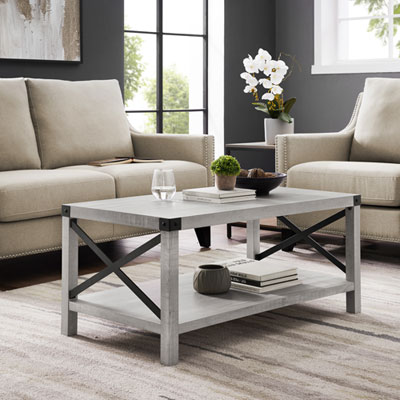 Your price for this item is $249.99
-
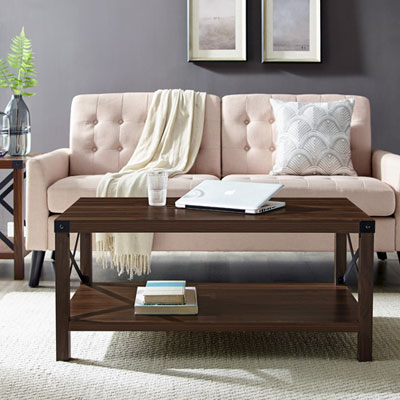 Your price for this item is $311.99
Discover more categories related to Rectangular Espresso Coffee Tables

Top Collections:
Pokemon Centers, Kindle Devices, Best Cameras for Sports Photography, Pokémon 30th Celebration Cards, Apple iPhones 16, Canon G7X Cameras, iPhone 15 Apple, Flip Phones, Samsung Galaxy Phones, Alarm Clock
Some products may be subject to Environmental Handling Fees
(EHF) depending on your province.
Learn more about EHFs.