Recumbent Bikes
Recumbent bikes are a great way to get an intense workout while still providing a comfortable ride. These unique designs allow you to sit back and pedal in a reclined position. Recumbent bikes provide low-impact workouts that are gentle on your joints while still delivering impressive results. Here are some great options available.
Sort

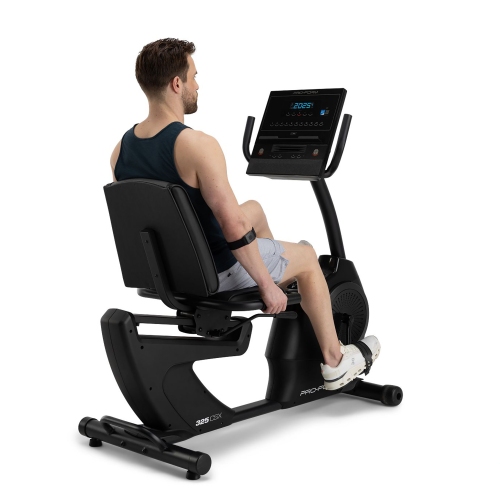


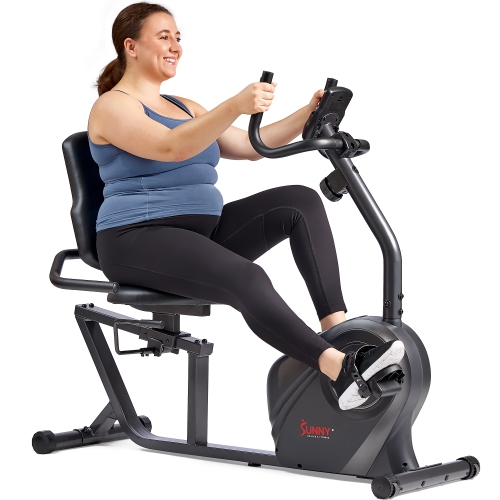


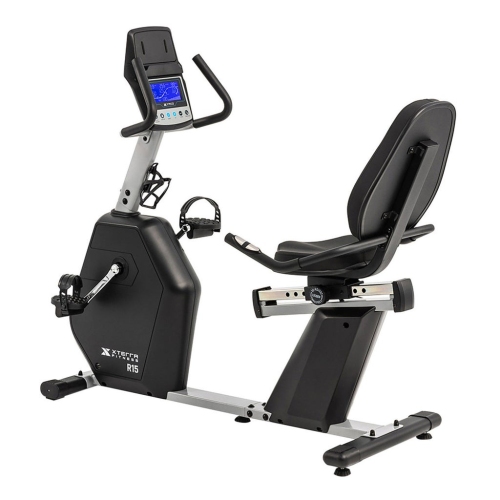
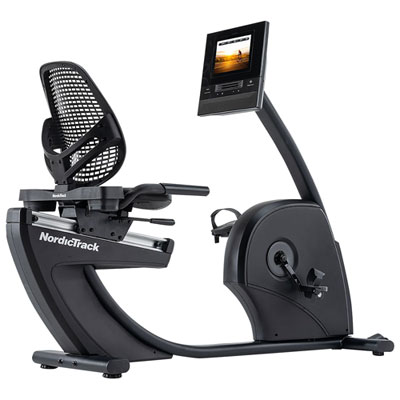


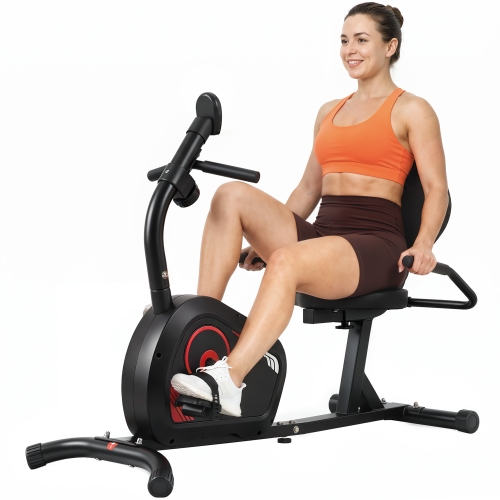


Comfort-focused features for steady indoor cardio at home
Recumbent bikes are stationary exercise bikes designed with a laid-back riding position, a broad supported seat and pedals placed in front of the body. Instead of balancing on a narrow saddle with the torso leaning forward, the rider sits with the back supported and the upper body relaxed, making this style of exercise bike a comfortable choice for steady indoor cardio. The reclined position spreads body weight across the seat and backrest, which can help reduce pressure on the wrists, hips and knees during a workout. Many people choose recumbent bikes for low-impact movement that still engages the quadriceps, hamstrings and glutes. They can be useful for someone returning to activity after a long break, building a consistent fitness routine at home, or adding cardio alongside walking, strength training or stretching. A step-through frame can make getting on and off easier, particularly for older adults or anyone with limited mobility, while adjustable seats and pedals help accommodate different heights. If the bike will be used during recovery from an injury or surgery, it is important to follow guidance from a health professional and select a resistance level that matches the rider’s abilities. For additional equipment suited to gentle, structured movement, browse Exercise Bikes for Rehabilitation. Recumbent bikes may also suit households where several people share one machine, since an easy-to-adjust seat allows different riders to find a comfortable position without changing the overall setup. They can be especially appealing during cooler months or whenever outdoor conditions make walking and cycling less convenient. A workout can fit into a quiet corner of a bedroom, home gym or living area, allowing the rider to listen to music, follow a class or watch a programme while maintaining a measured pace.
When comparing recumbent bikes, begin with the fit and frame rather than focusing only on the number of features. The seat should support the lower back without forcing the rider to slouch, and the pedals should be close enough that the knees remain slightly bent at the farthest point of each rotation. A sliding seat, adjustable backrest or multiple position settings can make a noticeable difference when the bike is shared or when comfort needs change over time. Look for a stable base that stays planted during pedalling, along with a clear display that is easy to read from the reclined position. Depending on the rider’s goals, useful information may include time, speed, distance, estimated calories, pulse and resistance level. Magnetic resistance is often valued for its smooth, quiet operation, which works well in apartments or shared living spaces, while a wider range of resistance levels gives a beginner room to start gently and an experienced rider more opportunity to progress. Some recumbent bikes include preset workouts, interval programmes, heart-rate sensors or app connectivity; these features can add structure for people who enjoy tracking sessions, although a simple model may be the better fit for riders who want straightforward controls. Pay attention to the maximum user weight, assembled dimensions and clearance around the pedals, seat and handlebars. A bike may fit within a measured space but still feel cramped if it is placed too close to a wall or furniture. Check whether it can be moved easily, whether the seat can be adjusted without tools and whether the control panel is intuitive enough for every intended user. Noise, storage and maintenance also matter in a home setting. A smooth pedal motion and secure foot straps can make regular sessions feel more natural, while a water bottle holder, device shelf or built-in transport wheels can add practical convenience.
A recumbent bike can be a thoughtful gift for someone who wants a more comfortable way to stay active at home, particularly when outdoor cycling is impractical or a conventional upright bike feels too demanding. It may also be useful for a couple, family or roommate arrangement where users have different fitness levels and prefer separate resistance settings. Beginners can start with short sessions at an easy pace, concentrating on smooth revolutions and a relaxed upper body before gradually increasing duration or resistance. More experienced riders can use interval changes, longer steady sessions or a structured training plan to support cardiovascular fitness and leg strength. Because the back is supported, it is easier to maintain a consistent posture, but comfort should never replace attention to proper positioning: the knees should not lock at full extension, the feet should remain secure and resistance should be increased gradually. A few minutes of gentle movement at the beginning and end of a workout can help the body transition in and out of exercise. During the warmer part of the year, a recumbent bike offers an indoor alternative when heat, rain or poor air quality makes outdoor activity less appealing; during the cooler months, it can help maintain a routine without relying on daylight or road conditions. Place the bike where there is adequate ventilation and enough room to mount safely, and keep a towel and water nearby for longer rides. Whether the goal is gentle daily movement, rehabilitation support approved by a clinician, general cardio or a convenient addition to a home gym, the best recumbent bike is one that matches the rider’s comfort, available space, desired level of guidance and willingness to use it regularly. A supportive seat, accessible controls and a smooth pedalling motion can turn an unused corner into a dependable place for movement.
Top selling and popular products
-
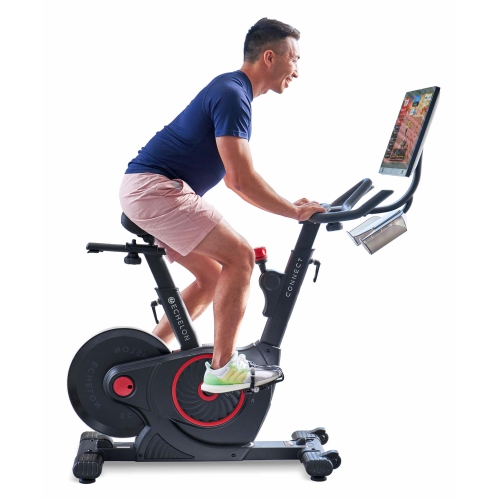 Your price for this item is $1899.99
-
 Your price for this item is $1299.99
-
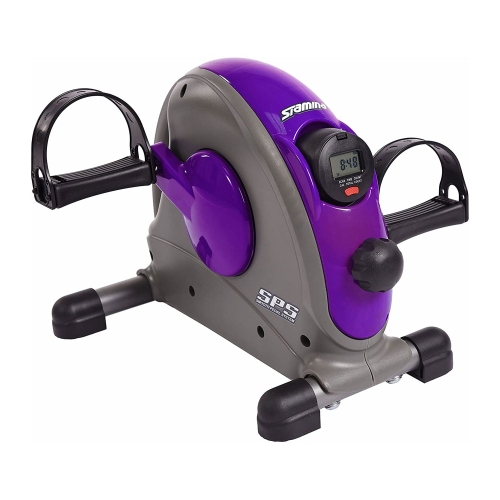 Your price for this item is $169.99
-
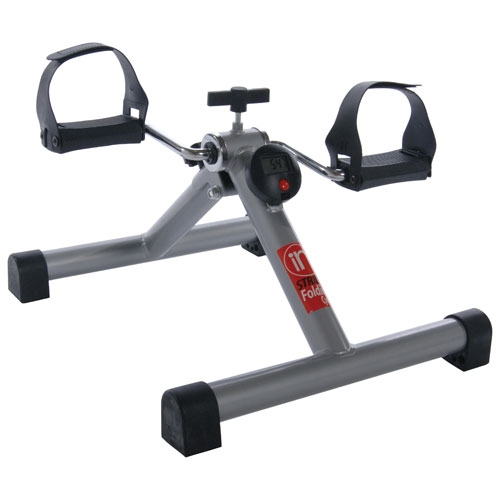 Your price for this item is $103.99
-
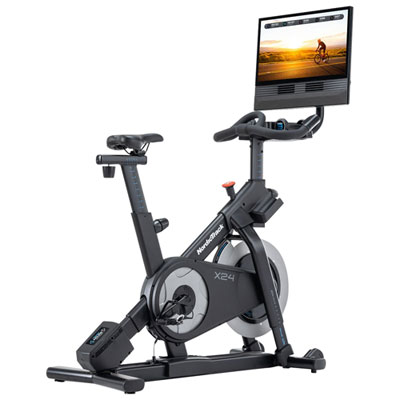 Your price for this item is $2701.98
-
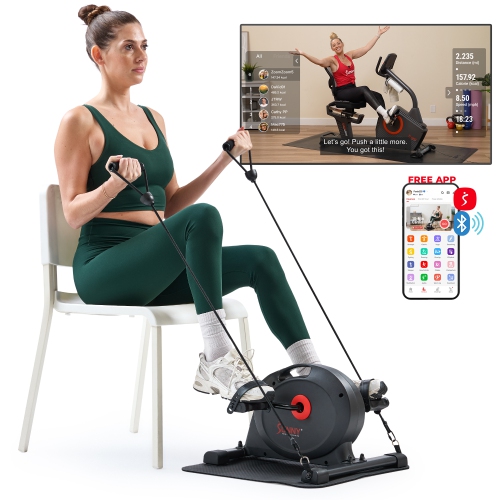 Your price for this item is $159.99
-
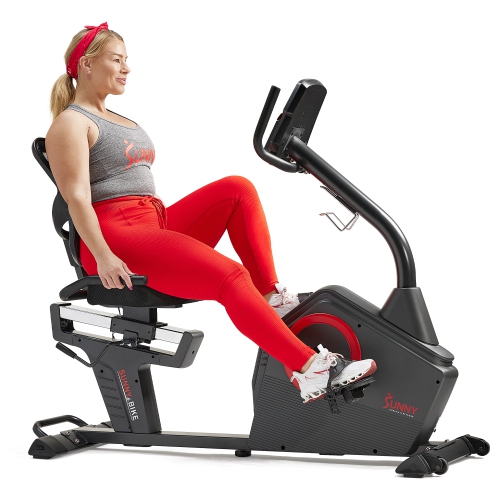 Your price for this item is $899.99
-
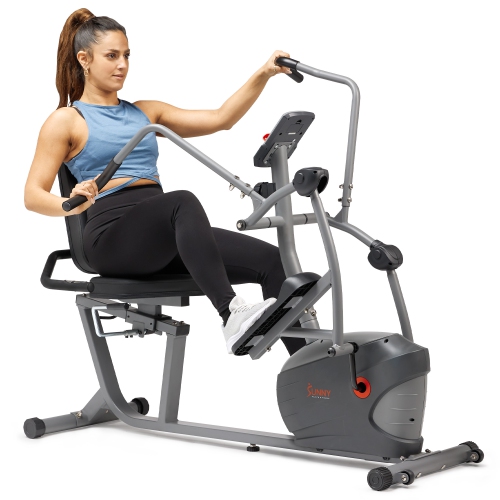 Your price for this item is $769.99
Discover more categories related to Recumbent Bikes


Top Collections:
Pokemon Centers, Best Cameras for Sports Photography, Kindle Devices, Samsung Galaxy Phones, Canon G7X Cameras, Pokémon 30th Celebration Cards, Refurbished Apple Laptops, iPhone 15 Apple, Laptops for Students, Budget Smartphones
Some products may be subject to Environmental Handling Fees
(EHF) depending on your province.
Learn more about EHFs.