Retro End Tables
If you're looking for a retro-inspired end table, you've come to the right place. These tables are perfect for adding a little bit of old-school style to your home. Here are some of our favorites.
Sort
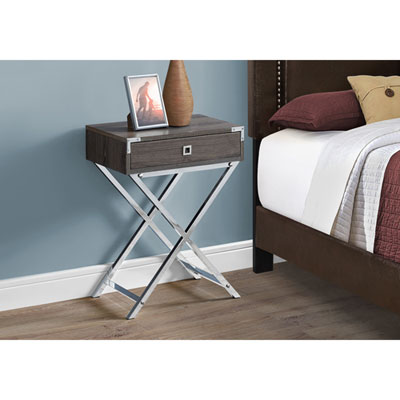
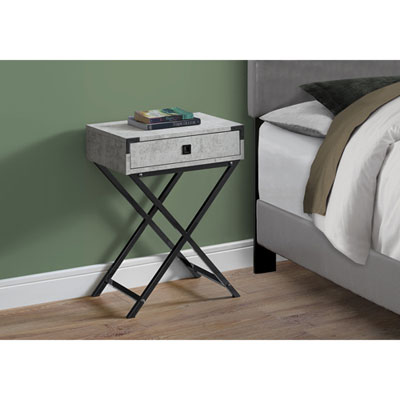
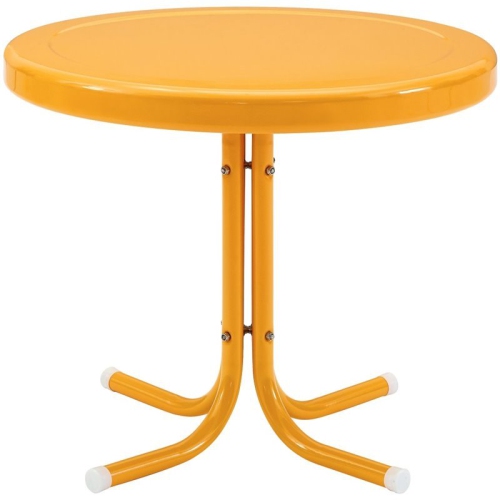
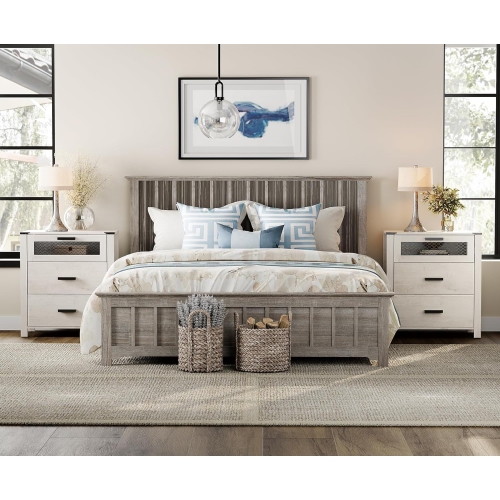
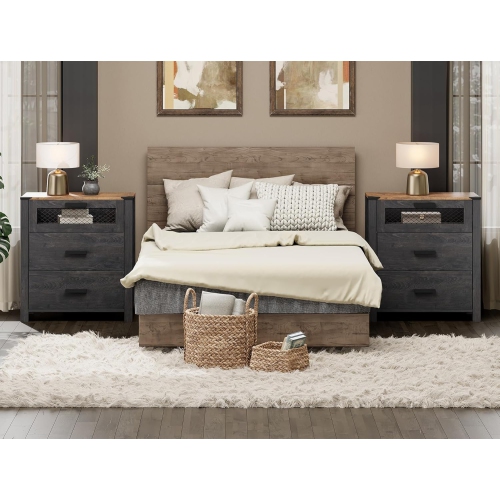
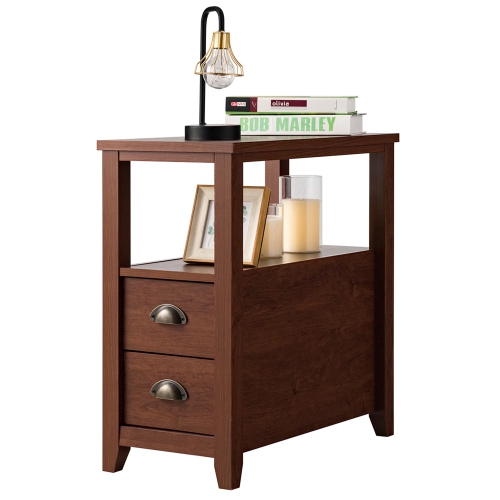
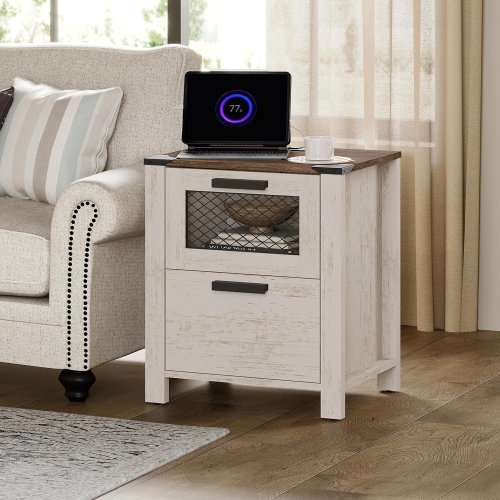
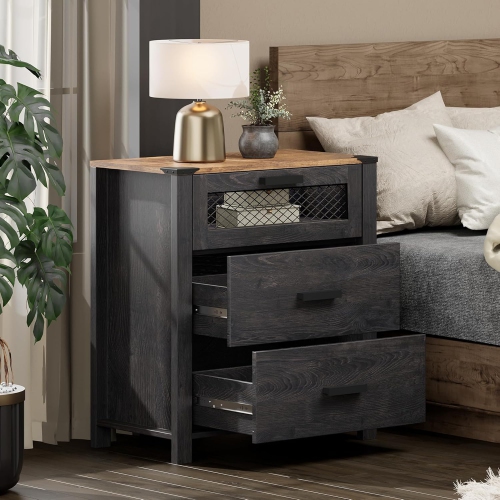
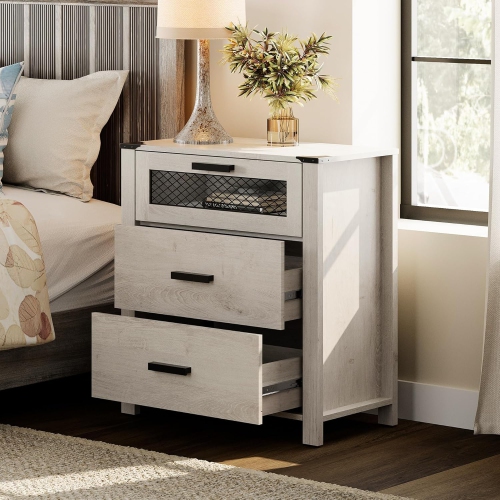
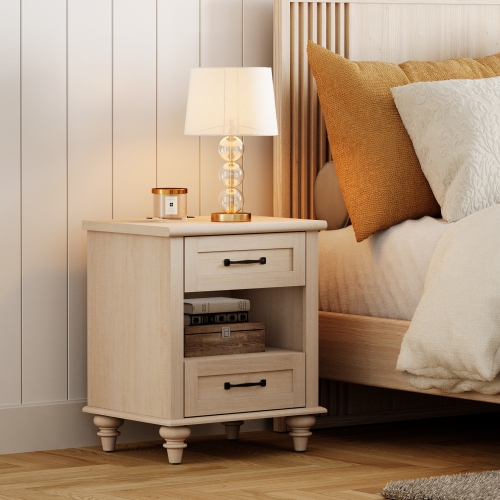
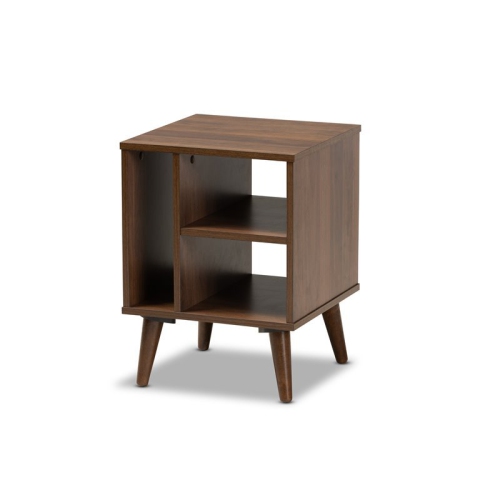
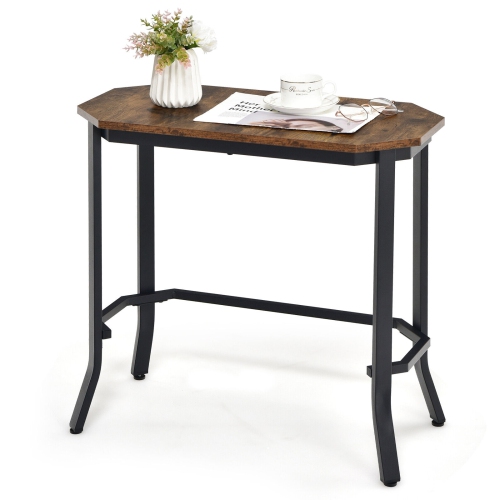
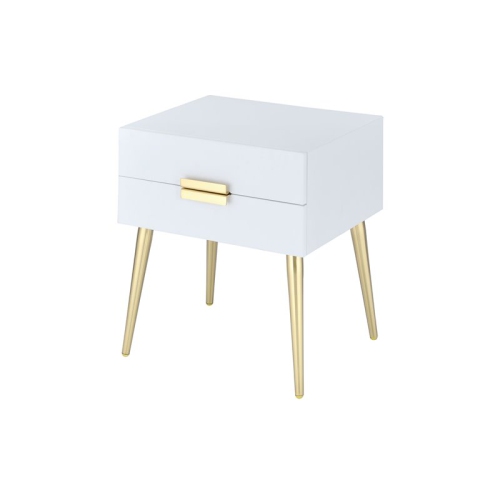

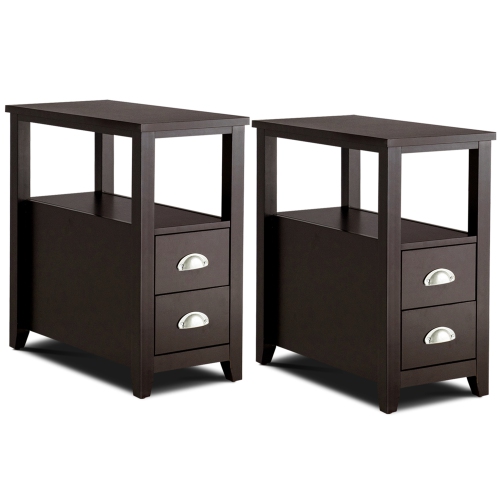
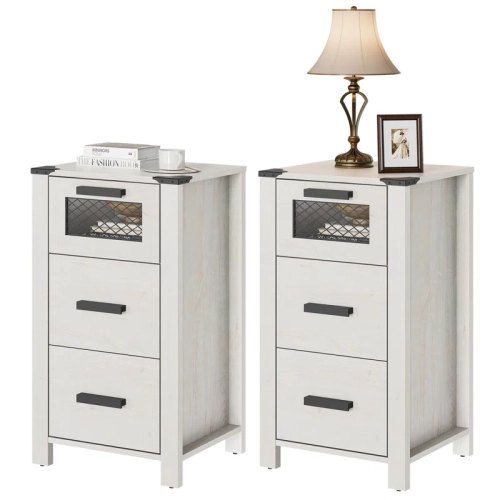
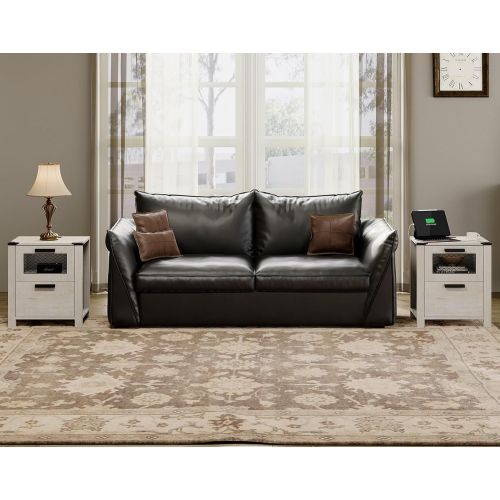
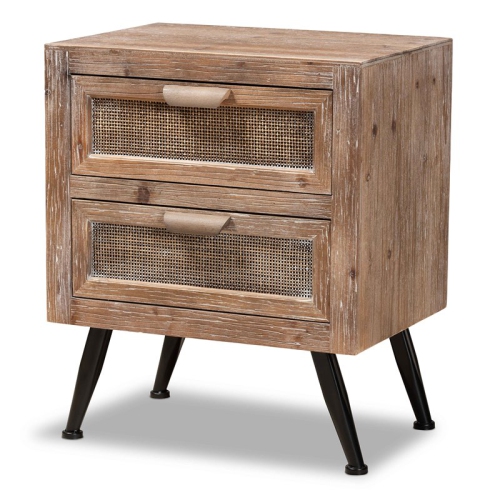
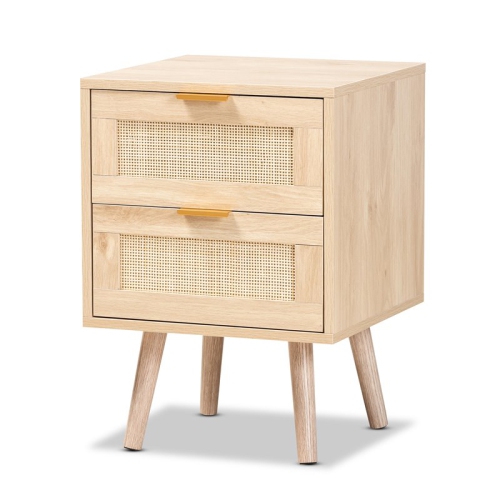

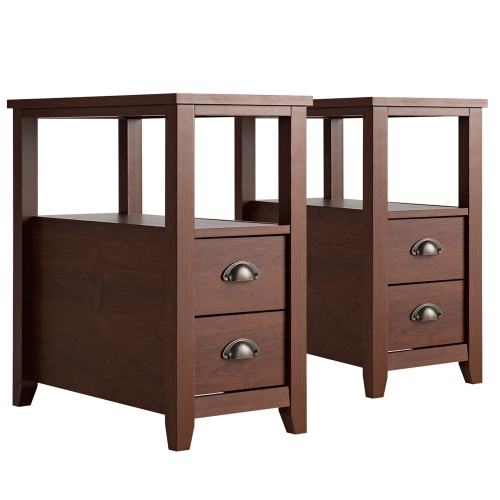
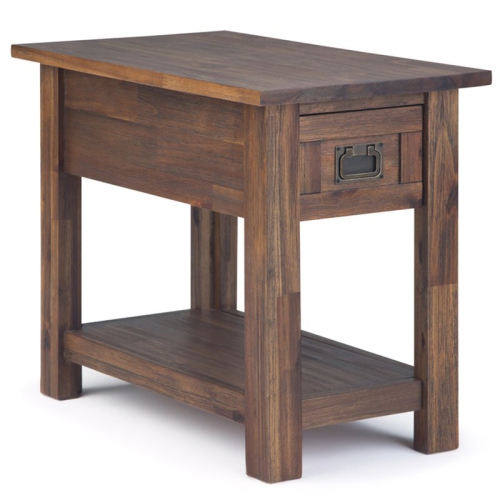
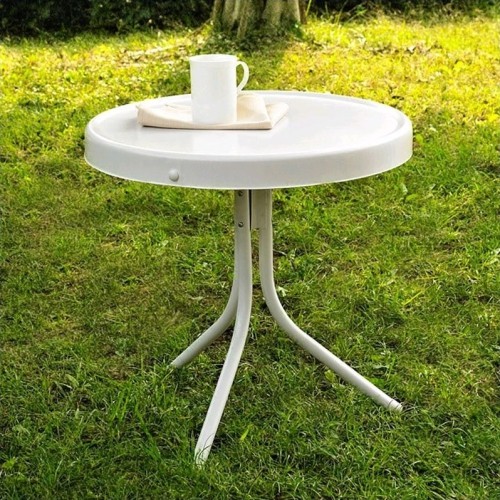
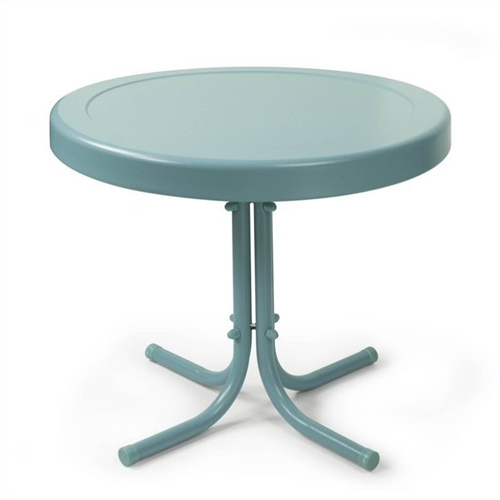
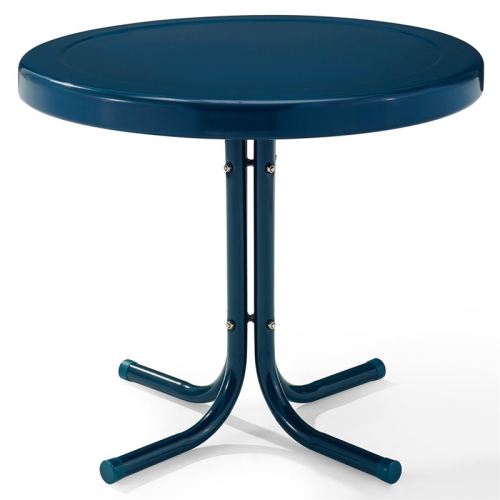
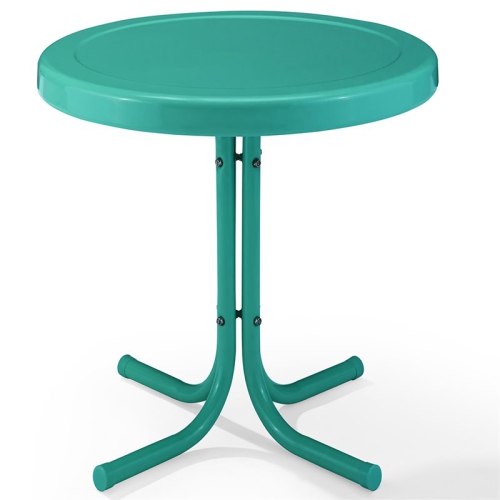
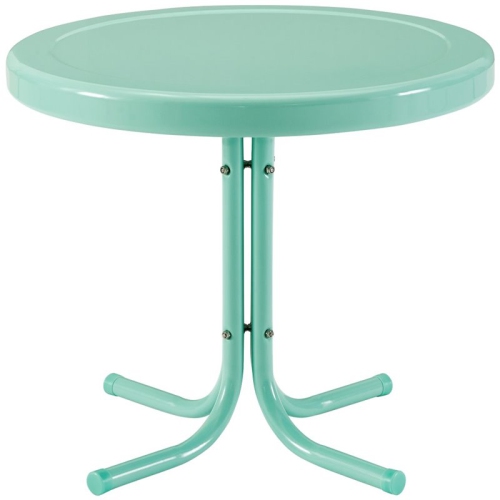
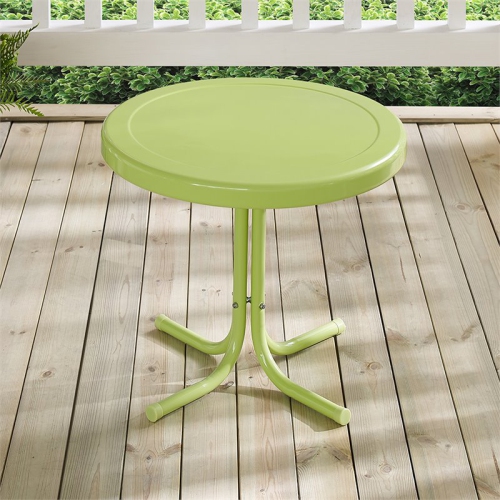
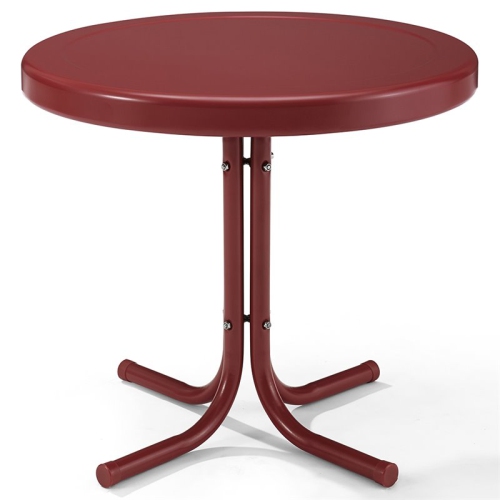
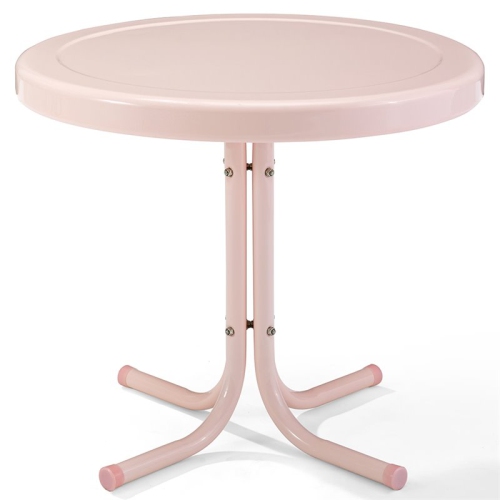
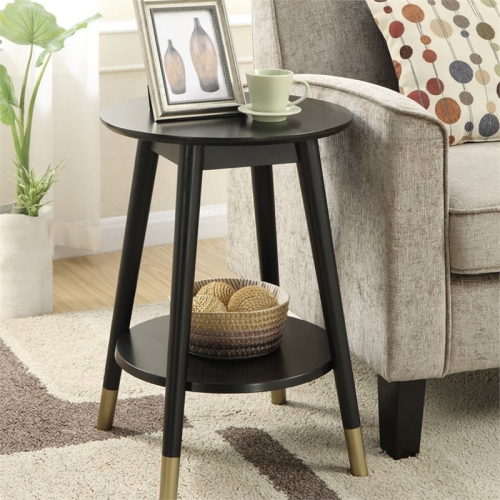
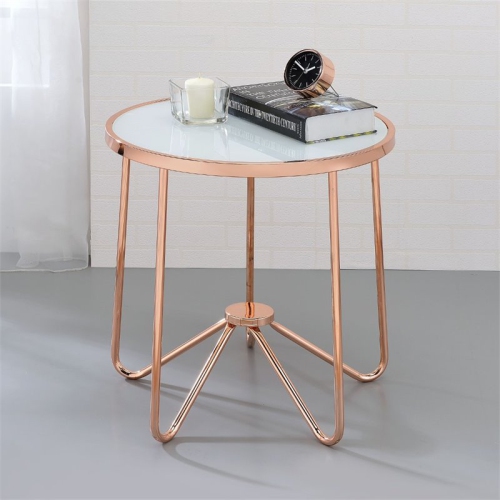
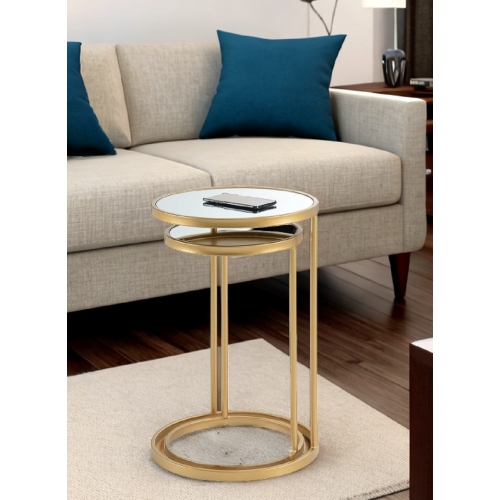
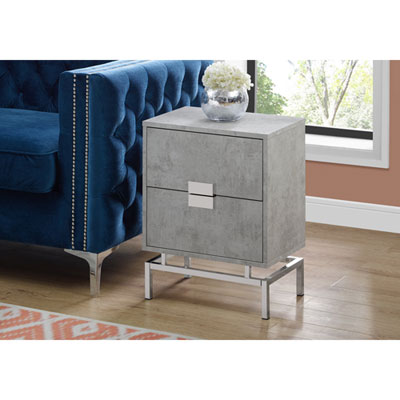
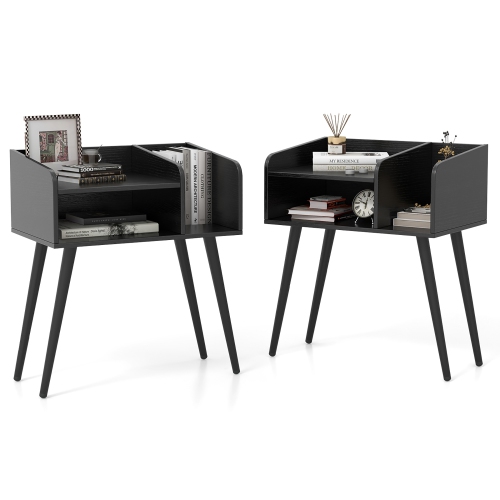
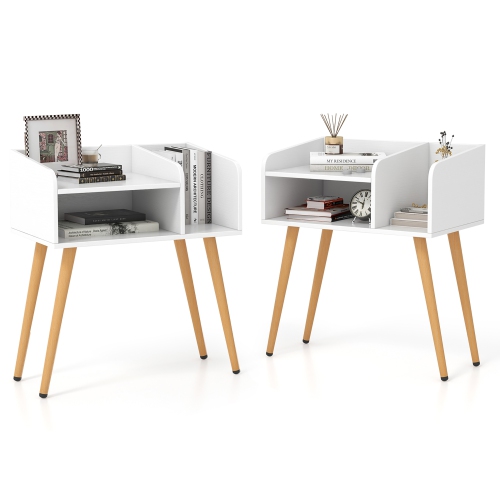
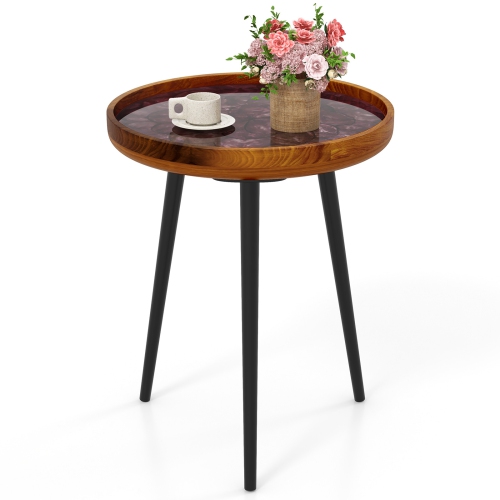

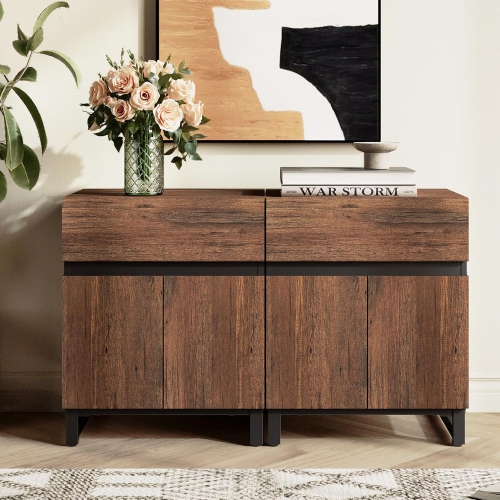
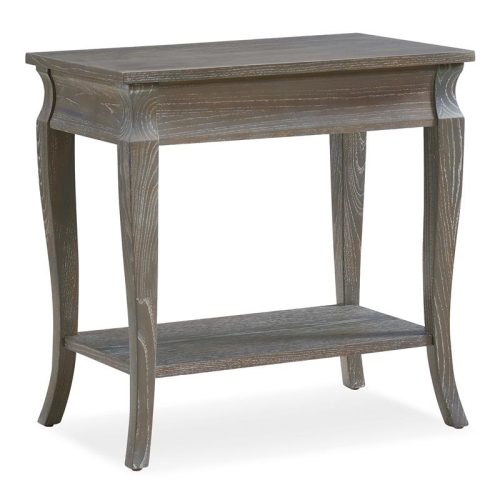
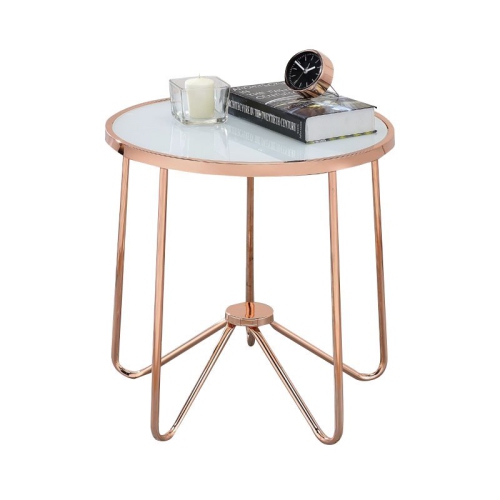

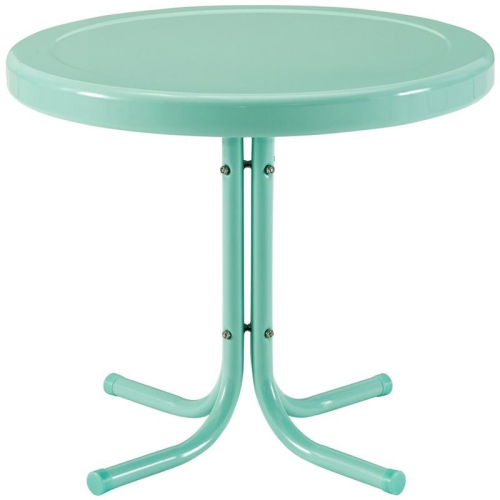
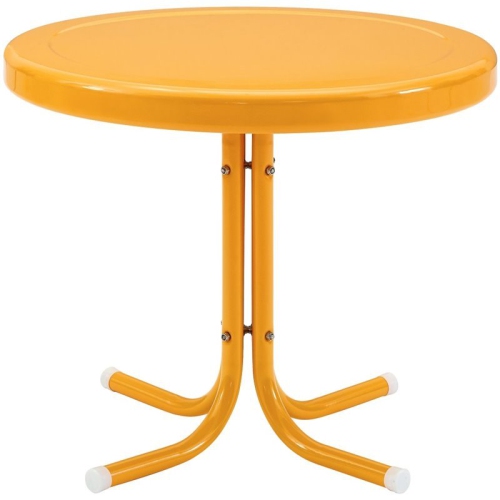
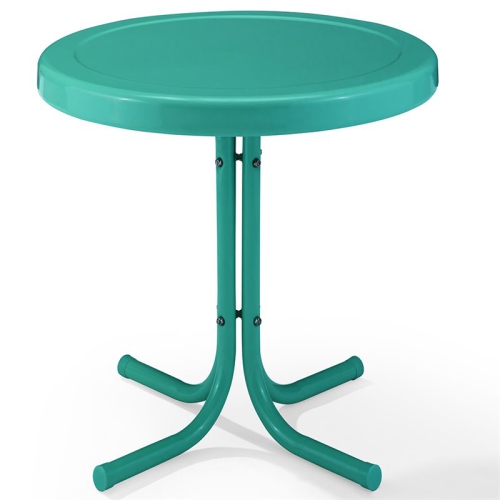
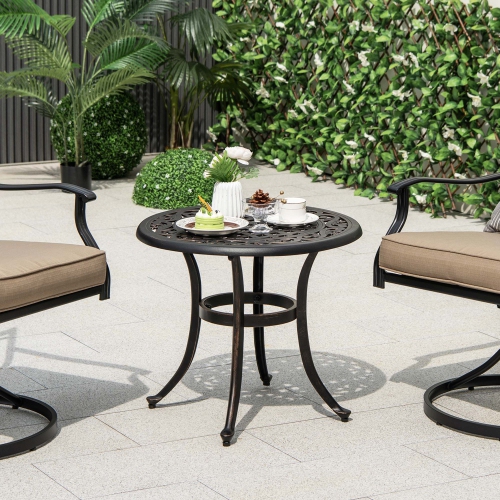
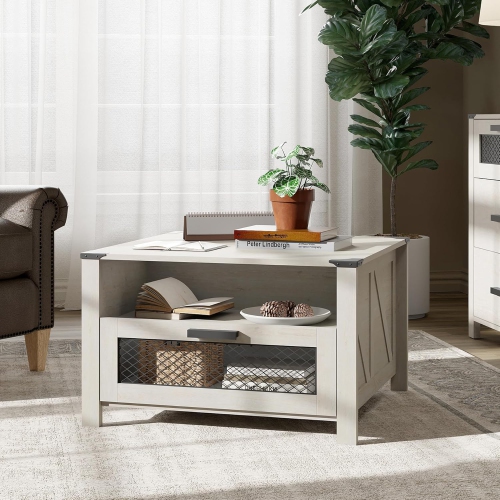
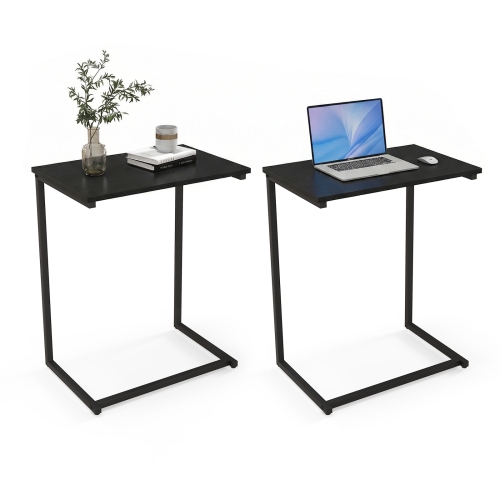
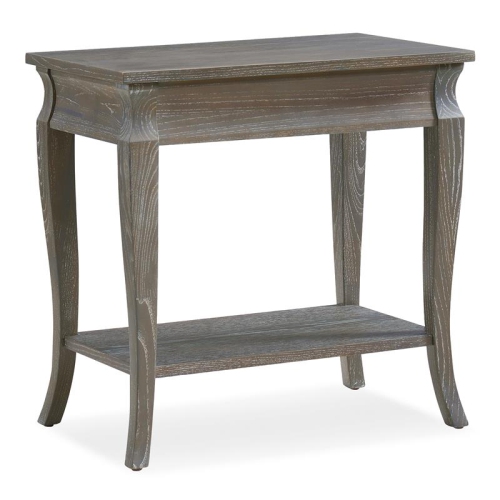
Vintage-inspired details with practical space for everyday essentials
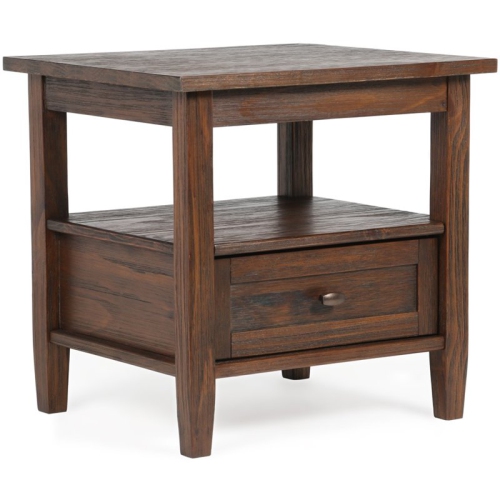
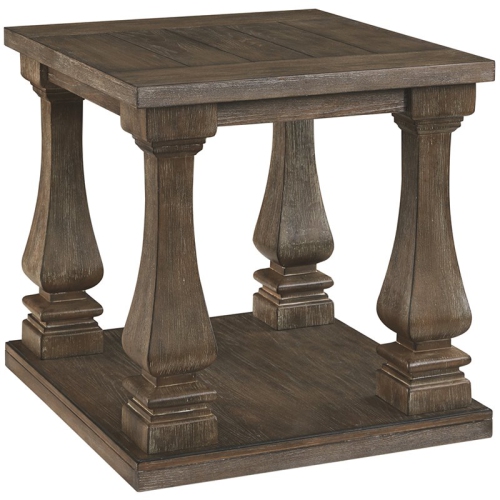
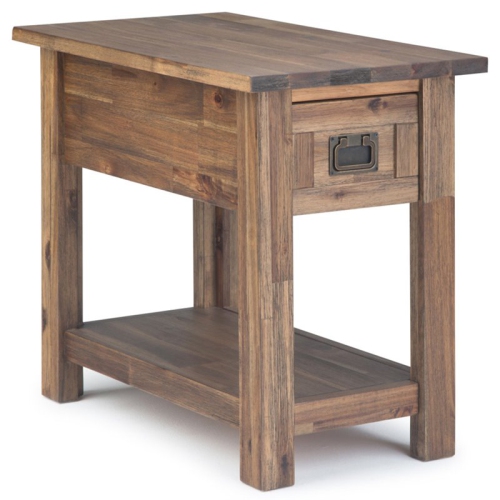
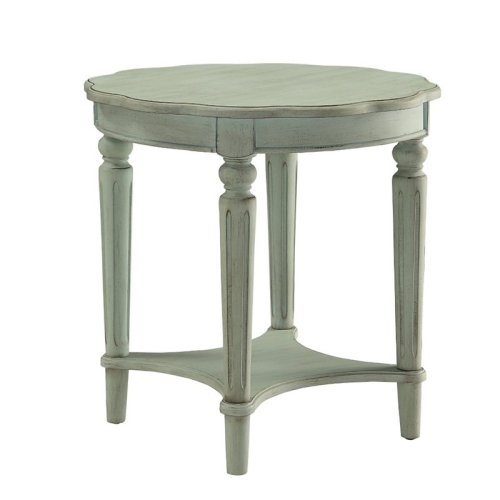
Retro end tables bring personality to a room without taking up the visual space of a larger coffee table or cabinet. Inspired by the distinctive shapes, colours, materials and silhouettes associated with the 1950s, 1960s and 1970s, these accent pieces can make a living room, bedroom, reading nook or home office feel more collected and expressive. Mid-century-inspired designs often pair warm wood tones with tapered legs and clean lines, creating a balanced look that works well beside a sofa or lounge chair. Atomic and space-age influences may appear in curved, boomerang-shaped or kidney-shaped tops, angled supports and playful geometric details. Other retro end tables draw from industrial interiors with metal frames, hairpin legs or bold laminate surfaces, while 1970s-inspired styles may feature rattan, bamboo, glass shelving or tiered construction. This variety makes it easier to choose a table that complements the room’s existing character rather than forcing the entire space into one specific decade. A richly coloured table can add a lively accent to a neutral room, while walnut-inspired finishes, natural wood tones or understated black frames can blend into a more restrained setting. Even a compact table can help define a seating area, giving a chair or sofa a finished appearance while creating a convenient place for a lamp, book, remote control, beverage or decorative object. During the warmer seasons, an end table can sit near a bright window or beside a balcony door to support a comfortable reading spot, while during the cooler months it can keep everyday essentials close to a favourite chair where the room feels especially inviting.
When choosing retro end tables, consider the available floor space, the height of nearby furniture and the way the table will be used from day to day. A table beside a sofa generally feels most comfortable when its surface sits close to the arm height, making it easy to reach without leaning forward or stretching. Measure the area carefully, including the clearance needed to walk around the table, open a drawer or move a chair. A narrow design can work well in a smaller apartment, hallway seating area or bedroom, while a wider or multi-tiered table may be more useful beside a sectional or in a spacious lounge. Think about the items that will rest on the surface, too. A lamp with a broad base, a stack of hardcover books or a ceramic planter may need more room than a simple place to set a cup. Shelves and drawers can provide useful storage for reading glasses, charging cables, coasters and other small essentials, while an open lower shelf can display books, records, baskets or treasured objects. Materials also affect the feel and maintenance of the table. Wood-look finishes can bring warmth and visual depth, glass can keep a compact room feeling open, and metal can introduce a crisp contrast against upholstered furniture. Rounded edges and softened corners may be a practical choice in a busy family room, especially where people move between seating and other areas of the home. If you prefer a softer, more decorative profile, explore complementary shapes such as Vintage Round End Tables. Check the listed dimensions, weight capacity, assembly requirements and care instructions before making a selection, particularly if the table will support a lamp, audio equipment or frequently used household items. Coordinating two tables is not essential; pairing different shapes or finishes can create a relaxed, thoughtfully layered look, provided they share at least one visual detail such as a similar leg style, colour family or material.
Retro end tables can suit many kinds of homes and routines. They are useful for someone furnishing a first apartment, refreshing a guest room or adding character to a home office that needs a more welcoming place for a task light and notebook. They can also make considerate gifts for a new homeowner, a design enthusiast, a collector of vintage-inspired décor or anyone who enjoys creating a comfortable entertainment area. A table with a lower shelf can help organize a reading corner, while a compact design beside a bed can hold a bedside lamp, alarm clock and evening essentials without the bulk of a larger nightstand. In a living room, two matching tables can frame a sofa and create symmetry, or one distinctive piece can become a conversation-starting accent beside a lounge chair. A table near a record player, bookcase or display cabinet can reinforce a nostalgic theme, while a simple wood-and-metal design can add a hint of retro style to contemporary furniture. Colour is another way to shape the atmosphere: mustard, orange, teal, olive and warm brown can echo classic interiors, whereas cream, charcoal and natural finishes offer an easier transition between decorating styles. Look for sturdy construction and a stable base if the table will be used every day, and consider felt pads or protective coasters to help keep the surface looking neat. For flexible decorating, select a lightweight table that can move between rooms when guests arrive or when the seating arrangement changes. The best choice ultimately reflects both appearance and habit: a decorative piece should still leave enough room for a morning coffee, an afternoon book or a small lamp at the end of a long day. With the right proportions and details, retro end tables add practical surface space while giving a room the warmth, optimism and individuality of a carefully chosen vintage-inspired design.
When choosing retro end tables, consider the available floor space, the height of nearby furniture and the way the table will be used from day to day. A table beside a sofa generally feels most comfortable when its surface sits close to the arm height, making it easy to reach without leaning forward or stretching. Measure the area carefully, including the clearance needed to walk around the table, open a drawer or move a chair. A narrow design can work well in a smaller apartment, hallway seating area or bedroom, while a wider or multi-tiered table may be more useful beside a sectional or in a spacious lounge. Think about the items that will rest on the surface, too. A lamp with a broad base, a stack of hardcover books or a ceramic planter may need more room than a simple place to set a cup. Shelves and drawers can provide useful storage for reading glasses, charging cables, coasters and other small essentials, while an open lower shelf can display books, records, baskets or treasured objects. Materials also affect the feel and maintenance of the table. Wood-look finishes can bring warmth and visual depth, glass can keep a compact room feeling open, and metal can introduce a crisp contrast against upholstered furniture. Rounded edges and softened corners may be a practical choice in a busy family room, especially where people move between seating and other areas of the home. If you prefer a softer, more decorative profile, explore complementary shapes such as Vintage Round End Tables. Check the listed dimensions, weight capacity, assembly requirements and care instructions before making a selection, particularly if the table will support a lamp, audio equipment or frequently used household items. Coordinating two tables is not essential; pairing different shapes or finishes can create a relaxed, thoughtfully layered look, provided they share at least one visual detail such as a similar leg style, colour family or material.
Retro end tables can suit many kinds of homes and routines. They are useful for someone furnishing a first apartment, refreshing a guest room or adding character to a home office that needs a more welcoming place for a task light and notebook. They can also make considerate gifts for a new homeowner, a design enthusiast, a collector of vintage-inspired décor or anyone who enjoys creating a comfortable entertainment area. A table with a lower shelf can help organize a reading corner, while a compact design beside a bed can hold a bedside lamp, alarm clock and evening essentials without the bulk of a larger nightstand. In a living room, two matching tables can frame a sofa and create symmetry, or one distinctive piece can become a conversation-starting accent beside a lounge chair. A table near a record player, bookcase or display cabinet can reinforce a nostalgic theme, while a simple wood-and-metal design can add a hint of retro style to contemporary furniture. Colour is another way to shape the atmosphere: mustard, orange, teal, olive and warm brown can echo classic interiors, whereas cream, charcoal and natural finishes offer an easier transition between decorating styles. Look for sturdy construction and a stable base if the table will be used every day, and consider felt pads or protective coasters to help keep the surface looking neat. For flexible decorating, select a lightweight table that can move between rooms when guests arrive or when the seating arrangement changes. The best choice ultimately reflects both appearance and habit: a decorative piece should still leave enough room for a morning coffee, an afternoon book or a small lamp at the end of a long day. With the right proportions and details, retro end tables add practical surface space while giving a room the warmth, optimism and individuality of a carefully chosen vintage-inspired design.
Top selling and popular products
-
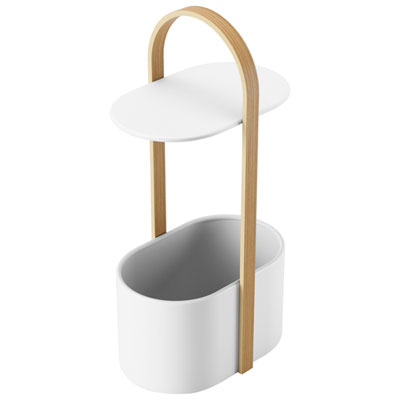 Your price for this item is $69.98
 -
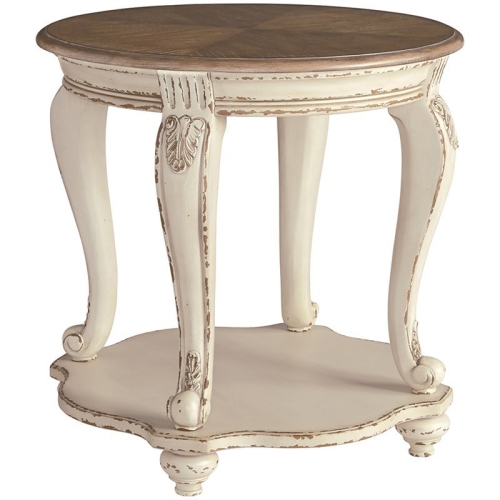 Your price for this item is $369
 -
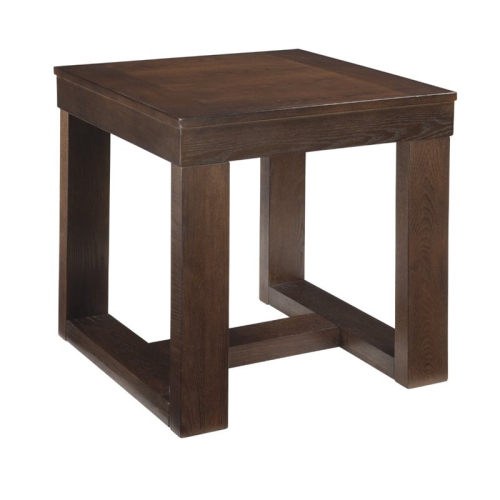 Your price for this item is $199
 -
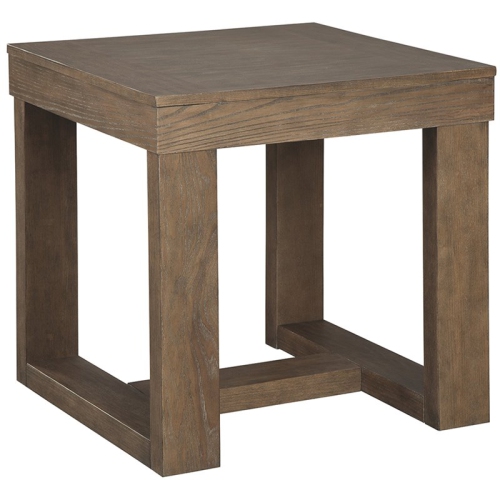 Your price for this item is $385.37
 -
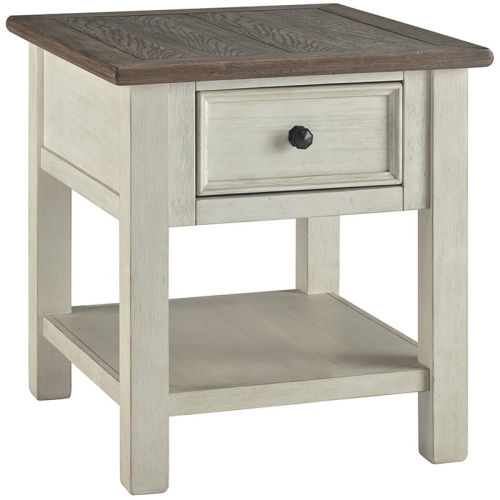 Your price for this item is $399
 -
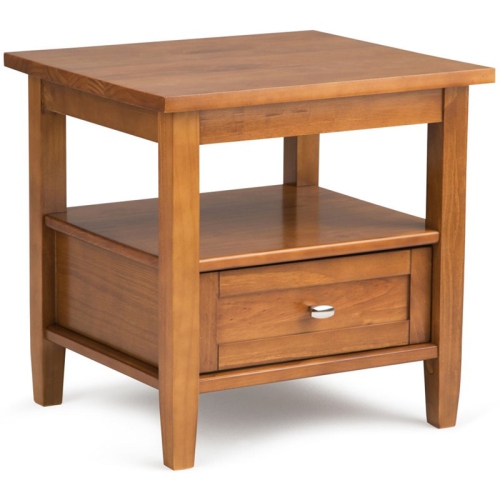 Your price for this item is $365.87
 -
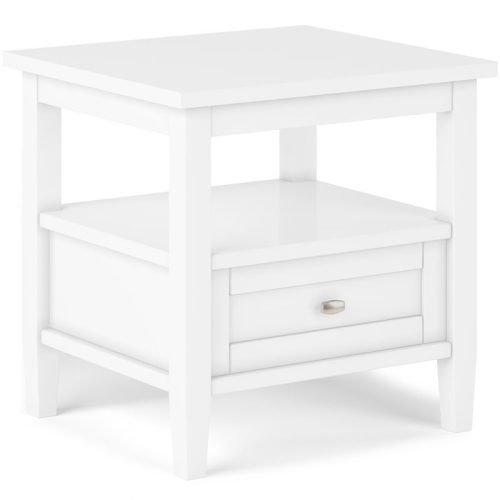 Your price for this item is $416.79
 -
 Your price for this item is $416.29
Discover more categories related to Retro End Tables
Top Collections:
Best Laptops for Video Editing, Pokemon Centers, Samsung Z Fold, Kindle Devices, Best Cell Phones Under $300, Best Laptops for Writers, Best Budget Office Chairs, Best Cell Phones Under $500, Best Laptop Computers for Students, iPhone 15 Apple
Some products may be subject to Environmental Handling Fees
(EHF) depending on your province.
Learn more about EHFs.