Retro Wooden Side Tables
Retro Wooden Side Tables bring a timeless touch to any living space, blending classic charm with versatile style. Ideal for bedrooms, living rooms, or offices, these tables add a warm and inviting accent to your décor. Whether you’re looking to complement vintage furnishings or introduce a nostalgic flair to modern interiors, Retro Wooden Side Tables offer a stylish solution for displaying lamps, books, or decorative items. Discover the perfect piece to enhance your home’s character and functionality.
Sort

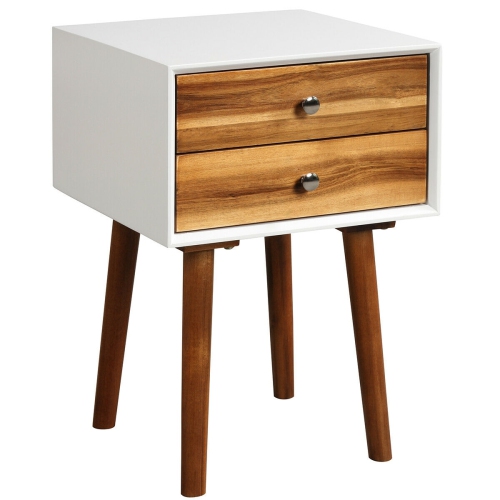
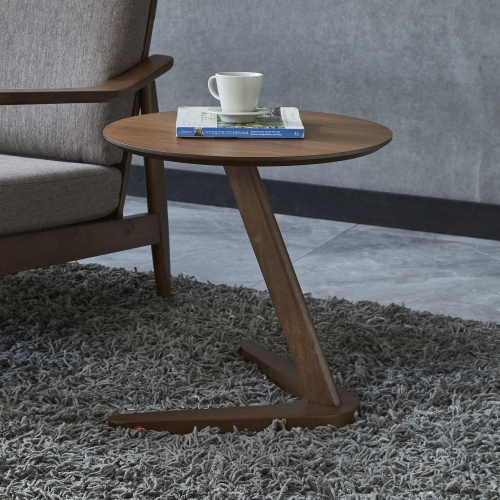

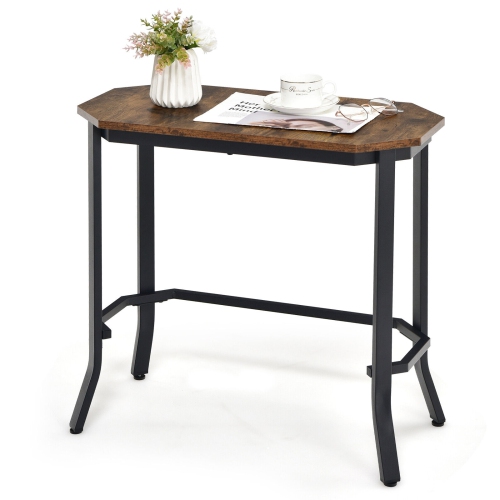
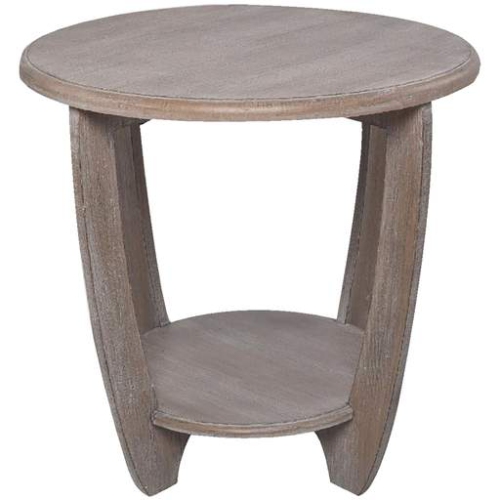
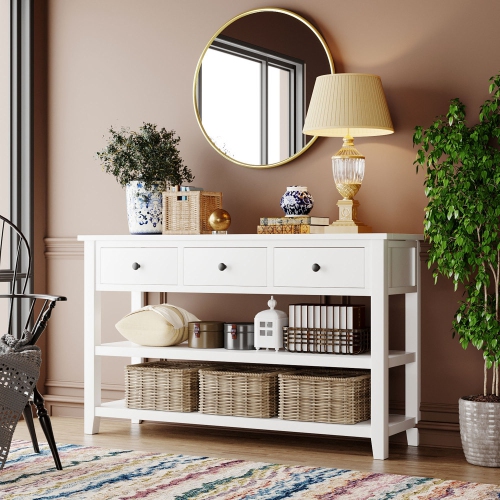
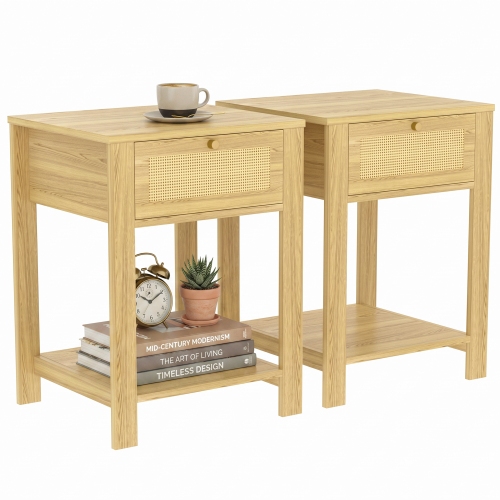
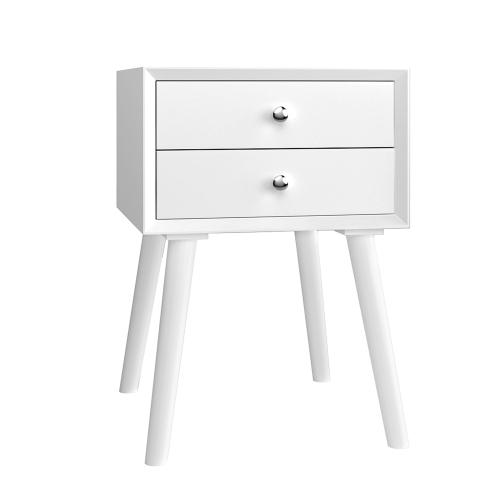
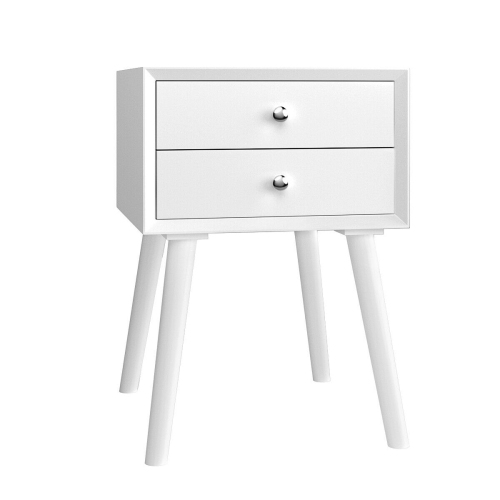
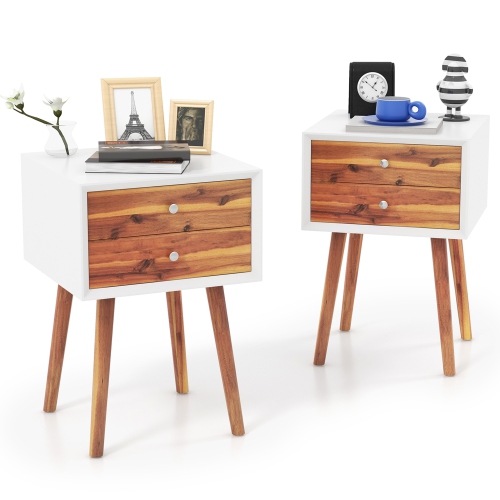
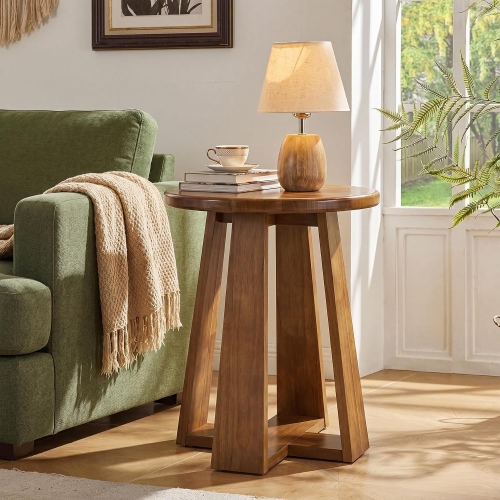
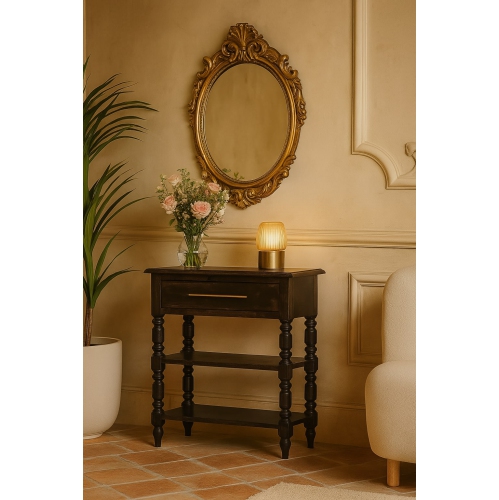

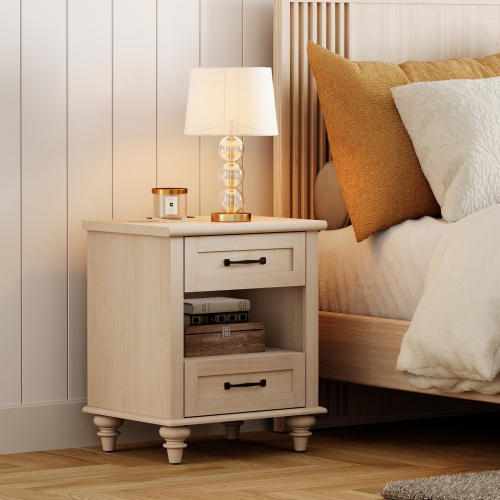
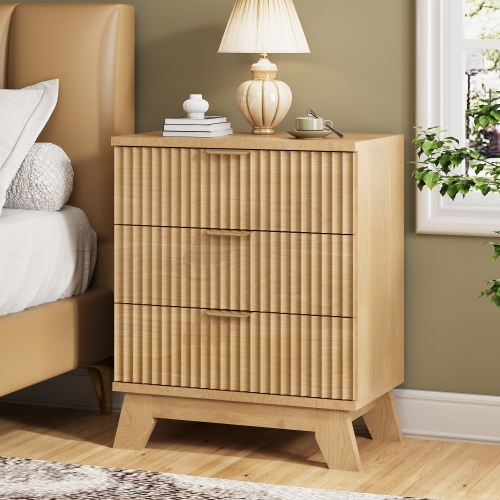
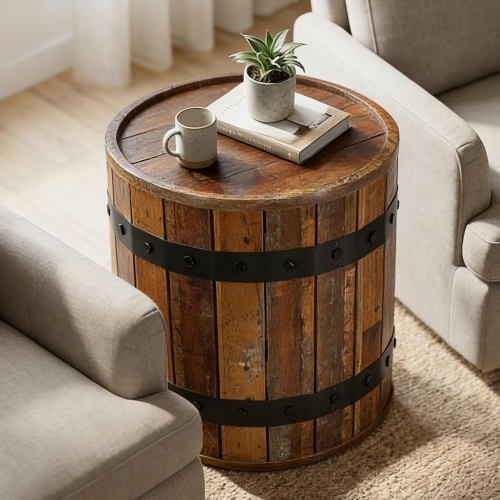
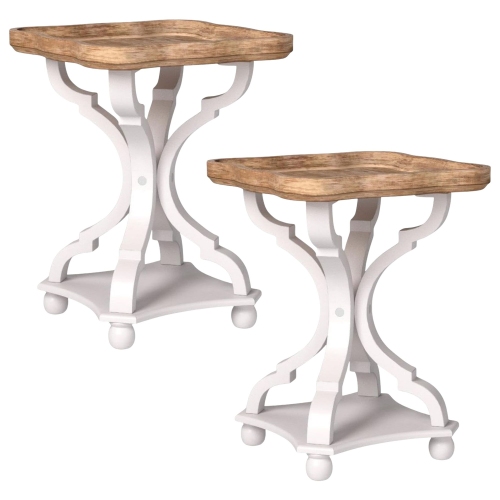
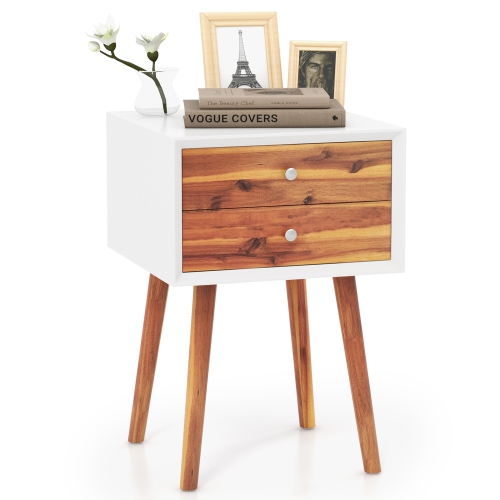

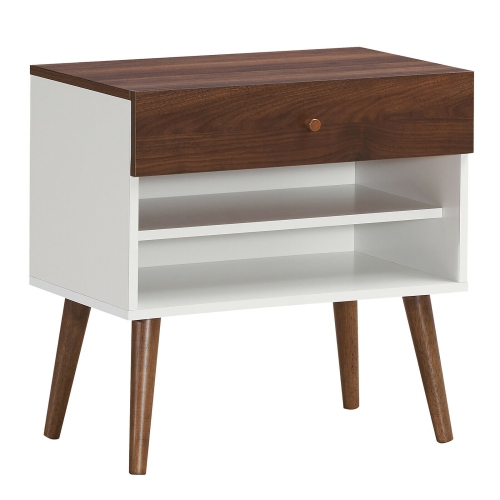
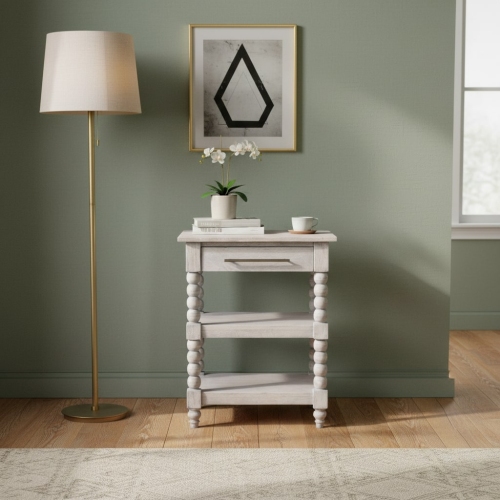
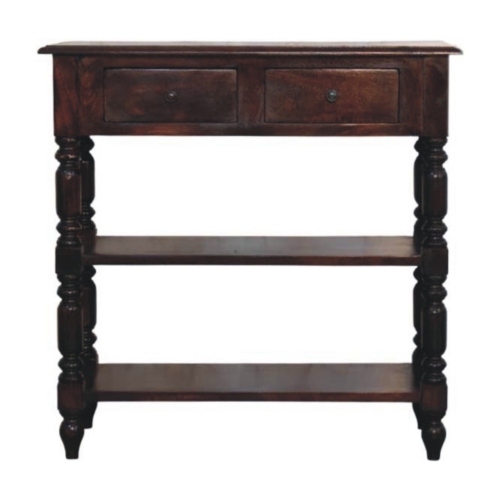
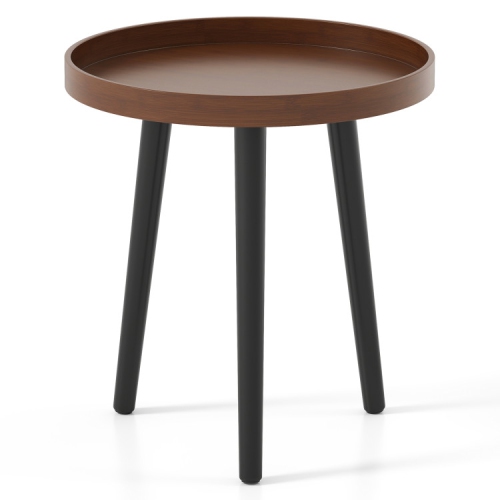
Tapered legs and warm wood meet everyday practicality
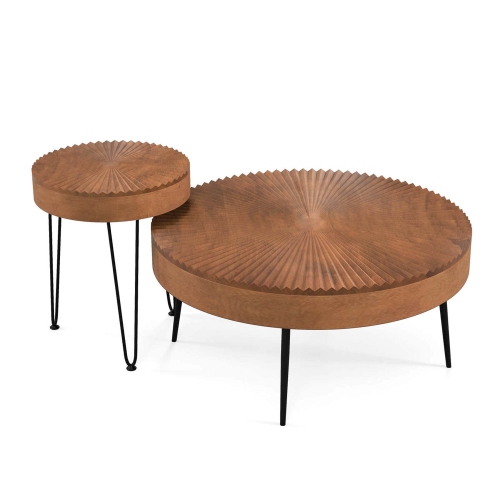
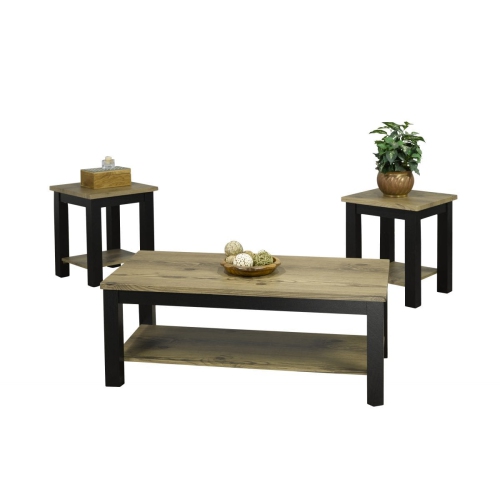
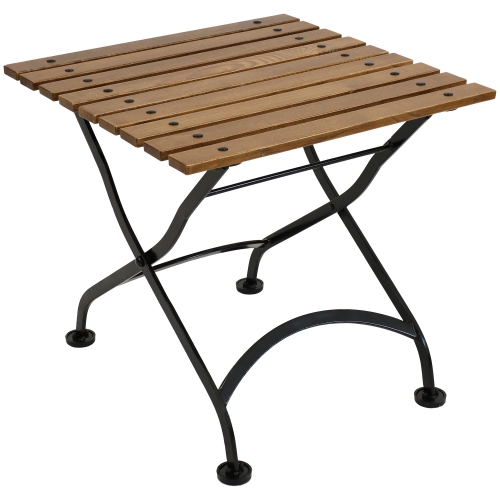
Retro wooden side tables bring the familiar lines of earlier furniture styles into everyday living spaces, pairing practical surfaces with details such as tapered legs, rounded corners, warm wood tones, and simple drawer fronts. Many take inspiration from mid-century modern design, where compact proportions and uncluttered shapes let the grain of the wood stand out. Others have turned legs, parquet-style tops, or deeper finishes that create a more traditional, collected look. The term retro generally describes a style inspired by the past; it does not necessarily mean a table was manufactured decades ago. That distinction matters when the appeal is a vintage look paired with the dimensions and features of newly made furniture. Beside a sofa, a wooden end table provides a place for a reading lamp, a drink, and the book that never quite makes it back to the shelf. Next to a bed, the same style can serve as a compact nightstand without the visual bulk of a larger bedside cabinet. Wood colour helps set the tone: lighter finishes can sit comfortably alongside pale upholstery, while walnut-toned and darker brown finishes add contrast beside cream, grey, or muted green fabrics. Matching every wood surface in a room is not essential. Repeating a similar undertone or leg shape can make a side table feel connected to an existing coffee table, media unit, or armchair without creating an overly coordinated arrangement. A round top can soften a grouping of straight-edged furniture, while a rectangular table often makes better use of the space beside a sofa arm. For rooms that already contain patterned rugs or textured upholstery, a restrained silhouette gives those details room to breathe. In a simpler setting, an expressive grain pattern or sculpted base can supply a small but noticeable focal point.
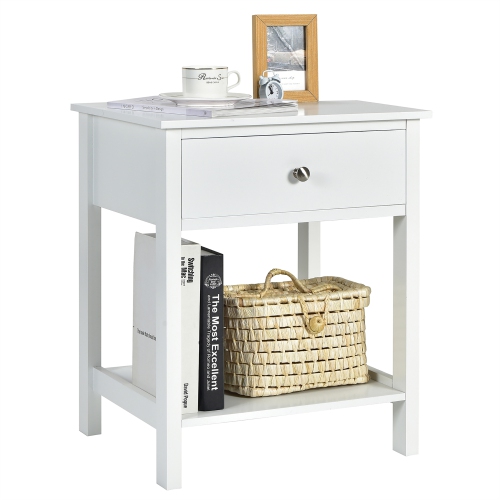
Materials and construction influence how retro wooden side tables feel, wear, and fit into daily routines. Solid wood has natural variations in grain and colour, so even similarly styled tables may not look identical. Depending on the finish and construction, a solid wood surface may also offer options for refinishing later, although that should never be assumed without checking the care information. Wood veneer is a thin layer of real wood applied over a supporting core, allowing a consistent surface or carefully arranged grain pattern; it is different from a printed wood-look finish. Engineered wood can provide a smooth, stable base for veneers and other finishes, and its long-term performance depends on factors such as edge protection, joinery, and exposure to moisture. Descriptions of a wood tone do not always identify the material itself: a walnut finish, for example, does not necessarily mean solid walnut construction. Dimensions deserve equal attention. A tabletop close to the height of the adjacent sofa or chair arm generally makes a drink or remote easier to reach, while a bedside surface works well when it is comfortably accessible from the mattress. Measuring the full footprint, including angled legs or projecting handles, helps prevent a seemingly compact table from crowding a walkway. Allowing space for a drawer to open is especially important between a bed and a wall. A lower shelf keeps books or a small basket off the top, while a drawer conceals charging cables and other loose essentials. Open designs tend to feel less visually heavy, but their contents remain on display. Tabletop depth also matters: a lamp base can occupy more room than expected, leaving little space for glasses or a cup. Painter’s tape on the floor offers a simple way to picture the footprint before committing to a size. For tighter rooms, a single well-proportioned table can be more useful than a larger piece squeezed between furniture.
The best everyday fit also depends on how the table will be treated. A reading corner needs a steady surface with enough room for a lamp and a book, whereas a bedside table may benefit more from enclosed storage and easy access to an outlet. A wooden side table used for plants needs protection from drainage and damp pots; a waterproof tray or saucer helps keep moisture away from the finish, but spills should still be wiped up promptly. Coasters protect against drink rings, and a suitable protective pad beneath a vase or other accessory can help limit scratches. Routine care is usually straightforward: dust with a soft cloth, follow the manufacturer’s cleaning directions, and avoid leaving a wet cloth or pooled water on the surface. Abrasive cleaners and harsh solvents can damage finishes, and furniture polish is not appropriate for every coating. Direct sunlight may gradually change wood colour, while placement beside a heating vent can contribute to drying and movement in some wood furniture. Stable joints, secure hardware, and a base that sits evenly on the floor are useful signs of sound assembly; any stated weight limit should suit the intended load. A side table is not a seat or step stool unless it has been expressly designed for that purpose. In homes with children or pets, rounded edges may be a practical preference, though stability and placement remain important. For a broader look at furniture with character drawn from earlier styles, Vintage Side Tables offers a related theme to explore. Retro wooden side tables can also make thoughtful housewarming gifts when the recipient’s room measurements and taste are known. Their usefulness comes from occupying a modest amount of space while supporting familiar routines: setting down keys, keeping a favourite novel within reach, or giving a bedside lamp a proper home. A considered balance of proportion, storage, finish, and construction makes that small piece of furniture feel like a natural part of the room.
Top selling and popular products
-
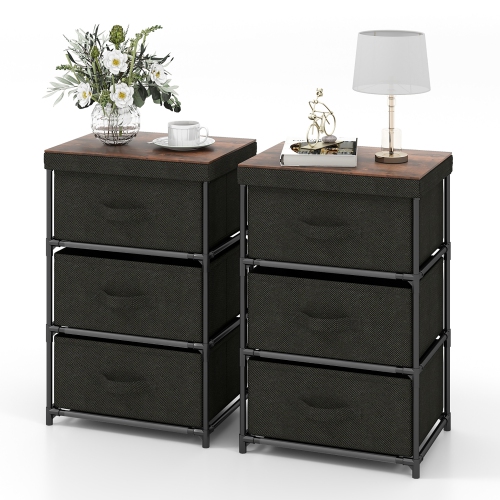 Your price for this item is $99.99
-
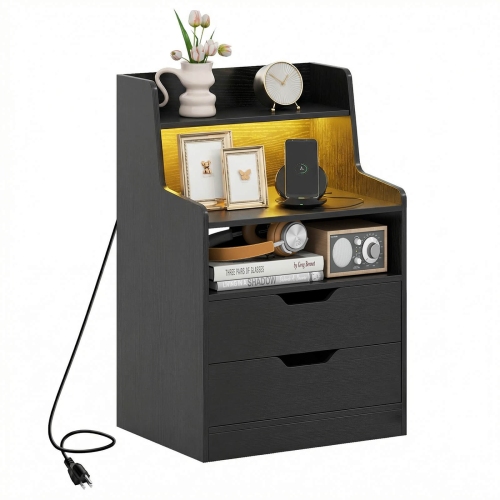 Your price for this item is $107.99
-
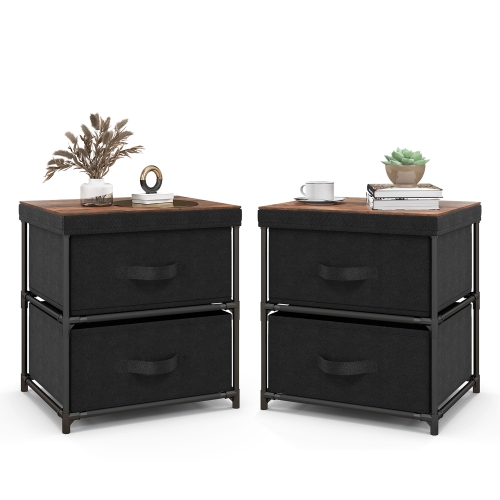 Your price for this item is $79.99
-
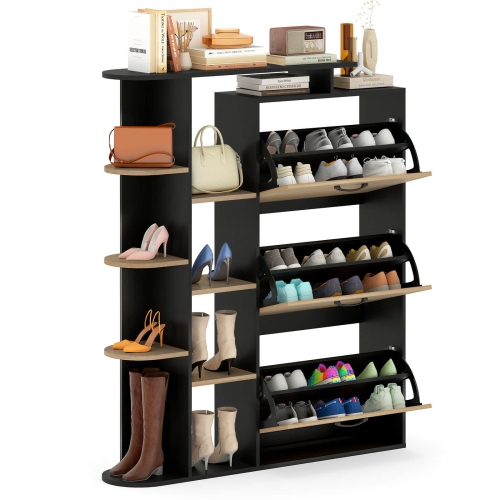 Your price for this item is $188.99
-
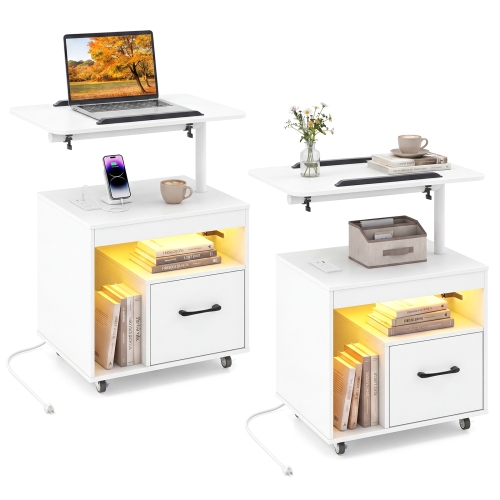 Your price for this item is $218.49
-
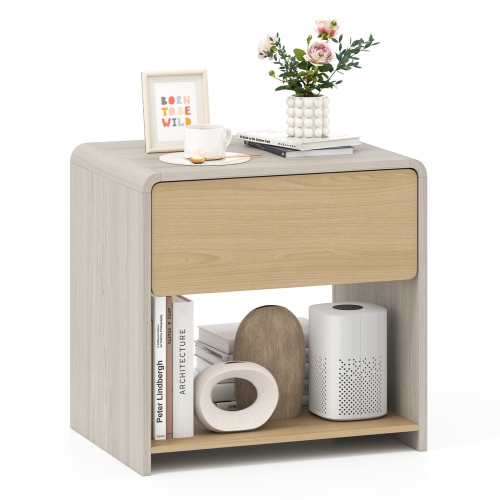 Your price for this item is $119.99
-
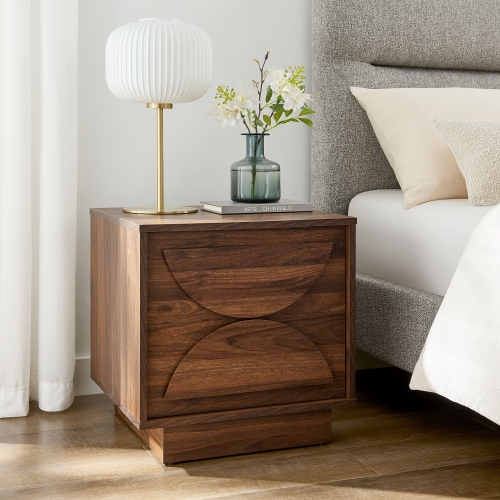 Your price for this item is $260.94
-
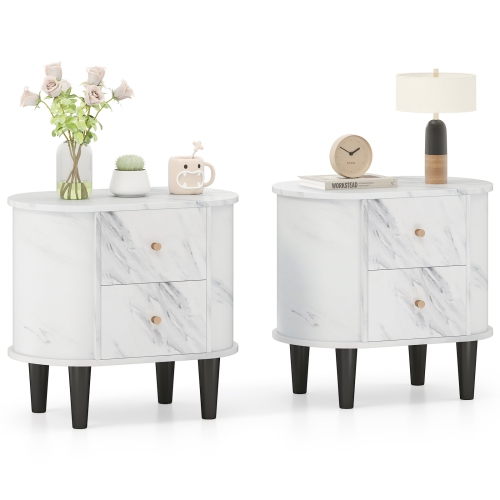 Your price for this item is $169.99
Discover more categories related to Retro Wooden Side Tables
Top Collections:
Best Black Friday Deals This Year, Best Black Friday Deals On Electronics, Kindle Devices, Dyson Airwrap, Best Cameras for Sports Photography, Best Budget Office Chairs, Canon G7X Cameras, PS5 Pro Consoles, Best Black Friday Deals On Apple Products, XBOX One S Consoles
Some products may be subject to Environmental Handling Fees
(EHF) depending on your province.
Learn more about EHFs.