Retro Style Office Chairs
Retro style office chairs bring a touch of timeless charm to any workspace, blending classic design elements with modern appeal. These chairs are perfect for those looking to infuse their office with personality and vintage flair while maintaining a professional atmosphere. Whether updating a home office or refreshing a corporate setting, retro style office chairs offer a unique way to enhance comfort and elevate décor. Explore a range of options that capture the essence of past eras and create an inspiring place to work.
Sort
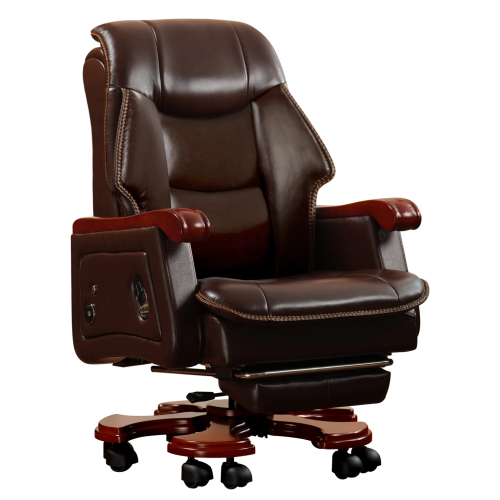
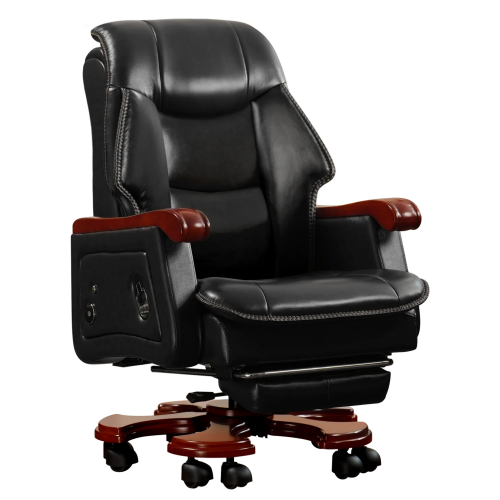
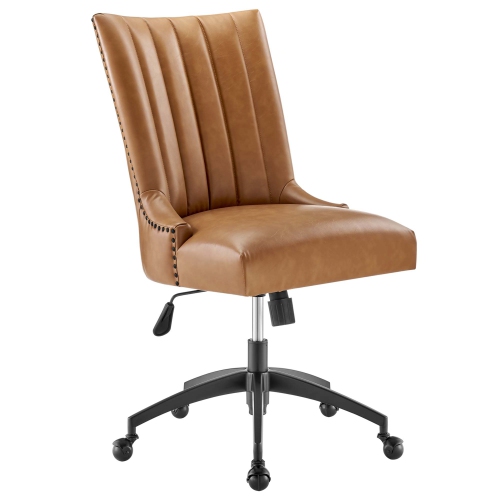
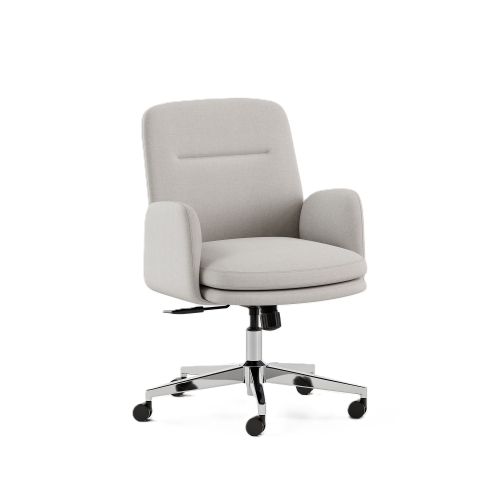

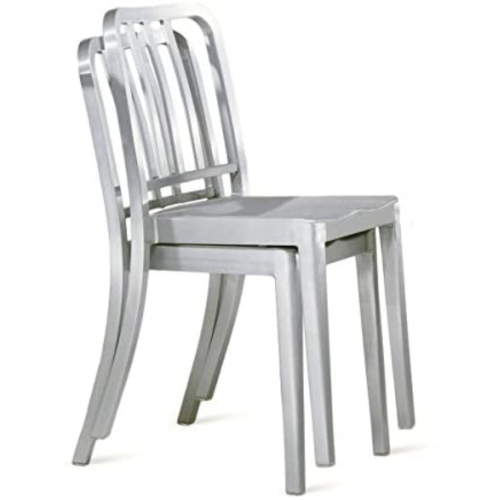
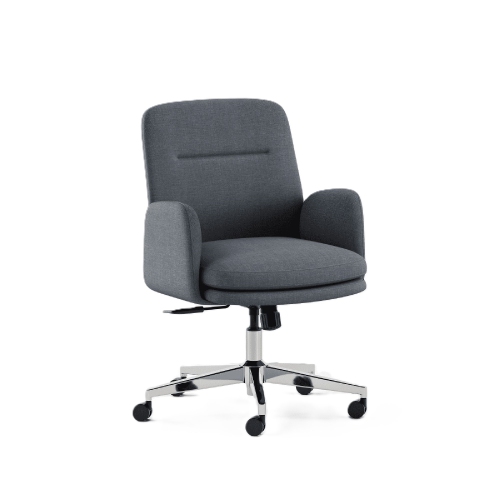
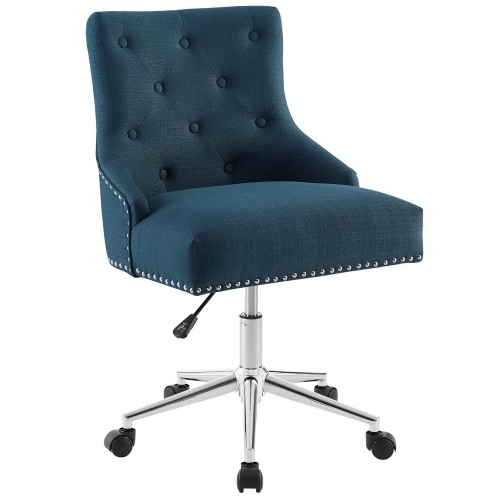
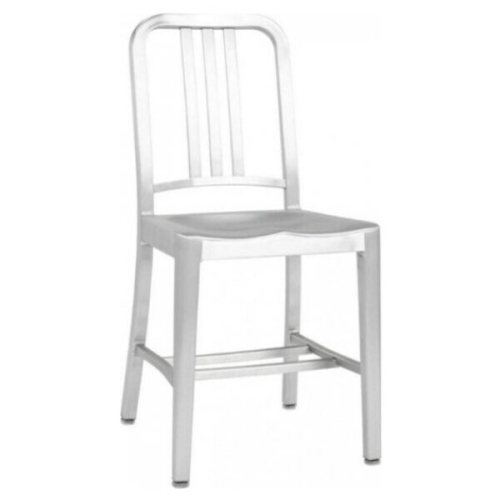

What makes a vintage look work at your desk
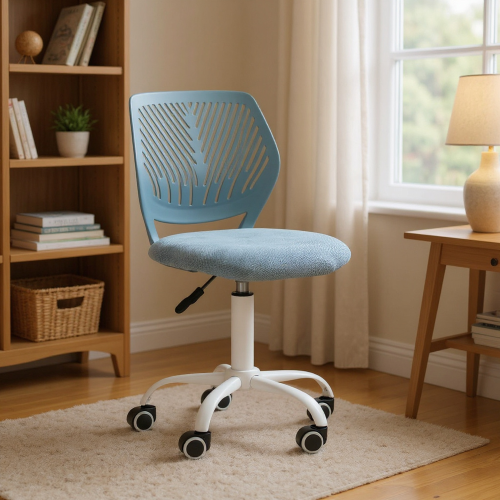
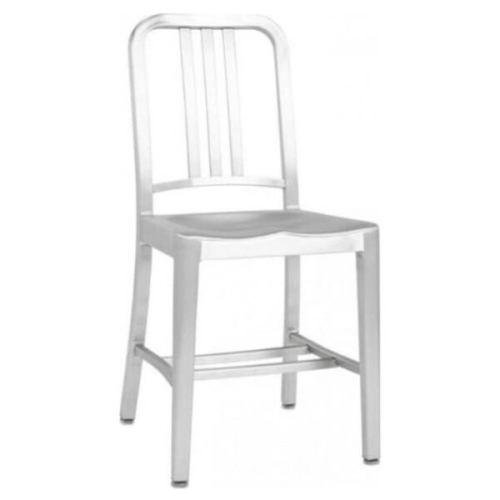
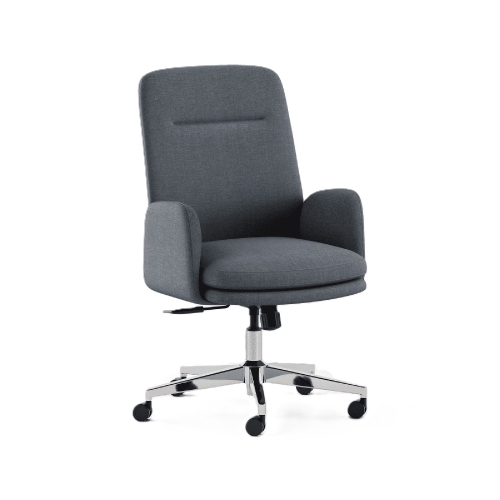
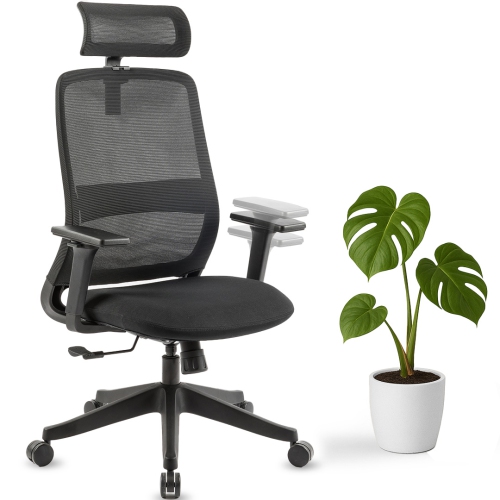
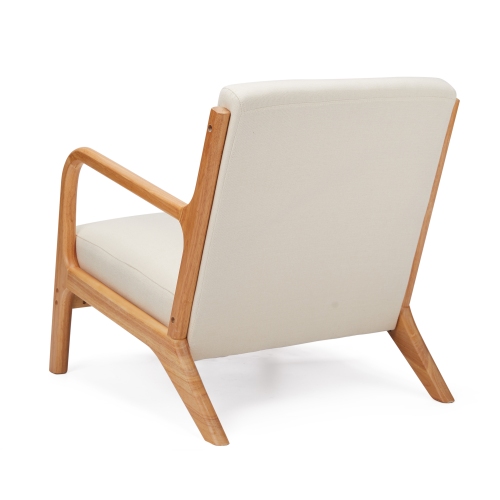
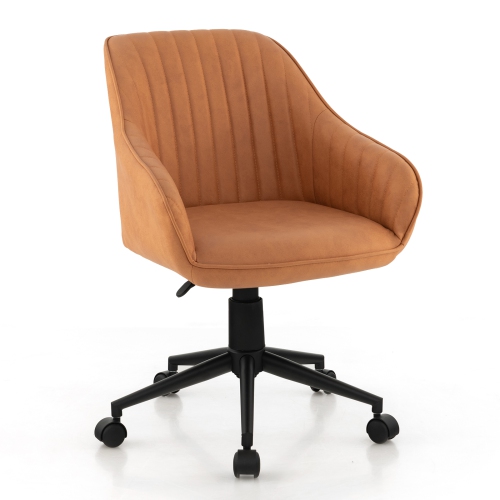
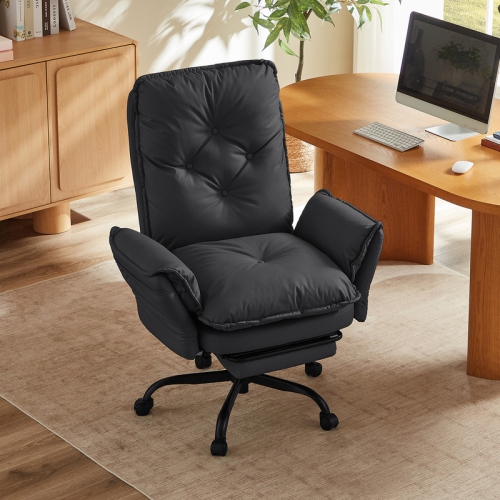
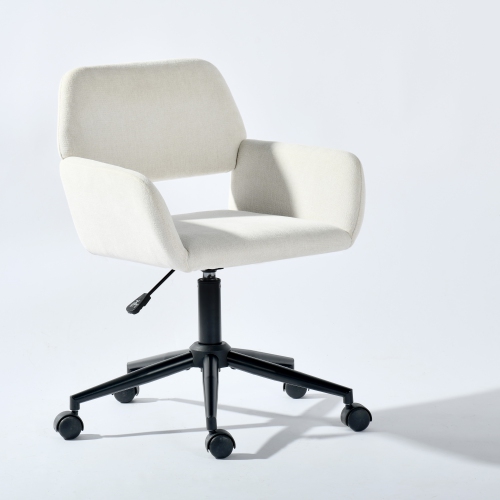
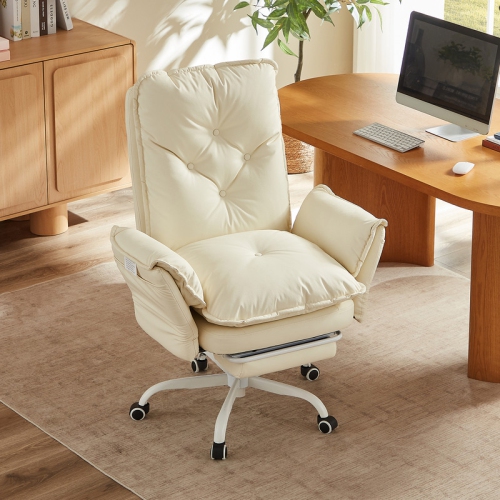
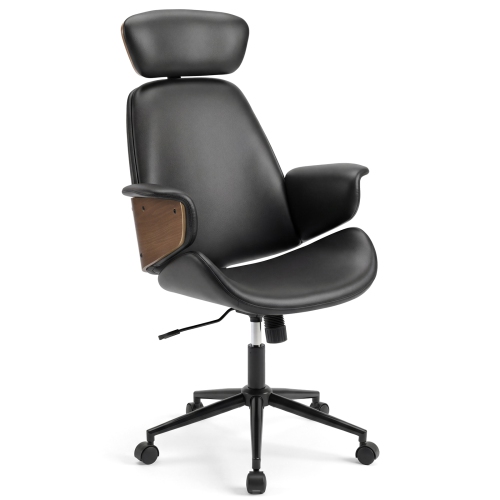
Retro style office chairs pair the look of mid-century or traditional seating with features such as swivel bases and adjustable seat height. The retro label describes the design, not the age of the chair: a curved plywood back or a row of button tufting can lend a vintage look to a chair made for a modern desktop. Mid-century designs tend to have clean lines, gently shaped backs and wood finishes that highlight the grain. A slim upholstered seat keeps the profile light, while a wraparound shell gives the chair a more sculptural shape. The styles featured in Mid Century Office Chairs are part of that broader retro look. Traditional designs take a different approach, using details such as rolled arms, tufted upholstery or deep cushions to give the chair more presence. Chrome frames and channel stitching can bring to mind the streamlined look of later decades, especially when paired with caramel or black upholstery. In a living room where the desk is visible from the sofa, a low-backed chair with warm wood tones can look at home alongside a bookcase or sideboard without adding another tall piece to the room. In a study with darker furniture, a broad upholstered back can hold its own next to a substantial desk. Not every retro-inspired chair is built around the same kind of work, though. A fixed-base chair can suit a writing desk used for paying bills or sketching, while a chair that swivels and rolls makes it easier to turn between a monitor, a notebook and a set of drawers. Two chairs with nearly identical silhouettes may feel quite different at a desk if one has a fixed seat and the other has a height lever and an adjustable tilt.
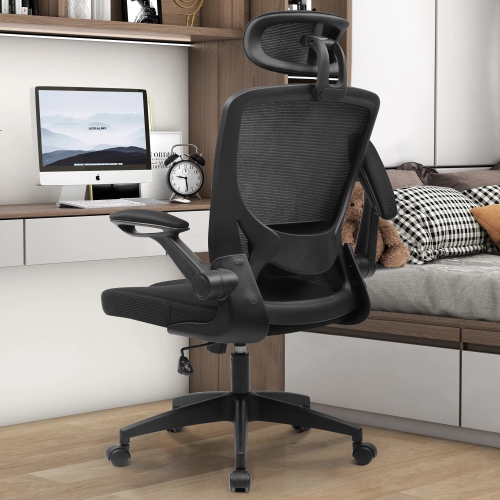
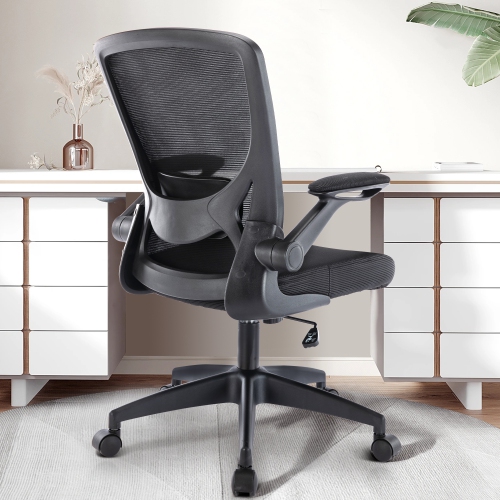
The desk and the length of a typical sitting session help put those differences in perspective. For regular keyboard work, a useful seat height lets the feet rest flat on the floor or a footrest without requiring the shoulders to lift to reach the work surface. The seat should leave a little space behind the knees when the sitter is resting against the back. A deep cushion may feel inviting at first, but if it puts the backrest out of reach, a shorter sitter may spend much of the day perched at the front edge. A rounded seat edge can feel gentler against the thighs, while a firmer cushion can offer steadier support during longer stretches of typing. A low curved back may be plenty for working through a stack of paperwork, but someone who spends much of the day at a computer may prefer a backrest that supports the lower back and a tilt mechanism that allows for changes in posture. Armrests are worth considering in relation to the desk itself. Broad, padded arms can feel comfortable when reading, yet high fixed arms may catch on the underside of a desktop or a shallow centre drawer, leaving the sitter farther from the keyboard. An armless design or one with height-adjustable arms can make sense at a narrow work surface where the chair needs to tuck neatly underneath. The footprint matters just as much in a tight room: a compact seat may still sit on a wide base, and a rolling chair needs some clearance behind the desk. The flooring makes a difference, too. A chair that settles firmly on glides can suit a spot where it rarely needs to move, while casters suited to the floor type are useful when the sitter shifts between work surfaces. At a shared desk, easy-to-reach controls make it simpler for people of different heights to settle in without having to repeat a complicated setup.
Materials influence both how a retro office chair feels and where it tends to show wear. A woven fabric seat brings texture to a smooth desktop and may feel less slippery than a polished surface. A tight weave generally traps less lint than a loose weave, though seams and tufting still benefit from gentle vacuuming with an upholstery attachment. Leather and leather-look upholstery can give a chair a tailored finish, but they do not necessarily take the same cleaners. Blotting a spill promptly and following the care instructions is a safer approach than scrubbing or reaching for a household spray. Finished wood and veneer show off their grain on curved shells and arm caps, where repeated contact with a desk edge may leave marks. Leaving a little clearance when the chair is tucked away helps protect both surfaces. A metal base gives a chair a different look from tapered wood legs, but finish alone says little about durability. For daily use, the weight rating, the stability of the base and the way the seat and back are joined matter more than whether the legs are chrome or wood. Day-to-day upkeep can be as simple as clearing hair and lint from the casters and checking accessible fasteners as directed in the care instructions. These details matter in different ways depending on who uses the chair. A student working at a narrow desk may need a compact seat with room to pull in close, while someone furnishing a reception desk may care more about a fabric that is easy to maintain and a seat that adjusts for several staff members. A retro office chair can also be a thoughtful gift for someone setting up a first home office, particularly when their desk height, available floor space and taste in finishes are known. A chair that fits the person and the work surface can carry the style of a room without making the everyday tasks at the desk any harder.
Top selling and popular products
-
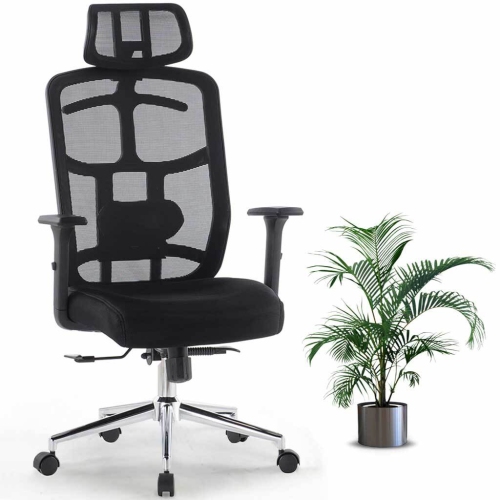 Your price for this item is $129.99
-
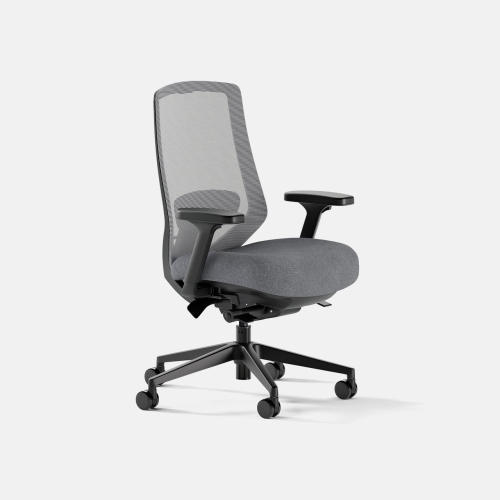 Your price for this item is $599
-
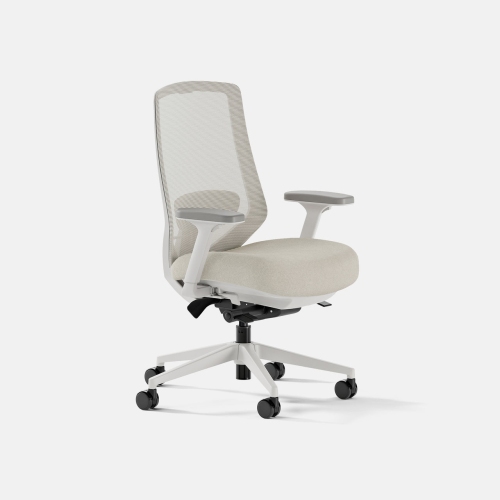 Your price for this item is $599
-
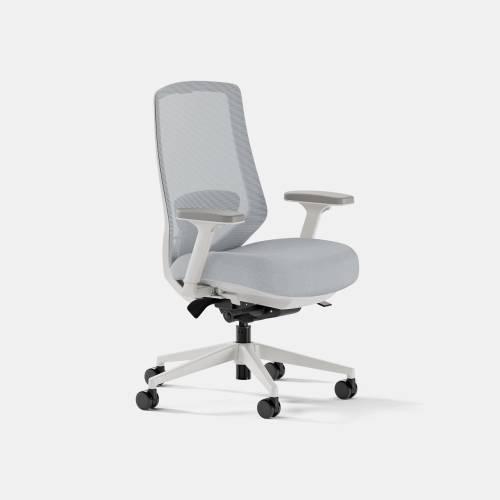 Your price for this item is $599
-
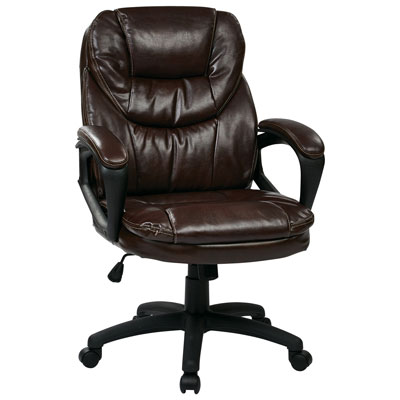 Your price for this item is $459.99
-
 Your price for this item is $429
-
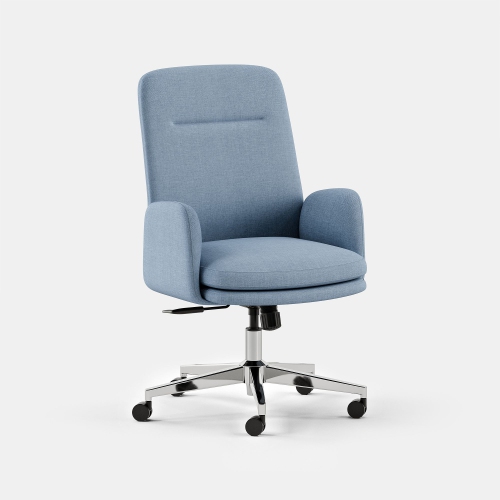 Your price for this item is $429
-
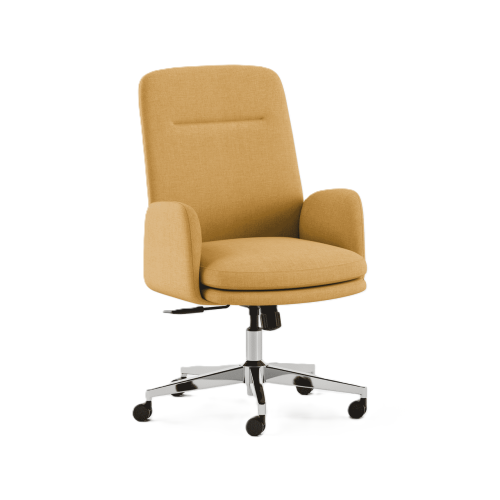 Your price for this item is $429
Discover more categories related to Retro Style Office Chairs
Top Collections:
Best Black Friday Deals This Year, Best Black Friday Deals On Electronics, Kindle Devices, Dyson Airwrap, Best Cameras for Sports Photography, Best Black Friday Deals On Apple Products, PS5 Pro Consoles, Portable Snow Blowers, Canon G7X Cameras, Pokémon 30th Celebration Cards
Some products may be subject to Environmental Handling Fees
(EHF) depending on your province.
Learn more about EHFs.