Reversible Foam Mattresses
Reversible foam mattresses are a type of mattress that can be used on either side, providing two sleeping surfaces to choose from. These mattresses are designed to provide the user with a comfortable and supportive sleeping experience, no matter which side they choose. Here are some great options available.
Sort
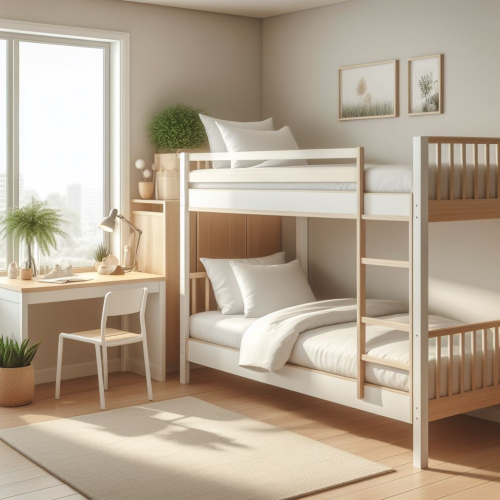
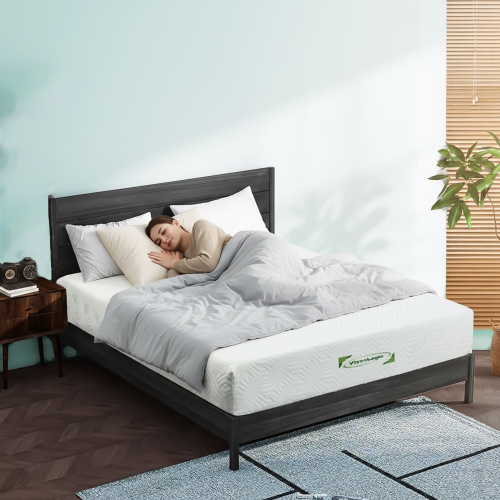
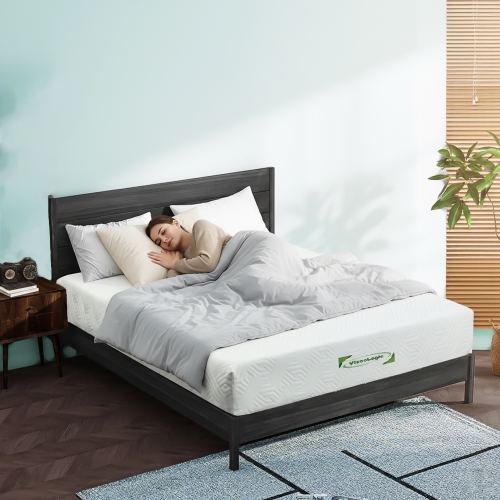
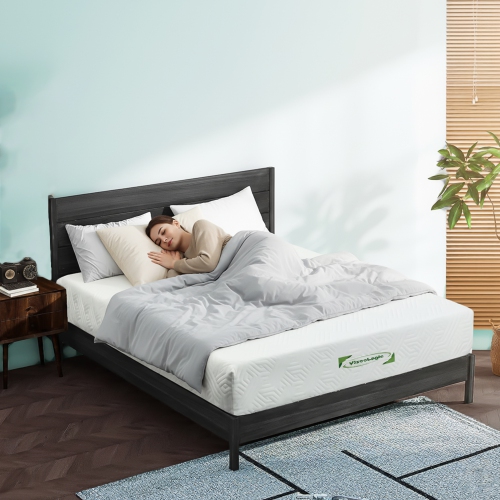
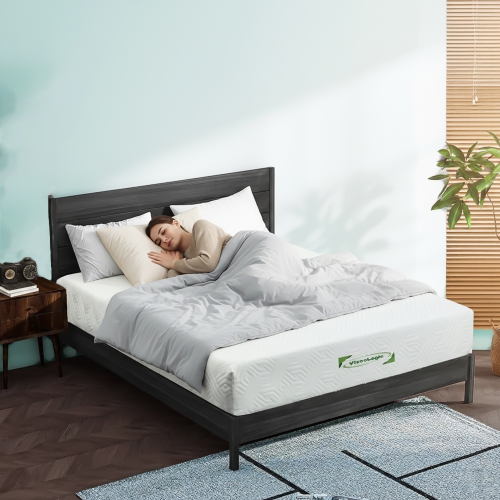
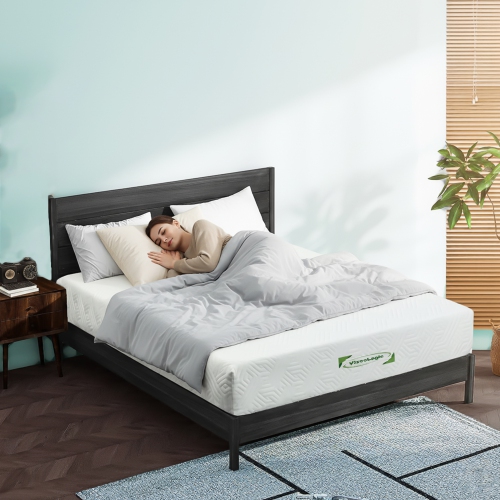
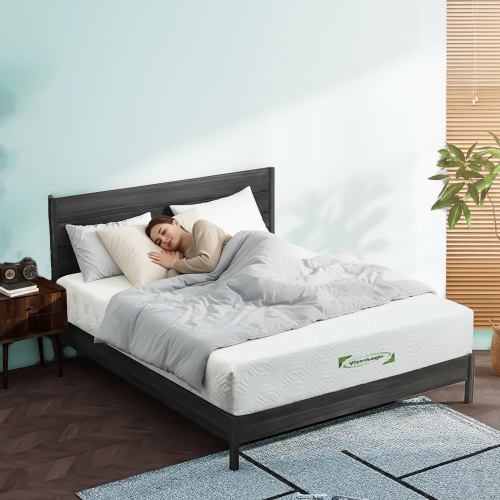
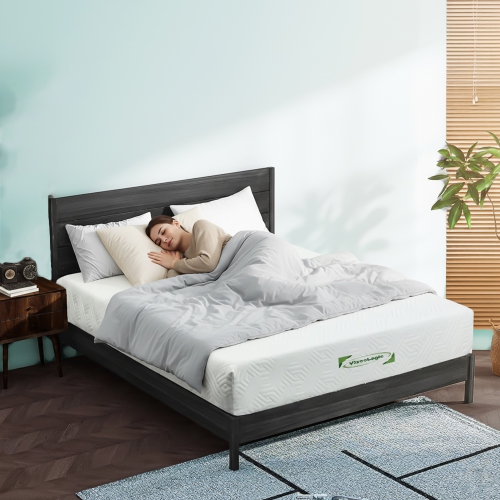
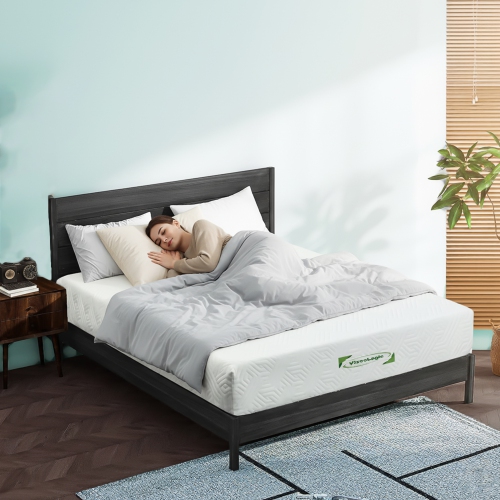
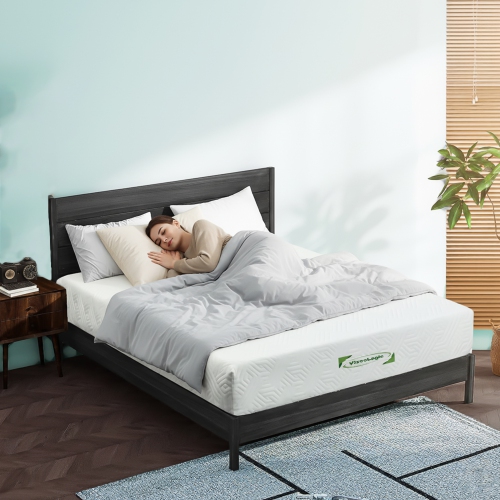
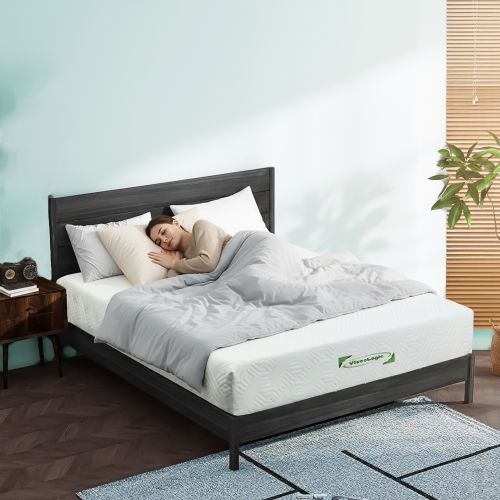
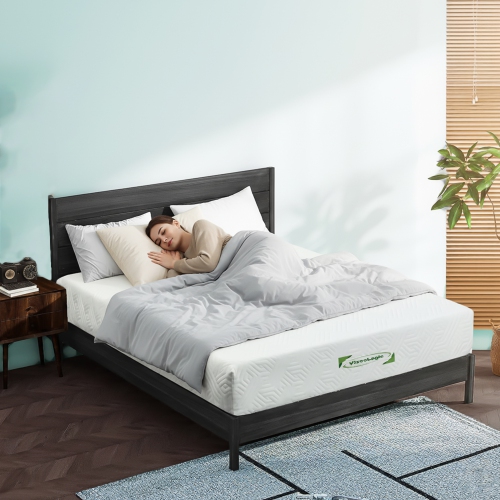
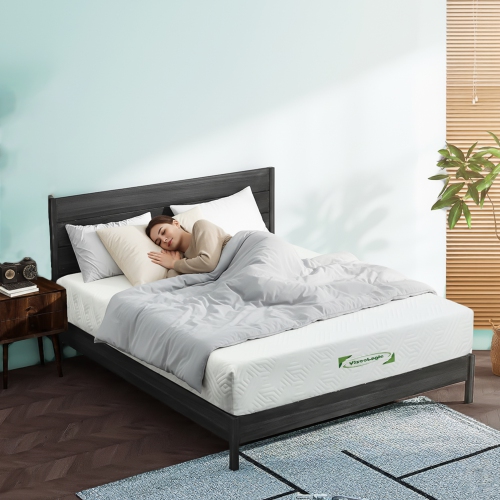
![VISCOLOGIC Econo [] Flippable Reversible Bunk Bed, Guest Foam Mattress](https://multimedia.bbycastatic.ca/multimedia/products/500x500/154/15460/15460682.jpeg)
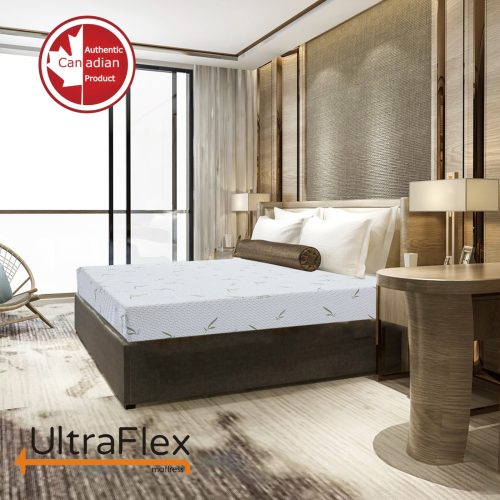
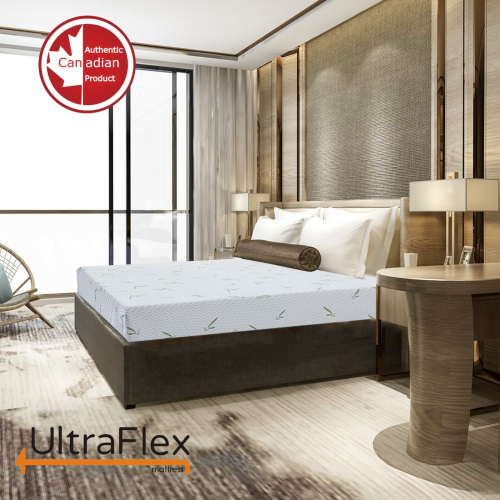
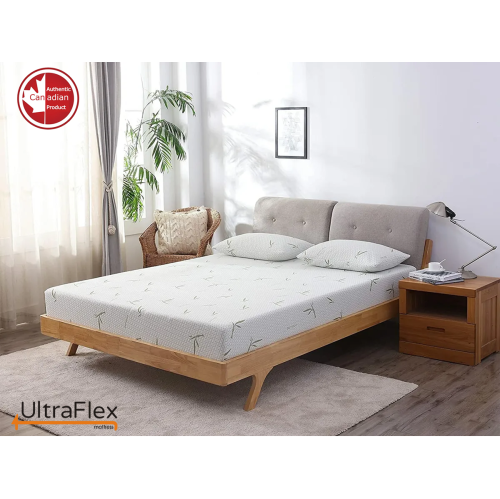
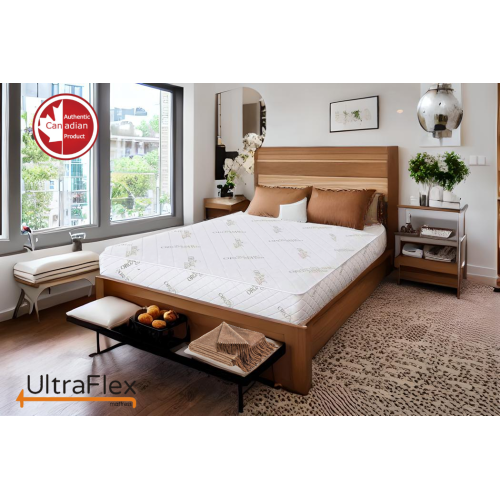
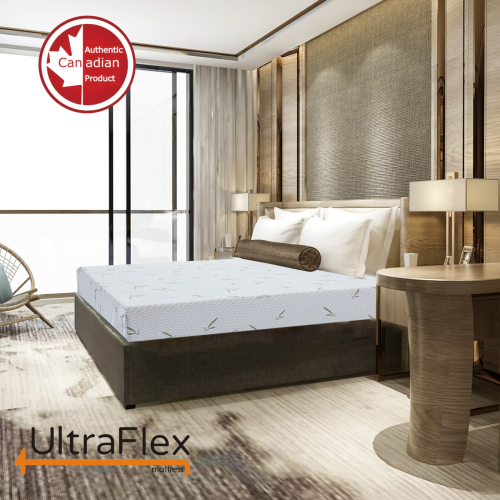
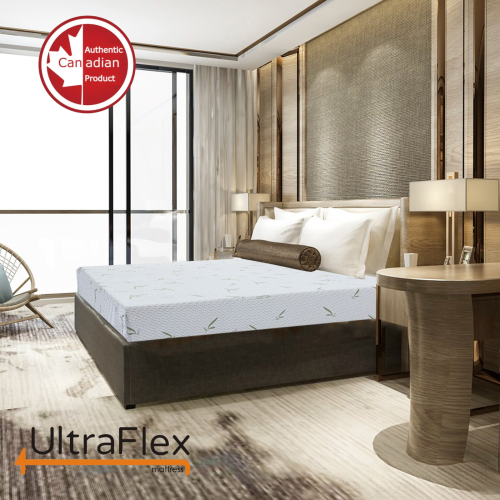
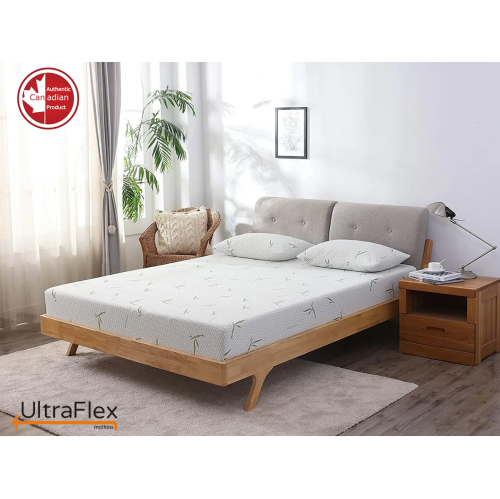
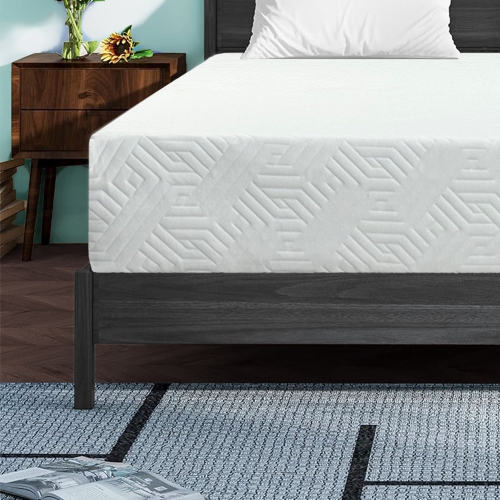

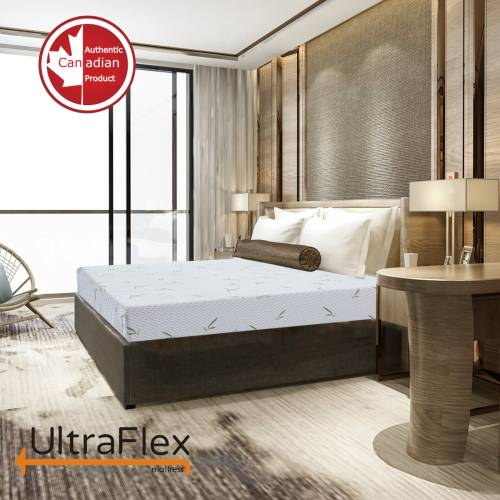
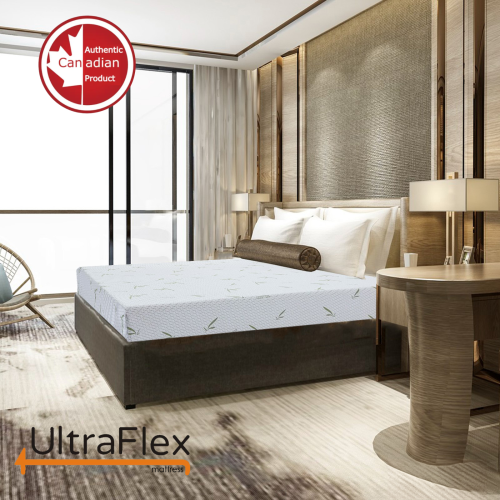
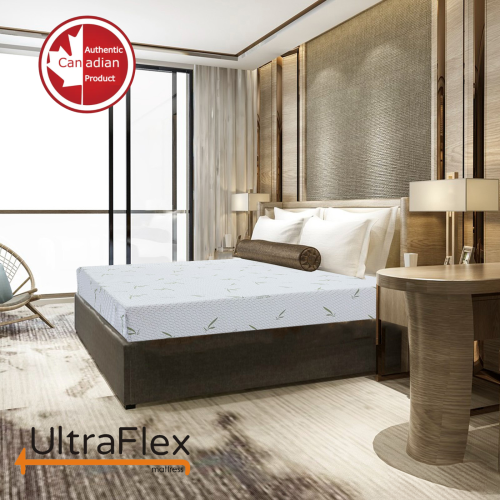
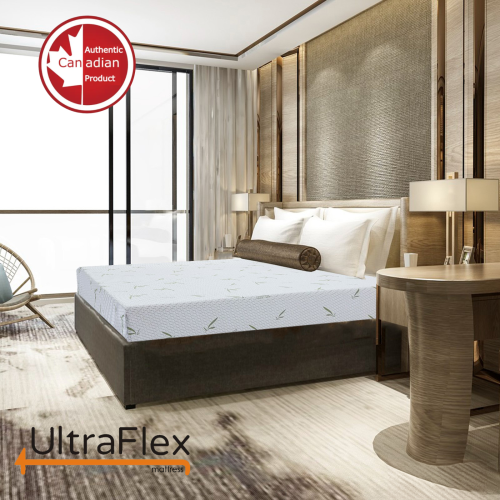
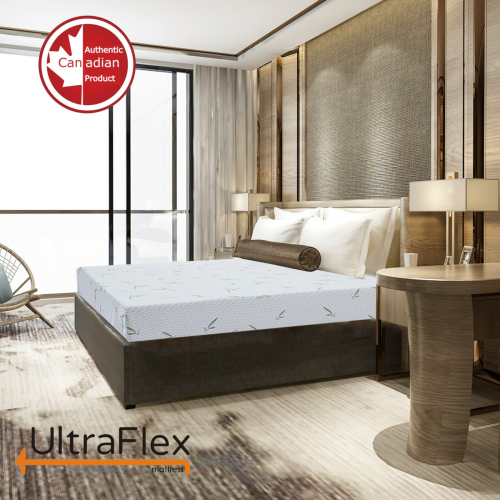
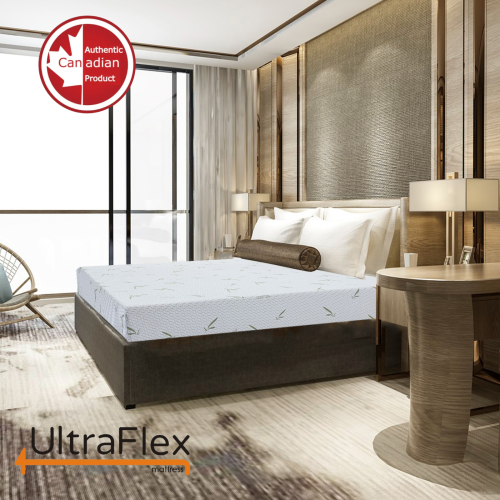
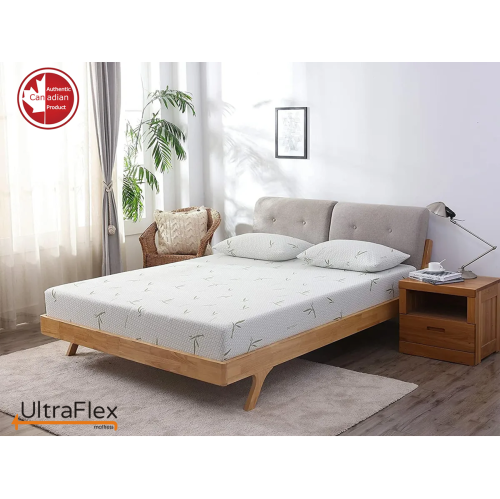
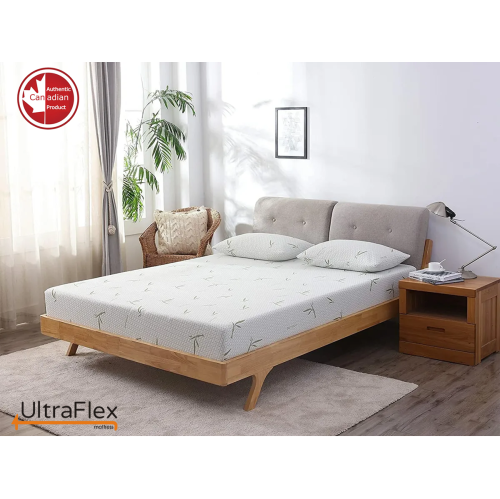
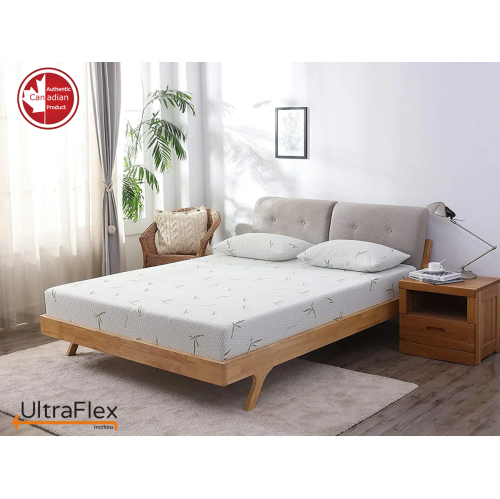
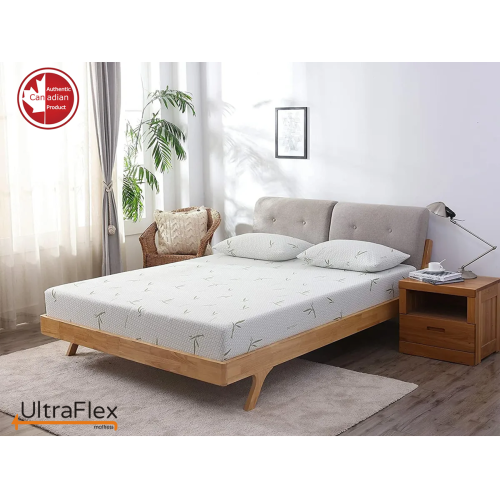
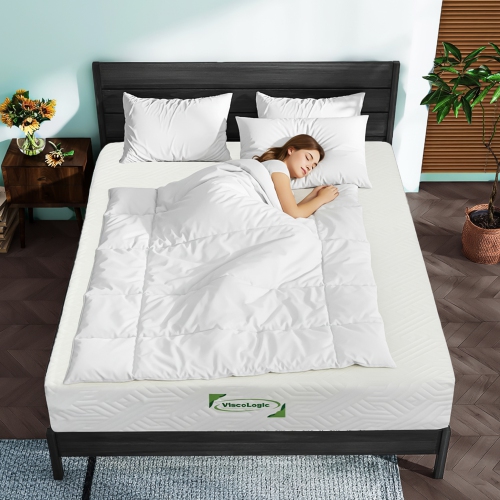
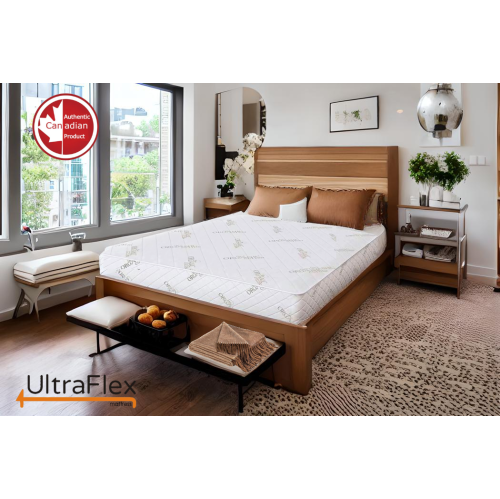
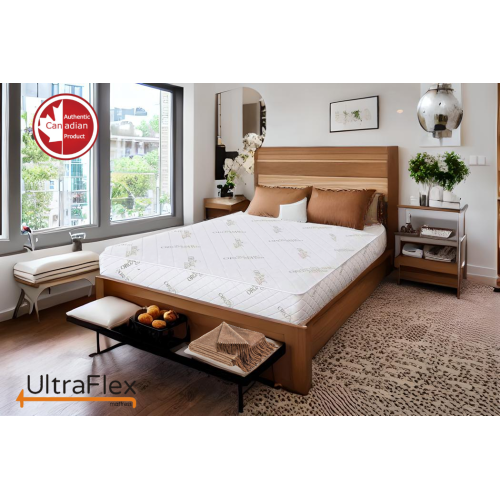
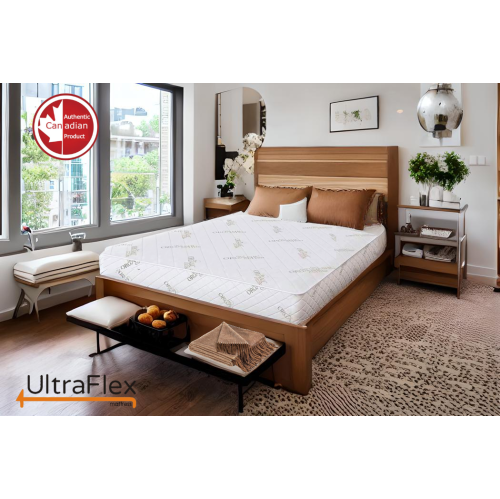
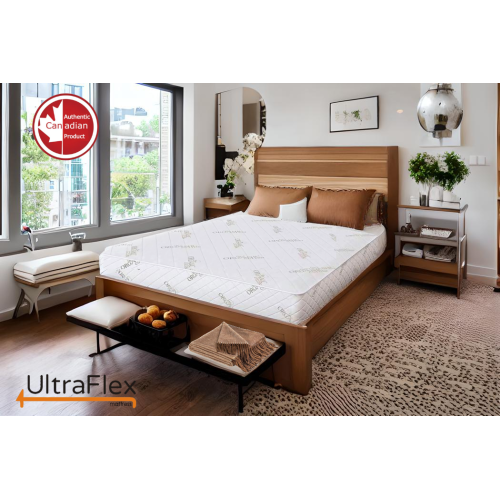
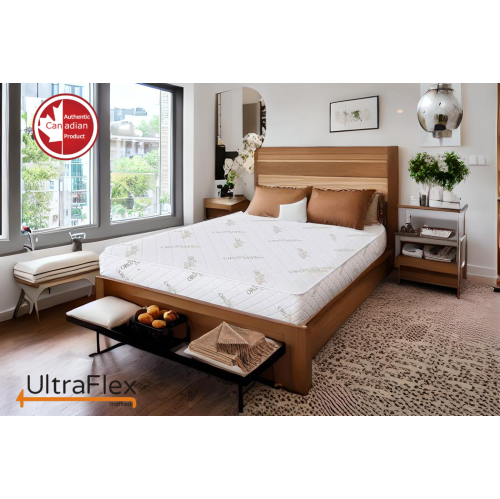
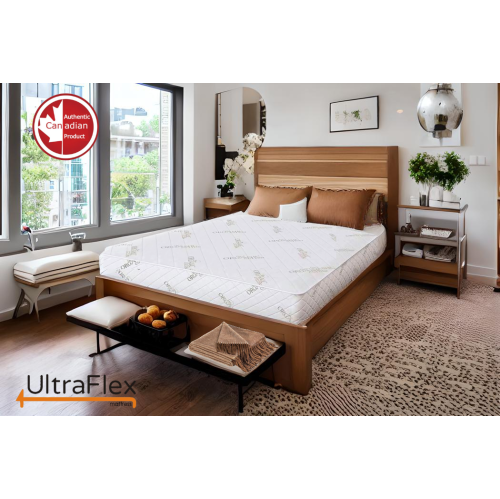
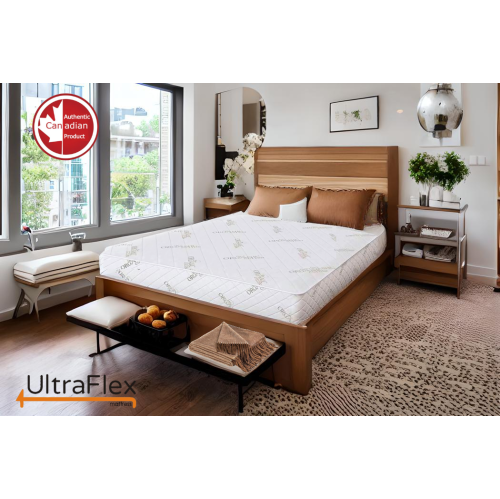
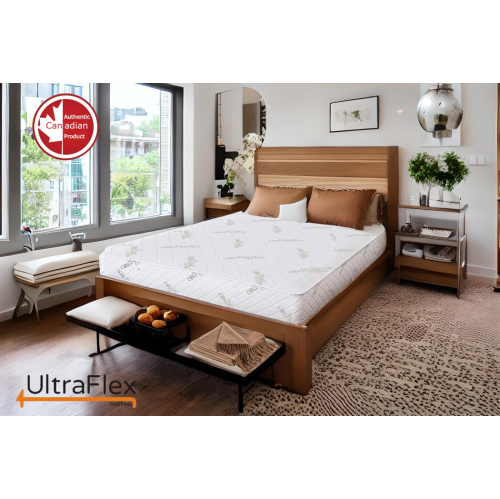
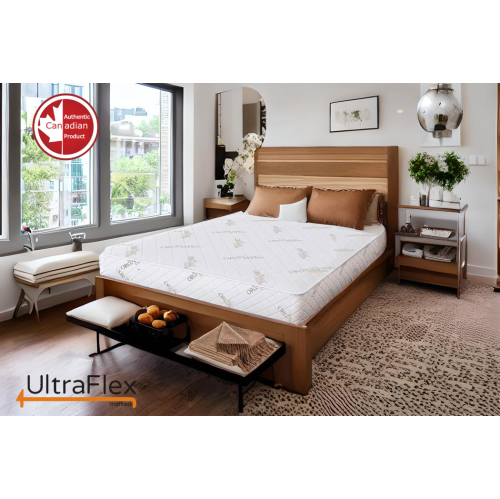
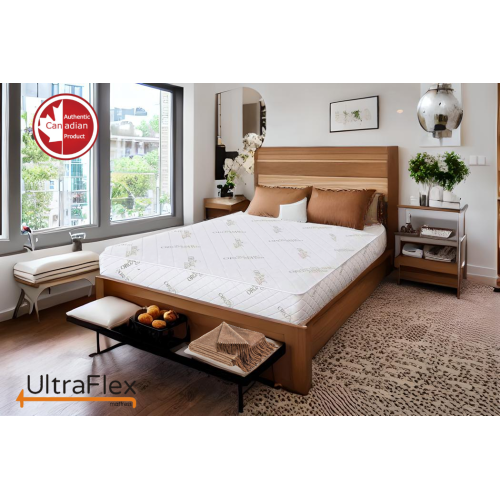
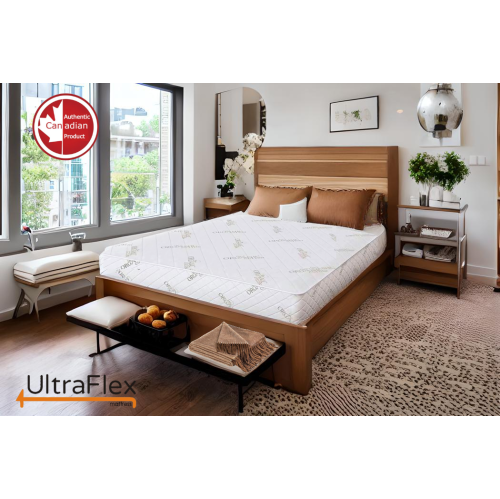
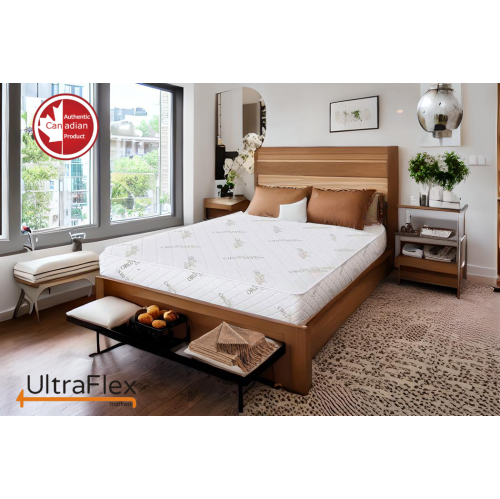
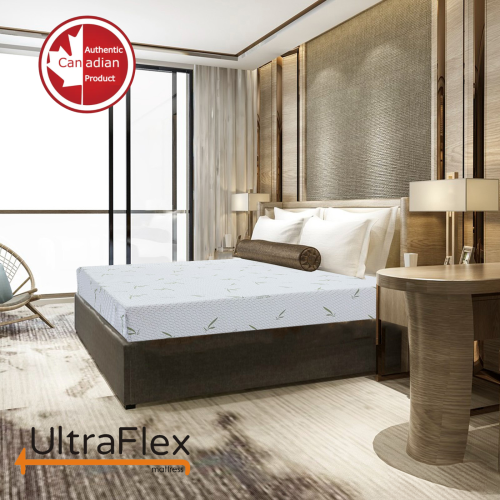
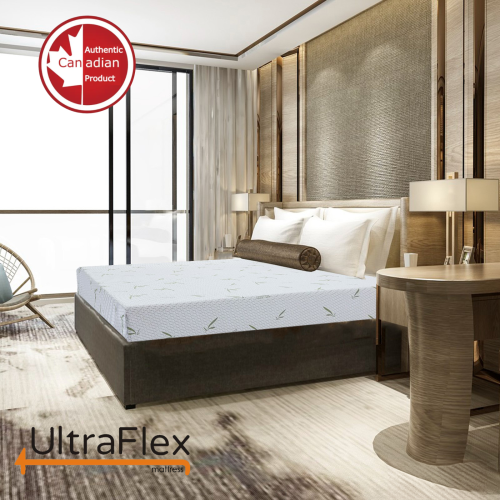
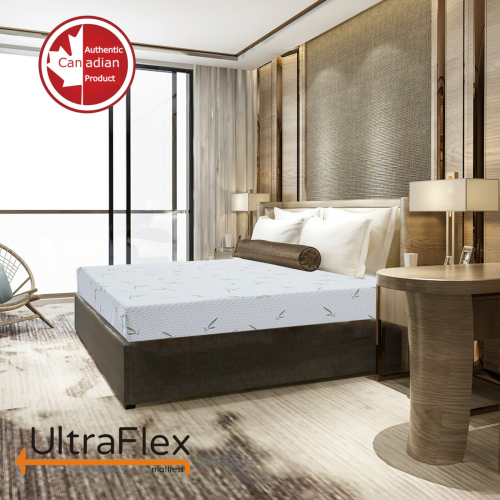
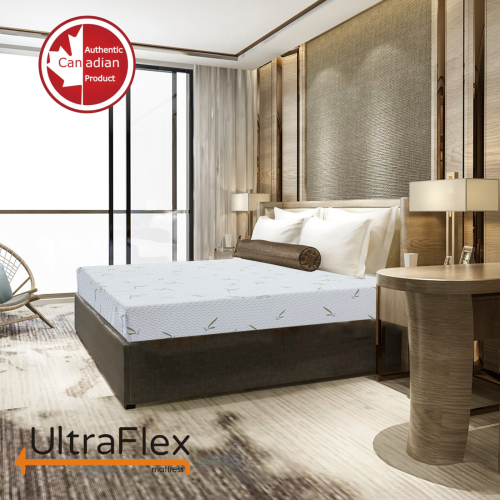
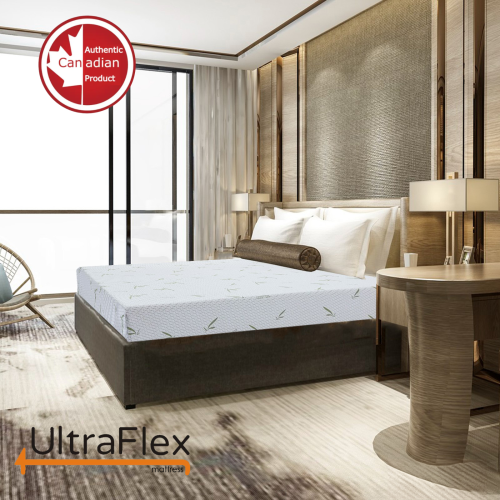
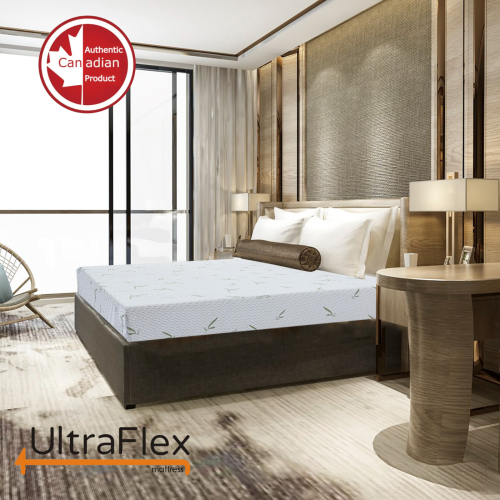
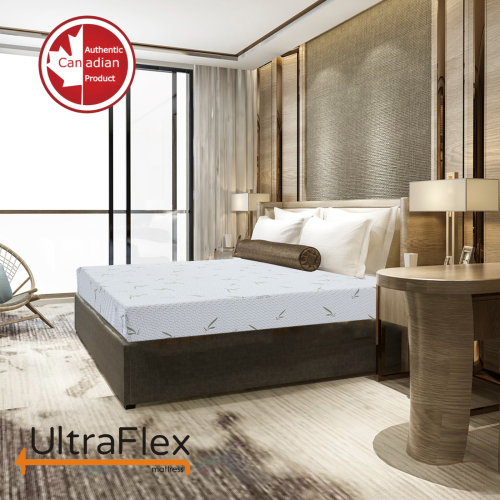
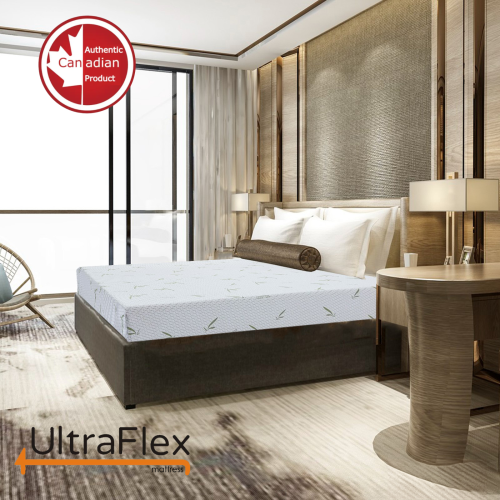
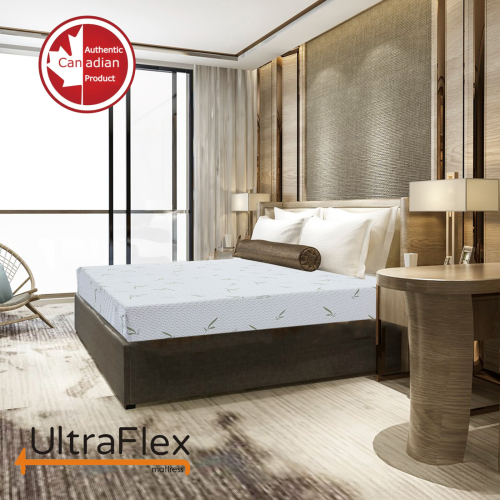
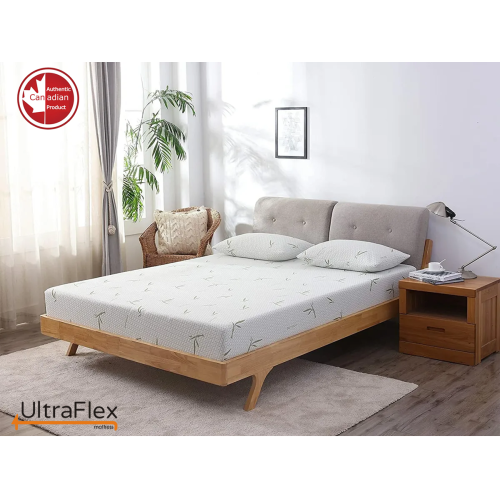
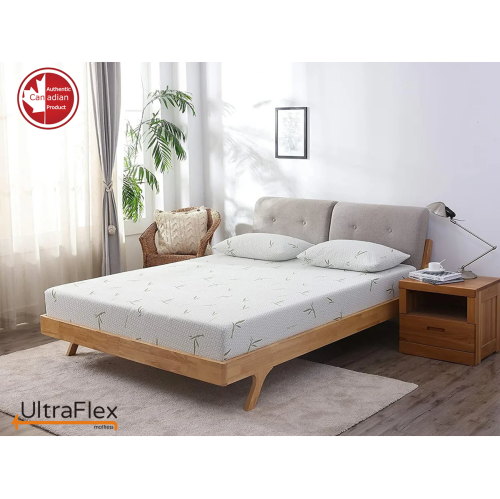
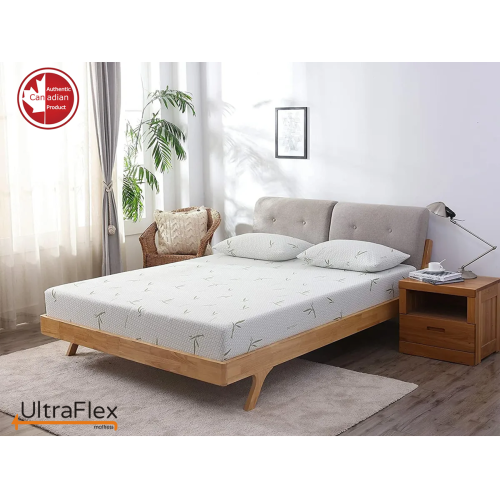
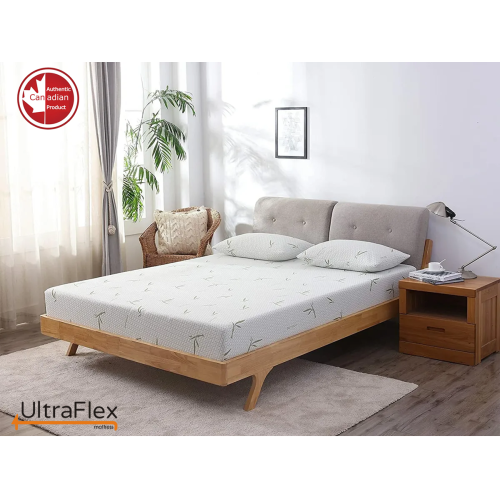
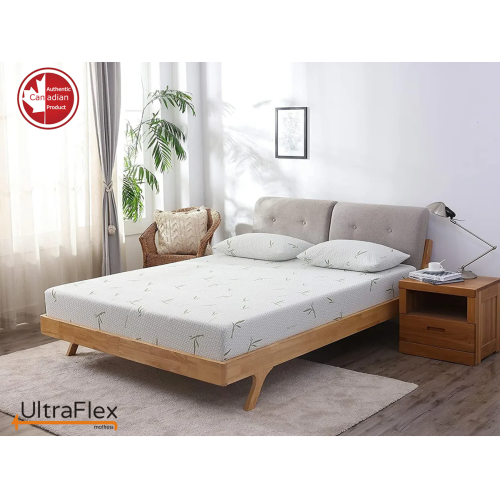
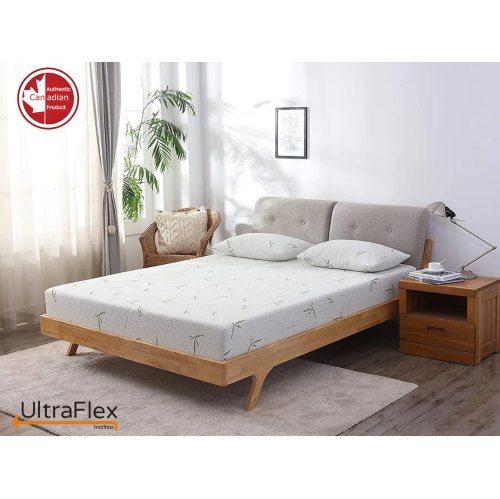
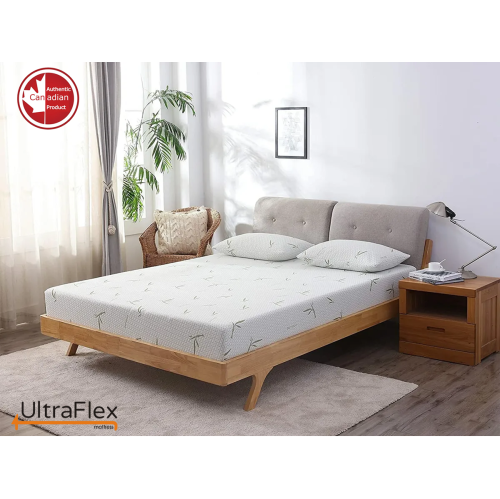
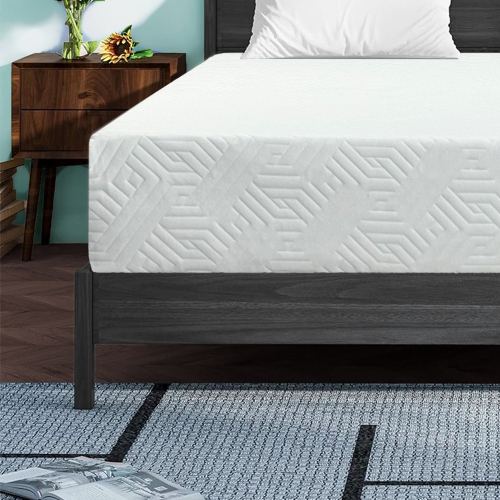
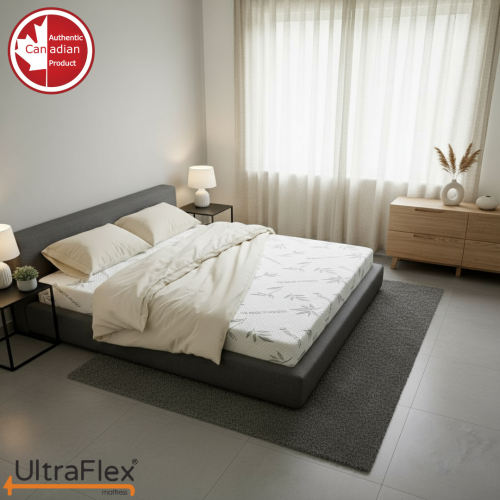
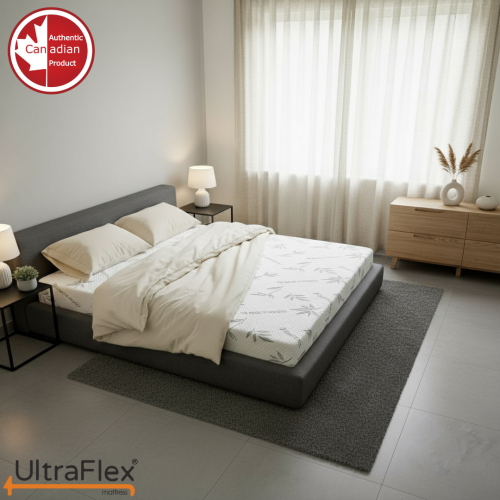
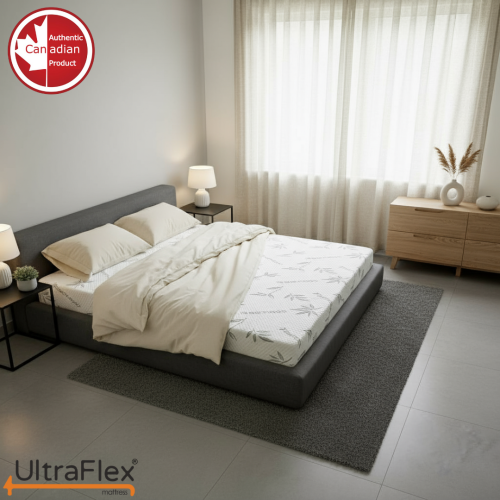
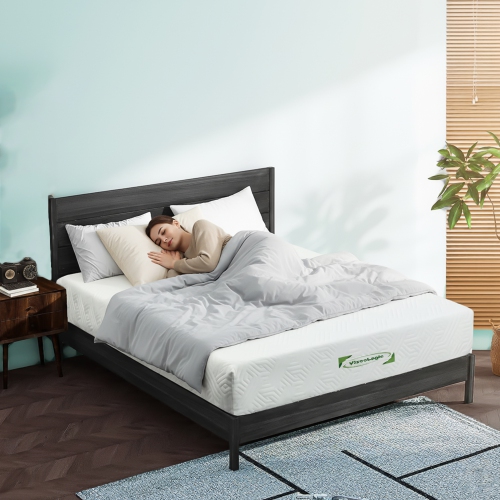
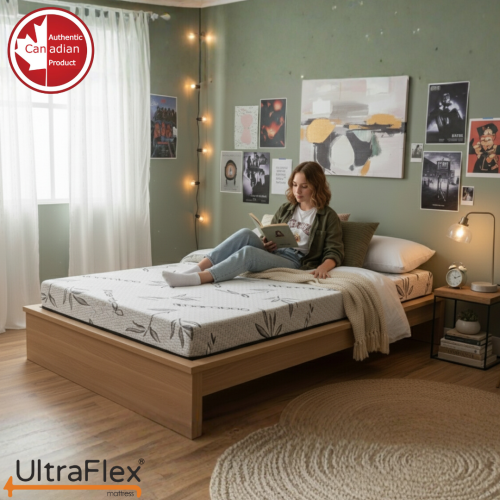
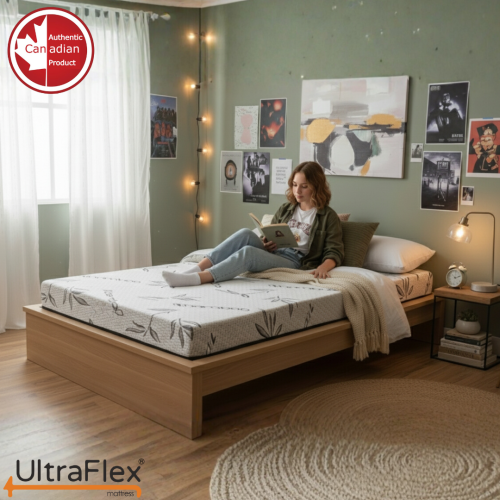
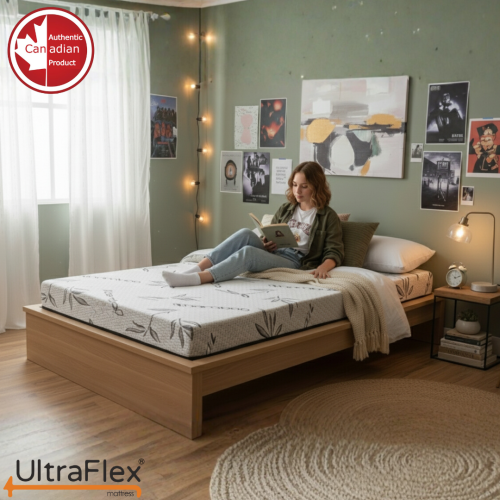
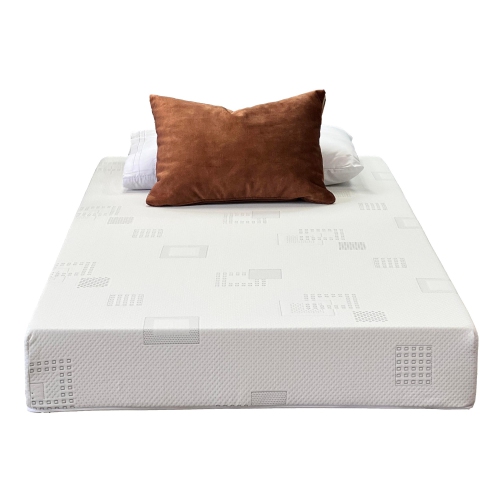
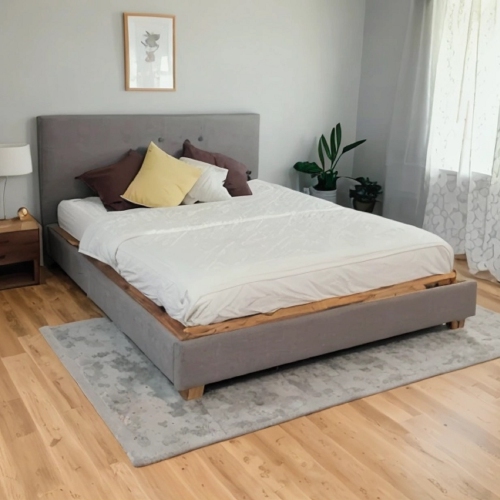
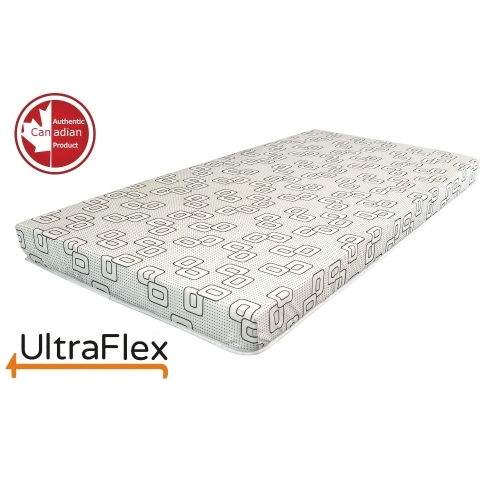
Flexible comfort for changing sleep spaces and guest needs
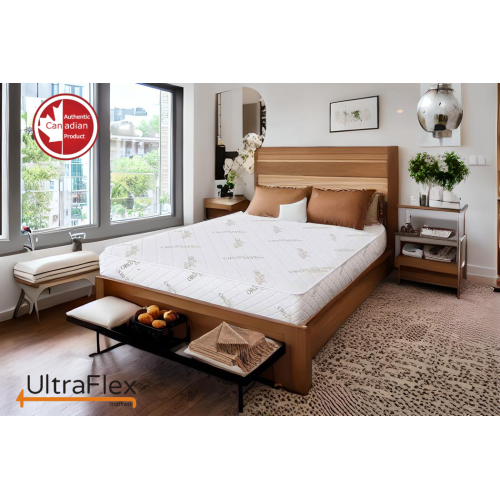
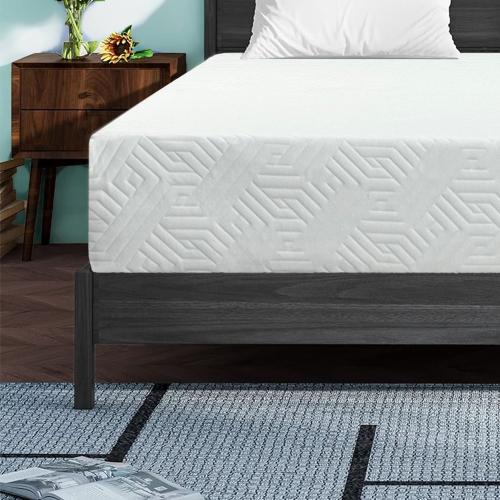
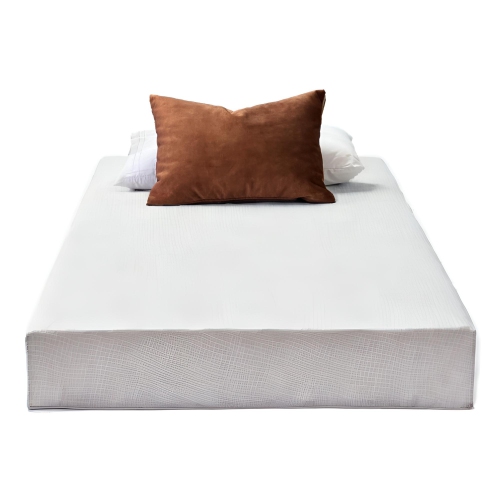
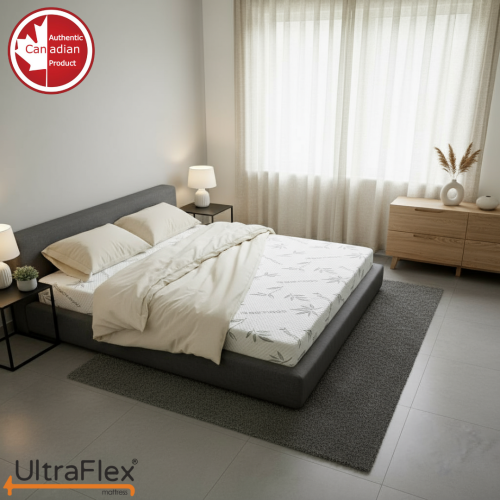
Reversible foam mattresses offer a practical way to adjust a sleep setup while making better use of both sides of the mattress. Unlike a one-sided mattress with a dedicated sleep surface and support base, a reversible design is made to be used on either face, often with a different feel on each side. One side may feel firmer and more supportive, while the other provides a softer, more cushioned surface, giving sleepers the flexibility to choose the comfort level that suits them. This versatility can be especially useful in guest rooms, children’s bedrooms, dorm rooms, vacation properties, bunk beds, trundle beds, daybeds and other spaces where sleeping arrangements may change over time. A slimmer profile can also make these mattresses easier to carry, position and store than a thicker traditional mattress. When selecting one, consider the mattress dimensions, thickness, foam construction and the type of bed frame or foundation it will sit on. A low-profile mattress may be a good fit for a bunk or trundle, while a thicker option can provide additional cushioning for a primary bedroom or frequently used guest bed. Always confirm the product specifications and the bed frame’s requirements before purchasing, particularly for bunk beds, where the mattress height must leave enough room for the guardrails to perform as intended. Foam options can also be useful when outfitting a room for visiting family, preparing a child’s first larger bed or creating a comfortable place for overnight guests during the cooler months. For shoppers comparing different foam constructions, related choices such as Bio Foam Mattresses may also be worth exploring alongside reversible designs.
The defining benefit of a reversible foam mattress is the ability to turn it over and use the opposite sleeping surface, but not every foam mattress is built for this purpose. Some mattresses include a specific base layer, reinforced underside or built-in comfort system that must remain at the bottom, while pillow-top and other one-sided designs can be uncomfortable or unsuitable if flipped. Check the care label, product description and manufacturer instructions to confirm that the mattress is explicitly reversible before turning it over. If both sides are approved for use, flipping and rotating the mattress from time to time can help distribute pressure across a wider area of the foam. This may reduce uneven wear and help the mattress maintain a more consistent feel, although the exact results depend on the materials, sleeper weight, usage and support underneath. Rotation is different from flipping: rotating turns the mattress end to end, while flipping changes which face is on top. A regular schedule based on the manufacturer’s guidance can help keep maintenance simple. Before making the change, remove all bedding, clear the surrounding area and use two people if the mattress is bulky or difficult to handle. Once it is in place, allow the foam to settle if the instructions recommend it, and inspect the cover and seams for signs of damage. A properly fitting mattress protector can help shield the surface from spills, dust and everyday wear, while breathable bedding can make the sleep surface feel more comfortable through changing conditions. It is also important to use the mattress on a compatible, stable foundation with adequate support and ventilation, rather than placing it directly on an uneven floor for extended periods.
Comfort is personal, so the best reversible foam mattress depends on how and where it will be used. Side sleepers often look for enough cushioning around the shoulders and hips, while back and stomach sleepers may prefer a firmer feel that helps them avoid sinking too deeply. Couples may need to consider how well the foam limits motion transfer when one person changes position, and people who share a room with a restless child may appreciate a surface that feels stable and supportive. For a child’s room, check the recommended age range, mattress height and compatibility with the bed frame before setting it up. In a guest room, a versatile two-sided mattress can accommodate visitors with different preferences without requiring a second bed or a large topper collection. It can also be a thoughtful practical gift for someone moving into a new home, furnishing a student residence or preparing a spare room, particularly when the recipient would benefit from adaptable comfort rather than a highly specialized sleep surface. Keep in mind that foam can feel different depending on room temperature, bedding and the support beneath it, and a new mattress may have a noticeable odour when first unpacked. Follow the airing-out instructions and give the foam time to expand fully before use. Reviewing the dimensions, firmness descriptions, cover features, weight limits, warranty terms and return conditions can help set realistic expectations. By matching the mattress to the sleeper, bed frame and available space—and by flipping it only when the construction is designed for two-sided use—shoppers can choose a flexible sleep solution for everyday rest, occasional guests and changing household needs.
The defining benefit of a reversible foam mattress is the ability to turn it over and use the opposite sleeping surface, but not every foam mattress is built for this purpose. Some mattresses include a specific base layer, reinforced underside or built-in comfort system that must remain at the bottom, while pillow-top and other one-sided designs can be uncomfortable or unsuitable if flipped. Check the care label, product description and manufacturer instructions to confirm that the mattress is explicitly reversible before turning it over. If both sides are approved for use, flipping and rotating the mattress from time to time can help distribute pressure across a wider area of the foam. This may reduce uneven wear and help the mattress maintain a more consistent feel, although the exact results depend on the materials, sleeper weight, usage and support underneath. Rotation is different from flipping: rotating turns the mattress end to end, while flipping changes which face is on top. A regular schedule based on the manufacturer’s guidance can help keep maintenance simple. Before making the change, remove all bedding, clear the surrounding area and use two people if the mattress is bulky or difficult to handle. Once it is in place, allow the foam to settle if the instructions recommend it, and inspect the cover and seams for signs of damage. A properly fitting mattress protector can help shield the surface from spills, dust and everyday wear, while breathable bedding can make the sleep surface feel more comfortable through changing conditions. It is also important to use the mattress on a compatible, stable foundation with adequate support and ventilation, rather than placing it directly on an uneven floor for extended periods.
Comfort is personal, so the best reversible foam mattress depends on how and where it will be used. Side sleepers often look for enough cushioning around the shoulders and hips, while back and stomach sleepers may prefer a firmer feel that helps them avoid sinking too deeply. Couples may need to consider how well the foam limits motion transfer when one person changes position, and people who share a room with a restless child may appreciate a surface that feels stable and supportive. For a child’s room, check the recommended age range, mattress height and compatibility with the bed frame before setting it up. In a guest room, a versatile two-sided mattress can accommodate visitors with different preferences without requiring a second bed or a large topper collection. It can also be a thoughtful practical gift for someone moving into a new home, furnishing a student residence or preparing a spare room, particularly when the recipient would benefit from adaptable comfort rather than a highly specialized sleep surface. Keep in mind that foam can feel different depending on room temperature, bedding and the support beneath it, and a new mattress may have a noticeable odour when first unpacked. Follow the airing-out instructions and give the foam time to expand fully before use. Reviewing the dimensions, firmness descriptions, cover features, weight limits, warranty terms and return conditions can help set realistic expectations. By matching the mattress to the sleeper, bed frame and available space—and by flipping it only when the construction is designed for two-sided use—shoppers can choose a flexible sleep solution for everyday rest, occasional guests and changing household needs.
Top selling and popular products
-
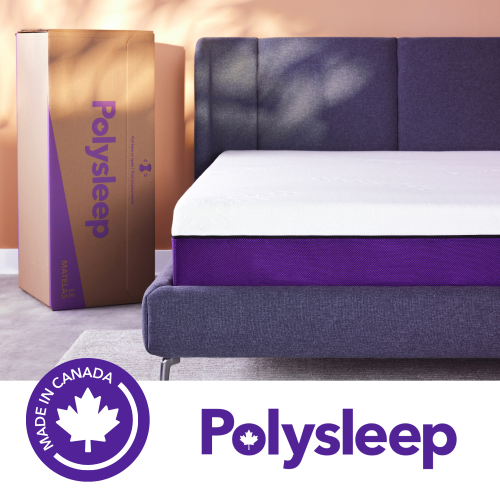 Your price for this item is $1195
 -
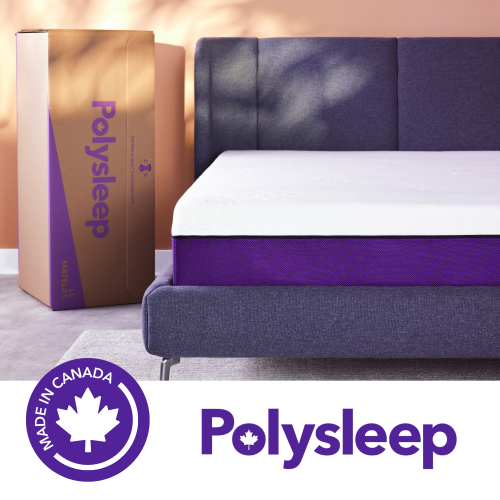 Your price for this item is $1395
 -
 Your price for this item is $1095
 -
 Your price for this item is $945
 -
 Your price for this item is $1199
 -
 Your price for this item is $1395
 -
 Your price for this item is $895
 -
 Your price for this item is $920
Discover more categories related to Reversible Foam Mattresses
Top Collections:
Pokemon Centers, Kindle Devices, Best Budget Office Chairs, Apple iPhones 16, Best Laptops for Writers, iPhone 15 Apple, Canon G7X Cameras, Refurbished Apple Laptops, Alarm Clock, Motorola Razr Phones
Some products may be subject to Environmental Handling Fees
(EHF) depending on your province.
Learn more about EHFs.