Roof Canopies
Enhance your outdoor living space with this selection of roof canopies, designed to provide shade and protection from the elements while adding a touch of style to your patio or backyard. Whether you're looking to create a cozy retreat for relaxing with a book or hosting gatherings with friends and family, this range of roof canopies offers versatile solutions to suit your needs. From sleek modern designs to classic styles, explore this collection to find the perfect canopy to elevate your outdoor experience.
Sort
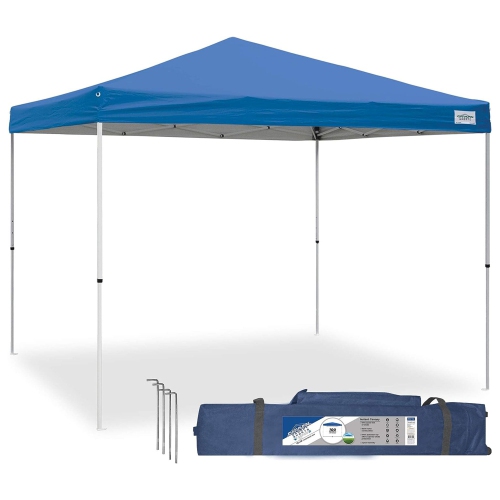
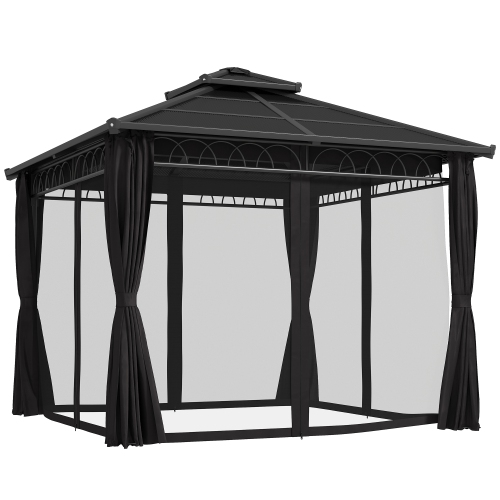
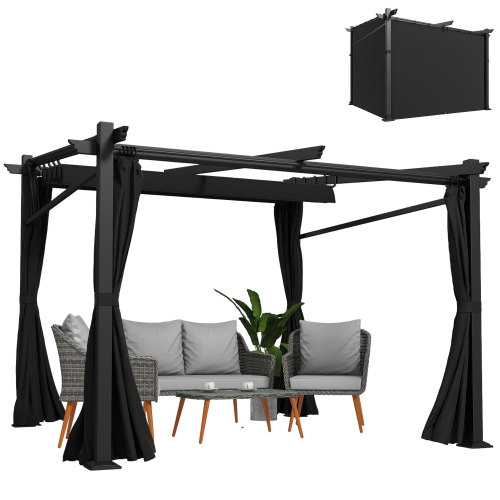
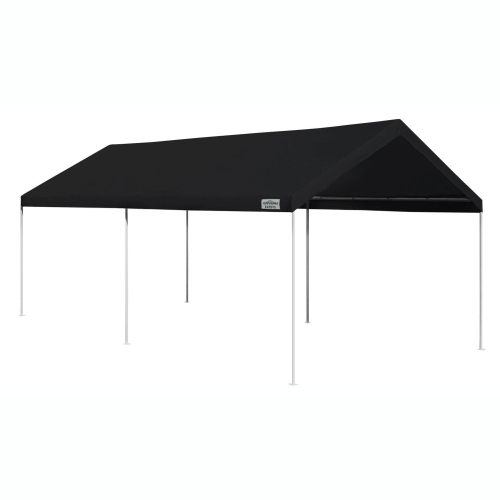
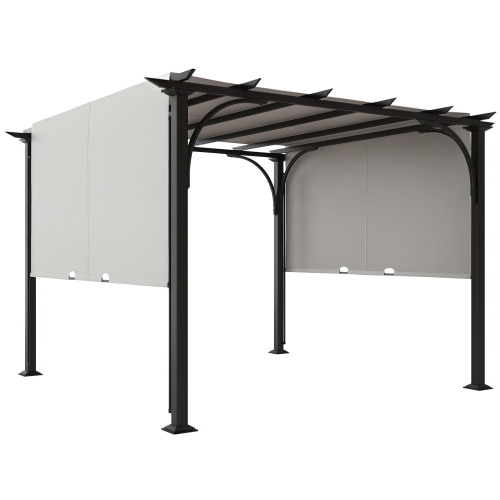
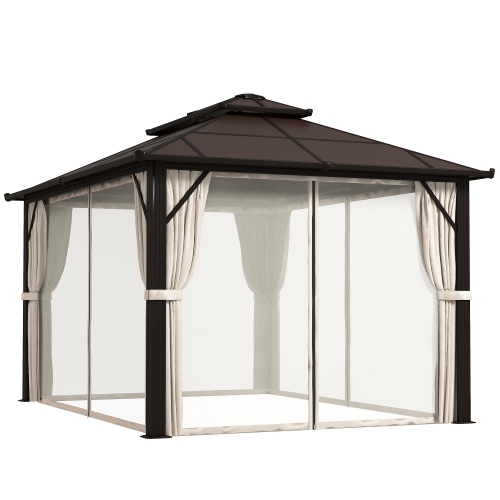
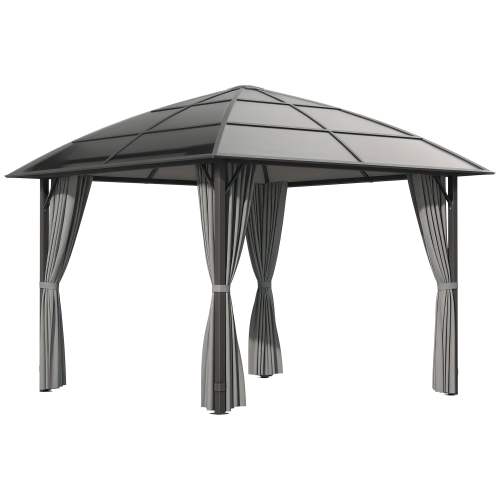
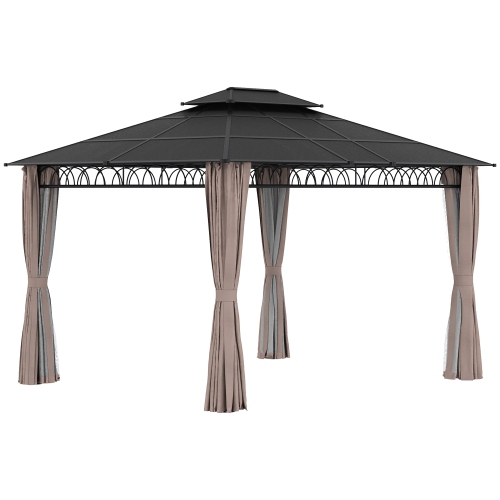

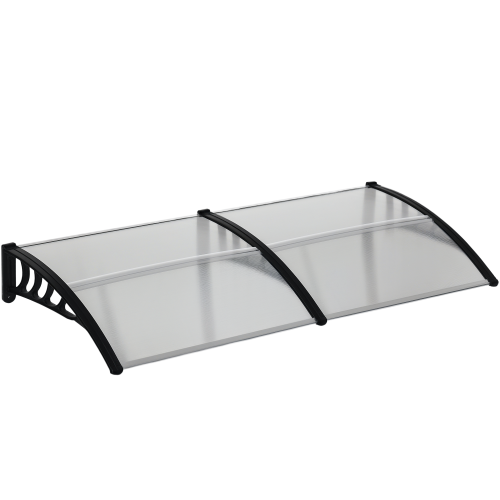
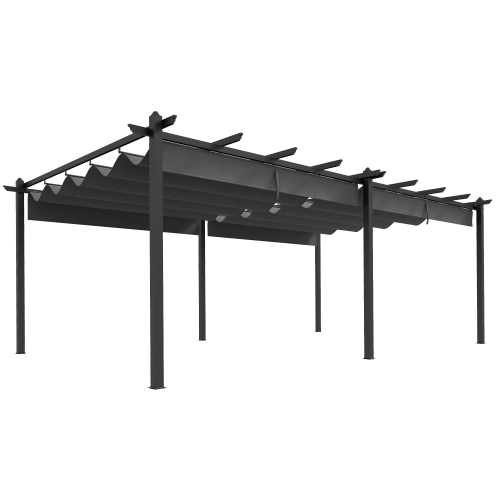

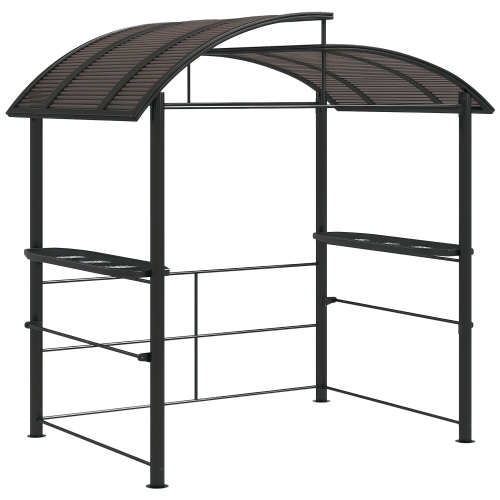
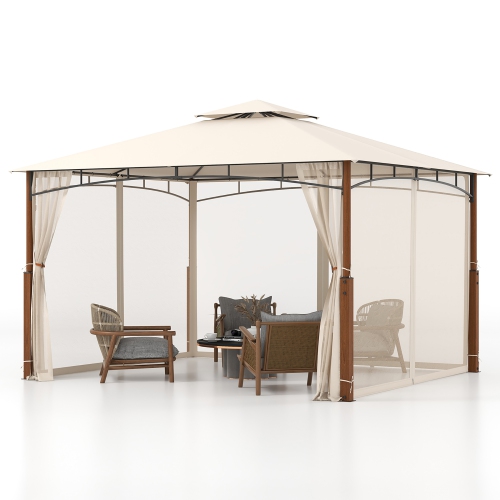
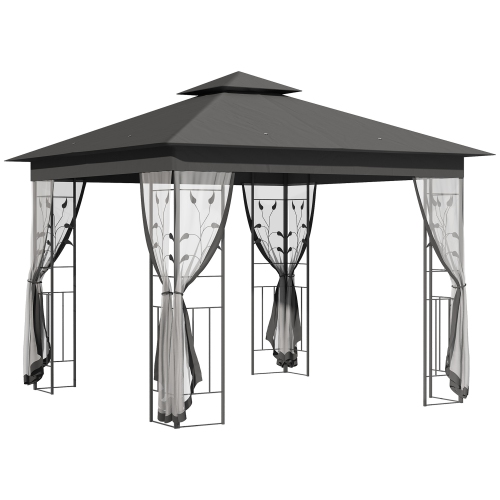
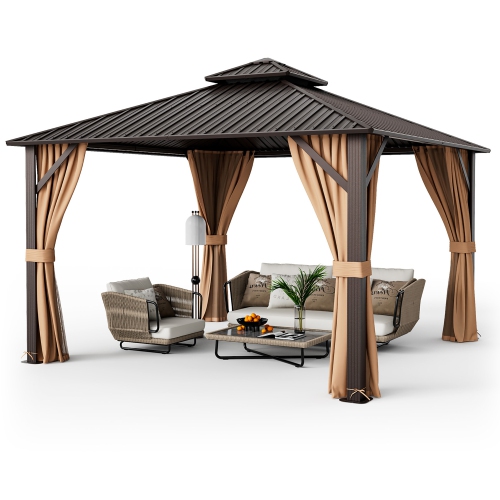
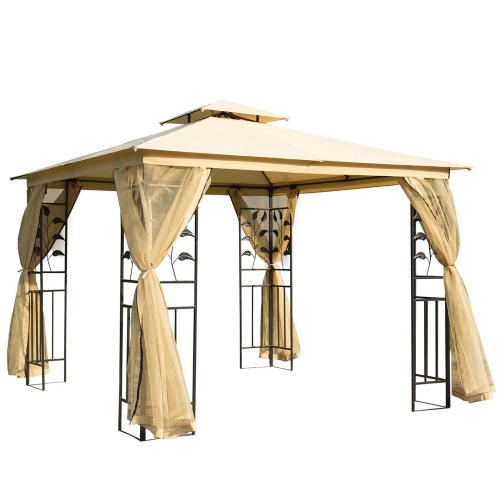
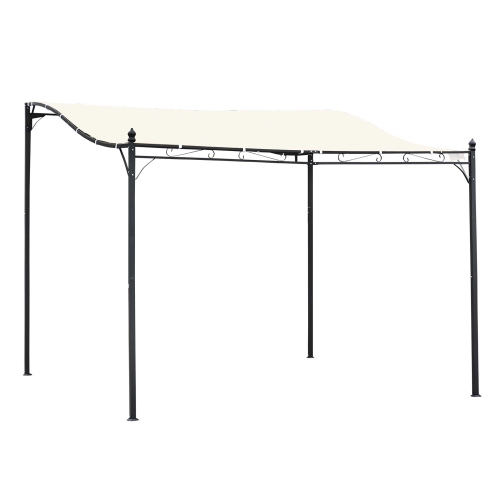
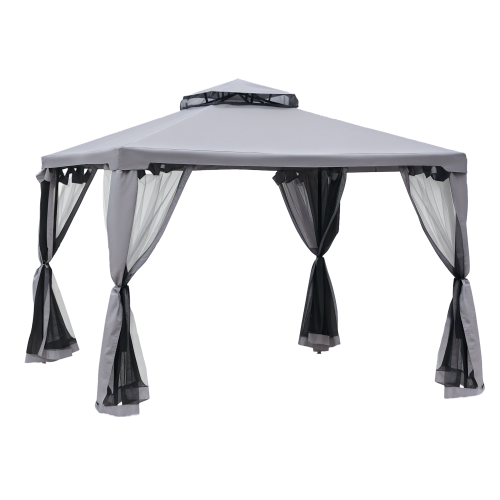
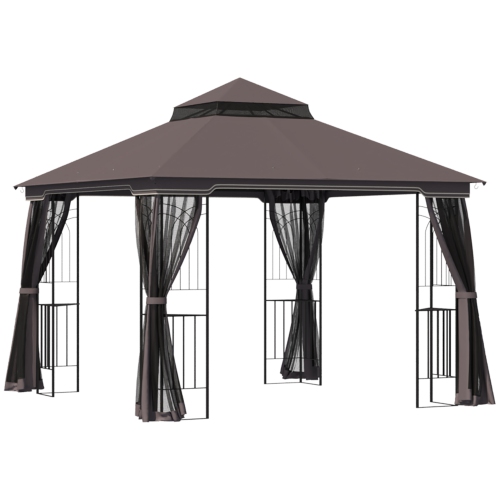
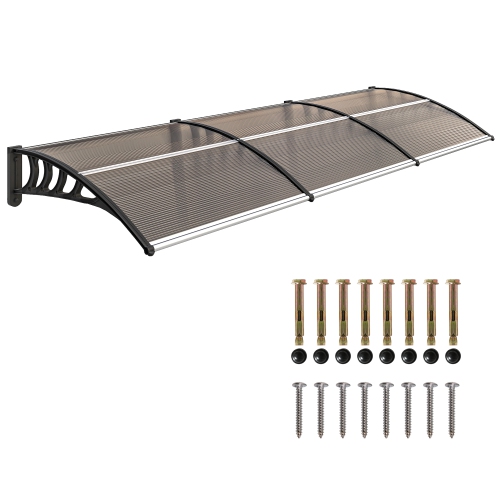
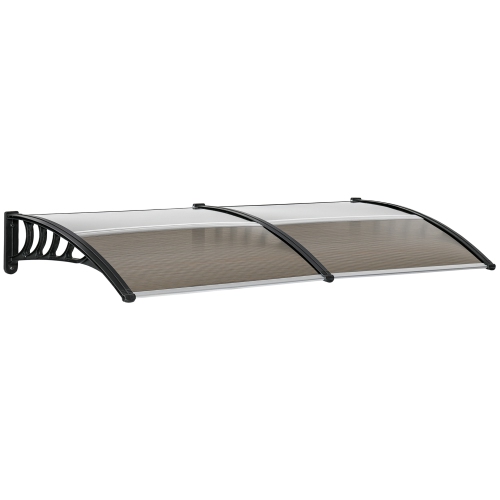
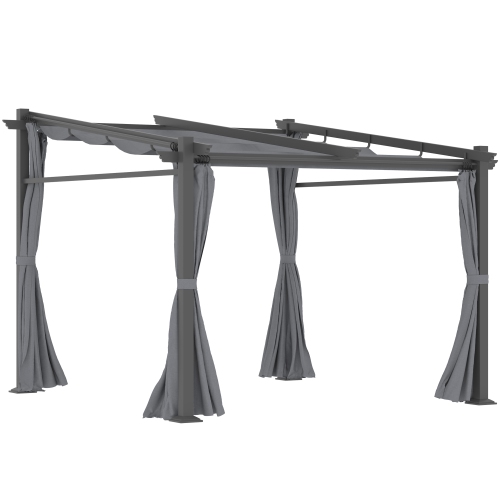
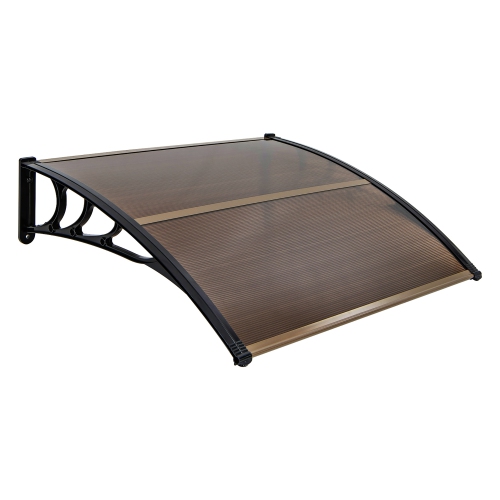
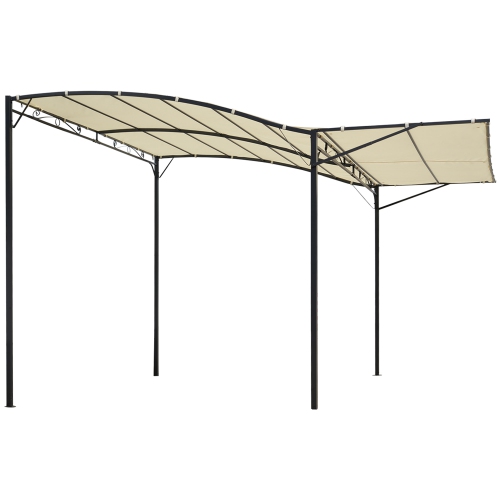
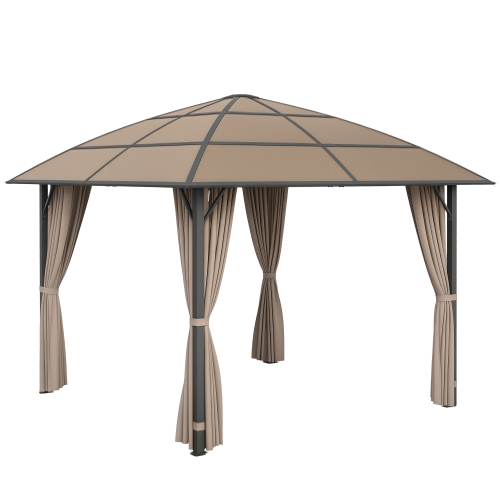
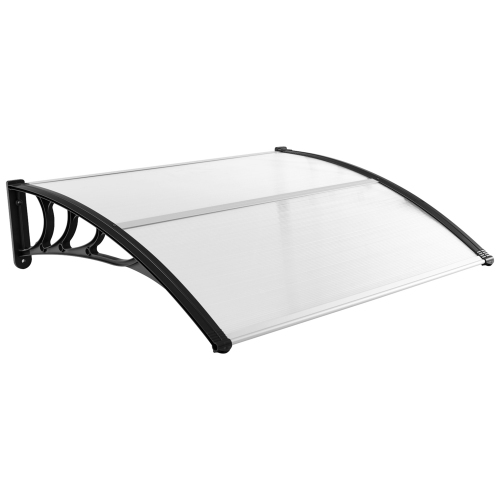
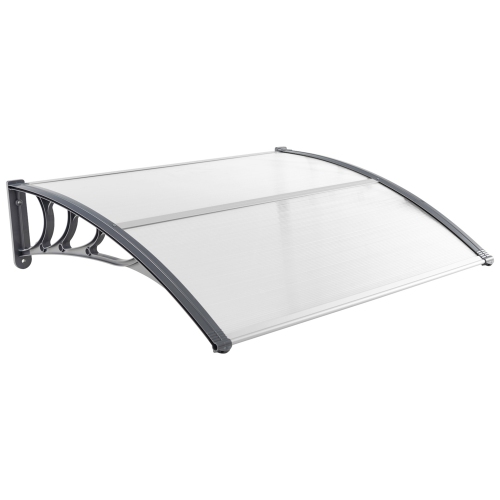

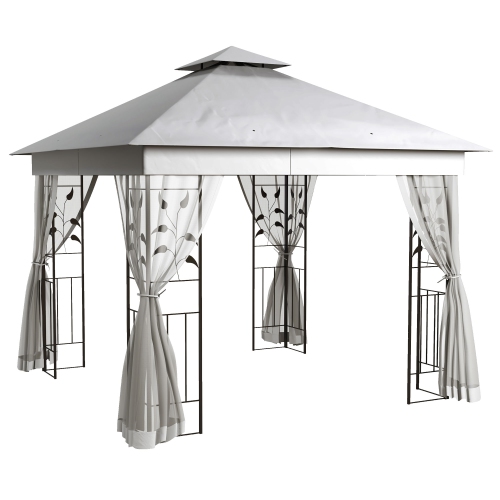
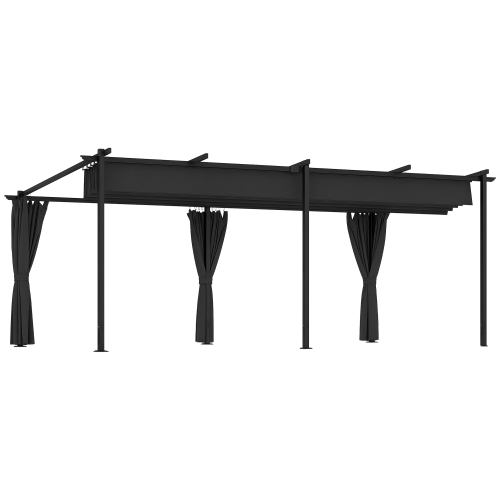
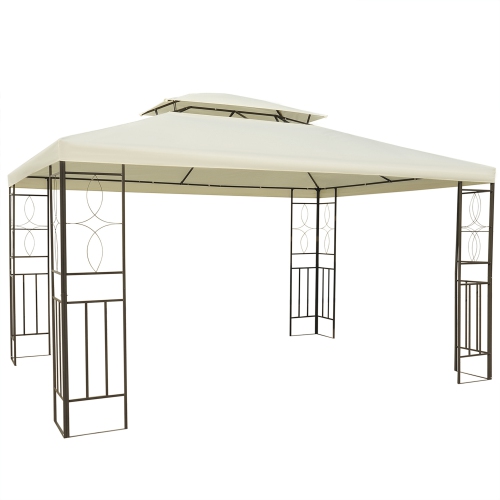
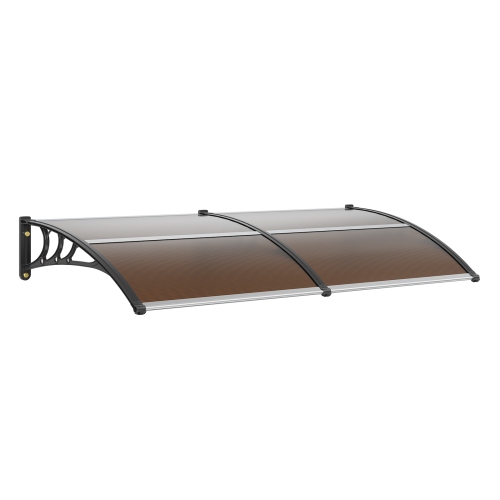
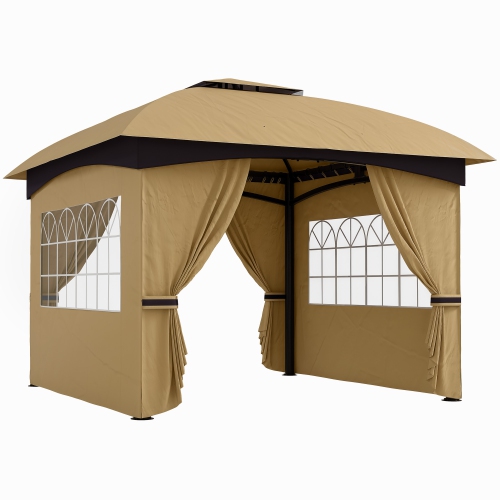
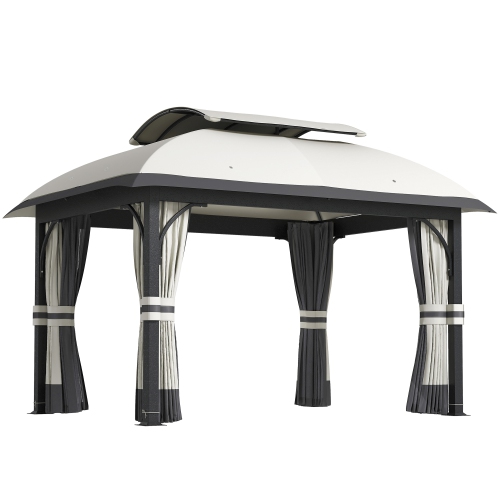
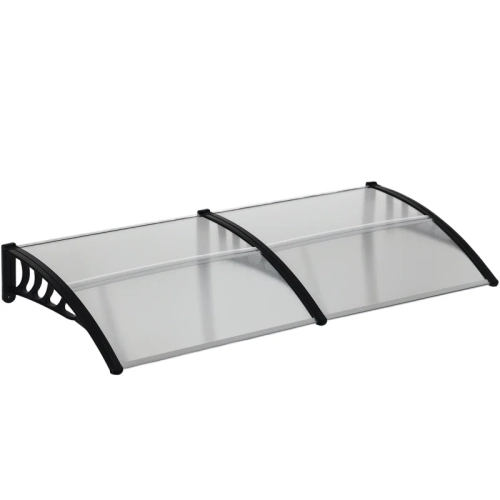
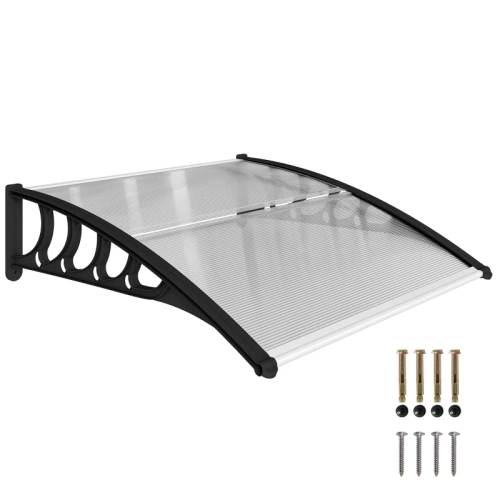
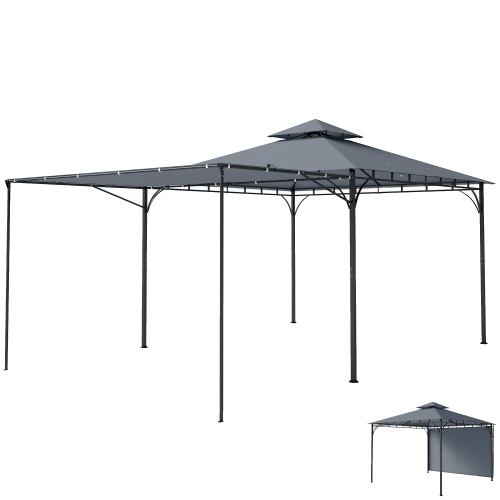
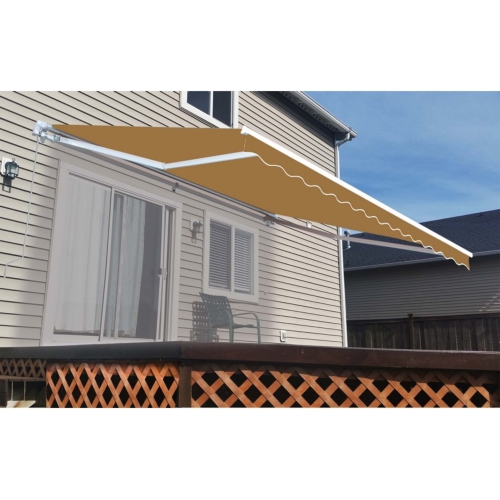
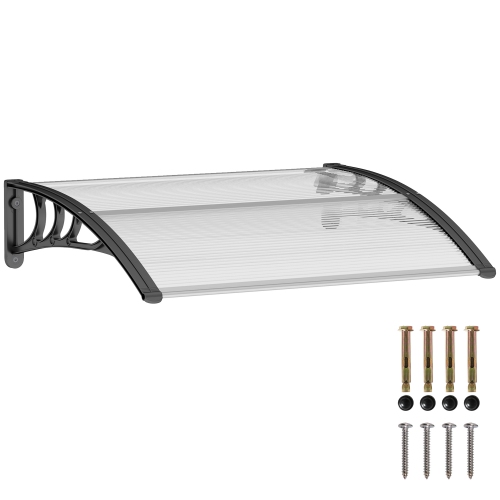
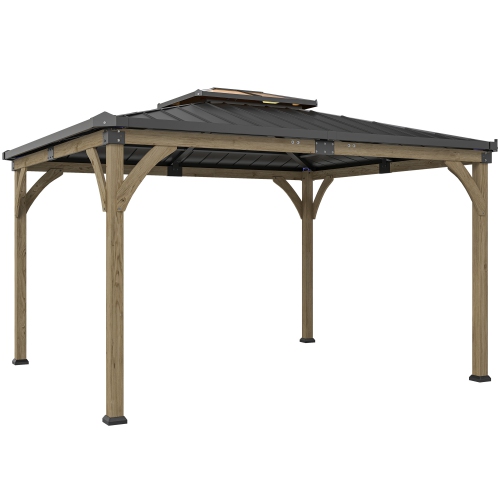
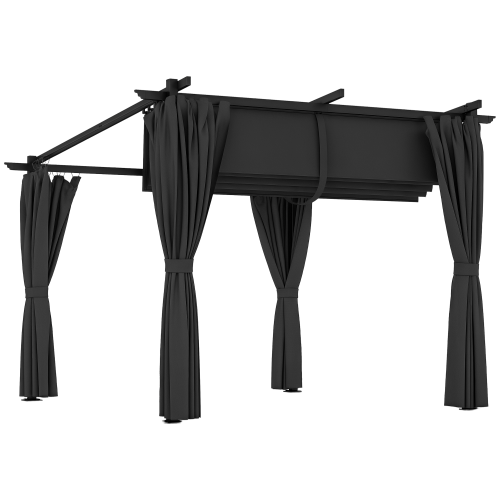
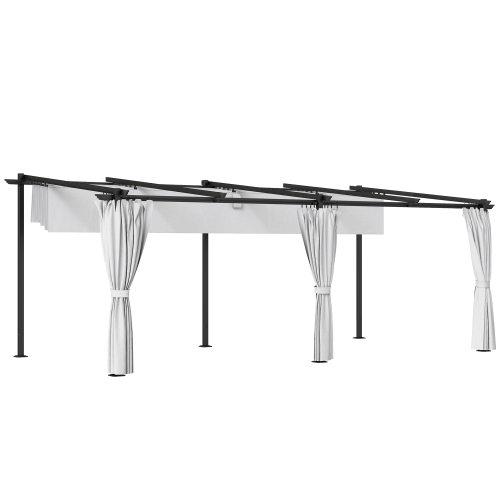
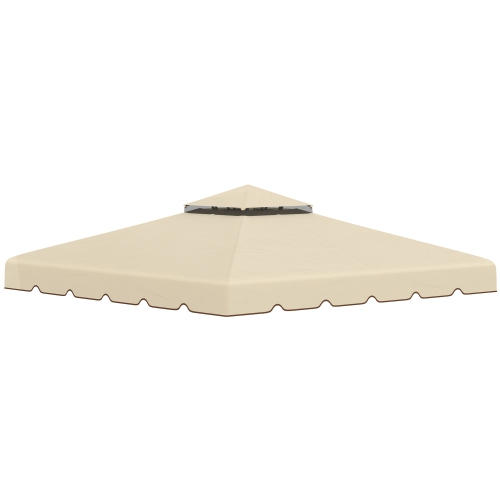
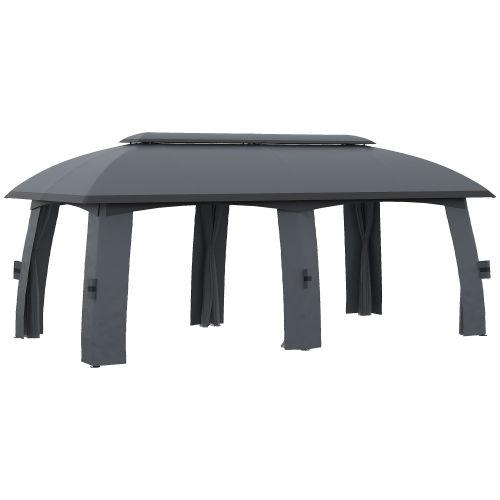
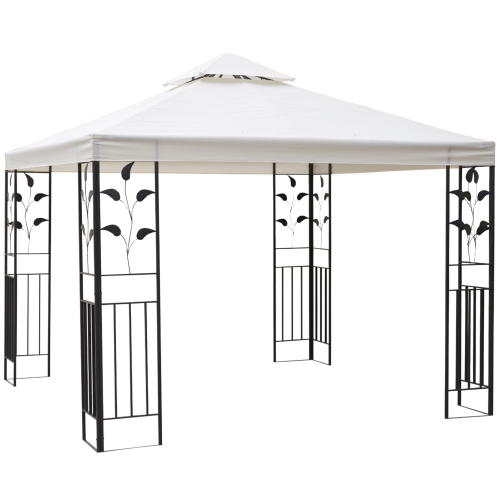
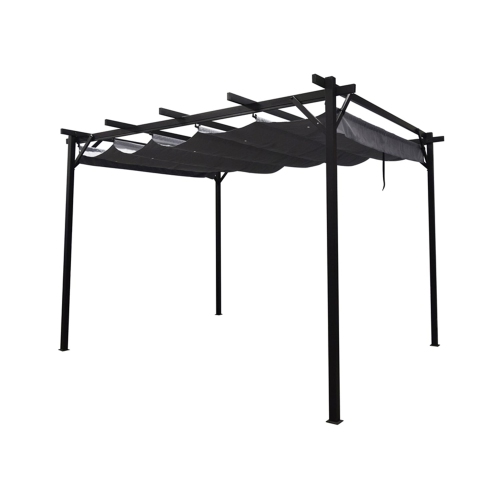

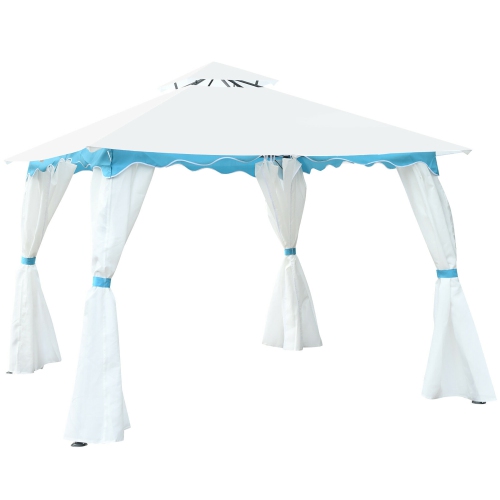
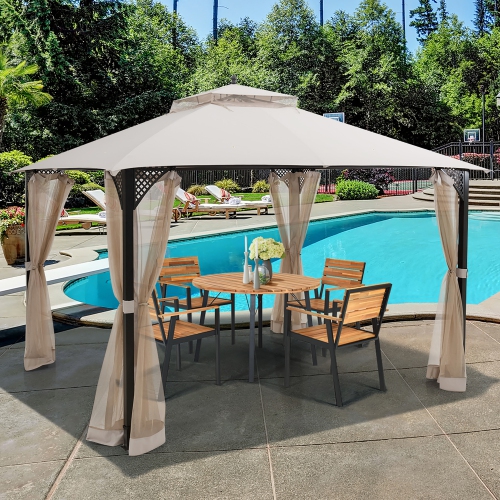
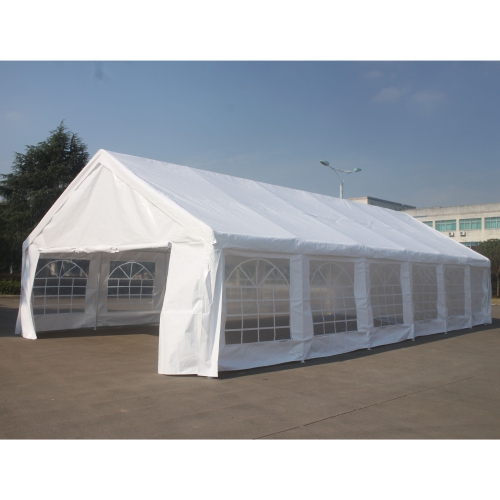
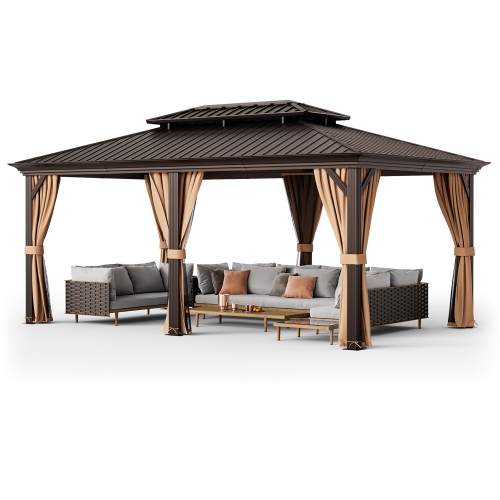
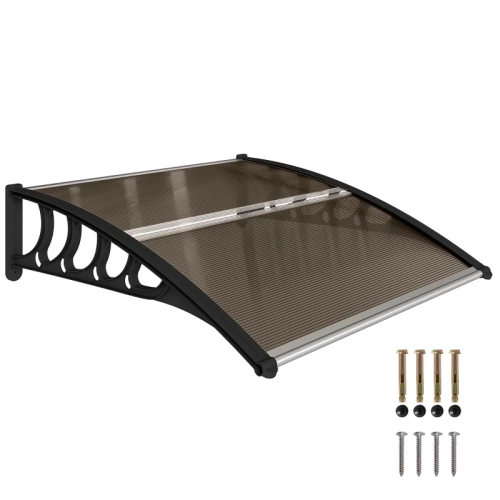
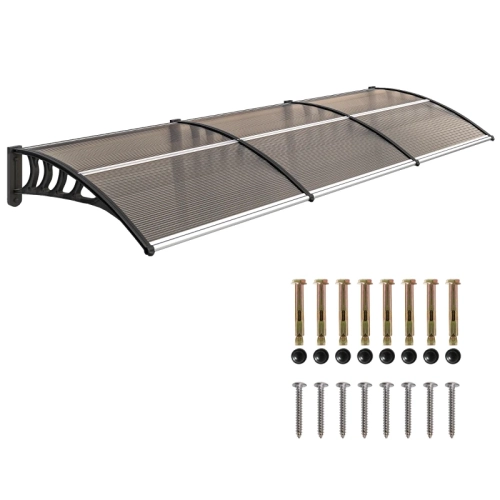
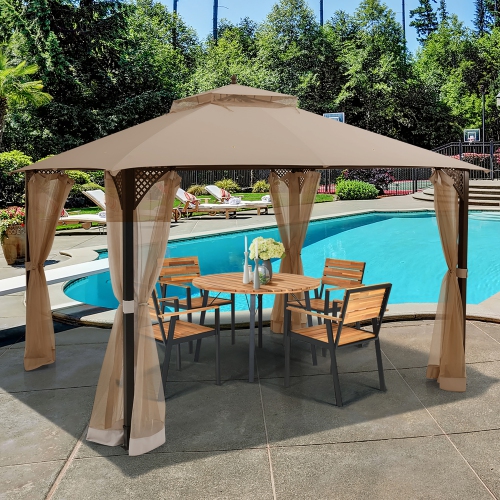
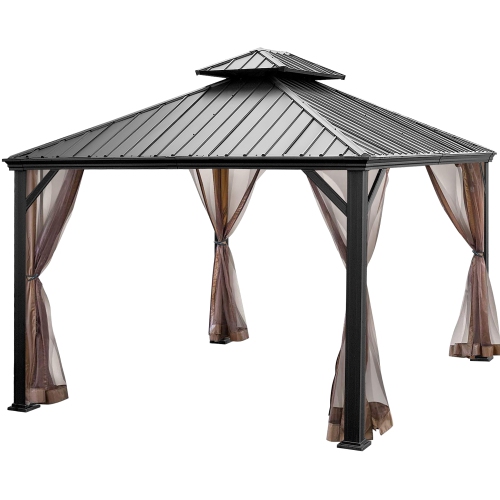
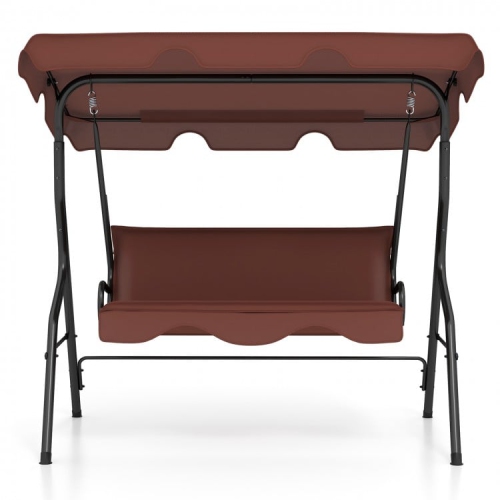
From sheltered doorsteps to open-air dining spaces
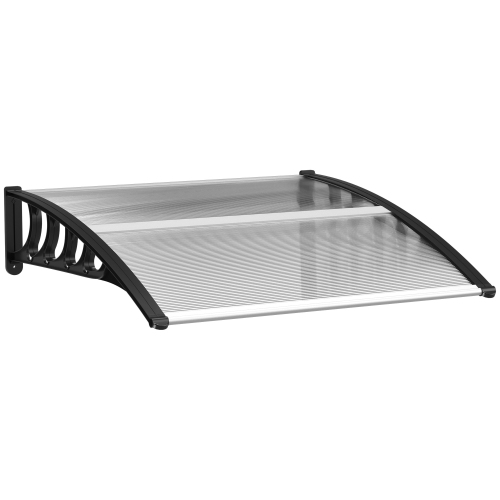
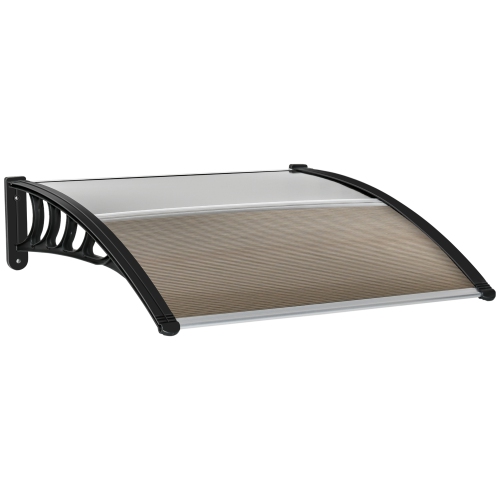
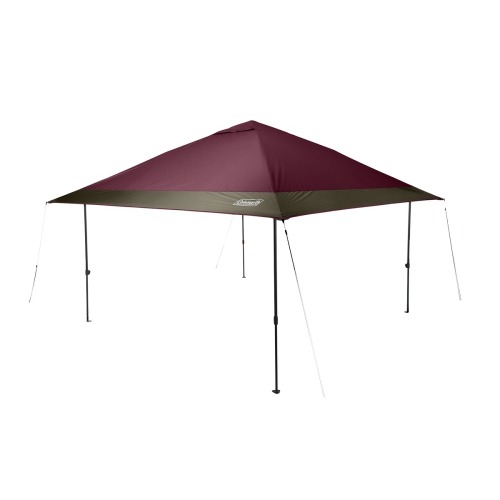
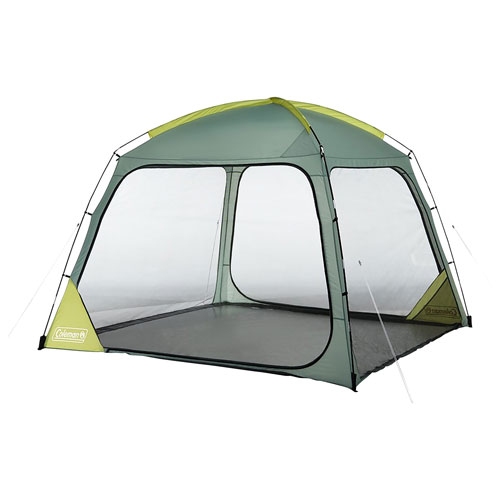
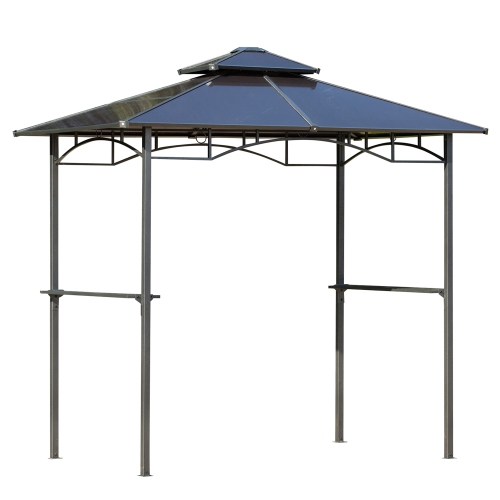
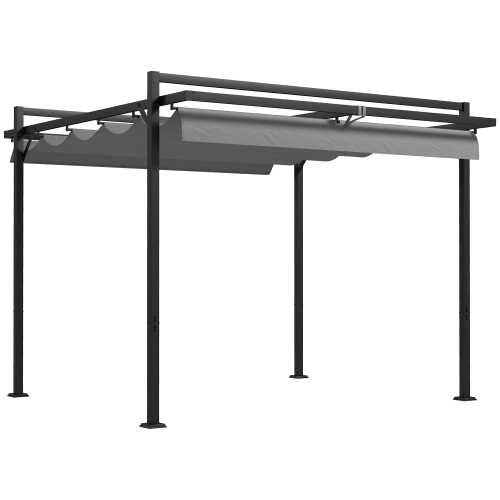
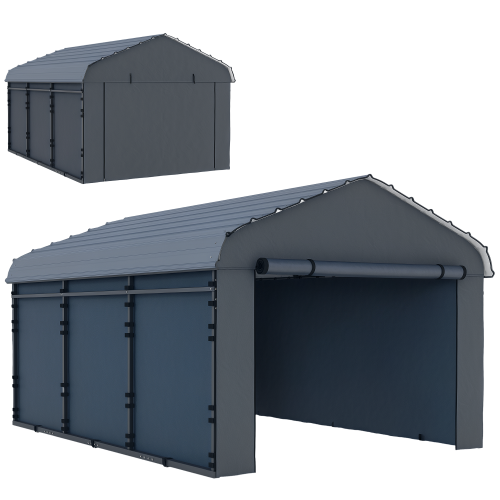
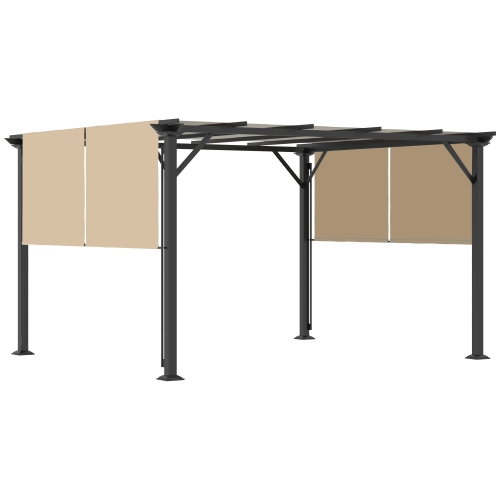
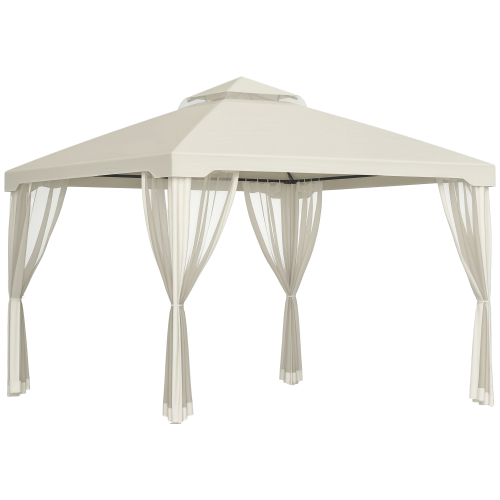
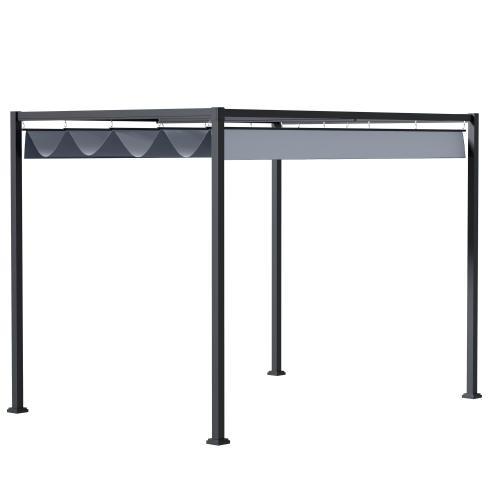
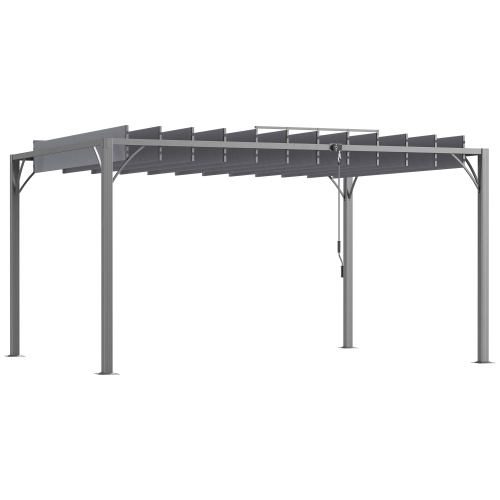
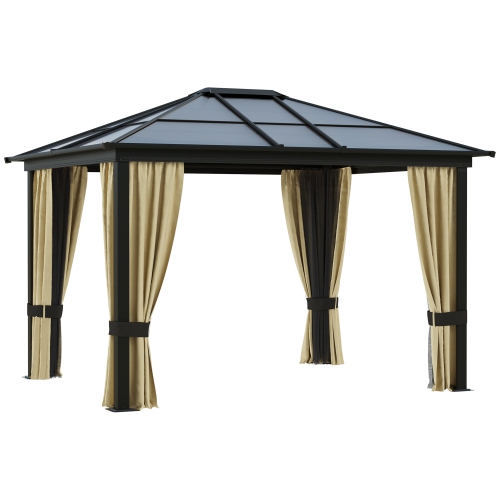
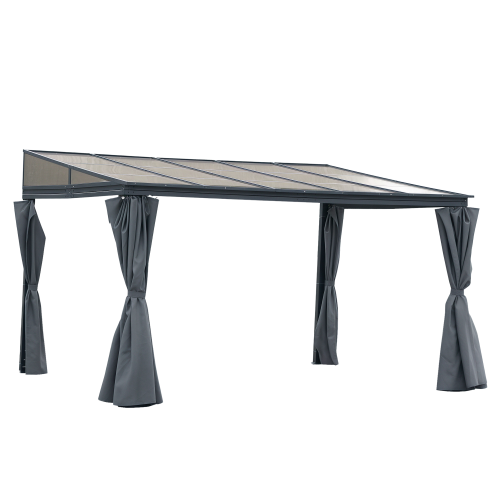
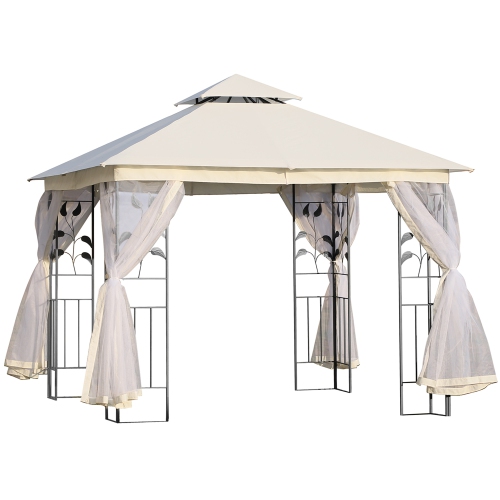
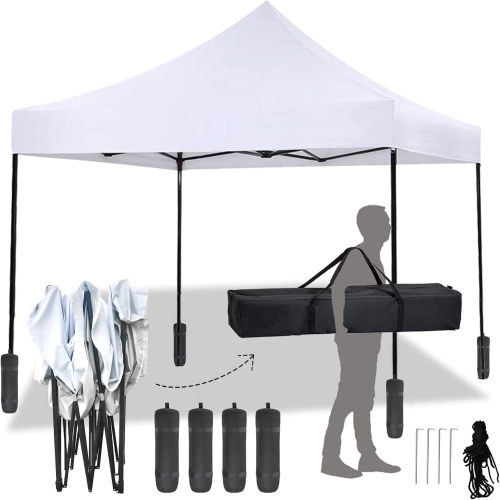
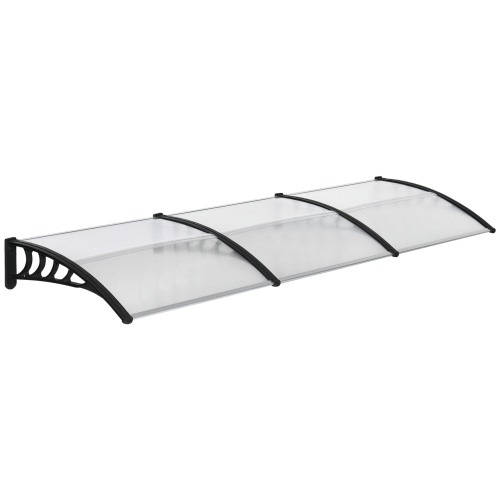
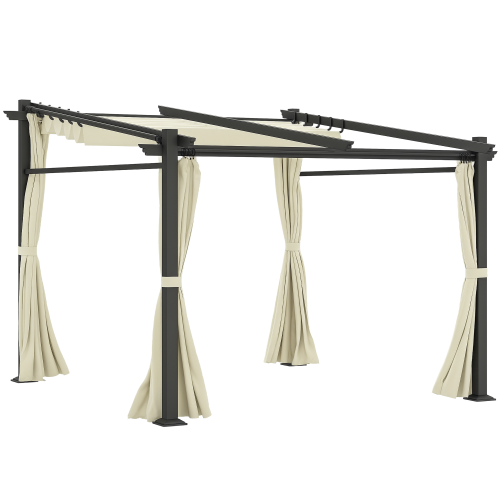
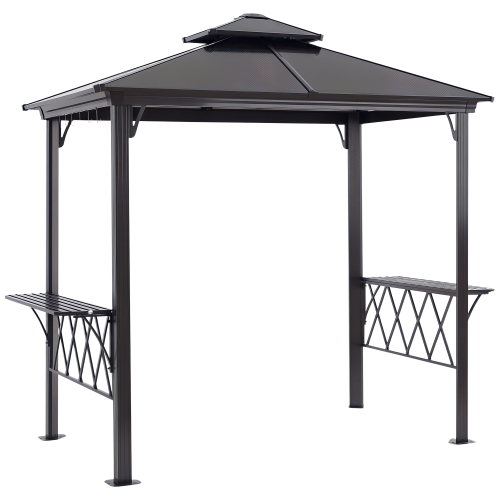
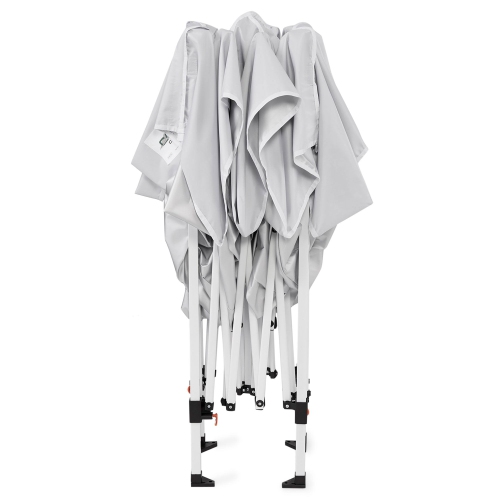
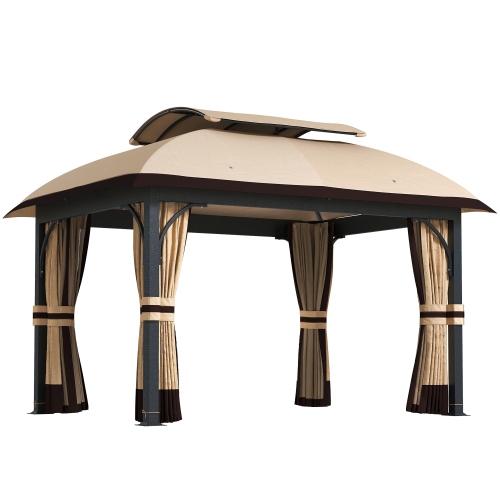
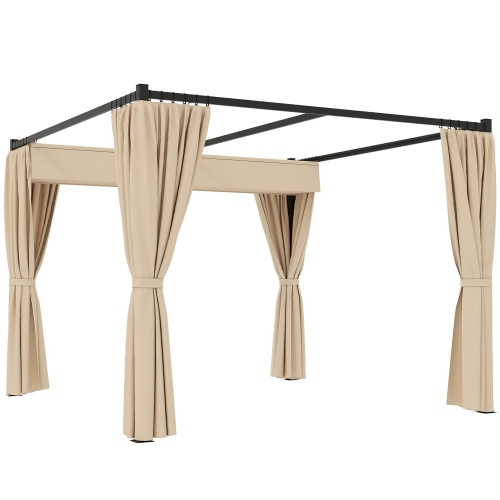
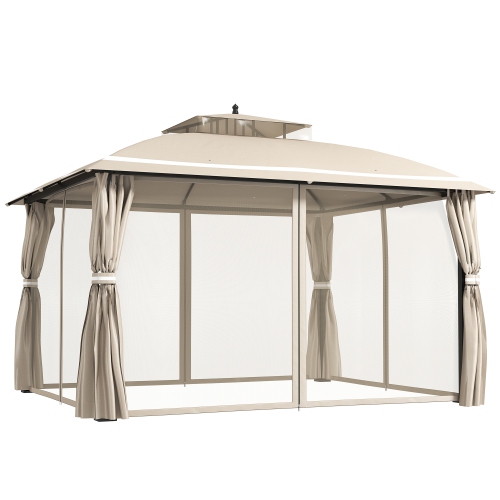
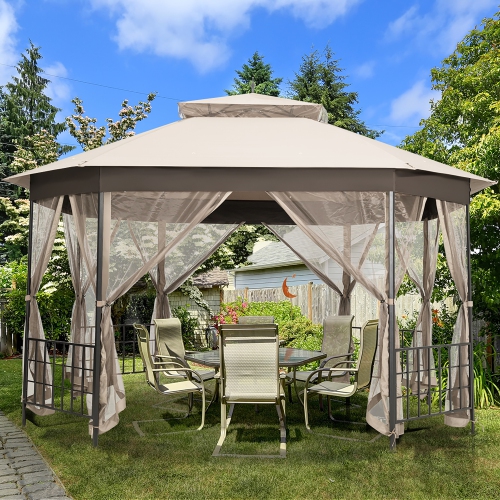
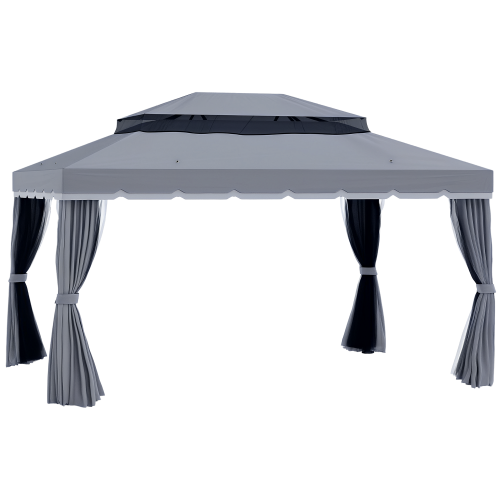
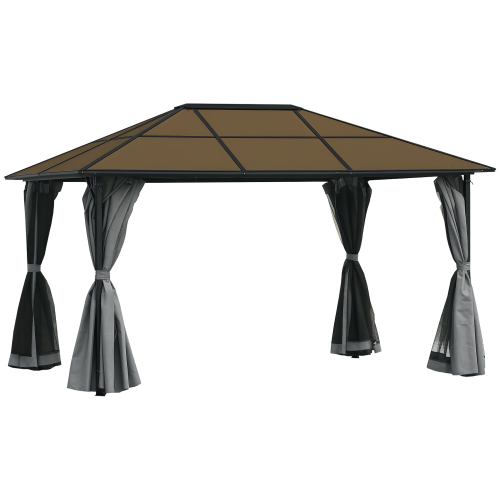
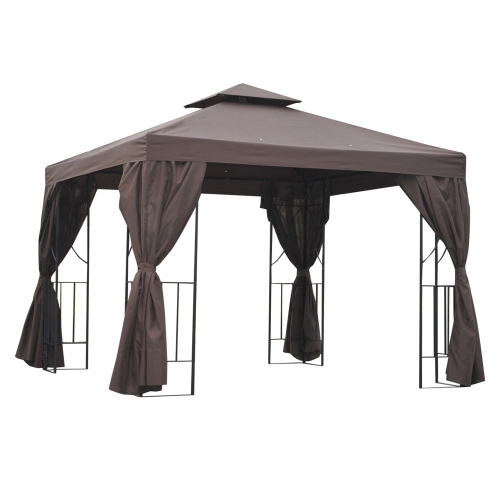
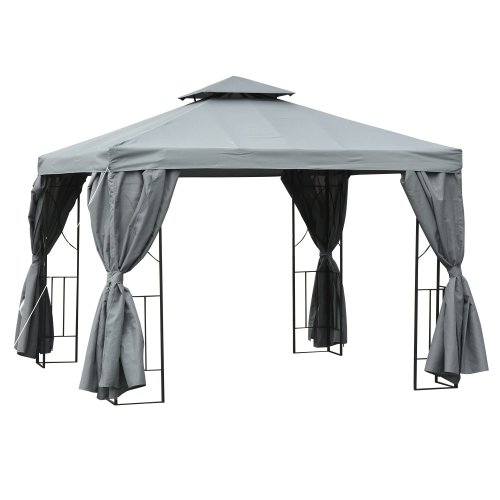
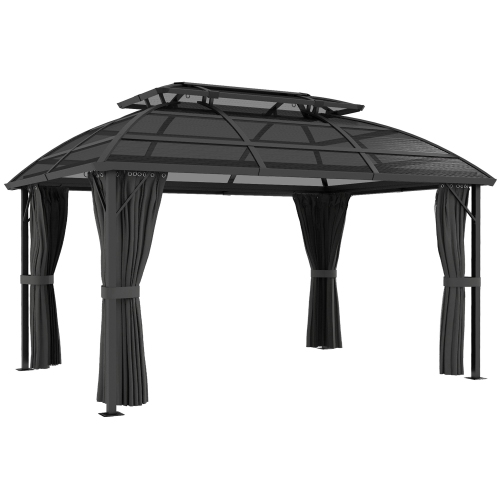
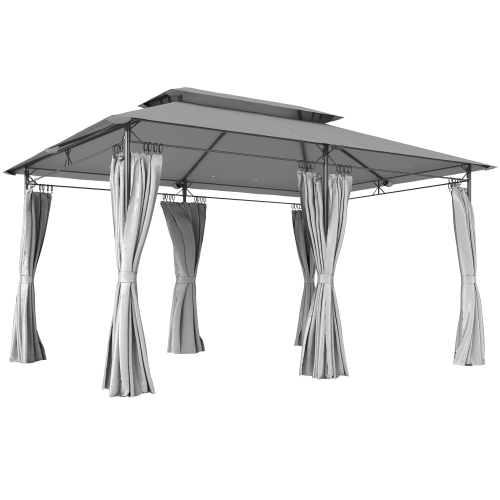
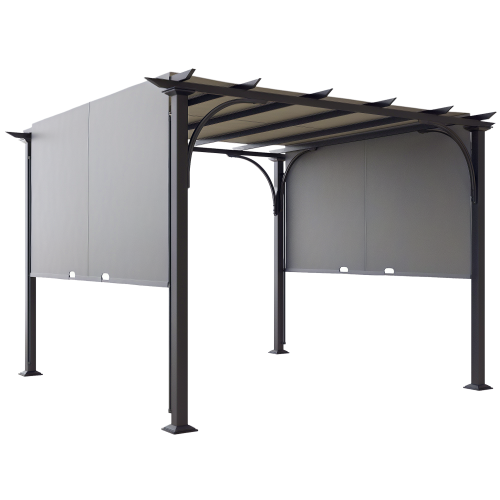
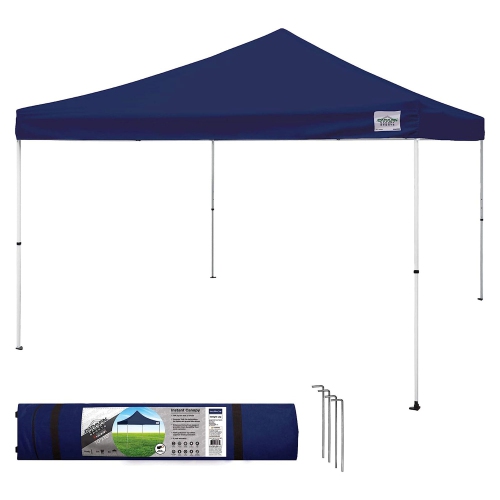
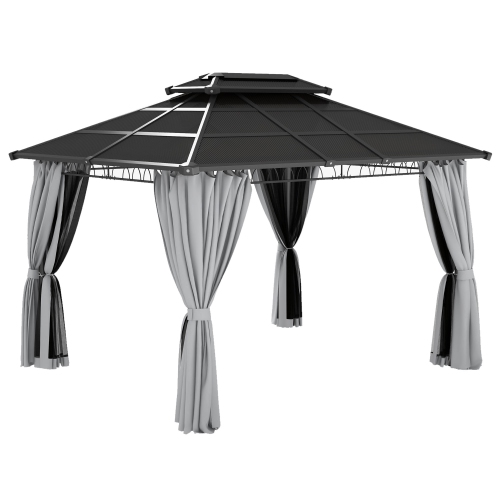
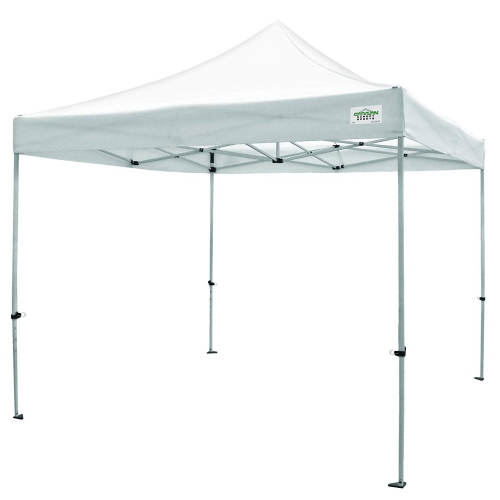
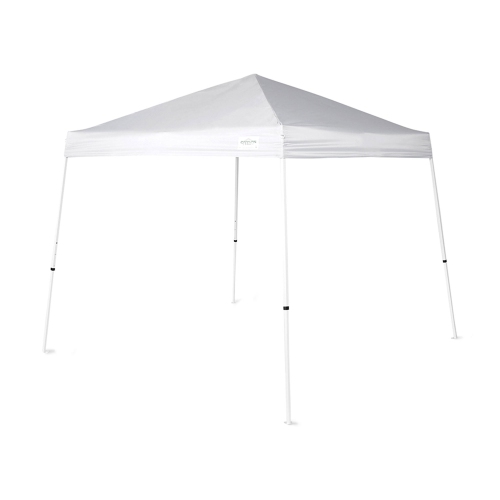
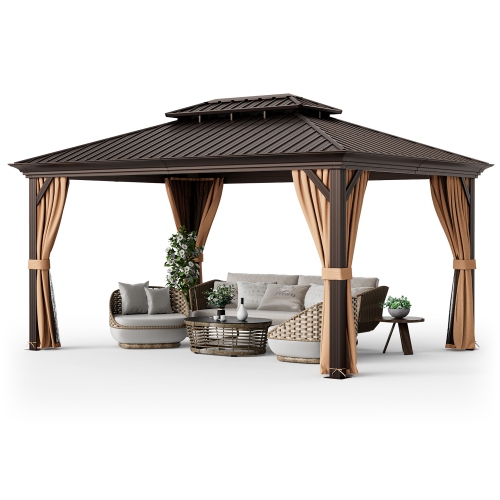
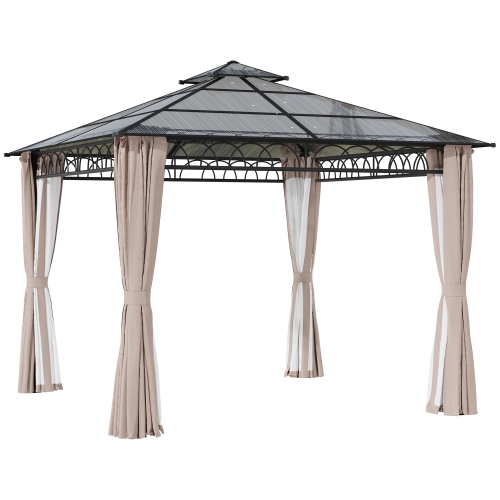
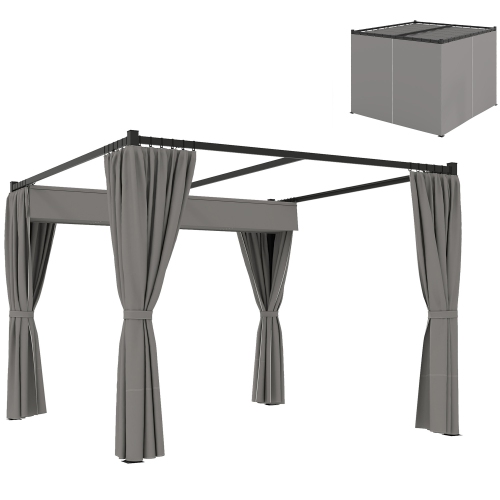
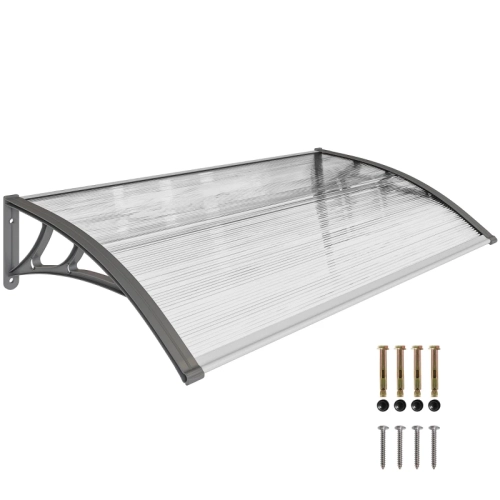
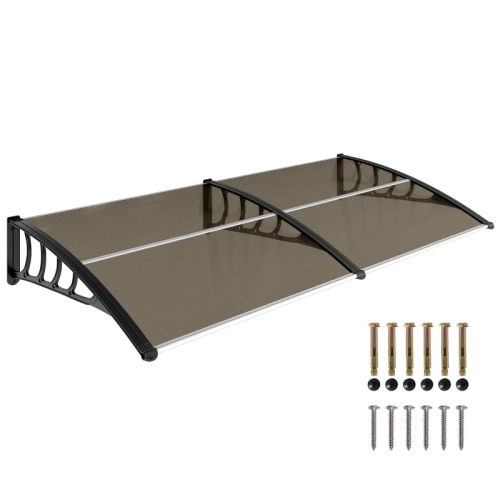
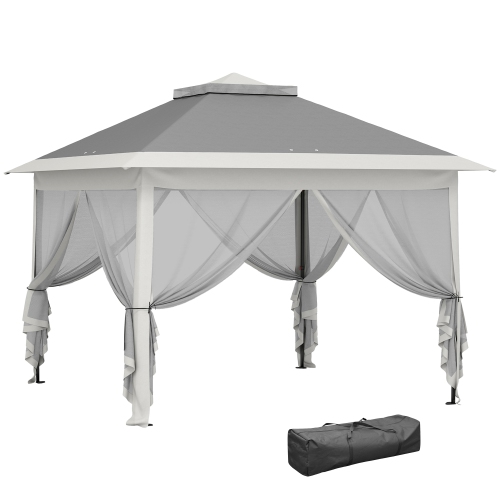
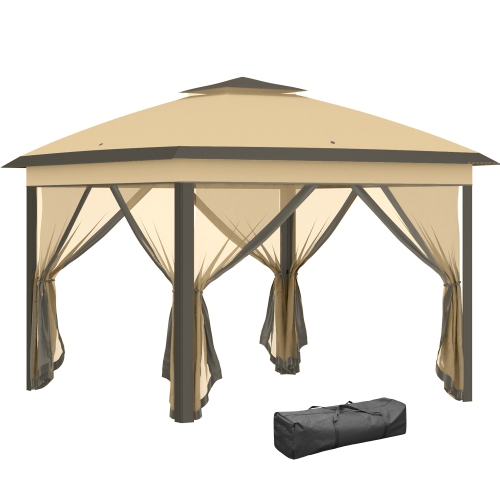
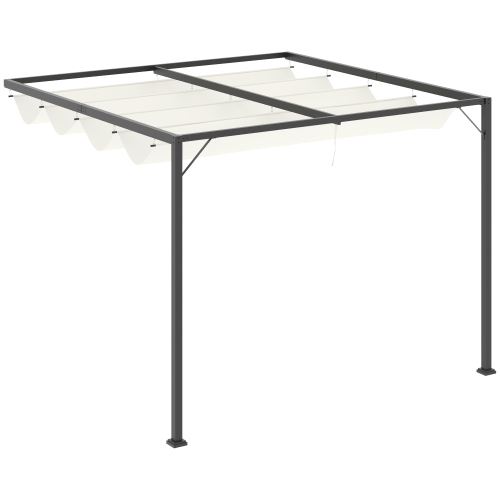
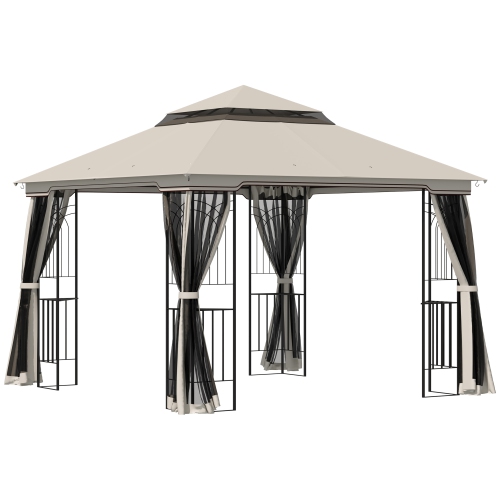
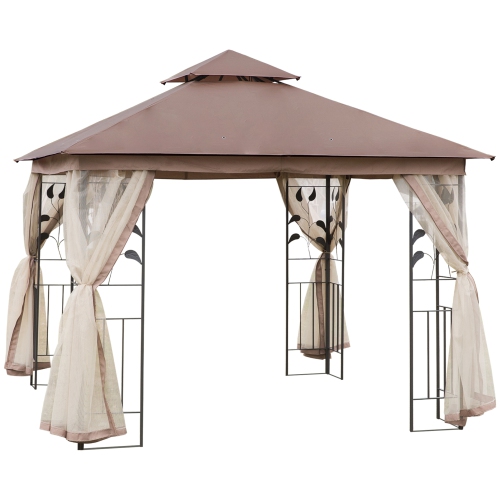
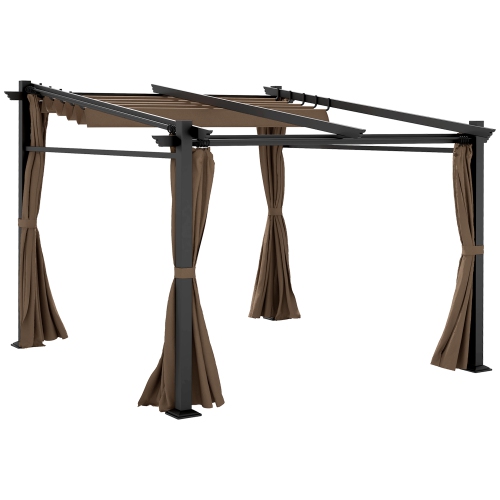
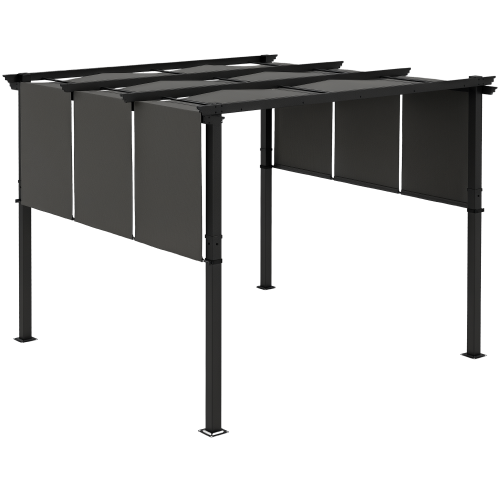
Roof canopies are overhead coverings that provide shade and shelter for patios, decks, doorways, walkways, and other outdoor spaces. They may stand on their own posts, attach to a building with additional supports, or use a wall-mounted design suited to a smaller entrance. Their usefulness comes down to where the cover sits and what happens beneath it: a sheltered doorstep gives someone a place to set down shopping bags while finding their keys, while a wider patio canopy can define an outdoor dining area without enclosing it. Roof styles range from sloped and curved profiles to peaked designs, with each shape affecting headroom, drainage, and the overall appearance of the structure. Metal roofs create solid overhead coverage, fabric tops offer a lighter approach to shade, and translucent panels admit daylight while providing a physical barrier against rain. The amount of shade, rain protection, and ultraviolet protection depends on the material and construction rather than the canopy name alone. A canopy is not necessarily a fully enclosed shelter, so wind-driven rain can still reach furniture and flooring through open sides. Compared with a pergola’s traditional open rafters, a covered canopy offers a more continuous overhead surface; compared with many awnings, it may have a larger freestanding footprint or additional posts. These categories can overlap, making the mounting method and roof construction more useful than the label when comparing designs. Homeowners may use roof canopies to make a seating area more comfortable, keep an entrance sheltered, or create covered space beside a garage. Renters may find removable designs more practical, provided their lease and property rules allow them. For households that regularly gather outdoors, a well-proportioned canopy can bring a dining table, chairs, and serving space together in one defined area, while a compact entrance cover can serve a much simpler everyday purpose.
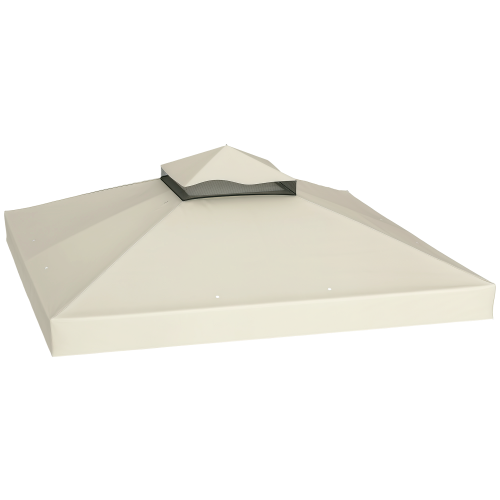
Materials influence how a roof canopy looks, how much light reaches the space below, and how much attention it needs over time. Aluminium frames are relatively light and resist rust, although their joints, fasteners, and finishes still need appropriate care. Steel frames can provide substantial support, but their durability depends partly on protective coatings and prompt attention to scratches that expose the metal. Neither frame material alone establishes a canopy’s wind or snow capacity; those limits depend on the complete structure, its connections, and its installation. Solid metal roof panels provide opaque coverage and can make rainfall more noticeable beneath the shelter. Polycarbonate panels offer a different balance, allowing light through clear, tinted, or translucent surfaces. Ultraviolet resistance and protection vary by panel specification, so transparency should not be treated as evidence of sun protection. Multiwall panels have internal channels and require correctly fitted edges and seals to help keep moisture and debris out. Fabric roofs commonly use polyester, polyethylene, or coated textiles, with differences in weight, weave, seam construction, and surface treatments affecting their performance. Water-resistant fabric is not automatically waterproof, and a roof that sheds a brief shower may not be intended for prolonged rainfall. Proper tension matters because loose fabric can flap, rub against the frame, or collect water in low spots. Where a fabric roof is removable, attachment spacing and corner shape are just as important as the stated width and length when matching a replacement cover. Colour also changes the feel of the covered area: a pale top can create a brighter setting, while a darker, opaque cover may produce deeper shade. For spaces where adjustable coverage matters more than a fixed roof, retractable canopies offer an alternative that can open or close as needed, within the operating limits of the design. Fixed and adjustable roofs serve different routines, so the better fit depends on whether the space needs continuous coverage or occasional shade.
Fit involves more than finding a canopy with the same dimensions as a patio. The roof’s outside measurements, the distance between posts, and the usable floor area can all differ, particularly when there are overhangs or sloping supports. A dining area needs room for chairs to pull out without meeting a post, and a doorway cover needs enough clearance for the door to swing fully. Roof height should also leave space beneath nearby windows, eaves, exterior lights, and other fixtures. Drainage deserves equal attention: runoff should not empty onto a frequently used step, flow towards the foundation, or spill into a neighbouring property. Integrated gutters and downspouts can help direct water, but their placement must suit the site. Wall-mounted structures need suitable attachment points, appropriate flashing, and fasteners compatible with the supporting surface; siding alone is not a structural anchor. Freestanding canopies also need secure anchoring, and deck boards may require support beneath them rather than simply accepting screws at the surface. Local permit requirements, property restrictions, and installation instructions help establish whether a proposed setup is suitable. For Canadian outdoor spaces, documented wind and snow ratings are particularly important when a canopy is intended to remain installed through winter. A hard roof should not be assumed to handle accumulated snow, and temporary fabric shelters may require removal before snowfall or strong winds. Routine care helps preserve both appearance and function. Leaves and small branches can obstruct drainage, while loose connections and worn fabric attachment points can worsen with repeated movement. Cleaning methods should match the roof material: mild soap and a soft cloth may be appropriate, whereas abrasive tools or harsh cleaners can damage finishes and plastic panels. Removable fabric should be dry before storage to reduce the likelihood of mildew. Cooking equipment, patio heaters, and fire features require their own clearances and must not be placed beneath a canopy unless both the shelter and appliance instructions permit it. With suitable dimensions, secure installation, and realistic expectations about exposure, roof canopies can make an outdoor space more useful without turning it into an enclosed room.
Materials influence how a roof canopy looks, how much light reaches the space below, and how much attention it needs over time. Aluminium frames are relatively light and resist rust, although their joints, fasteners, and finishes still need appropriate care. Steel frames can provide substantial support, but their durability depends partly on protective coatings and prompt attention to scratches that expose the metal. Neither frame material alone establishes a canopy’s wind or snow capacity; those limits depend on the complete structure, its connections, and its installation. Solid metal roof panels provide opaque coverage and can make rainfall more noticeable beneath the shelter. Polycarbonate panels offer a different balance, allowing light through clear, tinted, or translucent surfaces. Ultraviolet resistance and protection vary by panel specification, so transparency should not be treated as evidence of sun protection. Multiwall panels have internal channels and require correctly fitted edges and seals to help keep moisture and debris out. Fabric roofs commonly use polyester, polyethylene, or coated textiles, with differences in weight, weave, seam construction, and surface treatments affecting their performance. Water-resistant fabric is not automatically waterproof, and a roof that sheds a brief shower may not be intended for prolonged rainfall. Proper tension matters because loose fabric can flap, rub against the frame, or collect water in low spots. Where a fabric roof is removable, attachment spacing and corner shape are just as important as the stated width and length when matching a replacement cover. Colour also changes the feel of the covered area: a pale top can create a brighter setting, while a darker, opaque cover may produce deeper shade. For spaces where adjustable coverage matters more than a fixed roof, retractable canopies offer an alternative that can open or close as needed, within the operating limits of the design. Fixed and adjustable roofs serve different routines, so the better fit depends on whether the space needs continuous coverage or occasional shade.
Fit involves more than finding a canopy with the same dimensions as a patio. The roof’s outside measurements, the distance between posts, and the usable floor area can all differ, particularly when there are overhangs or sloping supports. A dining area needs room for chairs to pull out without meeting a post, and a doorway cover needs enough clearance for the door to swing fully. Roof height should also leave space beneath nearby windows, eaves, exterior lights, and other fixtures. Drainage deserves equal attention: runoff should not empty onto a frequently used step, flow towards the foundation, or spill into a neighbouring property. Integrated gutters and downspouts can help direct water, but their placement must suit the site. Wall-mounted structures need suitable attachment points, appropriate flashing, and fasteners compatible with the supporting surface; siding alone is not a structural anchor. Freestanding canopies also need secure anchoring, and deck boards may require support beneath them rather than simply accepting screws at the surface. Local permit requirements, property restrictions, and installation instructions help establish whether a proposed setup is suitable. For Canadian outdoor spaces, documented wind and snow ratings are particularly important when a canopy is intended to remain installed through winter. A hard roof should not be assumed to handle accumulated snow, and temporary fabric shelters may require removal before snowfall or strong winds. Routine care helps preserve both appearance and function. Leaves and small branches can obstruct drainage, while loose connections and worn fabric attachment points can worsen with repeated movement. Cleaning methods should match the roof material: mild soap and a soft cloth may be appropriate, whereas abrasive tools or harsh cleaners can damage finishes and plastic panels. Removable fabric should be dry before storage to reduce the likelihood of mildew. Cooking equipment, patio heaters, and fire features require their own clearances and must not be placed beneath a canopy unless both the shelter and appliance instructions permit it. With suitable dimensions, secure installation, and realistic expectations about exposure, roof canopies can make an outdoor space more useful without turning it into an enclosed room.
Top selling and popular products
-
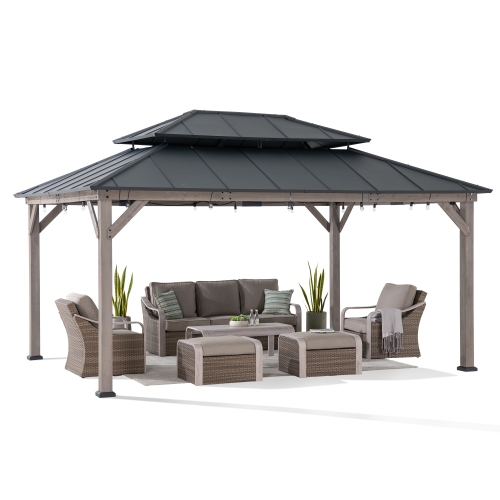 Your price for this item is $2197.99
 -
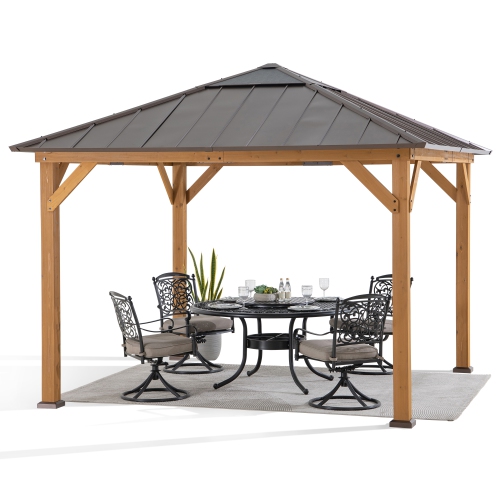 Your price for this item is $1479.99
 -
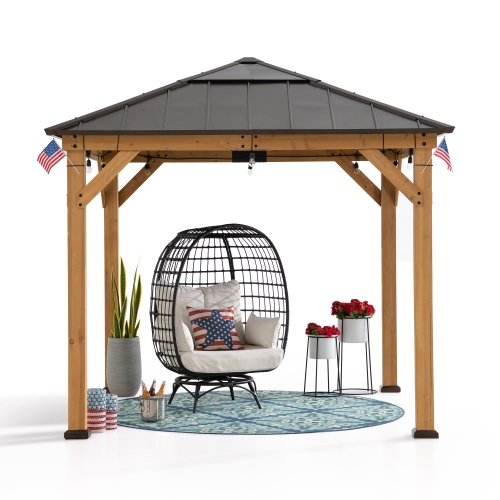 Your price for this item is $1598.99
 -
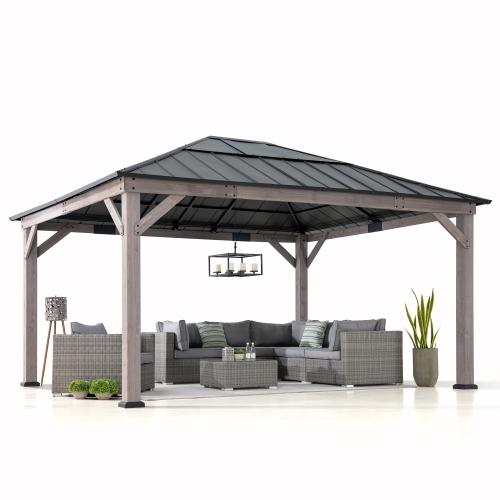 Your price for this item is $1794.99
 -
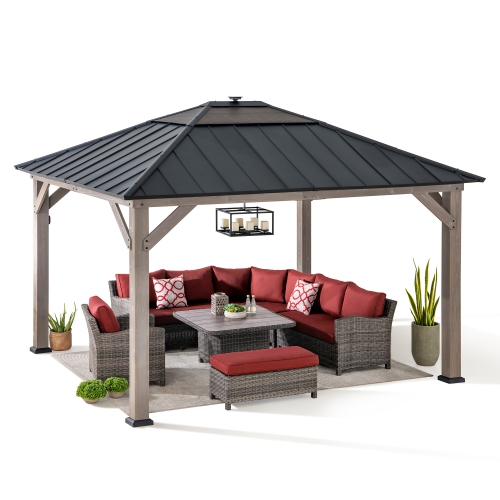 Your price for this item is $1843.99
 -
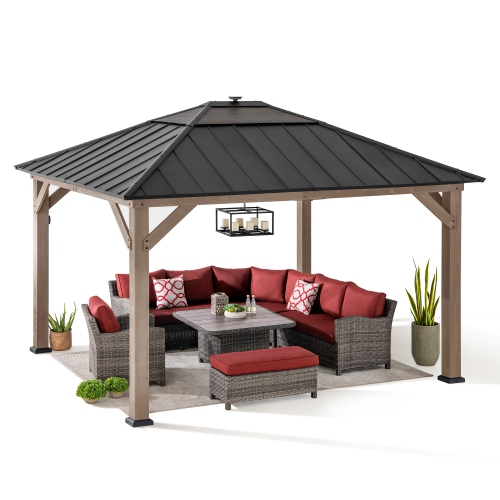 Your price for this item is $1843.99
 -
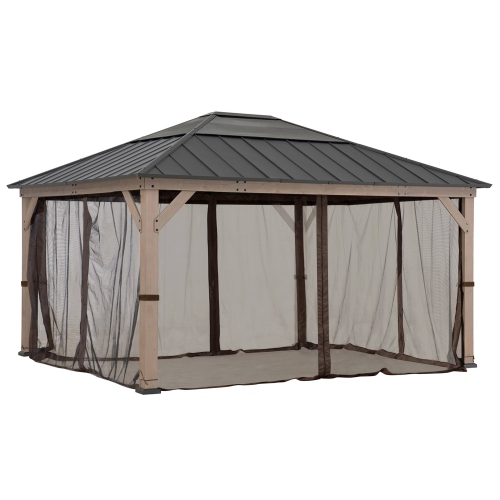 Your price for this item is $107.99
 -
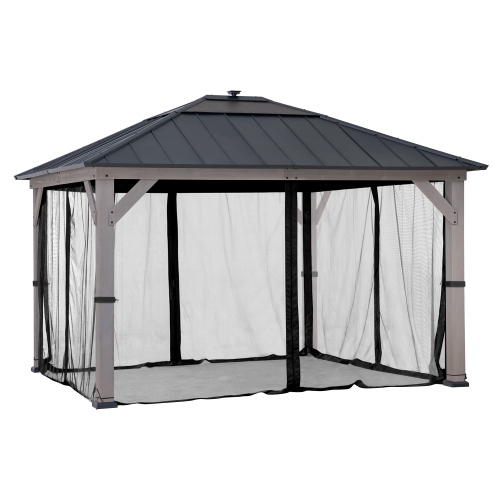 Your price for this item is $95.99
Discover more categories related to Roof Canopies
Top Collections:
Pokemon Centers, Kindle Devices, Best Budget Office Chairs, Apple iPhones 16, Best Laptops for Writers, iPhone 15 Apple, Canon G7X Cameras, Refurbished Apple Laptops, Alarm Clock, Motorola Razr Phones
Some products may be subject to Environmental Handling Fees
(EHF) depending on your province.
Learn more about EHFs.