Retractable Canopies
Create your own oasis of shade and relaxation with our selection of retractable canopies. Perfect for adding a touch of style and functionality to your outdoor space, these versatile canopies provide protection from the sun while allowing you to enjoy the fresh air and scenery. Whether you're looking to upgrade your patio, deck, or backyard, a retractable canopy offers the flexibility to adjust the amount of shade to suit your needs. Explore our range of sizes, styles, and colors to find the perfect canopy that complements your outdoor decor and enhances your outdoor living experience.
Sort

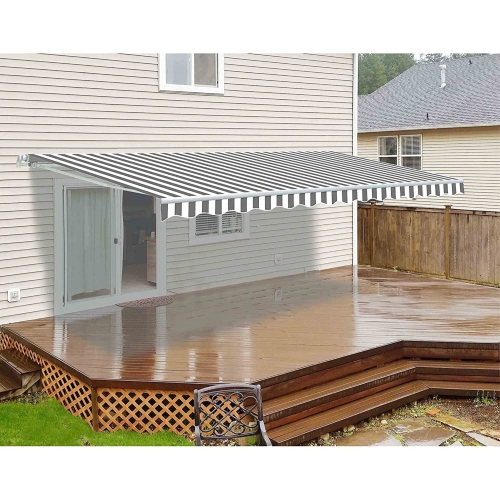


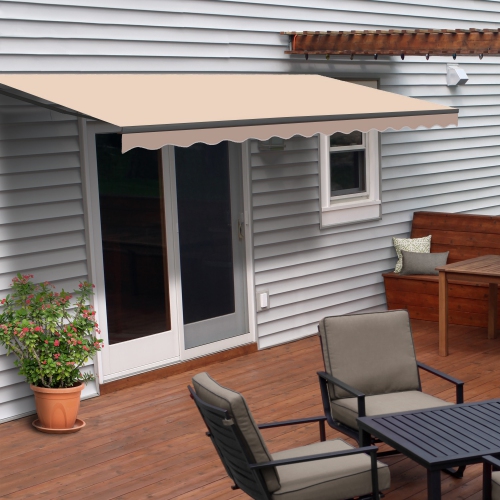

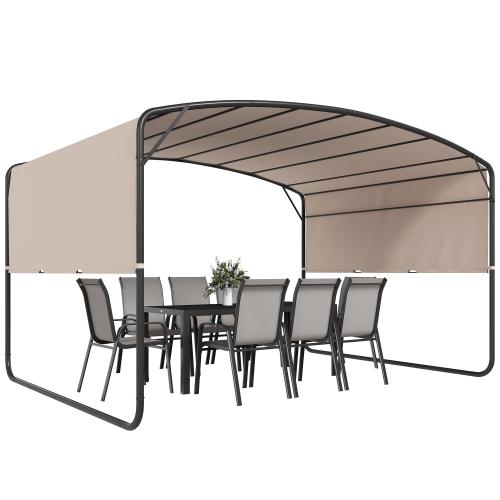

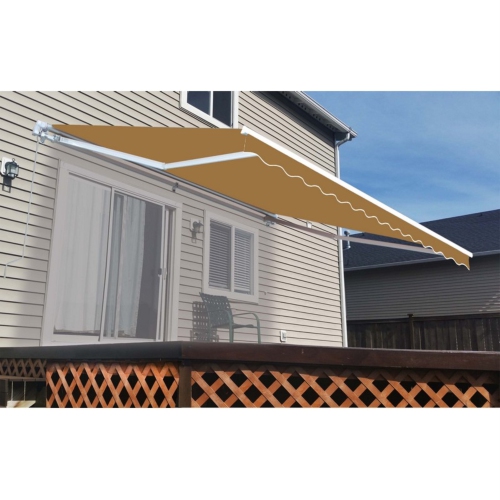
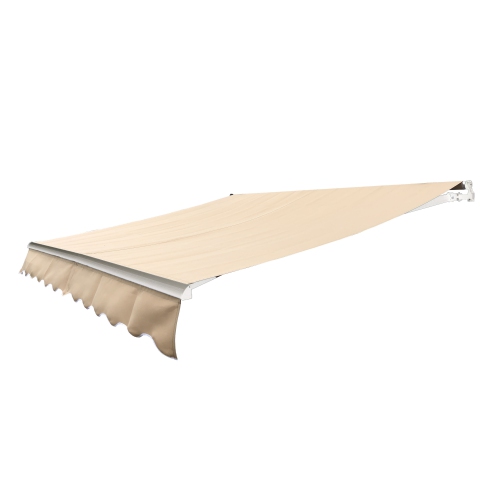
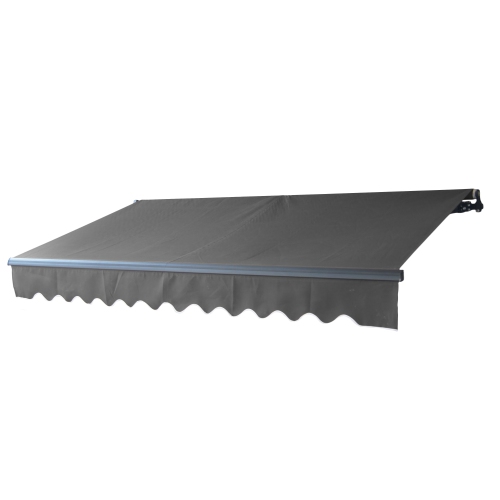

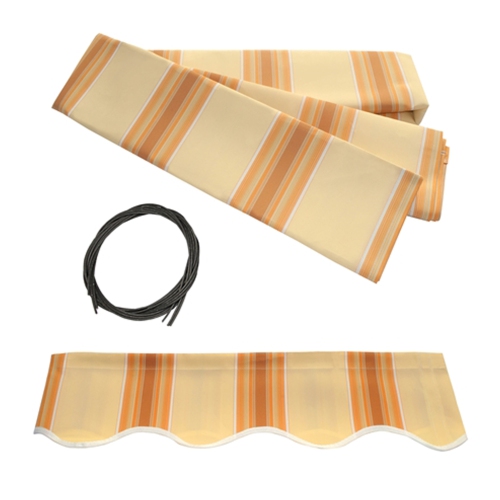

























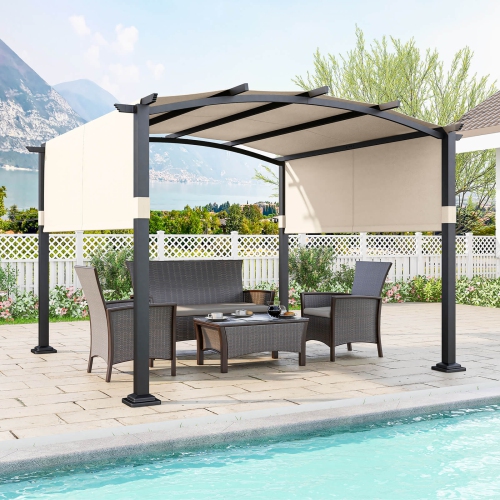
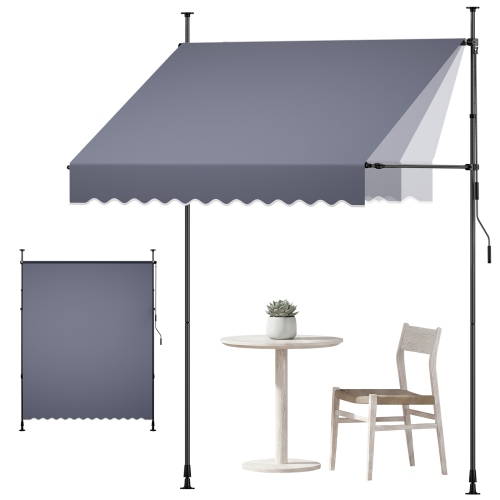
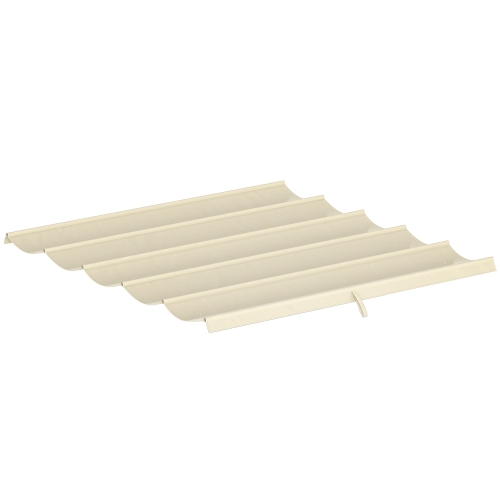
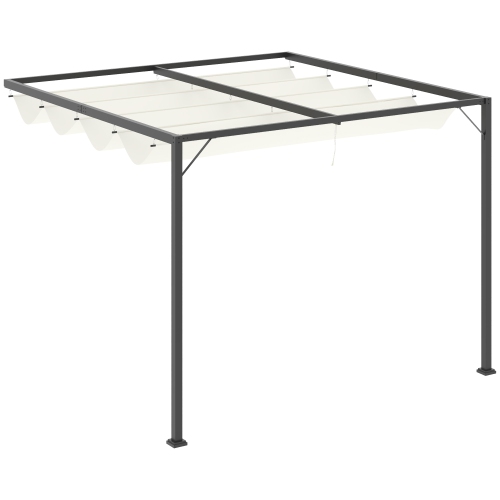

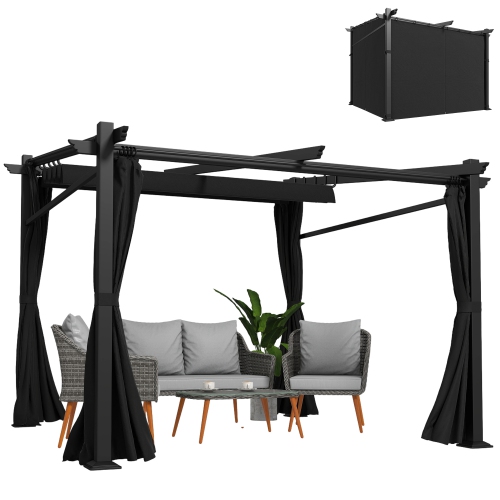

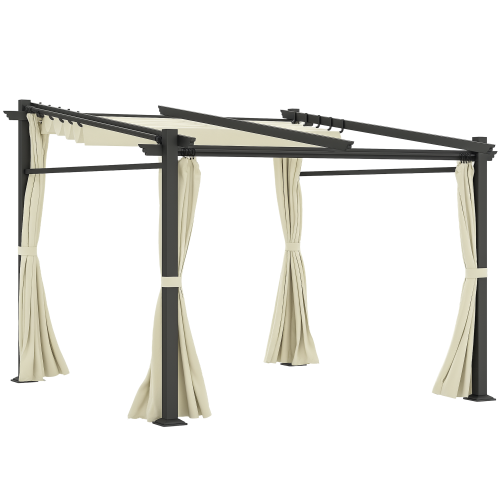

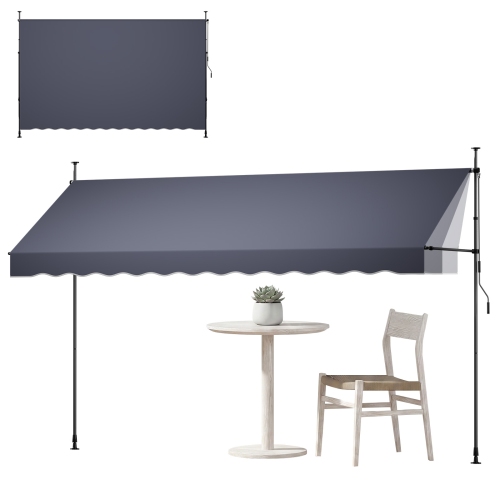
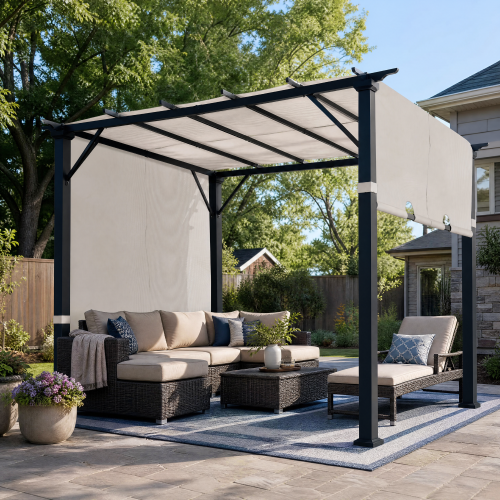


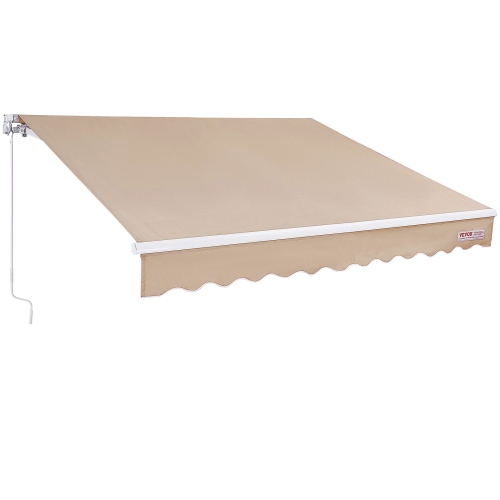

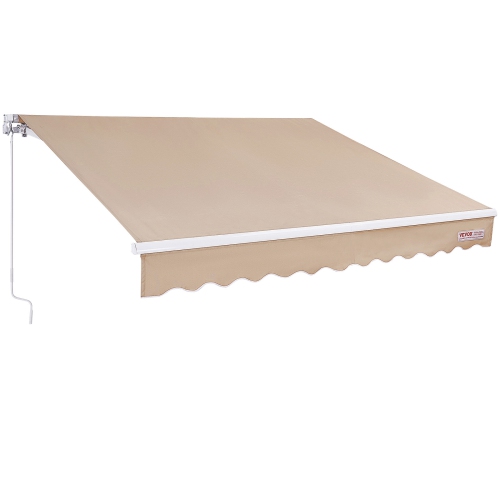


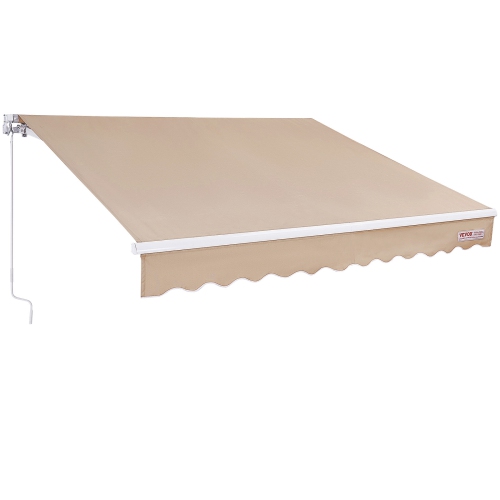


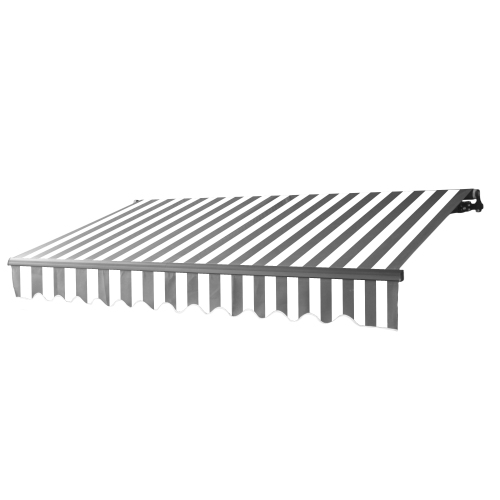






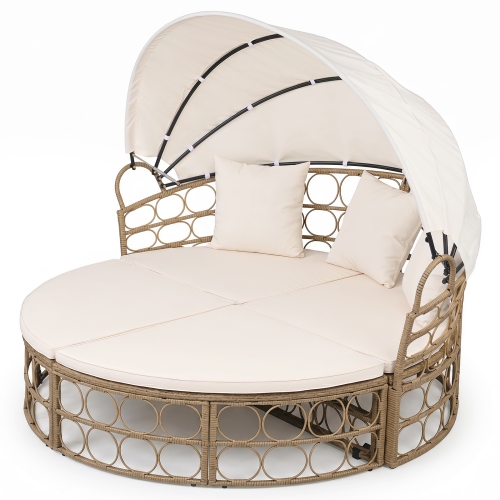
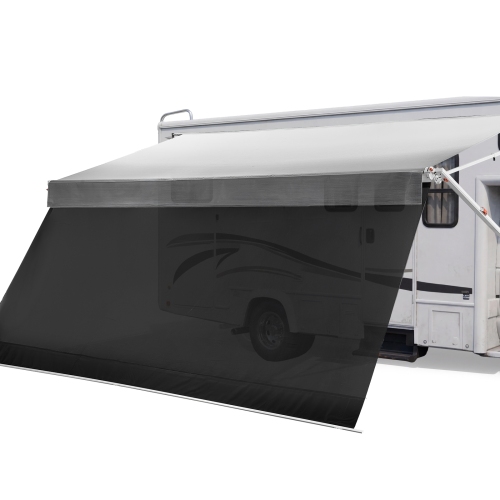

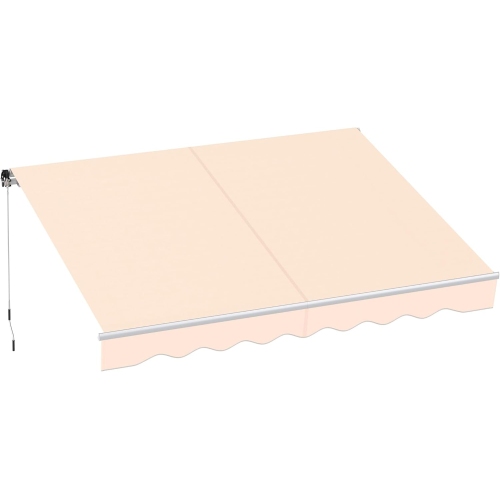
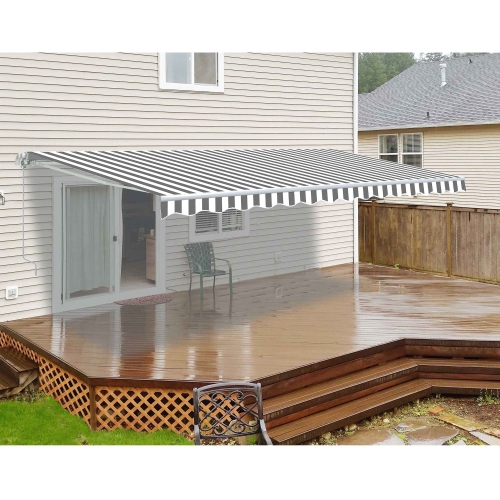




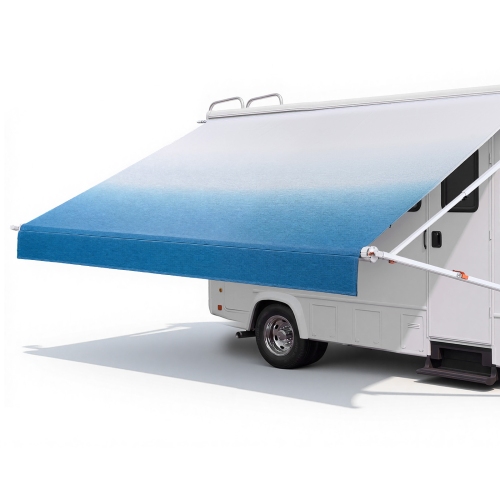
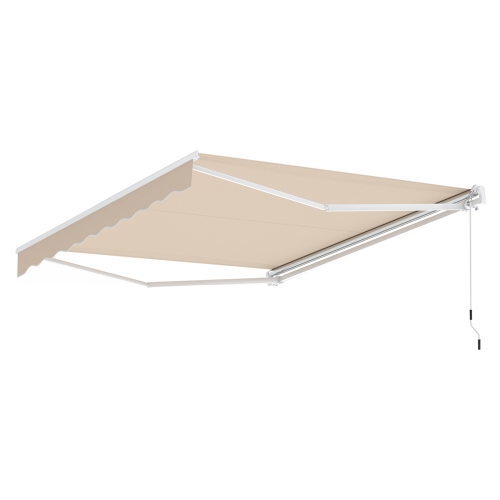

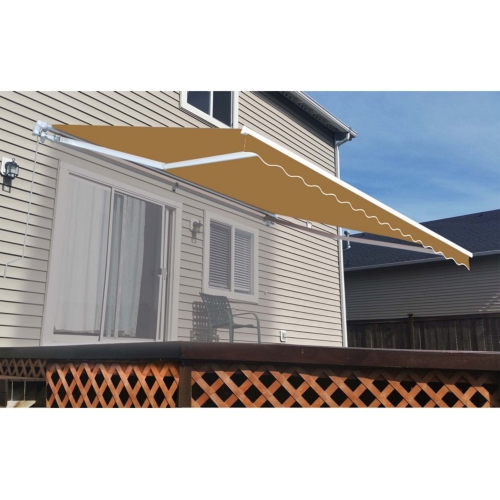
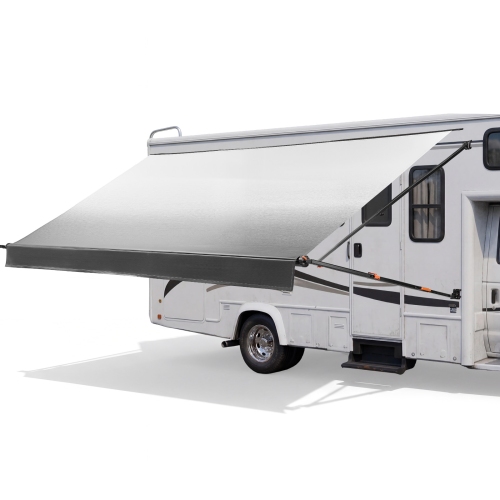













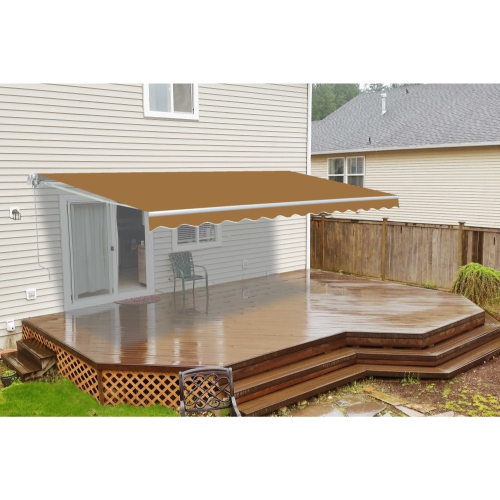


Shade when you need it, open skies when you don’t
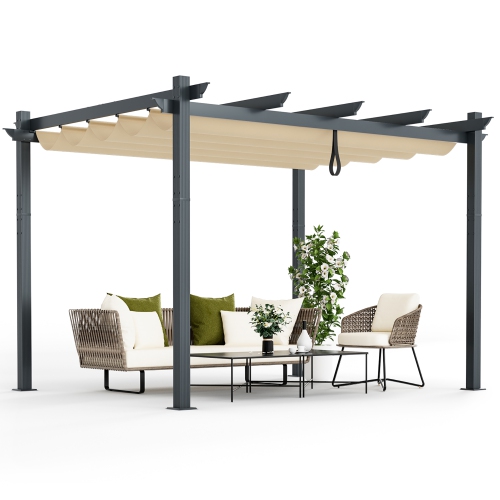
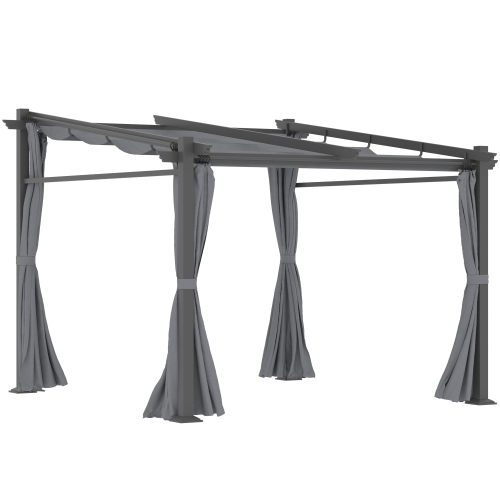
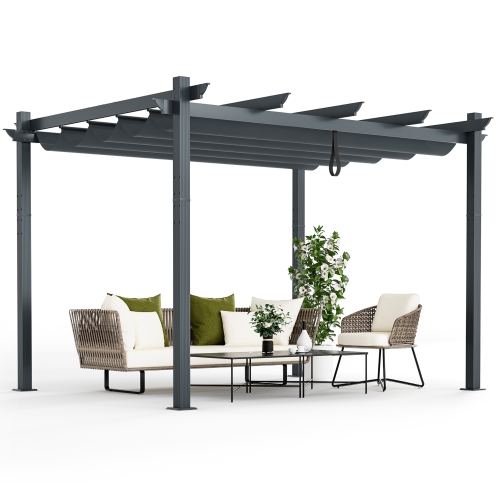
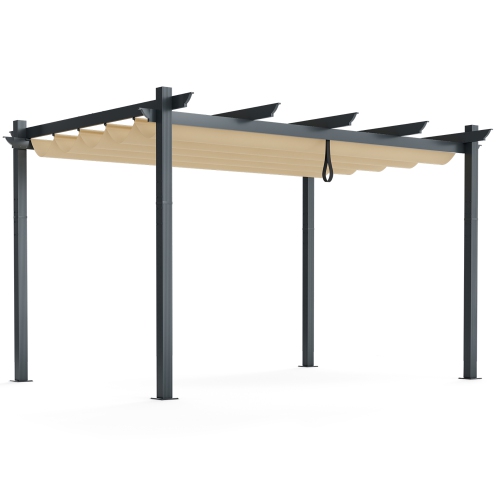
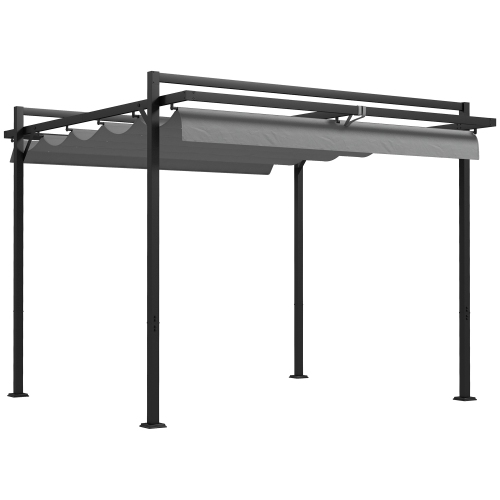
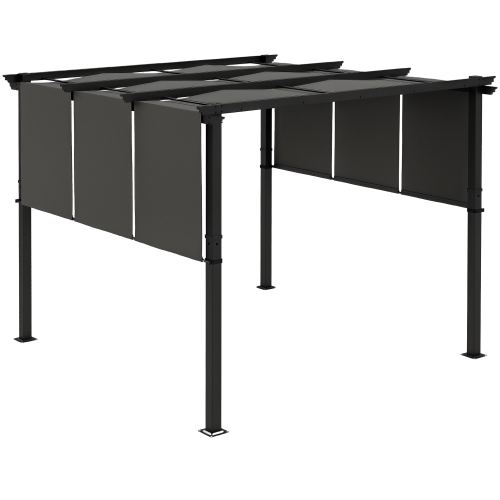
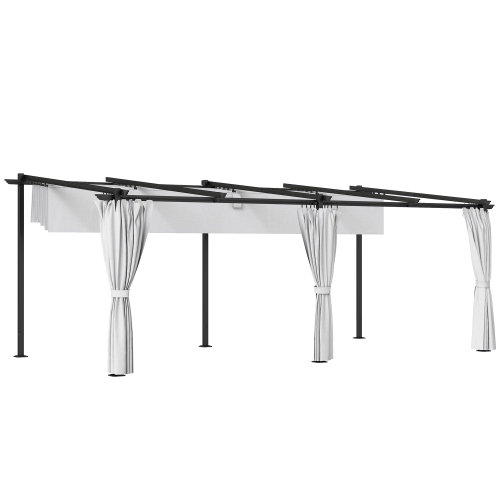
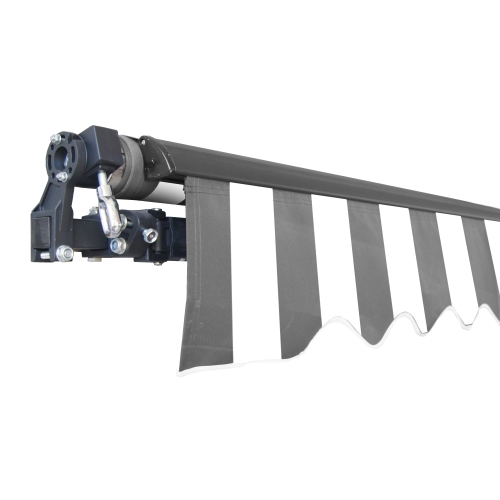
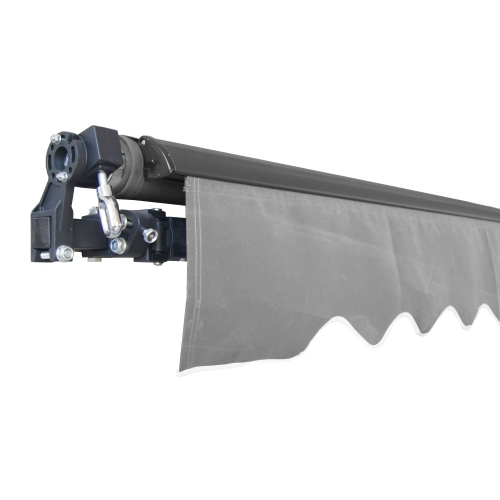
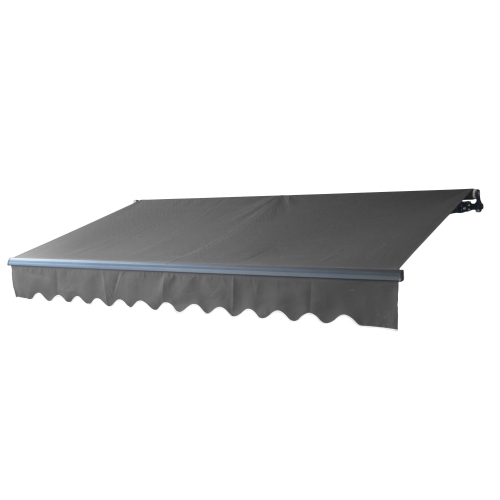
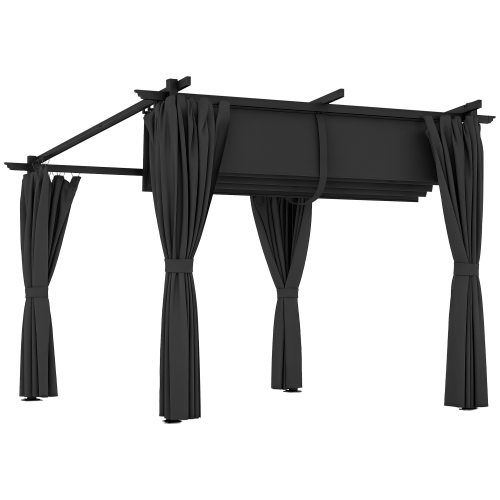
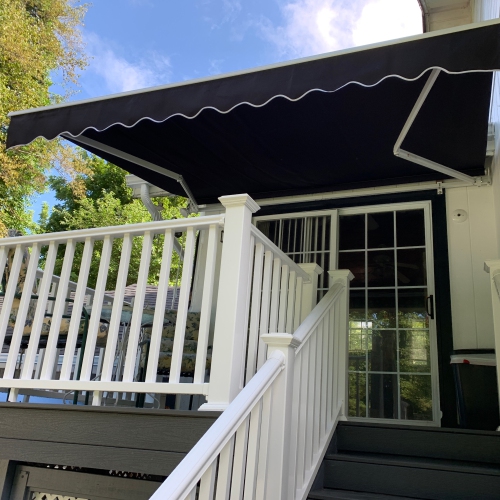
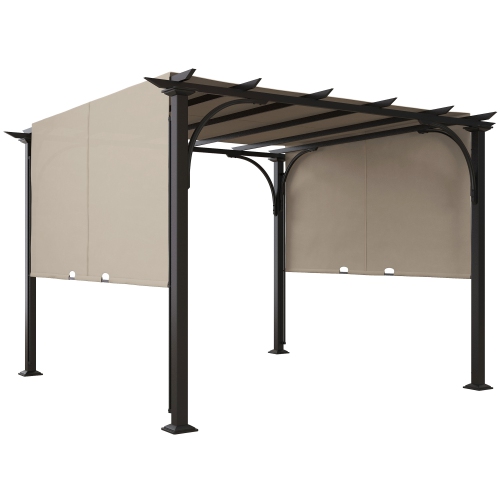
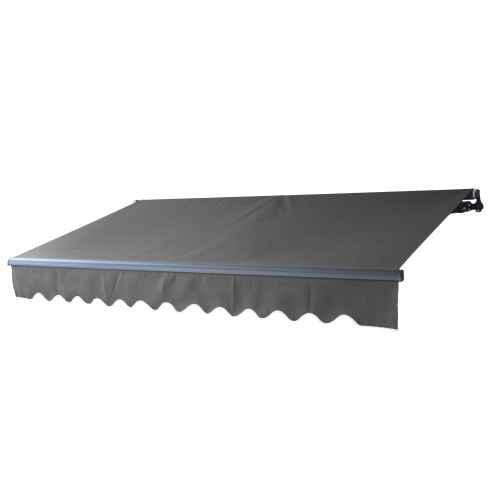
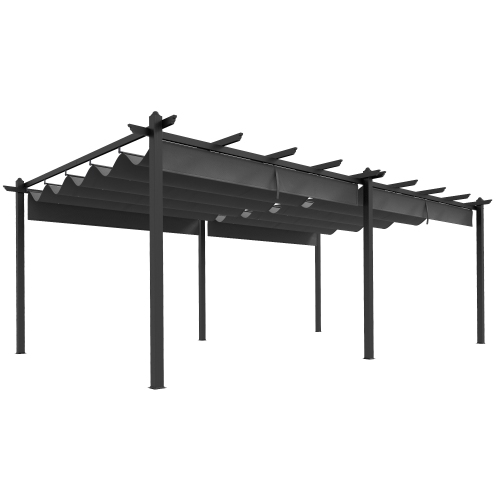
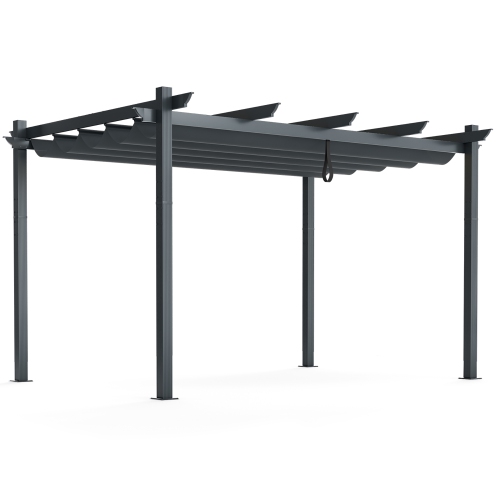
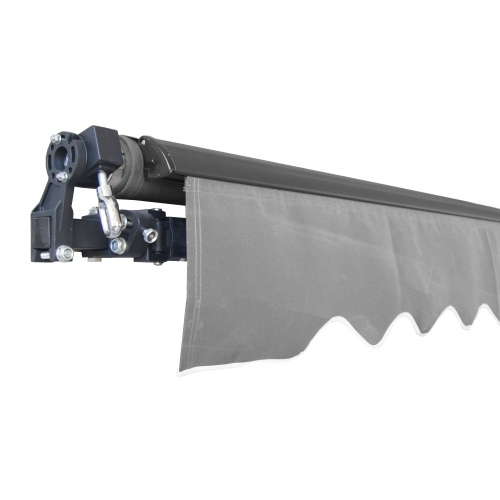
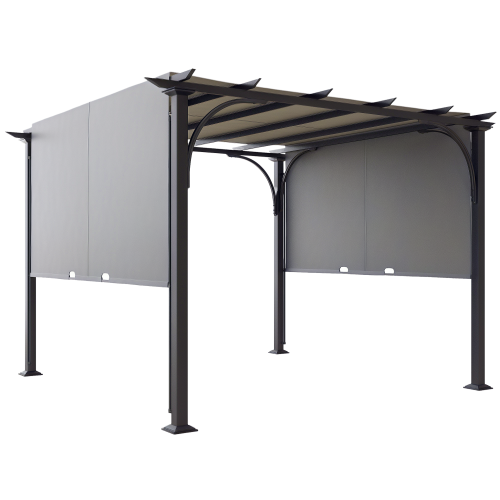
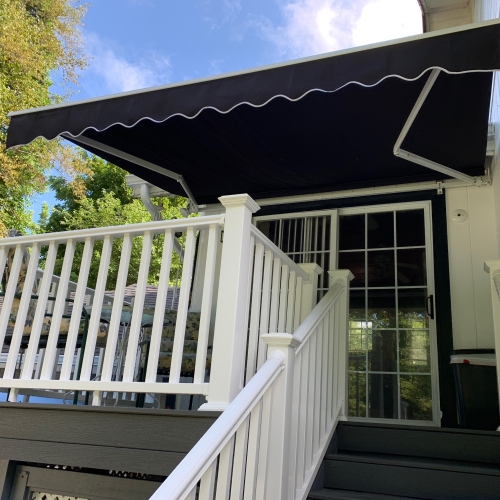
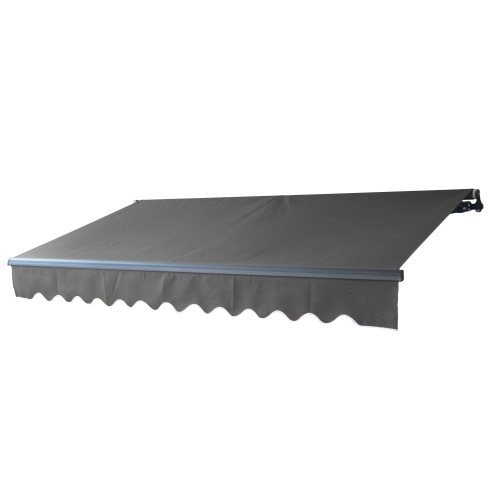
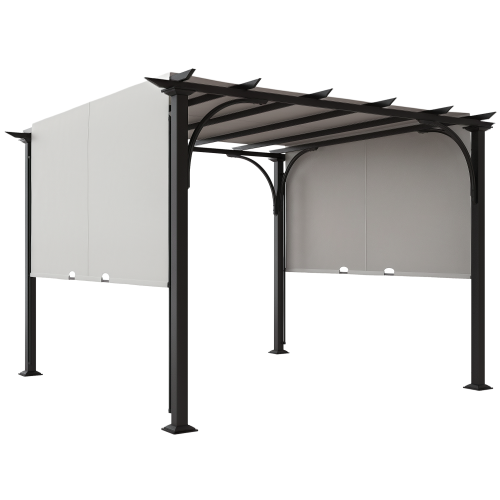
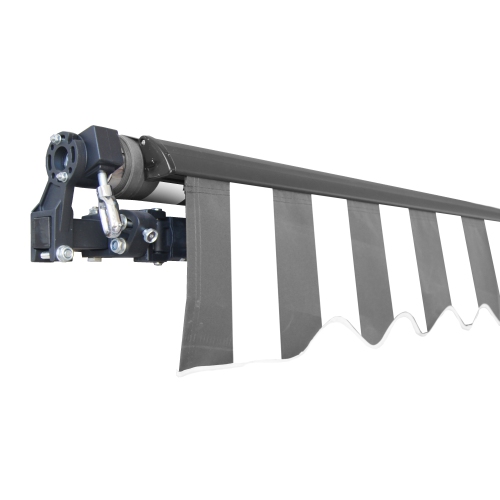
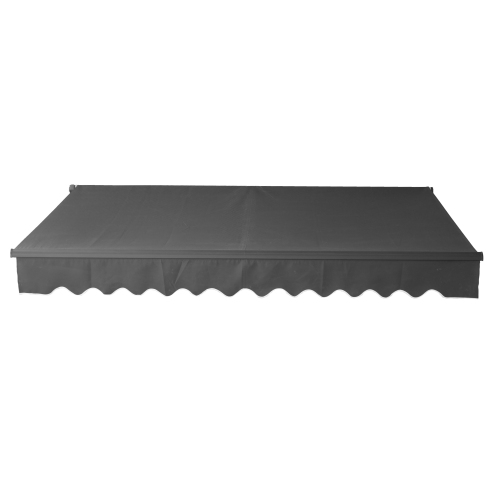
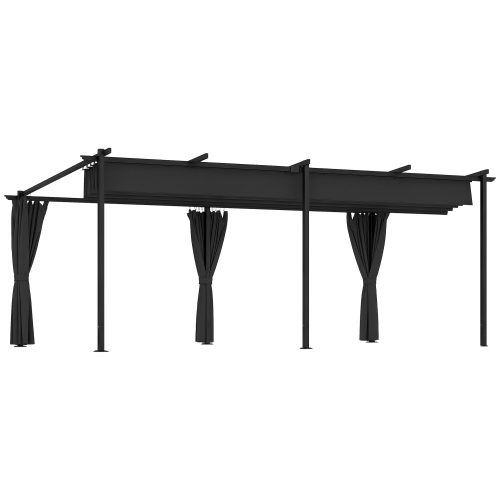
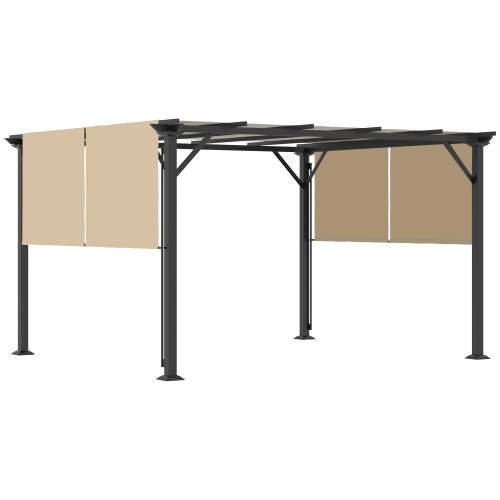
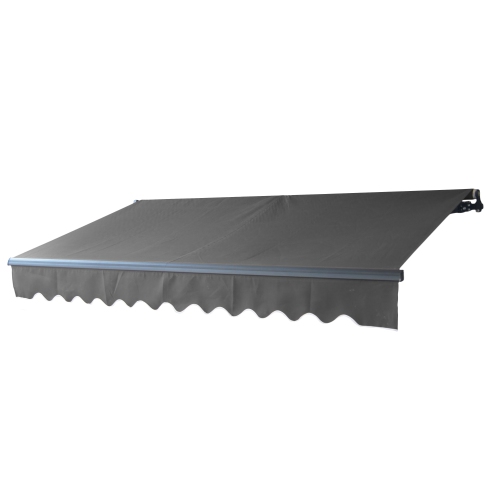
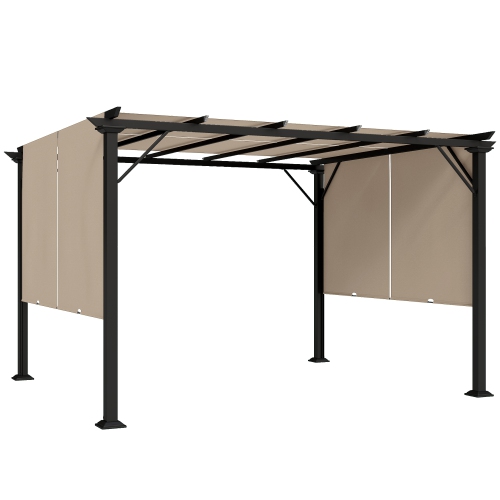
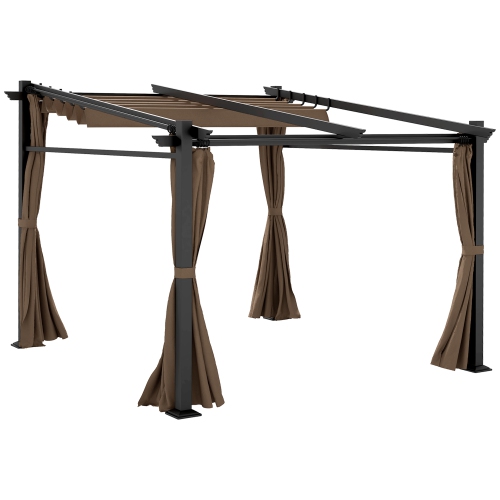
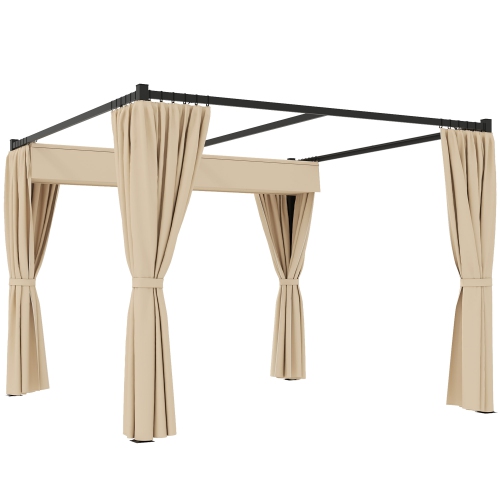
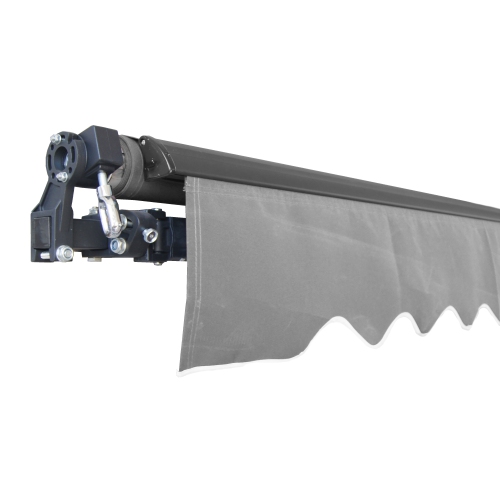
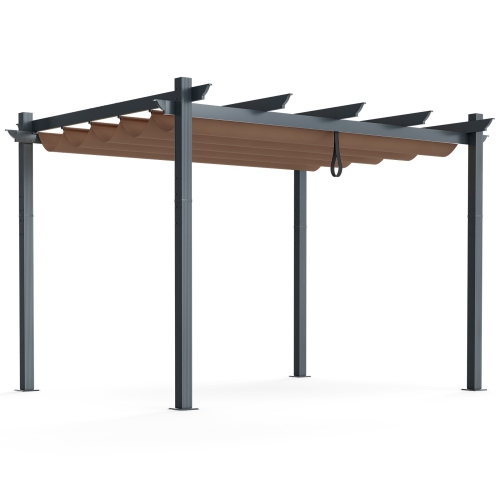
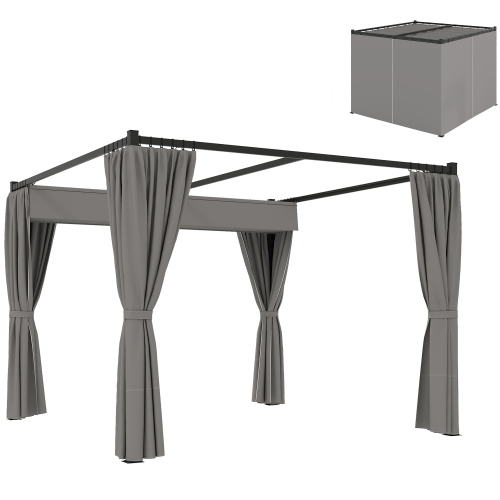
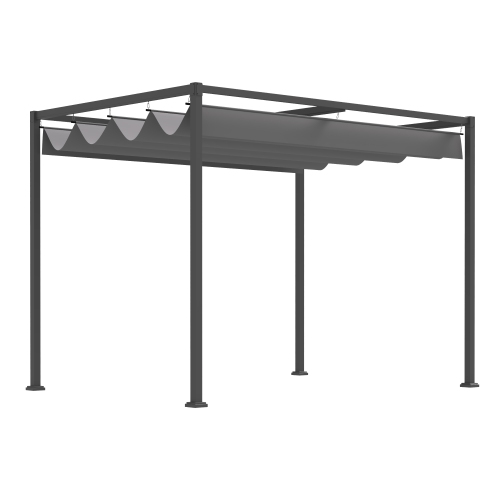
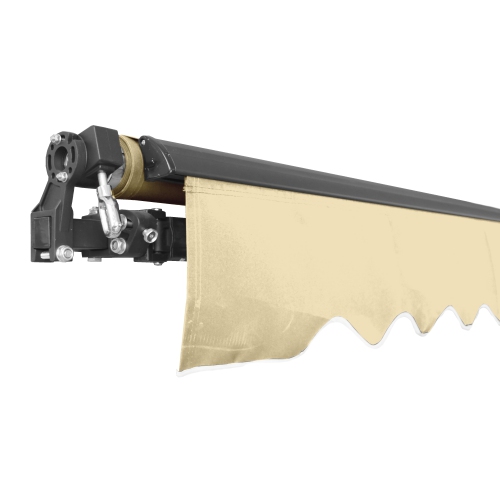
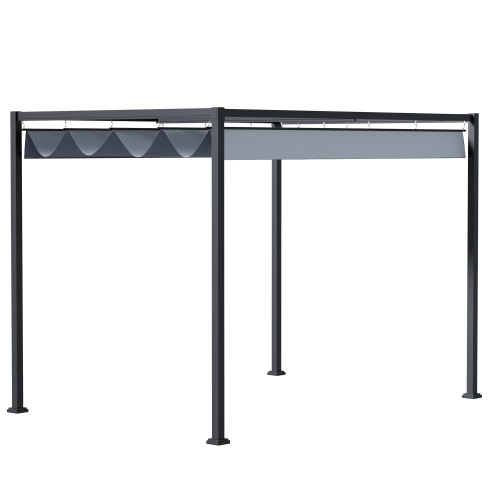
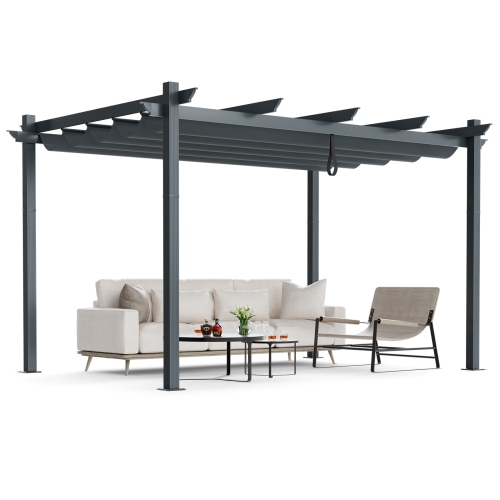
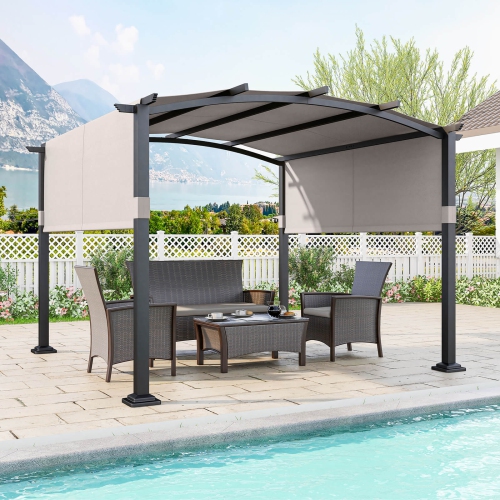
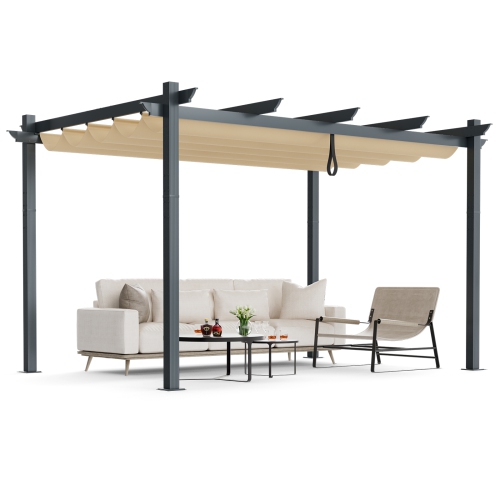
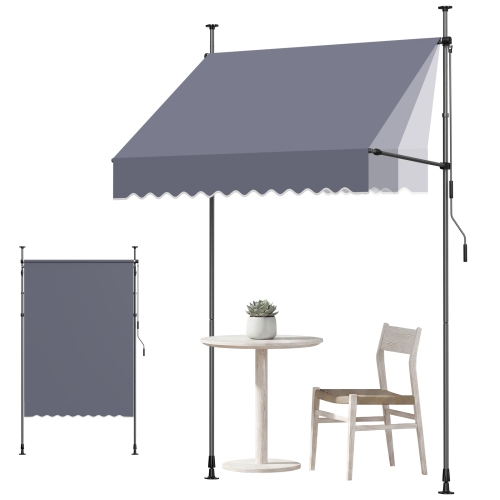
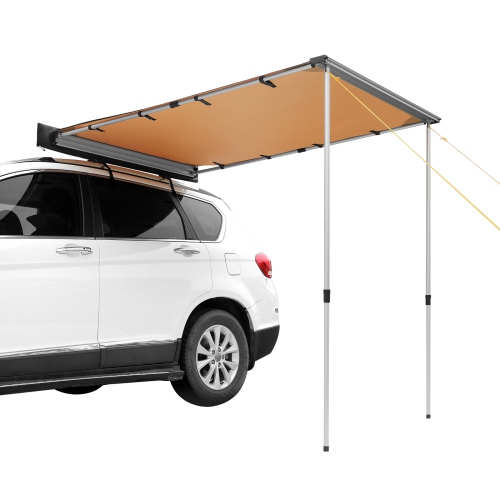
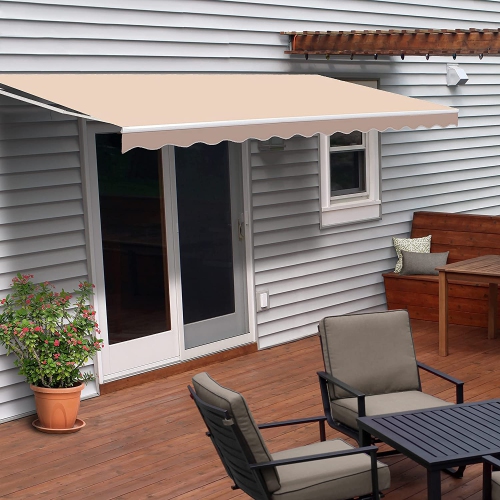
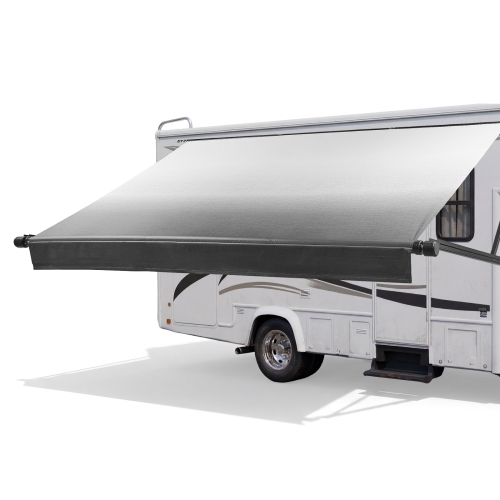
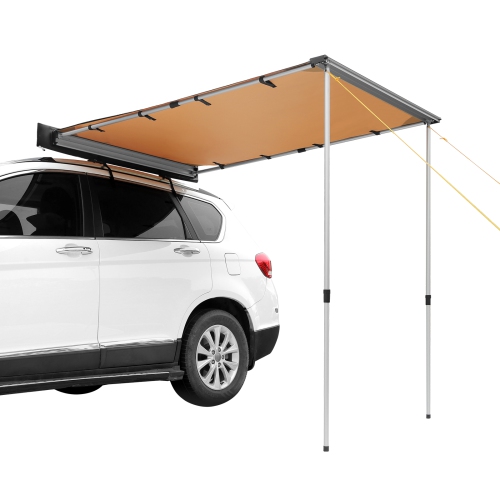
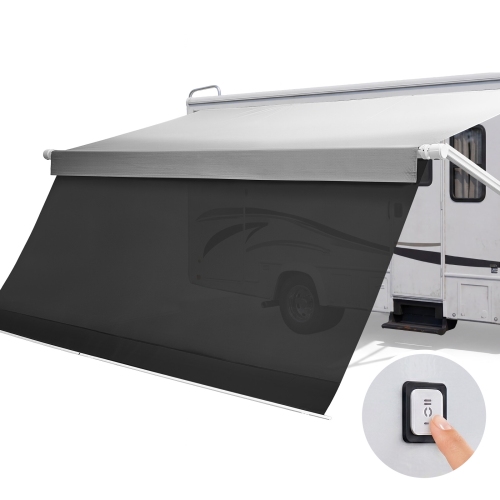
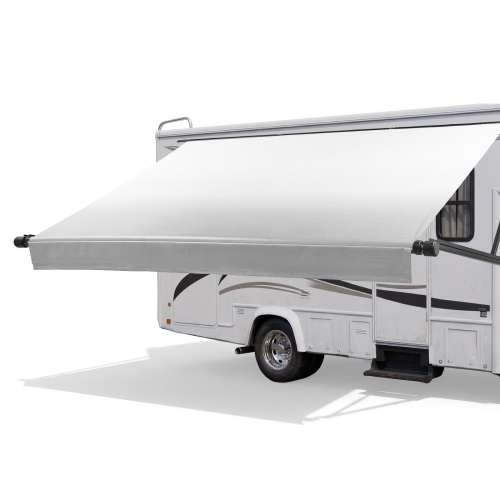
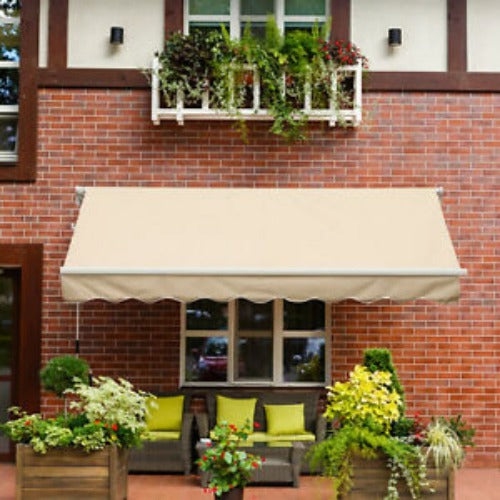
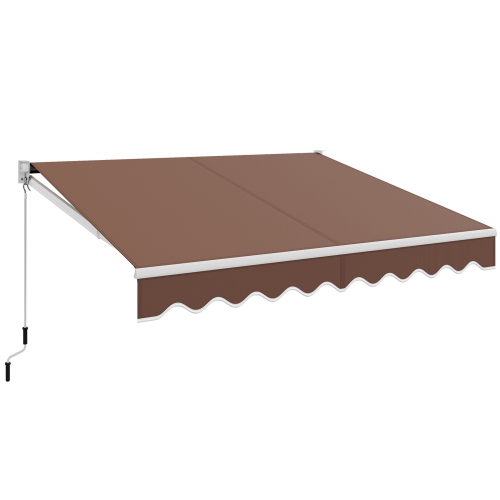
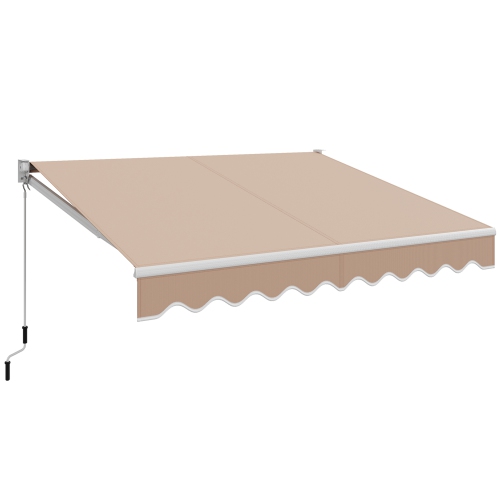
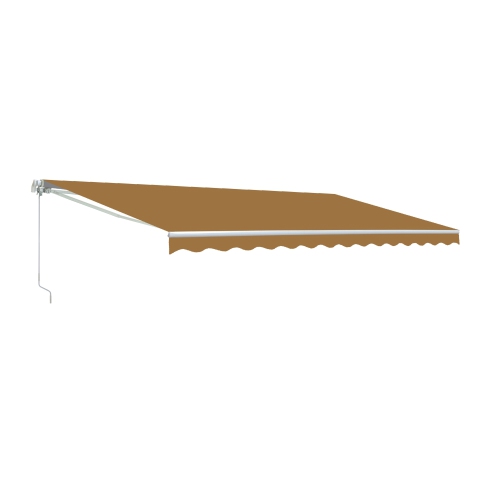
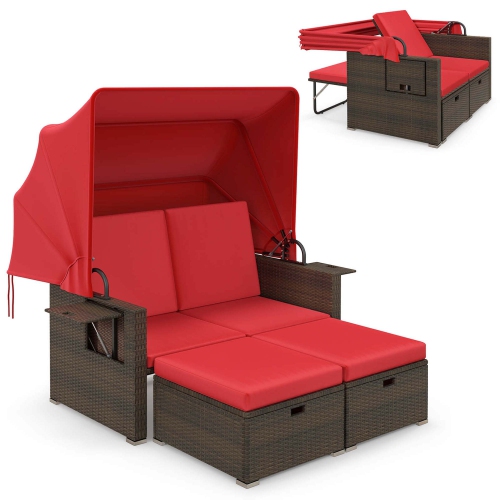
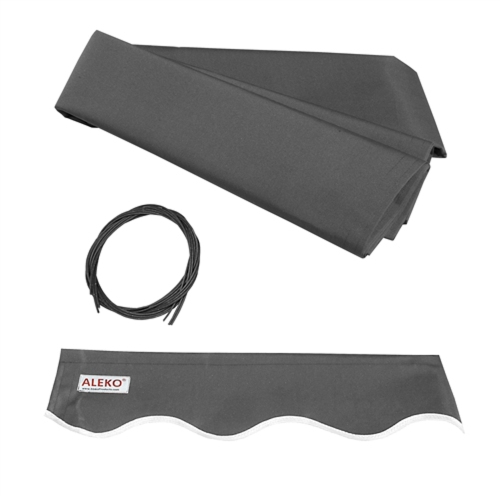
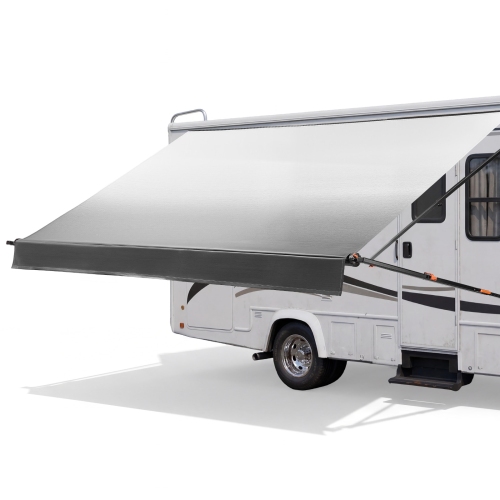
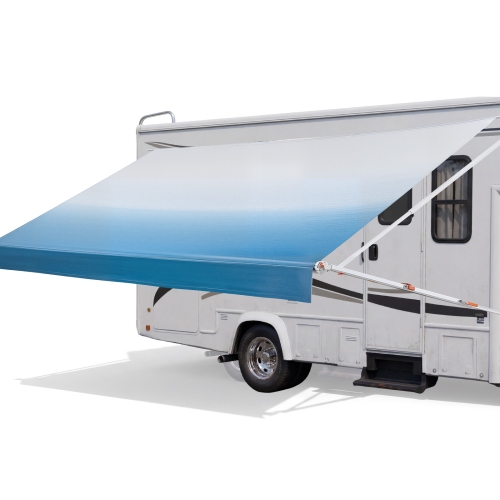
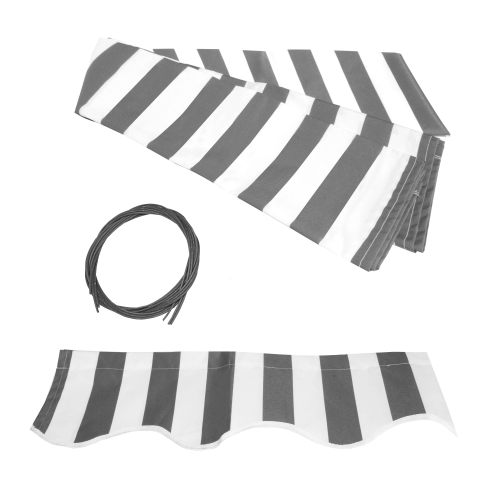
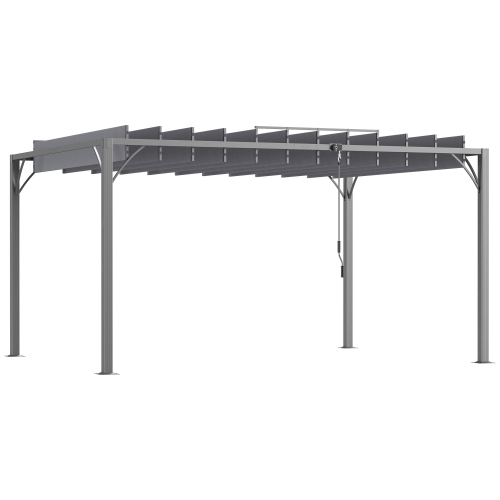
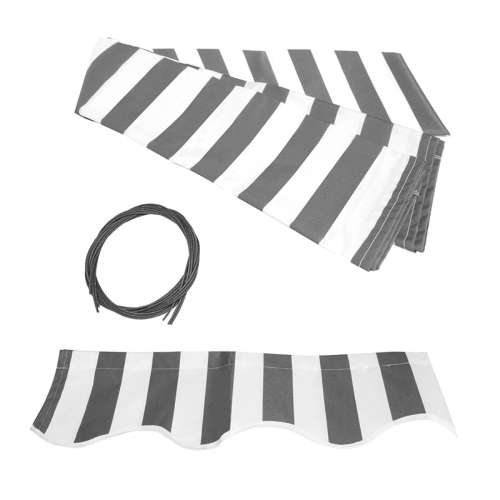
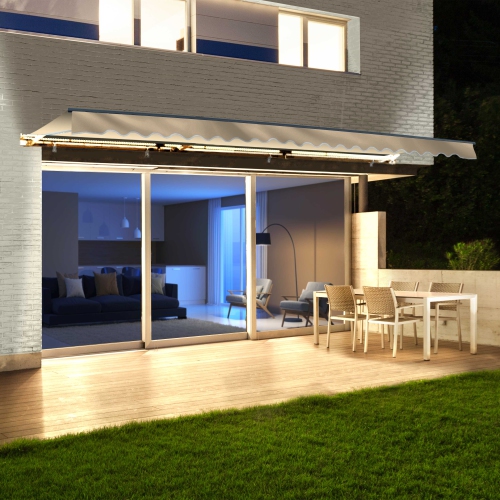
Retractable canopies provide adjustable outdoor shade, with fabric covers that extend when coverage is needed and draw back to leave more of the space open. They suit patios, decks, garden seating areas, and outdoor dining spaces where a fixed roof would offer less flexibility. A canopy can shade a table during lunch, soften the light over a reading chair, or retract above a seating area when an unobstructed view is preferred. The category includes freestanding structures with sliding fabric roofs, pergola-style frames with retractable covers, and projecting designs that attach to a suitable wall. Although these formats serve similar purposes, they occupy space differently: a freestanding canopy needs room for its posts, while a wall-mounted design relies on the building for support. For homeowners furnishing a deck, the useful measurement is not just the overall width of the structure but the shaded area available beneath it. A dining table needs coverage beyond its tabletop so that people can pull out their chairs without immediately leaving the shade. A lounge arrangement may benefit from a longer projection that reaches past the front edge of the seating. Because the sun moves throughout the day, the fabric’s footprint does not always match the shaded area on the ground. Orientation, nearby fences, and the height of the canopy all influence where that shade falls. Door clearance, walking routes, railings, and access to steps also affect how comfortably a canopy fits into an existing layout. In compact spaces, support posts can make a noticeable difference to furniture placement. Larger spaces may accommodate a separate shaded zone without covering the entire deck. This flexibility makes retractable canopies useful for households that use the same outdoor space for quiet breaks, family meals, and visits with friends, rather than keeping it arranged for only one activity.
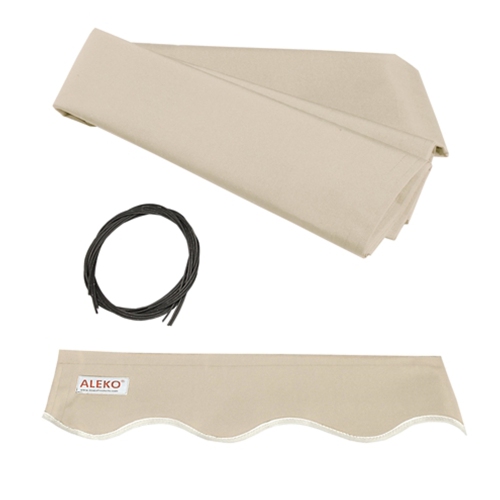
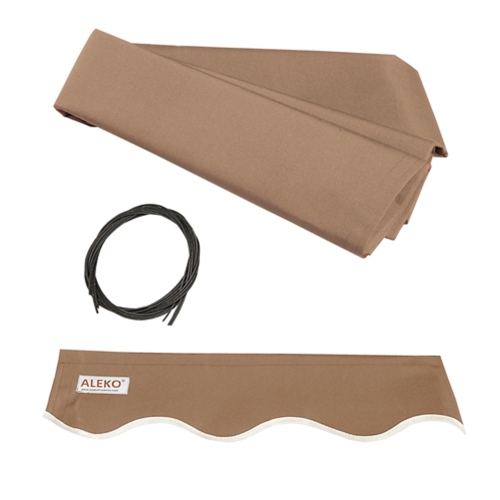
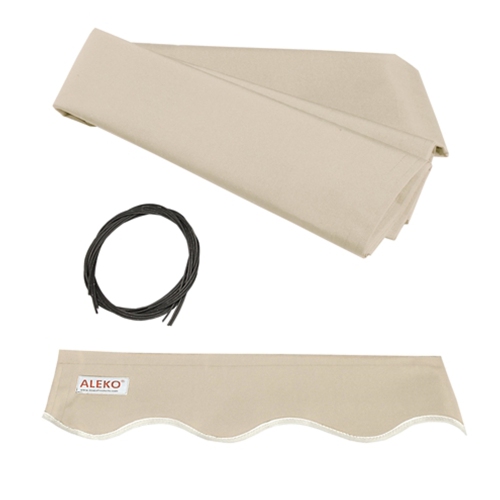
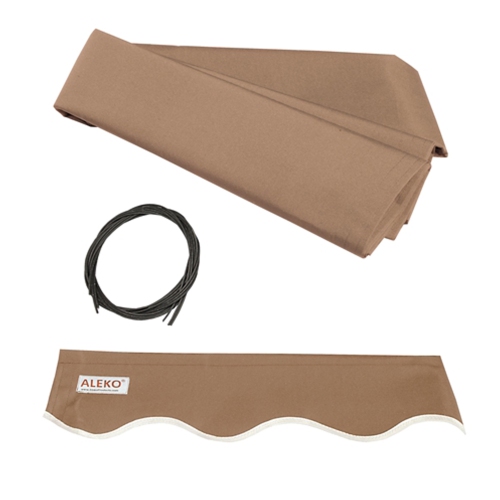
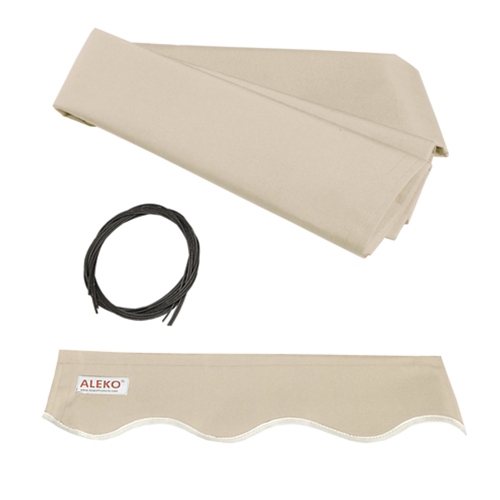
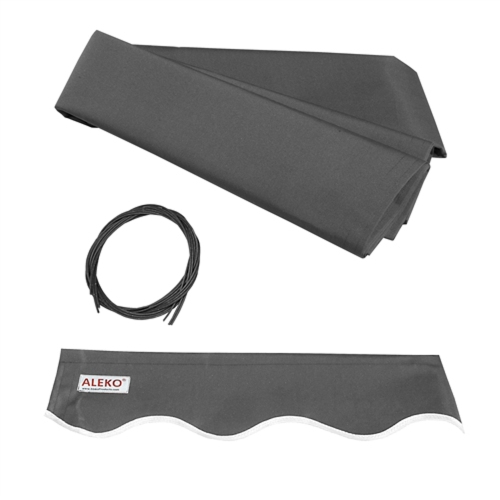
Materials influence how a retractable canopy looks, operates, and holds up with regular outdoor use. Polyester and acrylic are common canopy fabrics, although their performance depends on the weave, weight, coatings, and construction rather than the fibre name alone. Fabric described as water-resistant may handle limited exposure to moisture, but that does not make the structure a waterproof shelter. Likewise, shade coverage and UV protection are different characteristics; a stated UV rating provides more useful information than colour or fabric thickness alone. A pale cover can create a bright, airy feel beneath the canopy, while a deeper colour gives the overhead surface a more defined presence. Frame materials also bring different considerations. Aluminium is relatively light and resistant to rust, while steel can provide a substantial structure but needs intact protective finishes to help limit corrosion. Powder-coated surfaces still benefit from attention around joints, fasteners, and any areas scratched during assembly or use. Hardware, runners, hinges, and tensioning components matter just as much as the visible frame because they keep the cover moving and supported. A canopy that slides smoothly and maintains the intended fabric tension is easier to use without tugging or forcing the mechanism. Routine care generally involves clearing away leaves and debris, cleaning with products approved for the fabric, and allowing the cover to dry before keeping it retracted for an extended period. Damp fabric left folded together can develop mildew or odours. Wind limits, rain restrictions, and storage requirements vary by design, so the manufacturer’s instructions remain important even when a frame feels sturdy. Retractable fabric roofs should not be assumed to support snow or collected water, and anchoring does not make a canopy suitable for every weather condition. Keeping drainage paths clear, checking fittings periodically, and following the specified storage method can help preserve both the appearance of the cover and the operation of its moving parts.
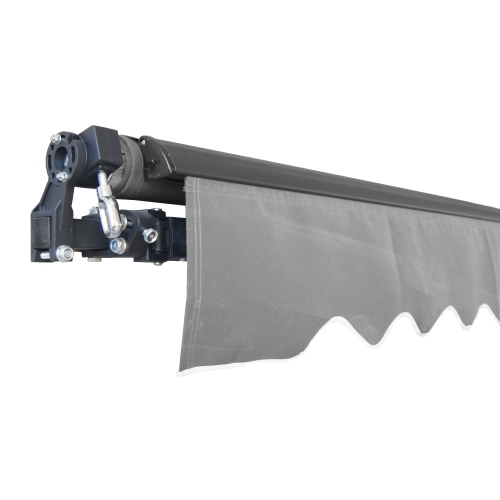
Manual and motorized operation offer different ways to manage the same space. A hand crank or sliding mechanism can be practical where the controls are easy to reach and adjustments are occasional. Motorized designs can make frequent changes more convenient, particularly when the canopy is broad or positioned beyond comfortable reach. Remote controls, wall switches, and compatible connected controls are possible features, but their inclusion and functions vary. Some systems support sensors that respond to certain conditions; those features do not replace the need to observe operating limits or secure the canopy as directed. Power access is another part of the fit. An electrically operated canopy needs the supply and installation method specified for that model, with any required electrical work completed by a qualified professional. Structural installation deserves similar attention. Wall-mounted supports need an appropriate load-bearing attachment rather than a connection to siding alone, while freestanding frames need the anchoring method specified for the surface beneath them. A deck, concrete pad, and paved patio can each present different requirements. Renters and condominium residents may also need approval before attaching a structure or changing an outdoor area. For spaces where a projecting cover attached to the home is the preferred format, Awning Canopies offers a related category to explore. Beyond the mechanism and mounting arrangement, the visual fit can make an outdoor area feel more settled: a slim frame can sit quietly beside simple furniture, while a larger pergola-style structure can define a dining area within an open yard. The fabric’s colour, the direction of its folds, and the position of the retracted cover all affect that appearance. For people who regularly eat, read, or relax outdoors, a well-fitted retractable canopy adds a useful degree of control without requiring the space to remain permanently covered. Its value lies in that everyday adaptability: shade over occupied seating, a clearer overhead view when retracted, and a layout that still leaves room to move comfortably.
Top selling and popular products
-
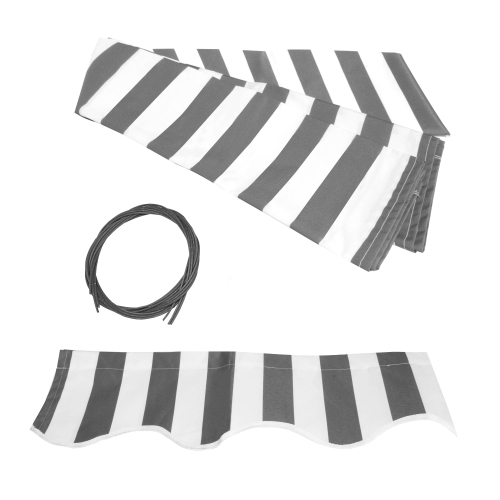 Your price for this item is $749
-
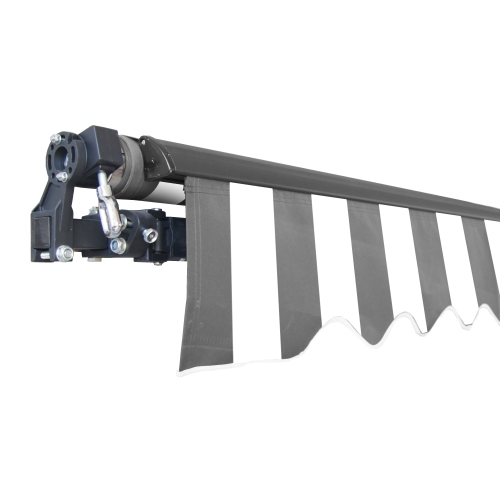 Your price for this item is $819
-
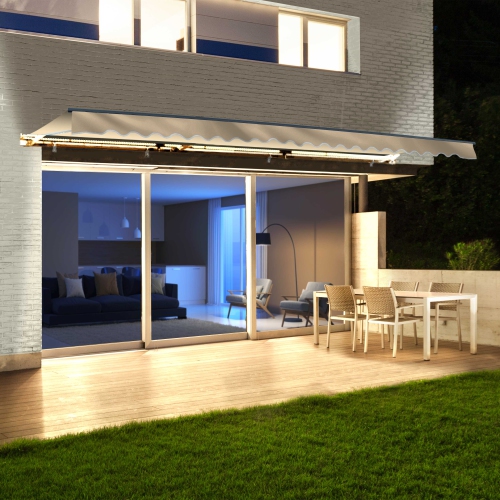 Your price for this item is $1029
-
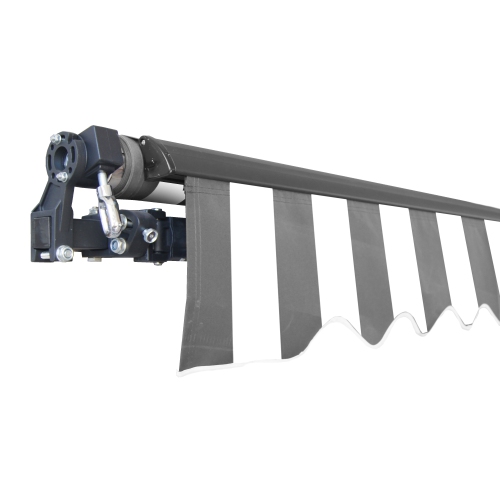 Your price for this item is $625
-
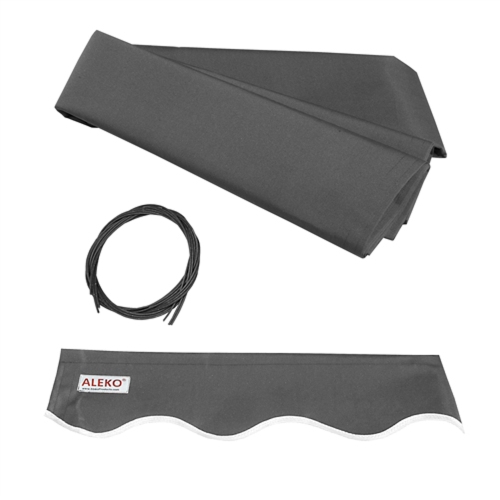 Your price for this item is $176
-
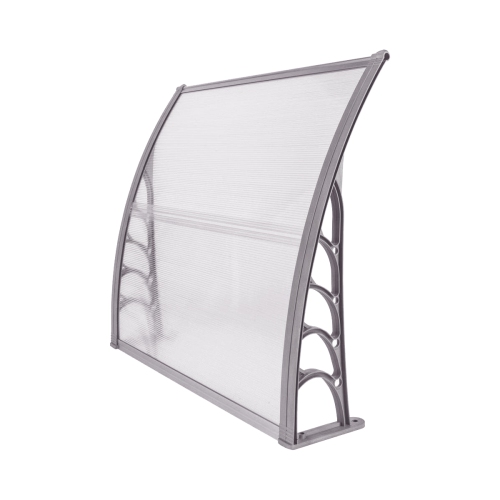 Your price for this item is $65.99
-
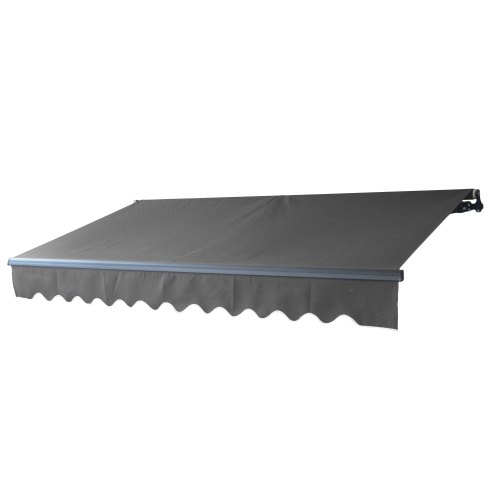 Your price for this item is $819
-
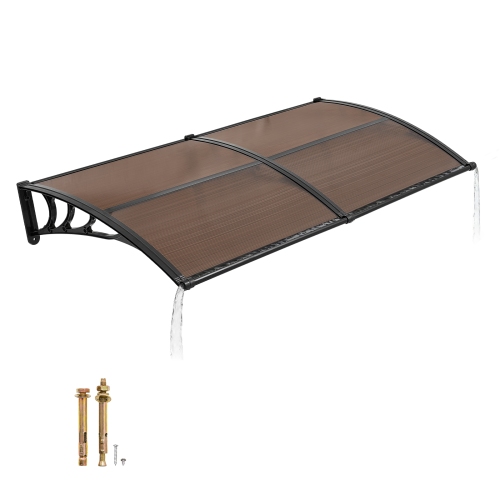 Your price for this item is $103.99
Discover more categories related to Retractable Canopies
Top Collections:
Best Black Friday Deals This Year, Best Black Friday Deals On Electronics, Kindle Devices, Pokemon Centers, Best Black Friday Deals On Apple Products, Best Cameras for Sports Photography, Dyson Airwrap, Pokémon 30th Celebration Cards, Apple iPhone 17 Pro, Canon G7X Cameras
Some products may be subject to Environmental Handling Fees
(EHF) depending on your province.
Learn more about EHFs.