Rotary Drill
Rotary Drill tools are essential for tackling a wide range of projects, from home improvements to professional jobs. Whether you're working with wood, metal, or masonry, these versatile drills provide the power and precision needed for efficient drilling and fastening. Explore a variety of rotary drill options designed to help you complete tasks with ease and achieve reliable results every time. Find the perfect rotary drill to match your needs and take on your next project with confidence.
Sort
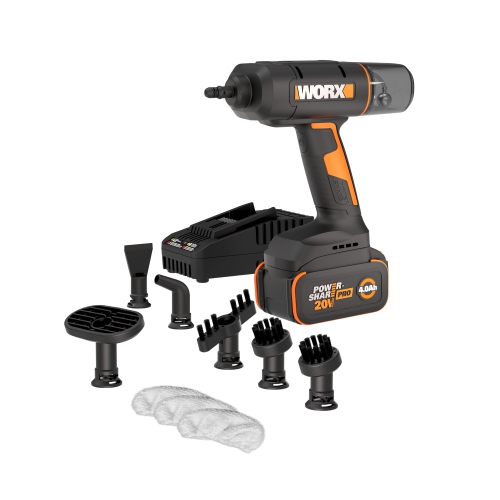
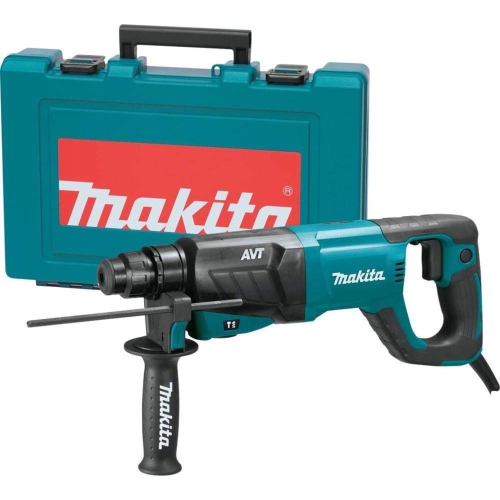
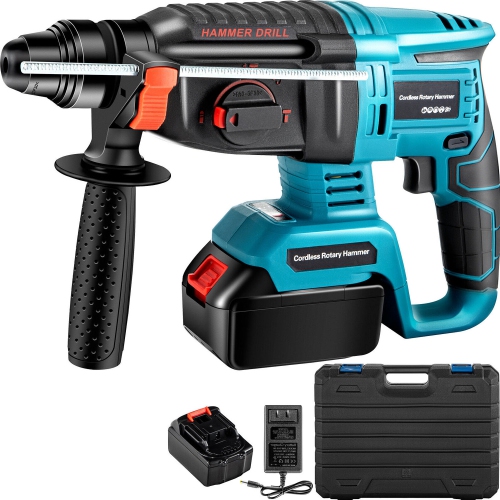
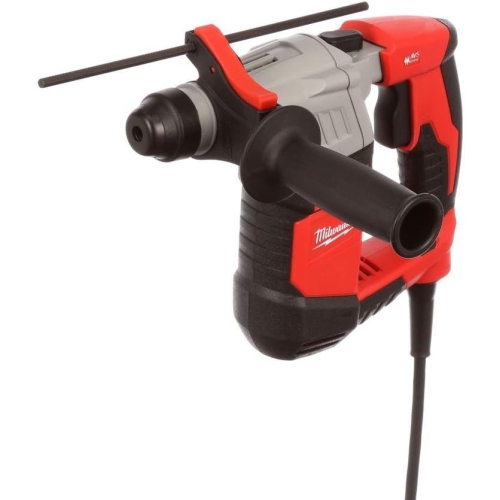

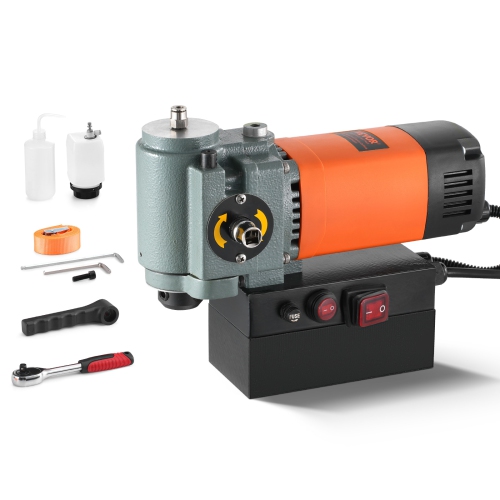
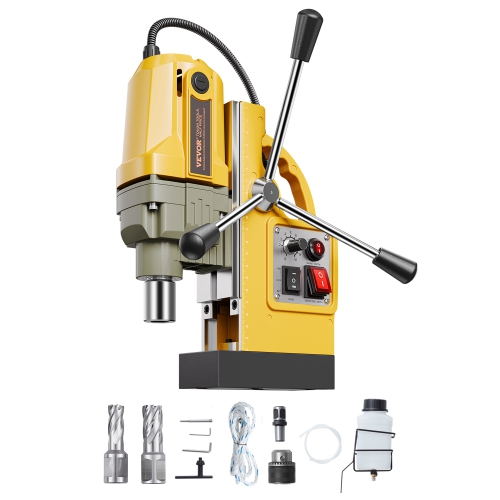
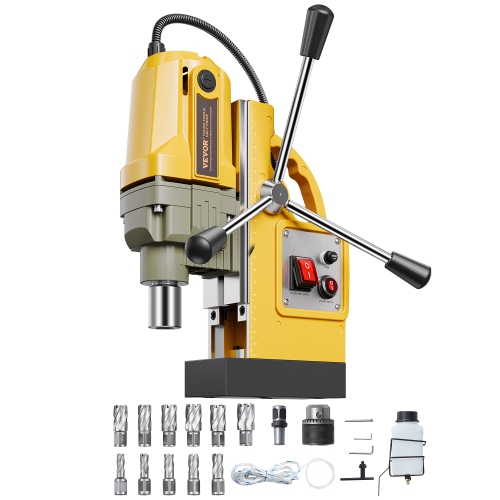
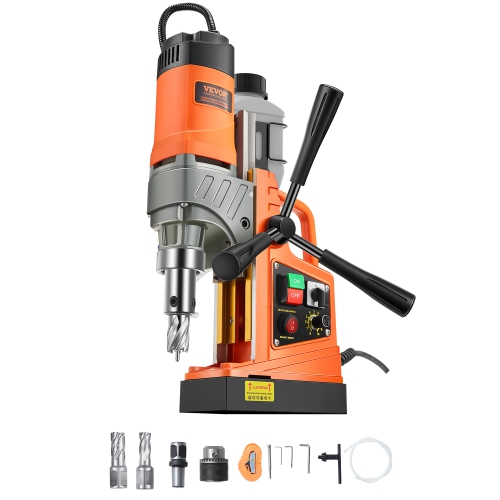
How drill modes and bit compatibility shape performance
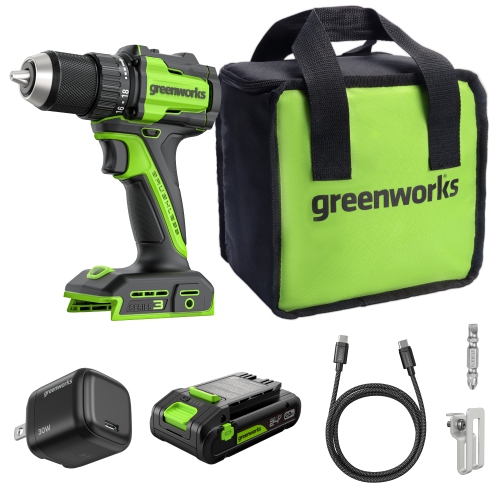
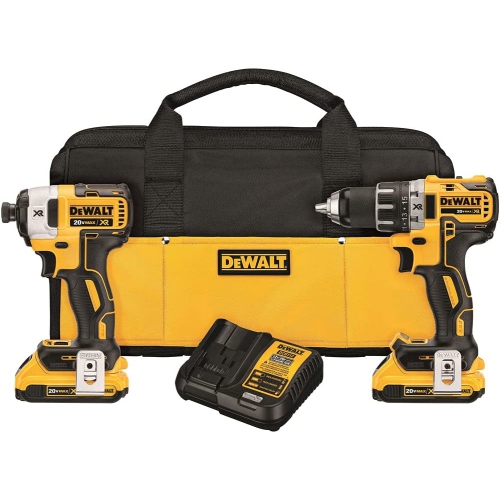
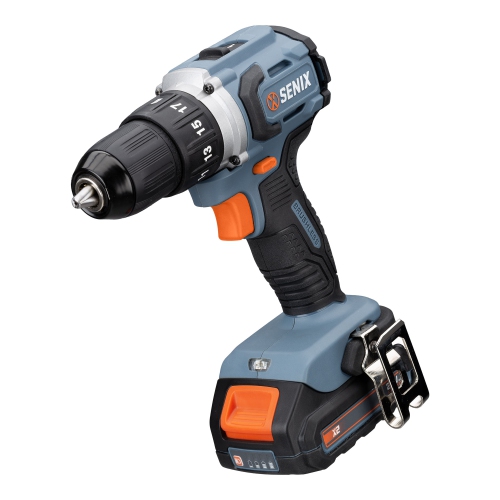
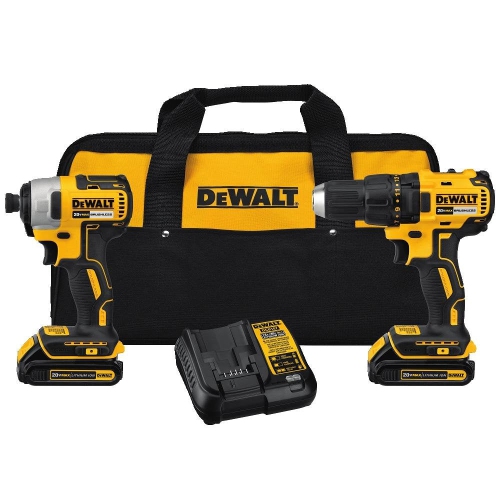
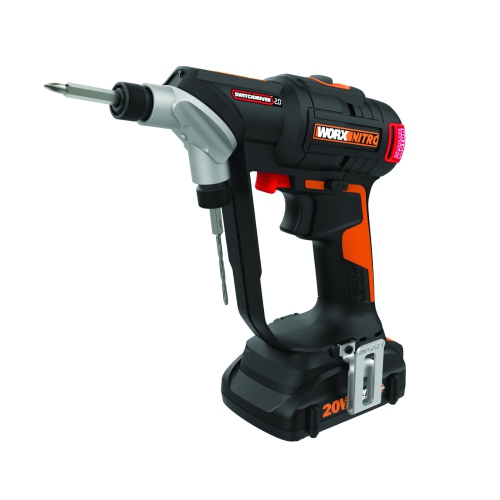
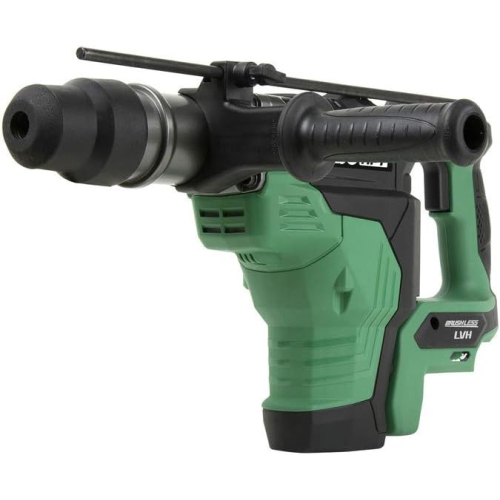
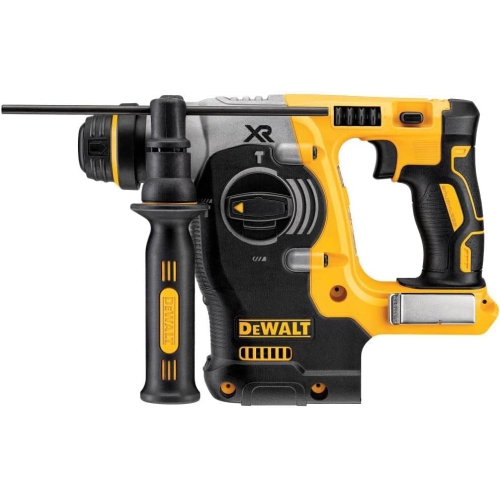
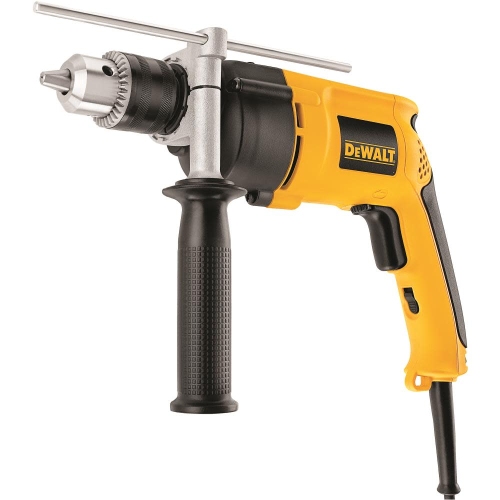
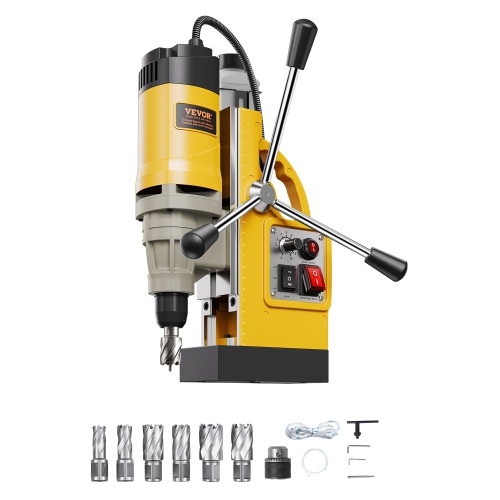
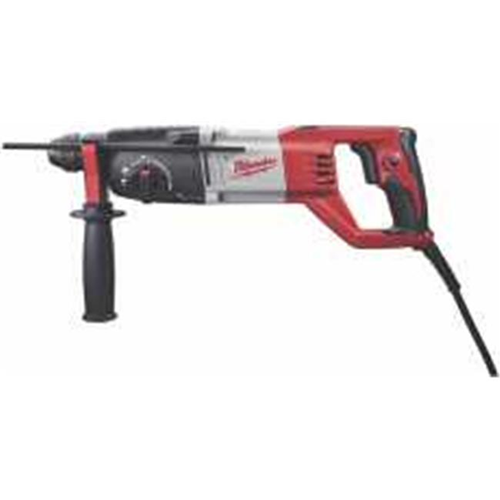
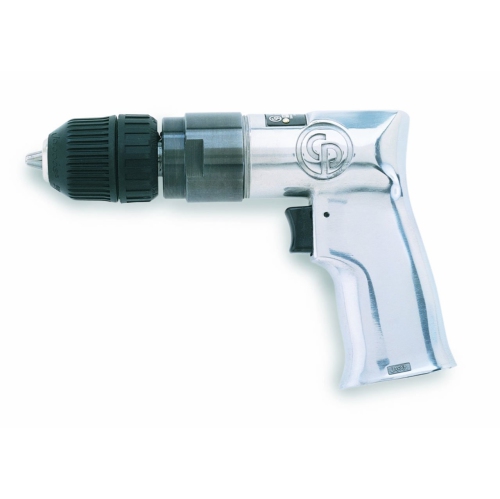
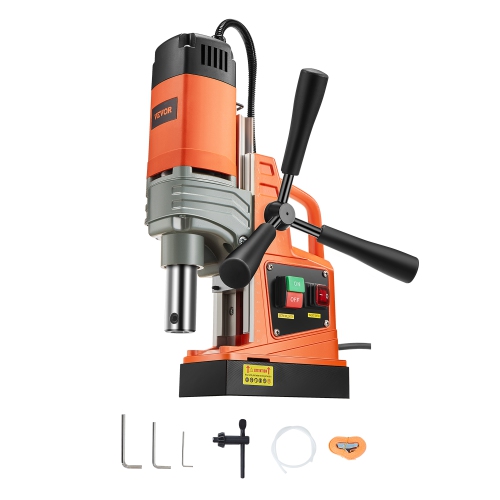
A rotary drill is a versatile power tool for creating holes in wood, metal and other materials, while a rotary hammer is designed for more demanding work in concrete, brick, block and stone. The terms are sometimes used interchangeably in product searches, so it is helpful to look closely at the tool’s stated functions before choosing one. A standard rotary drill relies on the rotation of its chuck and bit, making it well suited to household projects such as assembling furniture, installing shelving, drilling pilot holes, fastening hardware and working with timber or sheet metal. A rotary hammer adds a hammering action that drives the bit forward in rapid, forceful impacts as it spins. This combination is built to deal with dense masonry, where an ordinary drill may struggle, overheat or make very slow progress. For general home use, a traditional Power Drill may be the practical choice, while a rotary hammer can be a better match for renovation, construction and repair work involving concrete or other hard surfaces. The right option depends on the material, hole size, frequency of use and level of control needed for the job.
Rotary hammers are commonly available with three operating modes. Drill mode uses rotation without impact and can be useful for wood, metal and selected masonry applications when paired with the appropriate bit. Rotary hammer mode combines rotation with forward impacts, allowing masonry bits to break through concrete, brick and stone more effectively. Hammer-only mode stops the bit from rotating and turns the tool into a compact chiselling machine for tasks such as removing tile, opening a channel for wiring or plumbing, trimming away mortar and breaking up small sections of damaged material. Inside the tool, an electric motor drives a piston that compresses air; the compressed air transfers energy to a striker, which repeatedly hits the bit. This piston-and-air mechanism helps deliver the strong impact associated with rotary hammers without requiring the user to force the tool into the surface. Bits are often held by an SDS-style chuck, which allows compatible drill bits and chisels to slide into place while still moving freely enough to receive the hammering action. Before buying, confirm the chuck system and bit compatibility, since standard round-shank bits may not fit an SDS chuck without the correct adapter. It is also worth checking the tool’s impact energy, speed range, maximum drilling diameter and intended material rating. A compact model can be easier to handle for occasional anchor holes, while a heavier tool may be more suitable for repeated drilling into foundations, concrete steps or thick masonry walls.
Corded and cordless designs each have practical advantages. A corded rotary hammer provides consistent power for extended sessions and can be convenient in a workshop, garage or renovation area with a nearby outlet. A cordless model offers greater freedom around a worksite, especially when drilling outdoors, moving between rooms or working where an extension cord would be awkward. Battery capacity, charger time and the availability of compatible batteries are important considerations for cordless tools, particularly when several large holes or prolonged chiselling are planned. Look for a comfortable side handle, a secure grip and a depth stop that helps produce consistent holes. Variable-speed control can make it easier to begin accurately without the bit wandering across the surface, while a reversible setting can help with certain drilling tasks, though hammer mode is generally intended for forward operation. Vibration control and a well-balanced body can make a noticeable difference during longer projects; even a short afternoon of drilling overhead can leave hands and forearms tired when a tool transfers too much impact back to the user. Personal protective equipment remains essential: wear safety glasses or a face shield to protect against chips and dust, hearing protection when using high-impact settings, and a suitable dust mask or respirator when the material and work area call for it. Keep both hands on the tool, inspect the wall for hidden wiring or plumbing before drilling, and allow the bit to do the cutting rather than pushing with excessive force. Rotary drills and hammers can be useful additions to a homeowner’s workshop, a thoughtful gift for someone settling into a first home, or a dependable choice for tradespeople and experienced do-it-yourself users preparing for cooler-month renovation projects. With the proper bit, operating mode and handling technique, the tool can move from precise pilot holes to demanding masonry work while helping projects progress with less effort and more control.
Rotary hammers are commonly available with three operating modes. Drill mode uses rotation without impact and can be useful for wood, metal and selected masonry applications when paired with the appropriate bit. Rotary hammer mode combines rotation with forward impacts, allowing masonry bits to break through concrete, brick and stone more effectively. Hammer-only mode stops the bit from rotating and turns the tool into a compact chiselling machine for tasks such as removing tile, opening a channel for wiring or plumbing, trimming away mortar and breaking up small sections of damaged material. Inside the tool, an electric motor drives a piston that compresses air; the compressed air transfers energy to a striker, which repeatedly hits the bit. This piston-and-air mechanism helps deliver the strong impact associated with rotary hammers without requiring the user to force the tool into the surface. Bits are often held by an SDS-style chuck, which allows compatible drill bits and chisels to slide into place while still moving freely enough to receive the hammering action. Before buying, confirm the chuck system and bit compatibility, since standard round-shank bits may not fit an SDS chuck without the correct adapter. It is also worth checking the tool’s impact energy, speed range, maximum drilling diameter and intended material rating. A compact model can be easier to handle for occasional anchor holes, while a heavier tool may be more suitable for repeated drilling into foundations, concrete steps or thick masonry walls.
Corded and cordless designs each have practical advantages. A corded rotary hammer provides consistent power for extended sessions and can be convenient in a workshop, garage or renovation area with a nearby outlet. A cordless model offers greater freedom around a worksite, especially when drilling outdoors, moving between rooms or working where an extension cord would be awkward. Battery capacity, charger time and the availability of compatible batteries are important considerations for cordless tools, particularly when several large holes or prolonged chiselling are planned. Look for a comfortable side handle, a secure grip and a depth stop that helps produce consistent holes. Variable-speed control can make it easier to begin accurately without the bit wandering across the surface, while a reversible setting can help with certain drilling tasks, though hammer mode is generally intended for forward operation. Vibration control and a well-balanced body can make a noticeable difference during longer projects; even a short afternoon of drilling overhead can leave hands and forearms tired when a tool transfers too much impact back to the user. Personal protective equipment remains essential: wear safety glasses or a face shield to protect against chips and dust, hearing protection when using high-impact settings, and a suitable dust mask or respirator when the material and work area call for it. Keep both hands on the tool, inspect the wall for hidden wiring or plumbing before drilling, and allow the bit to do the cutting rather than pushing with excessive force. Rotary drills and hammers can be useful additions to a homeowner’s workshop, a thoughtful gift for someone settling into a first home, or a dependable choice for tradespeople and experienced do-it-yourself users preparing for cooler-month renovation projects. With the proper bit, operating mode and handling technique, the tool can move from precise pilot holes to demanding masonry work while helping projects progress with less effort and more control.
Top selling and popular products
-
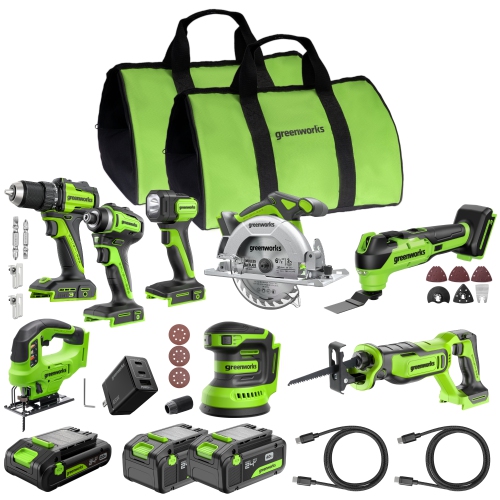 Your price for this item is $759.99
 -
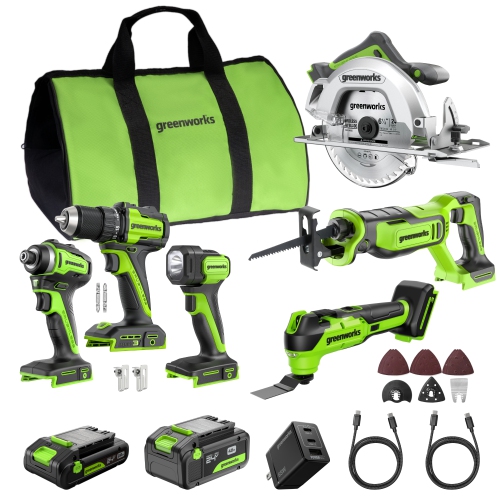 Your price for this item is $391
 -
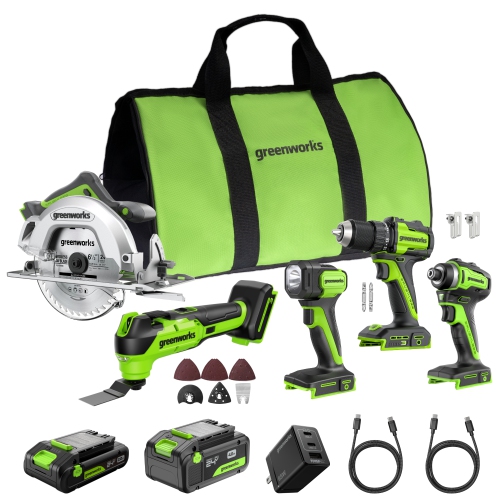 Your price for this item is $499.99
 -
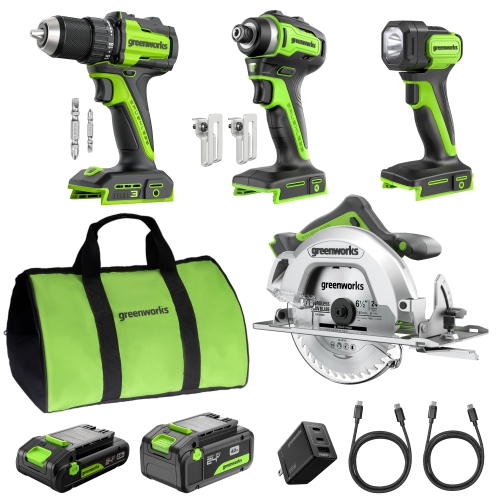 Your price for this item is $234.92
 -
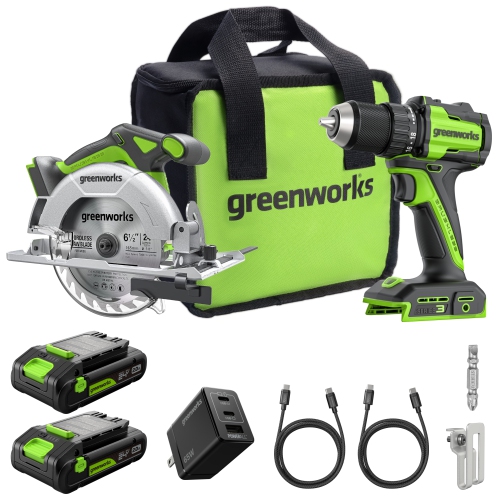 Your price for this item is $207.79
 -
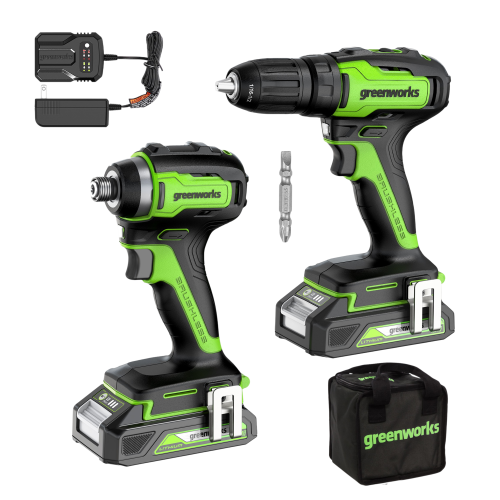 Your price for this item is $175
 -
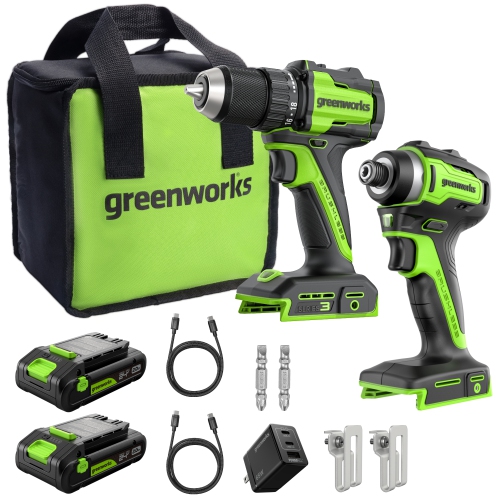 Your price for this item is $249.99
 -
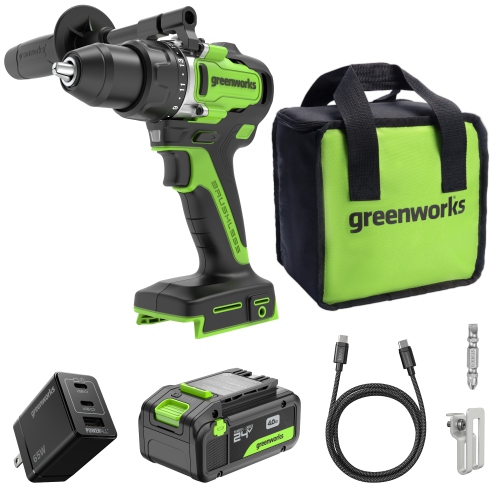 Your price for this item is $155
Discover more categories related to Rotary Drill
Top Collections:
Pokemon Centers, Kindle Devices, Best Budget Office Chairs, Apple iPhones 16, Best Laptops for Writers, iPhone 15 Apple, Canon G7X Cameras, Refurbished Apple Laptops, Alarm Clock, Motorola Razr Phones
Some products may be subject to Environmental Handling Fees
(EHF) depending on your province.
Learn more about EHFs.