Rotary Hammer Drill
Rotary Hammer Drill options are designed to help you tackle heavy-duty drilling and chiseling tasks with ease. Whether you're working on concrete, masonry, or other tough materials, these powerful tools offer the performance and durability needed for demanding projects. Explore a wide selection of rotary hammer drills to find the right fit for your next renovation, construction, or DIY job. Find models suited for both professional contractors and home improvement enthusiasts, ensuring you have the right tool to get the job done efficiently.
Sort
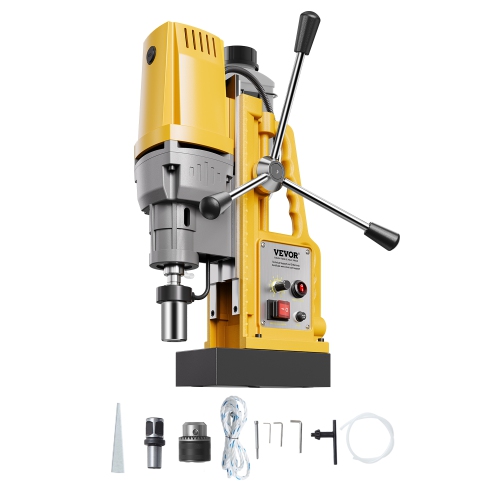
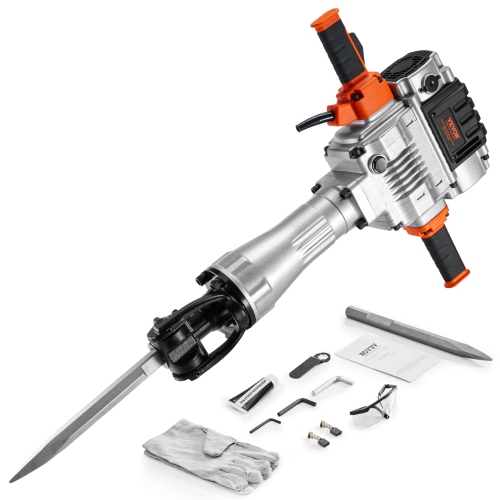
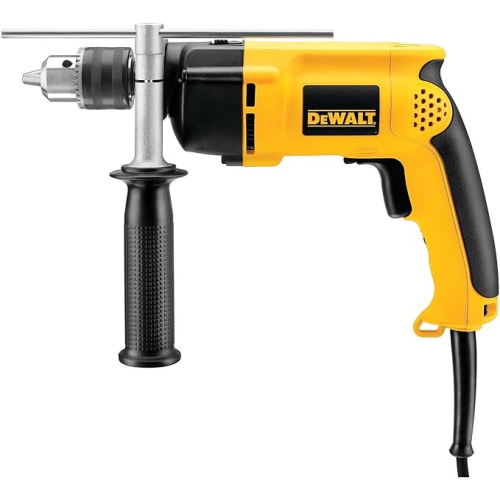
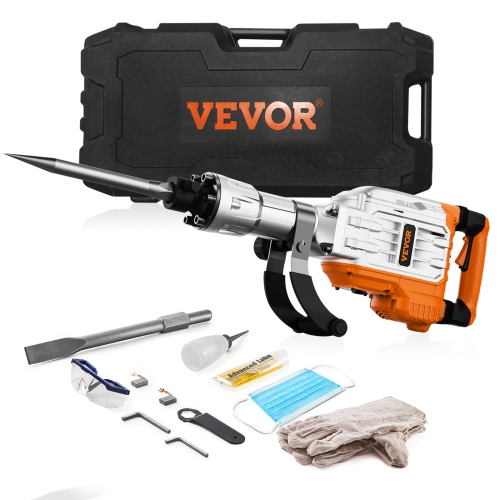
Why piston-driven impacts matter when drilling into concrete
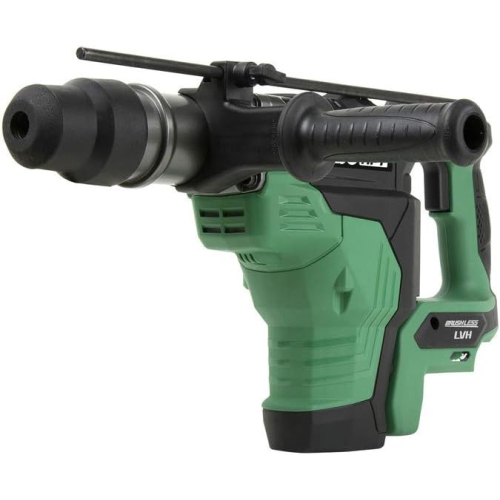
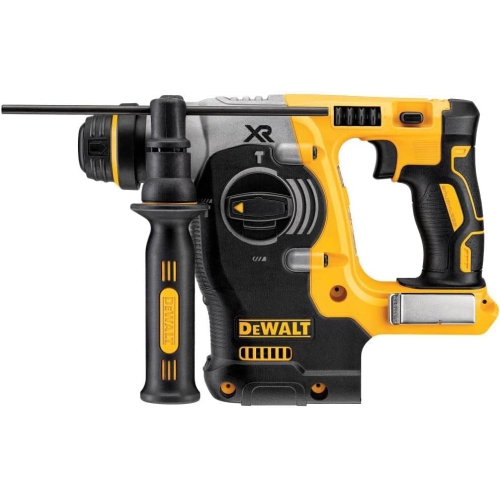
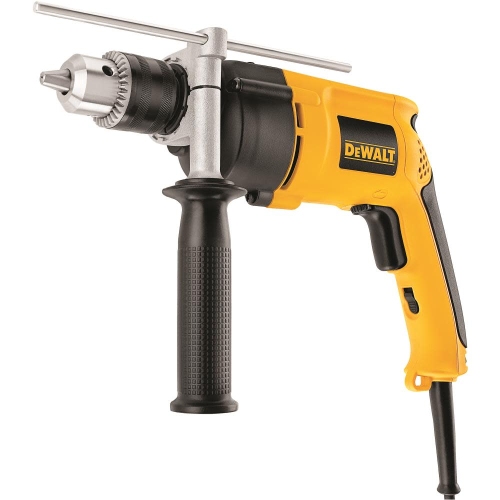
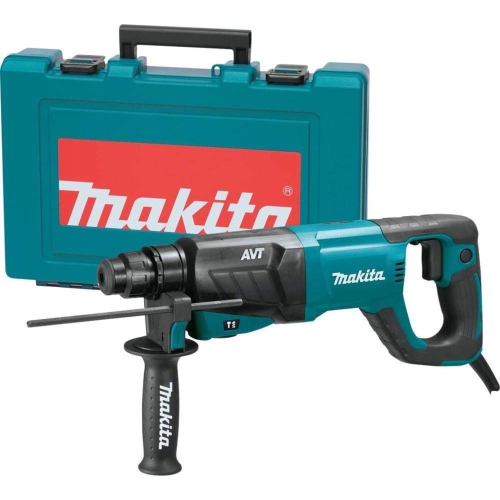
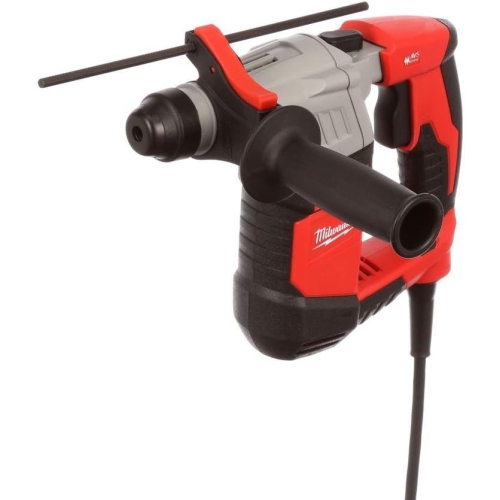
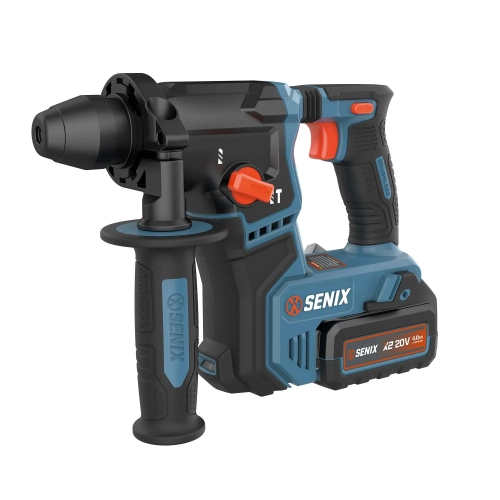
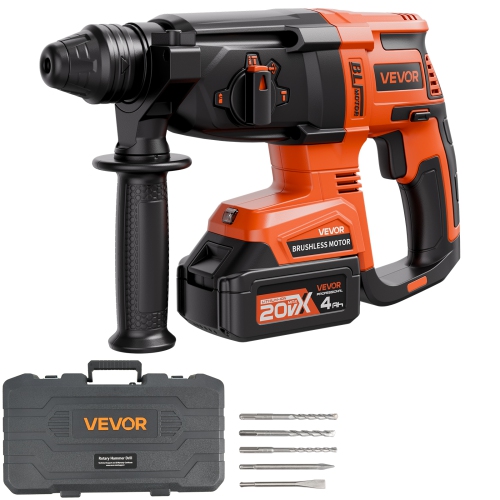
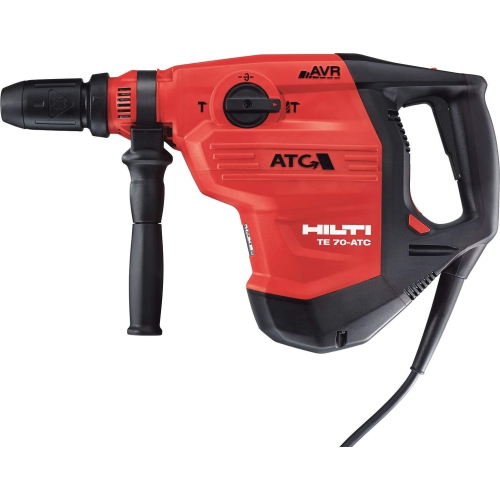
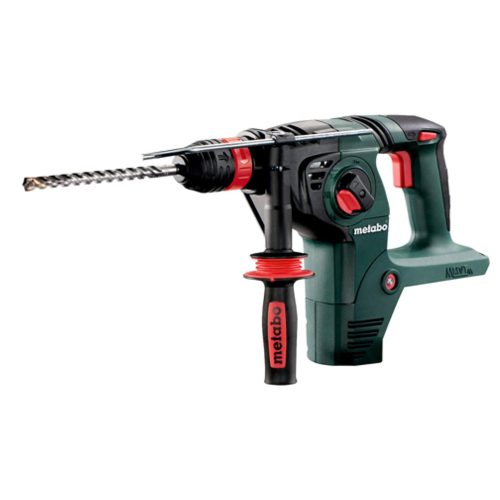
A rotary hammer drill is a heavy-duty power tool that combines rotation with piston-driven impacts to drill into concrete, brick, stone, and other masonry materials. Inside the tool, a piston compresses air to drive a striking mechanism, delivering force through the bit rather than relying on pressure from the operator alone. This action distinguishes rotary hammer drills from standard hammer drills, which use a mechanical percussion mechanism to produce smaller, rapid impacts. The difference becomes noticeable when making repeated anchor holes in a concrete basement wall or drilling into a dense slab: a rotary hammer is designed to keep working through material that can slow a conventional drill considerably. These tools suit contractors, renovators, maintenance professionals, and experienced homeowners whose projects regularly involve masonry. Typical applications include preparing holes for concrete fasteners, securing mounting brackets, and installing anchors for shelving or equipment, provided the fasteners and substrate are suitable for the load. Their usefulness extends beyond drilling when the tool supports additional operating modes. Rotary hammer mode combines impact and rotation for masonry holes, rotation-only mode supports compatible drilling applications without percussion, and hammer-only mode allows a suitable chisel to chip material without turning. Not every rotary hammer offers all three modes, so the operating settings matter as much as the tool’s overall size. A hammer-only function can be useful for removing tile or tackling modest amounts of concrete chipping, but it does not make every rotary hammer a substitute for a dedicated demolition hammer. For work centred on ordinary drilling rather than masonry impact, the Rotary Drill category provides a related point of comparison. The practical distinction is the task: turning a bit through wood or metal places different demands on a tool than repeatedly driving a masonry bit into cured concrete.
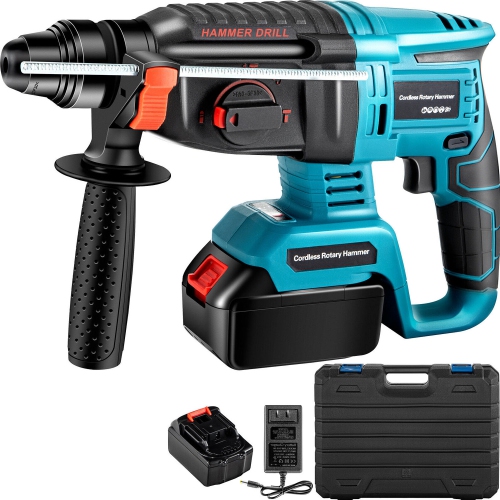
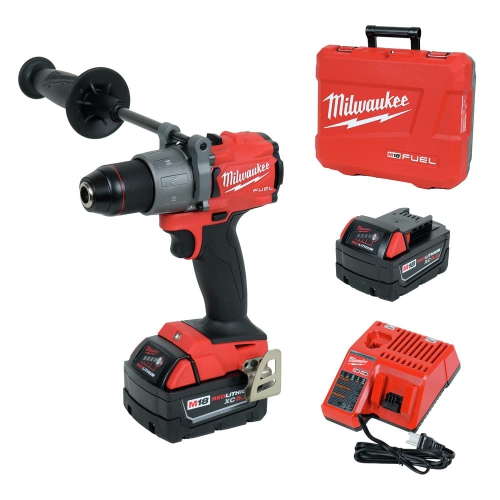
Chuck type, drilling capacity, and power source shape how a rotary hammer drill fits into a working setup. SDS-Plus and SDS-Max are common bit systems, with slotted shanks that lock into the chuck while allowing the bit to move lengthwise during hammering. SDS-Plus tools generally suit smaller and medium-duty masonry drilling, while SDS-Max tools typically handle larger holes and heavier chipping work. The two shank systems are not interchangeable, and a conventional round-shank bit does not fit directly into an SDS chuck. Any adapter must be approved for the tool and intended operating mode; a standard drill chuck attachment is generally intended for rotation-only use. Beyond compatibility, the tool’s rated capacity in the actual material is more informative than its appearance. A compact rotary hammer can be a comfortable match for repeated small anchor holes, while larger-diameter or deeper holes may require greater impact energy and a different tool class. Impact energy, commonly expressed in joules, describes the strength of each blow, but useful performance also depends on impact rate, rotational speed, bit condition, and the material being drilled. Corded rotary hammer drills provide power without battery changes and suit work near an appropriate electrical supply. Cordless rotary hammer drills offer freedom of movement around unfinished rooms, stairwells, and locations where a trailing cord would complicate access. Battery platform compatibility, capacity, and the weight of the assembled tool all influence that choice. A larger battery may extend working time, but it also adds weight that becomes noticeable during repeated waist-height or overhead work. Balance, an adjustable auxiliary handle, vibration-reduction features, and a grip that remains manageable with work gloves contribute to comfortable handling. A depth stop helps produce consistent holes for anchors, while variable-speed control can make initial bit placement easier. Safety clutches or electronic bind-up controls, where fitted, can reduce sudden twisting when a bit catches, though they do not replace a secure two-handed grip and stable footing.
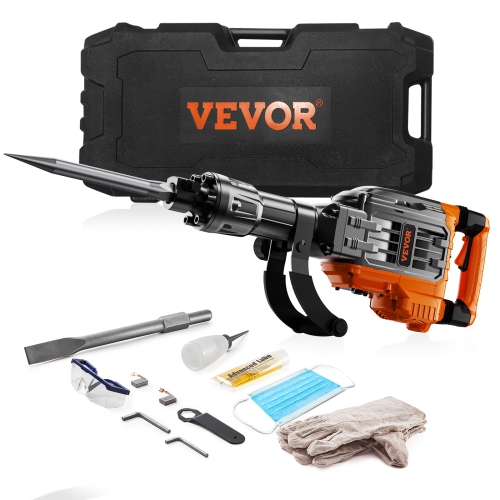
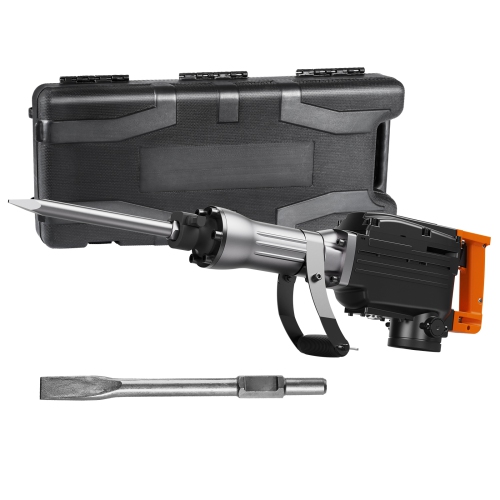
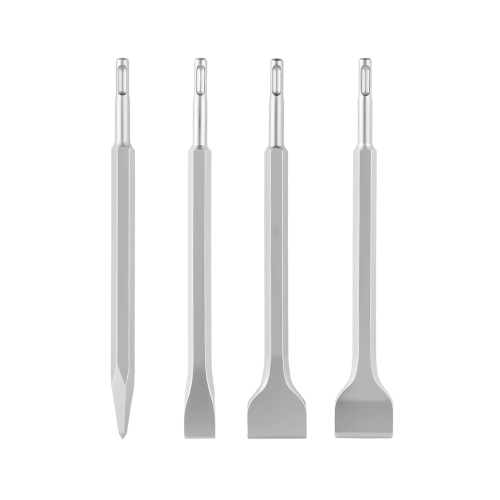
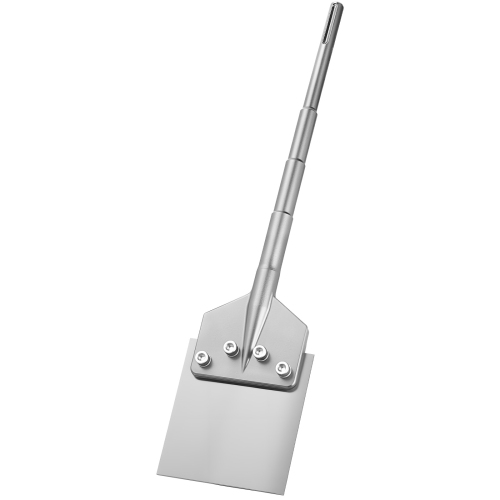
The working end of the tool deserves as much attention as the motor behind it. Masonry drill bits commonly pair a steel body with a carbide cutting tip, combining support along the shank with a hard edge suited to abrasive concrete and stone. Flute shape helps move drilling debris out of the hole, while bit diameter, usable length, and shank compatibility determine whether the accessory suits the job. Longer bits can reach deeper, but unnecessary length can make positioning more awkward in confined spaces. Chisels also differ by purpose: a pointed chisel concentrates force, while a wider blade spreads contact across a larger area during suitable removal tasks. Material condition matters, especially around older brick, mortar joints, hollow masonry, or brittle finishes that may crack under aggressive impact. A rotary hammer’s strength is valuable in dense concrete, but it is not the right action for every surface. Tile, for example, may need a separate, non-impact drilling approach before reaching the masonry beneath it. Careful use also includes confirming that the drilling path is clear of concealed wiring, plumbing, and other services, and avoiding structural reinforcement unless the work has been properly assessed. Concrete and masonry drilling can generate hazardous respirable silica dust, making compatible on-tool extraction, suitable dust collection, and respiratory protection important parts of the setup. Eye and hearing protection are equally relevant around flying chips and repeated impacts. For durability, clean ventilation openings, sound cords, securely fitting accessories, and properly maintained batteries help keep the tool ready for repeated use. Shanks should be cleaned and lubricated only as directed by the manufacturer, with power disconnected before accessory changes or maintenance. During the cooler months, storing tools and batteries in a dry location within their specified temperature limits helps protect them between projects. A protective case keeps bits from knocking against the tool and makes it easier to carry the right accessories from a workshop to a renovation site. Matched to the masonry, hole size, and frequency of use, a rotary hammer drill brings controlled impact power to demanding fastening, installation, and removal work.
Chuck type, drilling capacity, and power source shape how a rotary hammer drill fits into a working setup. SDS-Plus and SDS-Max are common bit systems, with slotted shanks that lock into the chuck while allowing the bit to move lengthwise during hammering. SDS-Plus tools generally suit smaller and medium-duty masonry drilling, while SDS-Max tools typically handle larger holes and heavier chipping work. The two shank systems are not interchangeable, and a conventional round-shank bit does not fit directly into an SDS chuck. Any adapter must be approved for the tool and intended operating mode; a standard drill chuck attachment is generally intended for rotation-only use. Beyond compatibility, the tool’s rated capacity in the actual material is more informative than its appearance. A compact rotary hammer can be a comfortable match for repeated small anchor holes, while larger-diameter or deeper holes may require greater impact energy and a different tool class. Impact energy, commonly expressed in joules, describes the strength of each blow, but useful performance also depends on impact rate, rotational speed, bit condition, and the material being drilled. Corded rotary hammer drills provide power without battery changes and suit work near an appropriate electrical supply. Cordless rotary hammer drills offer freedom of movement around unfinished rooms, stairwells, and locations where a trailing cord would complicate access. Battery platform compatibility, capacity, and the weight of the assembled tool all influence that choice. A larger battery may extend working time, but it also adds weight that becomes noticeable during repeated waist-height or overhead work. Balance, an adjustable auxiliary handle, vibration-reduction features, and a grip that remains manageable with work gloves contribute to comfortable handling. A depth stop helps produce consistent holes for anchors, while variable-speed control can make initial bit placement easier. Safety clutches or electronic bind-up controls, where fitted, can reduce sudden twisting when a bit catches, though they do not replace a secure two-handed grip and stable footing.
The working end of the tool deserves as much attention as the motor behind it. Masonry drill bits commonly pair a steel body with a carbide cutting tip, combining support along the shank with a hard edge suited to abrasive concrete and stone. Flute shape helps move drilling debris out of the hole, while bit diameter, usable length, and shank compatibility determine whether the accessory suits the job. Longer bits can reach deeper, but unnecessary length can make positioning more awkward in confined spaces. Chisels also differ by purpose: a pointed chisel concentrates force, while a wider blade spreads contact across a larger area during suitable removal tasks. Material condition matters, especially around older brick, mortar joints, hollow masonry, or brittle finishes that may crack under aggressive impact. A rotary hammer’s strength is valuable in dense concrete, but it is not the right action for every surface. Tile, for example, may need a separate, non-impact drilling approach before reaching the masonry beneath it. Careful use also includes confirming that the drilling path is clear of concealed wiring, plumbing, and other services, and avoiding structural reinforcement unless the work has been properly assessed. Concrete and masonry drilling can generate hazardous respirable silica dust, making compatible on-tool extraction, suitable dust collection, and respiratory protection important parts of the setup. Eye and hearing protection are equally relevant around flying chips and repeated impacts. For durability, clean ventilation openings, sound cords, securely fitting accessories, and properly maintained batteries help keep the tool ready for repeated use. Shanks should be cleaned and lubricated only as directed by the manufacturer, with power disconnected before accessory changes or maintenance. During the cooler months, storing tools and batteries in a dry location within their specified temperature limits helps protect them between projects. A protective case keeps bits from knocking against the tool and makes it easier to carry the right accessories from a workshop to a renovation site. Matched to the masonry, hole size, and frequency of use, a rotary hammer drill brings controlled impact power to demanding fastening, installation, and removal work.
Top selling and popular products
-
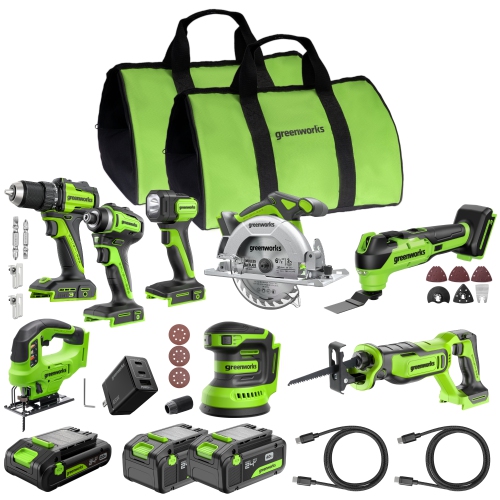 Your price for this item is $759.99
 -
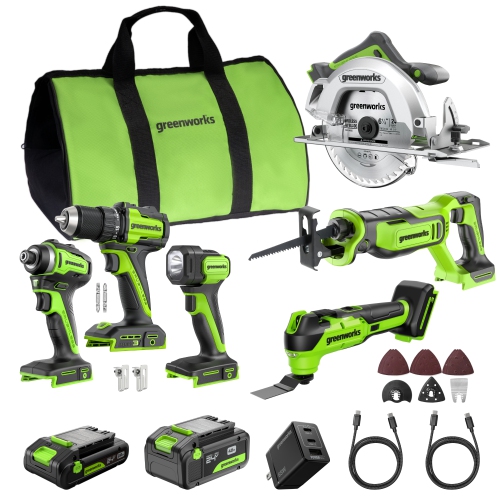 Your price for this item is $391
 -
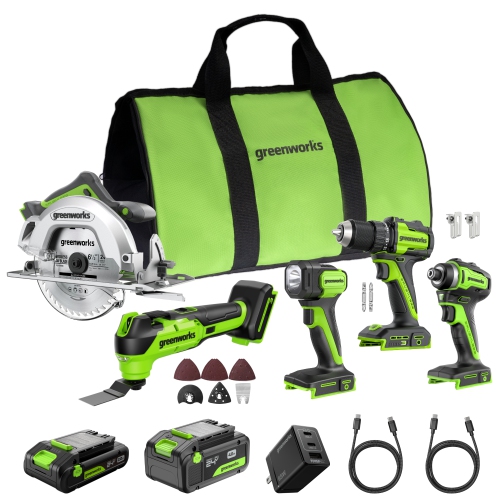 Your price for this item is $499.99
 -
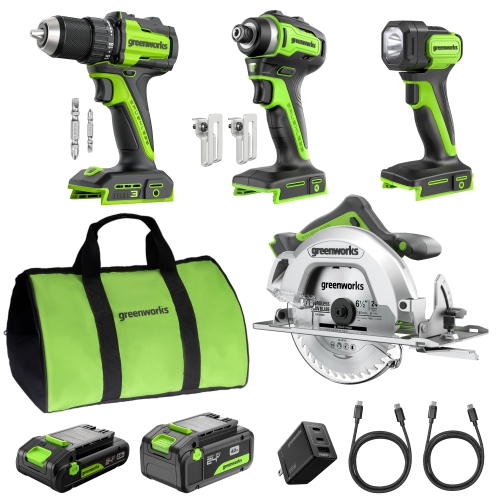 Your price for this item is $234.92
 -
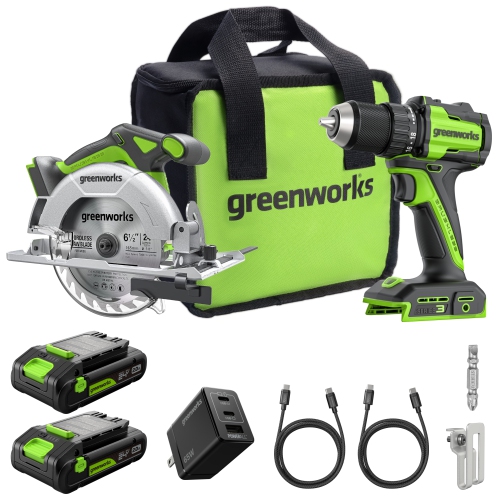 Your price for this item is $207.79
 -
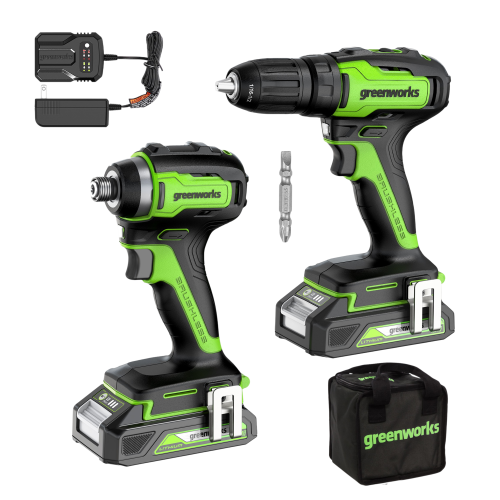 Your price for this item is $175
 -
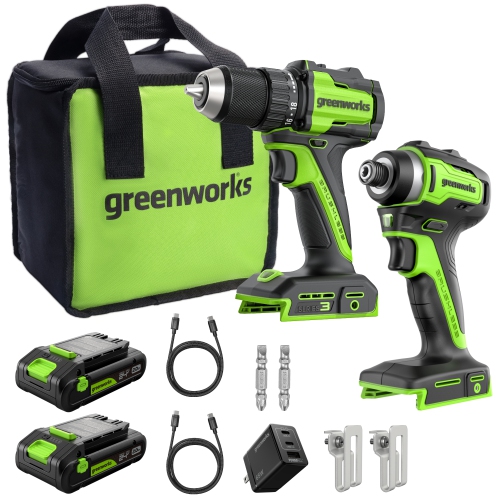 Your price for this item is $249.99
 -
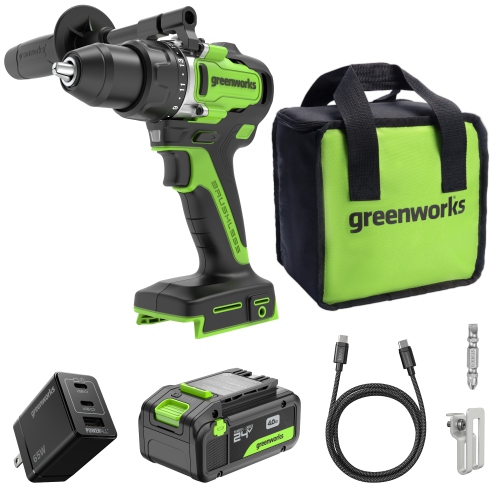 Your price for this item is $155
Discover more categories related to Rotary Hammer Drill
Top Collections:
Pokemon Centers, Kindle Devices, Best Budget Office Chairs, Apple iPhones 16, Best Laptops for Writers, iPhone 15 Apple, Canon G7X Cameras, Refurbished Apple Laptops, Alarm Clock, Motorola Razr Phones
Some products may be subject to Environmental Handling Fees
(EHF) depending on your province.
Learn more about EHFs.