Round Black Coffee Tables
Enhance the aesthetic appeal of your living space with a sleek and modern round black coffee table. This versatile piece of furniture serves as a functional centerpiece, perfect for gathering around with friends and family or displaying your favorite decor items. The timeless black finish effortlessly complements any existing decor style, while the round shape adds a touch of elegance to your room. Crafted with quality materials, this coffee table combines both style and durability to elevate your home decor effortlessly.
Sort
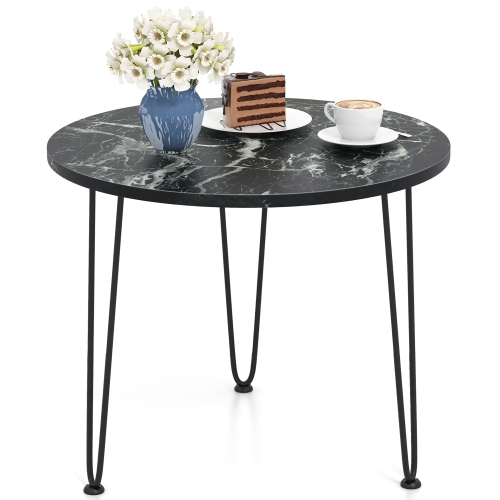

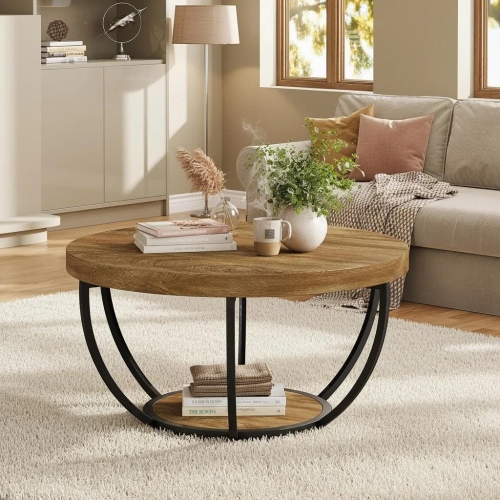

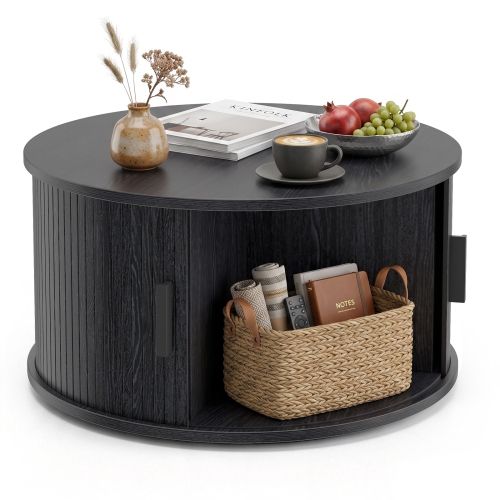
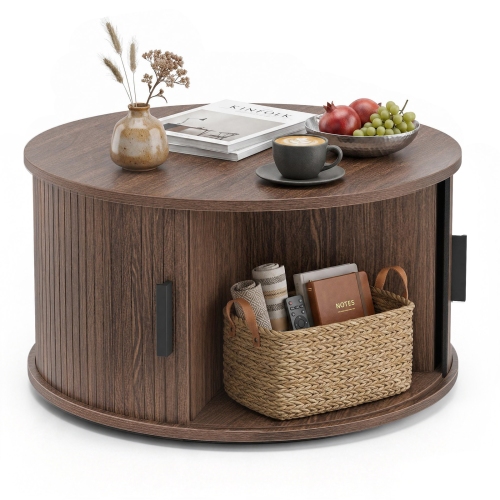


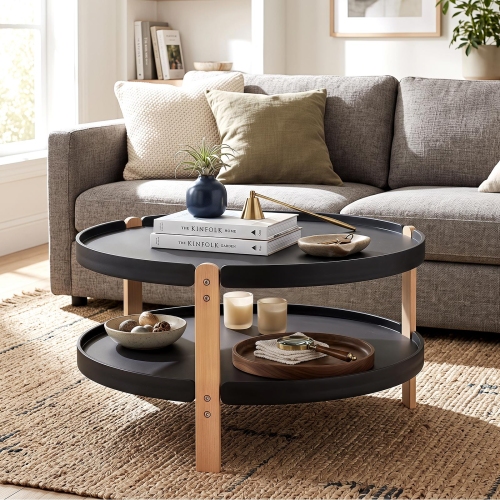
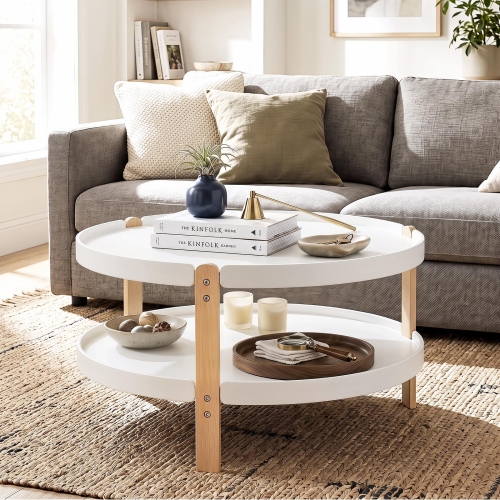
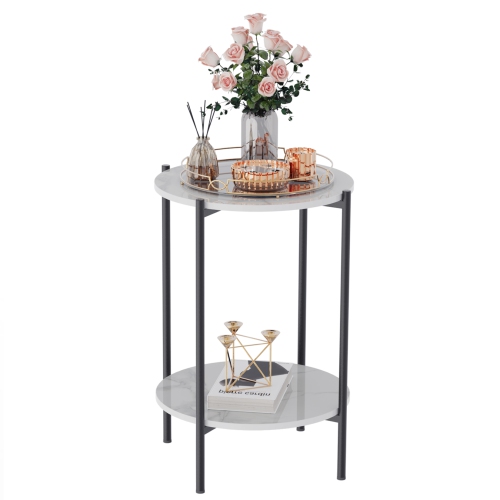


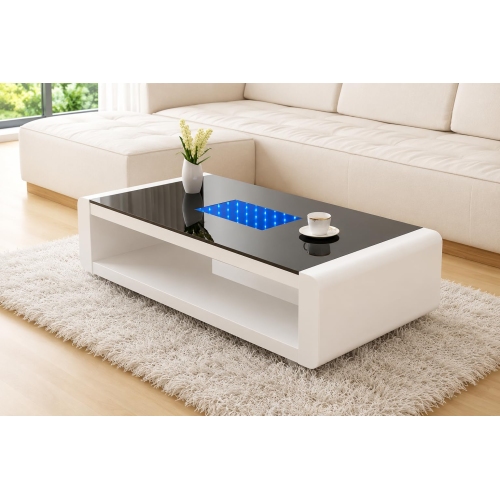
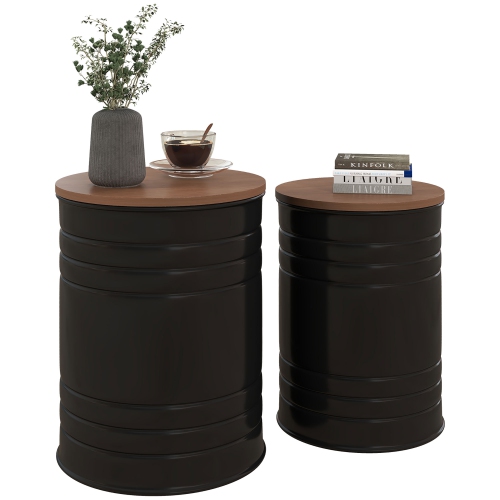
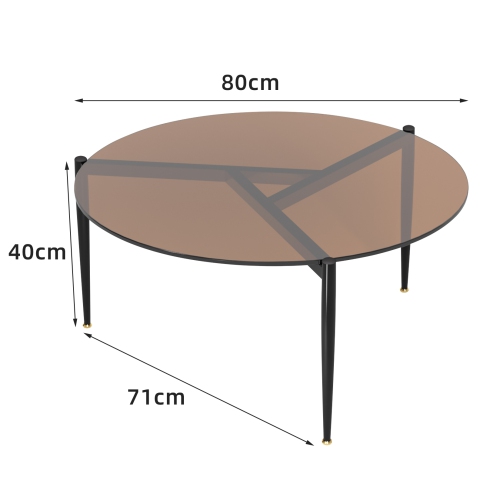
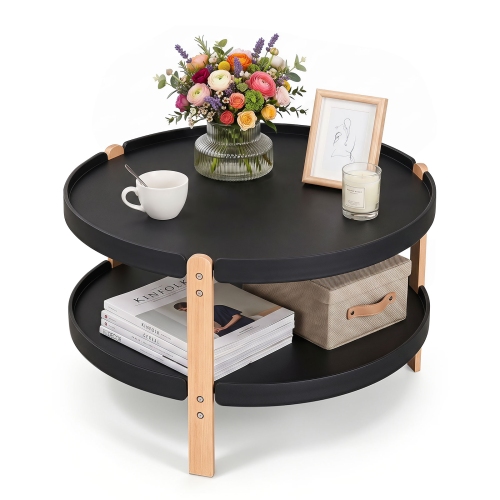
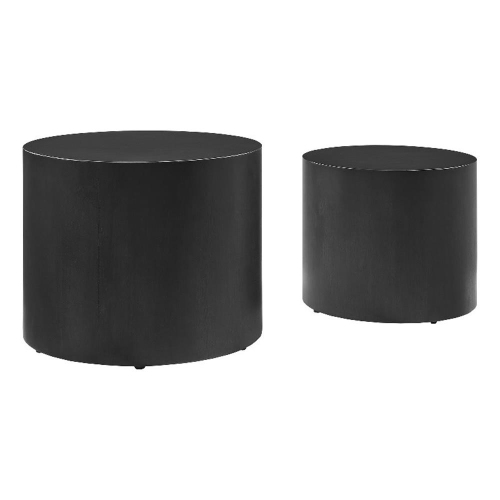
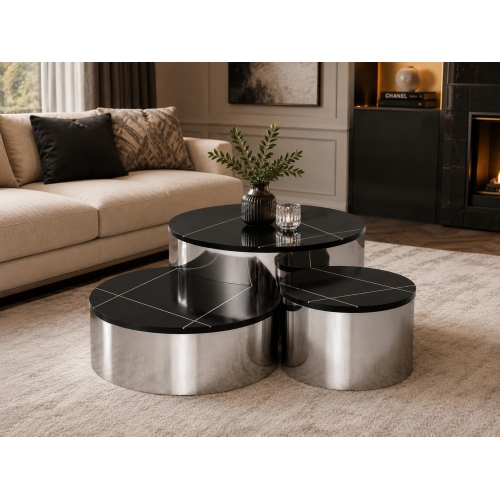
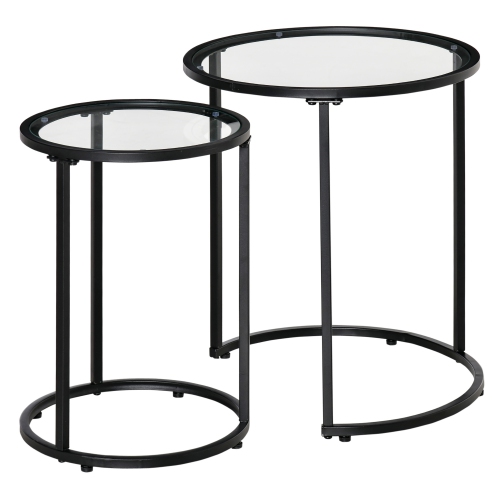
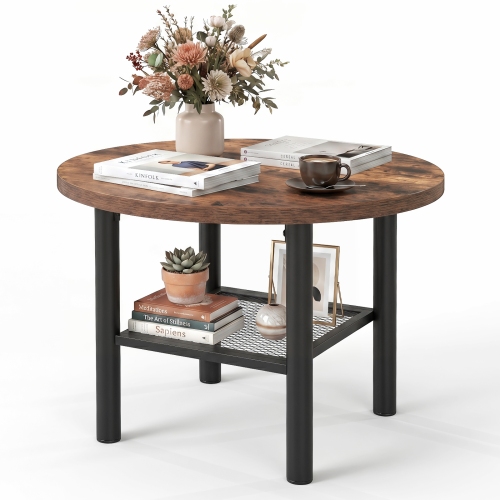
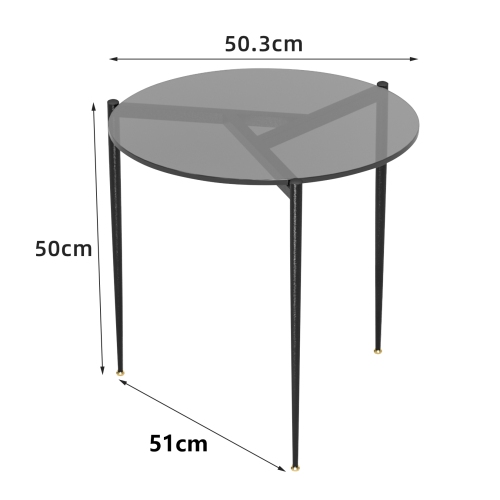
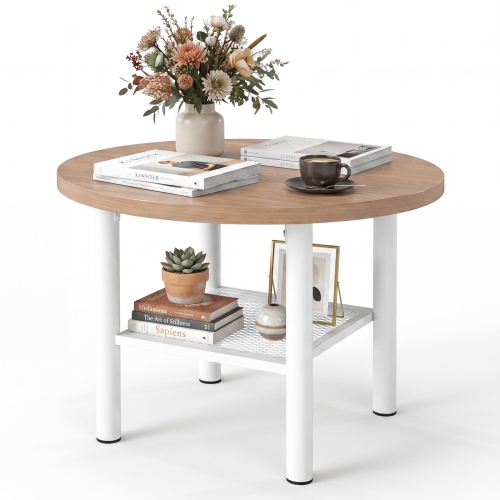


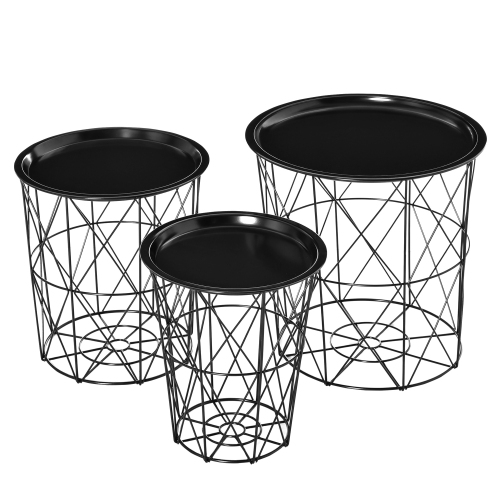


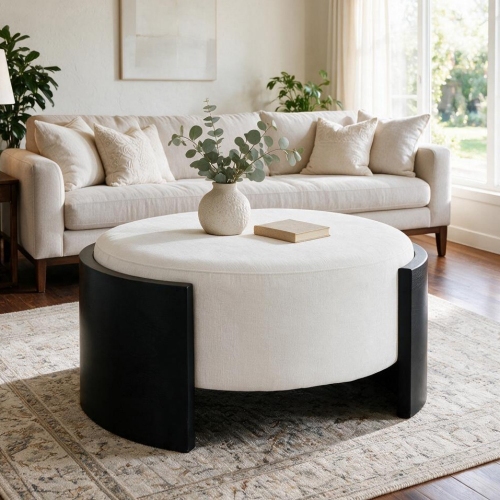


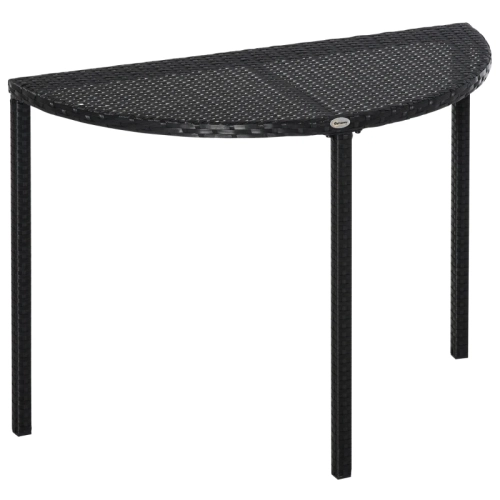


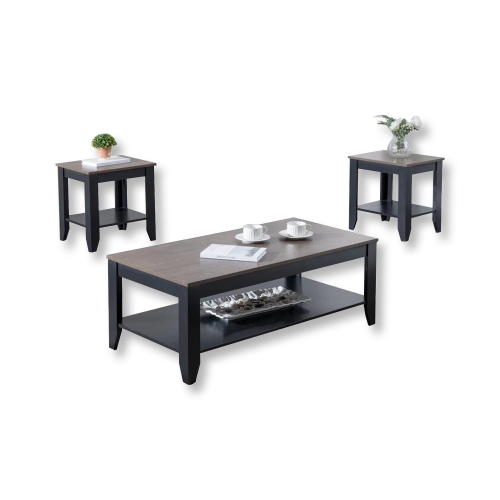


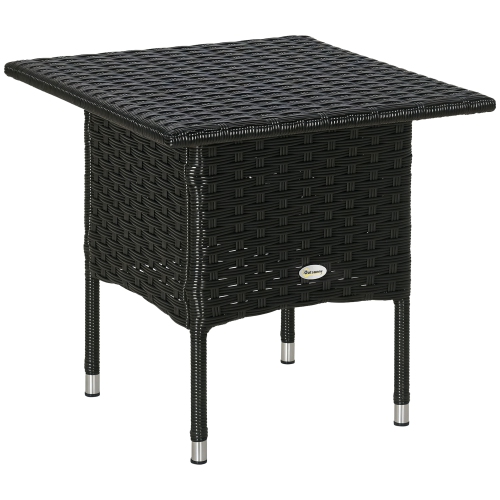


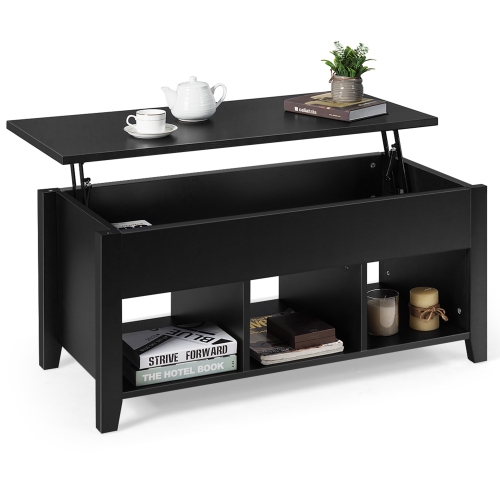
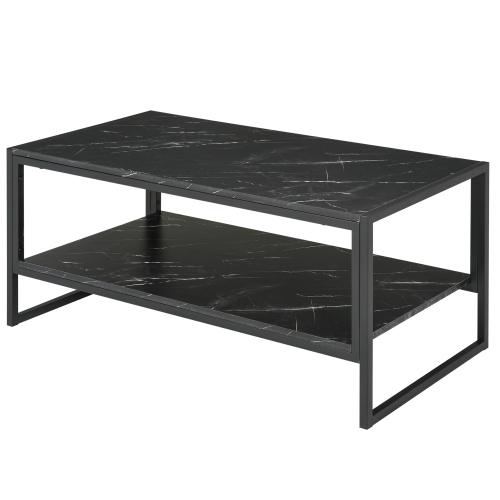
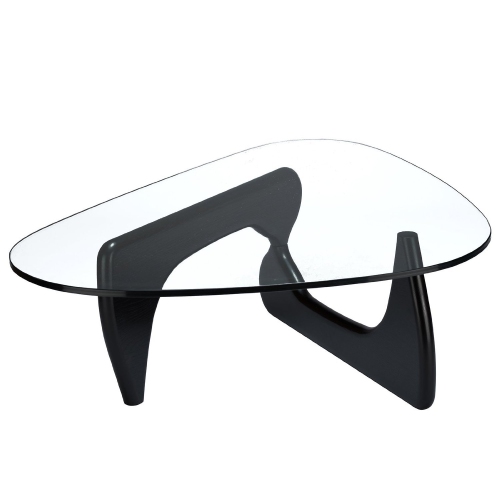


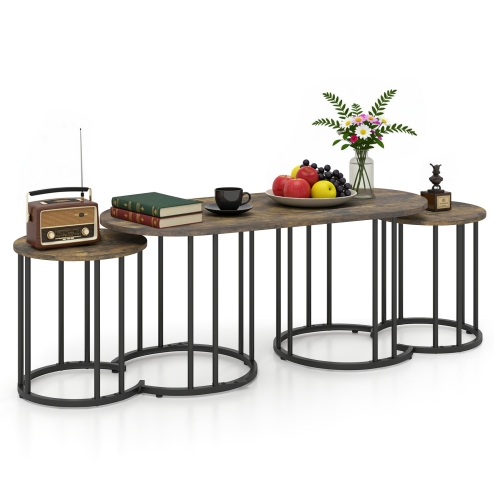

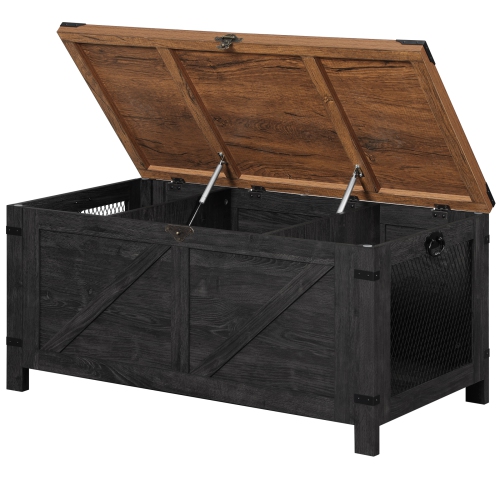


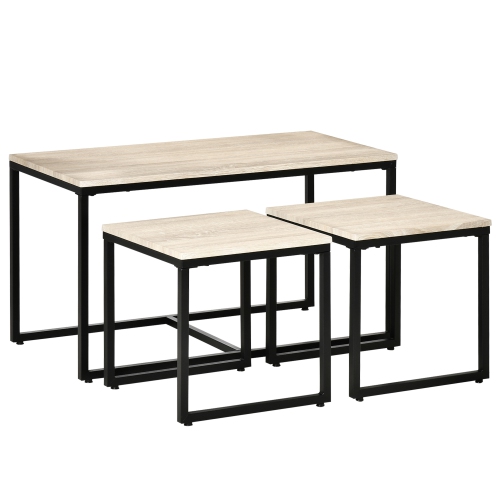


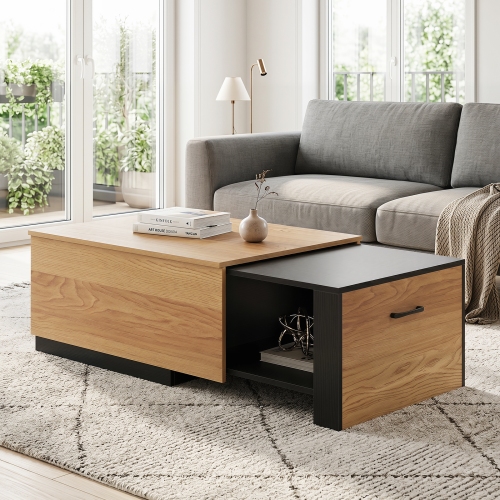
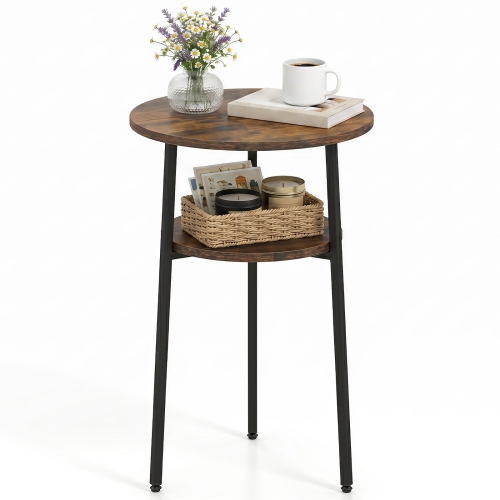

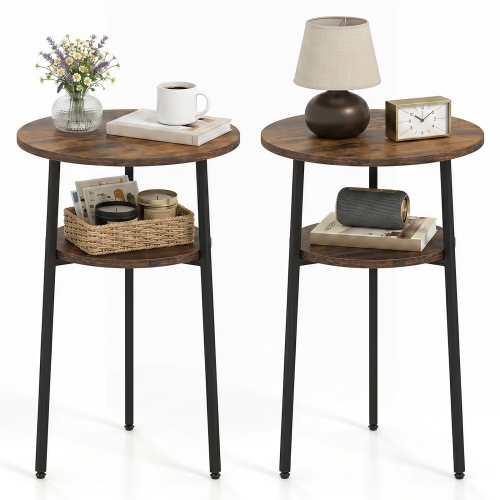

How curves and dark finishes anchor your seating area
Round black coffee tables bring a circular surface and a dark finish to the centre of a seating area, providing a practical place for drinks, books, remote controls, and everyday essentials. Their curved outline contrasts with the straight edges of sofas, media units, and area rugs, while black can act as a visual link between furniture, lighting, and other accents. The effect depends on the table’s proportions and finish: a slender metal frame can feel light and understated, while a solid drum base creates a more substantial focal point. Matte black surfaces have a muted appearance, satin finishes offer a gentle sheen, and glossy finishes reflect more light. These differences matter beside a textured fabric sofa, a leather sectional, or a pale rug, where the table’s surface becomes part of the room’s overall character. Round shapes also suit seating arrangements where people gather from several directions, such as a sofa paired with two armchairs. With no projecting tabletop corners, the outline can make movement around the seating area feel less interrupted, although the table still needs adequate clearance. A black coffee table does not have to match every other piece of furniture. It can complement light oak, walnut tones, brushed metal, or upholstered seating without requiring an entirely black furniture scheme. Repeating the colour in a lamp base or picture frame can make the arrangement feel connected without making it look overly matched. For a minimalist living room, a simple circular top leaves space around a few useful objects; in a more layered room, the same shape can balance patterned textiles and a stack of favourite books. The table’s everyday role is just as important as its appearance. A surface used mainly for a mug and a remote control has different demands from one that regularly holds board games, serving trays, or reading materials.
Fit depends on the relationship between the table, the seating, and the routes through the room. Measuring the open floor area is more useful than judging a table’s diameter in isolation, particularly with sectionals, chaise lounges, and reclining seats. Around 14 to 18 inches between a sofa and coffee table is a common starting point for comfortable reach, but a busy walkway may need substantially more space. Reclining footrests and pull-out beds also need room to operate without contacting the table. A tabletop close to the height of the sofa seat, or slightly lower, generally keeps drinks within easy reach without visually crowding the seating. Deep lounge seating may call for different proportions than a compact upright sofa, so both height and diameter deserve attention. In a smaller room, Small Black Coffee Tables can help keep the seating area functional without allowing the central surface to dominate the floor plan. A round table can work especially well inside the angle of an L-shaped sectional, provided people can still reach it from the seats they use most often. Base design changes that experience, too. A pedestal may leave more open space around the perimeter, while widely spaced legs can affect where feet rest. An open frame maintains sightlines to the rug beneath, whereas a closed base gives the table a more solid presence. Storage adds another layer of usefulness. A lower shelf can hold reading materials or a basket of remotes, while enclosed compartments keep smaller belongings out of view. Lift-top designs can bring a surface closer for occasional tasks, but their raised position, opening clearance, and load limits need to suit the intended use. Coffee tables are generally designed for placing belongings rather than sitting or standing, unless expressly rated otherwise. For households with children or pets, rounded edges are only one consideration; stability, secure fittings, and the absence of accessible pinch points matter as well.
Materials and construction influence how a round black coffee table feels, wears, and responds to daily care. Solid wood brings grain and natural variation beneath a stain or painted finish, while wood veneer provides a real wood surface over a supporting core. Both benefit from protection against standing moisture and direct heat. Engineered wood with a laminate or other applied finish can offer a consistent appearance, though exposed edges and damaged seams may be vulnerable to moisture. Metal frames can create slim profiles or sculptural bases, with the quality of joints, fasteners, and protective coatings affecting long-term performance. Glass introduces reflection and an open appearance, but it also makes fingerprints and dust more noticeable; the manufacturer’s specifications should identify the glass type and care requirements. Stone surfaces have their own characteristics: marble and some other natural stones can stain or react to acidic spills, while sealing requirements vary by material. The care instructions for the actual tabletop should take priority over general cleaning advice. For routine upkeep, a soft cloth and prompt attention to spills are sensible habits, with cleaning products matched to the finish rather than selected by colour alone. Coasters and heat-resistant mats help protect surfaces from condensation and hot drinkware. Felt beneath decorative objects can reduce abrasion when they are moved, and lifting a tray rather than sliding it helps preserve the finish. Black surfaces may show pale dust, water marks, or fine scratches differently depending on their sheen and texture, so the finish should suit the household’s tolerance for visible everyday wear. A level base, properly tightened hardware, and suitable floor protectors also contribute to steady use. In a shared living room, an easy-to-clean top and useful storage may matter most; in a quieter sitting area, texture and silhouette may take priority. The most suitable proportions and materials support those ordinary routines while leaving enough clear surface to set down a cup comfortably.
Top selling and popular products
-
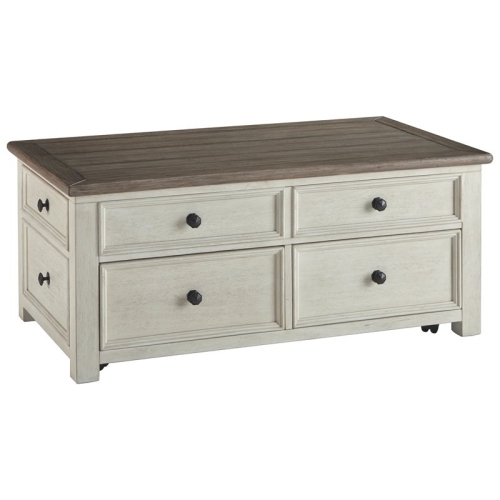 Your price for this item is $949
-
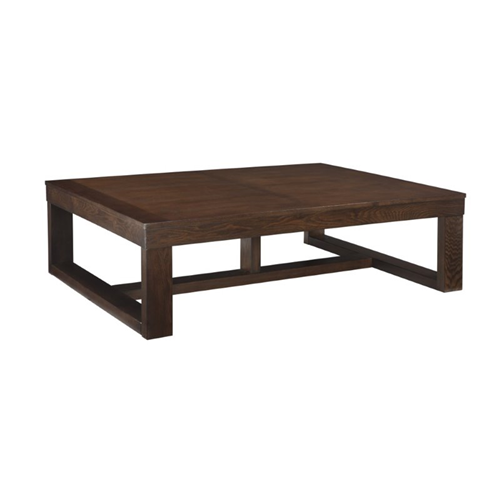 Your price for this item is $449
-
 Your price for this item is $649
-
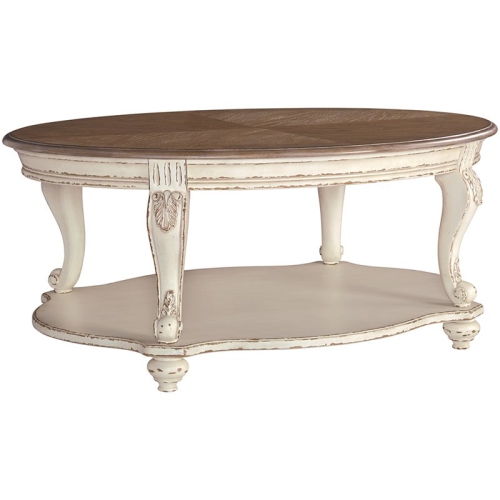 Your price for this item is $599
-
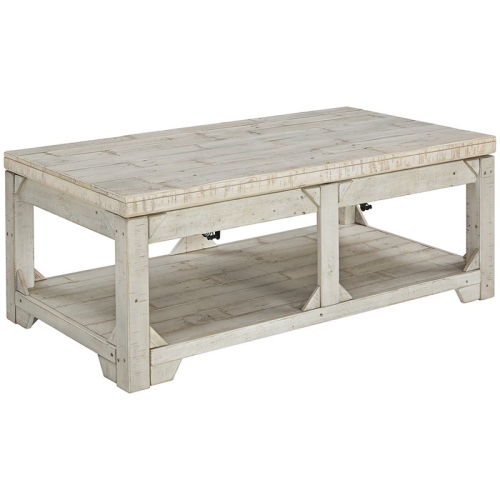 Your price for this item is $549
-
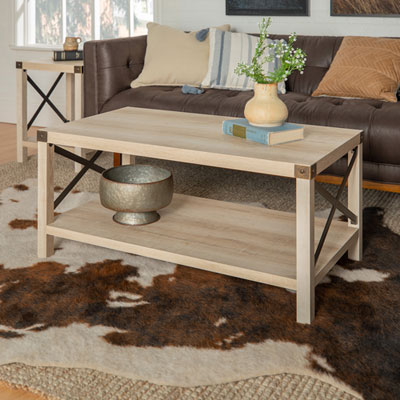 Your price for this item is $311.99
-
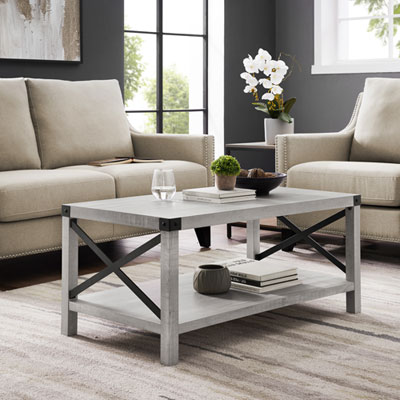 Your price for this item is $249.99
-
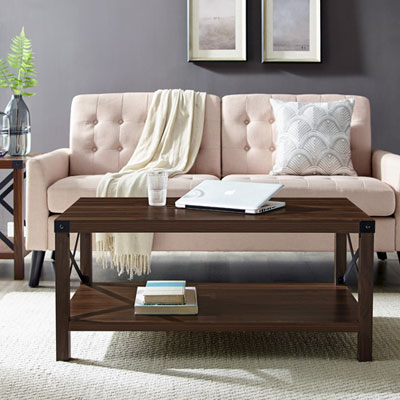 Your price for this item is $311.99
Discover more categories related to Round Black Coffee Tables


Top Collections:
Pokemon Centers, Kindle Devices, Best Cameras for Sports Photography, Pokémon 30th Celebration Cards, Apple iPhones 16, Canon G7X Cameras, iPhone 15 Apple, Flip Phones, Samsung Galaxy Phones, Alarm Clock
Some products may be subject to Environmental Handling Fees
(EHF) depending on your province.
Learn more about EHFs.