Round Cake Pans
Looking to elevate your baking game? Our collection of round cake pans is here to help you create delicious and beautifully baked treats every time. Whether you're a seasoned baker or just starting out, these versatile pans are essential for crafting perfectly shaped cakes for any occasion. From classic vanilla to decadent chocolate, these round cake pans are a must-have addition to your kitchen bakeware collection. Explore our range of sizes and materials to find the perfect pan to bring your baking creations to life.
Sort






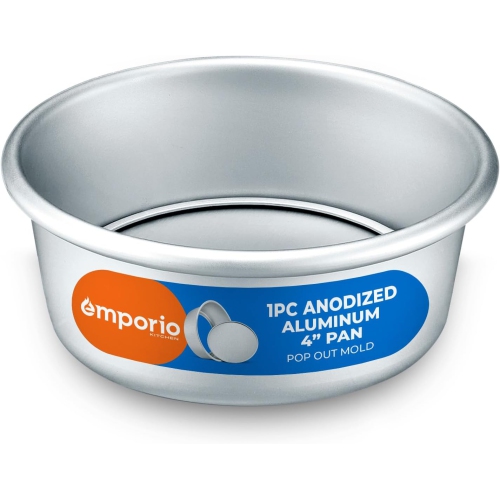

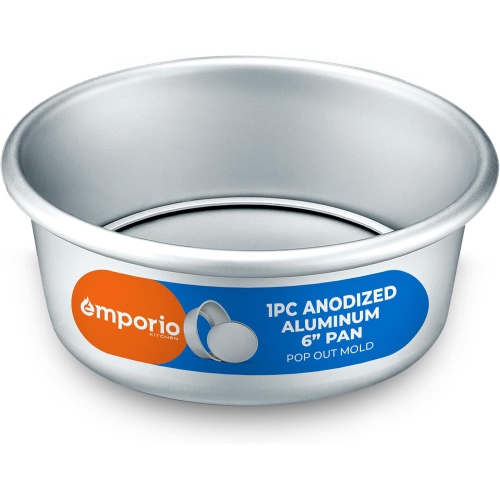
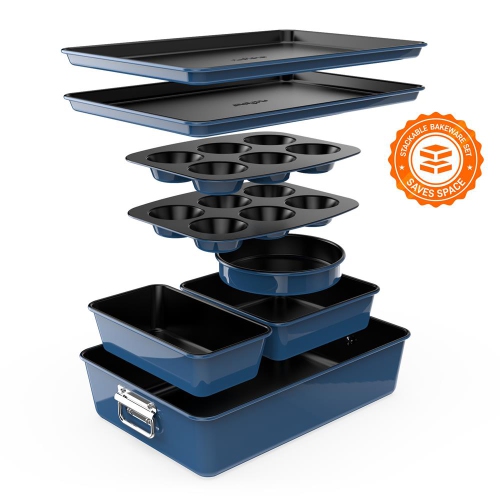
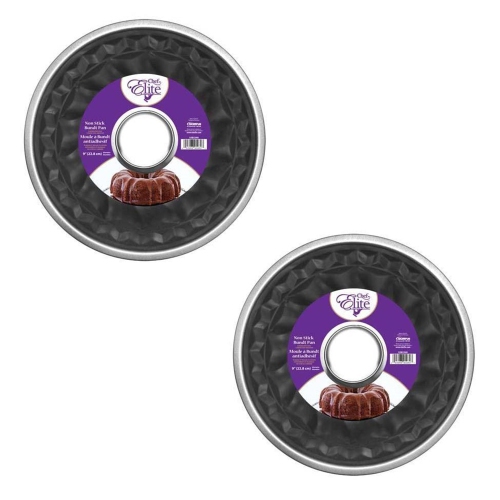










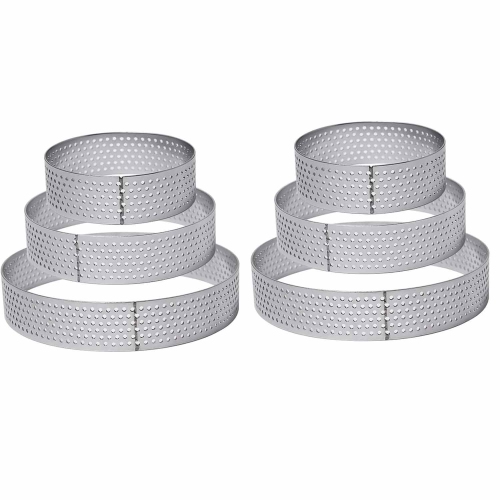


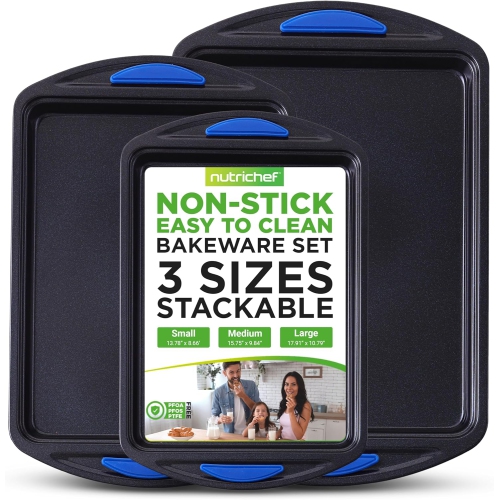


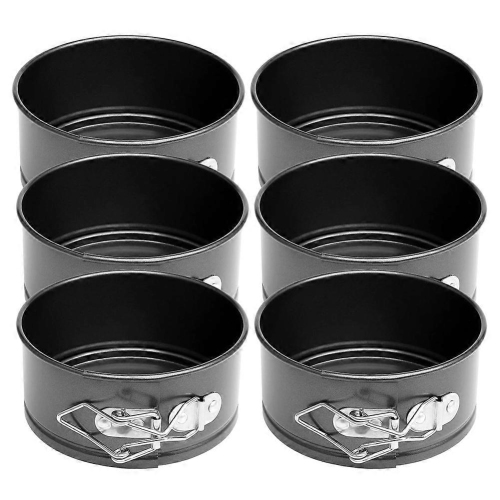

How pan size and material shape your cake layers
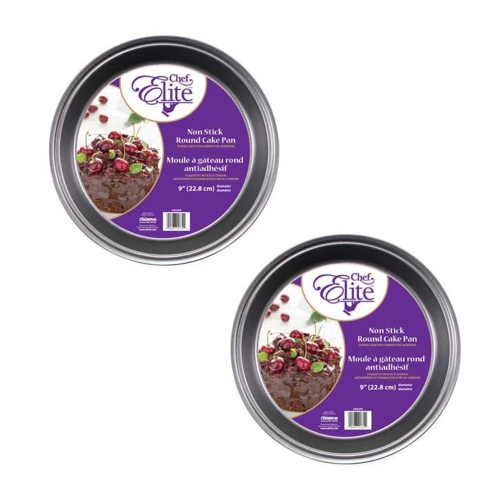
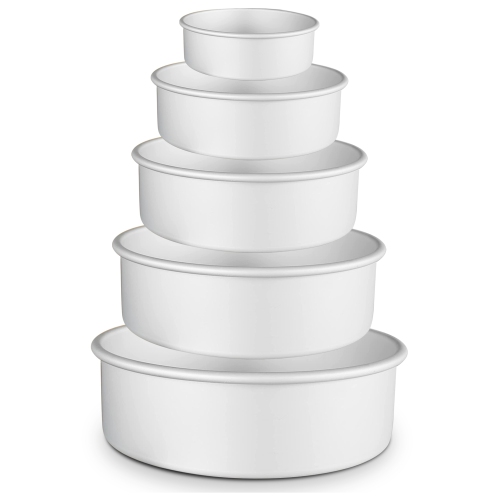
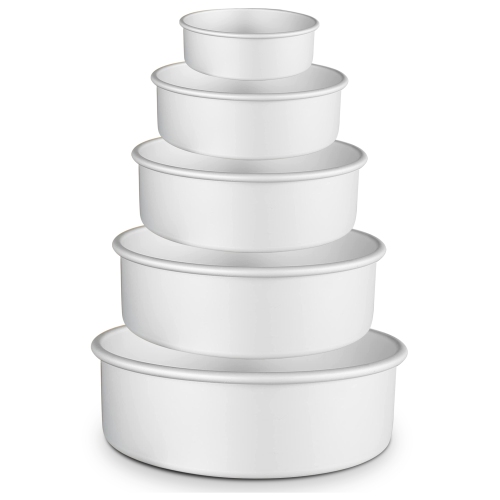
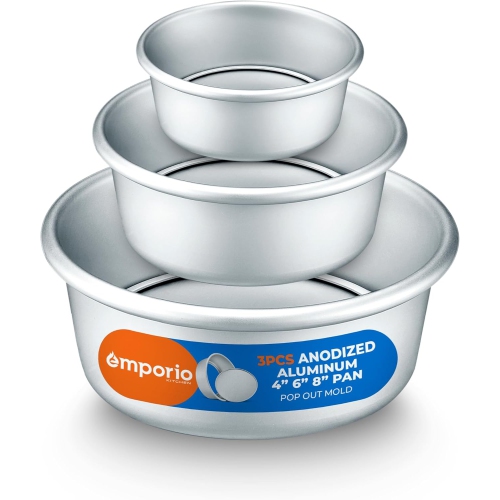
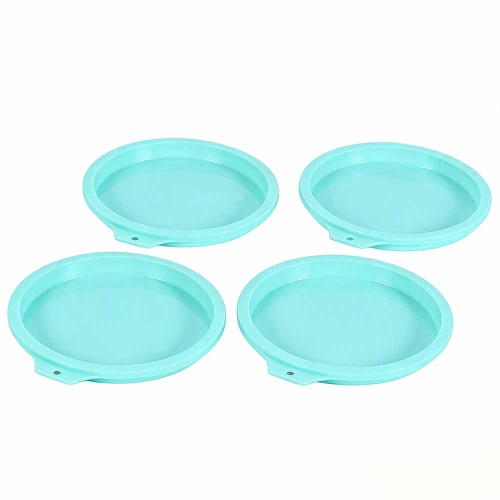
Round cake pans are baking tins with a circular base and raised sides, used for layer cakes, sponge cakes, butter cakes, and other bakes that benefit from a neatly rounded shape. Straight-sided pans create layers with even edges, making it easier to stack a birthday cake or spread a smooth finish of buttercream around the outside. The most common sizes for home baking are 8-inch and 9-inch round cake pans, although the right diameter and depth depend on the recipe and the number of servings needed. Smaller pans suit individual cakes, tasting portions, and compact celebration cakes, while larger diameters offer more room for gatherings. Diameter alone does not tell the whole story: two pans with the same width can hold different amounts of batter if their sides are different heights. A 2-inch-deep pan is common for everyday layers, while deeper pans can accommodate recipes developed for taller cakes. Extra height does not mean a pan should be filled to the rim, since batter needs room to rise without spilling over. Matching the pan dimensions to the recipe helps preserve the intended cake thickness, baking time, and texture. For example, spreading batter intended for an 8-inch pan across a 9-inch base produces a thinner layer that may bake more quickly. Using a smaller pan can create a deeper layer that needs more time for the centre to set, provided the batter stays within the pan’s capacity. For a classic two-layer chocolate cake or a taller vanilla cake with jam between the layers, matching pans help each portion bake to a similar height. Equal batter portions also make stacking simpler, with less trimming needed before filling and frosting. Round cake pans suit both occasional bakers making a family favourite and enthusiastic home bakers who enjoy experimenting with flavours, fillings, and celebration cakes during the cooler months and throughout the year.
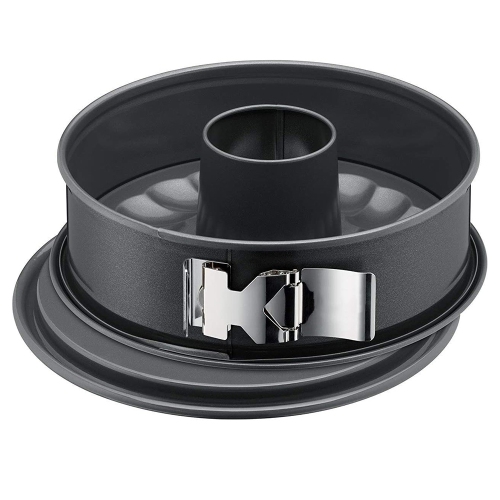
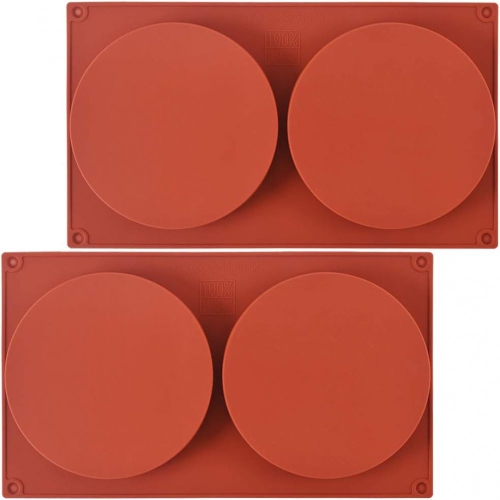
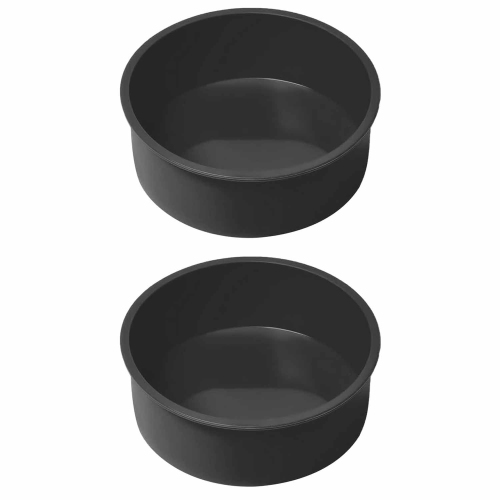
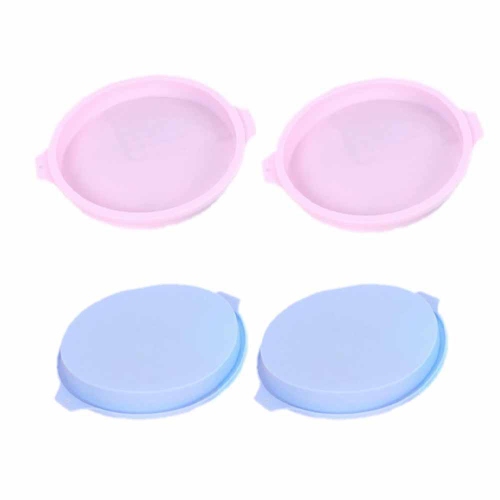
Material affects how a round cake pan heats, browns, releases food, and holds up to repeated use. Aluminum conducts heat efficiently and is often chosen for its responsive, relatively even heating. Light-coloured aluminum pans generally produce gentler browning than dark metal pans, which can be helpful for pale vanilla layers or cakes with delicate edges. Anodized aluminum has a treated surface that improves resistance to corrosion and reduces reactivity with acidic ingredients, though it is not automatically non-stick. Steel pans offer a sturdy feel, and many have a non-stick coating to help cakes release with less sticking. Aluminized steel combines a steel body with an aluminum-based surface layer, bringing together structural strength and useful heat-transfer properties. Pan colour, thickness, and construction matter alongside the base material: a dark finish may brown the outside faster, while a well-made, heavier pan can resist bending during regular handling. Non-stick surfaces still need preparation appropriate to the recipe and the manufacturer’s directions. A parchment circle on the base can help a tender cake turn out cleanly, while greasing requirements vary by batter; some foam cakes need an ungreased surface to climb properly. Silicone round cake moulds offer flexibility when releasing food, but they behave differently from metal and often need a firm baking sheet underneath for stable handling. A fixed-base metal pan is a straightforward choice for pourable cake batters. Loose-bottom pans and springform pans offer another way to remove delicate bakes, particularly cheesecakes, but their joins are not necessarily watertight and may leak thin batter or admit water during a water bath. For cakes intended to stack neatly, straight walls and a flat base are especially useful; noticeably sloped sides can leave layers that need more shaping. Smooth interior corners also help with cleaning after sticky fruit mixtures or sugary batter have baked against the edges. The best fit comes from pairing the pan’s construction with the type of baking it will do most often, rather than assuming every round tin will behave the same way.
Practical details become especially noticeable when several pans share an oven or cupboard. Published dimensions may describe the baking cavity rather than the full outer width, so rims and handles deserve attention when checking oven fit. This matters in compact ovens, where a broad lip can take up space needed for air to circulate. When baking several layers at once, pans need clearance from one another and the oven walls; crowding can contribute to uneven results even when the tins match. Wider rims can offer a more secure grip with oven mitts, while a rigid base helps keep the pan steady when moving batter to the oven. For storage, nesting pans can save cupboard space, but a soft separator between coated surfaces helps prevent scratches. Care is usually simple when residue is not allowed to harden: once the pan has cooled, warm water, mild dish soap, and a non-abrasive sponge are suitable for many designs. Manufacturer care directions take priority, especially for coatings and treated metal surfaces. Dishwasher detergents can discolour some aluminum pans or shorten the useful life of certain finishes, so dishwasher suitability should be checked rather than assumed. Metal knives and sharp utensils can damage non-stick interiors; turning the cake out before slicing helps protect the baking surface. Thorough drying is particularly important around rolled rims and seams where moisture may collect, and sudden temperature changes should be avoided to reduce the risk of warping. A dependable set of matching round pans can make a thoughtful gift for someone setting up a kitchen, learning to bake, or taking on family birthday cakes, especially when the sizes suit recipes they already enjoy. For bakers who also make tray cakes, brownies, or larger portions to slice into squares, Rectangular Pans provide a different shape for those recipes. Round pans remain a natural choice when the finished bake calls for a circular presentation, from a simple cake dusted with icing sugar to evenly stacked layers filled with cream and berries. Appropriate sizing, sound construction, and careful handling all contribute to bakeware that feels reliable each time the batter is ready.
Top selling and popular products
-
 Your price for this item is $84.99
-
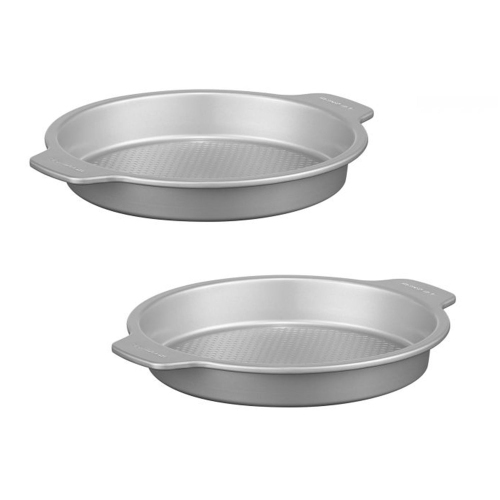 Your price for this item is $25.97
-
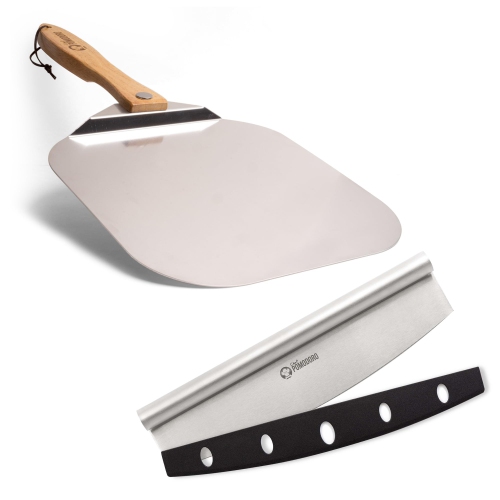 Your price for this item is $44.99
-
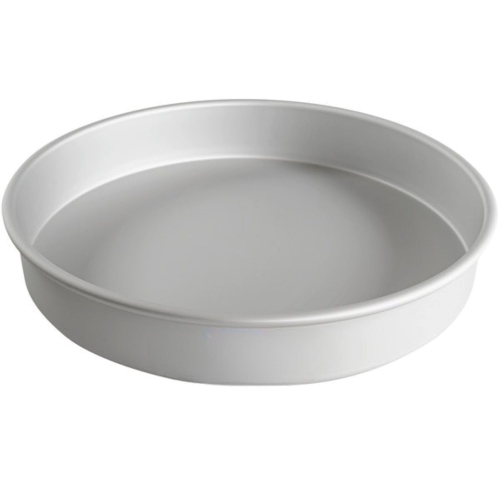 Your price for this item is $19.25
-
 Your price for this item is $10.95
-
 Your price for this item is $118.84
-
 Your price for this item is $27.99
-
 Your price for this item is $5.25
Discover more categories related to Round Cake Pans
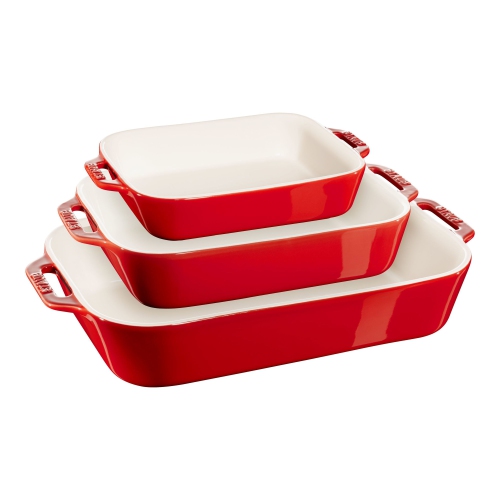
Top Collections:
Pokemon Centers, Kindle Devices, Best Budget Office Chairs, Canon G7X Cameras, Apple iPhones 16, Samsung Galaxy Phones, Refurbished Apple Laptops, Laptops for Students, iPhone 15 Apple, Budget Smartphones
Some products may be subject to Environmental Handling Fees
(EHF) depending on your province.
Learn more about EHFs.