Round End Tables for Living Room
Enhance the aesthetic appeal of your living room with our exquisite collection of round end tables. Designed to effortlessly blend style and functionality, these versatile pieces are the perfect addition to almost any home décor. Whether you're looking to create a cozy reading nook or need a convenient surface to hold your favorite lamp and accessories, round-end tables offer a sleek and modern solution. Here are some great options available.
Sort
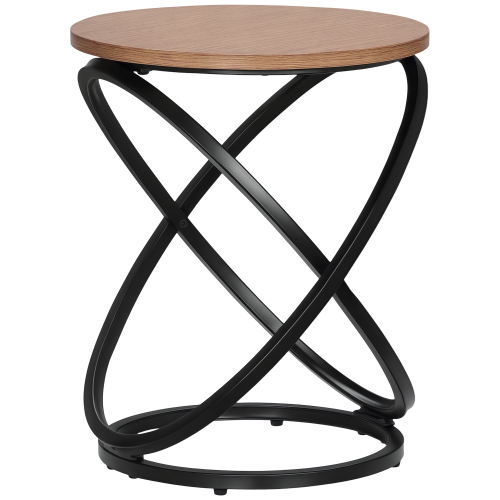
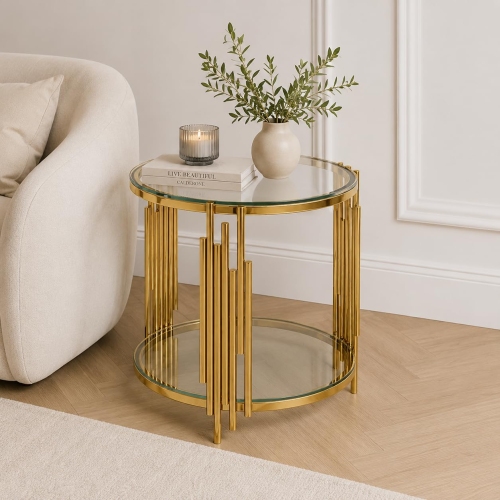

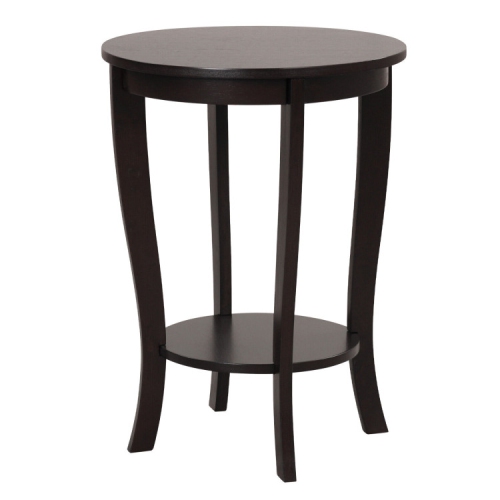

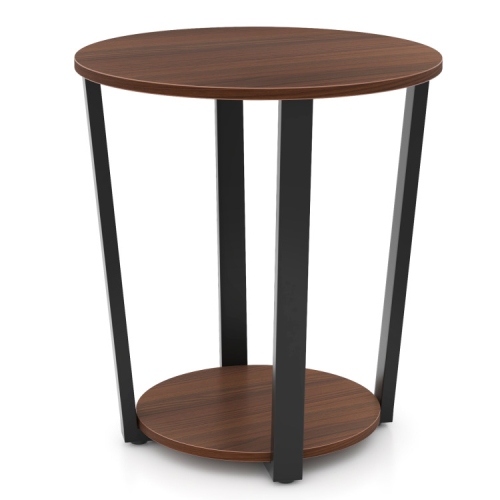
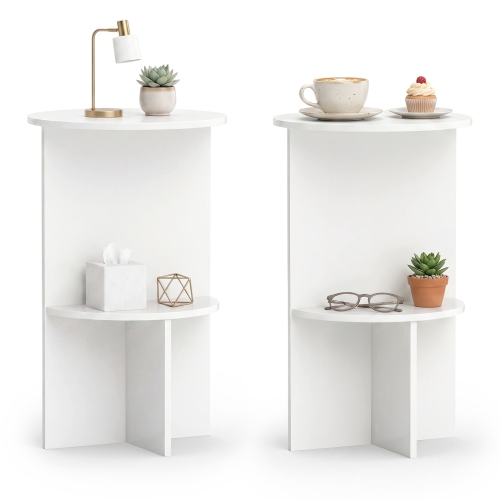
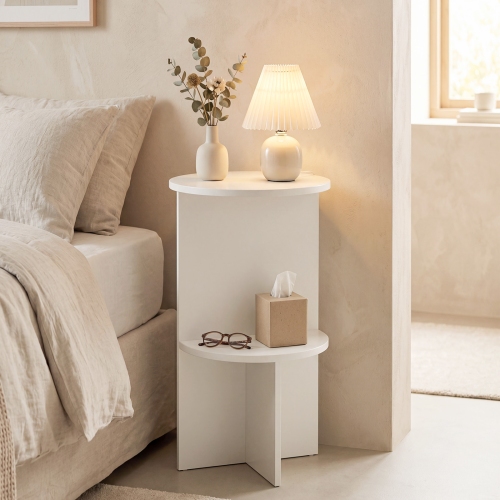

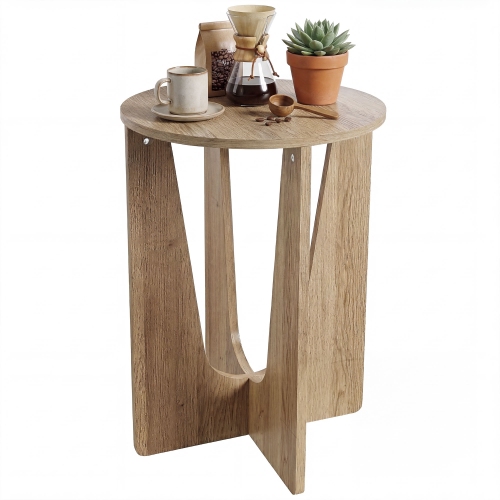

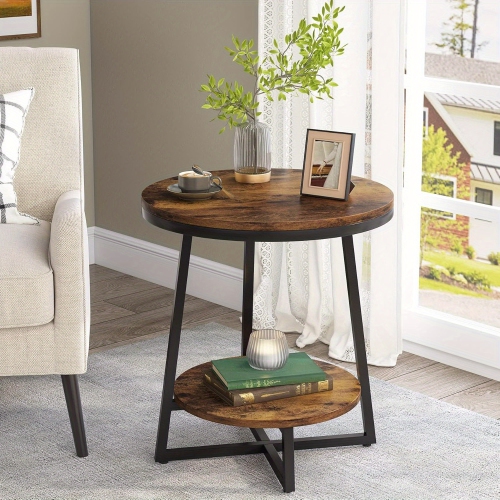


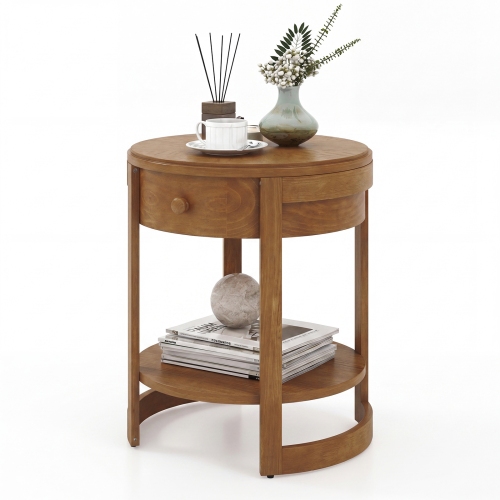
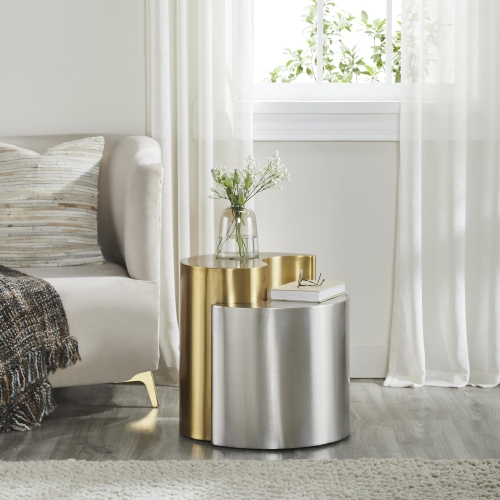

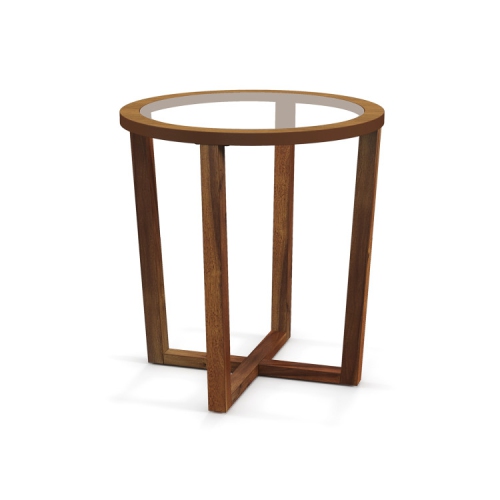


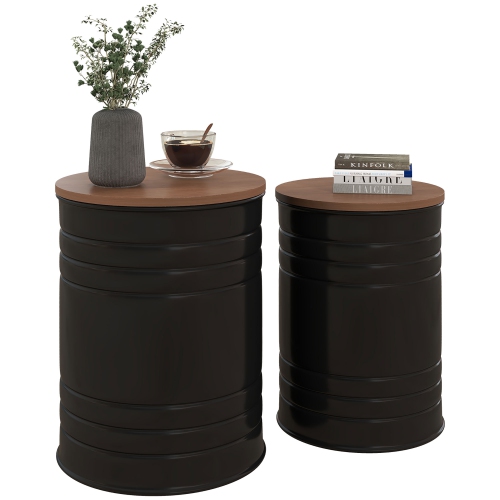


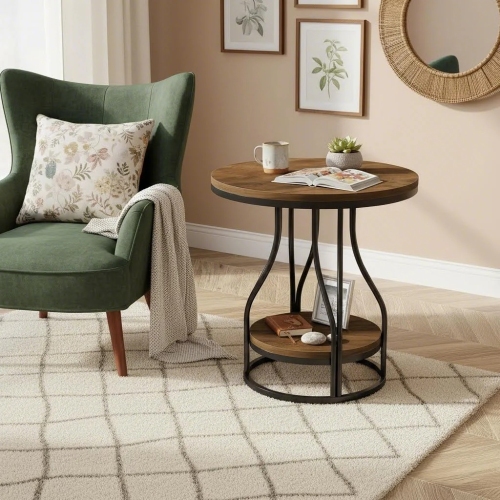

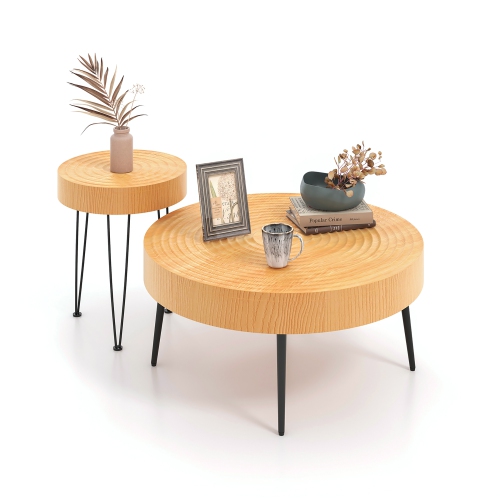
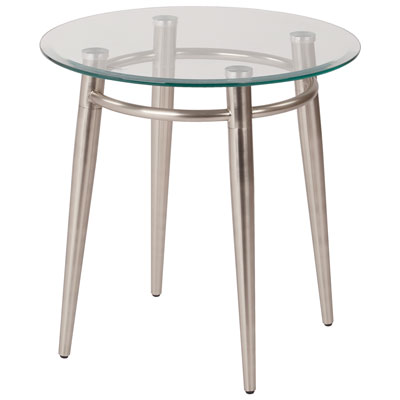
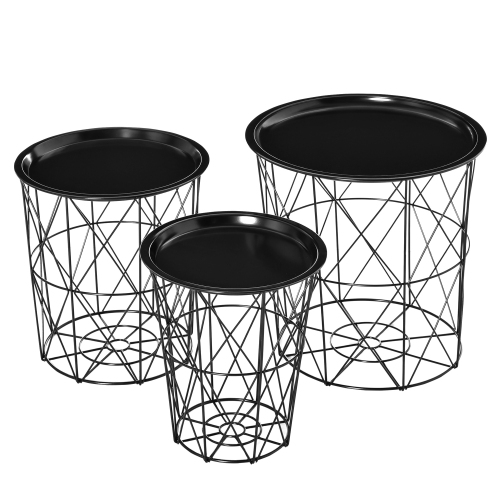
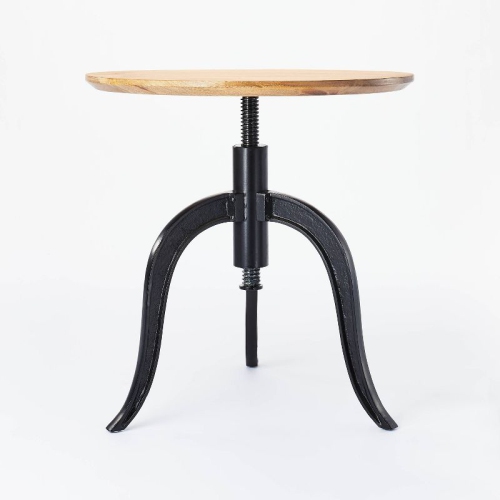
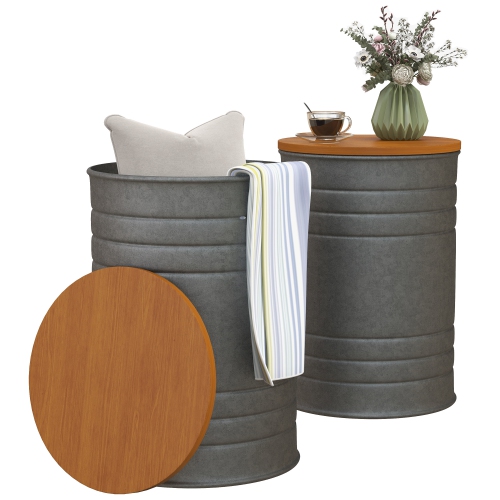
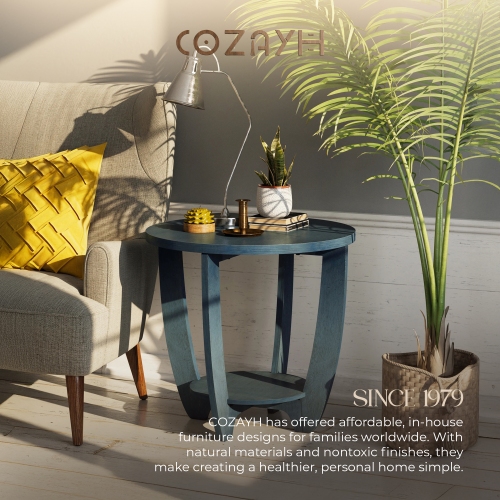
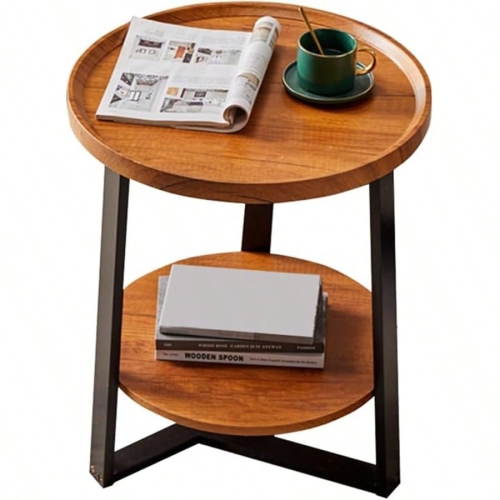

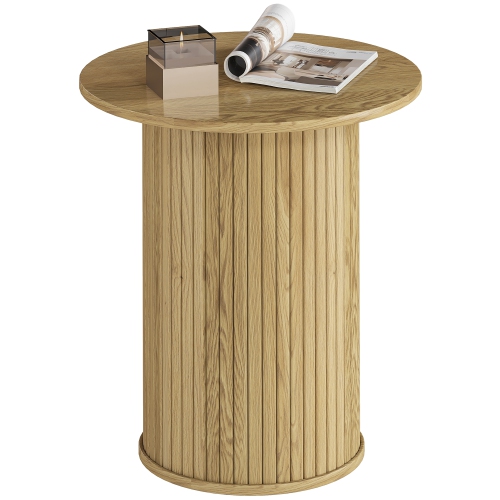
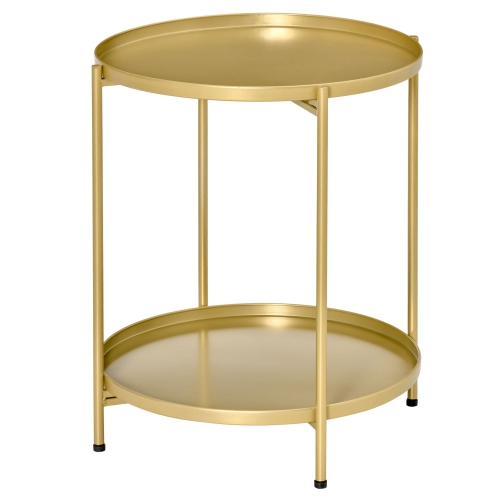
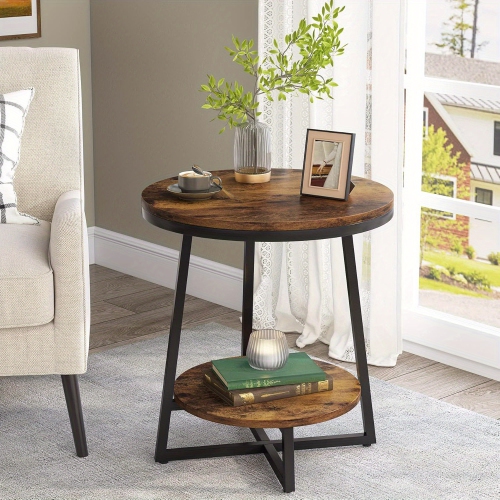

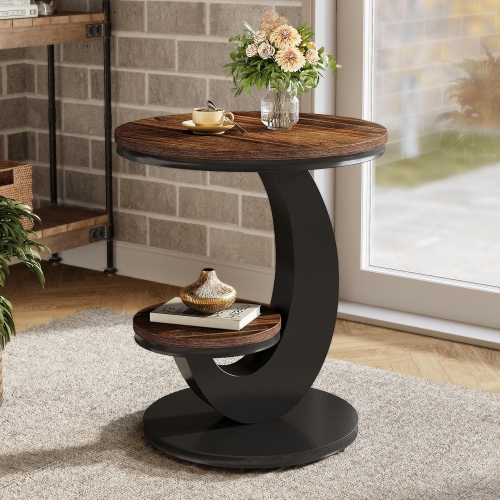
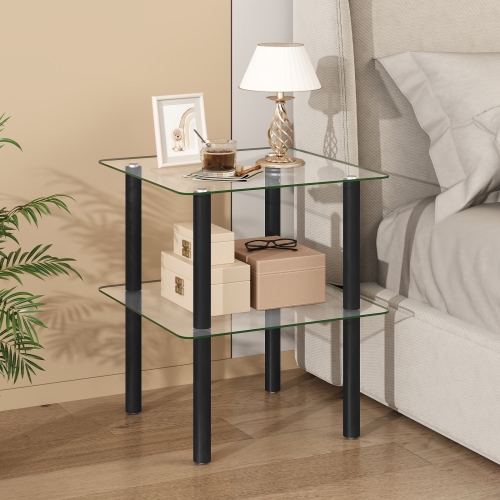
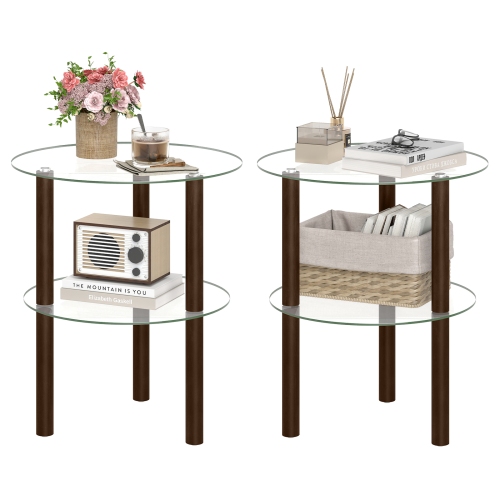
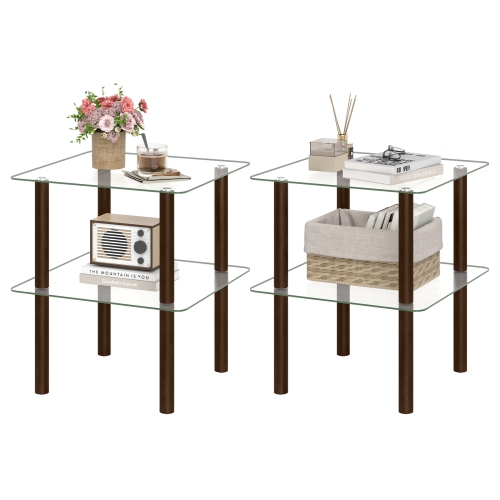
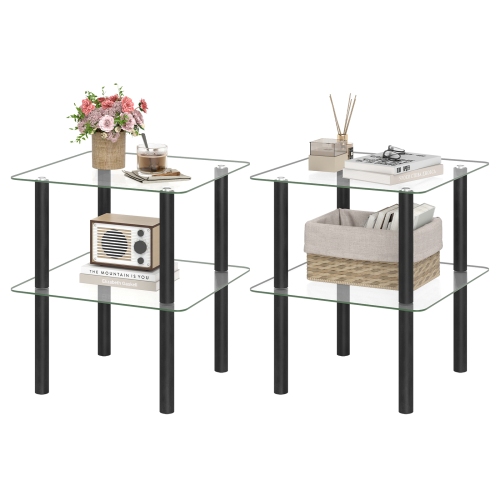
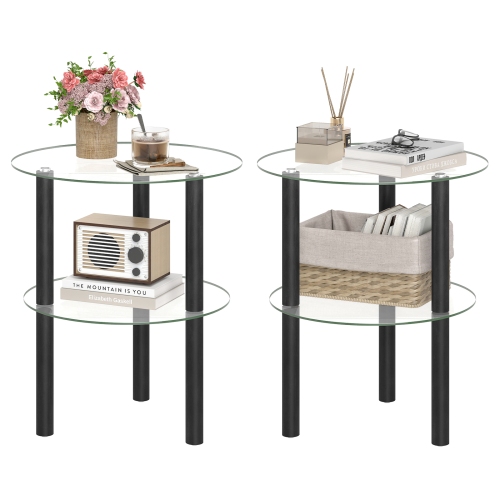
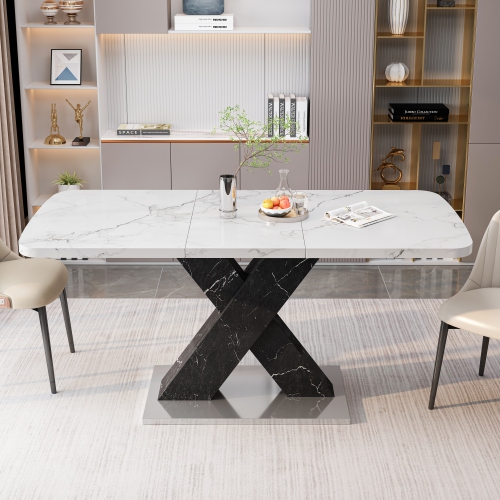
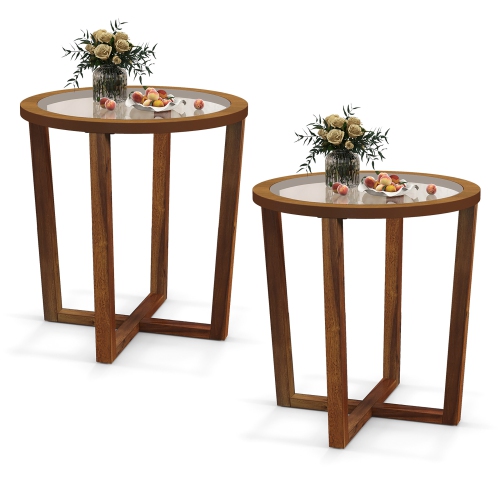
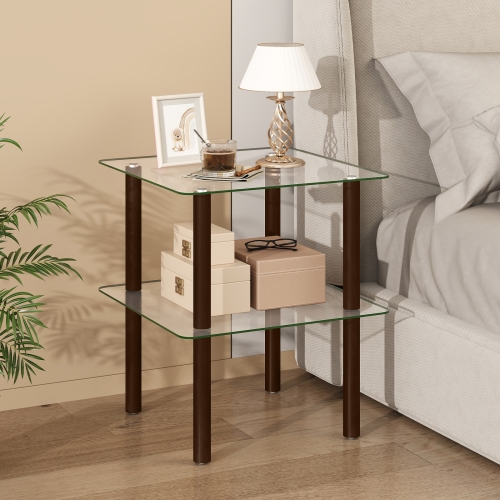
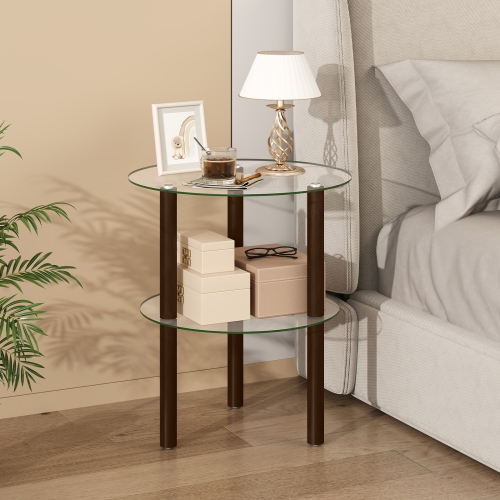
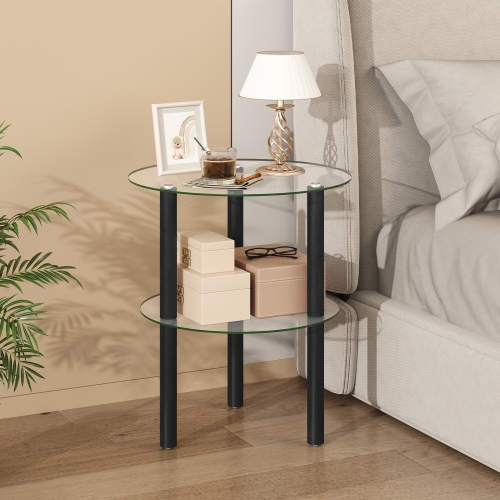
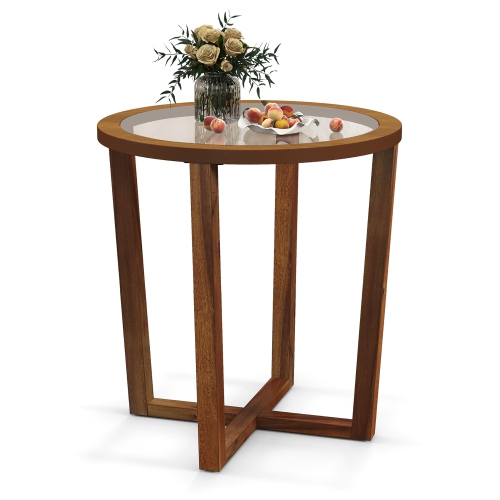

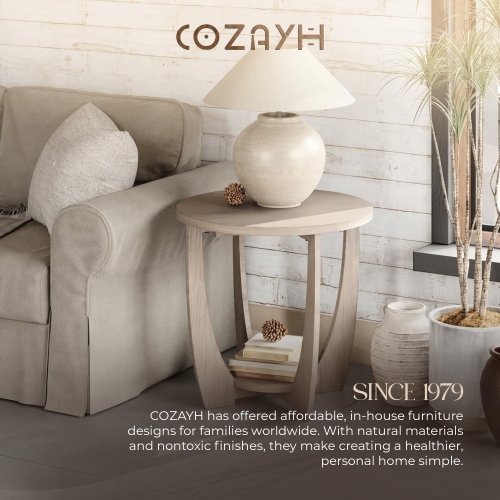


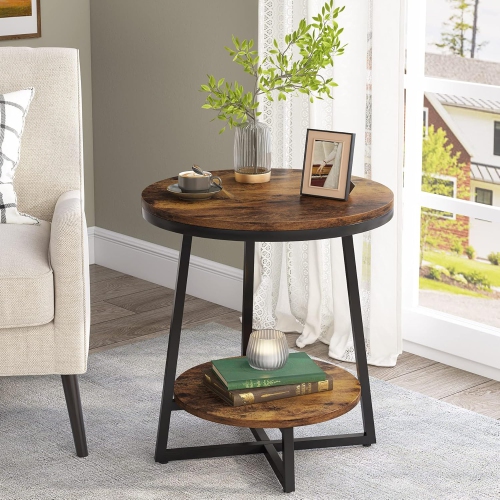
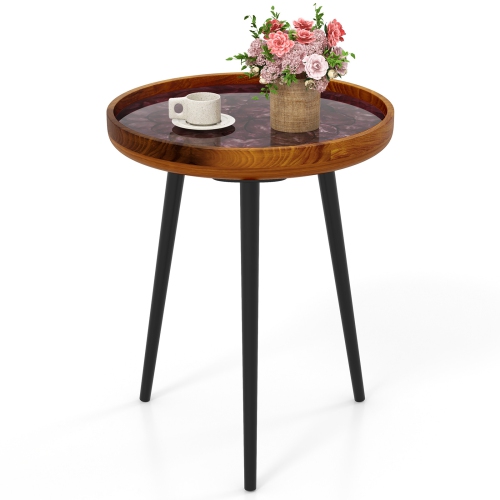


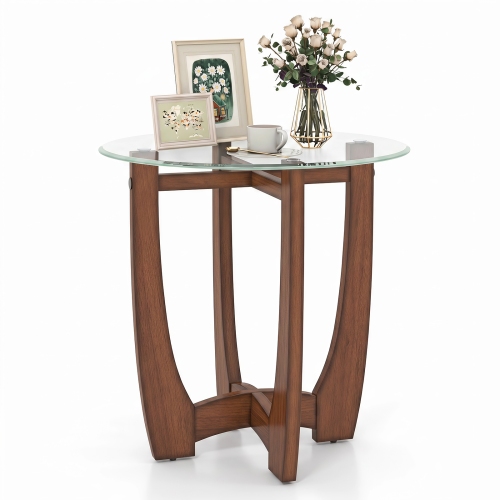


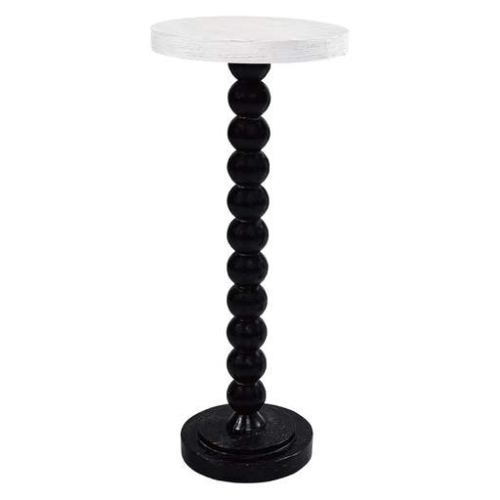
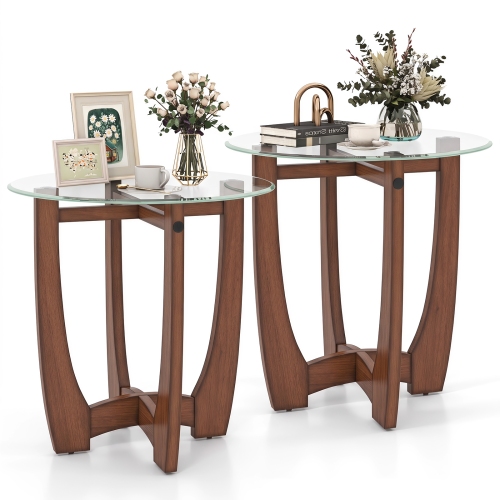
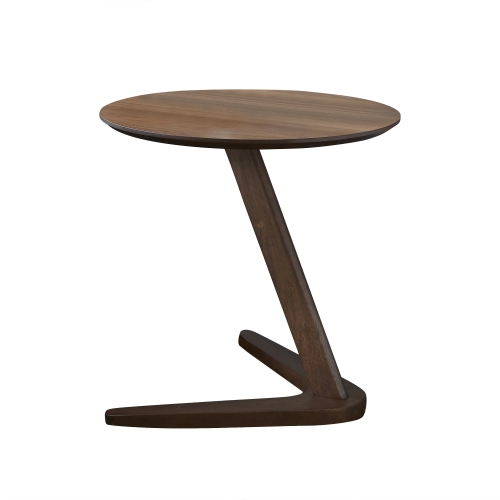
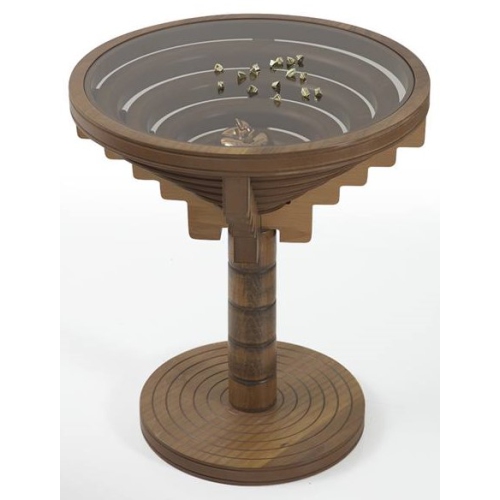

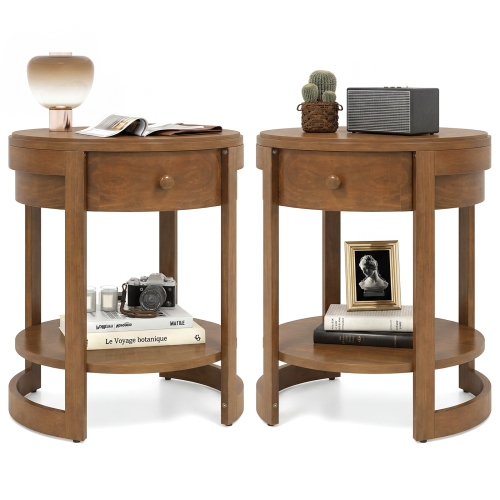
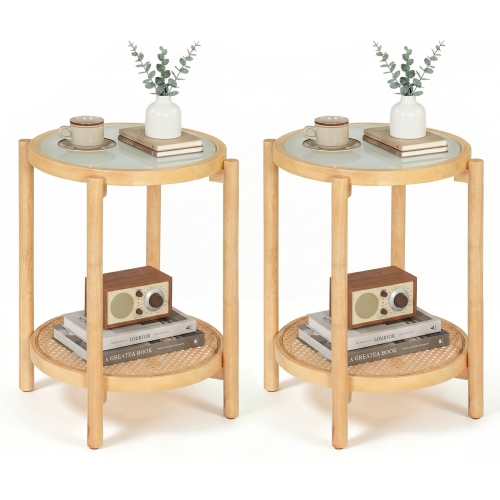
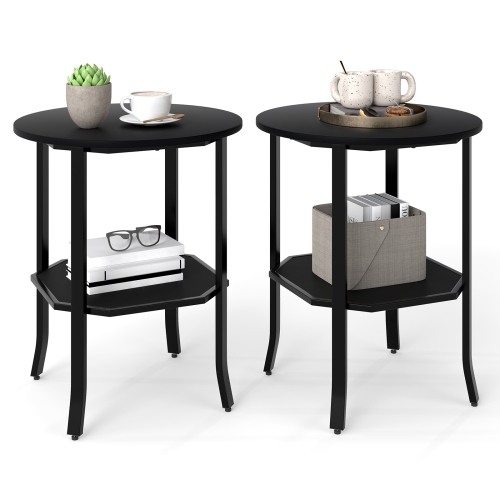
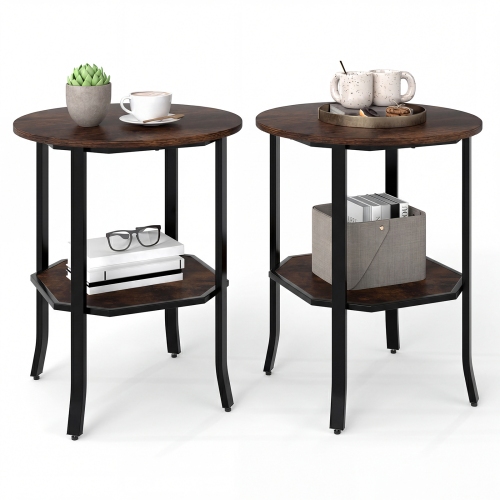
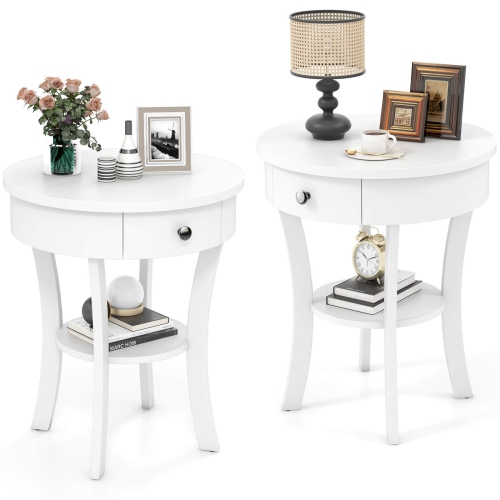
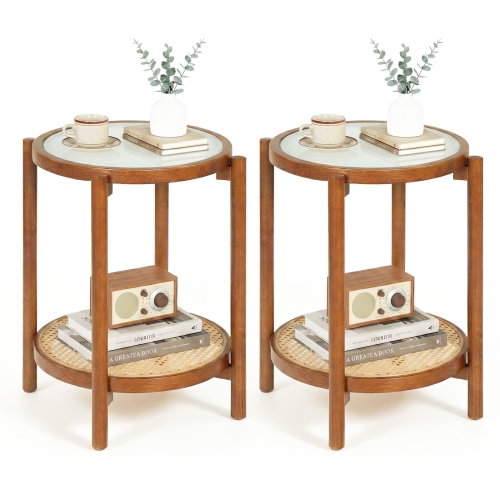

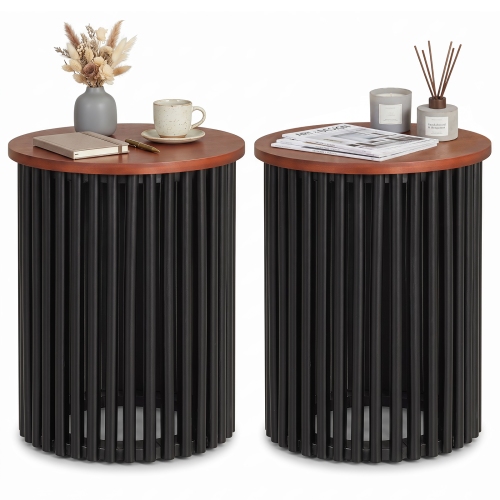
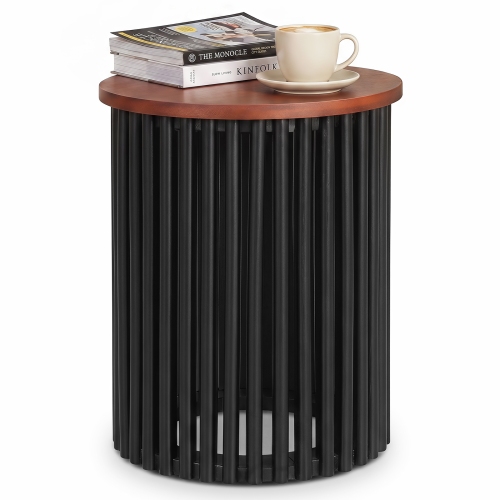
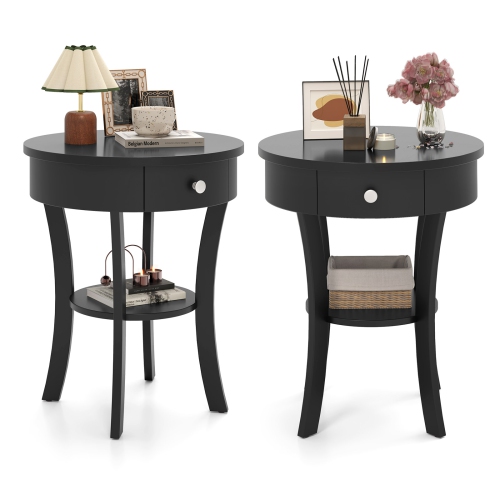
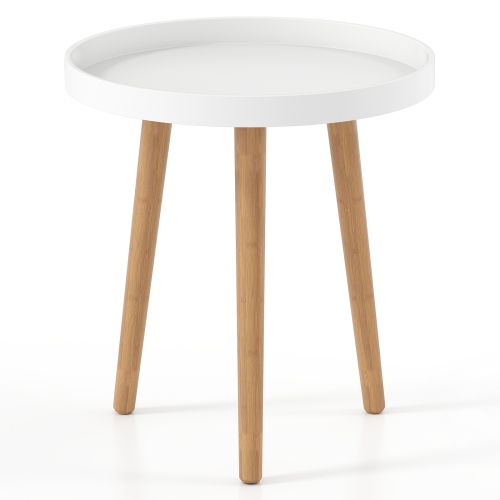
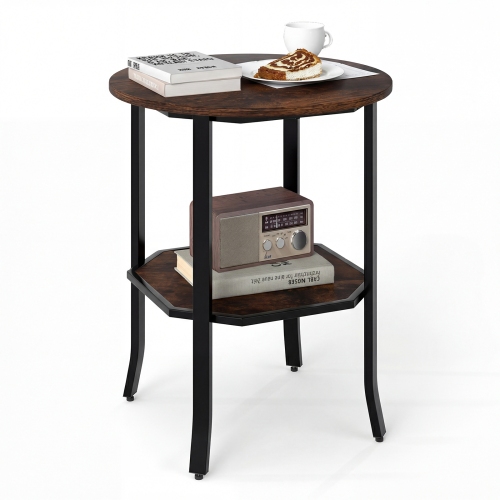
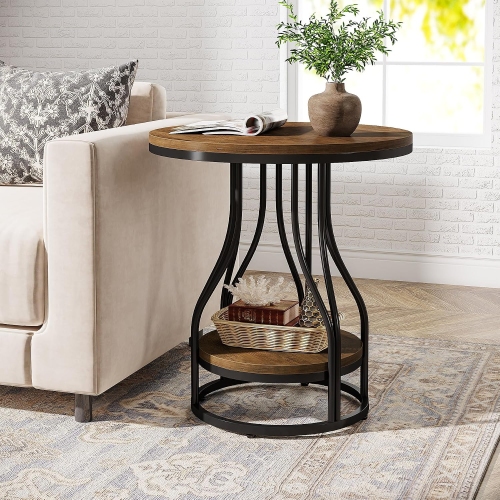

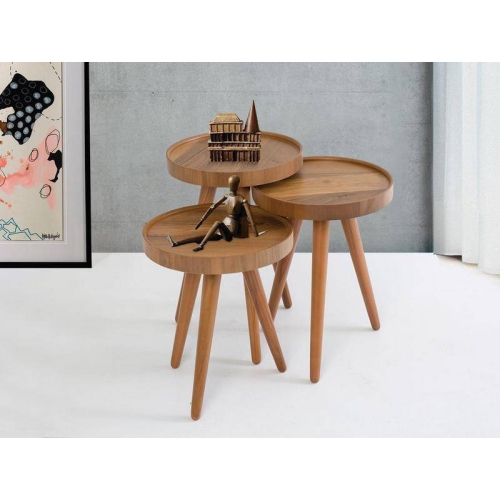
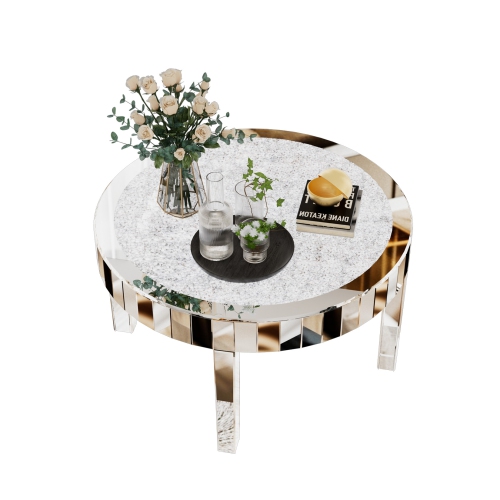
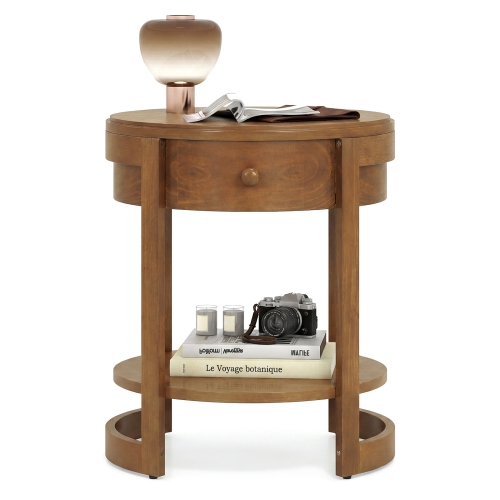
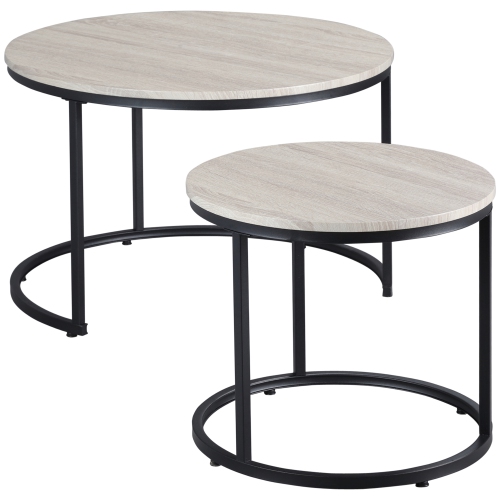
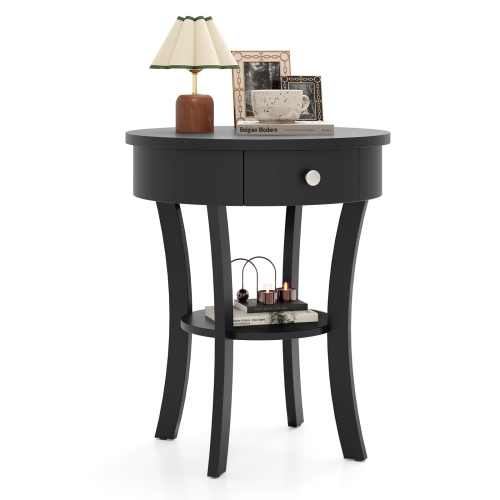
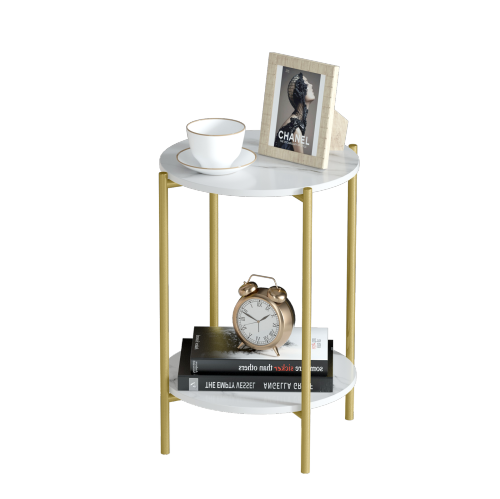

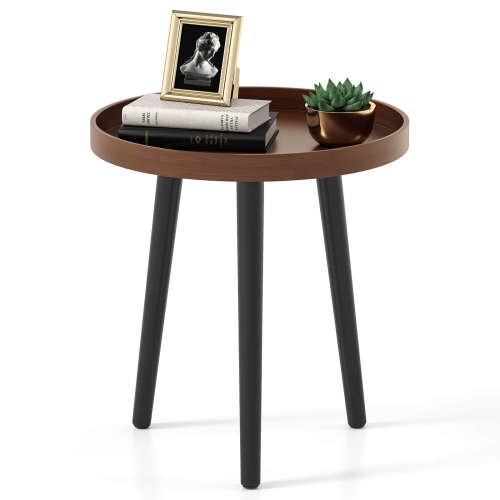
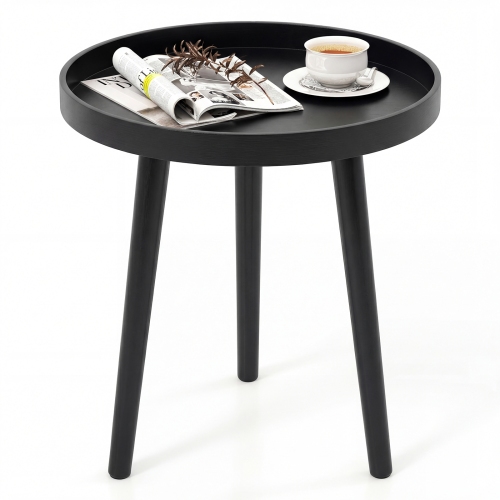


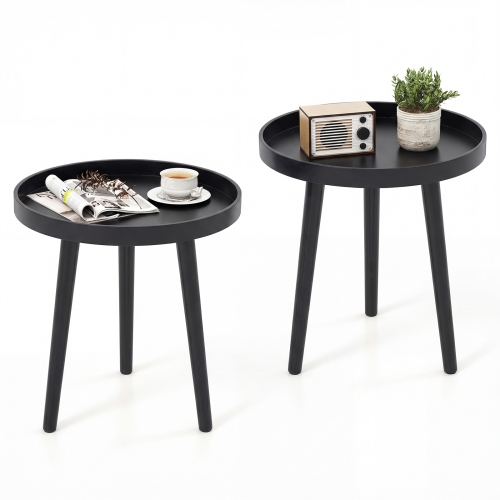
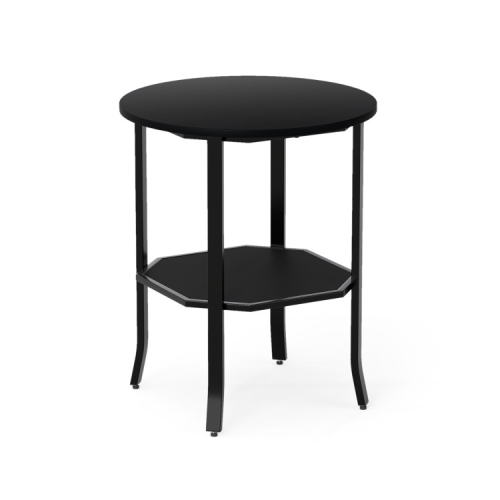
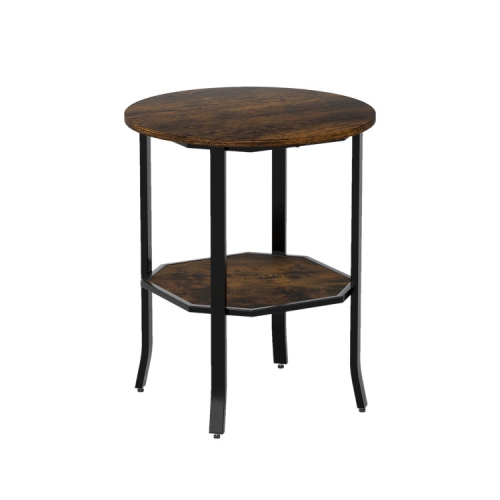
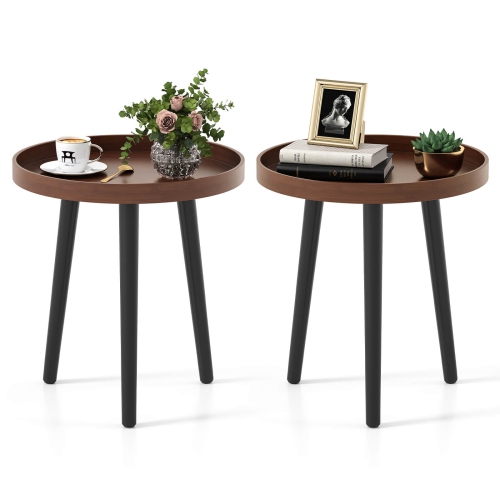


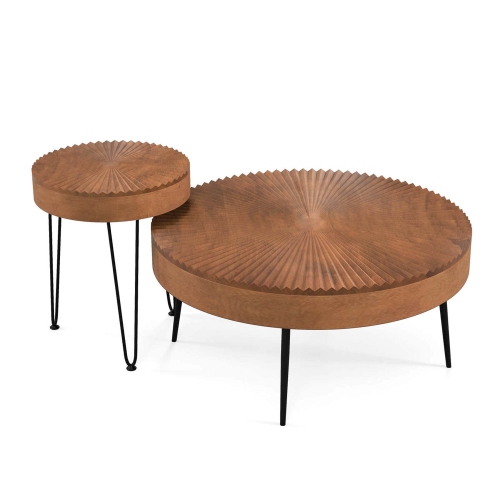

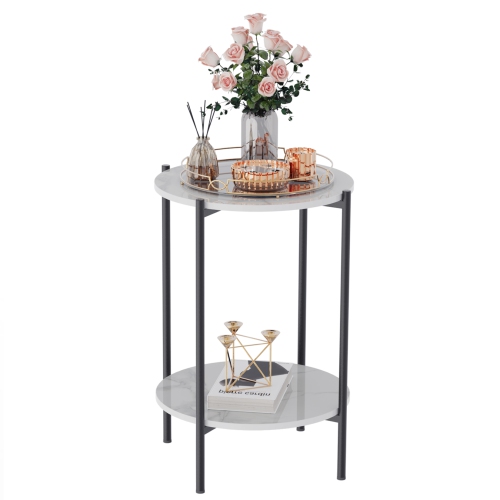
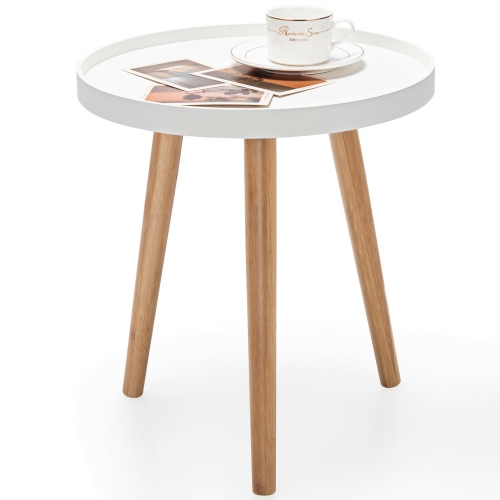
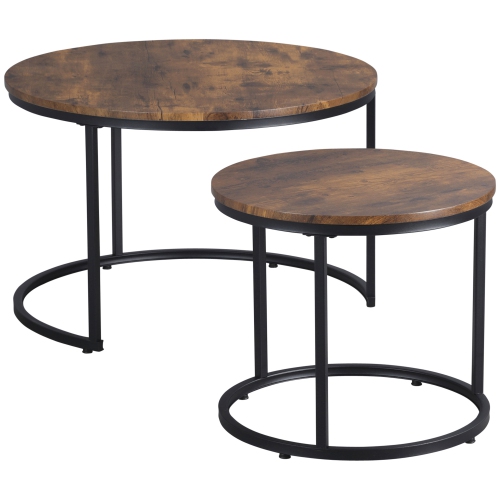
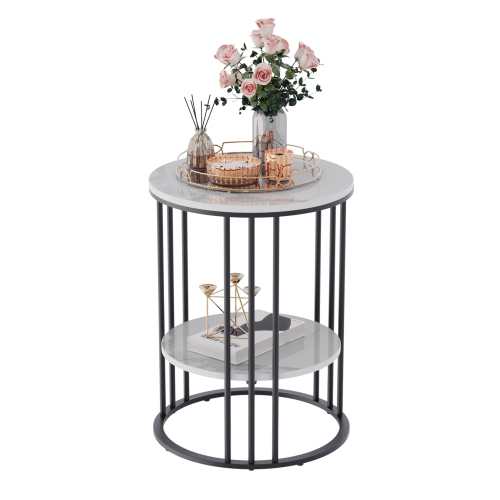


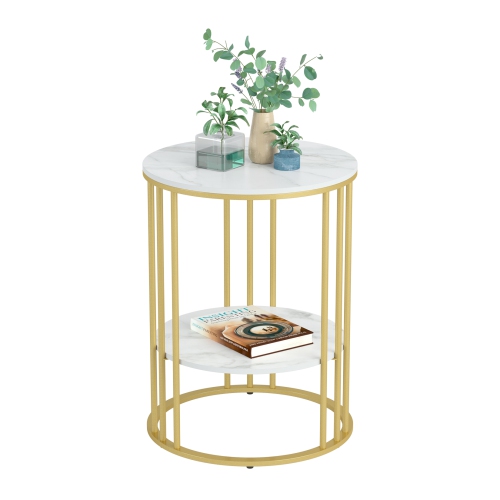
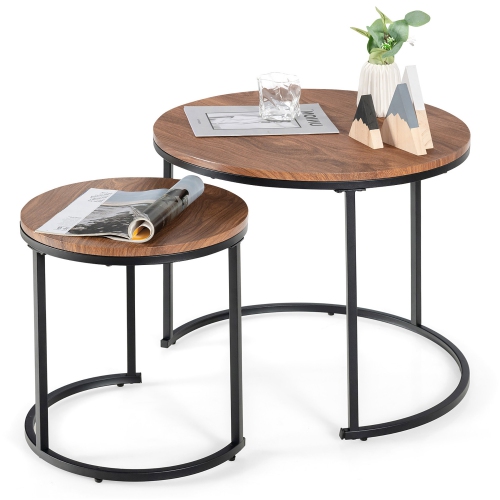


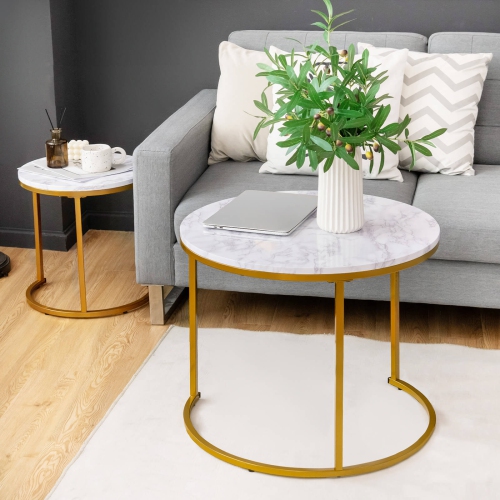


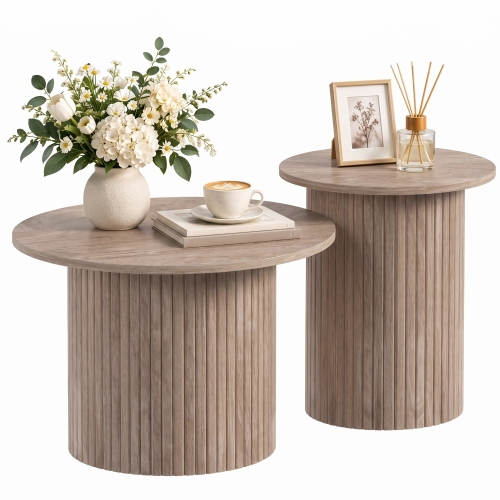

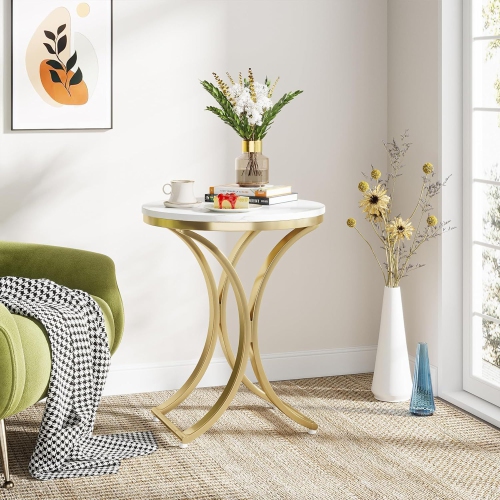

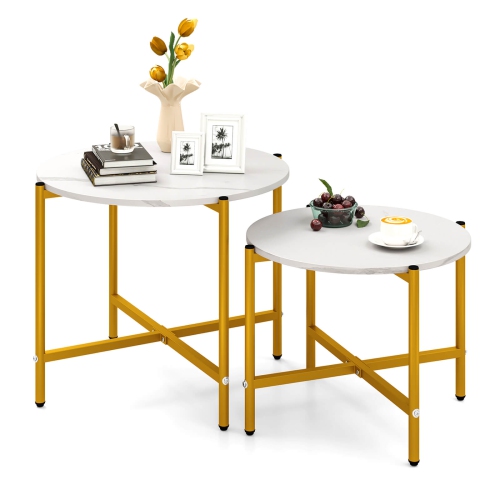


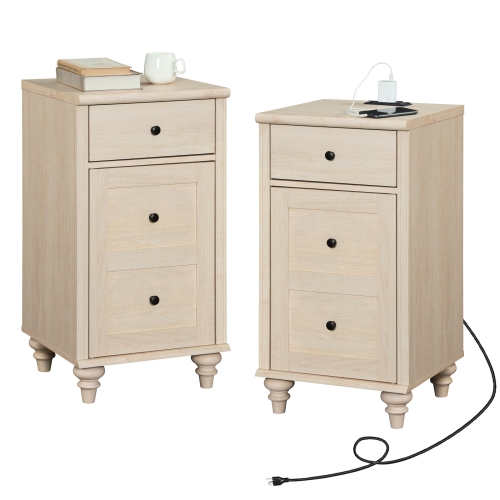

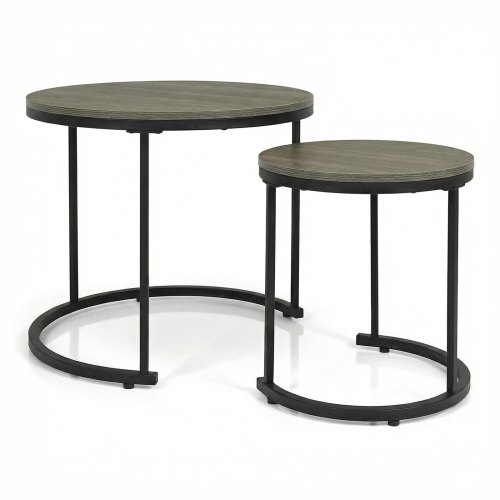
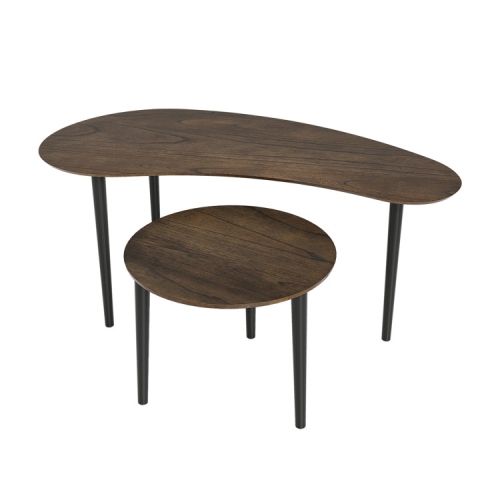


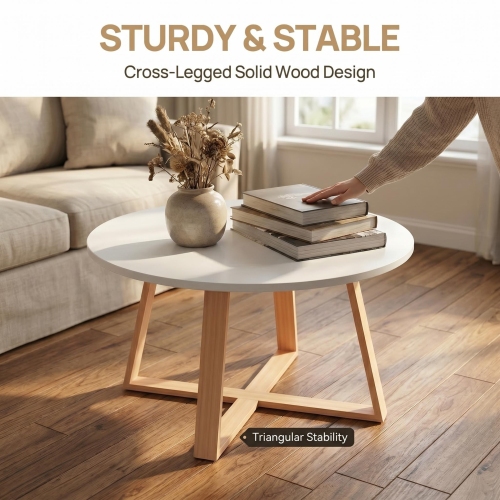
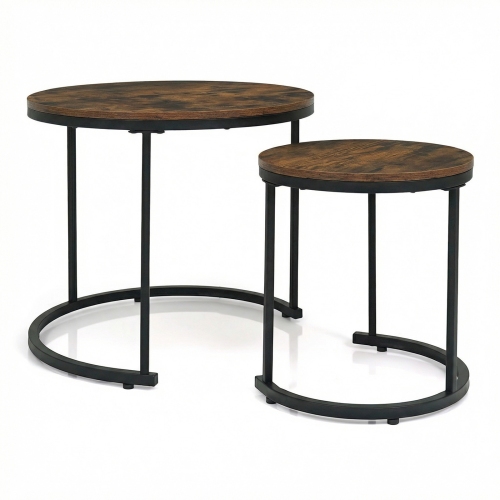


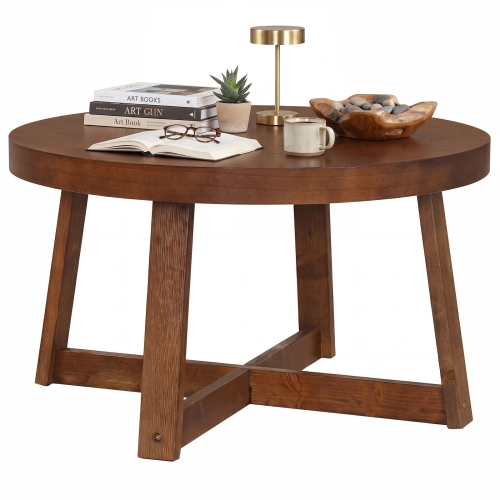


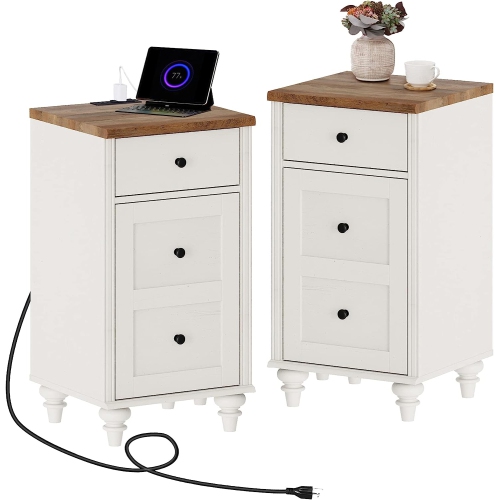
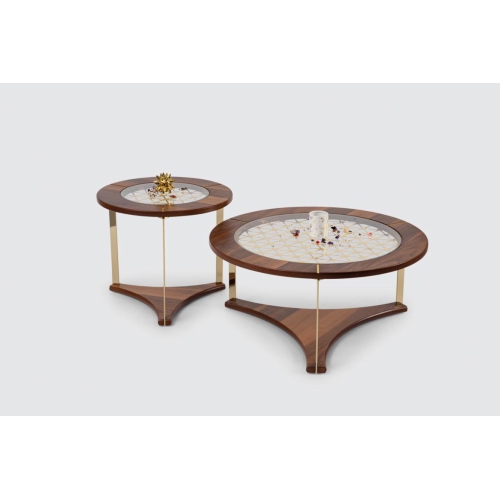


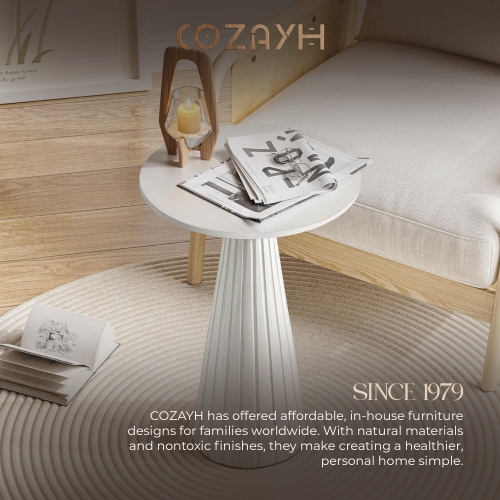
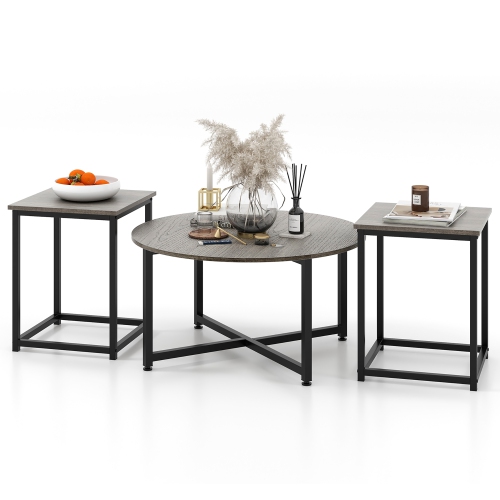

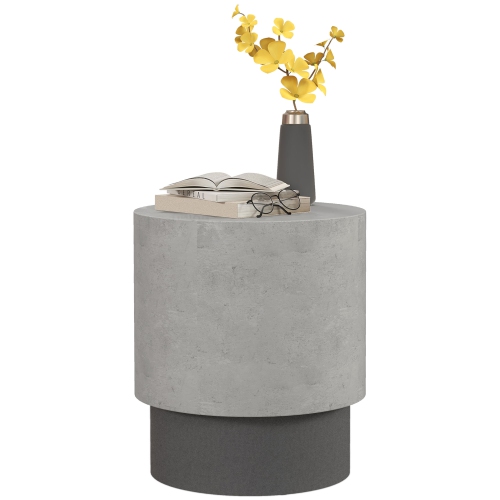
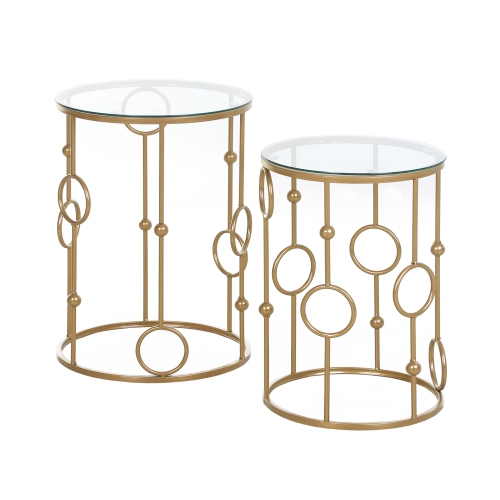

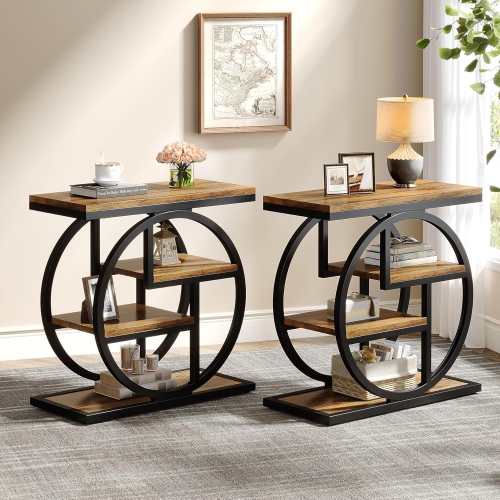

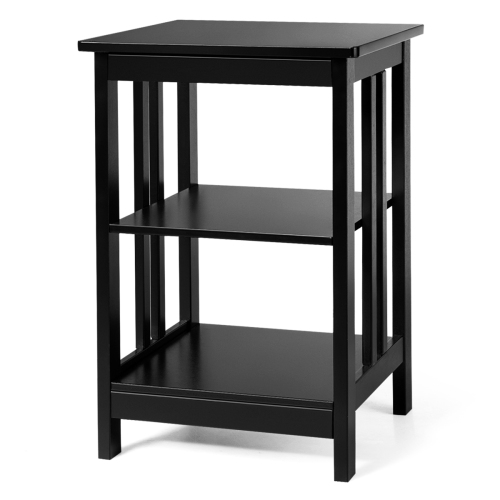

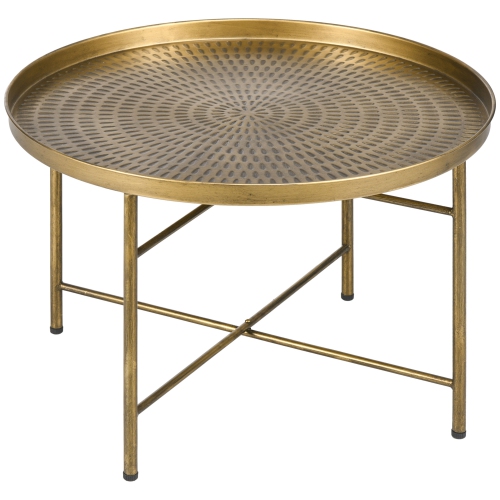
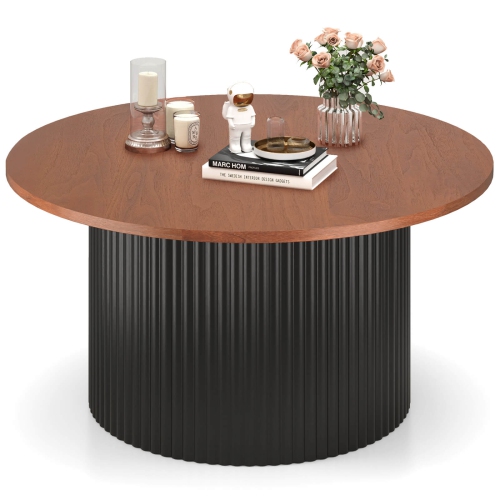

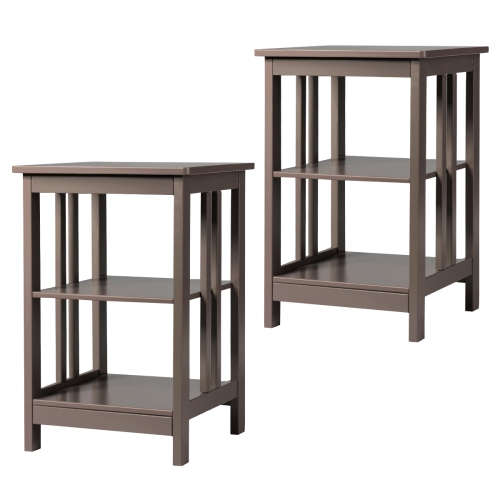

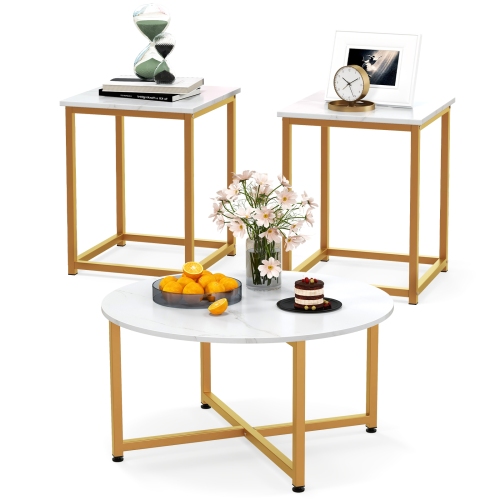
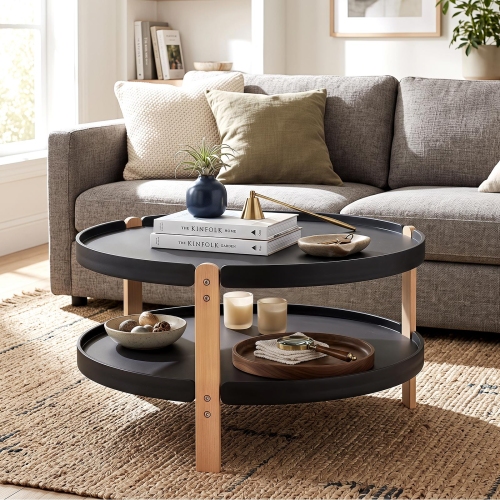

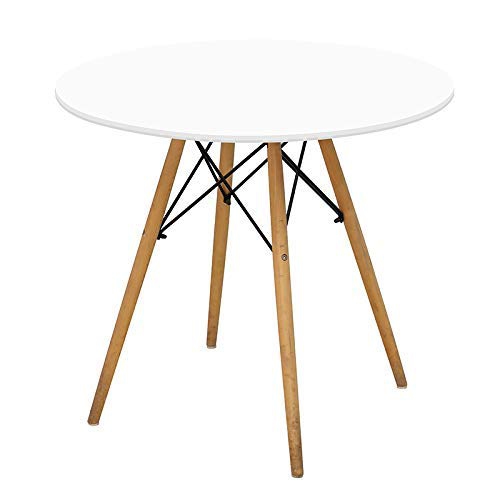
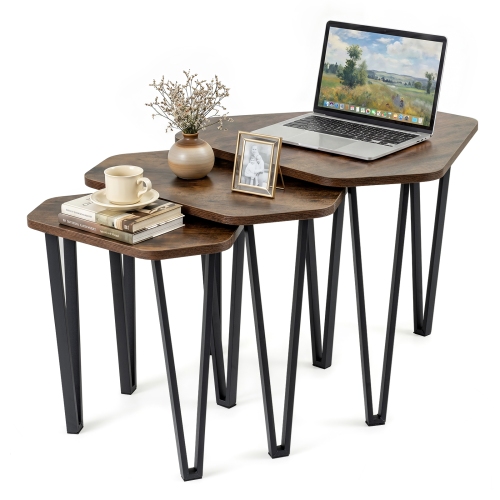

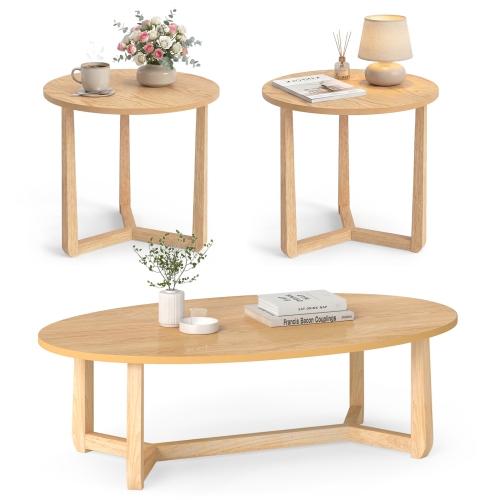

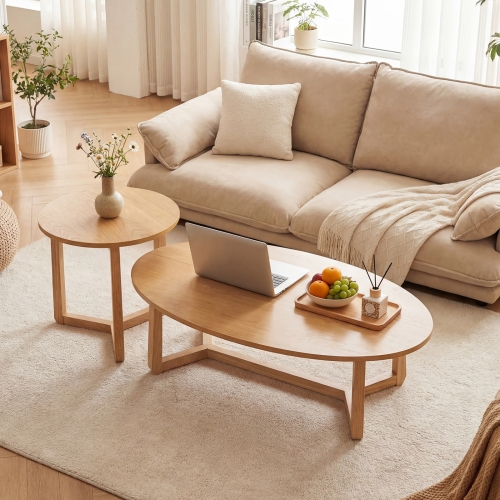
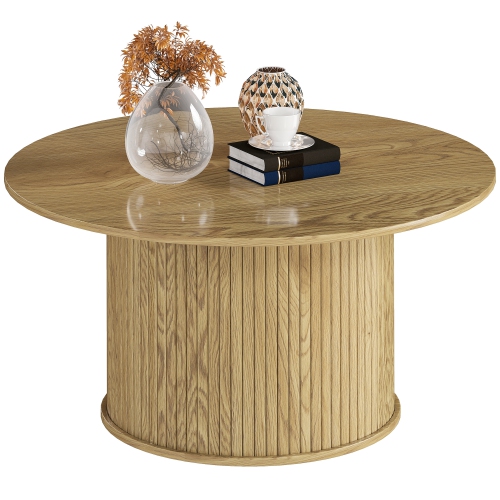
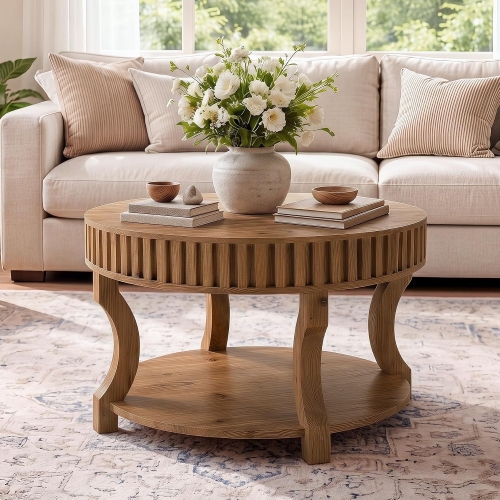
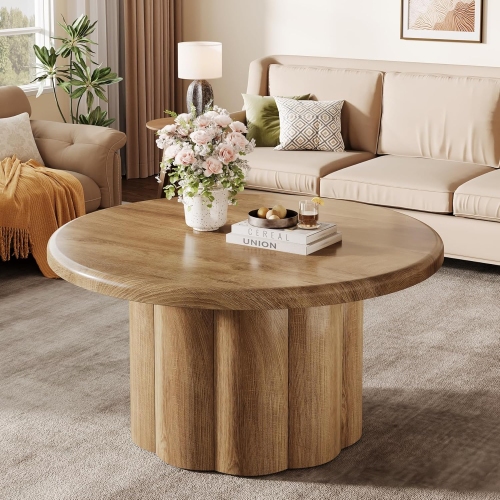
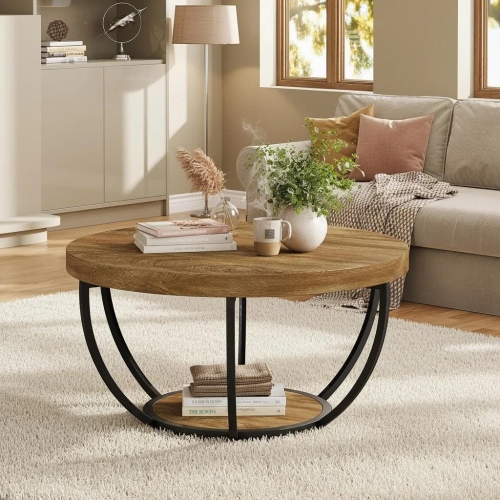


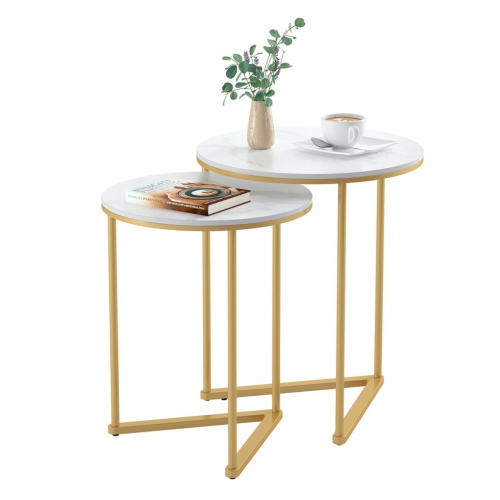


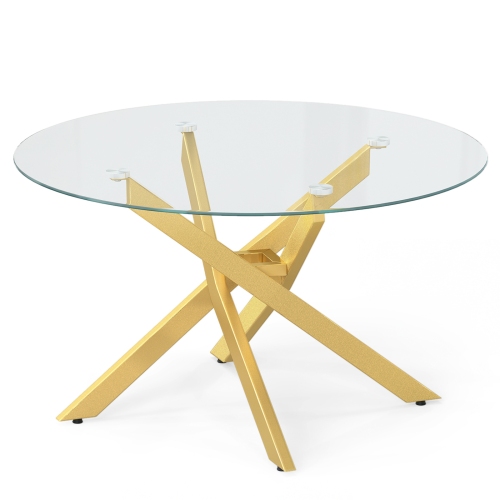
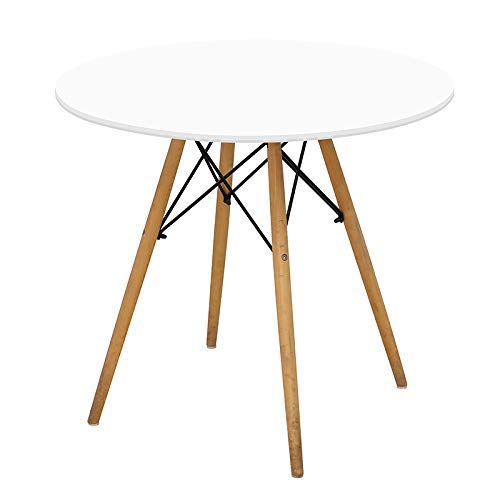

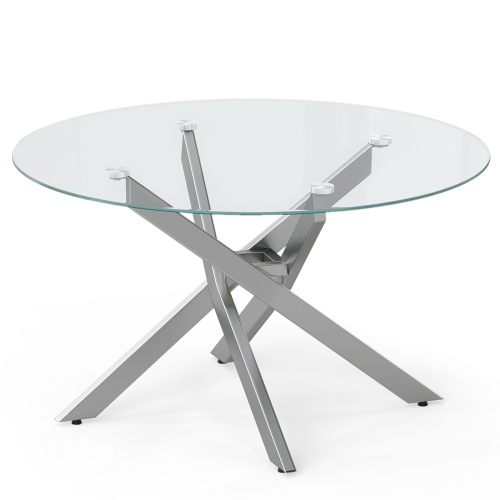
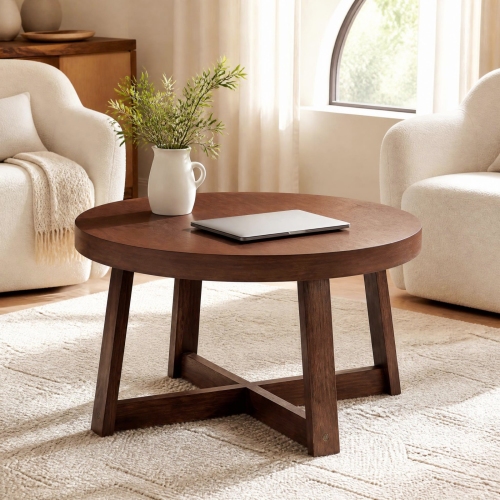

Softer lines and everyday essentials within easy reach
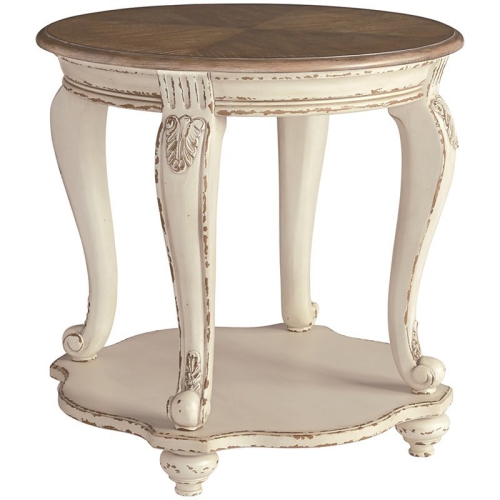
Round end tables for living rooms offer a convenient surface beside a sofa or armchair while softening the straight lines of larger furniture. Their circular tops have no sharp corners, which can help reduce corner bumps along busy pathways, although a rounded shape does not make a table childproof. A pair of round end tables can frame a sofa, while a single table between two chairs creates a shared spot for drinks, reading glasses, or a small lamp. The curved outline works especially well where a rectangular tabletop might project into a walking route, but the full diameter still matters when assessing fit. A round top needs enough room for its widest point, and an outward-reaching base may occupy more floor space than expected. Height also affects everyday comfort: a tabletop near the height of the sofa arm, or slightly below it, generally keeps essentials within easy reach. Low, deep seating often suits a lower table, while a taller armchair may need a higher surface to avoid an awkward stretch. The usable area should reflect what actually lands there. A lamp with a broad base leaves less room for a mug, and a compact top can feel crowded once a remote control and book are added. In a narrow living room, leaving a clear route between the table and nearby furniture is more useful than squeezing in the largest possible surface. Beside a sectional, a round table can serve the outer seat without repeating the long rectangular shape of the sofa. Between two lounge chairs, it works best when both people can reach it comfortably without leaning across an armrest. These proportions help the table feel like a natural part of the seating arrangement rather than an obstacle placed beside it. Checking the intended position with a paper circle or a measured outline on the floor can make the relationship between tabletop size, seating, and walking space easier to picture.
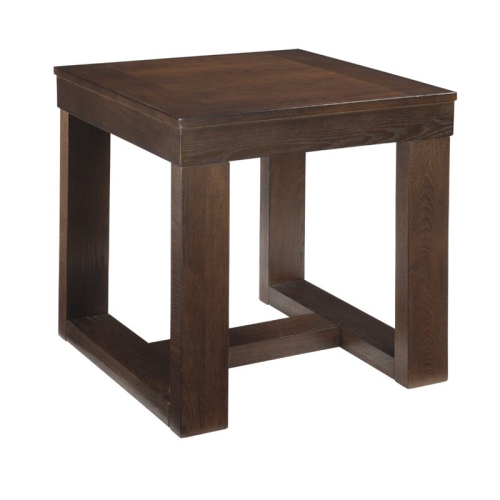
Materials influence both the appearance of a round end table and how it holds up to daily use. Solid wood brings visible grain and natural variation, with lighter tones creating a different effect from dark, richly finished surfaces. Wood can develop small marks over time, and its response to moisture and indoor humidity makes prompt spill cleanup important. A veneered top offers a real wood surface over a supporting core, but the thin outer layer needs care because deep scratches cannot usually be sanded away as they might be on some solid wood surfaces. Engineered wood with a laminate or other applied finish can provide a consistent appearance; durability depends on the construction, surface coating, and protection of edges and joints. Metal frames can introduce a slim profile or a more substantial industrial look, with the quality of welds, fasteners, and finishes contributing to long-term performance. Glass tops allow more of the floor and surrounding furniture to remain visible, which can make a furnished corner feel less visually crowded. They also show fingerprints and drink rings readily, and their edges deserve care when moving or cleaning the table. Tempered glass is designed to break differently from ordinary glass, but it is not unbreakable. Stone tops add distinctive pattern and weight, although materials such as marble may be vulnerable to acidic spills, staining, or surface etching. Sealing requirements vary, so care should follow the instructions for the particular surface. Across materials, coasters and a soft cloth help protect the finish, while hot mugs, wet plant pots, and abrasive cleaners can cause avoidable damage. A tray beneath a planter can catch moisture, but water should not be left trapped against the tabletop. Weight matters, too: a substantial table may stay put more readily during everyday use, while a lighter one is easier to move for cleaning or rearranging seating. Neither weight nor material alone guarantees stability; the base design, secure assembly, and a level position on the floor all contribute.
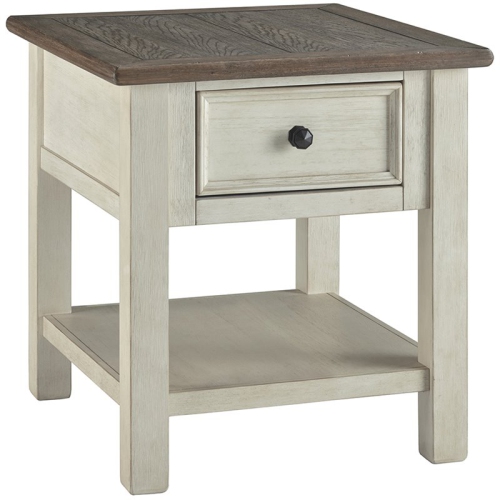
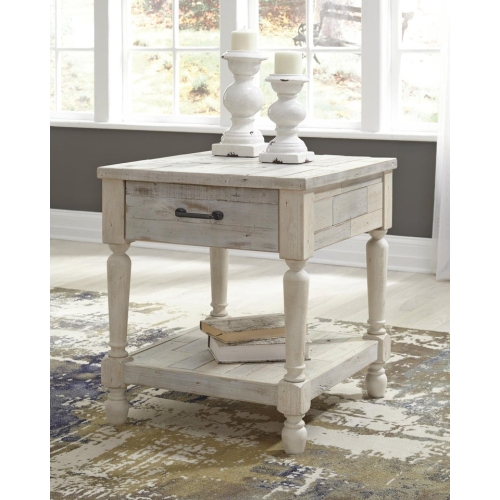
The base and storage layout can be just as important as the tabletop. A central pedestal leaves the perimeter relatively open, which may suit a table shared by two seats, while a three- or four-leg design creates a different visual rhythm and may offer space for a lower shelf. Any base needs to sit securely without rocking, particularly where a thick rug meets a hard floor. Adjustable feet, when included, can help compensate for minor unevenness, and suitable floor protectors can reduce marking when the table is moved. An open shelf gives books or a folded throw a home without using the top, while a drawer can keep small everyday belongings out of sight. Storage is most useful when it matches the household: a reader may value space for a few books, while a family sharing a television area may prefer somewhere to gather remotes and charging cables. Cable openings or built-in charging features can be practical, provided cords can be routed away from walking paths and moving chair mechanisms. Visually, a round table does not need to match every other piece in the room. Repeating one finish, wood tone, or metal detail can create a connection while allowing different shapes and textures to sit together. A slim frame beside a generously upholstered sofa keeps the corner from feeling heavy; a fuller drum-shaped base can give a quieter seating area more presence. Matching tables lend balance to a symmetrical arrangement, whereas different tables can accommodate unequal space on either side of a sofa. For a first apartment, a shared family room, or a reading corner, the most useful choice leaves room for ordinary habits rather than display alone. A lamp should stand securely, a drink should have a clear landing spot, and the surface should remain reachable from a relaxed seated position. With those details in place, a round end table adds both function and a softer outline without overwhelming the living room.
Top selling and popular products
-
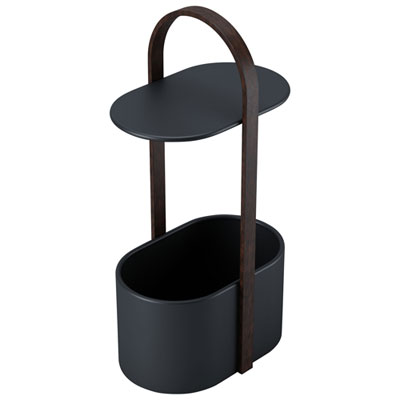 Your price for this item is $93.98
-
 Your price for this item is $369
-
 Your price for this item is $199
-
 Your price for this item is $399
-
 Your price for this item is $249
-
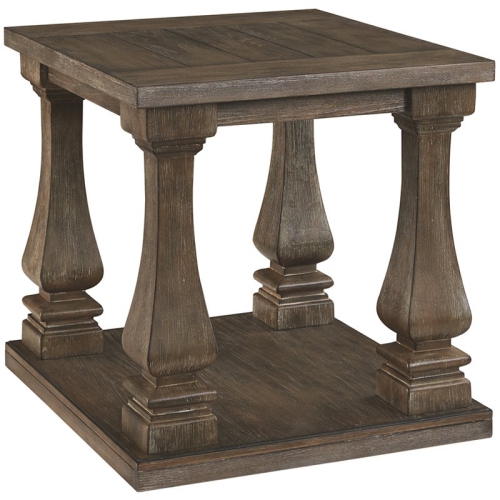 Your price for this item is $375
-
 Your price for this item is $452.99
-
 Your price for this item is $224.99
Discover more categories related to Round End Tables for Living Room

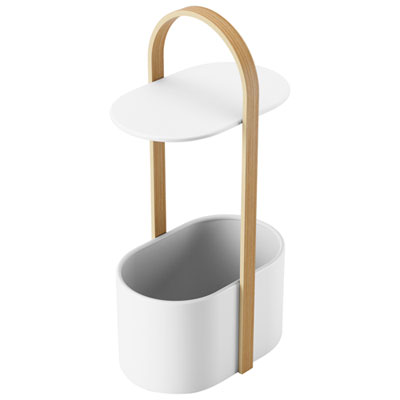
Top Collections:
Pokemon Centers, Kindle Devices, Best Cameras for Sports Photography, Pokémon 30th Celebration Cards, Apple iPhones 16, Canon G7X Cameras, iPhone 15 Apple, Flip Phones, Samsung Galaxy Phones, Alarm Clock
Some products may be subject to Environmental Handling Fees
(EHF) depending on your province.
Learn more about EHFs.