Round Glass Gold Coffee Tables
Enhance your living space with a touch of elegance and modernity with round glass gold coffee tables. These stunning pieces effortlessly combine sleek design and functionality, making them the perfect addition to almost any contemporary home. These round glass tops provide a spacious surface for your morning coffee or evening gatherings, while the gold frames give them a timeless yet luxurious look. Here are some great options available.
Sort
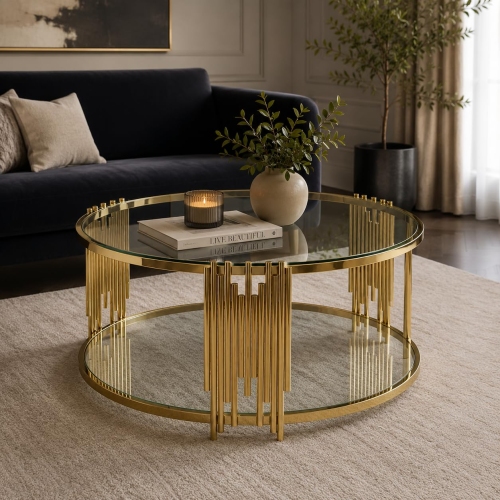


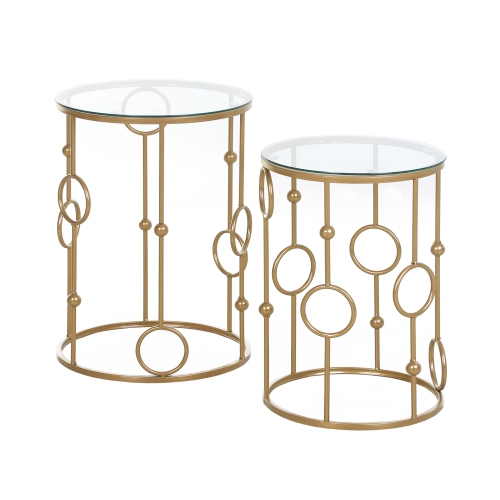
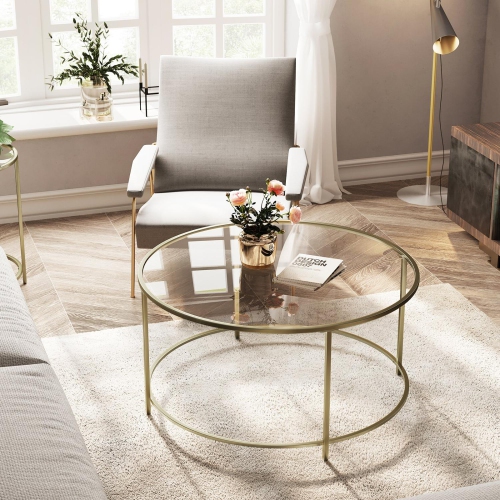
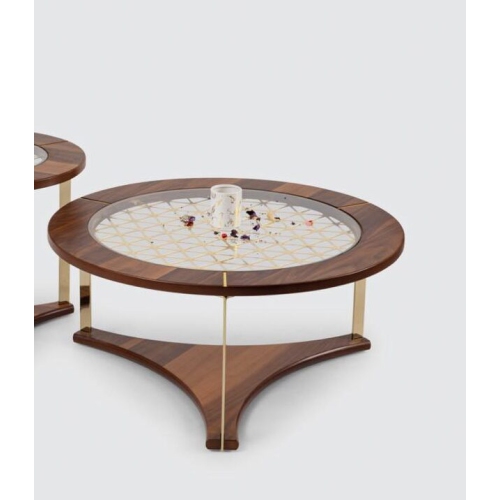
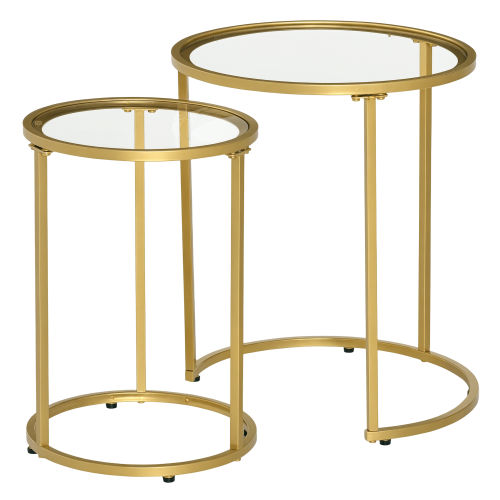
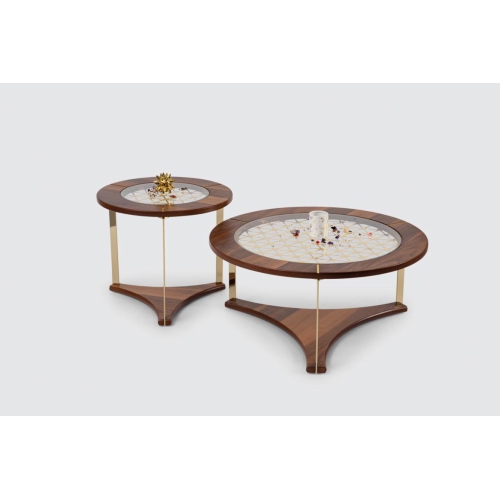


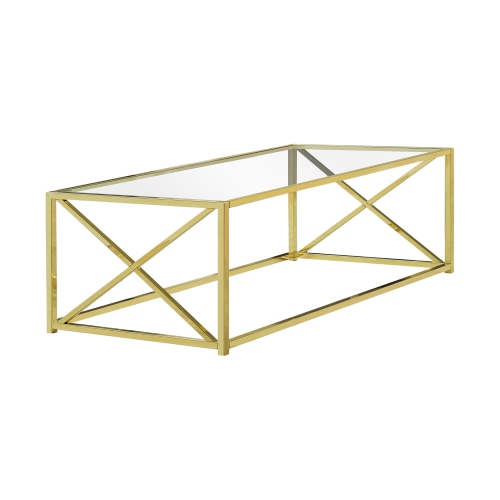
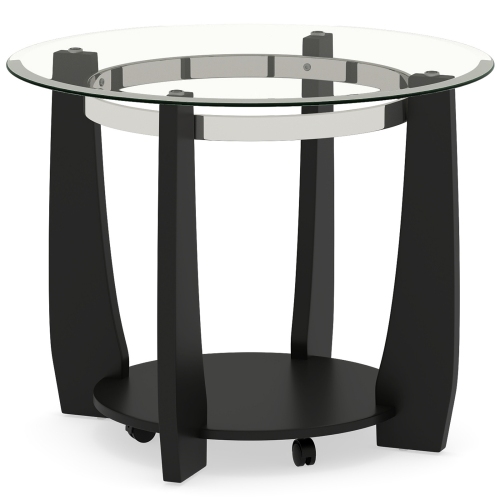
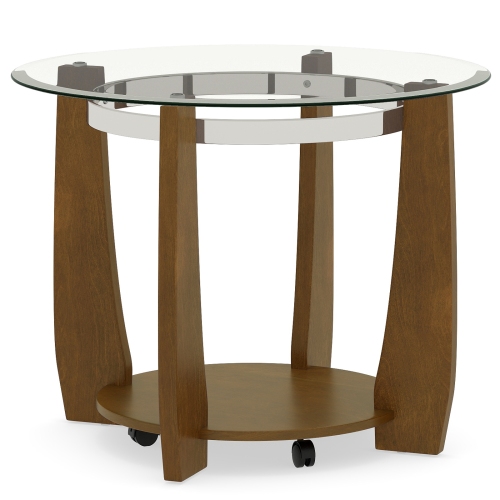

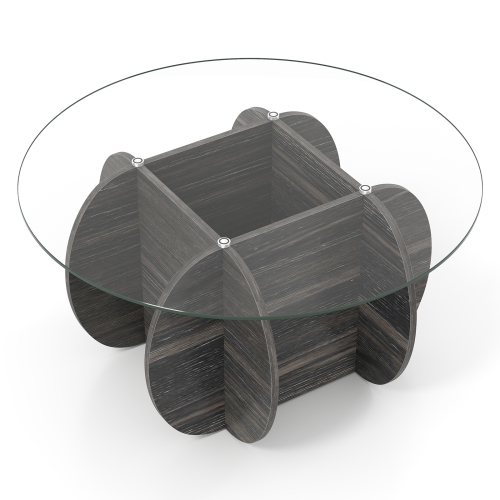


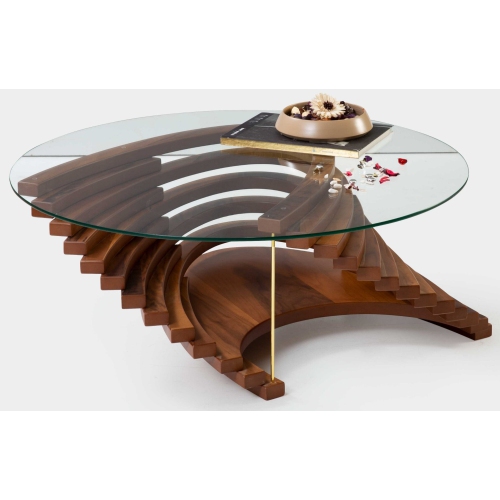

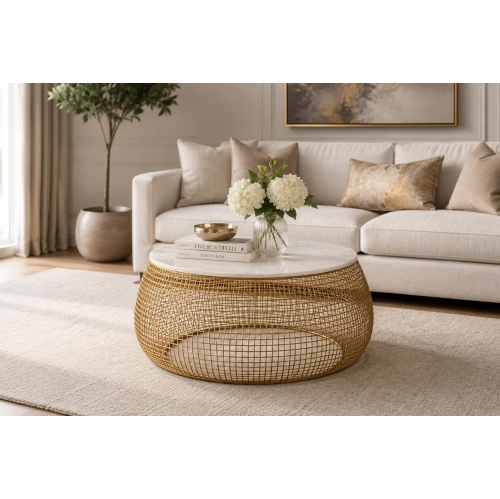
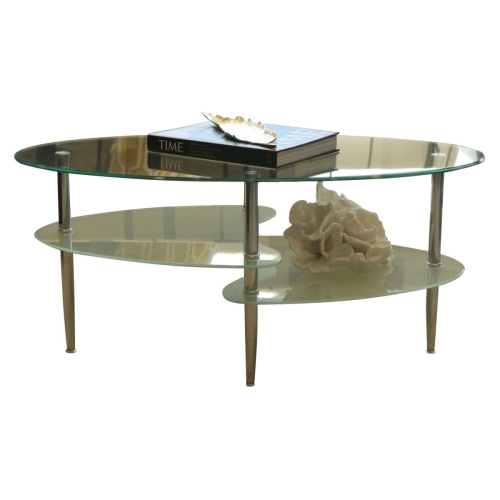

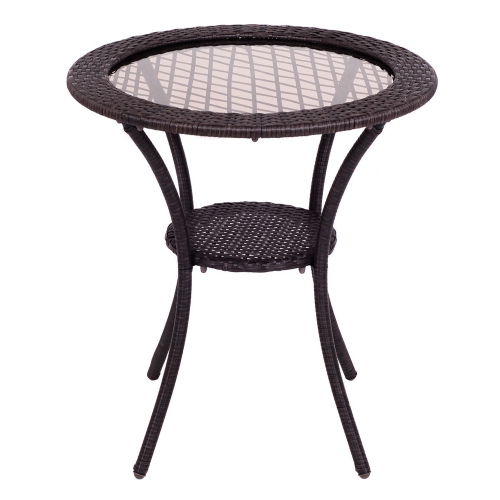
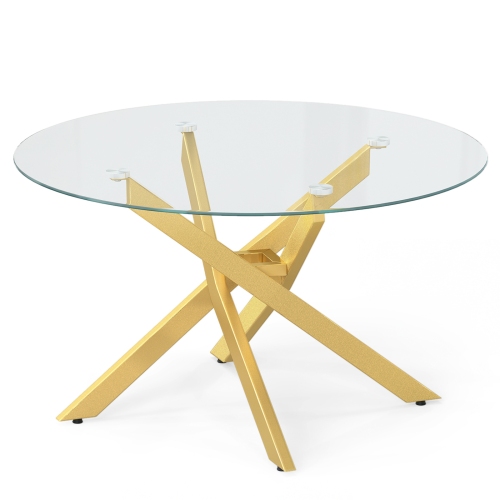
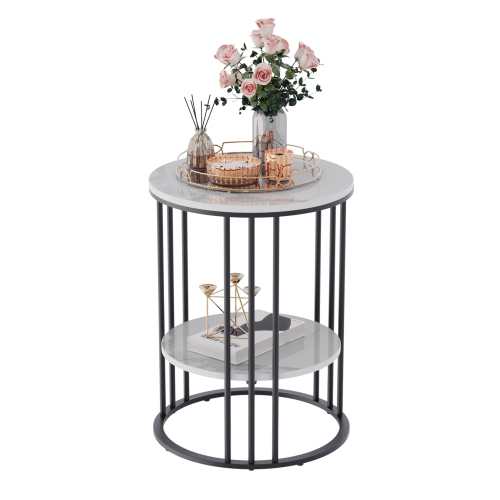

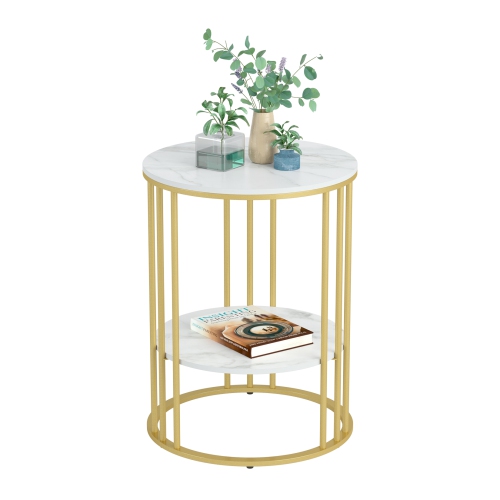
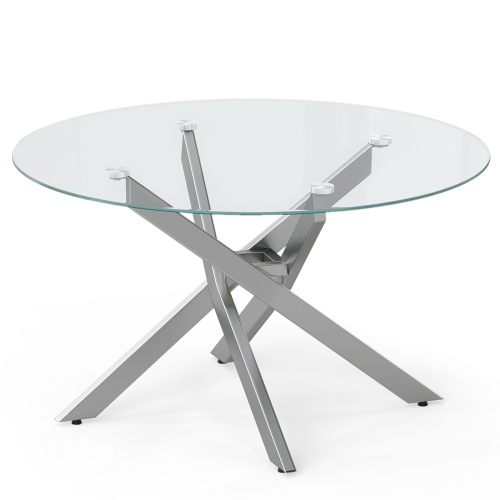

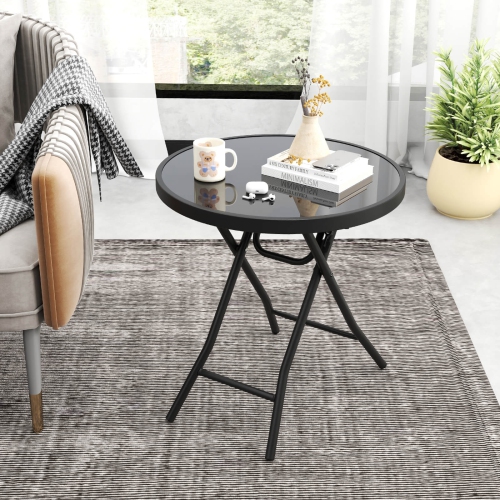
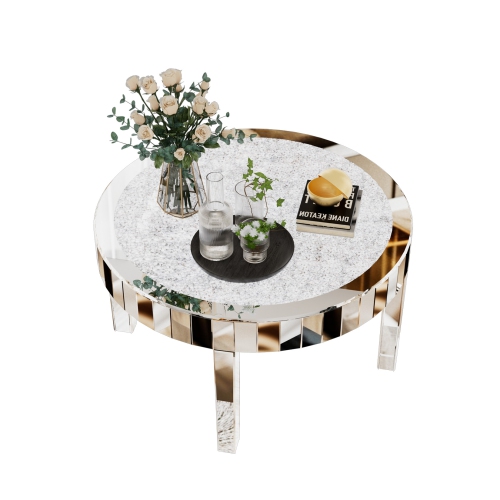





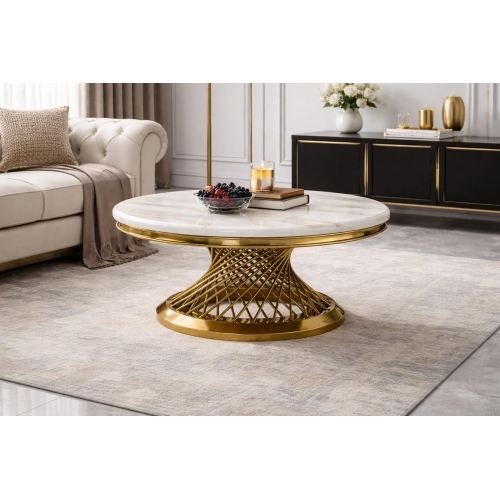
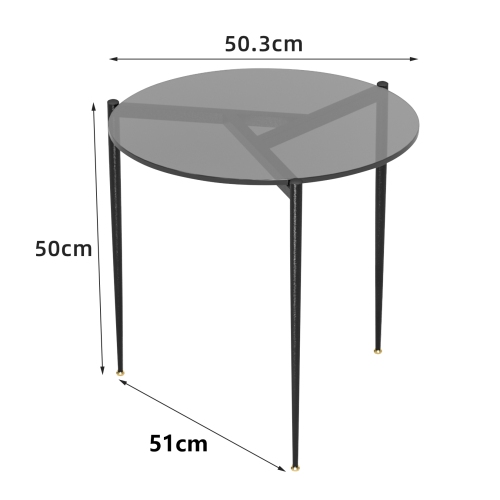
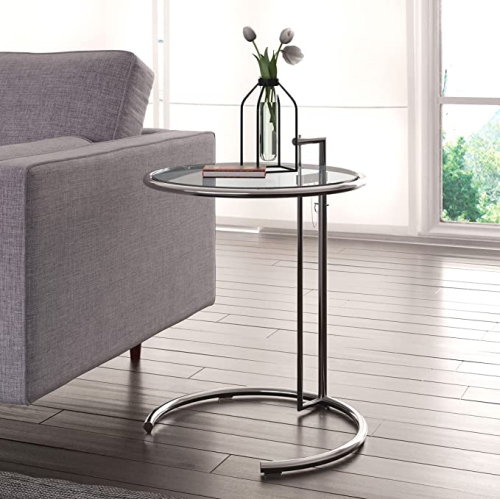
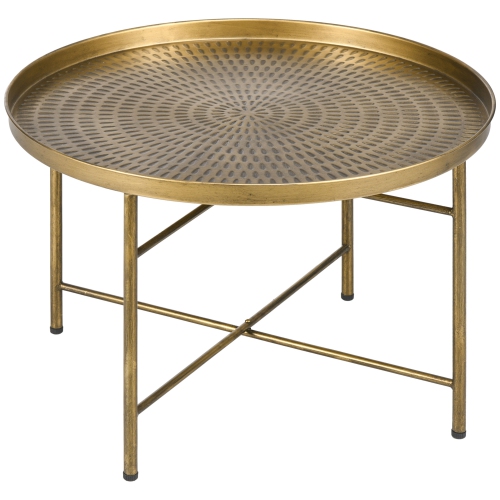
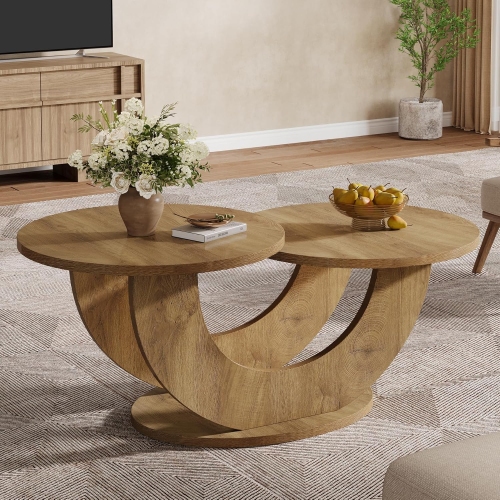
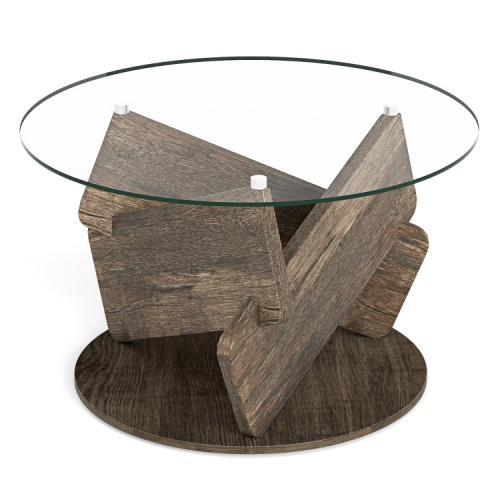
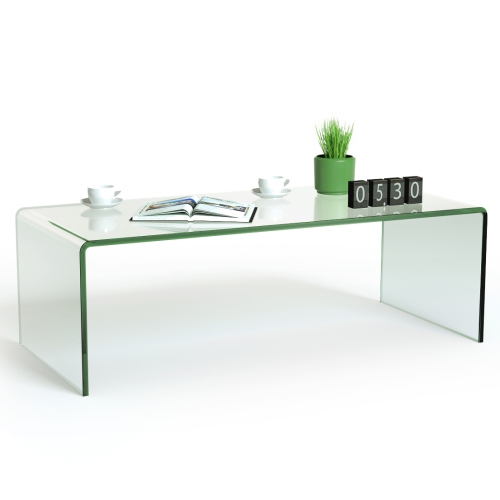
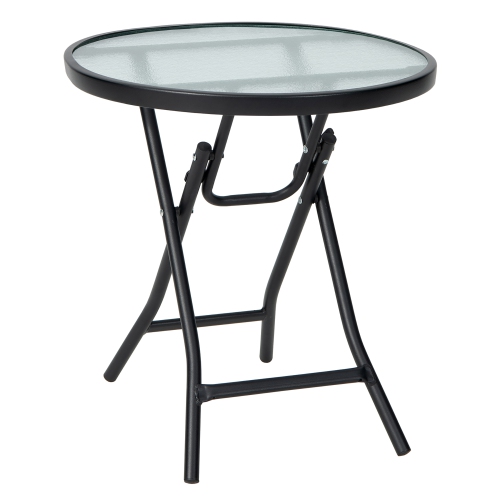

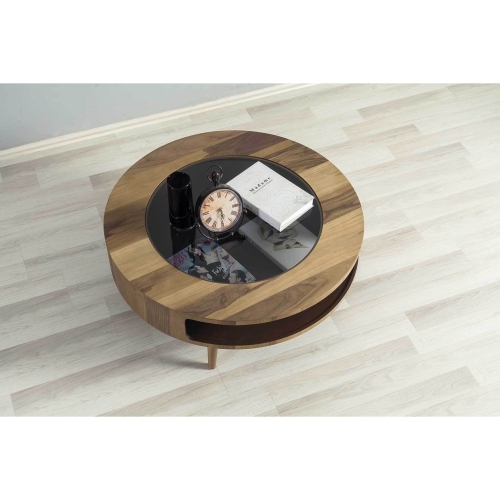
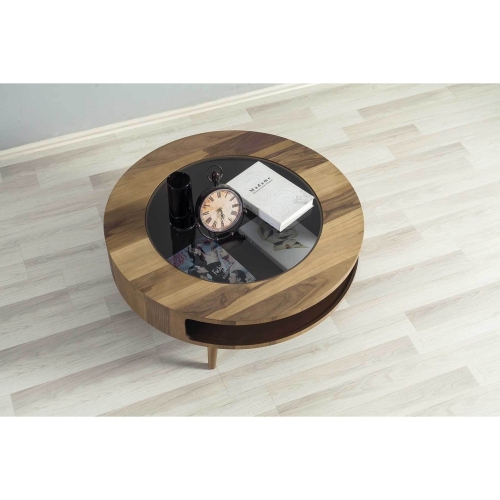

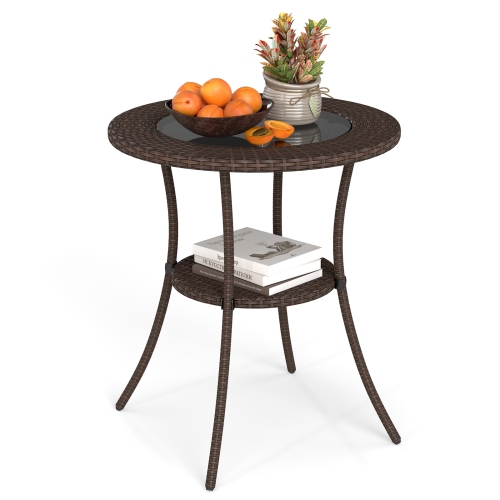

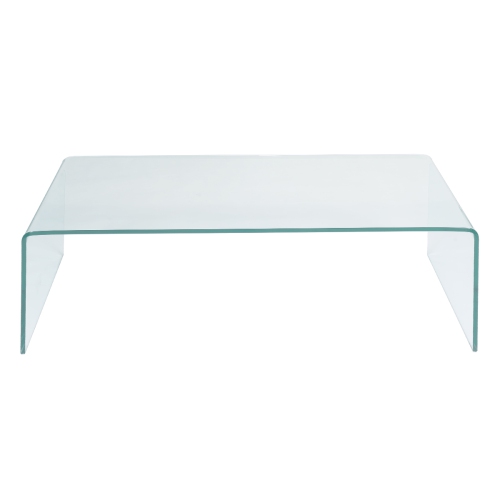

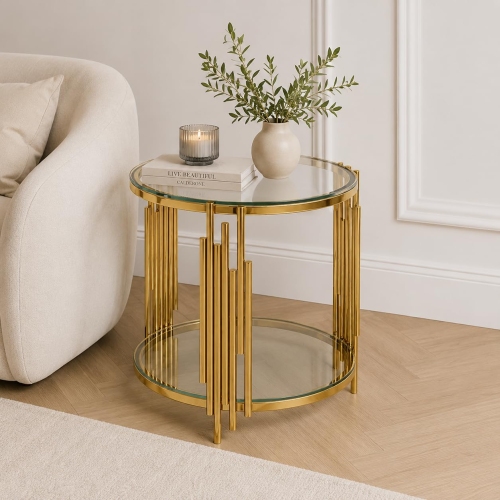
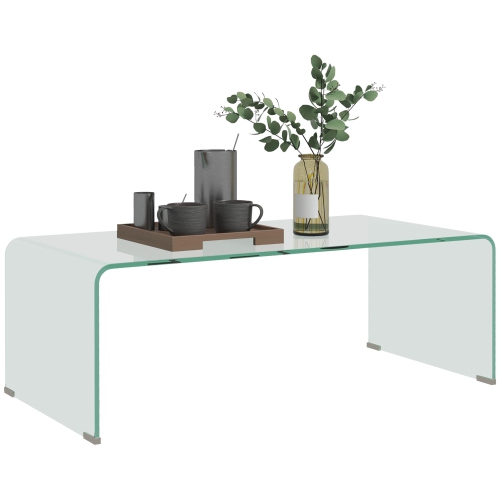
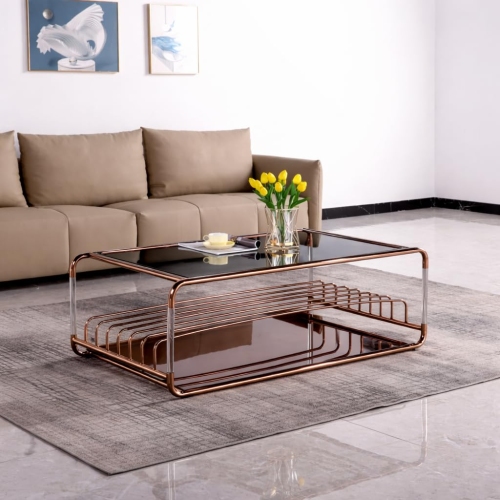

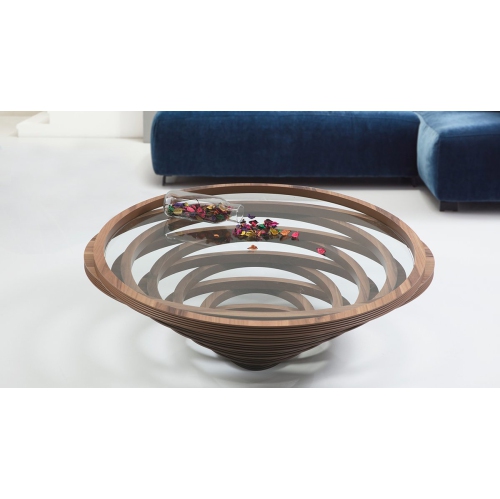

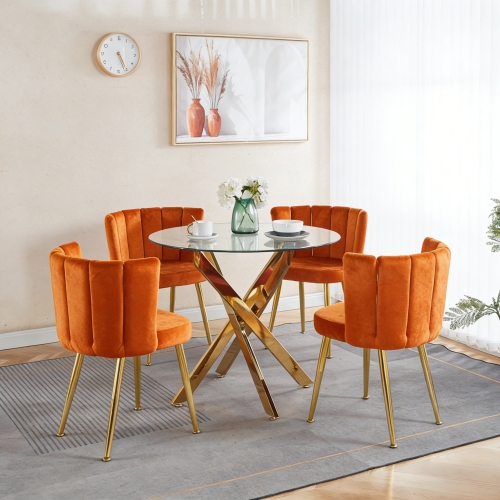


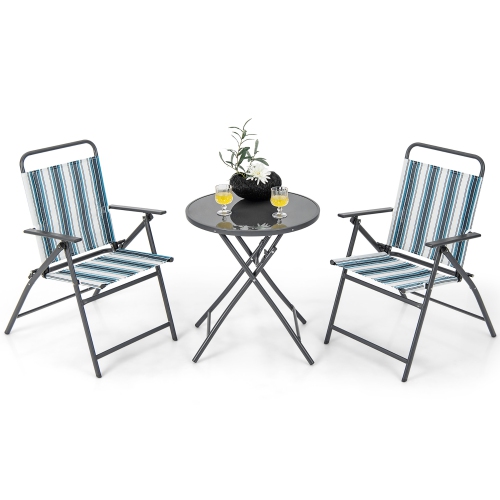
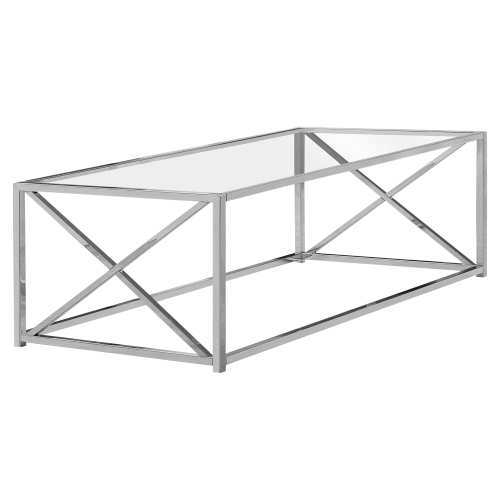


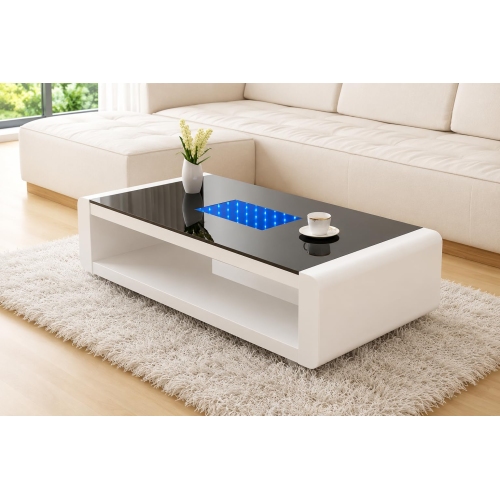


The airy appeal of glass and gold
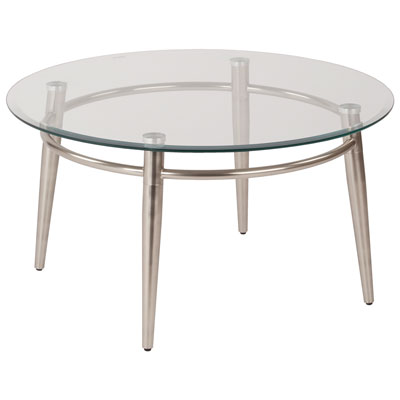
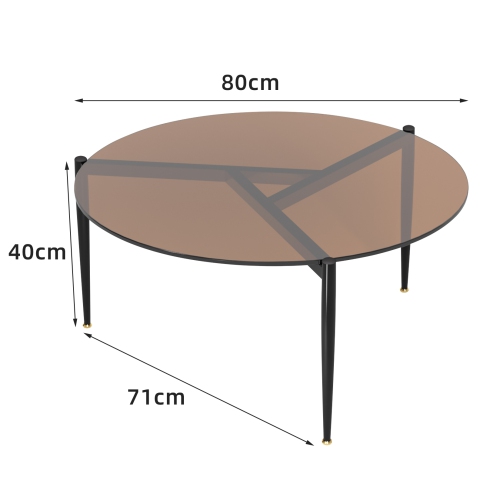
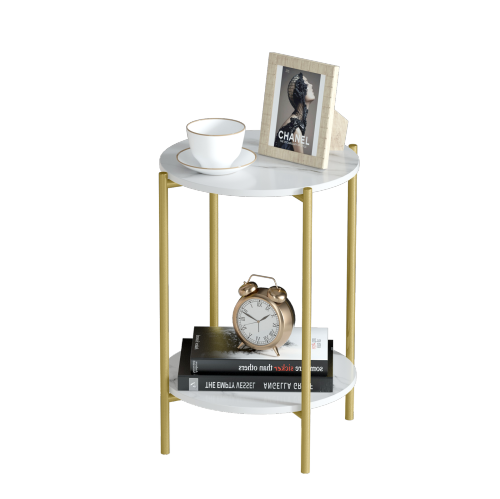
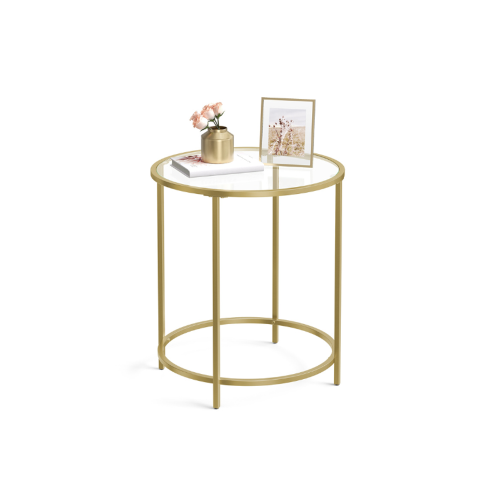
Round glass gold coffee tables combine a circular glass surface with a gold-toned base, bringing a light, open appearance to a piece of furniture that sits at the centre of everyday living. The transparent top keeps more of the rug and floor visible, while the metallic frame adds warmth and definition without the visual weight of a solid cabinet-style table. This combination works especially well beside upholstered sofas, where the smooth glass and metal contrast with woven fabric, velvet or leather. Gold finishes can range from pale champagne tones to deeper brass-like shades, with polished surfaces reflecting more light and brushed or matte finishes creating a quieter effect. The shape of the base makes an equally noticeable difference: slender legs feel understated, intersecting supports introduce a geometric detail, and circular pedestal forms give the table a more sculptural presence. Within the broader category of Round Glass Coffee Tables, gold-toned designs offer a distinct way to connect warm metallic accents throughout a room. A nearby lamp, picture frame or cabinet handle can repeat the finish without requiring every metal surface to match exactly. Clear glass suits spaces where the rug or surrounding furniture should remain the focus, while tinted glass, where used, adds more visual depth and makes the tabletop itself a stronger design feature. Against cream upholstery and a textured rug, the effect can feel soft and restrained; beside jewel-toned seating or dark wood furniture, the same combination takes on a richer character. The circular outline also creates a natural gathering point between a sofa and a pair of chairs, giving each seat access to a shared surface for drinks, reading material or a small serving tray. Because the base remains visible through the top, its proportions and detailing are part of the table’s appearance from almost every angle, including when viewed from above while seated.
The fit of a round coffee table depends on its diameter, height and base footprint, not simply on whether the tabletop fits into an open patch of floor. A diameter around one-half to two-thirds of the sofa’s length can provide a starting point for judging proportion, although a compact loveseat, curved sofa or large sectional may call for a different balance. A roughly 14- to 18-inch gap between the table and seating often leaves room to sit down and reach forward comfortably; main walking routes generally need more space. In a room with a chaise, the shortest distance between the table and the extended seat matters as much as the gap along the main sofa. A tabletop close to the height of the seat cushions usually feels convenient for setting down a mug, while a much taller or lower surface changes the reach. The circular edge removes projecting corners, which can make movement around closely arranged seating feel less awkward, but it does not replace the need for stable construction or supervision around young children. Material details also influence everyday use. Gold is generally a finish or colour on the frame rather than an indication that the base is made from solid gold. Steel, iron and other metals can provide the underlying structure, with painted, plated or powder-coated surfaces offering different textures and care requirements. Tempered glass is stronger than ordinary glass of comparable thickness, but it can still scratch, chip or break, particularly if an edge is struck. Glass thickness alone does not establish how much weight a table can support; the frame, attachment points and stated load limit all matter. A lower shelf adds space for books or a tray, while an open base leaves more of the floor visible. Nesting configurations can extend the usable surface when guests visit, although both tables need enough room to move without obstructing the surrounding seats. Adjustable feet, when included, can help address slight floor unevenness, while suitable protective pads help separate metal feet from hard flooring.
Everyday care helps preserve both the clarity of the glass and the appearance of the gold finish. Fingerprints, drink rings and dust tend to be more noticeable on transparent surfaces, particularly when daylight falls across the tabletop. A soft, lint-free cloth and a cleaner approved for the glass are generally appropriate, with liquid applied to the cloth rather than allowed to collect around joints or beneath the surface. The metal frame may need a different approach: a lightly dampened cloth followed by drying is often preferable to using the same glass cleaner across every material. Abrasive pads, harsh chemicals and metal polishes can damage some decorative coatings, so the care directions for the finish take priority. Coasters protect against moisture and marks, and a trivet or other suitable barrier keeps hot dishes from making direct contact with the glass. A tray with a smooth underside can gather remotes, coasters and a small vase into one convenient place, but rough pottery bases and gritty objects can leave scratches when dragged across the surface. Lifting objects rather than sliding them is a simple habit that helps keep the top clear. Styling works best when it leaves enough usable space for the activities the table serves. In a reading corner, a short stack of books and room for a cup may be sufficient; in a shared living room, a clear landing area for snacks or a board game is often more useful than a dense decorative arrangement. Low accents preserve sightlines between people sitting opposite one another, and a little open glass allows the base and rug to remain part of the composition. Assembly quality matters over time as well: secure fasteners, correctly positioned glass supports and an evenly seated top contribute to a steadier surface. Used as a coffee table rather than a seat, step or heavy storage surface, a round glass gold coffee table can provide a practical focal point that balances everyday function with a lighter-looking living room arrangement.
Top selling and popular products
-
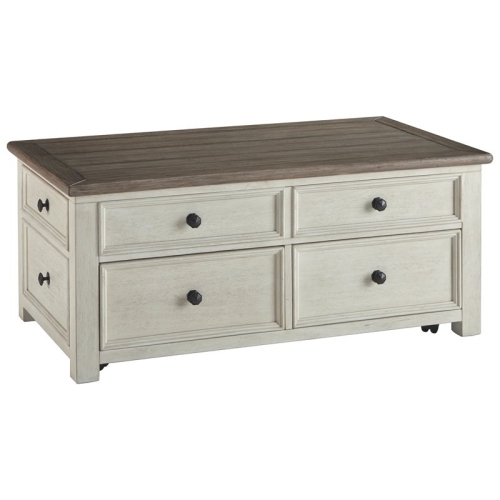 Your price for this item is $949
-
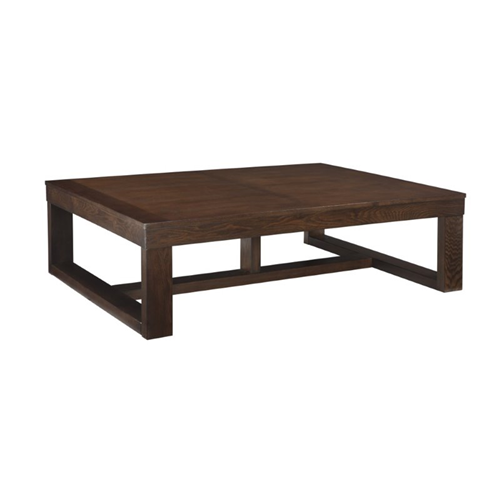 Your price for this item is $449
-
 Your price for this item is $649
-
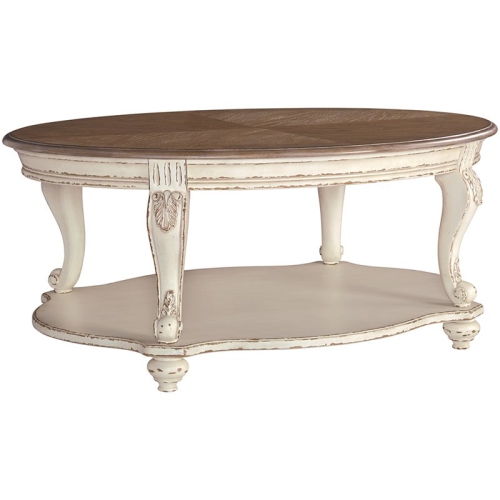 Your price for this item is $599
-
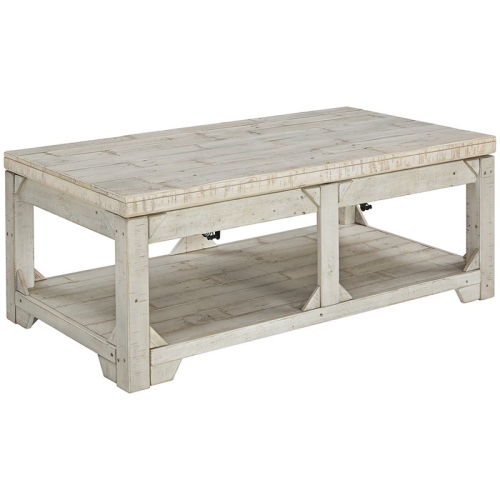 Your price for this item is $549
-
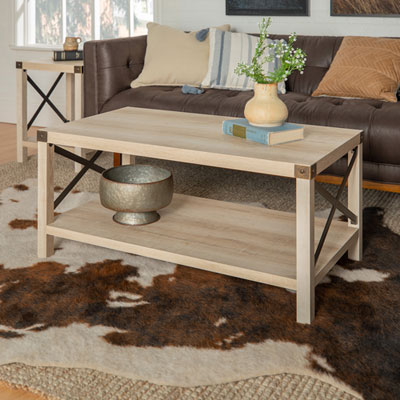 Your price for this item is $311.99
-
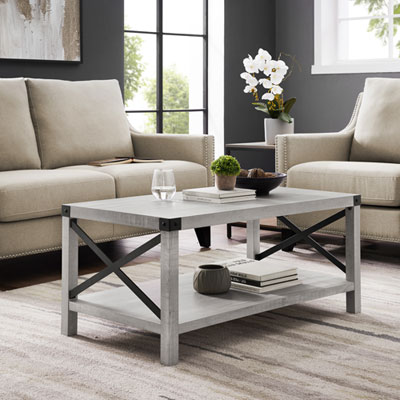 Your price for this item is $249.99
-
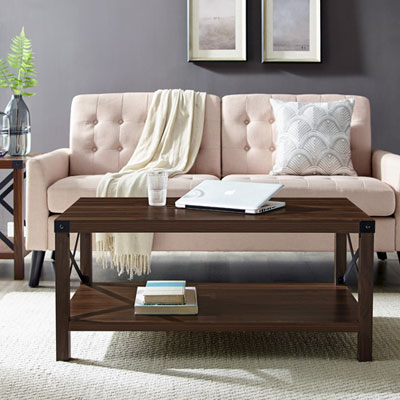 Your price for this item is $311.99
Discover more categories related to Round Glass Gold Coffee Tables


Top Collections:
Pokemon Centers, Kindle Devices, Best Cameras for Sports Photography, Pokémon 30th Celebration Cards, Apple iPhones 16, Canon G7X Cameras, iPhone 15 Apple, Flip Phones, Samsung Galaxy Phones, Alarm Clock
Some products may be subject to Environmental Handling Fees
(EHF) depending on your province.
Learn more about EHFs.