Round Leather Ottomans With Legs
A round leather ottoman with legs is a great way to add extra seating to your living room, without taking up too much space. These ottomans are also a stylish way to add some personality to your decor. Here are some great leather ottomans with legs in the shape of a circle.
Sort
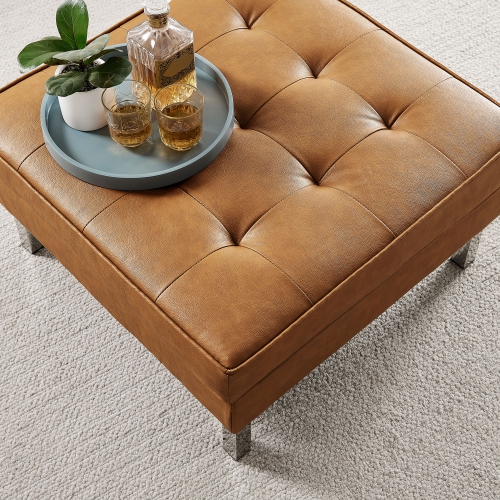
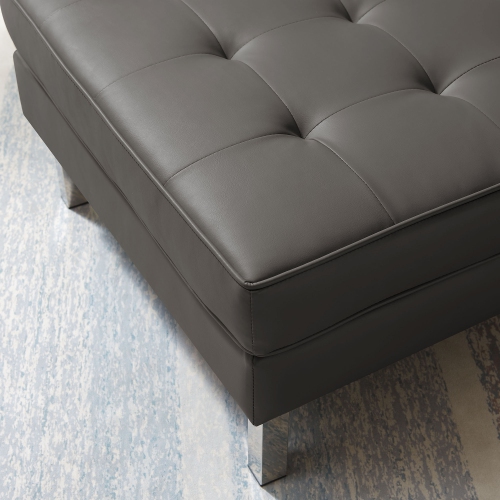
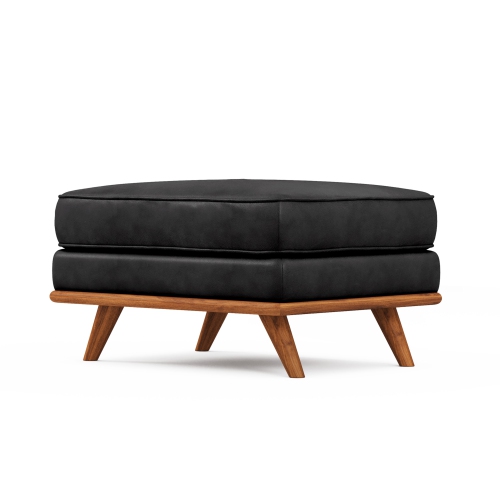
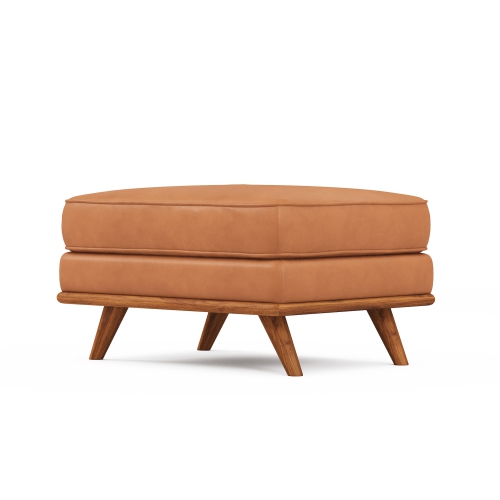


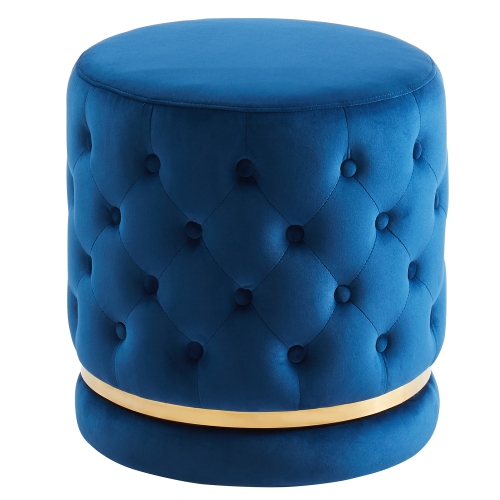
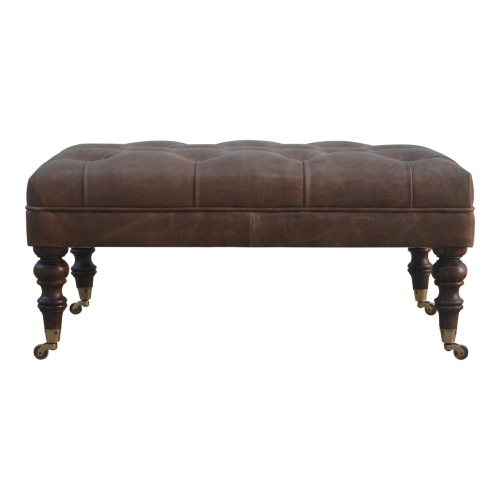
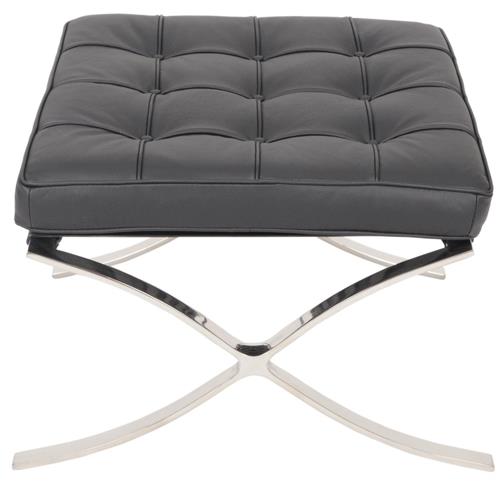
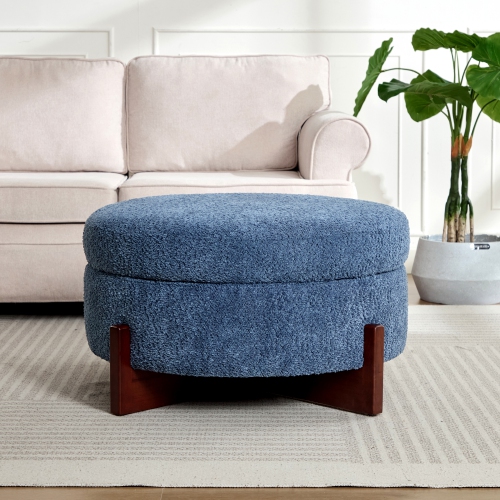
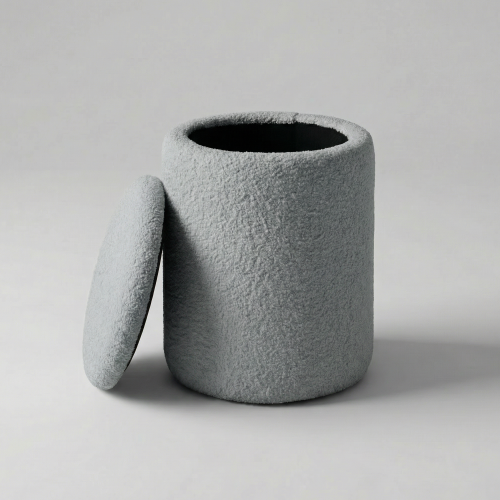
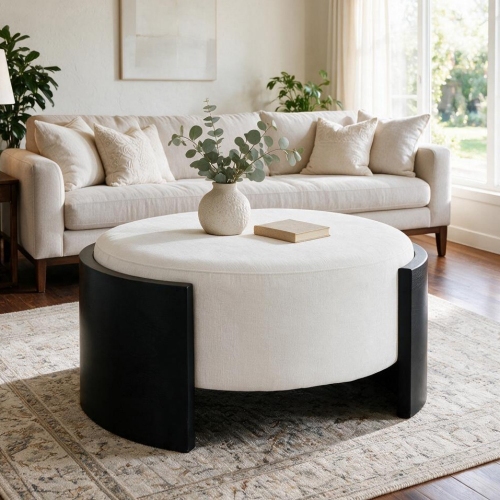

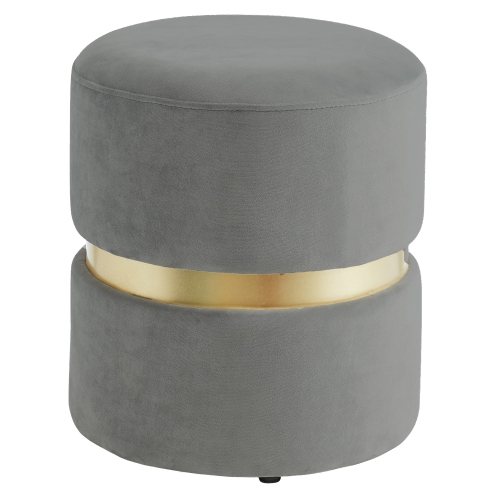

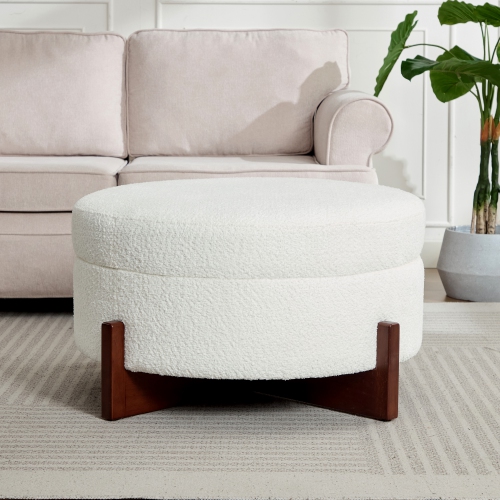
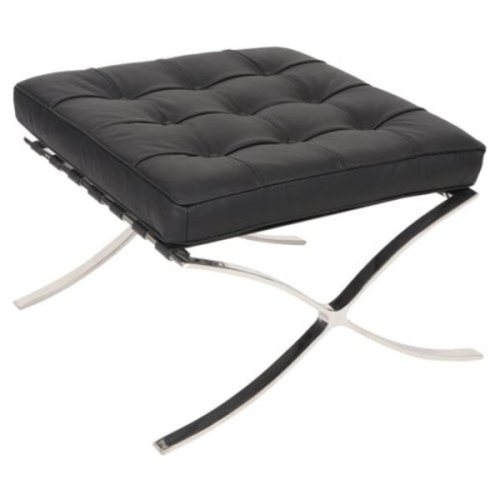
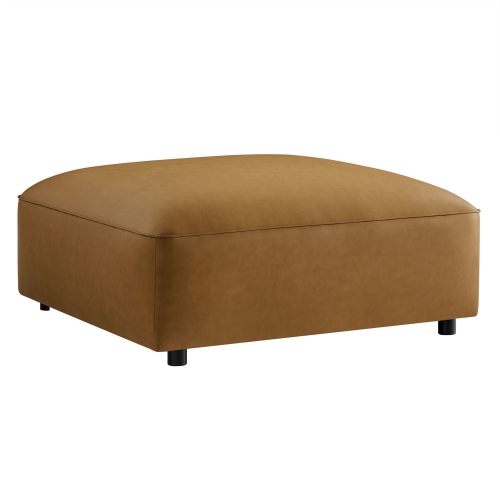
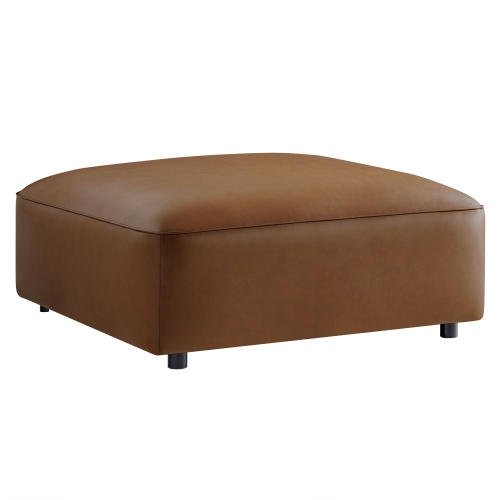
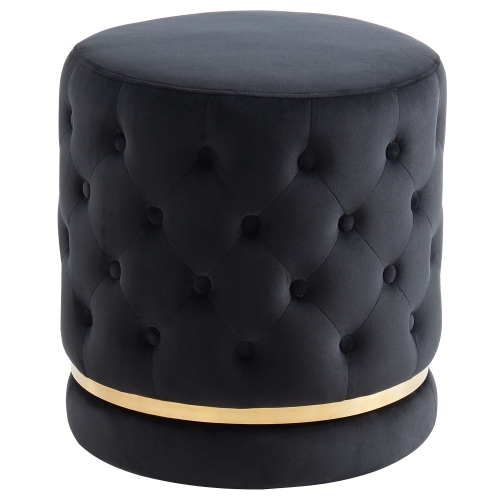
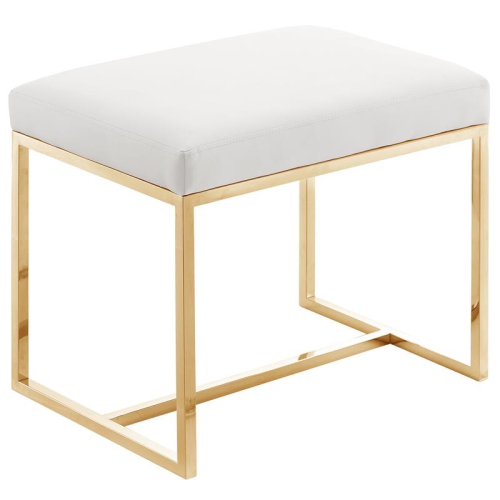
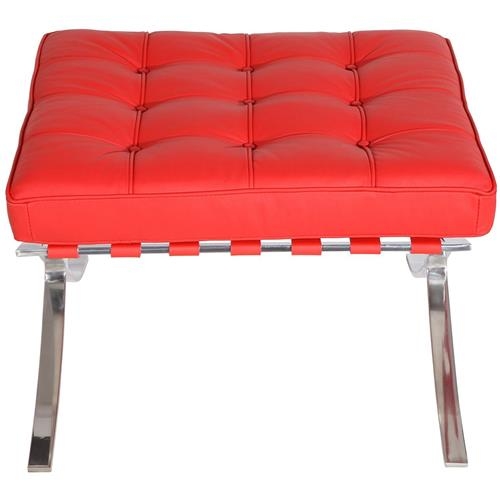
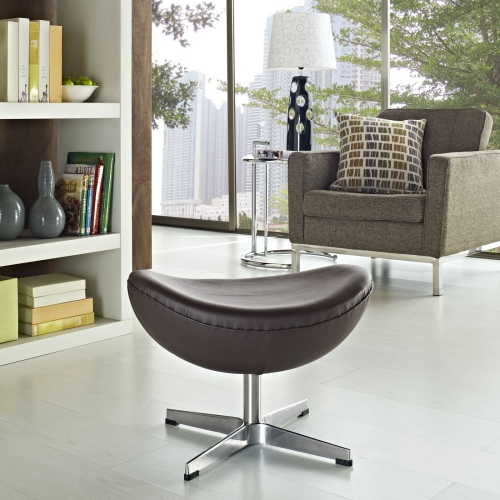
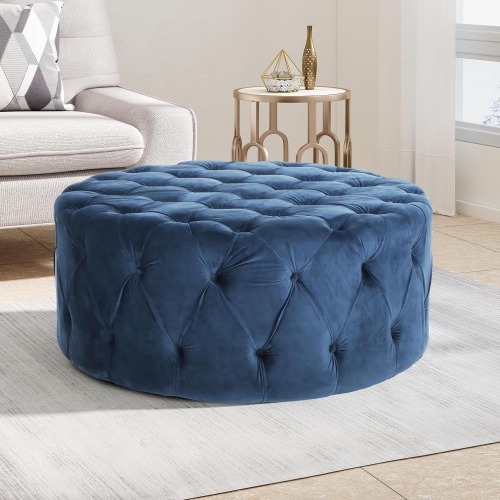
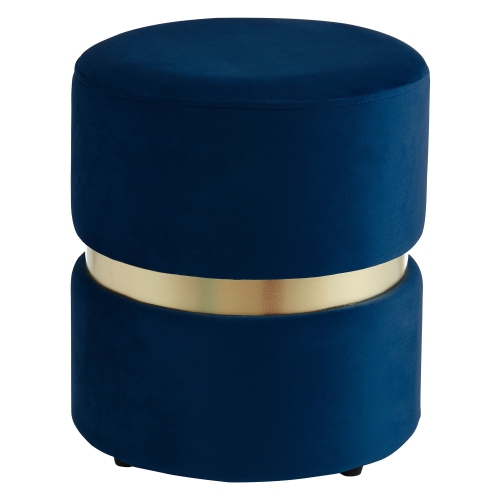

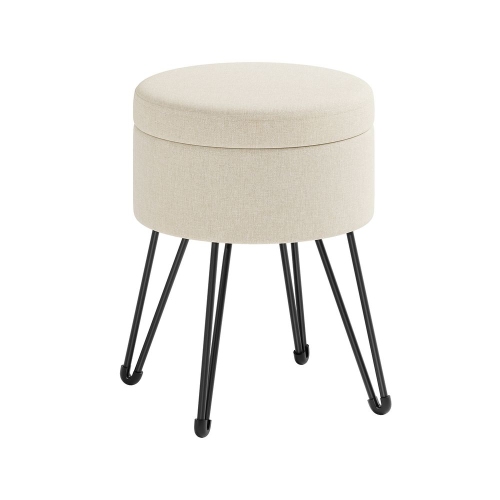
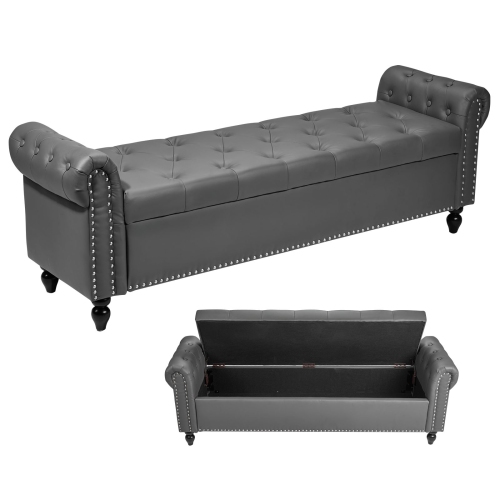

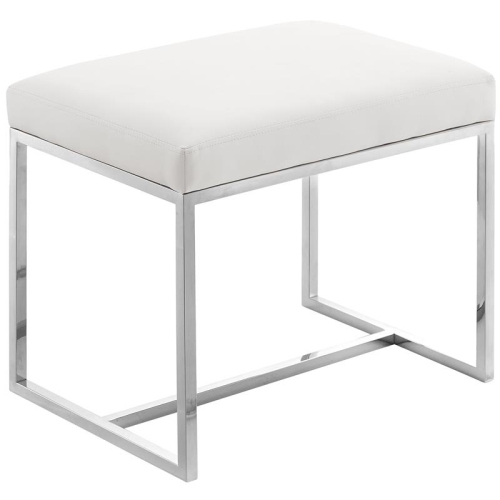
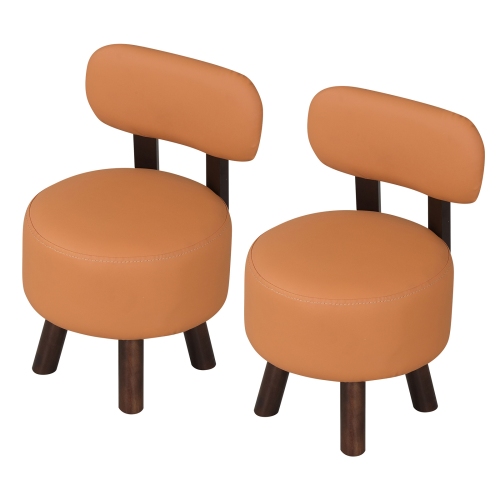
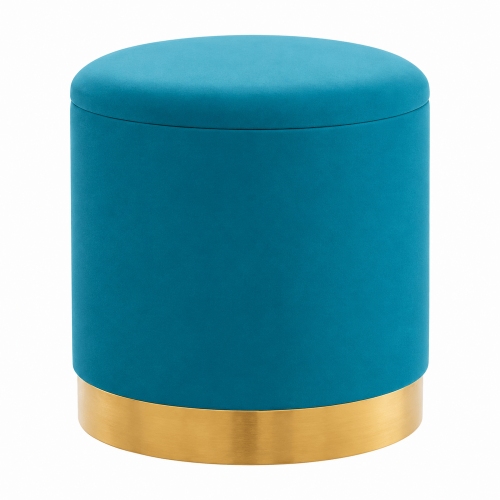
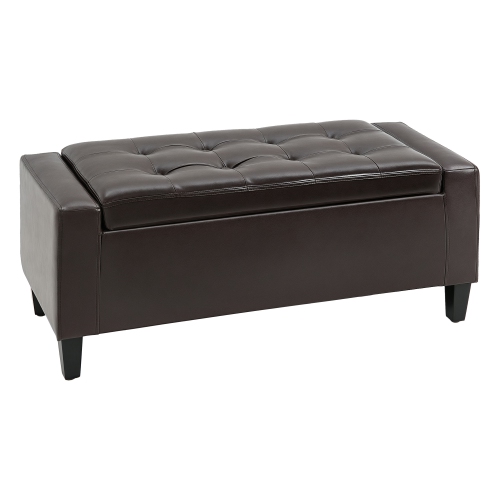
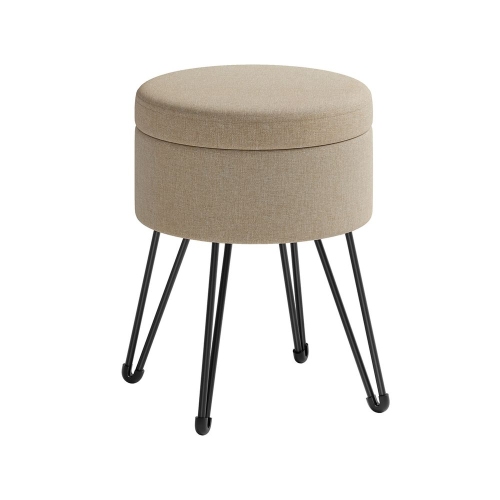
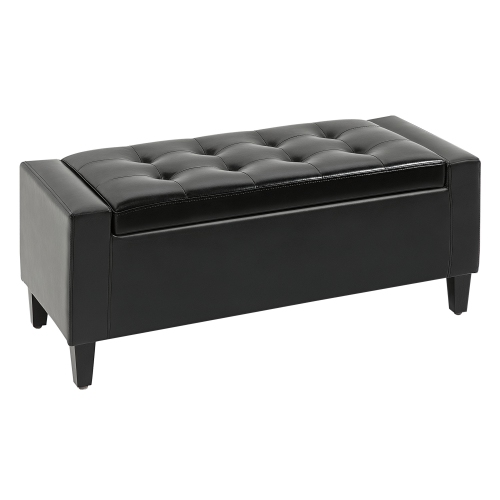
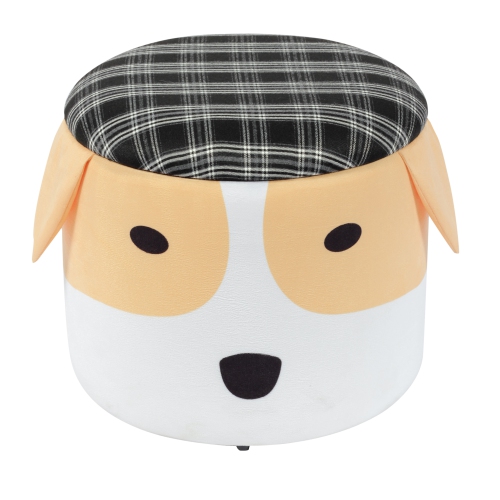

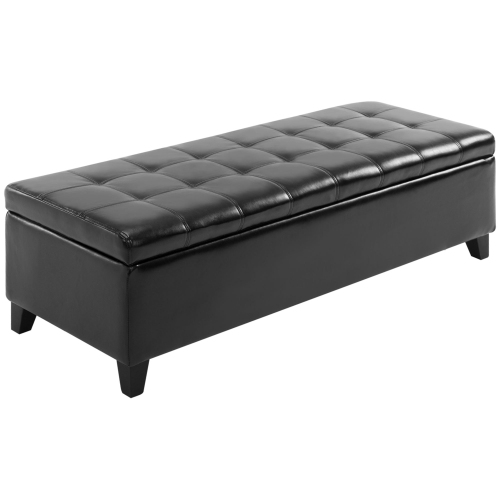
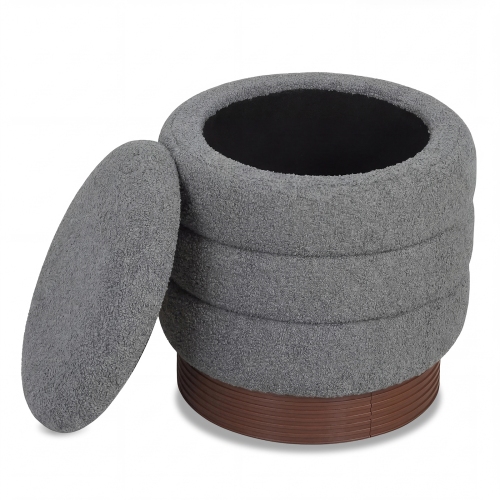
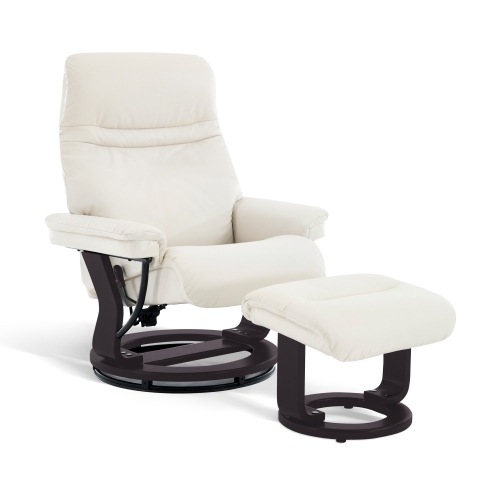
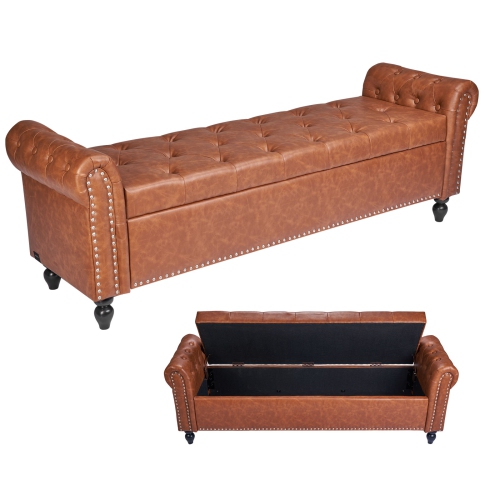
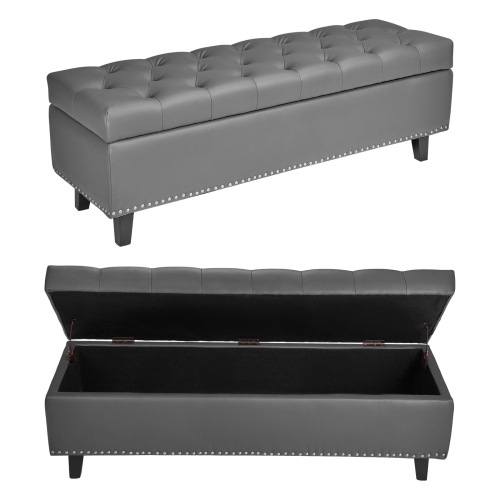
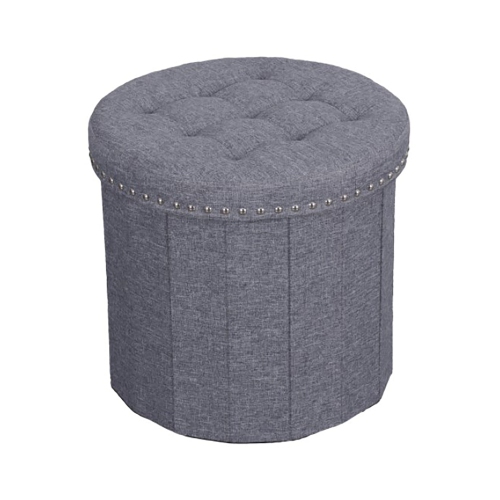
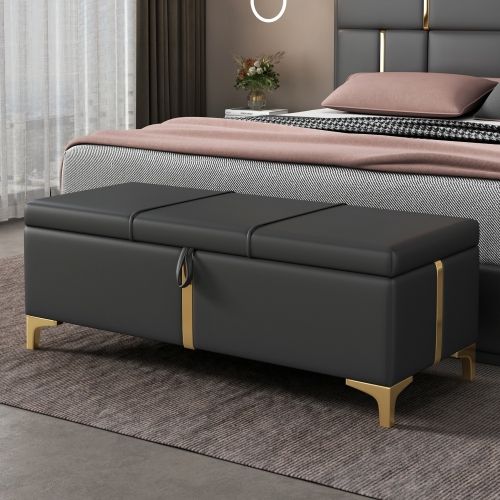
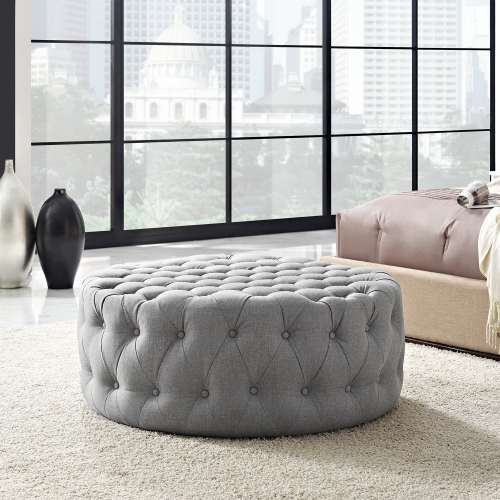
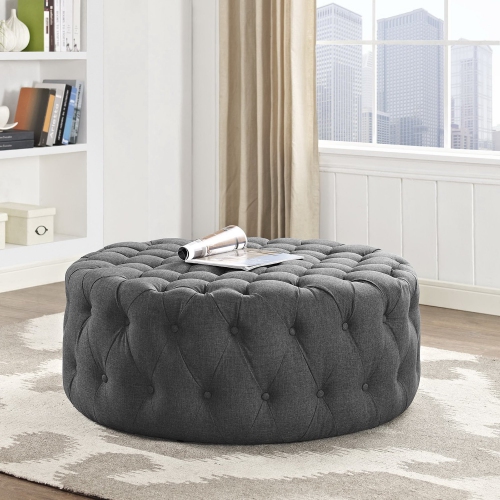
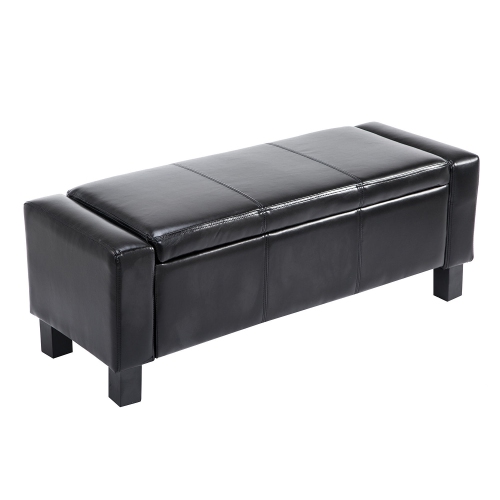
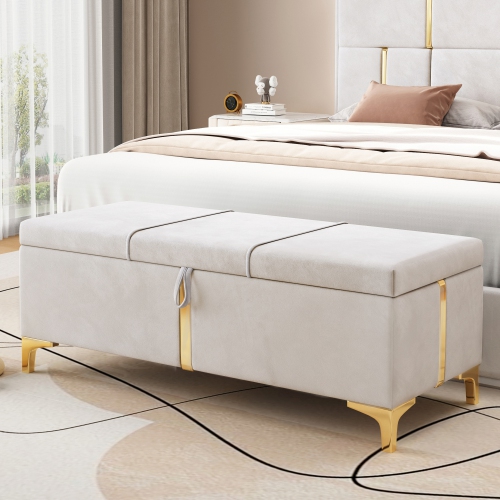
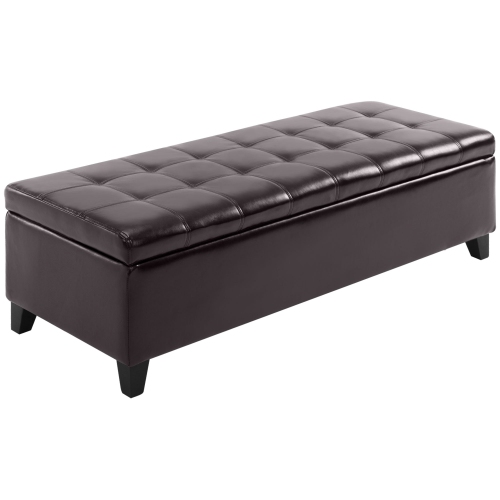
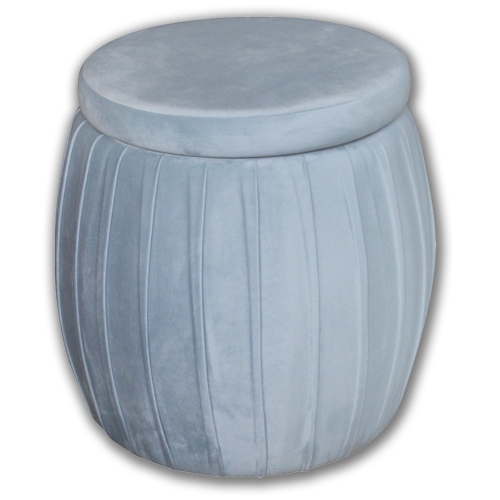
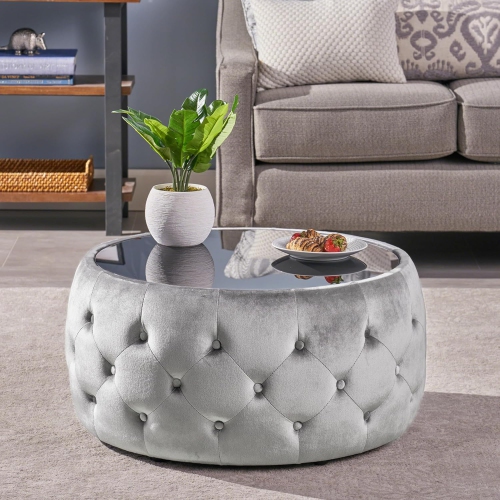
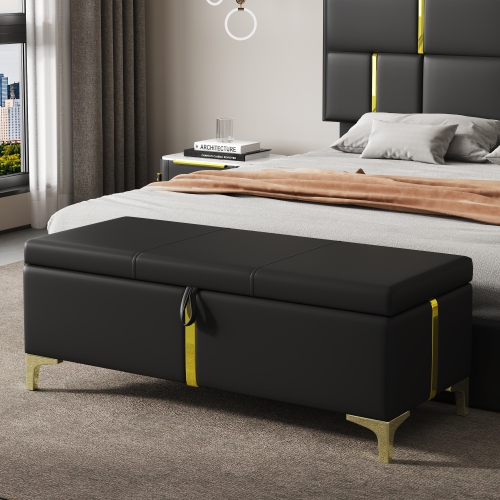
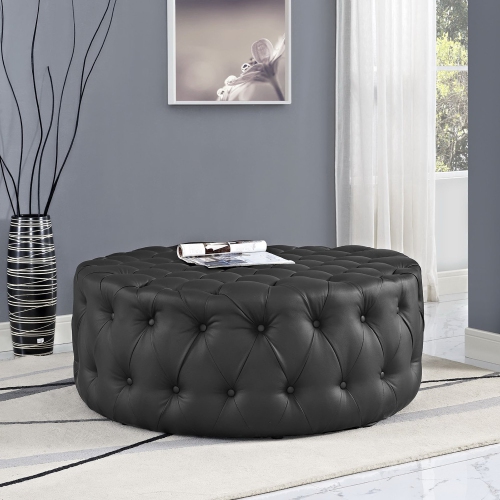
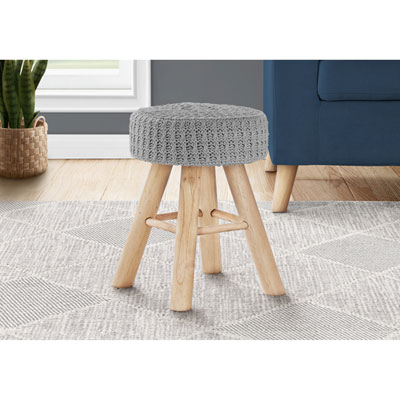
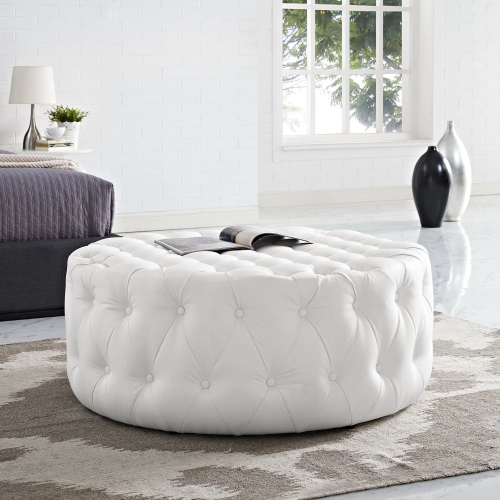
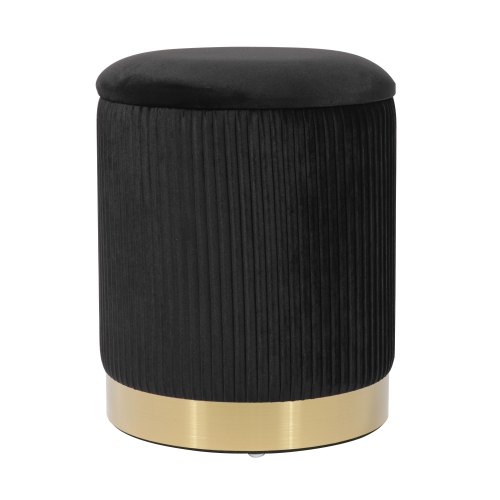
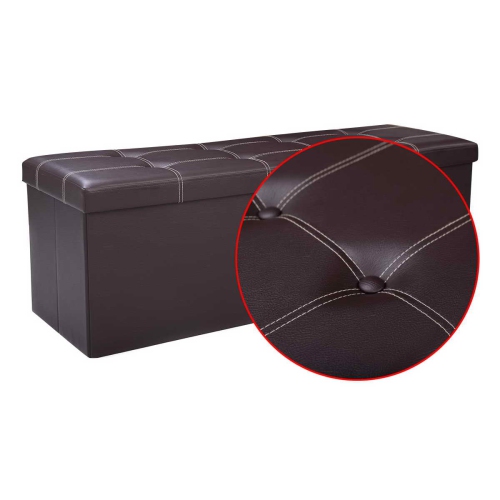
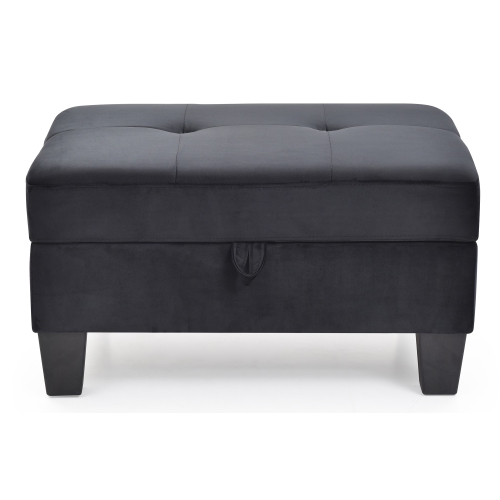
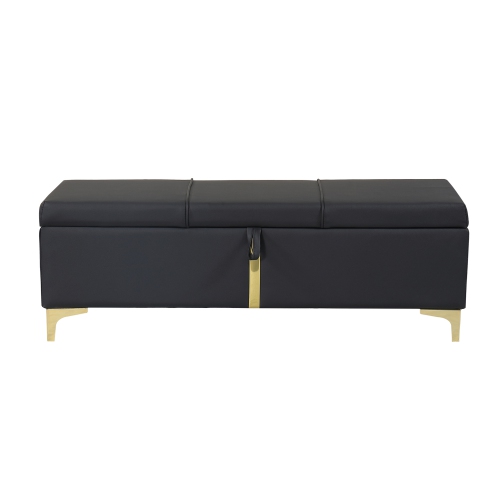
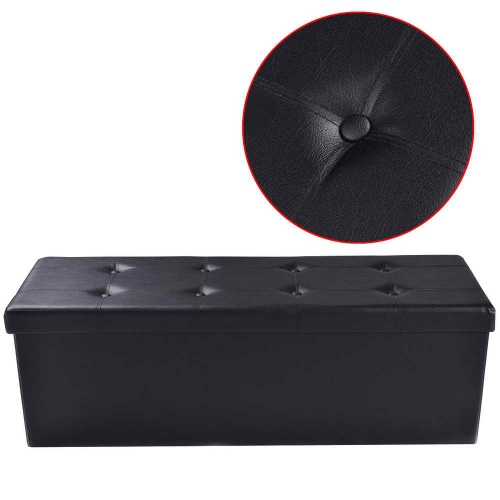

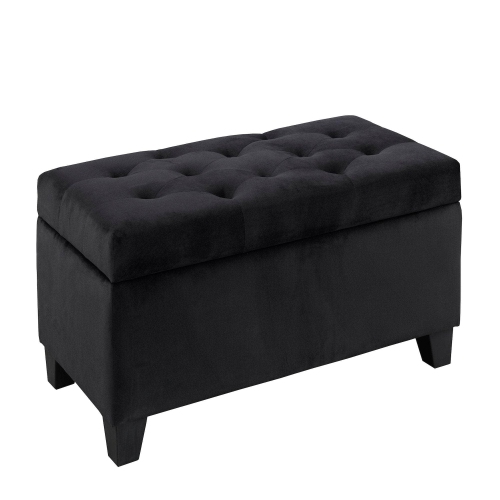
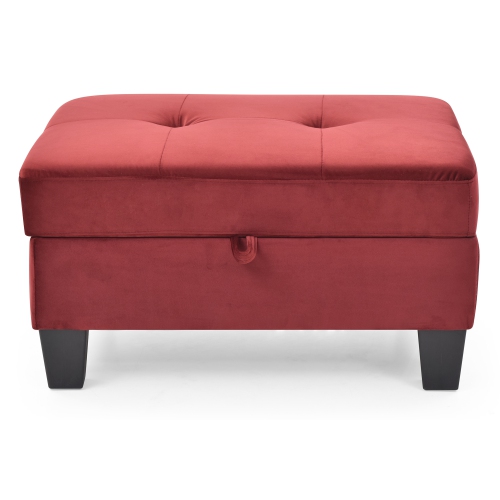
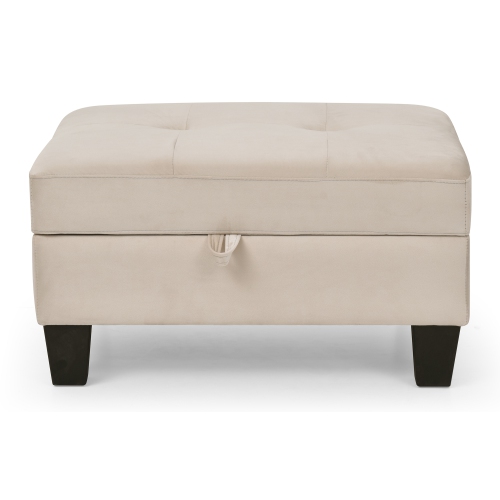
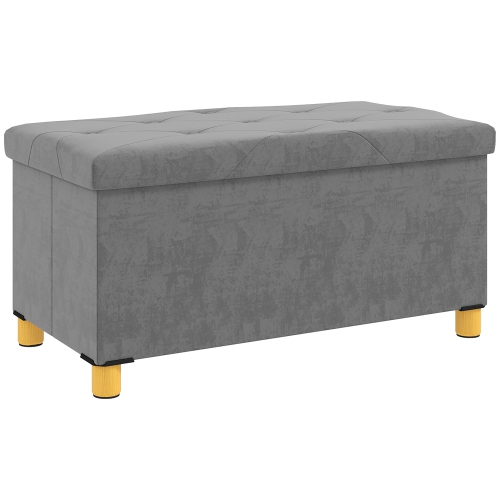
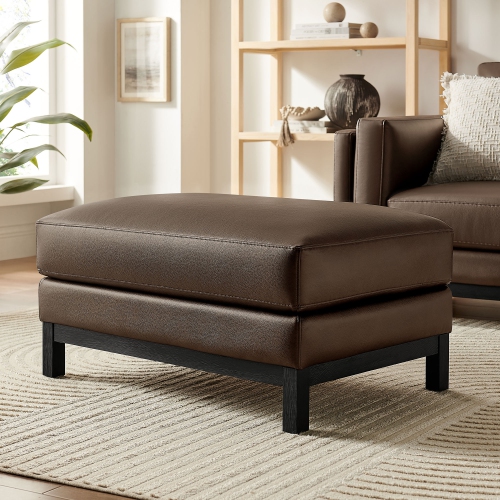
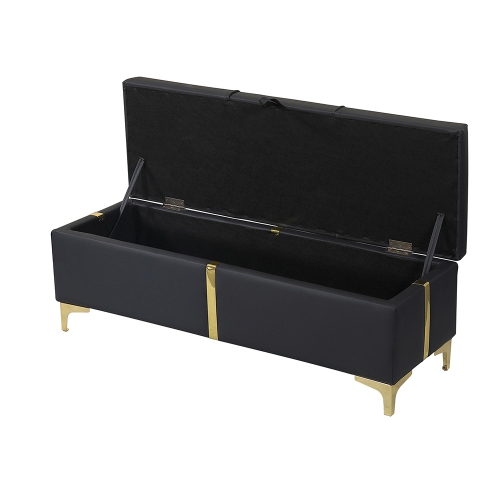
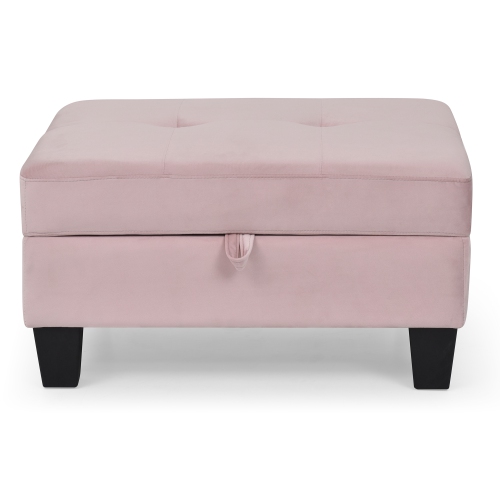

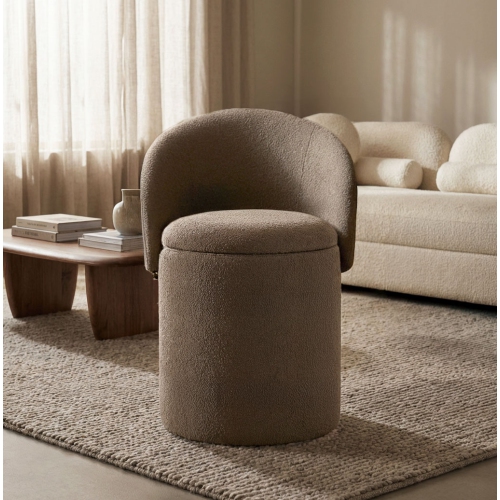
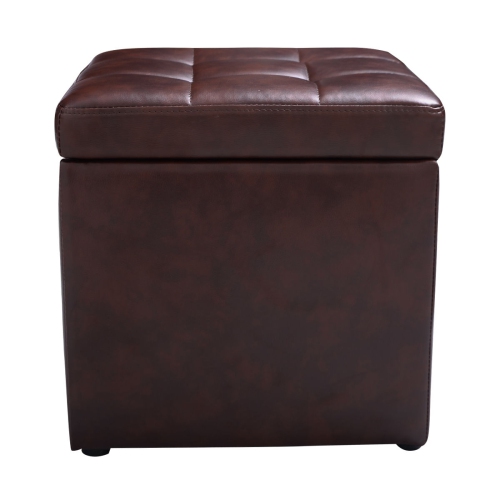
Soft curves and raised legs for an airier room
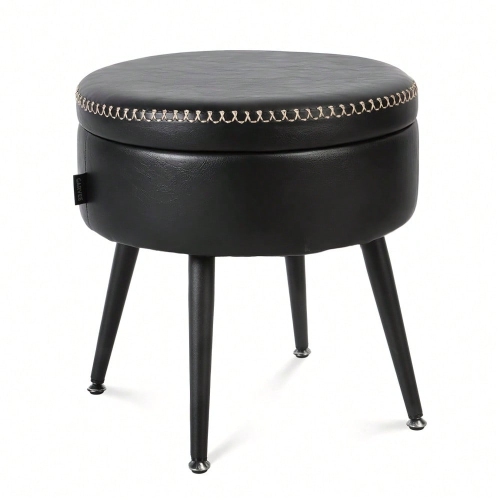
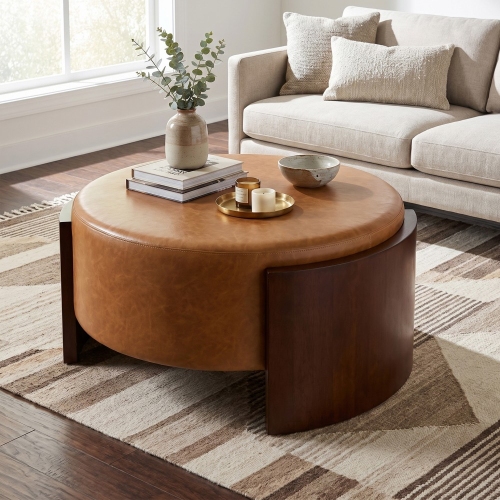
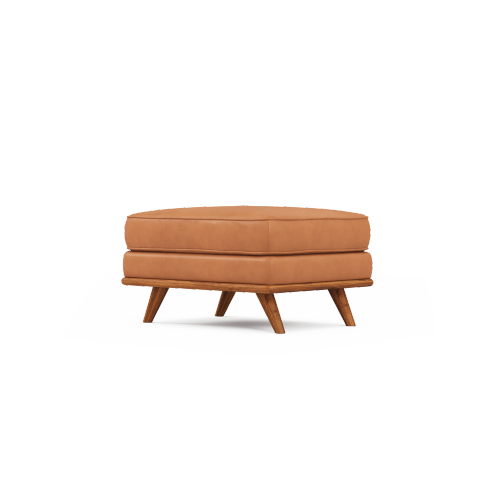
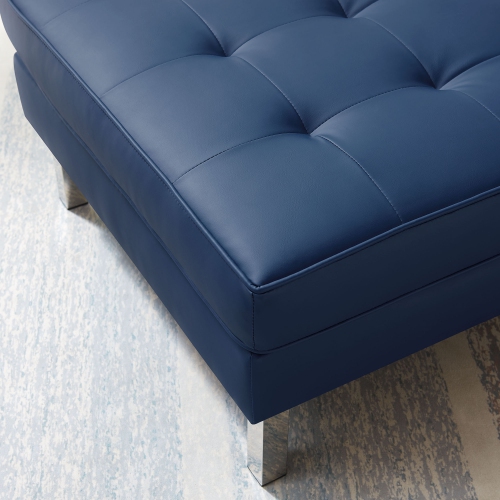
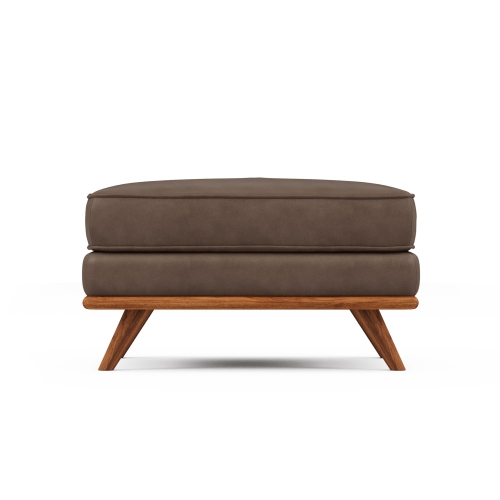
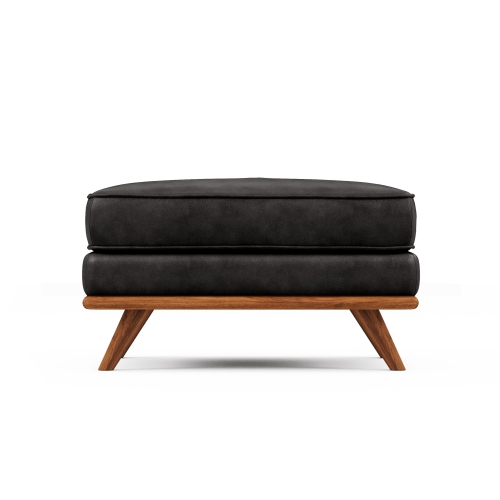
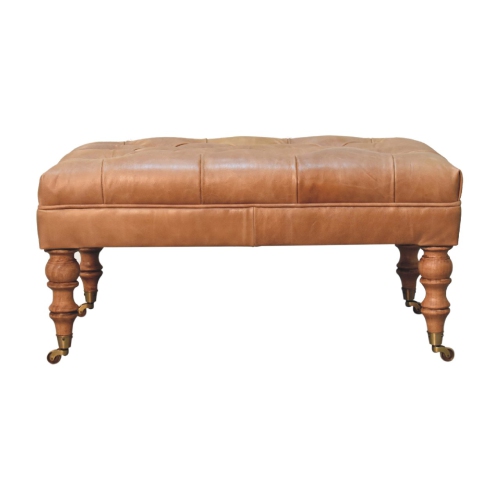
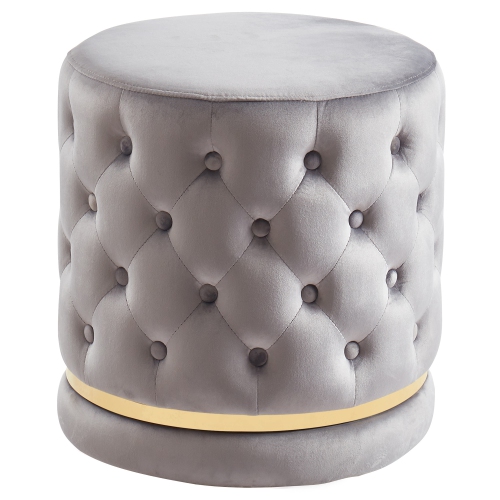
Round leather ottomans with legs bring a soft, rounded shape to rooms filled with straight lines, from a sofa and media console to a rectangular rug or shelving unit. Their circular profile can sit comfortably beside an armchair, in front of a compact loveseat, or between two occasional chairs without adding another sharp corner to the arrangement. Raised legs leave visible space beneath the upholstered body, giving the piece a lighter appearance than an ottoman that sits directly on the floor. That distinction can be especially useful in a smaller living room, where a clear view of the floor helps furniture feel less crowded. The combination of leather upholstery and exposed legs also works across several decorating styles. Warm brown leather and tapered wooden legs suit relaxed, mid-century-inspired spaces, while black upholstery and slim metal legs create a more defined, contemporary look. Cream, grey, and other neutral colours can blend with existing seating, allowing the rounded silhouette and leather grain to provide the detail. Matching an ottoman exactly to the sofa is not essential; repeating a wood tone, metal finish, or accent colour elsewhere in the room can make a contrasting piece feel intentional. Smooth upholstery keeps the look simple, while stitched panels, piping, and tufting introduce more texture. For a more detailed finish, Round Leather Tufted Ottomans provide a related style worth considering alongside the shape and leg design. Beyond appearance, the appeal is practical: a comfortable place to rest tired feet, a movable accent beside a reading chair, or, where the construction and stated weight capacity permit, an occasional seat. In a shared living space, that flexibility can make a relatively small piece of furniture useful throughout the day, without requiring the footprint of another full-sized chair.
Upholstery deserves a close look because the word leather can appear alongside several different material descriptions, each with its own feel and care requirements. Genuine leather has natural variation in grain and markings, and its appearance may develop with use. Full-grain and top-grain leather differ in how the surface is processed, while protective finishes also influence softness, resistance to marks, and cleaning needs. Bonded leather contains leather fibres combined with other materials and should not be treated as interchangeable with a solid leather hide. Faux leather is a manufactured alternative rather than genuine leather, so the upholstery specification matters when a particular material is important to the purchase. A smooth, protected surface may be easier to wipe after everyday contact, but no upholstery should be assumed to resist every spill, scratch, or stain. For households with pets, consider how claws could catch the surface and whether a frequently used footrest will be exposed to grit carried on footwear. Cushioning matters just as much as the outer covering. A softly padded top can feel inviting beneath the ankles, while firmer cushioning generally provides a more stable surface for a tray. Neither upholstery nor firmness alone establishes whether an ottoman is suitable for sitting; that depends on its frame, construction, and stated intended use. A tray can help turn a level ottoman into a convenient spot for a book or remote control, provided it sits securely and does not overhang excessively. Deep tufting and a pronounced domed top are less suited to balancing objects, especially drinks. Underneath, wooden or metal legs influence both the appearance and the way the piece stands. Secure leg attachments, sound frame construction, and an appropriate weight rating are more meaningful durability considerations than a substantial-looking silhouette alone. Where storage is part of the design, check how the lid opens and whether the compartment is genuinely useful for the blankets, accessories, or other belongings it is meant to hold.
A good fit depends on more than finding a diameter that fits an empty patch of floor. Measure the space around the seating area, including the route people take to reach the sofa, nearby doors, and any drawers that need room to open. A round ottoman may soften the flow through a room, but it still needs enough clearance to avoid becoming an obstacle. For use as a footrest, compare its overall height with the seat height of the chair or sofa, remembering that both cushions may compress under weight. An ottoman that sits close to or slightly below the seat often feels more comfortable than one that forces the legs upward. Diameter affects how many people can use the surface comfortably and whether the piece can tuck beside a chair when it is not needed. Leg clearance is worth checking as well: a raised base does not necessarily leave enough room for a vacuum attachment or robot vacuum. On hard flooring, suitable protective pads can help limit marks, while a stable position on the chosen rug or floor helps prevent rocking. Everyday care is usually straightforward when it follows the upholstery maker’s directions. Remove dust with a soft cloth, blot spills promptly rather than rubbing them into the surface, and avoid soaking seams or tufted areas. Use cleaners and conditioners only when they are recommended for the specific material and finish; a treatment intended for genuine leather may not suit faux or bonded leather. Direct sunlight and nearby heat sources can affect upholstery over time, so placement beside a bright window or heater deserves consideration. Check leg fittings periodically and tighten them only as directed. For a housewarming gift or a thoughtful addition to a reading nook, a round leather ottoman with legs is most useful when its dimensions, finish, and intended function suit the recipient’s room. Those details help it become a comfortable part of everyday life rather than simply another accent to arrange around.
Top selling and popular products
-
 Your price for this item is $644.99
-
 Your price for this item is $978.99
-
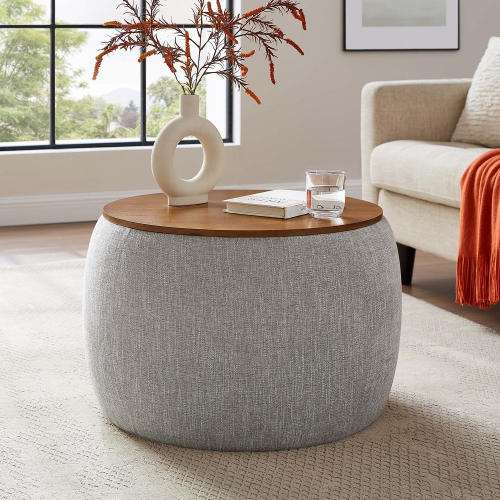 Your price for this item is $286.83
-
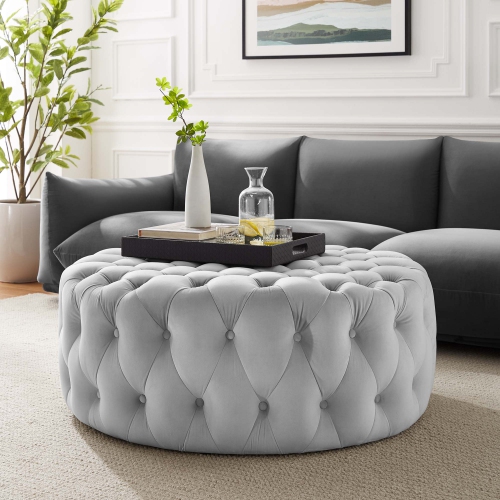 Your price for this item is $765.09
-
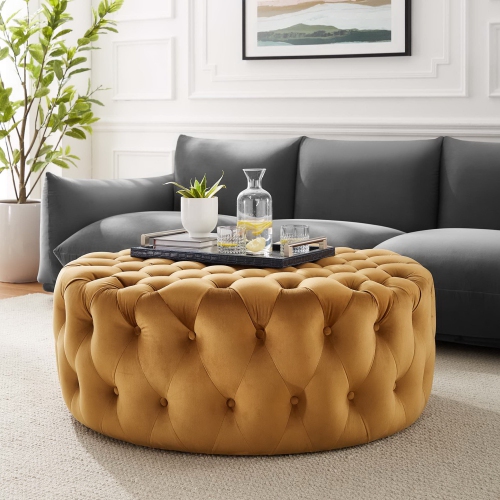 Your price for this item is $765.09
-
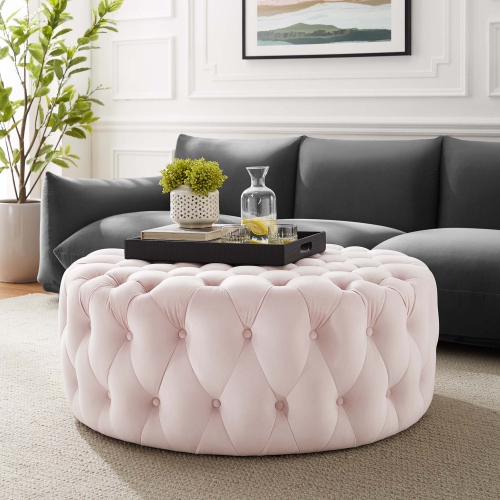 Your price for this item is $765.09
-
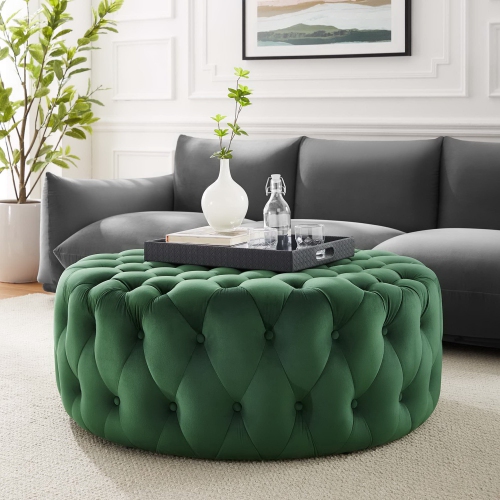 Your price for this item is $765.09
-
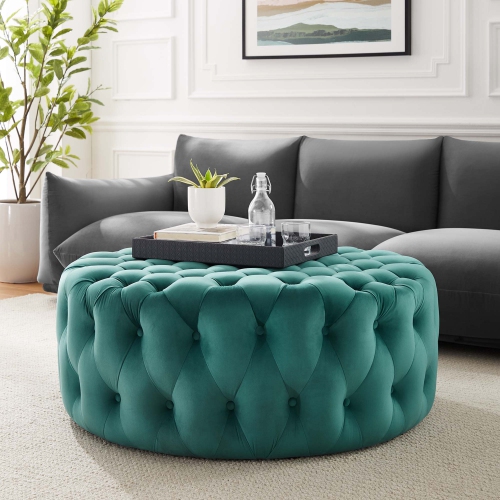 Your price for this item is $765.09
Discover more categories related to Round Leather Ottomans With Legs
Top Collections:
Best Black Friday Deals This Year, Best Black Friday Deals On Electronics, Kindle Devices, Dyson Airwrap, Best Cameras for Sports Photography, Best Budget Office Chairs, Canon G7X Cameras, PS5 Pro Consoles, Best Black Friday Deals On Apple Products, XBOX One S Consoles
Some products may be subject to Environmental Handling Fees
(EHF) depending on your province.
Learn more about EHFs.