Safety Gloves
When it comes to keeping your hands protected during various tasks, safety gloves are an essential accessory. Whether you're working on DIY projects, gardening, or handling heavy machinery, having the right pair of safety gloves can make all the difference. From durable materials to specialized designs, there is a wide range of options available to suit different needs and preferences. Discover a selection of safety gloves that prioritize both comfort and protection for your hands in any situation.
Sort
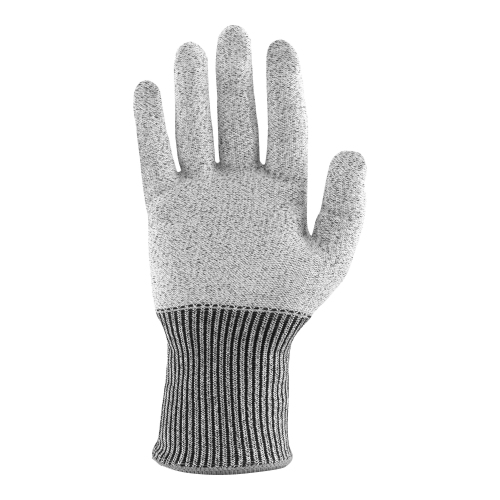
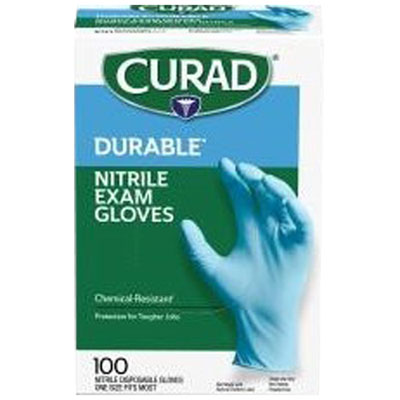
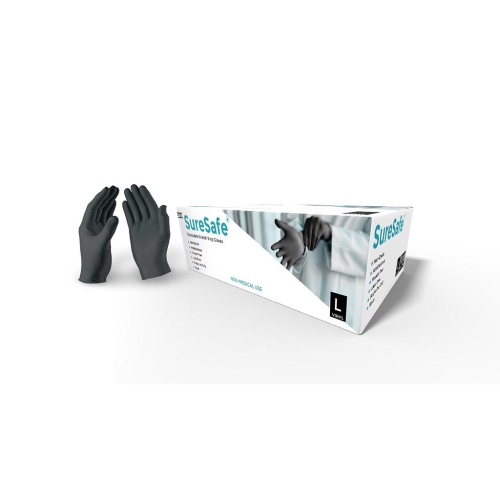
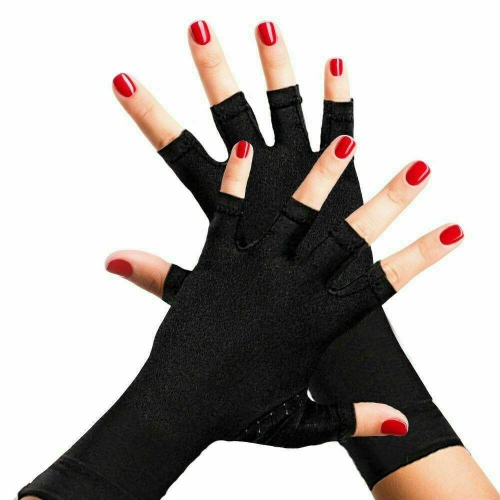
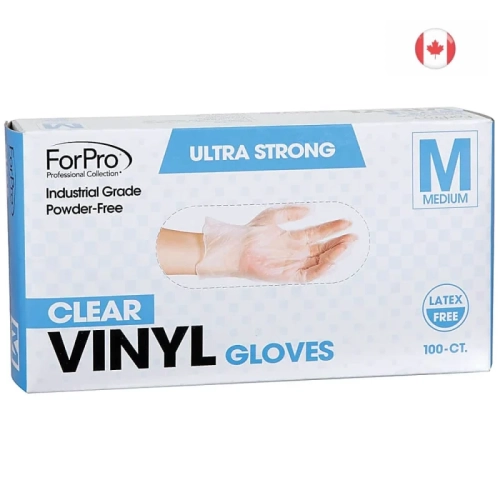
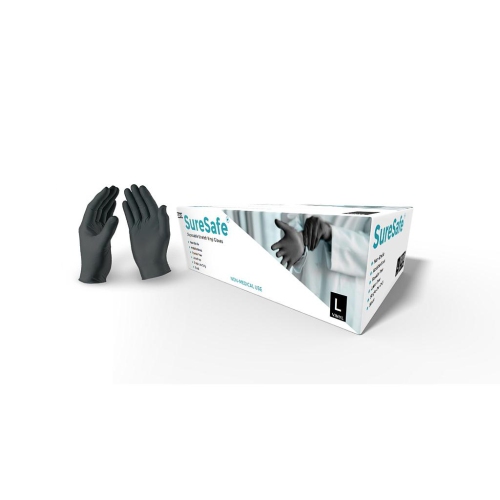
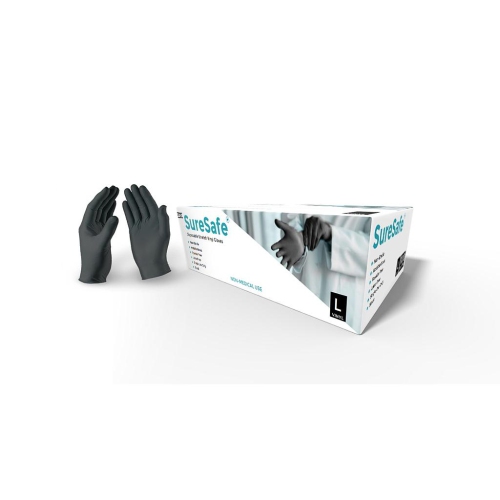
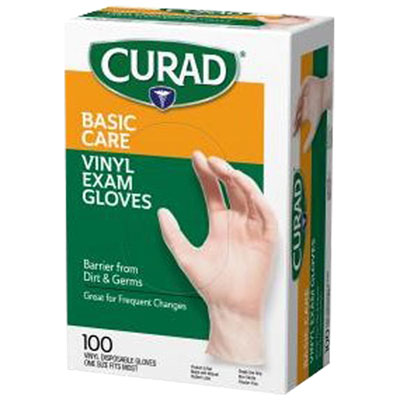
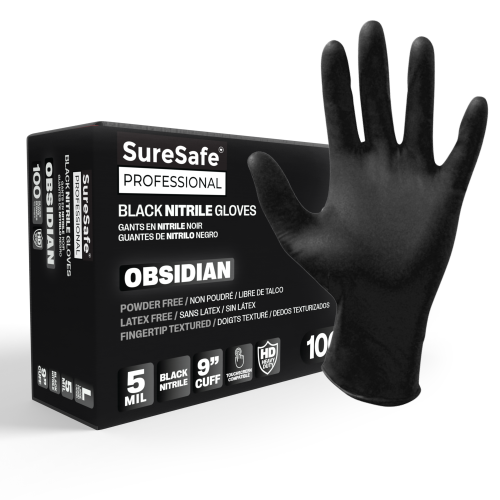
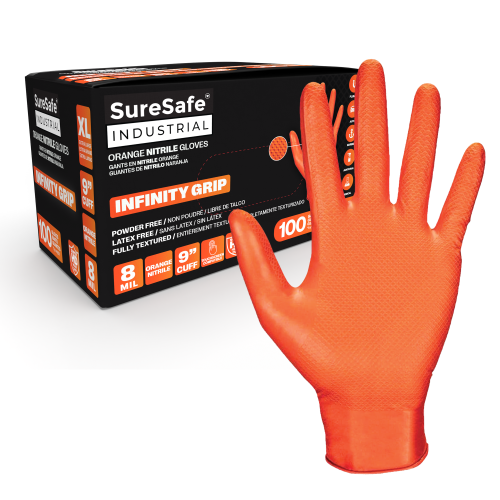
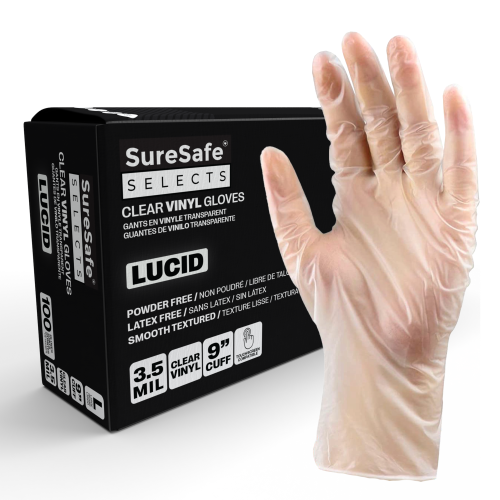
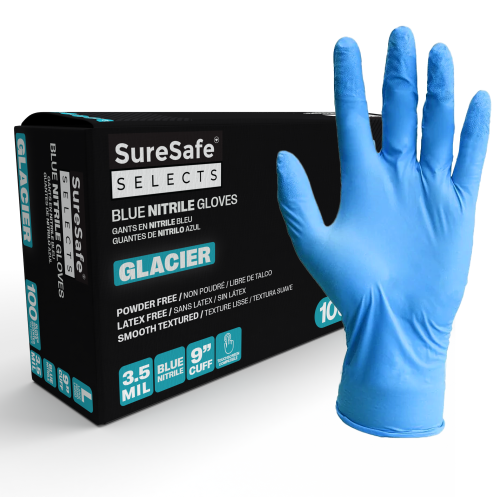
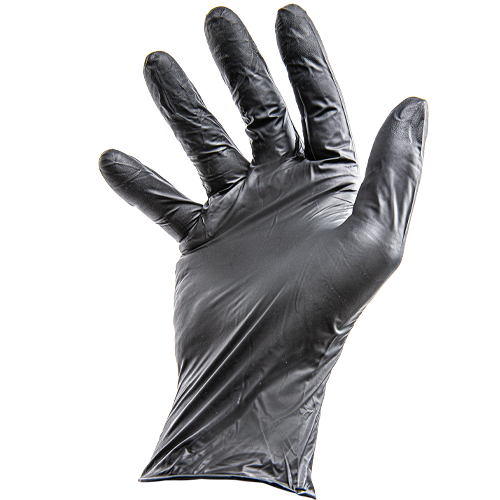
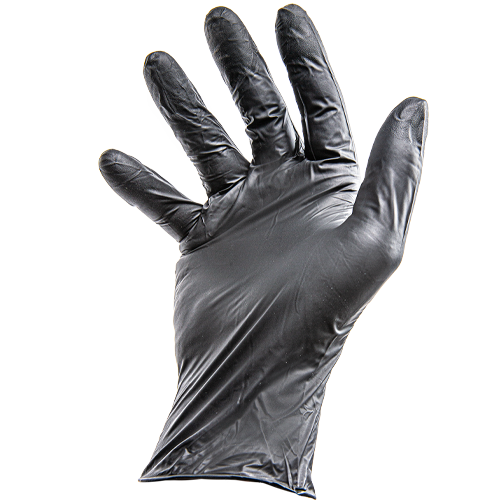
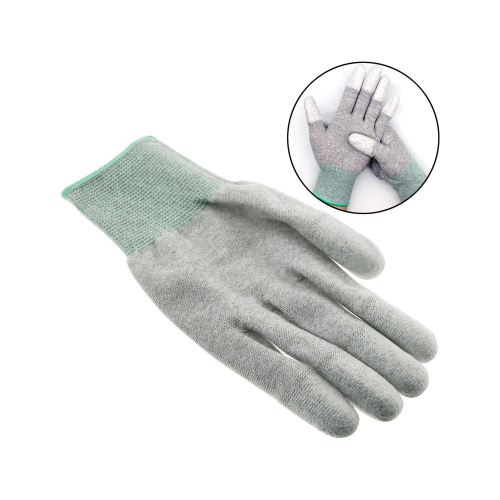
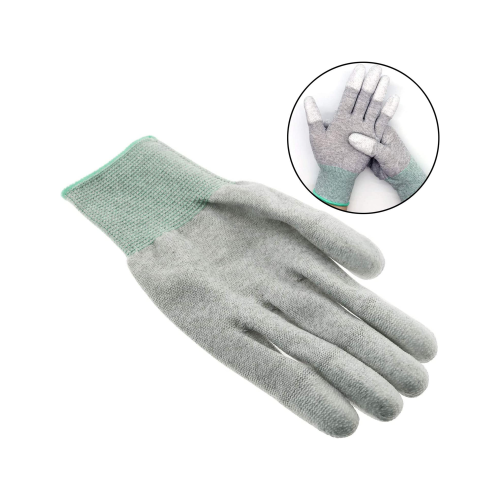
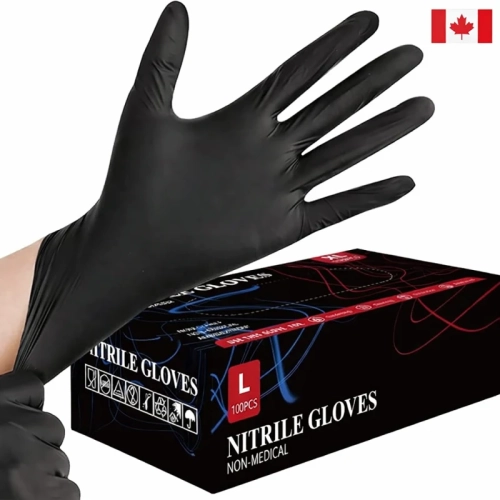



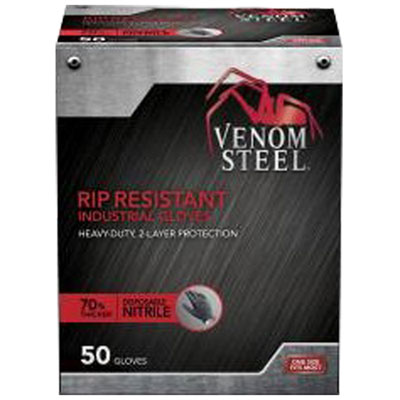
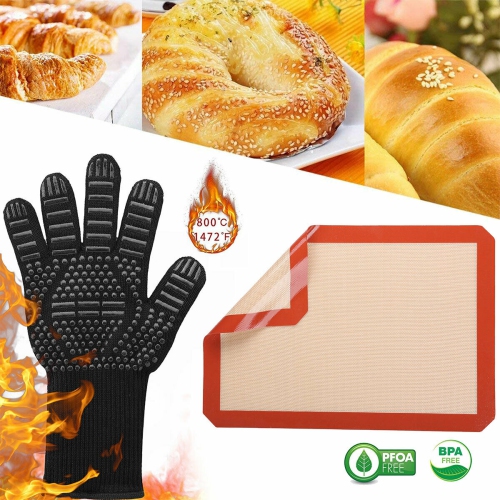
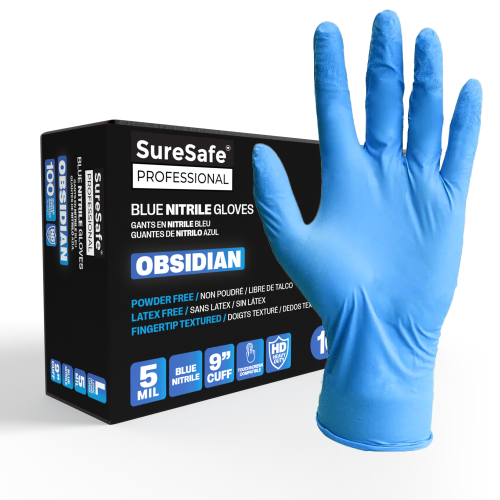
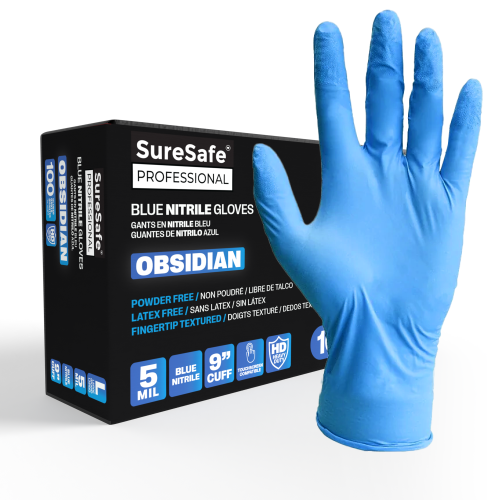
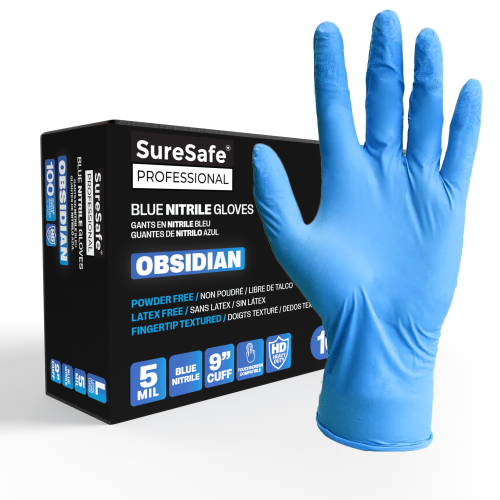
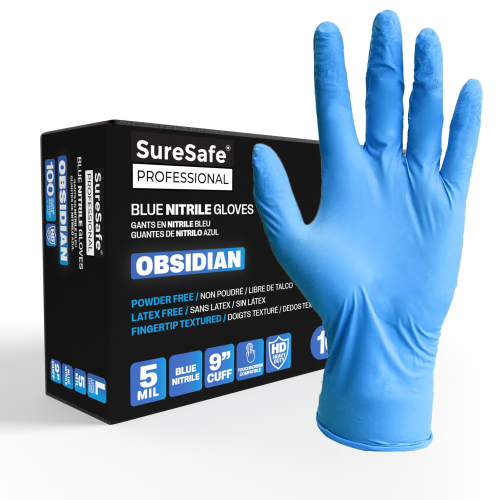
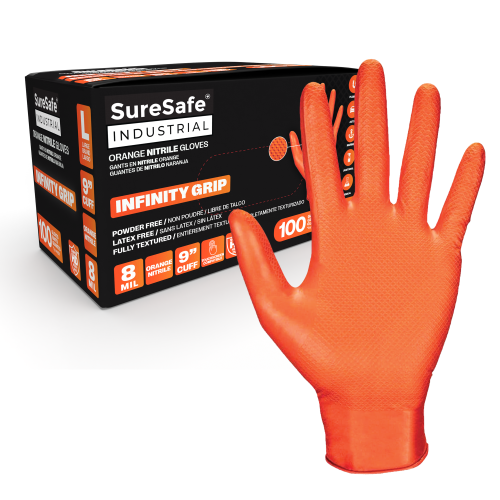
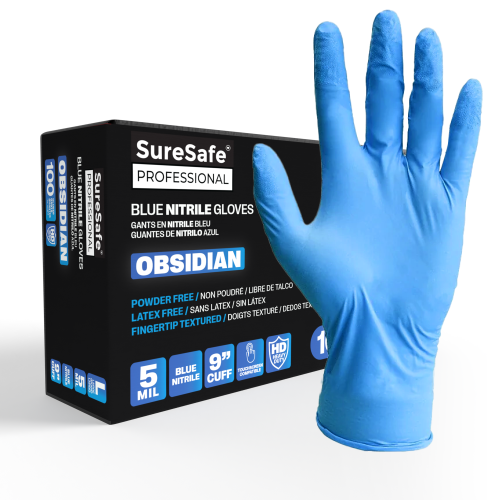
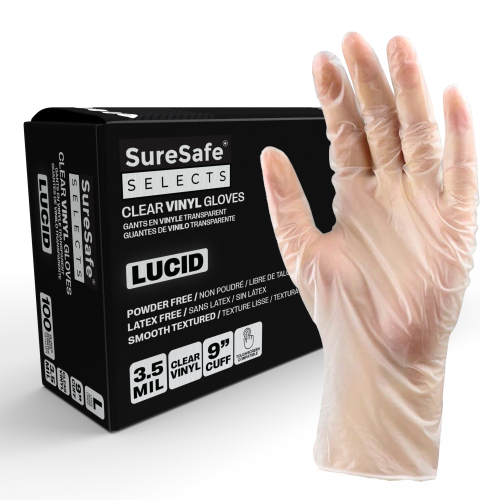

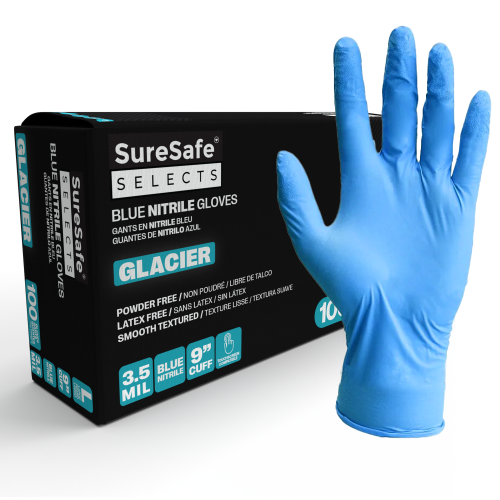




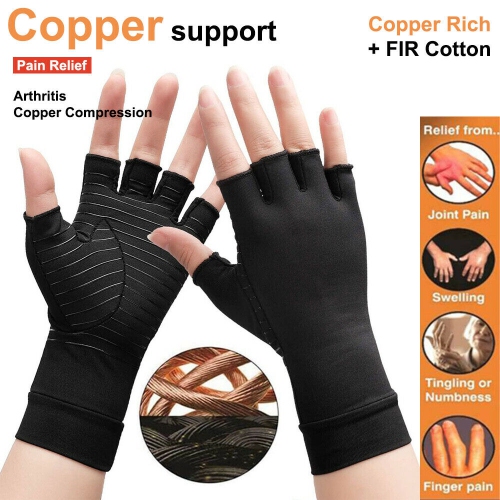
Protection for safer handling across demanding hands-on tasks
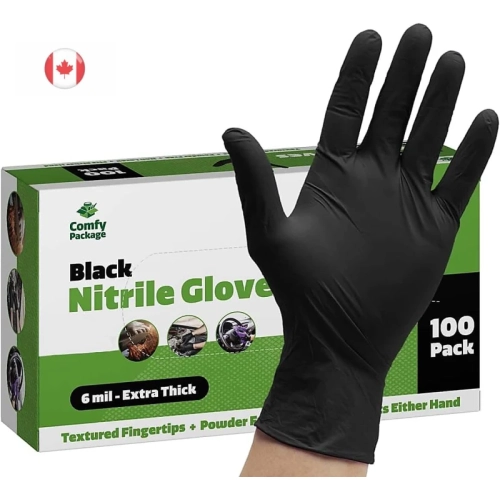
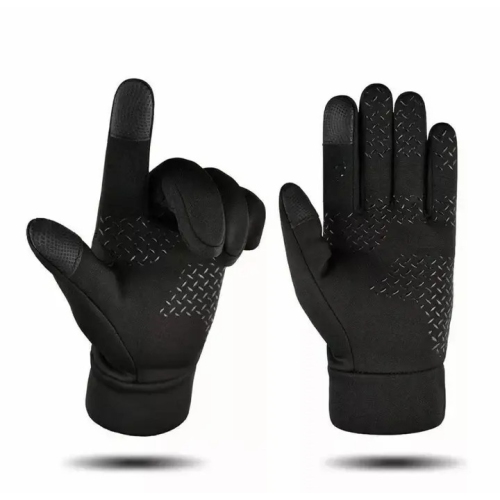
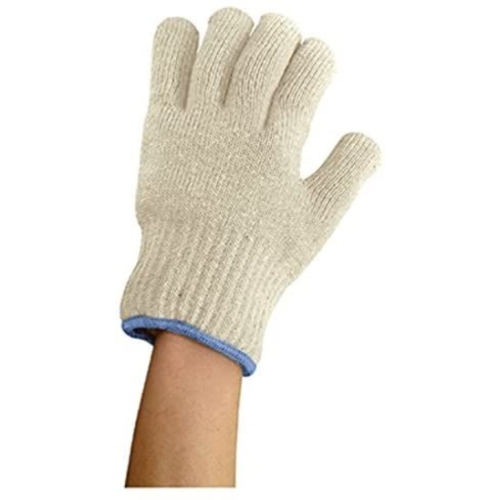
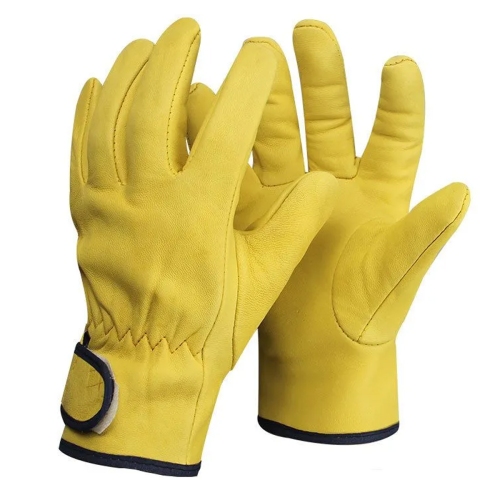
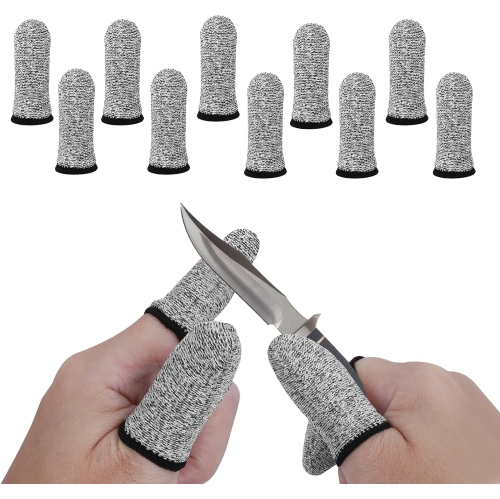
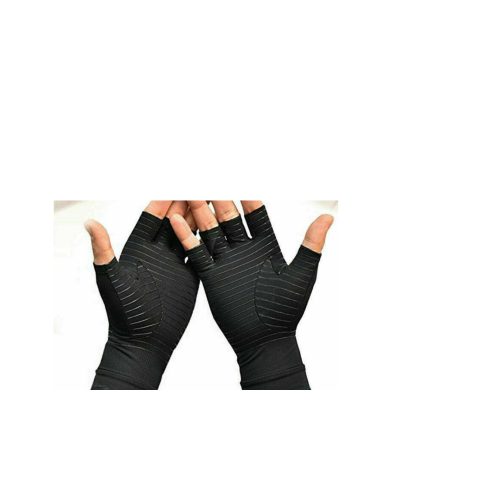
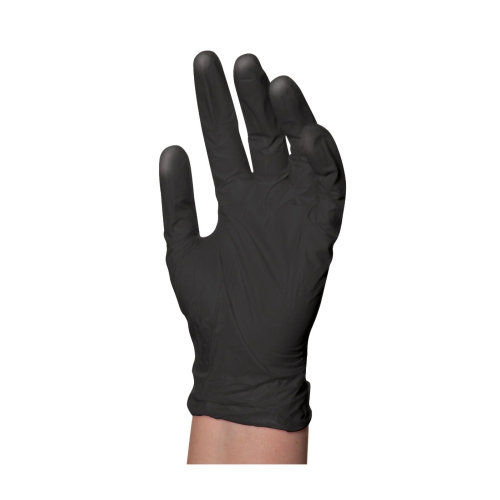
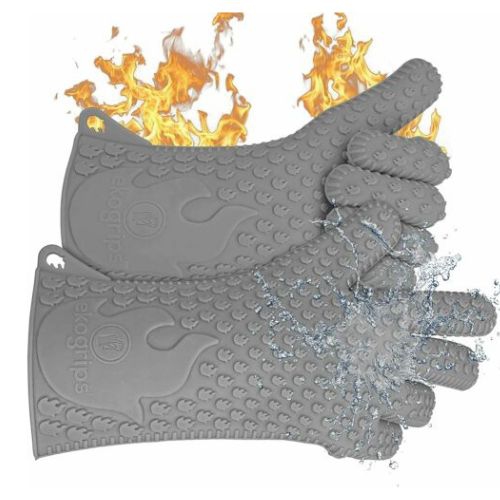
Safety gloves are an important part of hand protection for work, maintenance, repairs, and many hands-on activities around the home. The right pair can help guard against common hazards such as sharp edges, rough surfaces, heat, cold, oils, liquids, and everyday abrasions, while still allowing enough flexibility to handle tools and materials confidently. Because no single glove is designed for every task, it is helpful to begin by identifying the main risk involved. Cut-resistant gloves are suited to jobs involving sharp tools, sheet metal, glass, blades, or other edges, with some made using engineered yarns or high-strength fibres for added resistance. Nitrile-dipped and other coated work gloves are popular for general material handling because they can provide a secure grip and useful dexterity when moving boxes, lumber, equipment, or parts. Leather work gloves offer a durable barrier for rough handling, construction tasks, gardening, landscaping, and jobs where abrasion is a concern. Chemical-resistant gloves made from materials such as rubber, neoprene, or PVC are intended for handling certain liquids and chemicals, although the glove’s specifications should always be checked against the substance being used. Disposable gloves may be suitable for light-duty tasks involving dirt, food preparation, cleaning, or minor contamination, but they are not a substitute for properly rated protective equipment when working with hazardous chemicals, extreme temperatures, or sharp objects. For a broader selection of hand protection suited to workplaces and practical tasks, explore Professional Gloves.
Fit and material are just as important as the protection rating. Gloves that are too loose can catch on tools or make it harder to maintain control, while gloves that are too tight may restrict movement and become uncomfortable during longer jobs. Look for a close, secure fit around the palm and fingers, with enough room to bend the hand naturally without excess material at the fingertips. A textured palm or coated surface can improve grip when handling smooth, oily, damp, or uneven objects. Breathable fabrics may feel more comfortable during extended wear, while insulated construction can help retain warmth during cooler outdoor work. For jobs involving heat, check whether the gloves are specifically rated for the expected temperature rather than assuming that a thick glove is heat-resistant. Similarly, water resistance does not automatically mean protection from chemicals, and cut resistance does not mean a glove is puncture-proof. Read the product details carefully for intended use, resistance ratings, sizing information, care instructions, and any limitations. Gloves should be clean, dry, and free from tears, thinning, hardened areas, or damaged seams before use. Replacing worn hand protection is especially important when the material no longer provides a reliable barrier or when the grip has become smooth. During the transition from warmer weather into cooler months, safety gloves can be useful for outdoor repairs, firewood handling, vehicle maintenance, workshop projects, moving tasks, and seasonal property care. Keeping several types available can make it easier to choose protection that matches the job instead of relying on one general-purpose pair for every situation.
Safety gloves can be useful for a wide range of people, including tradespeople, warehouse and delivery workers, mechanics, gardeners, landscapers, cleaners, hobbyists, renovators, and anyone who regularly works with tools or materials. They can also make a practical gift for a new homeowner, a student setting up a workshop, a family member who enjoys woodworking, or someone preparing for hands-on outdoor projects during the cooler months. When selecting gloves as a gift, consider the recipient’s activities and choose a versatile option with clear sizing information, or pair general-purpose gloves with a more task-specific style if their work is known. Someone who spends weekends repairing bicycles may value flexible gloves with a dependable grip, while a person handling rough lumber may prefer reinforced leather construction. A home gardener may appreciate gloves that balance protection with fingertip movement, whereas a person working with sharp tools should look for an appropriate cut-resistance rating. It is also worth considering whether the gloves will be worn over extended periods, exposed to moisture, or used in a setting where cleanability matters. Protective gloves are most effective when they are appropriate for the hazard, worn correctly, and used alongside other recommended safety measures such as eye protection, suitable clothing, ventilation, and careful tool handling. Always follow workplace instructions and the manufacturer’s guidance, especially when working with chemicals, high heat, electrical equipment, or machinery. With the right combination of material, fit, grip, and protection level, safety gloves can help make demanding tasks feel more controlled while supporting comfortable, confident hand movement.
Fit and material are just as important as the protection rating. Gloves that are too loose can catch on tools or make it harder to maintain control, while gloves that are too tight may restrict movement and become uncomfortable during longer jobs. Look for a close, secure fit around the palm and fingers, with enough room to bend the hand naturally without excess material at the fingertips. A textured palm or coated surface can improve grip when handling smooth, oily, damp, or uneven objects. Breathable fabrics may feel more comfortable during extended wear, while insulated construction can help retain warmth during cooler outdoor work. For jobs involving heat, check whether the gloves are specifically rated for the expected temperature rather than assuming that a thick glove is heat-resistant. Similarly, water resistance does not automatically mean protection from chemicals, and cut resistance does not mean a glove is puncture-proof. Read the product details carefully for intended use, resistance ratings, sizing information, care instructions, and any limitations. Gloves should be clean, dry, and free from tears, thinning, hardened areas, or damaged seams before use. Replacing worn hand protection is especially important when the material no longer provides a reliable barrier or when the grip has become smooth. During the transition from warmer weather into cooler months, safety gloves can be useful for outdoor repairs, firewood handling, vehicle maintenance, workshop projects, moving tasks, and seasonal property care. Keeping several types available can make it easier to choose protection that matches the job instead of relying on one general-purpose pair for every situation.
Safety gloves can be useful for a wide range of people, including tradespeople, warehouse and delivery workers, mechanics, gardeners, landscapers, cleaners, hobbyists, renovators, and anyone who regularly works with tools or materials. They can also make a practical gift for a new homeowner, a student setting up a workshop, a family member who enjoys woodworking, or someone preparing for hands-on outdoor projects during the cooler months. When selecting gloves as a gift, consider the recipient’s activities and choose a versatile option with clear sizing information, or pair general-purpose gloves with a more task-specific style if their work is known. Someone who spends weekends repairing bicycles may value flexible gloves with a dependable grip, while a person handling rough lumber may prefer reinforced leather construction. A home gardener may appreciate gloves that balance protection with fingertip movement, whereas a person working with sharp tools should look for an appropriate cut-resistance rating. It is also worth considering whether the gloves will be worn over extended periods, exposed to moisture, or used in a setting where cleanability matters. Protective gloves are most effective when they are appropriate for the hazard, worn correctly, and used alongside other recommended safety measures such as eye protection, suitable clothing, ventilation, and careful tool handling. Always follow workplace instructions and the manufacturer’s guidance, especially when working with chemicals, high heat, electrical equipment, or machinery. With the right combination of material, fit, grip, and protection level, safety gloves can help make demanding tasks feel more controlled while supporting comfortable, confident hand movement.
Top selling and popular products
-
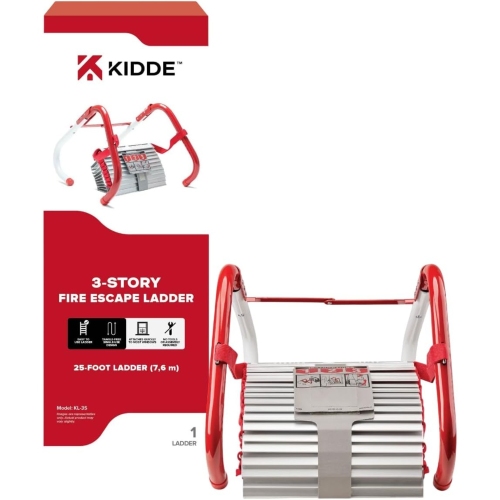 Your price for this item is $189.05
 -
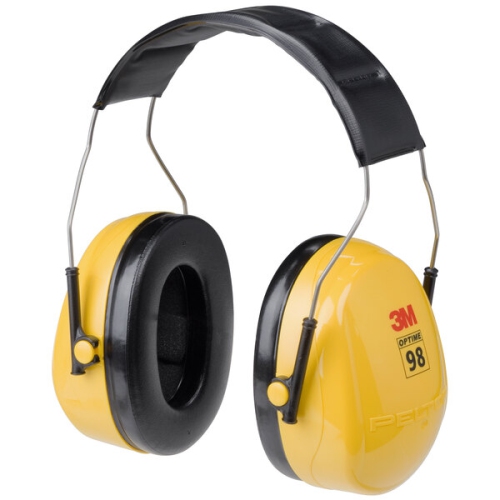 Your price for this item is $39.25
 -
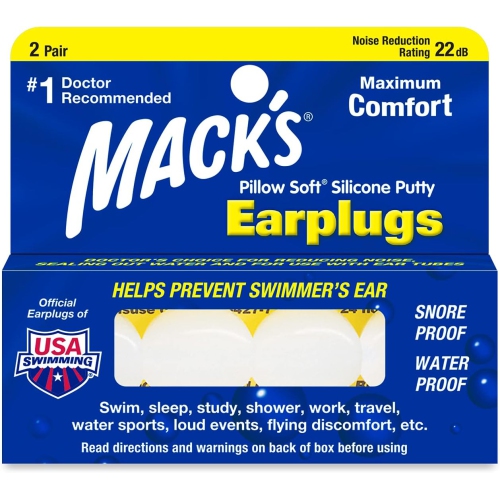 Your price for this item is $21.99
 -
 Your price for this item is $16
 -
 Your price for this item is $44.8
 -
 Your price for this item is $52
 -
 Your price for this item is $2.68
 -
 Your price for this item is $31.99
Discover more categories related to Safety Gloves
Top Collections:
Pokemon Centers, Kindle Devices, Best Budget Office Chairs, Apple iPhones 16, Best Laptops for Writers, iPhone 15 Apple, Canon G7X Cameras, Refurbished Apple Laptops, Alarm Clock, Motorola Razr Phones
Some products may be subject to Environmental Handling Fees
(EHF) depending on your province.
Learn more about EHFs.