Rugs From Turkey
Transform your living space with the timeless beauty of Turkish rugs. Crafted with exquisite artistry and rich cultural heritage, these rugs are a perfect blend of tradition and sophistication. From intricate patterns to vibrant colors, each rug tells a unique story that adds warmth and character to any room. Whether you're looking to create a cozy ambiance or make a bold statement, our collection of Turkish rugs offers endless options to suit your style and elevate your home decor. Discover the allure of Turkish craftsmanship and bring a touch of elegance to your floors with our stunning selection of rugs from Turkey.
Sort
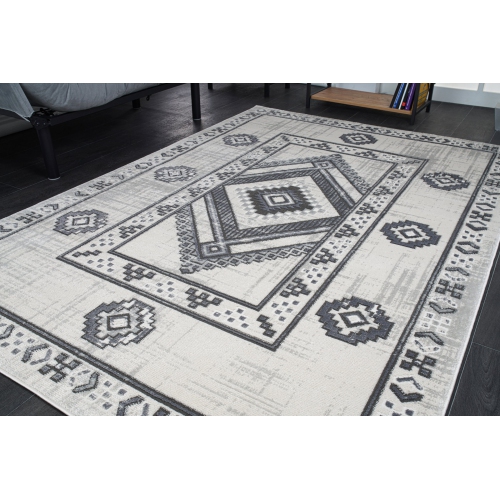
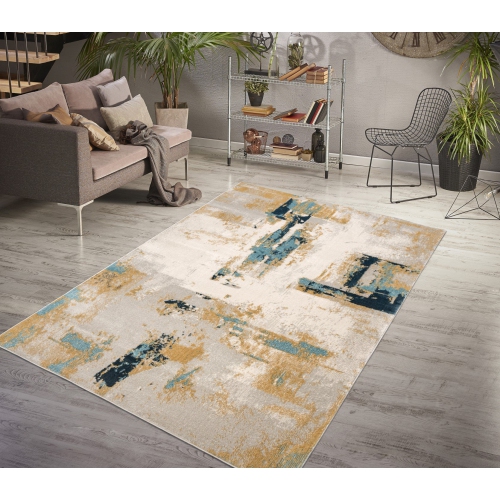
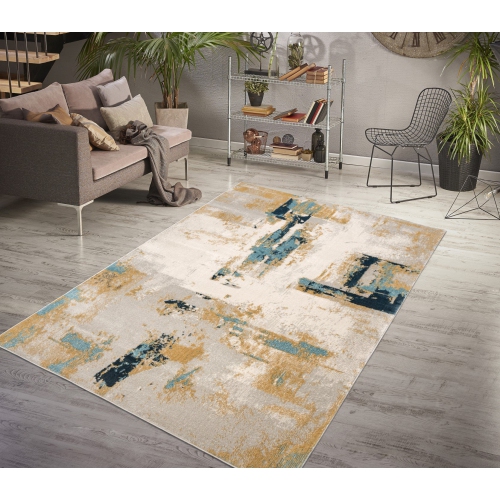
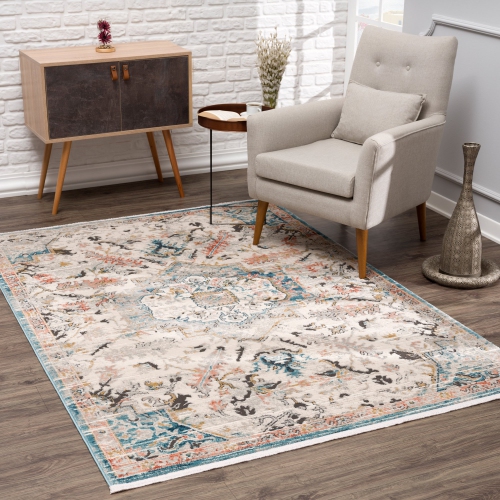
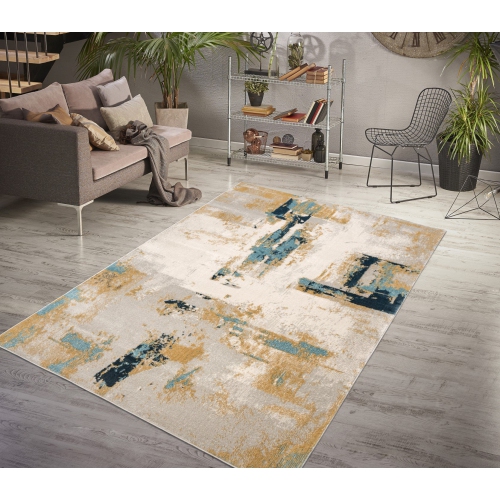
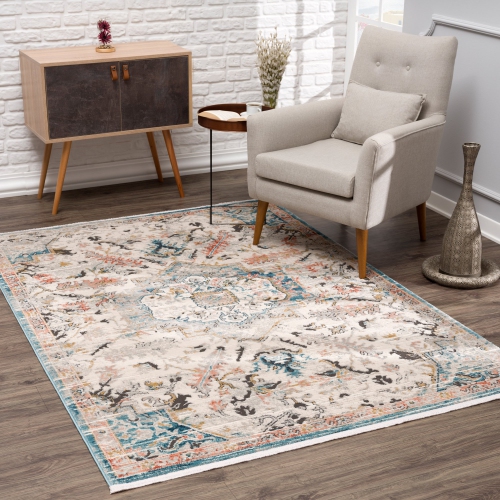
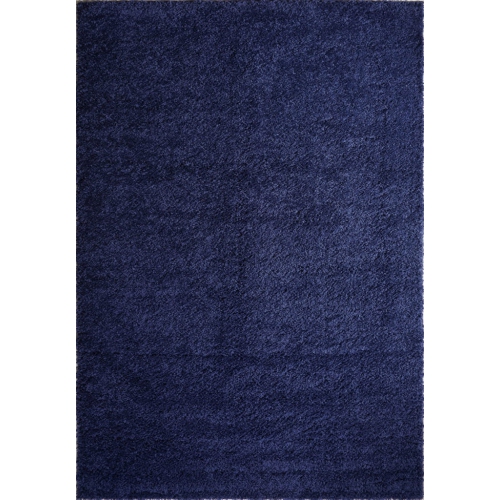
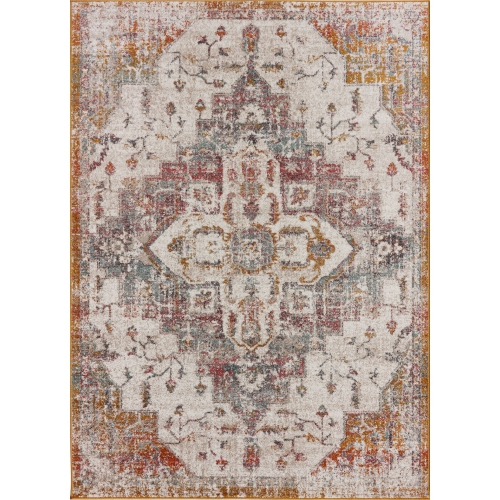
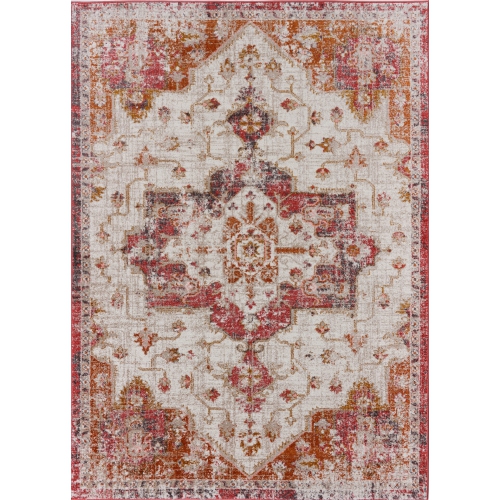
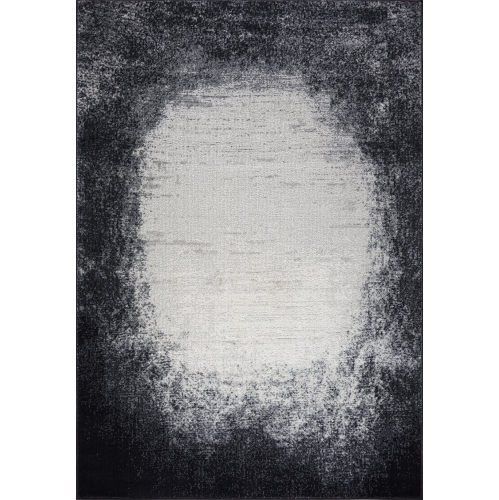
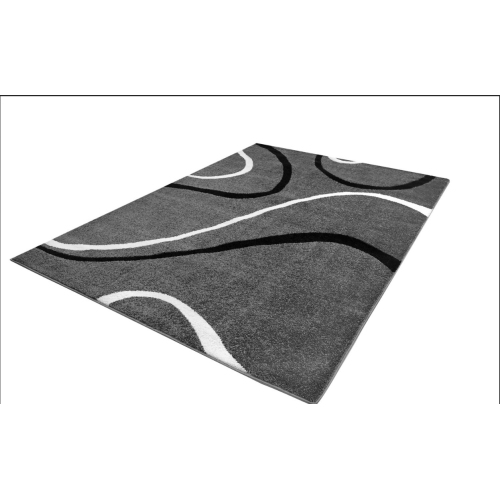
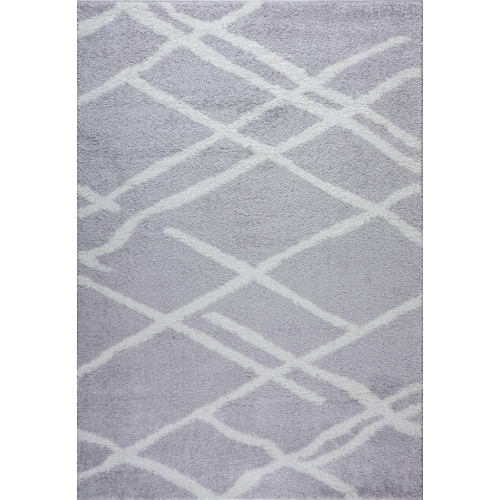
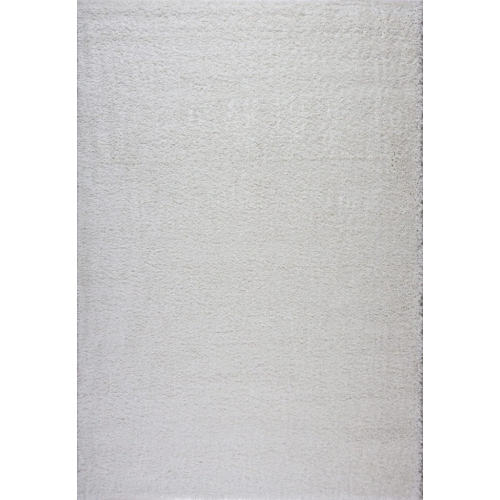

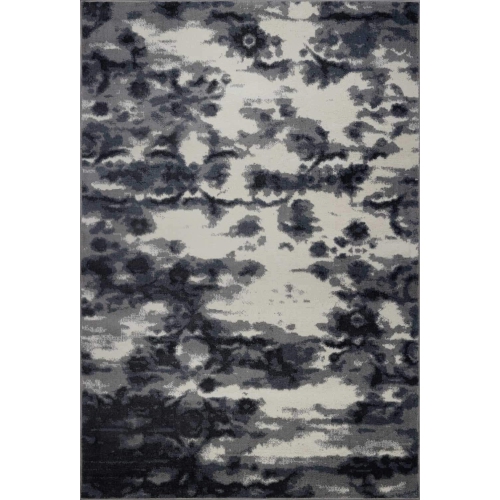
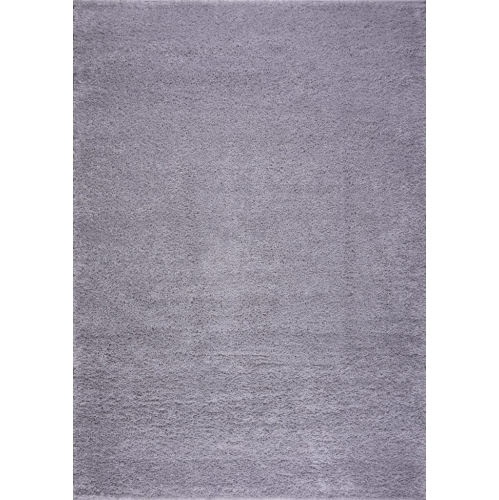
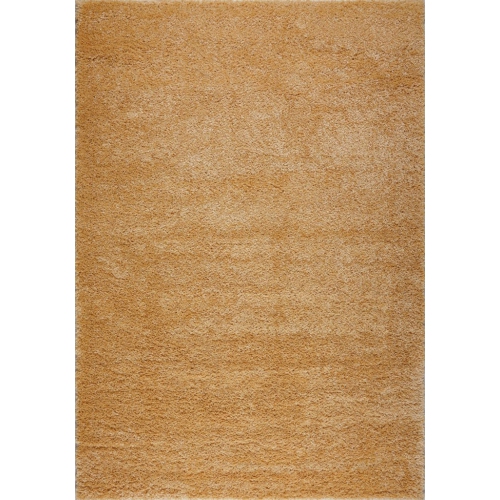
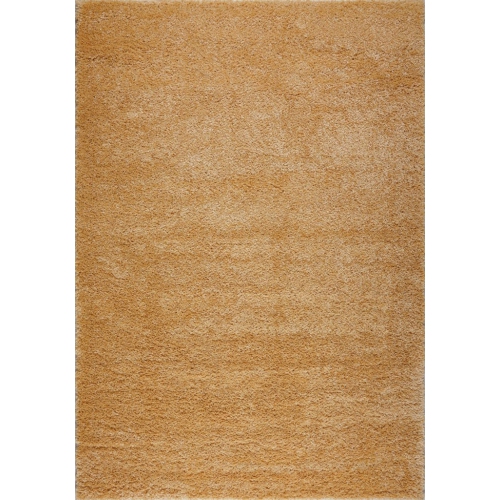

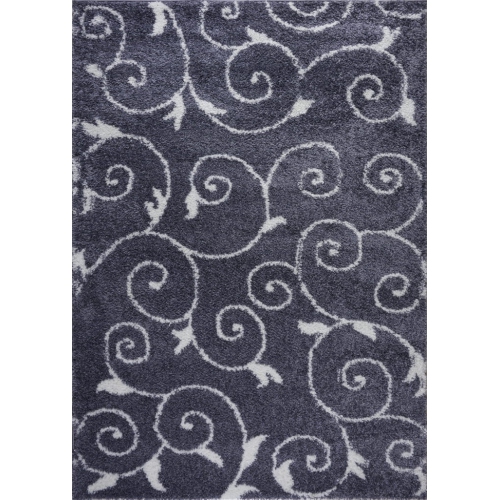
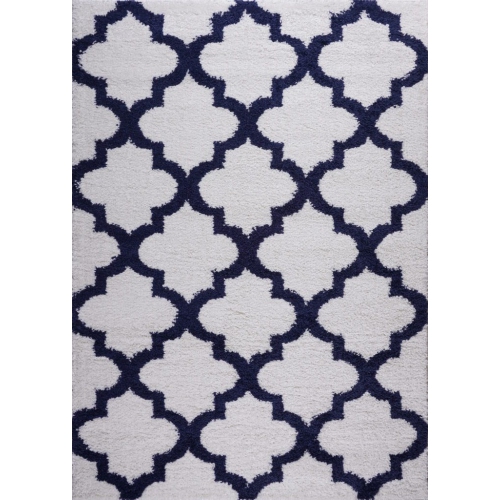
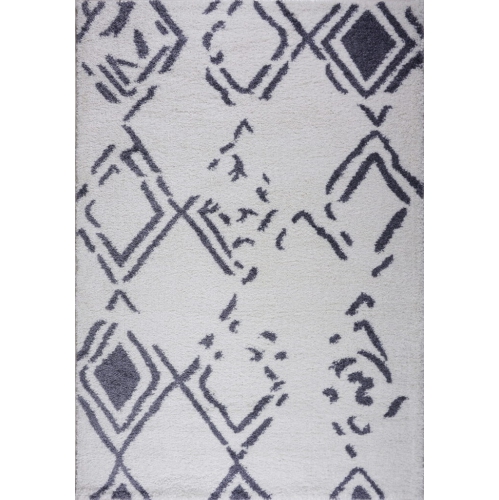
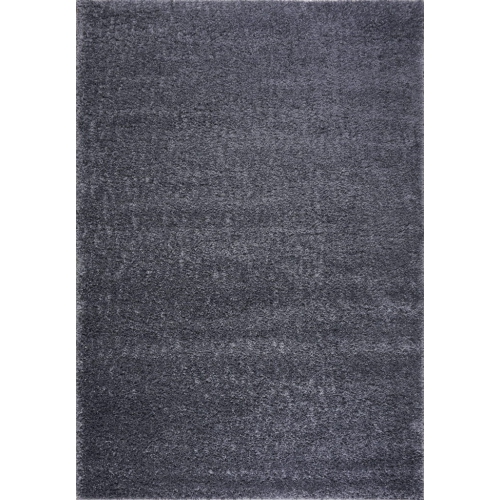
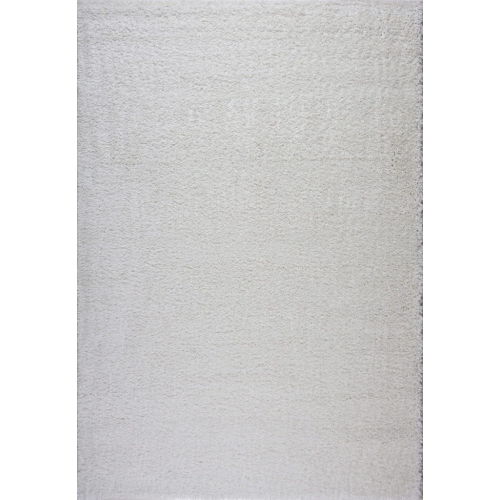
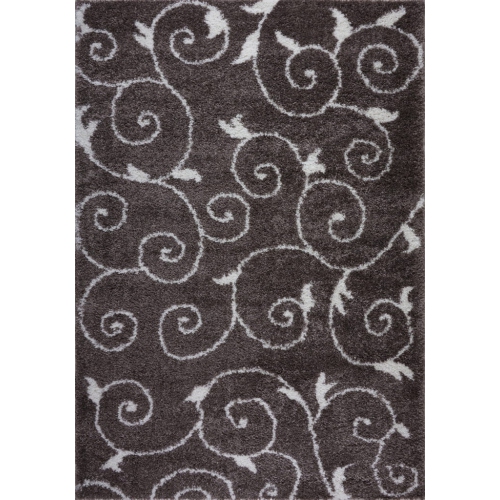
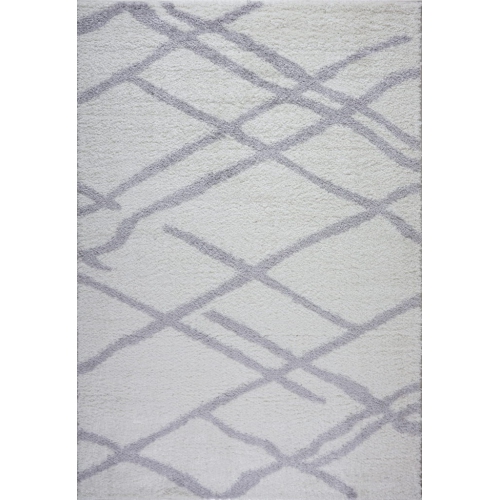
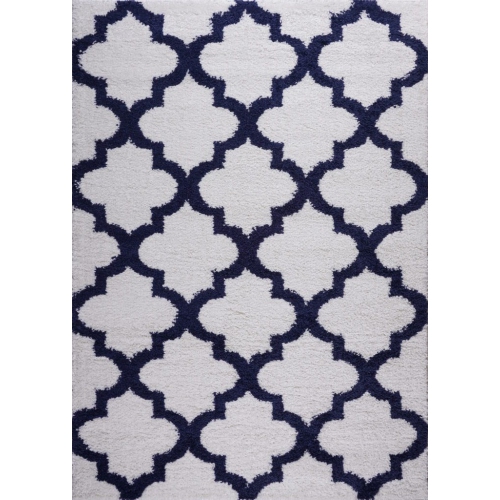
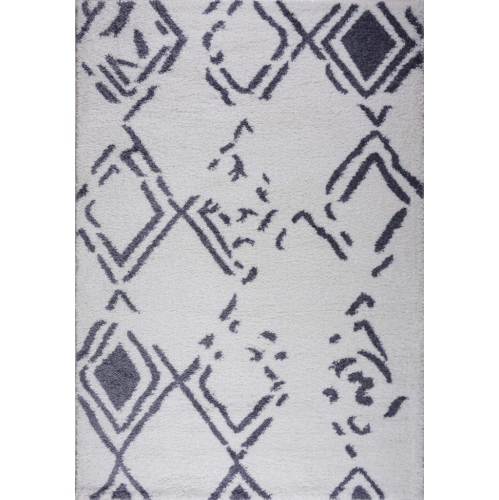
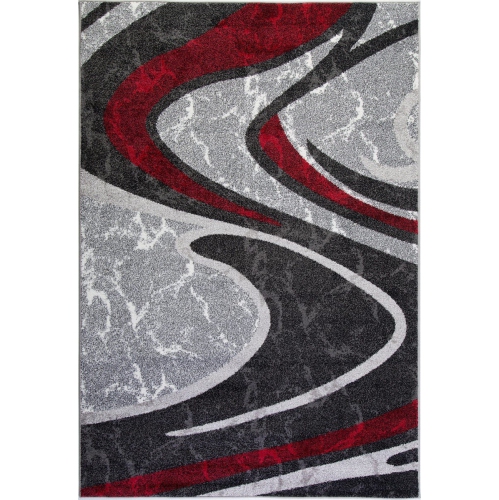
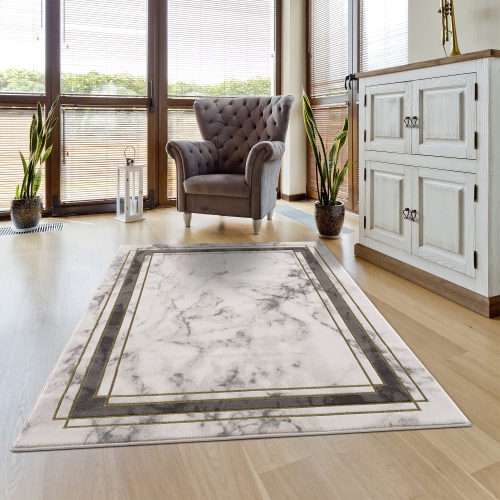
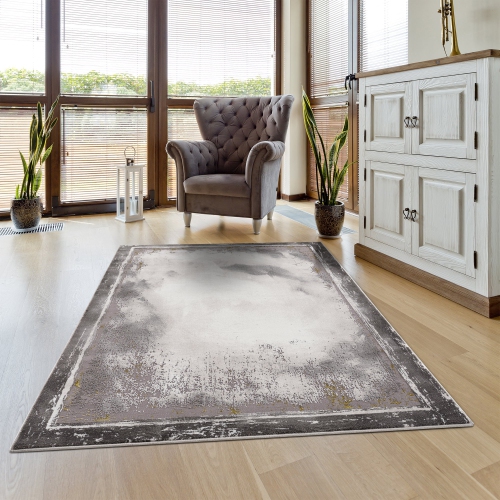
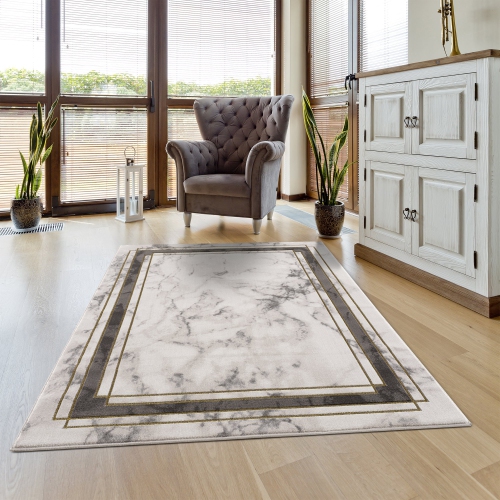
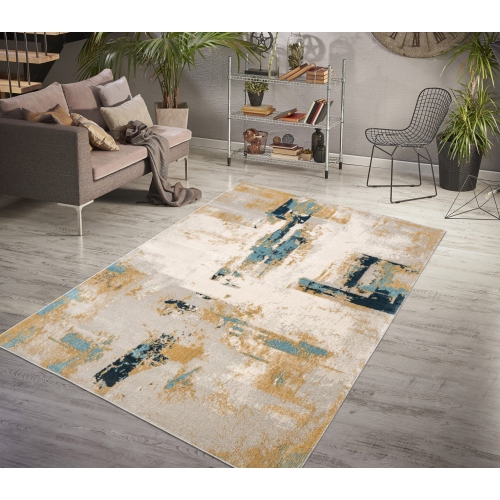
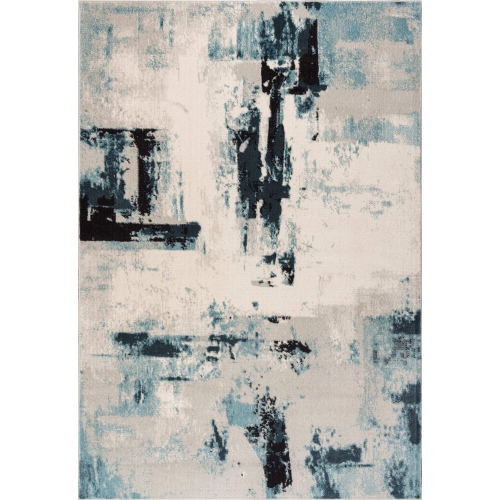
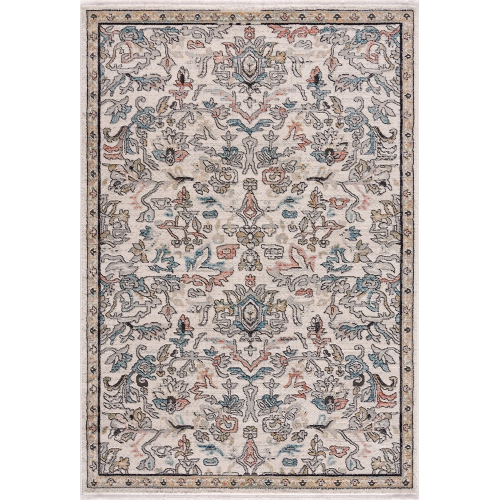
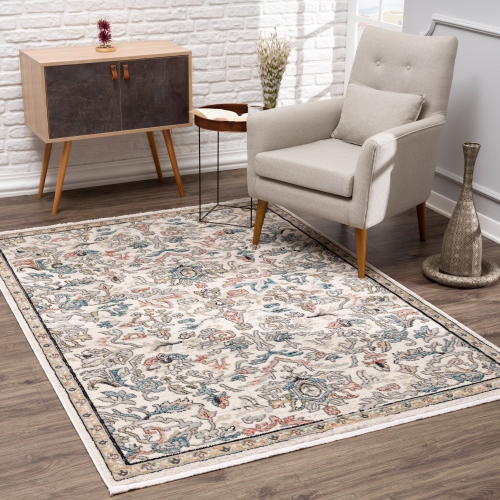
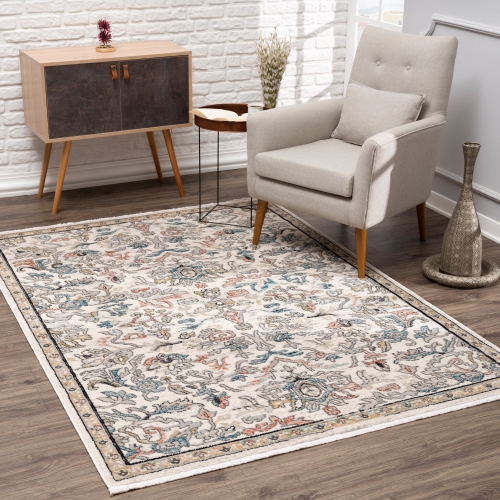
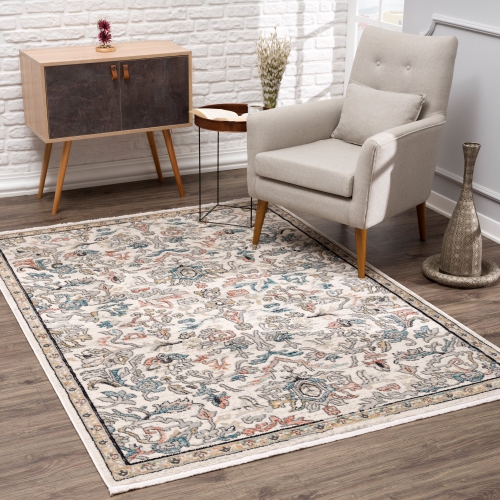
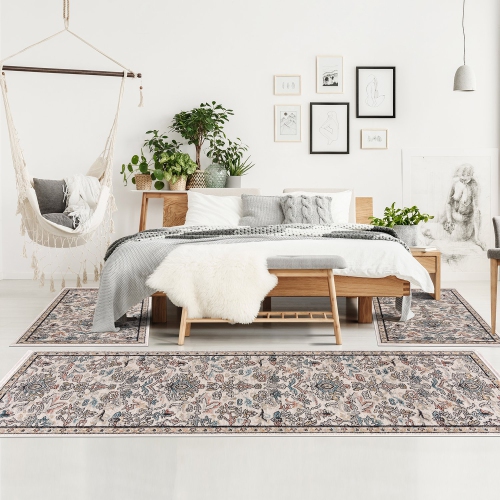
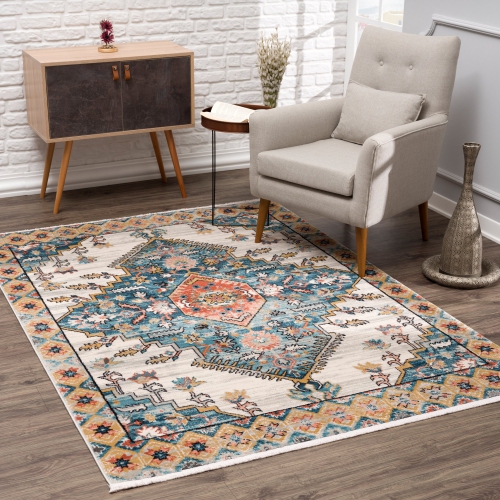
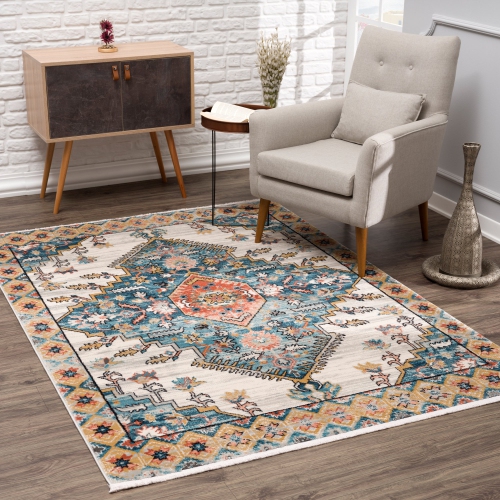
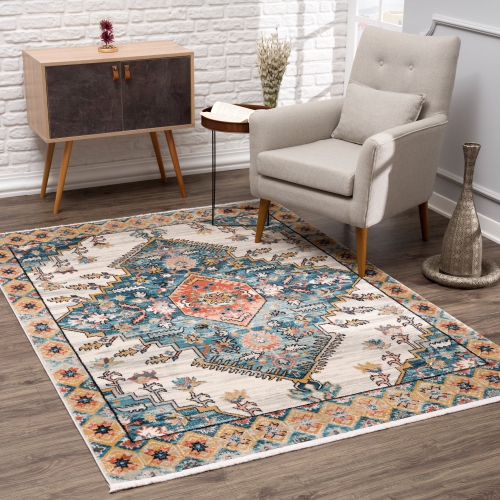


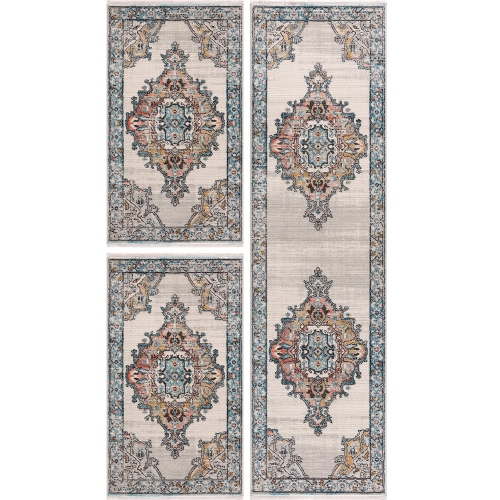
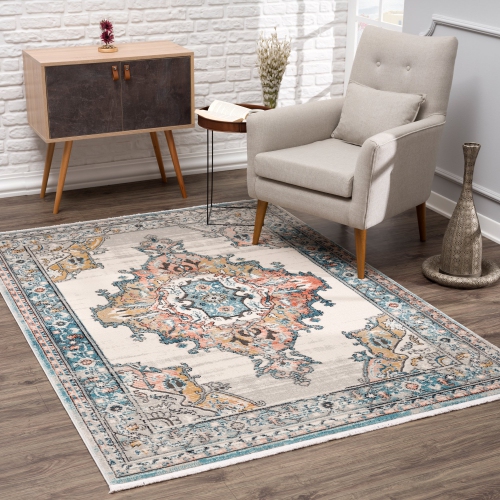
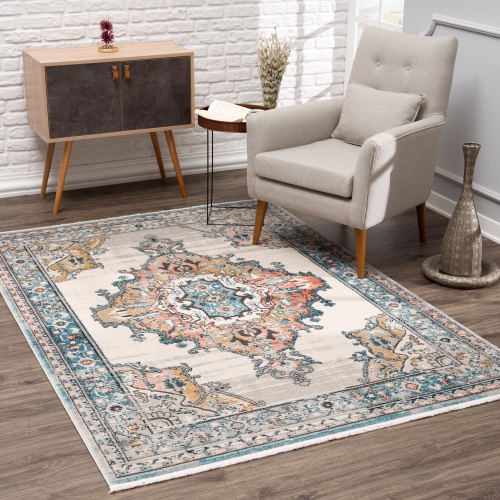
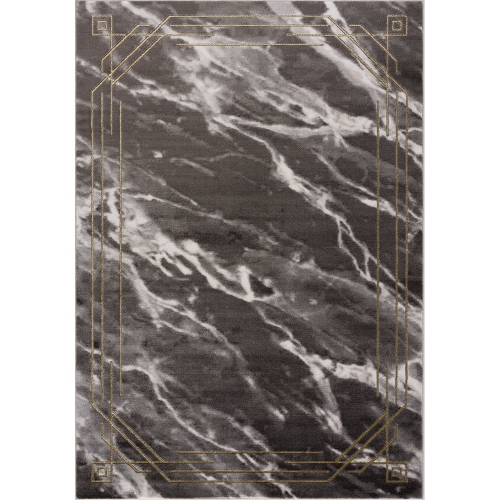
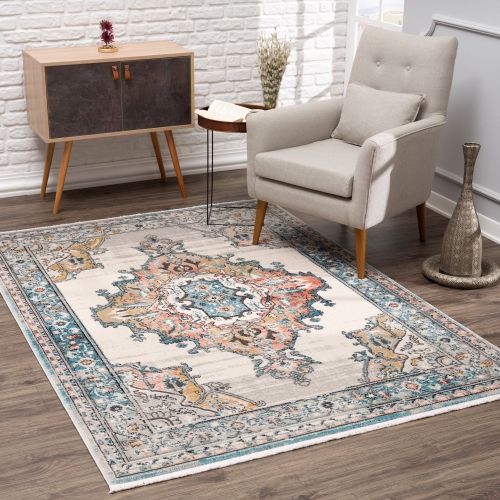


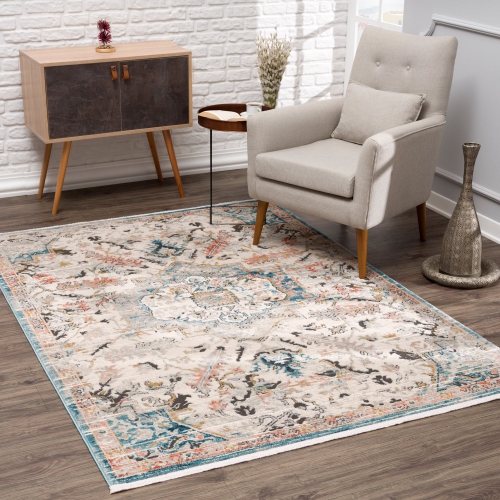
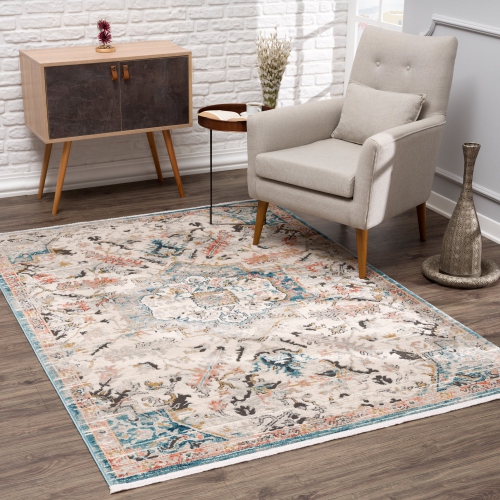
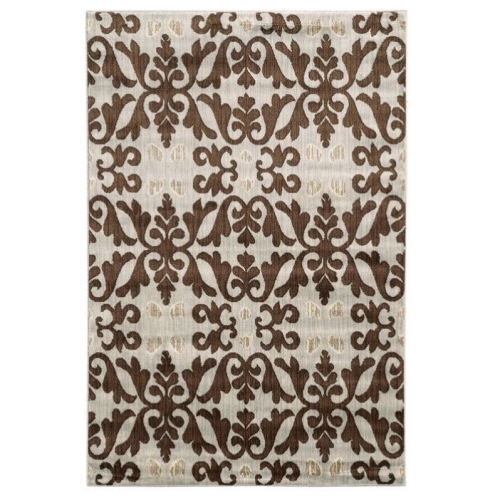
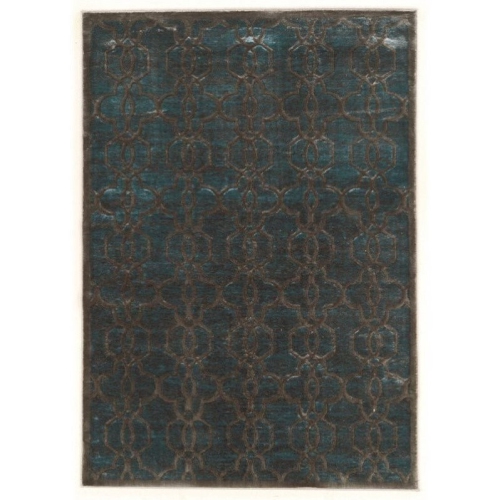
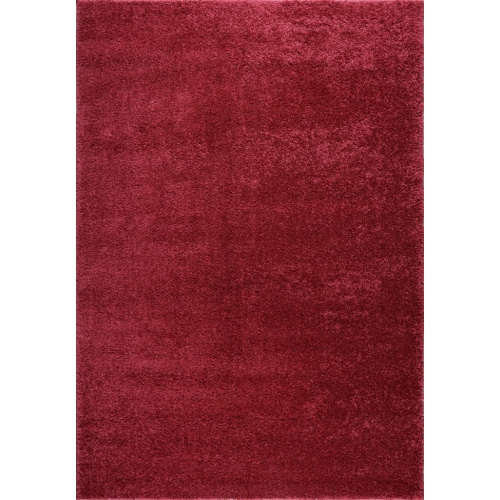
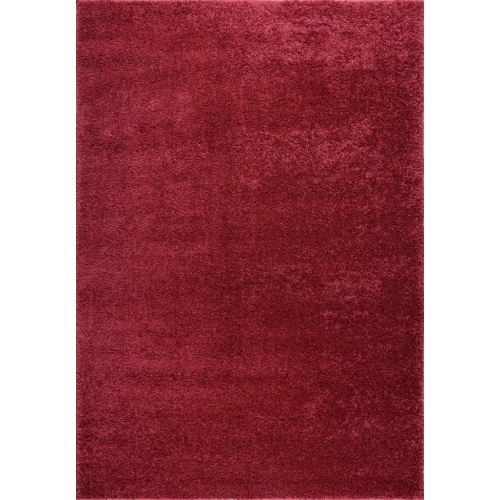
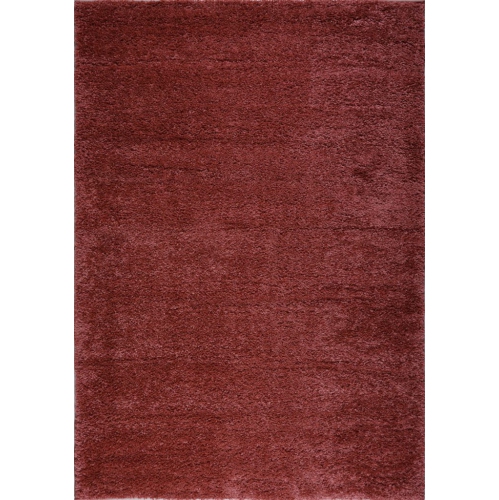
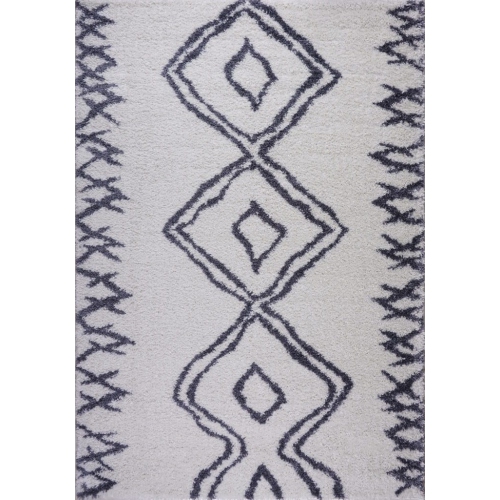
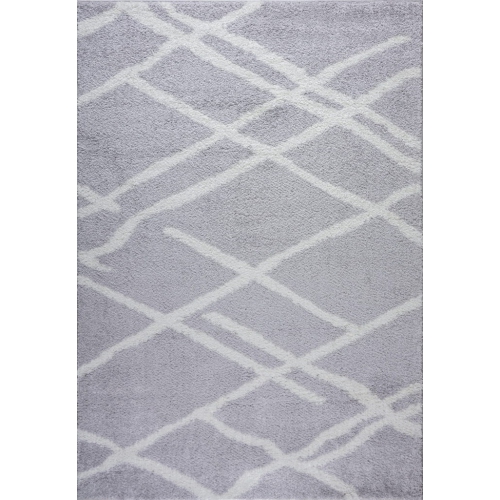
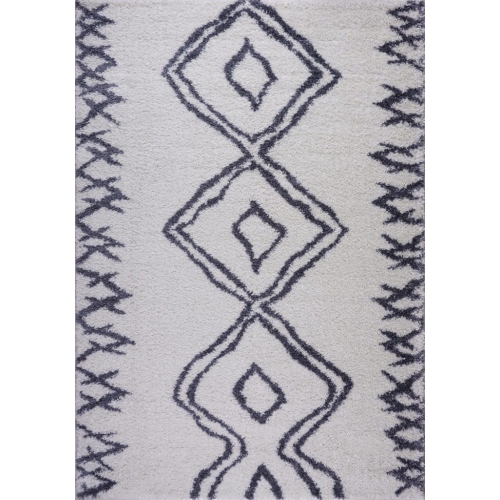
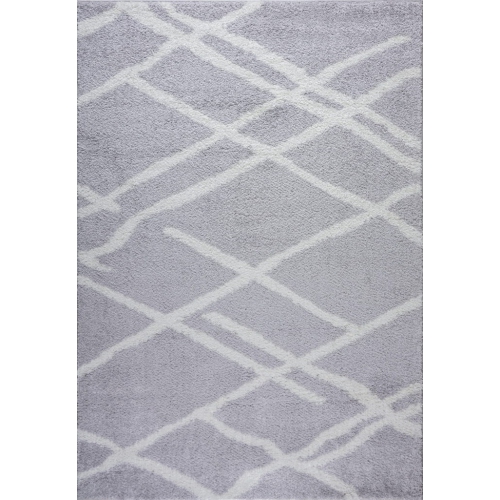
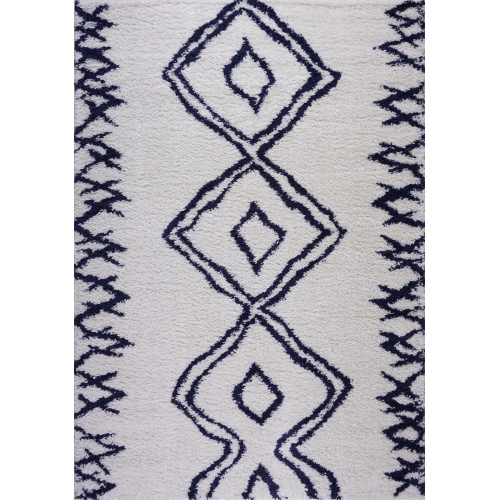
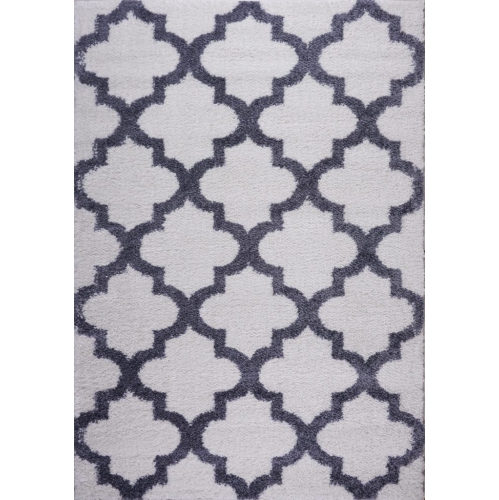
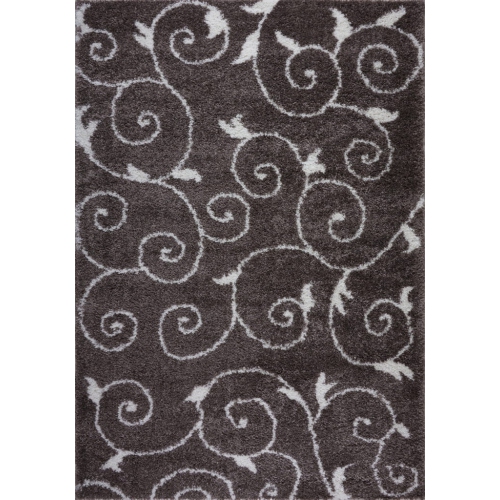
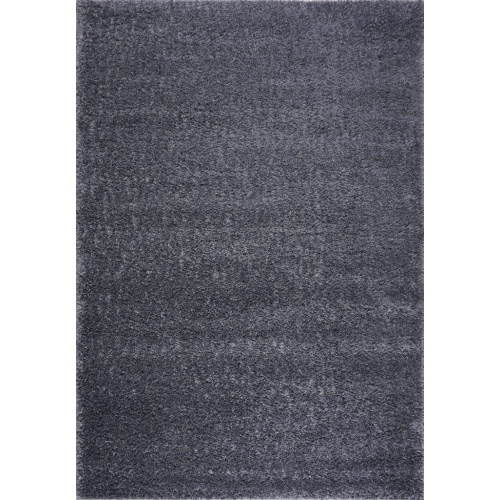
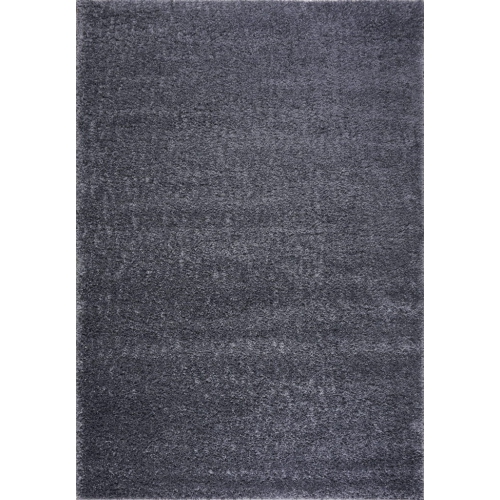
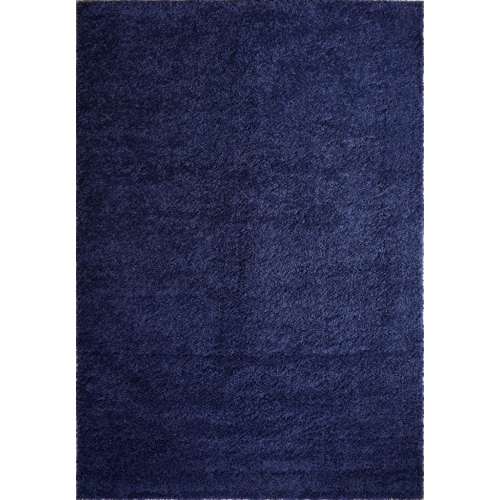
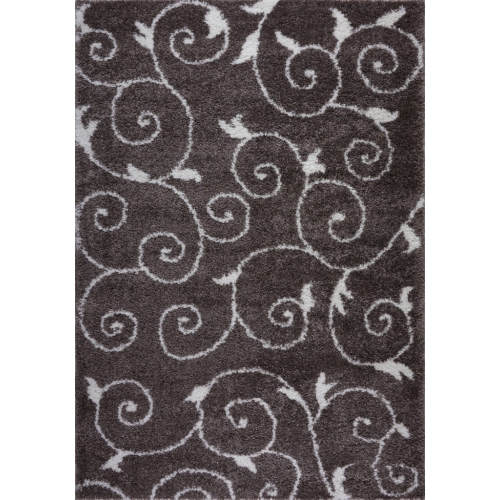
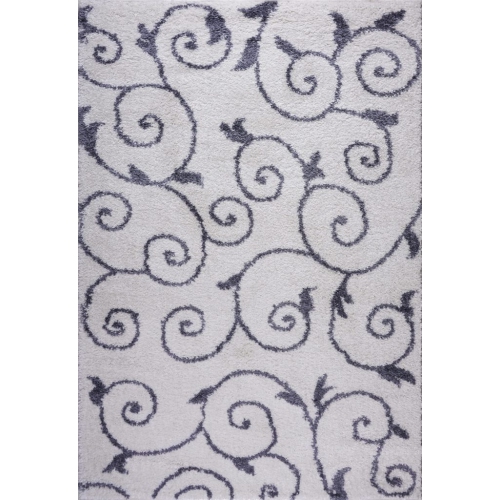
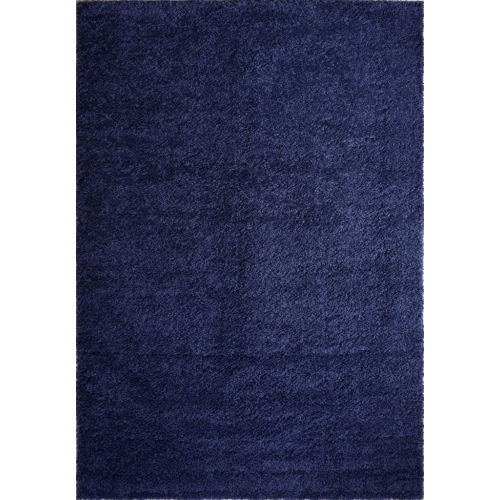
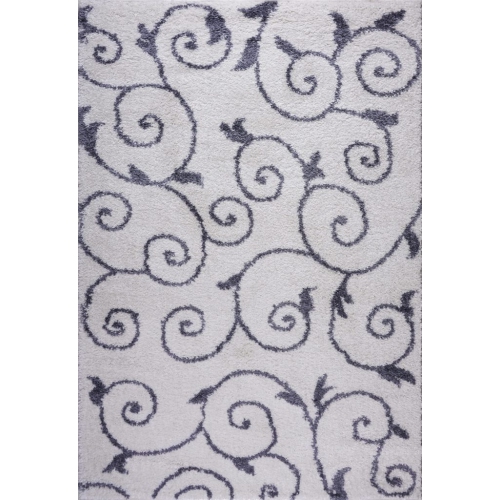
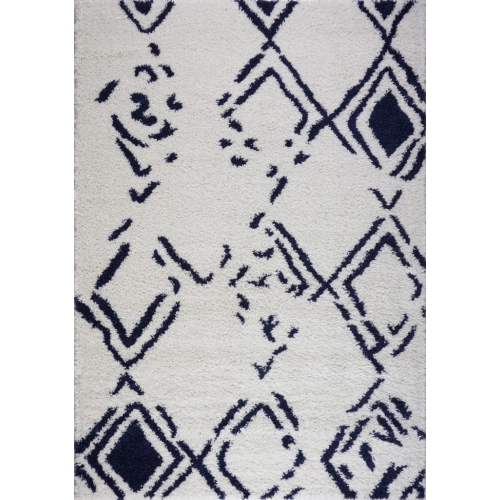
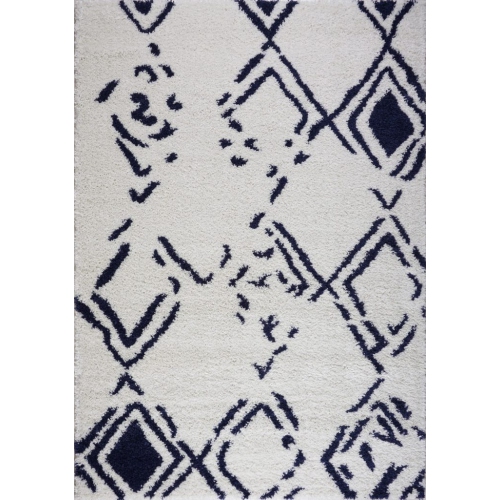
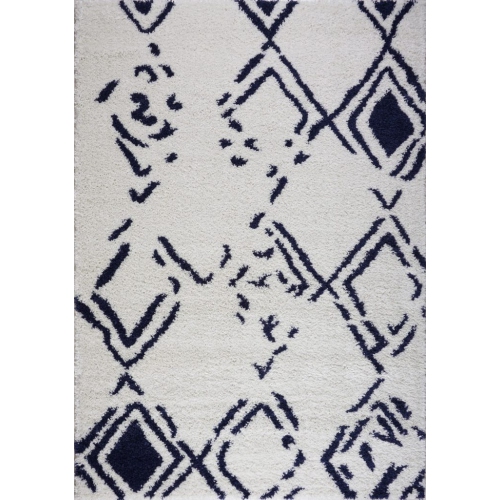
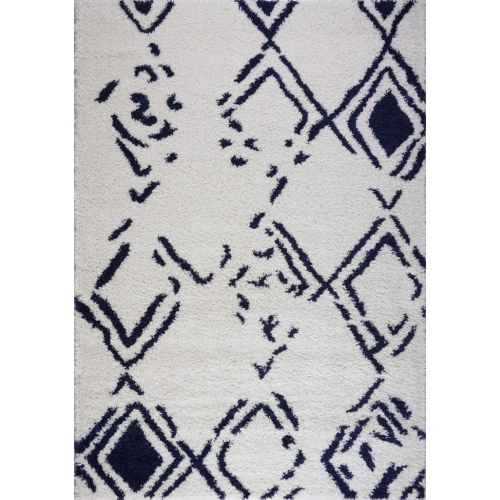
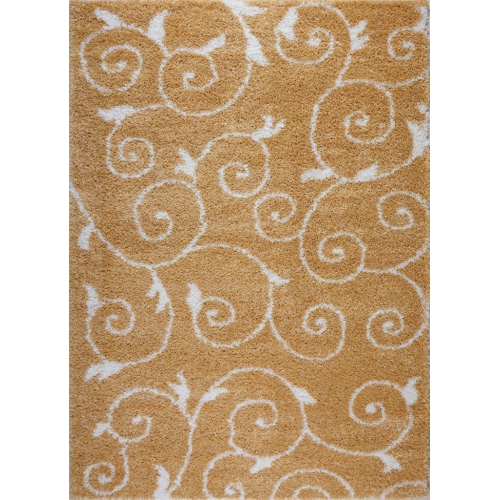
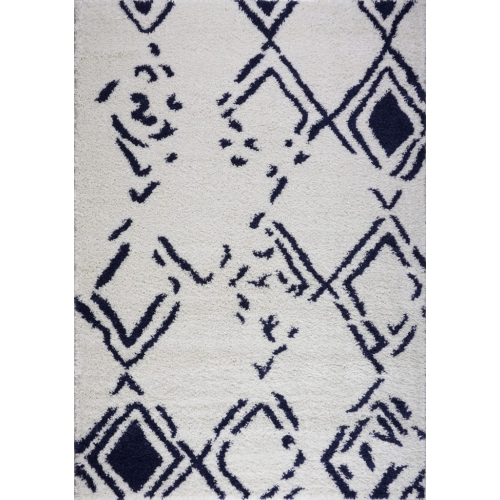
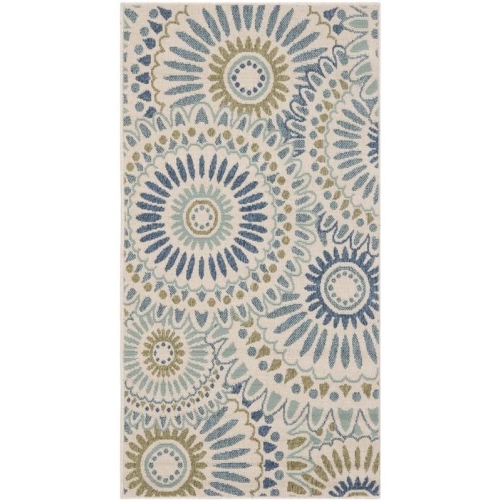
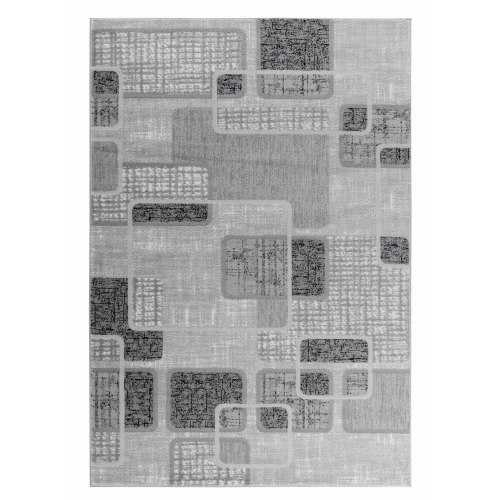
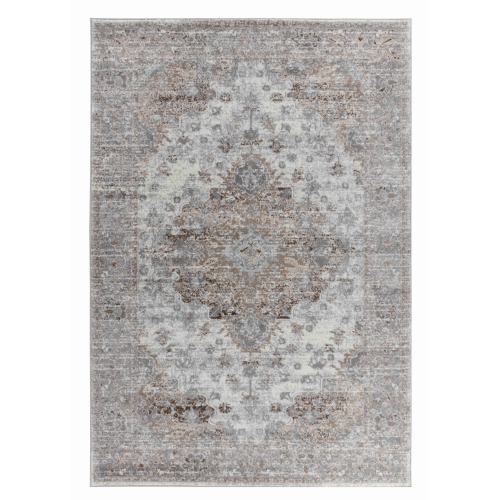

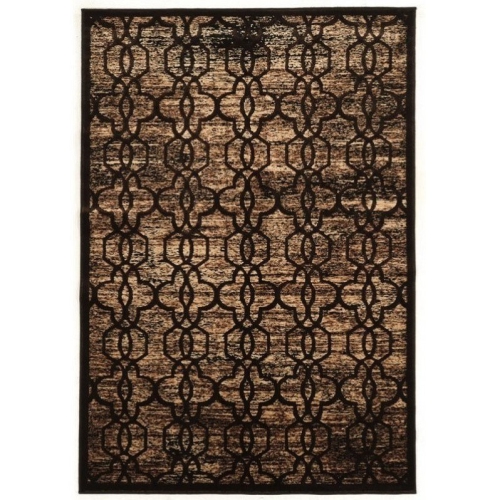
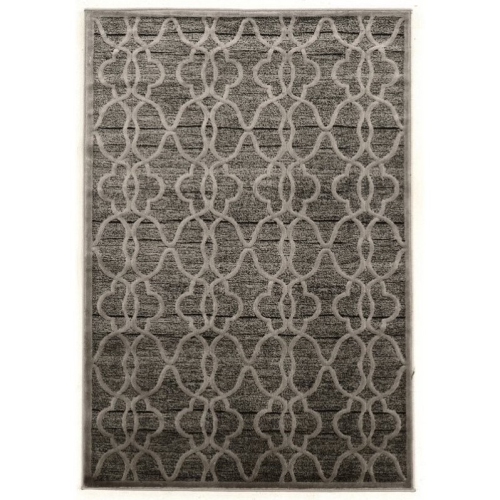
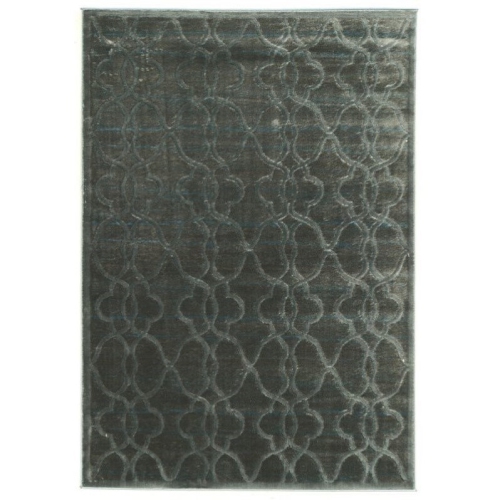
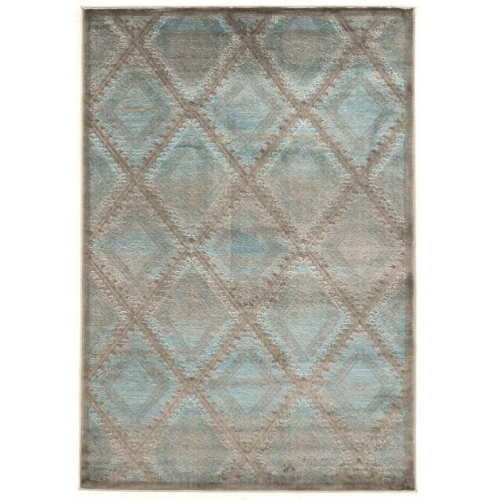
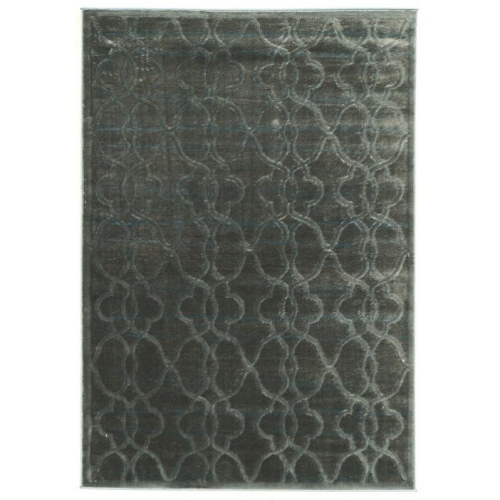
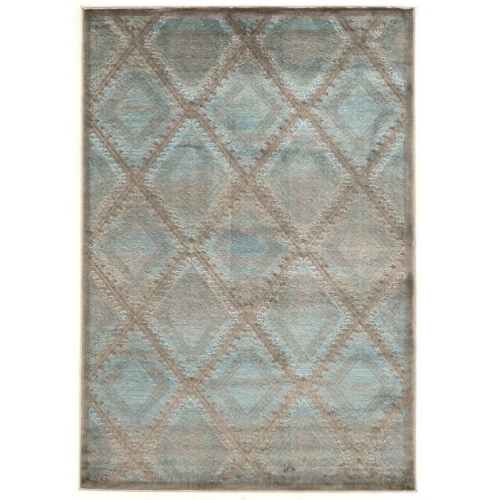
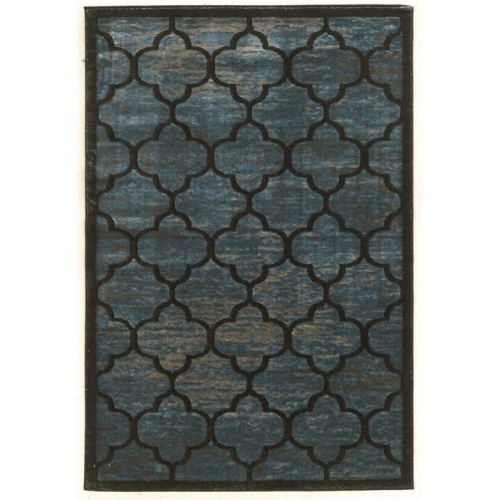
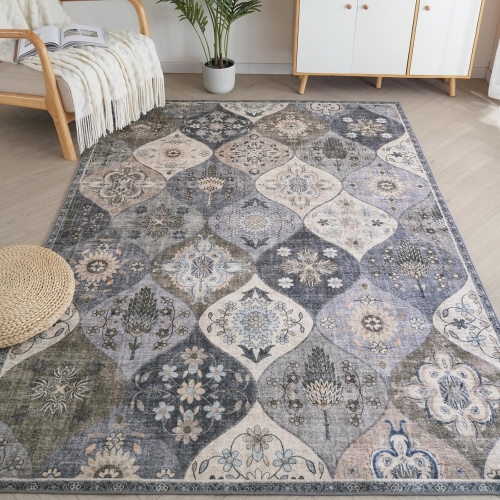
Traditional patterns and textures that define Turkish rugs
Rugs from Turkey bring a distinctive sense of history, colour, and craftsmanship to the home. Turkish rugs are traditionally associated with Anatolia, a region where floor coverings have been woven for centuries in patterns that reflect local communities, trade routes, architecture, and everyday life. Depending on the weaving tradition, a rug may be hand-knotted, flat-woven, or made with a combination of techniques. Hand-knotted rugs are built knot by knot around a foundation, creating a dense surface with depth and structure, while flat-woven designs such as kilims are made without a raised pile and tend to feel lighter, more flexible, and reversible. Traditional Turkish carpets are often recognized for geometric borders, central medallions, stylized flowers, stepped motifs, and rich colour combinations that can look equally at home in a heritage-inspired room or a modern space with clean-lined furniture. Some designs draw on the symmetrical Ghiordes knot, also known as the Turkish knot, which can contribute to a firm, durable weave and clearly defined pattern. Natural vegetable dyes have historically produced memorable shades of rust, terracotta, indigo, saffron, olive, and warm cream; contemporary rugs may interpret these tones with softer neutrals, faded finishes, or carefully balanced contrast. A rug from Turkey can serve as more than a finishing touch beneath a coffee table. It can establish the colour palette for a living room, define a conversation area in an open-concept layout, soften a bedroom floor, or add visual character to a hallway, entryway, reading nook, or home office. For shoppers drawn to artisanal texture and enduring patterns, browsing Handmade Rugs can also help with comparing weaving styles, pile heights, and overall finishes.
When choosing a Turkish rug, begin with the room, the available floor area, and the way the space is used each day. In a living room, the right size usually allows at least the front legs of seating to rest on the rug, helping the furniture feel connected rather than scattered across the floor. In a dining area, look for enough extra surface around the table for chairs to remain on the rug when they are pulled out. A runner can guide movement through a corridor, beside a kitchen island, or along an entry, while a smaller accent rug can add pattern beside a bed, in a reading corner, or beneath a compact table. Measure the intended area before shopping, including door clearance and the direction in which doors open. Pile height matters as well: low-pile and flatweave rugs are practical in busy walkways and are less likely to interfere with doors, rolling chairs, or furniture legs, while a higher pile can bring a softer, more cushioned feel to a bedroom or relaxed seating area. Kilim-style rugs are particularly appealing for shoppers who want a lightweight, graphic layer with traditional nomadic-inspired geometry, and their reversible construction can offer flexibility when arranging a room. Oushak-inspired designs are often chosen for their large-scale floral motifs, open layouts, and muted earthy palette, making them a natural fit for rooms where a gentle pattern is preferred over a tightly detailed design. Rugs associated with Milas or Bergama traditions may feature stronger angular medallions, deep reds, and warm earth tones that create a more grounded focal point. Hereke-style carpets are known for exceptionally fine patterns and refined detail, traditionally incorporating silk and wool; they are often selected for formal rooms, display areas, or spaces where intricate workmanship is meant to be noticed. The most important comparison is not simply the pattern name, but the relationship between the rug’s construction, material, size, and the room’s traffic level.
Colour and pattern can change the atmosphere of a room as much as the furniture does. A rug with a dark border can frame a seating arrangement and echo black, walnut, or charcoal accents, while a faded red, ochre, or blue design can warm a room filled with pale wood and neutral upholstery. In a smaller space, an open pattern and lighter background may help the floor feel less visually busy; in a large room, a bold medallion or repeating border can prevent the area from appearing unfinished. Consider the colours already present in curtains, cushions, artwork, flooring, and nearby walls, but do not feel obliged to match every shade exactly. Turkish rug designs often work well because several colours are woven together, allowing the rug to bridge furnishings that are similar without being identical. For everyday care, vacuum according to the rug’s construction and pile, avoid catching loose fringes, and follow the manufacturer’s cleaning instructions rather than applying strong household chemicals. Use a properly sized rug pad to improve grip, protect the floor, and help the rug lie smoothly, particularly on hard surfaces. Rotate the rug periodically when sunlight or foot traffic falls more heavily on one side, and address spills promptly by blotting instead of rubbing. These rugs can make thoughtful gifts for someone moving into a new home, furnishing a first apartment, refreshing a nursery or guest room, or building a more inviting space during the cooler months. A smaller Turkish rug is easier to place and gift, while a larger design can become a meaningful centrepiece for a couple, family, or host who enjoys decorating with pieces that have texture and visual story. Whether the preference is for a calm floral pattern, a lively geometric kilim, or a richly detailed traditional carpet, rugs from Turkey offer a versatile way to add comfort, definition, and personality to the rooms people use every day.
When choosing a Turkish rug, begin with the room, the available floor area, and the way the space is used each day. In a living room, the right size usually allows at least the front legs of seating to rest on the rug, helping the furniture feel connected rather than scattered across the floor. In a dining area, look for enough extra surface around the table for chairs to remain on the rug when they are pulled out. A runner can guide movement through a corridor, beside a kitchen island, or along an entry, while a smaller accent rug can add pattern beside a bed, in a reading corner, or beneath a compact table. Measure the intended area before shopping, including door clearance and the direction in which doors open. Pile height matters as well: low-pile and flatweave rugs are practical in busy walkways and are less likely to interfere with doors, rolling chairs, or furniture legs, while a higher pile can bring a softer, more cushioned feel to a bedroom or relaxed seating area. Kilim-style rugs are particularly appealing for shoppers who want a lightweight, graphic layer with traditional nomadic-inspired geometry, and their reversible construction can offer flexibility when arranging a room. Oushak-inspired designs are often chosen for their large-scale floral motifs, open layouts, and muted earthy palette, making them a natural fit for rooms where a gentle pattern is preferred over a tightly detailed design. Rugs associated with Milas or Bergama traditions may feature stronger angular medallions, deep reds, and warm earth tones that create a more grounded focal point. Hereke-style carpets are known for exceptionally fine patterns and refined detail, traditionally incorporating silk and wool; they are often selected for formal rooms, display areas, or spaces where intricate workmanship is meant to be noticed. The most important comparison is not simply the pattern name, but the relationship between the rug’s construction, material, size, and the room’s traffic level.
Colour and pattern can change the atmosphere of a room as much as the furniture does. A rug with a dark border can frame a seating arrangement and echo black, walnut, or charcoal accents, while a faded red, ochre, or blue design can warm a room filled with pale wood and neutral upholstery. In a smaller space, an open pattern and lighter background may help the floor feel less visually busy; in a large room, a bold medallion or repeating border can prevent the area from appearing unfinished. Consider the colours already present in curtains, cushions, artwork, flooring, and nearby walls, but do not feel obliged to match every shade exactly. Turkish rug designs often work well because several colours are woven together, allowing the rug to bridge furnishings that are similar without being identical. For everyday care, vacuum according to the rug’s construction and pile, avoid catching loose fringes, and follow the manufacturer’s cleaning instructions rather than applying strong household chemicals. Use a properly sized rug pad to improve grip, protect the floor, and help the rug lie smoothly, particularly on hard surfaces. Rotate the rug periodically when sunlight or foot traffic falls more heavily on one side, and address spills promptly by blotting instead of rubbing. These rugs can make thoughtful gifts for someone moving into a new home, furnishing a first apartment, refreshing a nursery or guest room, or building a more inviting space during the cooler months. A smaller Turkish rug is easier to place and gift, while a larger design can become a meaningful centrepiece for a couple, family, or host who enjoys decorating with pieces that have texture and visual story. Whether the preference is for a calm floral pattern, a lively geometric kilim, or a richly detailed traditional carpet, rugs from Turkey offer a versatile way to add comfort, definition, and personality to the rooms people use every day.
Top selling and popular products
-
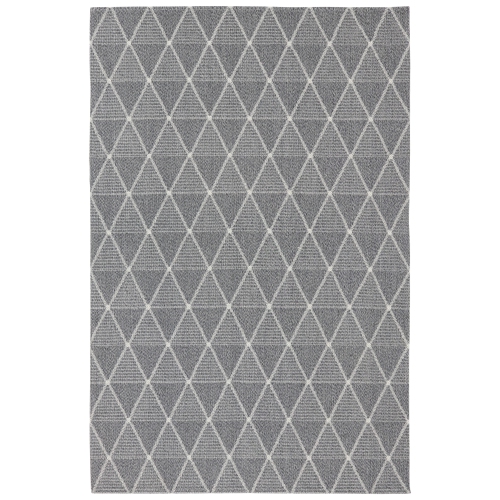 Your price for this item is $130.55
 -
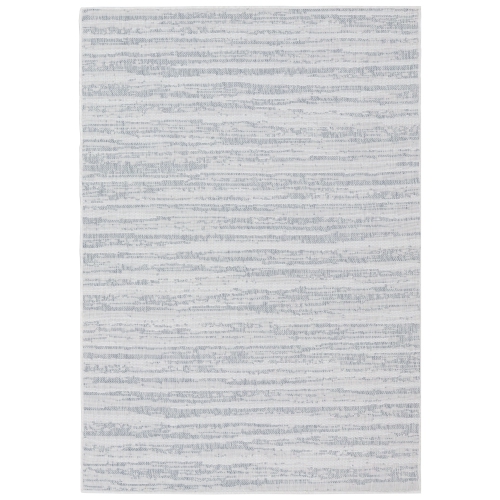 Your price for this item is $129.15
 -
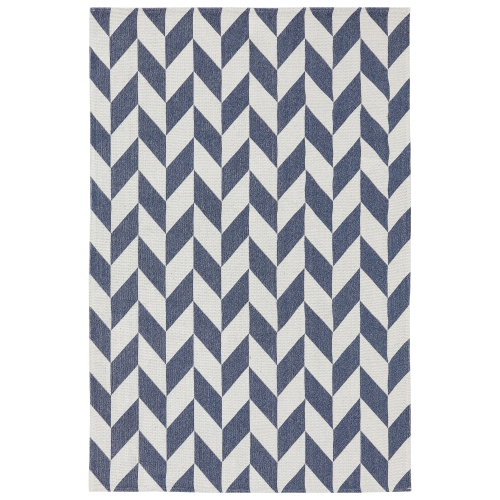 Your price for this item is $130.55
 -
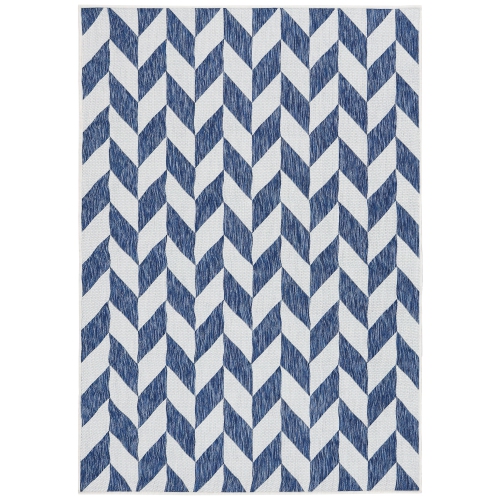 Your price for this item is $129.15
 -
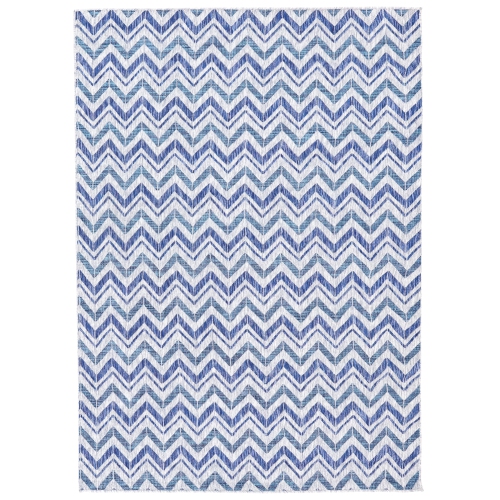 Your price for this item is $129.15
 -
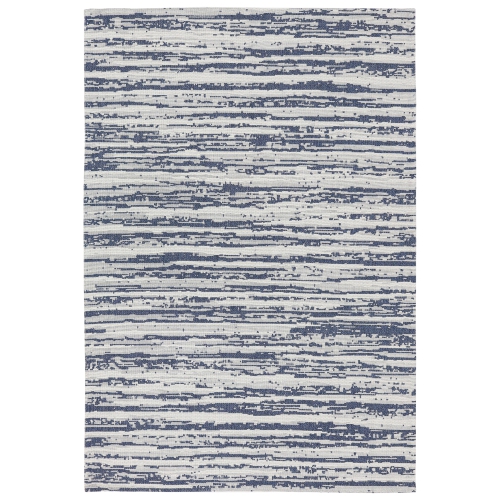 Your price for this item is $130.55
 -
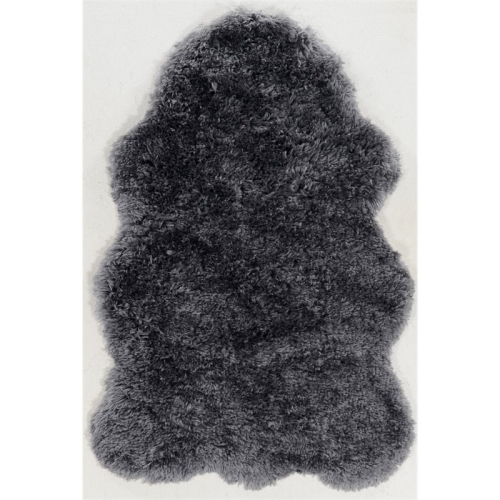 Your price for this item is $266.82
 -
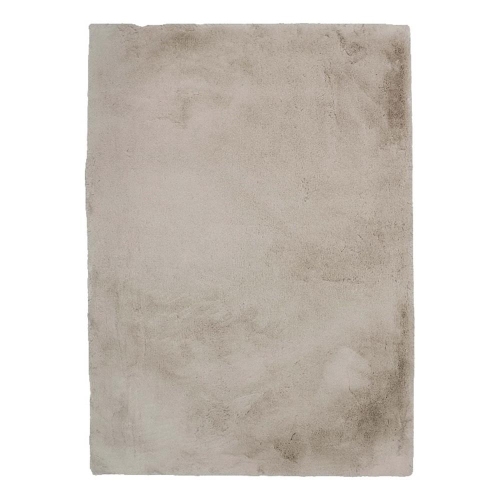 Your price for this item is $212.88
Discover more categories related to Rugs From Turkey

Top Collections:
Pokemon Centers, Budget 4K TVs, Kindle Devices, Canon G7X Cameras, Apple iPhones 16, iPhone 15 Apple, Laptops for Business Work, Flip Phones, Xiaomi Phones, Refurbished Apple Laptops
Some products may be subject to Environmental Handling Fees
(EHF) depending on your province.
Learn more about EHFs.