Rustic Kitchen Storage Cabinets
Rustic Kitchen Storage Cabinets bring timeless charm and functional organization to any kitchen space. These storage solutions offer a unique blend of classic design and practical appeal, making them a standout choice for enhancing both style and utility. Whether you're looking to maximize your kitchen's storage potential or add a touch of cozy character, Rustic Kitchen Storage Cabinets create a warm, inviting atmosphere that complements a variety of home décor styles. Discover options that help keep your kitchen essentials neatly arranged while elevating the overall look of your cooking area.
Sort
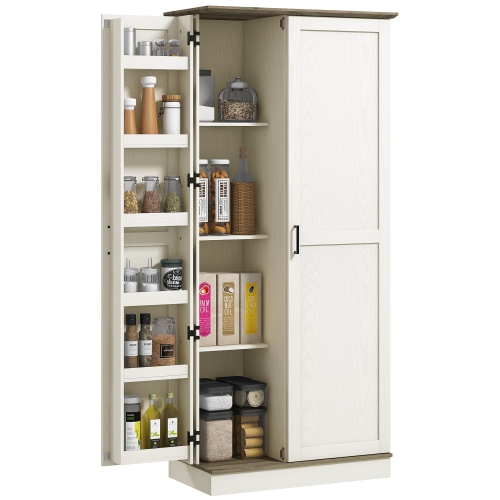
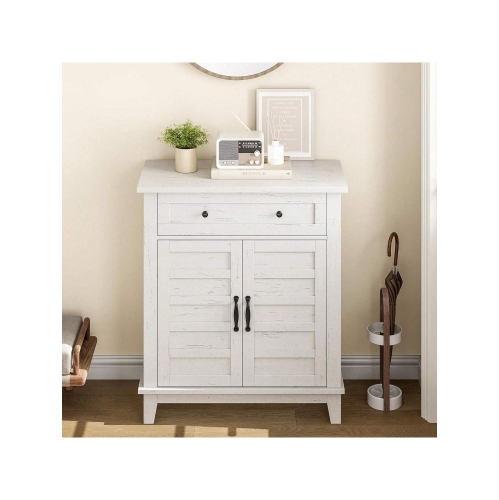
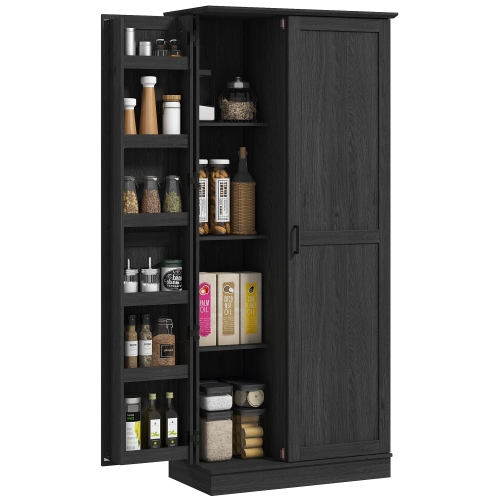
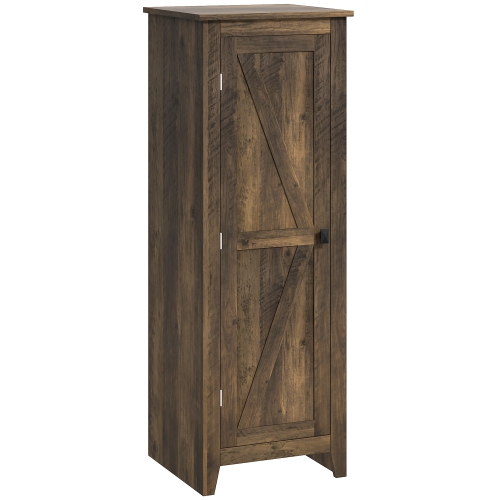
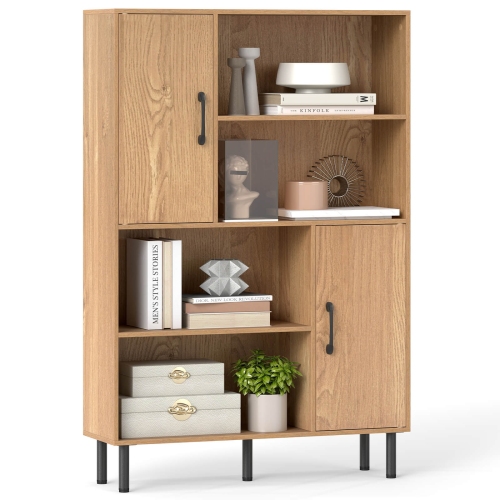
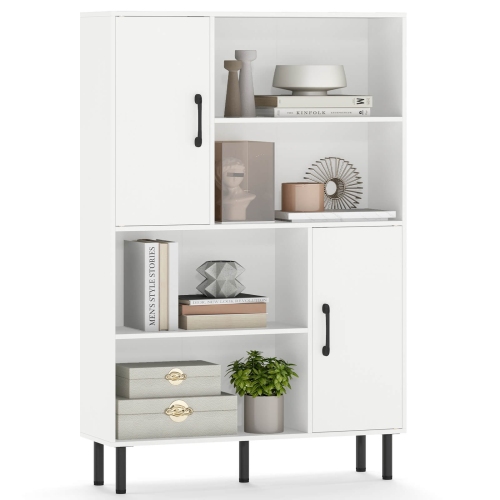
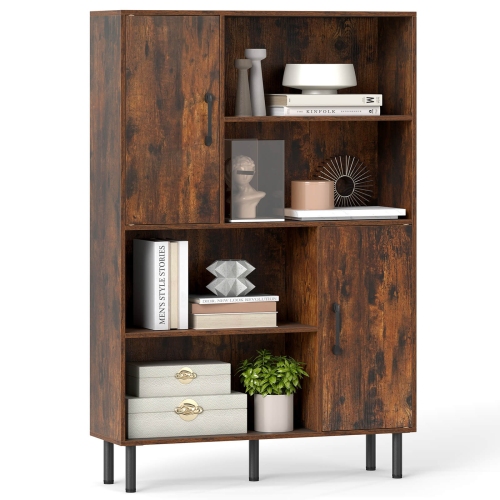
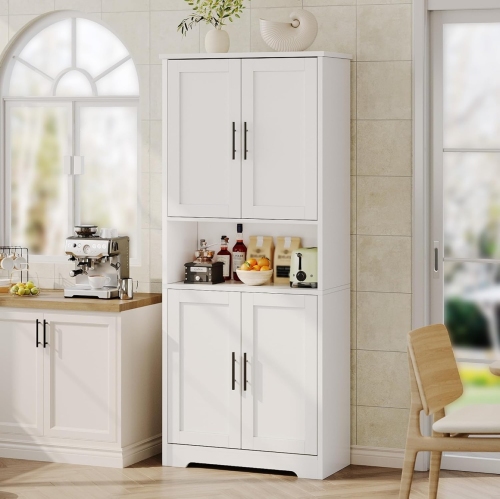

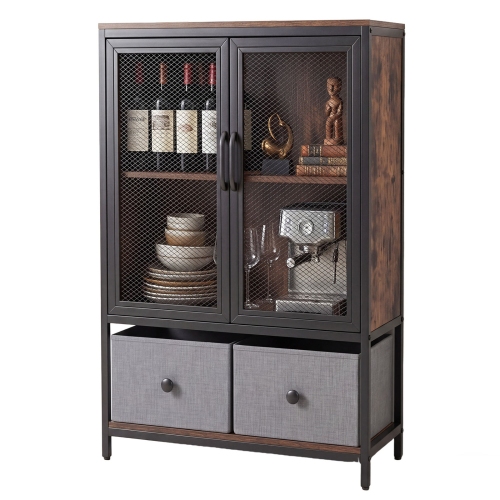
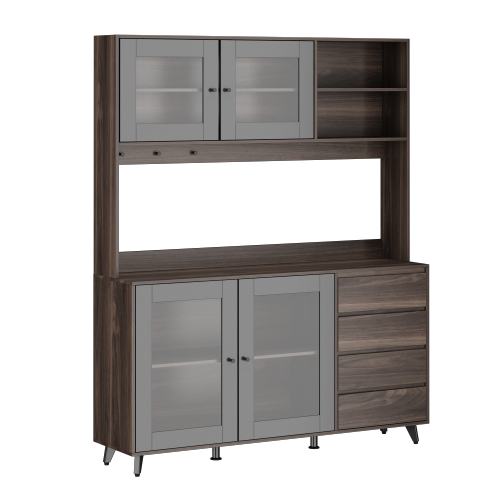
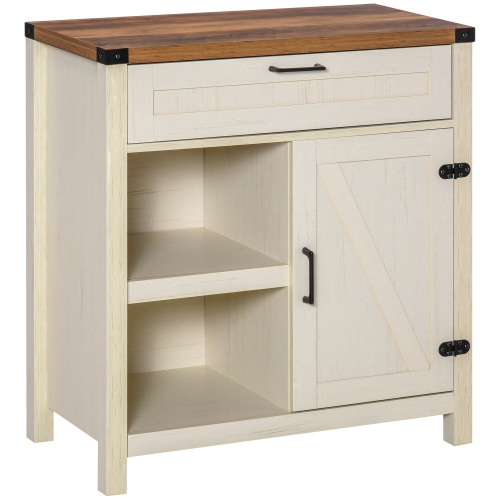
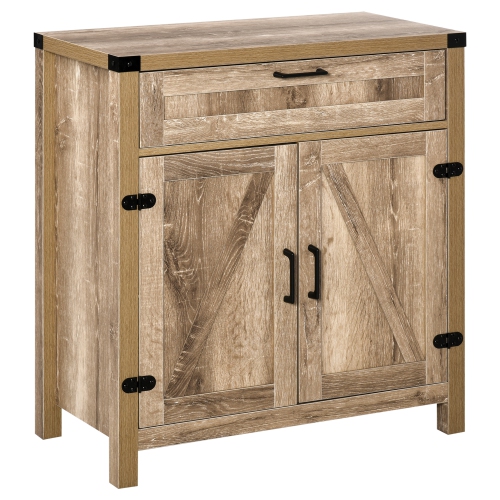
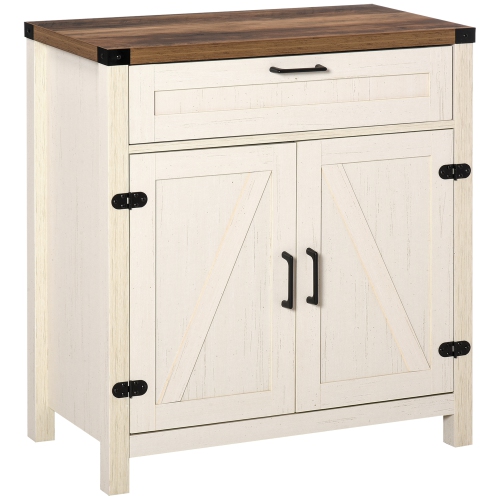
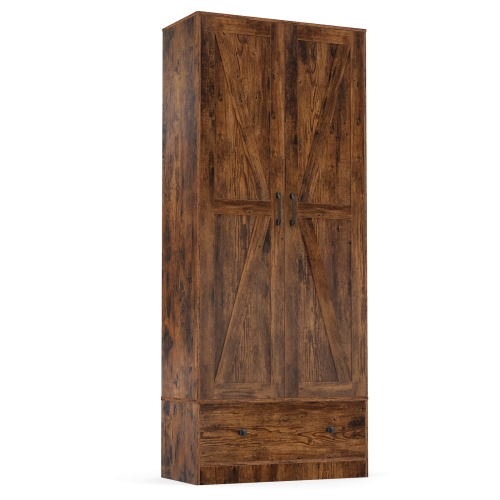
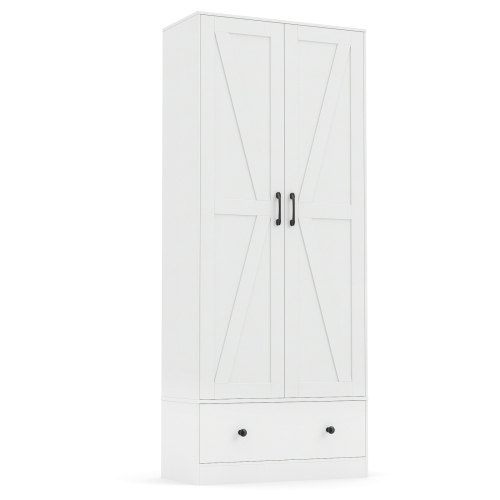
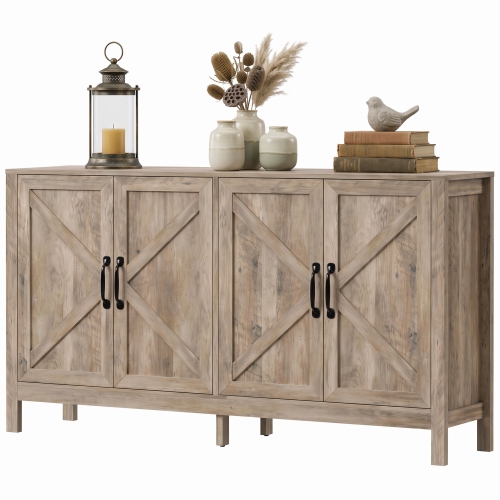
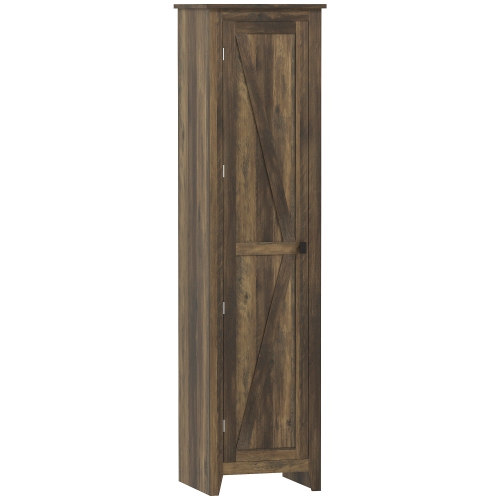
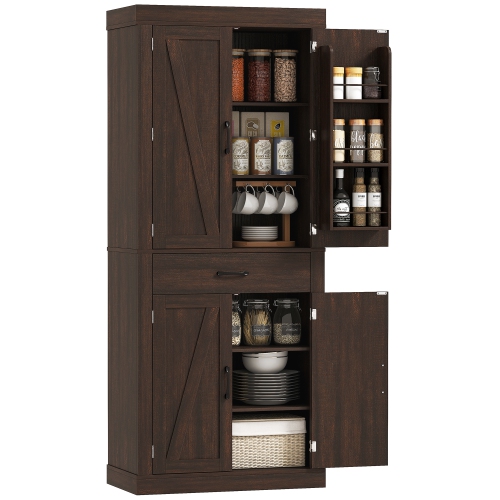
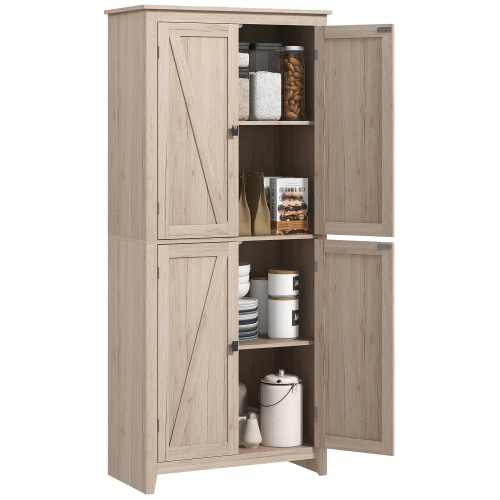
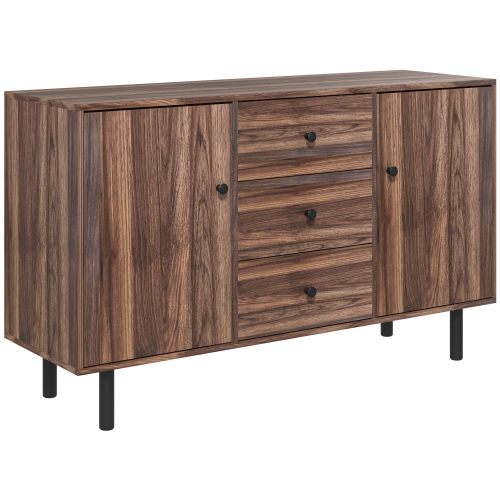
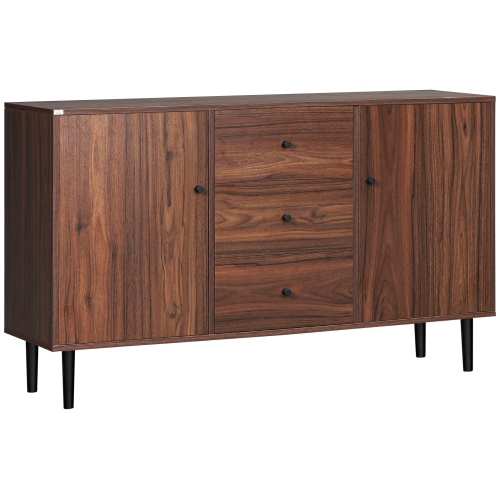
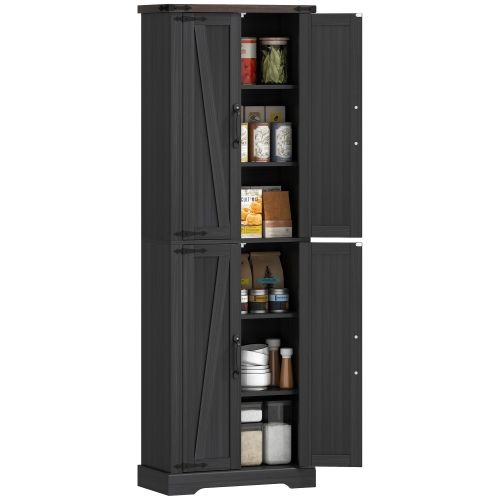
Wood-inspired character with a place for everyday kitchen essentials
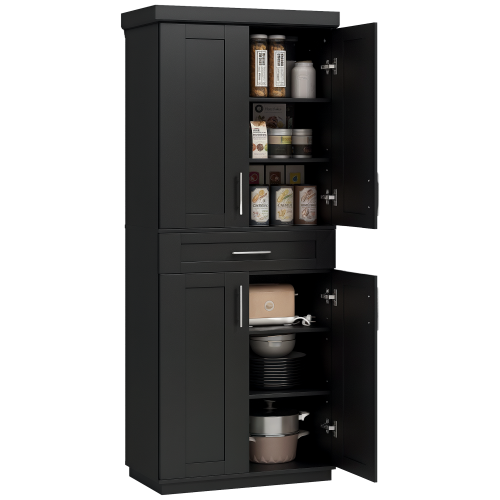
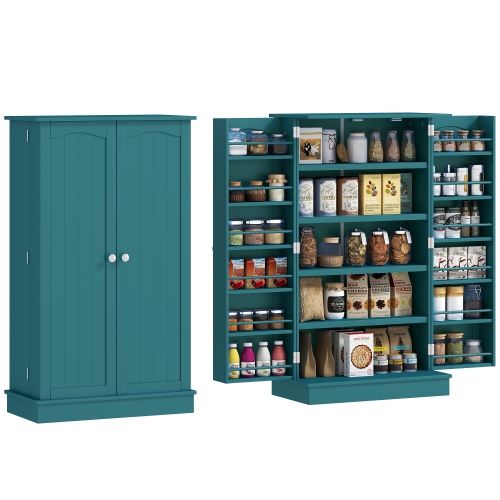
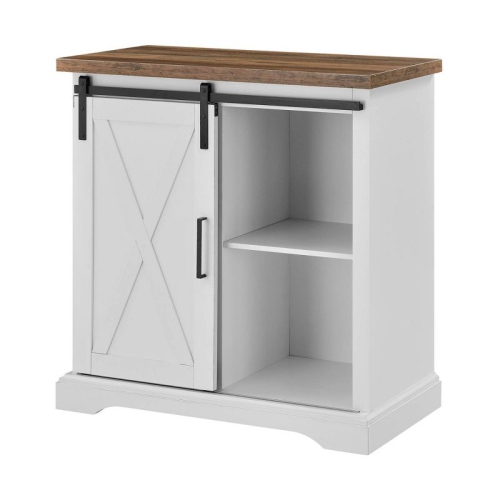
Rustic kitchen storage cabinets combine enclosed storage, practical shelving, and wood-inspired character to give everyday kitchen essentials a dedicated home. Their appeal comes from visible grain, knot details, distressed finishes, and simple hardware that make a room feel comfortable rather than overly polished. A cabinet with a warm brown finish and dark metal handles can sit naturally beside a farmhouse table, while a weathered grey or softly painted finish can complement lighter cupboards and stone-look countertops. Rustic does not have to mean heavy or dark: clean lines, modest proportions, and a lighter wood tone can bring the same character to a compact apartment kitchen. The most useful design depends on what needs a place to land. Shelves behind solid doors keep cereal boxes, mixing bowls, and mismatched food containers out of sight, while an open section makes frequently used mugs or serving dishes easier to reach. Drawers provide a separate spot for tea towels, cutlery, and small utensils that might otherwise disappear behind larger cookware. Glass-front doors offer a more visible home for dishes, although the contents become part of the room’s appearance. For households that cook often, a cabinet near the main work area can reduce trips across the kitchen for serving bowls or dry ingredients. In a dining nook, the same type of storage can hold table linens and dishes close to where meals are served. The wider style of Rustic Cabinets can also carry through adjoining rooms without requiring every finish to match exactly. Repeating one detail, such as a wood undertone or handle colour, often creates a more natural connection than matching every surface. A rustic kitchen storage cabinet works best when its appearance supports the room while its interior solves a specific storage problem, whether that means freeing a crowded cupboard, keeping breakfast supplies together, or giving serving pieces a permanent home.
Materials and construction influence how a rustic kitchen storage cabinet looks, feels, and handles daily use. Solid wood can offer distinctive grain and natural variation, with knots and small differences in colour contributing to the rustic appearance. Wood veneer provides a real wood surface over a supporting core, while engineered wood with a printed or textured finish can create a consistent wood-look appearance. These constructions have different care requirements, so a rustic finish alone does not indicate how a cabinet should be cleaned or what it can support. A deliberately distressed surface may disguise minor visual marks, but it is not necessarily resistant to scratches, water, or heat. Sealed edges, firmly attached handles, well-supported shelves, and doors that sit evenly are useful details to assess alongside the finish. Heavy stacks of plates place different demands on a shelf than napkins or lightweight containers, making the stated weight capacity important for both individual shelves and the cabinet top. Adjustable shelving is particularly useful when storage needs include tall cereal containers, small appliances, or serving platters that do not fit neatly into equal-height compartments. Drawer construction and smooth operation matter when utensils or linens will be accessed several times a day. For routine care, a soft cloth and a cleaner suited to the surface help preserve the finish without leaving excess moisture behind. Spills deserve prompt attention, especially around seams, door edges, and hardware openings. Deeply textured surfaces and routed door details can collect crumbs and cooking residue, so their appearance comes with a little more cleaning than a smooth panel. Protective pads beneath pottery and trays under bottles can limit contact with rough bases or drips. A cabinet top should only serve as a food preparation surface if it is designed for that purpose; otherwise, a suitable cutting board provides a separate work surface. Keeping cabinets away from direct splashes and concentrated cooking heat also helps protect finishes, joints, and stored contents over time.
Fit is about more than whether a cabinet can occupy an empty stretch of wall. Width, depth, and height need to work with nearby appliances, dining chairs, doorways, and the routes people use through the kitchen. A shallow cabinet can add useful storage along a narrow wall without projecting as far into the walking space, while a deeper unit may better accommodate large bowls and cookware. Baseboard, wall outlets, window trim, and the clearance needed to open doors or drawers can all affect placement. Hinged doors need room to swing outward, whereas sliding doors reduce that requirement but may leave only part of the interior accessible at once. Tall cabinets make use of vertical space, although everyday dishes are usually easier to manage at a comfortable reaching height. Heavier belongings are generally better placed lower down, within the relevant shelf limits, and tall furniture should be secured using the manufacturer’s specified anti-tip method and suitable wall fixings. In a shared kitchen, separate shelves for each person’s dry goods can make a freestanding cabinet easier to organize. Families may prefer closed storage for a less visually busy room, while someone who enjoys hosting might value an accessible section for serving bowls and table linens. A cabinet used as a coffee station needs enough top space for the appliance, cups, and normal handling, along with safe access to an outlet. Heat-producing appliances require the clearances and ventilation specified by their manufacturers and should not operate inside a closed cabinet unless expressly designed for it. For renters or households adapting an existing kitchen, freestanding storage can add function without replacing built-in cupboards, provided the unit fits safely and any required anchoring is permitted. Assembly access and the route into the room also deserve attention, particularly around tight corners or stairs. The strongest match brings together practical capacity, comfortable access, suitable construction, and a finish that feels at home beside the kitchen’s existing surfaces.
Top selling and popular products
-
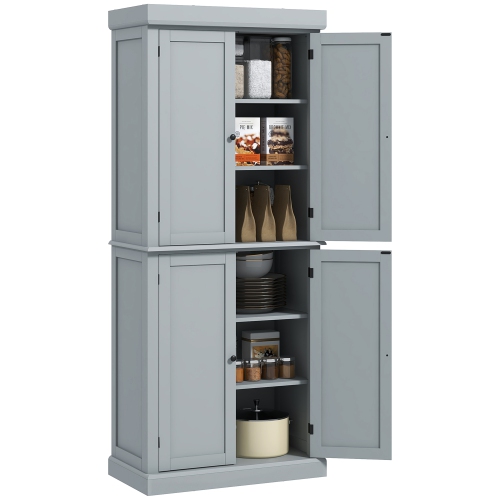 Your price for this item is $285
-
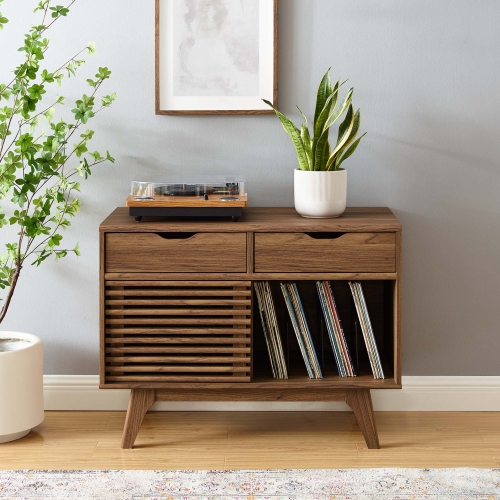 Your price for this item is $452.93
-
 Your price for this item is $155.99
-
 Your price for this item is $269.99
-
 Your price for this item is $12.97
-
 Your price for this item is $155.99
-
 Your price for this item is $885.06
-
 Your price for this item is $132.99
Discover more categories related to Rustic Kitchen Storage Cabinets
Top Collections:
Best Black Friday Deals This Year, Best Black Friday Deals On Electronics, Kindle Devices, Dyson Airwrap, Best Cameras for Sports Photography, Best Budget Office Chairs, Canon G7X Cameras, PS5 Pro Consoles, Best Black Friday Deals On Apple Products, XBOX One S Consoles
Some products may be subject to Environmental Handling Fees
(EHF) depending on your province.
Learn more about EHFs.