Rustic Rectangular Dining Tables
Add a touch of charm and elegance to your dining space with our selection of rustic rectangular dining tables. Whether you're hosting family dinners, entertaining friends, or simply enjoying a cozy meal for two, these tables offer the perfect blend of style and functionality. Explore our collection today and elevate your dining experience to new heights.
Sort
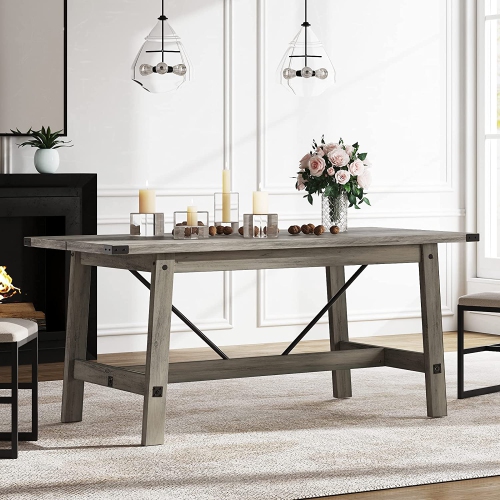
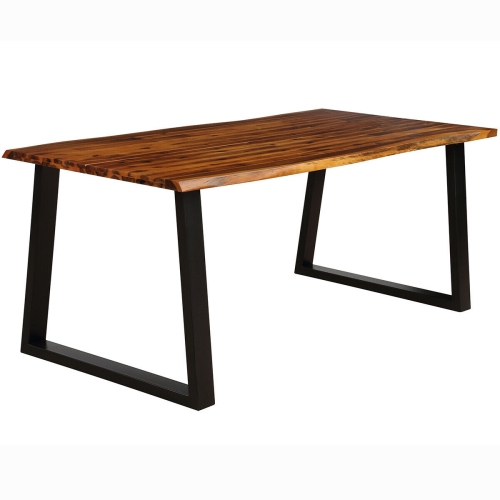
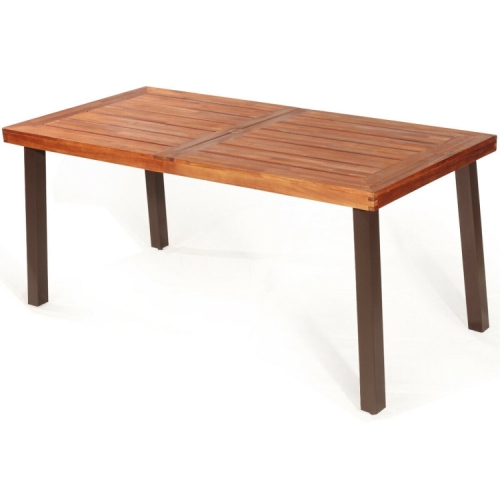
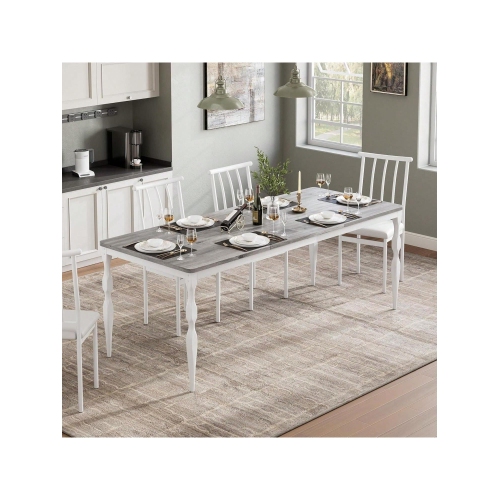
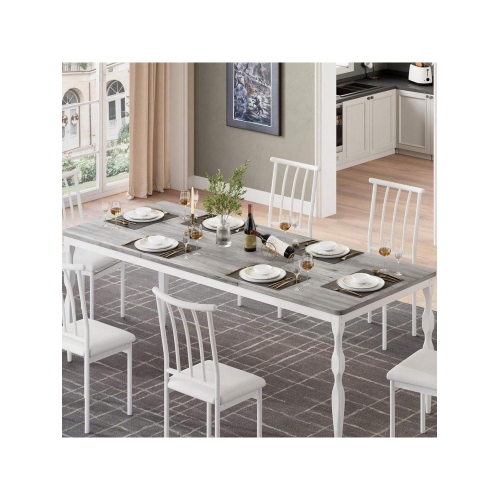
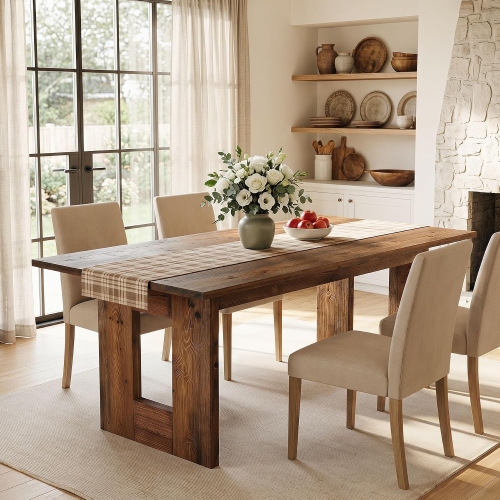
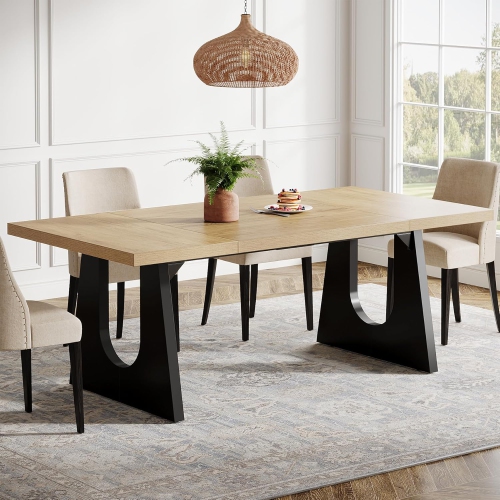
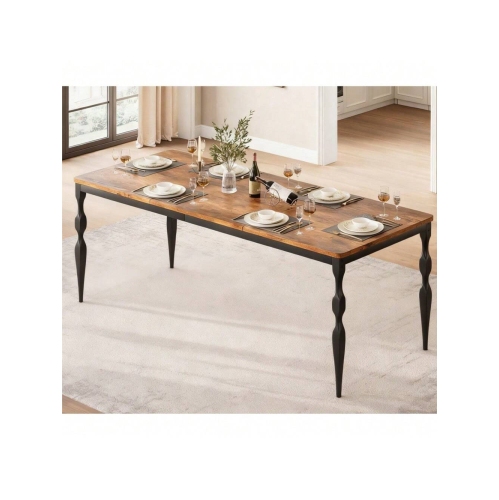
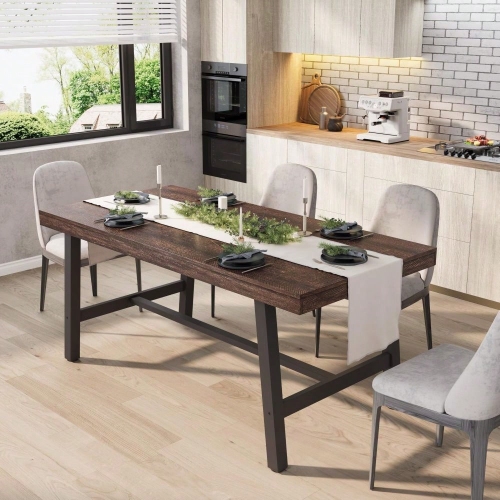
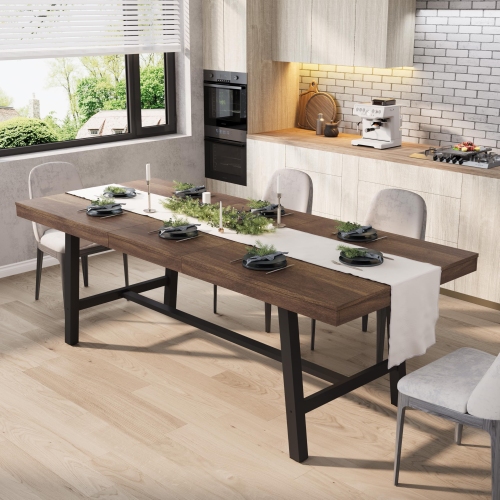
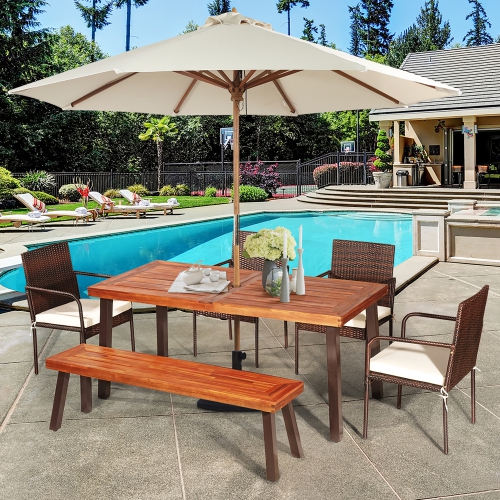
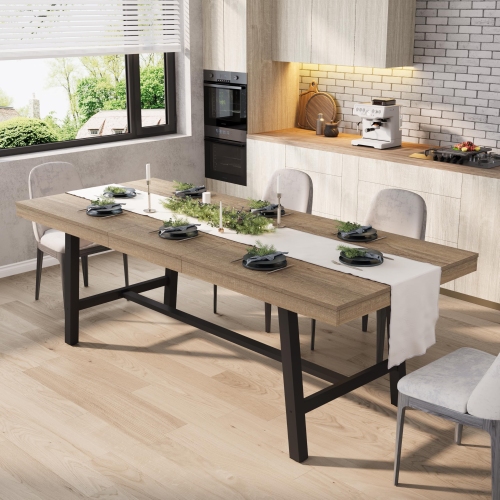
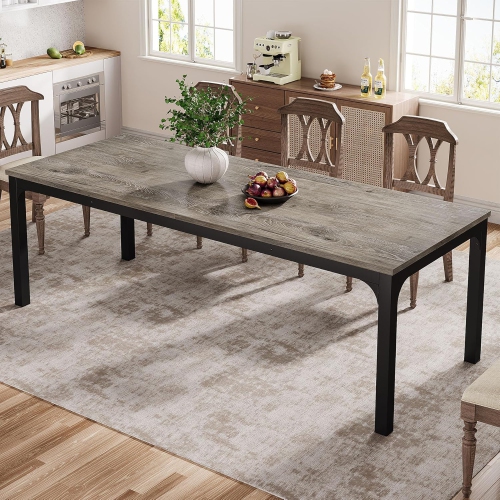
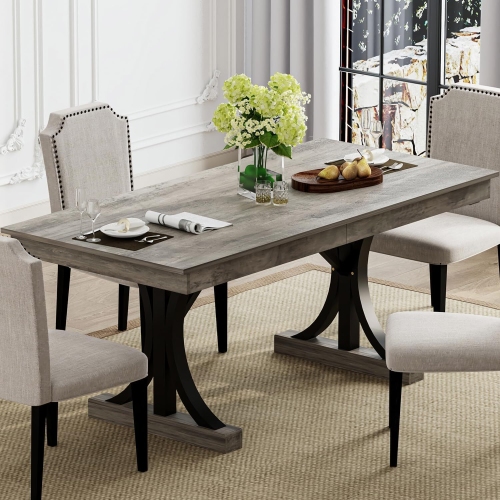
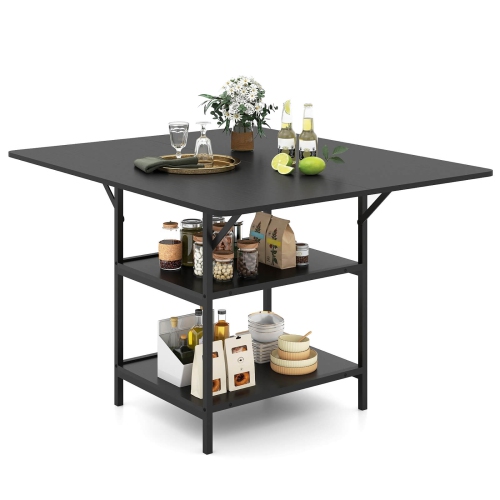
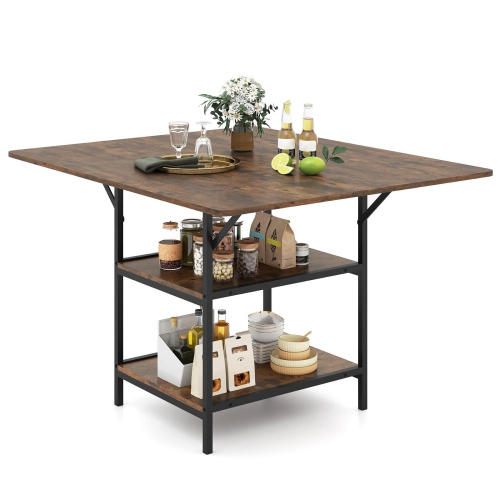
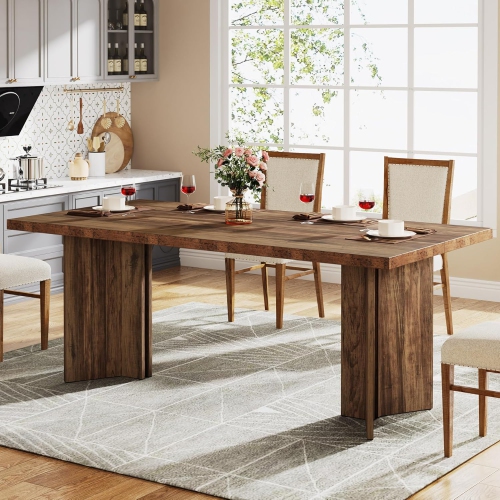
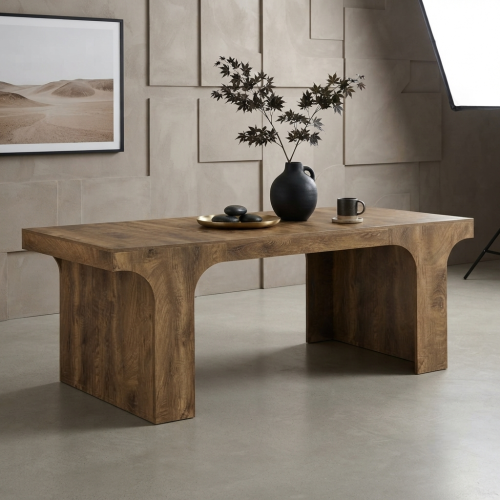
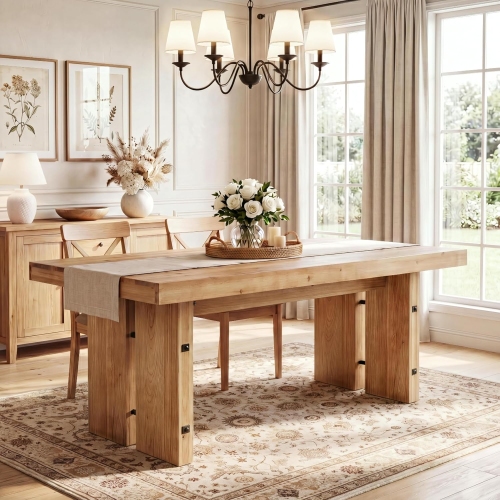
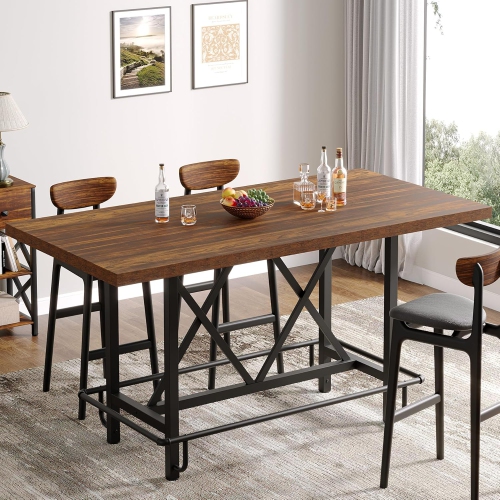
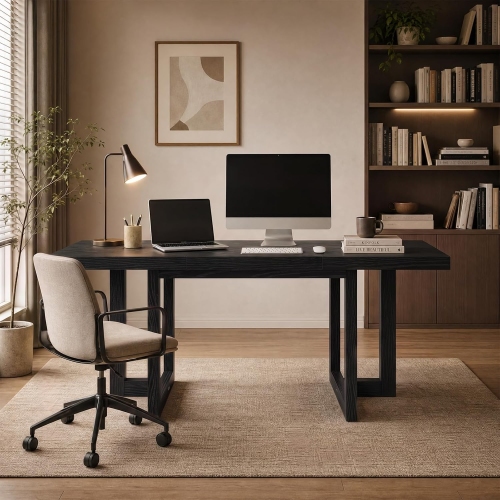
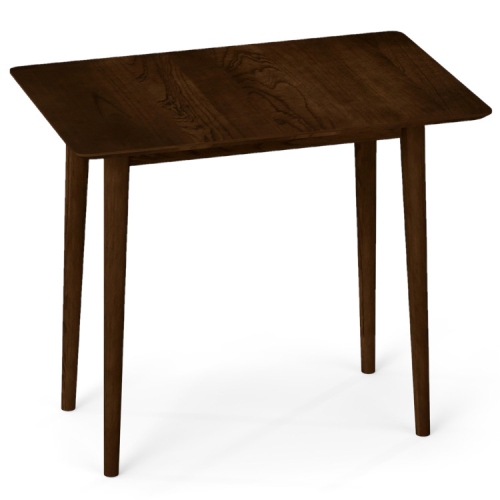
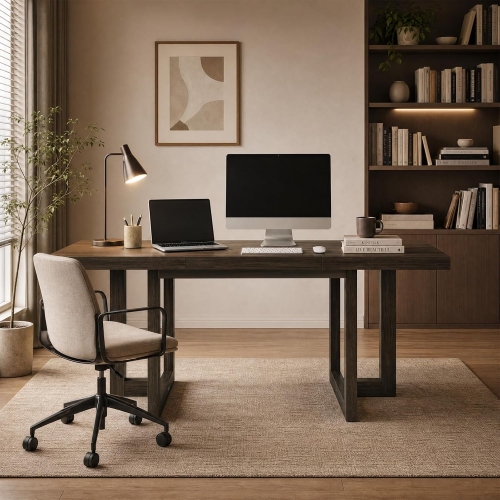
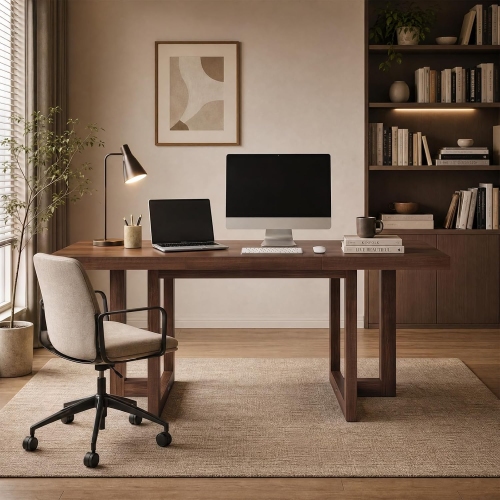
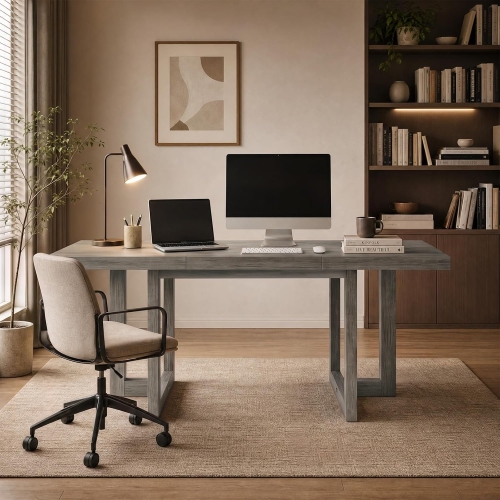
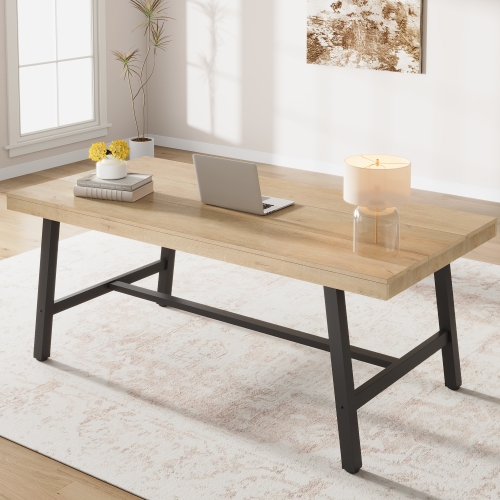
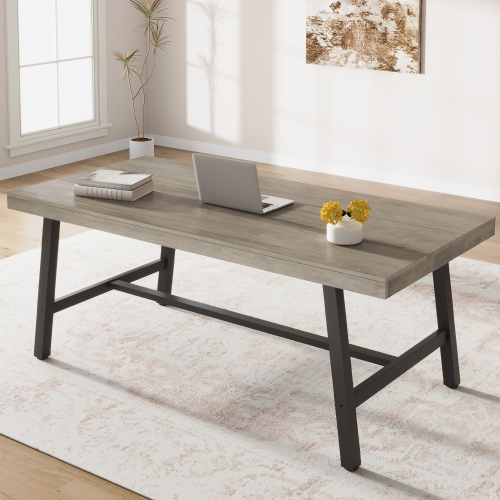
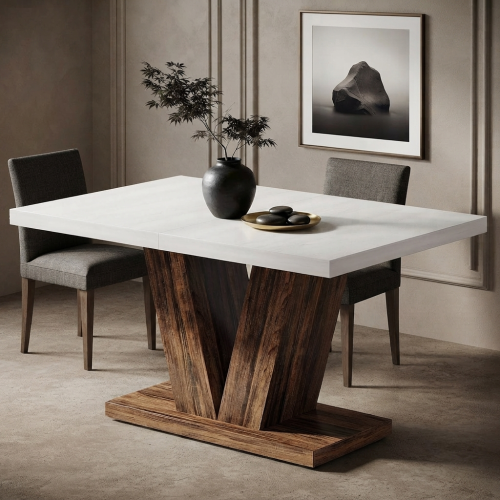
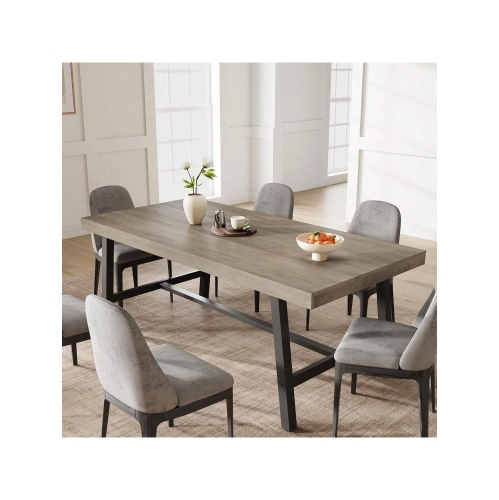
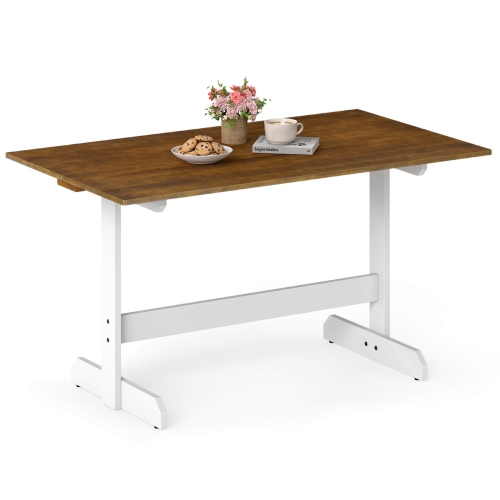
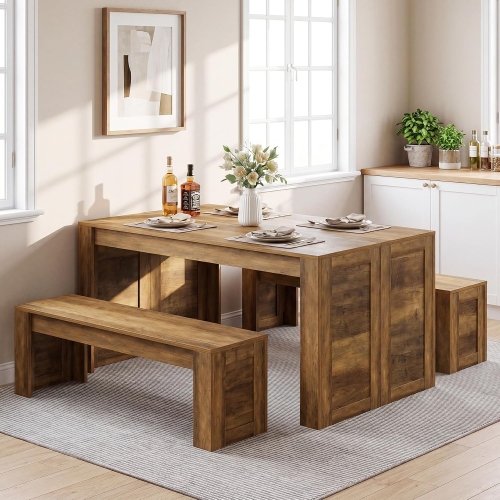

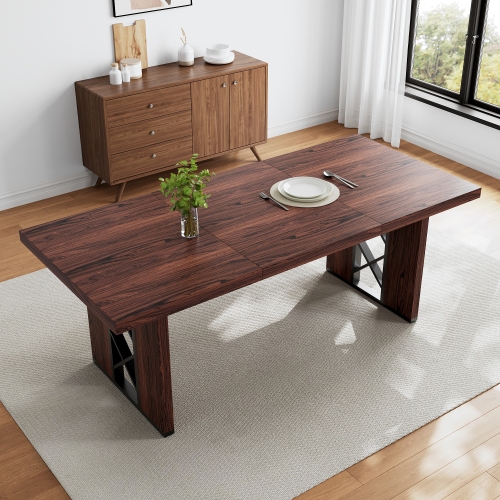
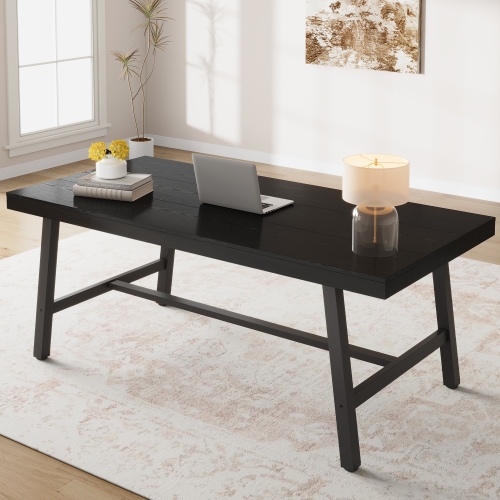
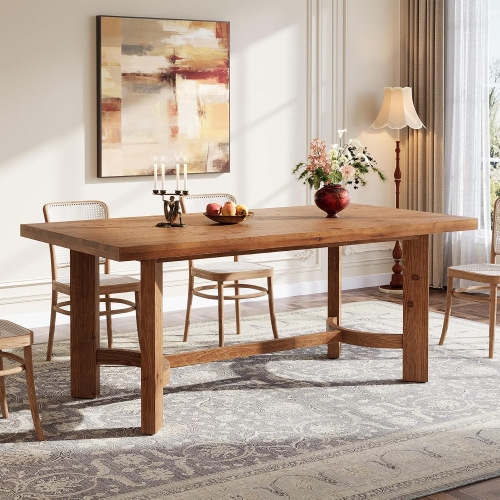
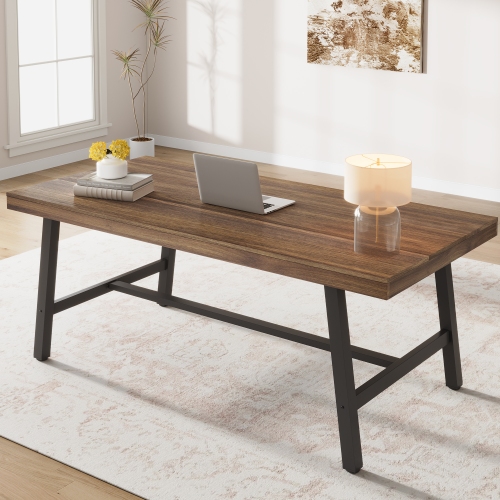
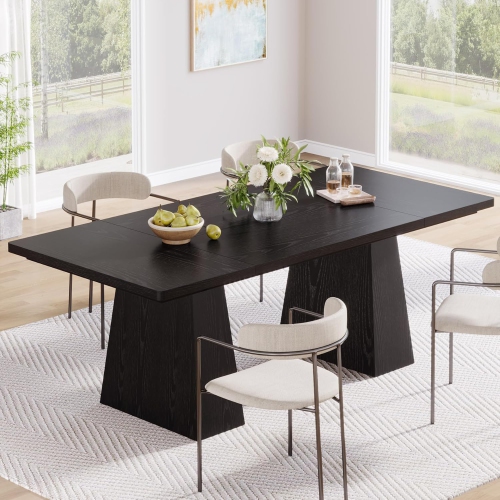
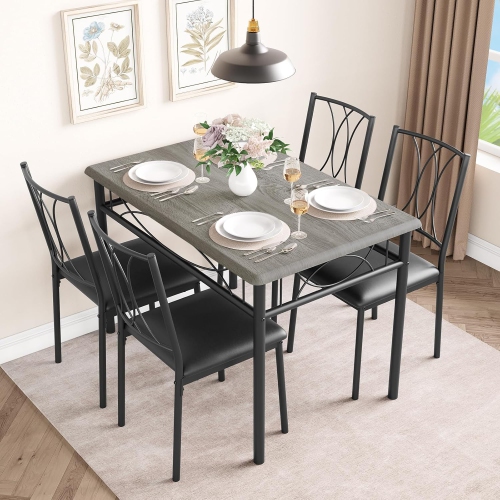
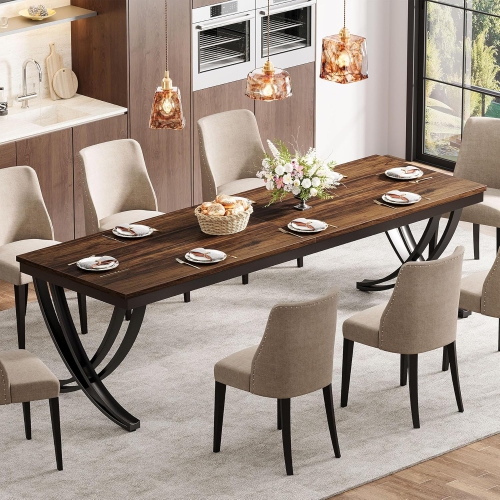
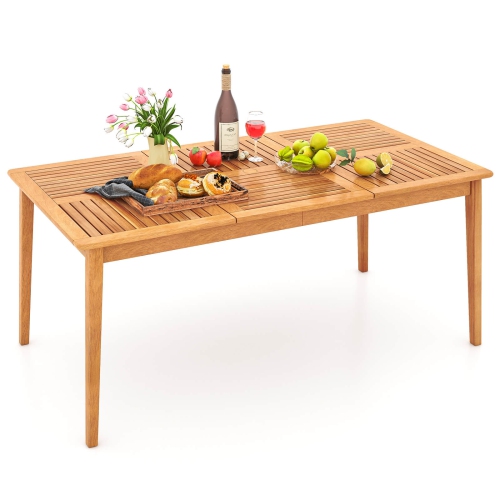
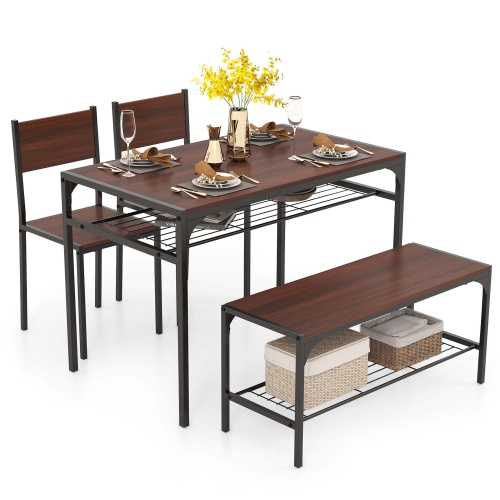
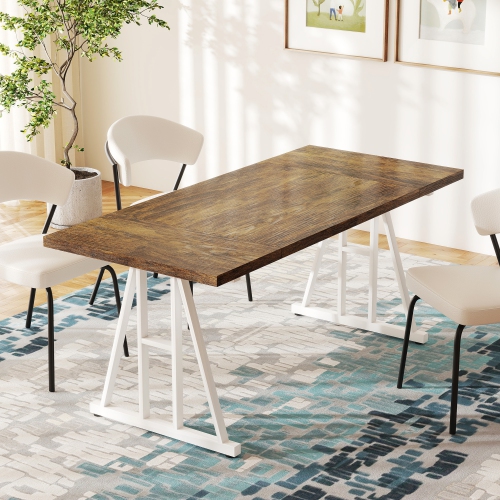
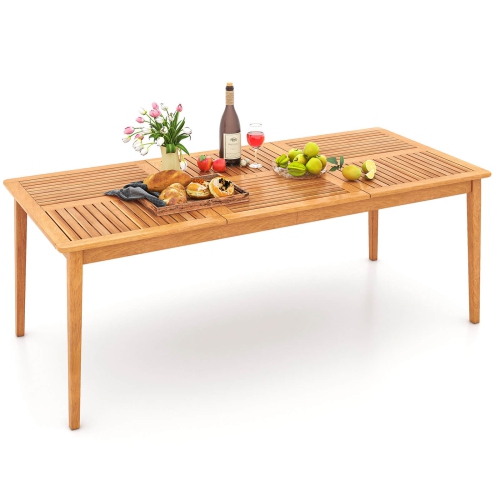
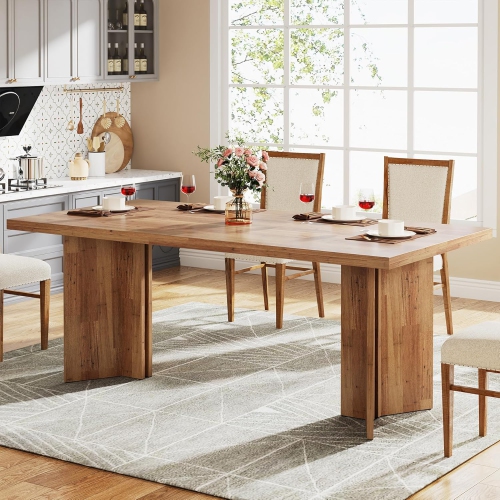
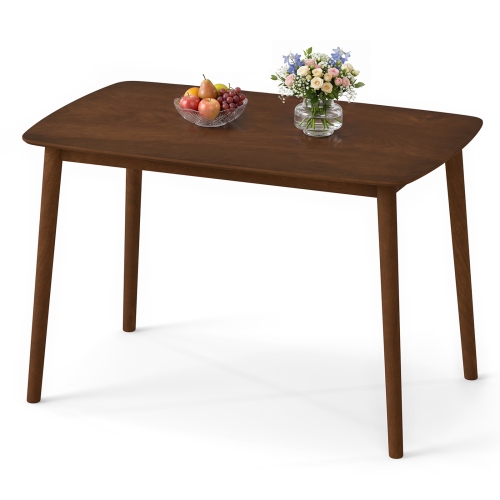
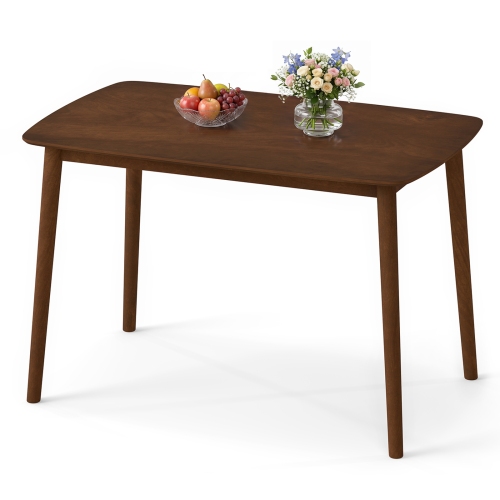
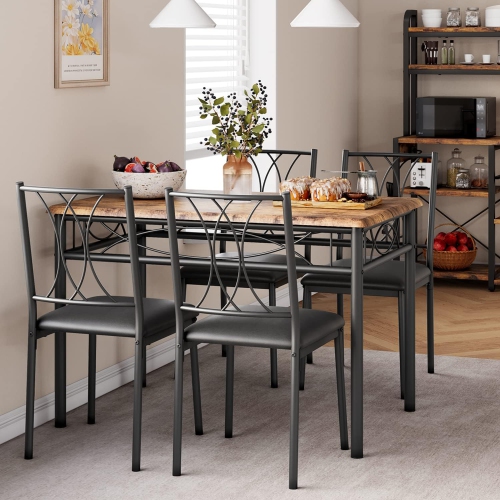
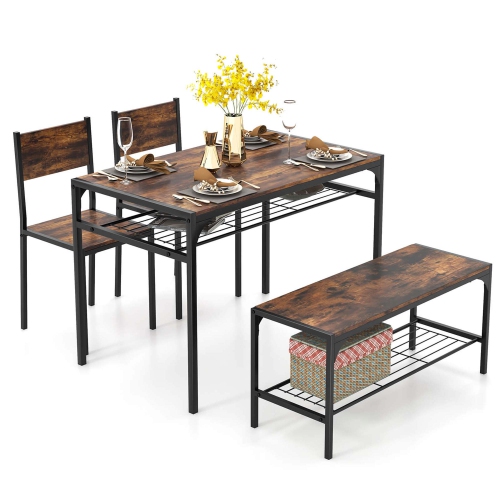
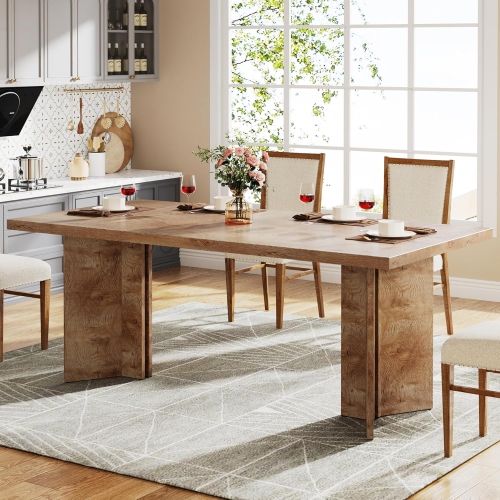
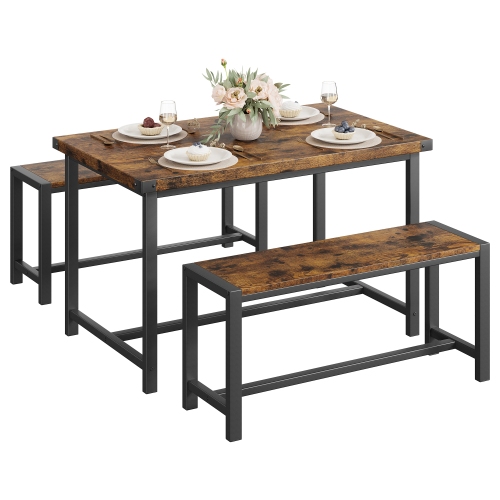
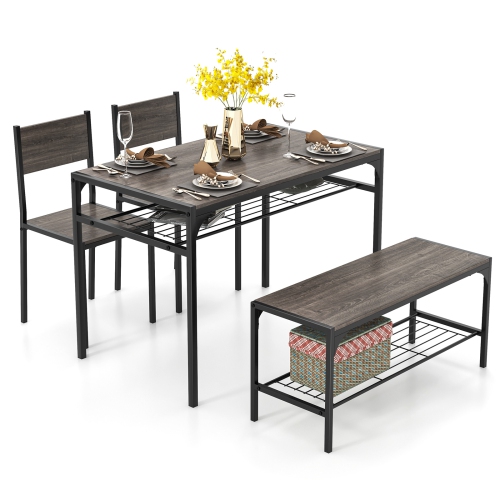
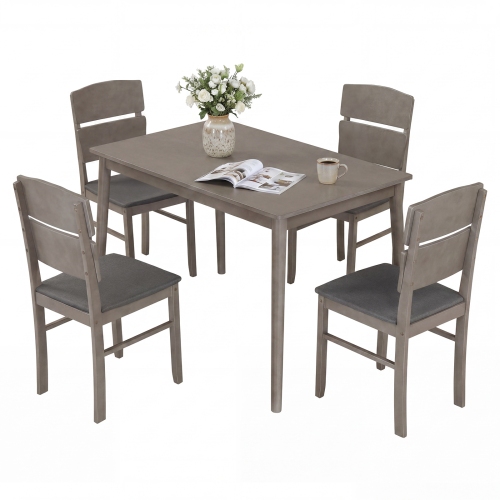

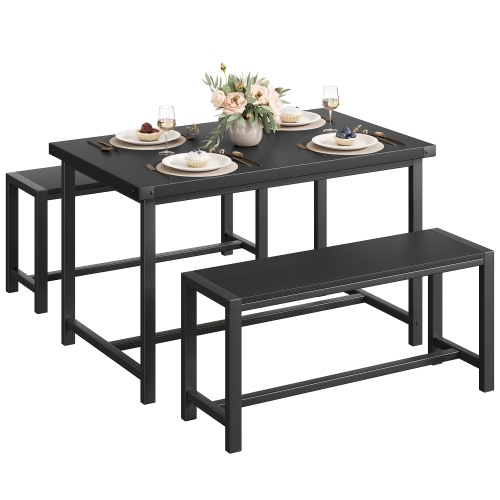
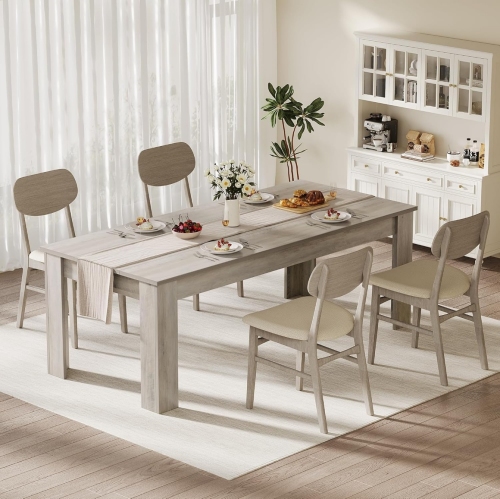
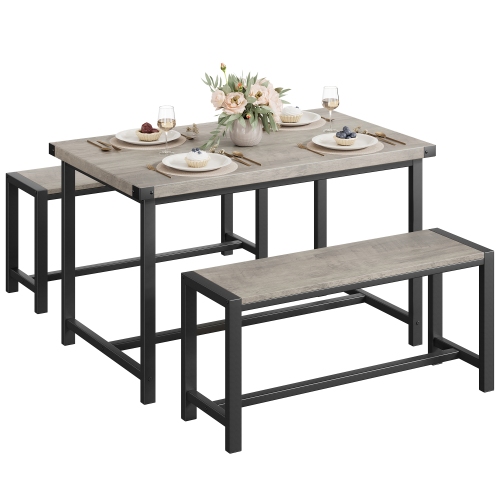
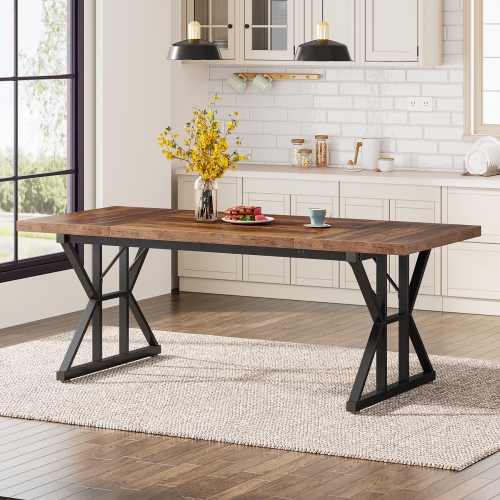
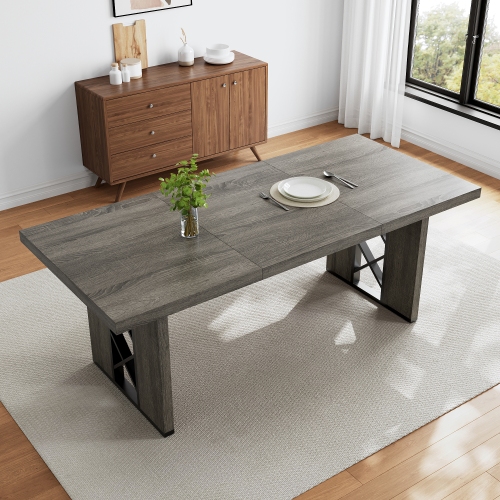
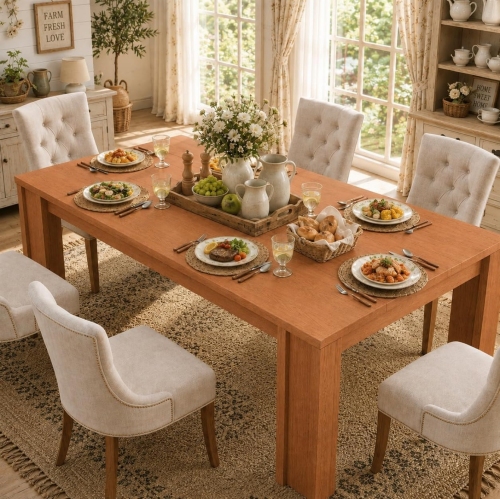
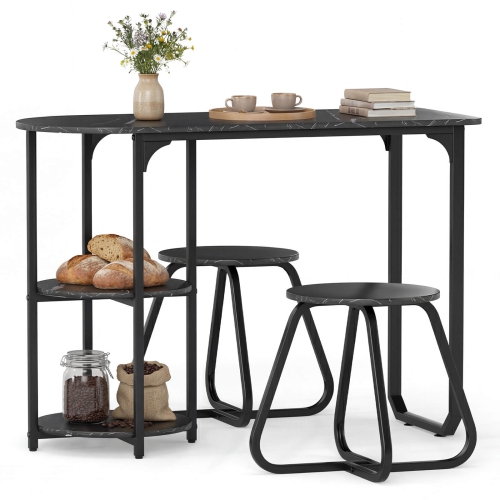
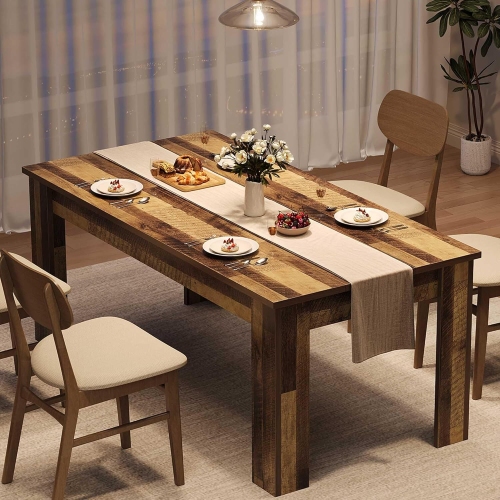
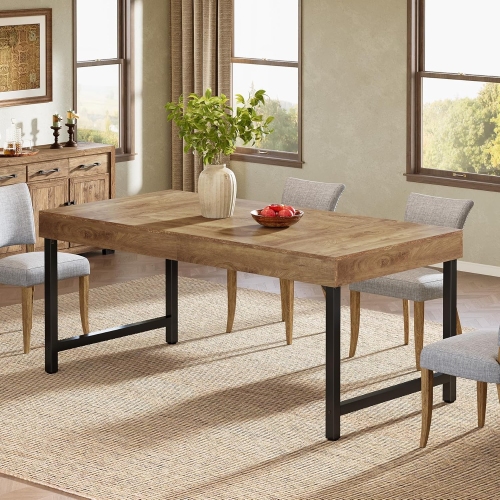
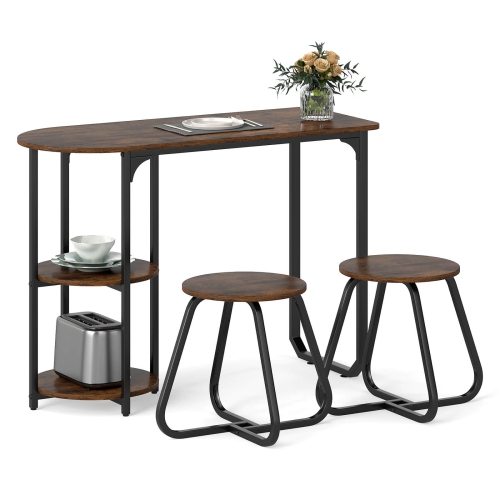
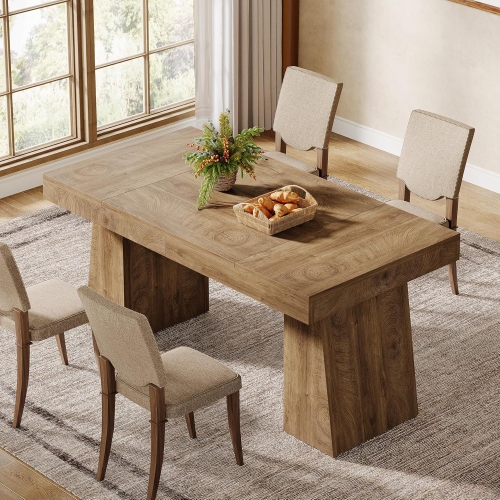
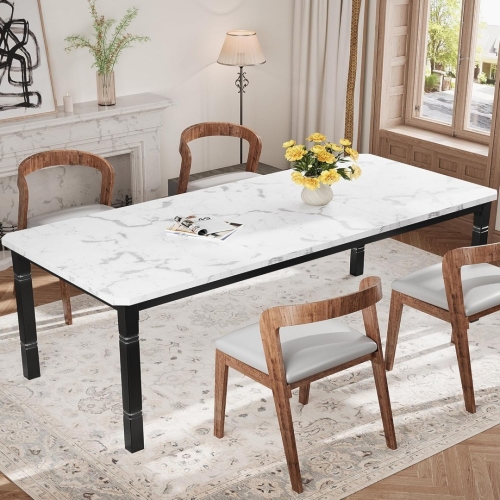
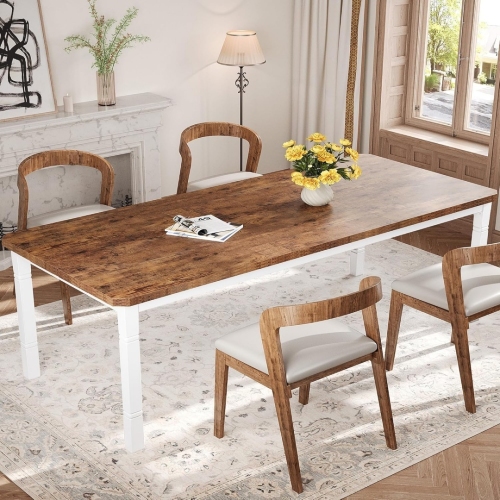
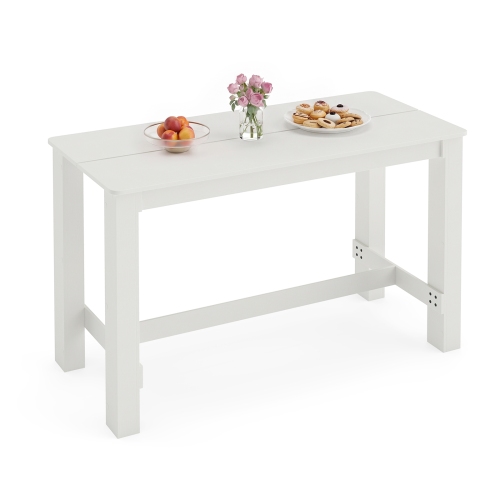
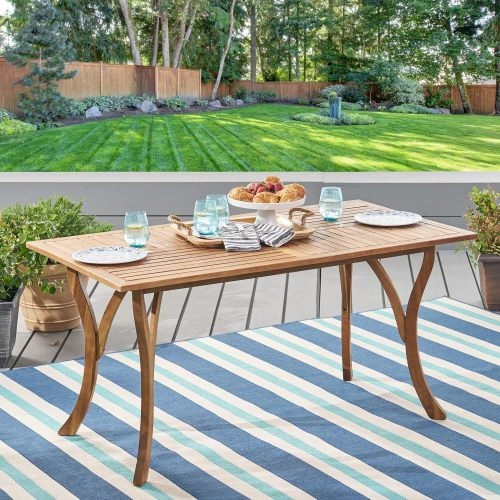
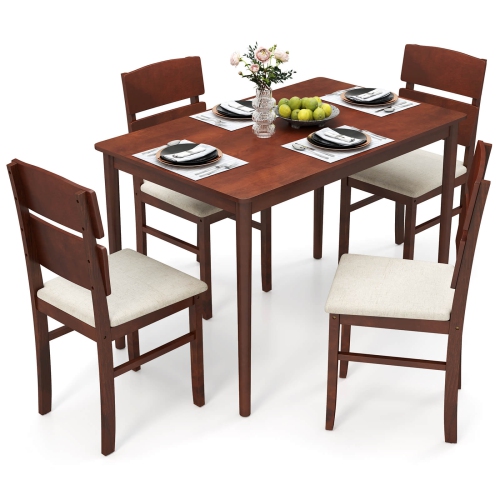


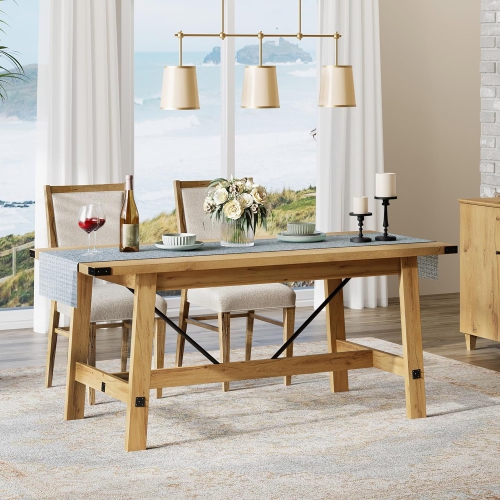
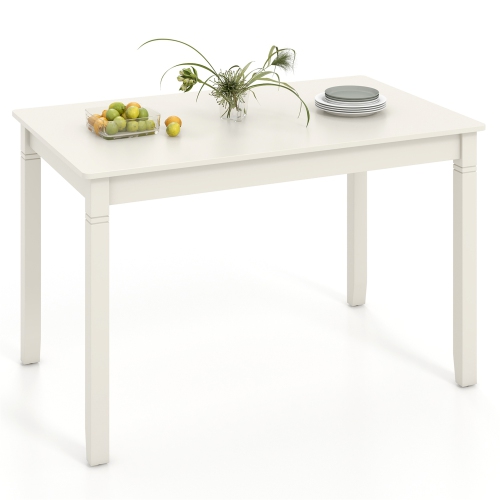
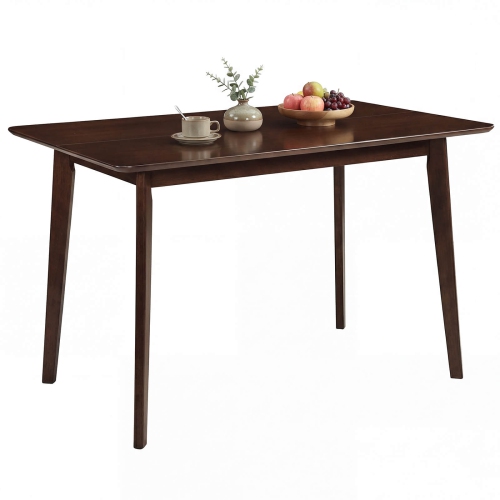
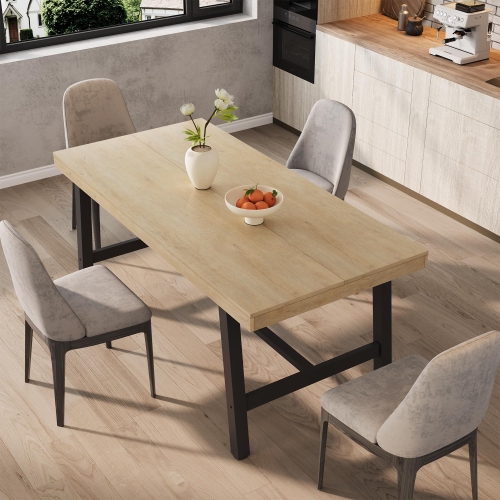
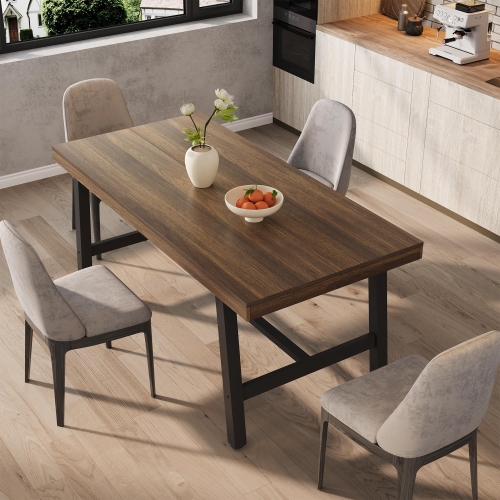
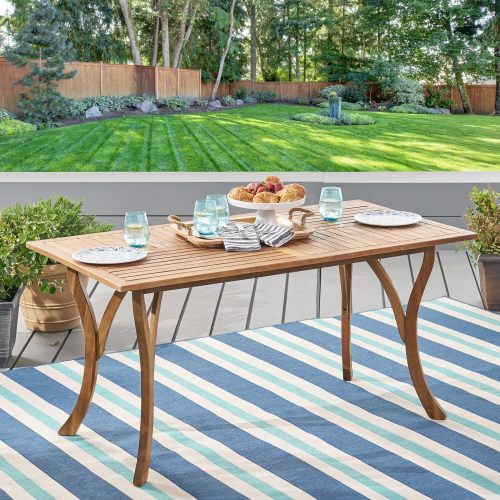
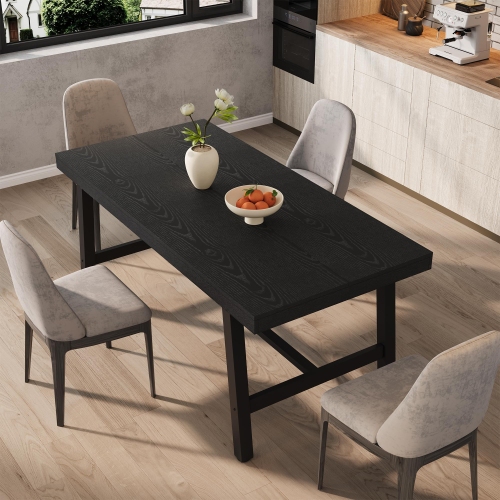
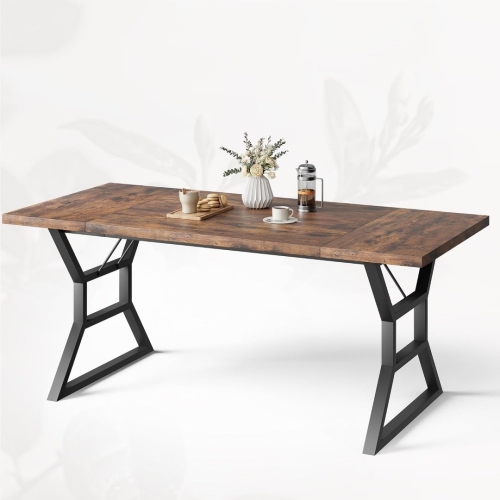
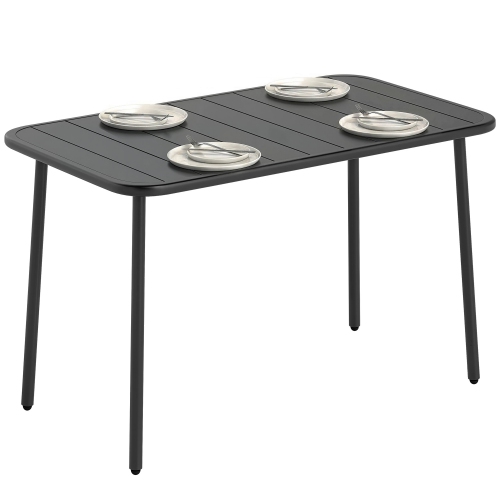
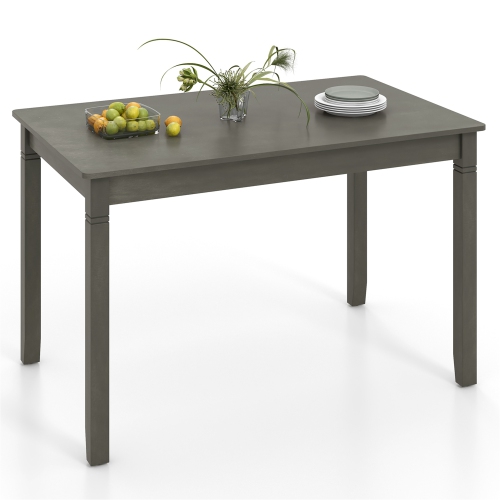
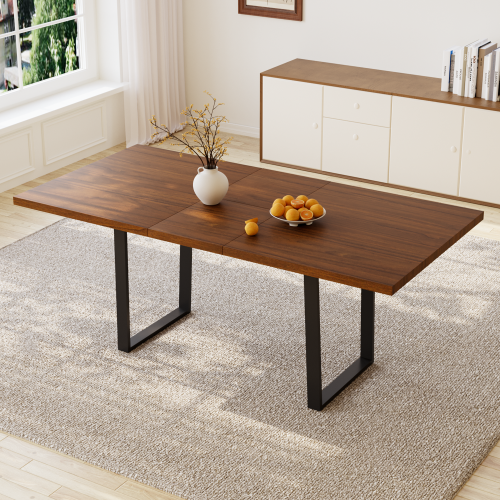
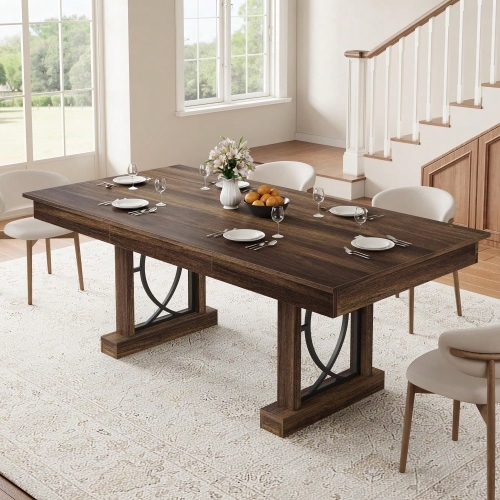
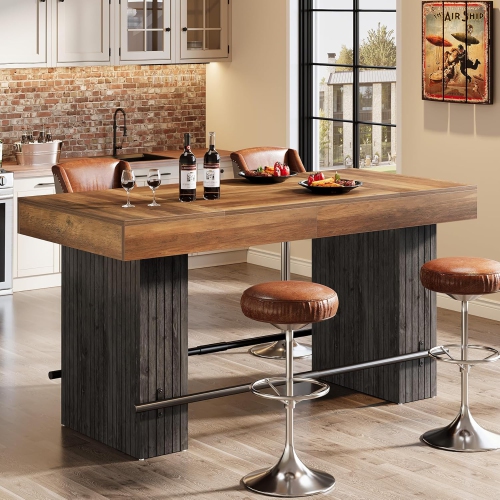
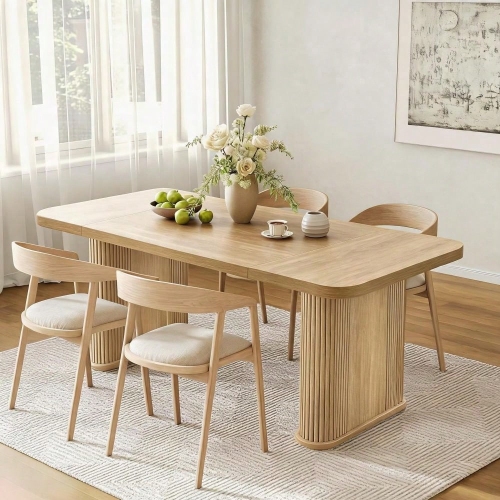
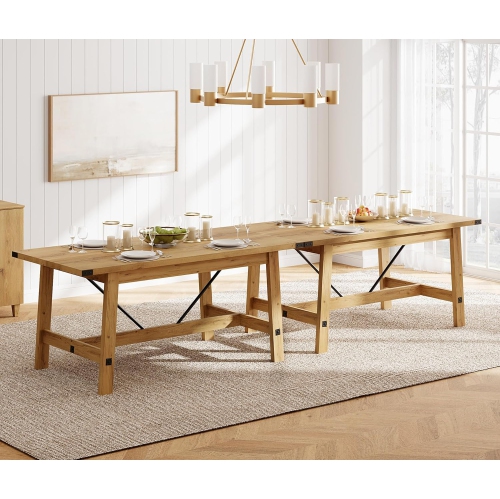
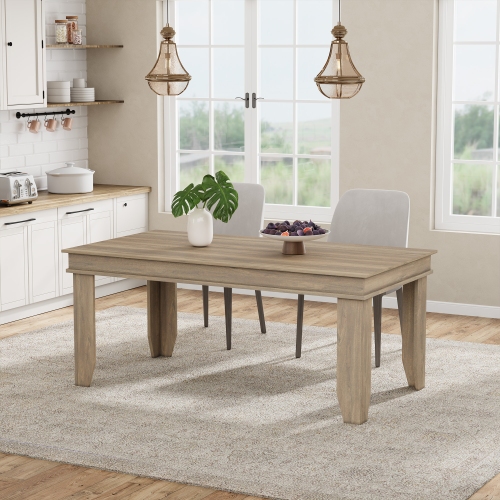
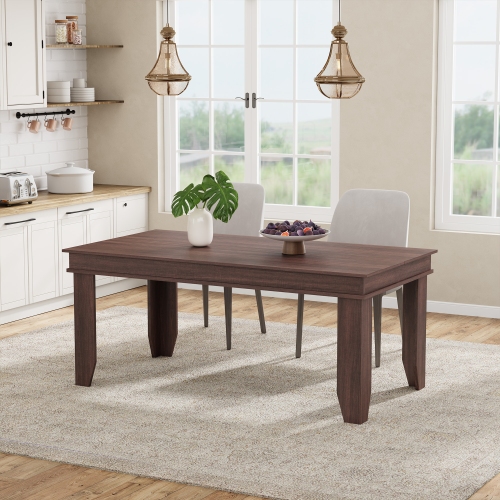
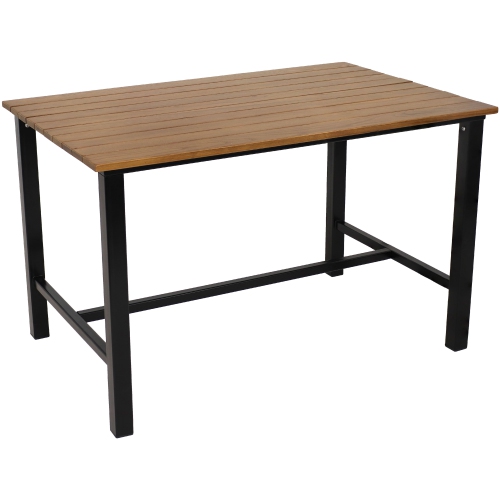
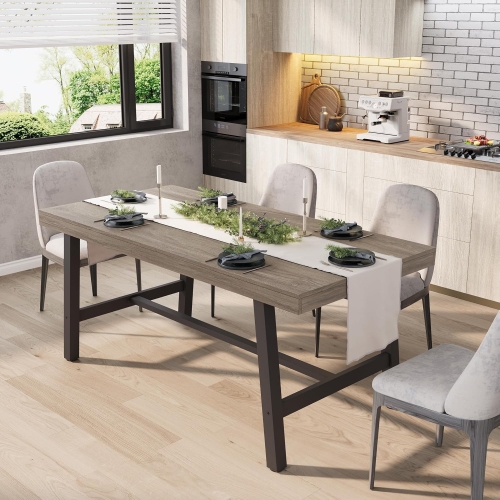
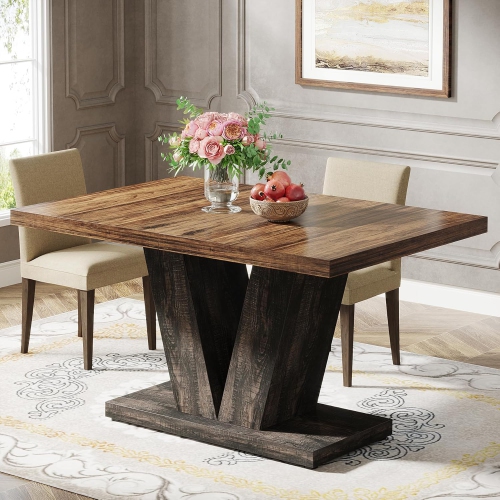
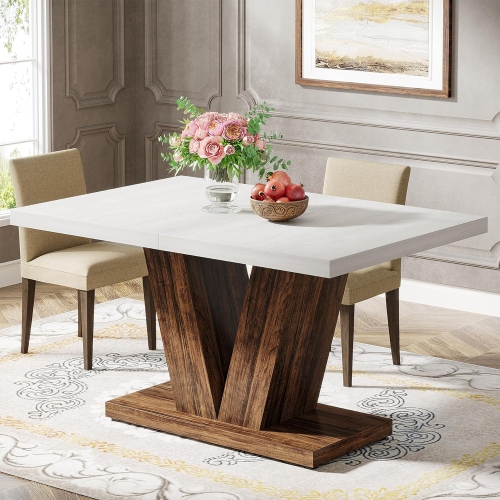
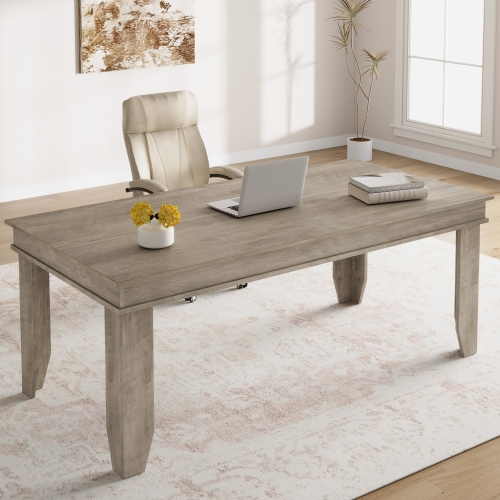
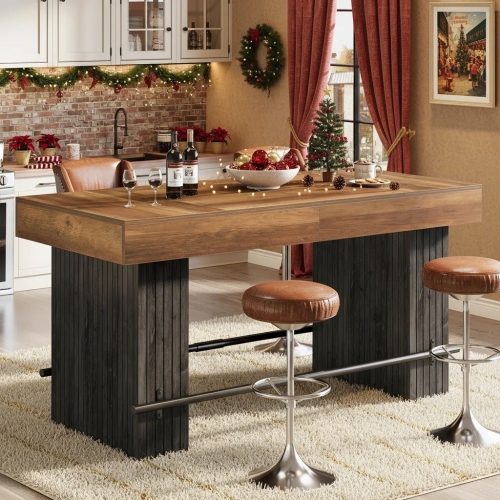
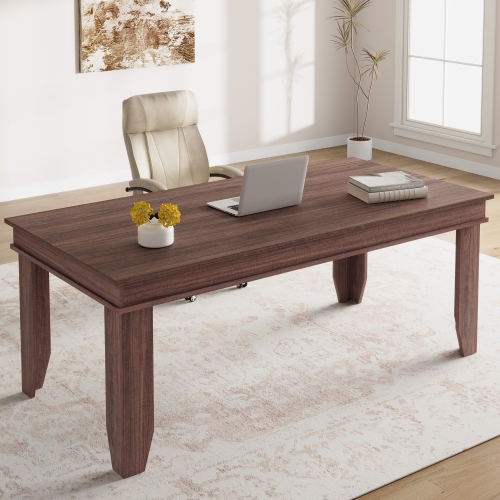
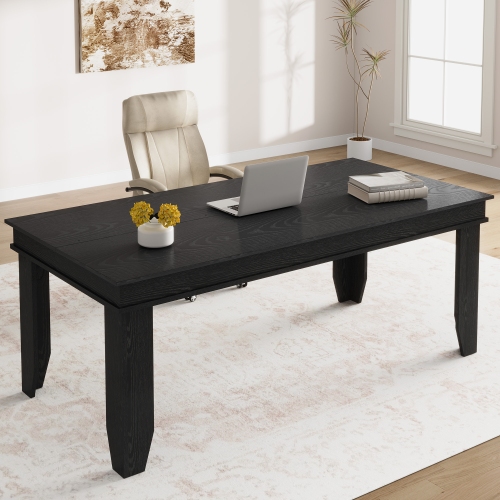
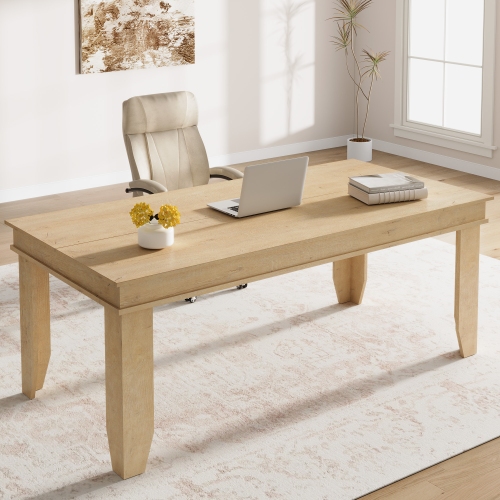
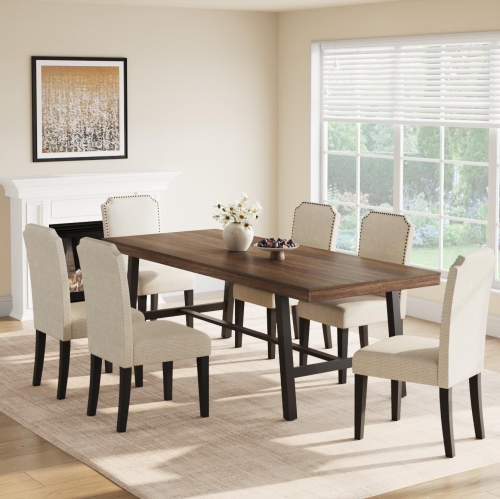
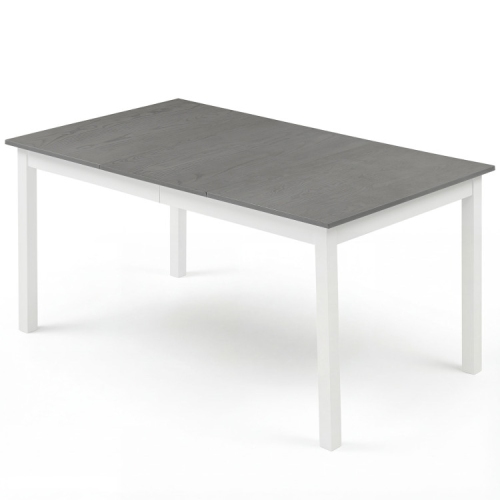
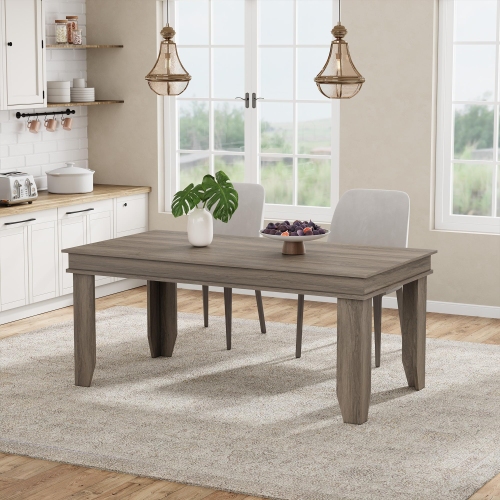
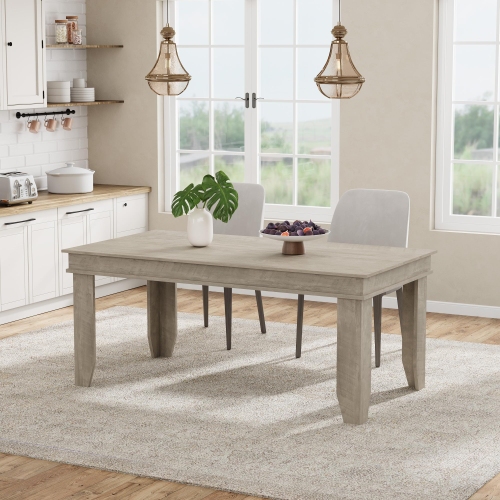

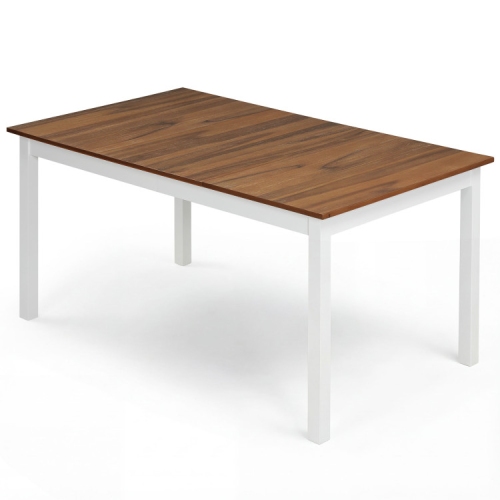
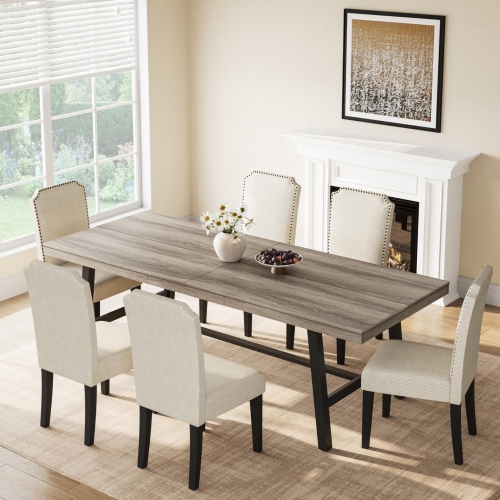
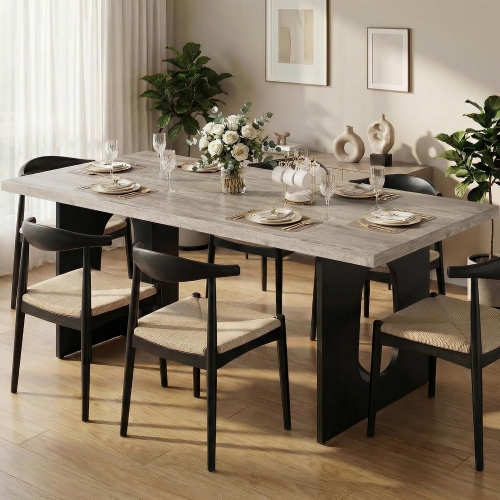
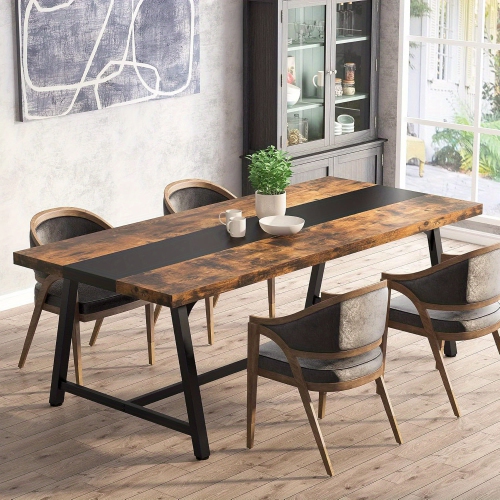

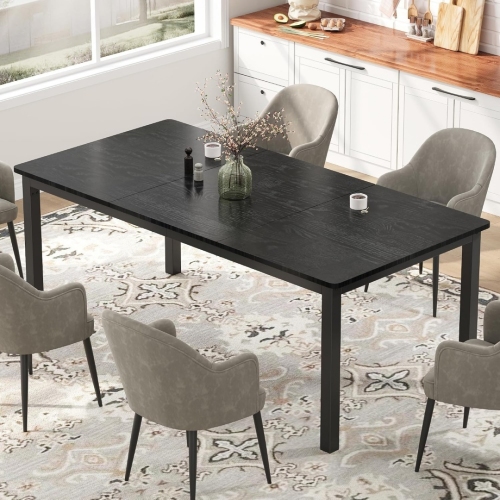
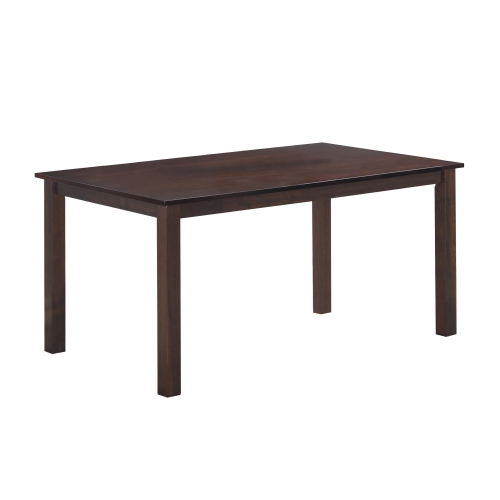
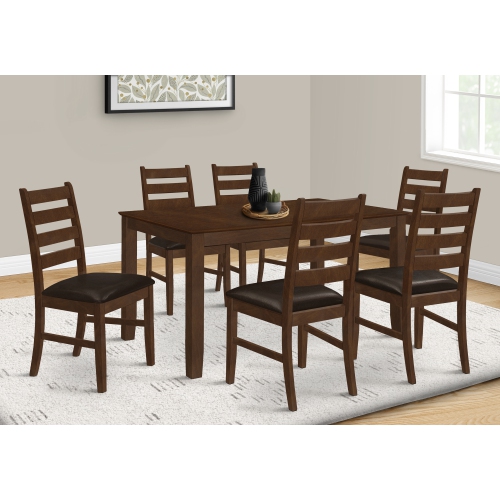
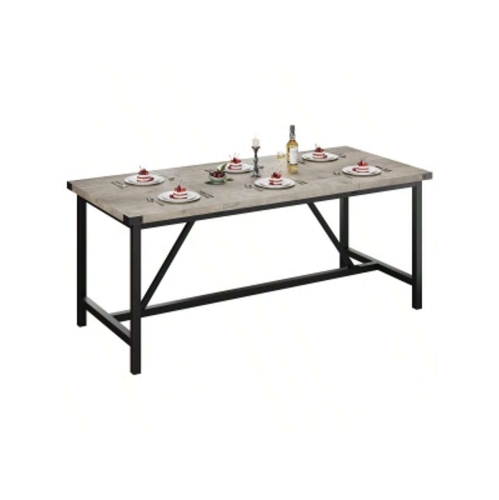
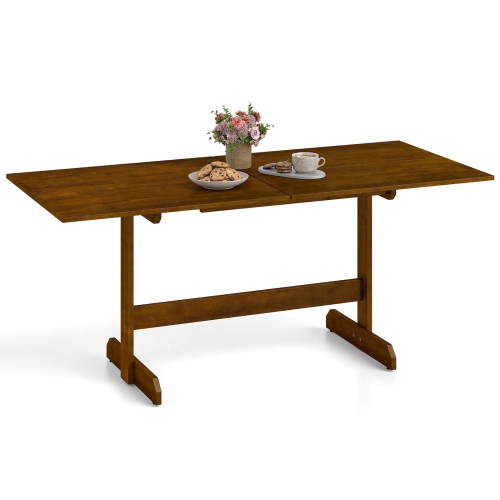
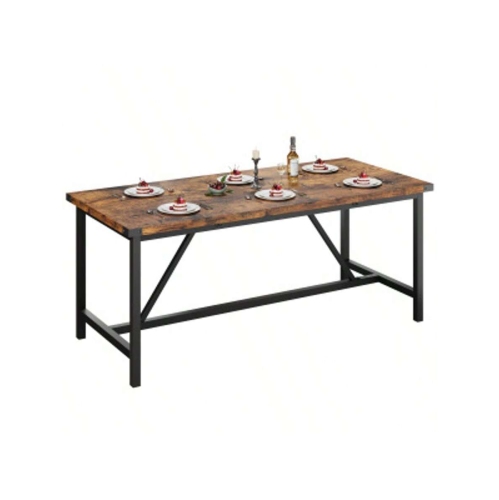
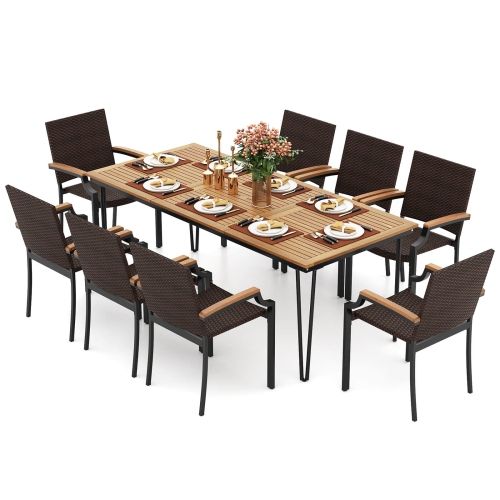
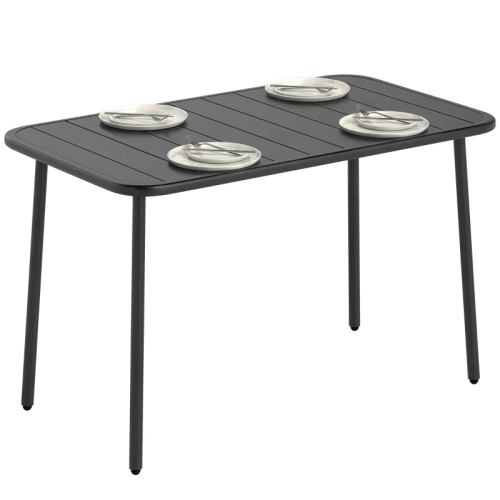
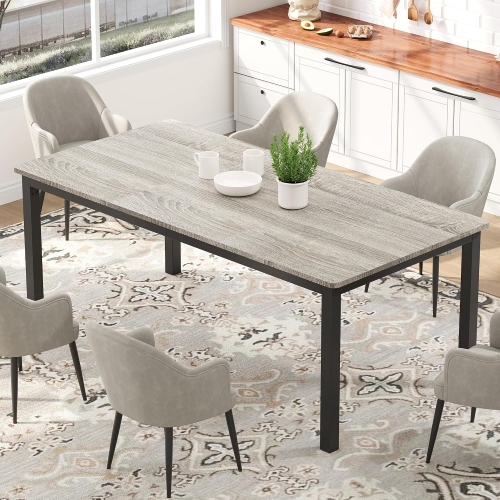
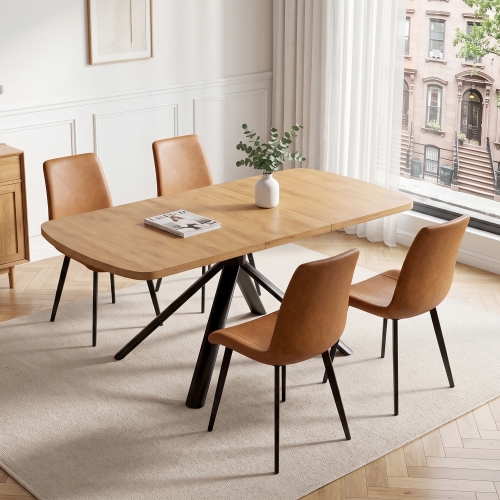

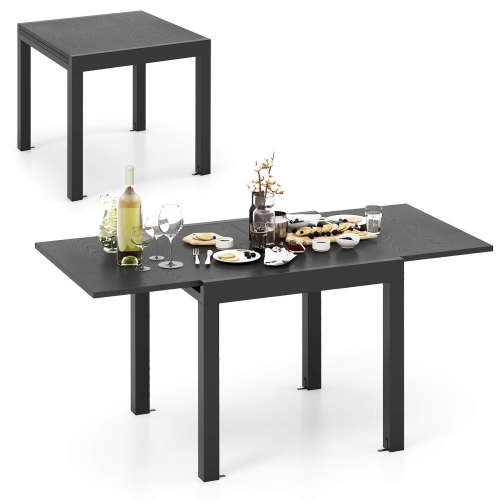
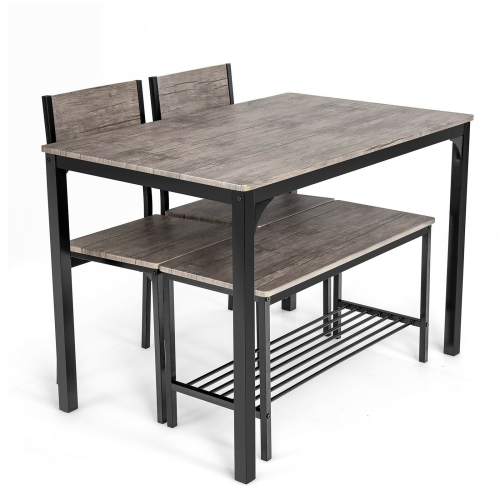
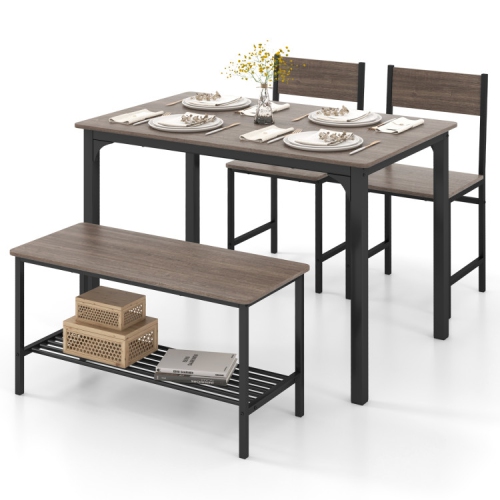
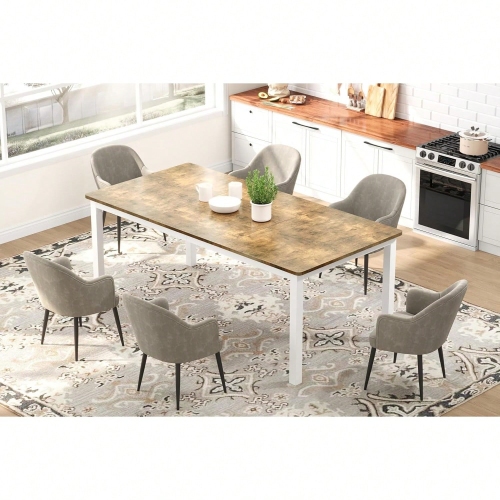
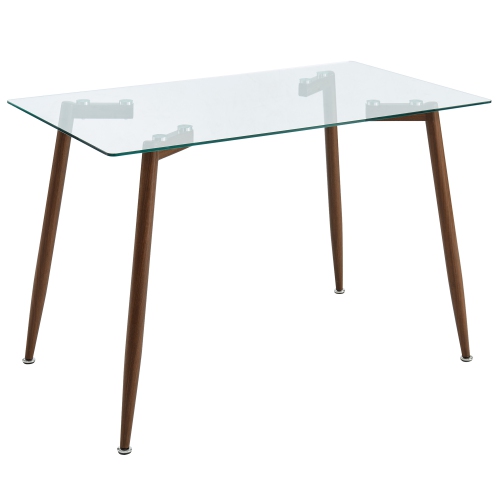
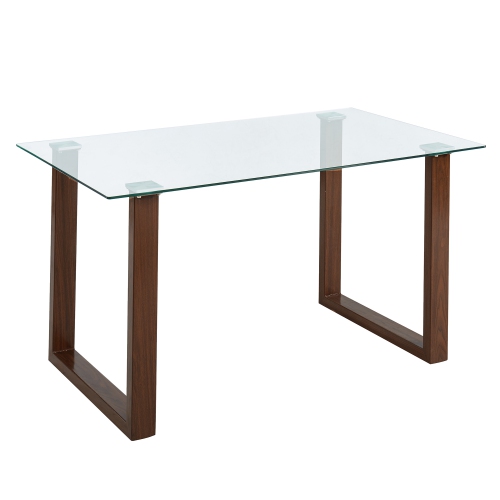
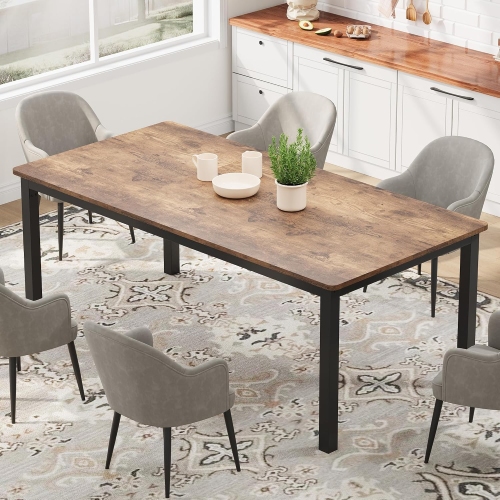
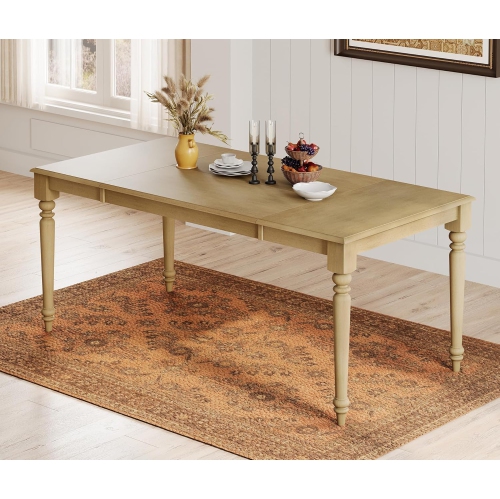
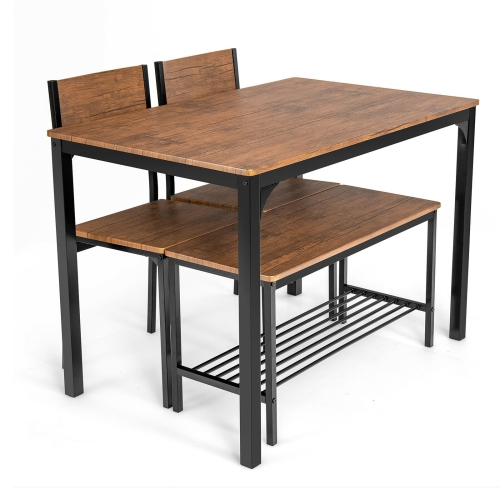
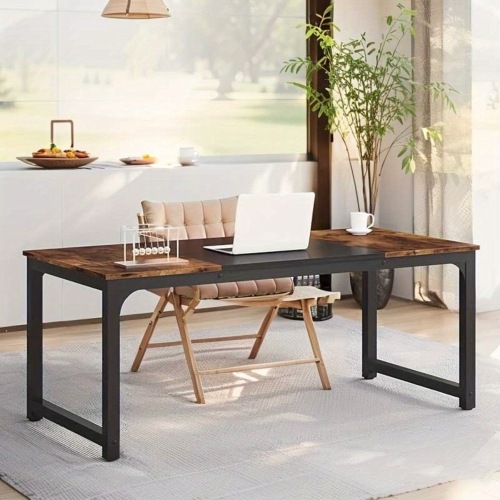
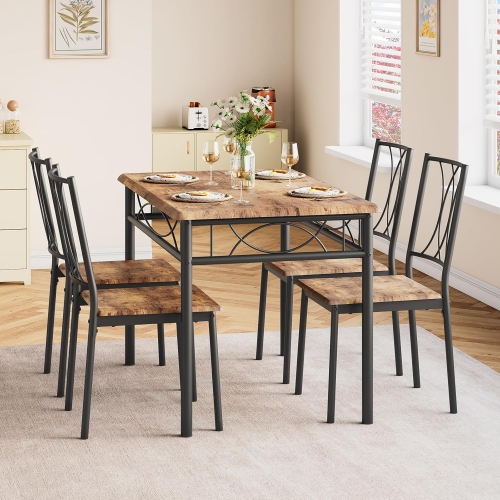
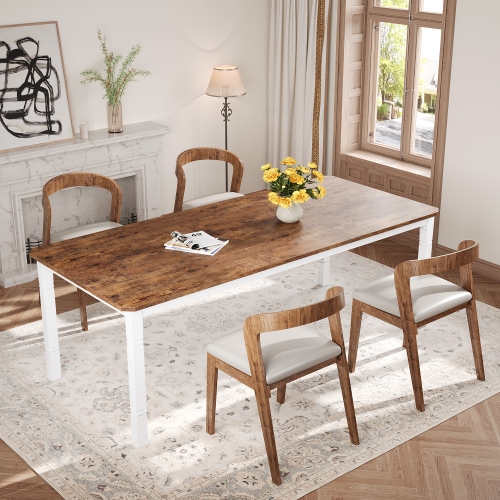
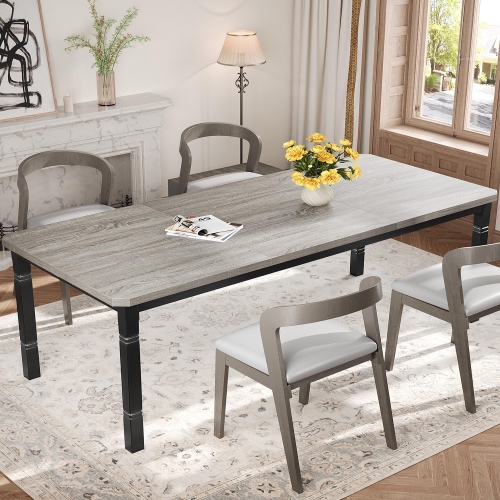
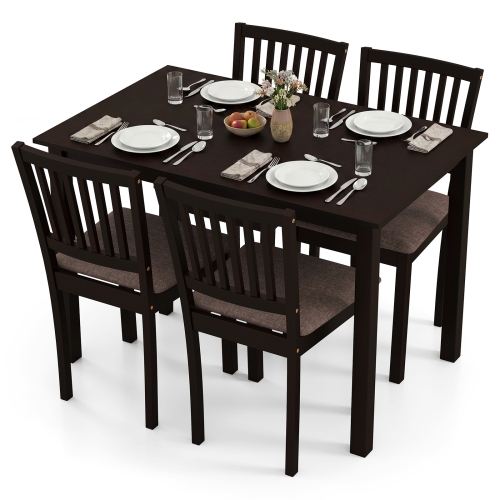
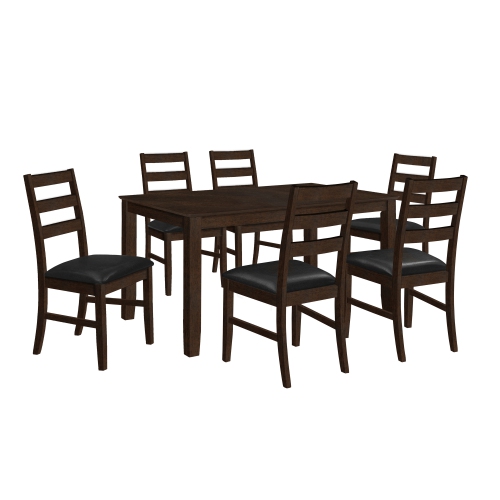
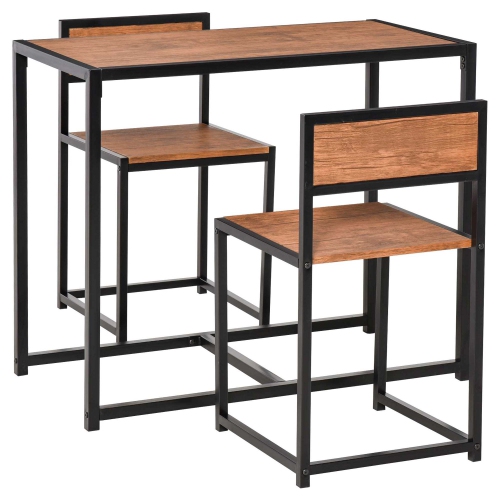
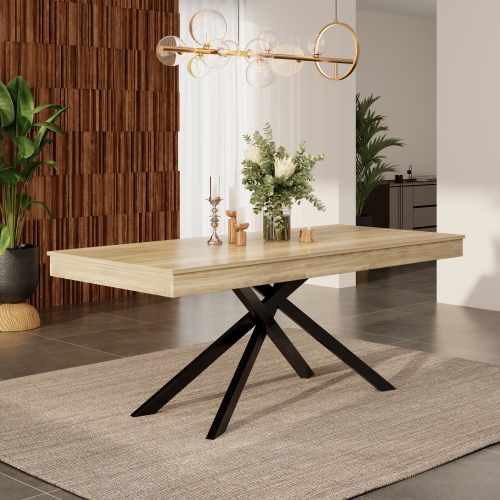
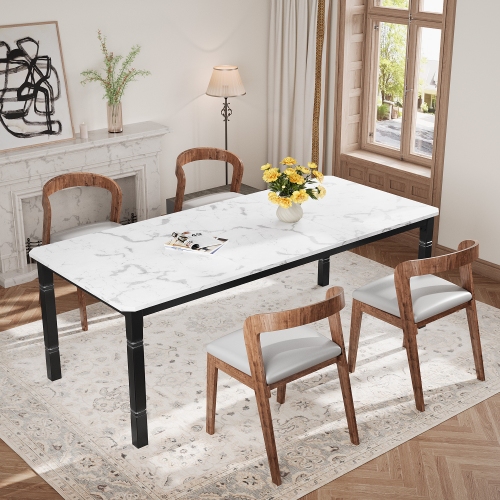
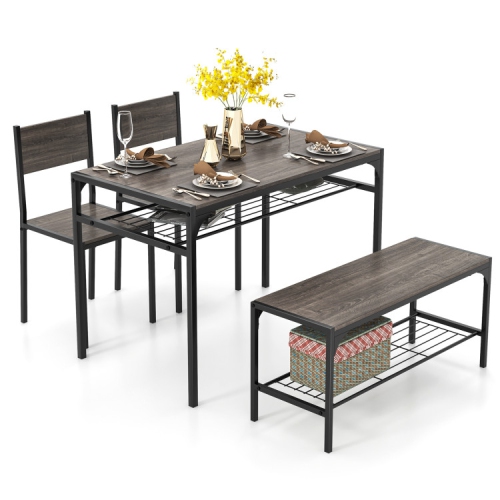
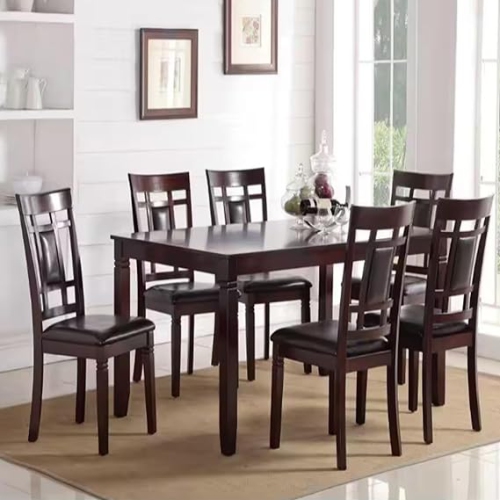
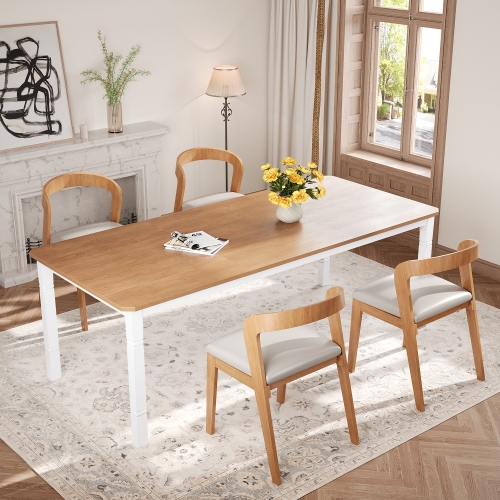
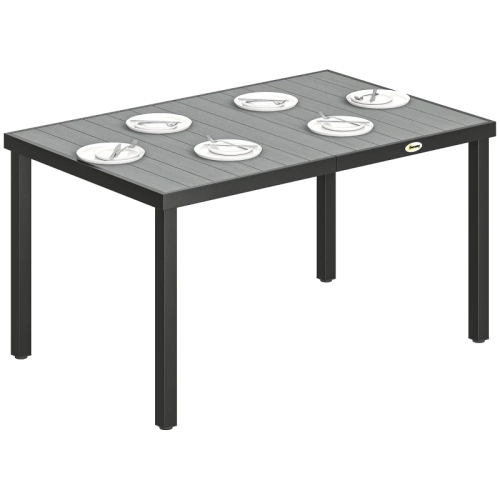
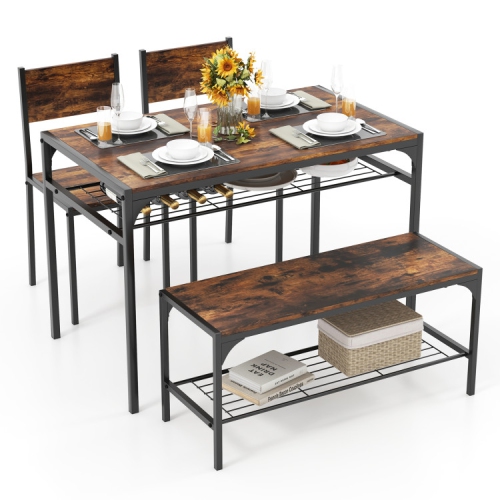
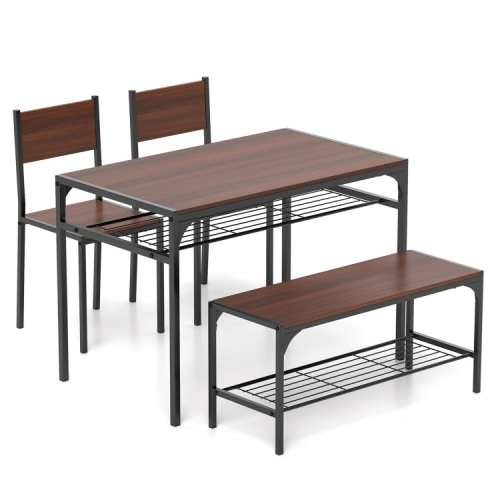
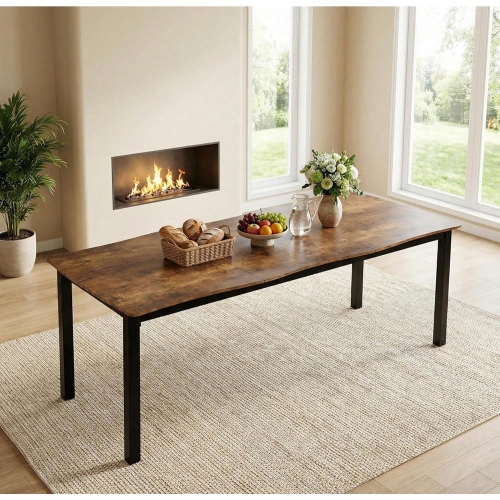
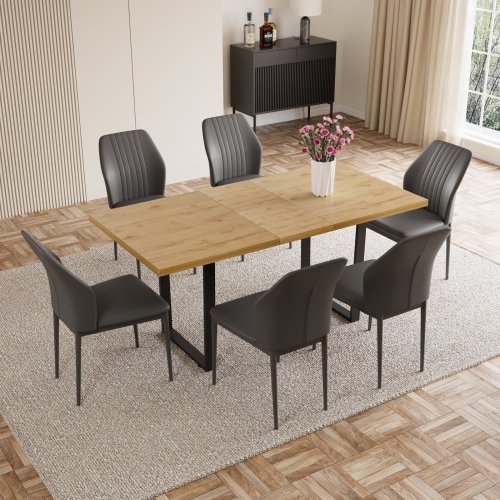
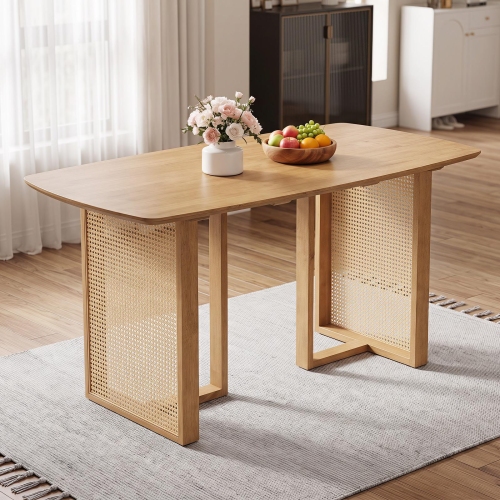
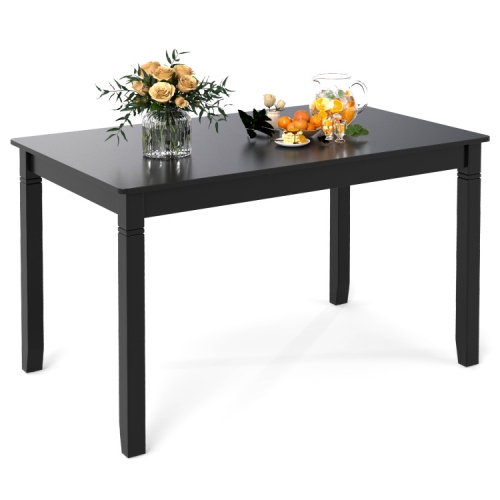
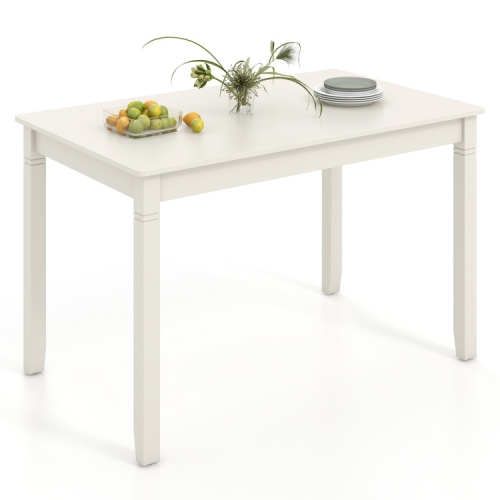
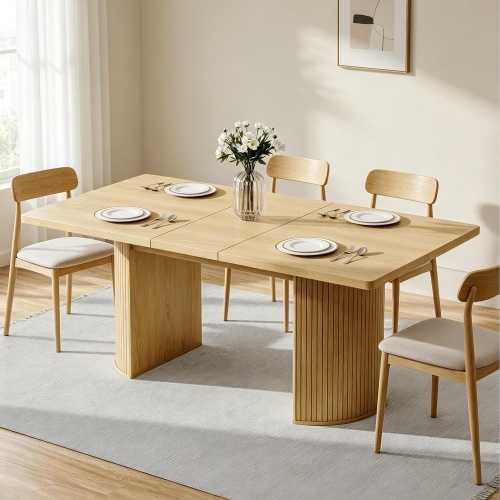
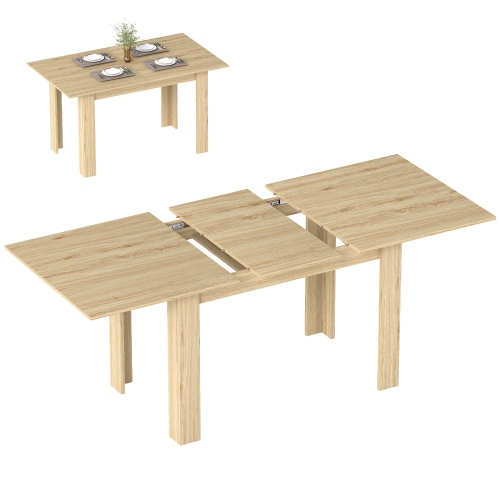
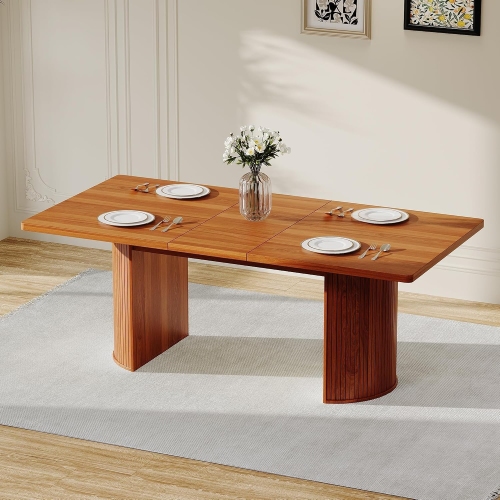
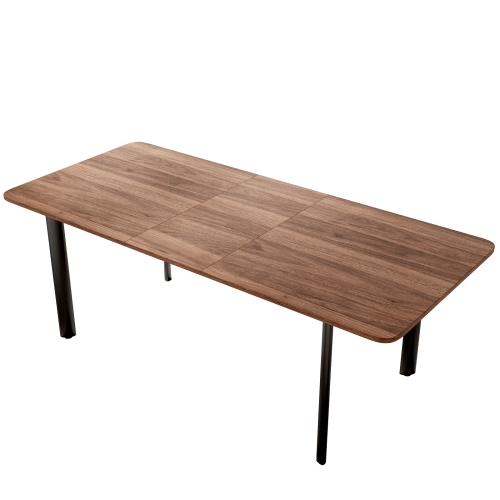
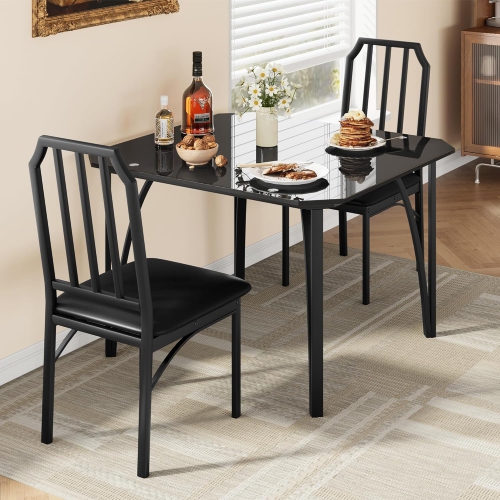
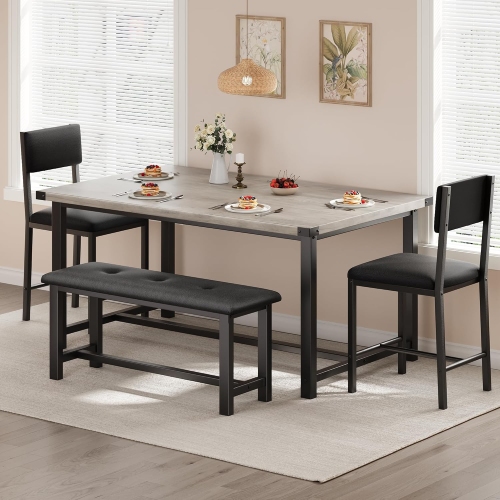
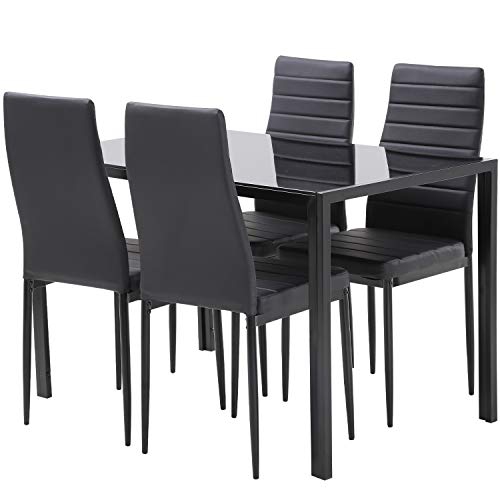
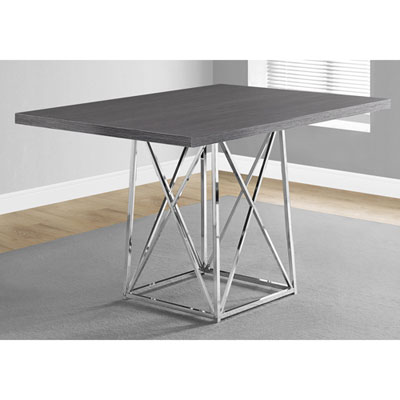
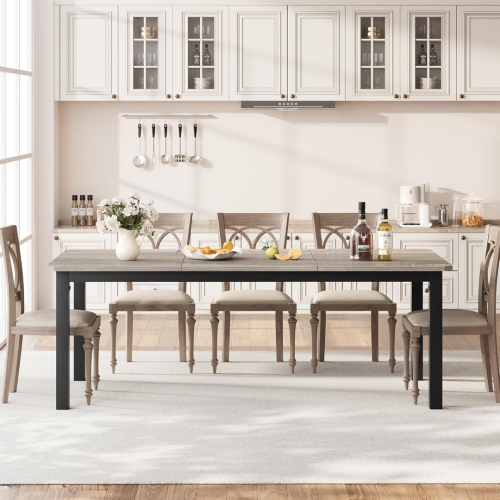
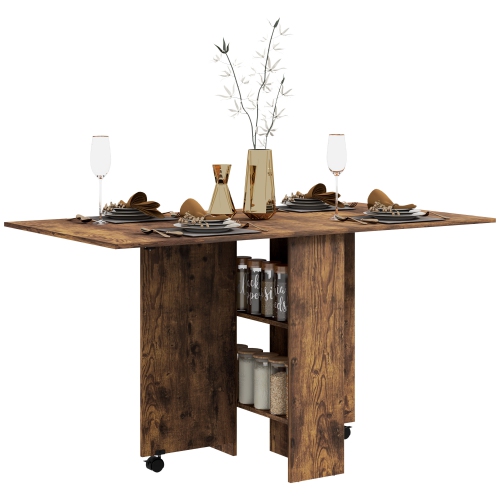
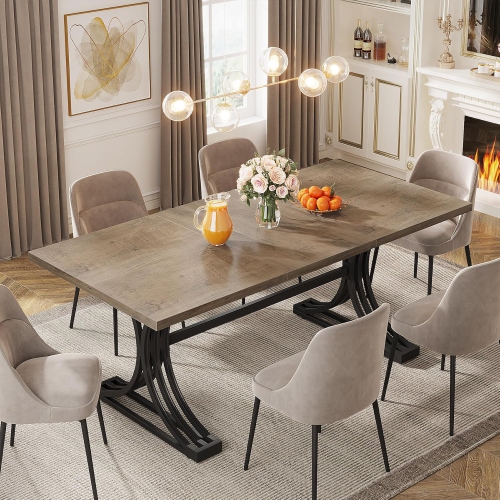
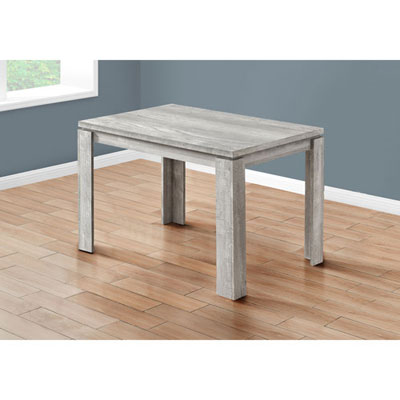
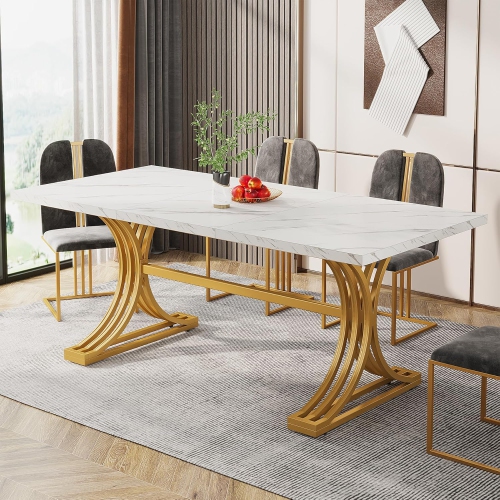
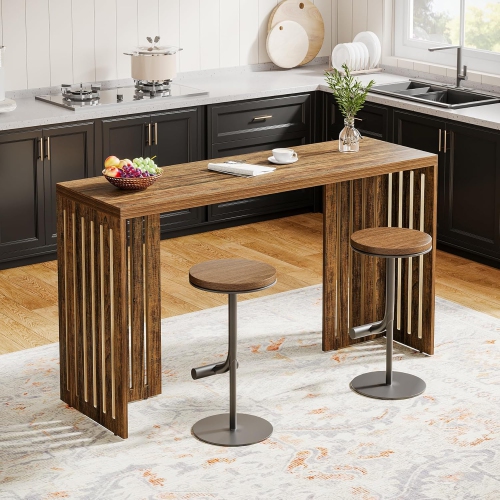
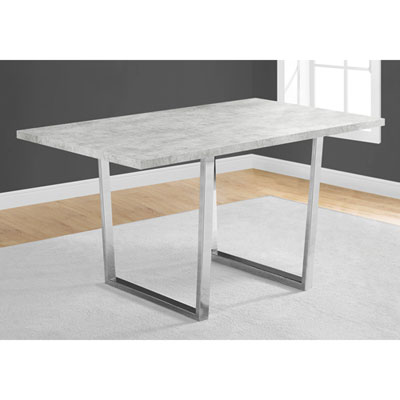
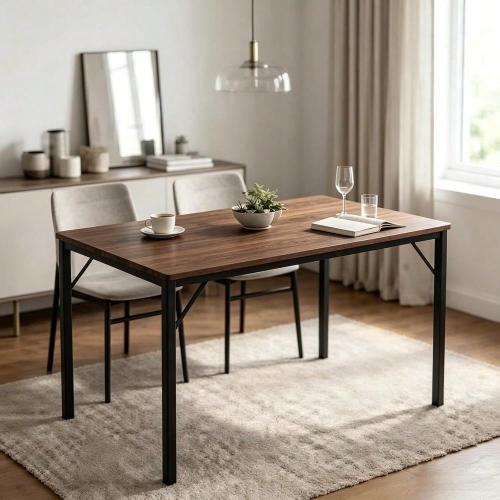
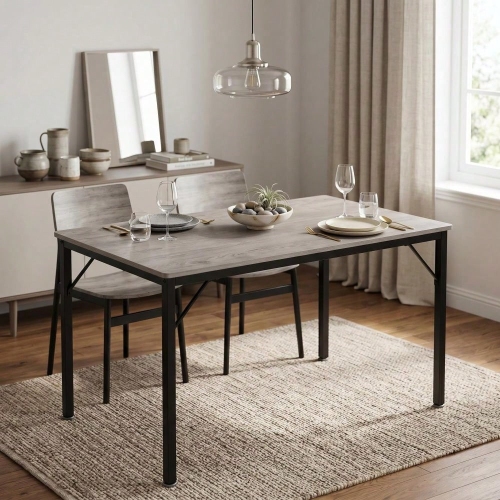

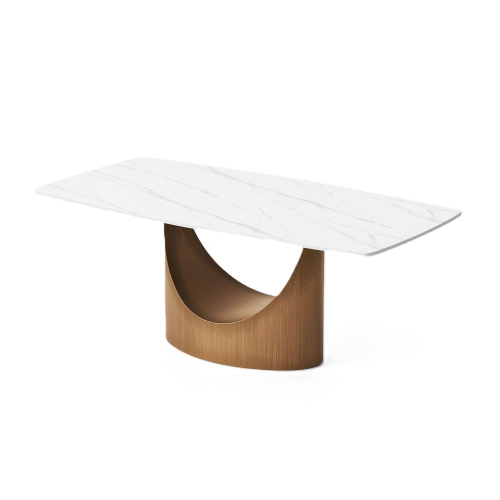
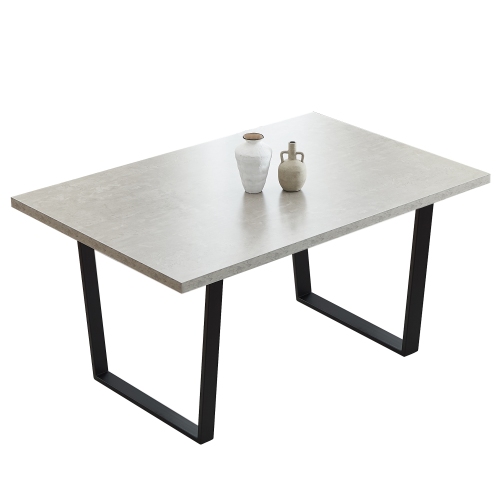
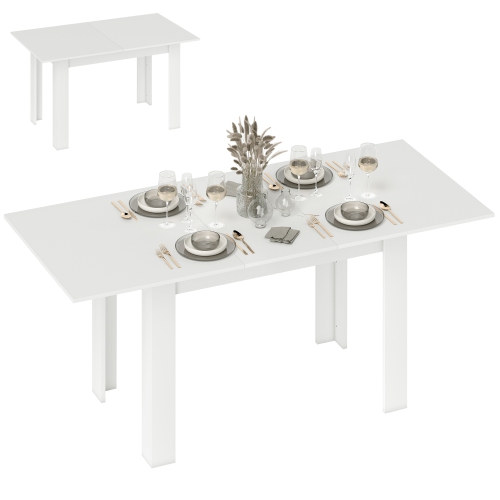

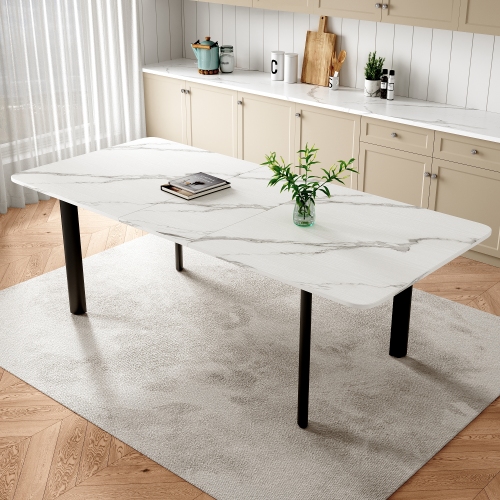
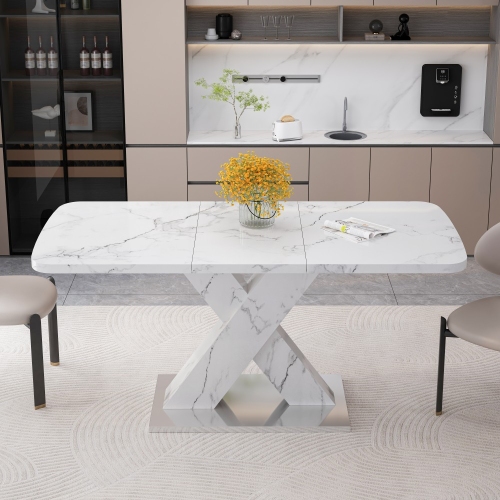
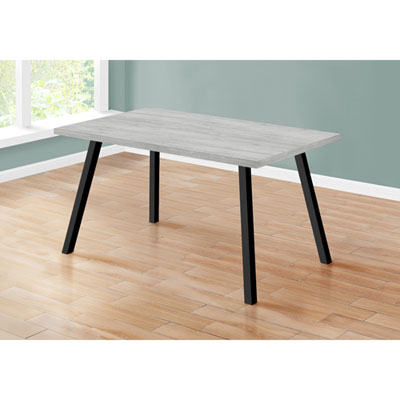
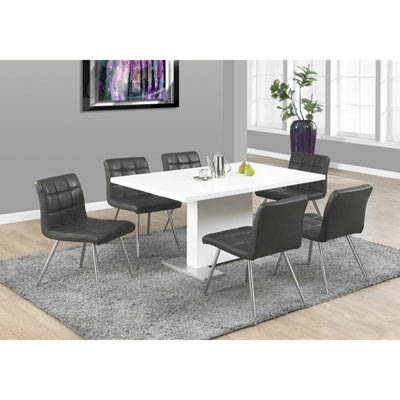
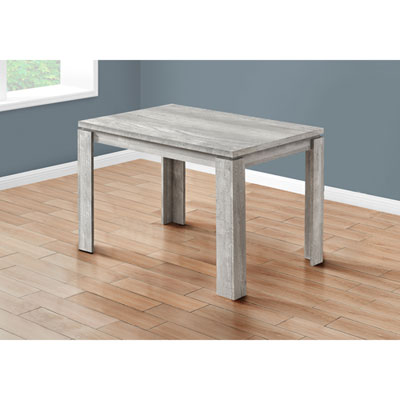
Wood grain character meets everyday dining practicality
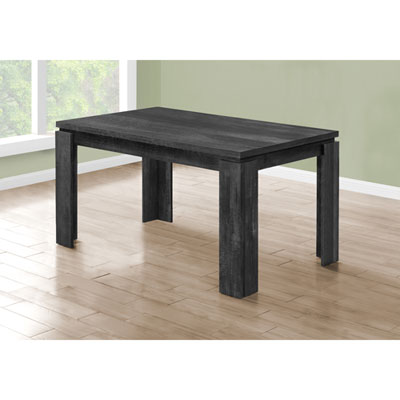
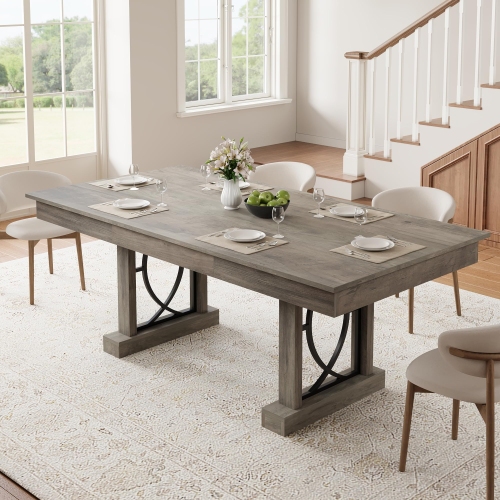
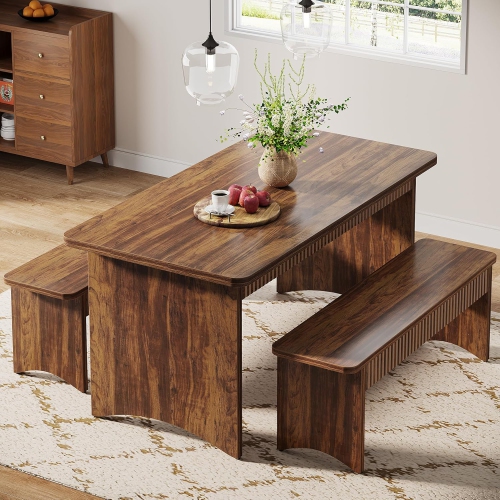
Rustic rectangular dining tables pair a long, straight-sided tabletop with visible wood grain, textured finishes, and a substantial, welcoming appearance. Their appeal comes from the balance between a practical shape and surfaces that show character: pronounced grain patterns, variations in colour, gently softened edges, or deliberately distressed details. Within the broader family of rectangular dining tables, rustic styles can lean towards farmhouse simplicity, cottage-inspired warmth, or an industrial look with dark metal supports. Common materials include solid wood, wood veneer over an engineered core, and combinations of wood-based surfaces with metal frames. Each construction brings different qualities to everyday dining. Solid oak has a distinctive grain and a hard-wearing surface, while pine is softer and more likely to develop small dents through regular use. Acacia often features noticeable differences in tone across the tabletop, making the grain part of the overall design. Wood veneer provides a real-wood surface over another material, although its thin outer layer limits how much refinishing it can tolerate. Printed wood-look finishes offer a different construction again, so a rustic appearance alone does not establish whether a table is solid timber. The surface treatment matters as much as the underlying material. A heavily textured top creates visual depth but may need placemats beneath writing paper or a little extra attention when clearing crumbs. A smoother finish can preserve the warmth of wood while making daily wiping more straightforward. Brown, honey, grey, and darker espresso tones each change how the table relates to flooring, cabinetry, and chairs. Matching every wood tone is not necessary; a shared undertone or a repeated detail, such as black chair legs beside a black table base, can bring the room together without making it feel overly coordinated. The result can feel relaxed and lived-in while still giving the dining area a clear focal point.
The rectangular shape suits dining rooms, open-plan living areas, and eat-in kitchens where a longer table can follow the lines of the room. Its straight edges also make place settings easy to arrange, with diners along both sides and, where the base allows, a seat at each end. Comfortable capacity depends on more than the advertised seat count. Around 60 cm of table edge per diner is a useful starting point, while broad chairs, armrests, or more generous place settings call for additional room. Table length, width, leg placement, and the space beneath the apron all affect how comfortably people can sit. A chunky corner leg may reduce the usable space near an end seat, while a trestle base can leave the corners open but introduce a lower stretcher that affects foot placement. Chairs need enough clearance to slide beneath the tabletop without their arms catching, and benches need to fit between the legs if they are meant to tuck away. Allowing approximately 90 cm between the table edge and a wall or other furniture generally gives diners room to pull out a chair; a busy route behind seated diners benefits from more space. Measurements should account for nearby sideboards, kitchen islands, and doors rather than just the room’s empty floor area. Extendable rustic rectangular dining tables can suit households that prefer a smaller everyday footprint but host larger meals occasionally. Their fully extended dimensions, support arrangement, leaf storage, and opening mechanism are all relevant to how they work in the room. A fixed-top design keeps the surface uninterrupted and avoids the need to store separate leaves. For a table that also handles homework, board games, or occasional laptop use, a reasonably smooth top and comfortable chair height make a noticeable difference. A broad tabletop offers space for shared dishes, but it should still allow people to reach what they need without constantly standing or passing things across a centrepiece.
Durability comes from the combination of material, construction, finish, and care rather than from a rugged appearance alone. A thick-looking tabletop may have a built-up edge rather than being solid wood throughout, and a distressed finish does not make a surface resistant to every scratch or spill. Tight joints, suitable support beneath the top, and a stable base help a dining table feel secure during everyday use. Assembly details also deserve attention, particularly with heavier designs that need two people to lift safely. Moving a table by lifting it rather than dragging it helps avoid strain on the legs and connections. Routine care is usually simple, but the manufacturer’s instructions should take priority because lacquered, painted, oiled, veneered, and wood-look surfaces can require different treatment. For many sealed surfaces, a soft cloth lightly dampened with water, followed by a dry cloth, is appropriate for everyday cleanup. Spills are best removed promptly, especially around seams and leaf openings where moisture can linger. Coasters, placemats, and heat-resistant trivets protect the finish from wet glasses, abrasive pottery, and hot serving dishes. Harsh cleaners, abrasive pads, and unnecessary furniture polish can damage or alter some finishes, so a product suitable for one wooden surface may not suit another. Solid wood can also respond to changes in indoor humidity, and placing it beside a strong heat source may contribute to movement or drying. In a household with children, softly eased corners and a stable base may be more useful than deeply sculpted edges or intricate detailing. Upholstered chairs can soften the look of a substantial timber table, while simple wooden chairs or a matching bench keep the arrangement informal. Whether it anchors daily family meals, shared dinners with friends, or a first home’s dining space, a rustic rectangular table works best when its proportions, seating, and surface suit the activities that happen around it.
Top selling and popular products
-
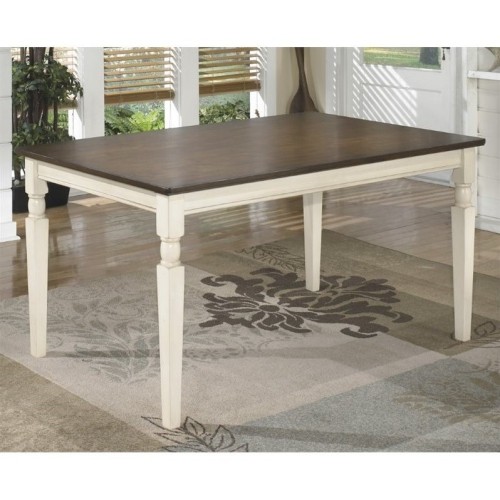 Your price for this item is $399
-
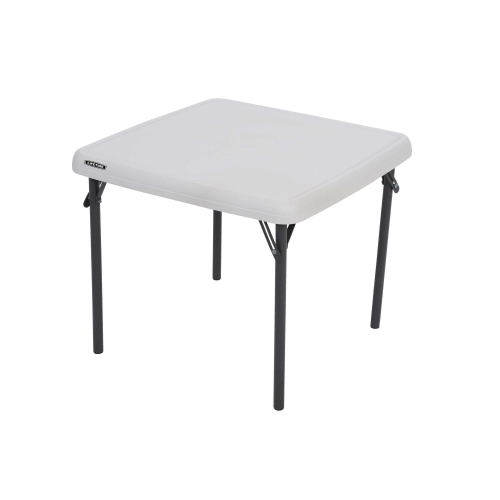 Your price for this item is $74.99
-
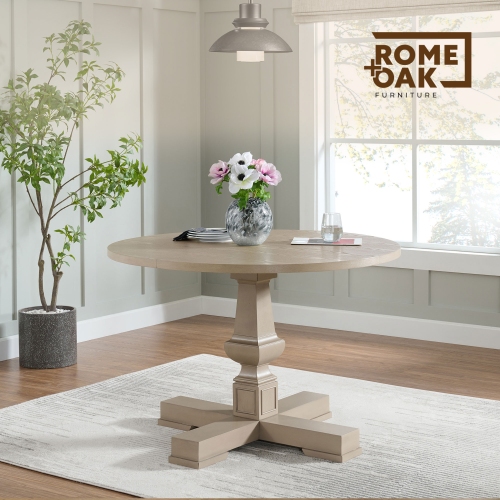 Your price for this item is $971.99
-
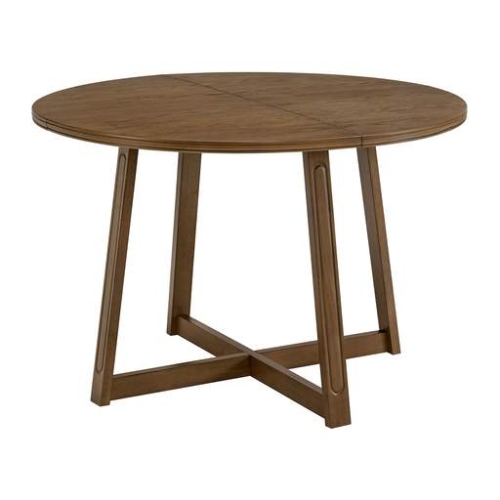 Your price for this item is $796.99
-
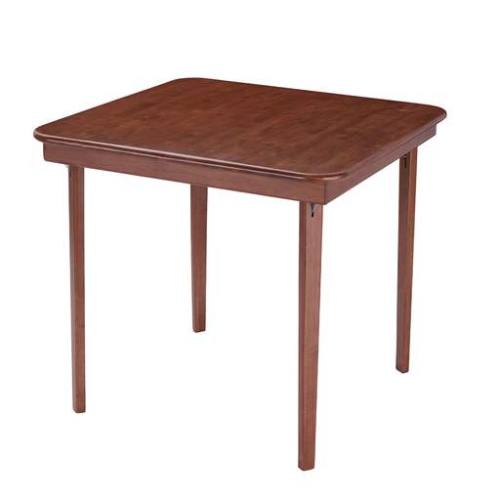 Your price for this item is $413.99
-
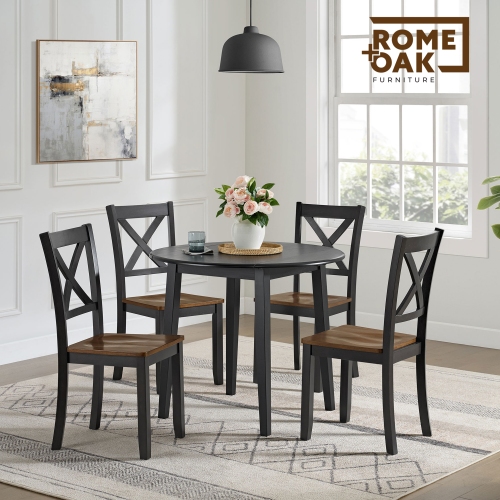 Your price for this item is $392.99
-
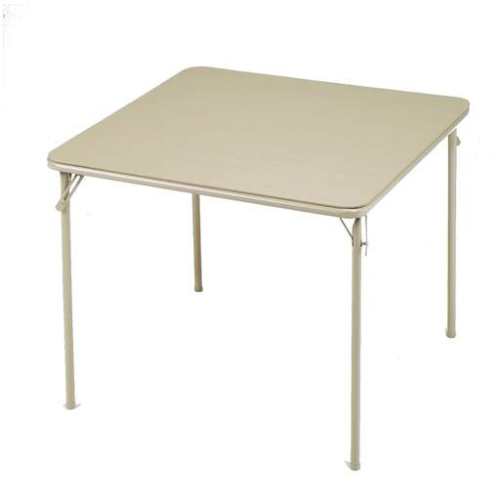 Your price for this item is $243.99
-
 Your price for this item is $827.99
Discover more categories related to Rustic Rectangular Dining Tables
Top Collections:
Best Black Friday Deals This Year, Best Black Friday Deals On Electronics, Kindle Devices, Pokemon Centers, Best Black Friday Deals On Apple Products, Best Cameras for Sports Photography, Dyson Airwrap, Pokémon 30th Celebration Cards, Apple iPhone 17 Pro, Canon G7X Cameras
Some products may be subject to Environmental Handling Fees
(EHF) depending on your province.
Learn more about EHFs.