Wood Rectangle Dining Tables
Looking to add a touch of elegance and sophistication to your dining space? Look no further than our collection of wood rectangle dining tables. Whether you're hosting a dinner party or enjoying a casual family meal, wood rectangle dining tables provide the perfect setting for memorable moments and conversations. Here are some great options available.
Sort

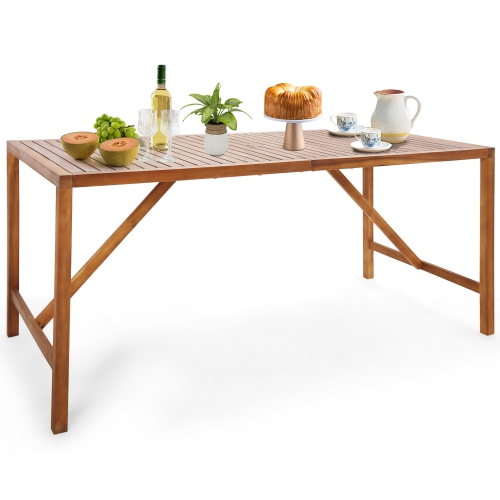
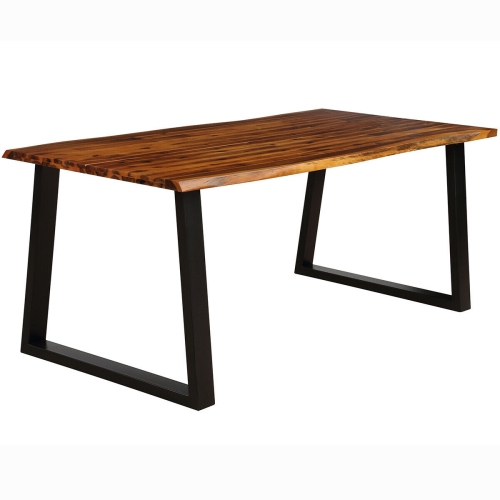
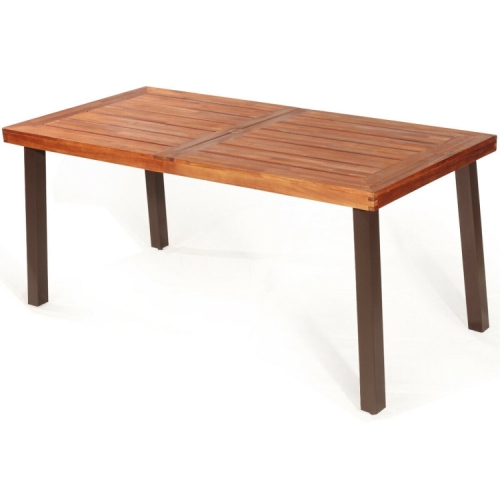
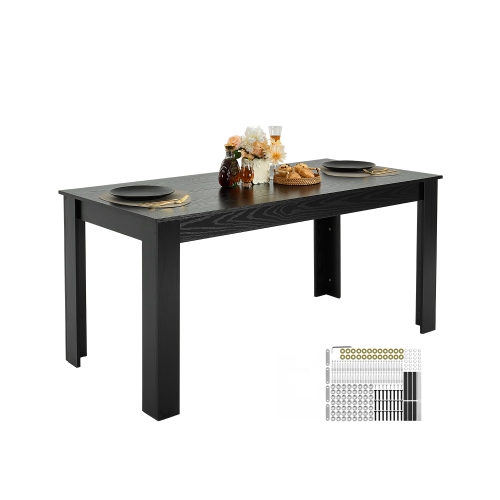
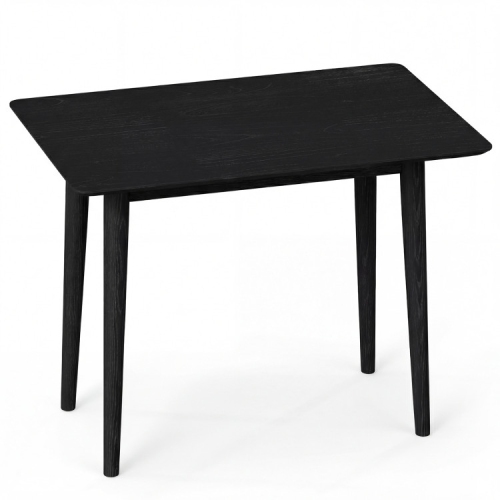
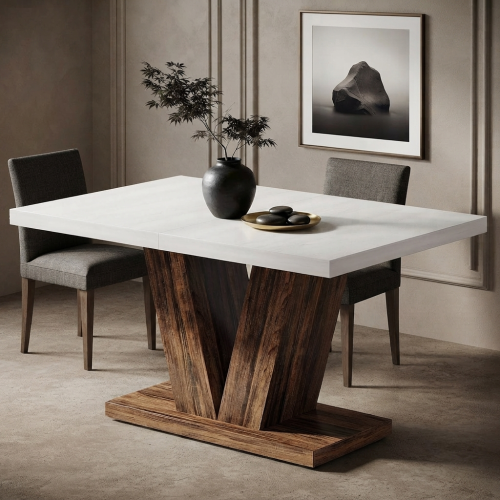
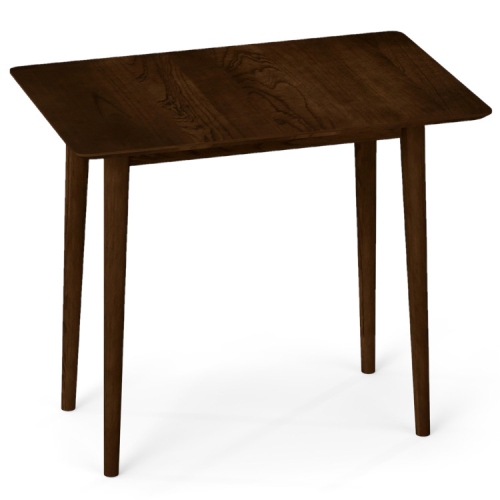
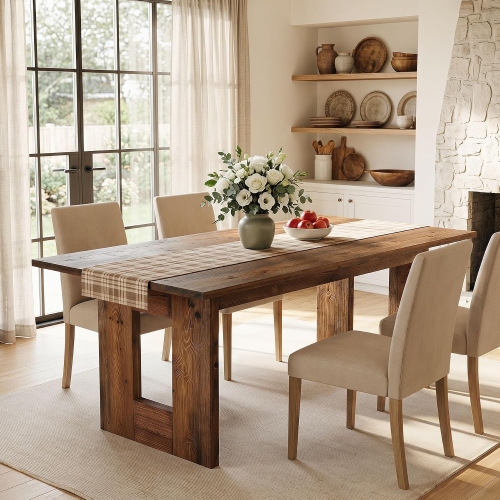
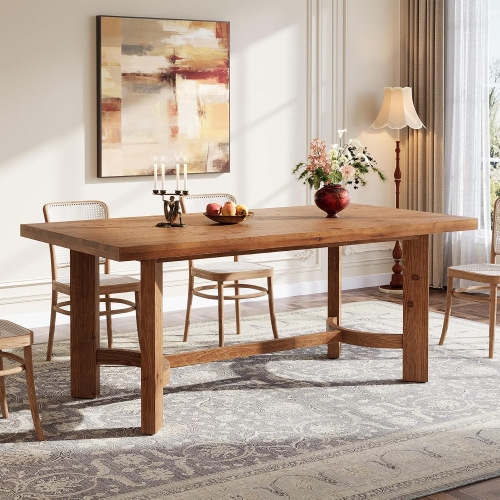
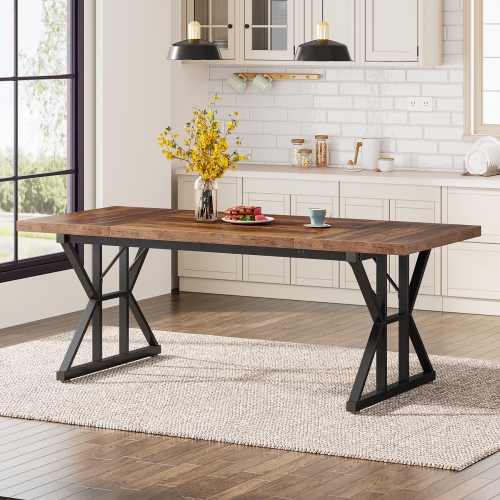


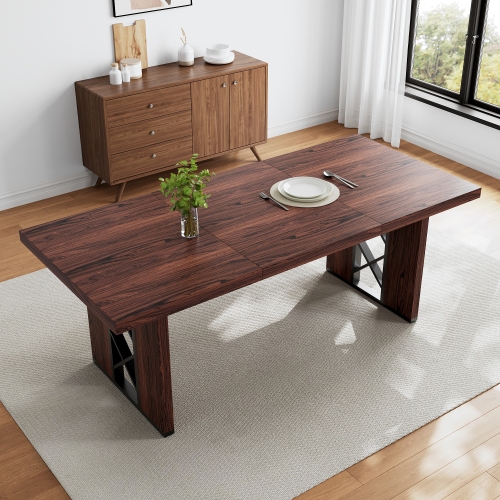
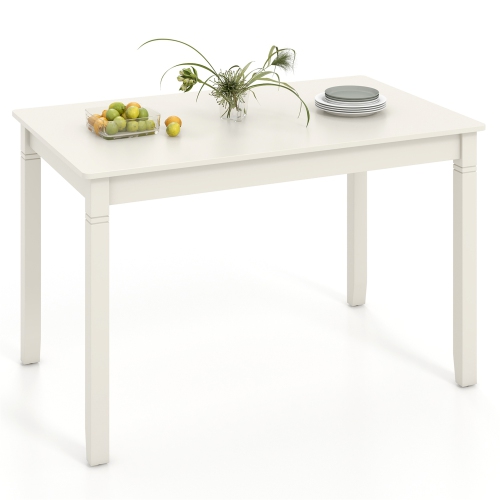
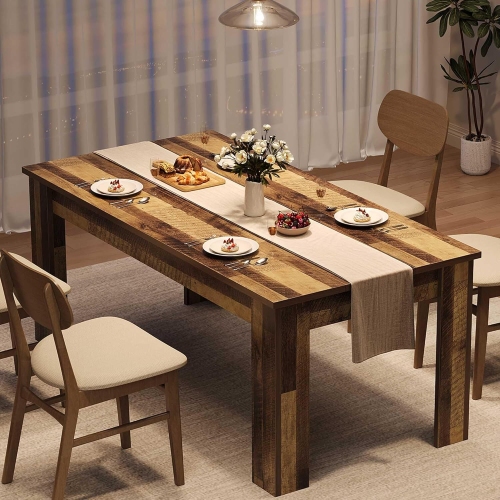
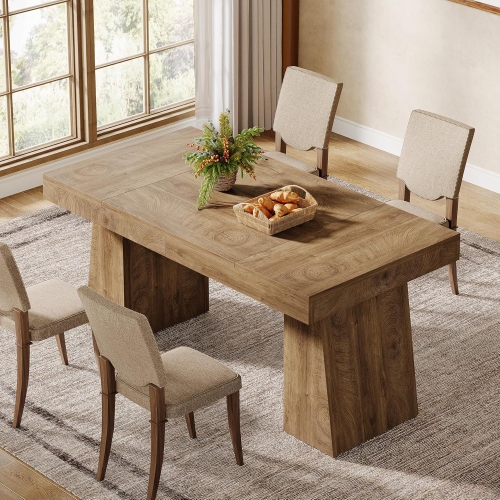
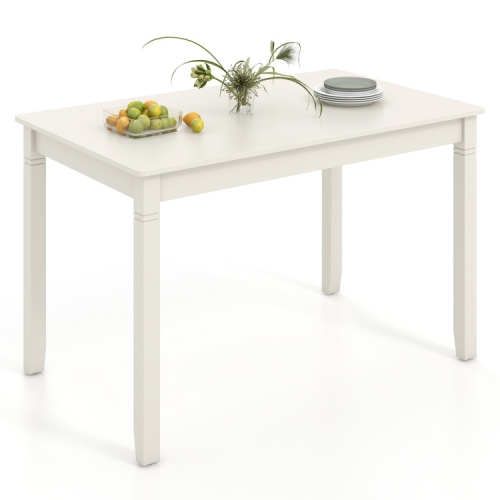
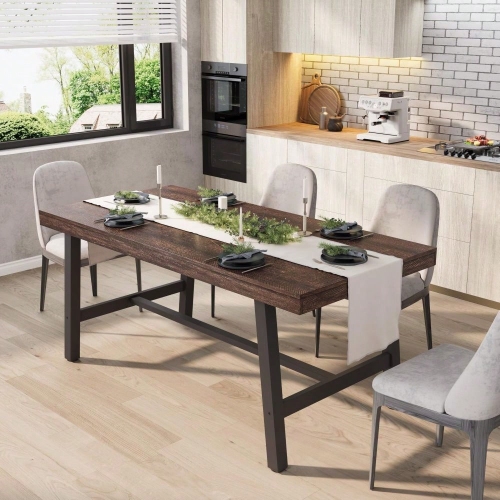
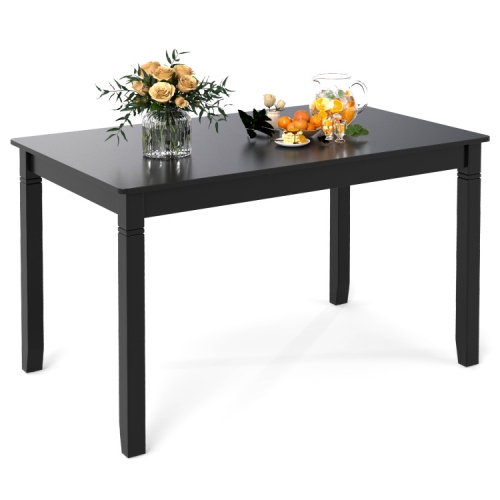
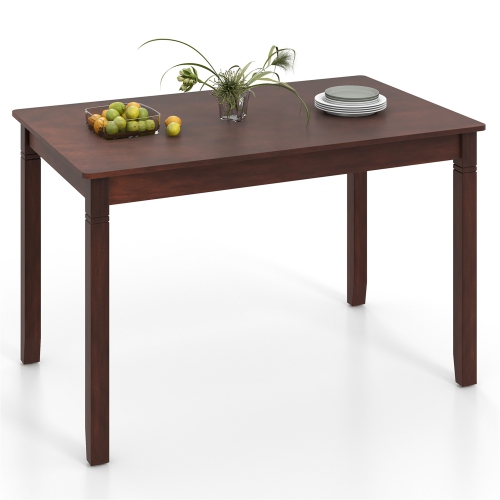
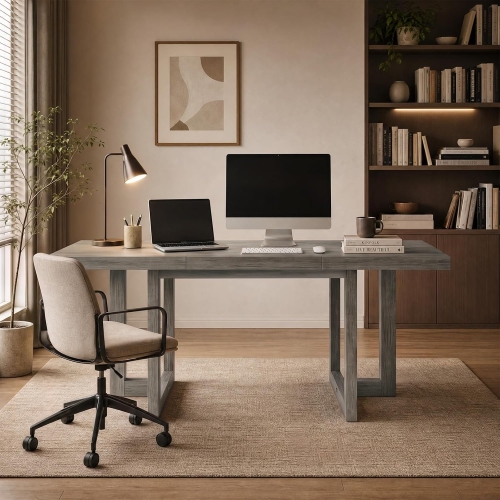
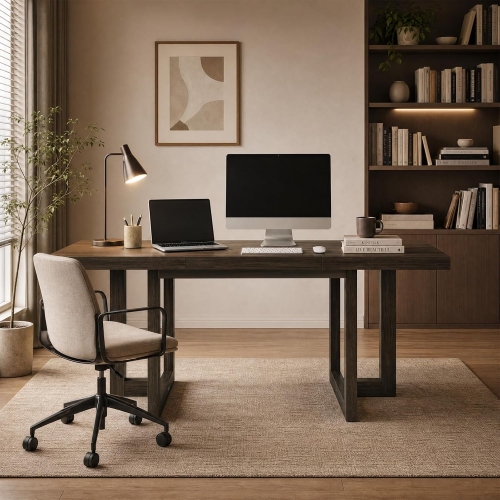
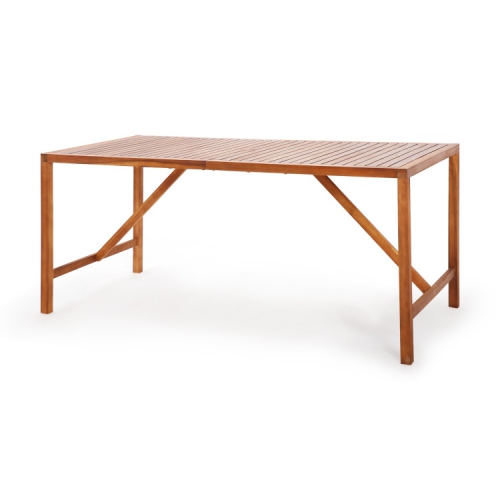
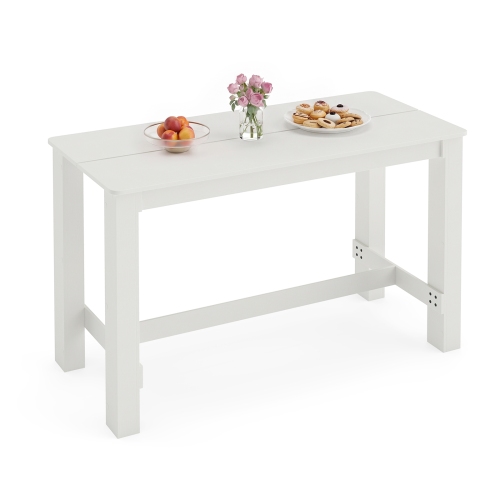
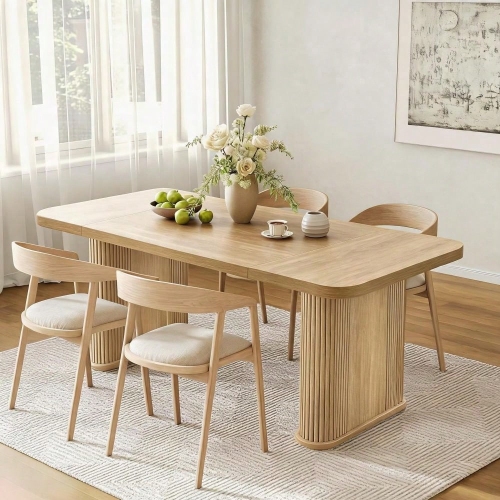
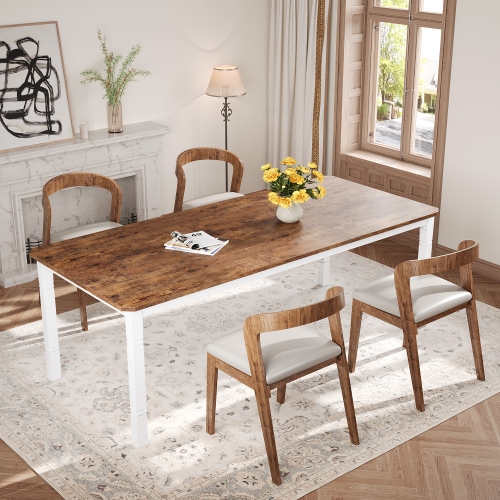
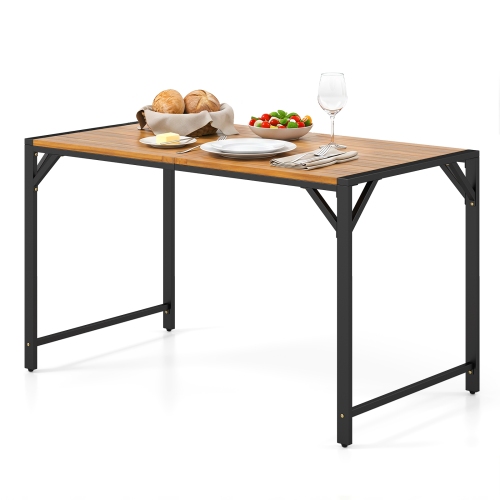
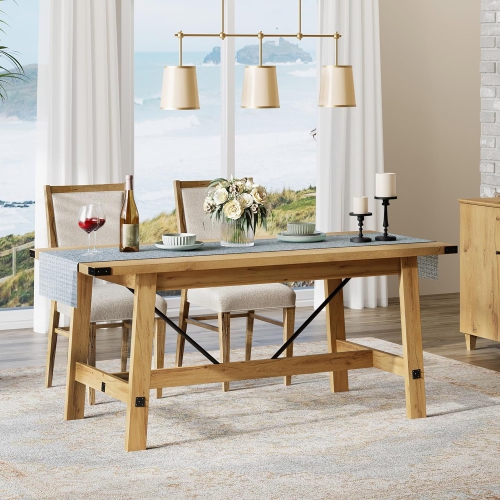
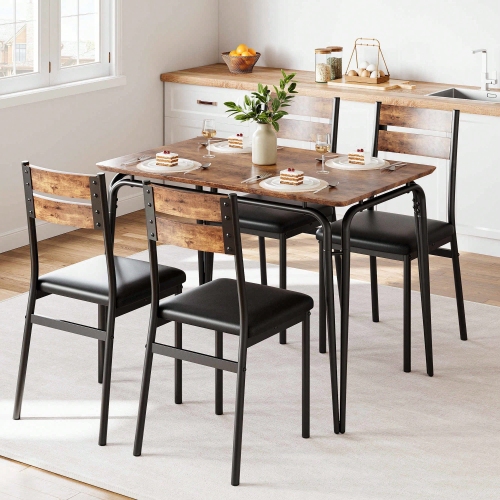
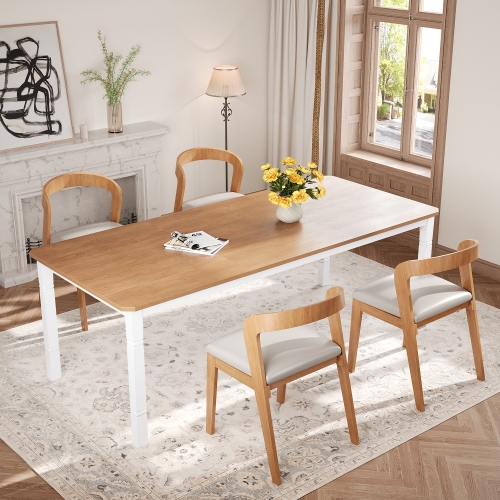
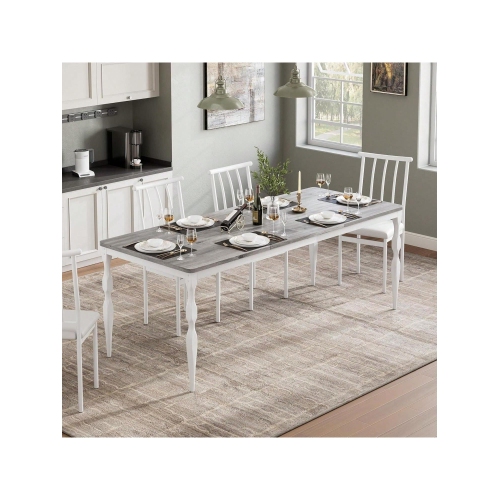
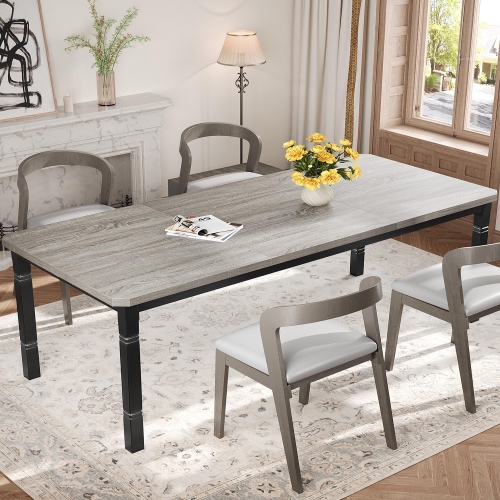
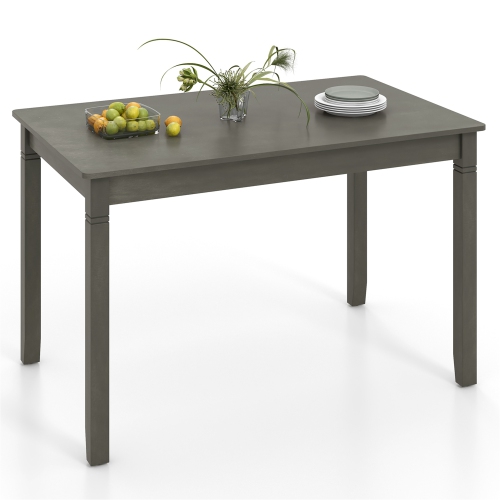
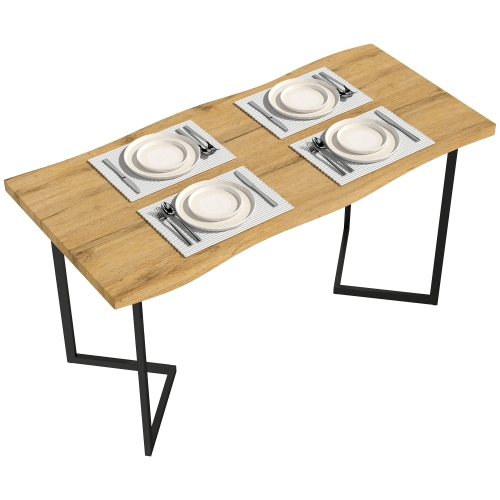
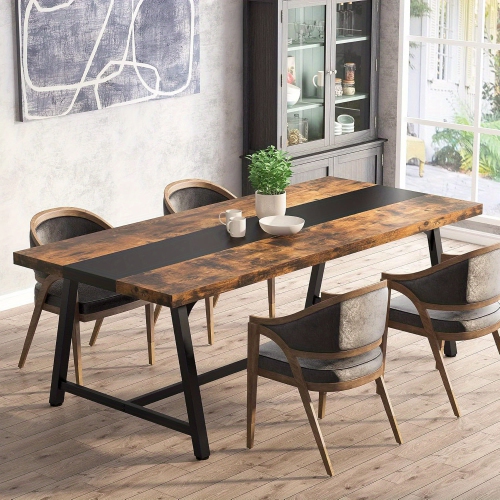

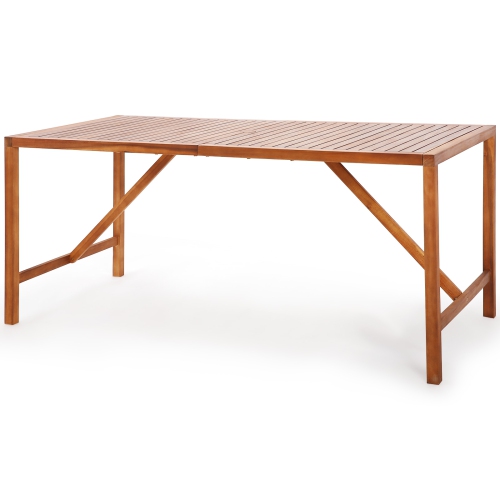
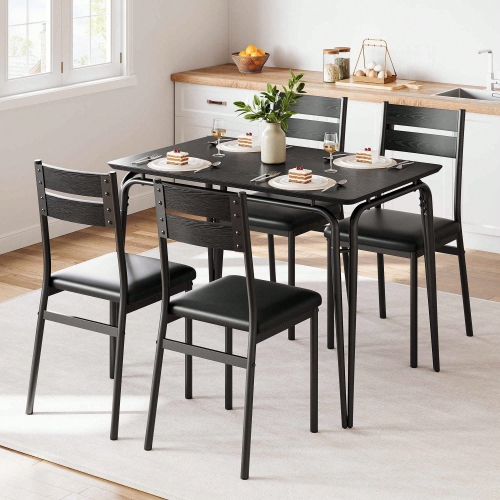
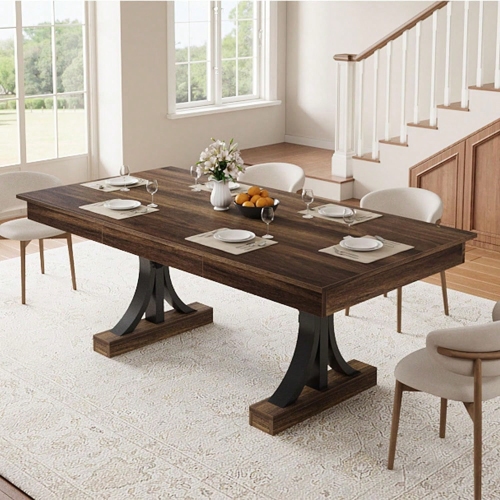
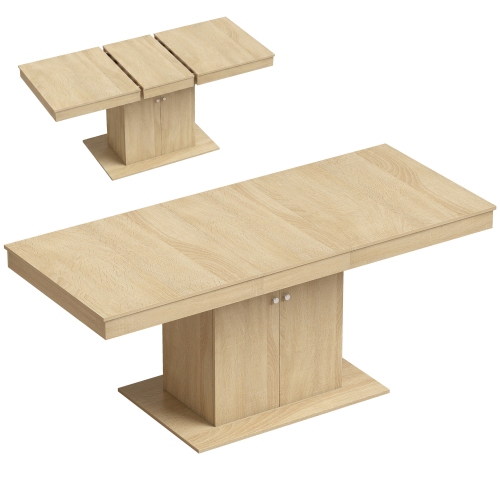
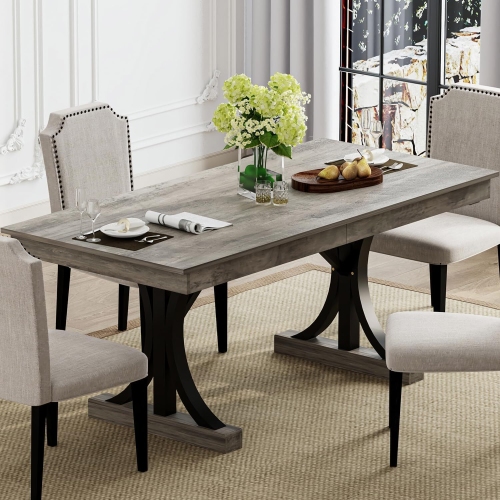
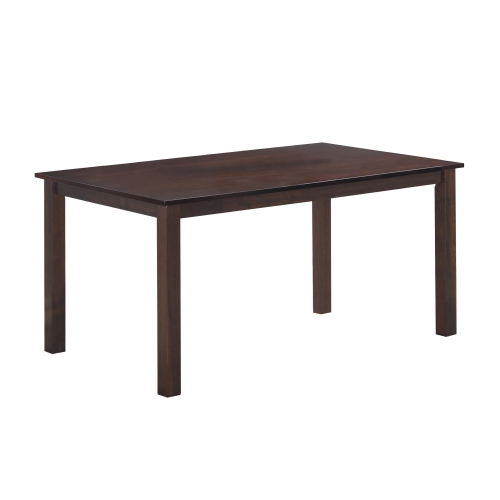
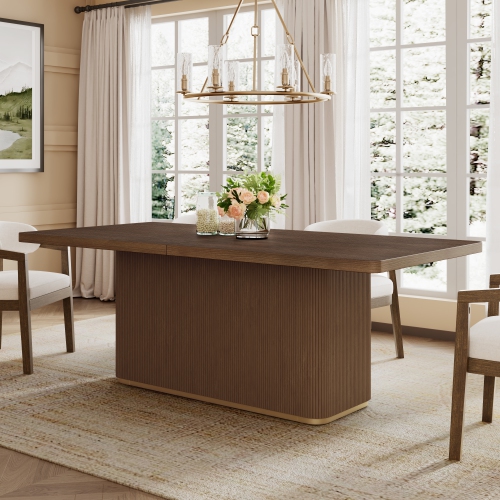

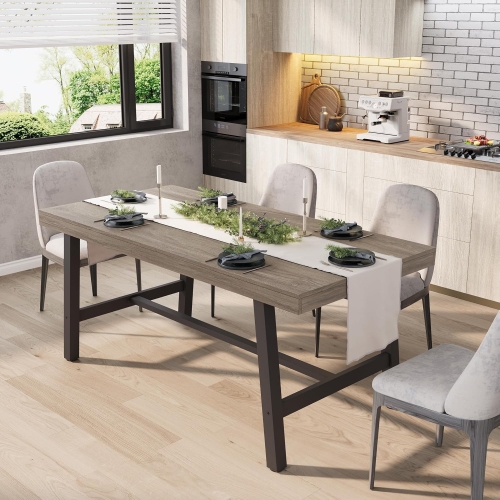
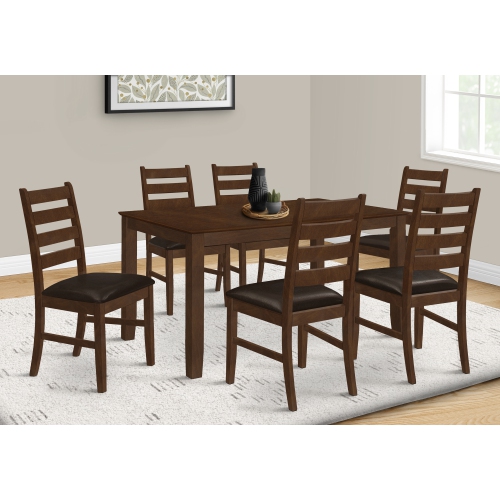
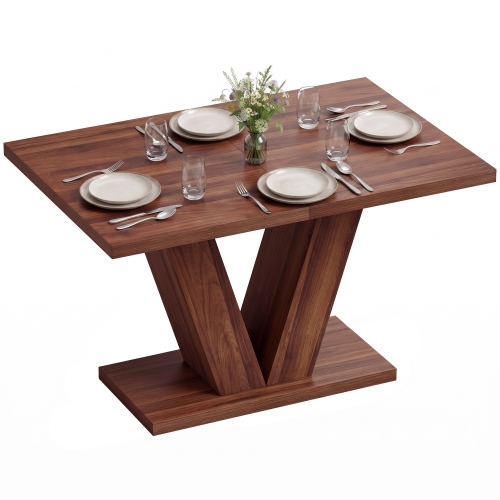
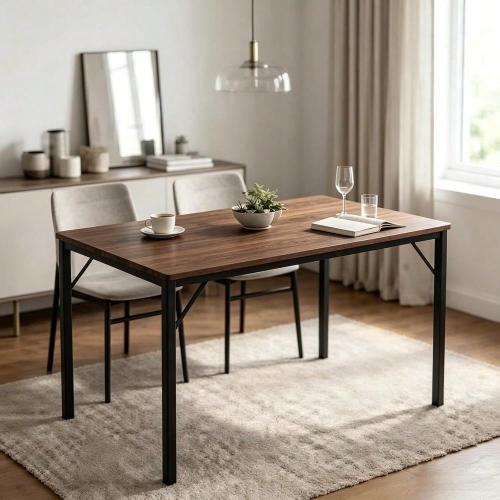
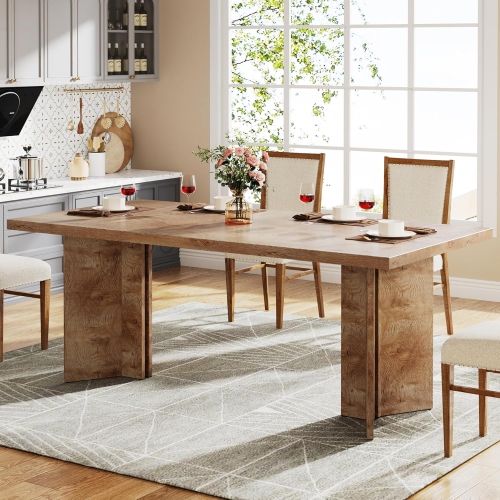
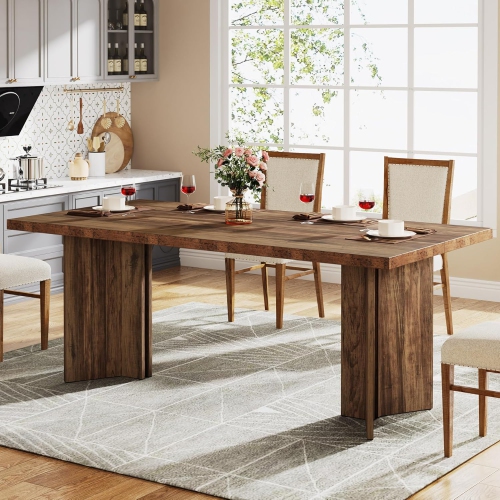
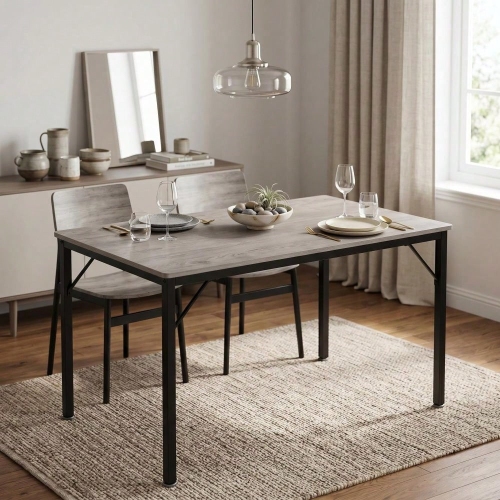
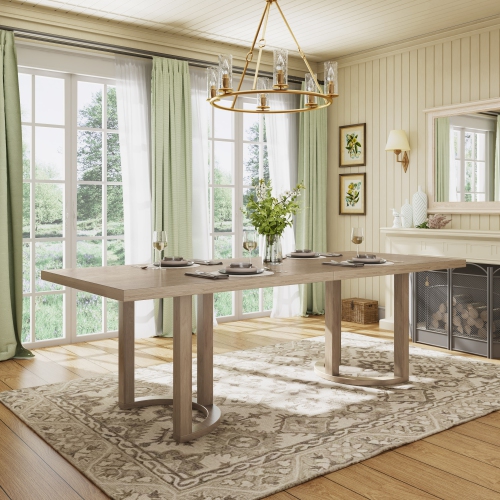
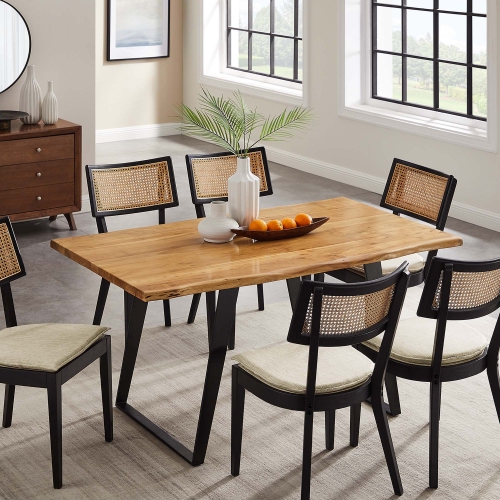
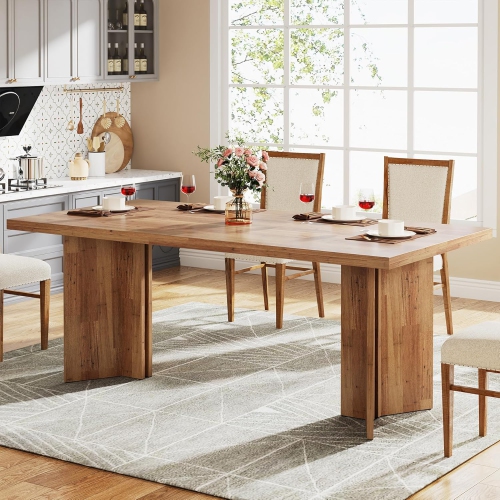
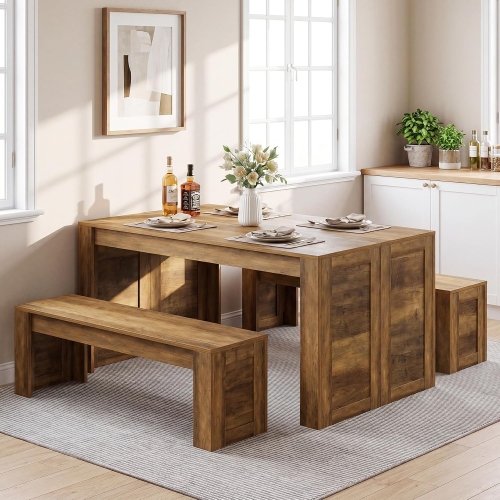
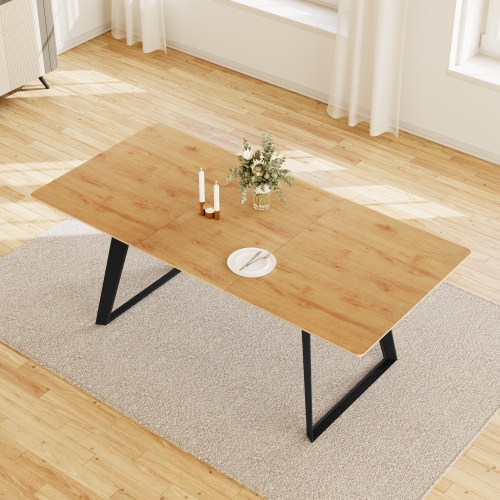
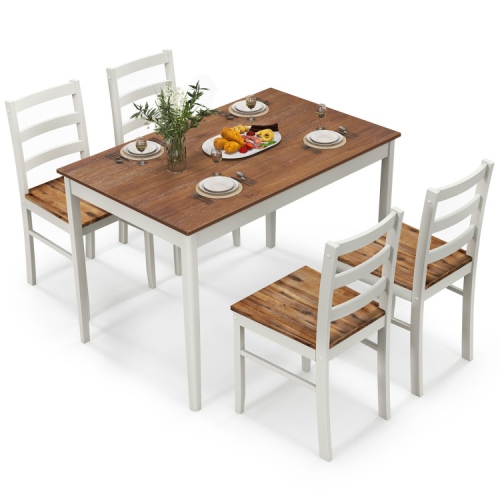
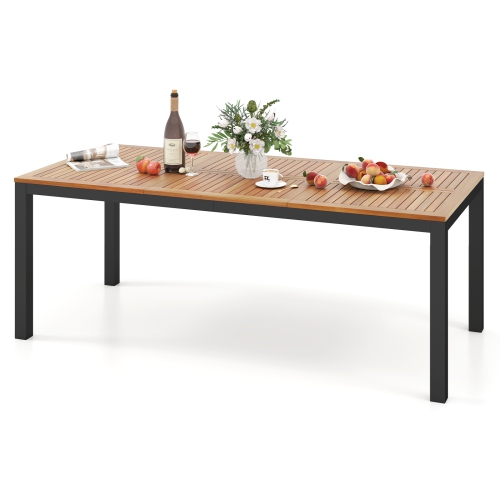
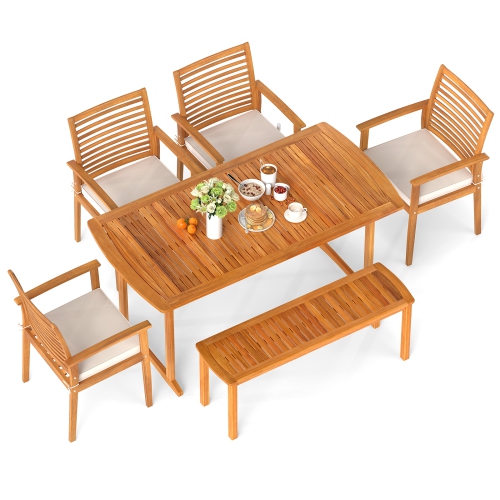
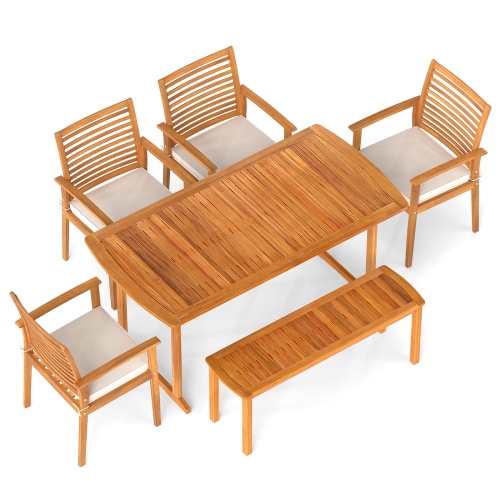
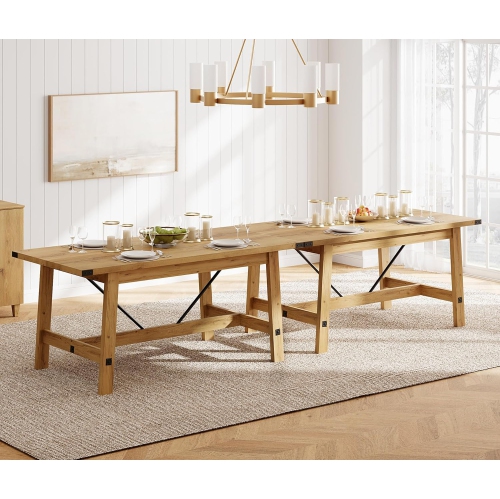
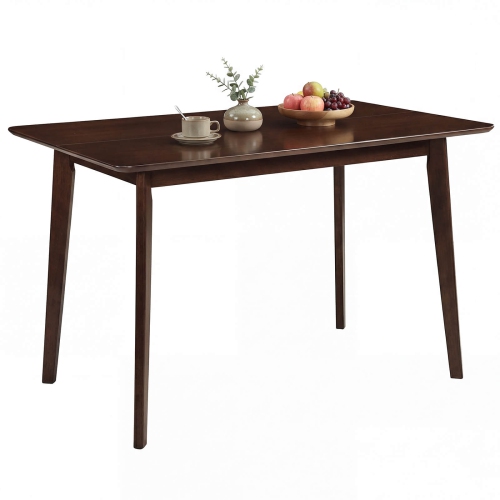
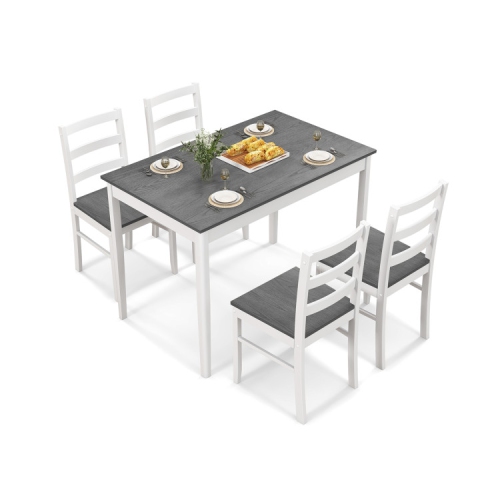

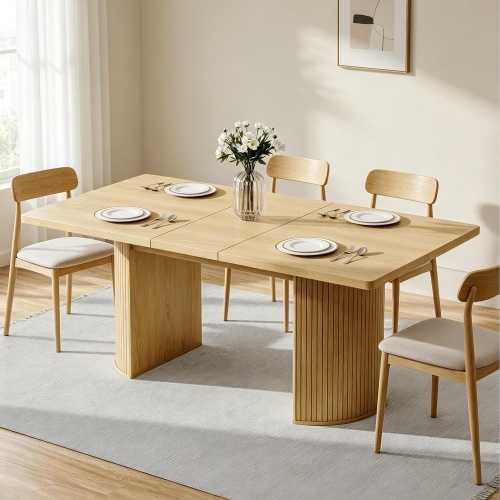
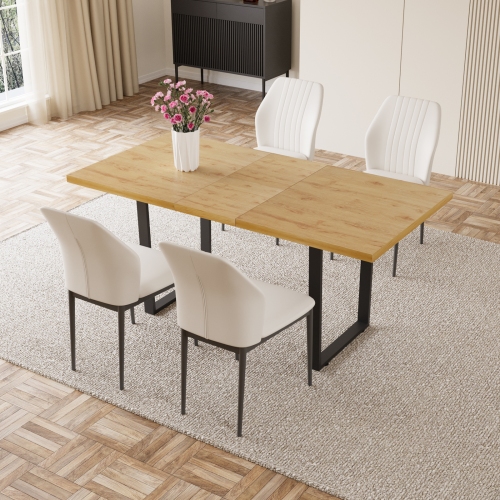
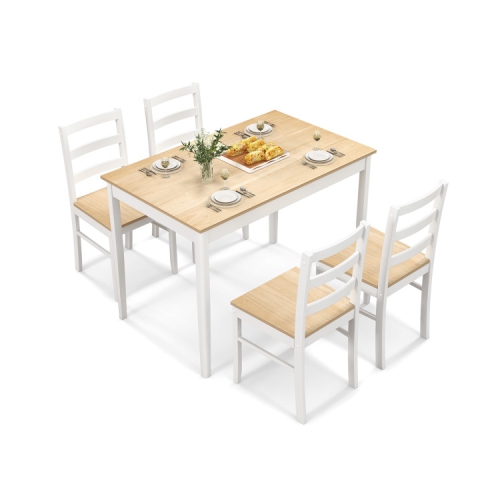
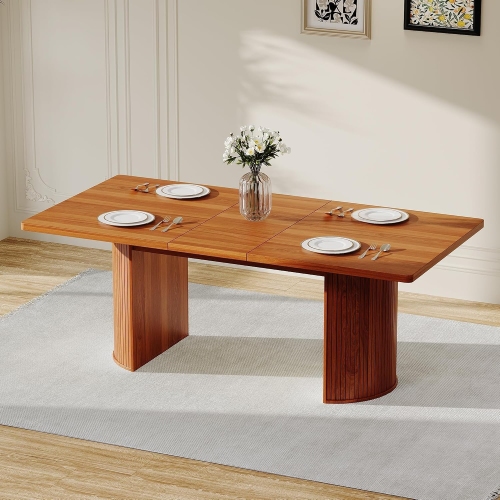
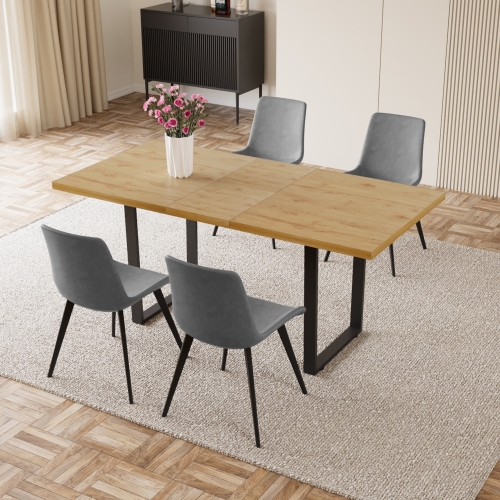
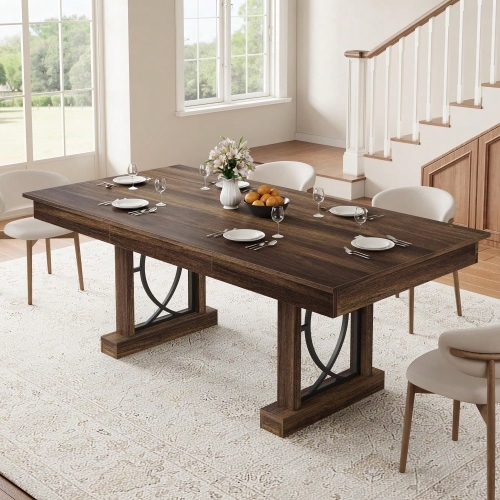
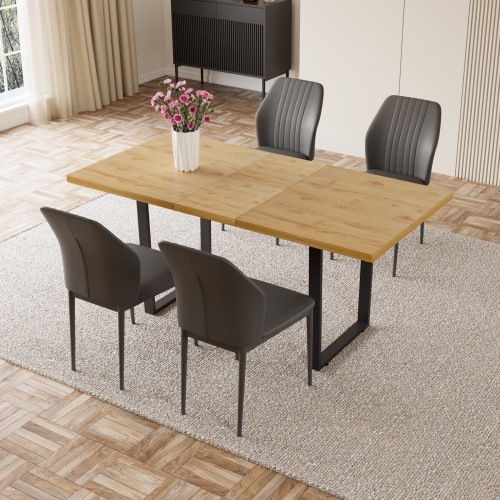
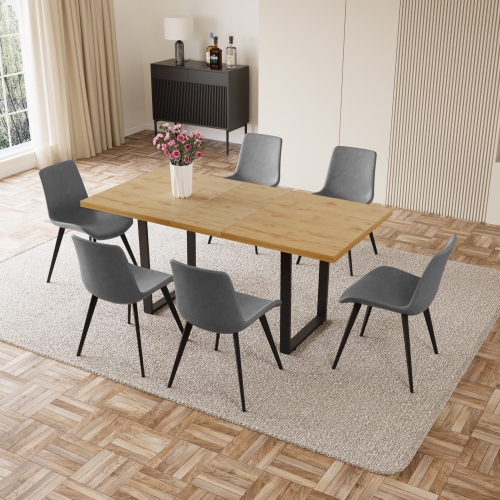
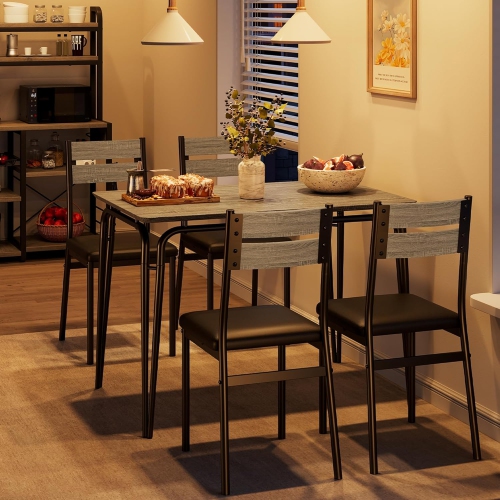
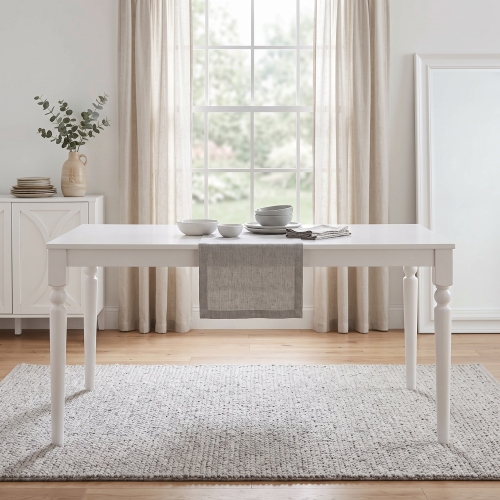
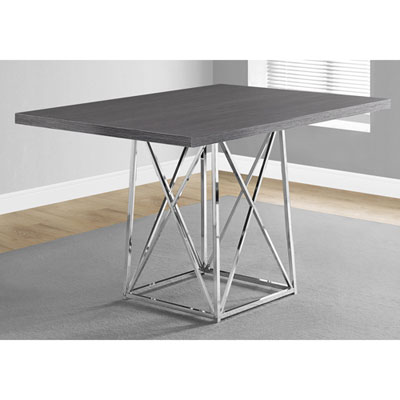
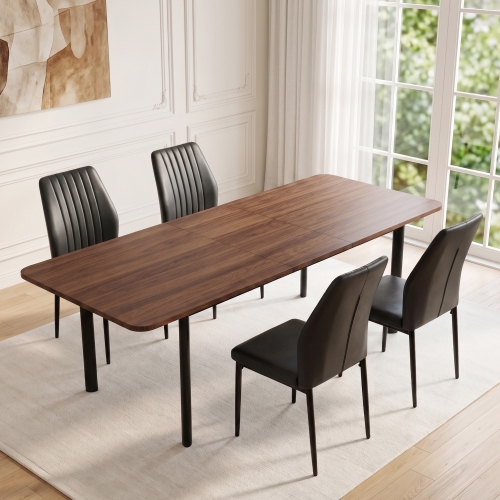
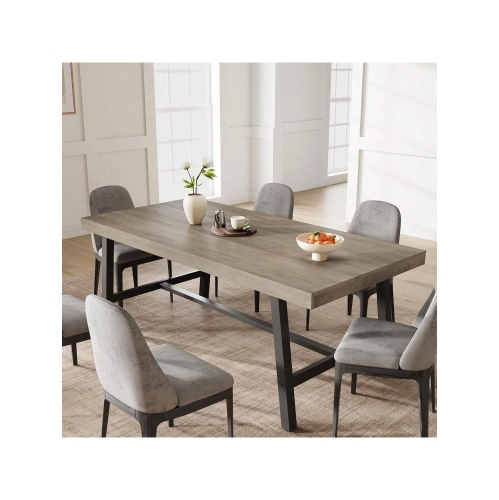
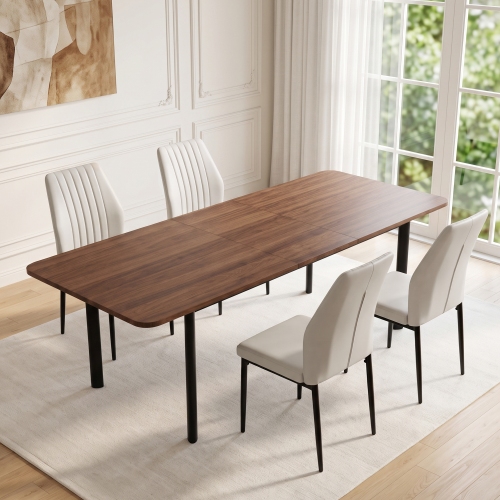
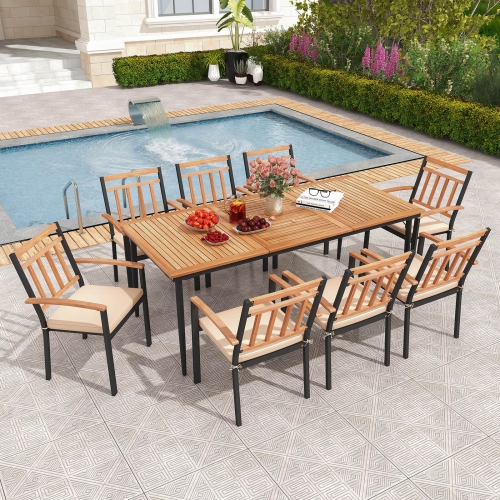
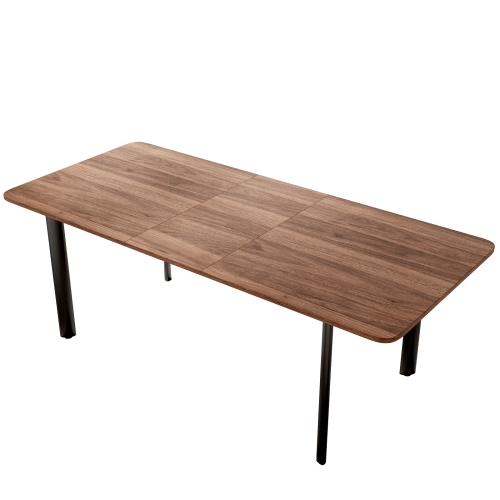
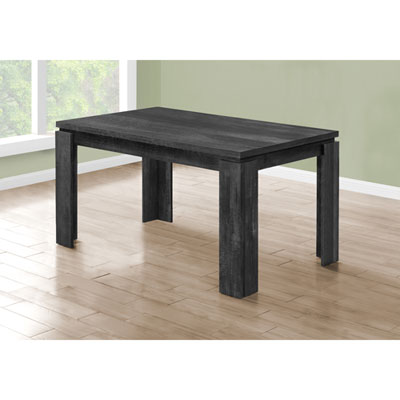
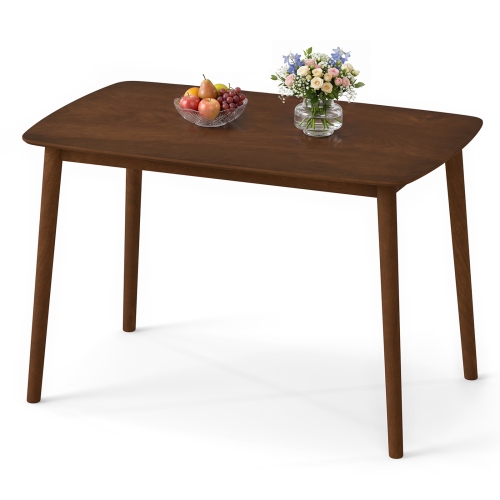
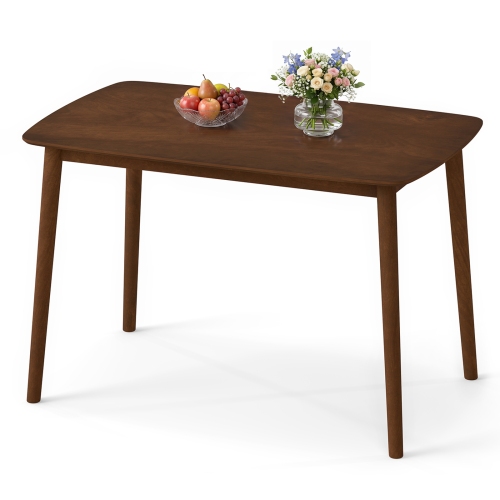
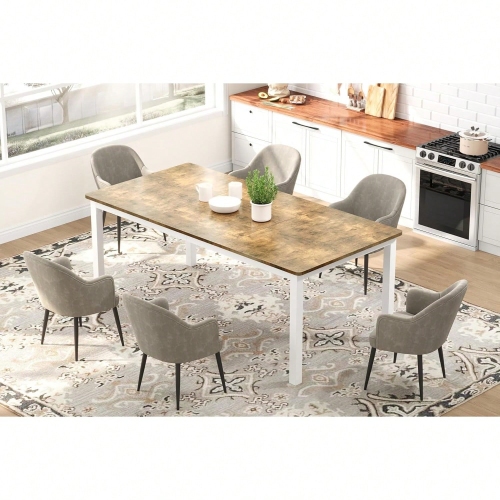
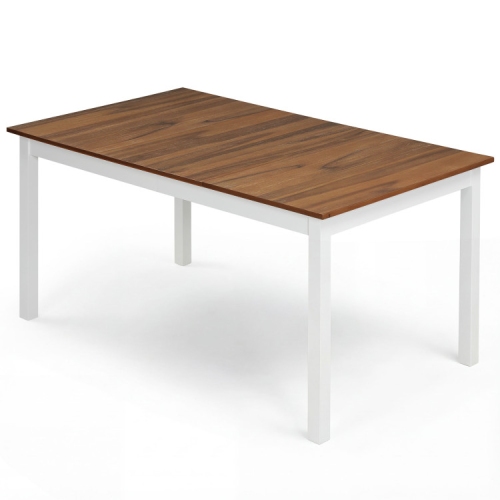
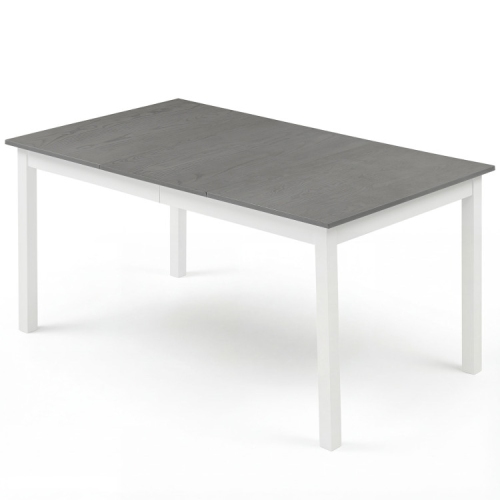
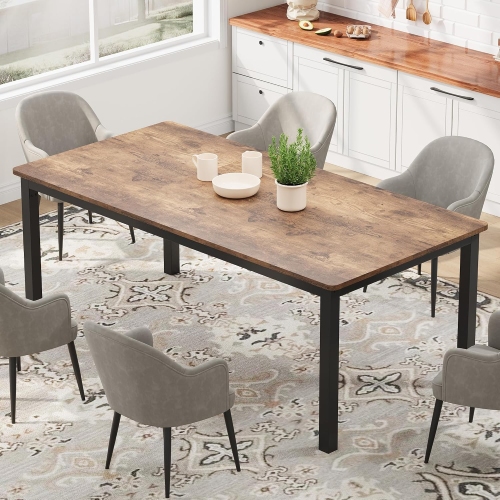
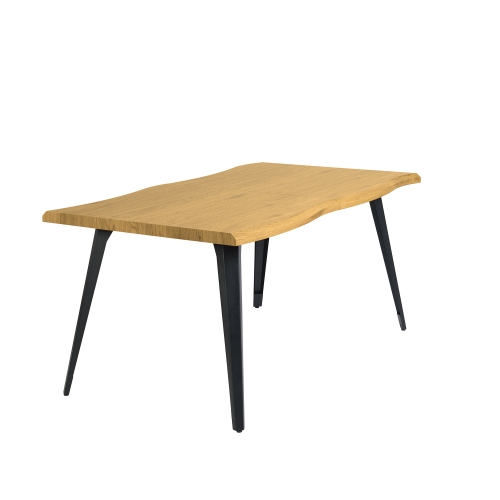
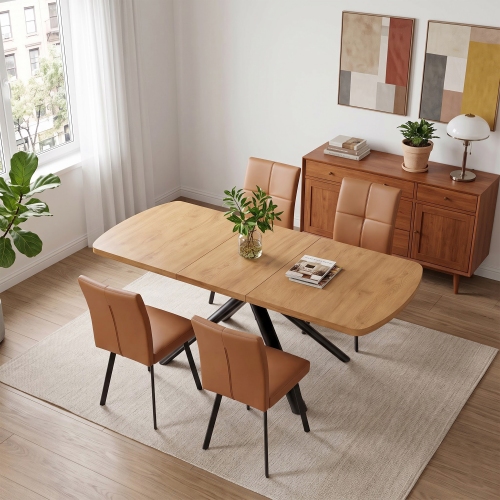
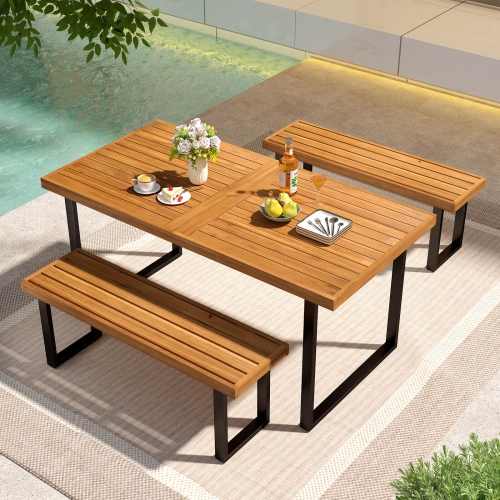

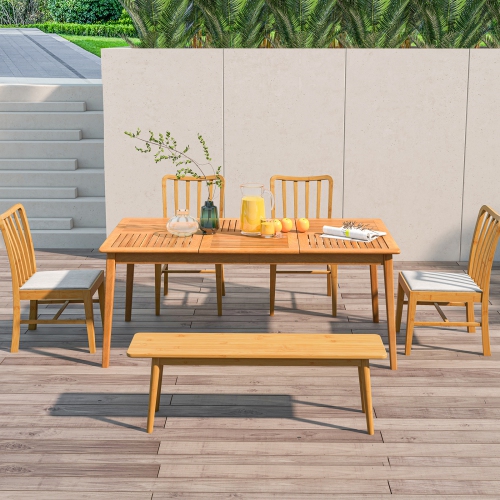
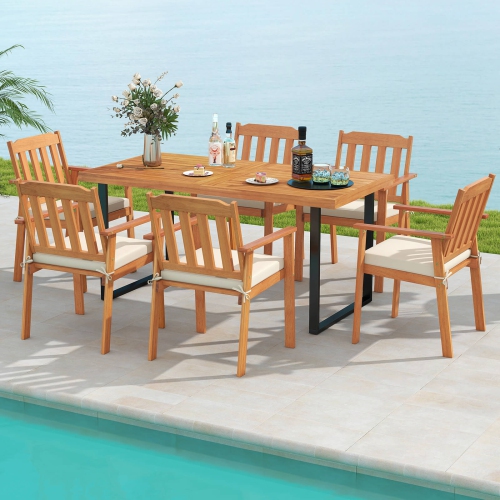
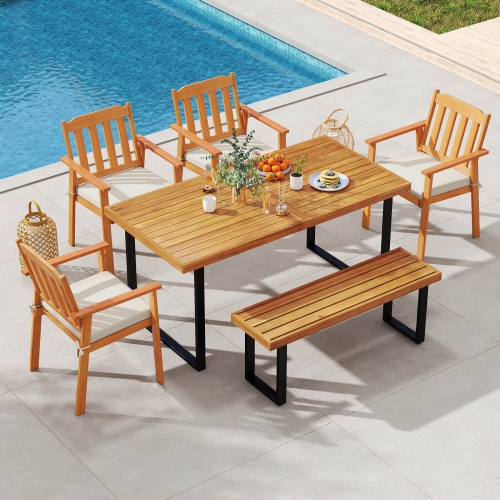
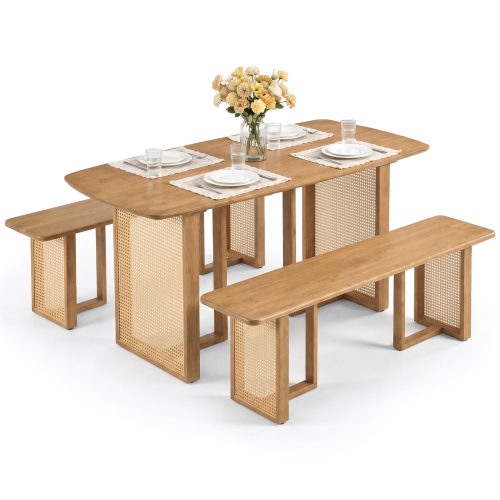
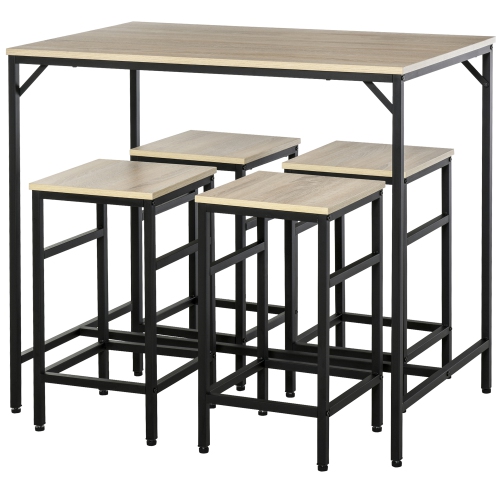
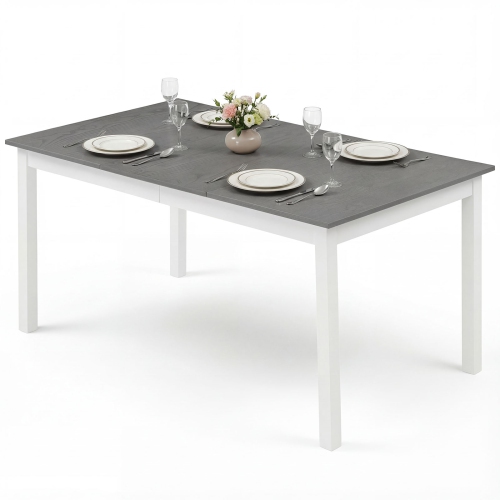
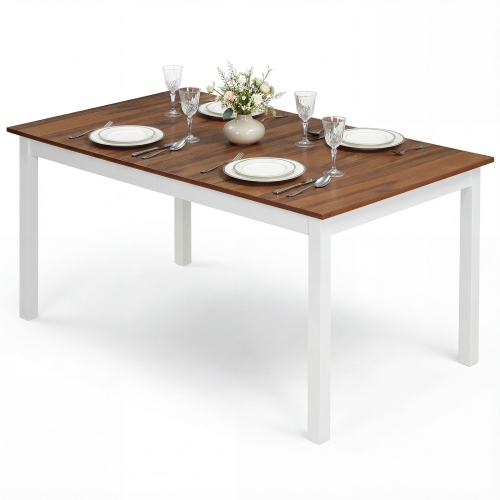
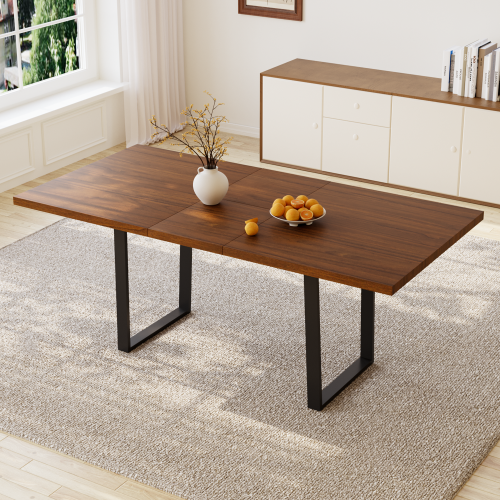
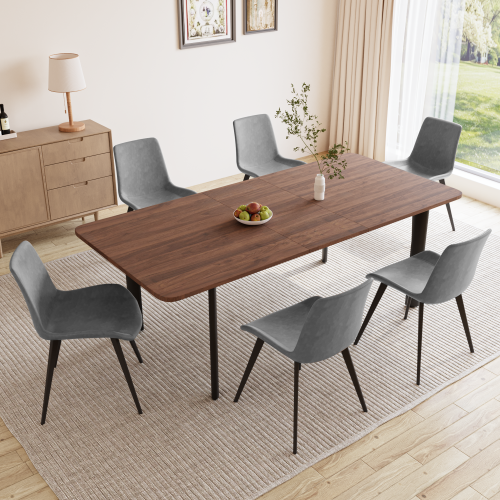
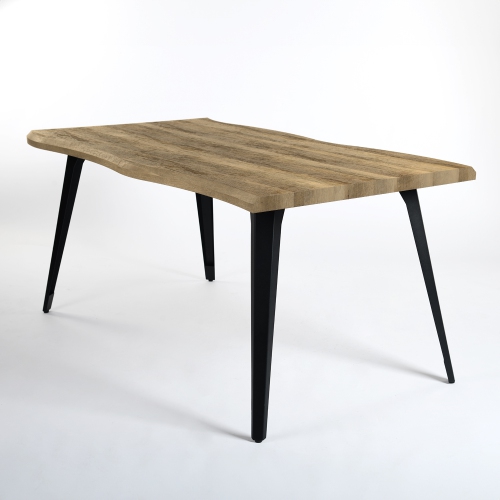
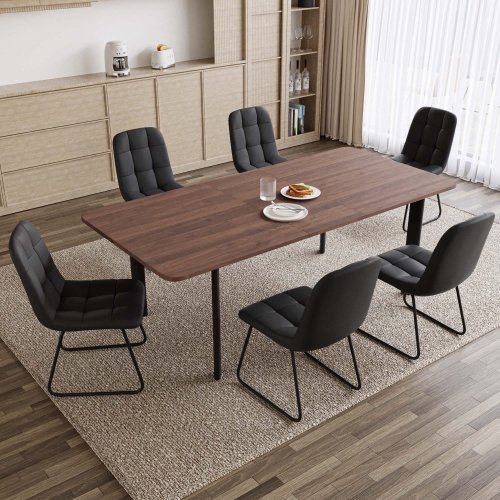
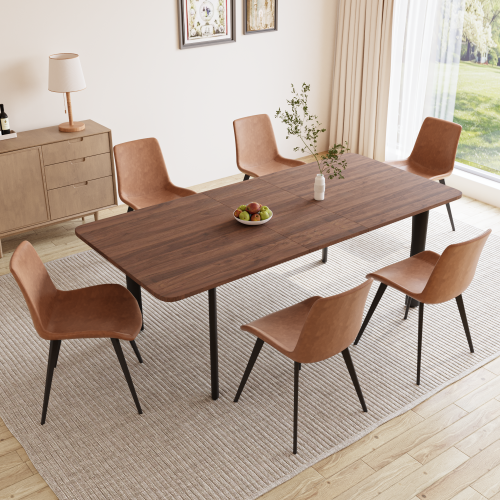
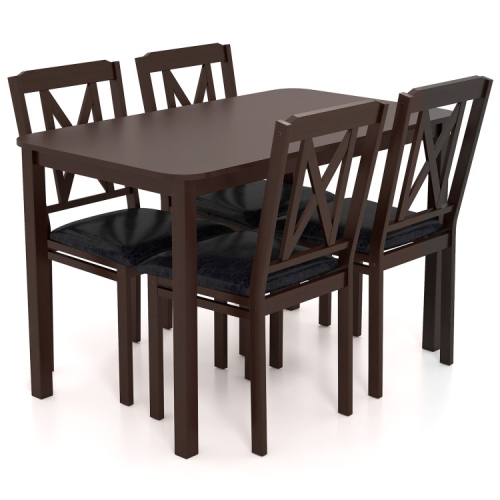
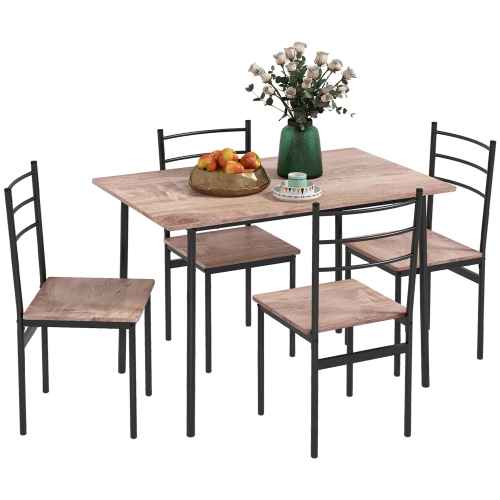
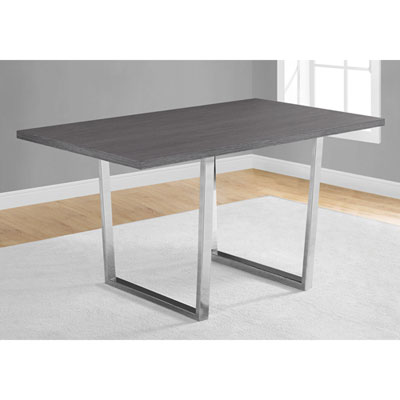
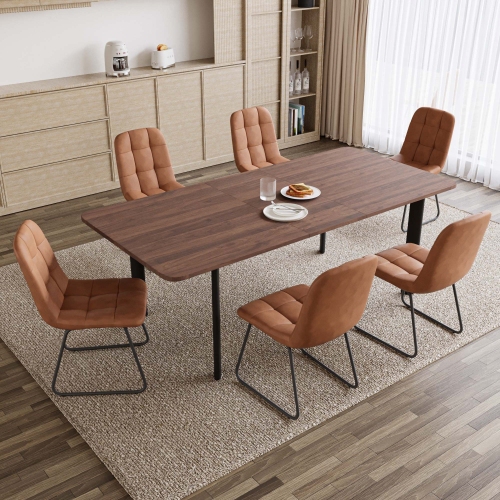
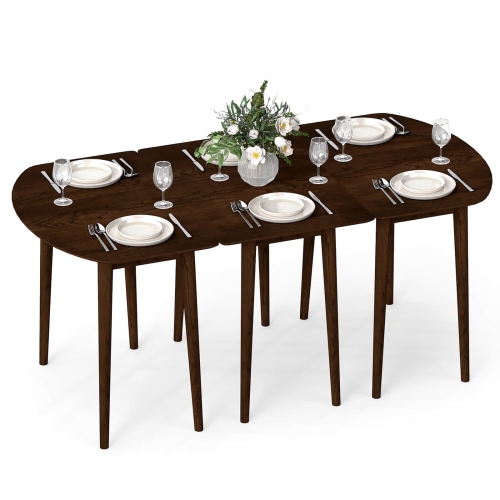
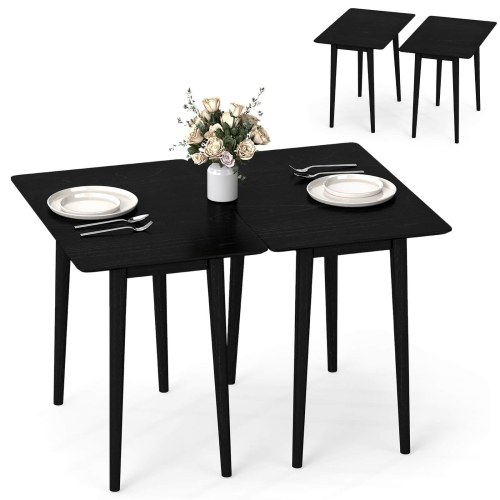
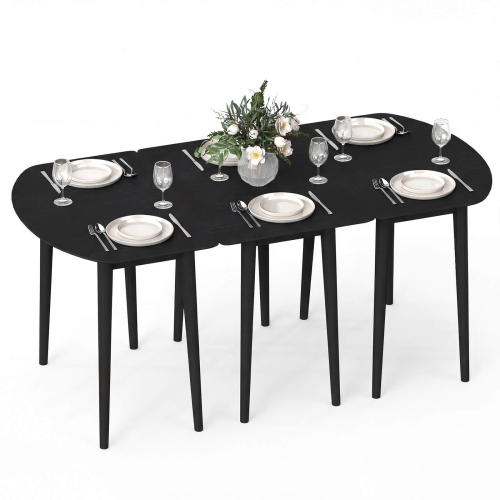
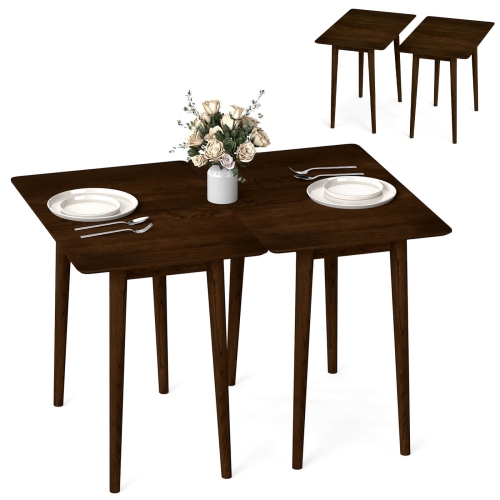
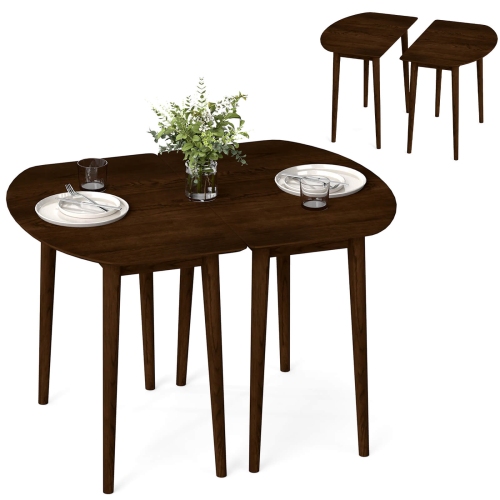
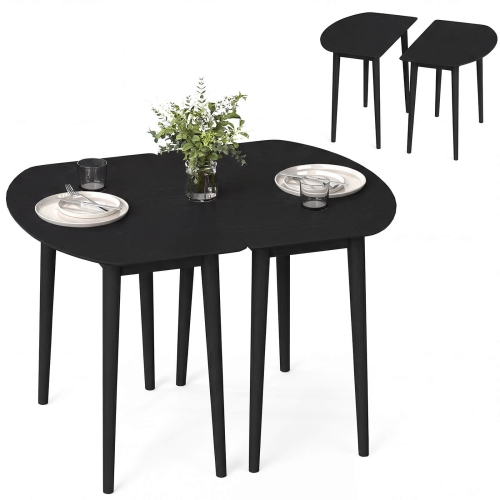
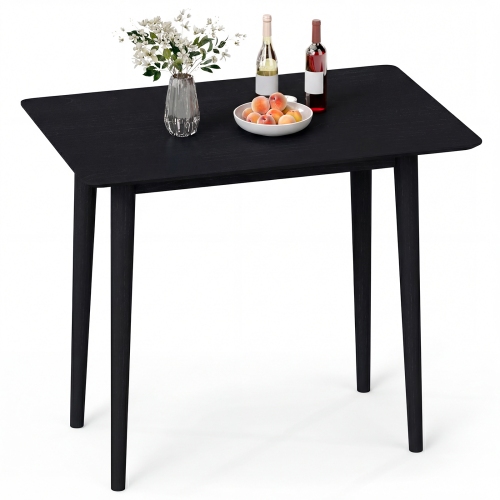
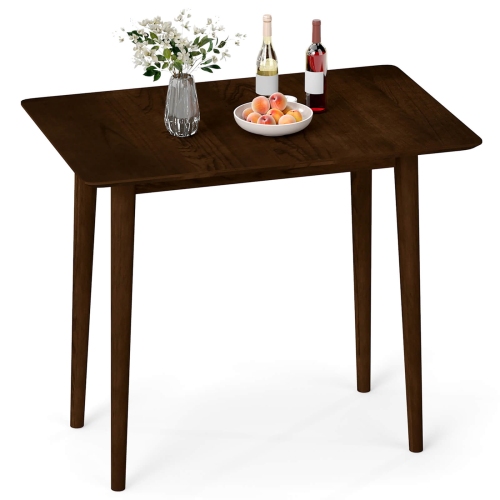
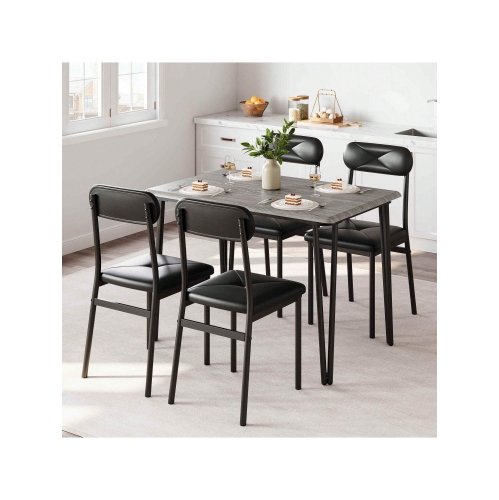
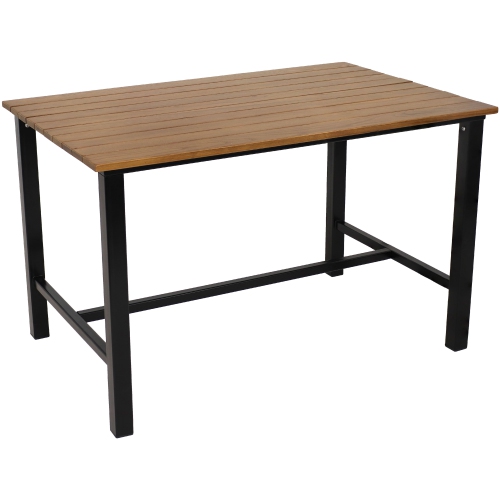
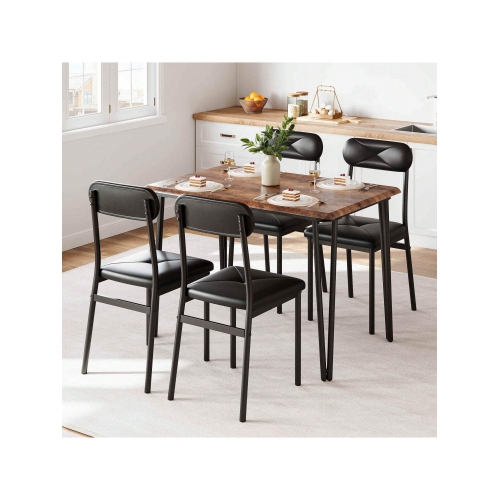
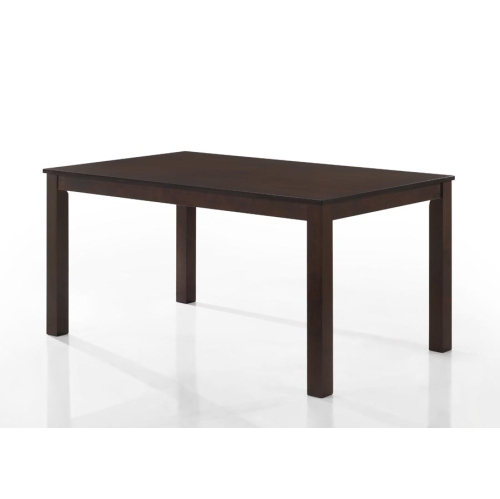
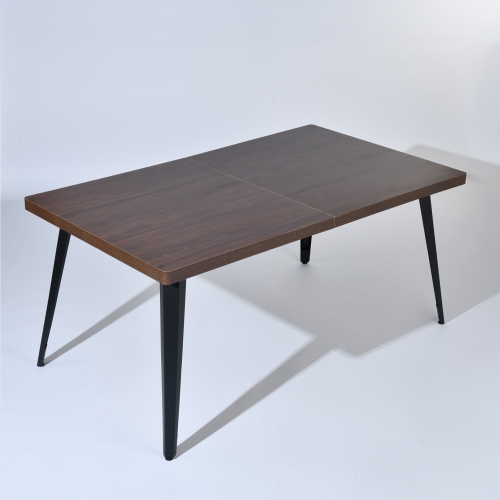
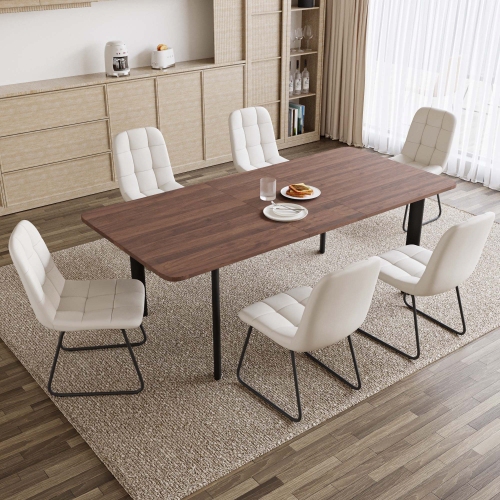
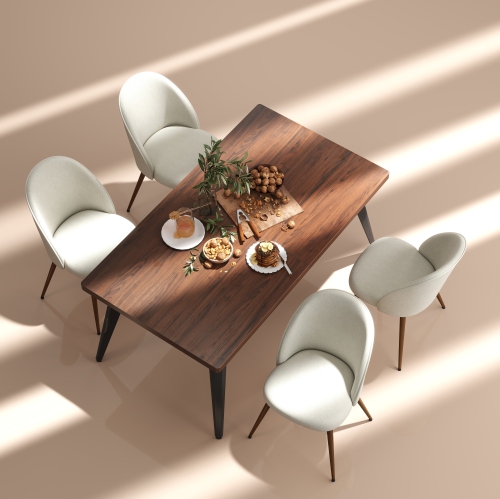
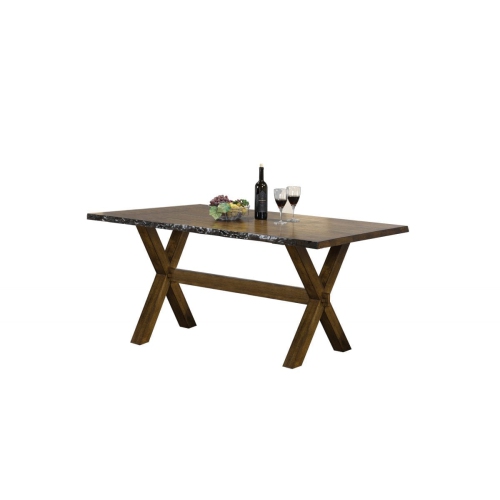
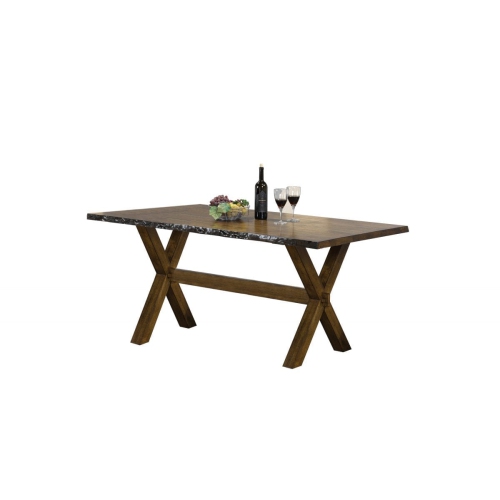
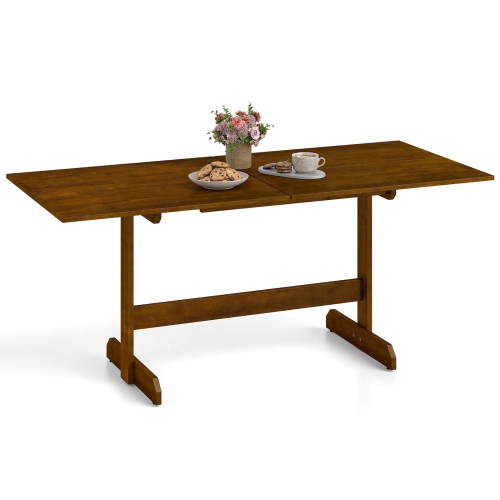
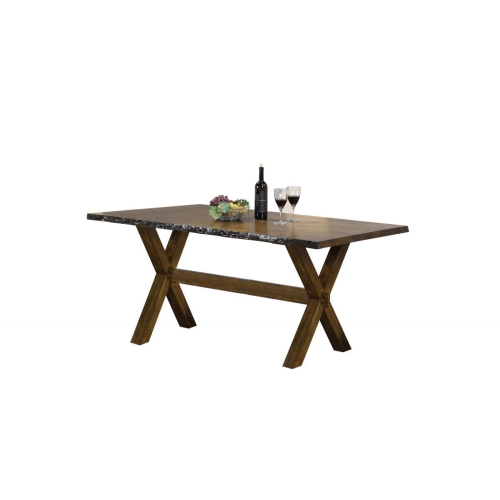
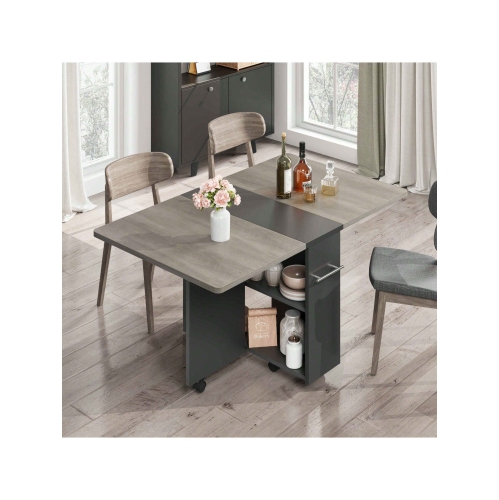
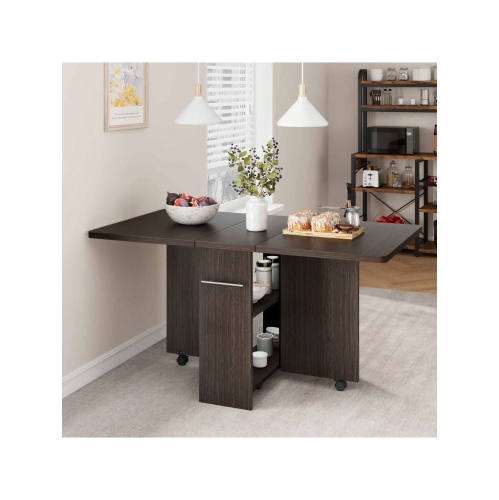
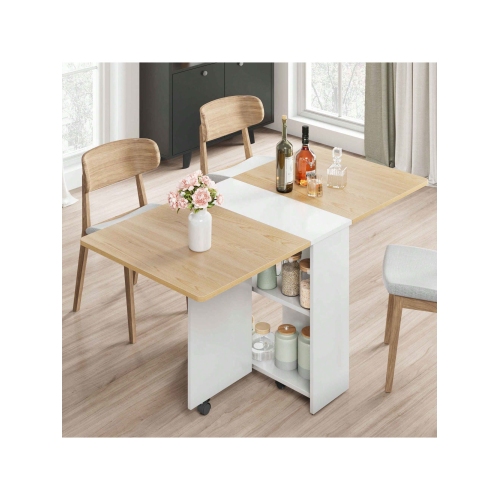
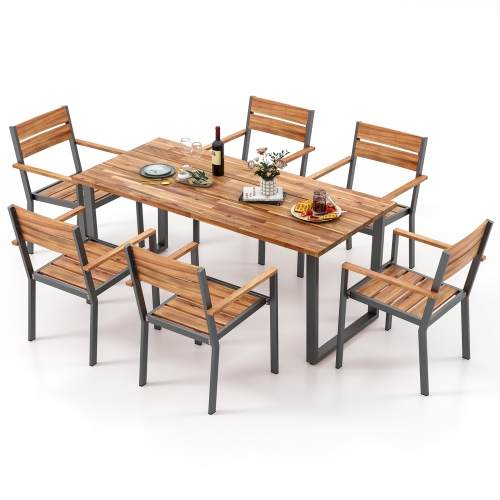
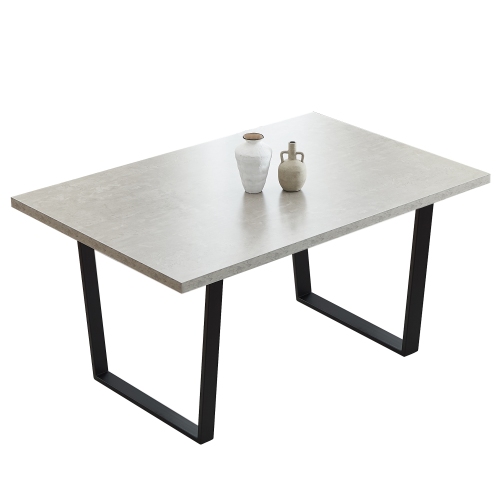
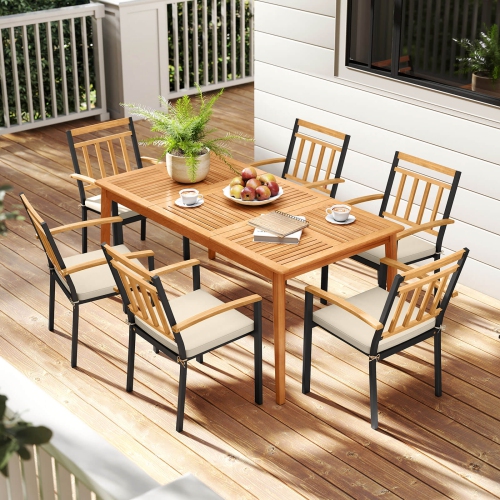
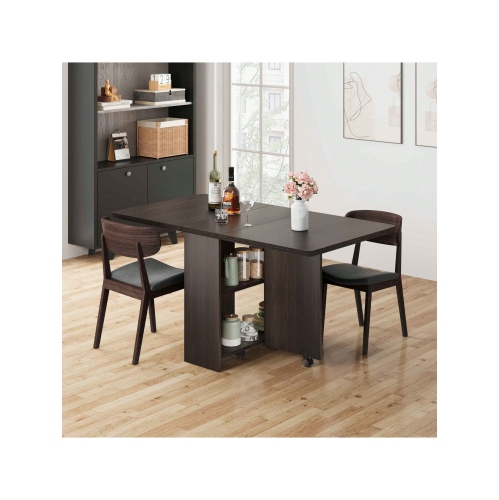
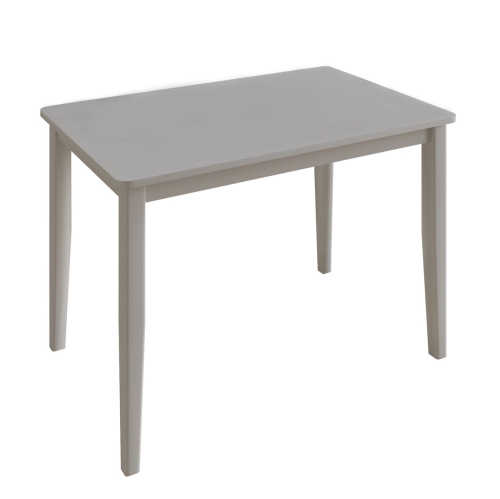
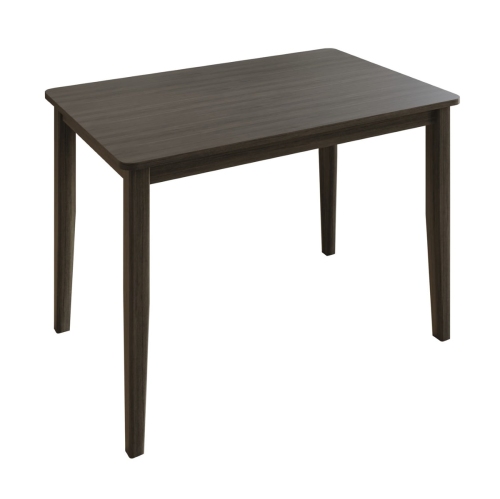
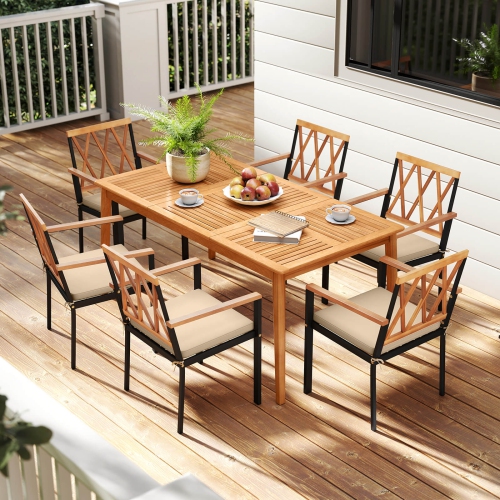
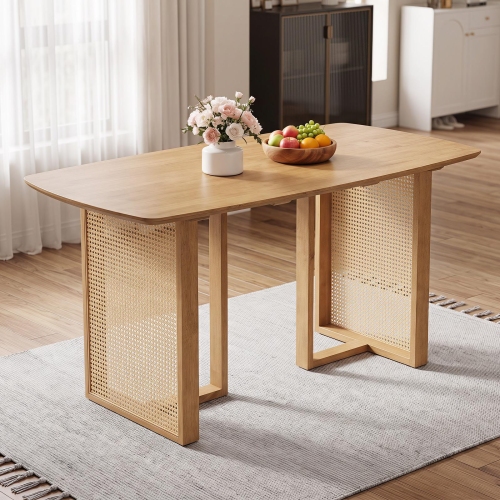

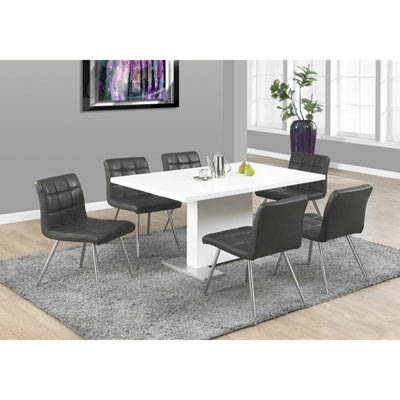
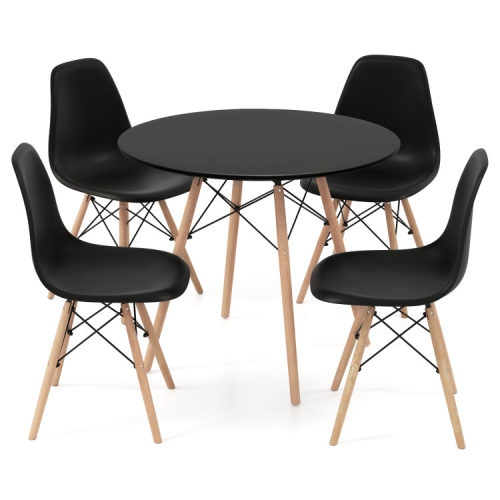
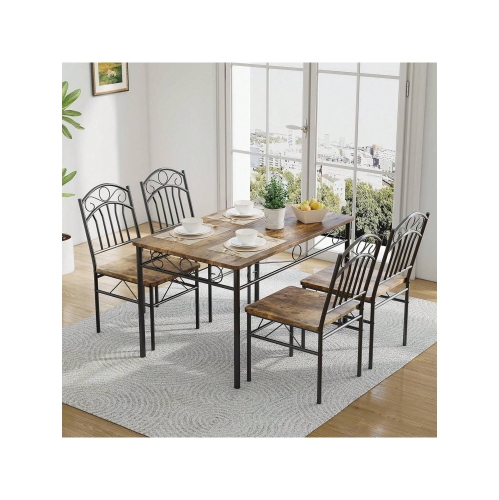
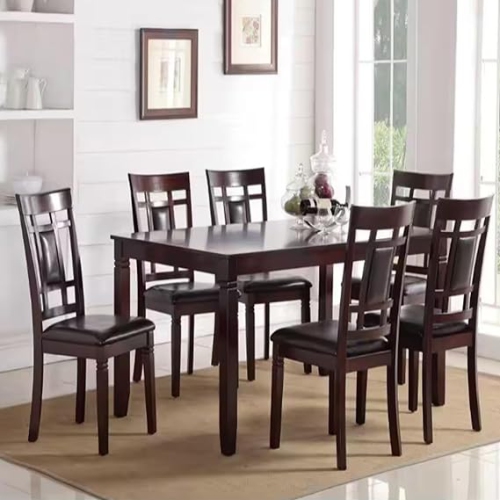

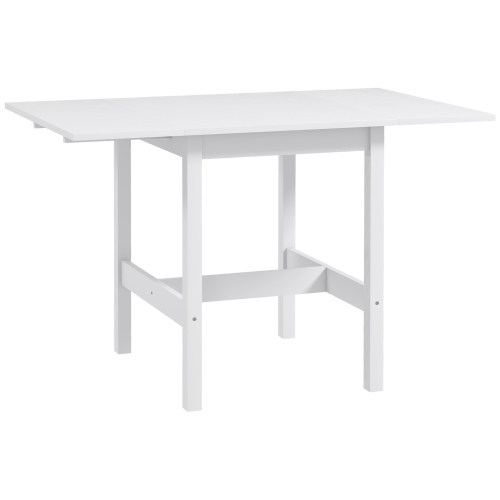
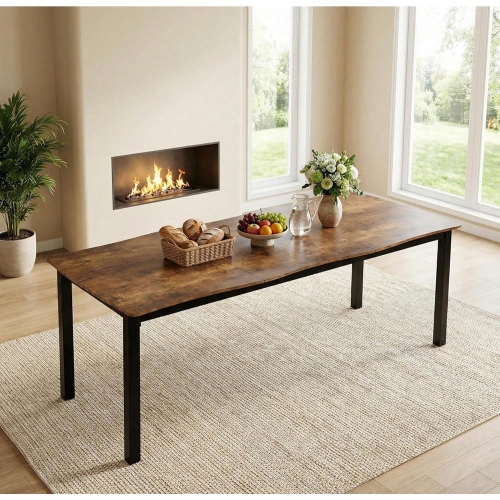

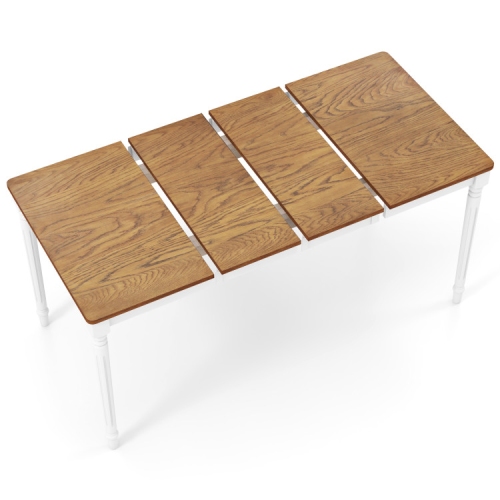
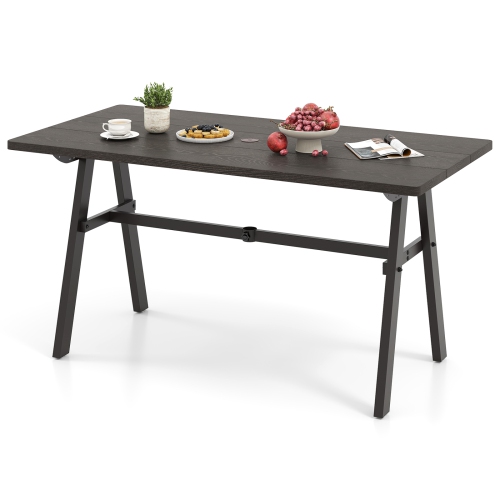
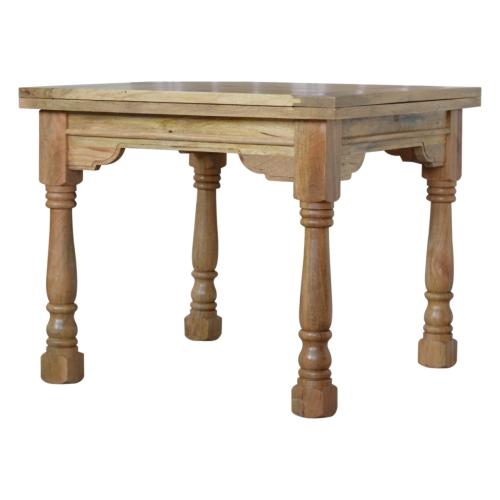
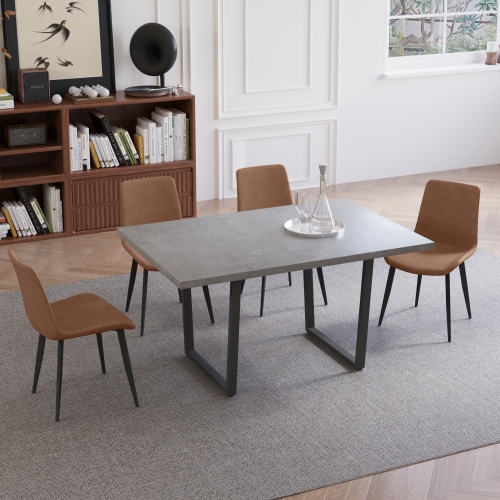
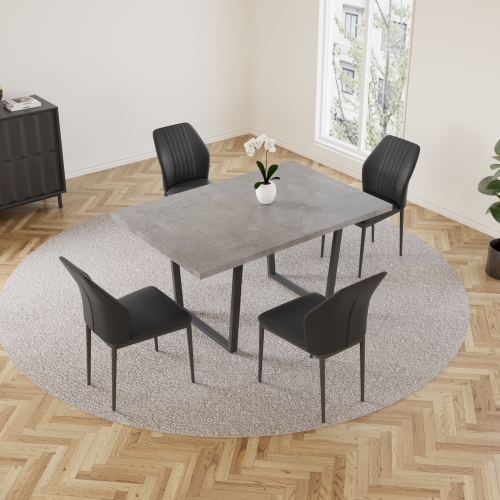
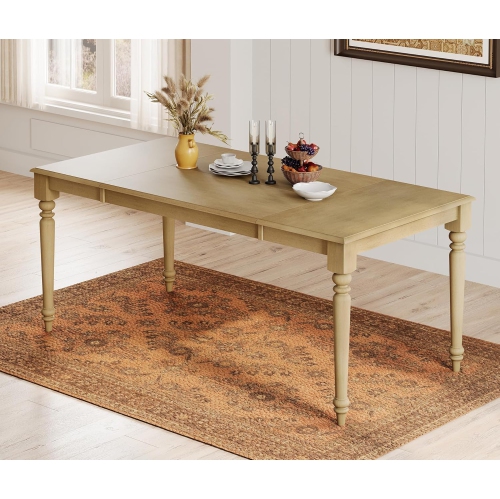
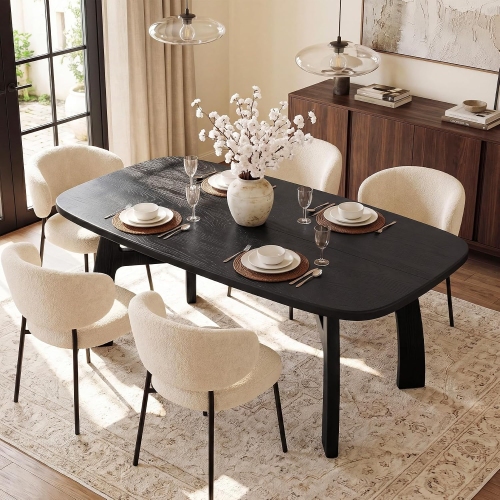
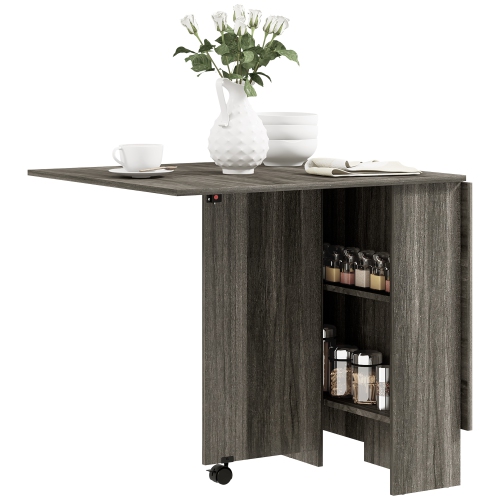
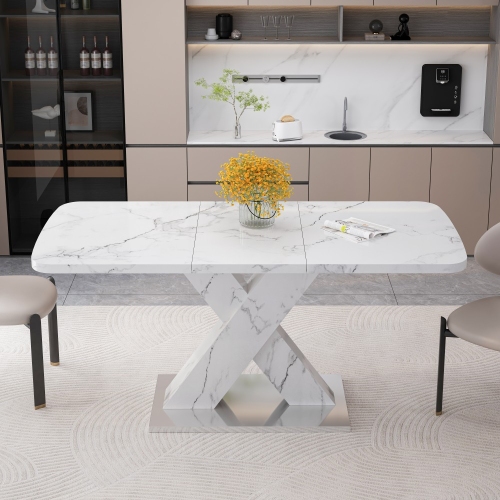
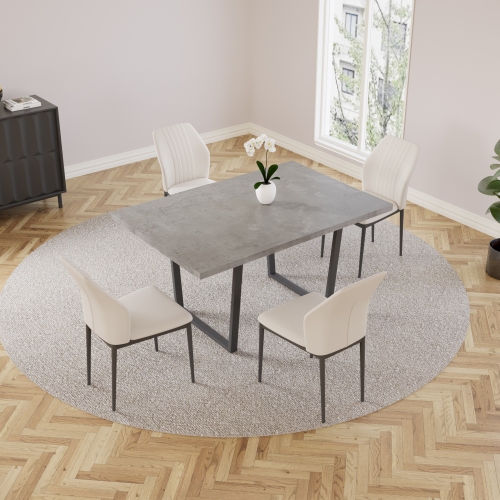
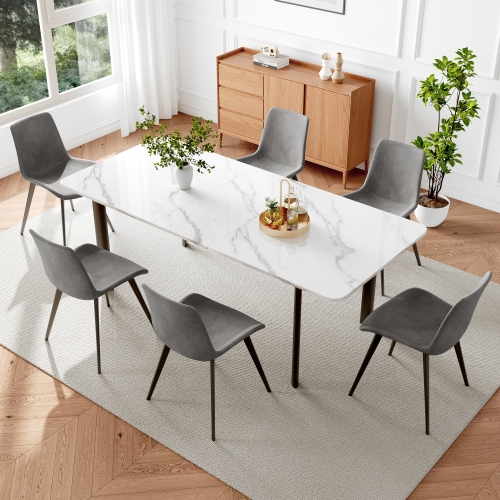
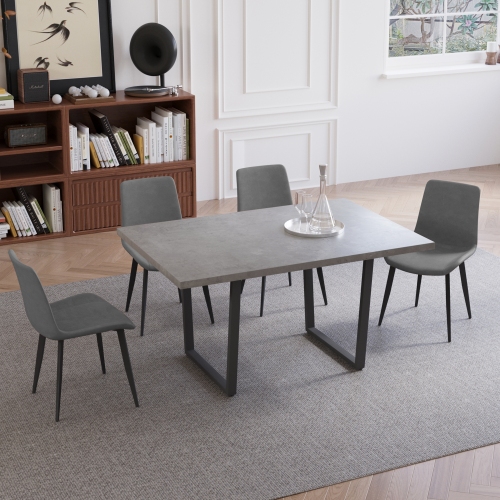
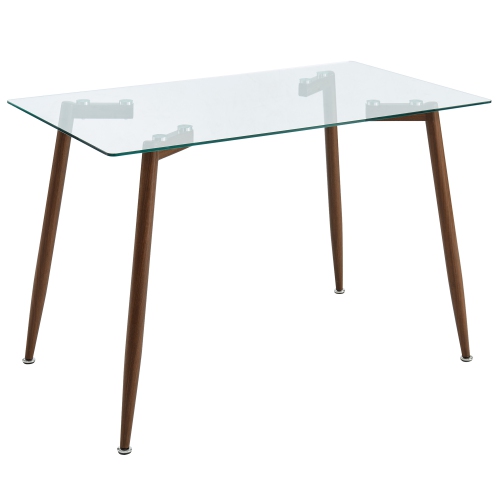
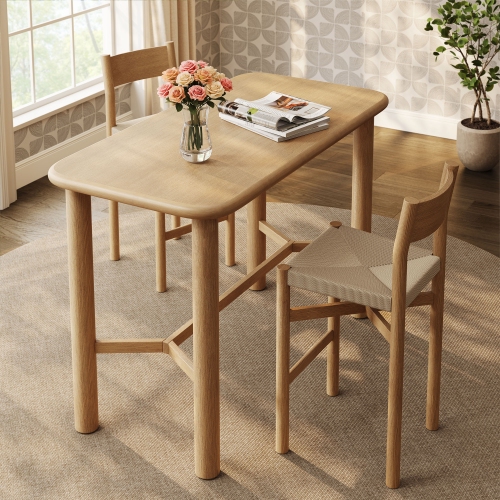
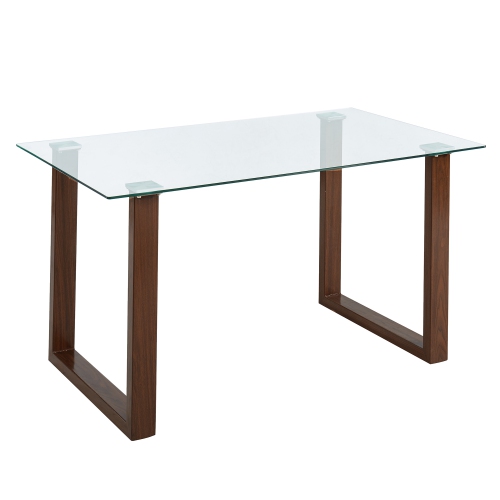
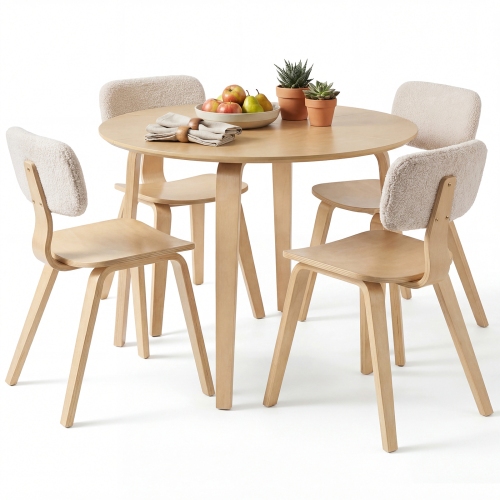
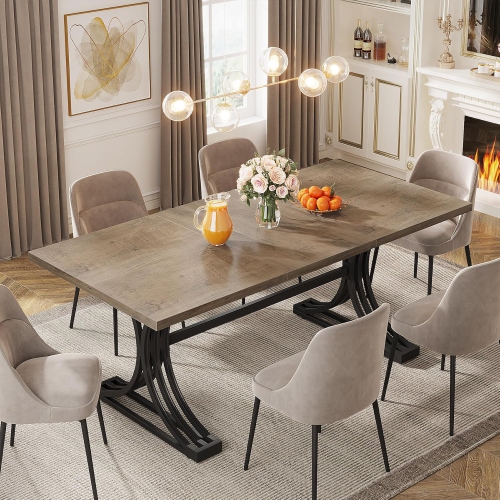
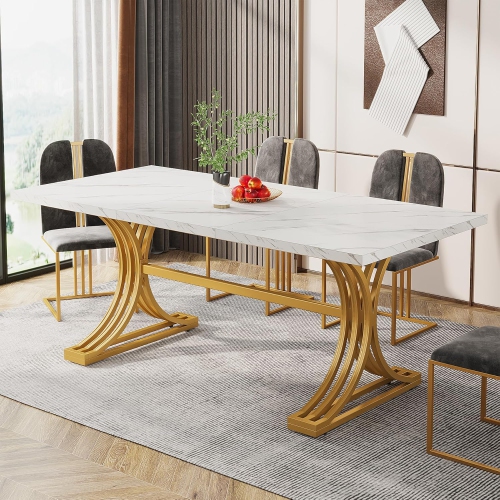
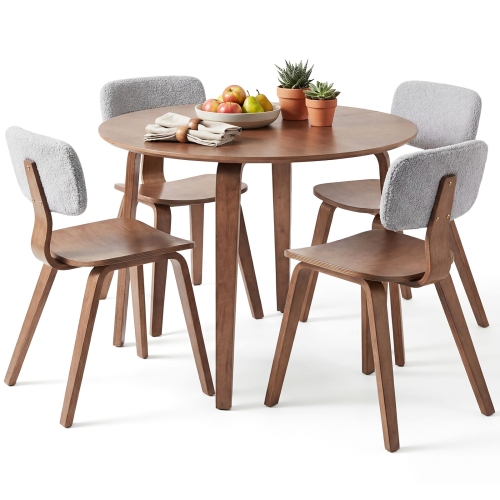
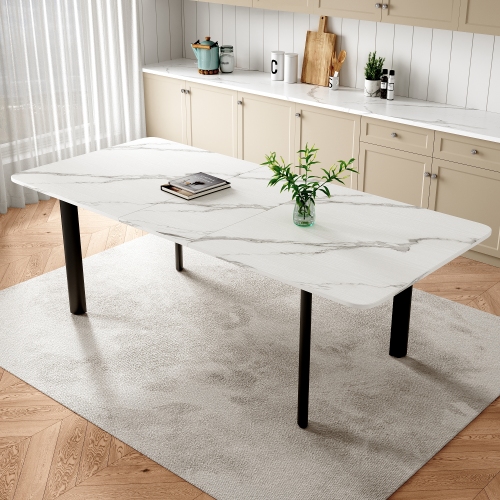
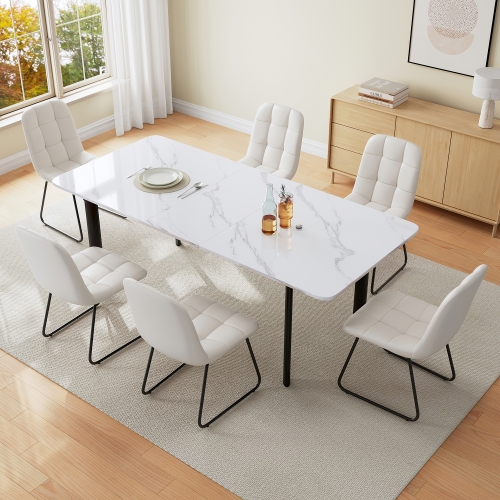

How wood grain and seating space shape everyday dining
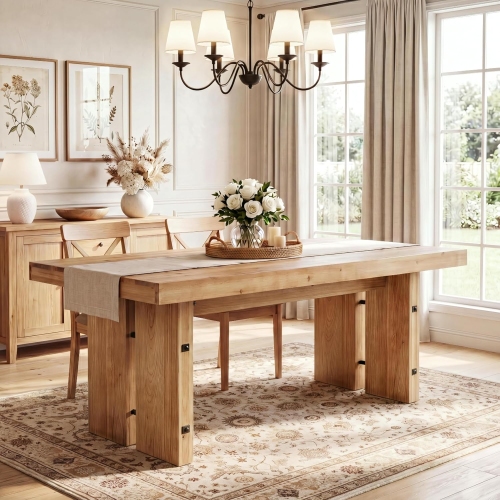
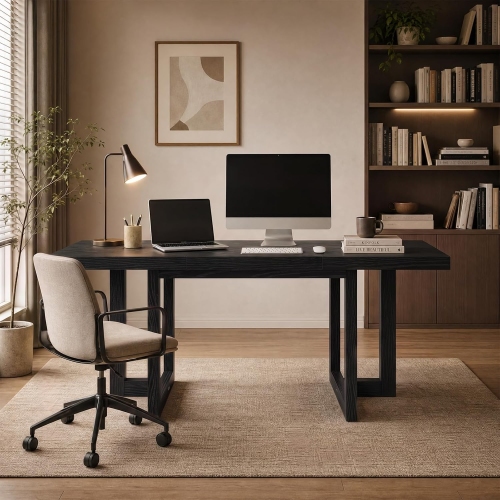
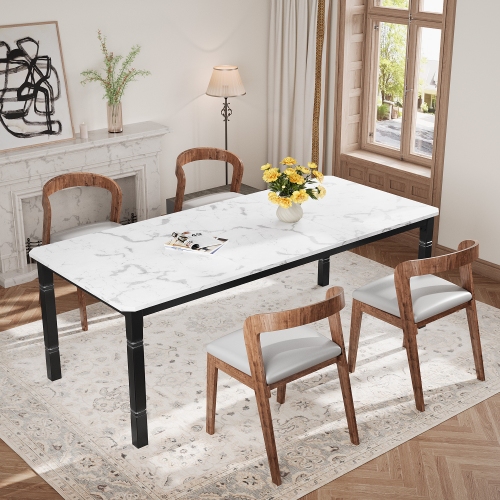
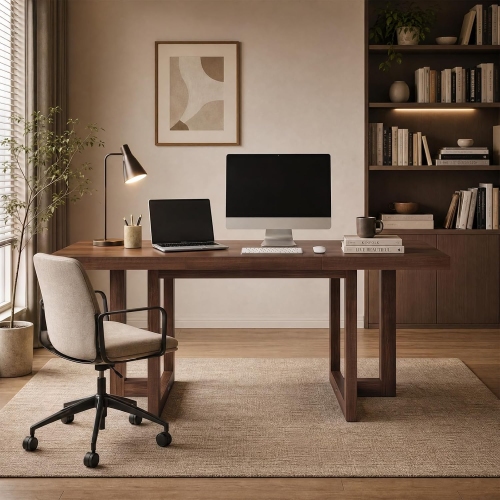
Rectangular wood dining tables give everyday meals, shared projects, and relaxed gatherings a clearly defined place in the home. Their straight sides suit long dining rooms and open-plan layouts, while the extended tabletop provides room for place settings, serving dishes, and conversation across the table. The character of a wood table comes from both its construction and its finish. Solid wood has natural variation in grain and colour, so two tables made from the same species can have noticeably different markings. Oak often has a pronounced grain, maple tends to show a finer pattern, and walnut is known for its rich brown tones. Acacia can feature striking contrasts between lighter and darker sections. Stains, clear coatings, and brushed finishes further influence how these woods look and feel. Wood veneer offers another construction option: a thin layer of real wood is bonded to a supporting core, which may be engineered wood. Veneer can provide the appearance and texture of natural grain, but its thin surface generally limits sanding and refinishing compared with solid wood. A printed wood-look surface is different from real wood veneer, making the material description important when comparing tables with similar appearances. The tabletop, legs, apron, and any extension mechanism may also use different materials. Durability depends on more than the wood species alone; sound joinery, secure hardware, a stable base, and a finish suited to regular use all contribute to how a table performs. A smooth, sealed surface is often practical for a dining area that doubles as a homework station, while a textured or distressed finish brings a more rustic appearance but may require extra attention around grooves. For households that use the dining table throughout the day, the balance between appearance and upkeep matters as much as the grain itself. A table that feels comfortable at breakfast and still works for an evening meal is more useful than one chosen only for its appearance in an empty room. Even the edge profile makes a difference: softly rounded edges can feel more comfortable beneath forearms than a sharply squared edge.
Size and seating capacity are closely connected, but the tabletop dimensions alone do not tell the whole story. Allowing roughly 24 inches of table edge per adult provides a useful starting point for comfortable seating, with additional space helpful for wide chairs or generous place settings. A rectangular table around 60 to 72 inches long often accommodates six people, depending on its width, leg placement, and chair dimensions. A longer table may suit larger households or frequent gatherings, but the room still needs enough space for people to sit down and move around it. About 36 inches between the table edge and a wall or nearby furniture is a common starting point for chair clearance; 42 to 48 inches can be more comfortable where people regularly pass behind seated diners. Sideboards, cabinet doors, and routes into adjoining rooms also affect the usable space. A tabletop roughly 36 to 42 inches wide can leave room for opposing place settings and shared dishes, although wider serving arrangements need more space. In a compact dining nook, a narrower rectangular profile may preserve a clear walkway without giving up as much length. Chair fit deserves equal attention. A standard dining table is often about 28 to 30 inches high, and approximately 10 to 12 inches between the seat and the underside of the tabletop is a useful comfort reference. A deep apron can reduce knee room, while armchairs may not slide underneath even when their seats are the right height. Corner legs can restrict seating near the ends, and trestle bases may place supports where some diners would naturally rest their feet. Extension leaves add flexibility for occasional guests, provided there is room for the expanded table and somewhere suitable to store any removable sections. Benches can tuck neatly along a long side, but they still need clearance for people to enter and leave their seats. Considering the table together with the chairs and surrounding furniture helps create a dining area that works when occupied, not just when everything is pushed in.
In rooms where dining and living spaces meet, Wooden Rectangular Tables can establish a gathering area without needing a separate room. A pale wood finish can sit comfortably alongside light upholstery and simple cabinetry, while deeper brown tones can add contrast to neutral walls. Visible grain, thick tops, and substantial legs often suit rustic interiors; slimmer profiles and restrained detailing can work well with contemporary furniture. These styles do not require every wood surface in the room to match. Similar undertones or a repeated accent colour can connect the table with nearby pieces while allowing differences in grain and finish. The chairs also shape the result: upholstered seating adds softness, wood chairs emphasize texture, and mixed seating can make a shared space feel less formal. For a table used daily, care requirements should fit the household’s routines. A soft cloth and prompt attention to spills help protect the surface, while coasters, placemats, and trivets reduce direct contact with moisture and heat. A hot serving dish should rest on a suitable heat-resistant barrier rather than directly on the tabletop, and a protective mat is useful beneath craft supplies or writing materials that could mark the finish. Cleaning products should be appropriate for the coating; abrasive pads, harsh chemicals, and excess water can damage some surfaces. Oiled, waxed, and sealed finishes have different maintenance needs, so the manufacturer’s care directions remain the best reference for cleaning and any periodic treatment. Wood also responds to changes in indoor humidity, making placement away from direct heat sources sensible. Extension hardware and leg fasteners may need occasional inspection according to the assembly instructions. With suitable dimensions, comfortable seating, and manageable care, a rectangular wood dining table can support everything from quick lunches to lingering meals, while giving the room a lasting focal point grounded in natural texture.
Top selling and popular products
-
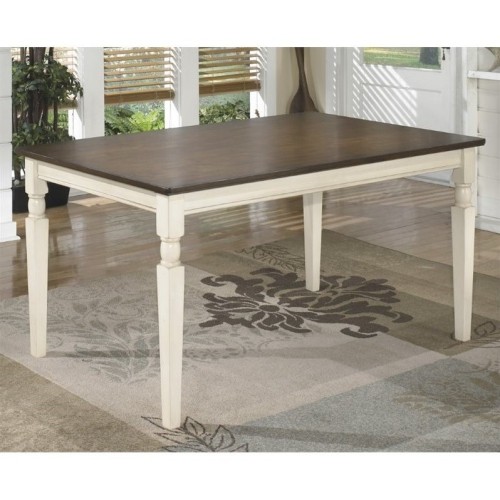 Your price for this item is $399
-
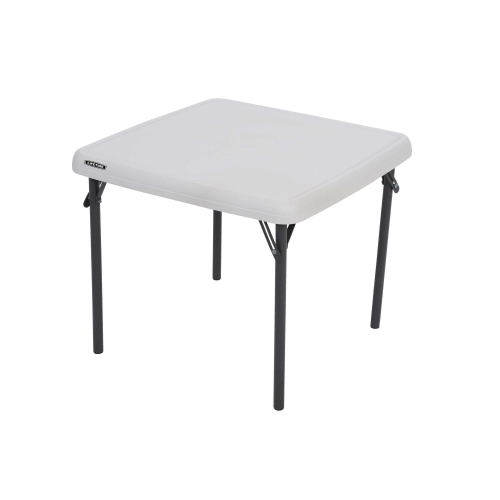 Your price for this item is $74.99
-
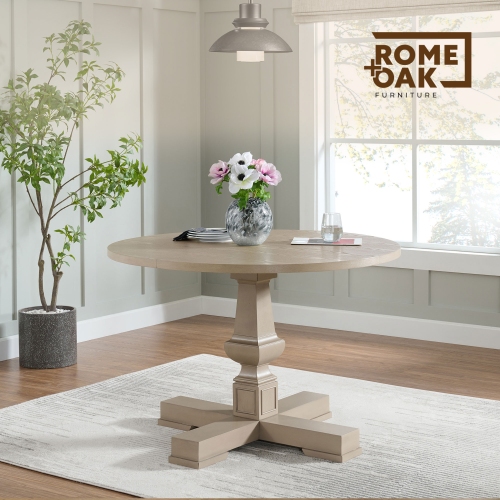 Your price for this item is $971.99
-
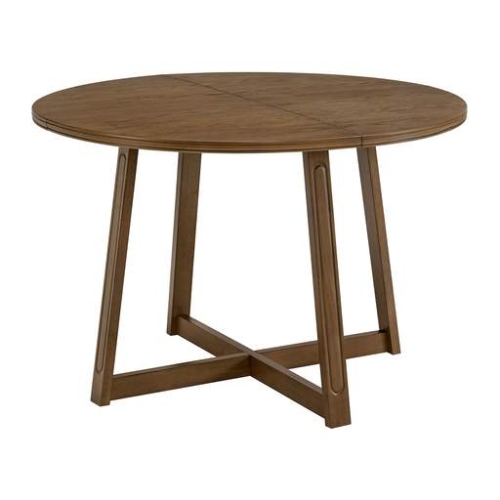 Your price for this item is $796.99
-
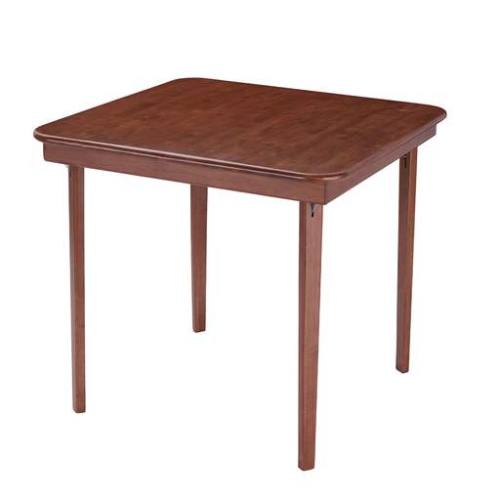 Your price for this item is $413.99
-
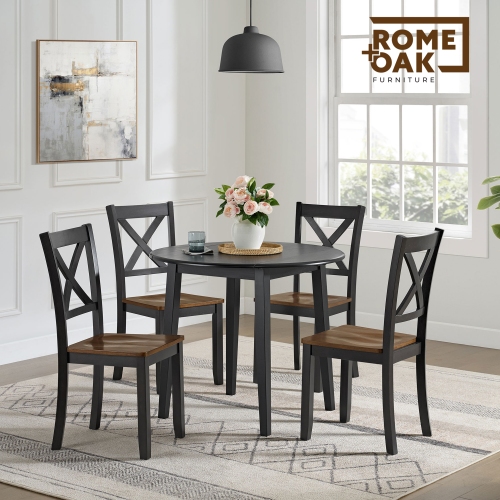 Your price for this item is $392.99
-
 Your price for this item is $243.99
-
 Your price for this item is $827.99
Discover more categories related to Wood Rectangle Dining Tables
Top Collections:
Best Black Friday Deals This Year, Best Black Friday Deals On Electronics, Kindle Devices, Pokemon Centers, Best Black Friday Deals On Apple Products, Best Cameras for Sports Photography, Dyson Airwrap, Pokémon 30th Celebration Cards, Apple iPhone 17 Pro, Canon G7X Cameras
Some products may be subject to Environmental Handling Fees
(EHF) depending on your province.
Learn more about EHFs.