Rustic Wooden Serving Boards
Rustic Wooden Serving Boards add a touch of natural charm to any kitchen or dining setting, making them a popular choice for entertaining and everyday use. These versatile boards are ideal for presenting appetizers, cheeses, charcuterie, or fresh bread in style. With their timeless appeal, Rustic Wooden Serving Boards complement a variety of décor themes and help create an inviting atmosphere for gatherings both large and small. Explore a range of options to find the perfect addition to your home entertaining essentials.
Sort
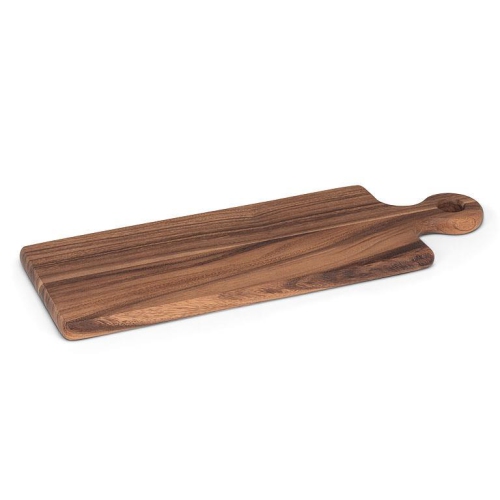
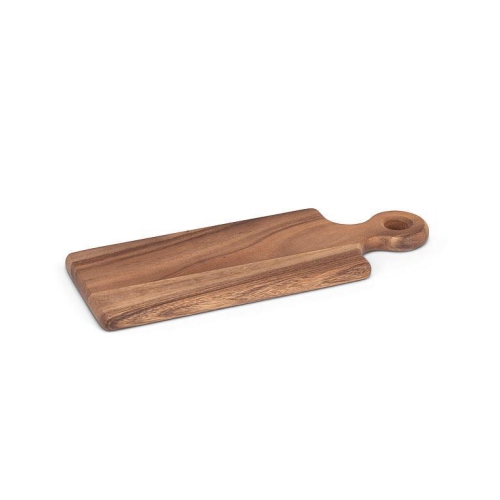
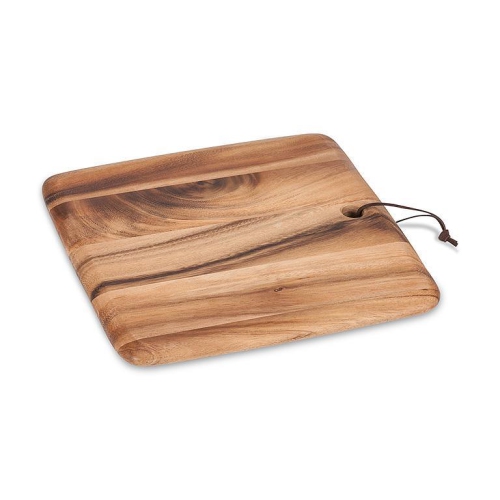
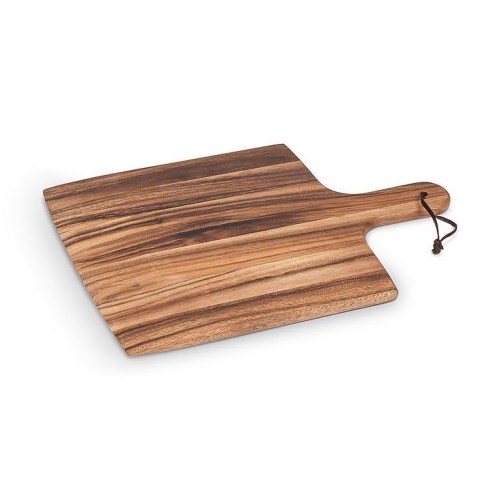
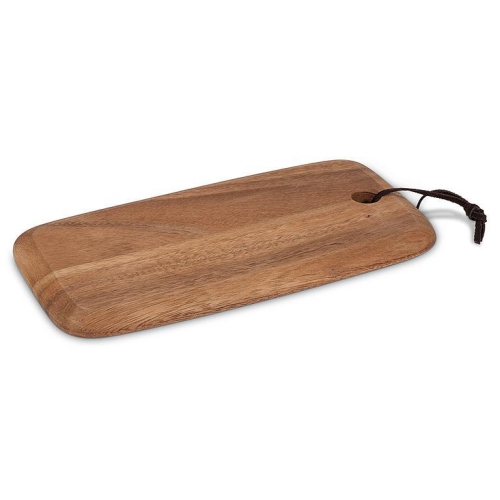

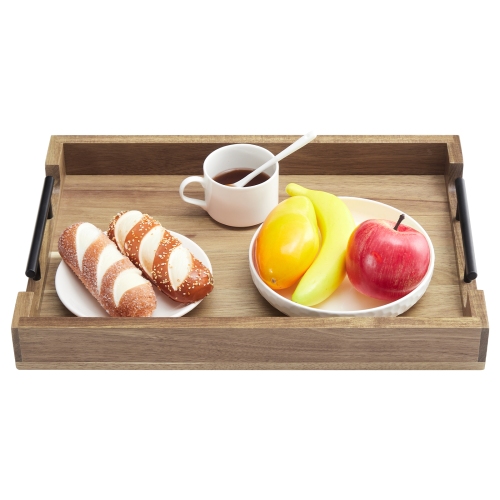

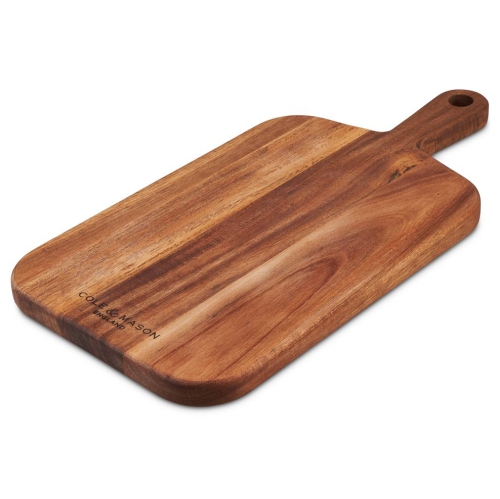
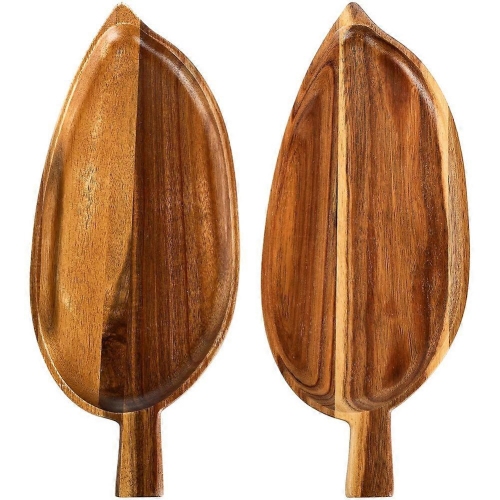

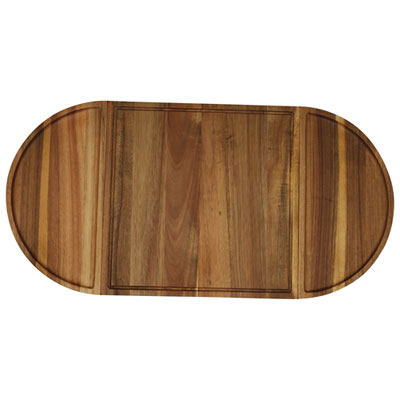
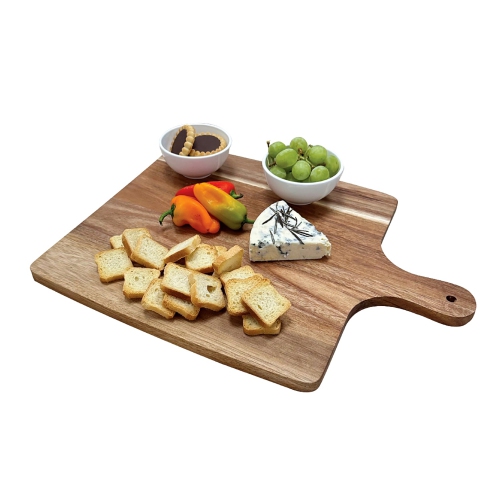
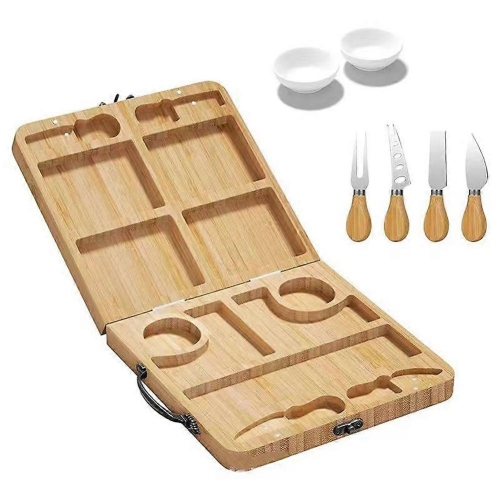
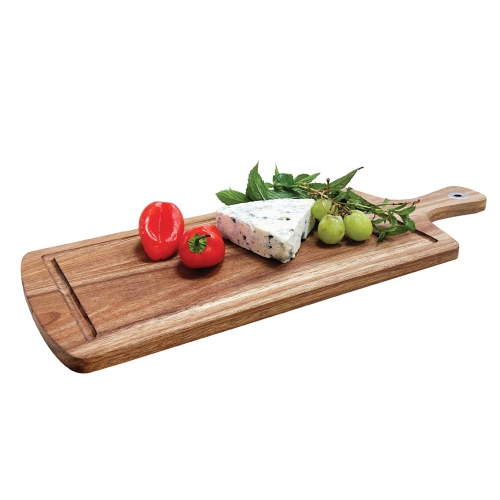


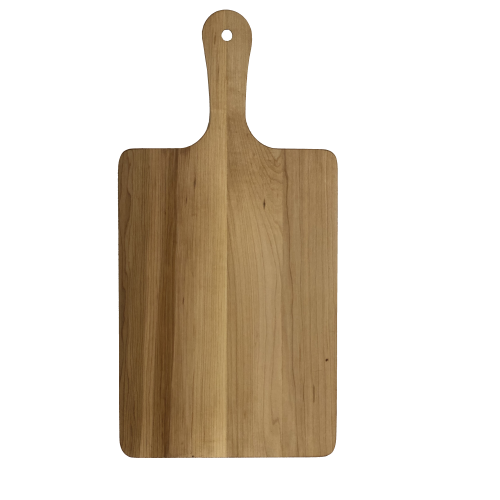


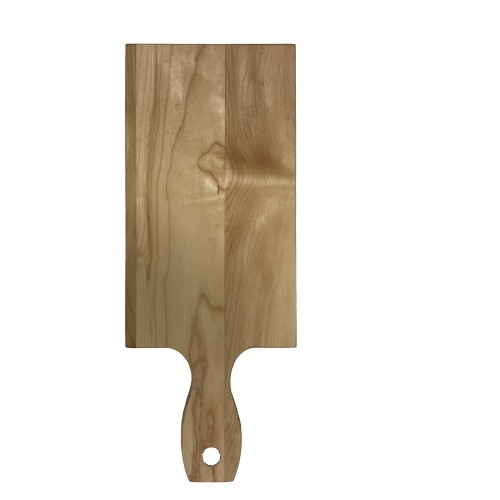
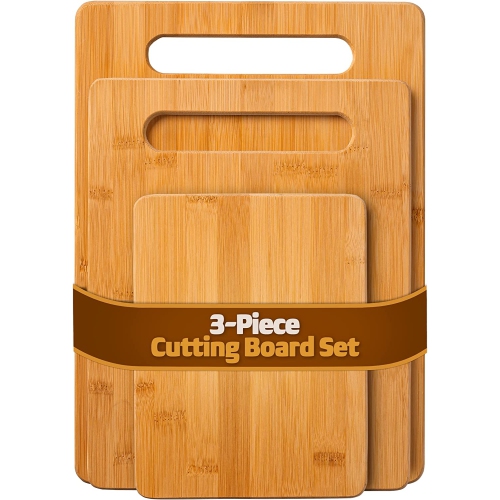
Natural wood grain adds warmth to everyday gatherings
Rustic wooden serving boards bring the grain, colour, and texture of wood to the table while providing a surface for presenting cheeses, charcuterie, bread, fruit, and appetizers. Their appeal comes from the balance of practical serving space and a relaxed, handcrafted appearance: a loaf sliced beside a small dish of butter, wedges of cheese arranged with grapes, or crackers tucked between bowls of olives and preserves. Rustic styling can include softly rounded corners, visible grain, irregular outlines, and live edges that follow the original contour of the wood. The food-contact surface should still be smooth, properly finished, and free of splinters; a weathered look does not need to mean a rough surface. Acacia, walnut, and maple are common choices, each with its own character. Acacia often has pronounced grain and contrasting tones, walnut is known for its rich brown colour, and maple generally offers a lighter appearance with a more understated grain pattern. Natural variation means that two boards made from the same wood can look noticeably different. Knots, lighter streaks, and changes in grain direction contribute to that individuality, although the condition of the serving surface matters more than visual character alone. Construction also affects how a board feels and performs. A single-piece board may emphasize a continuous grain pattern, while a board assembled from joined sections can create a more regular outline or broader serving area. Neither construction alone guarantees quality; sound joints, a stable shape, and an appropriate food-safe finish are important considerations. Thickness adds visual substance and can help a board feel steady on the table, but it also increases weight. A substantial board may suit a permanent place on a dining table, while a lighter one can be easier to carry between rooms. Whether paired with simple white dishes, woven napkins, or dark ceramic bowls, rustic wooden serving boards provide a warm backdrop without needing elaborate table styling.
Shape and usable surface area influence how comfortably a serving board fits into everyday meals and gatherings. A long, narrow board can run along the centre of a table, leaving room for plates and glasses on either side, while a broad rectangular shape offers space for several cheeses, sliced meats, and accompaniments. Round boards work well as a focal point where guests can reach from different directions. Paddle shapes add a handle that may make carrying easier, although the handle should not be counted as food-placement space. With live-edge designs, the widest measurement may not reflect the usable area throughout the board, so an irregular outline deserves a little extra consideration when arranging bowls or portions. A small board can make breakfast toast, a sandwich, or a few appetizers feel thoughtfully presented without filling the table. For larger gatherings, several smaller boards placed within easy reach can be more convenient than one heavy board that needs to be passed around. The best fit also depends on the kitchen sink, cupboard, and preparation area, not just the number of guests. A board that is awkward to wash or difficult to store may be less practical for frequent use. Handles, hanging holes, and feet can add convenience, but each changes how the board sits, stores, or carries. Feet may provide finger clearance underneath, while a hanging hole can help keep a board accessible where there is a suitable hook. Serving boards are generally open, flat surfaces rather than containers, so small dishes are useful for honey, dips, pickles, and other ingredients that could spread or leave moisture behind. For carrying plates, glasses, and napkins together, Wooden Serving Trays are a related option, often featuring raised sides that help contain the arrangement. A serving board is better suited to food presented directly on its surface, provided that surface is intended for food contact. Leaving some clear space between ingredients makes the presentation easier to use, with room for a cheese knife, serving spoon, or a guest’s hand.
Care and intended use are central to keeping a wooden serving board attractive and comfortable to use over time. Most wooden boards require hand washing with warm water and mild dish soap, followed by prompt towel drying and thorough air drying before storage. Soaking, dishwasher cycles, and prolonged contact with pooled water can cause swelling, warping, or damage to glued joints and finishes. Drying a board upright with air able to reach both sides helps prevent moisture from remaining underneath. Manufacturer care directions take priority, particularly when a board has a coating, attached hardware, or a finish that requires specific treatment. Many oil-finished boards benefit from occasional conditioning with food-grade mineral oil or a board-care product intended for food-contact wood. Cooking oils are not a suitable substitute, as some can become rancid. An oil finish can help limit moisture absorption, but it does not make wood waterproof or remove the need for cleaning. Strongly coloured foods, greasy ingredients, and acidic juices may leave marks, so dishes or liners suitable for food contact can be useful where staining is a concern. A serving board should not automatically be treated as a cutting board: some finishes are intended for presentation rather than repeated knife work, and decorative details may make thorough cleaning more difficult. Boards used for raw meat need appropriate cleaning and separation from ready-to-eat foods; a dedicated serving surface keeps that distinction simple. Hot cookware can also damage wood or its finish, so a serving board is not a replacement for a heat-rated trivet. With suitable care, gradual colour changes and light surface marks can add character, while cracks, splinters, or loose joints call for closer attention before further food use. Rustic wooden serving boards suit casual hosts, home cooks, and anyone who enjoys arranging food for sharing. They also make thoughtful housewarming, wedding, or host gifts, especially when the size suits the recipient’s table and storage space. A manageable weight, straightforward care requirements, and a food-safe serving surface make the gift useful well beyond its first presentation.
Top selling and popular products
-
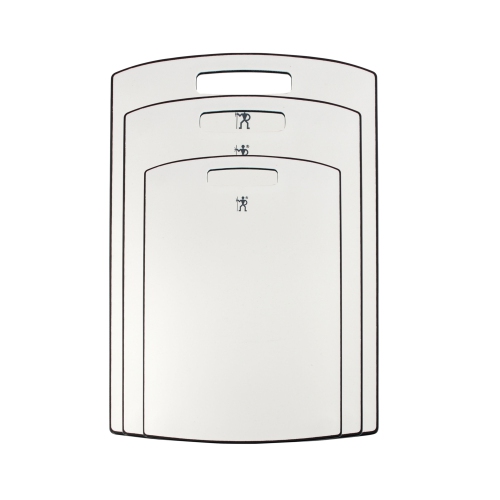 Your price for this item is $39.99
-
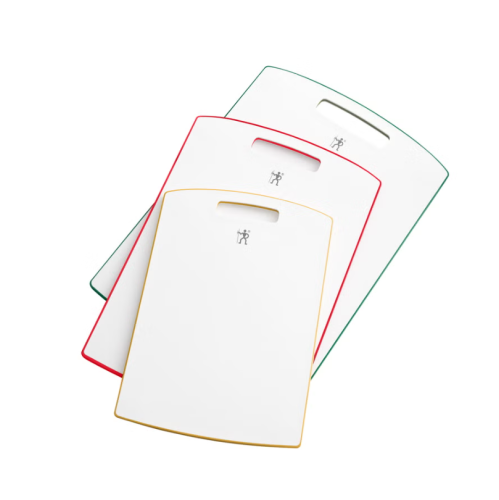 Your price for this item is $54.99
-
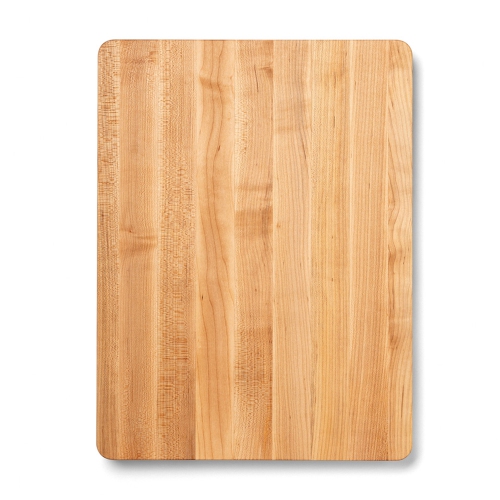 Your price for this item is $175.99
-
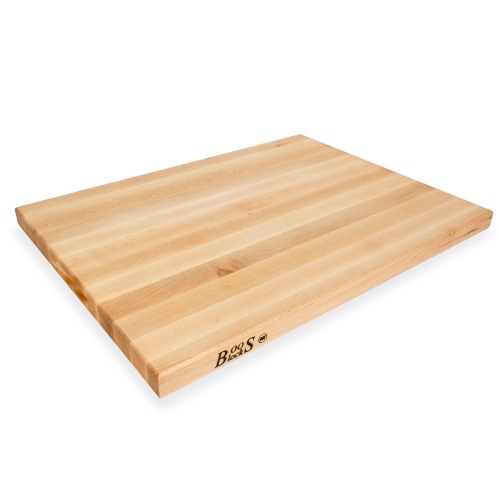 Your price for this item is $275.99
-
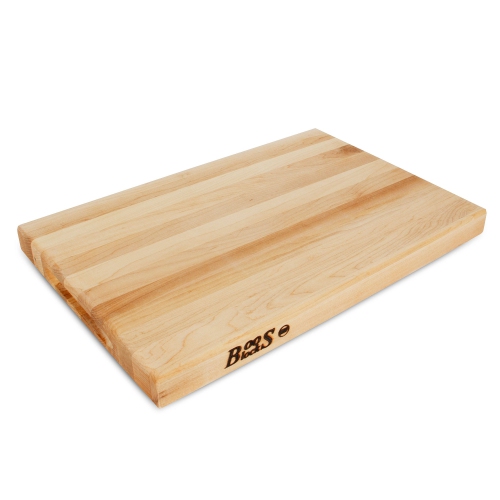 Your price for this item is $183.99
-
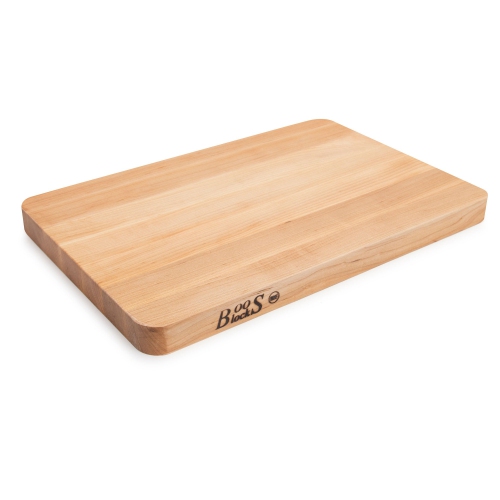 Your price for this item is $121.99
-
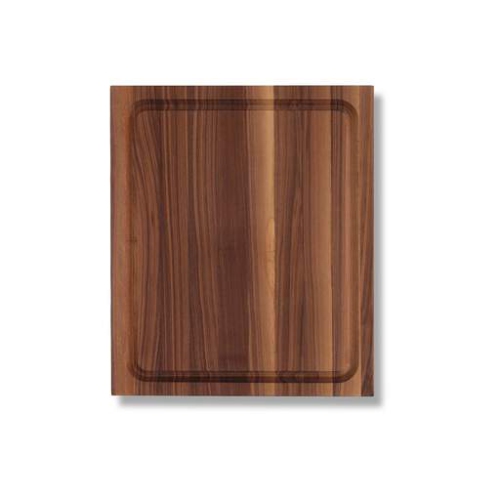 Your price for this item is $331.99
-
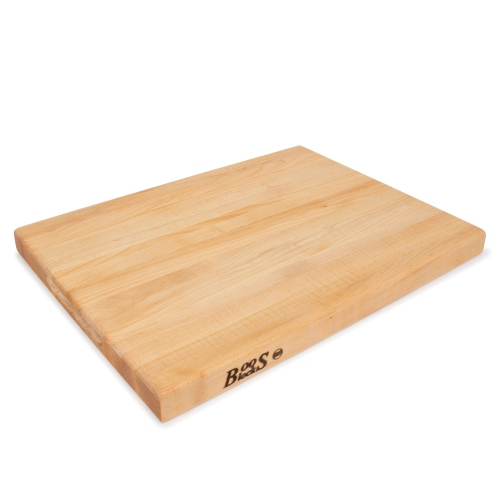 Your price for this item is $224.99
Discover more categories related to Rustic Wooden Serving Boards

Top Collections:
Pokemon Centers, Best Cameras for Sports Photography, Kindle Devices, Samsung Galaxy Phones, Canon G7X Cameras, Pokémon 30th Celebration Cards, Refurbished Apple Laptops, iPhone 15 Apple, Laptops for Students, Budget Smartphones
Some products may be subject to Environmental Handling Fees
(EHF) depending on your province.
Learn more about EHFs.