Salon Chairs
Upgrade your salon with our selection of stylish and comfortable salon chairs. Whether you're looking to revamp your current space or starting a new salon project, our range of salon chairs offers both functionality and fashion-forward designs to elevate the look and feel of your salon. From sleek modern styles to classic and traditional options, find the perfect salon chair that suits your aesthetic and provides ultimate comfort for your clients during their visit.
Sort



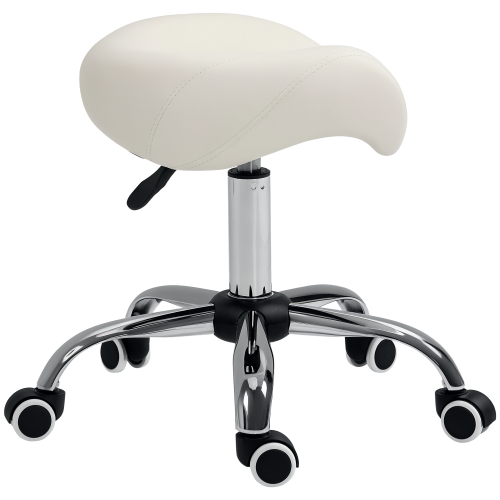
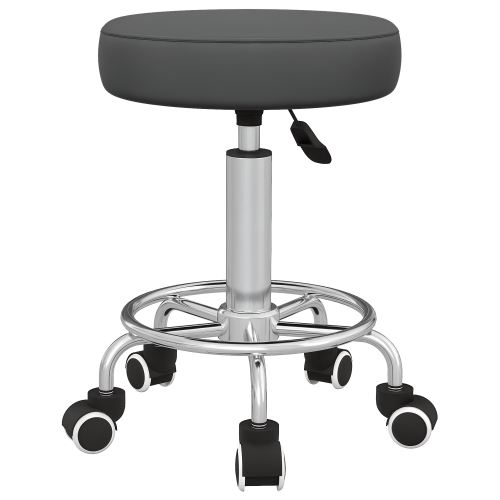
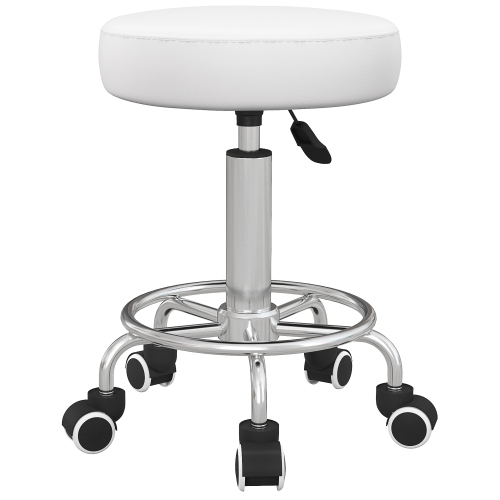
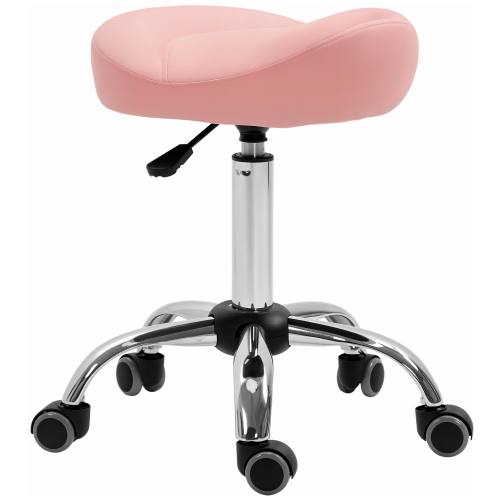
How seating shapes client comfort and stylist movement
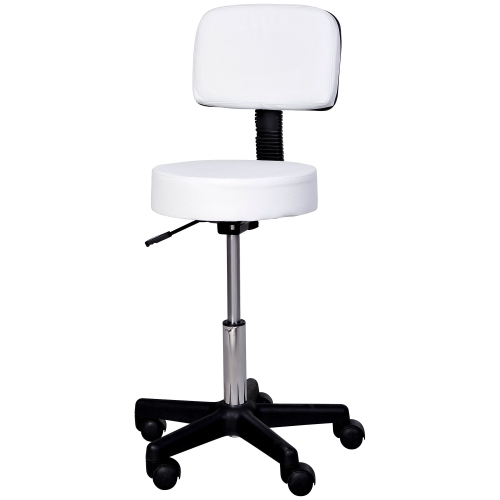
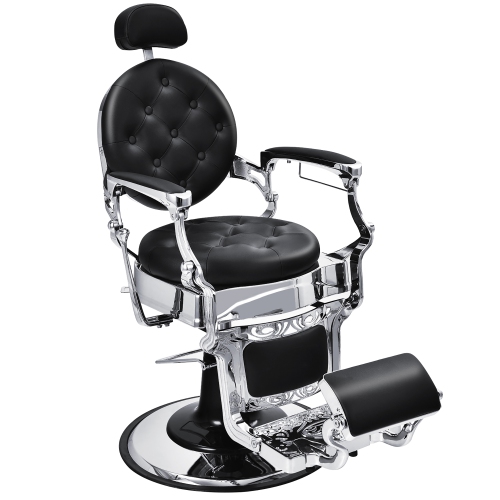
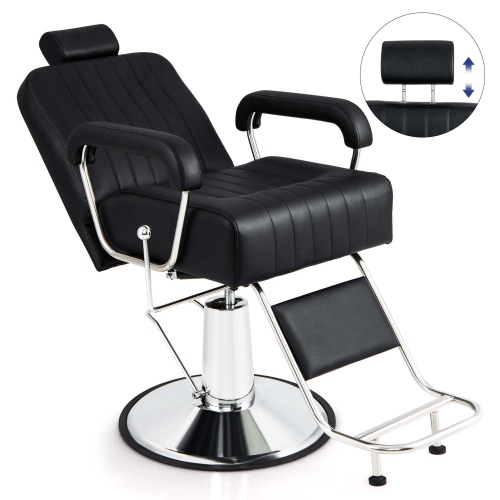
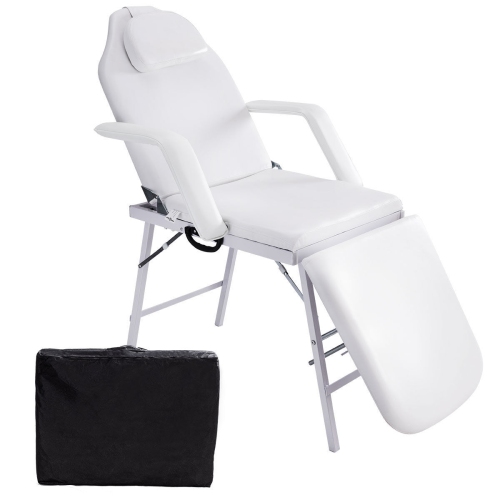
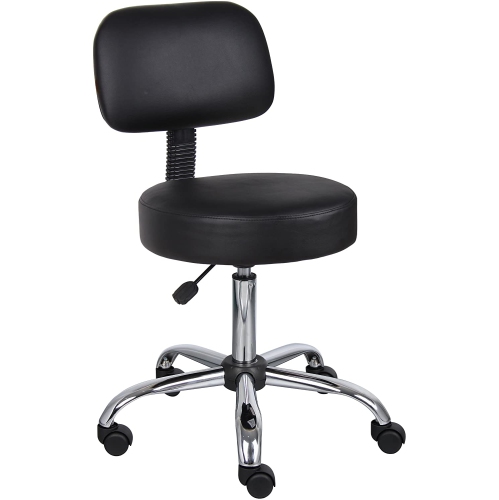
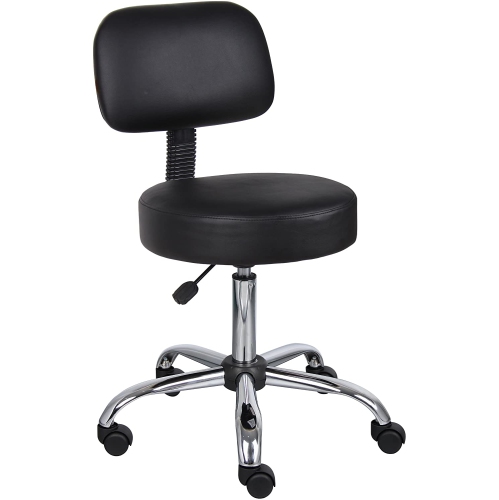
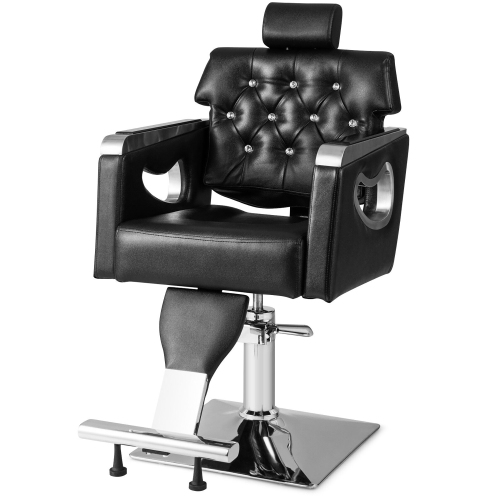
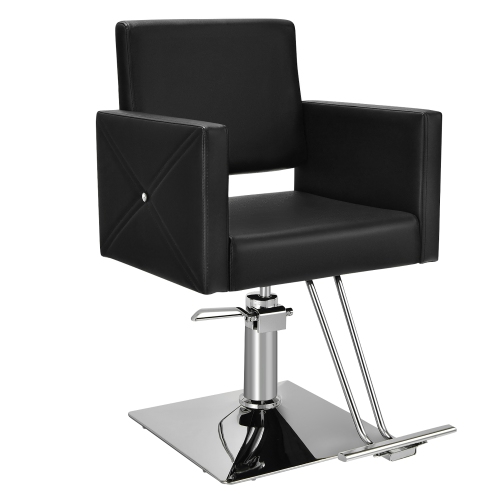
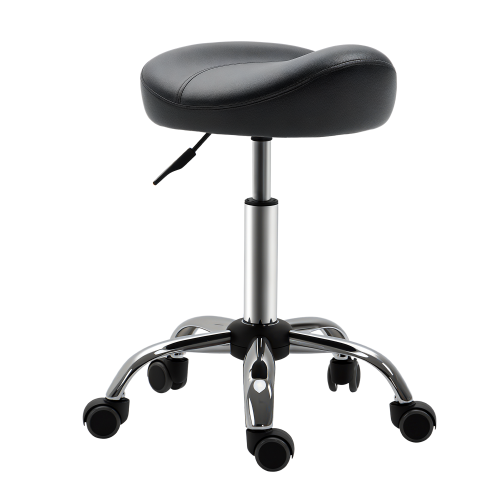
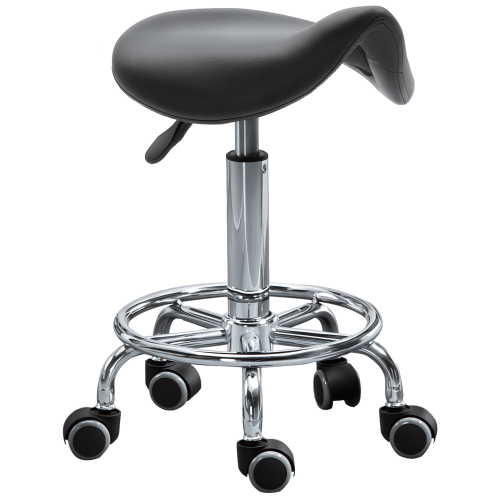
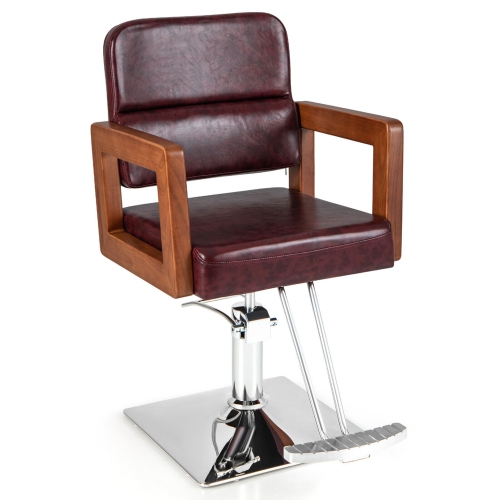
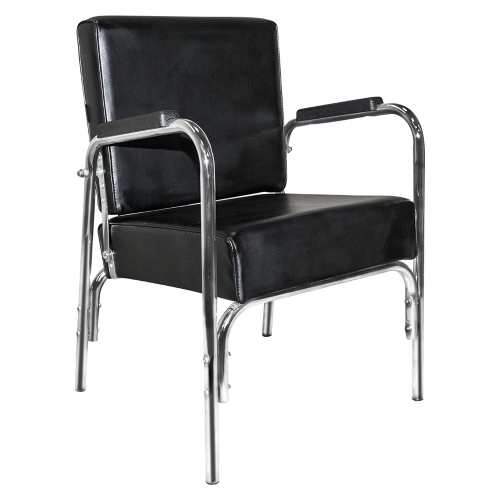
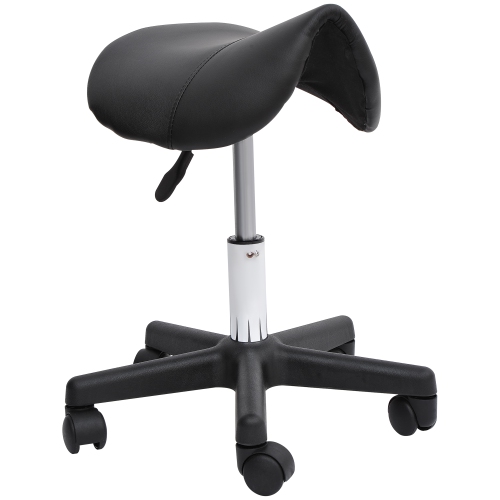
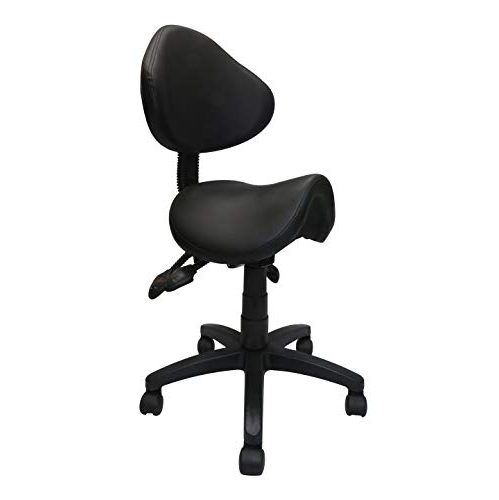
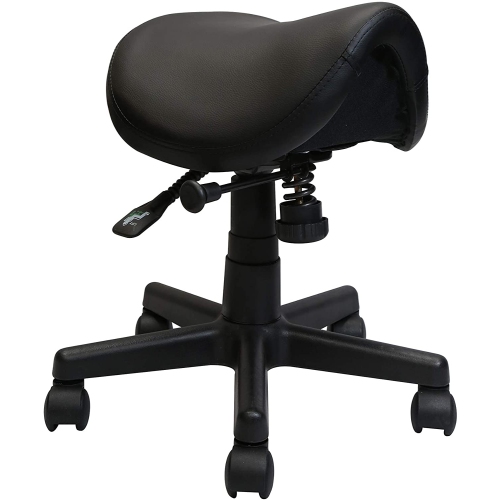
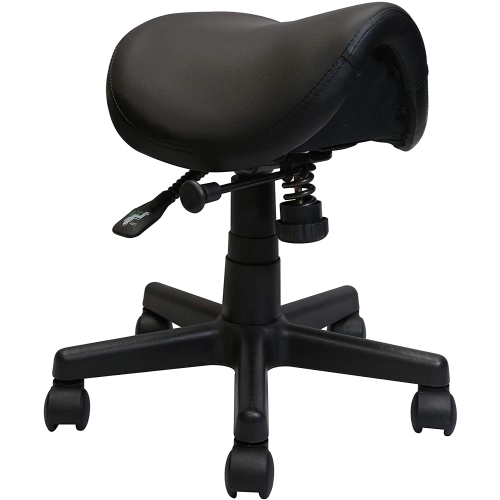
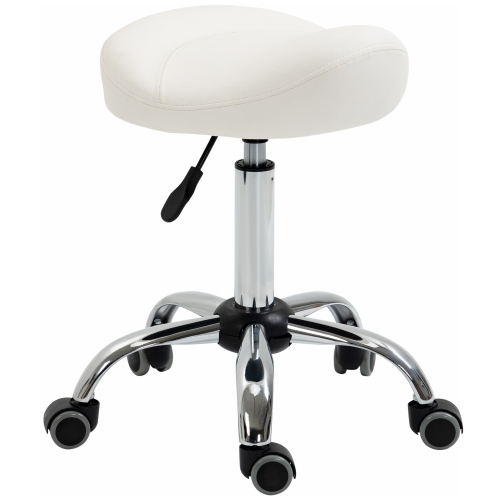
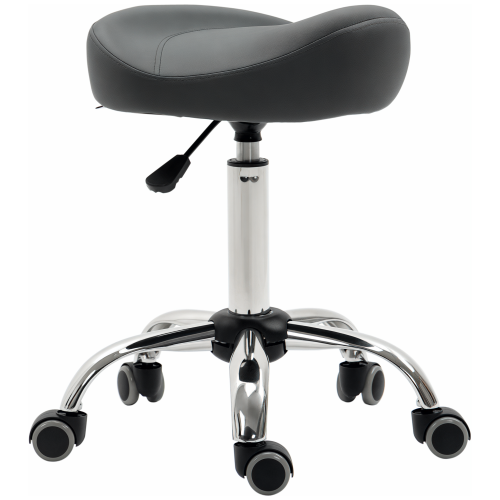
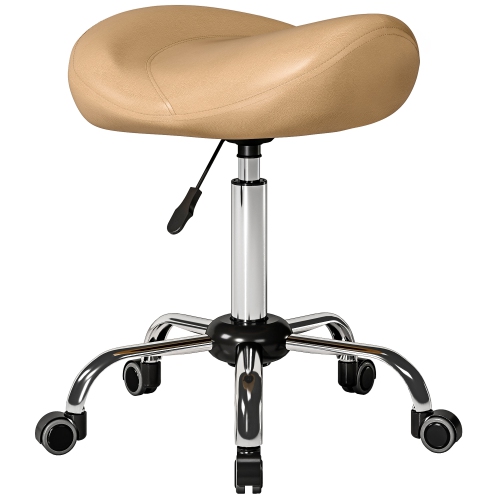
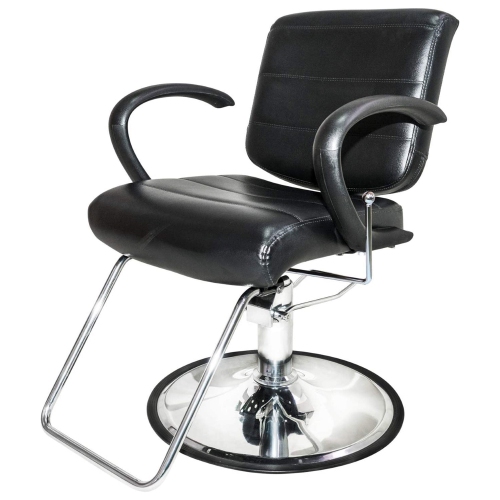
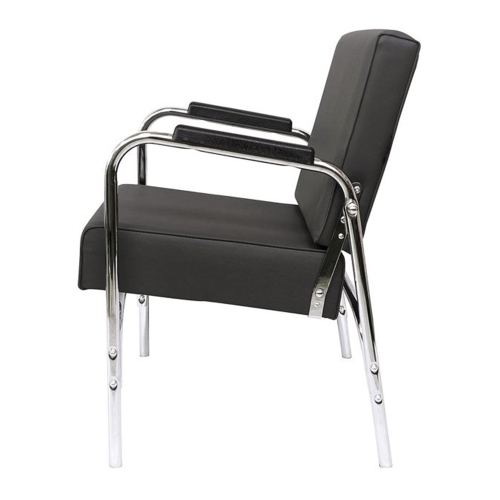
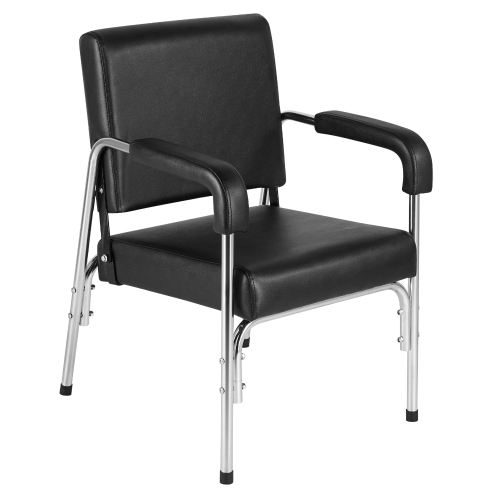
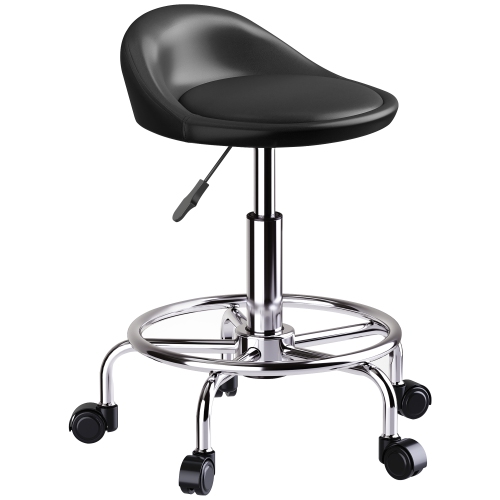
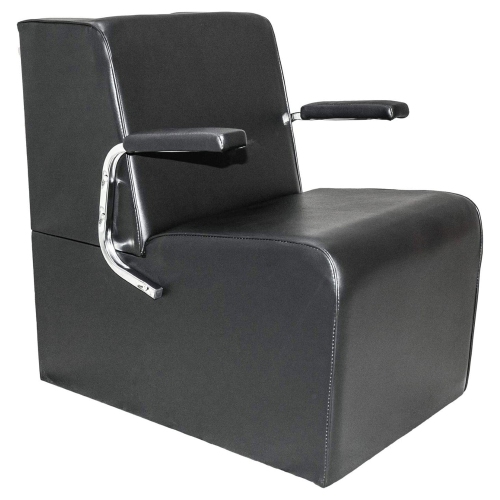
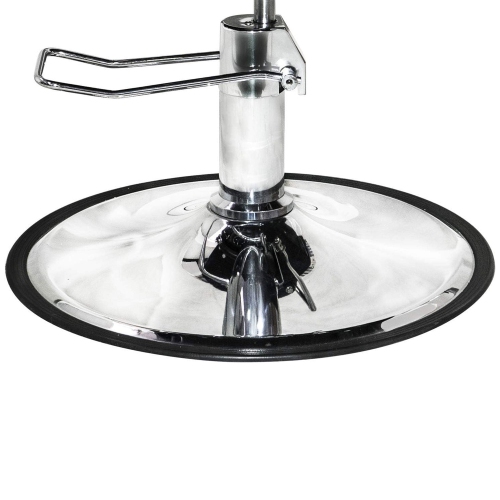
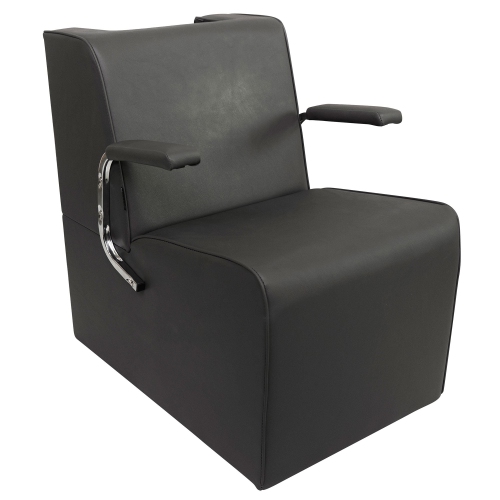
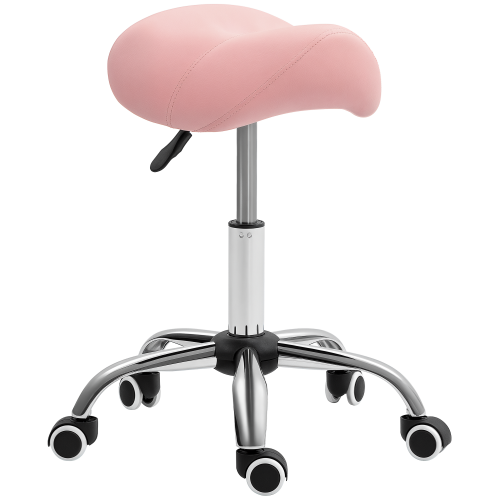
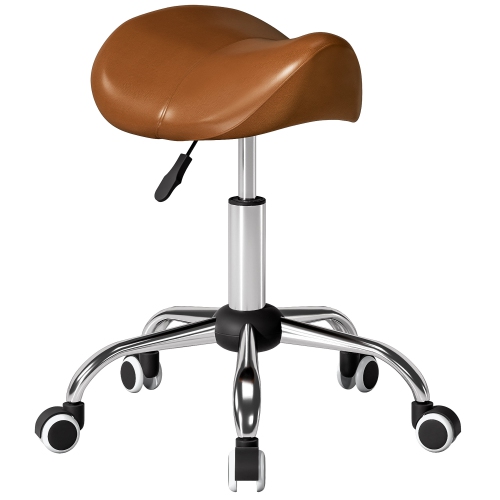
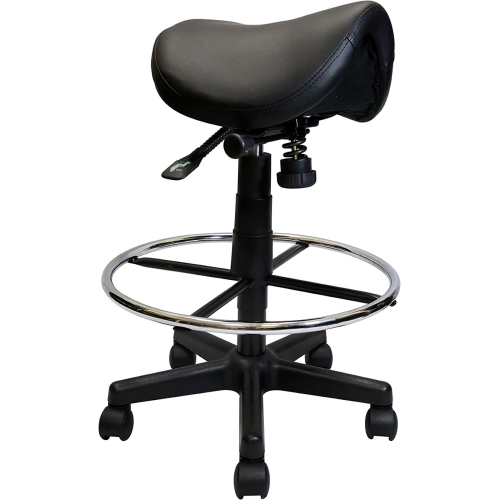
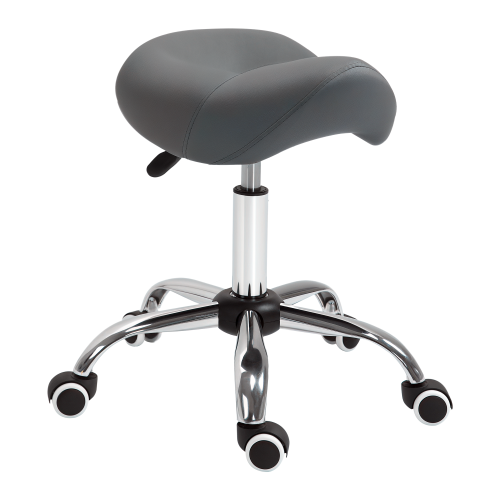
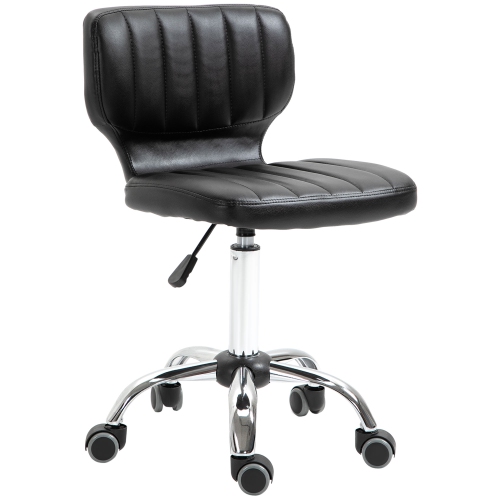
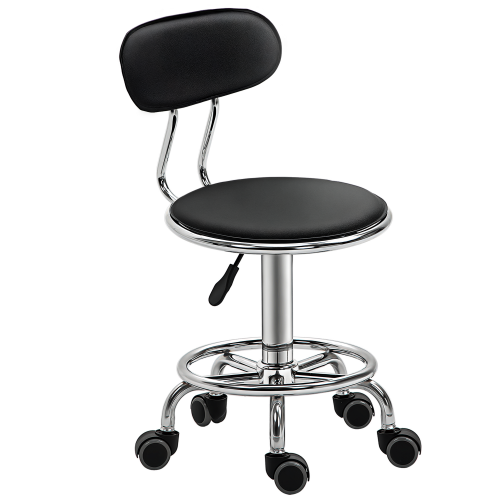
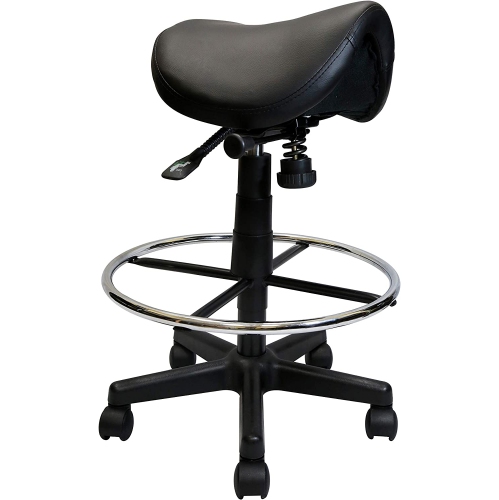
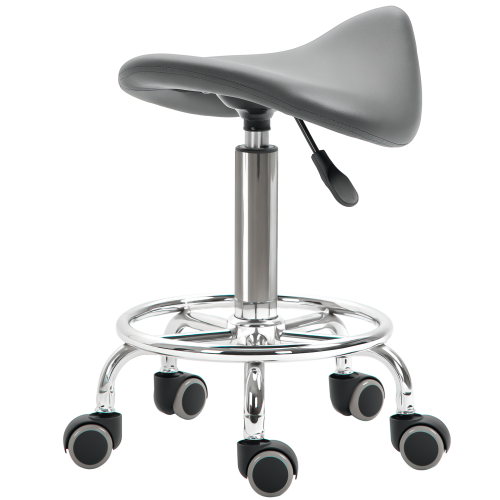
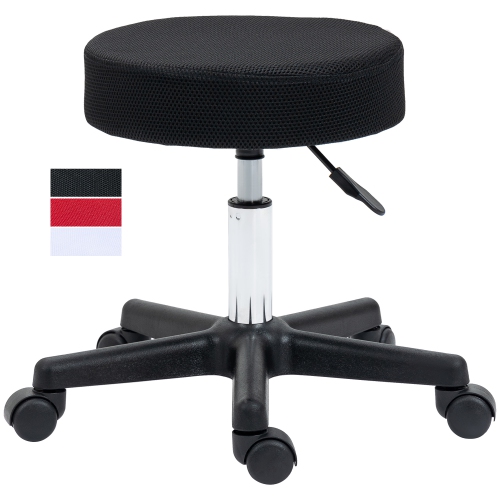
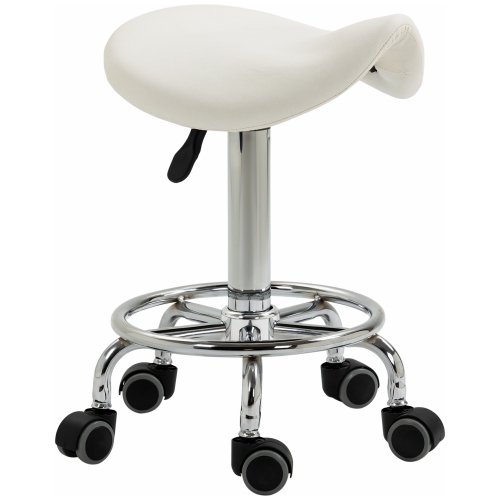
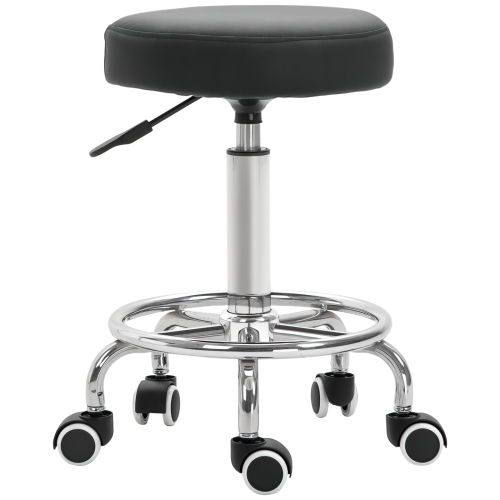
Salon chairs are a central part of a styling station, giving clients a place to settle in while helping stylists work comfortably around the head and shoulders. Their shape, height, and movement influence everything from a quick fringe trim to a longer appointment involving sectioning, colour application, and a careful blowout. In a busy salon, a chair needs to support repeated adjustments throughout the day; in a private studio, it may also help establish the character of the whole space. A slim profile can suit a compact station with a wall-mounted mirror, while a broader seat and substantial armrests can create a more generous feel where floor space allows. The most useful proportions depend on both the people sitting in the chair and the professionals working beside it. Seat width, usable depth, backrest height, and the position of the armrests all contribute to comfort, particularly when a client remains seated for an extended service. A backrest that feels supportive should also leave suitable access for cutting longer hair, working at the nape, or arranging a cape without bunching. Hydraulic height adjustment lets a stylist bring the working area closer to a comfortable level rather than repeatedly bending or lifting the shoulders. The chair’s lowest and highest seat positions matter as much as the adjustment mechanism itself, especially when several stylists share a station. A swivel seat helps with changing angles during a cut, while a rotation lock, where included, helps hold the chair in position for precise work. Footrests give clients somewhere to place their feet, although they are not necessarily designed to act as steps. Together, these details make salon chairs relevant to established businesses, independent hairstylists, training spaces, and dedicated home studios. For someone setting up a professional workspace, a chair can also be a meaningful practical gift, provided its dimensions, intended use, and installation needs have been confirmed with the recipient.
Materials and construction shape how a salon chair looks, feels, and handles everyday wear. Upholstery may include vinyl, polyurethane, or other coverings, each with its own cleaning requirements and tolerance for salon use. A smooth, wipeable surface can make it easier to remove loose clippings between appointments, while deep tufting, pronounced seams, and decorative stitching introduce more places for hair and residue to collect. These details are not simply visual: colour services, styling sprays, and frequent cleaning all place demands on the seat covering. Resistance to moisture does not automatically mean resistance to dye, bleach, or every disinfectant, so the manufacturer’s care directions remain important. Prompt attention to spills and the use of suitable cleaning products can help prevent staining, cracking, or changes to the finish. Padding also affects the experience over a long appointment. A seat that feels soft at first touch may behave differently after an hour, while firmer cushioning can provide more consistent support when paired with a well-shaped seat and backrest. Beneath the upholstery, the frame, lift assembly, and base do much of the work. Metal frames and bases are common, with finishes that can range from polished chrome to matte coatings. Their durability depends on construction quality and appropriate care, not appearance alone. A broad base can provide a stable foundation, but its footprint also affects how closely a stylist can stand and how easily a trolley moves around the station. Round, square, and other base shapes interact differently with a room’s layout, particularly near cabinets or neighbouring chairs. The stated weight capacity should suit the intended clientele, and a level floor helps the chair sit as designed. Routine attention to loose fasteners, unusual movement, and changes in the lift’s operation can help identify maintenance needs before they interrupt an appointment. Hair can gather around pedals and base edges, making access for sweeping another practical part of the design. Replaceable components and clear maintenance information can also matter to businesses planning for regular, long-term use.
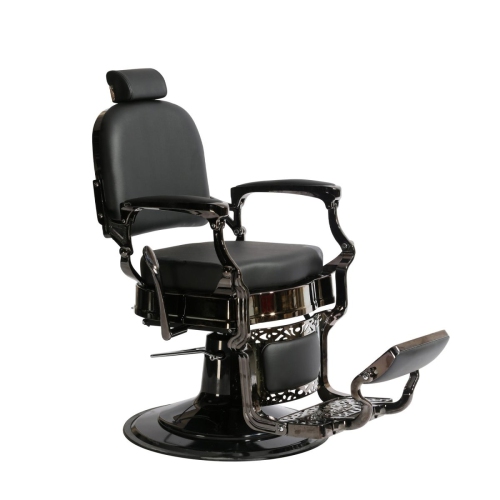
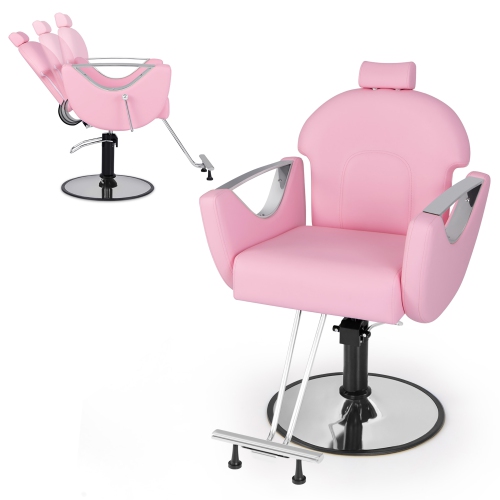
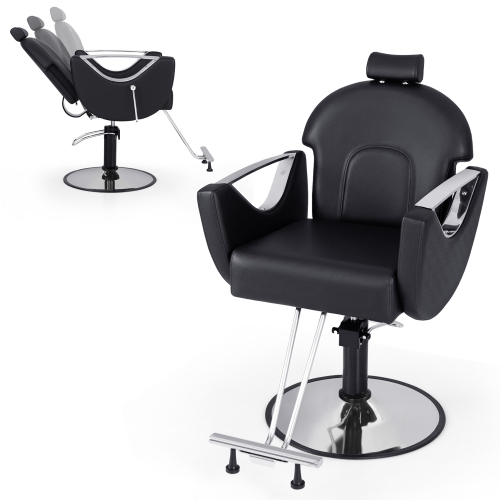
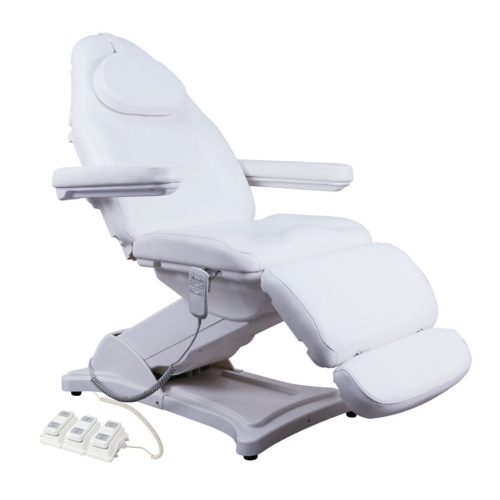
The right salon seating also depends on the services taking place around it. A styling chair intended for cutting and finishing is not automatically suitable for shampooing, reclining treatments, or services that require a supported head position. Fixed-back designs often provide straightforward access for everyday hair work, while reclining designs introduce additional positioning options when their construction and intended use support them. For work that calls for a different seating configuration, Barber Chairs offer a related category to consider, with attention to the head support, recline, and footrest arrangements needed for the service. Within a salon, matching the chair to the station means looking beyond the chair’s measurements on their own. There needs to be room for the seat to turn, the stylist to step back and assess a shape in the mirror, and a wheeled cart to remain close without blocking movement. A reclining backrest needs clearance behind it, and an extended footrest can take up more room than expected in a narrow aisle. Clients also benefit from a clear approach to the seat, steady arm support, and a seat height that suits their needs; a hydraulic lift alone does not make every chair accessible to every person. In shared studios and teaching spaces, easily understood controls and repeatable adjustments can make transitions between users smoother. Visual details then bring the station together. Black upholstery can create a crisp contrast against pale cabinetry, softer neutral tones can lend warmth to a small studio, and clean-lined shapes can keep a row of stations from feeling crowded. The finish should still work with the daily cleaning routine and the pace of the business. A salon chair earns its place through this balance of comfort, service access, and dependable construction: it should feel welcoming when a client sits down, remain steady while the stylist works, and be ready for the next appointment after appropriate cleaning and resetting.
Materials and construction shape how a salon chair looks, feels, and handles everyday wear. Upholstery may include vinyl, polyurethane, or other coverings, each with its own cleaning requirements and tolerance for salon use. A smooth, wipeable surface can make it easier to remove loose clippings between appointments, while deep tufting, pronounced seams, and decorative stitching introduce more places for hair and residue to collect. These details are not simply visual: colour services, styling sprays, and frequent cleaning all place demands on the seat covering. Resistance to moisture does not automatically mean resistance to dye, bleach, or every disinfectant, so the manufacturer’s care directions remain important. Prompt attention to spills and the use of suitable cleaning products can help prevent staining, cracking, or changes to the finish. Padding also affects the experience over a long appointment. A seat that feels soft at first touch may behave differently after an hour, while firmer cushioning can provide more consistent support when paired with a well-shaped seat and backrest. Beneath the upholstery, the frame, lift assembly, and base do much of the work. Metal frames and bases are common, with finishes that can range from polished chrome to matte coatings. Their durability depends on construction quality and appropriate care, not appearance alone. A broad base can provide a stable foundation, but its footprint also affects how closely a stylist can stand and how easily a trolley moves around the station. Round, square, and other base shapes interact differently with a room’s layout, particularly near cabinets or neighbouring chairs. The stated weight capacity should suit the intended clientele, and a level floor helps the chair sit as designed. Routine attention to loose fasteners, unusual movement, and changes in the lift’s operation can help identify maintenance needs before they interrupt an appointment. Hair can gather around pedals and base edges, making access for sweeping another practical part of the design. Replaceable components and clear maintenance information can also matter to businesses planning for regular, long-term use.
The right salon seating also depends on the services taking place around it. A styling chair intended for cutting and finishing is not automatically suitable for shampooing, reclining treatments, or services that require a supported head position. Fixed-back designs often provide straightforward access for everyday hair work, while reclining designs introduce additional positioning options when their construction and intended use support them. For work that calls for a different seating configuration, Barber Chairs offer a related category to consider, with attention to the head support, recline, and footrest arrangements needed for the service. Within a salon, matching the chair to the station means looking beyond the chair’s measurements on their own. There needs to be room for the seat to turn, the stylist to step back and assess a shape in the mirror, and a wheeled cart to remain close without blocking movement. A reclining backrest needs clearance behind it, and an extended footrest can take up more room than expected in a narrow aisle. Clients also benefit from a clear approach to the seat, steady arm support, and a seat height that suits their needs; a hydraulic lift alone does not make every chair accessible to every person. In shared studios and teaching spaces, easily understood controls and repeatable adjustments can make transitions between users smoother. Visual details then bring the station together. Black upholstery can create a crisp contrast against pale cabinetry, softer neutral tones can lend warmth to a small studio, and clean-lined shapes can keep a row of stations from feeling crowded. The finish should still work with the daily cleaning routine and the pace of the business. A salon chair earns its place through this balance of comfort, service access, and dependable construction: it should feel welcoming when a client sits down, remain steady while the stylist works, and be ready for the next appointment after appropriate cleaning and resetting.
Top selling and popular products
-
 Your price for this item is $119.99
 -
 Your price for this item is $123
 -
 Your price for this item is $139.99
 -
 Your price for this item is $139.99
 -
 Your price for this item is $203.98
 -
 Your price for this item is $379.99
 -
 Your price for this item is $379.99
 -
 Your price for this item is $594.99
Discover more categories related to Salon Chairs
Top Collections:
Pokemon Centers, Budget 4K TVs, Kindle Devices, Canon G7X Cameras, Apple iPhones 16, iPhone 15 Apple, Laptops for Business Work, Flip Phones, Xiaomi Phones, Refurbished Apple Laptops
Some products may be subject to Environmental Handling Fees
(EHF) depending on your province.
Learn more about EHFs.