Sauna Tent
Transform your home into a personal wellness retreat with a sauna tent, the perfect addition for those seeking relaxation and rejuvenation. Compact and easy to set up, these portable saunas offer a convenient way to enjoy the benefits of a traditional sauna without leaving the comfort of your home. Whether you're looking to unwind after a long day or enhance your fitness routine, a sauna tent can help you achieve your wellness goals. Discover the soothing warmth and therapeutic advantages that come with integrating a sauna tent into your lifestyle.
Sort
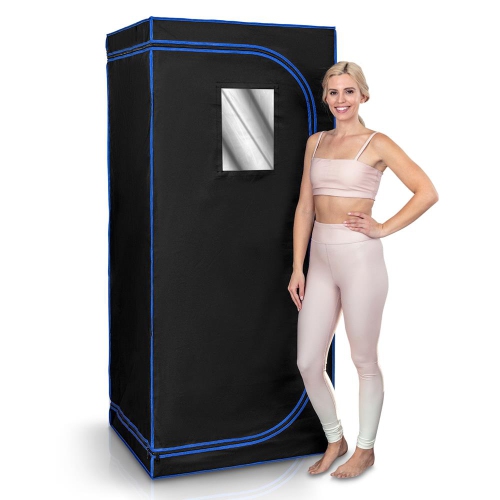
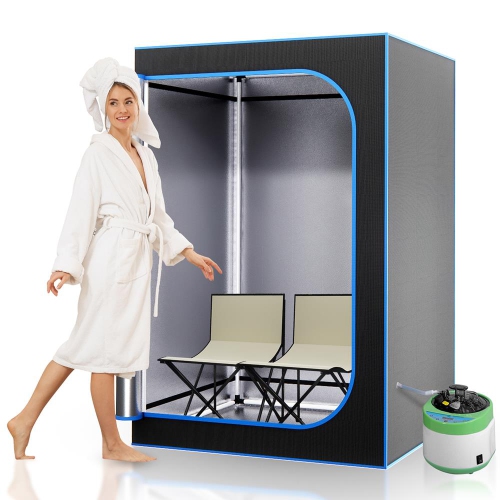
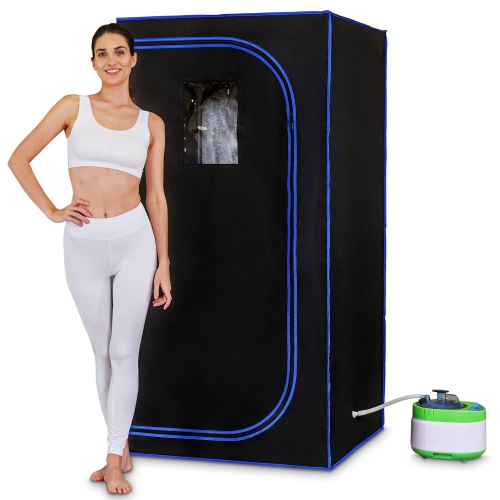
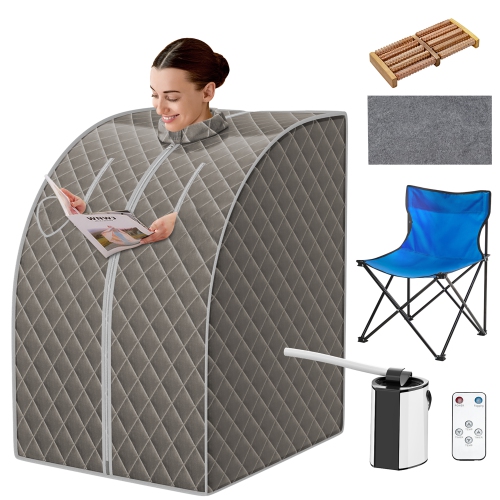
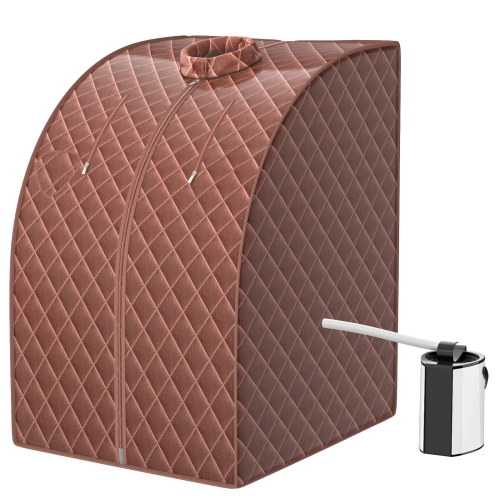
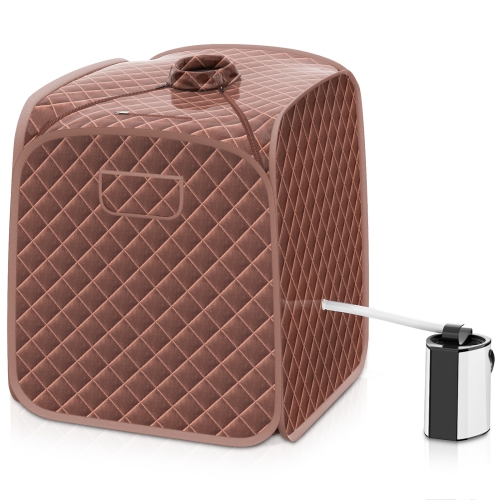
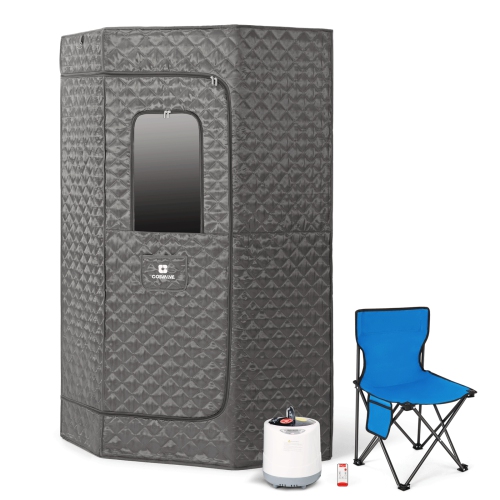
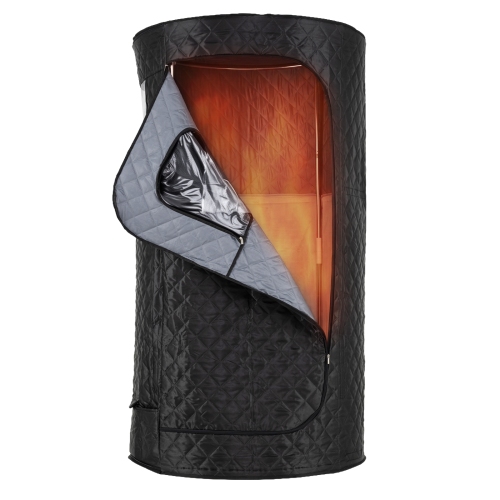
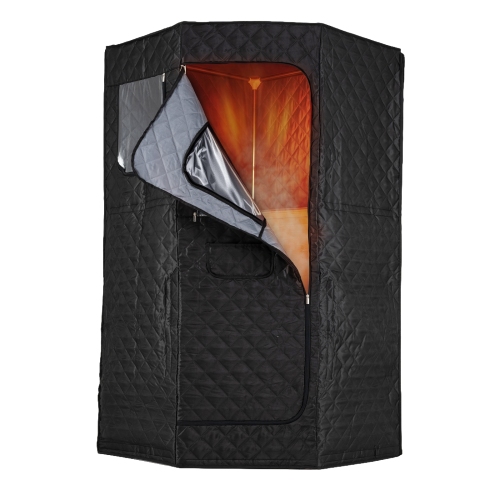
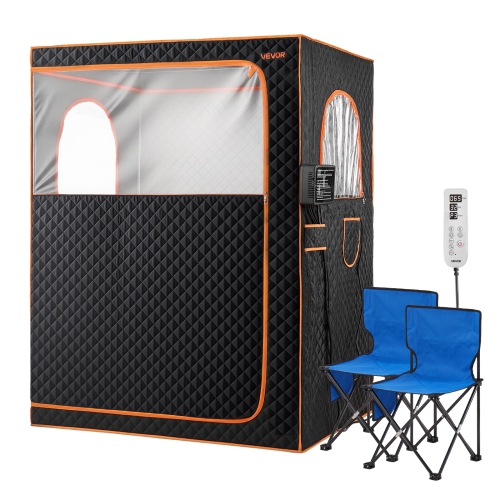
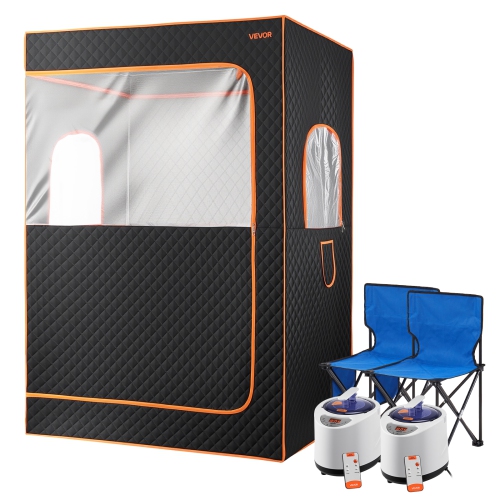
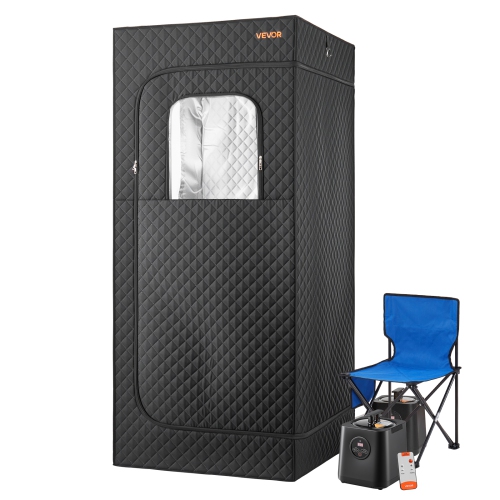
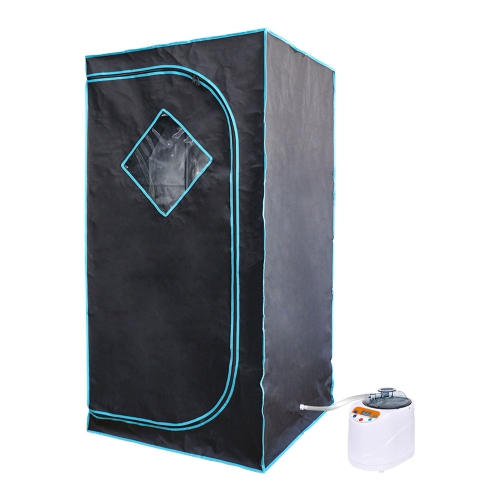
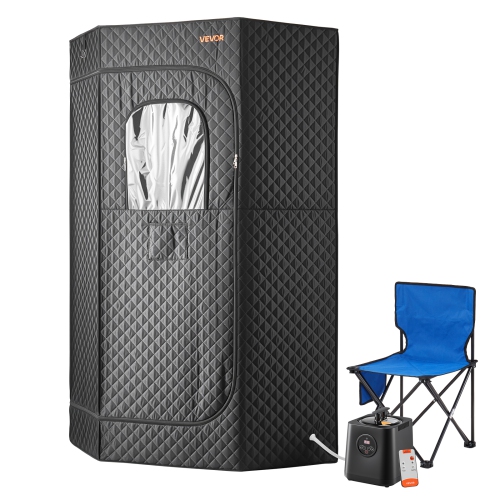
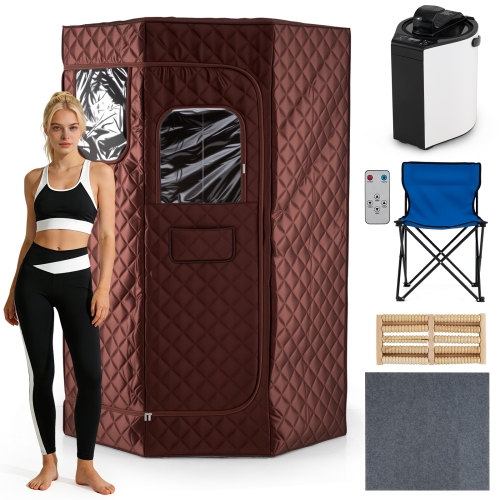
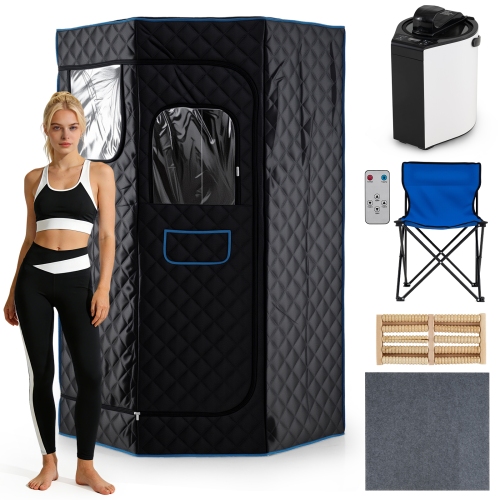
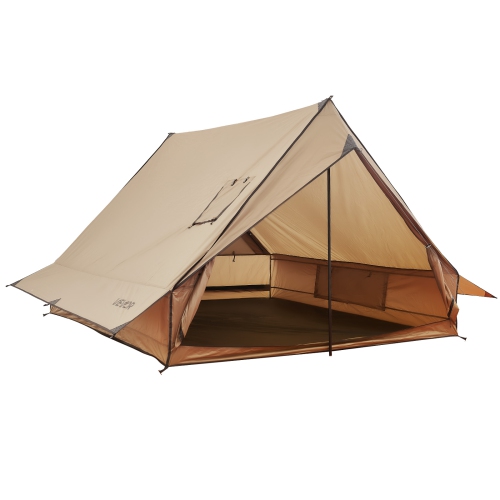
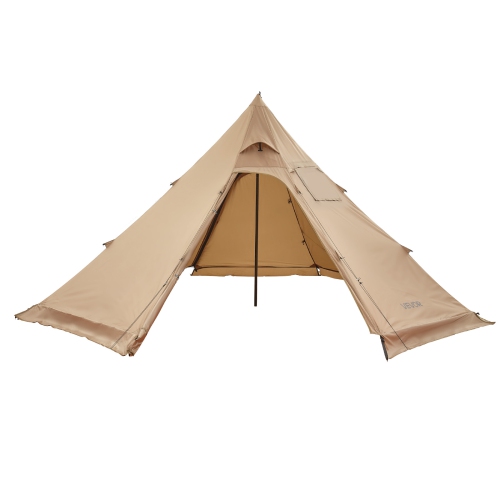
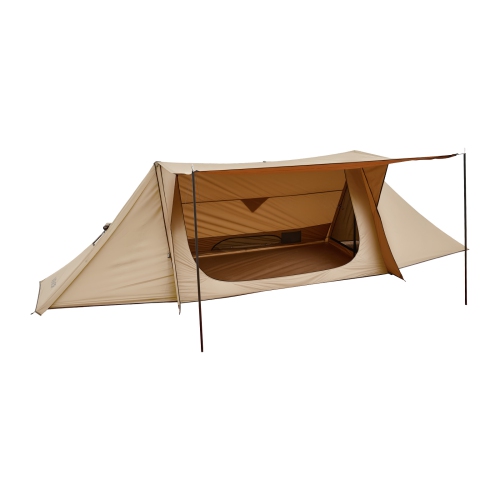
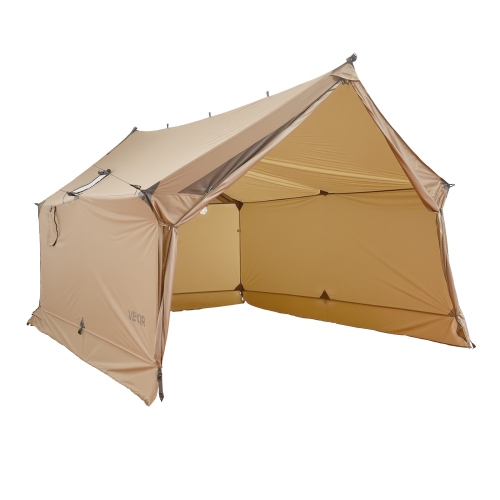
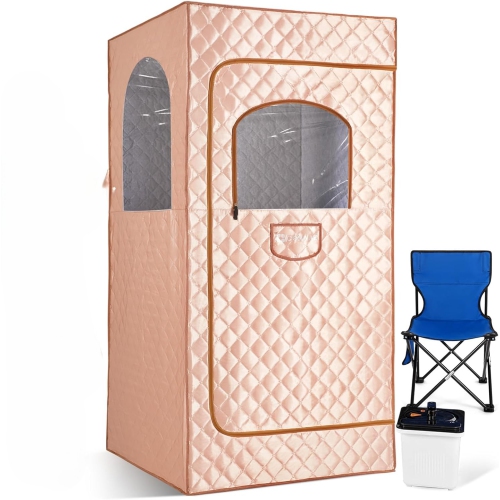
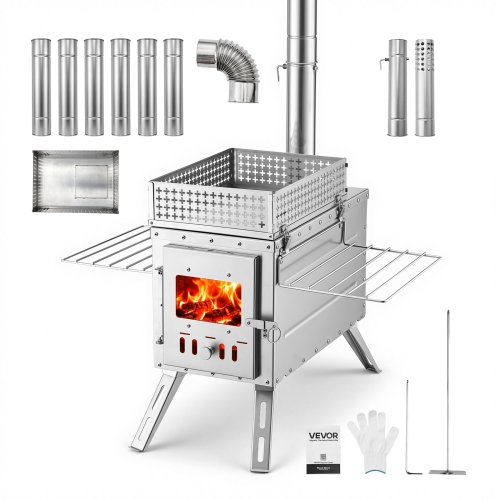
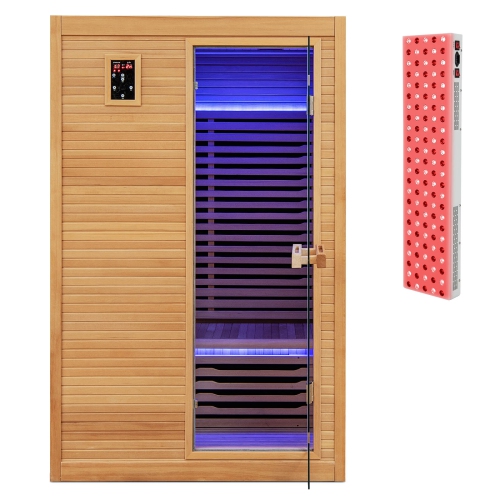
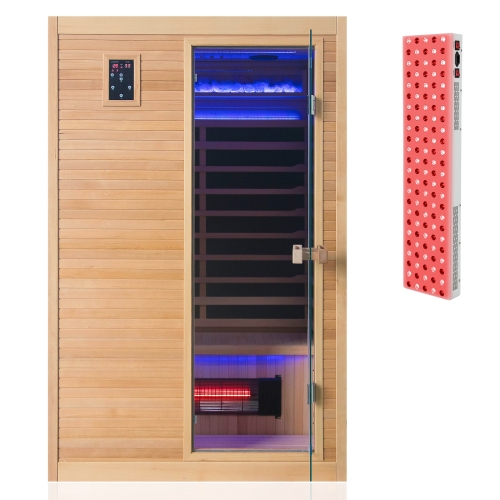

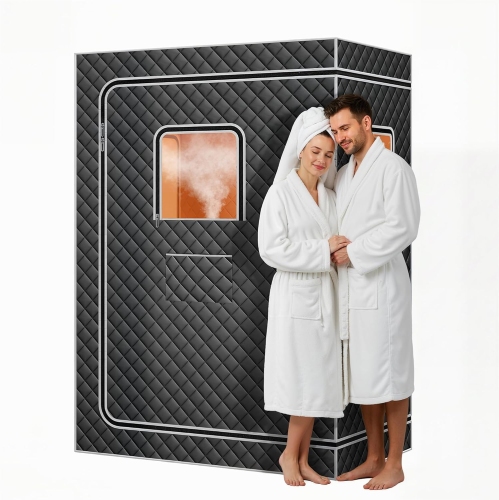
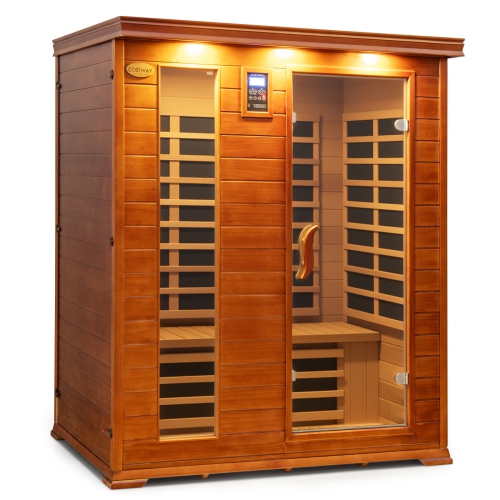
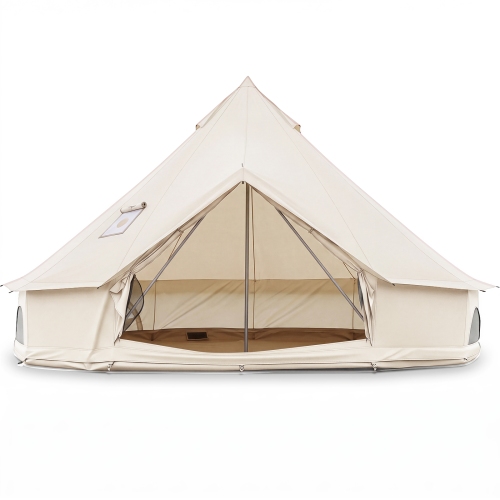
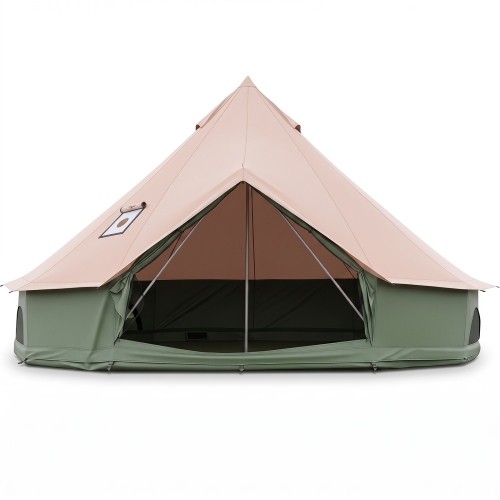
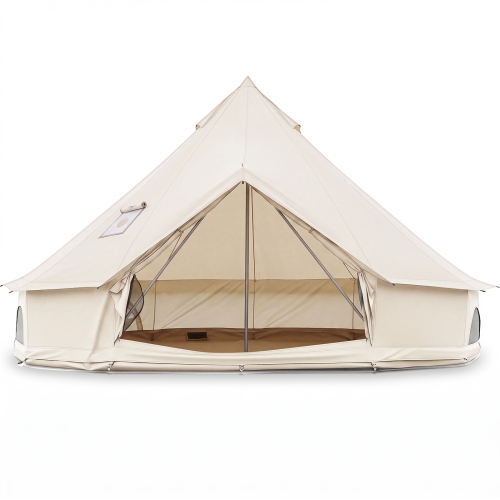
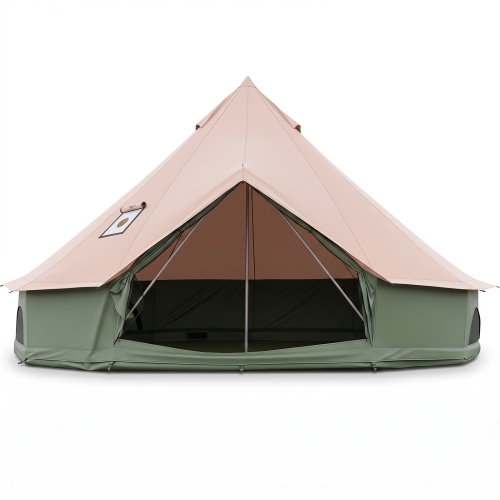
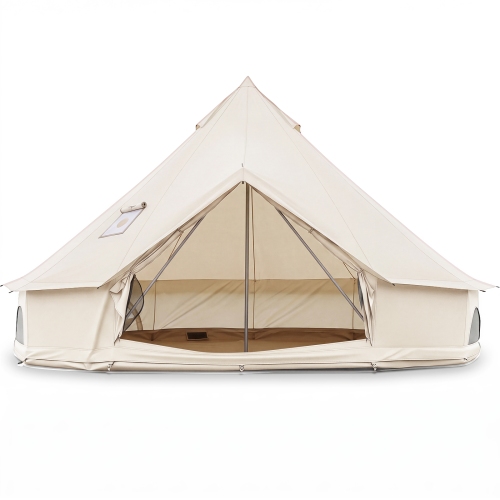
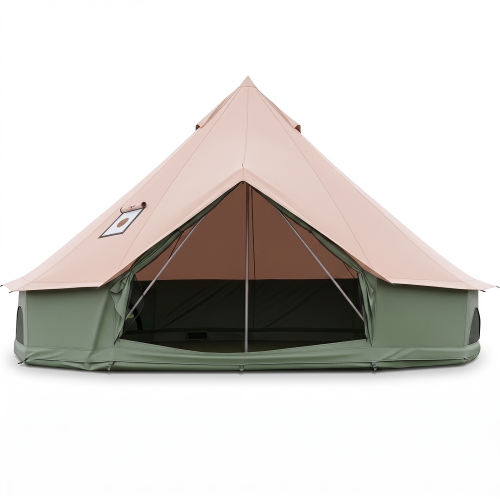
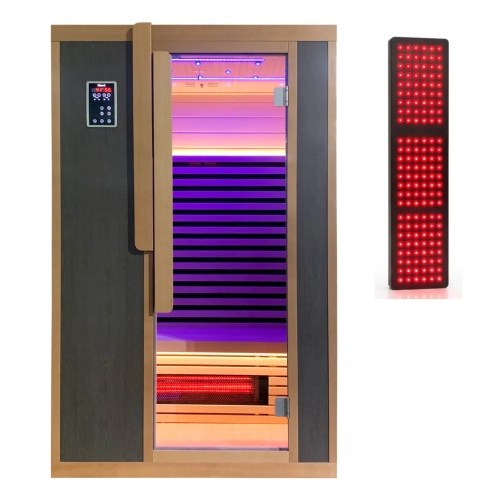
Portable sauna comfort starts with the right setup
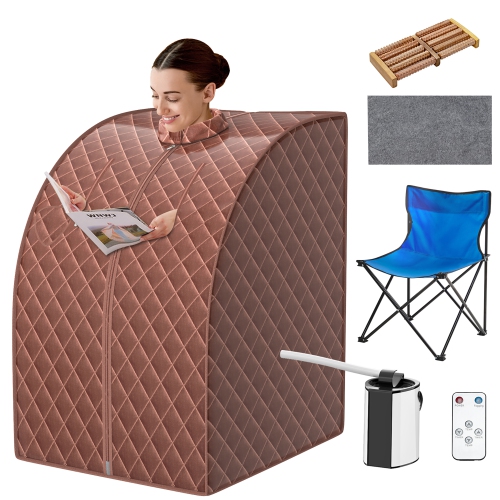
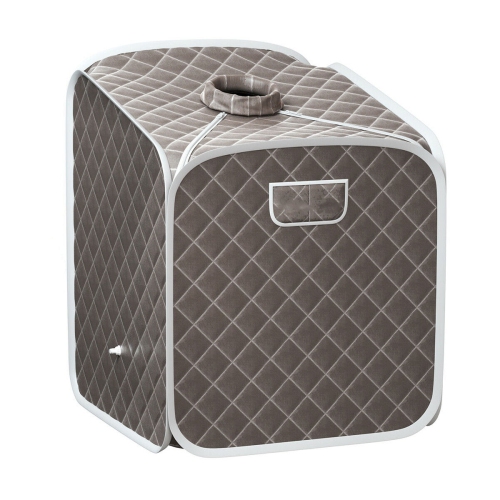
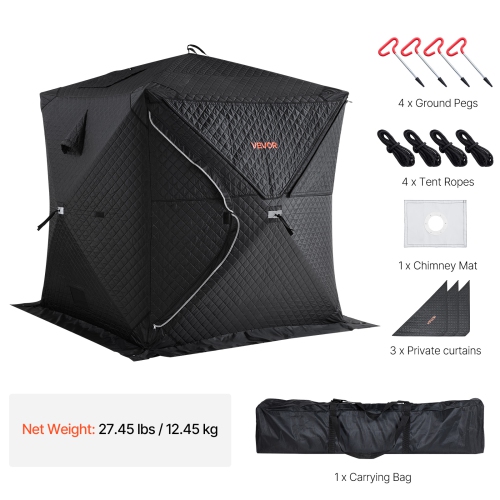
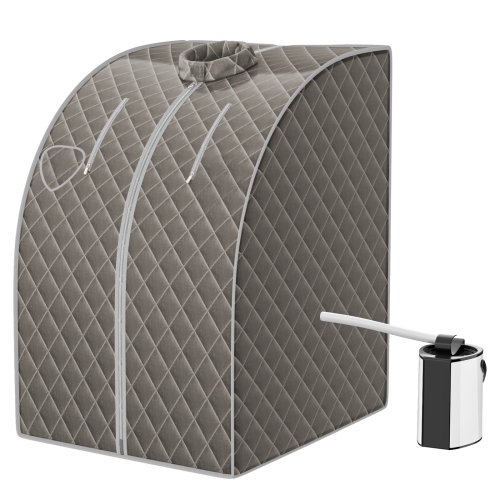
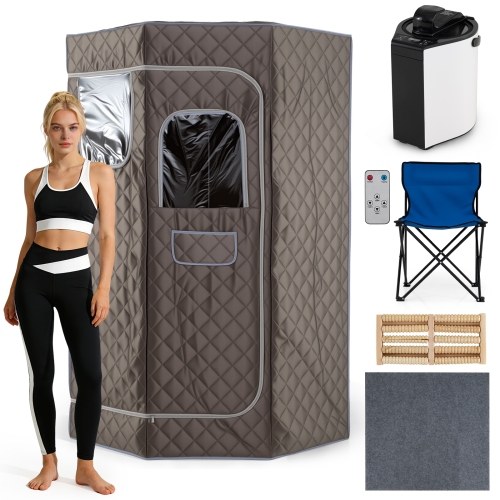
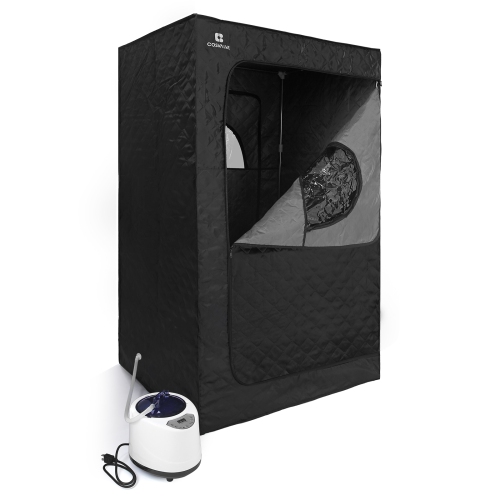
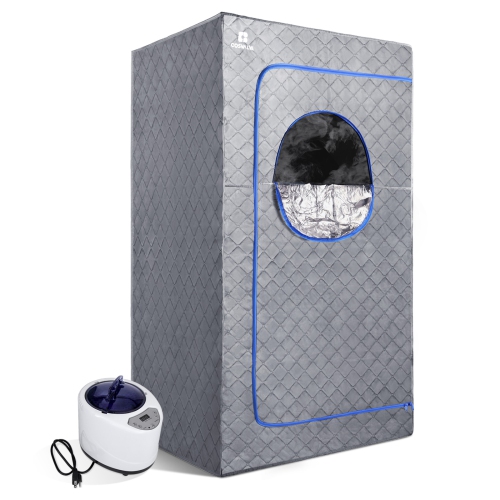
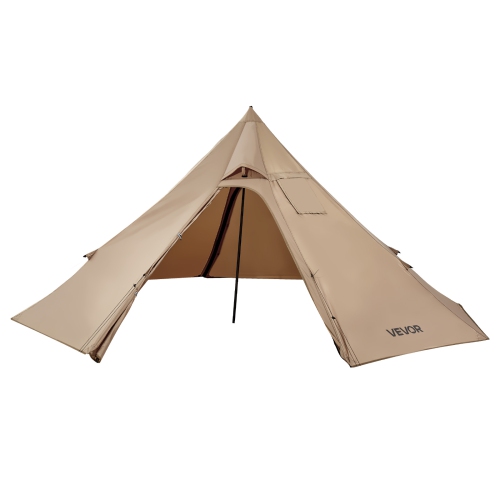
A sauna tent is a portable enclosure designed to hold heat around the body, creating a personal sauna space without a permanently installed room or cabin. Depending on its construction, it may use an external steam generator, a purpose-built electric heating system, or a compatible sauna stove intended for outdoor use. These heating methods are not interchangeable: the tent, heater, connections, and installation requirements need to work together as a complete system. Compact indoor designs often accommodate one seated adult, with an opening that leaves the head outside and zippered sleeves that allow access to controls. Full-body designs enclose the head as well, while larger outdoor tents may provide room for benches or more than one person. For shoppers drawn to moist heat, a Steam Sauna uses heated water to introduce steam into the enclosure, giving it a different feel from a dry-heat setup. The right format depends on where the tent will be used, how much room it needs when assembled, and whether it will stay in place or be packed away between sessions. A folding design can suit a home where floor space serves several purposes, such as an exercise area that also functions as a spare room. A larger tent requires more planning around access, seating, ventilation, and the approved location of its heater. Portability is useful, but it does not mean every sauna tent is suitable for travel, outdoor placement, or use on any household circuit. Packed dimensions, carrying weight, assembly requirements, and the time needed for drying all influence how practical a tent feels in everyday use. For someone who enjoys setting aside a quiet break after a busy day, the appeal is often the enclosed space and simple routine rather than the scale of a traditional sauna. A comfortable setup should fit the room and the person using it, without making assembly or storage an obstacle.
Materials and construction play an important role in that everyday comfort. Sauna tents may combine a fabric outer shell, insulating layers, a moisture-resistant inner surface, and a folding or sectional frame. Each layer serves a different purpose, so a reflective lining alone does not establish how well a tent holds heat or stands up to repeated use. Secure seams, reinforced connection points, smoothly operating zippers, and a stable frame are useful details to consider, particularly when the enclosure will be opened, folded, and stored frequently. In steam-based designs, interior surfaces need to tolerate repeated exposure to moisture and allow straightforward cleaning. Water-resistant fabric should not be mistaken for a waterproof floor or proof that a tent is suitable for outdoor use. The base also needs attention: condensation, an uneven surface, or a poorly positioned chair can affect comfort and footing. Interior measurements matter more than the tent’s overall footprint when assessing fit. A seated user needs enough headroom, shoulder clearance, and legroom to settle into a natural position without pressing against the walls or steam outlet. For head-out designs, the neck opening should sit comfortably rather than pull tightly across the shoulders. Entry height and zipper placement can make a meaningful difference for someone who finds low openings or deep bending awkward. Seating deserves equal consideration, including its stability, weight capacity, dimensions, and suitability for humid conditions; an ordinary folding chair is not automatically appropriate. Practical features such as a reachable control, an interior pocket positioned away from heat, or a removable floor mat can make a session easier to manage, but only when they suit the tent’s layout. Before choosing a size, it helps to picture the complete arrangement: the open enclosure, the heater or steam generator, the door’s movement, and a clear route in and out. The equipment outside the tent needs space too, including the clearances specified for hoses, electrical connections, and heated surfaces.
Care and safe operation are central to keeping a sauna tent usable over time. After a steam session, the enclosure generally needs to cool, have accumulated moisture removed, and dry fully before it is folded. Packing damp fabric into a carrying bag can lead to odours and mildew, especially around seams, floor edges, and tightly folded corners. A gentle cleaning approach that follows the manufacturer’s directions helps protect coatings, stitching, and clear panels; abrasive scrubbers or unsuitable cleaning chemicals can damage these surfaces. Steam generators also need the specified water type, filling procedure, and descaling routine, since mineral buildup can affect performance. Hoses, closures, frames, and power cords benefit from regular checks for wear, leaks, loose fittings, or damage. During use, steam outlets and hot components need enough separation from skin, and the exit should remain easy to open from inside. Electrical equipment should carry appropriate Canadian safety certification and be connected exactly as directed, without improvised extensions or power arrangements. Fuel-burning sauna stoves require an outdoor setup specifically designed for that purpose, with the prescribed ventilation, clearances, and fire precautions; they must never be used inside a home or an indoor sauna enclosure. Session length and heat settings should follow the equipment’s instructions and the user’s tolerance, with an immediate exit if discomfort, dizziness, or feeling unwell occurs. Anyone with a medical condition, who is pregnant, or who takes medication that can affect heat tolerance should seek advice from a qualified healthcare professional before use. As a gift, a sauna tent is best suited to an adult who has expressed interest and has an appropriate place to set it up, rather than someone whose space or preferences are uncertain. For personal use or gifting, thoughtful sizing, manageable upkeep, and a compatible heating system matter more than an extensive feature list. A well-matched tent makes it easier to establish a repeatable routine while keeping comfort, access, and care firmly in view.
Top selling and popular products
-
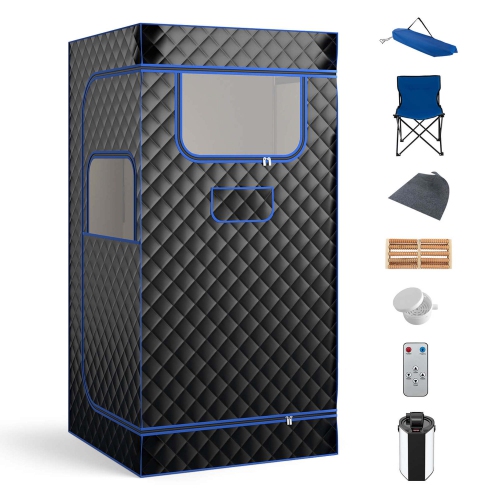 Your price for this item is $164.99
-
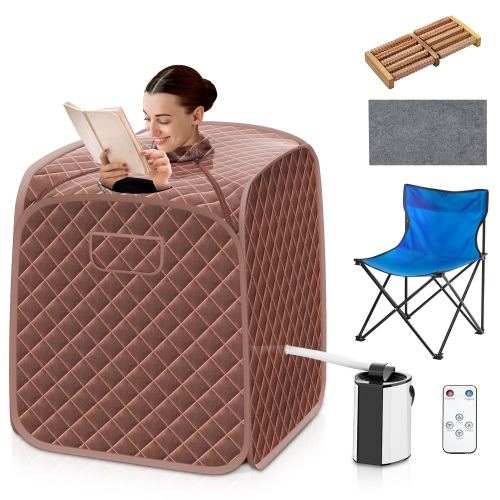 Your price for this item is $128.99
-
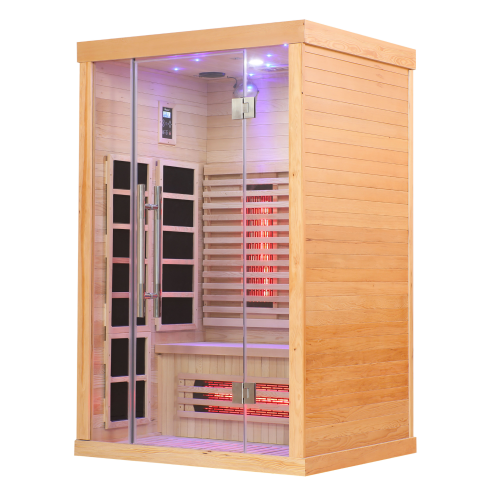 Your price for this item is $4299
-
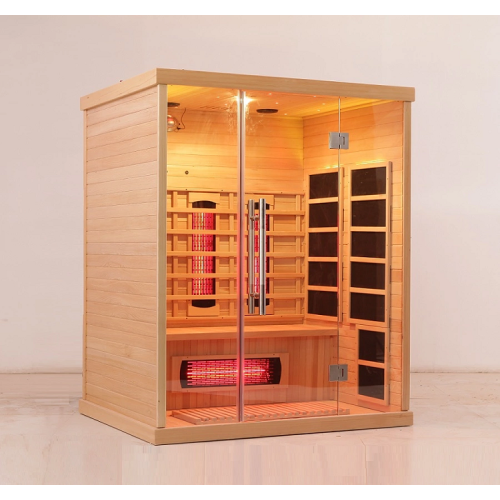 Your price for this item is $5499
-
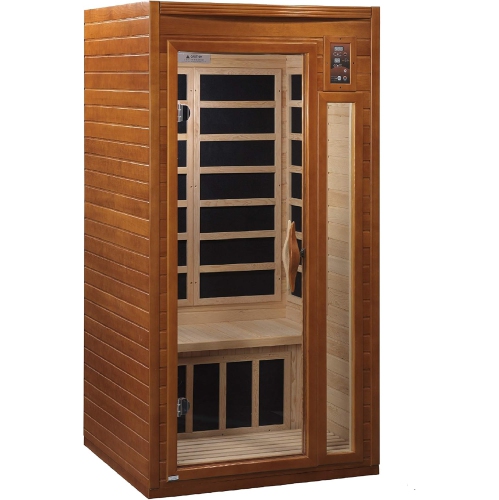 Your price for this item is $2995.53
-
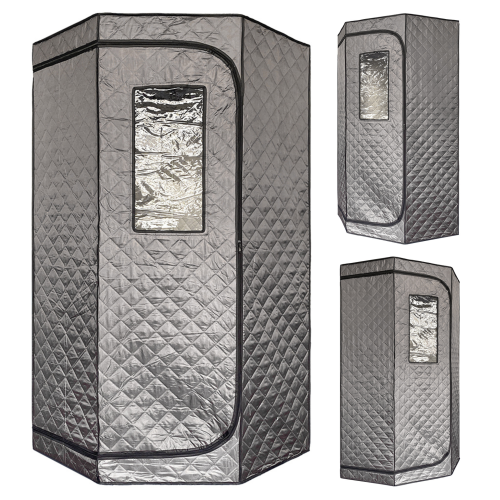 Your price for this item is $249
-
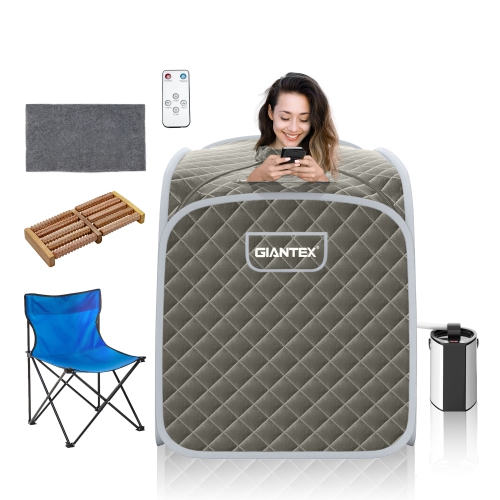 Your price for this item is $117.99
-
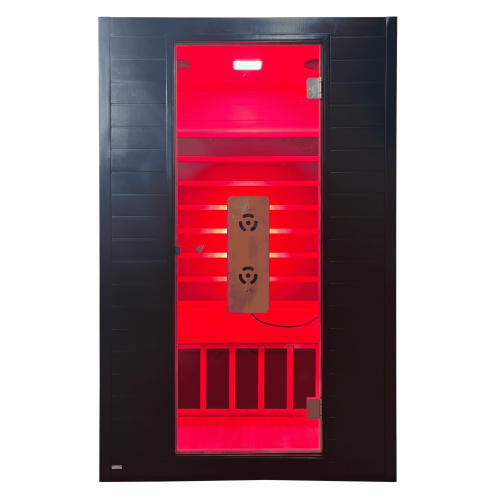 Your price for this item is $2999
Discover more categories related to Sauna Tent
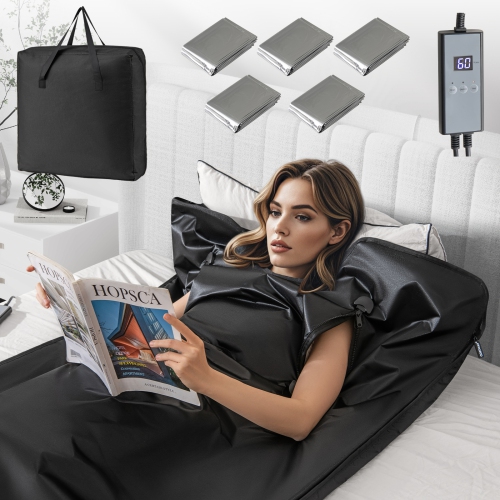
Top Collections:
Best Black Friday Deals This Year, Best Black Friday Deals On Electronics, Kindle Devices, Pokemon Centers, Best Black Friday Deals On Apple Products, Best Cameras for Sports Photography, Dyson Airwrap, Pokémon 30th Celebration Cards, Apple iPhone 17 Pro, Canon G7X Cameras
Some products may be subject to Environmental Handling Fees
(EHF) depending on your province.
Learn more about EHFs.