Scooping Tools
Make everyday tasks easier and more efficient with the right scooping tools. Whether you're measuring ingredients in the kitchen, serving up treats, or managing household chores, having reliable scooping tools on hand can help you get the job done quickly and with less mess. Discover a wide selection designed to suit a variety of needs, so you can find the perfect options to streamline your daily routines.
Sort
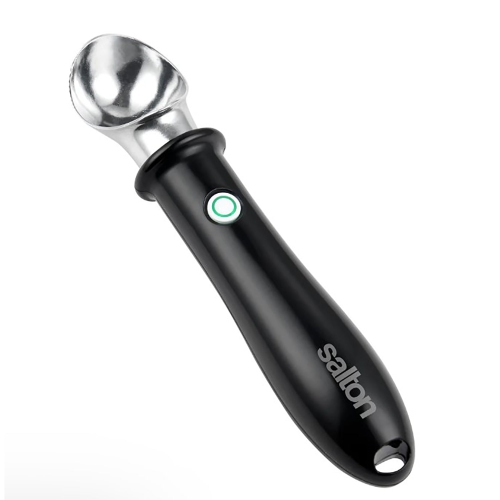
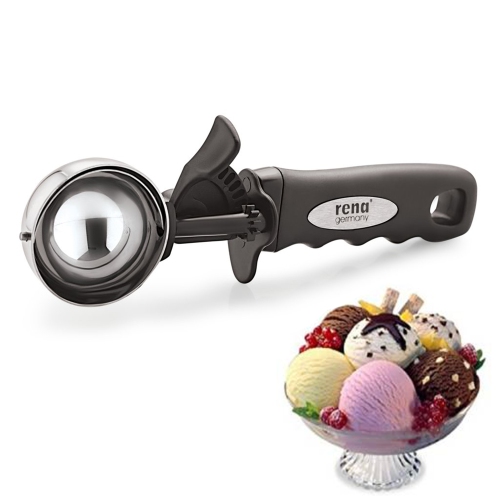
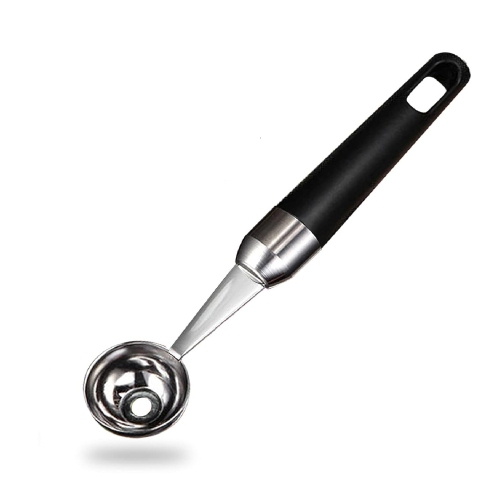
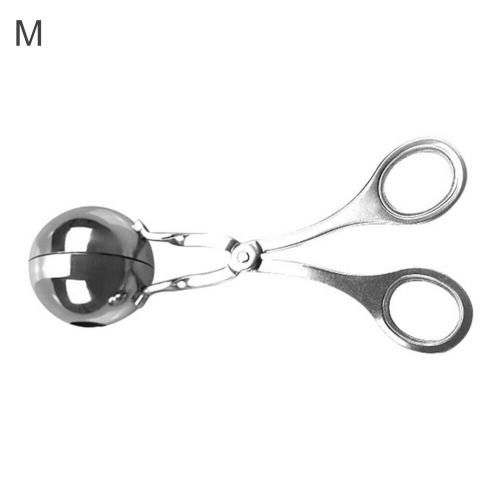
From kitchen portions to snow clearing and renovation tasks
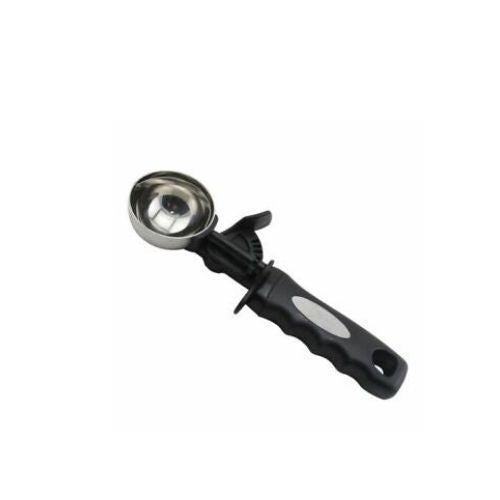
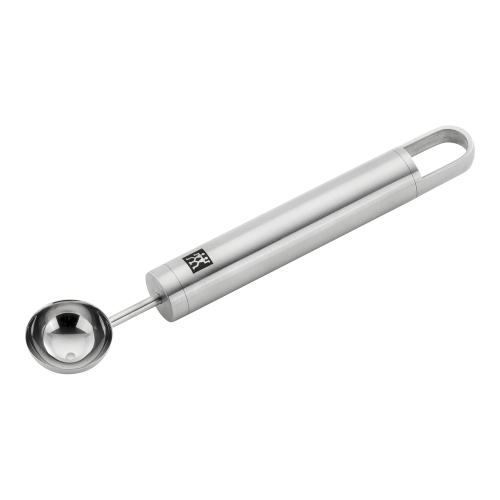
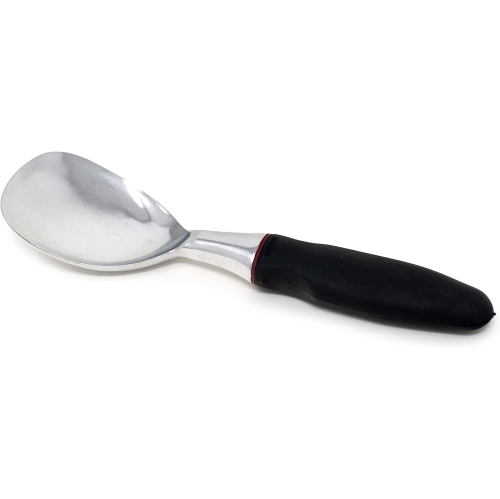
Scooping tools are designed to lift, portion, transfer, or remove materials with greater control than an ordinary spoon, cup, or shovel. Although they share a simple purpose, their shapes, capacities, handles, and materials can vary widely depending on the task. In the kitchen, a spring-loaded disher or cookie scoop can portion batter, dough, mashed potatoes, meatballs, or other soft foods into consistent sizes, helping recipes cook more evenly and giving plated servings a neat, uniform appearance. Smaller scoopers are useful for biscuits, truffles, melon balls, and bite-sized desserts, while larger capacities can make quick work of muffins, cupcakes, ice cream, or meal preparation. A comfortable trigger or release lever is especially helpful when preparing several trays at once, and a smooth, easy-to-clean surface can make the tool more practical for frequent use. For frozen desserts, an ice cream scoop or spade needs a sturdy bowl and handle capable of cutting through firm ice cream without flexing. Some designs use a trigger, lever, or sweeping edge to release each portion, while others rely on a solid, rounded head that glides through the dessert as it softens. Consider the size of the servings you typically make, the strength and comfort of the grip, and whether the tool will be used by children, older adults, or anyone with limited hand strength. A well-chosen kitchen scoop can be a thoughtful gift for a home baker, dessert enthusiast, new homeowner, or anyone building a practical collection of cooking utensils. It can also bring a little order to busy routines, from preparing packed lunches and family dinners to creating evenly portioned treats for a gathering.
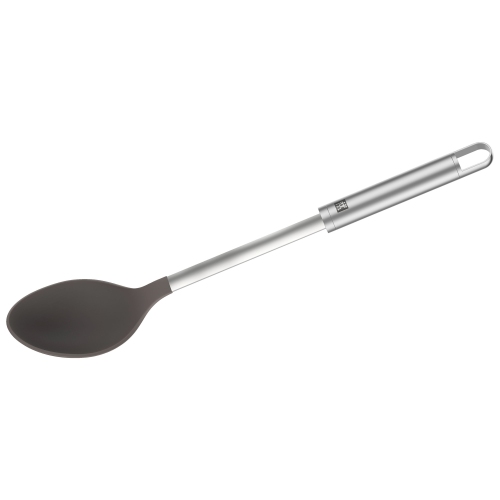
Scoop designs also serve more specialized household and food-storage needs. A long-handled jar scoop or slotted utensil can reach into tall containers of pickles, olives, preserved vegetables, and other jarred foods while allowing excess brine or liquid to drain away. This type of narrow tool is useful when fingers or short utensils cannot reach comfortably to the bottom of a container. For pantry organization, dry-goods scoops are made for transferring flour, sugar, rice, cereal, coffee beans, pet food, ice, and other loose materials from bins, bags, or storage containers. A flat bottom can help the scoop rest on a counter or inside a container, while a broad bowl can reduce the number of trips needed to fill a measuring cup, serving dish, or pet bowl. When selecting one, check the capacity and opening size against the containers you use most often. The handle should offer enough length to reach the bottom without forcing your wrist into an awkward angle, and the bowl should be deep enough to carry the material without spilling. Utility scoops can be helpful for portioning dry dog or cat food, bird seed, garden supplies, and other household materials. For these tasks, keep separate tools for food preparation and non-food uses, and choose a durable, easy-to-wash material suited to the contents. A scoop intended for dry goods may be lightweight for everyday handling, while a heavier design may be better for denser materials. These tools are practical additions to a pantry, laundry room, garage, workshop, or pet-care area, and they can make useful gifts for cooks, gardeners, pet owners, hobbyists, and people who appreciate an orderly workspace. Think about the substance being moved, its weight and texture, and whether you need precision, speed, reach, or a combination of all three.
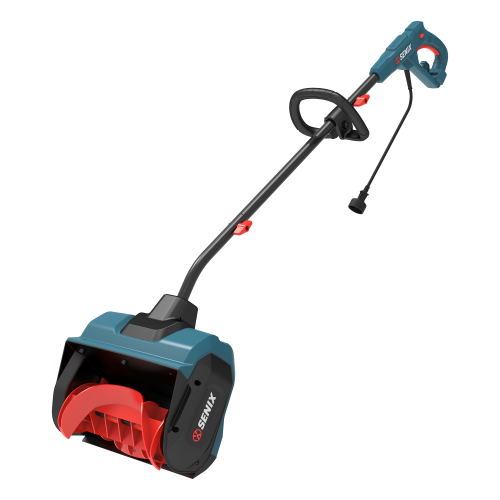
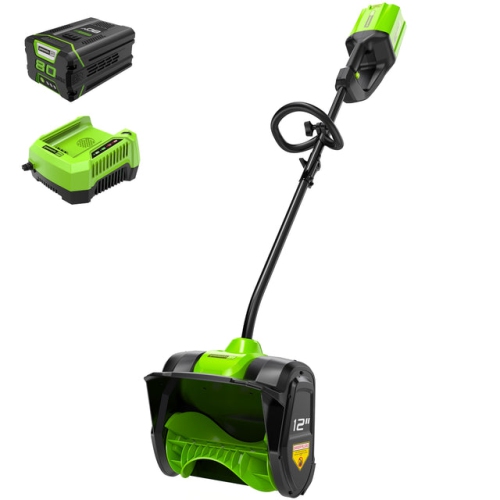
For renovation and building projects, bucket scoops are shaped to fit inside deep containers and help lift, transfer, spread, or scrape compounds such as drywall mud, mortar, plaster, and similar materials. A contoured blade can reach into the corners of a bucket more effectively than a flat kitchen utensil, while a rigid construction helps the scoop maintain its shape under pressure. The right size depends on the bucket opening, the amount of compound being moved, and how much weight you can handle comfortably. A smaller scoop may provide better control for detail work or touch-ups, while a larger one can move more material with fewer passes. Look for a handle that feels secure when wearing work gloves and a surface that can be wiped or rinsed without trapping residue. Outdoor scooping tools are similarly defined by the material they need to move. A wide, deep-lipped Snow Scoop can help lift and push accumulated snow during the cooler months, with the blade width and handle length affecting both clearing speed and comfort. For lighter snow, a broad plastic blade may be easy to manoeuvre, while heavier or packed snow calls for a design with a reinforced edge and a grip that allows controlled pushing. Before choosing any scooping tool, consider the material’s density, moisture level, temperature, and texture, along with the space where the tool will be stored. A compact handle may suit a small apartment or utility cupboard, whereas a longer handle can be more comfortable for outdoor work. Pay attention to bowl depth, blade shape, capacity, grip design, and cleaning requirements rather than choosing by appearance alone. With the right match, a scooping tool can make repetitive jobs feel more manageable, improve portion control, and help transfer materials neatly from one place to another in the kitchen, home, workshop, garden, pet area, or outdoor space.
Scoop designs also serve more specialized household and food-storage needs. A long-handled jar scoop or slotted utensil can reach into tall containers of pickles, olives, preserved vegetables, and other jarred foods while allowing excess brine or liquid to drain away. This type of narrow tool is useful when fingers or short utensils cannot reach comfortably to the bottom of a container. For pantry organization, dry-goods scoops are made for transferring flour, sugar, rice, cereal, coffee beans, pet food, ice, and other loose materials from bins, bags, or storage containers. A flat bottom can help the scoop rest on a counter or inside a container, while a broad bowl can reduce the number of trips needed to fill a measuring cup, serving dish, or pet bowl. When selecting one, check the capacity and opening size against the containers you use most often. The handle should offer enough length to reach the bottom without forcing your wrist into an awkward angle, and the bowl should be deep enough to carry the material without spilling. Utility scoops can be helpful for portioning dry dog or cat food, bird seed, garden supplies, and other household materials. For these tasks, keep separate tools for food preparation and non-food uses, and choose a durable, easy-to-wash material suited to the contents. A scoop intended for dry goods may be lightweight for everyday handling, while a heavier design may be better for denser materials. These tools are practical additions to a pantry, laundry room, garage, workshop, or pet-care area, and they can make useful gifts for cooks, gardeners, pet owners, hobbyists, and people who appreciate an orderly workspace. Think about the substance being moved, its weight and texture, and whether you need precision, speed, reach, or a combination of all three.
For renovation and building projects, bucket scoops are shaped to fit inside deep containers and help lift, transfer, spread, or scrape compounds such as drywall mud, mortar, plaster, and similar materials. A contoured blade can reach into the corners of a bucket more effectively than a flat kitchen utensil, while a rigid construction helps the scoop maintain its shape under pressure. The right size depends on the bucket opening, the amount of compound being moved, and how much weight you can handle comfortably. A smaller scoop may provide better control for detail work or touch-ups, while a larger one can move more material with fewer passes. Look for a handle that feels secure when wearing work gloves and a surface that can be wiped or rinsed without trapping residue. Outdoor scooping tools are similarly defined by the material they need to move. A wide, deep-lipped Snow Scoop can help lift and push accumulated snow during the cooler months, with the blade width and handle length affecting both clearing speed and comfort. For lighter snow, a broad plastic blade may be easy to manoeuvre, while heavier or packed snow calls for a design with a reinforced edge and a grip that allows controlled pushing. Before choosing any scooping tool, consider the material’s density, moisture level, temperature, and texture, along with the space where the tool will be stored. A compact handle may suit a small apartment or utility cupboard, whereas a longer handle can be more comfortable for outdoor work. Pay attention to bowl depth, blade shape, capacity, grip design, and cleaning requirements rather than choosing by appearance alone. With the right match, a scooping tool can make repetitive jobs feel more manageable, improve portion control, and help transfer materials neatly from one place to another in the kitchen, home, workshop, garden, pet area, or outdoor space.
Top selling and popular products
-
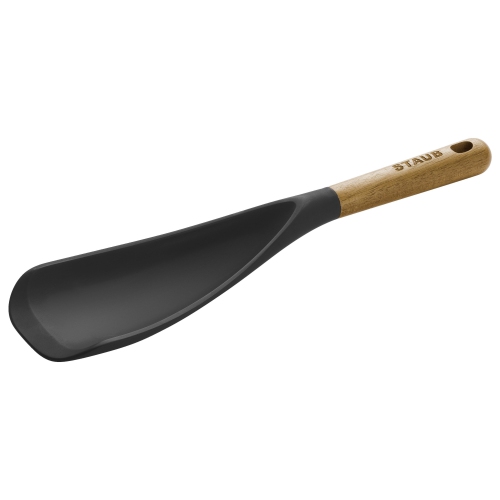 Your price for this item is $24.99
 -
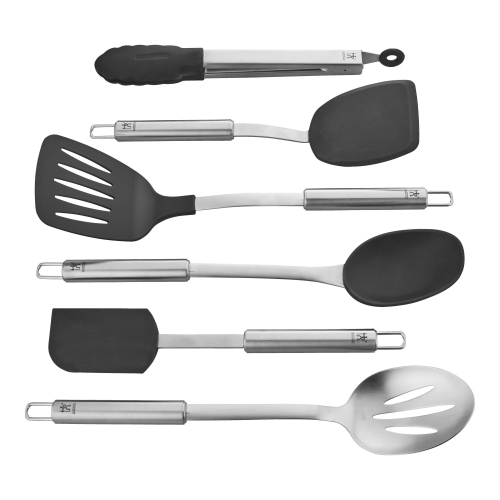 Your price for this item is $159.99
 -
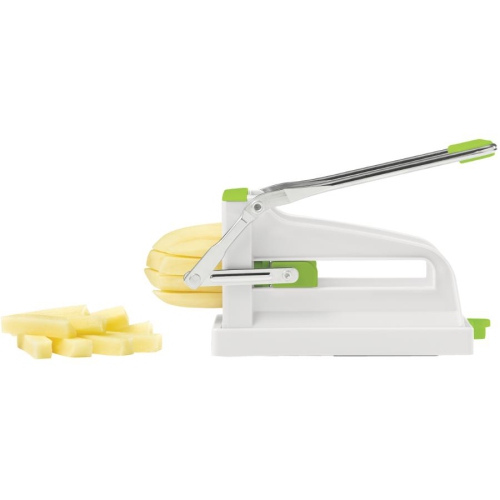 Your price for this item is $29.97
 -
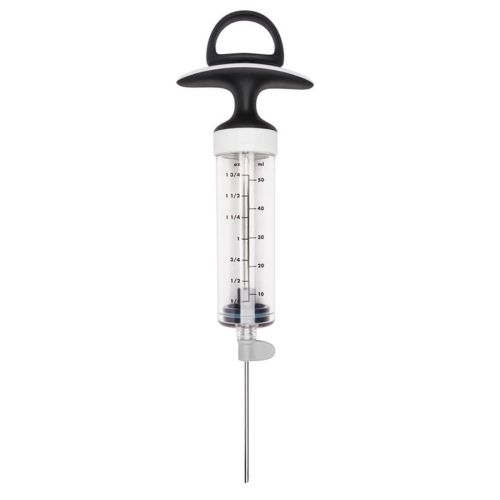 Your price for this item is $14.7
 -
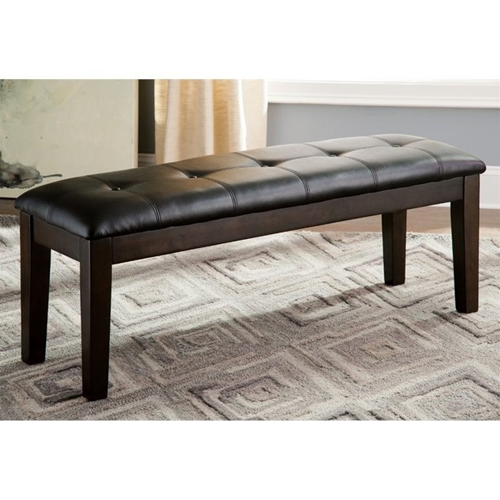 Your price for this item is $456.7
 -
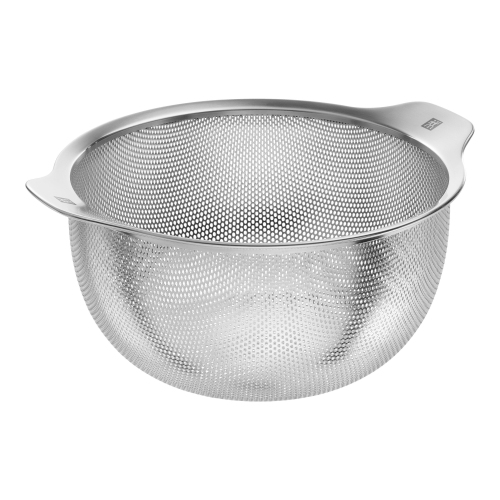 Your price for this item is $34.99
 -
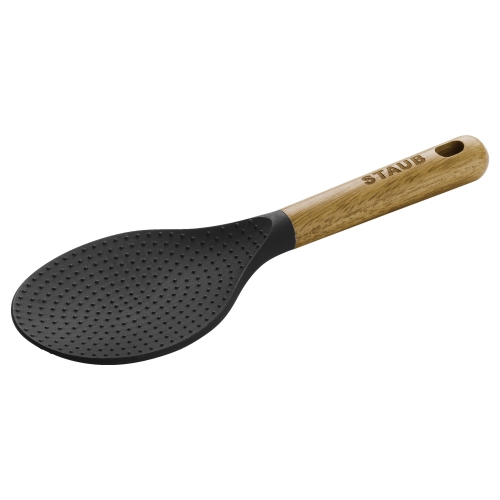 Your price for this item is $24.99
 -
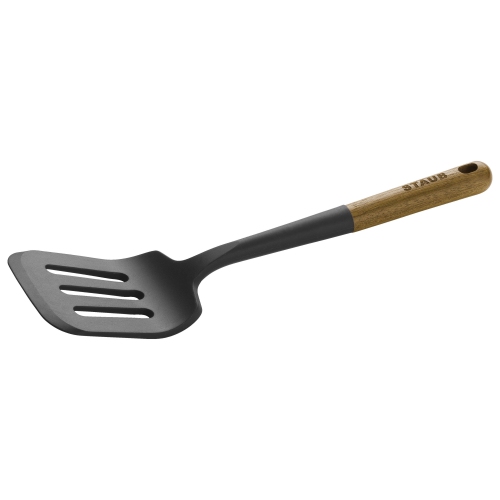 Your price for this item is $24.99
Discover more categories related to Scooping Tools
Top Collections:
Pokemon Centers, Kindle Devices, Best Budget Office Chairs, Apple iPhones 16, Canon G7X Cameras, iPhone 15 Apple, Alarm Clock, Refurbished Apple Laptops, Flip Phones, Best Laptops for Writers
Some products may be subject to Environmental Handling Fees
(EHF) depending on your province.
Learn more about EHFs.