Snow Scoop
Snow scoops are essential tools for tackling winter's toughest challenges, making it easier to clear driveways, sidewalks, and pathways with efficiency and ease. Designed with durability in mind, these robust devices help you manage even the heaviest snowfalls without breaking a sweat. Whether you're preparing for the first flurries of the season or dealing with a mid-winter blizzard, snow scoops offer a reliable solution for maintaining your outdoor spaces. With a variety of styles and sizes available, finding the perfect snow scoop to suit your needs ensures that you stay one step ahead of winter's chill.
Sort


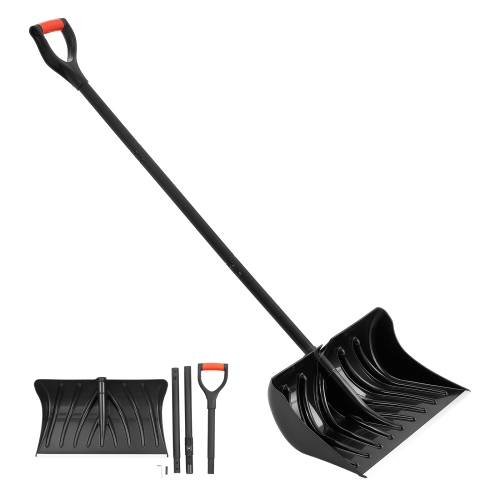
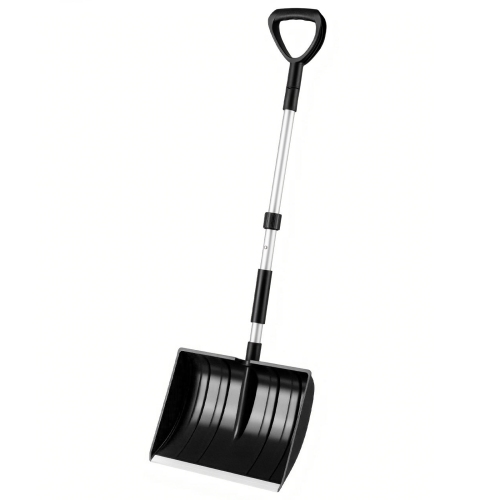
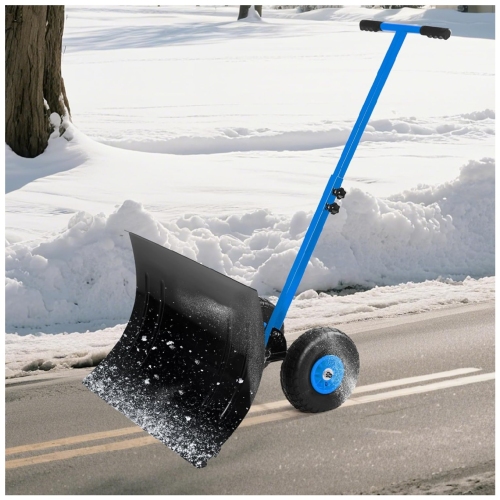
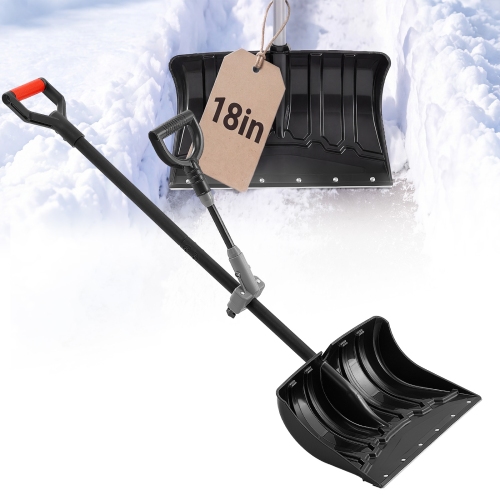

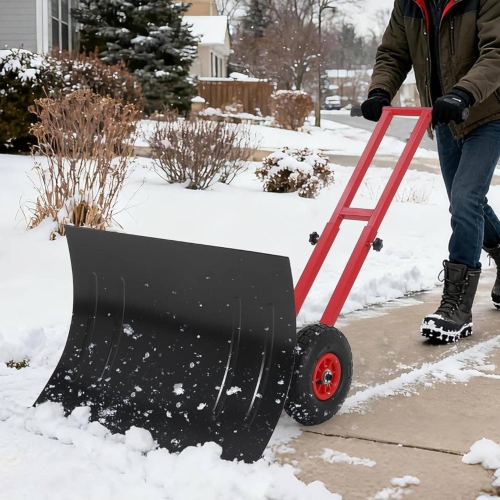
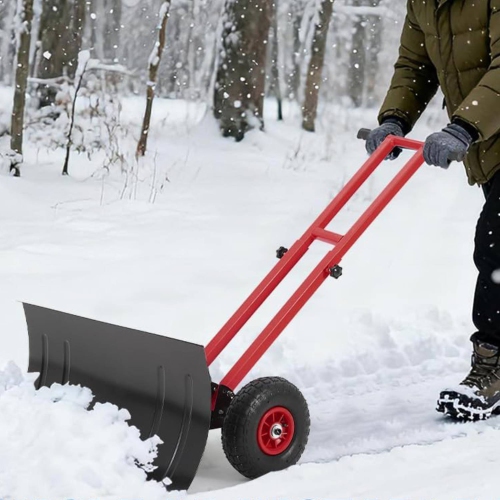
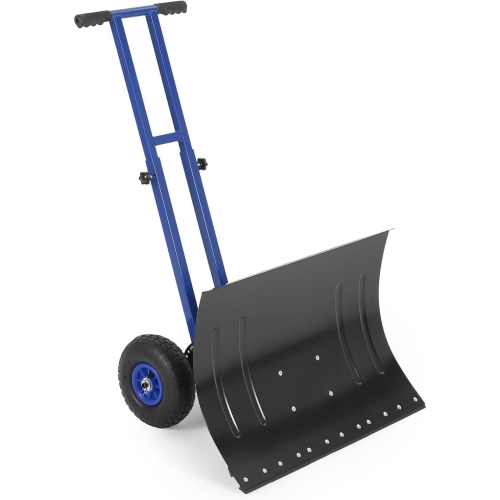
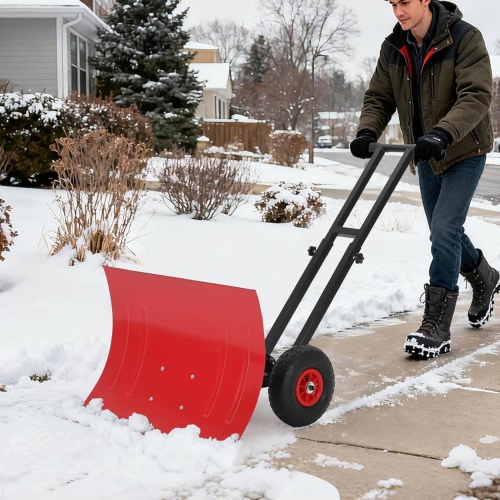
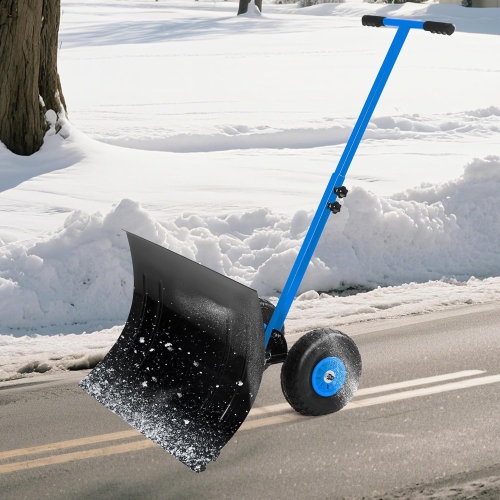
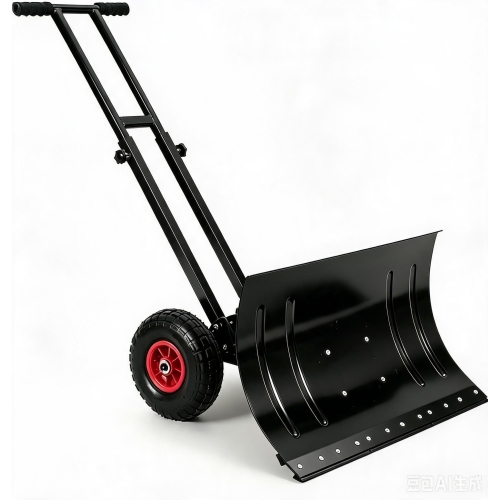
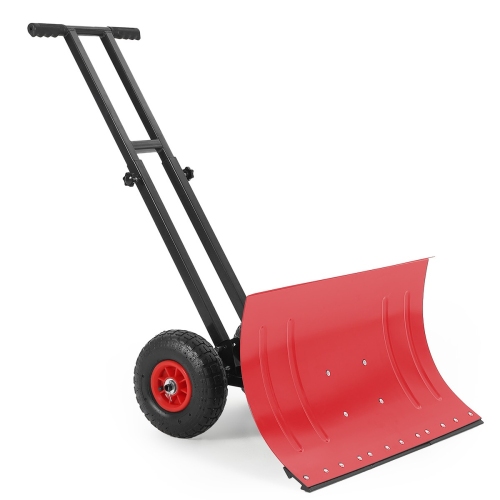
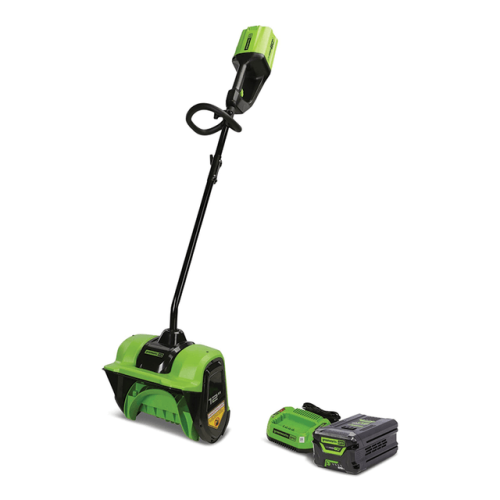
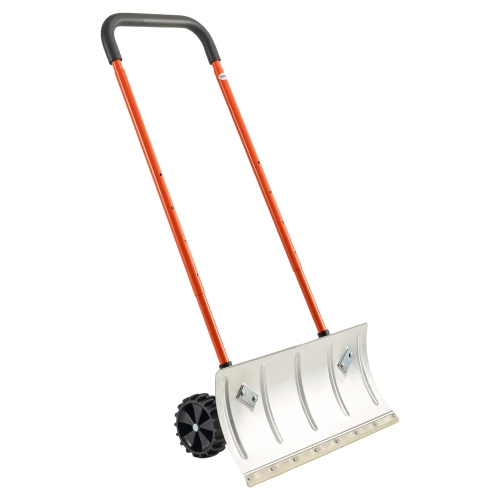

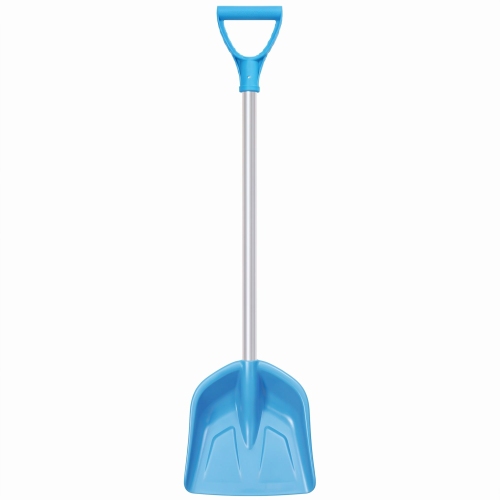
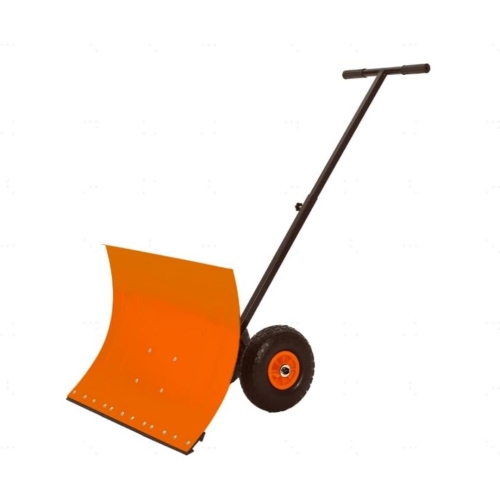
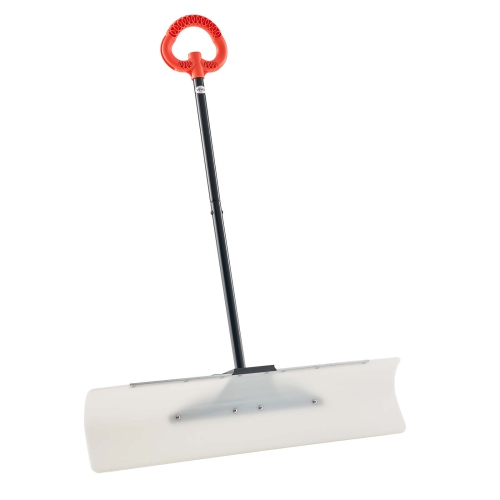
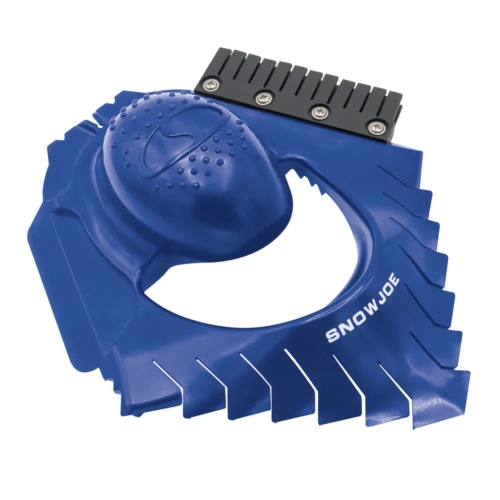
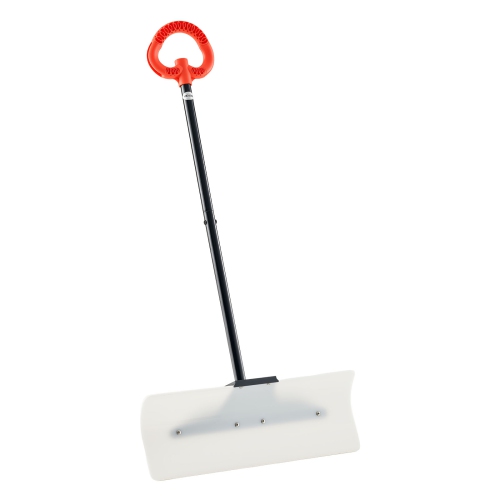

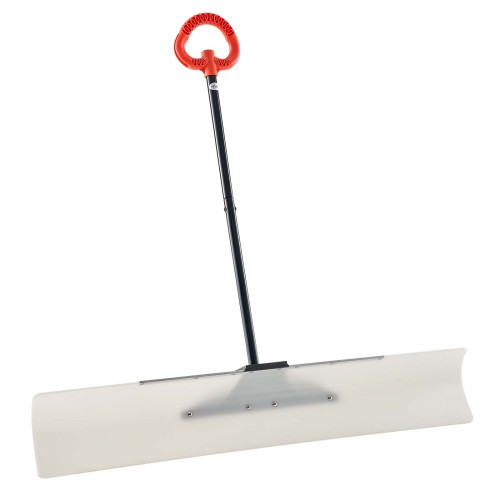
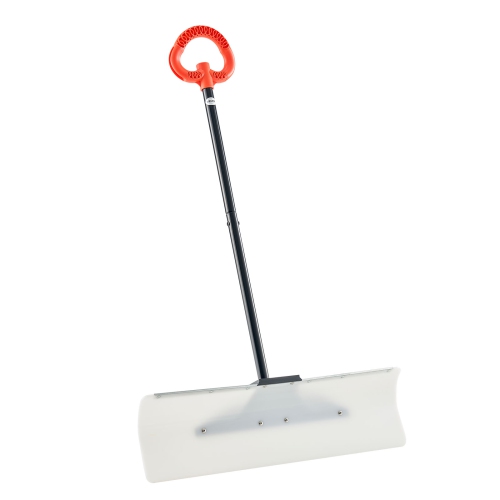
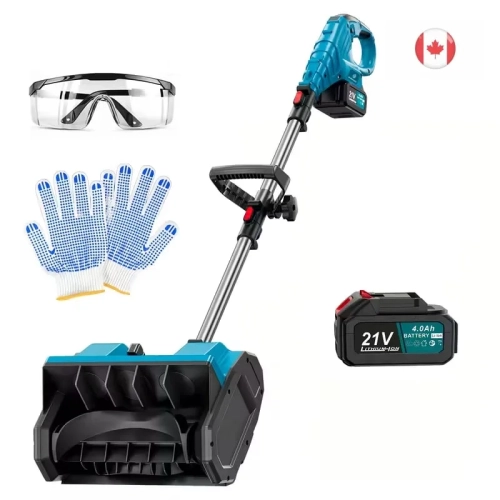

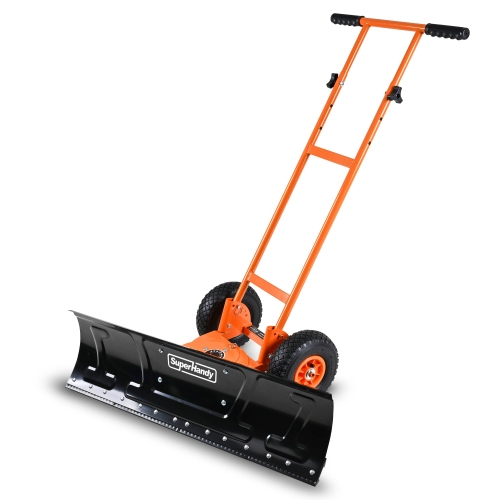
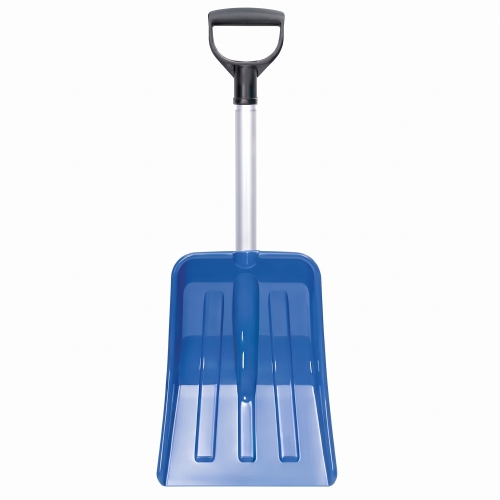
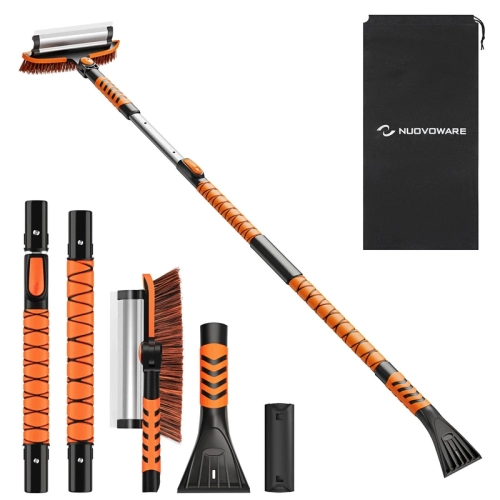

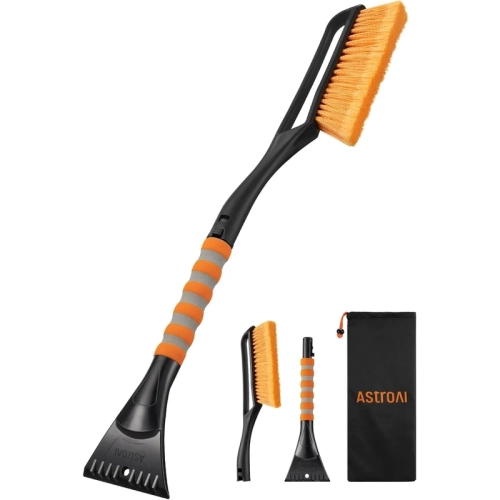
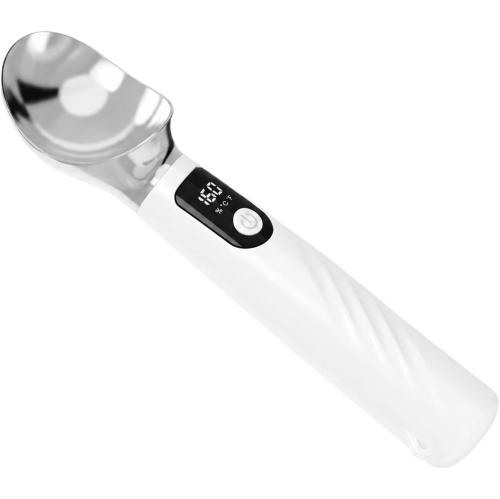

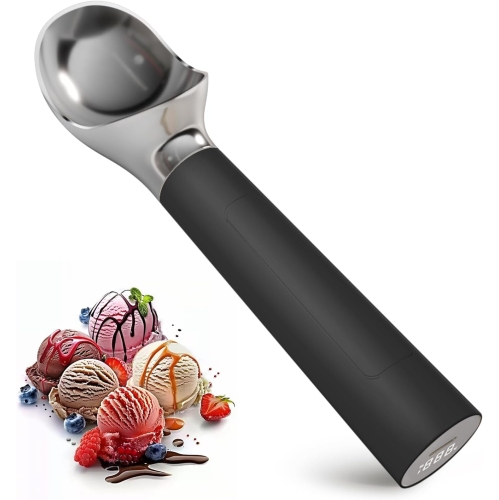
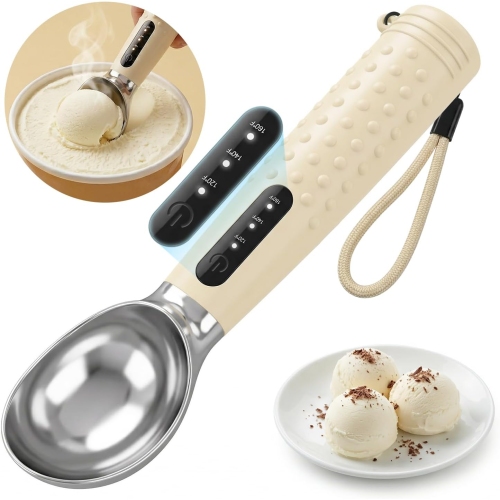
How sliding snow can reduce repeated heavy lifting
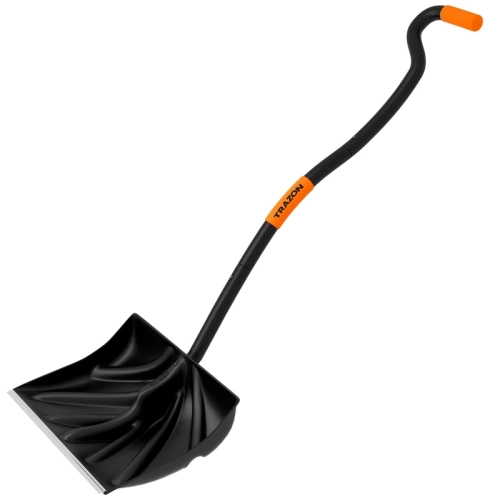
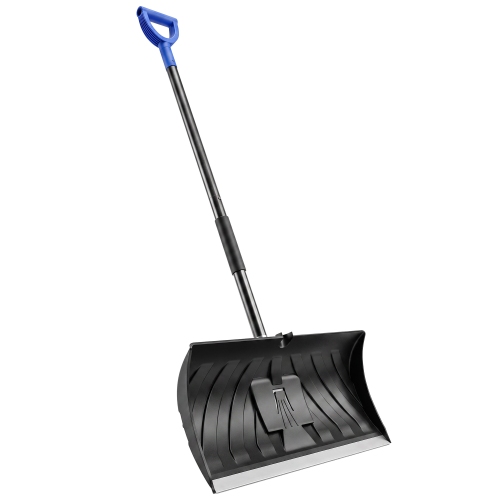
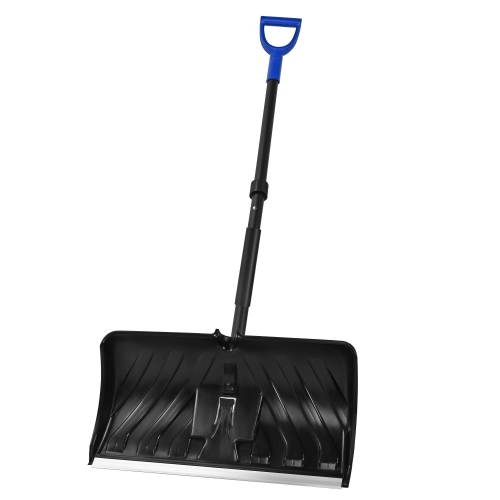
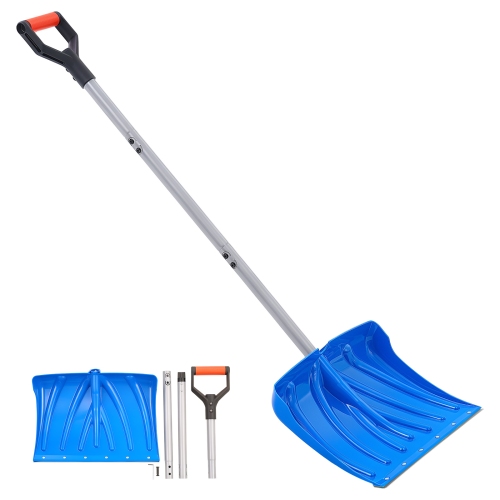
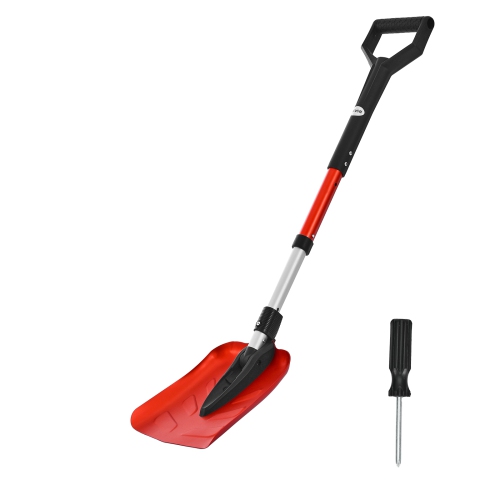
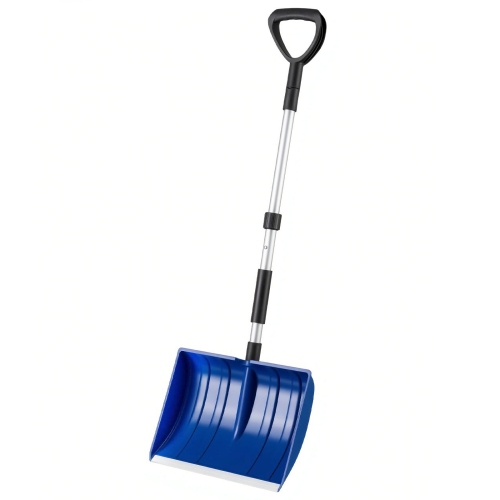
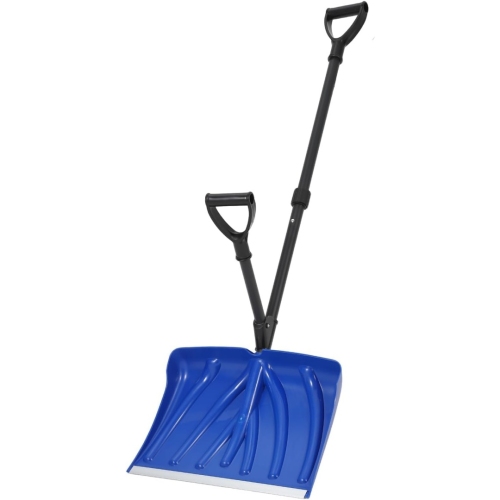
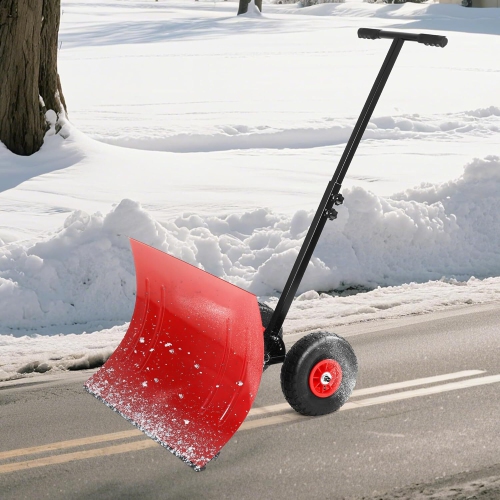
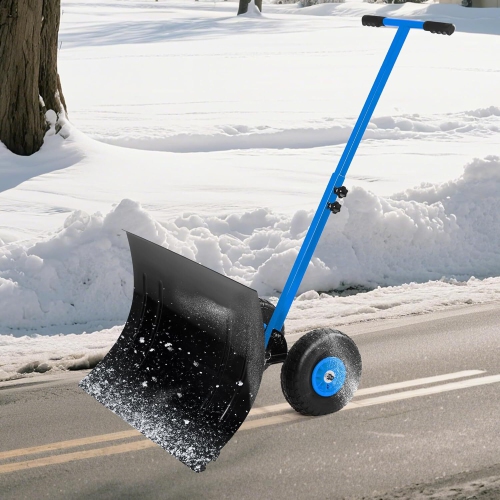
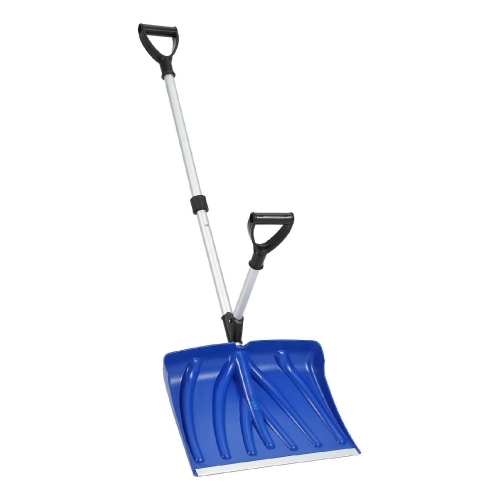
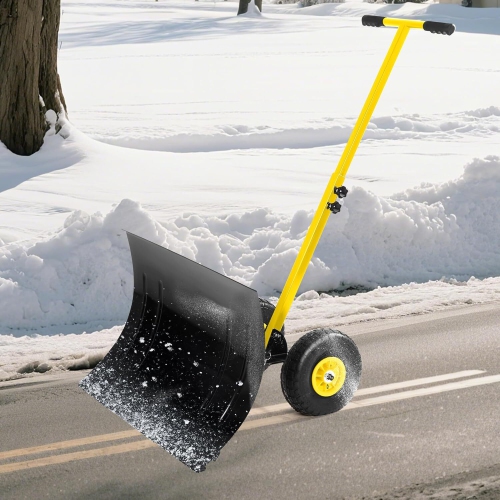
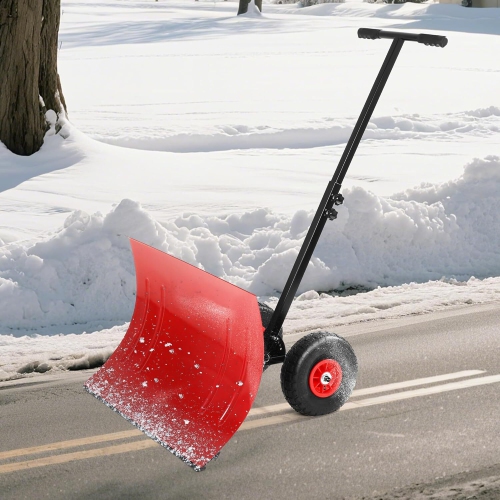
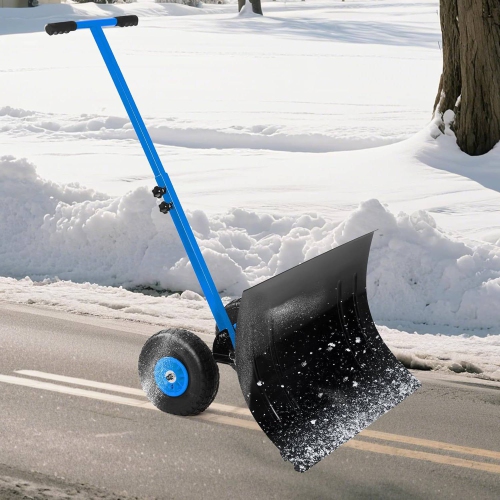
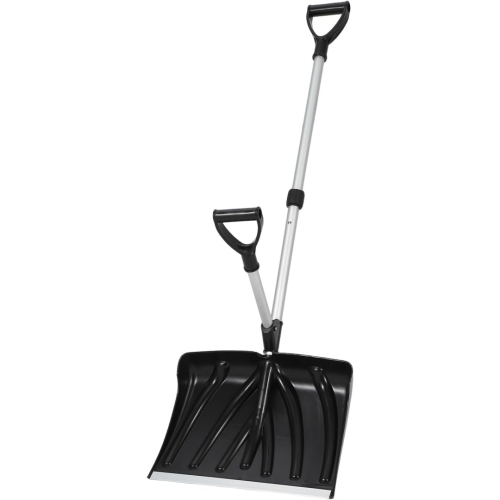
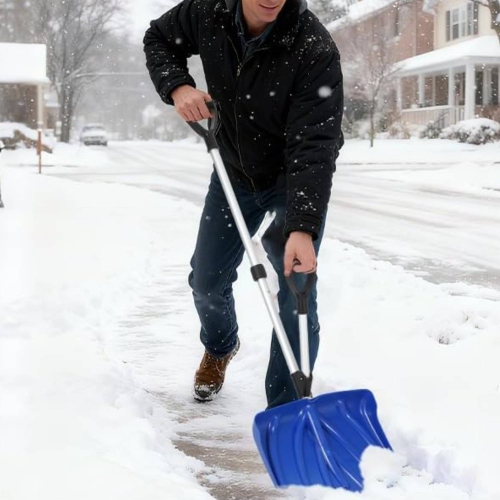
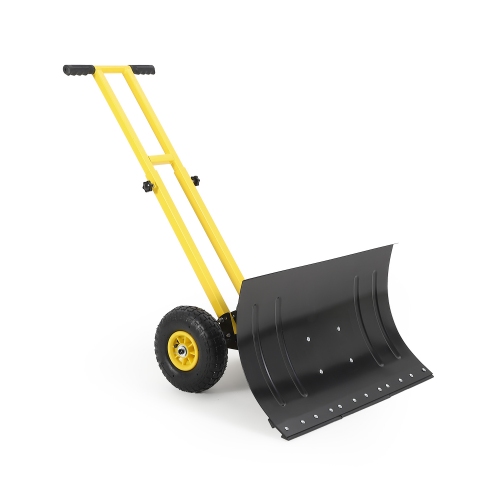
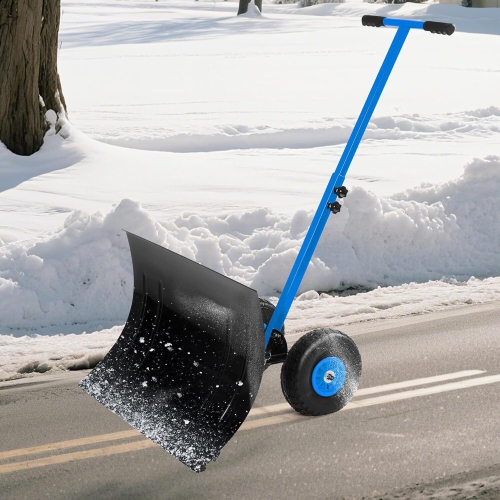
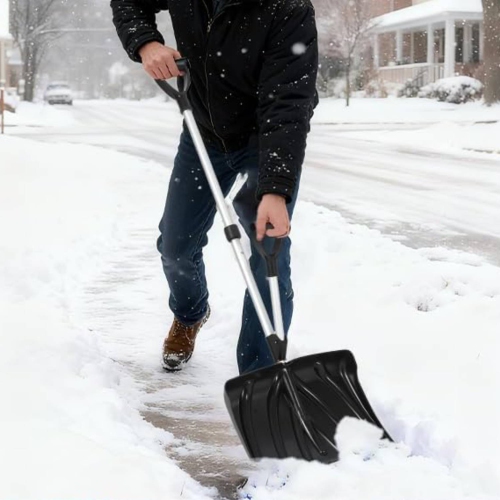
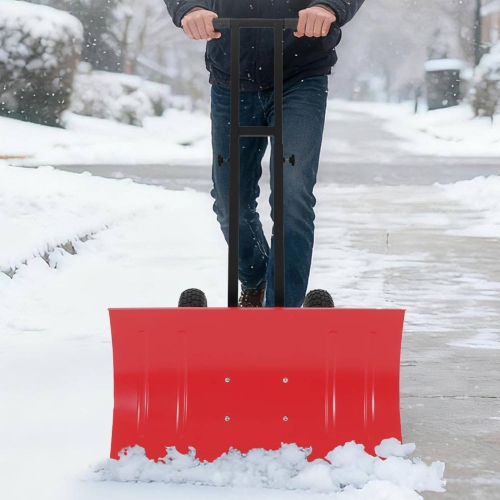
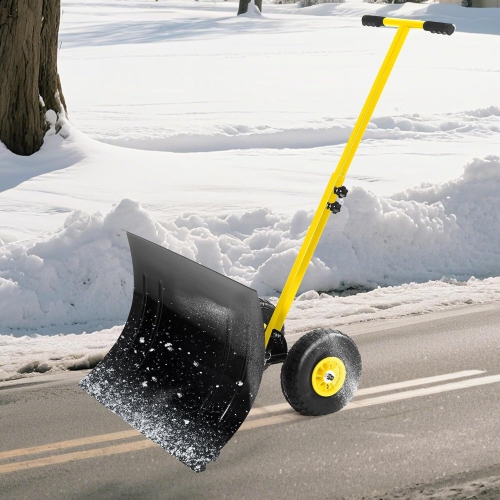
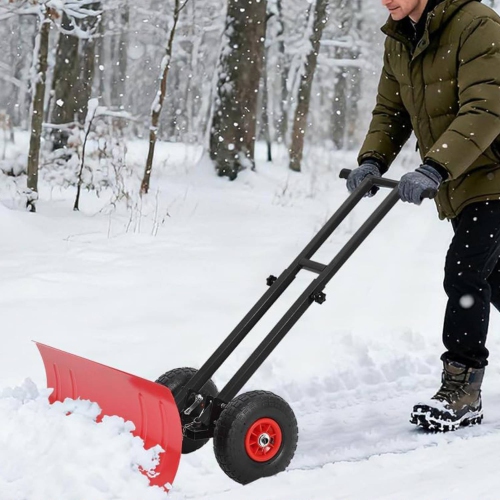
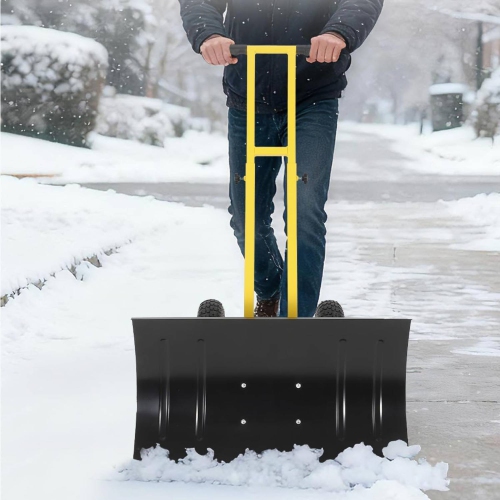
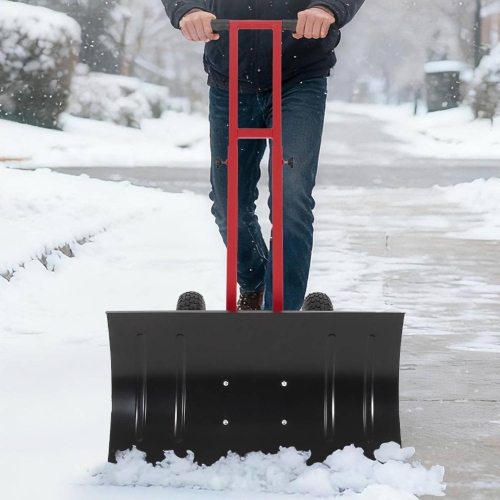
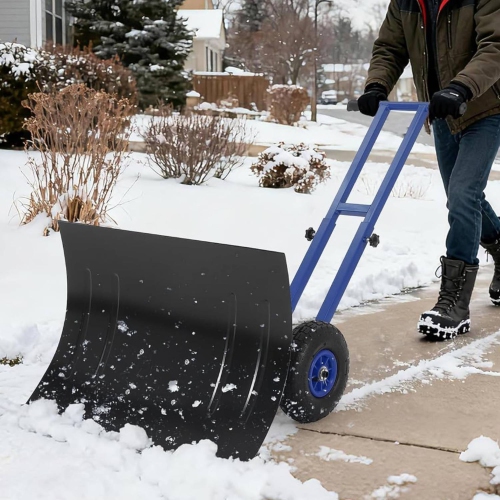
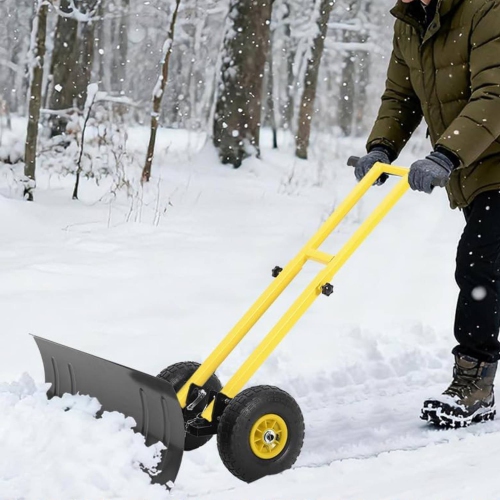
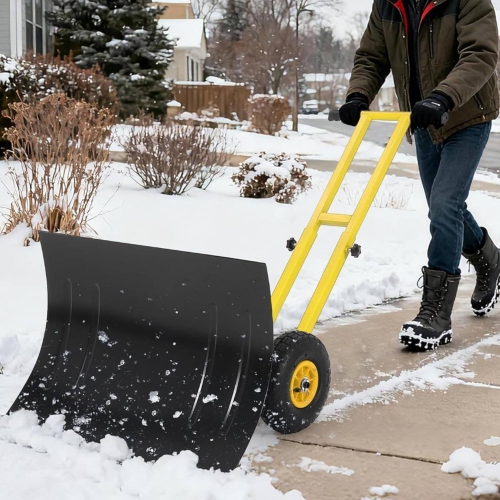
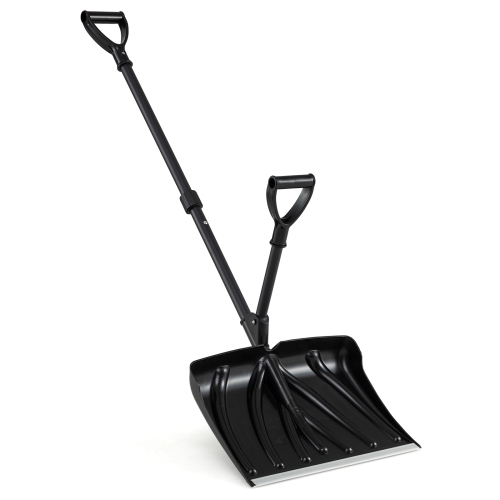
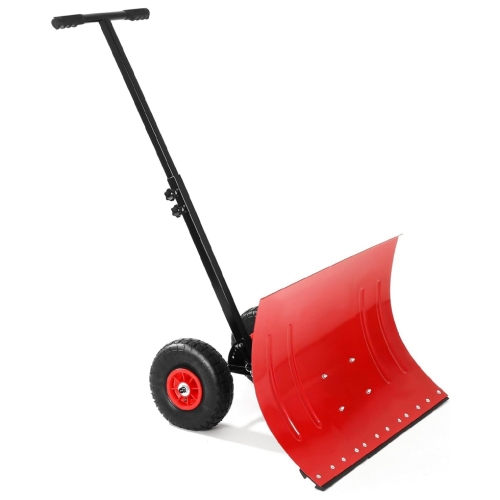
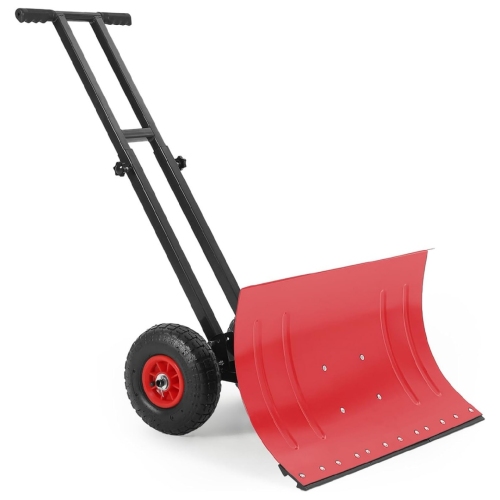
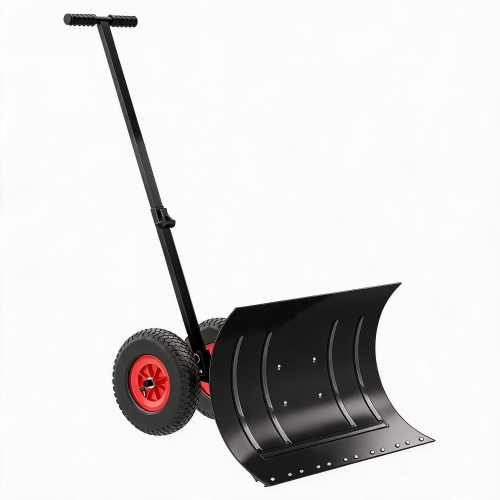
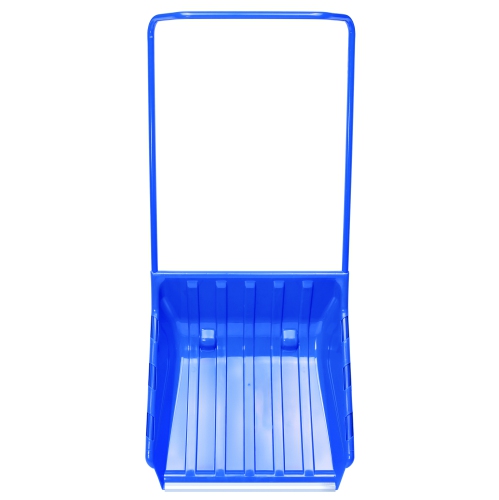
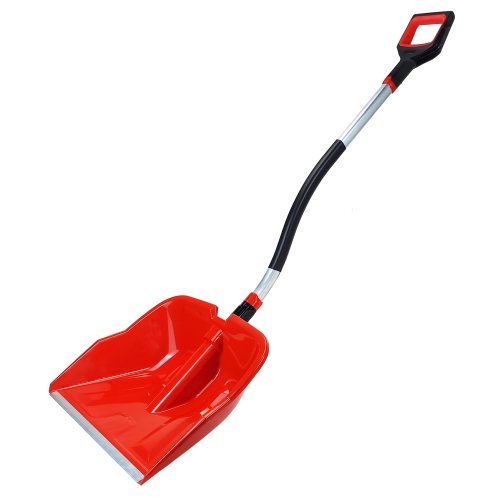
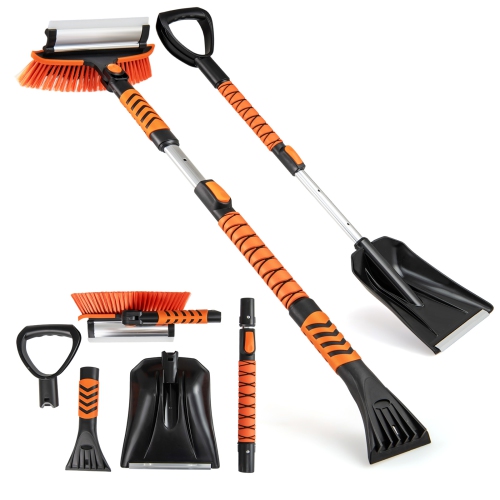
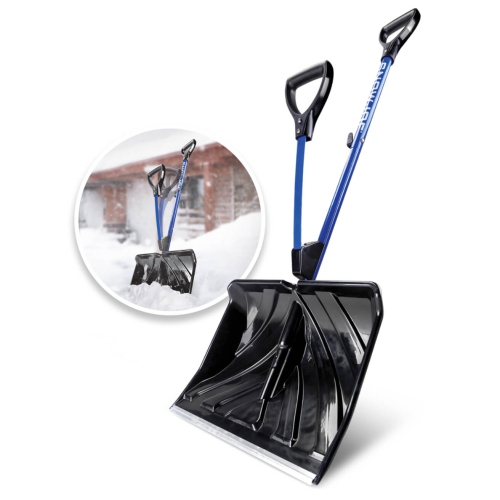
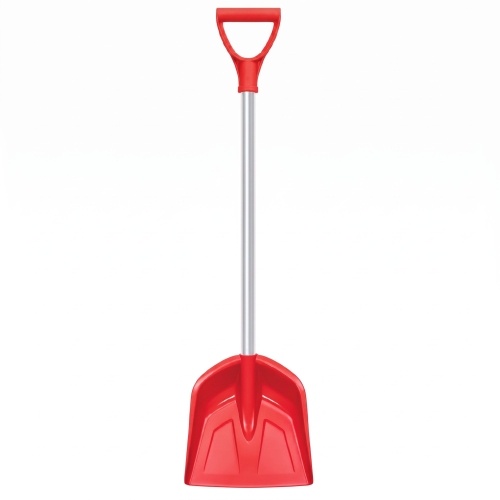
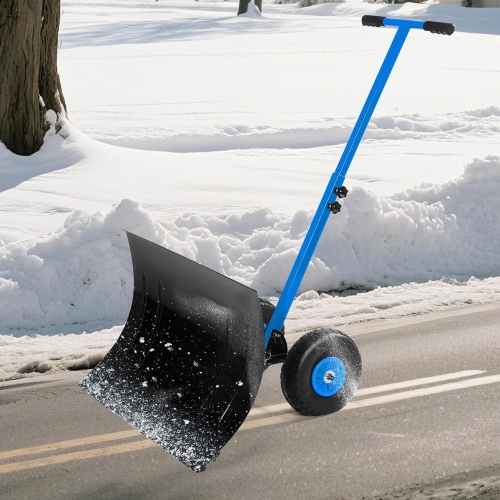
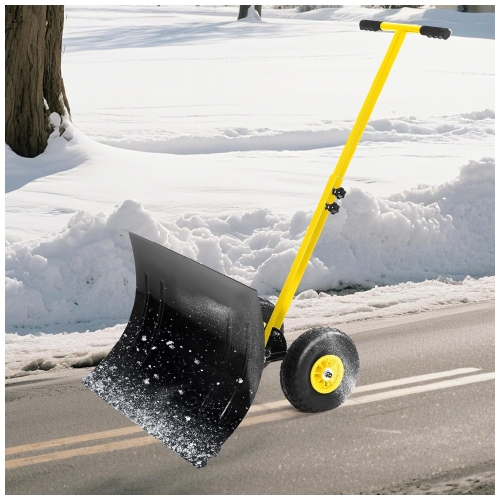
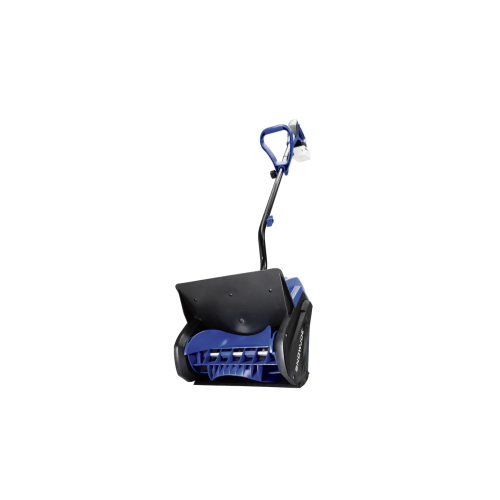
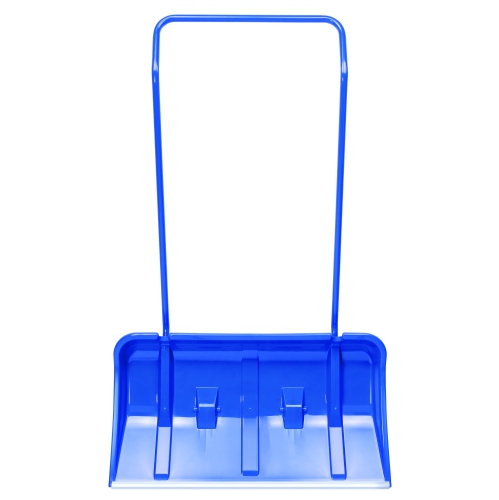
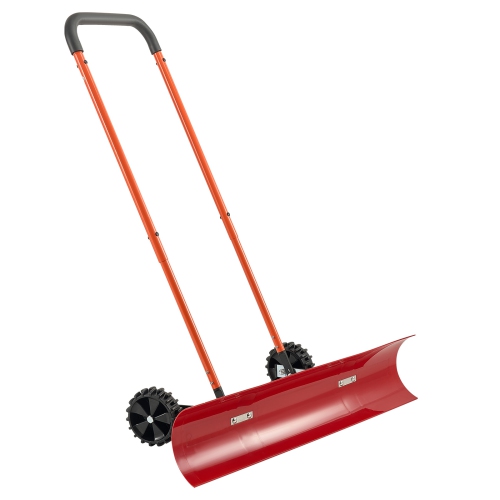
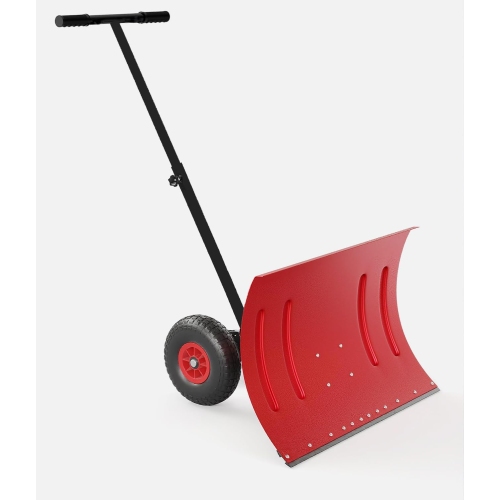
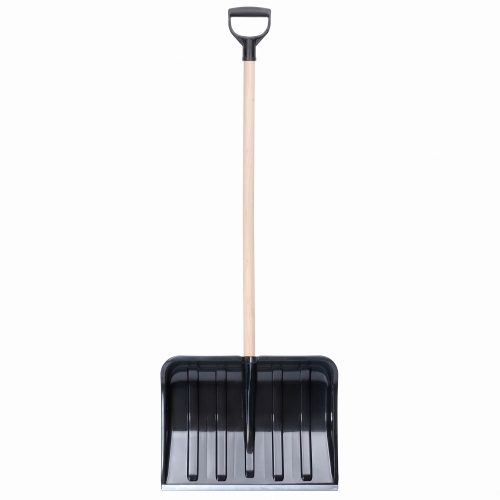
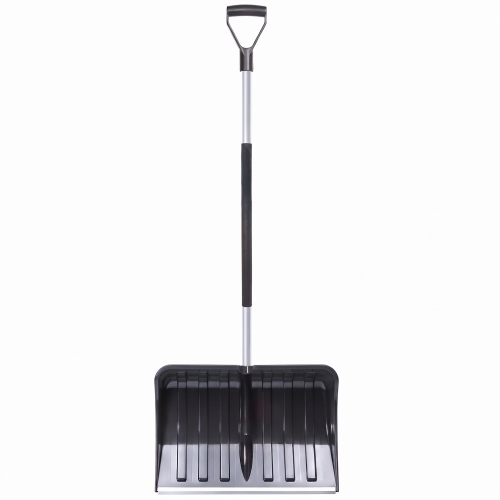
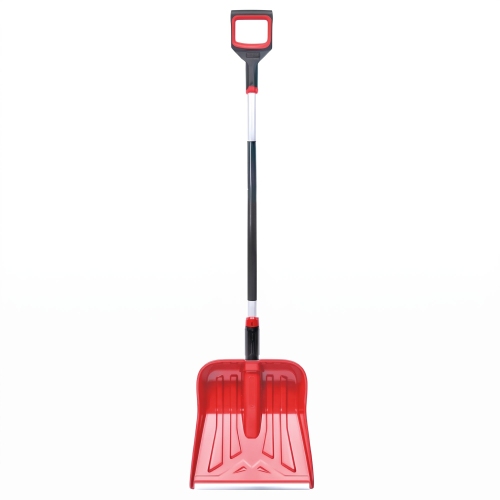
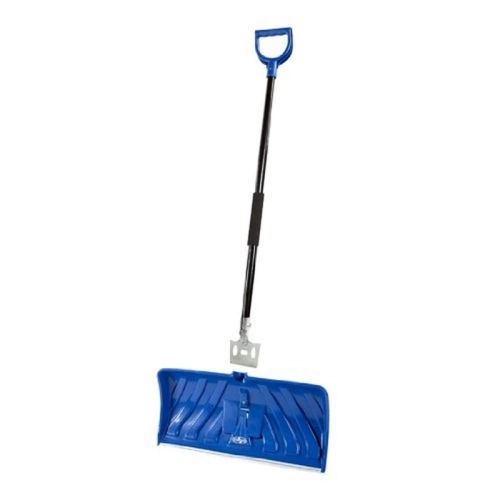
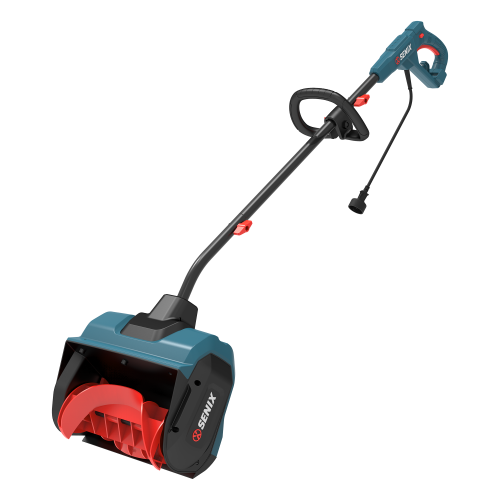
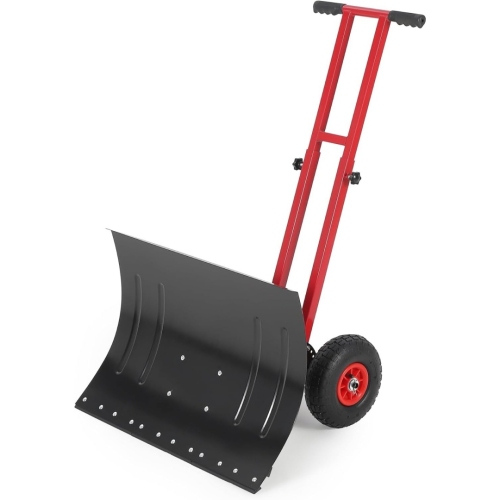
A snow scoop is a manual snow-clearing tool with a wide, deep bucket that gathers snow and slides it along the ground, reducing the need to lift and throw every load. Often called a sleigh shovel, it is commonly used on driveways, broad walkways, and other reasonably level outdoor surfaces where there is room to push snow towards a designated pile. Its shape sets it apart from a conventional snow shovel, which is usually better suited to lifting smaller amounts, and a snow pusher, which typically moves a shallower layer ahead of a curved blade. A scoop combines a generous carrying area with a sliding action, making it useful for clearing fresh accumulation across an open stretch of pavement. For someone maintaining a suburban driveway or a wide path between a garage and a side entrance, that can mean moving several smaller passes into one collection area rather than repeatedly tossing snow over the same bank. Performance still depends on the snow itself. Dry, loose snow is generally easier to move than dense, wet accumulation, and a bucket filled to the rim can become difficult to control even when it stays on the ground. Taking narrower passes through heavy snow helps keep the load manageable. Frozen ridges left by a street plow, packed vehicle tracks, and solid ice may require a different tool rather than extra force against the scoop. A snow scoop is not an ice scraper, and driving its edge into a hardened bank can damage the bucket or strain the user. Surface layout matters as well: a smooth, level driveway offers a different experience from a steep slope, loose gravel, or uneven paving stones. Adequate space to turn, unload, and return for another pass is part of a good fit. Keeping a clear route to the snow pile is especially helpful where parked vehicles, steps, or narrow gates limit movement. The most useful scoop is one that suits both the area being cleared and the person handling it.
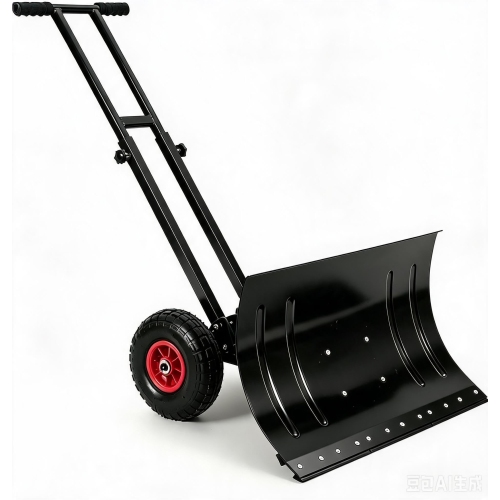
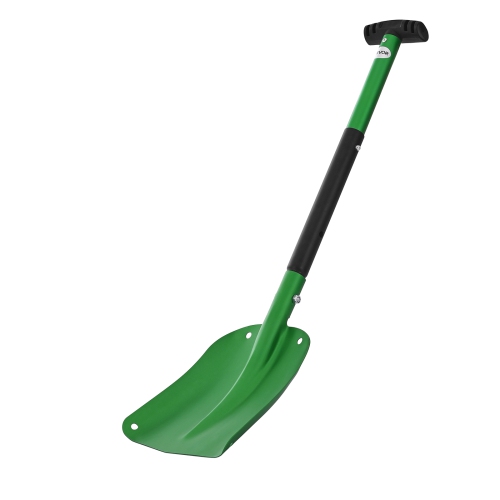
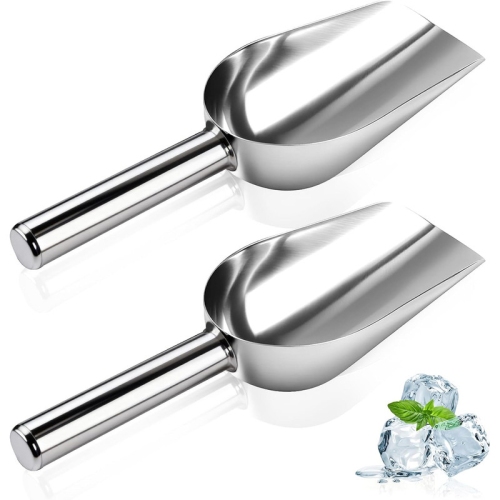
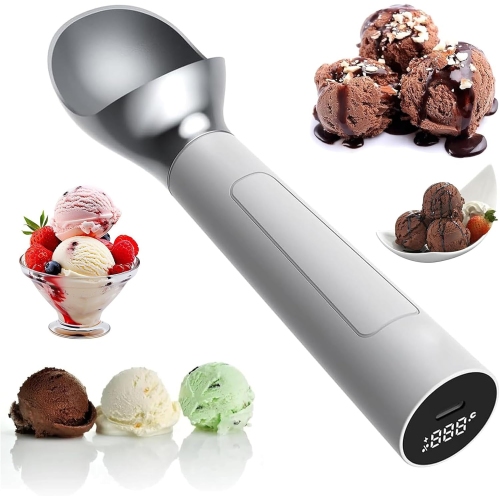
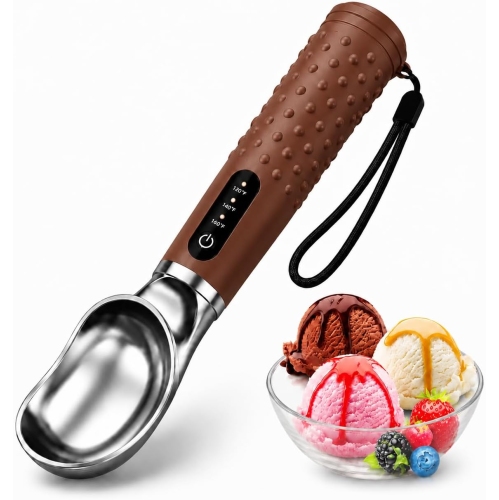
Bucket shape, construction, and handle fit all influence how a snow scoop feels in use. Unlike the compact bowls of ice cream scoops, a snow scoop’s broad bucket is designed to collect a substantial volume and support it while sliding. A deep bucket can contain loose snow well, while its front lip affects how easily it travels beneath an accumulation. Wider buckets cover more ground in a pass, but they also gather weight quickly and need more room around obstacles. A narrower design can be easier to manoeuvre along a walkway or beside a parked vehicle. Plastic buckets are often relatively light, and certain plastics, such as polyethylene, are used for their impact resistance and sliding characteristics. Actual cold-weather durability depends on the material formulation and construction, not simply the fact that a bucket is plastic. Metal buckets and reinforced edges can offer resistance to wear, though overall weight and compatibility with the clearing surface remain important considerations. Steel components generally add weight compared with aluminium, while exposed metal edges may catch on raised joints or mark some finishes. Surface-care recommendations are worth checking for decks, coated concrete, and decorative paving. A replaceable wear strip can help extend useful life when the leading edge wears down, provided compatible replacement parts are specified. Handle height and angle affect posture, reach, and control; an adjustable handle can accommodate different users, while a fixed handle has fewer adjustment points to check. There should be enough grip space for insulated gloves without forcing the wrists into an awkward position. A broad loop handle may allow changes in hand placement, but comfort still depends on the user’s height and reach. The empty weight deserves attention too, since the scoop may need to be carried from storage, turned in a confined space, or lifted over a threshold before clearing begins. Foldable or detachable handles can make storage easier, although their joints should feel secure when assembled.
Daily practicality often comes down to how easily the scoop can be loaded, moved, emptied, and put away. Clearing a long driveway in manageable sections usually offers better control than trying to move one oversized load from the garage to the curb. Leaving room at the edge of the clearing area for later snowfall can also reduce the need to move the same snow twice. Snow piles should stay clear of doors, steps, drainage routes, and sightlines, and snow should not be pushed into the street. Around vehicles, a little clearance helps prevent the bucket or handle from contacting paintwork. Uneven joints, hidden stones, and other obstacles are easier to spot when working at a steady pace rather than charging into a full bucket. Footwear with suitable traction matters because a loaded scoop can be harder to stop or steer on slippery ground. Although sliding snow can reduce repeated lifting, it still involves physical effort, especially with wet loads or on an incline. Smaller loads, breaks, and a tool that matches personal strength and mobility remain important. For shared households, handle fit and ease of turning may matter more than maximum bucket capacity; for someone clearing a broad, open driveway, working width may carry more weight in the decision. Care is straightforward but contributes to dependable use. After clearing, remove packed snow and road grit, allow excess moisture to drain, and store the scoop where it will not become frozen into a puddle. Wiping exposed metal dry can help limit rust, particularly after contact with road salt. Periodic checks for loose fasteners, cracked plastic, worn edges, and movement at handle connections can reveal problems before a demanding snowfall. Storage out of prolonged direct sunlight can also help protect plastic components. A dry garage corner, shed wall, or suitable hanging position keeps the tool accessible without obstructing a walkway. With an appropriate bucket size, comfortable grip, and sound construction, a snow scoop can be a practical part of a household’s snow-clearing equipment.
Top selling and popular products
-
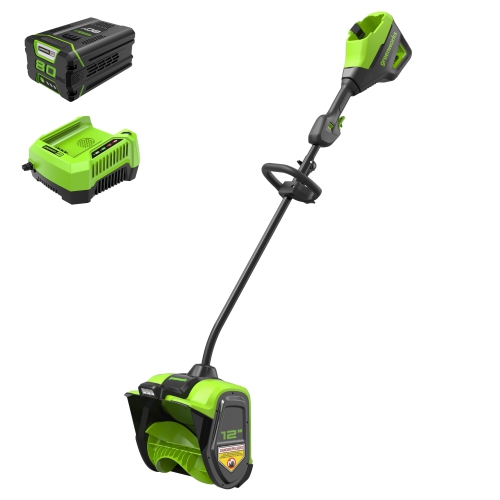 Your price for this item is $399.99
-
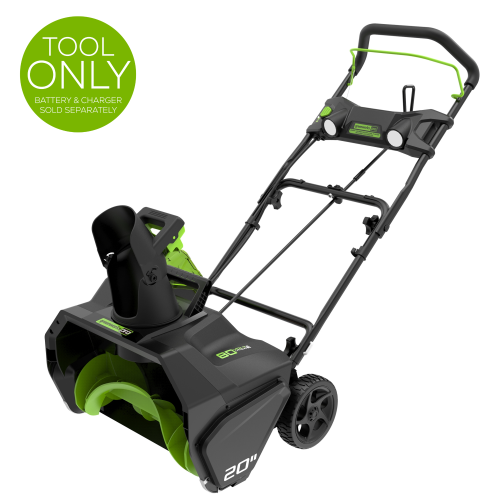 Your price for this item is $449.99
-
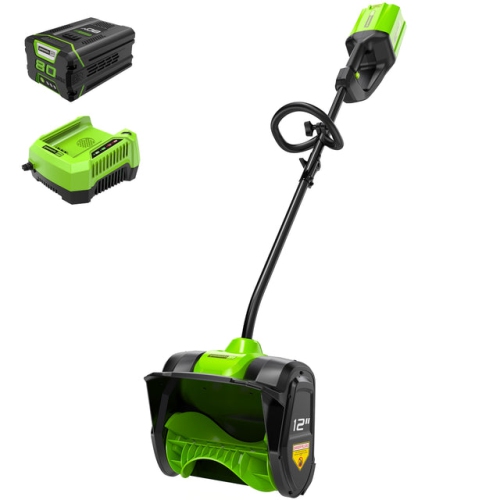 Your price for this item is $341.99
-
 Your price for this item is $339.99
-
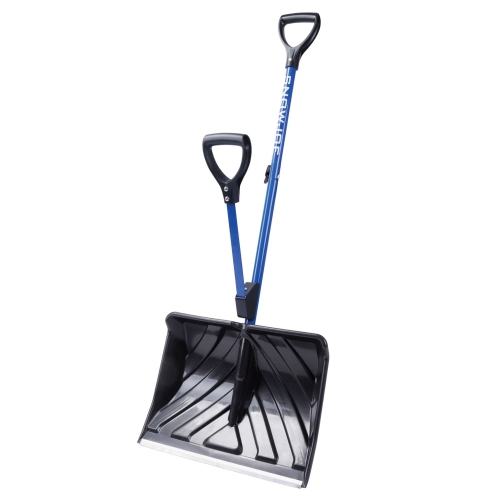 Your price for this item is $113.99
-
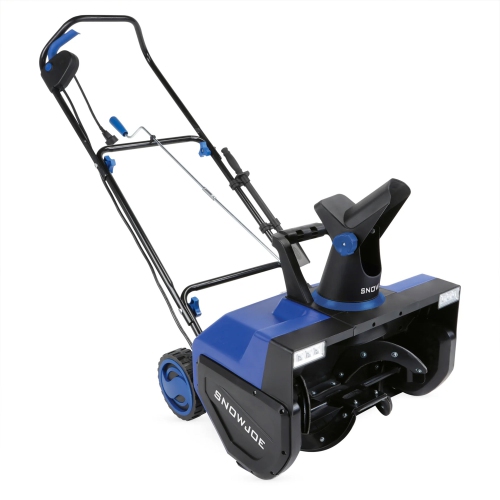 Your price for this item is $429.99
-
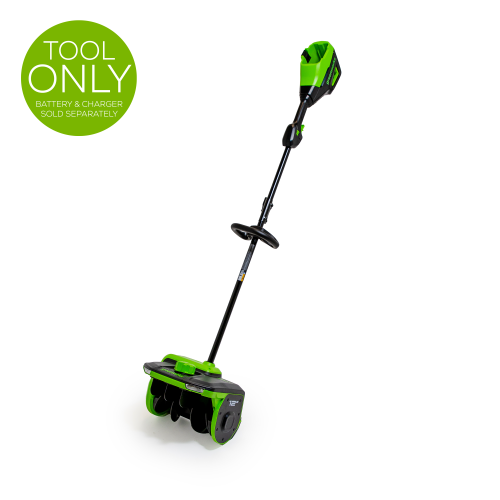 Your price for this item is $355.99
-
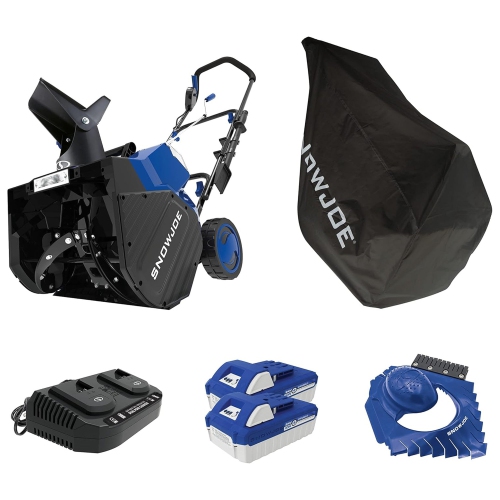 Your price for this item is $499.98
Discover more categories related to Snow Scoop
Top Collections:
Best Black Friday Deals This Year, Best Black Friday Deals On Electronics, Kindle Devices, Pokemon Centers, Best Black Friday Deals On Apple Products, Best Cameras for Sports Photography, Dyson Airwrap, Pokémon 30th Celebration Cards, Apple iPhone 17 Pro, Canon G7X Cameras
Some products may be subject to Environmental Handling Fees
(EHF) depending on your province.
Learn more about EHFs.