Seat Cushions for Back
Enhance your seating comfort and support with this collection of seat cushions for the back. Designed to provide relief and promote better posture, these cushions are perfect for use at home, in the office, or on the go. Say goodbye to discomfort and hello to ergonomic bliss as you browse through this selection of seat cushions tailored to cater to your specific needs. Whether you're looking for lumbar support, memory foam padding, or cooling gel technology, we have the perfect solution to help you sit back and relax in style.
Sort
















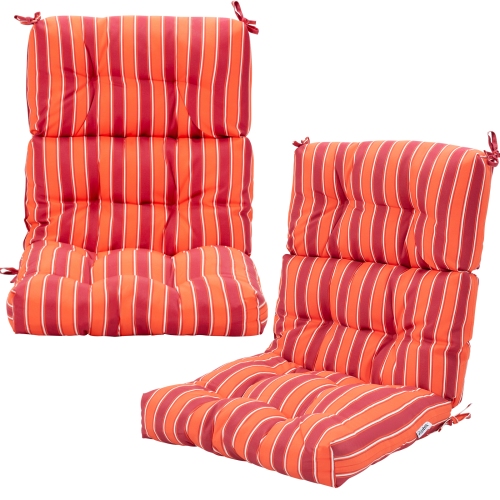
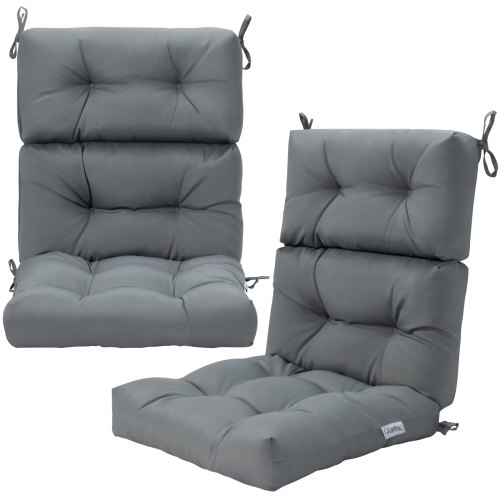


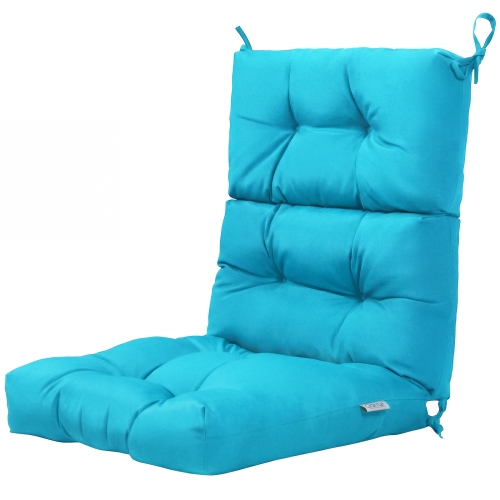


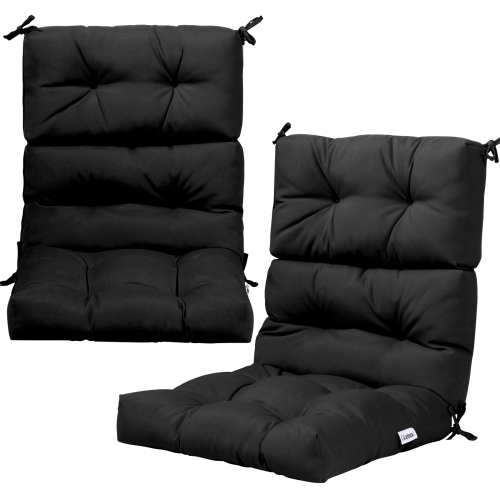
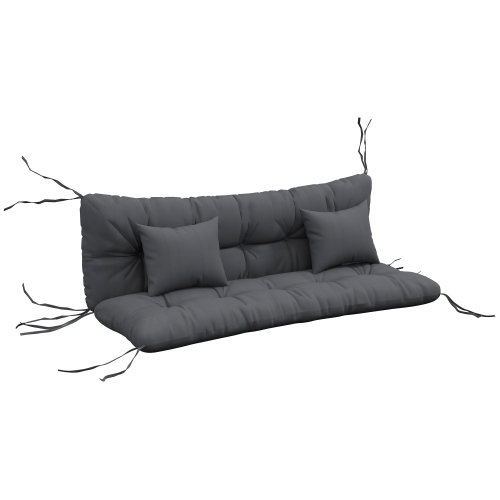

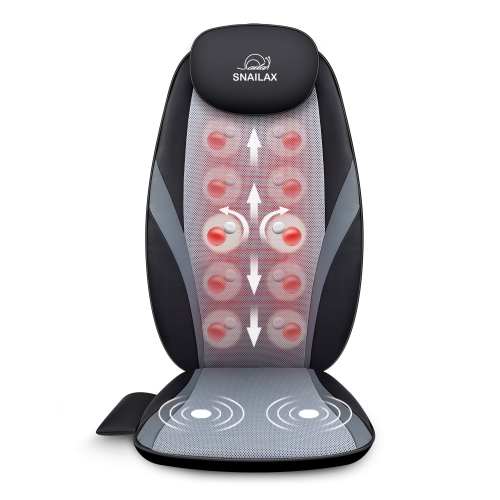

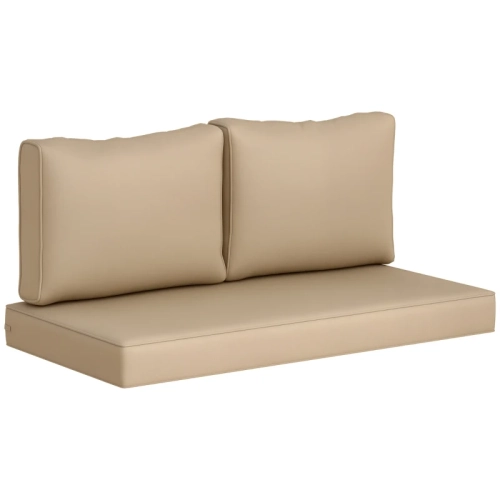


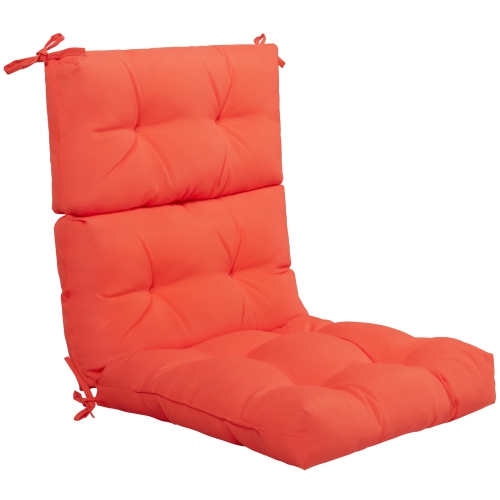
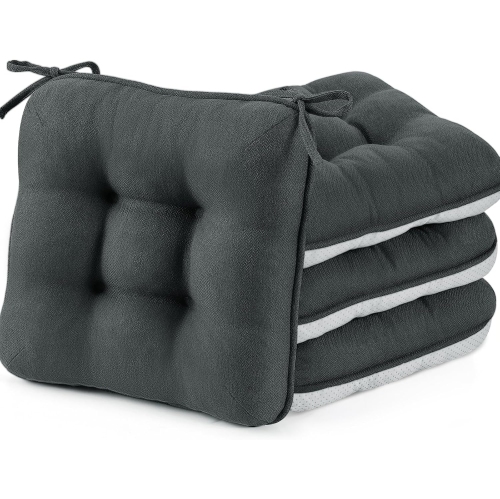


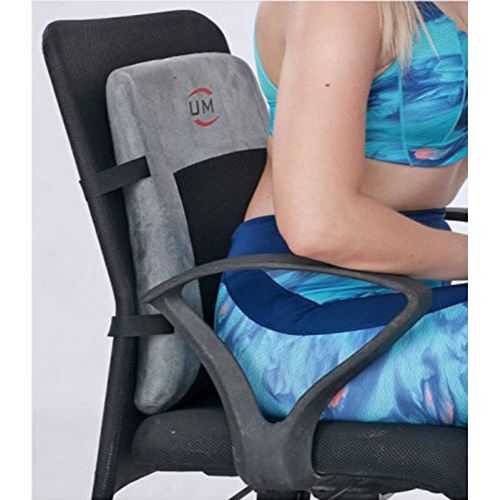


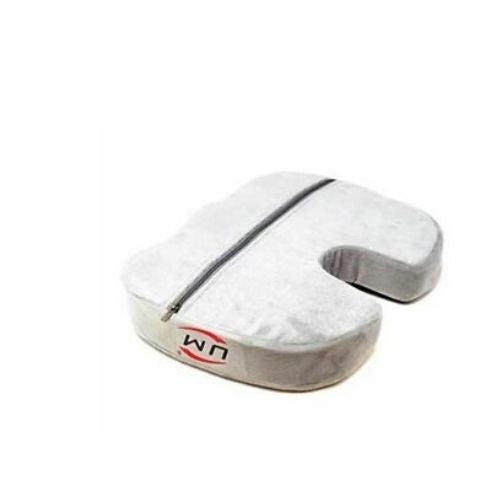


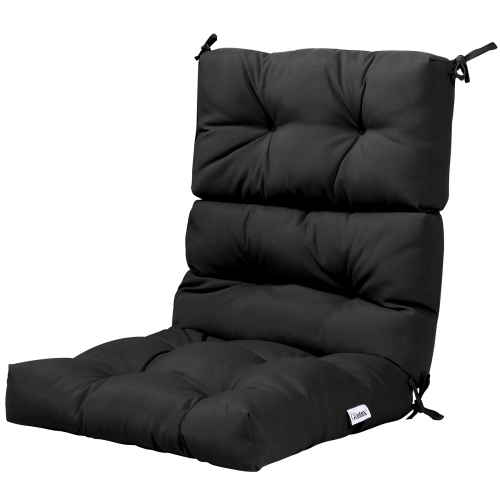

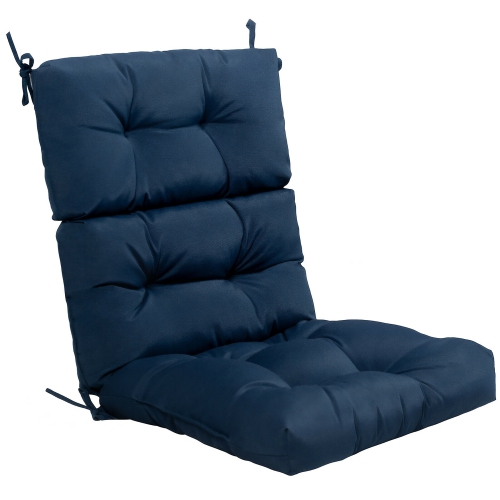

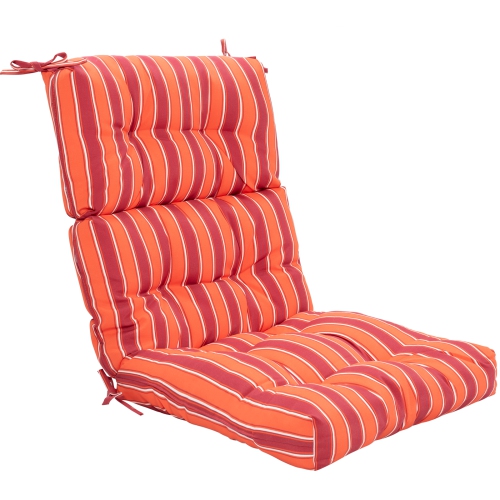
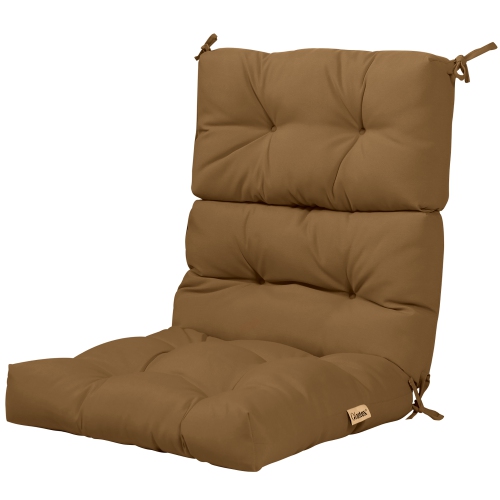

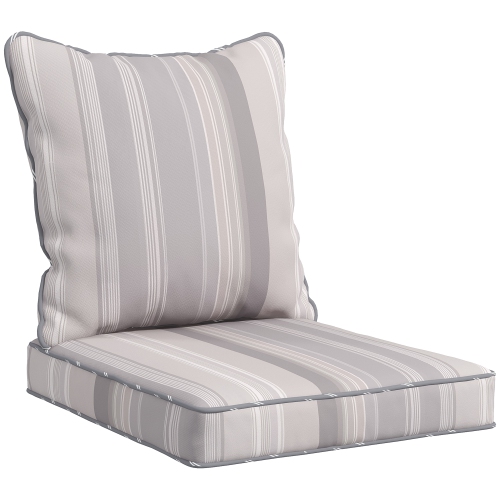
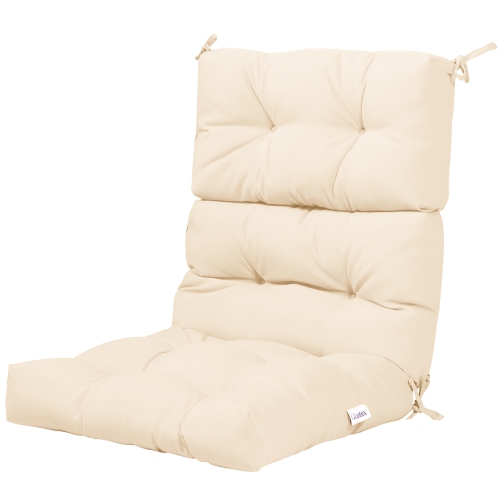


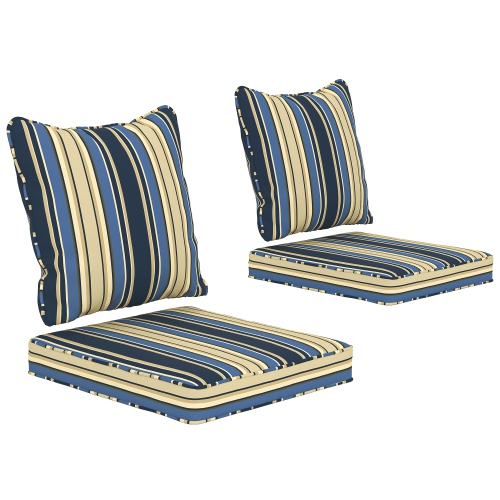
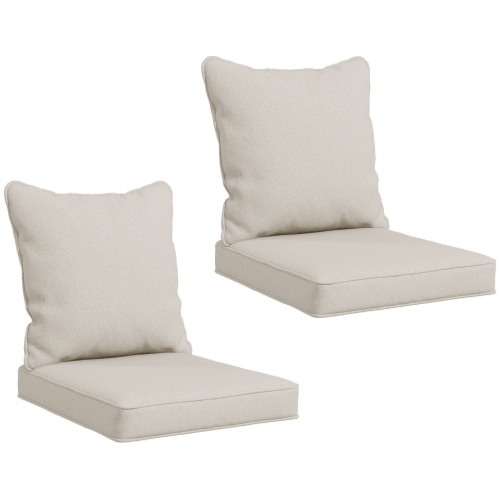
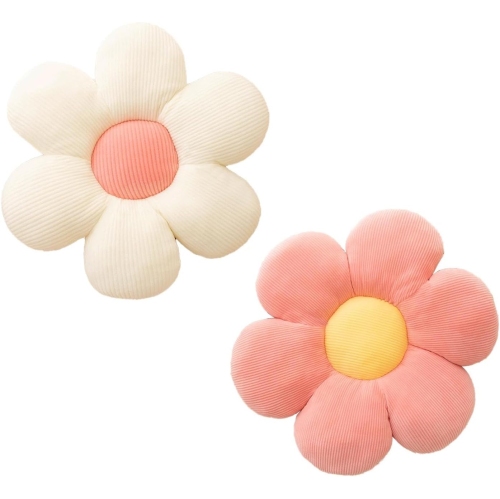













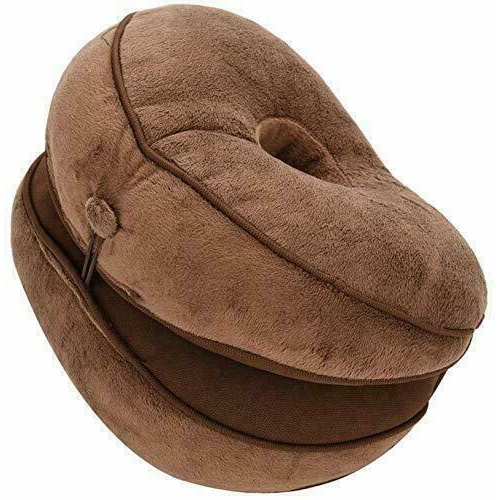
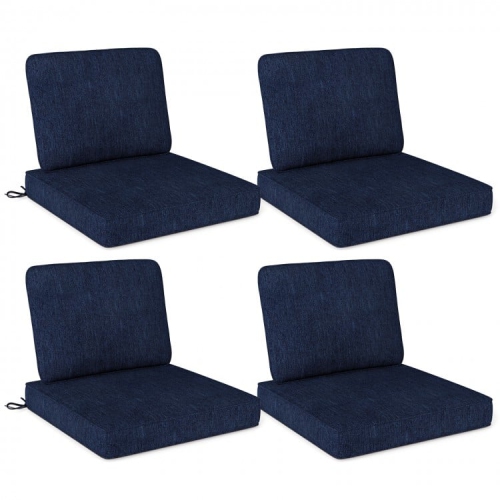
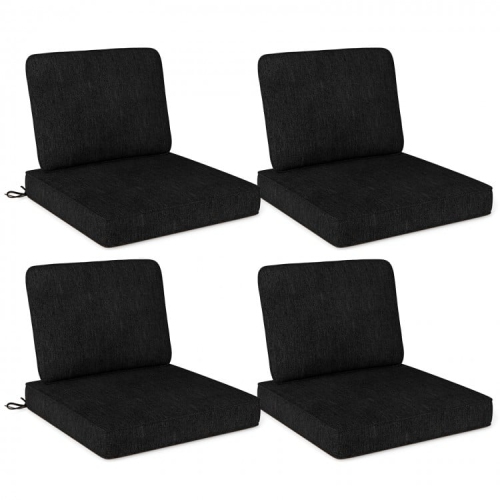
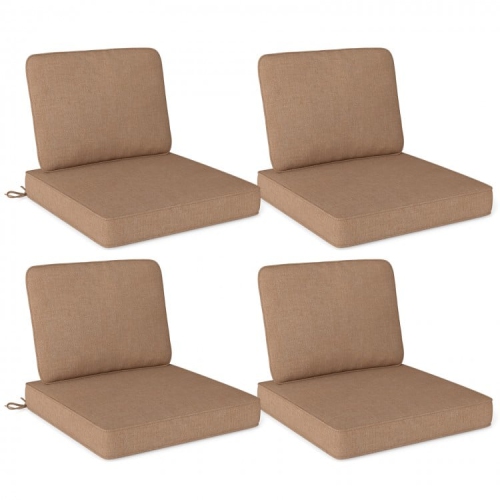
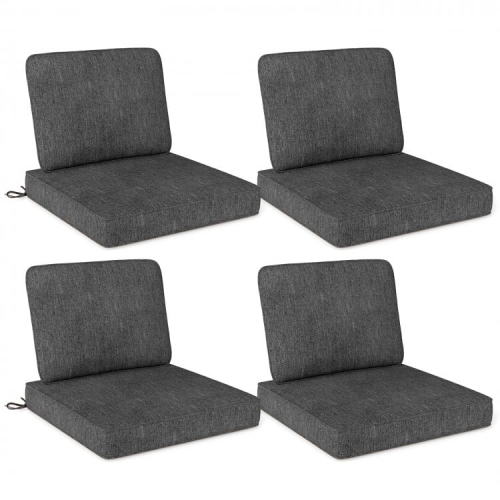
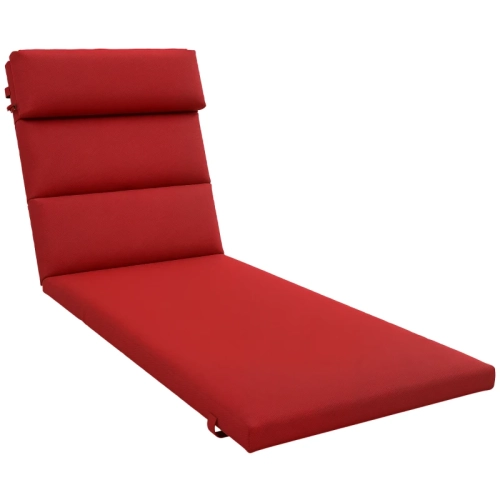

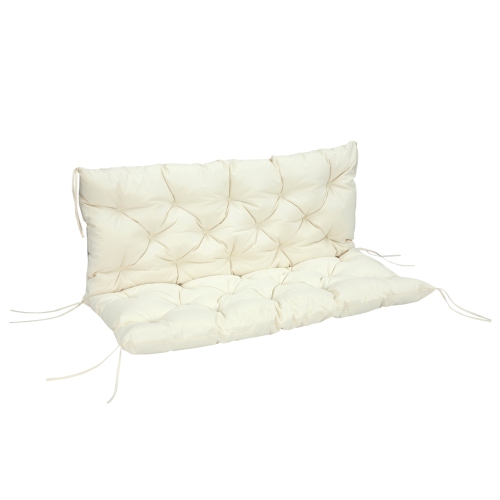
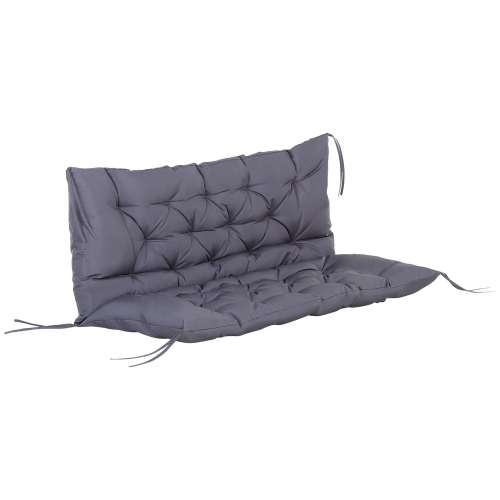




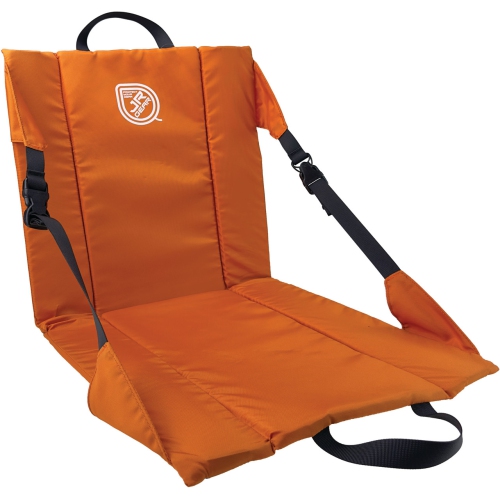


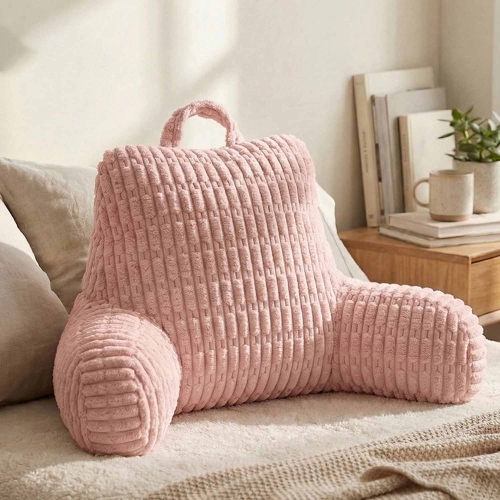


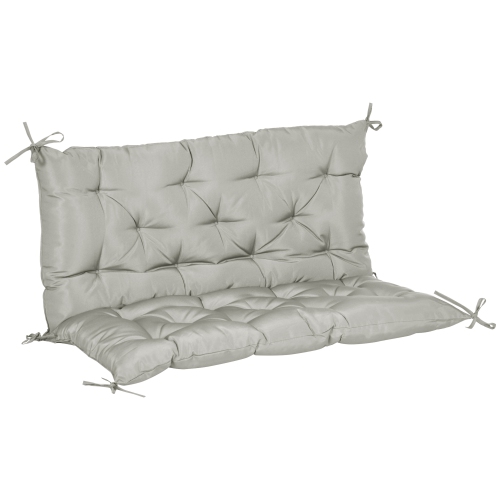
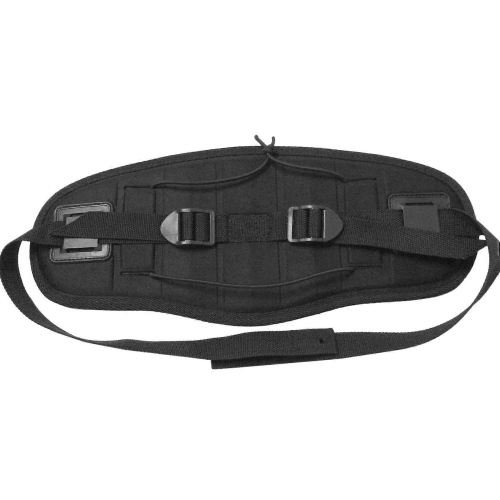

Why softer cushions are not always the better fit
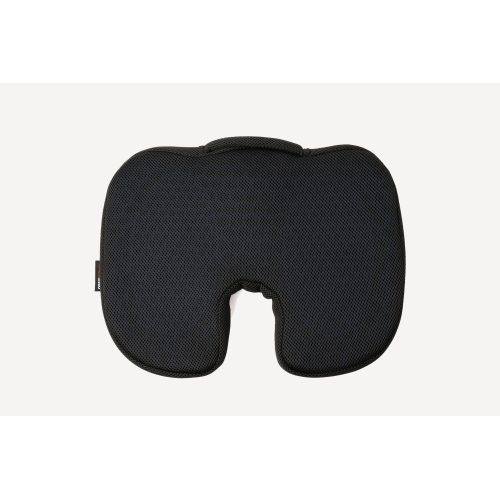
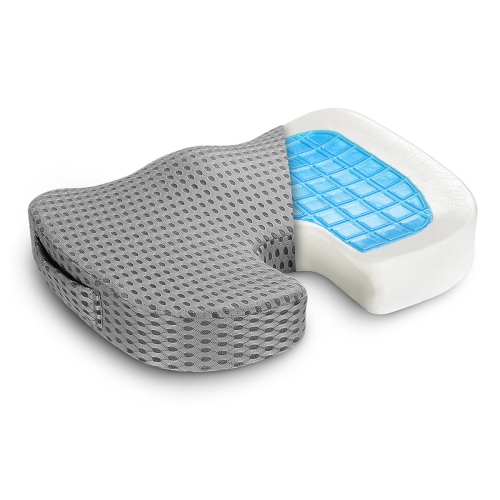
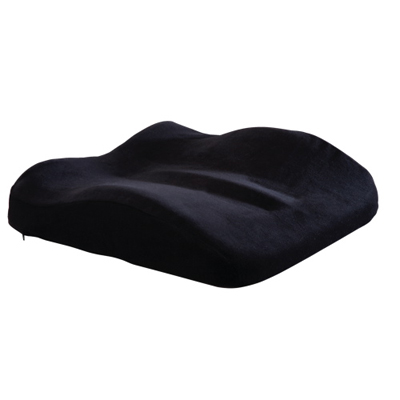
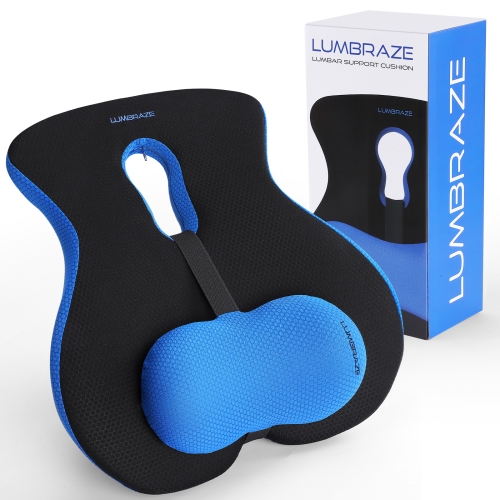
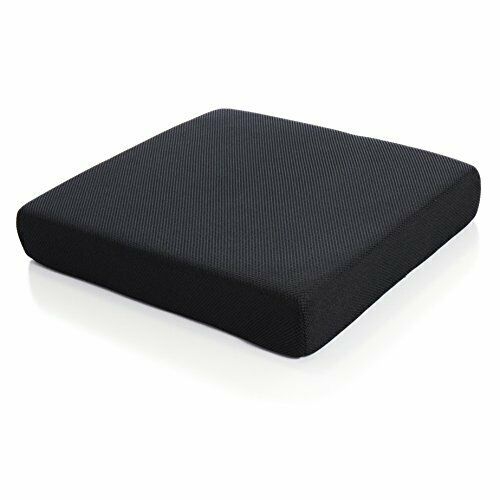
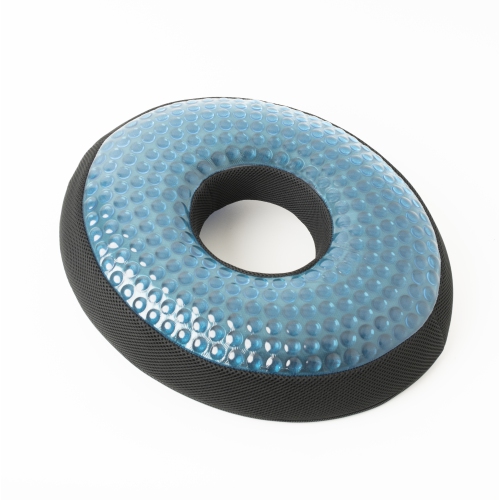
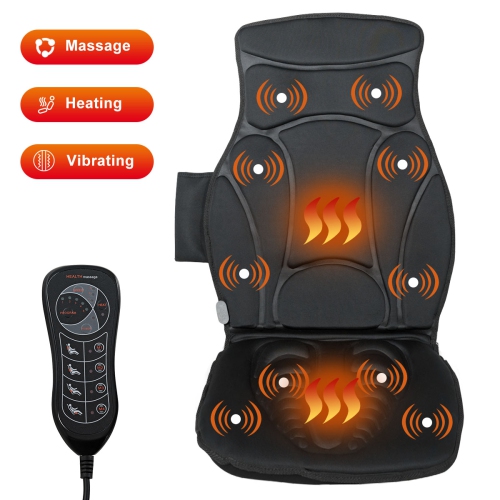
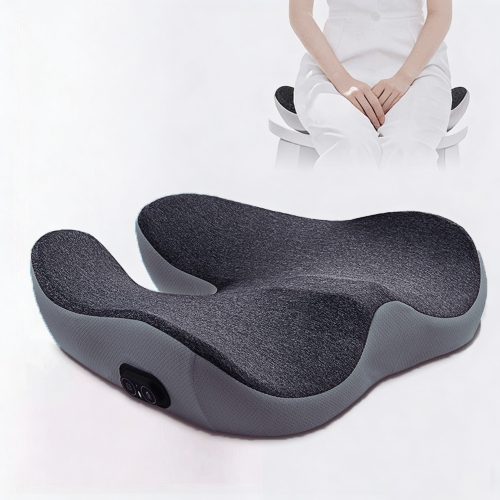
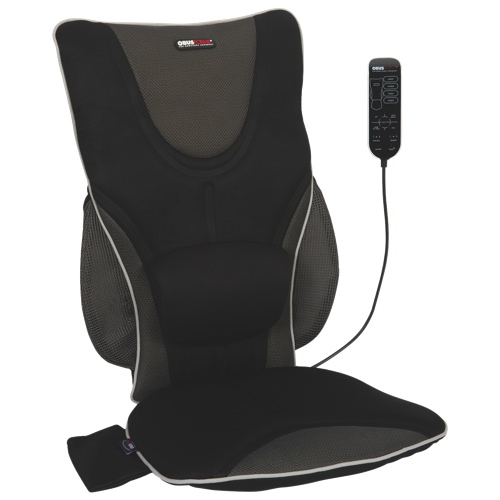
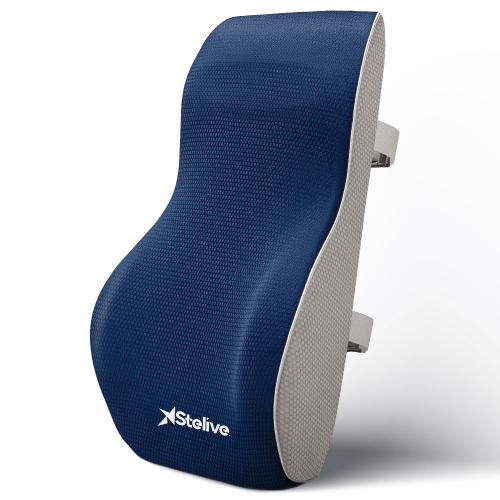
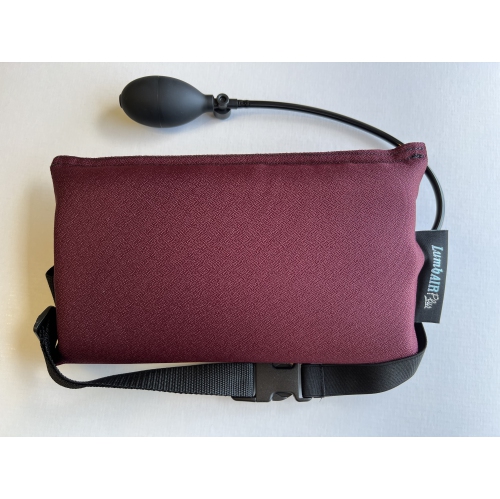
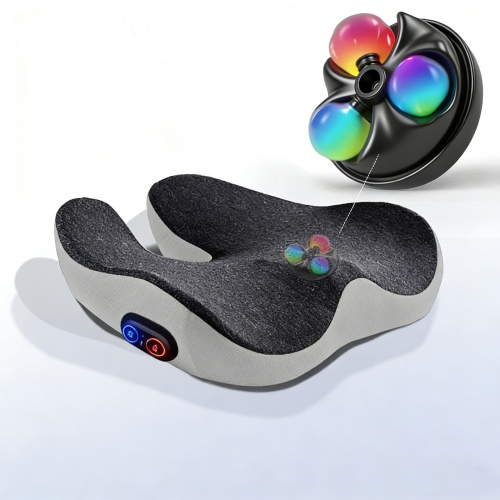
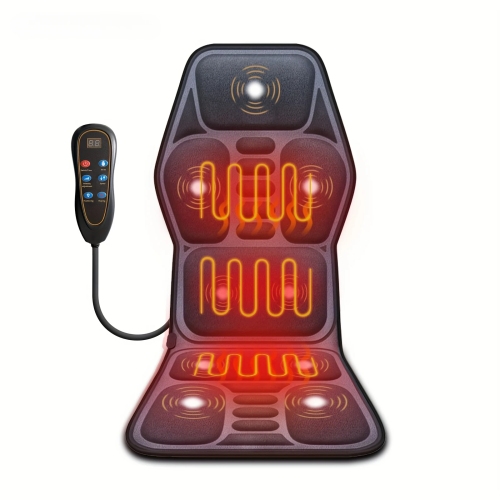
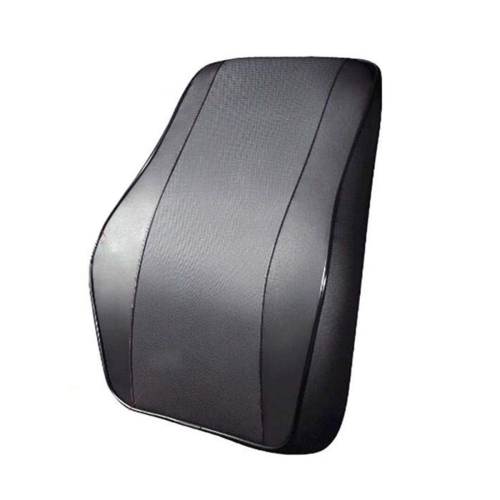
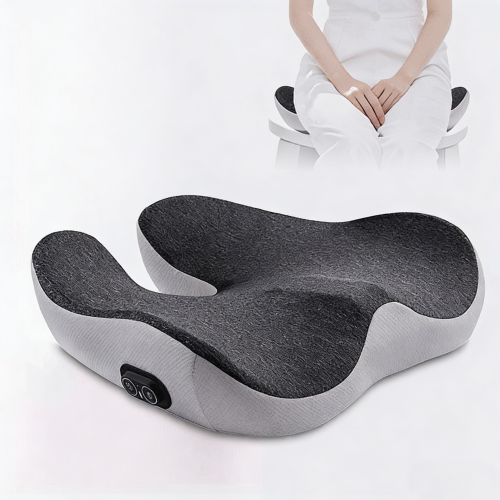
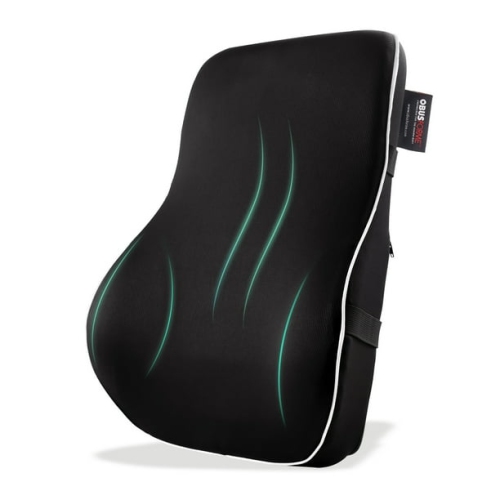
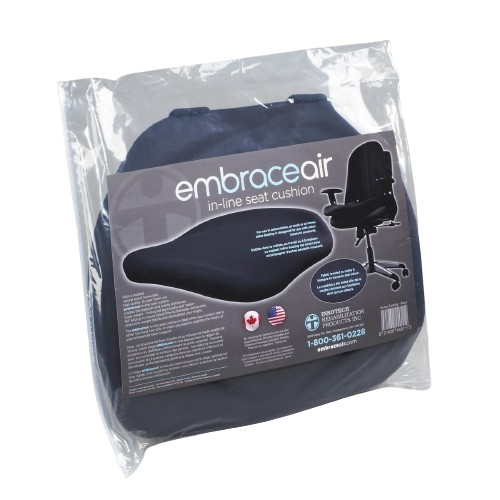
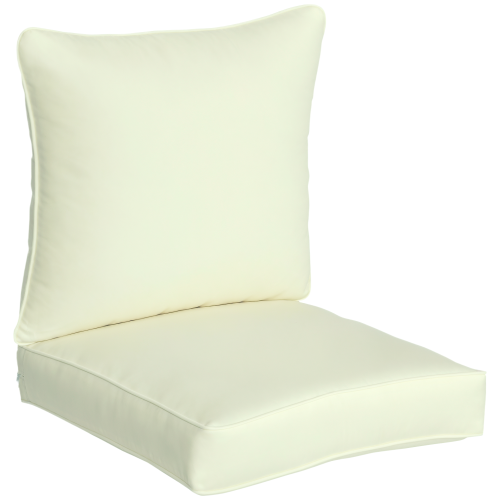
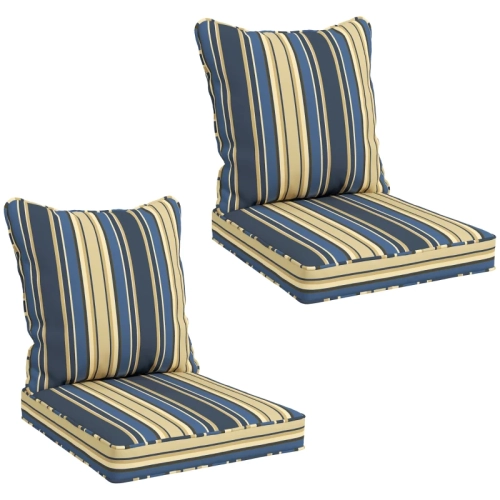
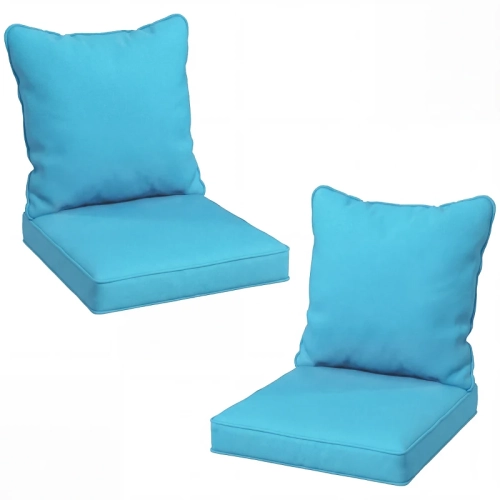
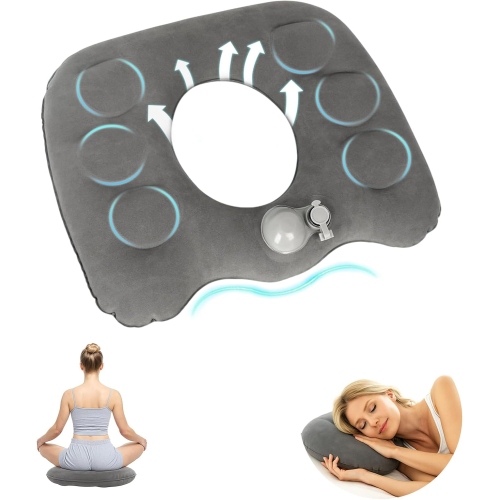
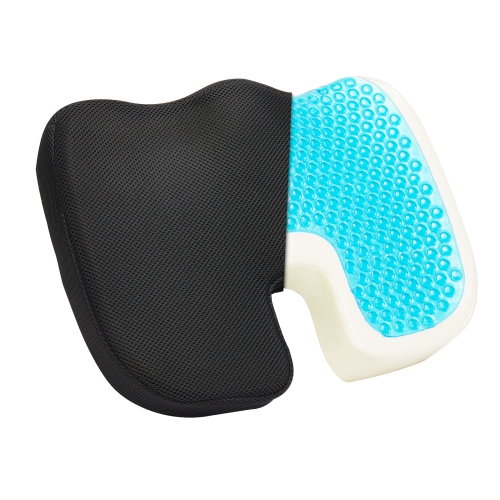
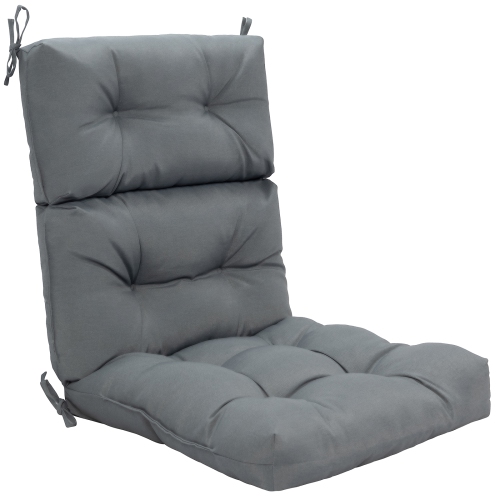
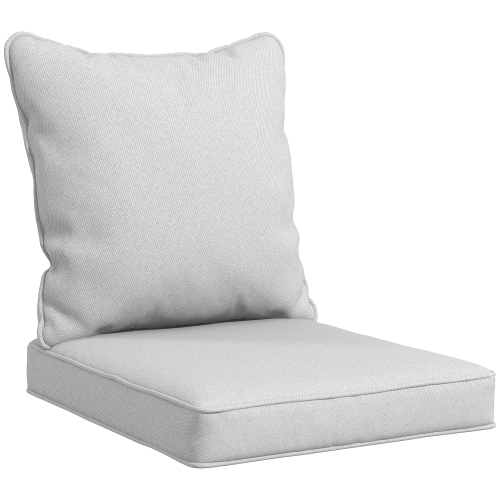
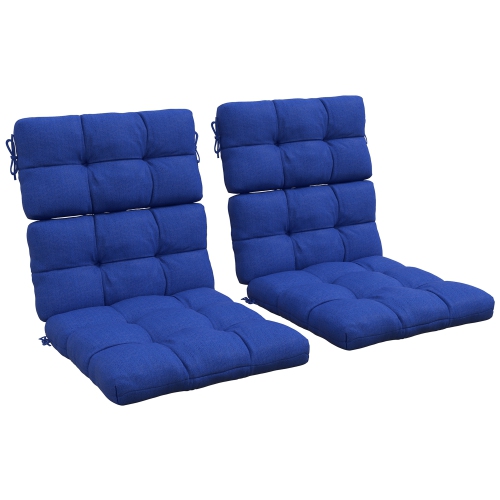
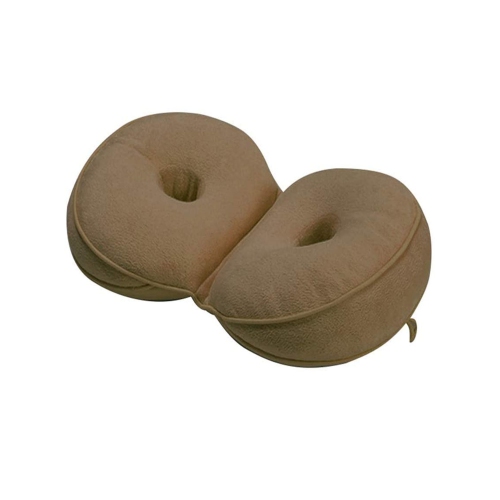
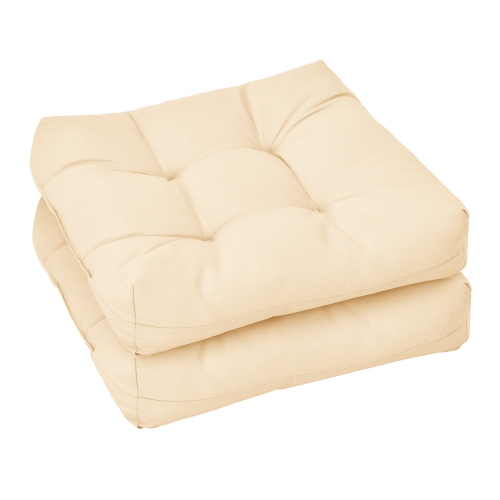
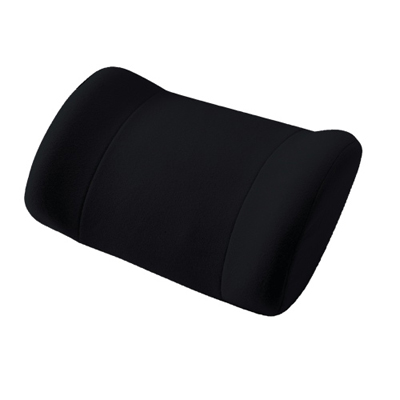
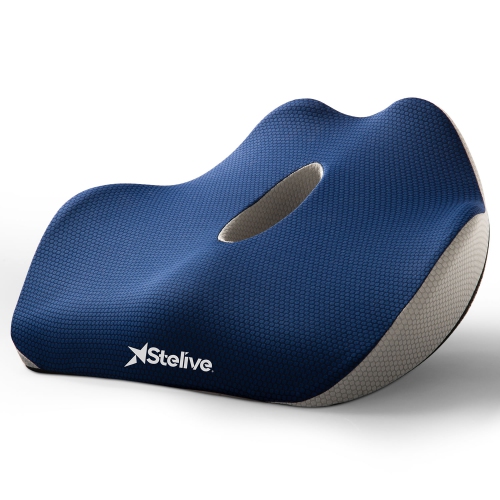
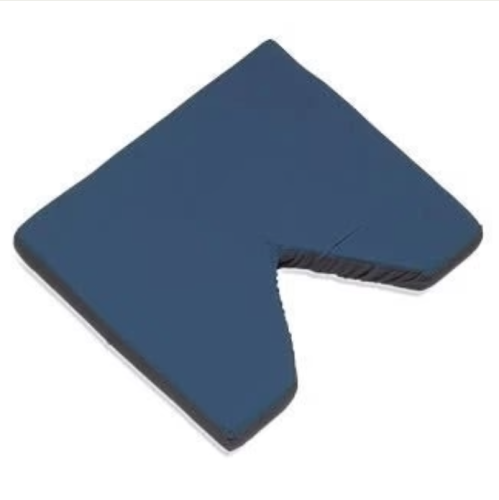
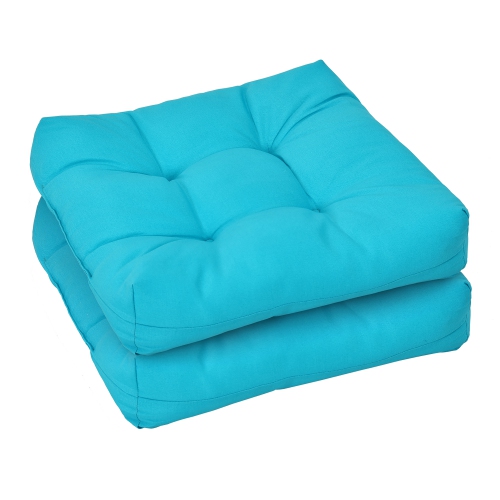
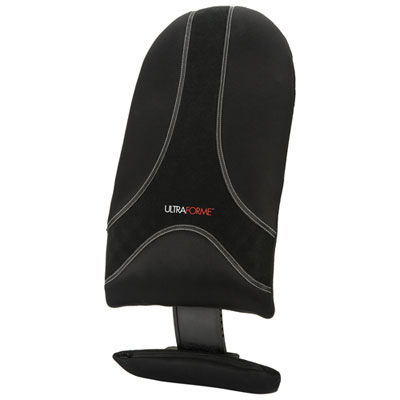
Seat cushions for back support add a layer of comfort to everyday seating, whether that means an office chair during a full workday, a dining chair used for homework, or a firm armchair in a reading nook. The category includes cushions that sit beneath the body, lumbar pillows that rest against the lower back, and designs that combine both forms of support. Each serves a different purpose: a seat cushion changes how body weight rests on the sitting surface, while a lumbar cushion helps fill the space between the lower back and the chair. Used together, they can make a chair feel more supportive, provided their combined thickness leaves enough room to sit comfortably. A contoured seat cushion may have raised sides, a shaped centre, or a rear cut-out intended to reduce direct contact around the tailbone. A back cushion typically has a curved profile that follows the inward curve of the lower spine rather than pressing evenly across the entire back. These shapes are not interchangeable, and a softer cushion is not automatically a better fit. Some people prefer gentle cushioning on a hard seat; others appreciate a firmer surface that does not let them sink too deeply. For someone working at a kitchen table, a modest layer of padding may ease the feel of a wooden chair without noticeably changing its height. Someone sitting in a deep office chair may find that a lumbar pillow brings the backrest closer, making it easier to sit against it without reaching forward. Seat and back cushions can improve comfort, but they do not treat the underlying causes of back pain or replace movement throughout the day. Persistent pain, numbness, or discomfort following an injury deserves attention from a qualified health professional. For everyday use, the most suitable cushion is one that complements the chair, fits the person using it, and stays comfortable as sitting positions change.
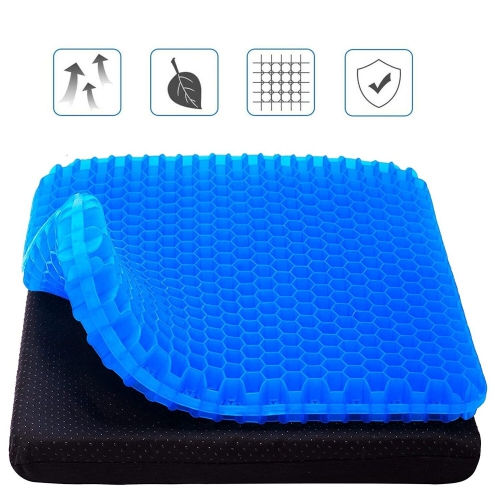
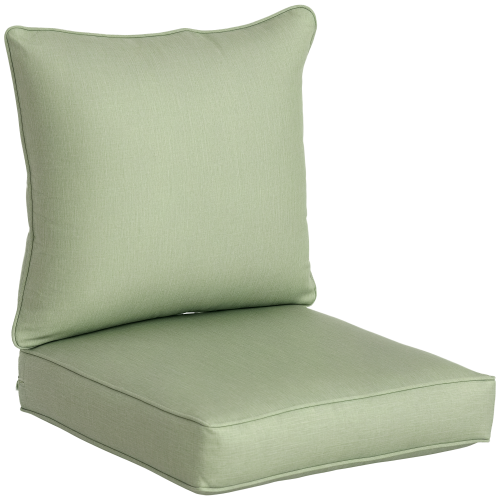
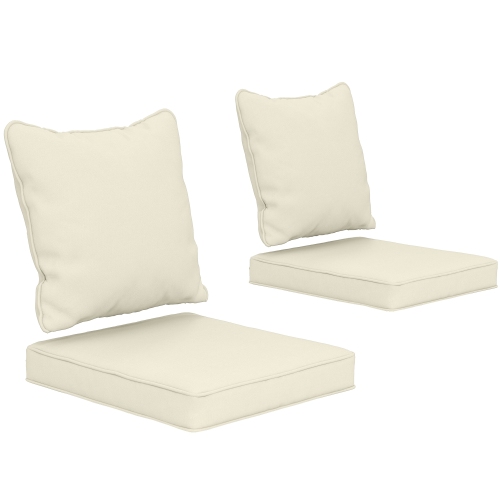
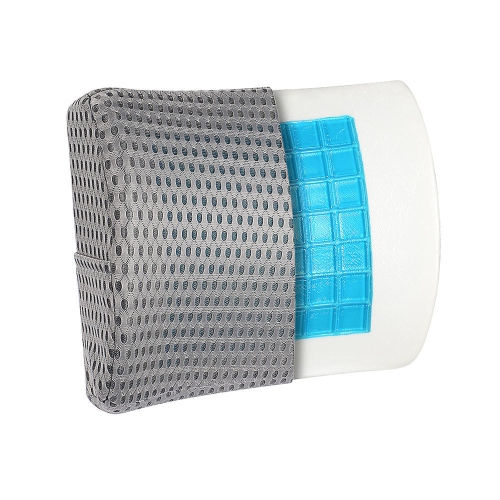
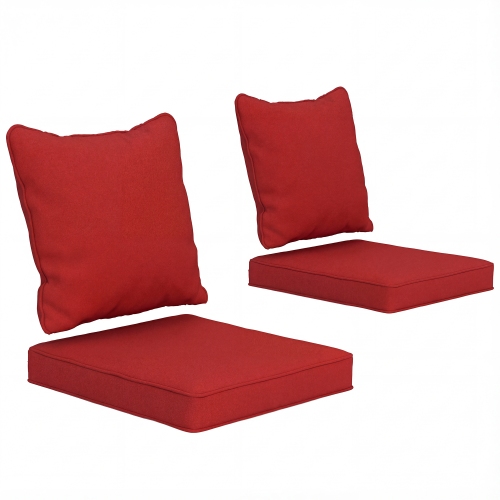
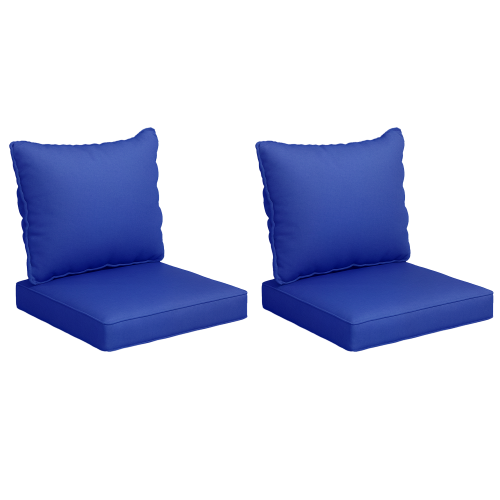
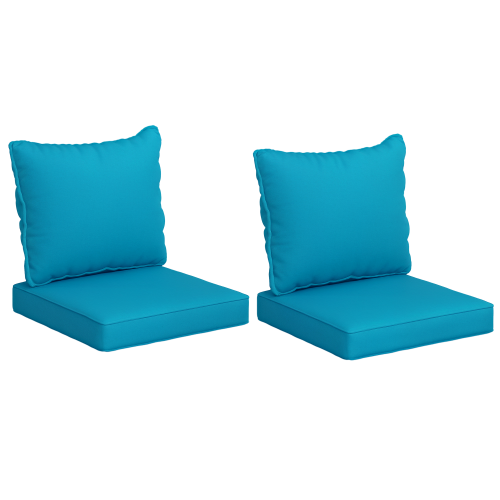
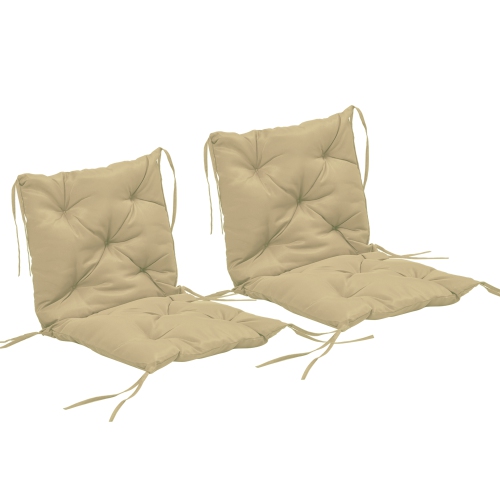
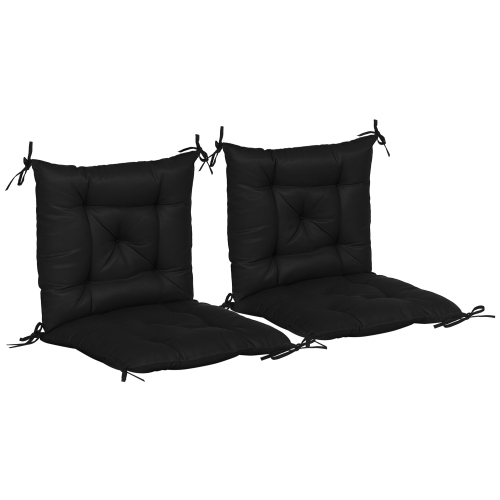
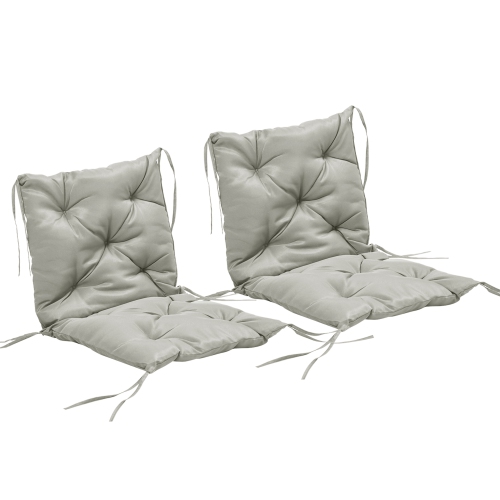
Materials influence how a back support cushion feels from the first few minutes through a longer stretch of sitting. Memory foam gradually moulds around the body under pressure and warmth, creating a close-fitting feel that some people enjoy for desk work or relaxed seating. Its firmness can vary with temperature, so a cushion kept in a cold vehicle may initially feel firmer than one stored indoors. Conventional foam often has a springier response, while denser foam may provide a more substantial feel with less compression. Density alone does not establish comfort or quality, however; thickness, shaping, construction, and the intended user weight all matter. Gel-topped foam and open-grid gel designs offer different textures and pressure responses, with some constructions allowing more airflow through the cushion. A gel layer does not guarantee a cool seat throughout the day, especially beneath thick clothing or on a chair that retains warmth. The cover also makes a noticeable difference. A smooth fabric can make shifting position easier, a plush cover adds softness, and a mesh surface may feel less enclosed during extended use. Fit is equally important. A cushion should rest securely on the usable seat area without folding against the armrests or hanging substantially over the front edge. Added height can affect whether feet reach the floor and whether knees fit beneath a desk, while an overly deep cushion may press behind the knees. A thick lumbar pillow can shorten the usable seat depth, particularly on compact chairs. Adjustable straps help hold a back cushion at a useful height, and a non-slip base can limit movement on a smooth seat, though neither feature guarantees a fixed position on every chair material. For seating that needs support both underneath and behind the body, Seat And Back Chair Cushions brings these complementary cushion styles together. The useful comparison is not simply between foam and gel, but between the complete cushion designs and how they work with the dimensions and shape of the intended chair.
Everyday routines help define which practical details matter most. A cushion that stays at a home workstation can be larger and more substantial, while one carried between an office, a classroom, and a shared workspace benefits from manageable weight and a built-in handle or carrying bag. Flexible designs may be easier to transport, but foam should not be tightly folded unless the care information permits it. For driving, a cushion needs particular attention to fit: extra padding can change the distance to the pedals, alter the position of the head restraint, and affect how the seat belt lies across the body. Any vehicle use should follow the cushion and vehicle manufacturers’ directions, without interfering with seat controls, airbags, or occupant sensors. A dining chair used for crafts, sewing, or studying presents a different set of demands, with stable support and a cover that tolerates regular handling often more useful than a very thick profile. Care requirements also deserve consideration wherever the cushion will be used. Removable, washable covers can make routine cleaning simpler, especially when the chair doubles as a spot for snacks or family activities. The foam or gel insert may need separate treatment; many foam cores should not be soaked or machine washed. Following the care label, allowing cleaned components to dry fully, and keeping cushions away from excessive heat can help preserve their shape and finish. Durability depends on more than the filling: securely stitched seams, a well-fitted cover, a protected zipper, and sturdy strap attachments all contribute to how a cushion handles daily use. Flattening that does not recover, uneven support, or a base that continually slips can signal that the cushion no longer suits its purpose. As a practical gift, a seat or lumbar cushion may appeal to a student, a frequent traveller, or someone setting up a home office, especially when their chair dimensions and comfort preferences are known. The value lies in a better-fitting place to sit, with enough support for the task and enough flexibility to shift position naturally.
Top selling and popular products
-
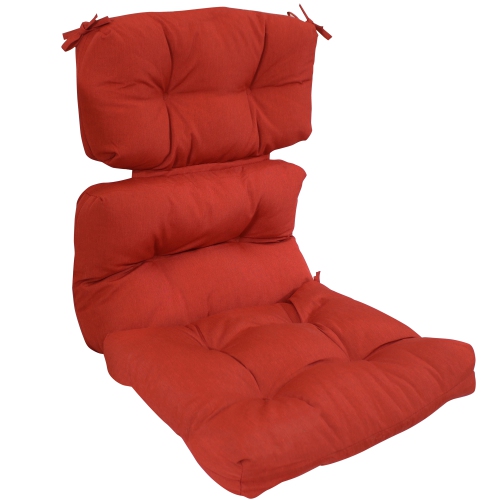 Your price for this item is $88.85
-
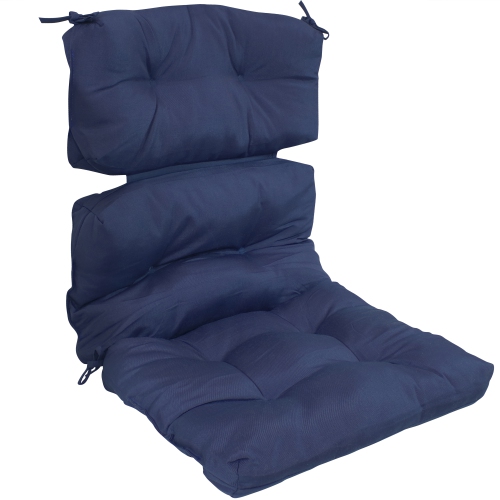 Your price for this item is $88.85
-
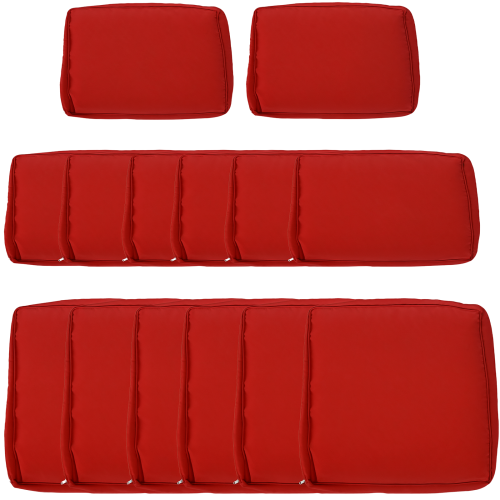 Your price for this item is $94.99
-
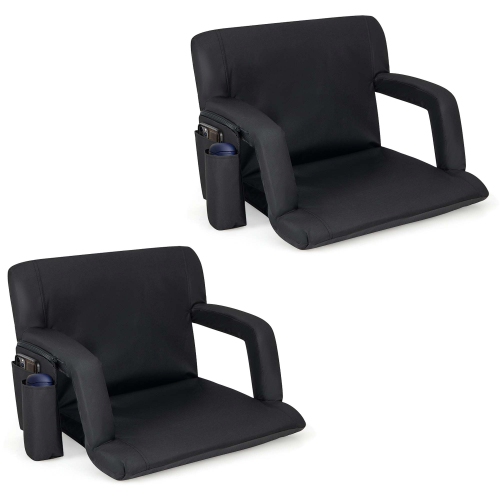 Your price for this item is $167.99
-
 Your price for this item is $68.99
-
 Your price for this item is $155.55
-
 Your price for this item is $64.15
-
 Your price for this item is $69.99
Discover more categories related to Seat Cushions for Back
Top Collections:
Pokemon Centers, Best Cameras for Sports Photography, Kindle Devices, Samsung Galaxy Phones, Canon G7X Cameras, Pokémon 30th Celebration Cards, Refurbished Apple Laptops, iPhone 15 Apple, Laptops for Students, Budget Smartphones
Some products may be subject to Environmental Handling Fees
(EHF) depending on your province.
Learn more about EHFs.