Self-Watering Planters
Looking to add a touch of greenery to your indoor or outdoor space without the hassle of constant watering? Self-watering planters are the perfect solution. These innovative planters are designed to make plant care effortless, allowing you to enjoy the beauty of lush foliage without worrying about over- or under-watering. Here are some great options available.
Sort

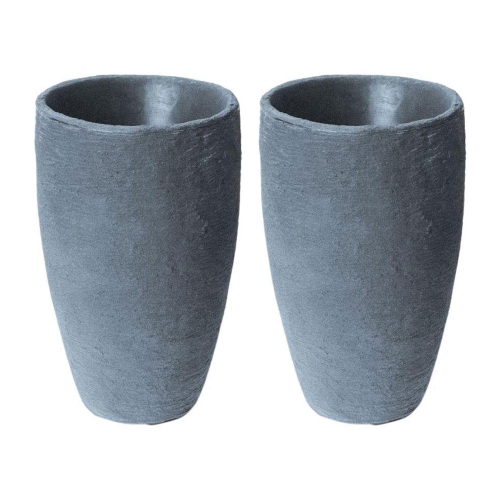
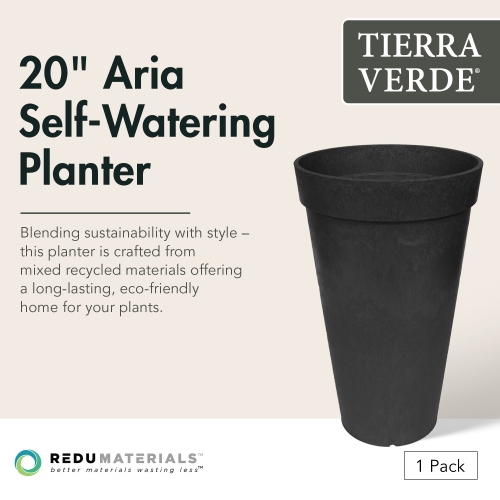
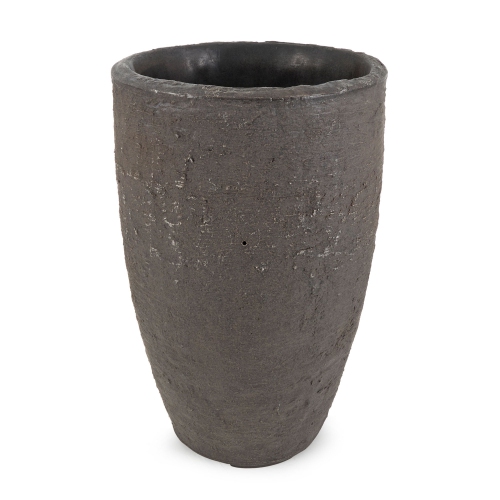
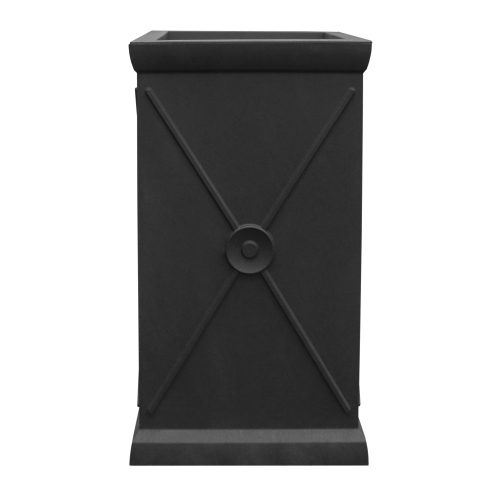
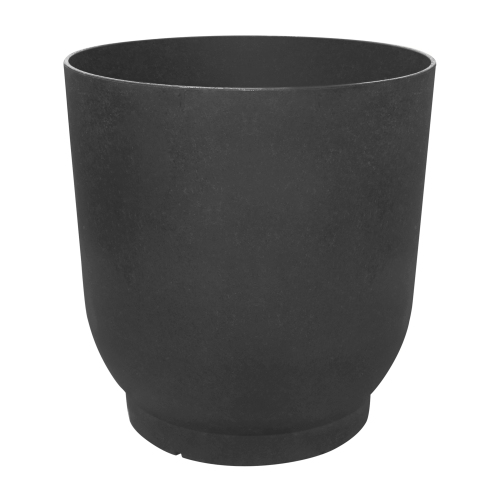
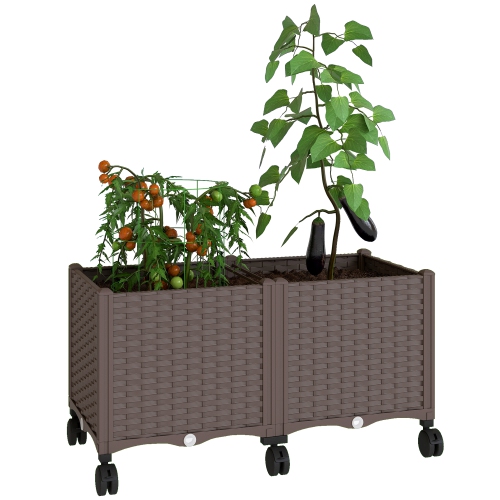
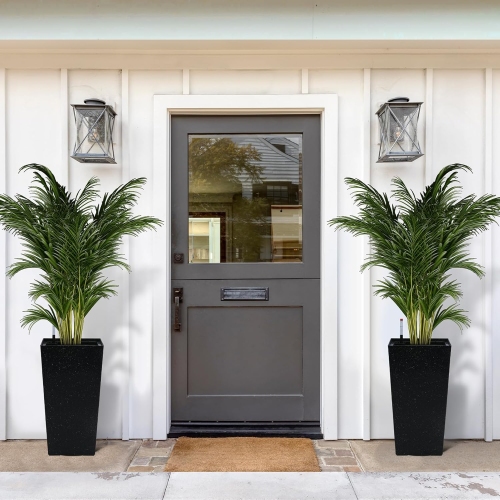
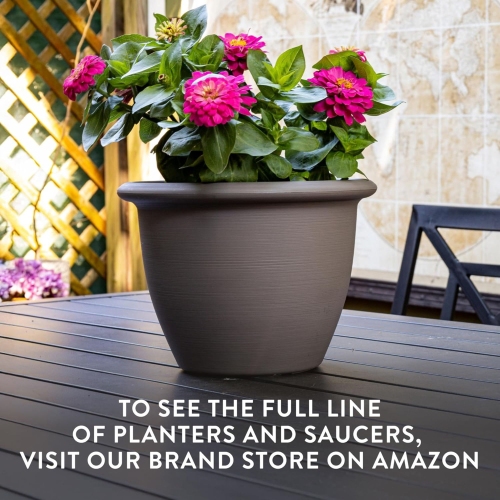
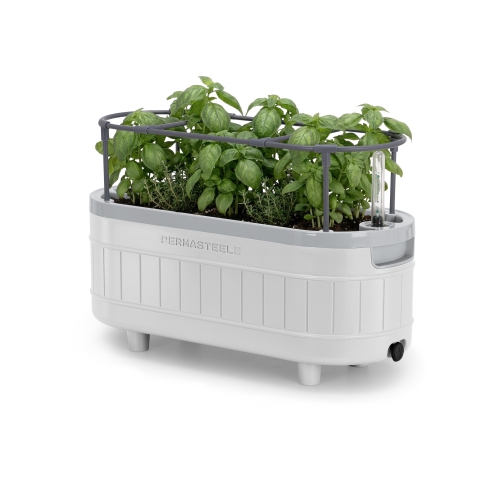
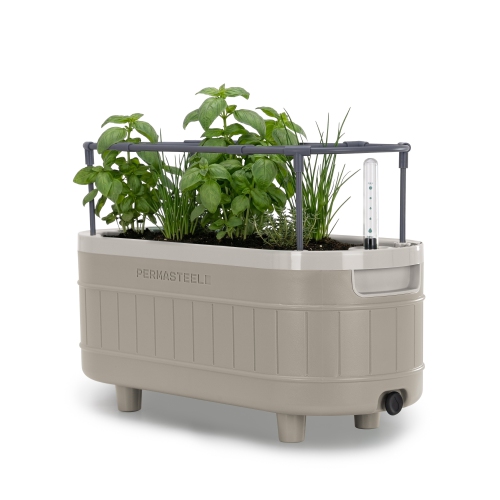
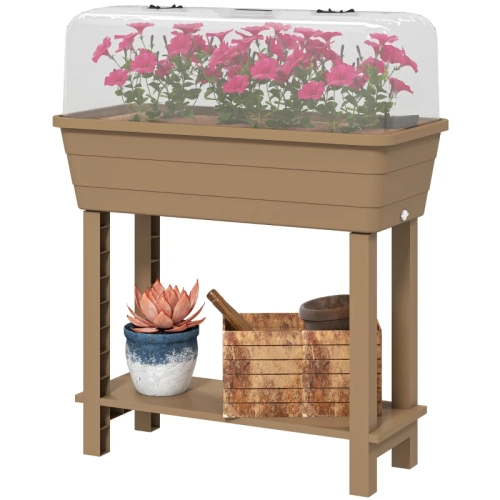
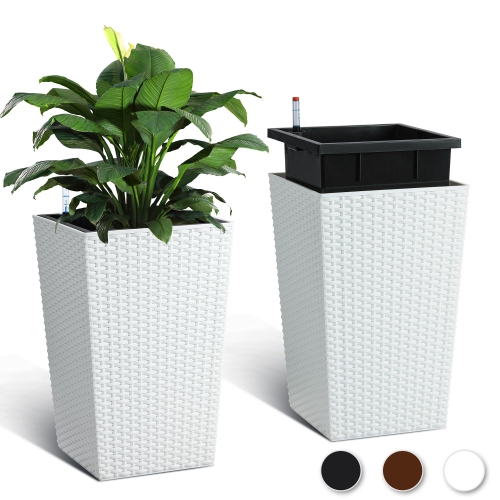
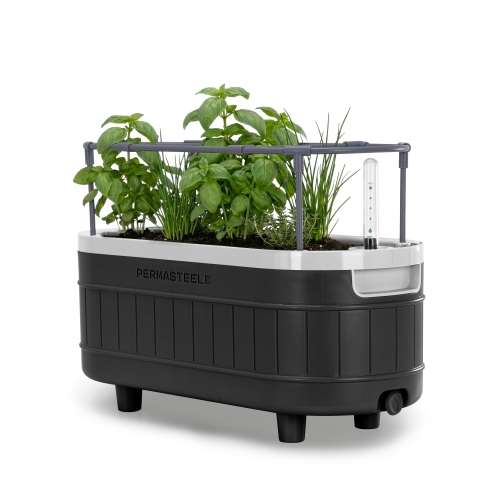
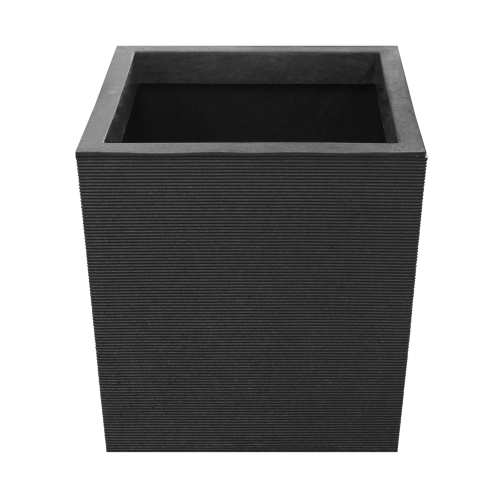
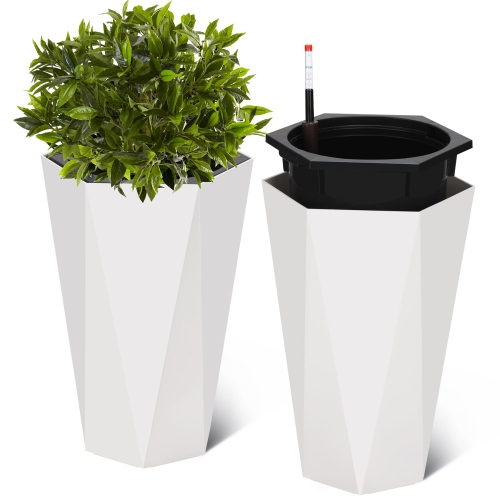
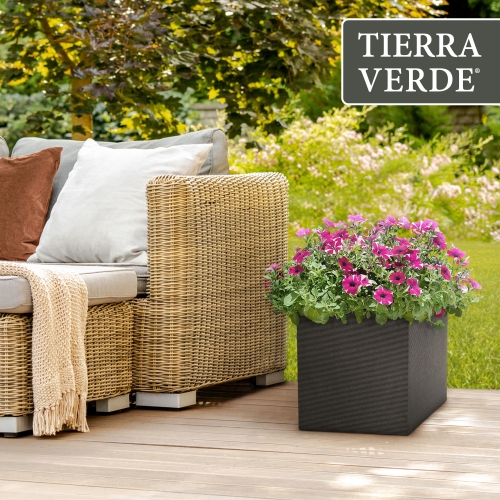
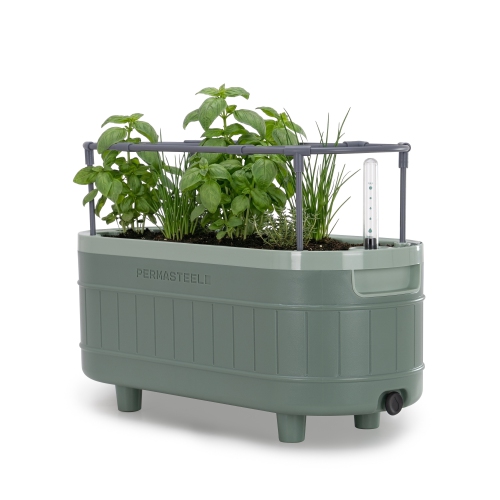
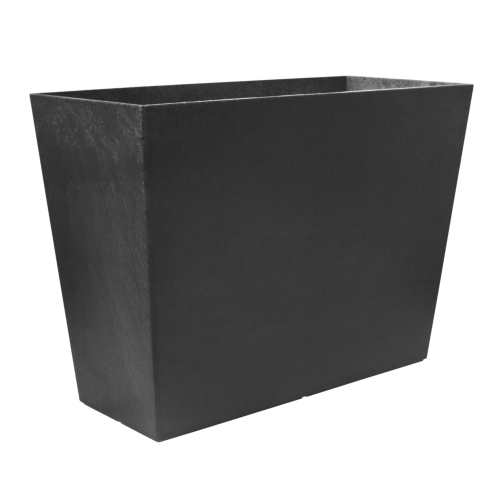
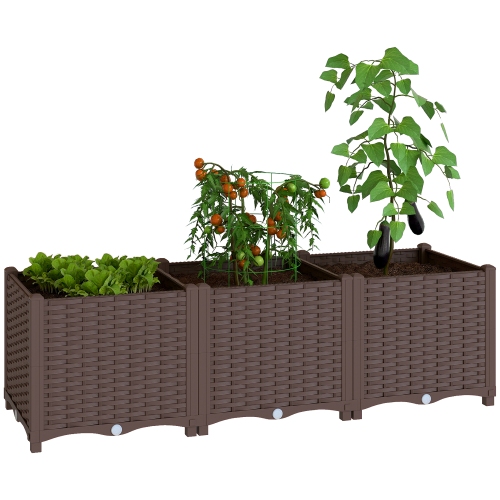
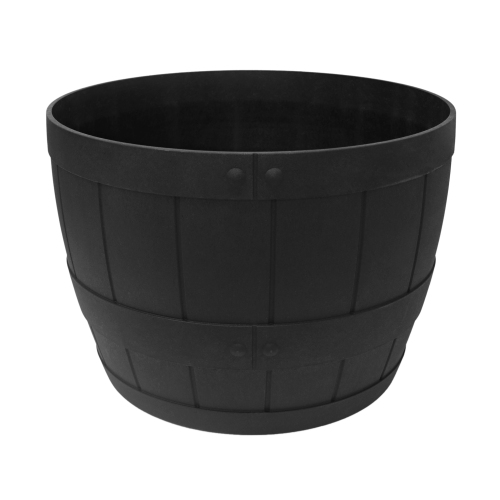
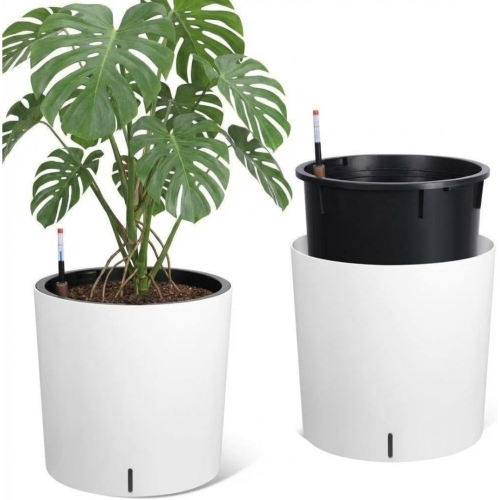
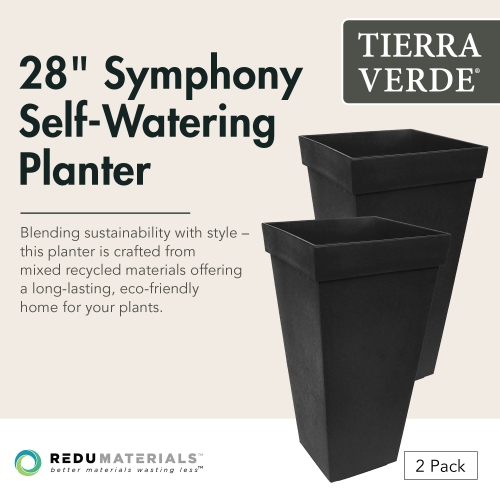
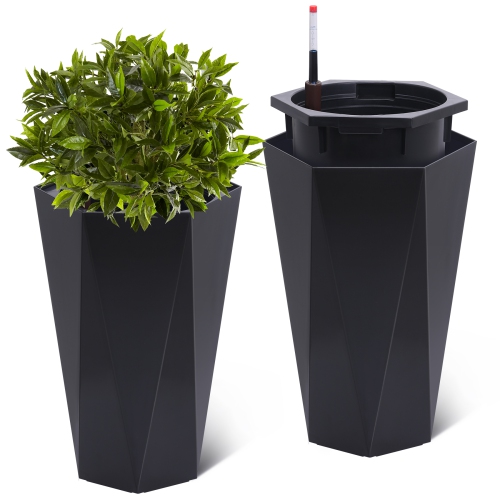
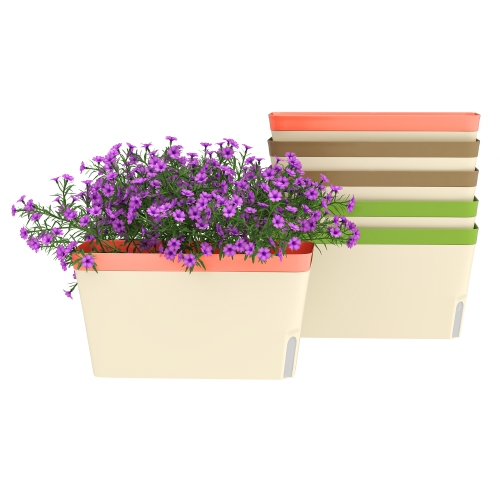
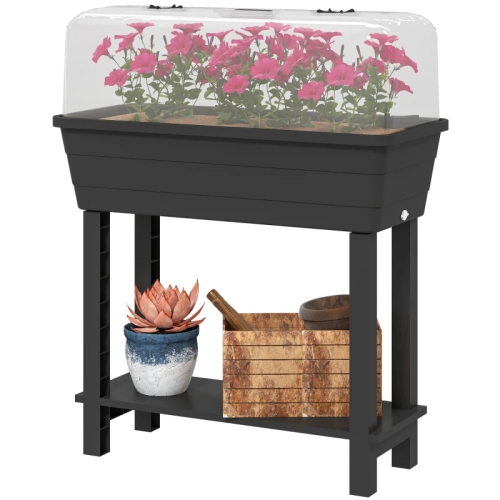
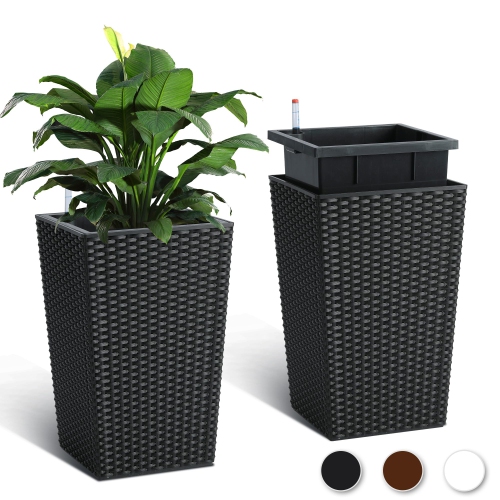
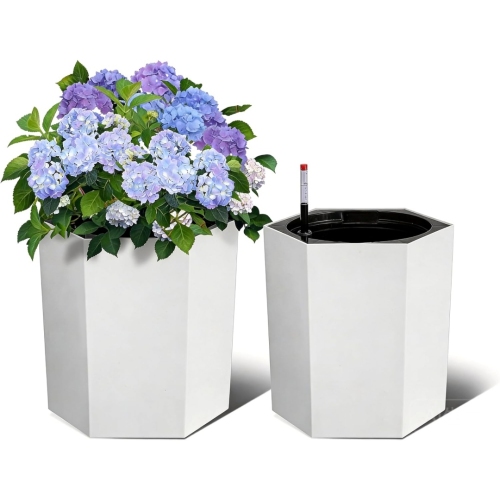
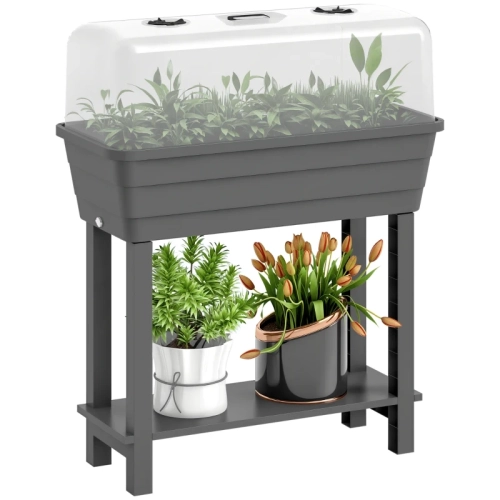
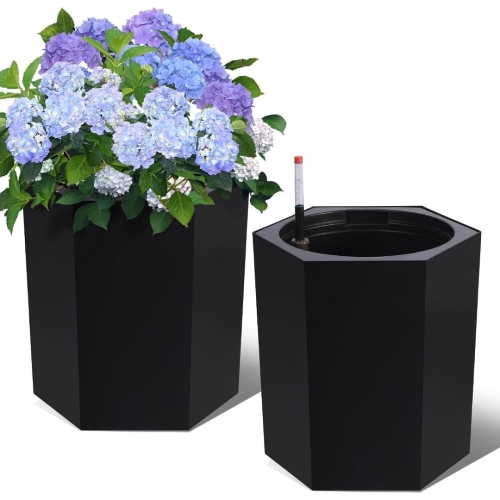
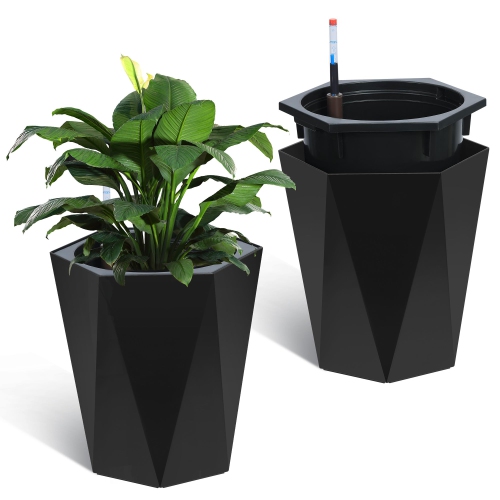
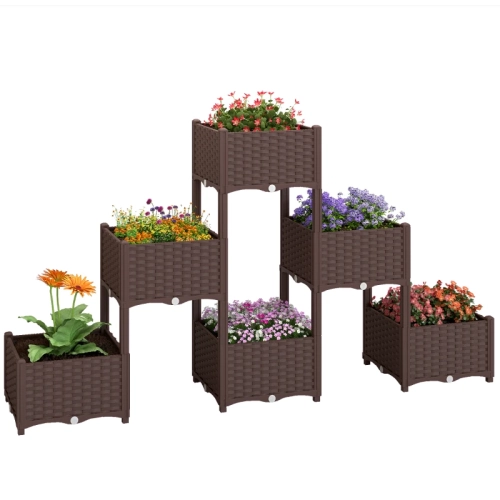
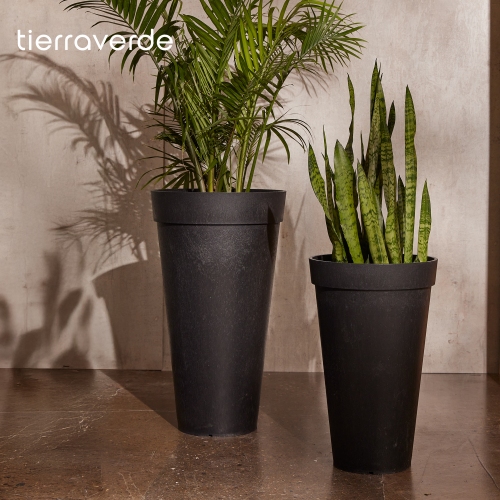
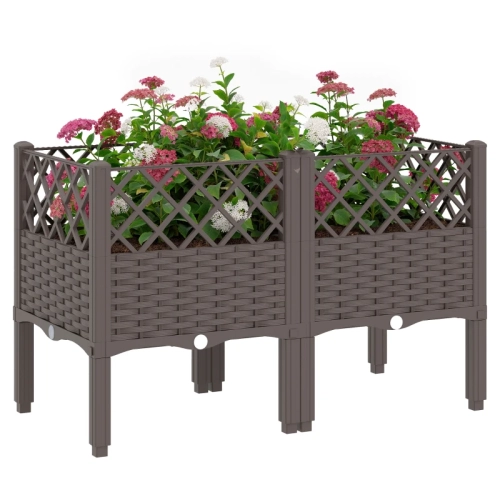
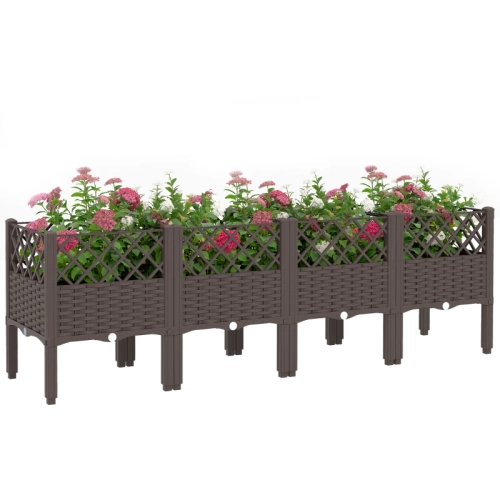
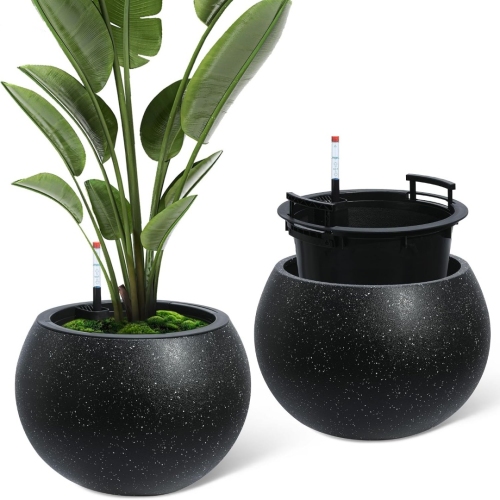
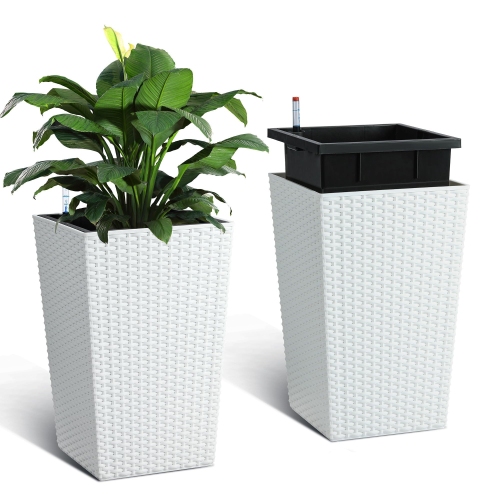
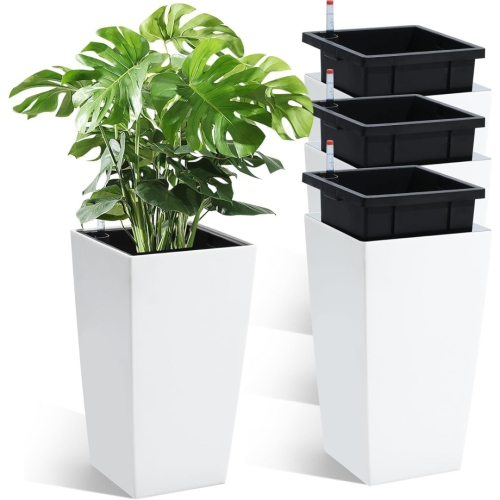
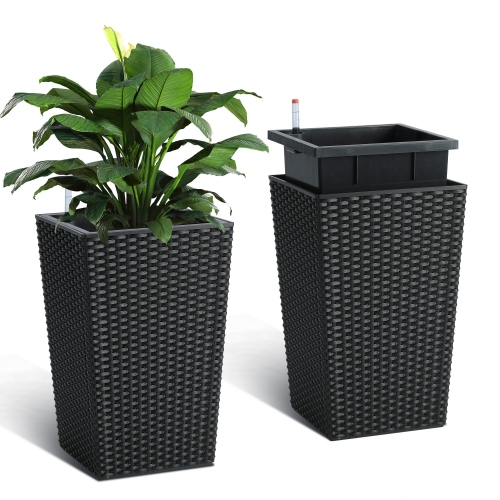
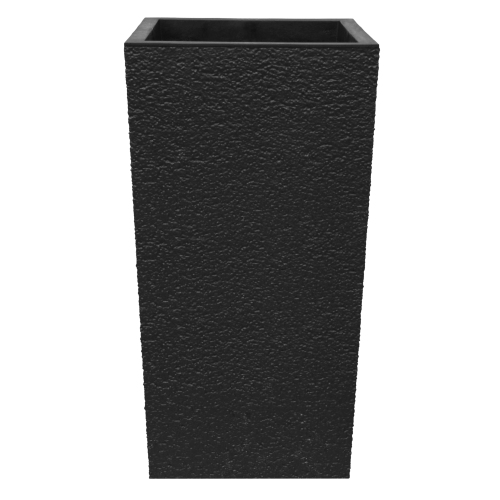
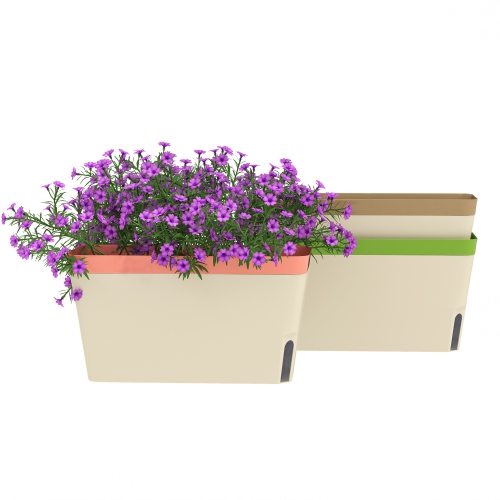
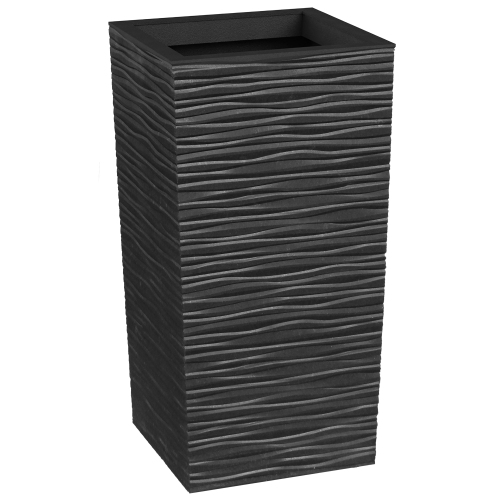
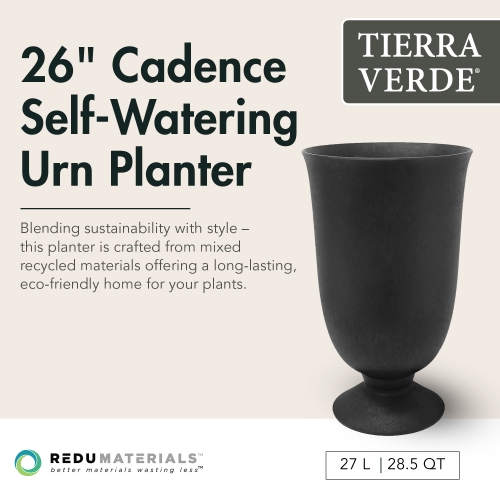
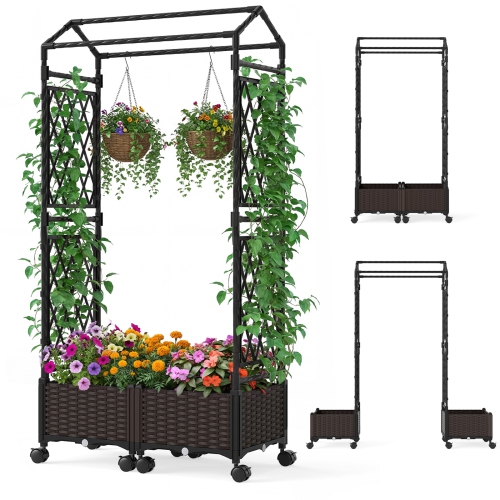
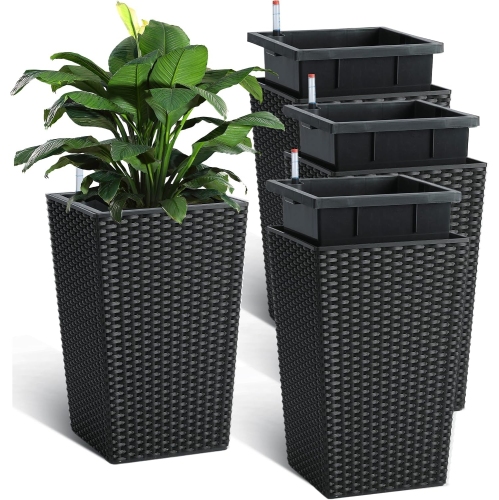
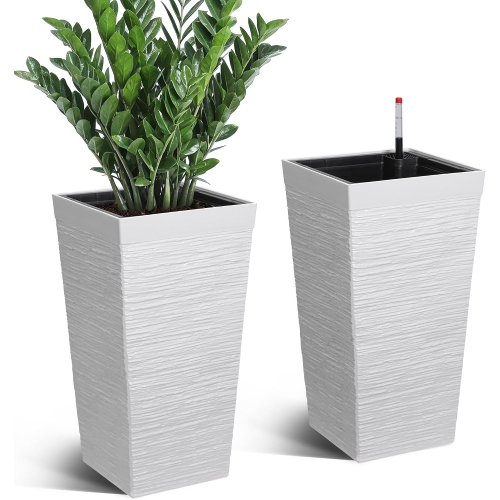
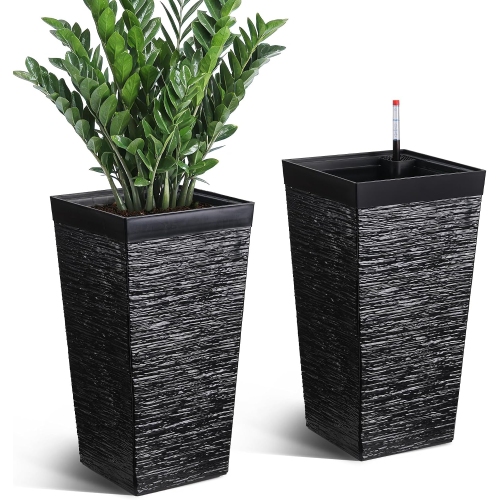
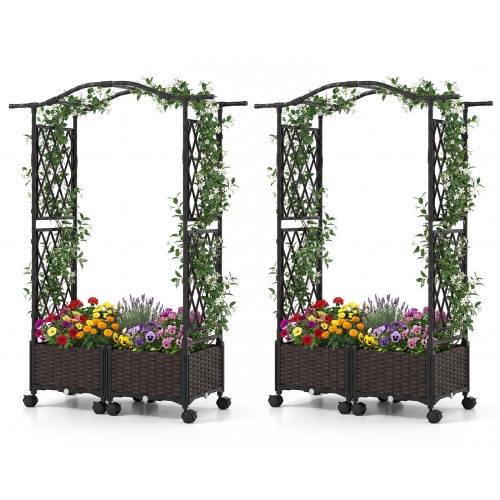
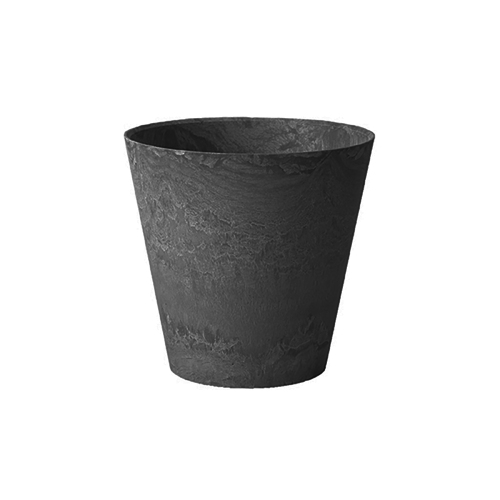
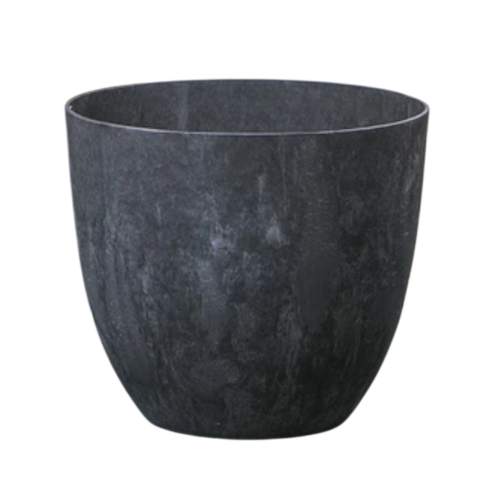
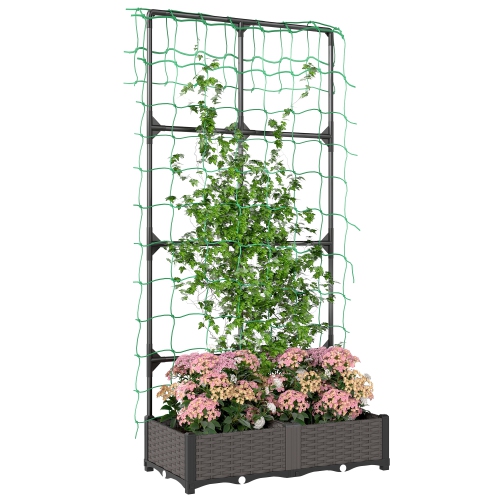
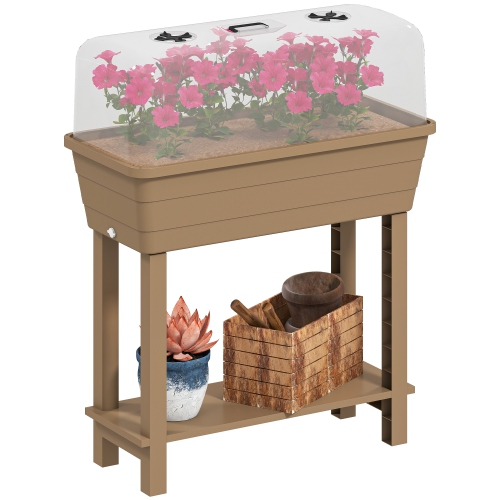
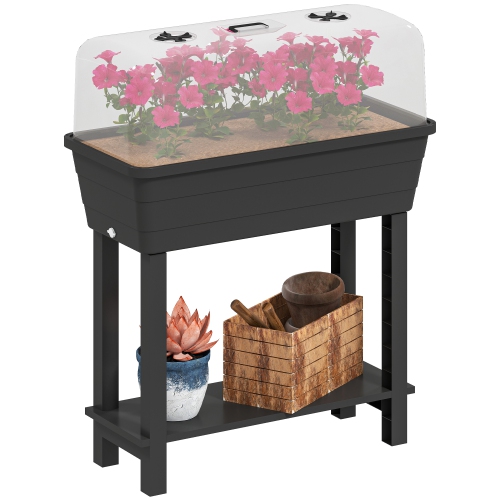
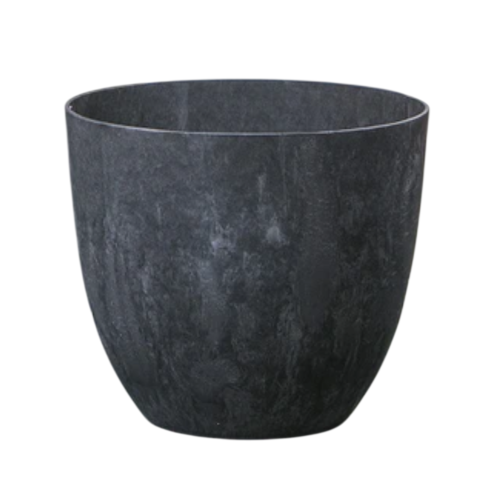
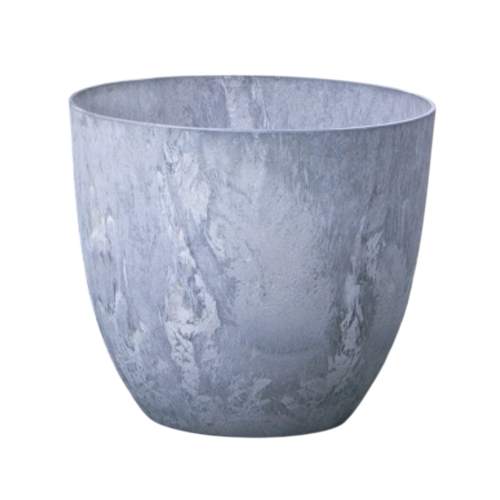
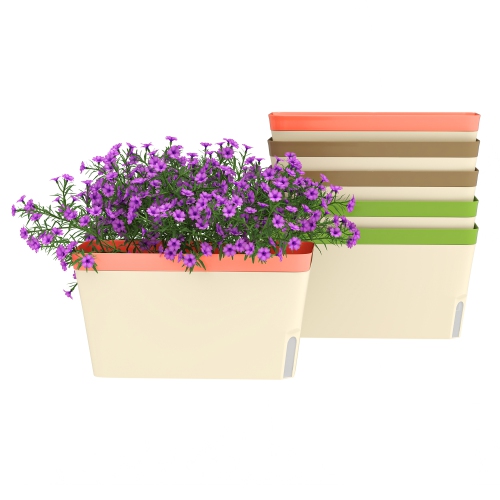
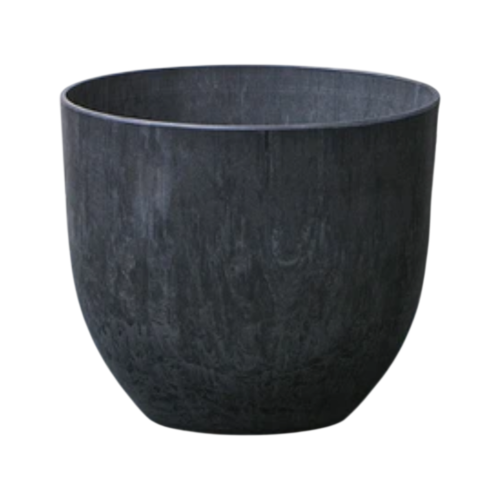
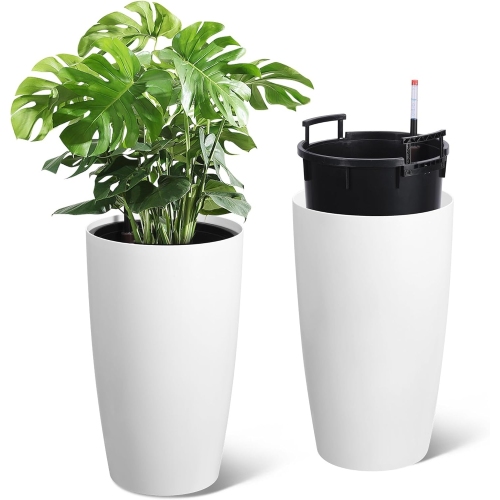
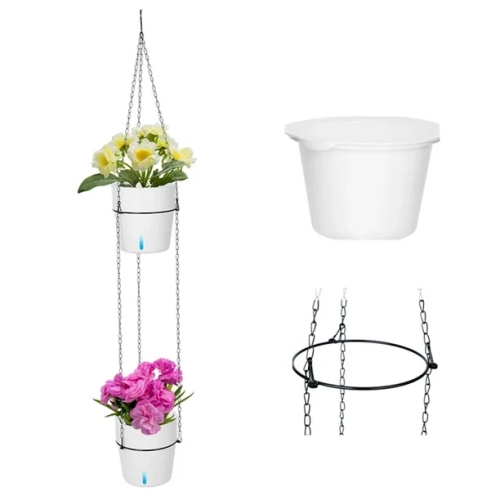

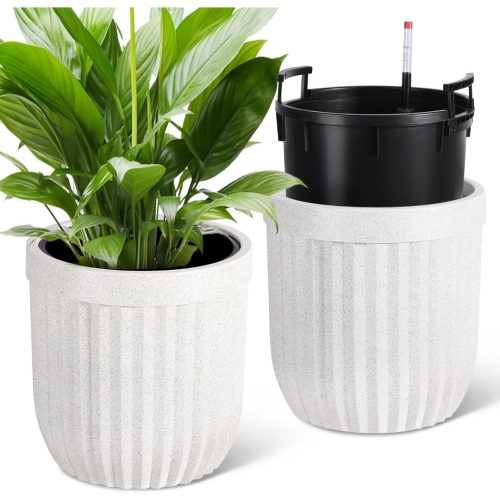
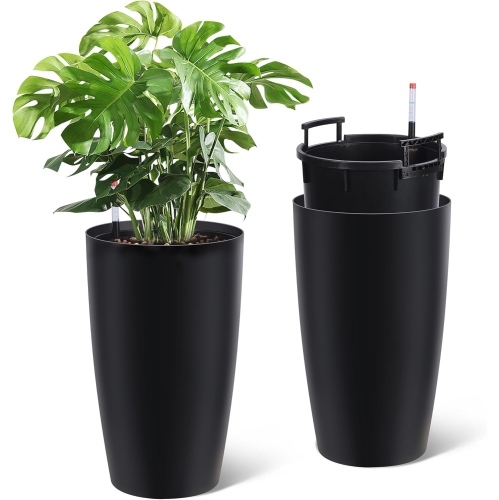
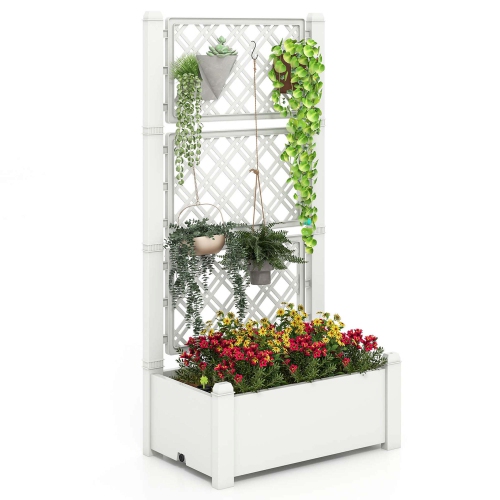
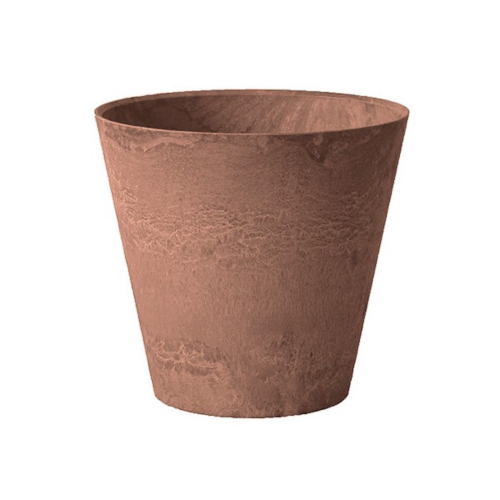
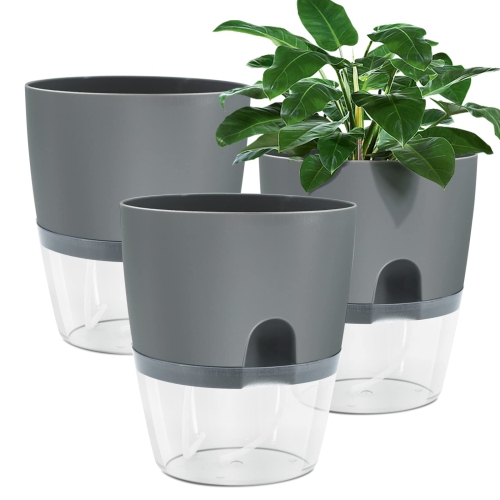
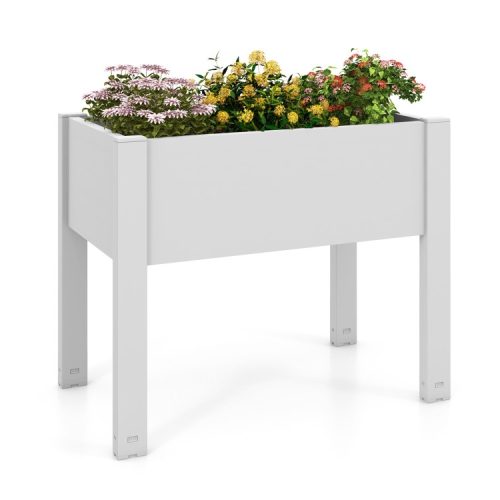
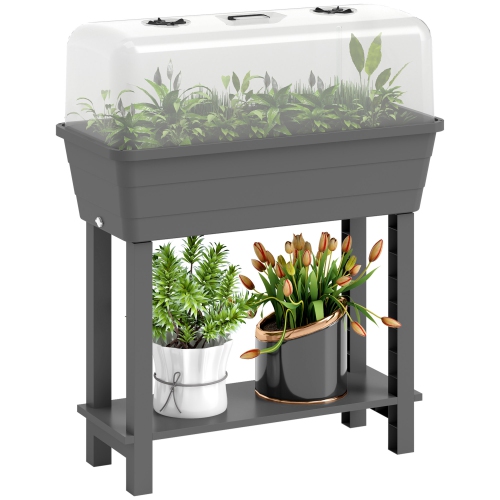
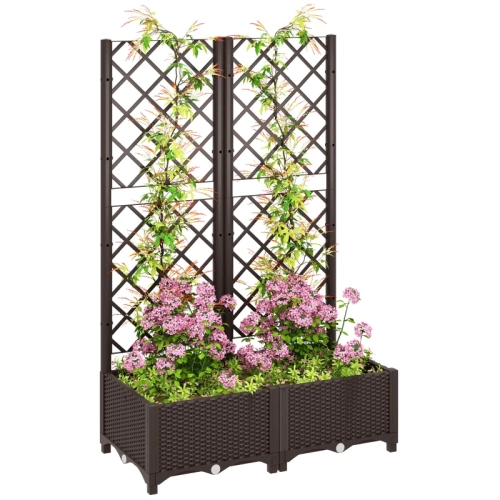
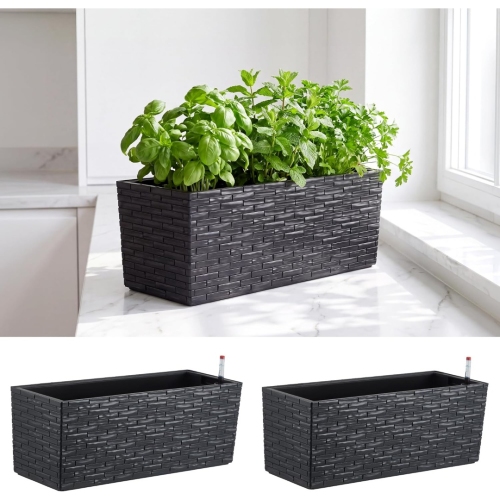
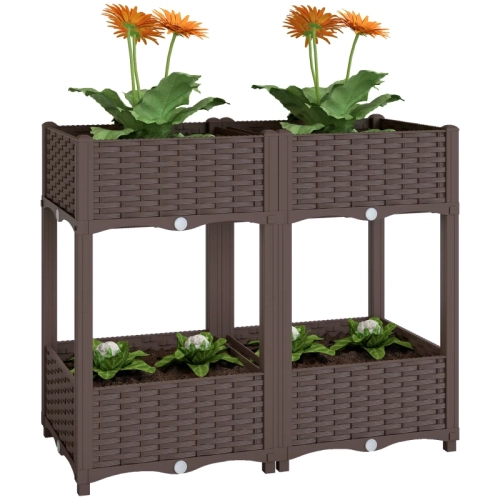

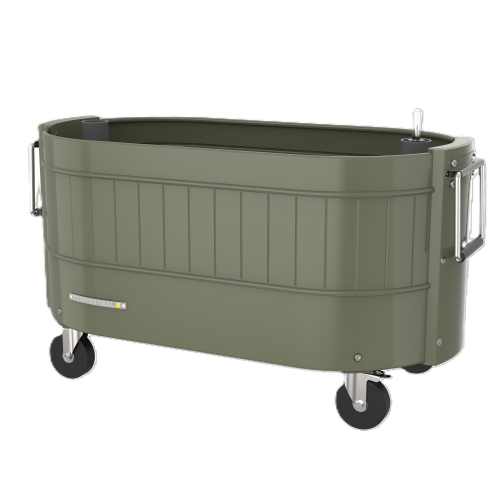
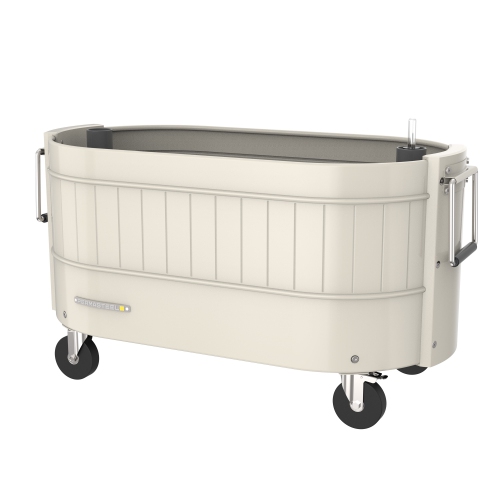
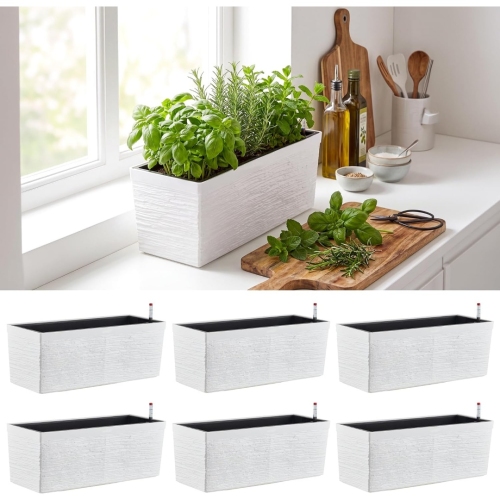
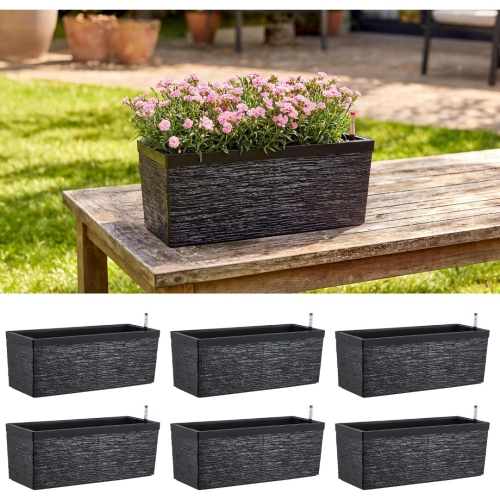
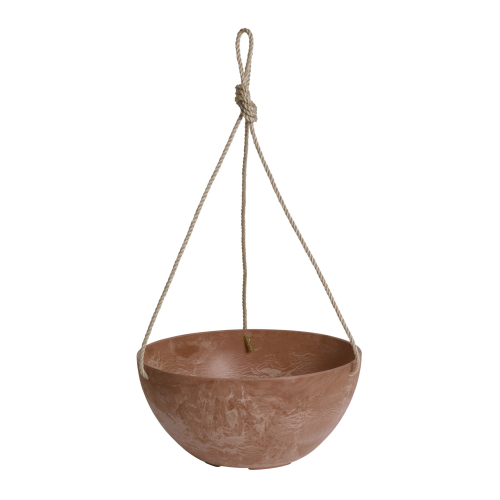
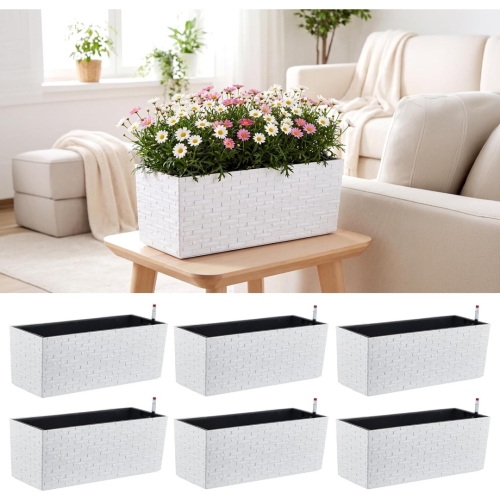
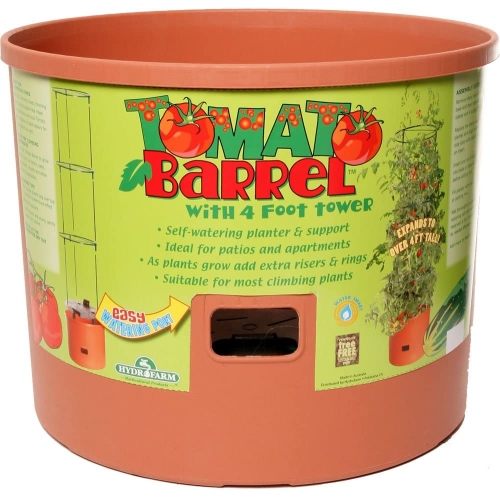
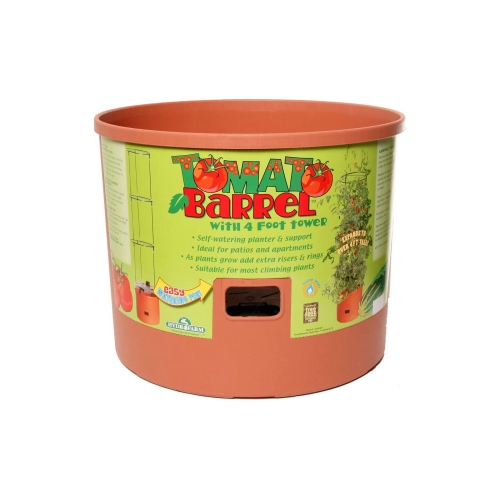
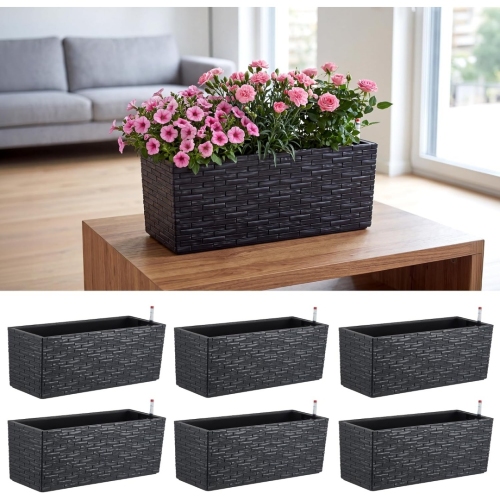
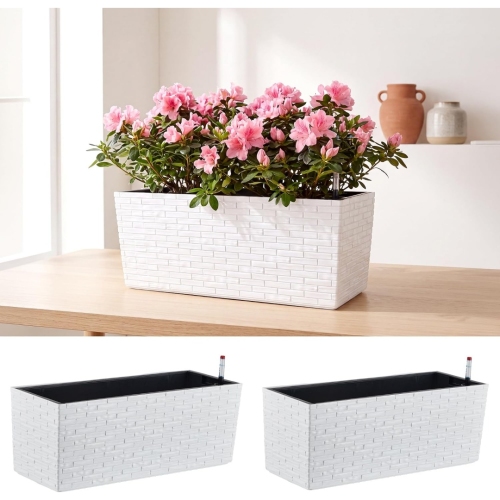
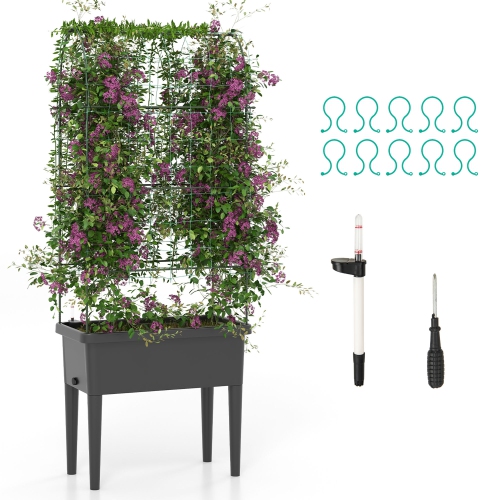
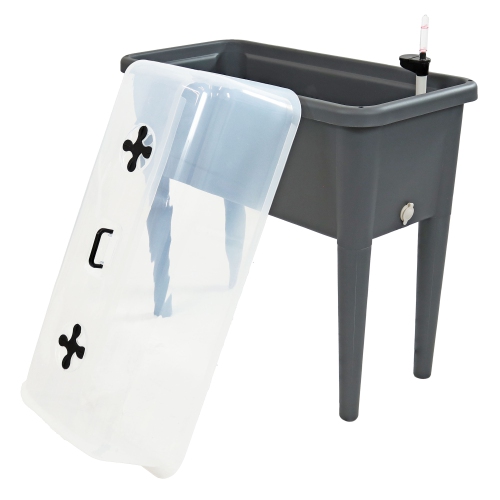
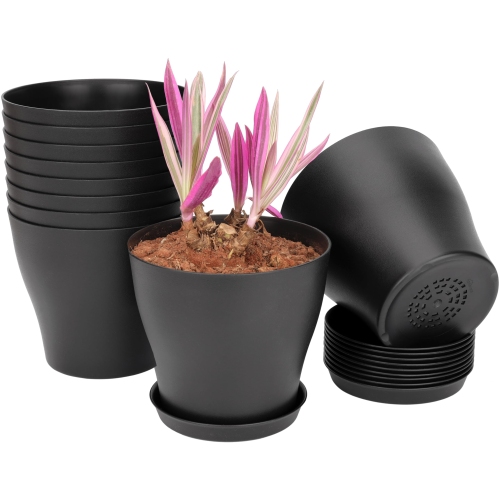
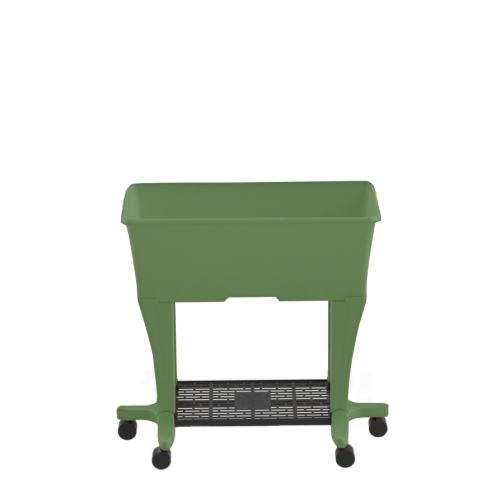
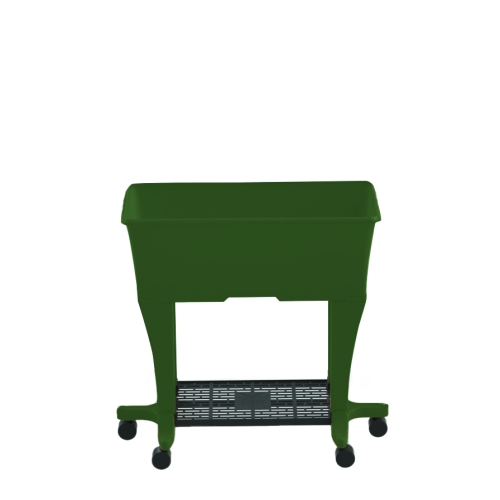
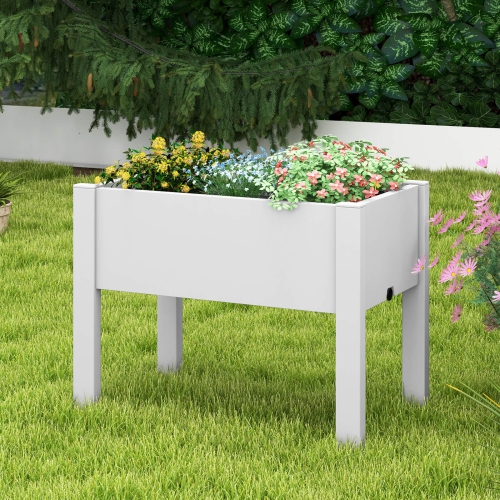
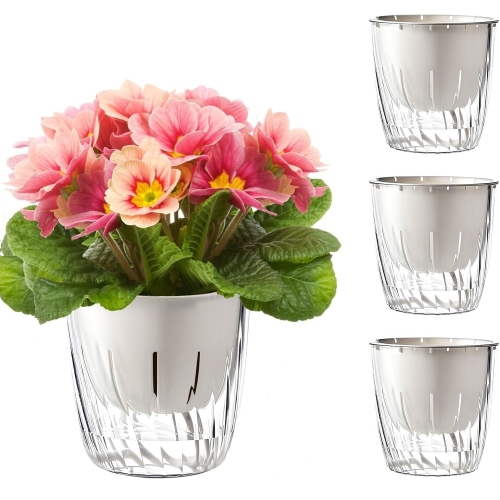
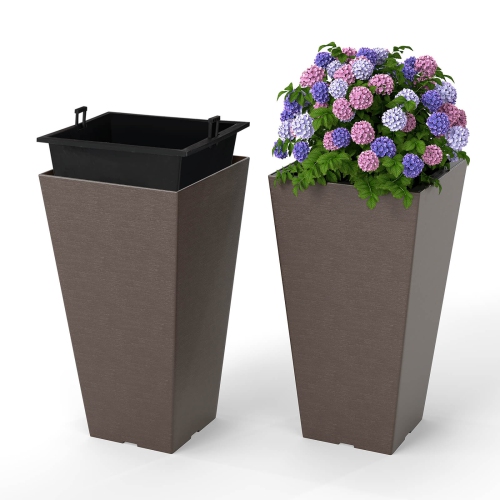
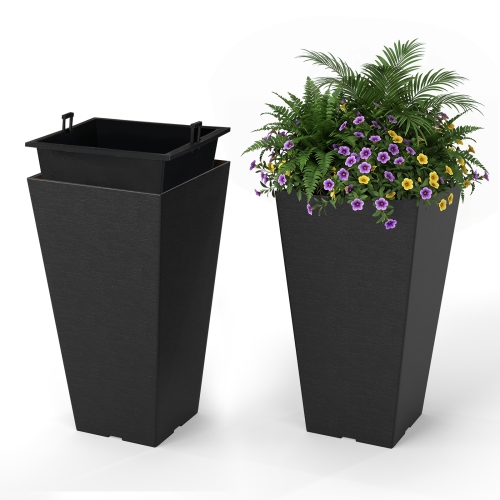
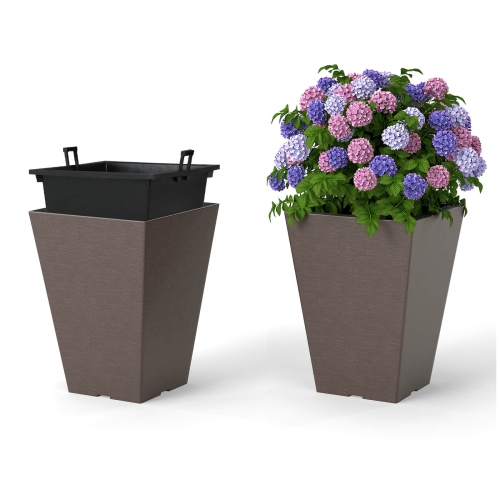
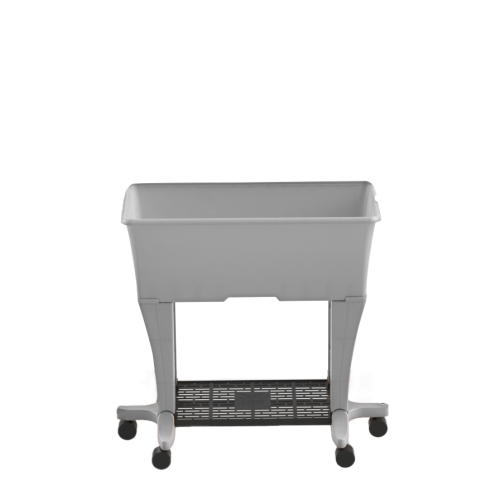
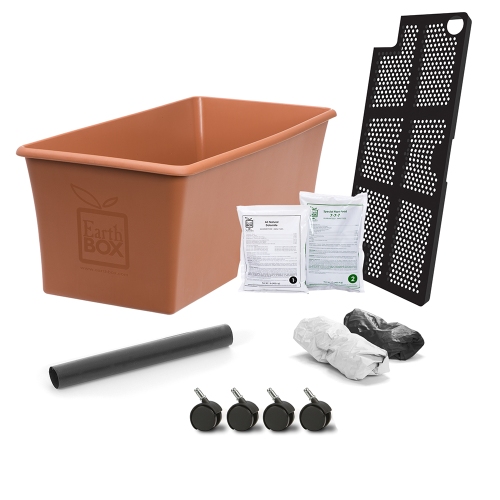
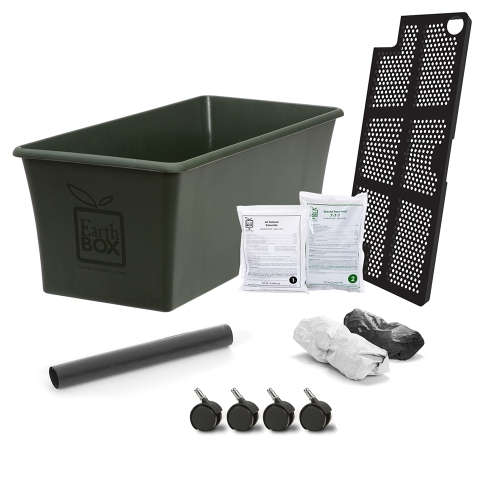

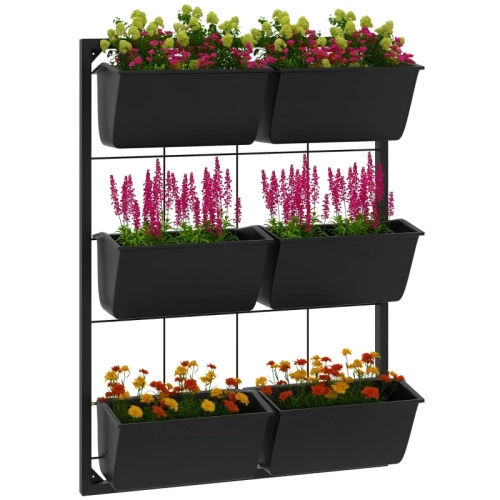
How built-in reservoirs change your plant care routine
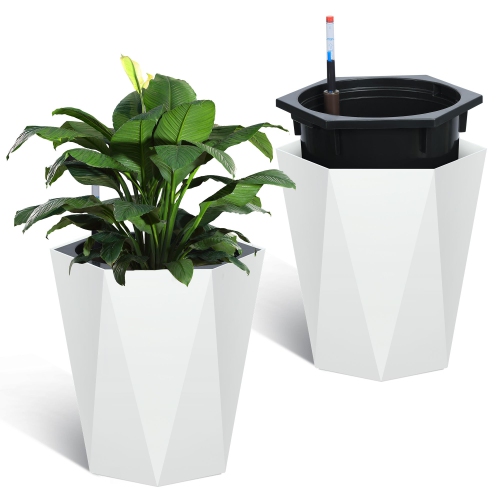
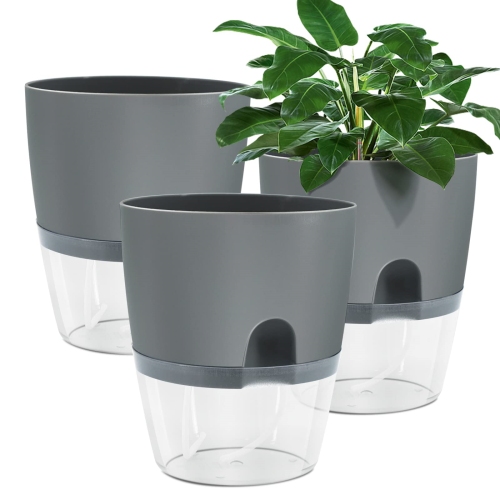
Self-watering planters are plant containers with a built-in water reservoir that supplies moisture to the potting mix through capillary action. In many designs, a wick draws water upward from the reservoir; in others, a section of the growing medium extends into the water and carries moisture towards the roots. This arrangement separates stored water from most of the root zone, helping the potting mix stay more evenly moist between refills. Unlike an automatic irrigation system, a typical self-watering planter does not need electricity, a timer, or a connection to household plumbing. The reservoir still needs to be filled manually, and the plant still needs regular attention, but the interval between watering sessions may be longer than with a conventional pot. That can make these containers practical for a home office, a kitchen herb display, or a collection of leafy houseplants spread across several rooms. Reservoir capacity, plant size, light exposure, and the type of potting mix all affect how quickly the stored water is used. A large, actively growing plant can empty a reservoir much faster than a smaller plant in the same container, so there is no single refill schedule that suits every setup. Features such as a filling tube, a removable inner pot, or a water-level indicator can make routine checks easier, particularly when foliage covers the soil surface. Some designs also include an overflow opening that limits the maximum water level. These details matter because self-watering does not mean that roots should remain submerged. A well-matched planter balances access to moisture with enough air in the growing medium. Many systems also require an initial watering from above to moisten the mix and establish the wicking action. For a newly potted plant, the reservoir may not immediately replace all top watering, especially while roots are still concentrated near the surface. The result is a different way to manage watering, rather than a container that removes plant care altogether.
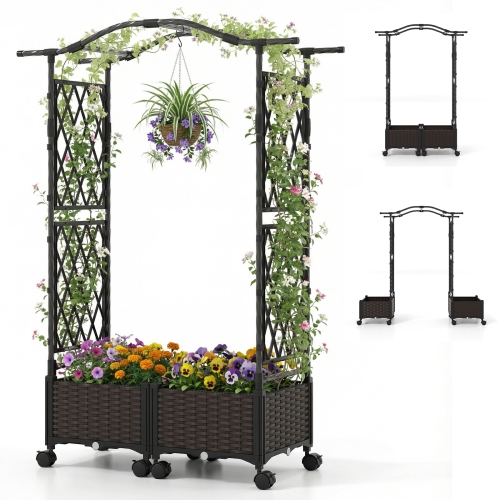
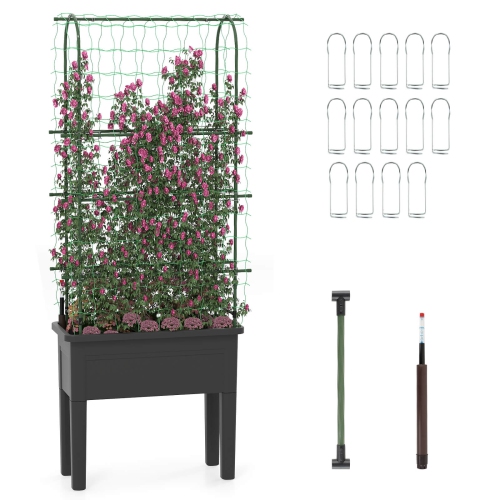
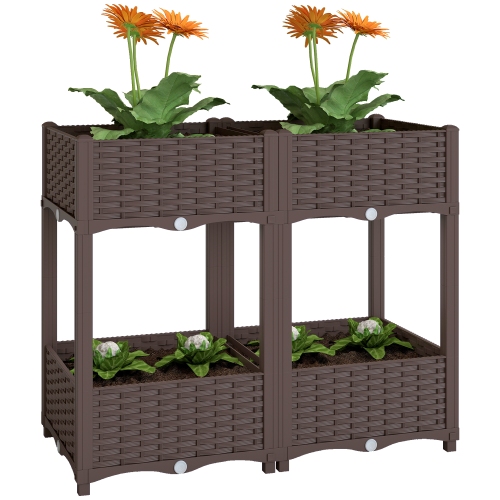
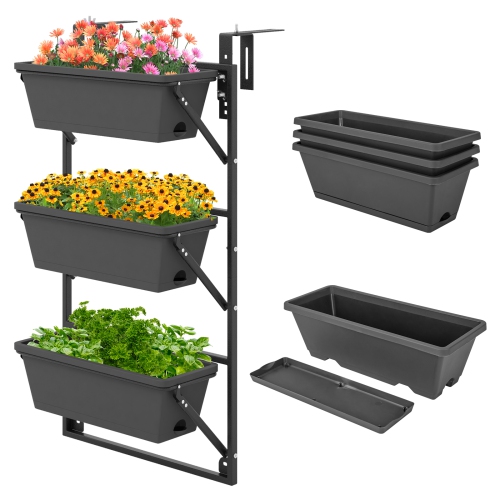
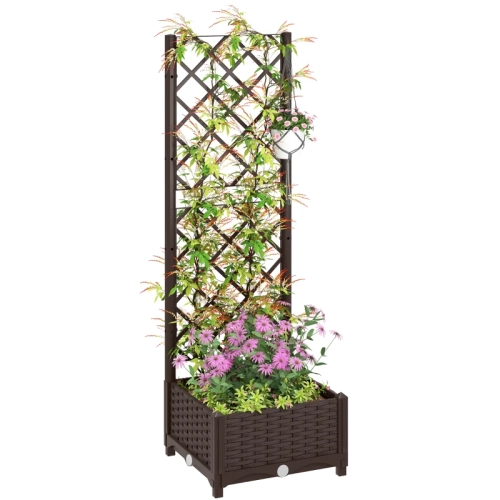
Size and construction shape both the appearance and everyday usefulness of self-watering planters. The stated outer dimensions do not always reflect the space available for roots, since part of the container is occupied by the reservoir, insert, or filling channel. Interior planting depth and usable soil volume are therefore useful considerations alongside overall height and width. A compact planter can sit neatly beside a monitor or on a narrow shelf, while a deeper container gives a larger root system more room without crowding the plant into a shallow layer of mix. Containers intended for several plants need enough space for their mature growth, and plants sharing one reservoir should have similar moisture requirements. Materials also change how a planter feels and functions. Plastic is generally light and easy to move, which can help when a container needs to be carried to a sink for cleaning. Ceramic offers a substantial feel and a range of glazed finishes, although its weight increases considerably once the pot is filled. Metal and composite designs can provide a crisp, structured appearance, with durability depending on the finish, construction, and suitability for the intended location. A removable liner can be particularly useful in a decorative outer container because it separates the growing area from the exterior shell. For placement on wood furniture, flooring, or shelving, a stable base and suitable surface protection remain sensible even when a planter is described as leak-resistant. Filling access matters just as much as appearance: a narrow opening tucked behind a dense plant can turn a simple refill into an awkward reach. A water-level display is most useful when it remains visible in the planter’s usual position. Rounded pots, rectangular troughs, and taller floor-standing shapes each create a different arrangement, while Wall Planters offer another display option where floor and shelf space are limited. For any raised display, the supporting surface or mounting system needs to accommodate the full weight of the container, water, growing medium, and plant.
Plant choice and ongoing care are important to getting consistent results from a self-watering planter. Leafy houseplants and herbs that appreciate relatively even moisture can be good candidates, provided their light and growing-medium requirements are also met. Basil on a bright kitchen counter, for example, has different watering needs from a cactus displayed on a bookshelf. Cacti, many succulents, and other plants that need a pronounced dry period are not automatically suited to a reservoir kept full at all times. The growing medium should match both the plant and the planter’s design: a dense mix can stay excessively wet, while a very coarse mix may not carry water effectively from the reservoir. Ordinary garden soil is generally too heavy for this type of container. Manufacturer recommendations can help clarify the appropriate mix, how the wick or insert should be positioned, and whether a particular system needs periods without water in the reservoir. Routine care also includes keeping the filling opening clear, checking that an indicator moves freely, and inspecting accessible wicks for wear or blockages. Removable parts and smooth interior surfaces make it easier to rinse away sediment and clean the reservoir between plantings. Fertilizer needs a measured approach because a reservoir does not prevent mineral salts from accumulating in the growing medium. Where the planter’s instructions allow it, occasional flushing from above can help remove that buildup, with excess water fully drained before the container returns to its usual spot. Self-watering planters can appeal to new plant owners learning how their plants use water, experienced growers managing several containers, or anyone who finds frequent watering difficult to fit into a daily routine. They can also make a thoughtful housewarming or birthday gift for someone who enjoys growing plants, especially when the size and care requirements suit the recipient’s space. For time away from home, a reservoir provides a limited reserve rather than a guaranteed number of unattended days; observing how quickly it empties during normal use gives a more realistic sense of what the planter can support.
Top selling and popular products
-
 Your price for this item is $204.99
-
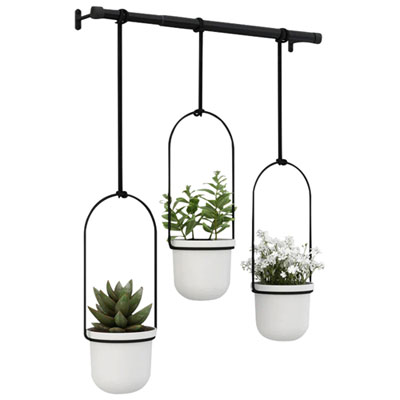 Your price for this item is $65.98
-
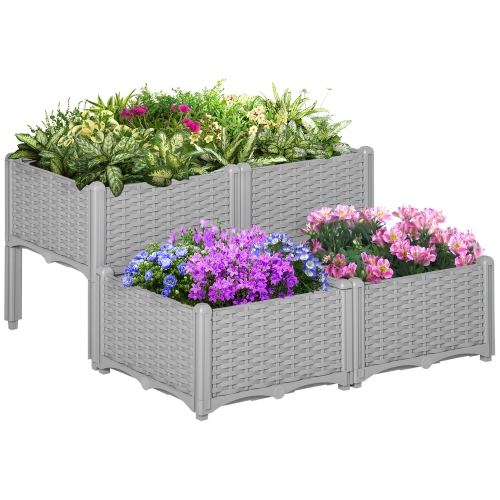 Your price for this item is $94.99
-
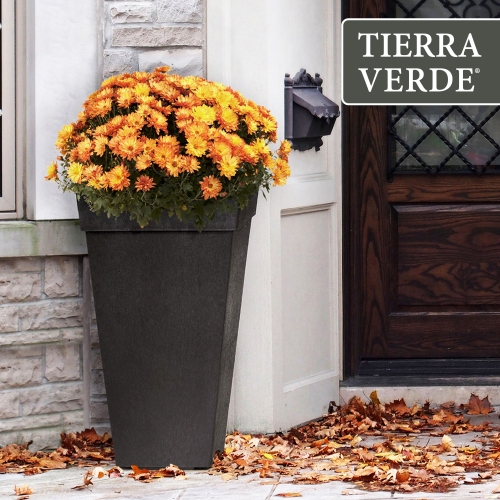 Your price for this item is $187.99
-
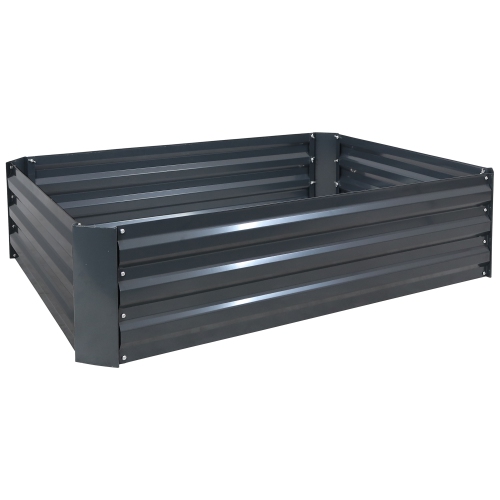 Your price for this item is $117.75
-
 Your price for this item is $117.75
-
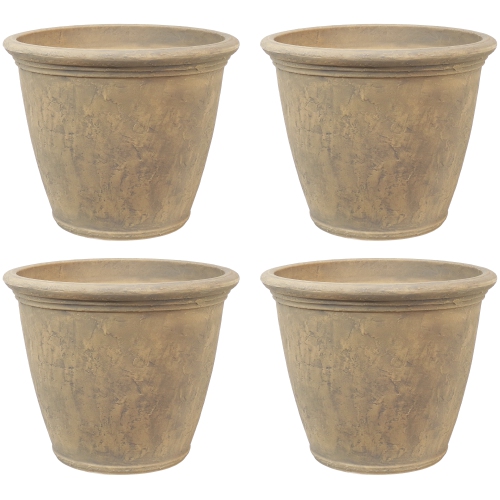 Your price for this item is $415.35
-
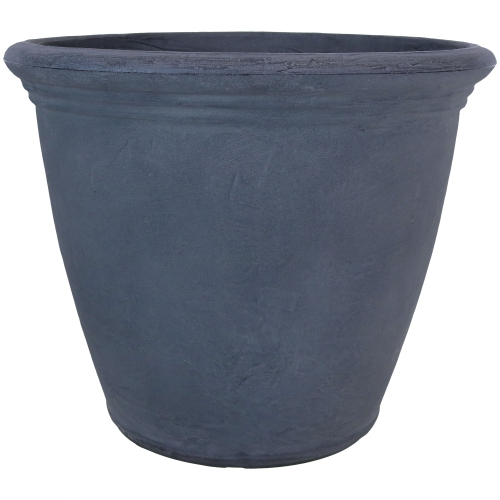 Your price for this item is $134.25
Discover more categories related to Self-Watering Planters
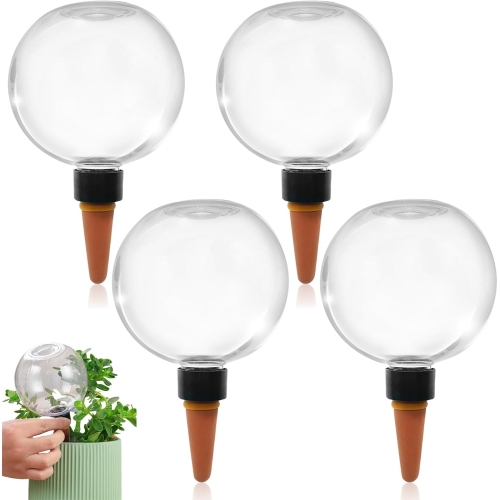
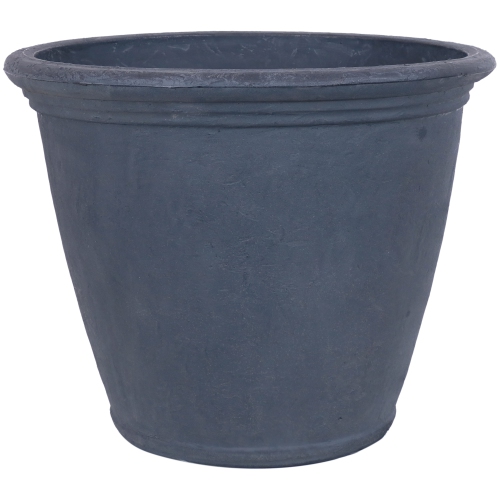
Top Collections:
Best Black Friday Deals This Year, Best Black Friday Deals On Electronics, Kindle Devices, Pokemon Centers, Best Black Friday Deals On Apple Products, Best Cameras for Sports Photography, Dyson Airwrap, Pokémon 30th Celebration Cards, Apple iPhone 17 Pro, Canon G7X Cameras
Some products may be subject to Environmental Handling Fees
(EHF) depending on your province.
Learn more about EHFs.