Shelf Display Racks
Looking for a versatile and practical solution to keep your space organized? Look no further than shelves display racks. Whether you need to showcase your collection of books, display decorative items, or even organize your pantry essentials, shelves display racks offer the perfect blend of functionality and style. With their sleek design and adjustable shelves, they provide endless possibilities for customization, allowing you to create a clutter-free environment that suits your unique needs. Here are some great options available.
Sort


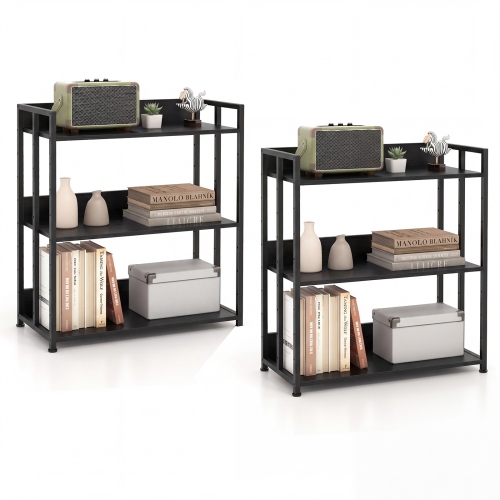
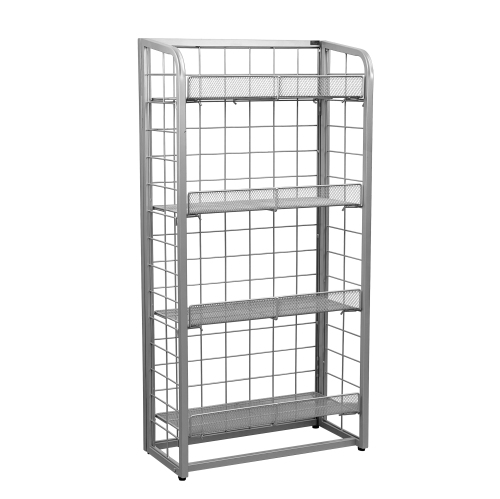
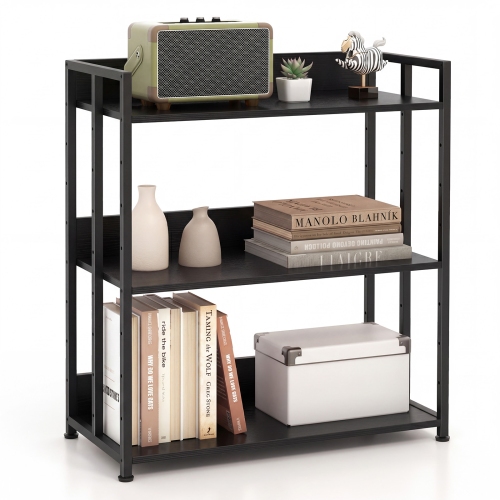


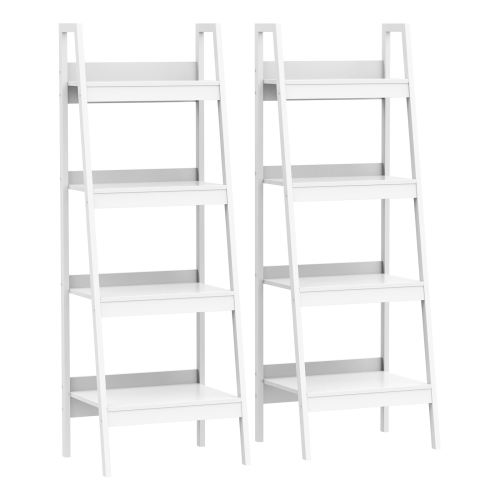


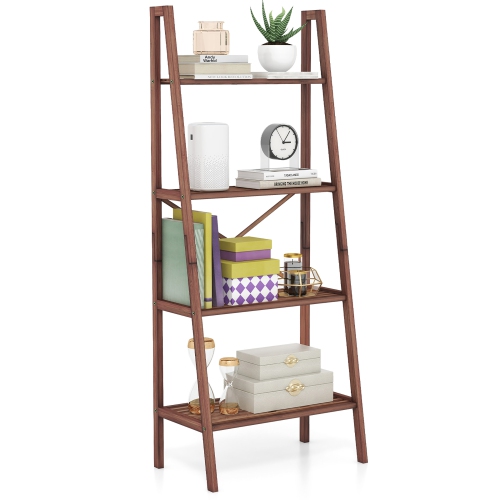
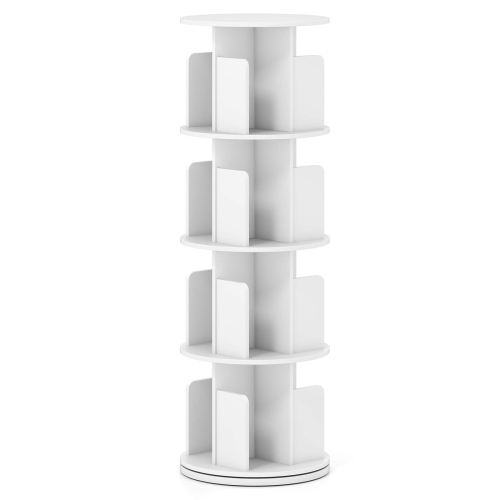
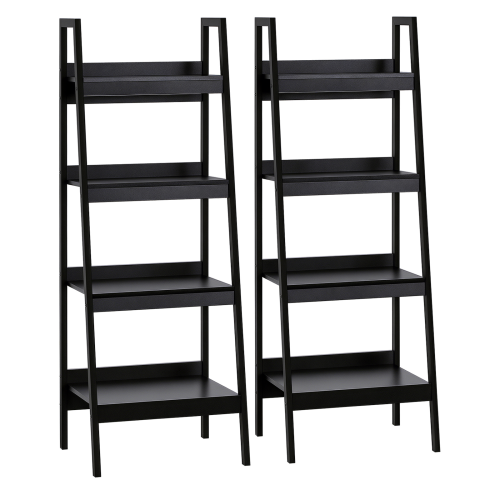

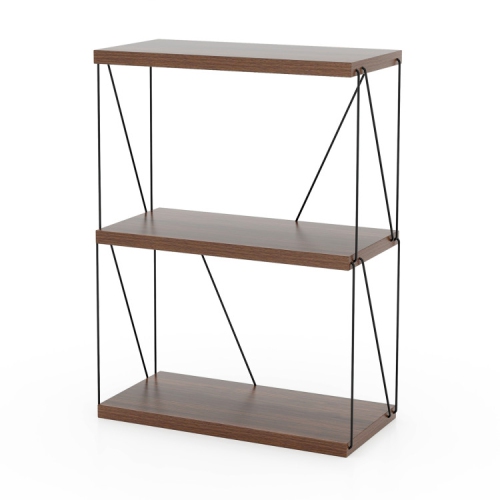
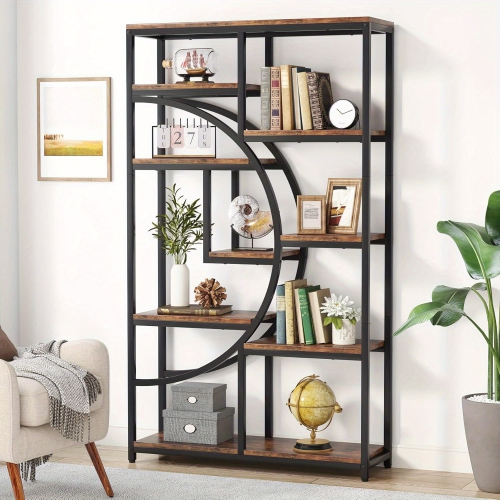

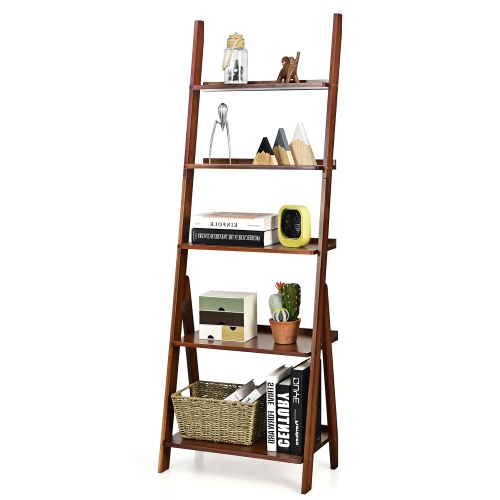
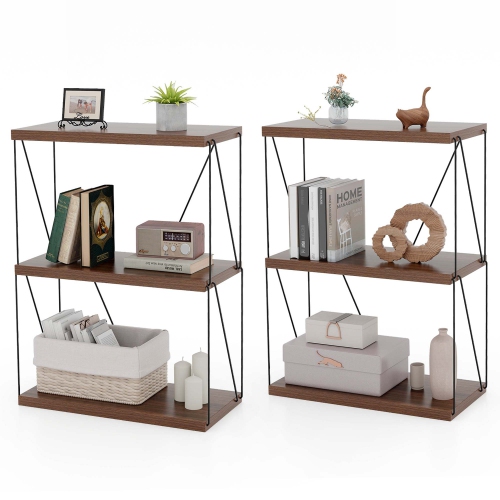
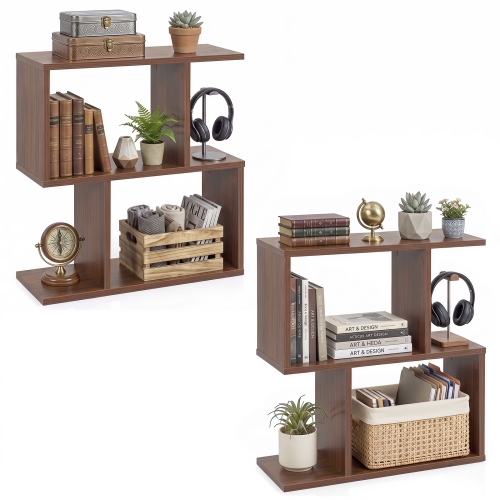
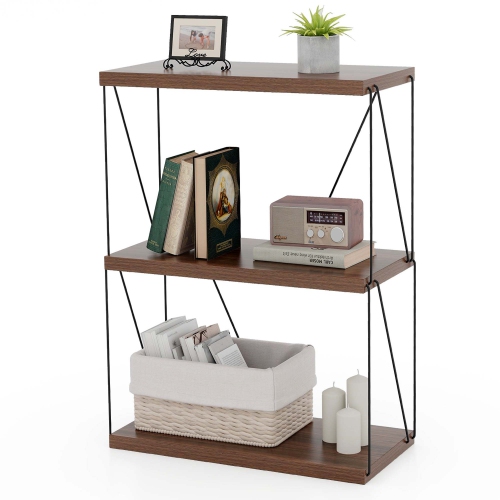
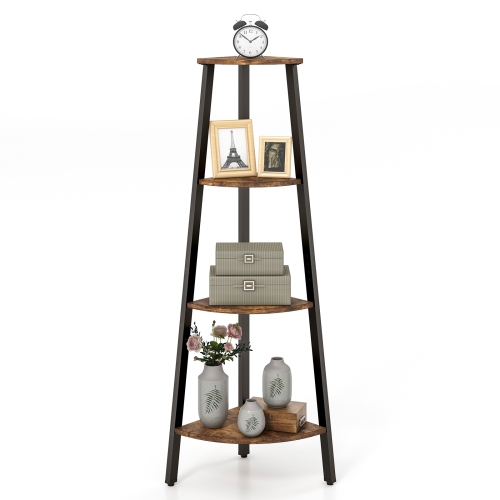

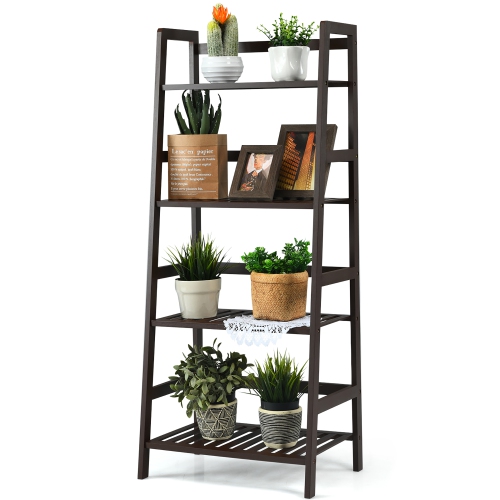

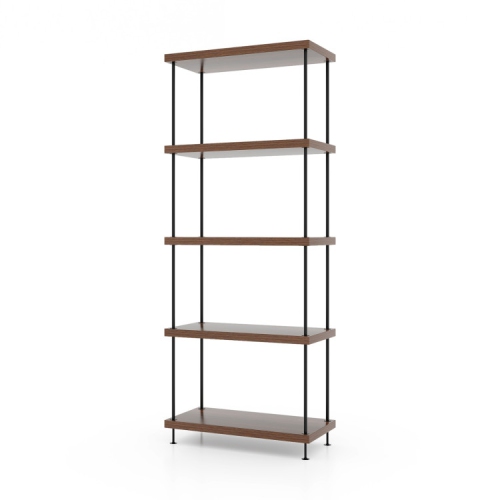
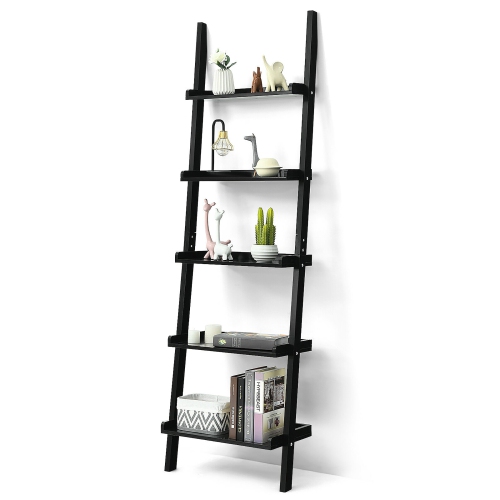
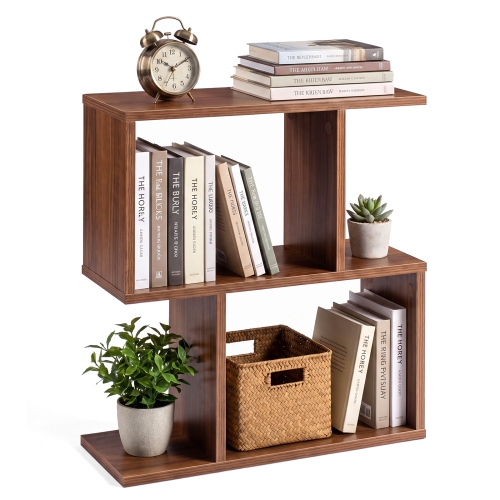
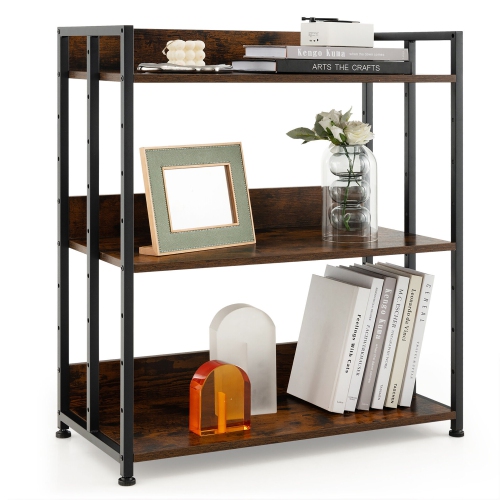
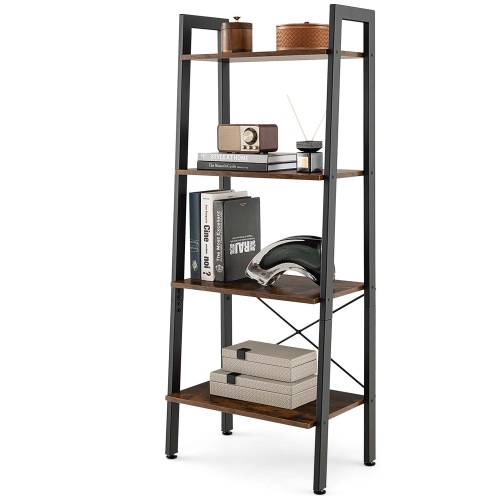


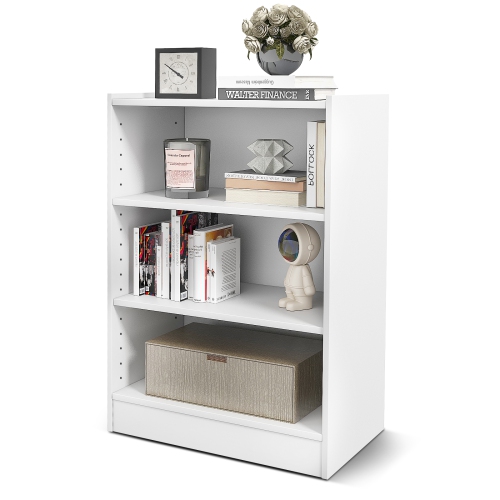
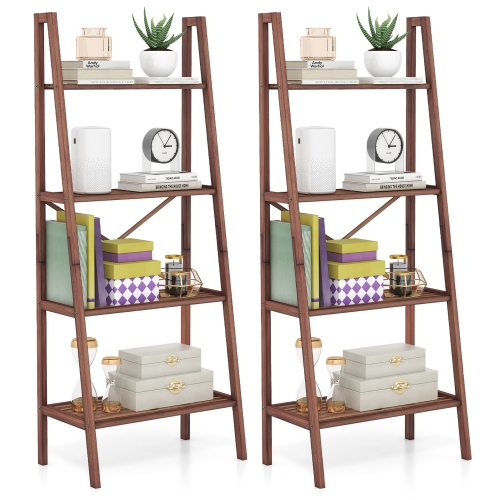
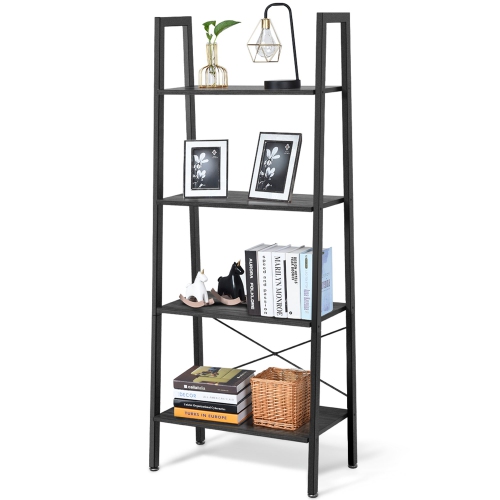
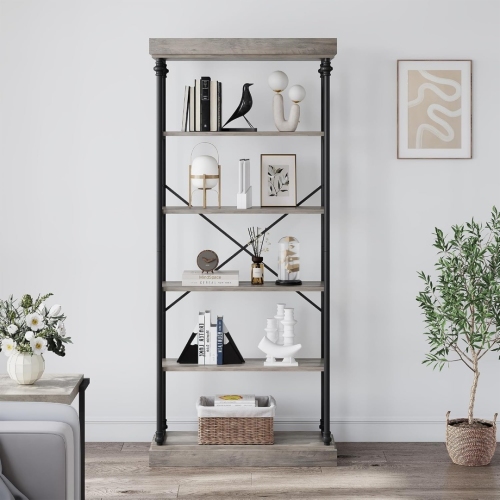
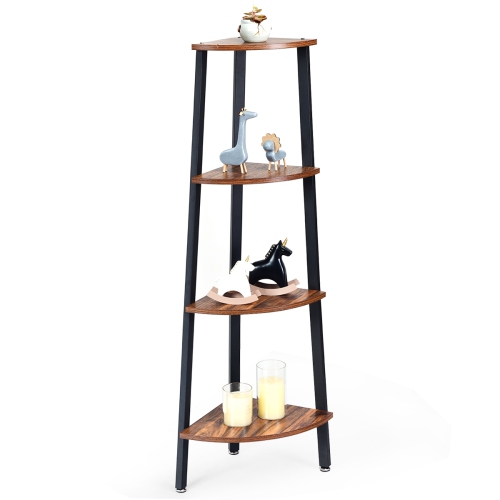

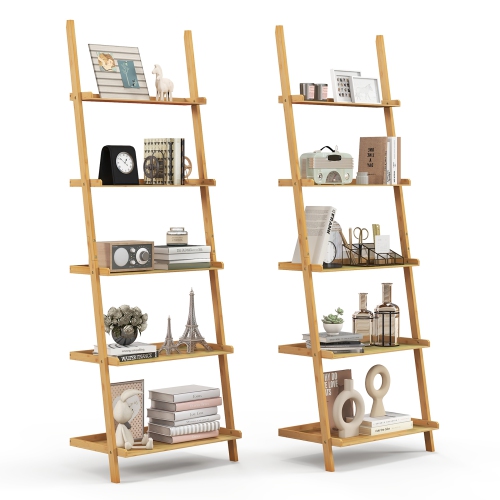
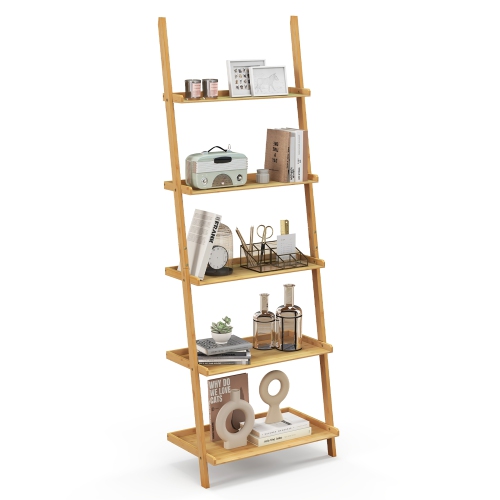
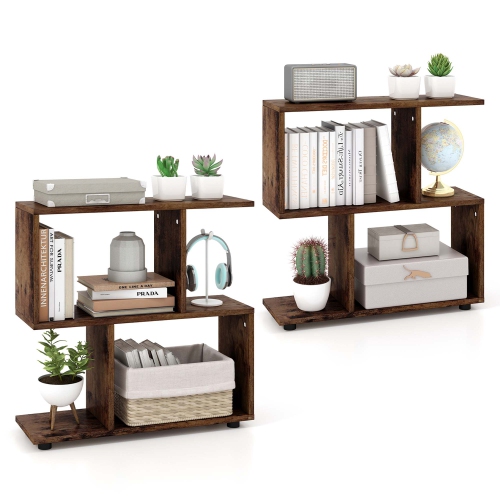

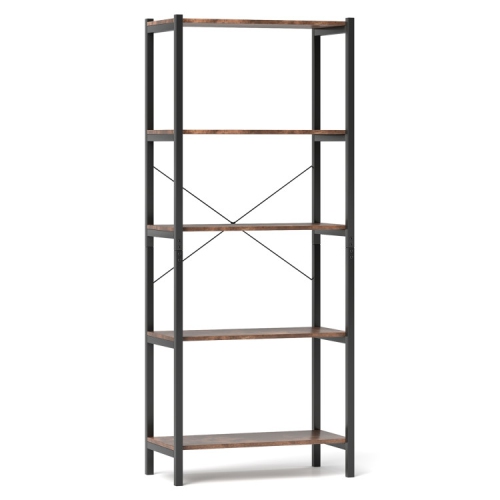
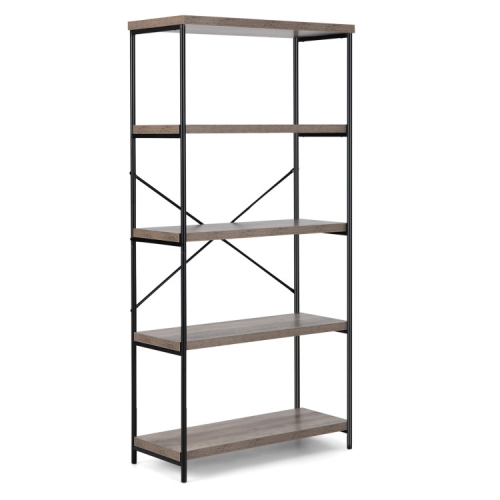

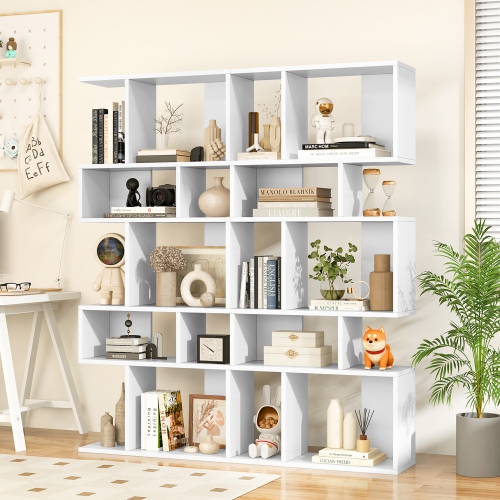


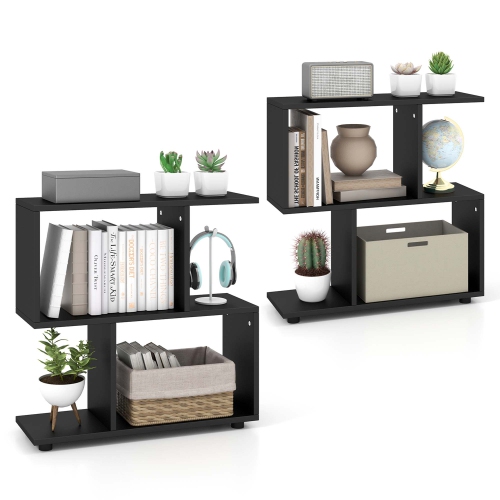
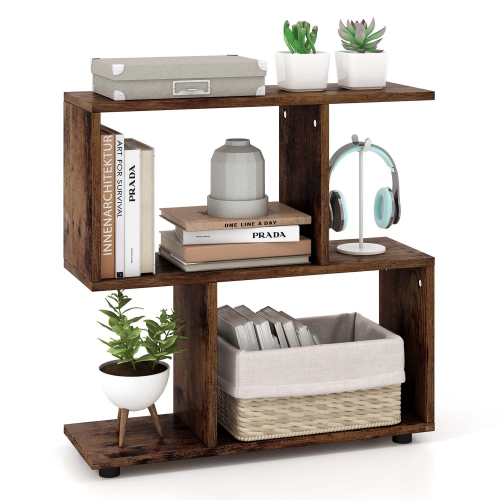

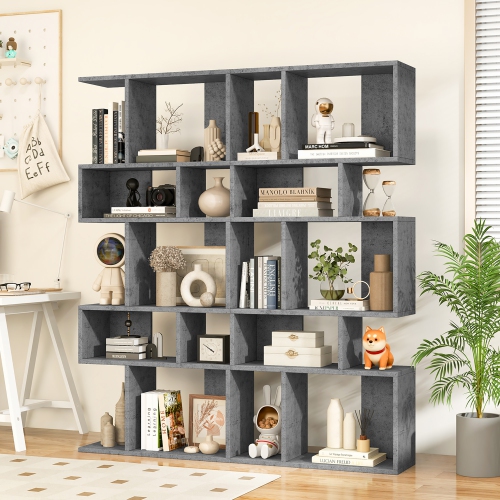
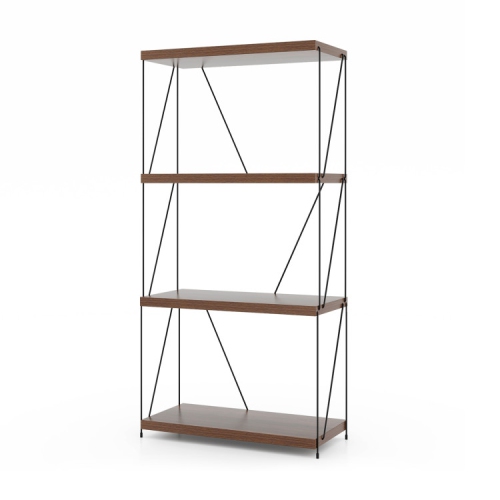
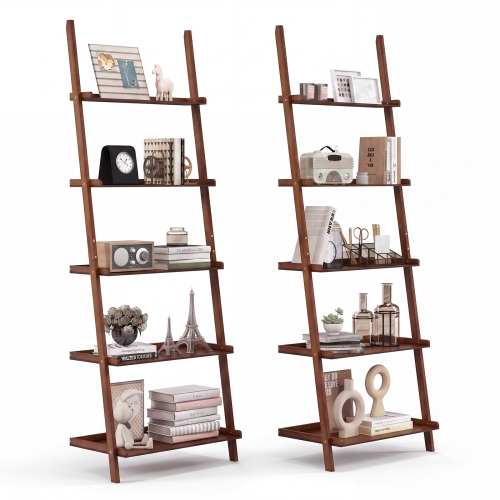
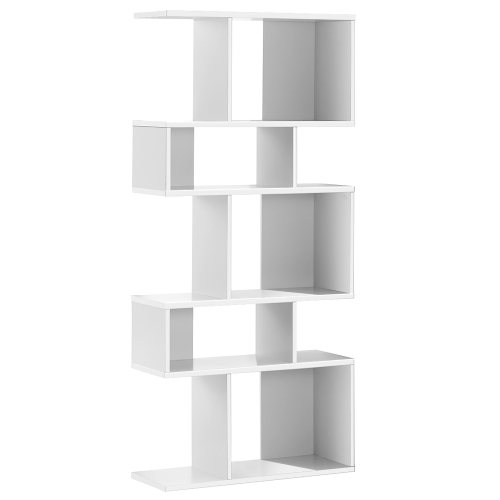

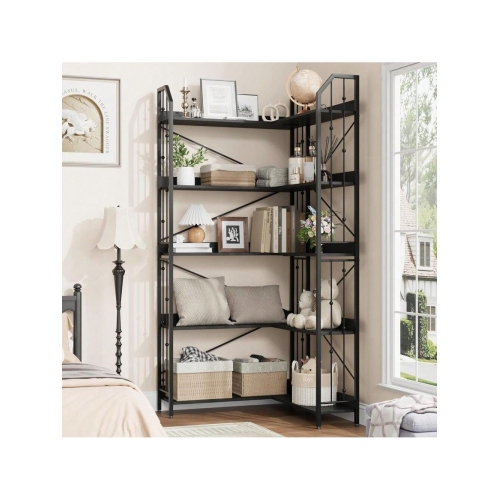
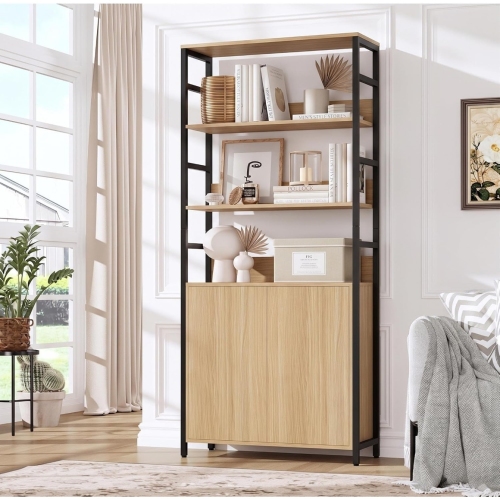
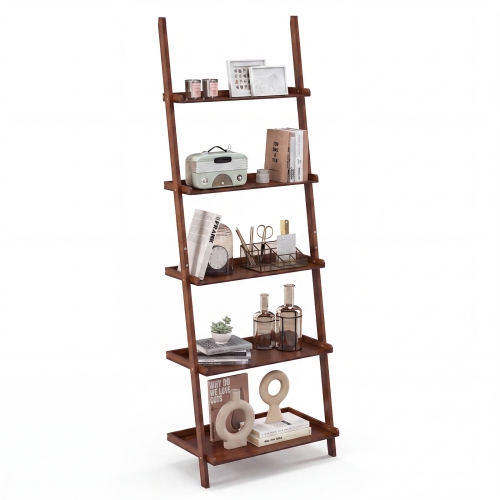
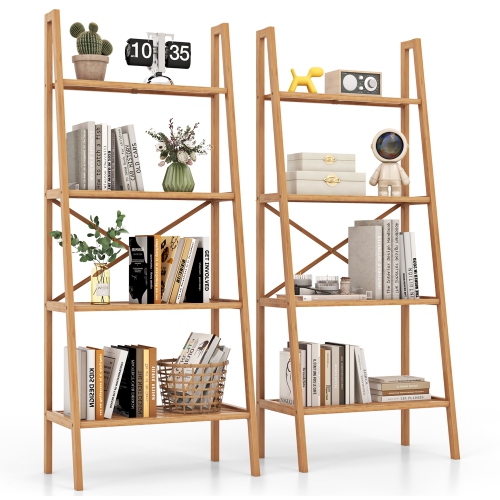

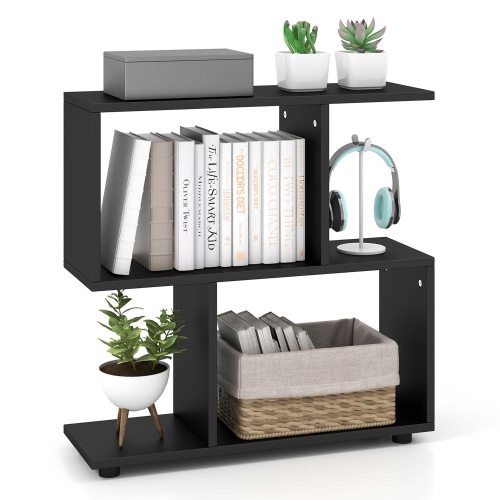
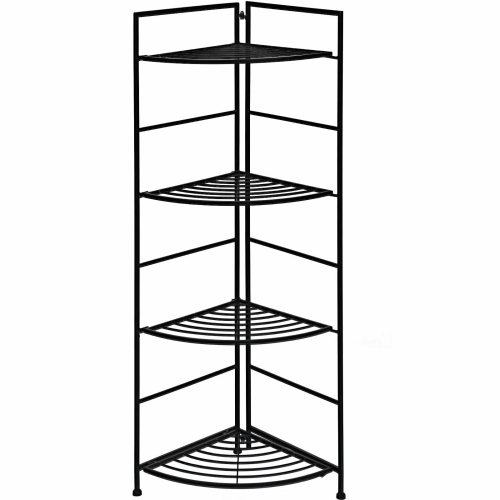


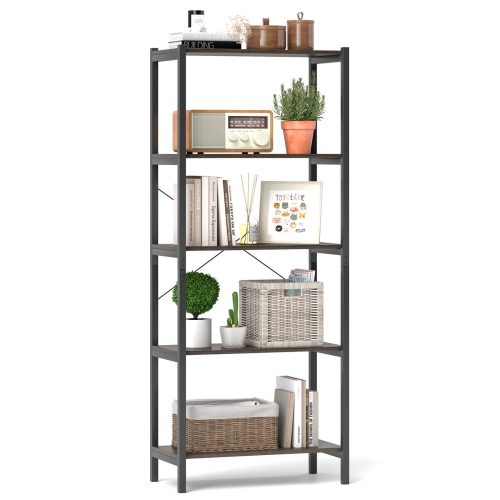
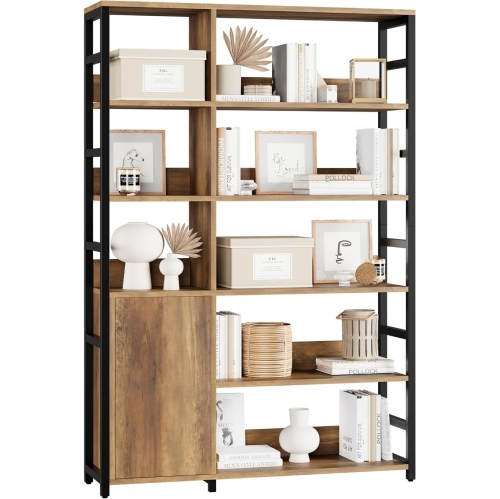

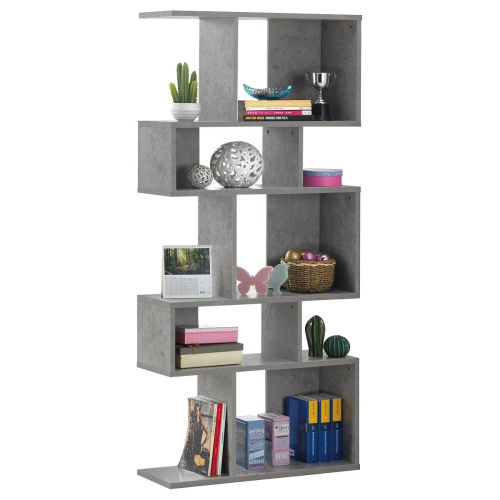
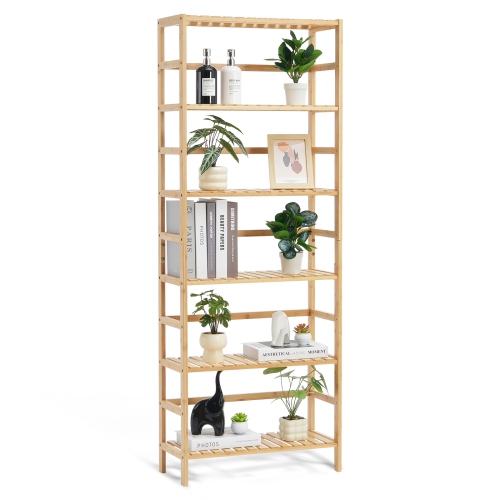

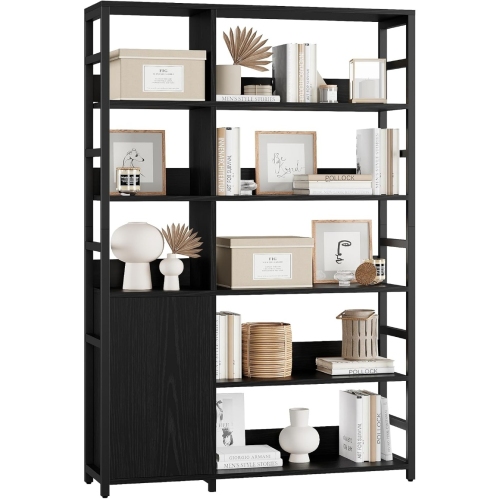
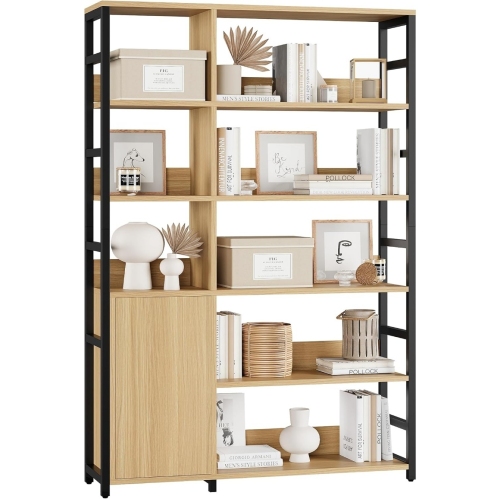

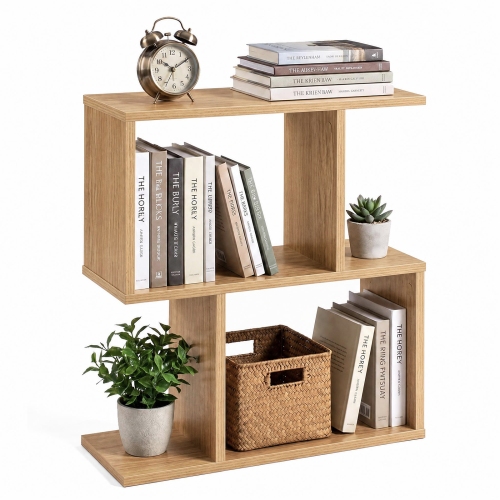
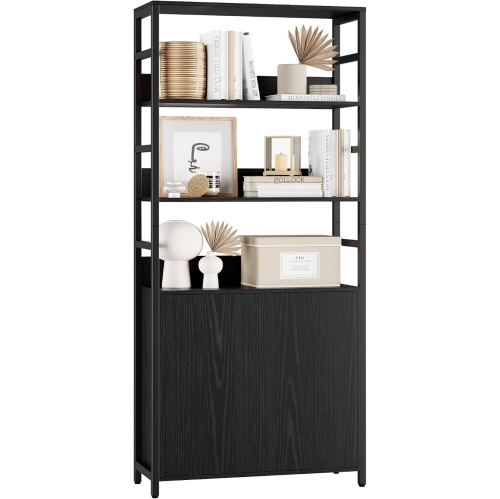
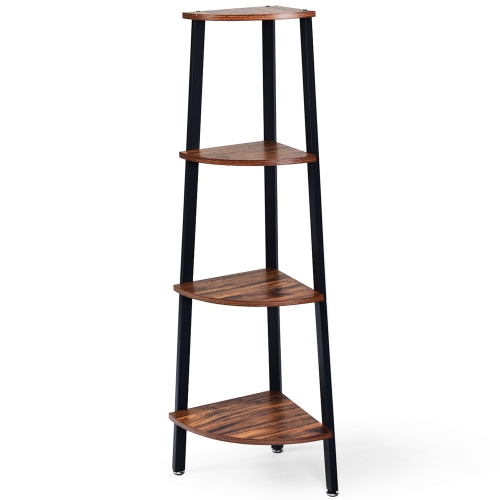
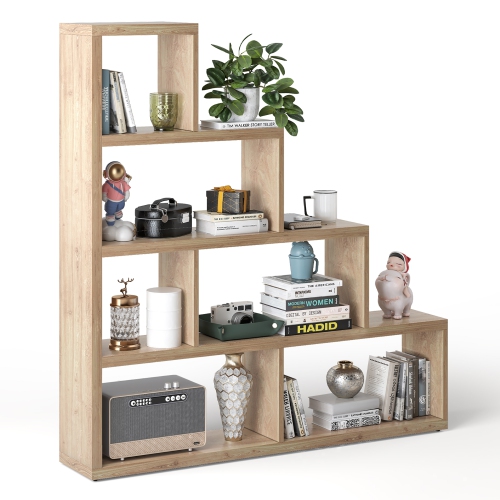
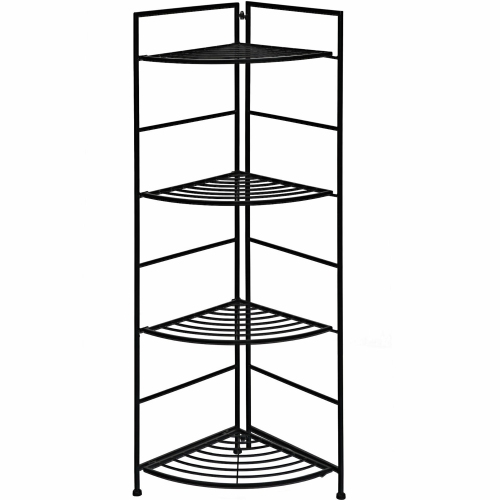
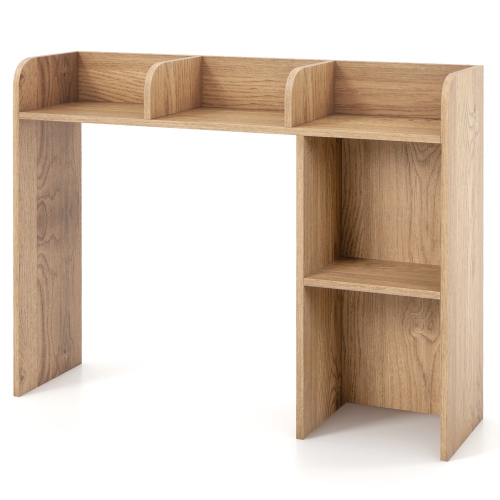
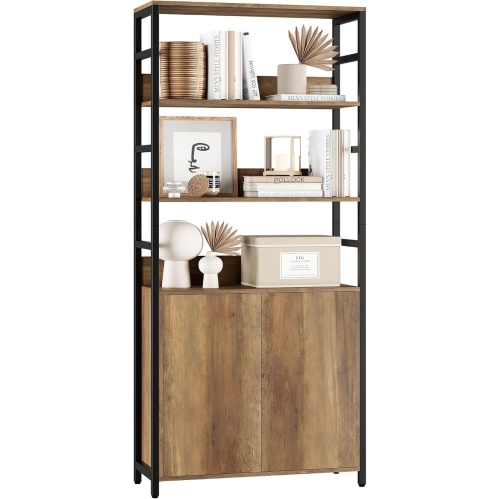

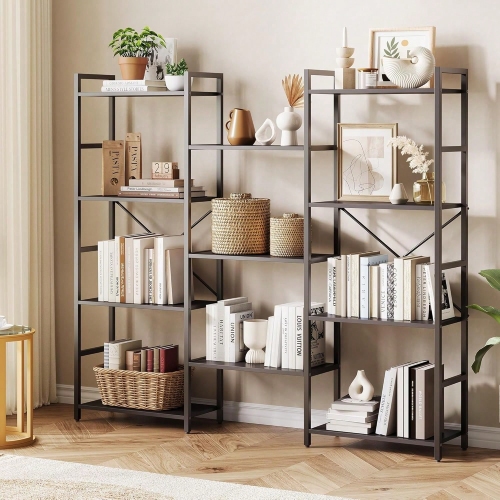
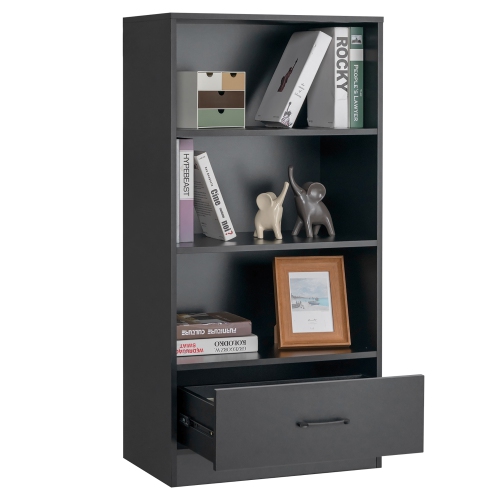
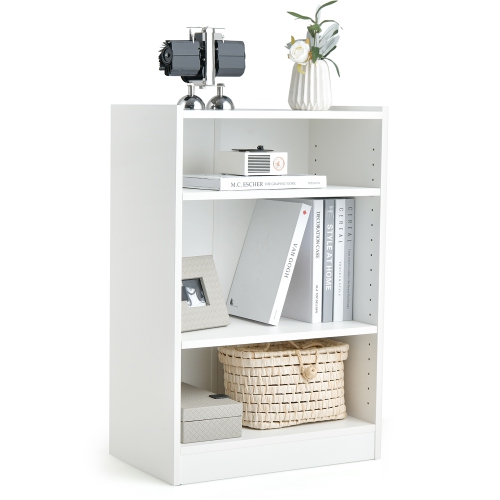
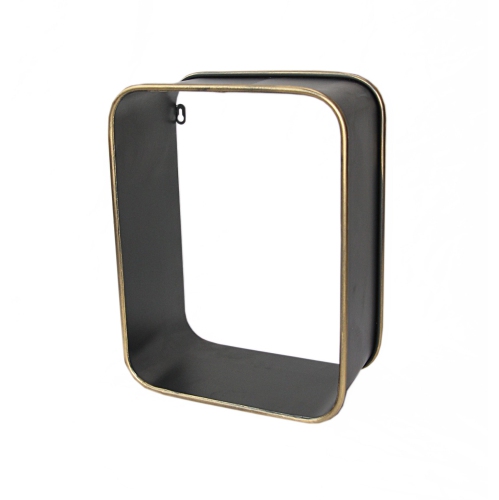
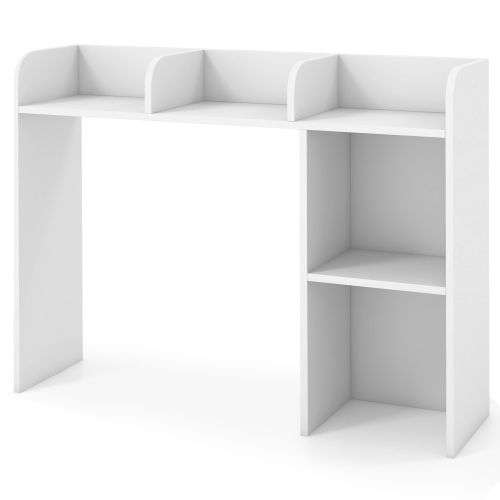


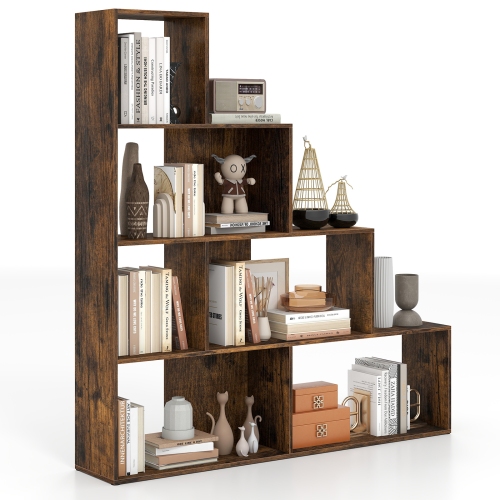
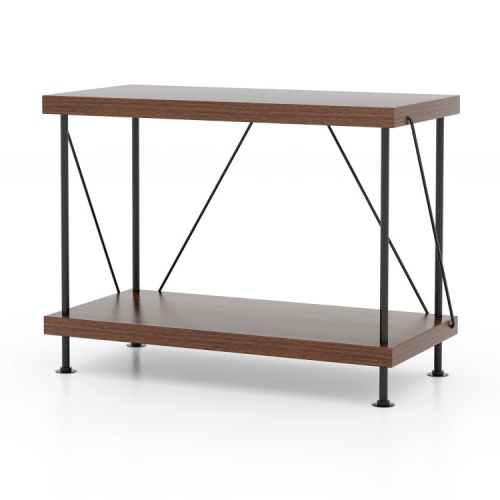
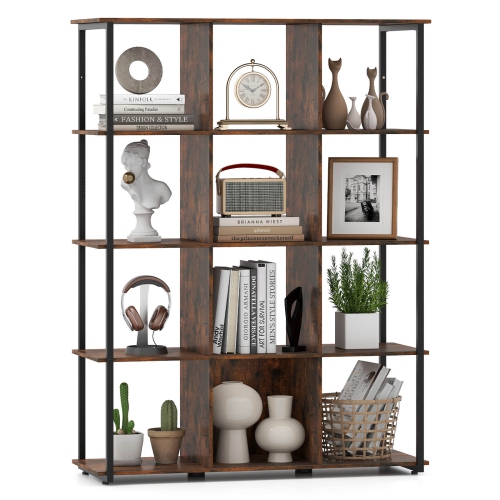
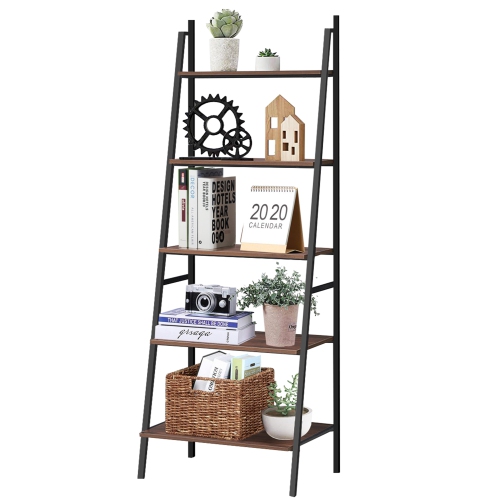

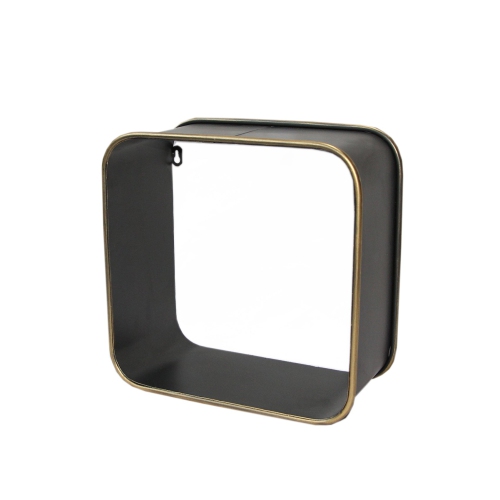

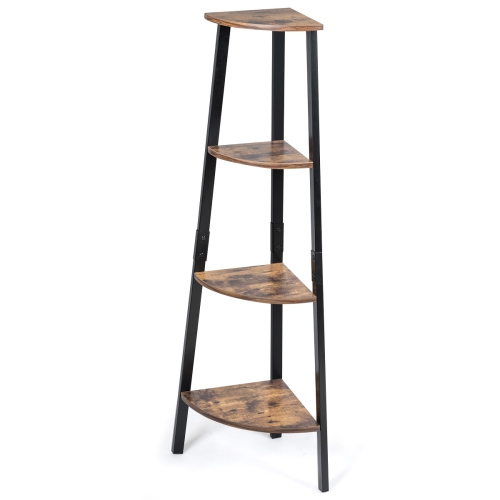

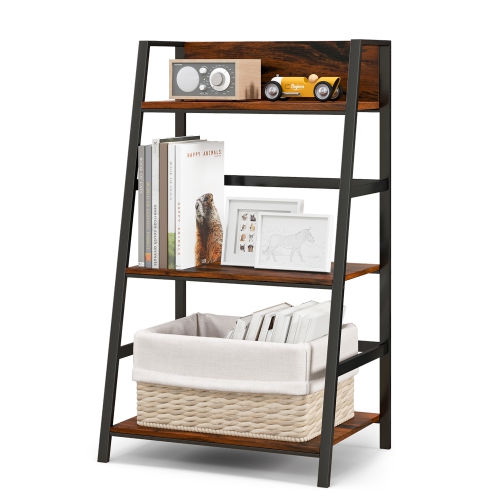
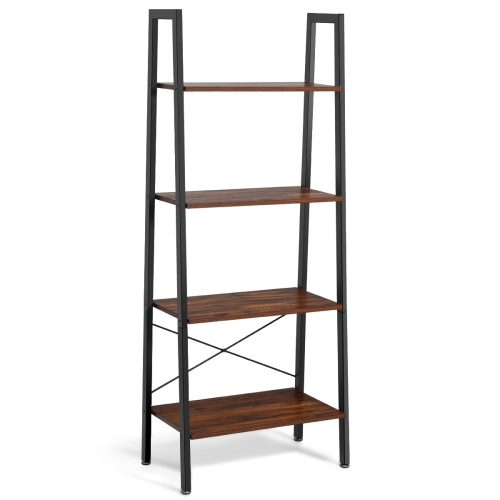


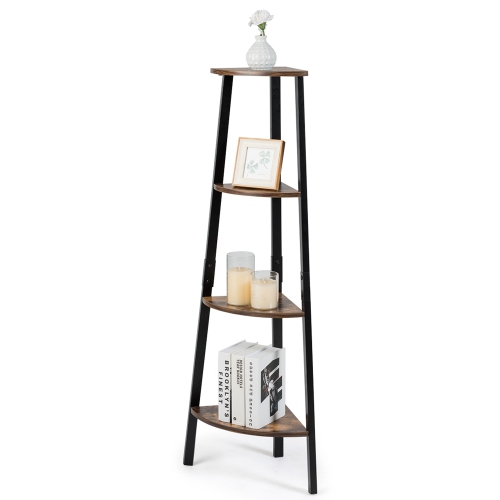

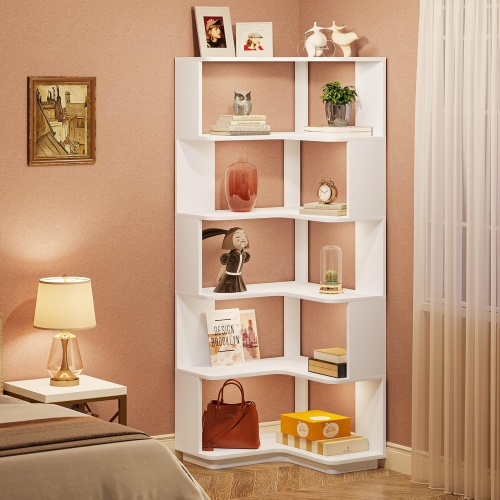
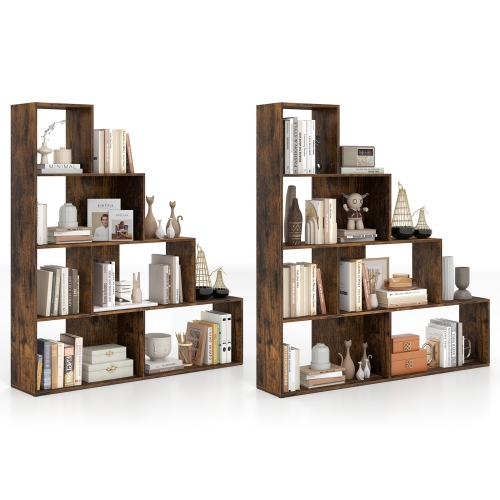
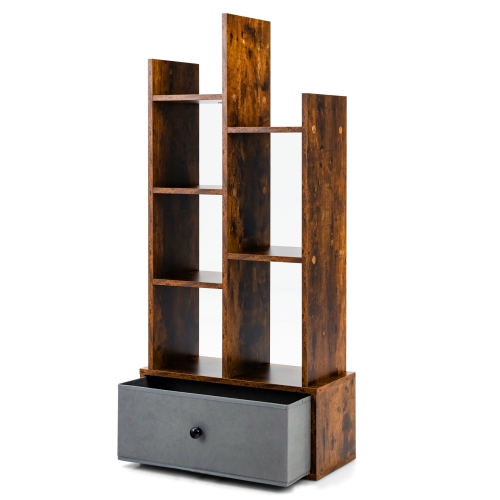
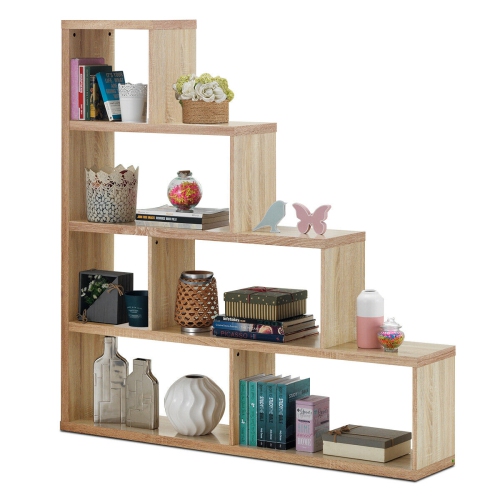

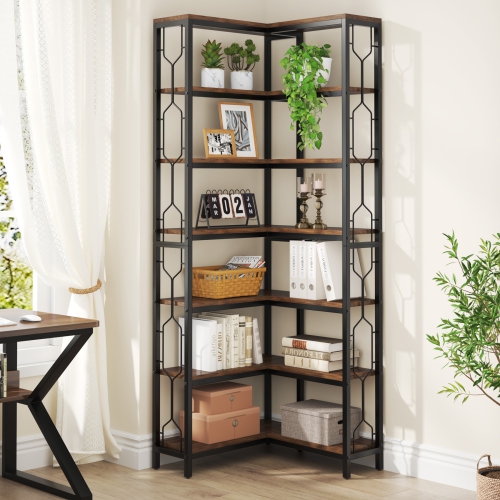
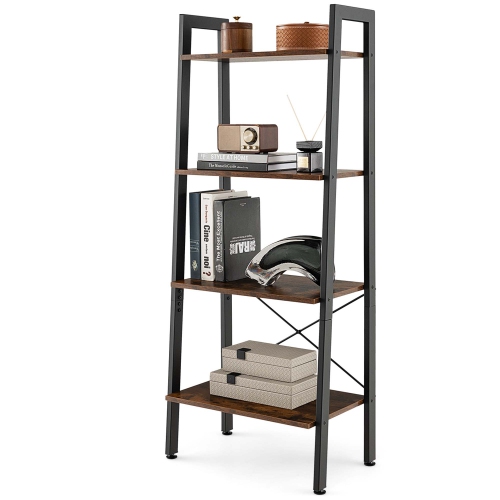

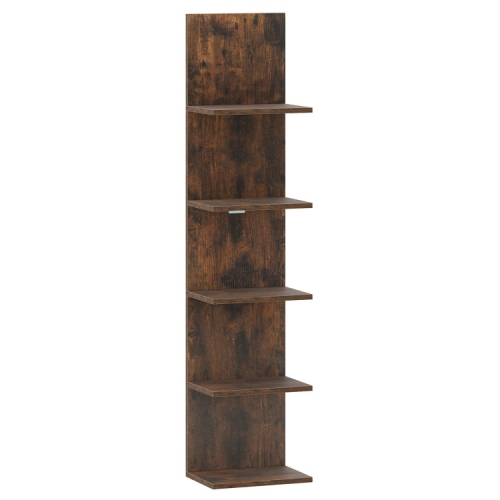

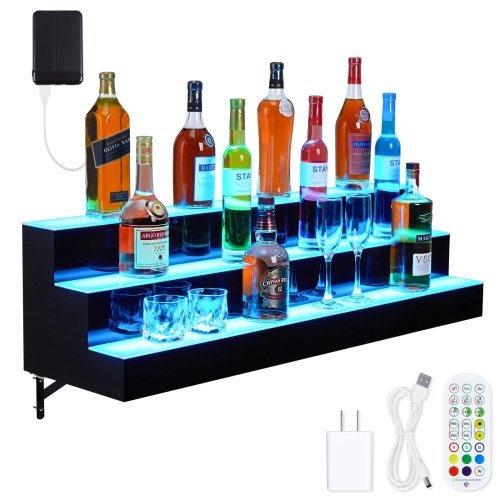
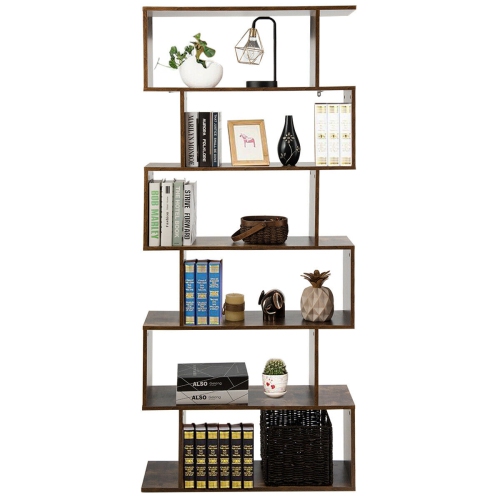
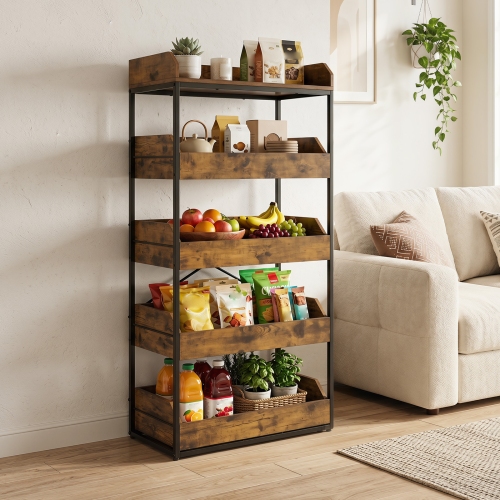




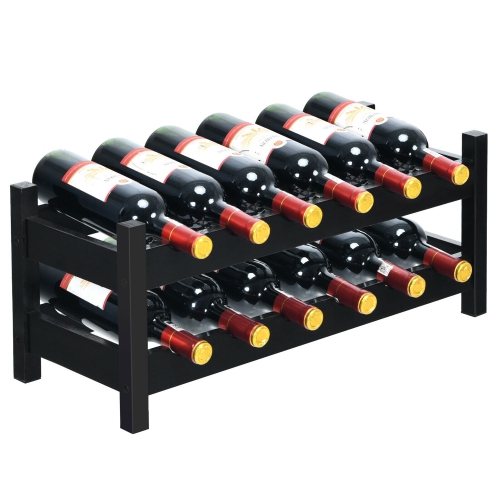
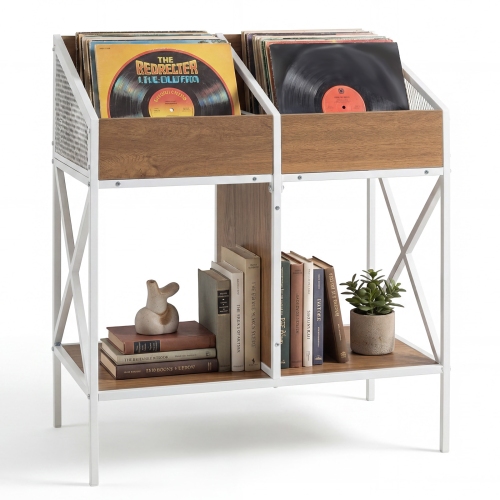
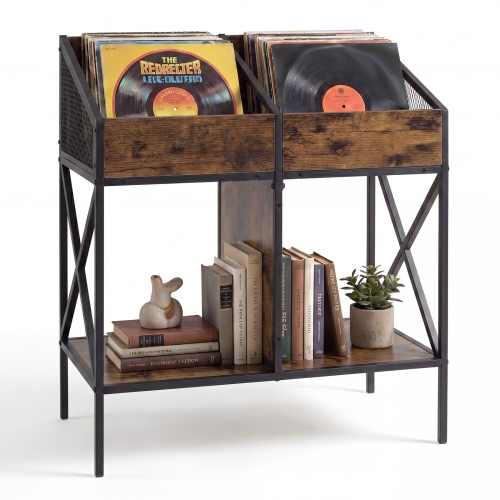

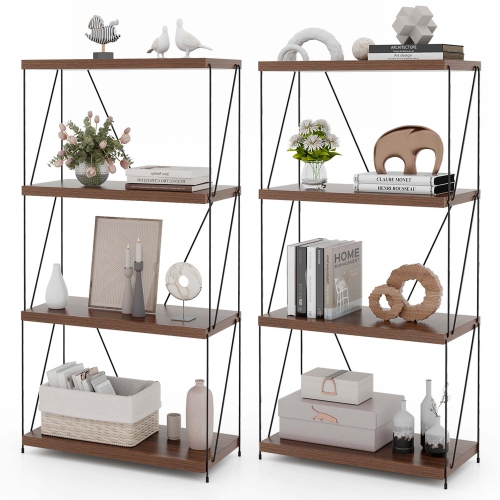
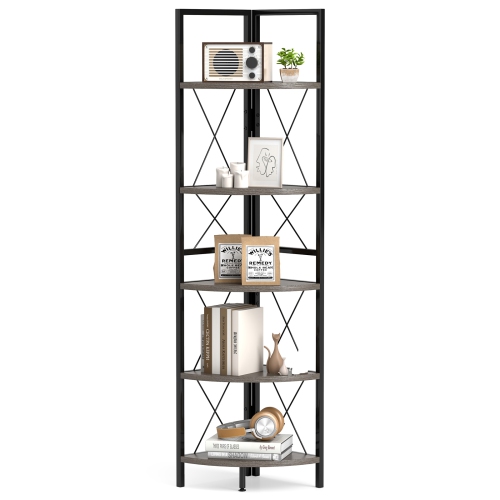



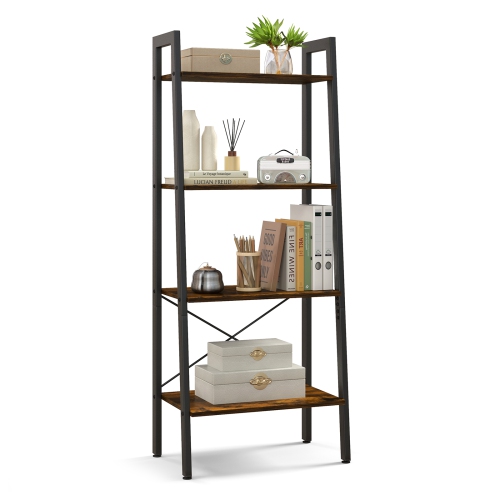

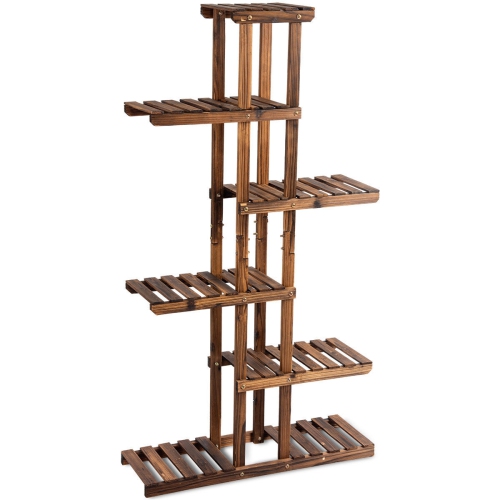
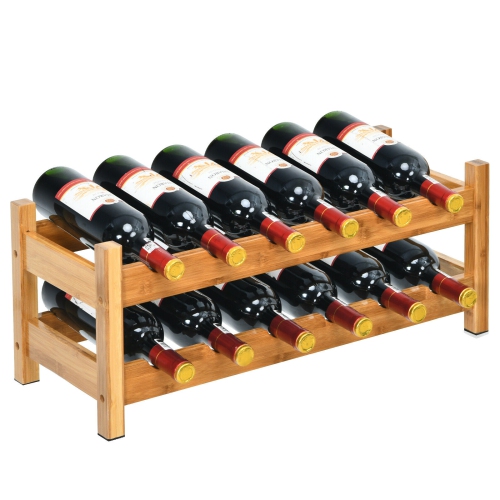
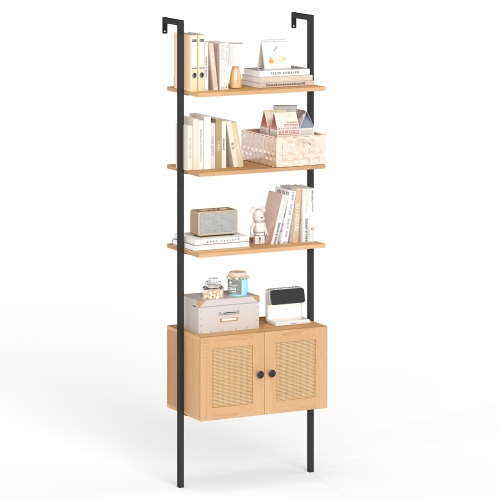

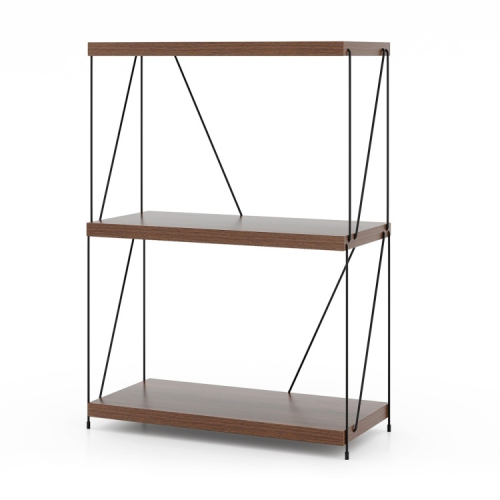

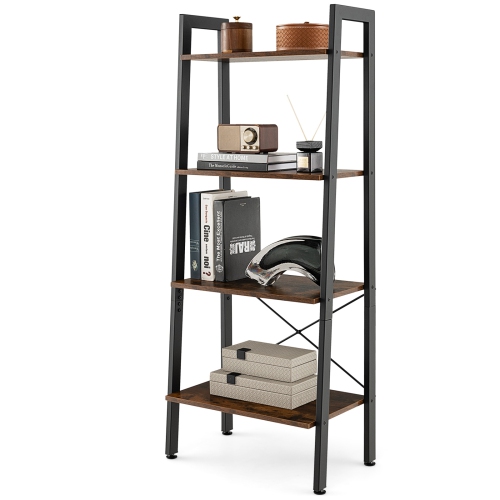
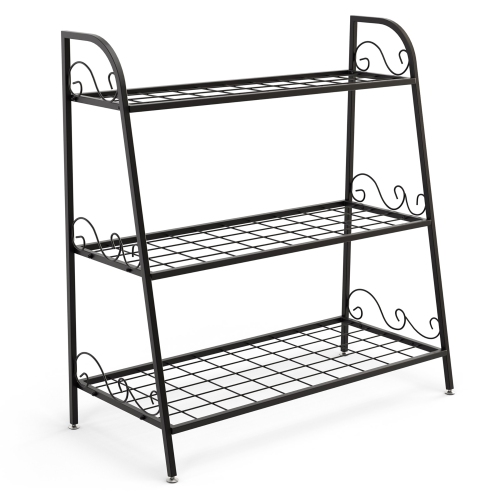



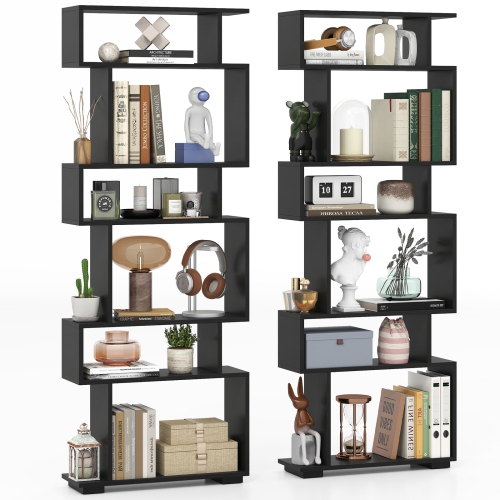

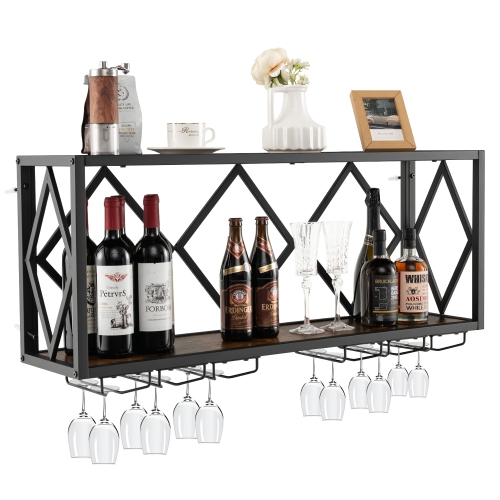

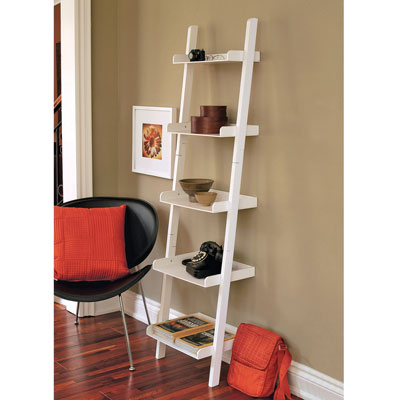



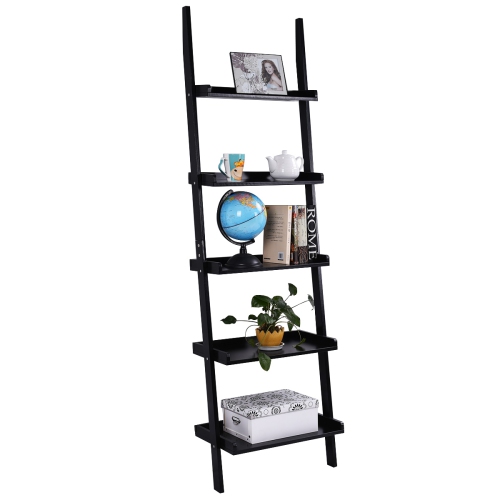

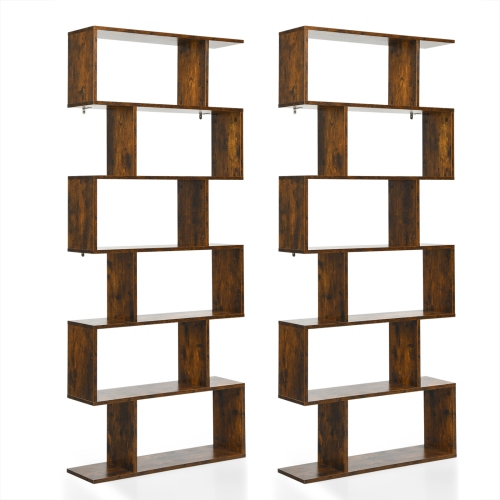


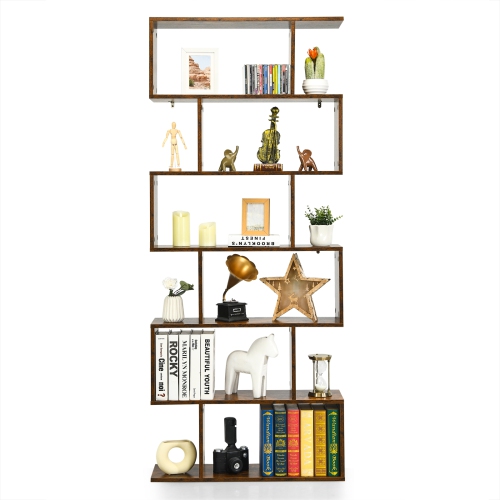

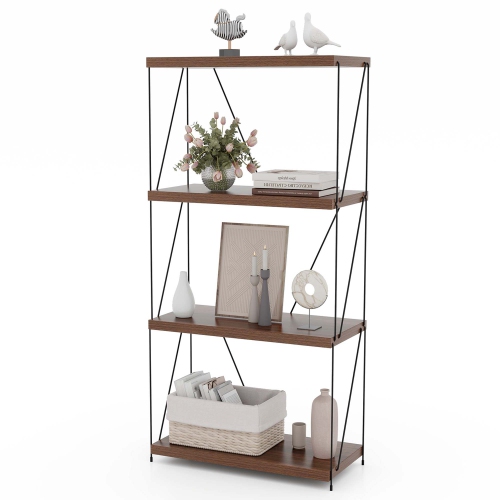
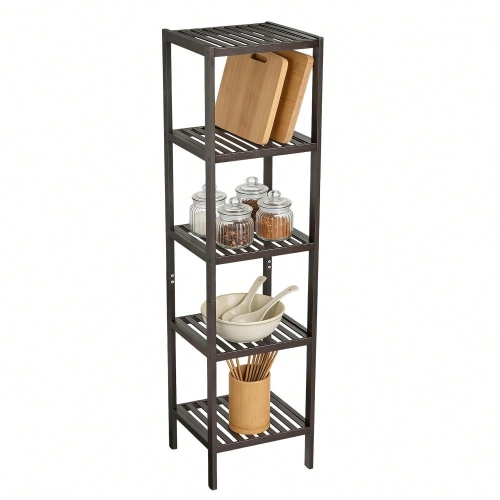


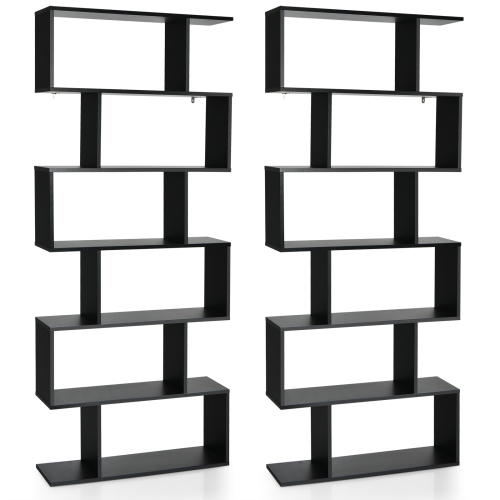
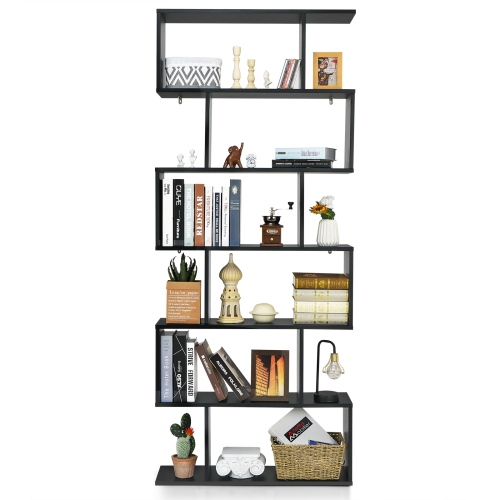
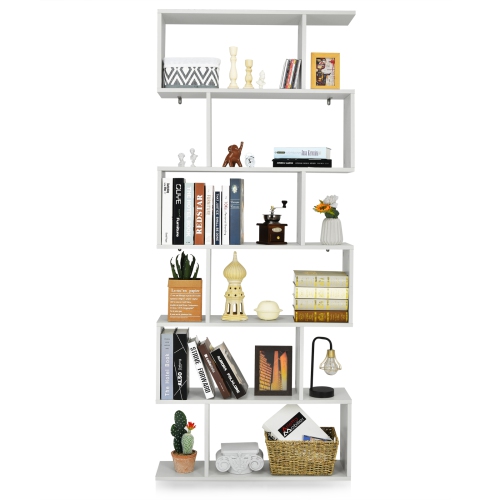
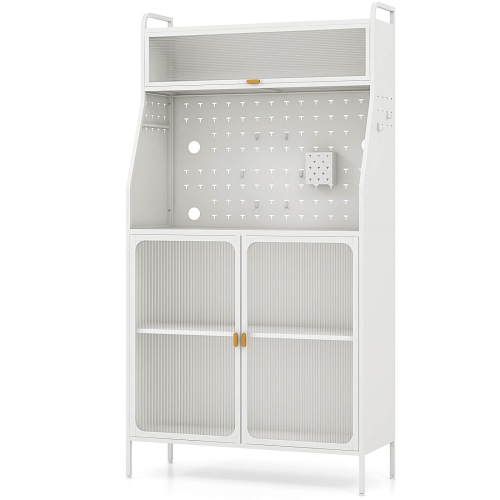
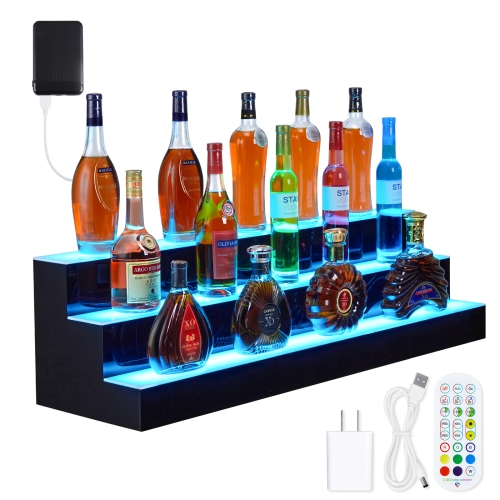


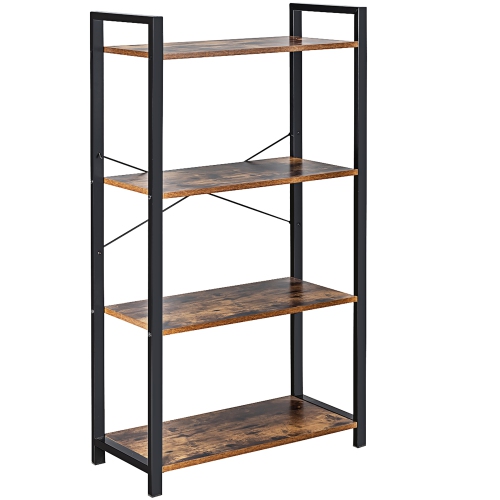
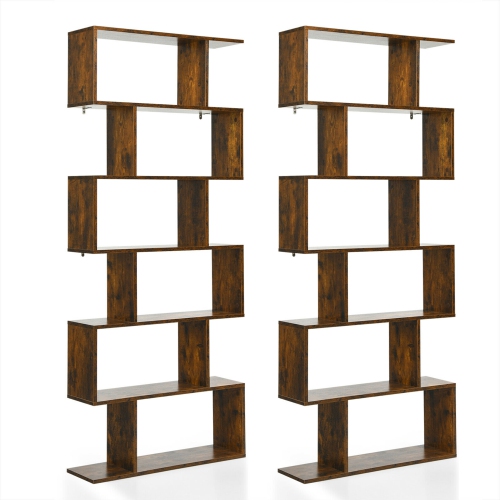

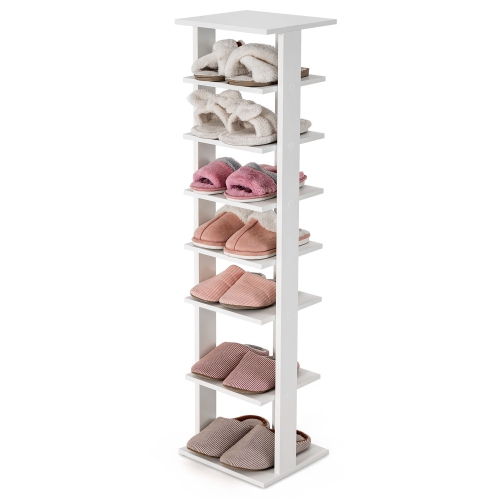


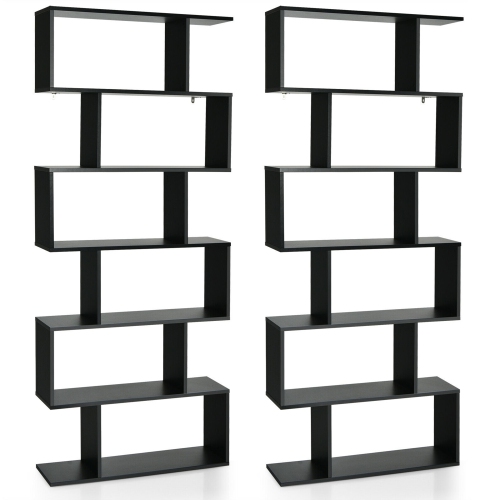



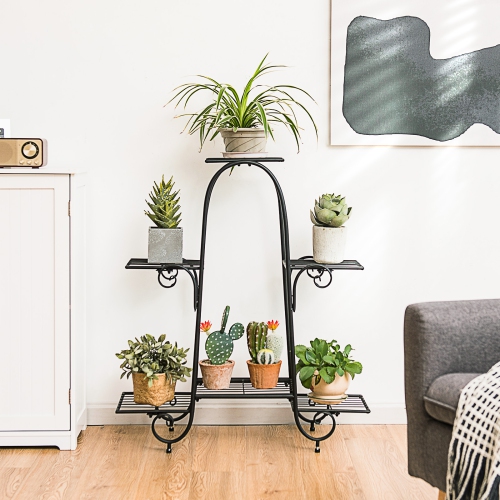

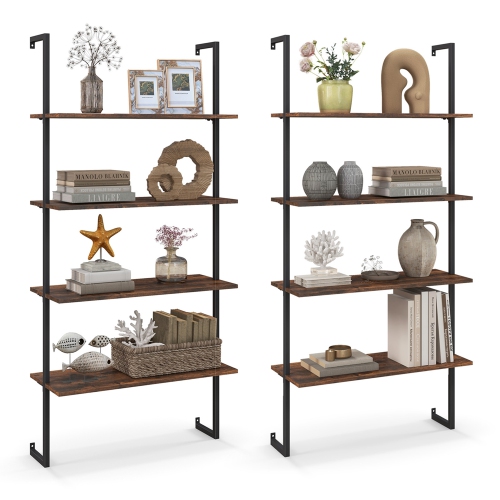
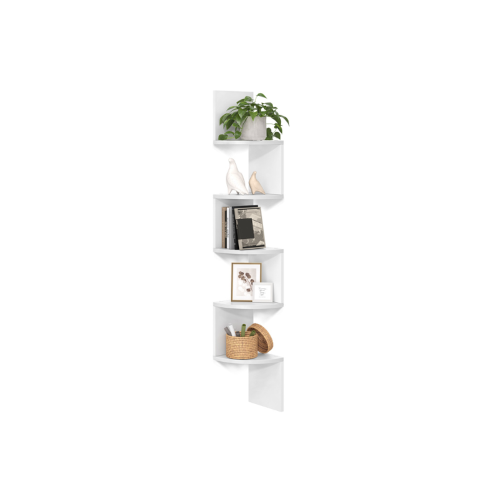
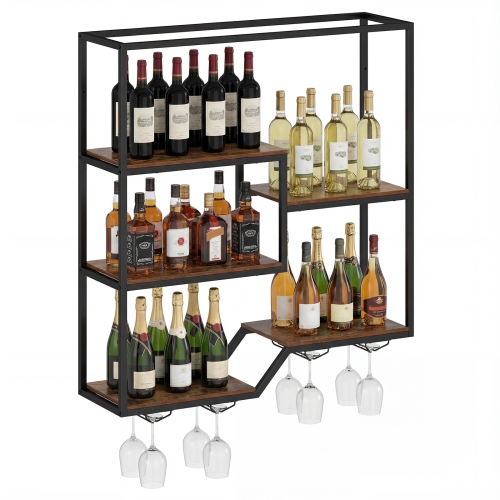
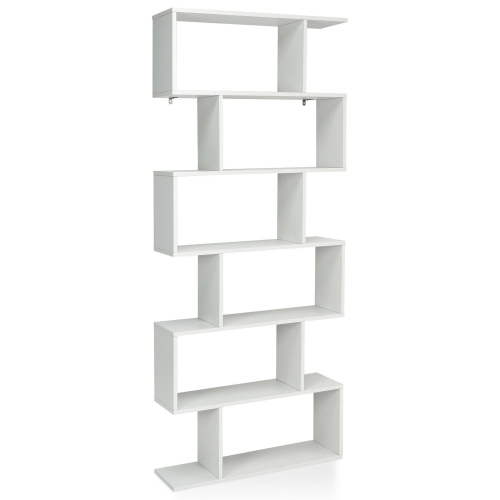
Favourite pieces on display and within easy reach
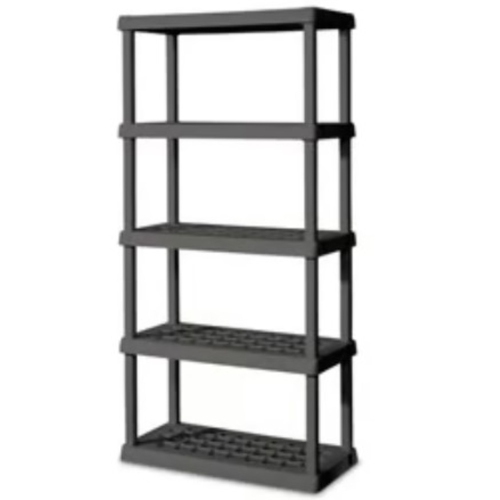
Shelf display racks are shelving units designed to keep objects visible, organized, and easy to reach in homes, offices, classrooms, libraries, and retail spaces. They range from slim wall-mounted ledges and compact tabletop stands to tall freestanding units with several tiers. Unlike closed cupboards, open display racks make the contents part of the room, whether that means a row of framed photographs, a carefully arranged collection, or reading material positioned with its covers facing outward. The right format depends on both the space and the purpose. A shallow picture ledge leaves more floor space clear and provides a narrow platform for lightweight displays, while a deeper freestanding rack can accommodate larger objects without leaving them perched near the edge. Tiered stands raise the back rows above the front, making smaller contents easier to see on a desk, counter, or reception table. In a shop or shared workspace, racks with accessible shelves can help people browse without having to move one object to reach another. At home, a low unit beside a reading chair offers a different kind of display from a tall shelving rack used to fill an otherwise bare wall. Open-backed designs keep wall colours and architectural details visible, while solid-backed units create a more defined backdrop. Straight, evenly spaced shelves suit orderly arrangements; staggered compartments can separate objects by size or purpose. Some display racks incorporate hooks, retaining rails, or adjustable tiers, although these features vary by design. A retaining lip can help keep a leaning frame in position, but it is not a substitute for adequate shelf depth or secure installation. For anyone arranging a collection, the most useful layout leaves enough room to lift each piece comfortably rather than simply fitting everything into the available width. That balance between visibility and access is what makes shelf display racks useful beyond their appearance: they give frequently handled belongings a clear place without hiding them away.
Materials influence a display rack’s appearance, weight, upkeep, and suitability for everyday use. Solid wood brings visible grain and natural variation, with finishes that can feel at home beside upholstered furniture, desks, or dining room cabinetry. Wooden Display Racks can provide a warmer visual contrast to metal accessories or glass-framed artwork, though the finish and construction matter as much as the wood itself. Engineered wood offers a consistent surface and may have a laminate, veneer, or painted finish; protected edges and well-fitted joints are especially worth considering where the rack will be handled often. Steel frames can create a slim, structured profile, while wire shelving allows light to pass through and makes the contents visible from several directions. A wire surface may need a suitable liner for objects with narrow bases, provided the liner is compatible with the rack and does not interfere with its intended use. Glass shelves create a light appearance but show fingerprints readily, and their edges should be protected from knocks. Clear acrylic stands are often useful for smaller tabletop displays because they draw less attention away from what they hold, although abrasive cloths and unsuitable cleaners can scratch or cloud the surface. No material alone determines strength: shelf span, thickness, brackets, fasteners, and the overall frame all contribute to durability. Manufacturer weight limits should guide use, including any separate limits for individual shelves and the full unit. A long shelf carrying a dense row of books places different demands on its supports than one holding a few lightweight keepsakes. Care is usually straightforward when it follows the finish-specific instructions. A soft cloth removes routine dust, spills should be wiped up promptly, and moisture should not be left around joints or exposed edges. Cleaning beneath displayed objects, rather than wiping only around them, helps maintain an even appearance. For racks used daily, easy-to-clean surfaces and accessible corners can matter just as much as the initial style.
Fit involves more than finding a rack that matches the width of an empty wall. Overall height, shelf depth, spacing between tiers, and clearance around the unit all affect how comfortably it works in the room. In an entryway, a shallow footprint can keep the walking route open; beside a desk, reachable shelves can hold reference material without crowding the work surface. Measuring tall objects as well as the shelf openings helps avoid a layout where the most important piece has nowhere to go. Adjustable shelves offer flexibility as a display changes, while fixed shelves provide a consistent arrangement with fewer positioning decisions. Freestanding racks need a level, stable base, and adjustable feet, where included, can help address minor unevenness. Wall-mounted shelving requires fixings appropriate to the wall construction and the expected load; the rack’s instructions should determine how and where it is secured. Tall furniture should be anchored when directed, particularly in spaces used by children or pets, and shelves should never be treated as climbing steps. Heavier contents generally belong lower down, with weight distributed according to the manufacturer’s guidance. In classrooms and libraries, lower display heights can make browsing easier, while offices may benefit from taller units that keep presentation materials organized within a small footprint. Retail settings often call for clear sightlines, accessible shelf edges, and enough room for people to pass comfortably. If a rack has castors, their load rating and locking mechanism deserve attention, along with any restrictions on moving the unit while loaded. Appearance still has a practical role: a pale finish can blend into a light wall, a dark frame can outline a collection, and repeated shelf spacing can give mixed contents a sense of order. Leaving some open space around a featured object helps it stand out without adding more shelving. For a collector, reader, or someone setting up a home office, a display rack can also be a thoughtful gift when the room dimensions, preferred finish, and intended contents are known. The best match supports the way the space is actually used, with proportions and construction that make arranging, reaching, and caring for the display feel straightforward.
Top selling and popular products
-
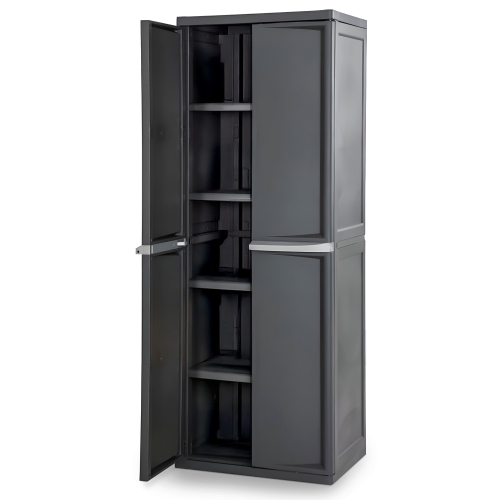 Your price for this item is $412.99
-
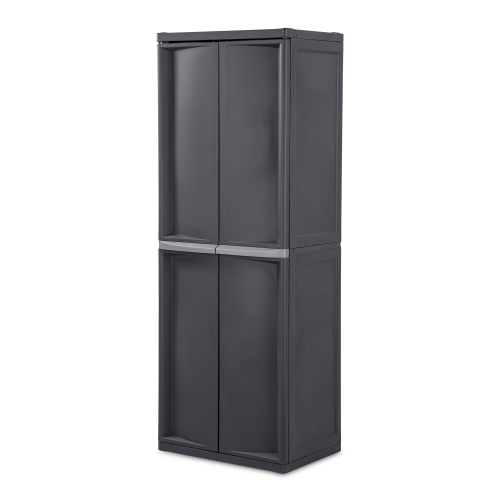 Your price for this item is $1530.99
-
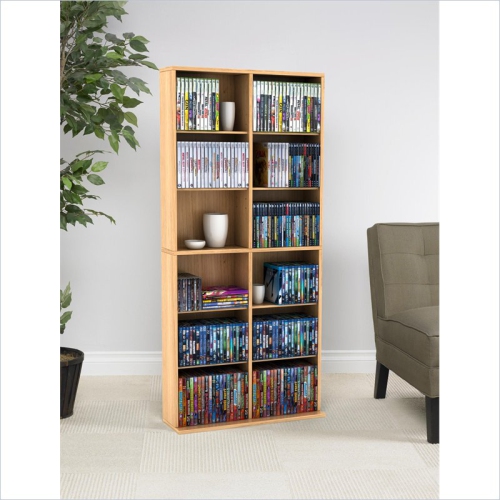 Your price for this item is $234.68
-
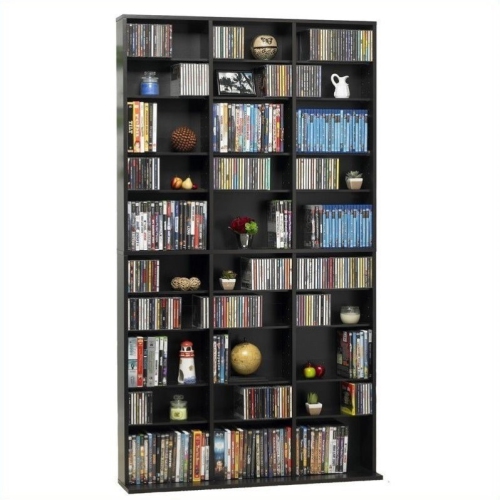 Your price for this item is $365.38
-
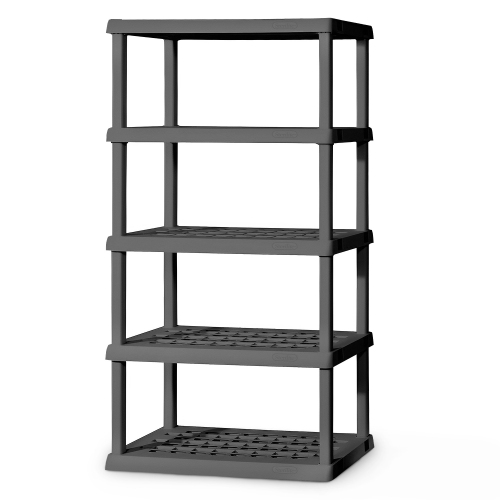 Your price for this item is $320.99
-
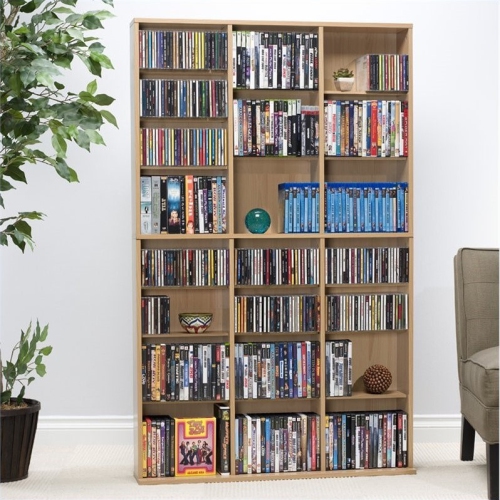 Your price for this item is $295.84
-
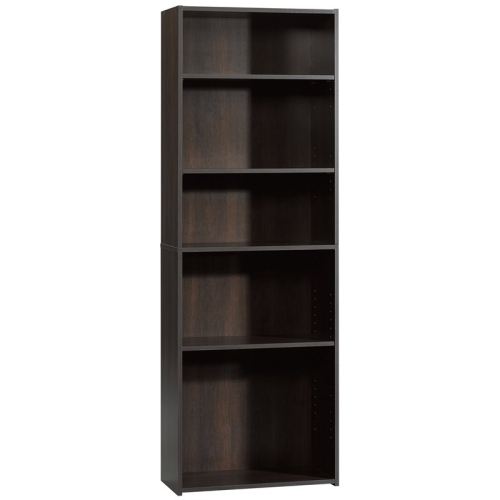 Your price for this item is $227.8
-
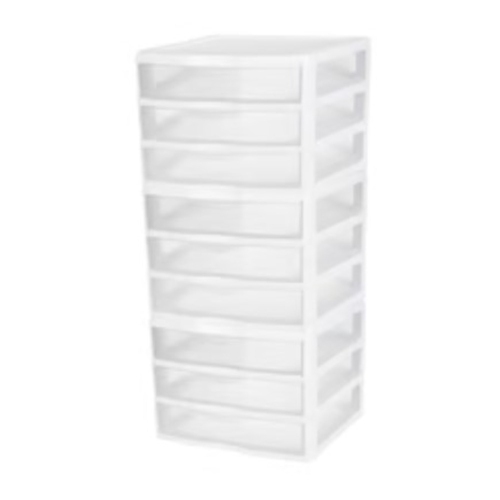 Your price for this item is $127.99
Discover more categories related to Shelf Display Racks
Top Collections:
Pokemon Centers, Best Cameras for Sports Photography, Kindle Devices, Samsung Galaxy Phones, Canon G7X Cameras, Pokémon 30th Celebration Cards, Refurbished Apple Laptops, iPhone 15 Apple, Laptops for Students, Budget Smartphones
Some products may be subject to Environmental Handling Fees
(EHF) depending on your province.
Learn more about EHFs.