Wood Shelf Racks
A wood shelf rack is an attractive and practical solution for any home or office. It provides an easy way to organize books, magazines, decorative items, and other items that need to be stored in an orderly fashion. The shelves come in a variety of sizes and styles, so you can find the perfect fit for your space. Here are some of the best shelf racks on the market today.
Sort

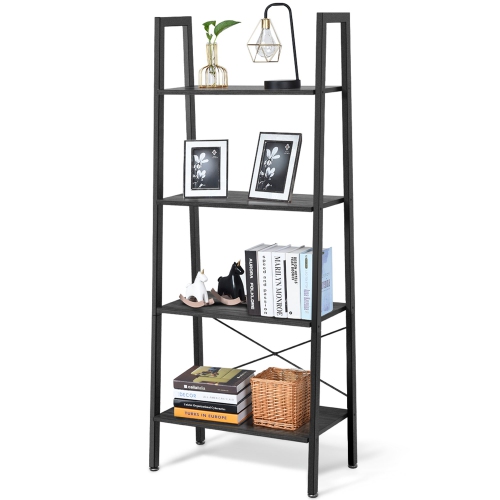


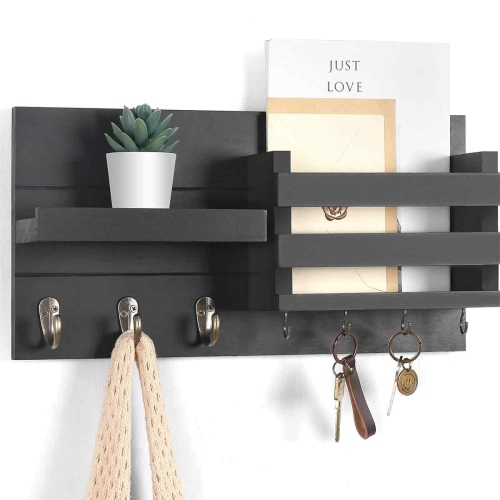
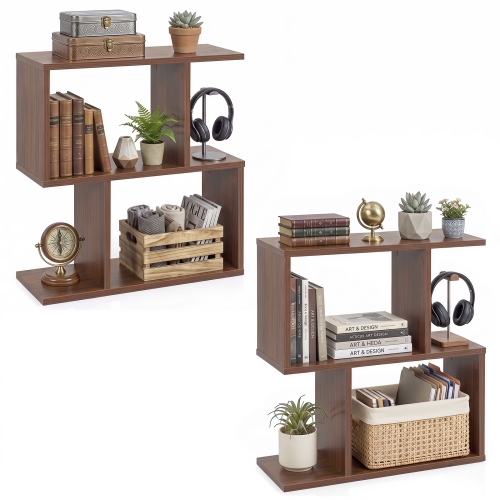
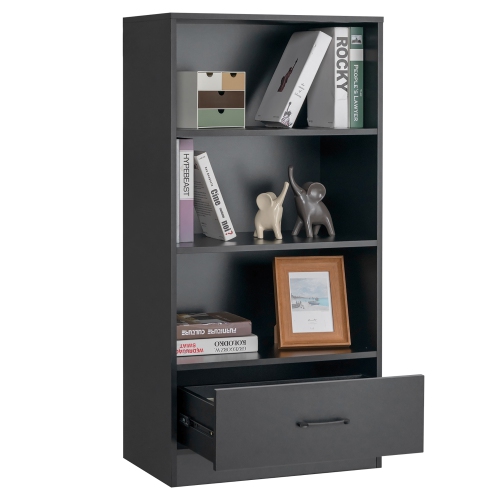
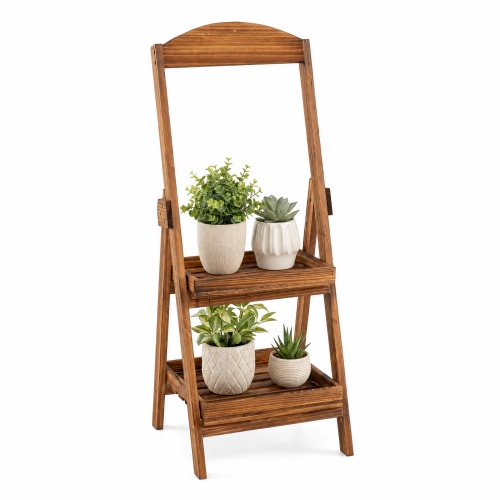


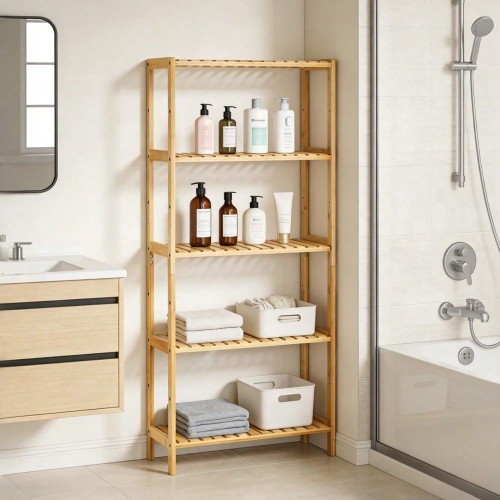


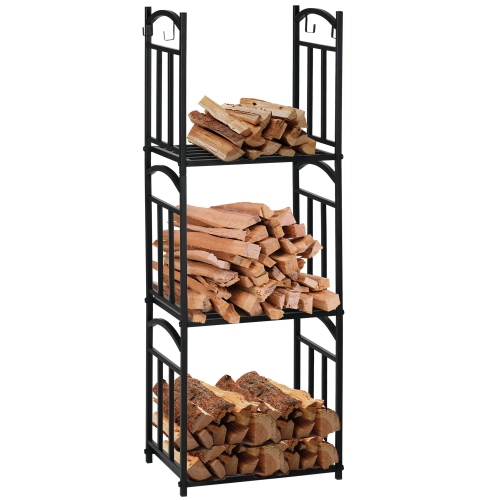
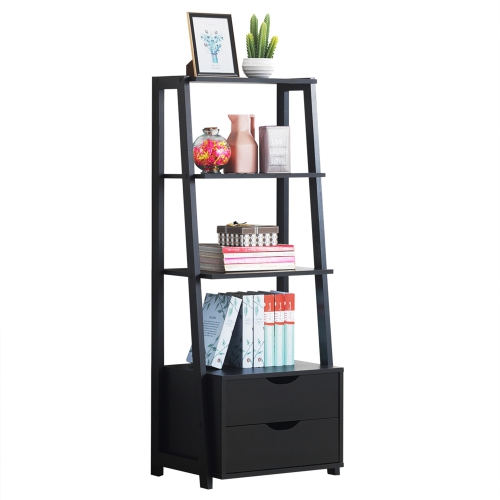
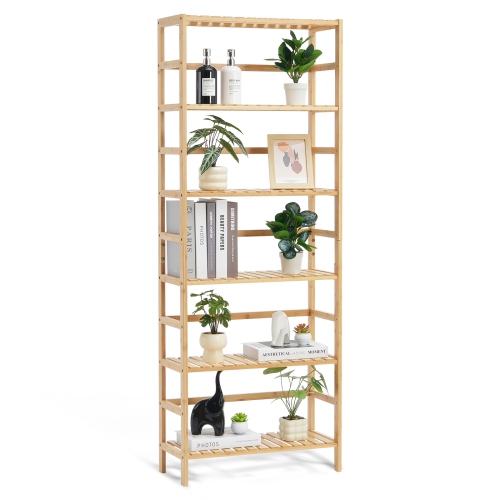


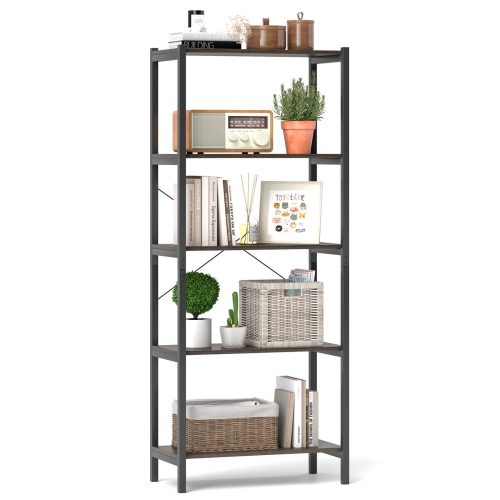
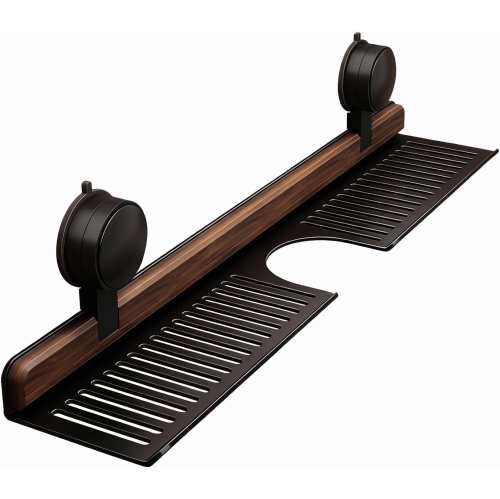
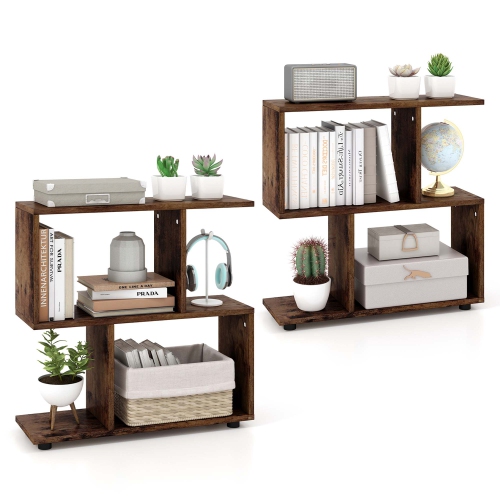
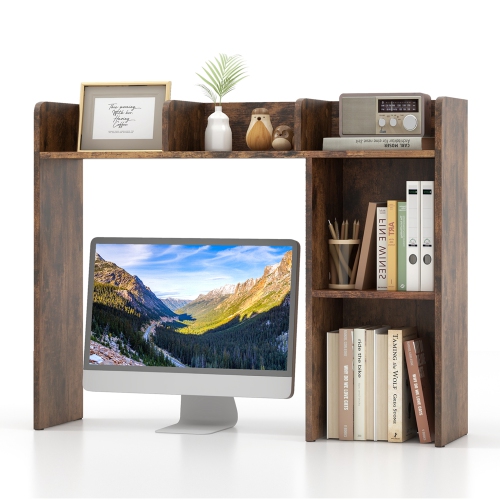


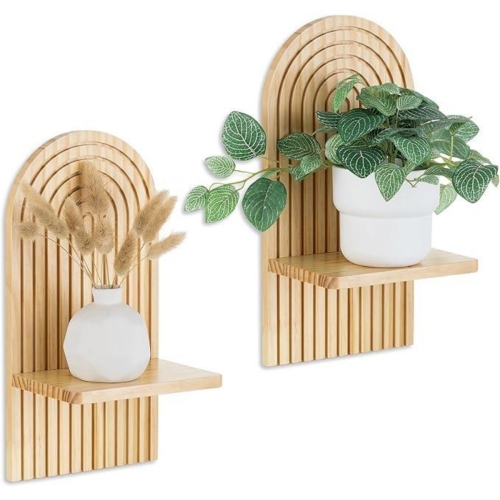
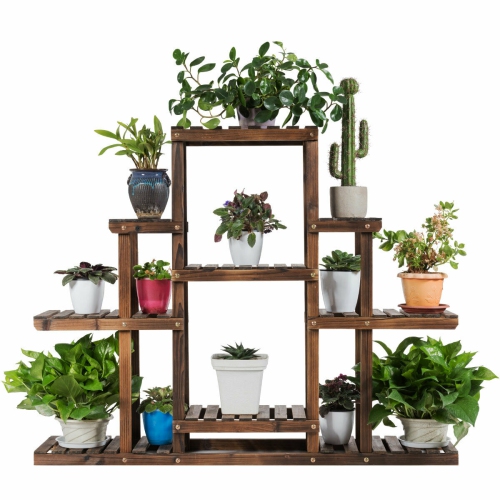

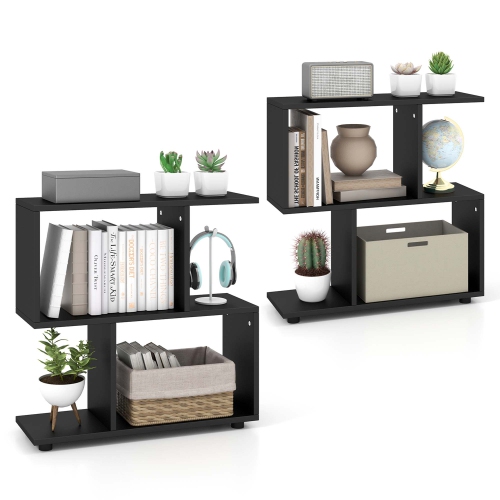
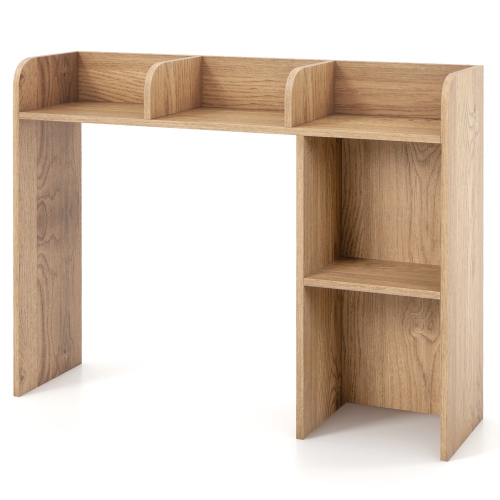

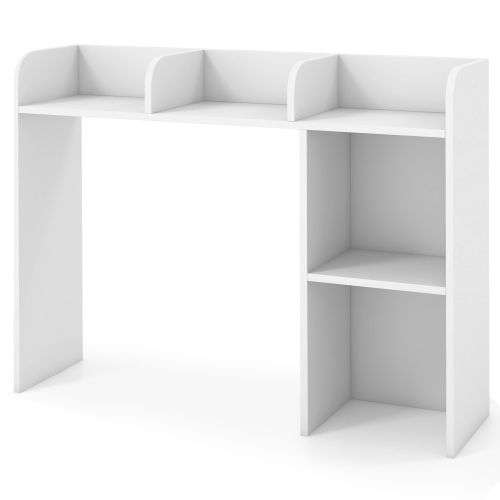
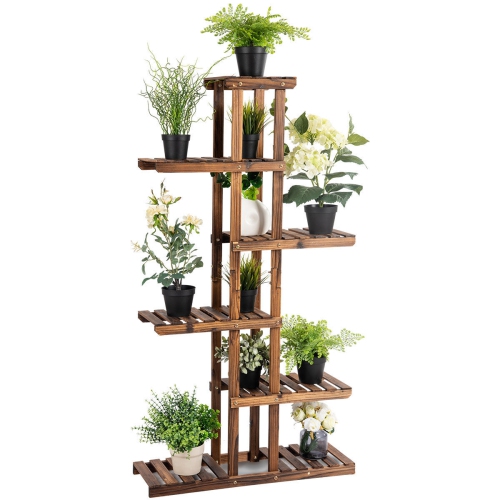
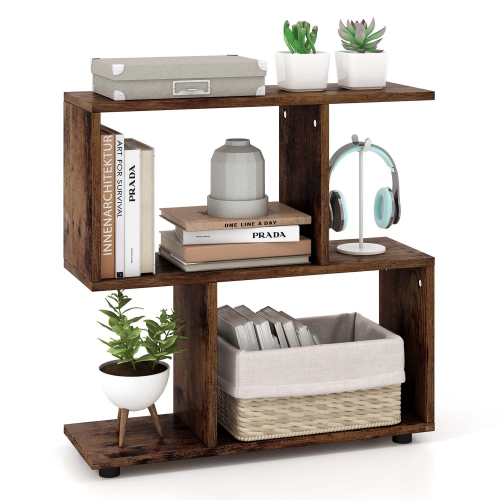
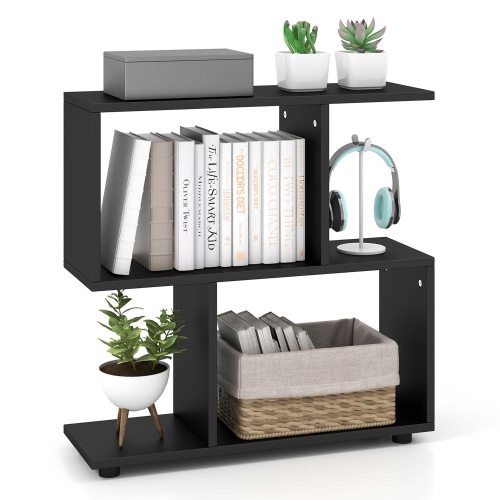

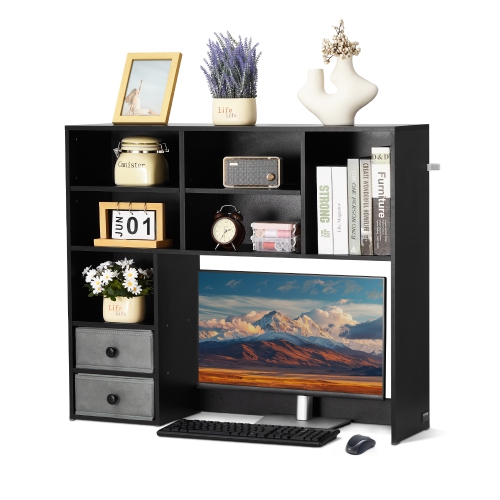
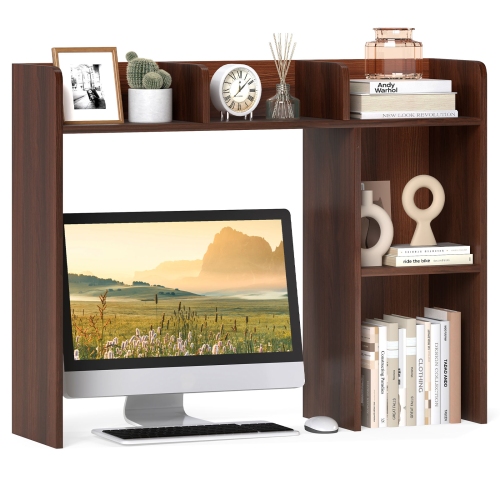
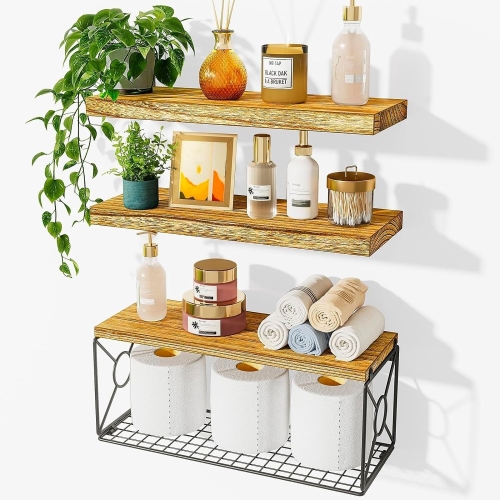
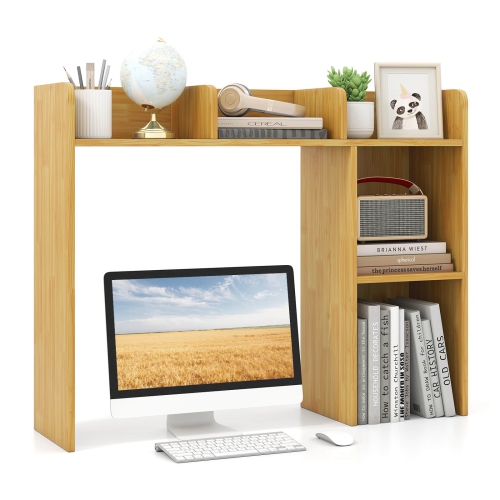

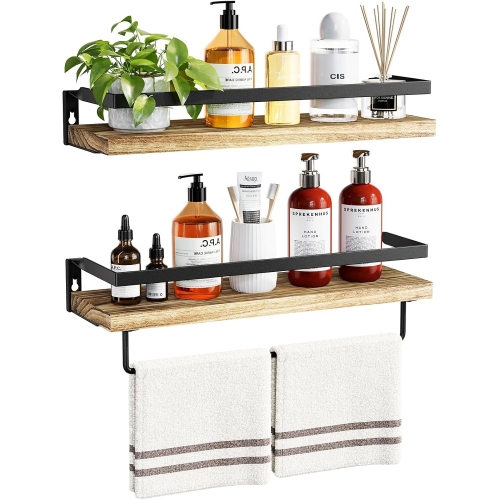


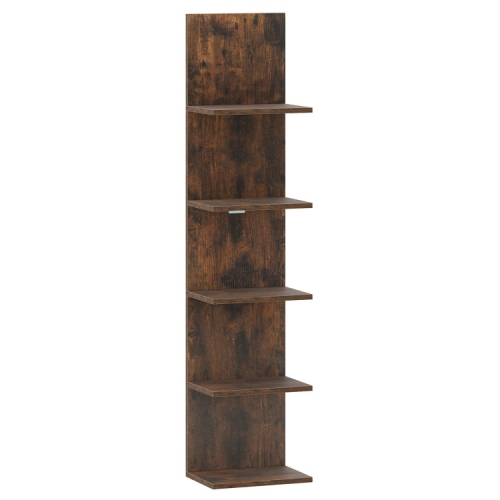
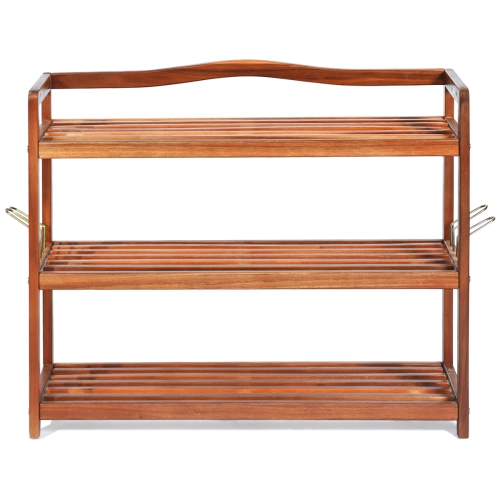


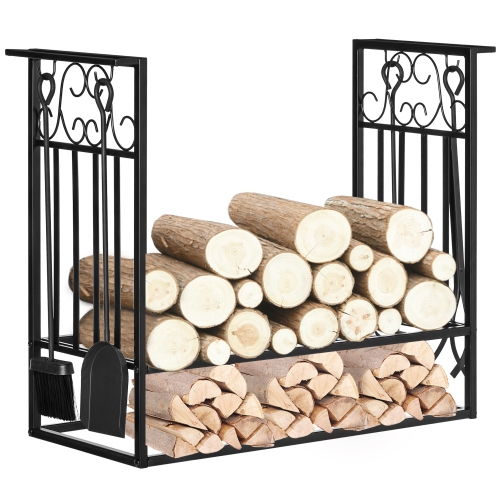
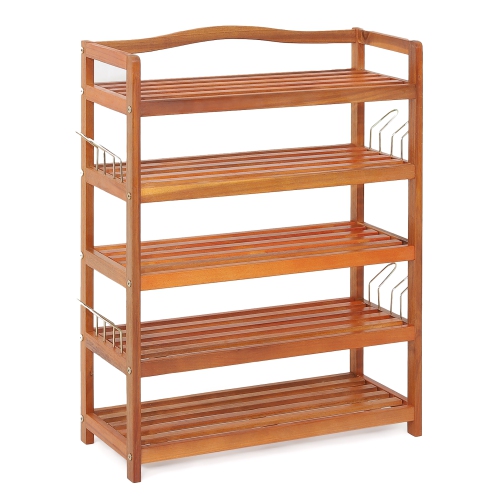
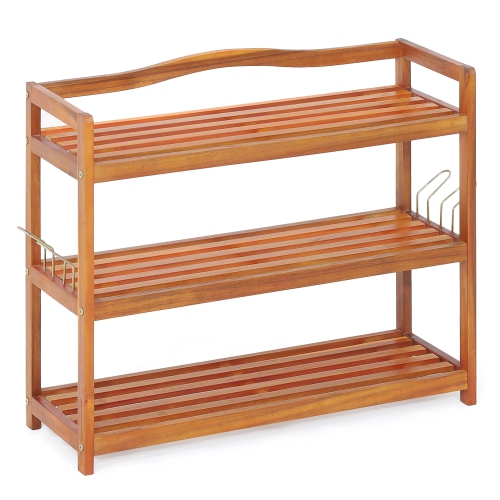
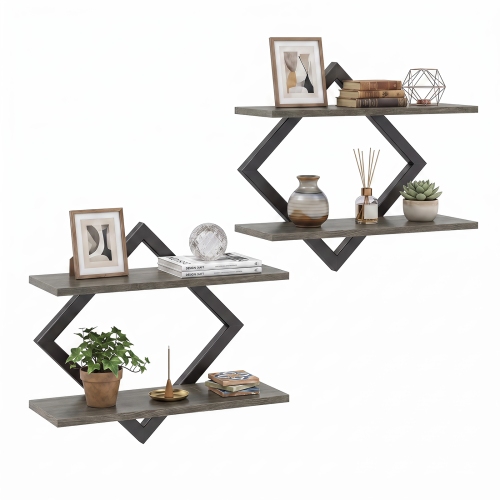
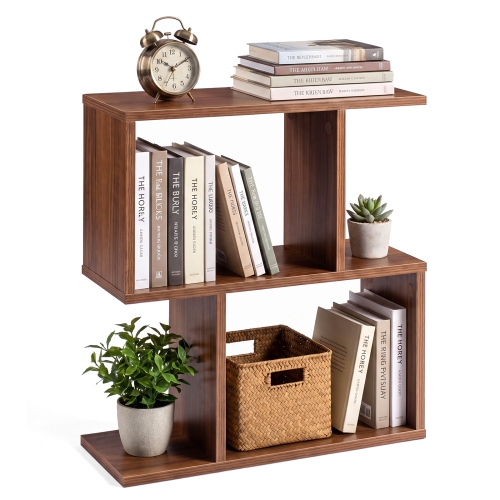
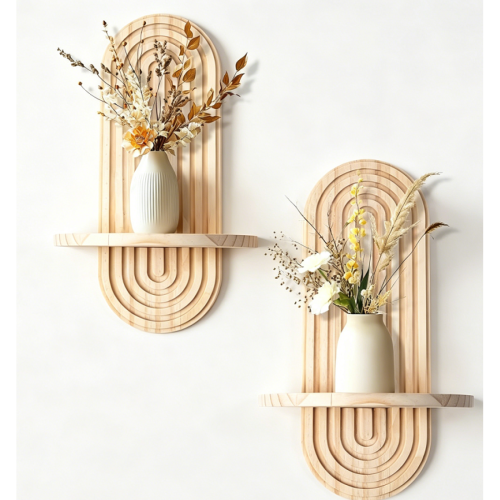
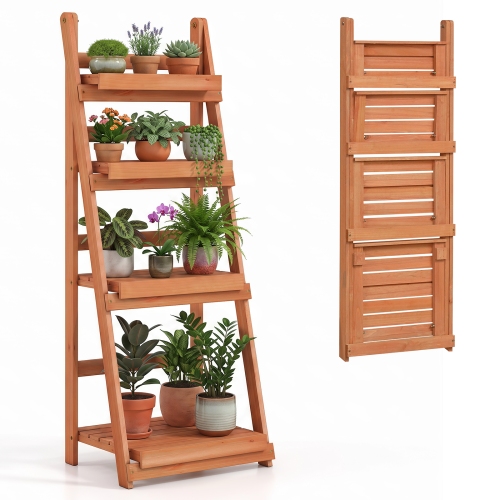

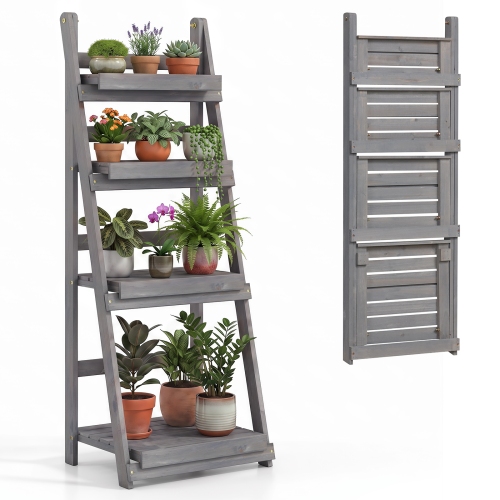

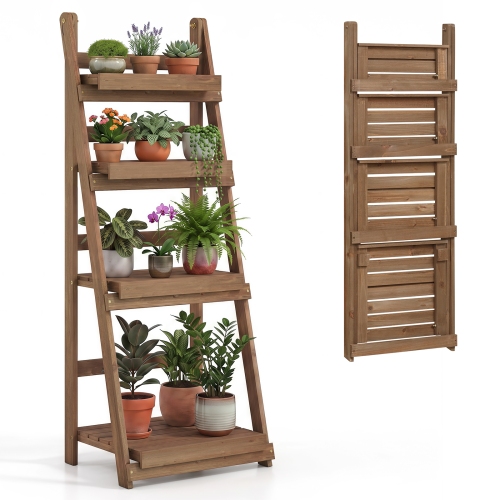
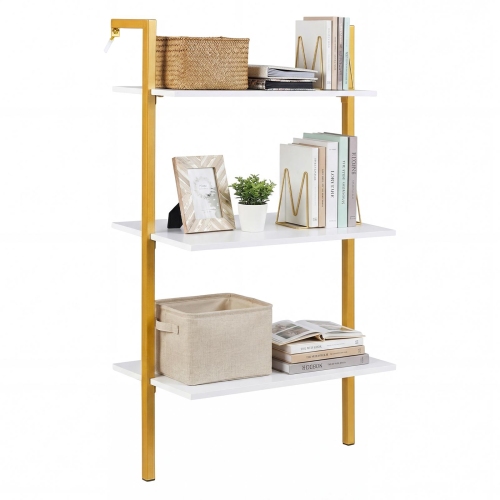
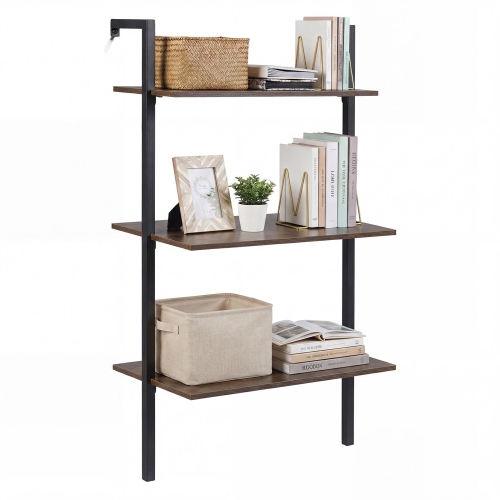
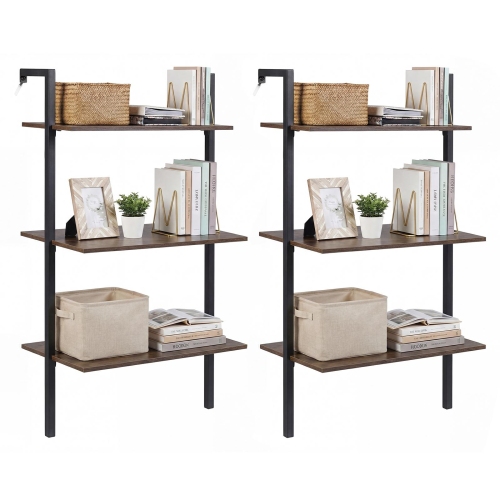
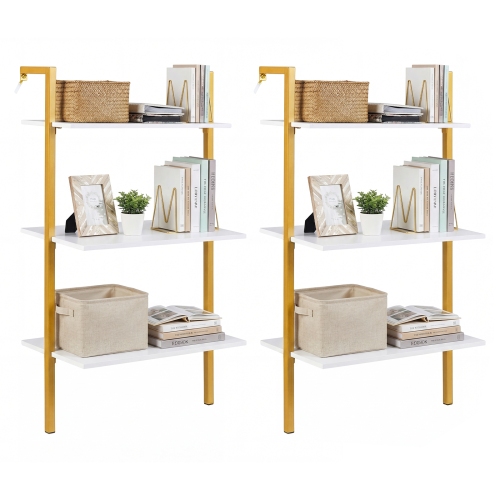
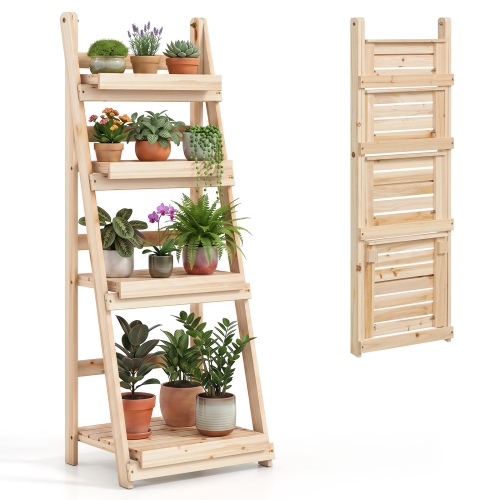
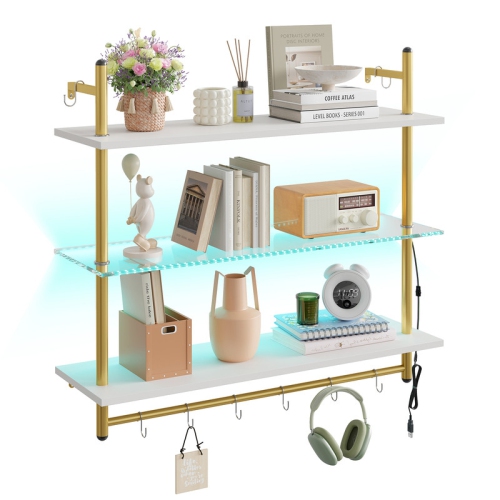

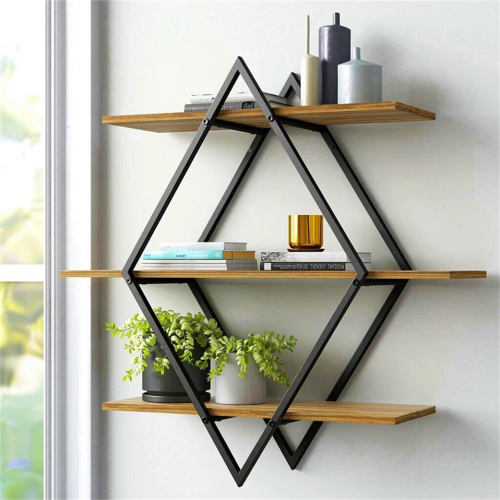
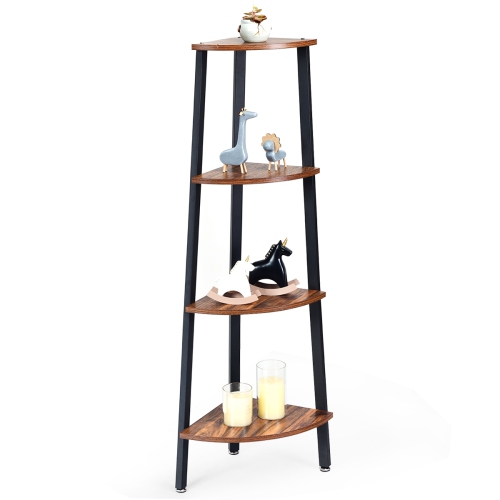
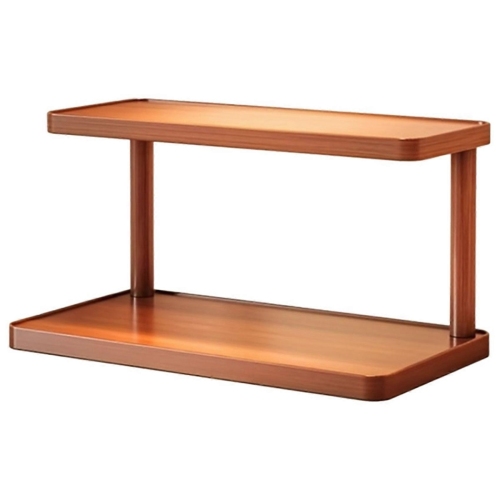


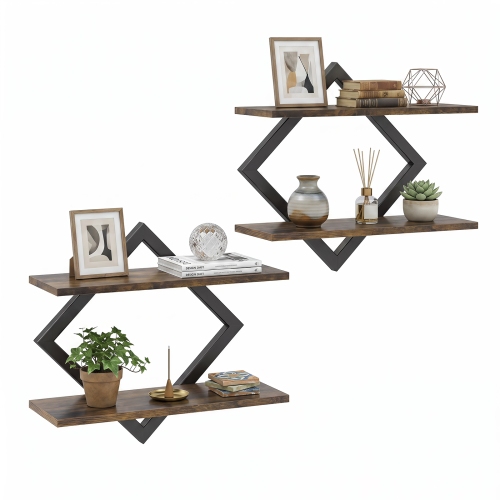


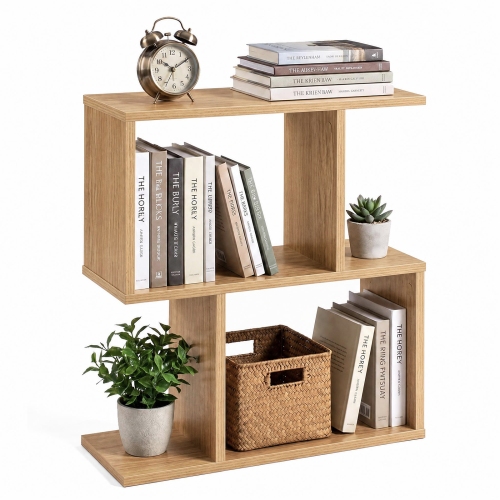
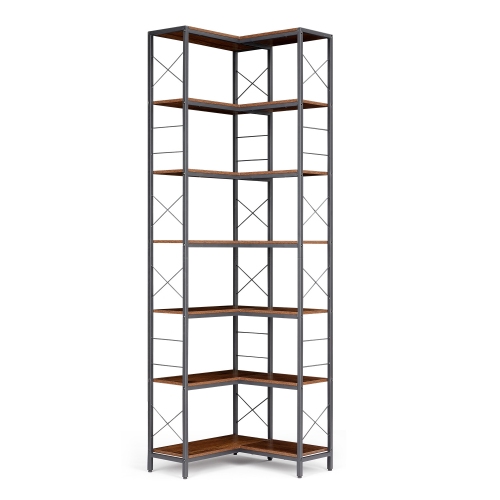
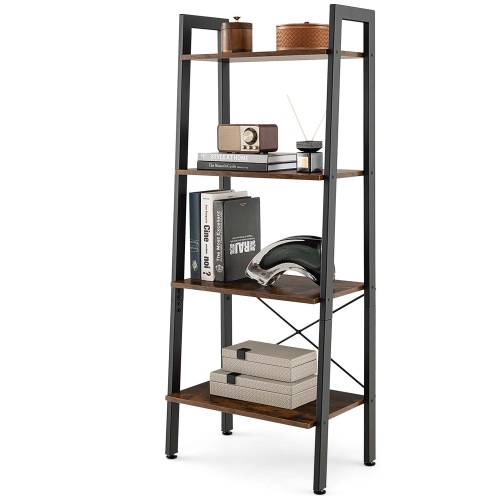
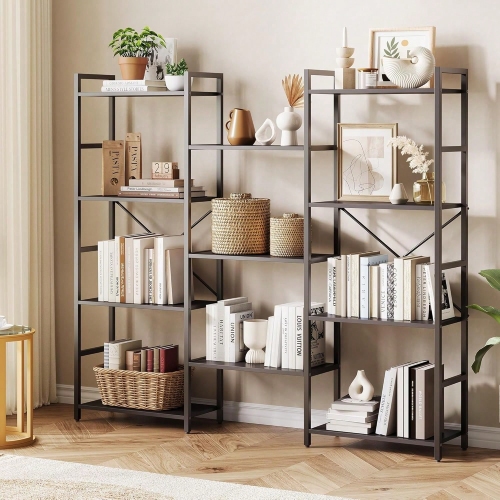

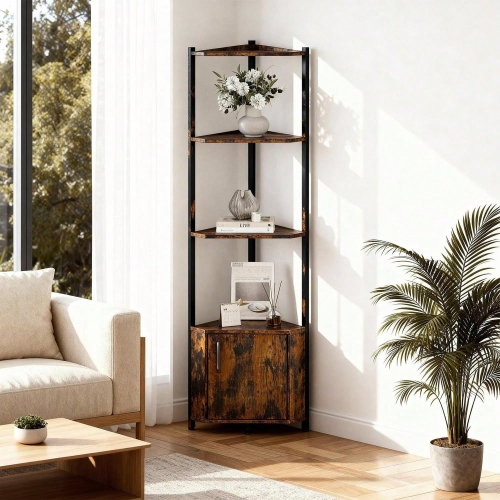
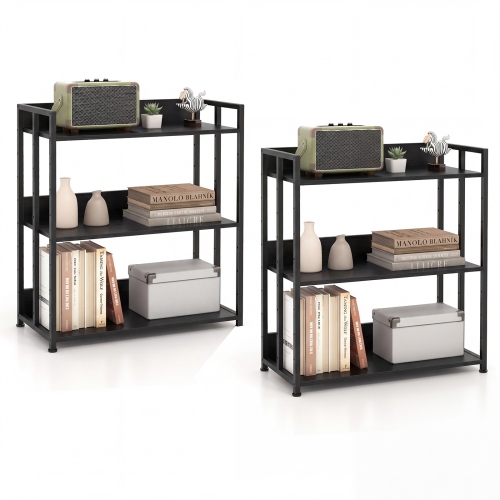

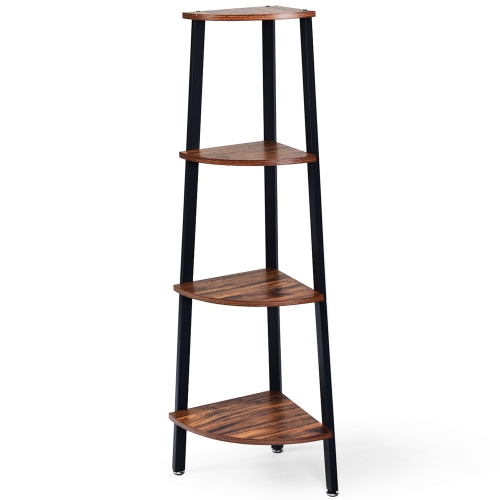


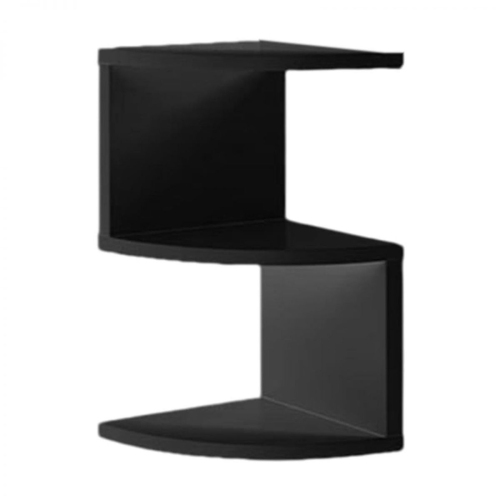

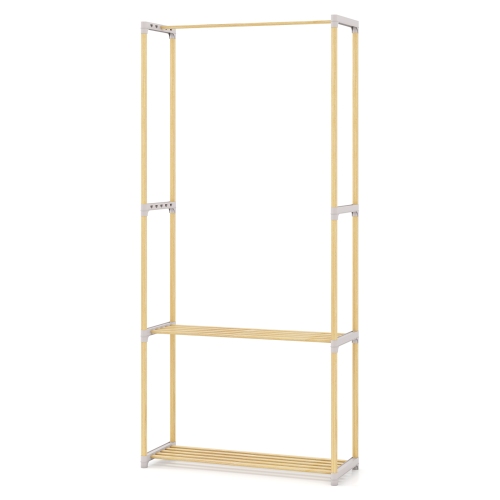

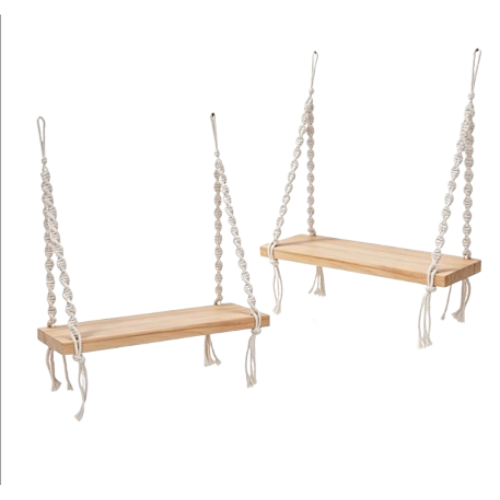


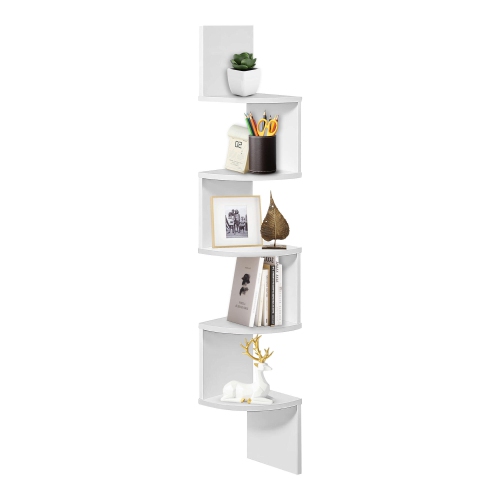
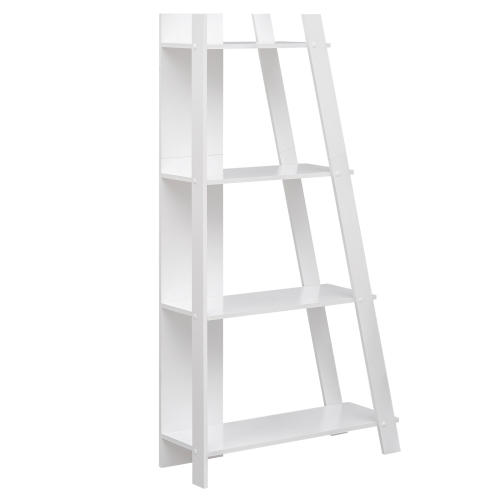


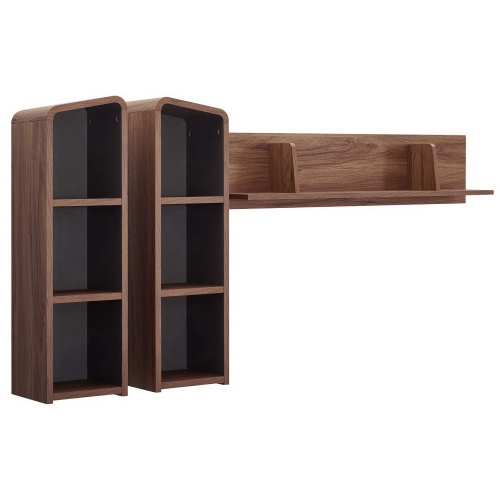
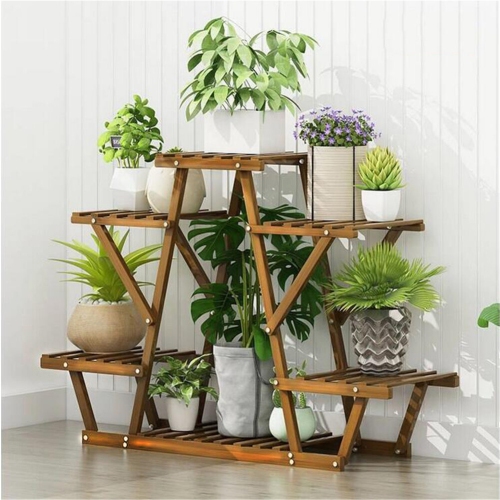


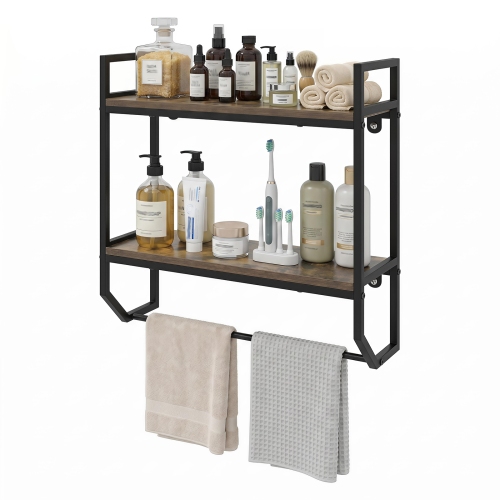
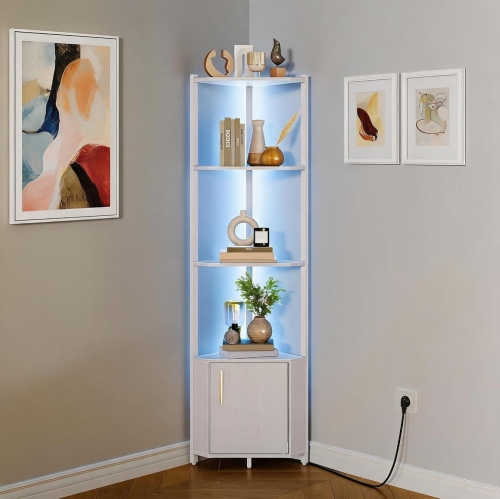
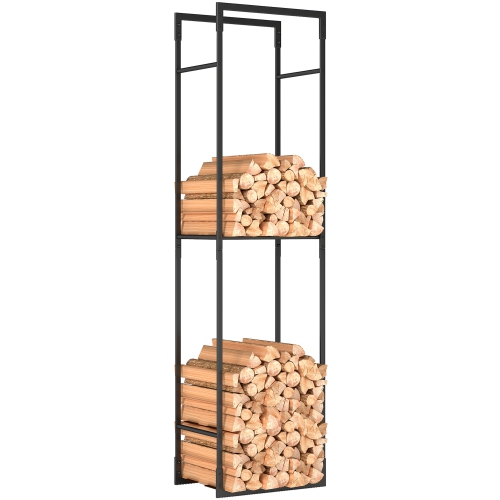
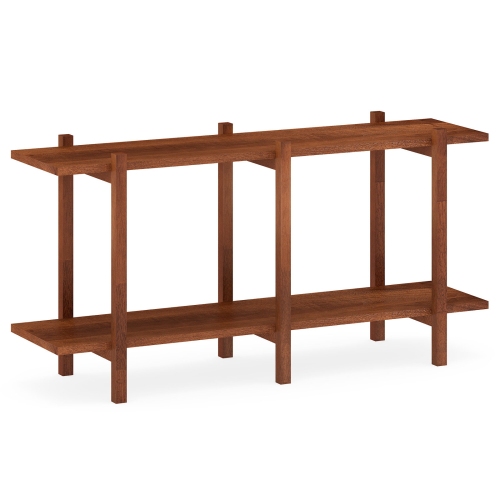

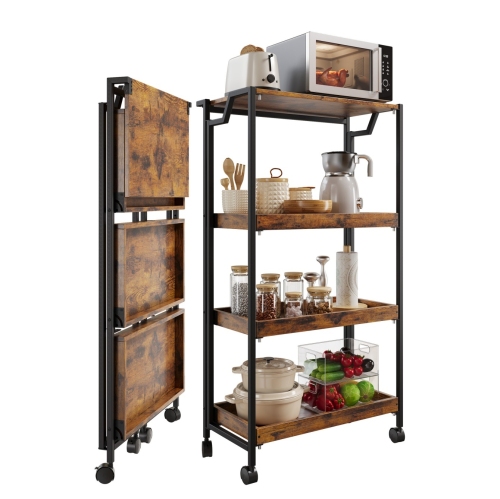
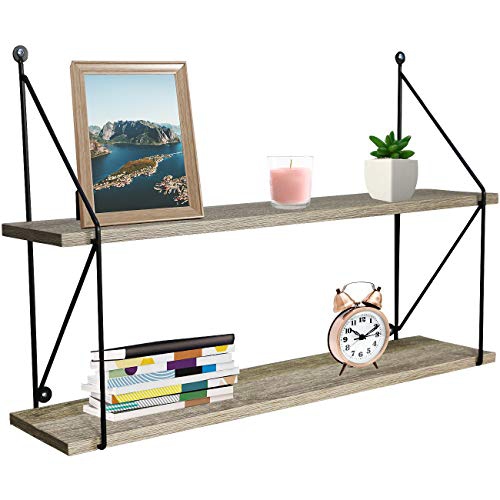
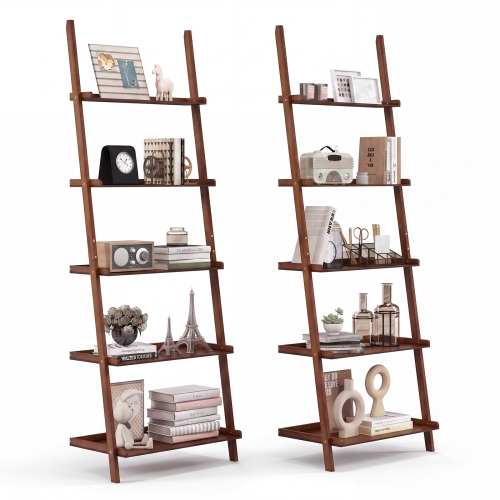
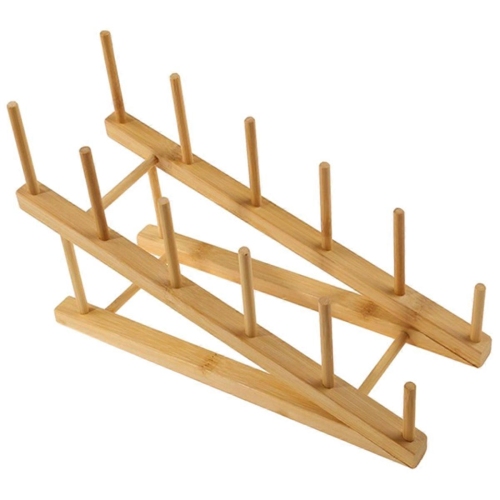
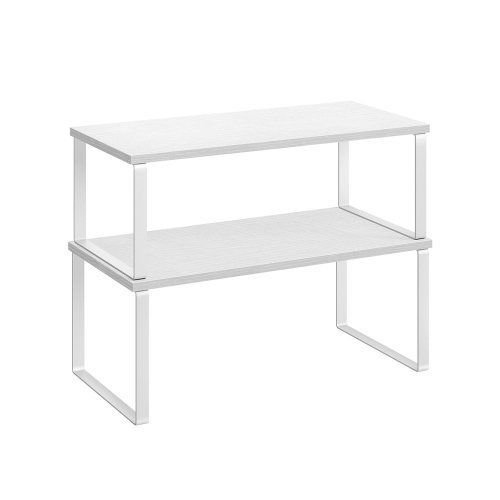
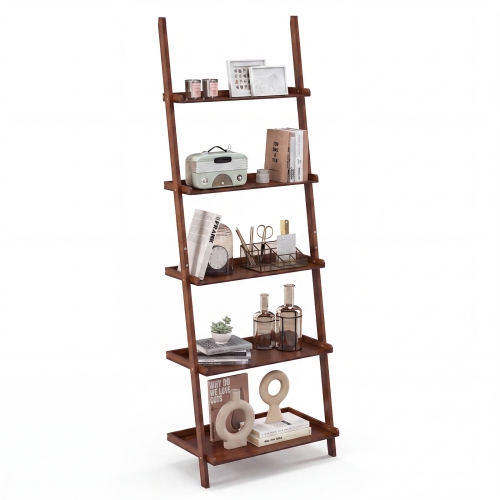
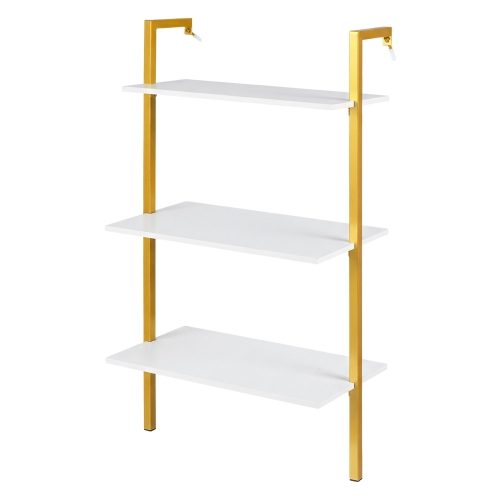
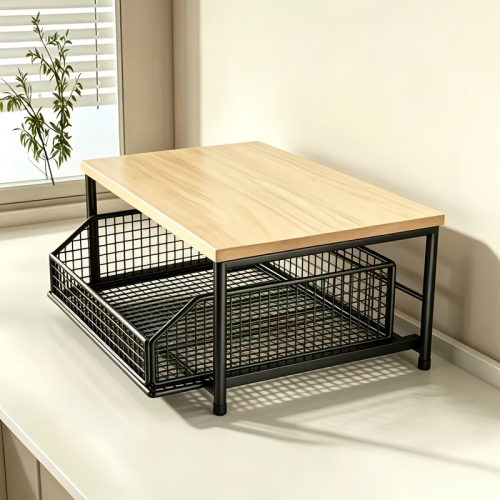
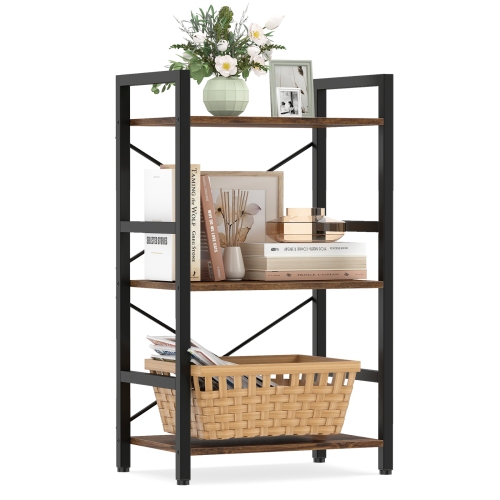
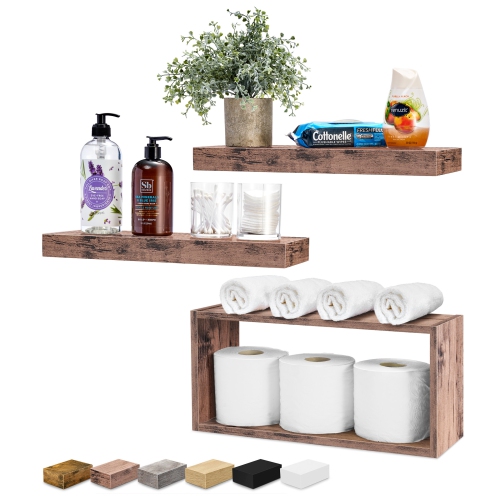
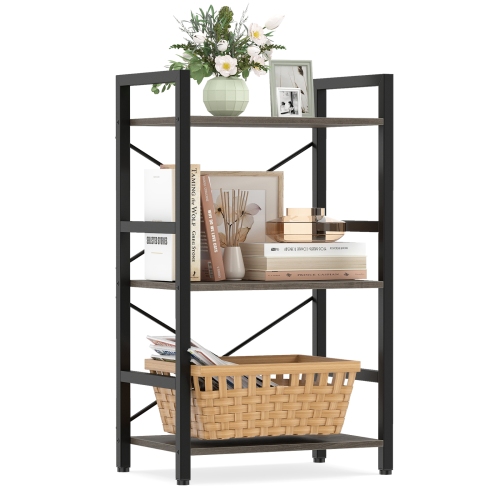

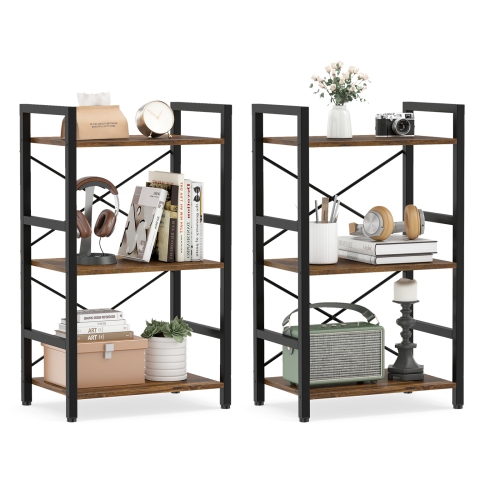
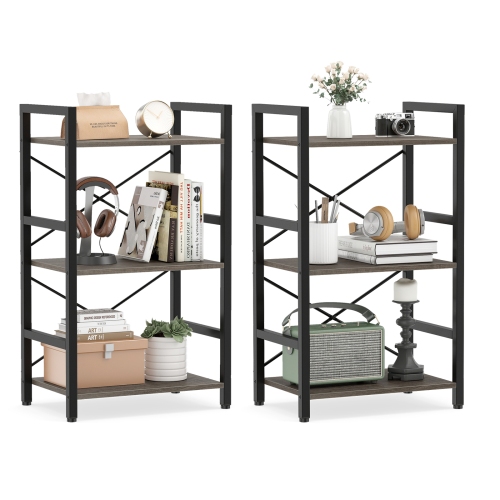
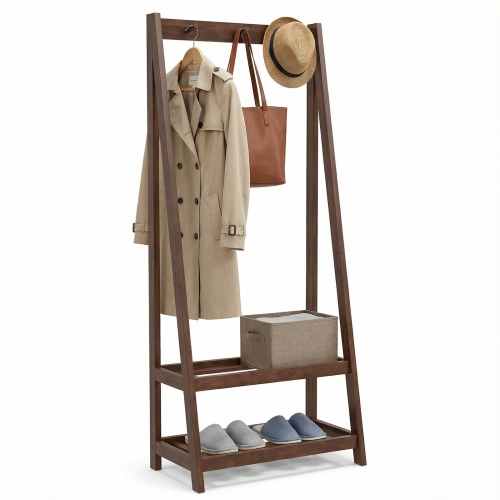
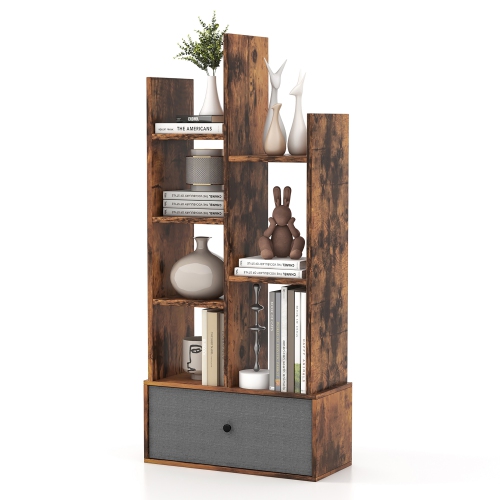
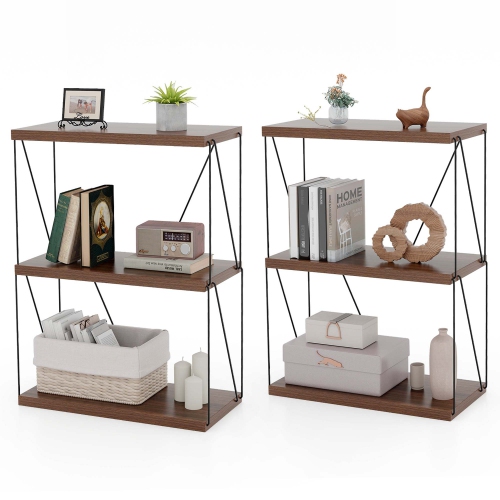


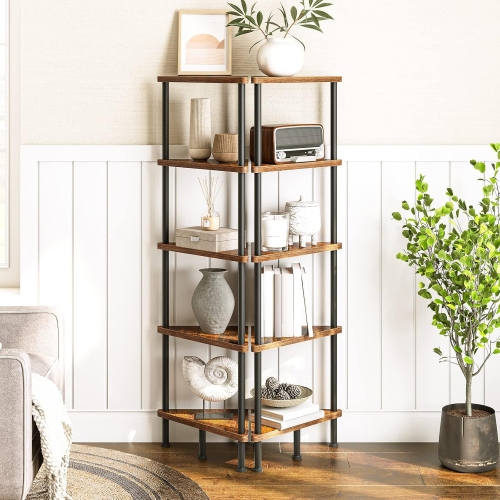
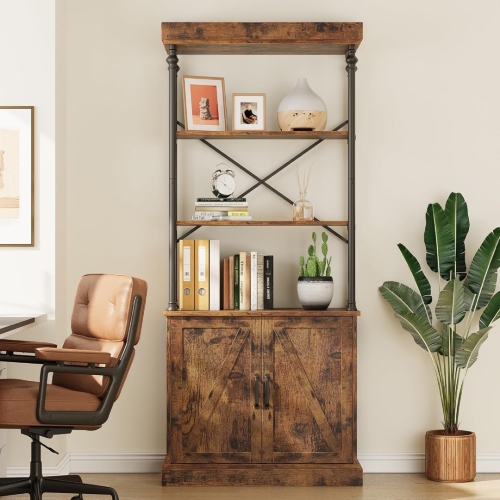
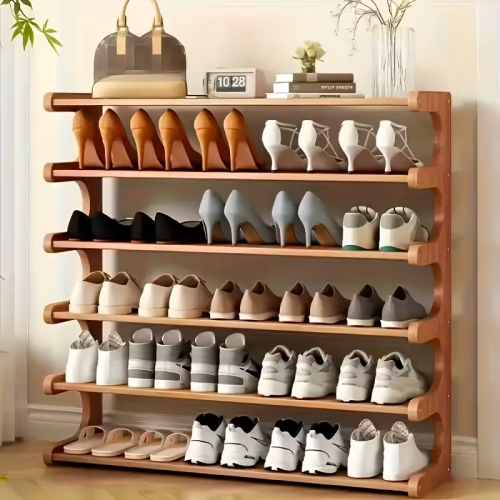
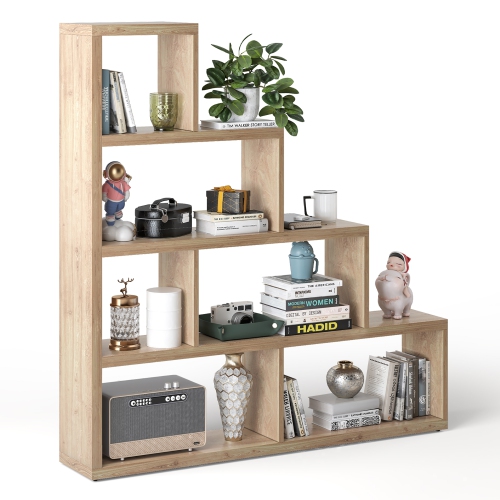
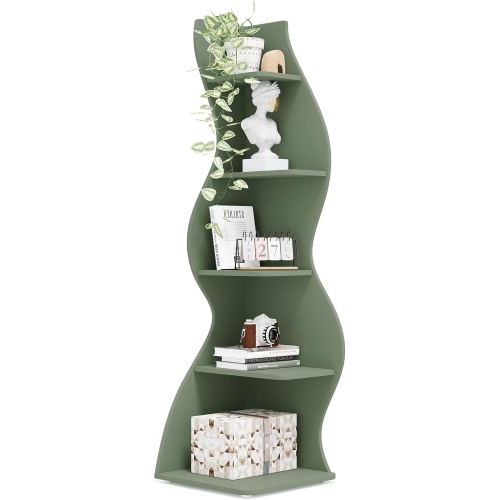
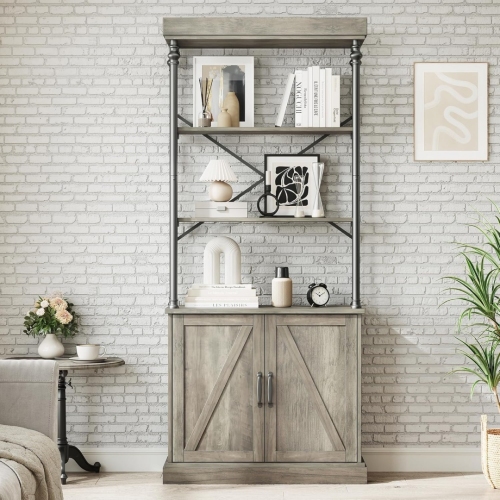
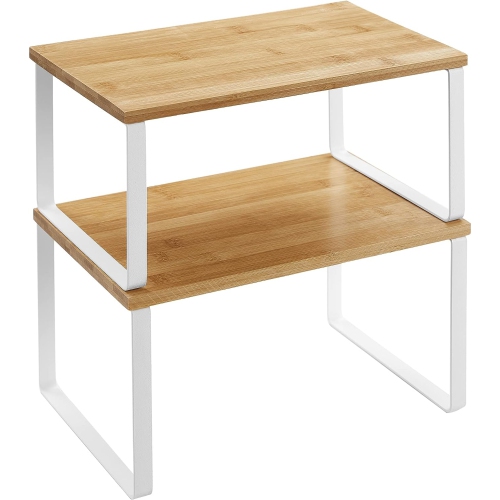
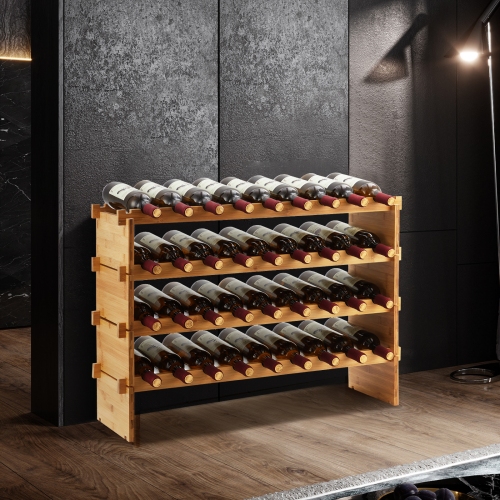
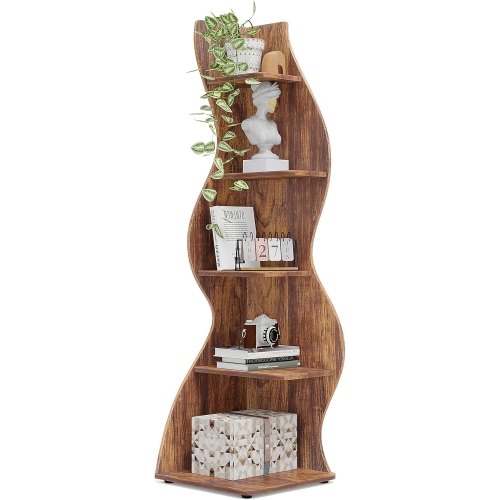
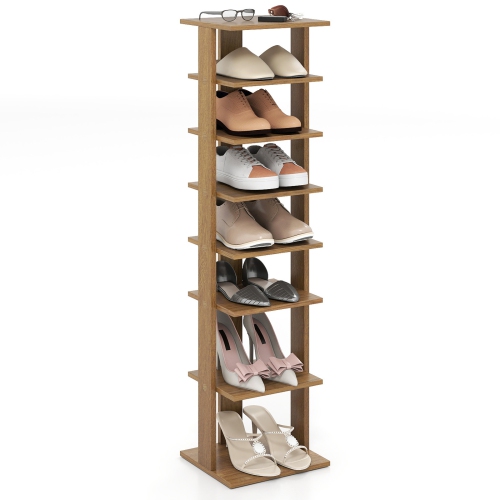

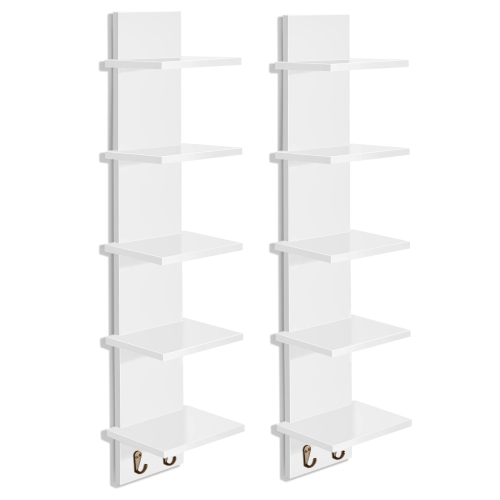
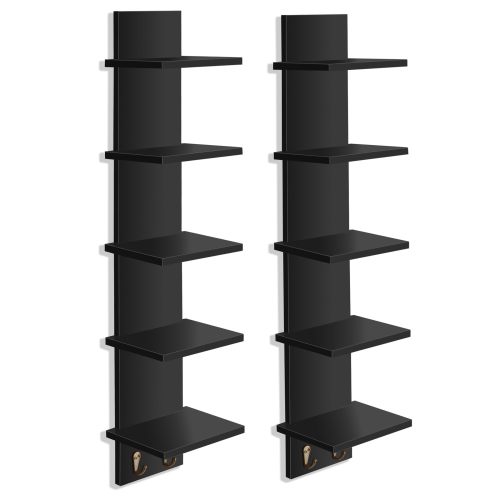
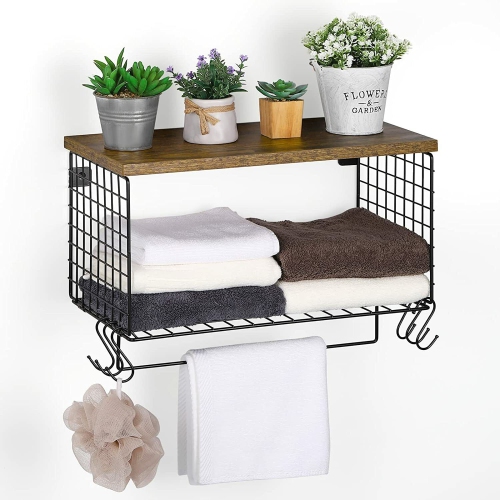


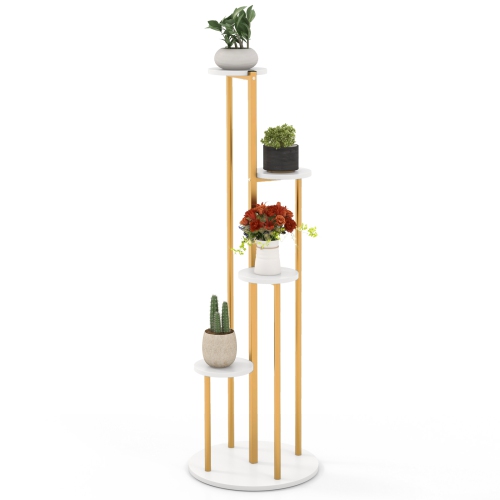
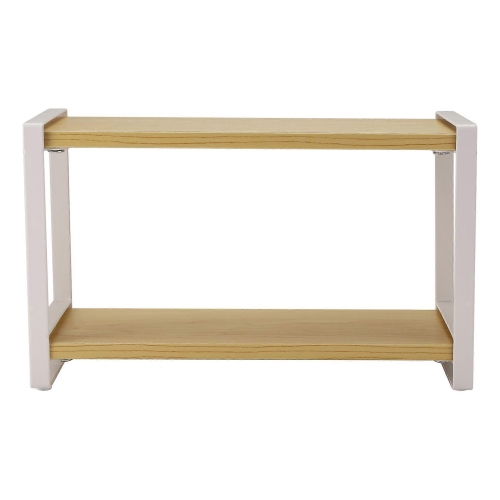
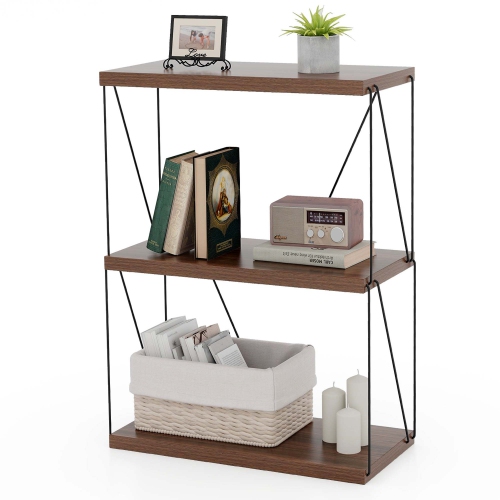

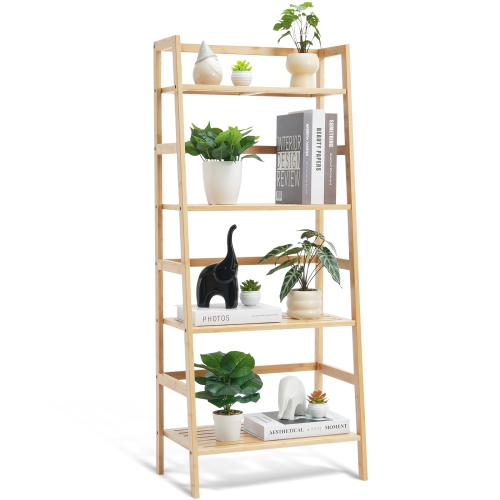
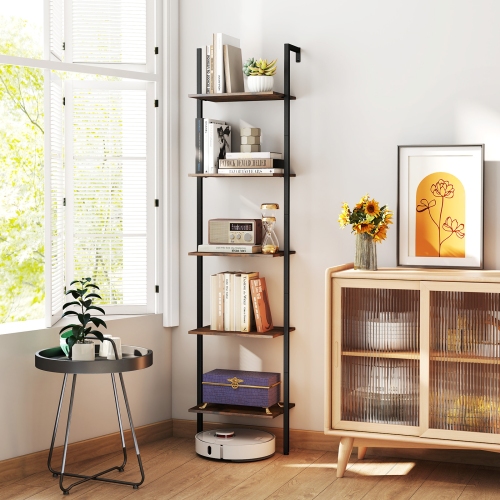

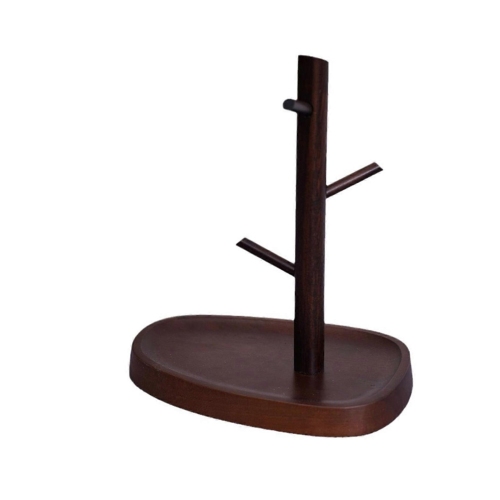
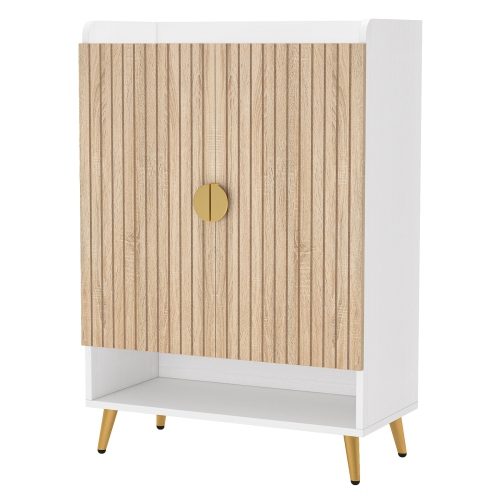
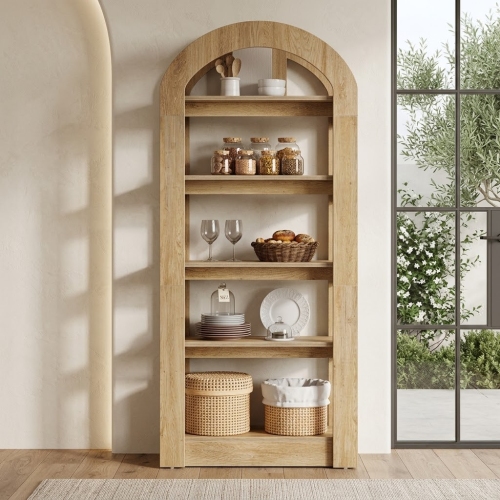
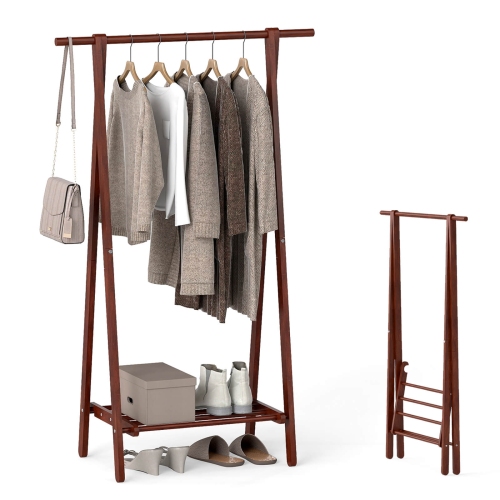

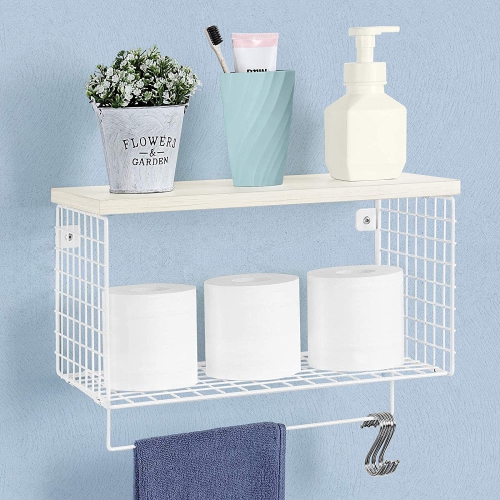
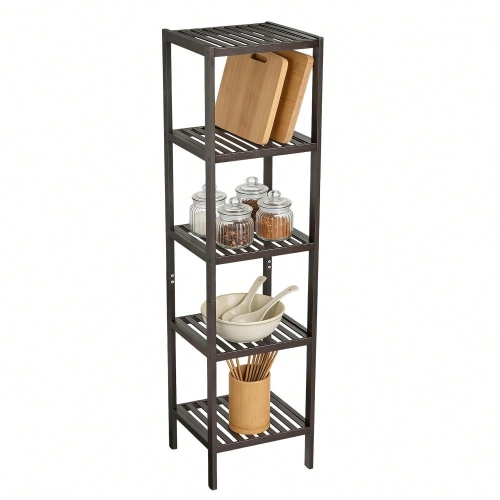
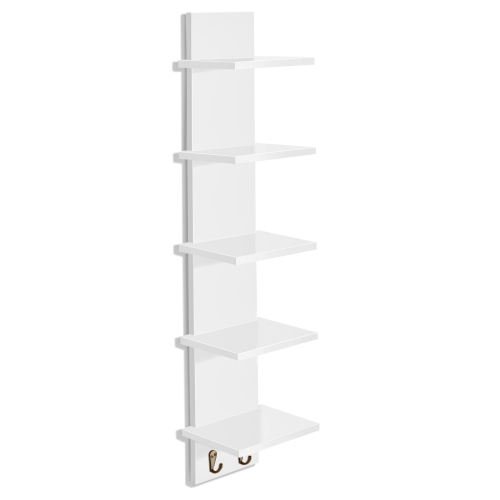
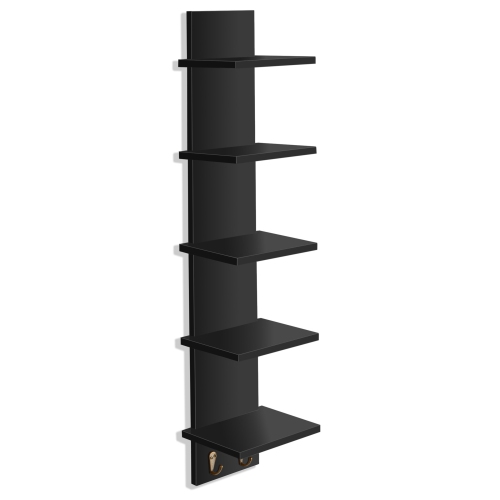

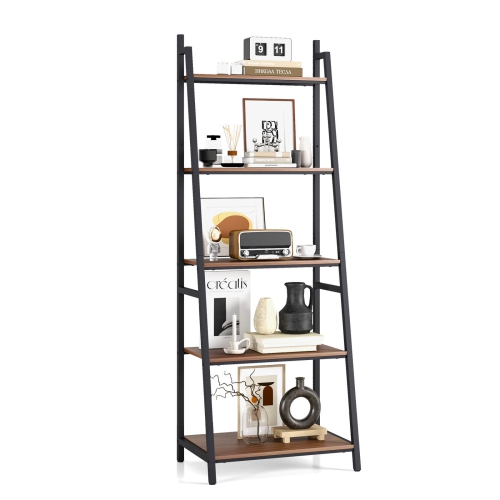
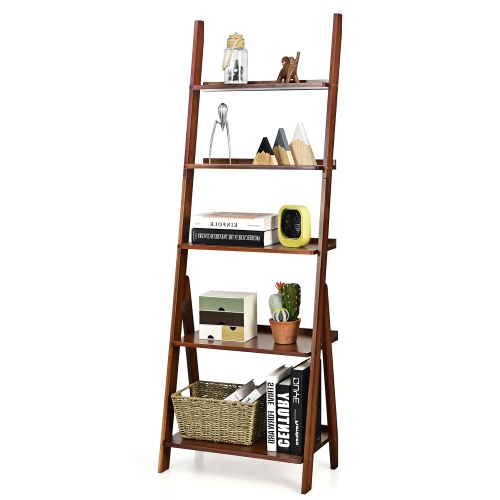

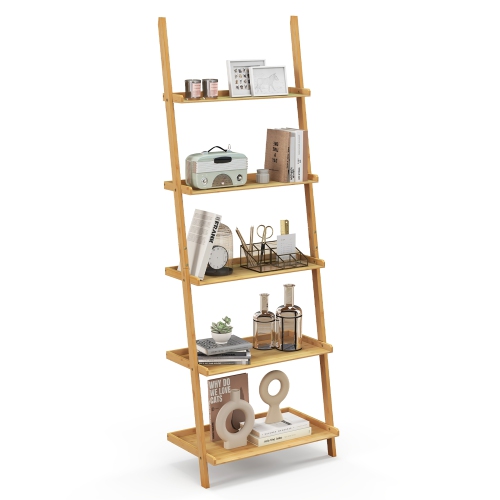

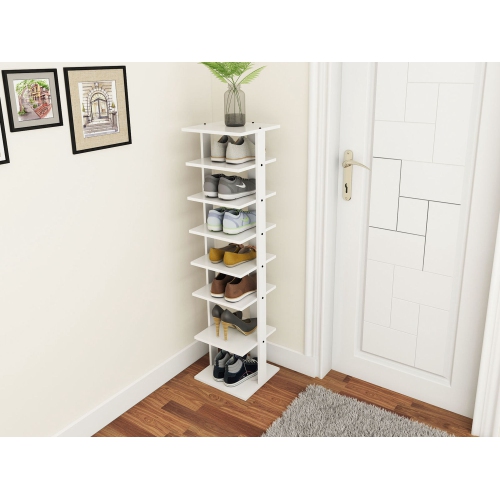


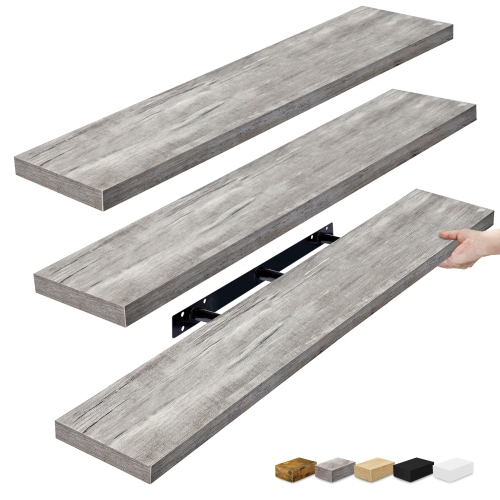


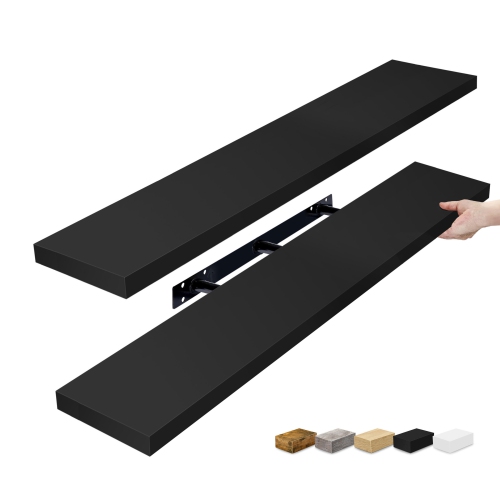
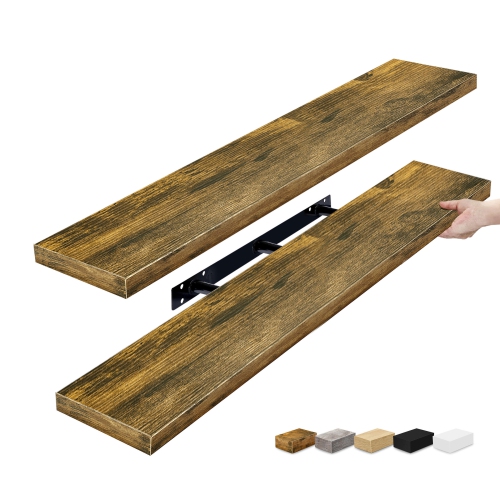
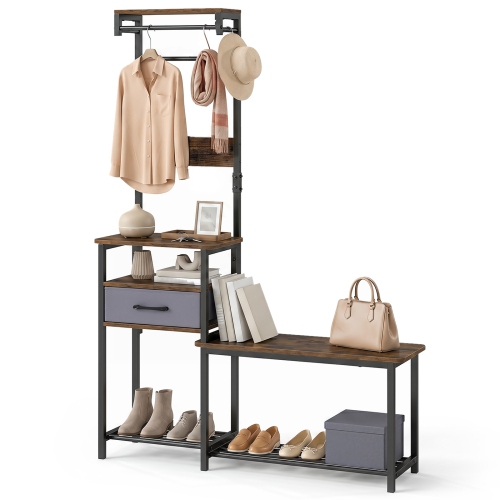
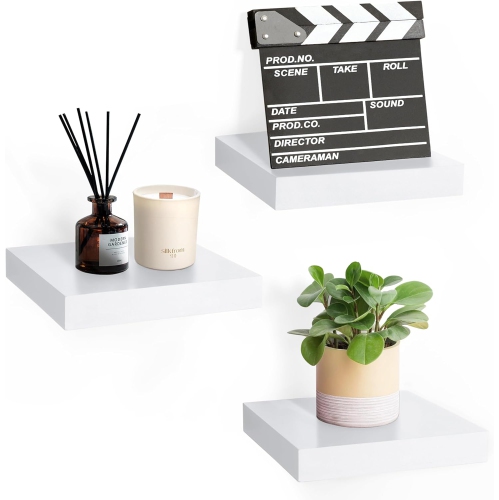

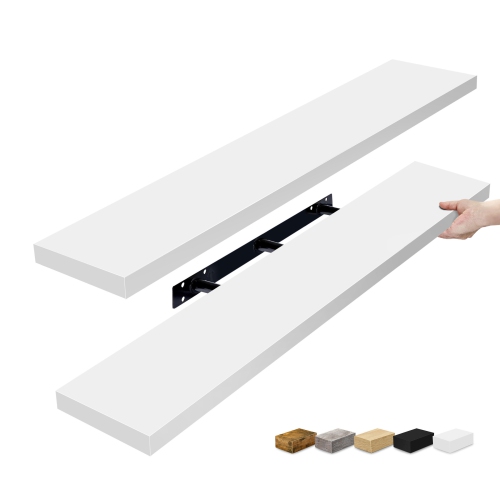

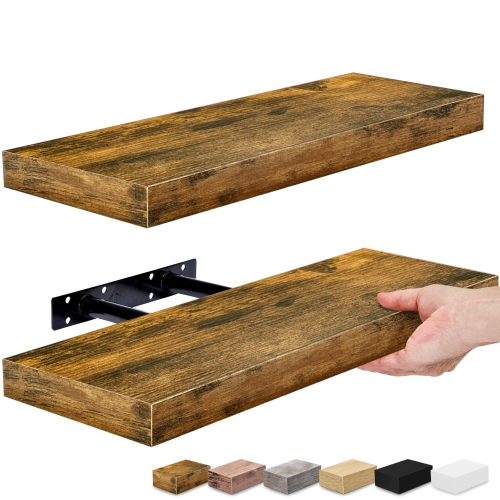

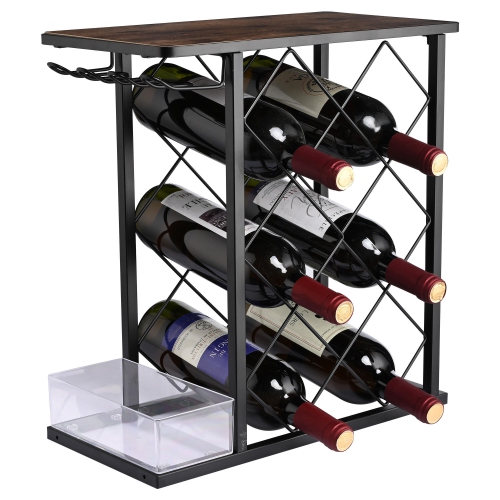

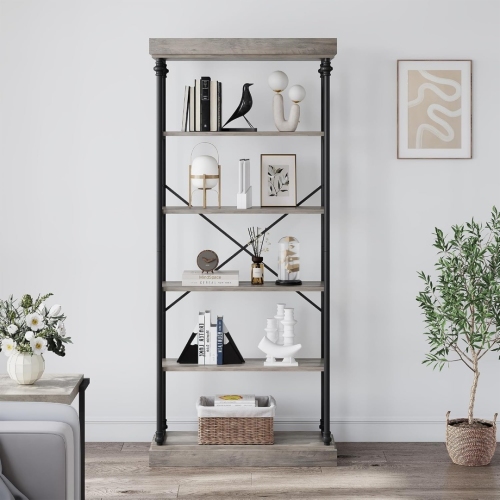


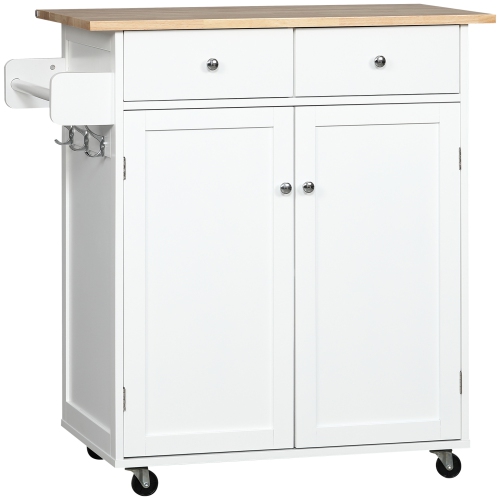


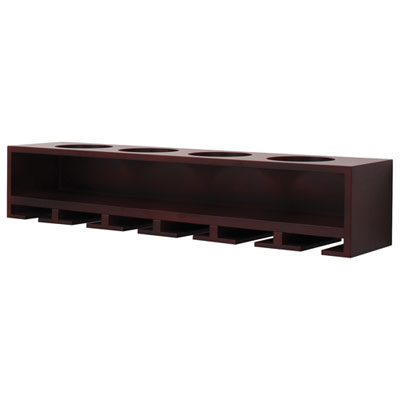
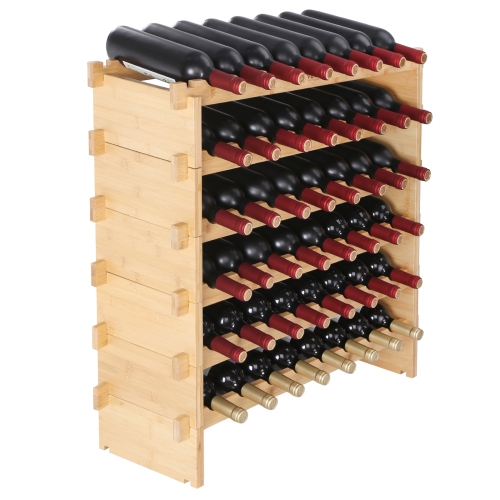

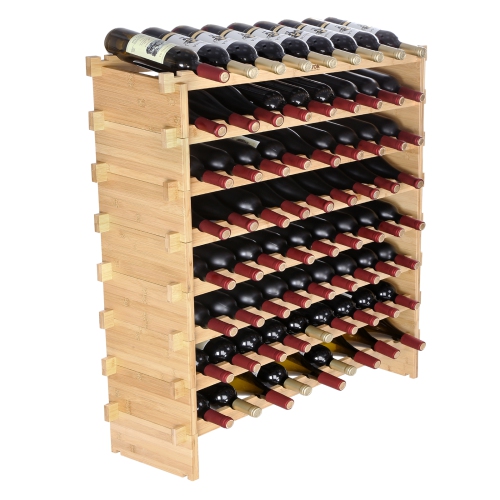
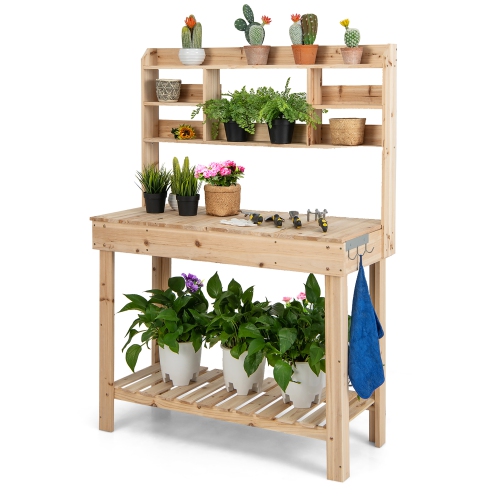

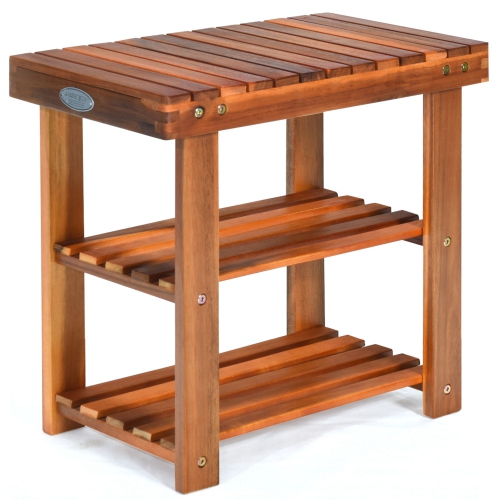
Open shelving that keeps everyday belongings in view
Wood shelf racks are open storage units with wooden shelves that keep everyday belongings visible, accessible, and arranged vertically. They suit spaces ranging from living rooms and home offices to closets, pantries, and dry utility rooms, with their usefulness depending on the construction, dimensions, and rated load capacity. Unlike a closed cabinet, an open rack lets someone spot a storage basket, folded blanket, or reference book without opening a door, which can make a small room feel less crowded. Freestanding designs can sit along an unused wall, while wall-mounted racks leave the floor clear when installed with suitable hardware. Modular shelving offers flexibility where the system supports additional sections or adjustable shelf positions. The material makes a noticeable difference to both appearance and upkeep. Solid pine often has visible knots and a lighter colour that works well with casual interiors; as a relatively soft wood, it can also pick up dents from hard objects. Hardwoods such as oak have a distinct grain and generally resist surface dents better than softer species, although overall rack strength still depends on its design and joinery. Plywood, wood veneer, and laminated engineered wood bring different surface finishes and construction characteristics. Veneer provides a thin layer of real wood over a core, while a printed wood-look finish creates the appearance of grain without a solid-wood surface. These distinctions matter when comparing how a rack feels, how its edges are finished, and what care its surfaces need. Wood shelves paired with metal uprights can provide a more industrial appearance, while an all-wood frame creates a softer visual line beside upholstered furniture. Unfinished wood has a more exposed surface and may be suitable for staining or painting if the manufacturer permits it. Finished shelves are often easier to wipe down, but their resistance to spills and scratches varies with the coating. Natural grain, knots, and small colour differences give real wood character without making every shelf look identical.
The most useful wood shelf racks fit both the room and the belongings they need to hold. Overall width, height, and depth tell only part of the story: the clear space between uprights and the distance between shelves determine whether a basket, small appliance, or row of binders will actually fit. A shallow rack can hold paperbacks or folded accessories without projecting far into a hallway, while deeper shelving gives larger storage bins enough support underneath. In a home office, shelf spacing that accommodates upright folders can keep paperwork close to a desk without taking over the work surface. In a pantry, adjustable shelves can make better use of the space above tall containers and shorter jars. Solid shelf surfaces support small objects more evenly than widely spaced slats, which may need compatible baskets or trays to keep narrow belongings steady. A rack also needs room around it: nearby doors should open freely, drawers need clearance, and frequently used storage should not block a walking route. Baseboards, floor vents, and outlets can affect placement even when the wall itself appears wide enough. For books, tools, or densely packed containers, the stated weight limit matters more than a sturdy-looking frame. Shelf limits and total unit limits may differ, and ratings often assume that weight is spread evenly rather than concentrated in one spot. Long unsupported spans may bend under heavy loads, so shelf thickness, supports, joints, and assembly quality all contribute to durability. Heavier belongings belong on lower shelves to help keep the centre of gravity low. Tall or narrow units need particular attention to stability, and any required wall restraints should be installed according to the manufacturer’s directions using hardware suited to the wall. Wall-mounted racks rely on suitable fixings and the supporting wall structure as well as the shelf itself. These details are especially important in homes with children or pets, where climbing or a sudden pull can create a tipping hazard.
Day-to-day use gives wooden shelving much of its appeal. A rack near the entrance can bring together baskets of gloves, hats, and reusable shopping bags, while a living-room unit can balance books with a few framed photographs and leave space for folded throws during the cooler months. In a shared apartment, separate baskets help give each person a defined place for loose belongings without requiring a larger piece of furniture. A hobby room benefits from shelves that keep supplies easy to see, provided paints, liquids, and anything sharp are stored appropriately. For a dining area where bottle storage is the main purpose, Wine Rack Shelves offer a more focused category than general-purpose open shelving, with bottle-support layouts to consider alongside the surrounding furniture. Wood shelf racks can also make a practical housewarming gift when the recipient’s measurements, preferred finish, and assembly needs are known. Their longevity depends as much on placement and care as on the original material. Most indoor wooden shelving is best kept away from persistent dampness, standing water, and strong heat sources. An unfinished pine rack that works well in a dry storage room may be less suitable for a humid basement or an unheated garage unless its specifications support those conditions. Wood can expand and contract as humidity changes, and some engineered wood cores can swell if moisture reaches an unprotected edge. Routine dusting with a soft cloth helps prevent grit from collecting beneath baskets and scratching the finish when they slide. Spills should be wiped up promptly, with cleaning methods matched to the manufacturer’s care directions rather than an abrasive pad or a soaking-wet cloth. Protective trays beneath plant pots and pads under rough-bottomed objects can reduce marks, although trapped moisture still needs attention. Periodic checks of fasteners, shelf supports, and wall restraints help maintain stability, particularly after a move. With suitable proportions, realistic load expectations, and a finish that fits its intended room, a wood shelf rack can bring useful order to a busy household without hiding everything behind cabinet doors.
Top selling and popular products
-
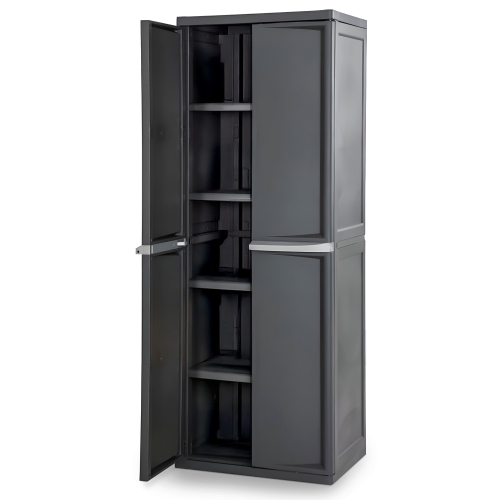 Your price for this item is $412.99
-
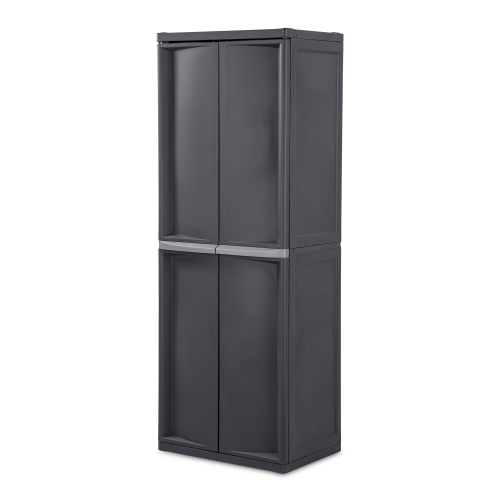 Your price for this item is $1530.99
-
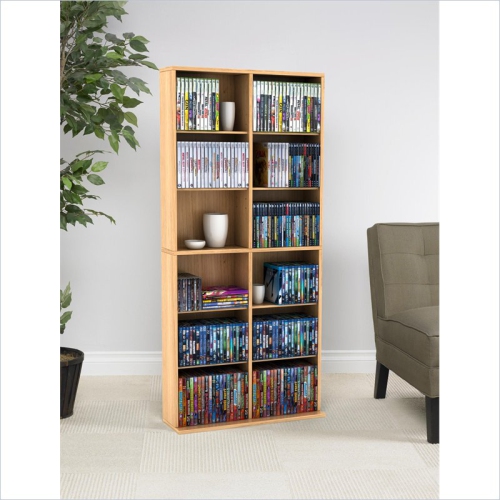 Your price for this item is $234.68
-
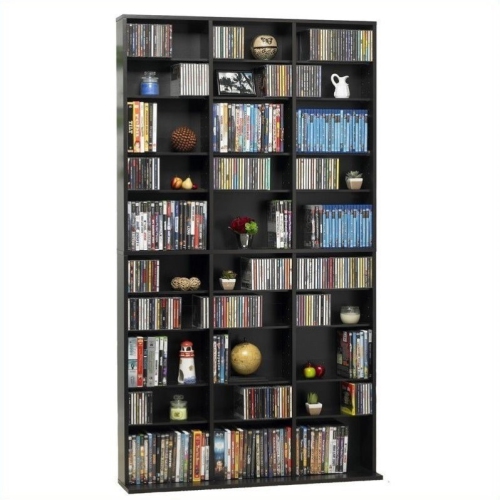 Your price for this item is $365.38
-
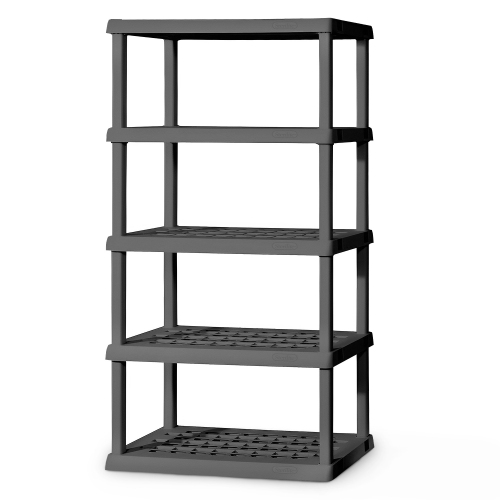 Your price for this item is $320.99
-
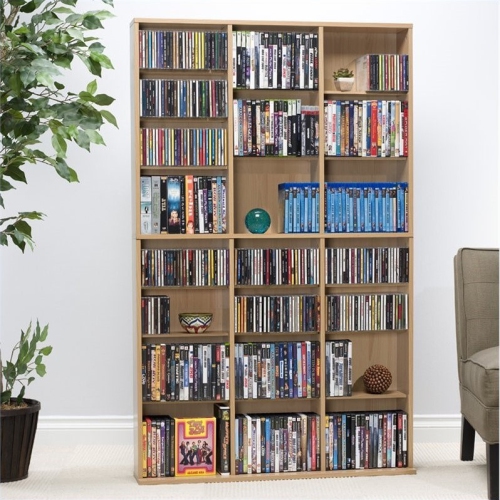 Your price for this item is $295.84
-
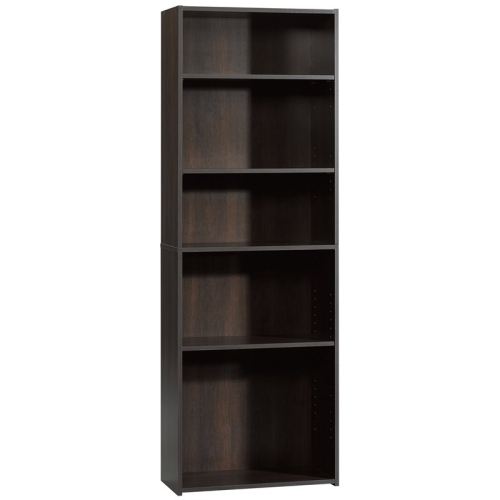 Your price for this item is $227.8
-
 Your price for this item is $127.99
Discover more categories related to Wood Shelf Racks

Top Collections:
Pokemon Centers, Best Cameras for Sports Photography, Kindle Devices, Samsung Galaxy Phones, Canon G7X Cameras, Pokémon 30th Celebration Cards, Refurbished Apple Laptops, iPhone 15 Apple, Laptops for Students, Budget Smartphones
Some products may be subject to Environmental Handling Fees
(EHF) depending on your province.
Learn more about EHFs.