Shelves for Fridge
Organize your refrigerator like a pro with these shelves designed specifically for your fridge. Whether you need to maximize space, keep items neatly separated, or simply want to upgrade your current setup, these fridge shelves are the perfect solution. With a variety of sizes and styles available, you can easily find the right fit for your refrigerator model. Say goodbye to cluttered shelves and hello to an organized and efficient fridge with our top-notch selection of fridge shelves.
Sort
Why fridge shelf fit goes beyond simple measurements
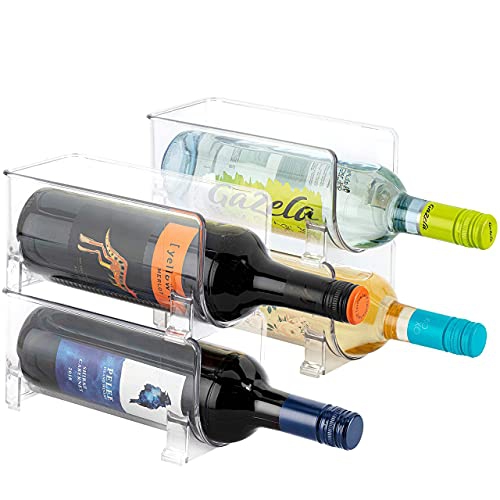
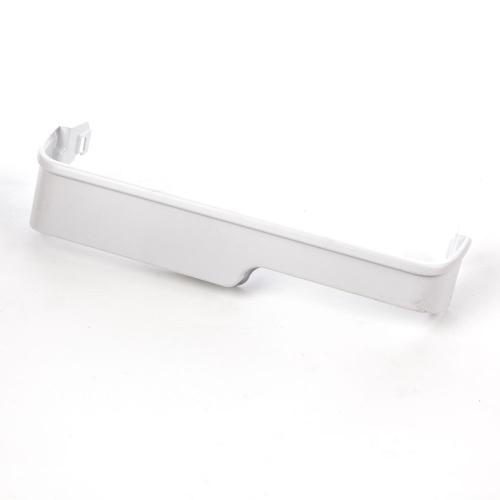
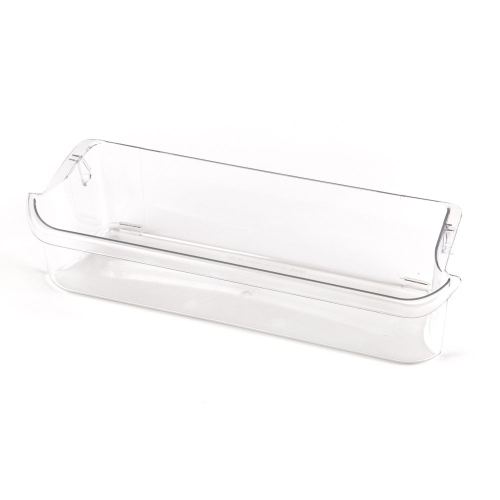
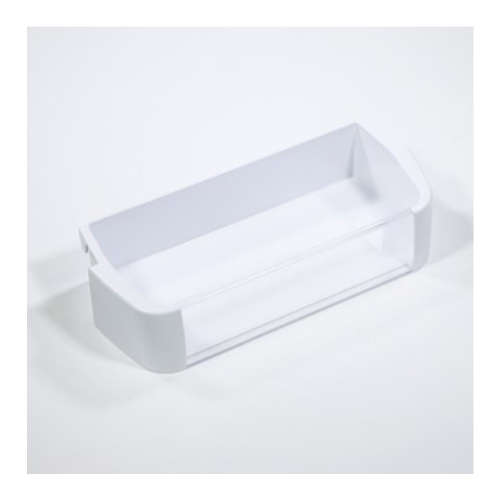
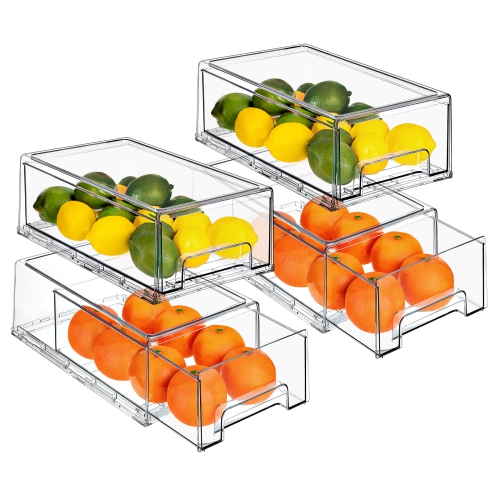
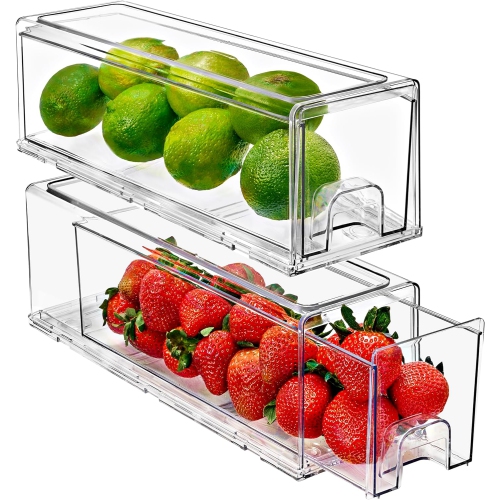
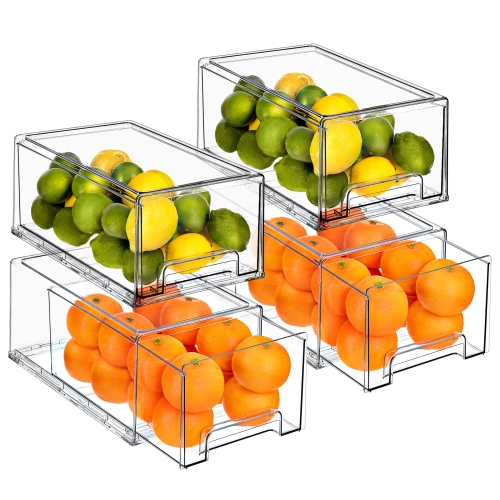
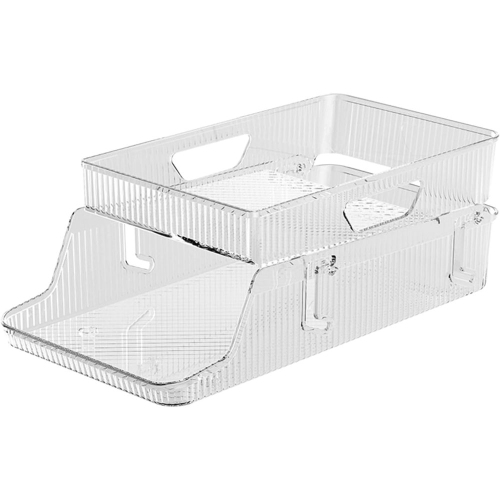
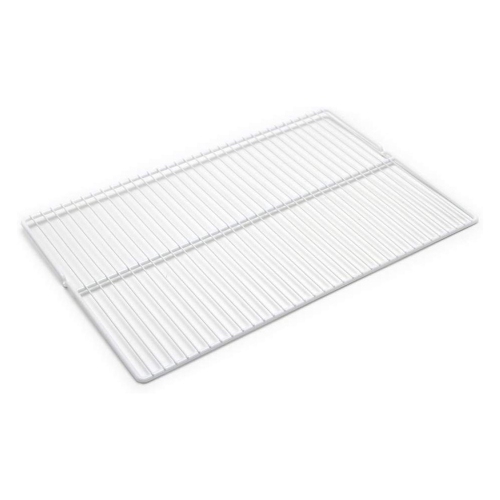
Shelves for a fridge can mean replacement shelves that fit inside the appliance, freestanding risers that add another storage level, or magnetic shelves that attach to the outside. Each serves a different purpose. A replacement shelf restores a missing or damaged surface and must match the refrigerator’s design, while a riser helps divide the space above an existing shelf. An exterior magnetic shelf keeps suitable kitchen essentials beside the fridge rather than inside it. These differences matter because a shelf that looks close in size may still have the wrong mounting points, frame shape, or depth for its intended position. For replacement fridge shelves, compatibility depends on the appliance’s model number as well as the shelf’s location. Two refrigerators with similar interiors can use different brackets, rear hooks, side supports, or glass inserts. Some replacements include both the glass and surrounding frame; others are only one component of the assembly. A glass insert alone will not replace a cracked support frame, and a complete shelf may not include the brackets that connect it to the cabinet. Full-width shelves offer a continuous surface for trays and larger containers, while split shelves can allow different heights on either side of the refrigerator. Sliding or retractable designs may create room for a tall pitcher without requiring an entire shelf to be removed, provided the appliance supports that design. Door bins are another distinct category: they attach to moulded points on the door and are not interchangeable with shelves in the main compartment. For add-on risers, useful measurements include the available width and depth, the clearance above the existing shelf, and the space needed to lift containers in and out. A riser that fits neatly when empty may become awkward once a lidded casserole dish or a carton needs to pass beneath it. The most practical fit leaves room for ordinary movements, not just the organizer itself.
Material and construction influence how a fridge shelf feels in everyday use. Tempered glass provides a smooth surface that supports containers with narrow bases and makes drips easy to see. A framed glass shelf may help contain small spills when its edges are designed for that purpose, although not every frame forms a sealed barrier. Wire shelving allows air to pass through readily, but the spacing between wires affects how securely small jars and slender bottles stand. Plastic shelves and organizers vary in rigidity, surface finish, and suitability for refrigerator use, so their intended application matters more than appearance alone. Smooth corners and accessible joints make cleaning simpler, especially around the edges where a little spilled milk or sauce can collect. Durability also depends on the supports beneath the shelf. A strong-looking surface cannot compensate for a cracked bracket, a damaged mounting point, or a frame that no longer sits level. Weight limits apply to the complete setup, including any existing shelf supporting an additional riser. Several filled glass containers can put considerable weight on a small area, so load ratings and balanced placement are important. Heavy containers belong on a surface intended to support them, rather than on a lightweight organizer whose main purpose is separating smaller packages. Removable components are easier to wash, but dishwasher suitability should be confirmed rather than assumed. Mild detergent, a soft cloth, and thorough drying are appropriate for many surfaces, subject to the manufacturer’s care directions. Glass shelves need protection from sharp impacts and sudden temperature changes; a cold shelf should not go straight under hot water. Chipped edges, spreading cracks, and bent supports are signs that a component needs attention rather than a heavier load. Adjustable fittings should remain secure after repositioning, and any feet on a freestanding riser should sit fully on the supporting surface instead of straddling an edge or opening.
The value of extra fridge shelving is often most noticeable in the spaces that are difficult to use well. A broad gap above short containers can become a second level for small tubs or packaged snacks, while a clear section beneath a riser can keep frequently used ingredients within reach. In a shared household, a defined shelf area can help separate lunches, meal-preparation containers, and ingredients reserved for dinner. Someone cooking in batches may need a stable span for several similarly sized containers; a smaller household may benefit more from keeping a few essentials visible instead of filling every available gap. Accessible storage matters, too. Containers used every day are easier to manage when they can slide out without lifting a loaded organizer or reaching behind tall bottles. Added shelving should leave the refrigerator’s vents, controls, lights, and moving drawers unobstructed. Crowding the back wall or blocking an air outlet can interfere with the appliance’s intended airflow, so a little open space has a practical purpose. Exterior magnetic shelves suit a different need, such as holding lightweight kitchen supplies near a preparation area. Their usefulness depends on a flat, magnetic-compatible surface, an appropriate load rating, and enough clearance for doors and nearby cabinetry. Not every refrigerator finish accepts magnets, and a magnetic accessory should not obstruct ventilation or required appliance clearances. Clean contact surfaces can also help reduce the risk of grit marking the finish. A broader storage setup might pair fridge organizers with Shelves for House to give pantry staples, cookware, and everyday supplies their own space outside the appliance. Inside the fridge, the aim is usable room: shelves that fit securely, surfaces that are straightforward to clean, and enough clearance to see and reach what is stored. A well-matched arrangement makes room for groceries without turning every meal into an exercise in moving containers around.
Top selling and popular products
-
 Your price for this item is $57.95
-
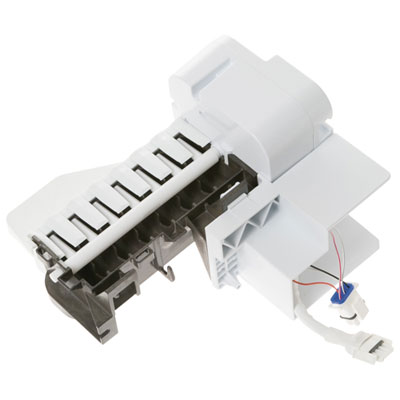 Your price for this item is $249.99
-
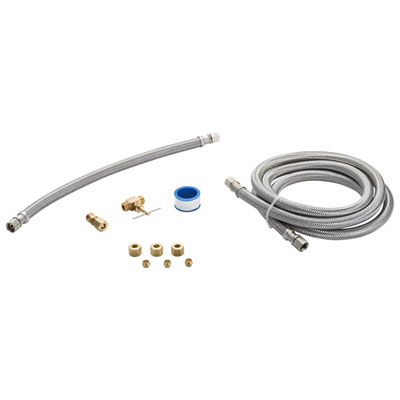 Your price for this item is $39.99
-
 Your price for this item is $184.99
-
 Your price for this item is $74.99
-
 Your price for this item is $119.99
-
 Your price for this item is $74.99
-
 Your price for this item is $184.99
Discover more categories related to Shelves for Fridge
Top Collections:
Best Black Friday Deals This Year, Best Black Friday Deals On Electronics, Kindle Devices, Dyson Airwrap, Best Cameras for Sports Photography, Best Budget Office Chairs, Canon G7X Cameras, PS5 Pro Consoles, Best Black Friday Deals On Apple Products, XBOX One S Consoles
Some products may be subject to Environmental Handling Fees
(EHF) depending on your province.
Learn more about EHFs.