Fridge Shelves
Fridge Shelf options make it easy to organize your refrigerator and maximize storage space. Whether you're looking to replace a broken shelf or add extra room for groceries, you'll find a variety of choices designed to fit different fridge models and layouts. Keep your food items neatly arranged and easily accessible with the right Fridge Shelf solution for your kitchen. Explore a selection that helps you maintain order and convenience every time you open the fridge.
Sort

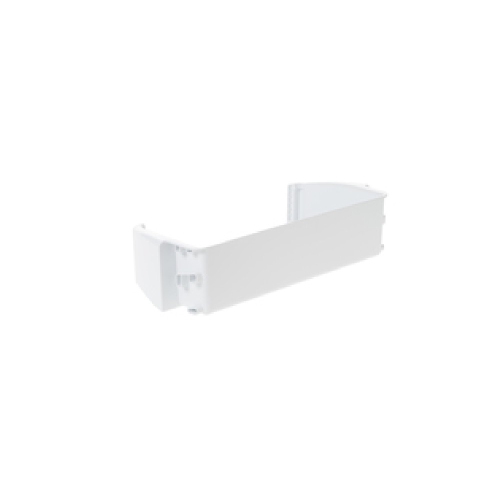
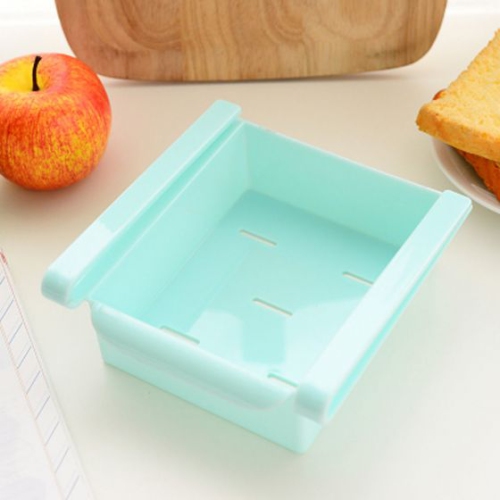
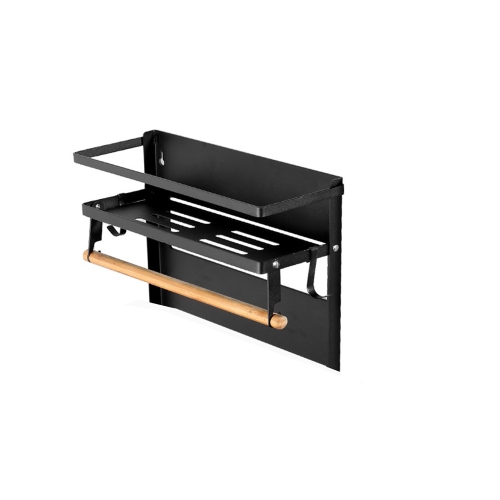



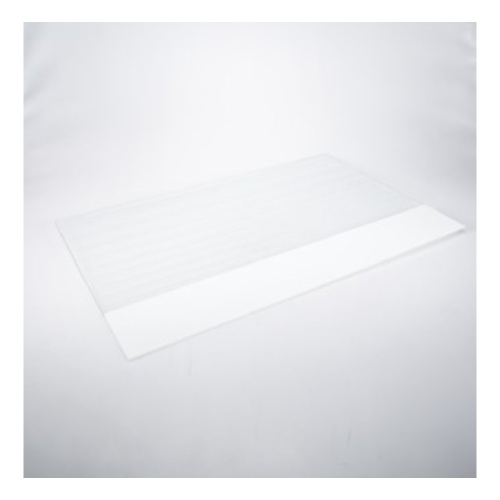
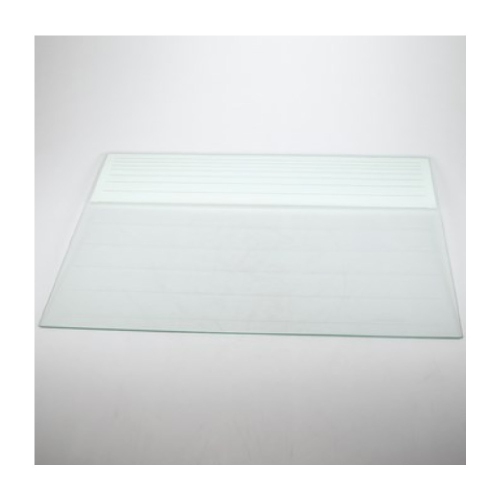
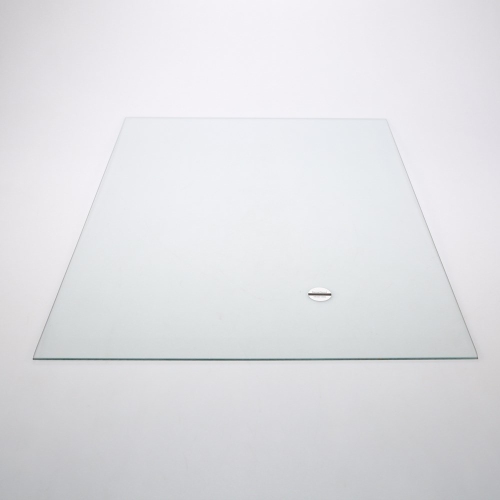
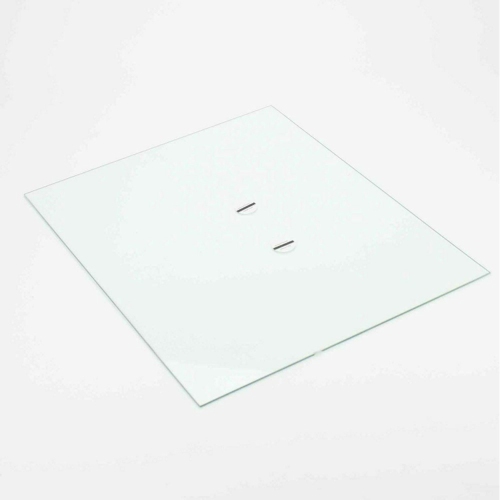
The right fit goes beyond shelf width
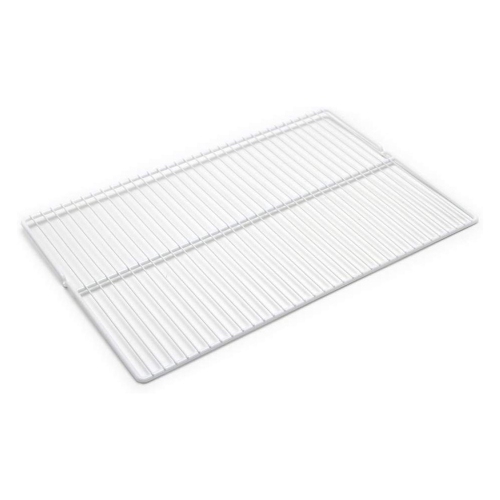
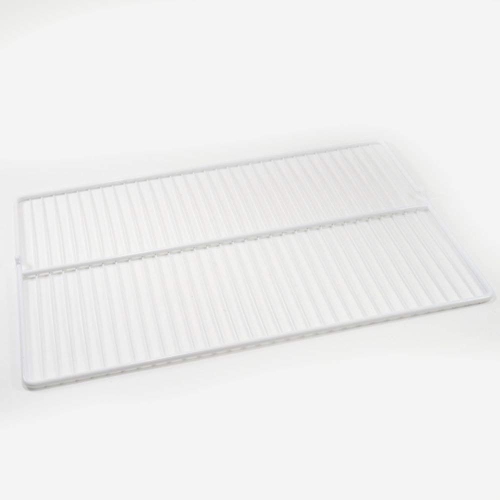
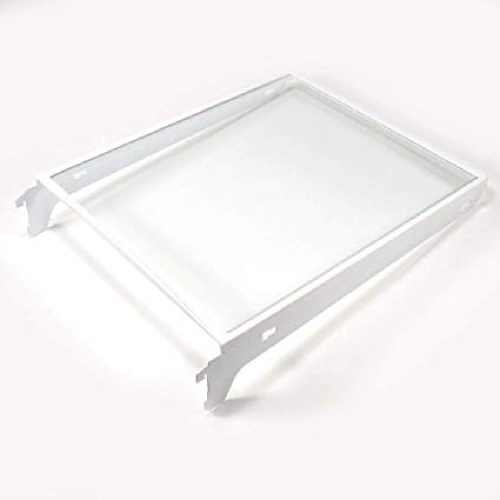
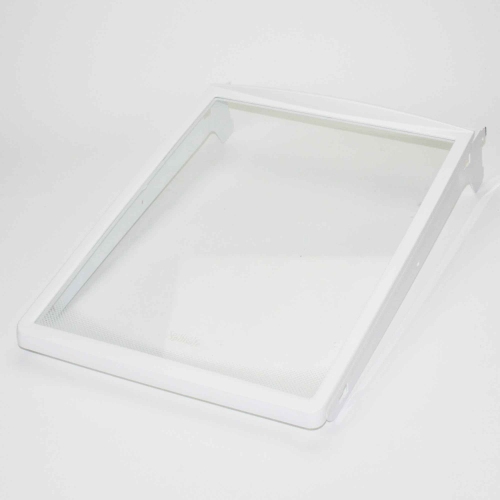
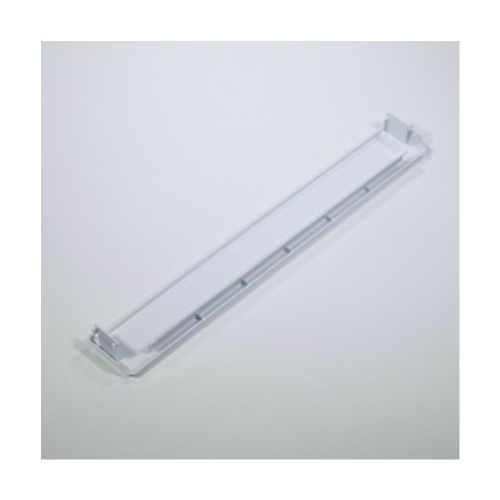
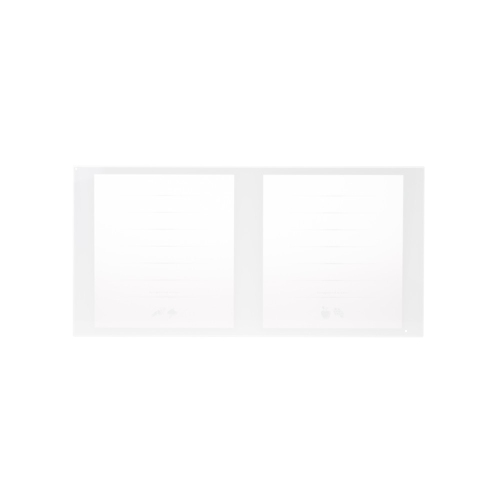
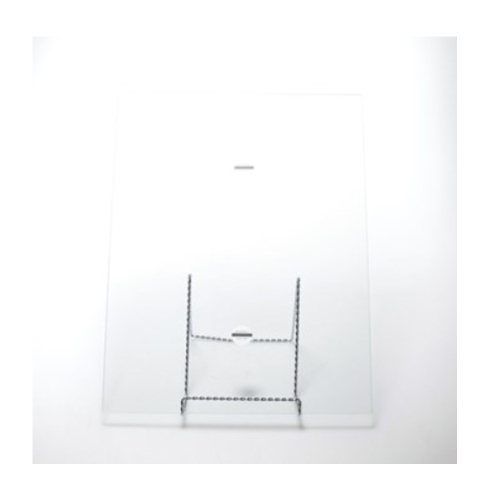
Fridge shelves can refer to replacement shelves for a refrigerator’s interior, freestanding risers that divide existing shelf space, or magnetic racks that attach to a compatible exterior surface. Each serves a different purpose: a replacement restores a missing or damaged storage surface, a riser creates an extra level for smaller containers, and an exterior rack adds accessible storage outside the refrigerated compartment. For an internal replacement, compatibility depends on the refrigerator’s complete model number, the shelf’s position, its dimensions, and its attachment system—not its width alone. Two shelves that look nearly identical may have different rear hooks, side supports, corner shapes, or frame profiles. The model label, often located inside the refrigerator, provides a more reliable starting point than the appliance’s appearance or approximate age. Full-width shelves, split shelves, shelves above crisper drawers, and door bins also have distinct support requirements and are not interchangeable. A glass panel may be sold separately from the surrounding frame, while a complete shelf assembly may include trim, brackets, or supports. That distinction matters when the glass is intact but a plastic corner has cracked, or when a broken panel has left its frame undamaged. Measurements are most useful when they account for the whole assembly, including its depth, shaped edges, and any projections that engage with the refrigerator’s supports. A shelf above a drawer may also form part of that drawer’s cover or sliding arrangement, so a flat piece of glass with similar dimensions may not perform the same role. Manufacturer-made replacements and compatible alternatives both require a clear match to the intended appliance and shelf location. A properly matched shelf should sit securely on its designated supports without rocking, forcing the frame, blocking a drawer, or interfering with the door. Matching these details helps preserve the usable layout of the fridge rather than simply filling an empty space.
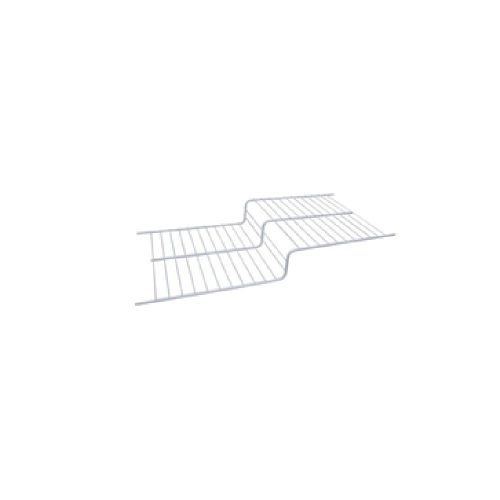
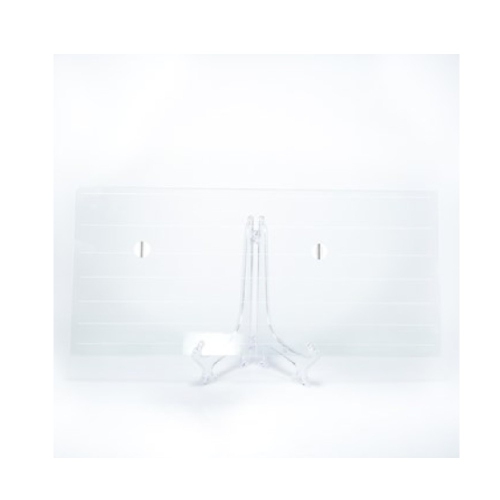
Materials affect how fridge shelves handle everyday storage, spills, and cleaning. Tempered glass provides a solid, transparent surface that makes it easier to see containers tucked towards the back. Some glass shelves have raised trim designed to contain small spills, although the amount they can hold and the effectiveness of the seal vary by design. Wire shelves have an open construction that allows air to pass through, but they do not contain drips, and narrow jars or small containers may need a stable tray beneath them. Plastic frames and trim can provide structural support as well as a finished edge, so a cracked frame is more than a cosmetic concern. Durability depends on correct support, the condition of the material, and staying within the stated load limit. A heavy casserole dish, several drink bottles, and a stack of meal-prep containers can put considerable weight on one shelf; distributing that weight is preferable to concentrating it along an unsupported edge. Shelves with chips, cracks, bent wires, or damaged mounting points need attention before they carry food again. Cleaning methods should suit the shelf’s materials and the refrigerator manufacturer’s directions. Removable glass shelves generally need time to reach room temperature before washing, since a sudden temperature change can damage the glass. A soft cloth and a suitable mild cleaning solution can lift sticky juice, dried sauce, and food residue without scratching the surface. Abrasive pads and harsh cleaners may damage glass, coatings, or plastic trim. Dishwasher use is appropriate only when the care instructions explicitly permit it, including any restrictions for the frame or attached parts. Seams around the rim deserve particular attention because liquid can collect where glass meets plastic. Drying the shelf and its supports before reassembly helps prevent trapped moisture and makes it easier to check that each connection is seated correctly. Adjustable shelves should be moved only after their contents have been removed.
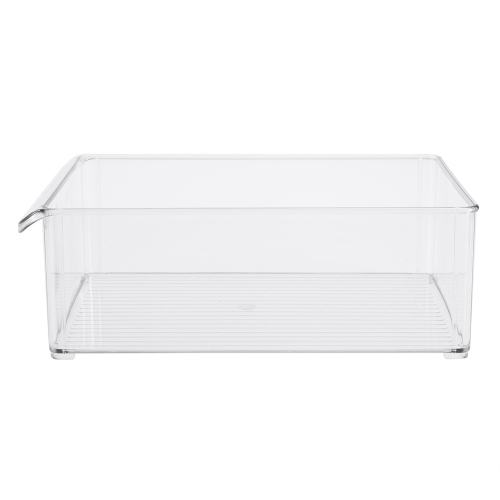
The most useful fridge shelf arrangement reflects what a household actually stores. Tall pitchers and upright bottles need headroom, while shallow containers, yoghurt tubs, and small jars often leave unused space above them. A freestanding riser can create a second level for these shorter containers without replacing the original shelf, provided its footprint fits fully on the supporting surface and its loaded weight remains within the relevant limits. Stable feet, sufficient clearance, and easy access matter more than squeezing in another layer. A riser that must be lifted every time a container is needed may make a busy shared fridge harder to use rather than easier. Families preparing lunches, people portioning meals ahead of time, and housemates keeping food separate may benefit from clearly defined shelf areas, with frequently used foods visible near the front. Containers should still leave the refrigerator’s air vents unobstructed and allow the door to close freely. Shelf height also affects access to drawers below, especially when a projecting frame reduces the space available to lift out produce. Magnetic exterior racks serve a different role, holding suitable lightweight kitchen supplies on a surface the rack and appliance manufacturers permit. A stainless steel appearance does not guarantee magnetic attachment, and a secure empty rack may behave differently once loaded. Its placement must not obstruct ventilation, hinges, controls, or door movement, and the supporting surface must tolerate the intended load. For a broader change to the interior layout, refrigerators with adjustable shelves provide context for comparing movable, split, sliding, or folding shelf designs. These arrangements can make room for a tall serving dish without permanently giving up an entire storage level, depending on the appliance’s design. Whether restoring an existing compartment or organizing the space already there, the practical aim is secure support, accessible food, and a layout that remains easy to clean and use every day.
Top selling and popular products
-
 Your price for this item is $57.95
-
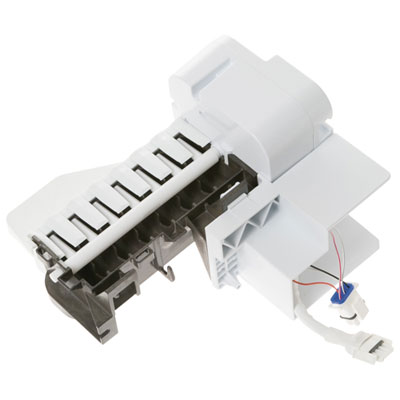 Your price for this item is $249.99
-
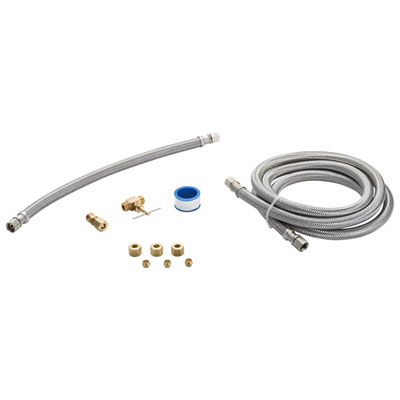 Your price for this item is $39.99
-
 Your price for this item is $184.99
-
 Your price for this item is $74.99
-
 Your price for this item is $119.99
-
 Your price for this item is $74.99
-
 Your price for this item is $184.99
Discover more categories related to Fridge Shelves

Top Collections:
Best Black Friday Deals This Year, Best Black Friday Deals On Electronics, Kindle Devices, Dyson Airwrap, Best Cameras for Sports Photography, Best Budget Office Chairs, Canon G7X Cameras, PS5 Pro Consoles, Best Black Friday Deals On Apple Products, XBOX One S Consoles
Some products may be subject to Environmental Handling Fees
(EHF) depending on your province.
Learn more about EHFs.