Shoe Cabinet Entryway
Transform your entryway into a clutter-free zone with a stylish shoe cabinet that combines functionality with aesthetic appeal. A shoe cabinet entryway solution keeps your footwear organized and easily accessible, while enhancing the overall look of your space. Whether you’re dealing with a compact hallway or a spacious foyer, these versatile storage options help maintain order and add a touch of elegance to your home. Explore diverse designs and finishes that cater to various tastes and needs, ensuring that every pair finds its perfect place.
Sort




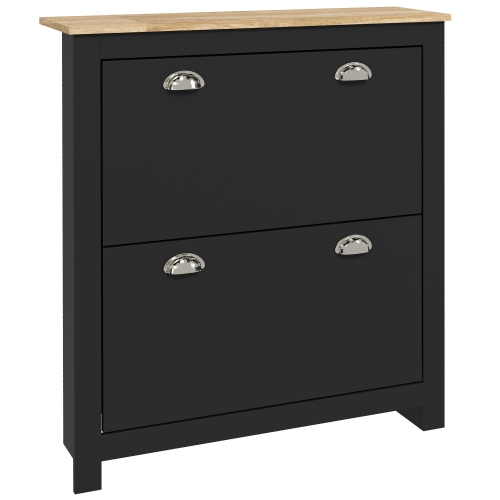
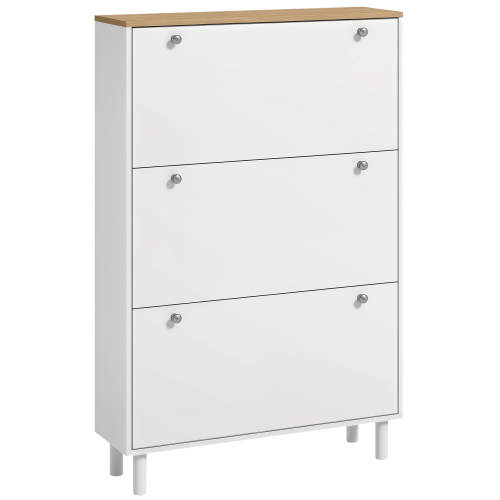
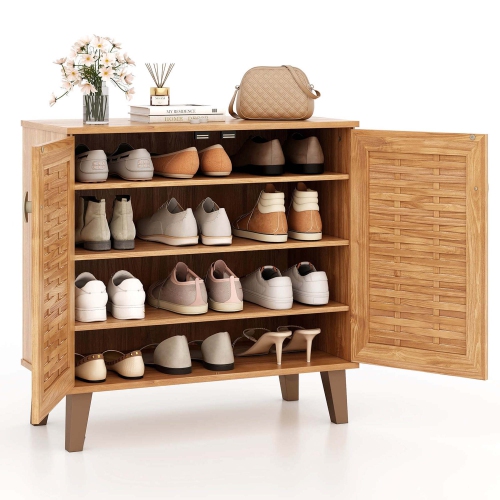

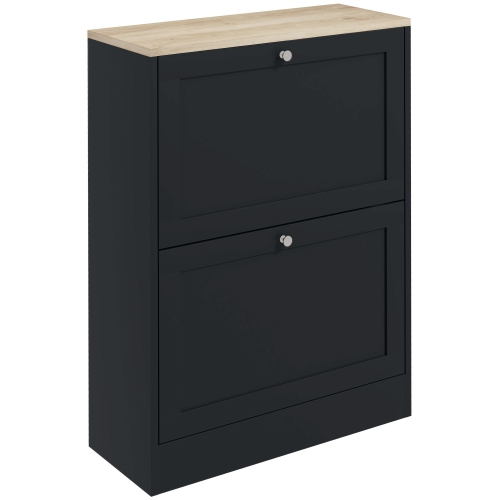
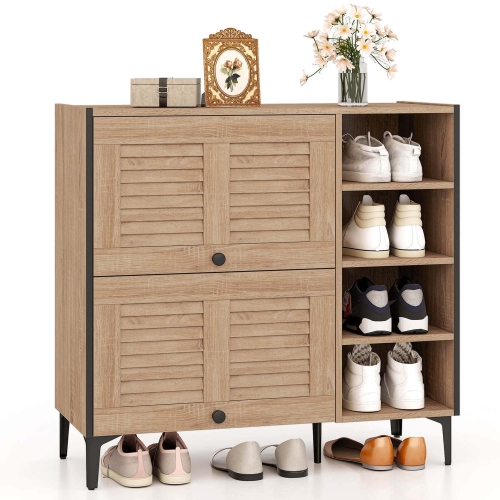
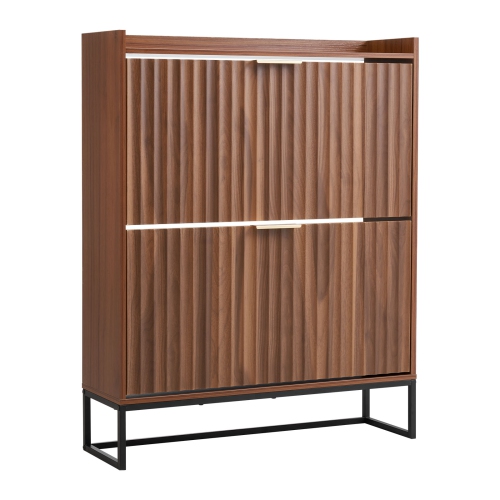
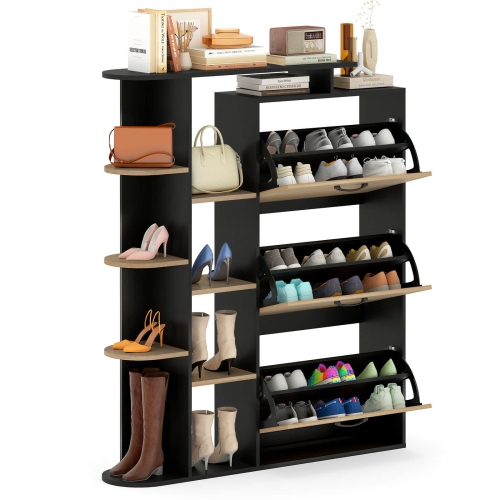
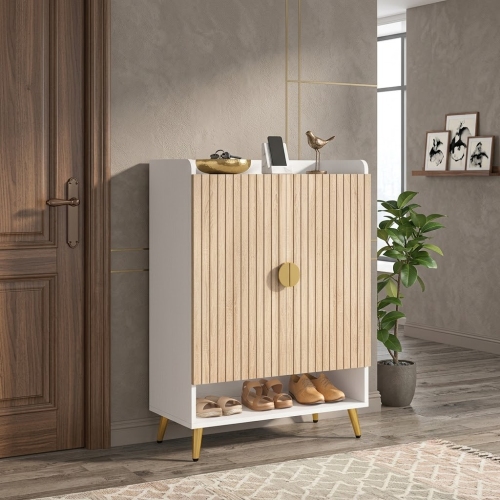

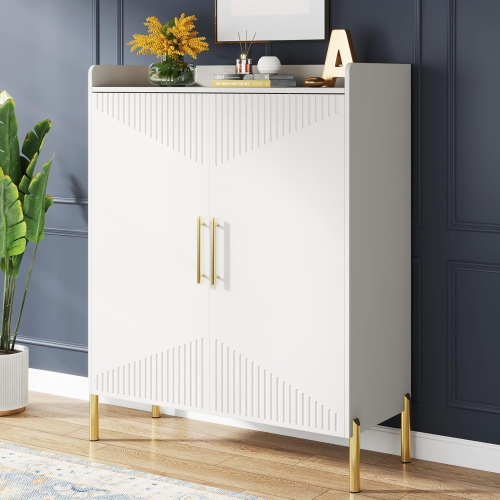
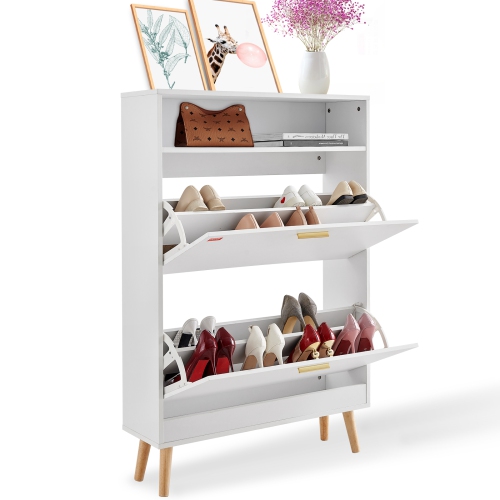
A tidier entrance with shoes out of sight
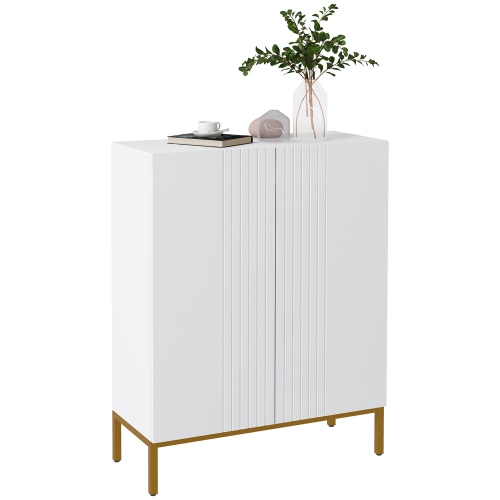
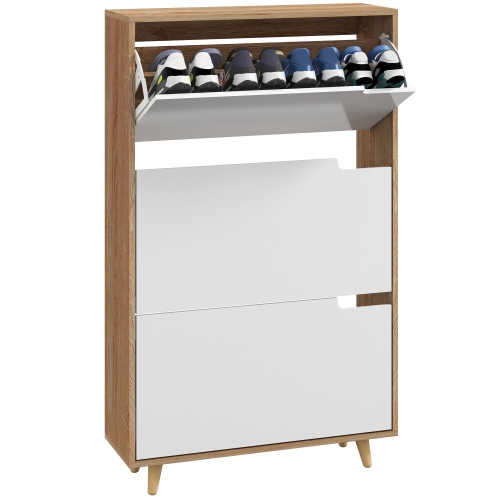
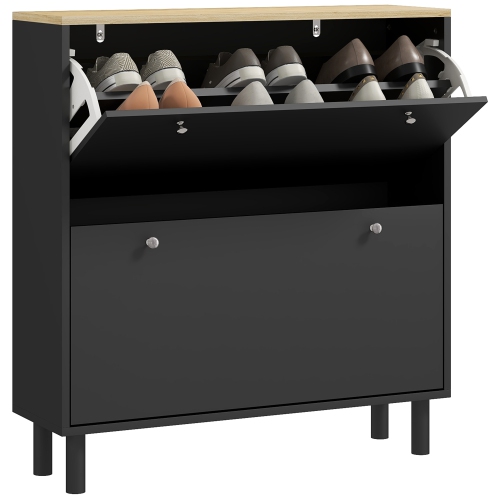
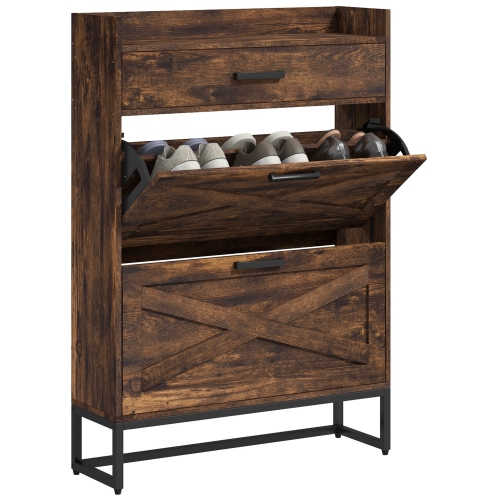
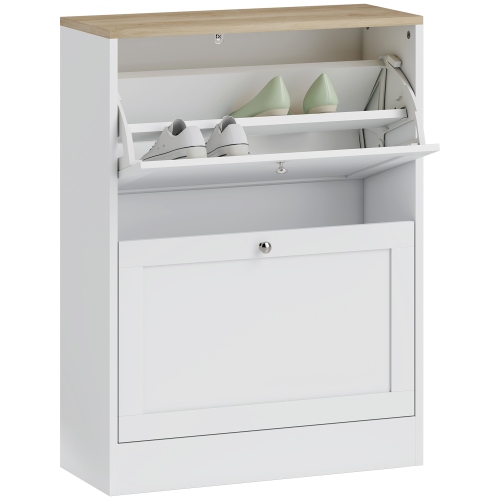
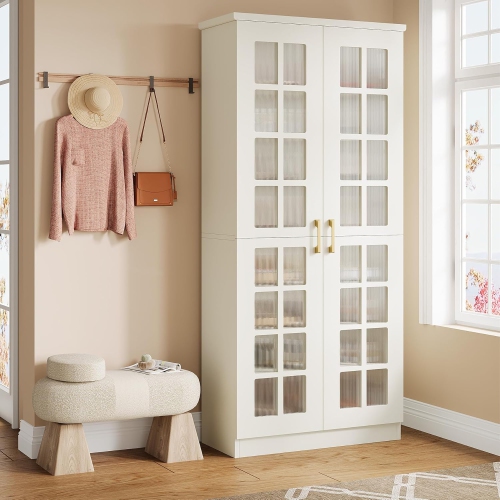
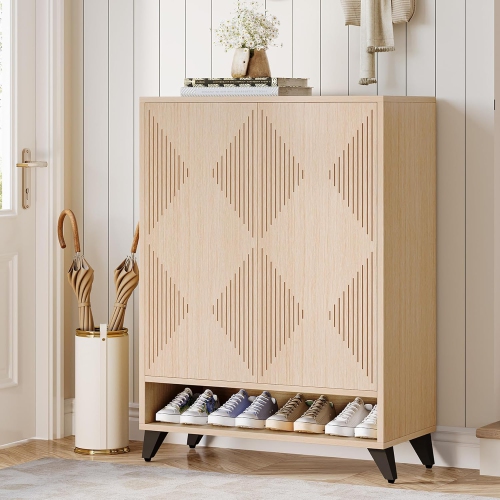
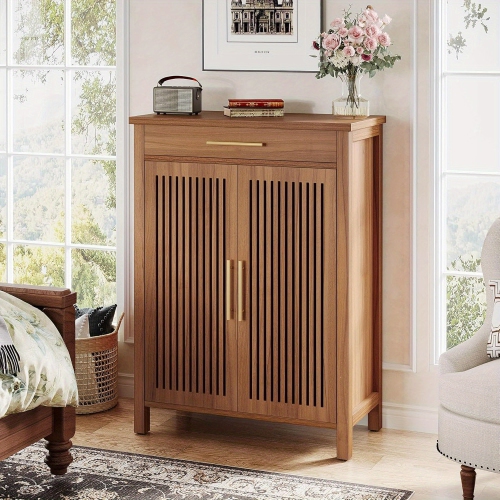
An entryway shoe cabinet stores footwear behind doors, drawers, or flip-down panels, helping keep a hallway tidy while hiding the visual clutter of loose shoes. Unlike an open shoe rack, a cabinet gives everyday footwear a defined place without leaving every pair on display. This makes it a practical addition to a front entrance, a condo hallway, or the passage between a garage and the main living area. A slim cabinet can sit close to the wall in a narrow space, while a deeper design may accommodate larger footwear or offer more flexible shelving. Flip-down compartments typically hold shoes at an angle, allowing the furniture to have a shallower profile than many conventional cupboards. Hinged-door styles offer a more familiar cupboard layout, with shelves that may be fixed, adjustable, or removable depending on the design. The Shoes Cabinets collection provides a starting point for bringing this kind of enclosed storage into the home. Beyond keeping footwear together, an entryway cabinet can help define an entrance that opens directly into a living room. A simple front, coordinated handles, and a finish that works with nearby furniture allow it to feel like part of the room rather than an added utility piece. Light colours can create a quieter visual presence against pale walls, while darker finishes and wood tones can complement other furnishings. Some designs include an upper drawer or a separate compartment for small accessories, though these features vary. A usable top surface may also provide space for a key tray or a small decorative piece, provided the cabinet’s load limits and installation requirements allow it. For a household where shoes tend to collect beside the door, enclosed storage offers a straightforward way to keep frequently worn pairs close to the entrance without making them the first thing visitors notice.
The right fit depends on both the entrance and the footwear that needs a home. Exterior width, height, and depth describe the cabinet’s footprint, but the space needed to use it comfortably also includes door swing, extended drawers, and open flip-down panels. In a narrow hallway, that opening space matters as much as the closed depth: someone should be able to retrieve a pair without blocking a nearby doorway or making the main walking route awkward to use. Skirting boards, wall trim, electrical outlets, and the swing of the front door can also affect placement. Inside the cabinet, usable compartment dimensions are more informative than a pair count alone. Capacity estimates can vary with shoe size and shape, so a compartment that suits several pairs of low-profile flats may hold fewer chunky trainers or larger men’s shoes. Tall boots, ankle boots, and high-top footwear often need extra vertical clearance, making adjustable or removable shelves useful where the design permits them. Flip-down compartments deserve particular attention because shoe length, heel height, and the angle of the internal dividers can affect whether footwear fits neatly and the panel closes fully. A smaller cabinet may work well for one person’s daily rotation, while a shared household may benefit from separate compartments that make each person’s shoes easier to find. Handles, panel weight, and opening mechanisms also influence everyday comfort, particularly for anyone with limited grip or mobility. Storage near the floor can be convenient for children, but furniture stability remains essential. Wall anchoring should follow the manufacturer’s instructions, and a narrow profile does not remove the need for secure installation. A cabinet top should not be treated as a seat unless the furniture is specifically designed and rated for sitting. Where seating is important for putting on shoes, a purpose-built shoe storage bench offers a different arrangement from a standard upright cabinet.
Materials and construction influence how an entryway shoe cabinet looks, feels, and stands up to repeated use. Solid wood can offer distinctive grain and substantial construction, while engineered wood allows for a wide range of shapes and finishes. Particleboard and medium-density fibreboard are commonly used with laminated, painted, or veneered surfaces; their performance depends on factors such as panel thickness, edge finishing, hardware, and assembly quality. A wood veneer provides a real wood surface over a supporting core, whereas a printed wood-look finish creates a similar visual effect using a different construction. Metal components can add a crisp appearance, although exposed surfaces may show fingerprints or scuffs differently from textured finishes. Smooth panel movement, securely fitted handles, and well-supported shelves matter in a cabinet that gets opened several times a day. Adjustable feet can help with levelling where included, but they do not replace anchoring or correct assembly. Care is usually straightforward when it follows the material-specific directions: loose grit can be removed before it scratches interior surfaces, and shelves can be wiped with a suitable cloth and dried promptly. Excess water and abrasive cleaners may damage some finishes, particularly around unsealed edges and joints. Footwear is best stored once it is dry, and ventilation openings or slatted sections can help air circulate, though they do not eliminate the need for regular cleaning. Removable shelves or trays, where provided, make it easier to reach corners and clear out debris. Keeping frequently worn pairs in accessible compartments and less-used footwear elsewhere can prevent overfilling, which can strain hinges or stop panels from closing properly. For someone furnishing a first apartment, organizing a busy family entrance, or making a compact hallway more functional, a shoe cabinet offers both practical storage and a more finished-looking space. Its lasting usefulness comes from matching the cabinet’s internal layout, construction, and everyday access to the shoes and routines of the people using it.
Top selling and popular products
-
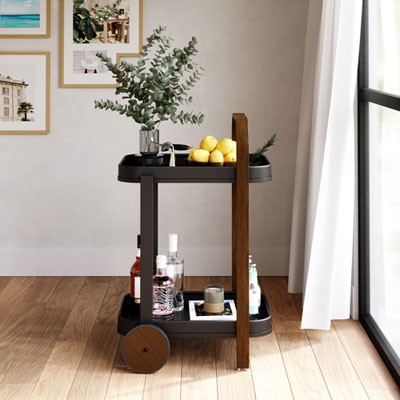 Your price for this item is $194.98
-
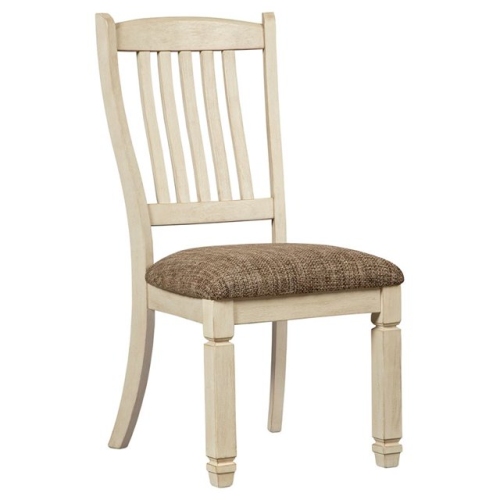 Your price for this item is $289.99
-
 Your price for this item is $269.99
-
 Your price for this item is $109.99
-
 Your price for this item is $119.99
-
 Your price for this item is $59.99
-
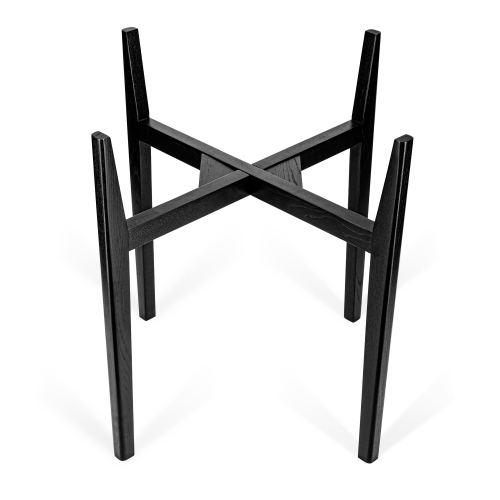 Your price for this item is $119.99
-
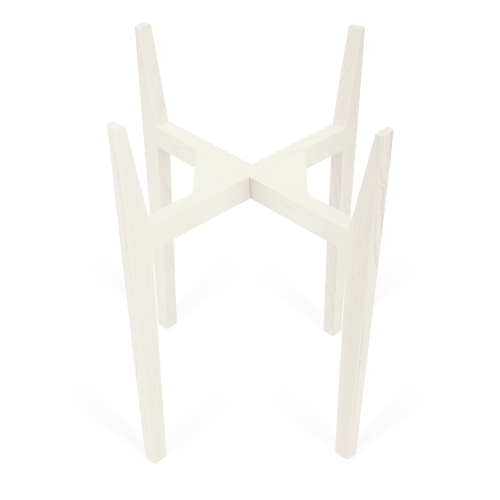 Your price for this item is $119.99
Discover more categories related to Shoe Cabinet Entryway
Top Collections:
Best Black Friday Deals This Year, Best Black Friday Deals On Electronics, Kindle Devices, Dyson Airwrap, Best Cameras for Sports Photography, Best Budget Office Chairs, Canon G7X Cameras, PS5 Pro Consoles, Best Black Friday Deals On Apple Products, XBOX One S Consoles
Some products may be subject to Environmental Handling Fees
(EHF) depending on your province.
Learn more about EHFs.