Shoes Cabinets
Transform your entryway or bedroom into a clutter-free zone with the perfect shoes cabinet. Designed to keep your footwear organized and easily accessible, a shoes cabinet not only enhances the aesthetic appeal of your space but also maximizes storage efficiency. Whether you’re dealing with a vast collection of sneakers or just a few pairs of seasonal boots, a well-chosen shoes cabinet can accommodate various styles and sizes, while seamlessly blending with your home décor. Explore options that fit your lifestyle and discover how a shoes cabinet can elevate your home organization game.
Sort
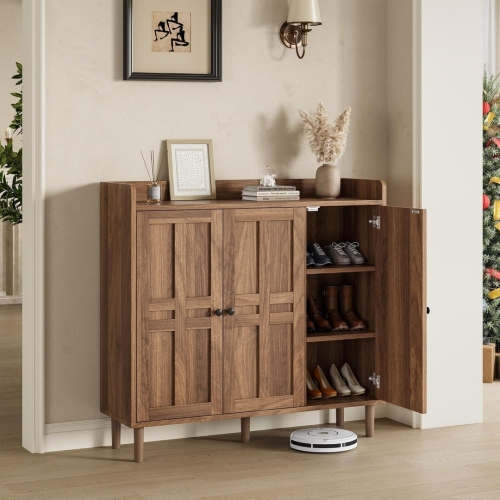
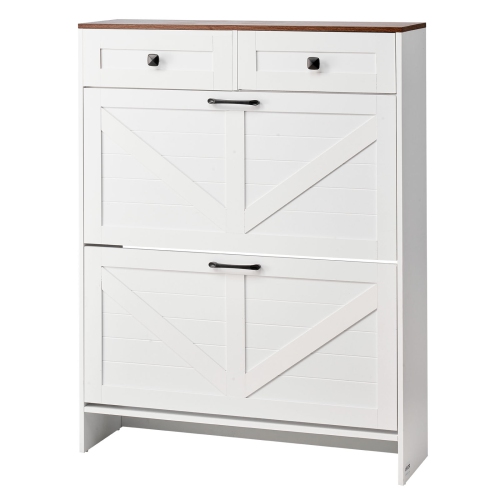
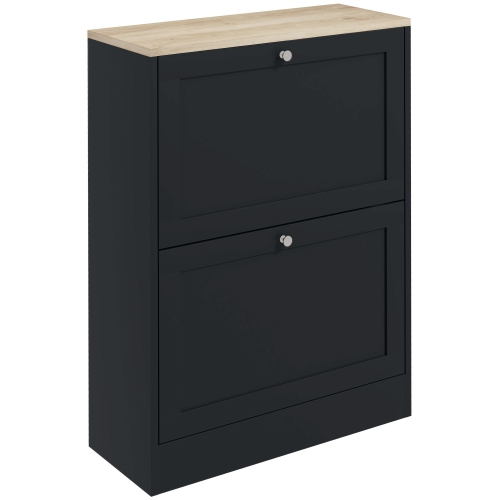
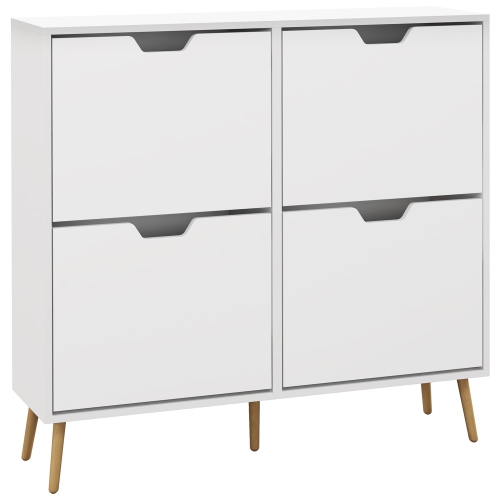





Footwear storage that fits your space and routine
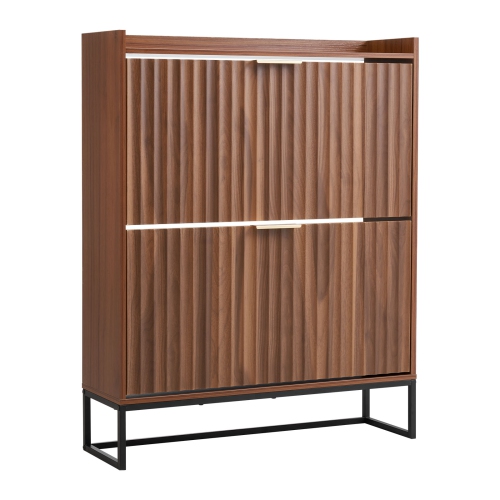
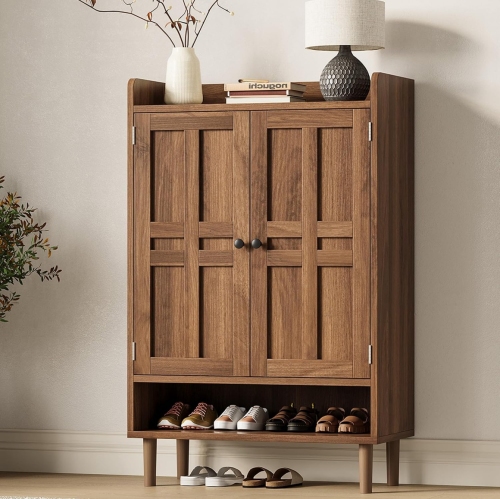
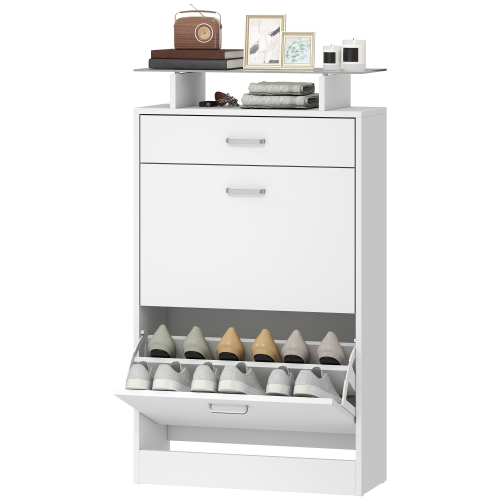
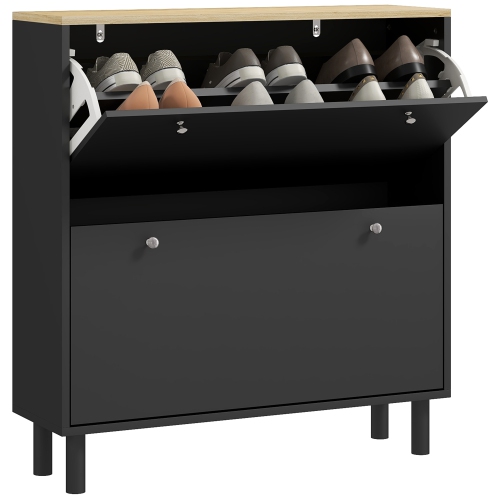
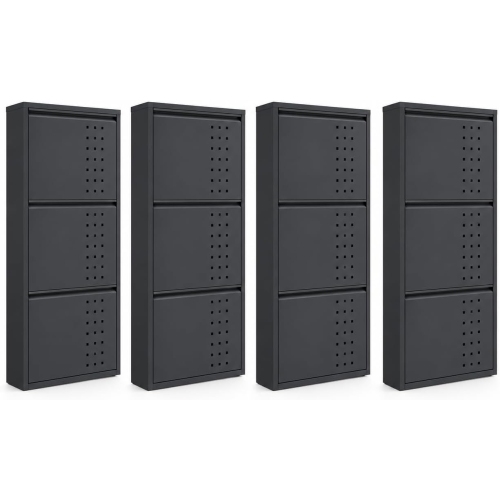
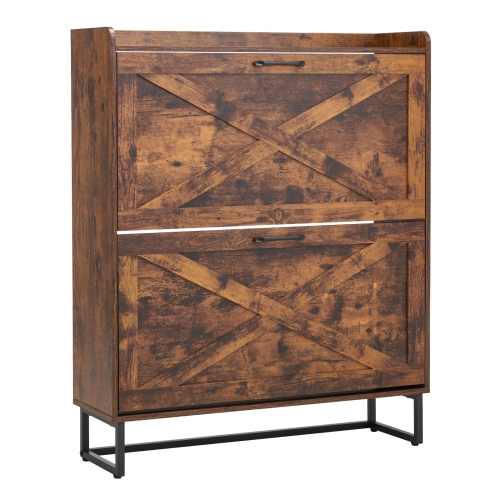
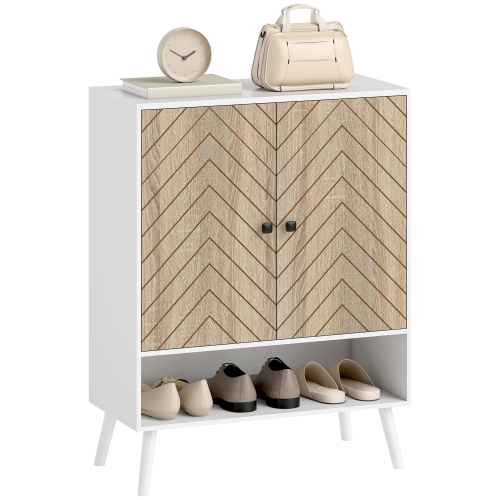
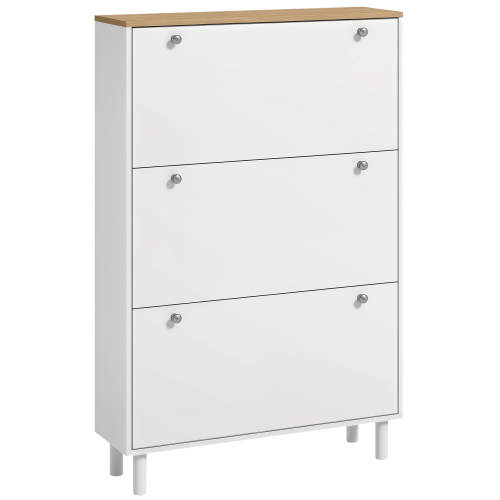
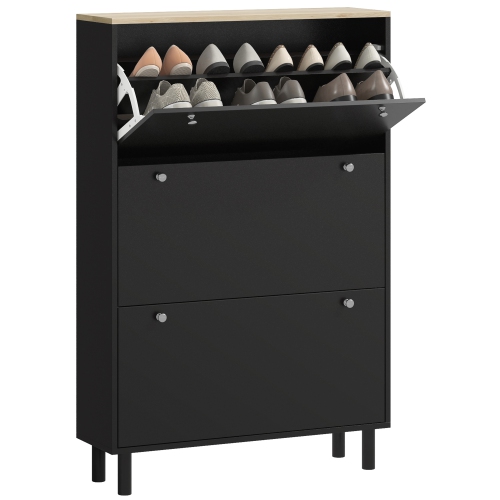
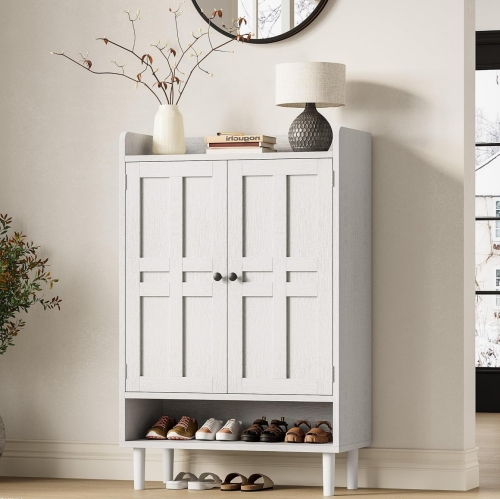
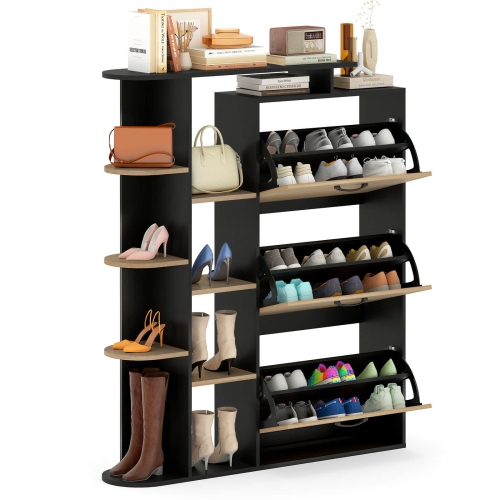
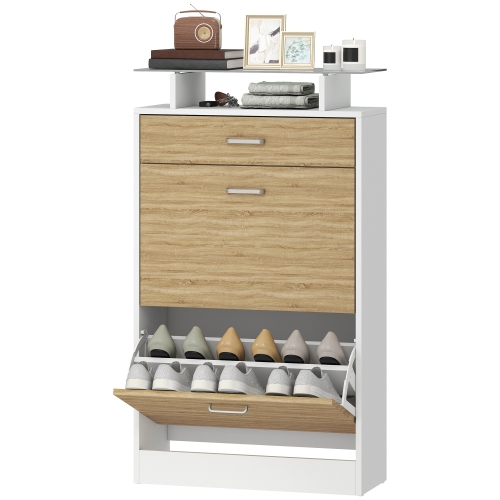
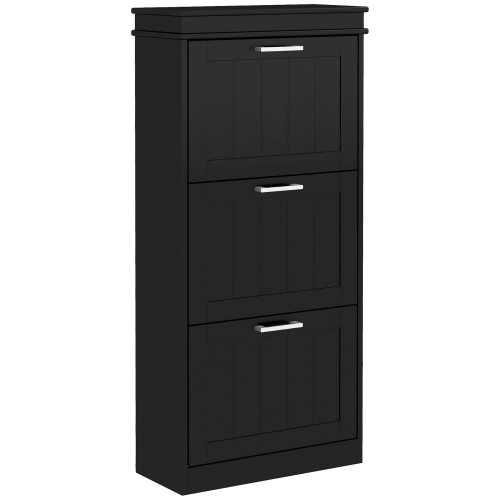
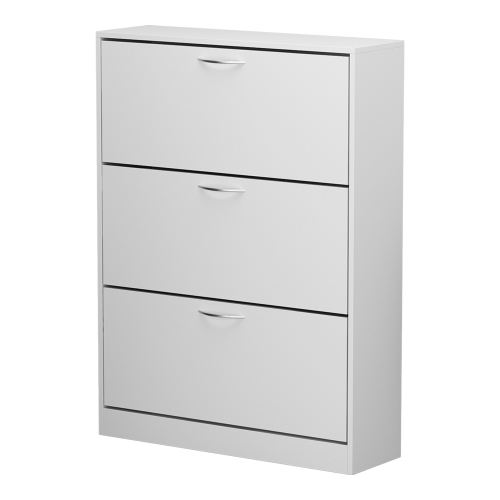
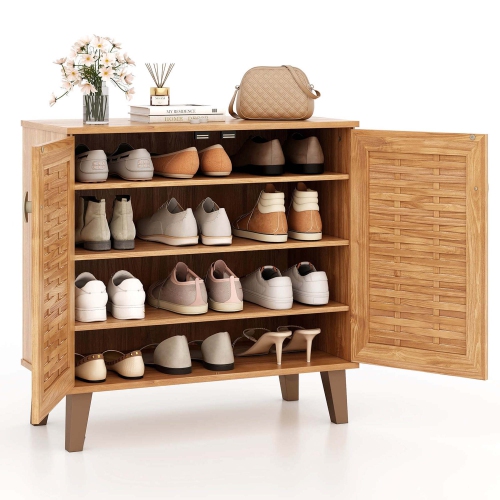
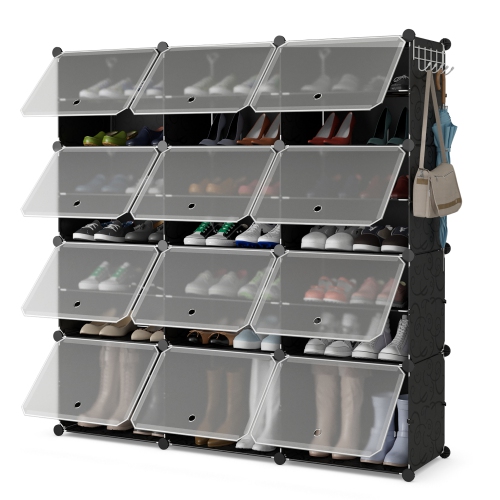
Shoe cabinets are enclosed storage furniture designed to keep footwear organized and out of sight behind doors or flip-out compartments. Unlike an open shoe rack, a cabinet gives an entryway, hallway, or bedroom a more finished appearance while keeping everyday pairs together in a designated spot. That can make a noticeable difference beside a busy front door, where trainers, work shoes, and slippers might otherwise spread across the floor. The main cabinet styles suit different spaces and storage habits. Slim flip-drawer shoe cabinets hold footwear in angled compartments and have a shallow profile that can work well in narrow hallways. Cabinets with hinged doors and horizontal shelves offer a more familiar cupboard layout, with room to arrange pairs side by side. Wider, multi-tier designs can accommodate larger households, while compact cabinets help make use of a small entrance or an unused section of wall. Storage capacity depends on more than the number of shelves: shoe size, sole thickness, heel height, and the shape of each compartment all affect how many pairs fit comfortably. A compartment that holds several pairs of low-profile flats may hold fewer bulky trainers, and tall boots generally need greater vertical clearance. Adjustable or removable shelves offer flexibility for a mixed footwear collection, provided the cabinet’s interior dimensions suit the pairs being stored. External measurements matter just as much. A cabinet needs enough space for its doors or drawers to open without blocking a walkway, and nearby skirting boards, door swings, and electrical outlets can influence placement. Raised legs may provide clearance above a skirting board, although the exact fit depends on the furniture’s construction. In a shared entrance, accessible compartments help household members put shoes away without moving other pairs first. For someone living alone, a smaller cabinet can separate daily footwear from pairs reserved for work or special occasions. The most useful layout reflects the shoes worn regularly and the space available, rather than simply offering the highest stated pair count.
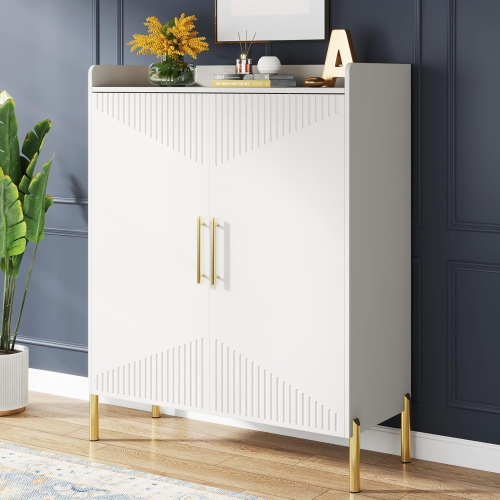
Materials and construction influence a shoe cabinet’s appearance, weight, care requirements, and ability to withstand daily use. Solid wood brings natural grain and variation, with finishes ranging from pale tones to deeper colours that complement traditional or contemporary furniture. Engineered wood, including MDF and particleboard, is often used with painted, laminated, or veneered surfaces to create a consistent finish. These surfaces have different care needs, particularly around edges and joins where prolonged contact with moisture can cause damage. Metal cabinets offer another look, often with clean profiles and finishes that suit practical entryways or industrial-inspired interiors. Woven panels, cane details, and slatted doors add texture, while openings in the front or back can allow air to circulate around stored footwear. Ventilation helps reduce trapped moisture, but it does not replace allowing shoes to dry before putting them away. For a streamlined room, Modern Shoe Cabinets complement interiors built around simple shapes, understated handles, and uncluttered surfaces. A finish that relates to nearby flooring, a console table, or a coat cupboard can make shoe storage feel like part of the room rather than an afterthought. Pale colours can keep a small entrance visually light, while darker finishes create contrast against lighter walls. Beyond appearance, sturdy shelves, secure joints, and smoothly operating hinges or drawer mechanisms contribute to dependable everyday use. Flip-out compartments need to support the footwear placed inside them, and shelves should be used within their stated weight limits. Handles should be comfortable to grasp, with enough clearance to open each section easily. Tall or shallow cabinets may require wall anchoring, and any supplied restraints should be installed according to the manufacturer’s directions using fixings appropriate for the wall. This is especially important in homes with children. Some cabinets also offer a top surface for a small tray or decorative object, but that surface should not be treated as seating unless the furniture is specifically designed for it.
A well-chosen shoe cabinet supports everyday routines without turning footwear storage into a constant rearranging task. In a family home, assigning a shelf or compartment to each person can keep smaller shoes from disappearing behind larger pairs. Roommates may prefer clearly separated sections, while a couple with different footwear needs might benefit from adjustable shelving rather than identical fixed compartments. An entryway cabinet keeps frequently worn shoes near the door; a bedroom or dressing-area cabinet can hold dress shoes and less-used pairs closer to clothing and accessories. Closed fronts reduce visual clutter, although the interior still needs enough room for shoes to sit without being crushed or forced against a door. Heels, leather uppers, and decorative details can be marked when pairs are packed too tightly, so a little breathing room is useful. Heavy footwear is generally better placed on lower shelves, within the cabinet’s load limits, while lighter everyday pairs can occupy the most accessible sections. Care is usually straightforward but should follow the instructions for the cabinet’s particular material and finish. Loose grit can be brushed from soles before storage, helping prevent dirt from collecting in shelf corners or scratching interior surfaces. Damp footwear should dry fully before it goes into an enclosed compartment, and spills on the cabinet should be wiped up promptly. A soft cloth is suitable for routine dusting on many finishes; abrasive pads and harsh cleaners can damage coatings, veneers, or painted surfaces. Removable shelves can make occasional cleaning easier where the design allows, while accessible interiors help with checking for dirt beneath frequently used pairs. Hinges, handles, and drawer fittings may need periodic checks for looseness after repeated use. A shoe cabinet can also be a thoughtful furnishing for someone setting up a first apartment or a new home, particularly when its dimensions and style have been agreed upon. Whether the priority is a clear hallway, a tidy bedroom, or a shared storage system, the lasting value comes from a cabinet that fits the room, accommodates the footwear, and feels easy to use every day.
Top selling and popular products
-
 Your price for this item is $194.98
-
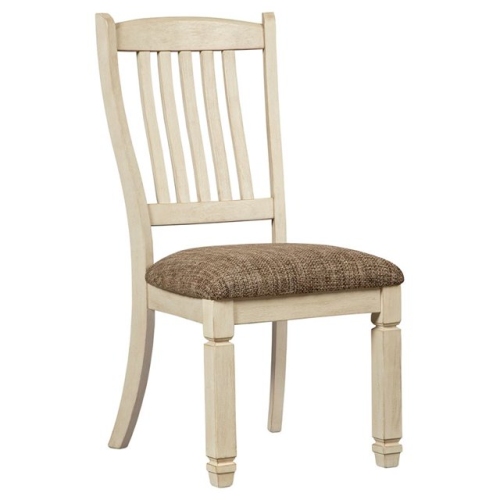 Your price for this item is $289.99
-
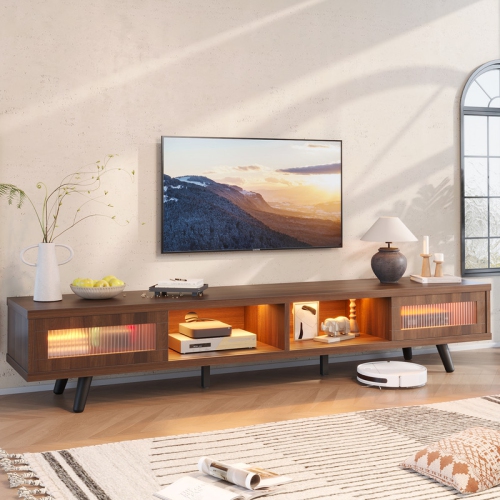 Your price for this item is $269.99
-
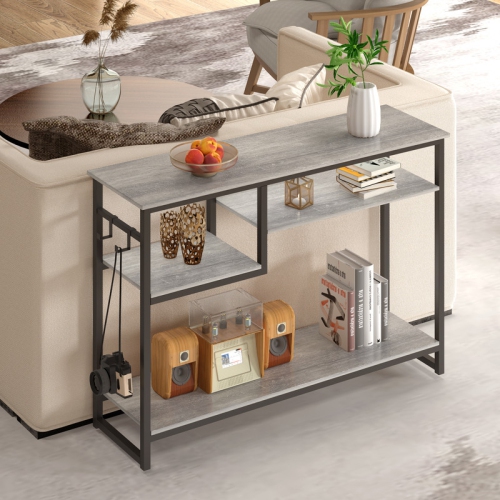 Your price for this item is $109.99
-
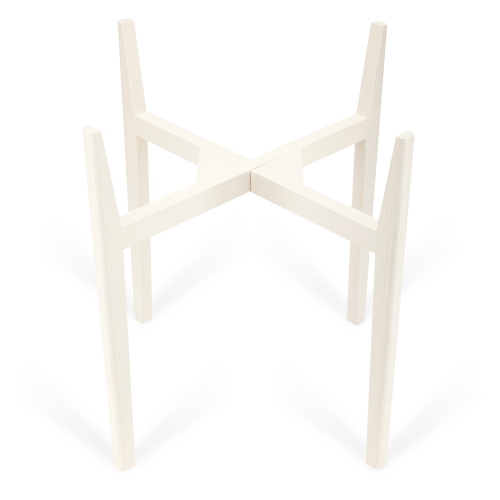 Your price for this item is $119.99
-
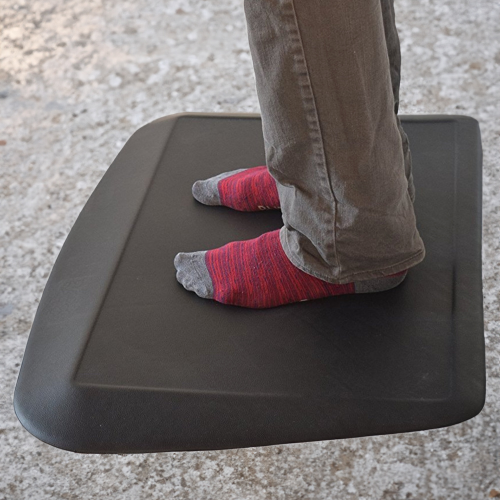 Your price for this item is $59.99
-
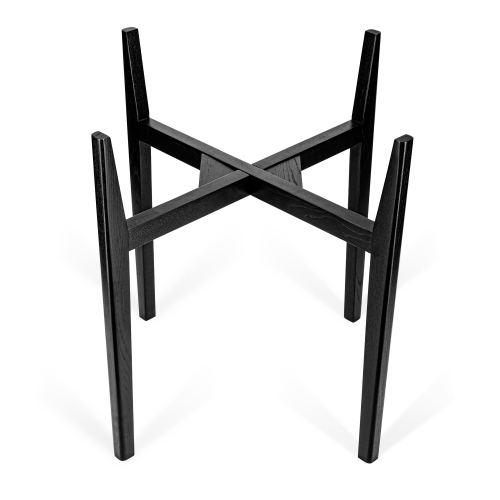 Your price for this item is $119.99
-
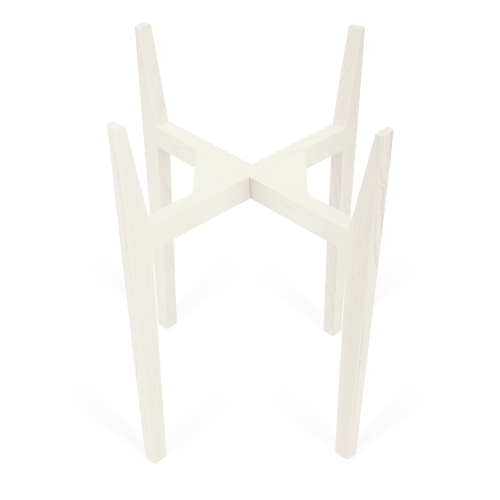 Your price for this item is $119.99
Discover more categories related to Shoes Cabinets
Top Collections:
Best Black Friday Deals This Year, Best Black Friday Deals On Electronics, Kindle Devices, Dyson Airwrap, Best Cameras for Sports Photography, Best Budget Office Chairs, Canon G7X Cameras, PS5 Pro Consoles, Best Black Friday Deals On Apple Products, XBOX One S Consoles
Some products may be subject to Environmental Handling Fees
(EHF) depending on your province.
Learn more about EHFs.