Shower Commode Wheelchair
Transform your daily shower routine into a comfortable and convenient experience with shower commode wheelchairs. Designed to give individuals with limited mobility the freedom to maintain their personal hygiene independently, these versatile pieces of equipment offer a safe and secure seating solution. Here are some great options available.
Sort
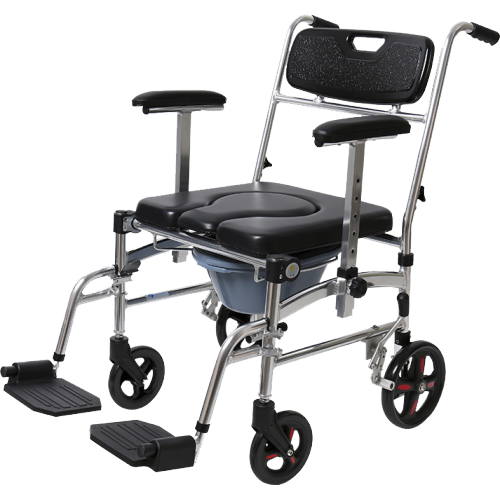
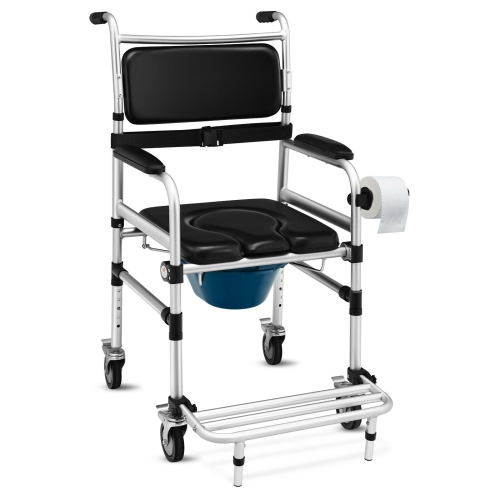
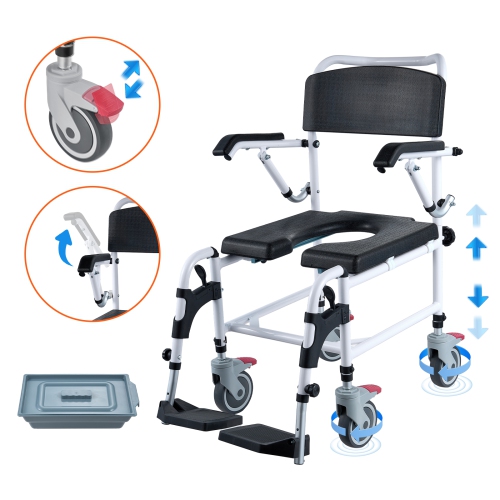
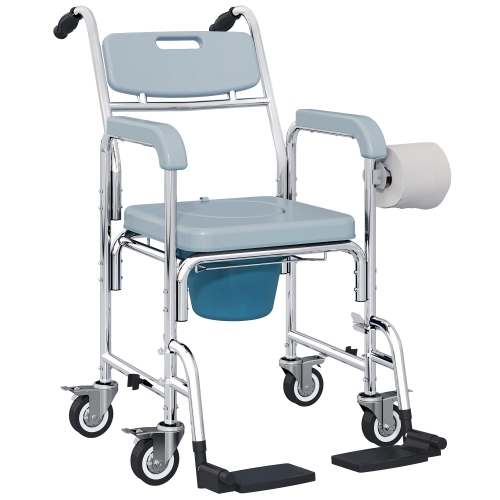
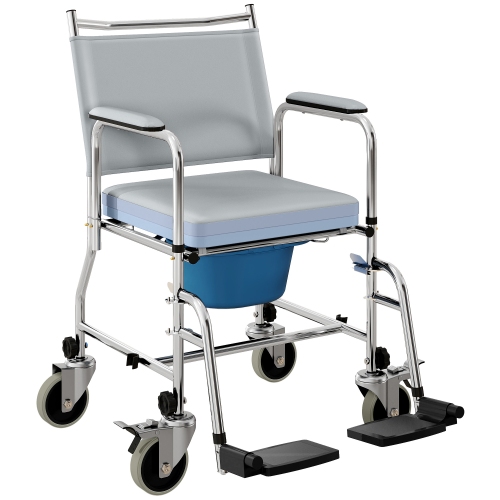
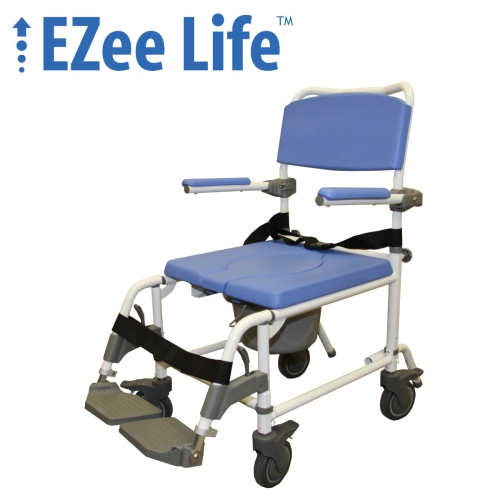
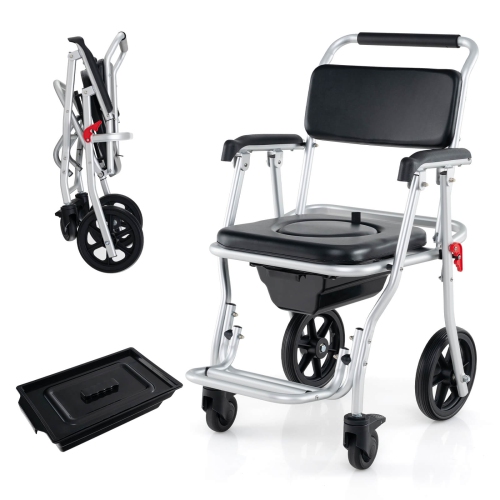
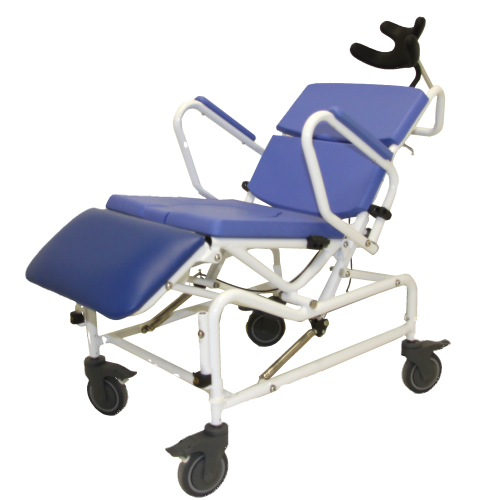
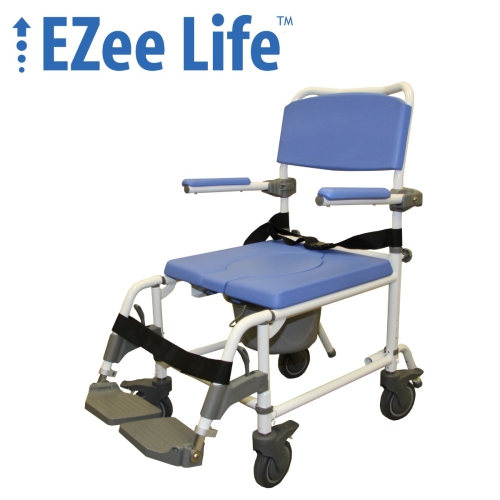
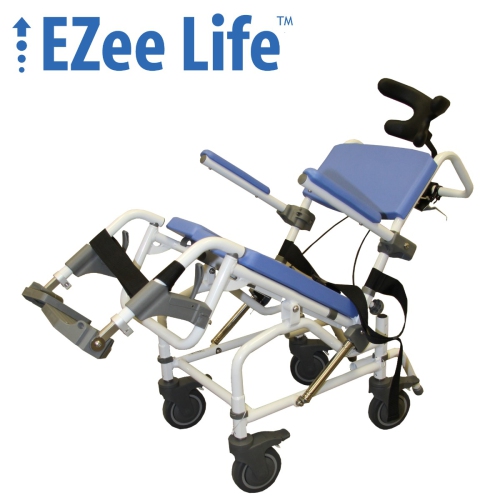
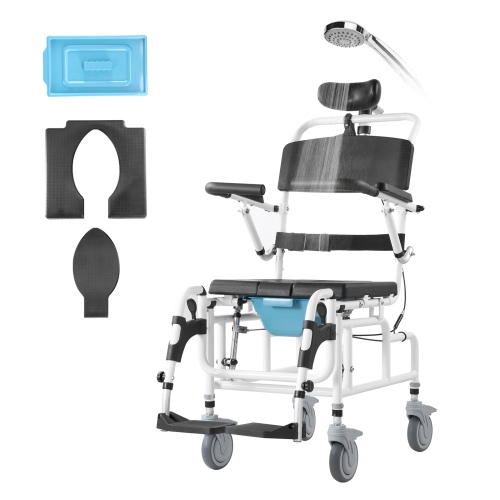
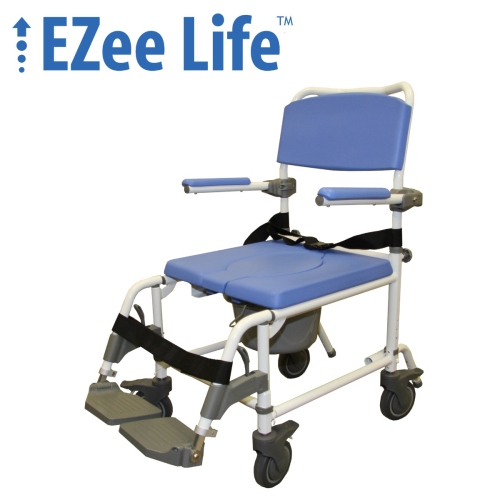
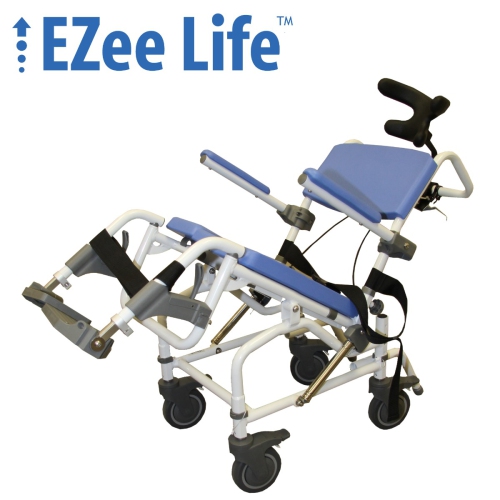
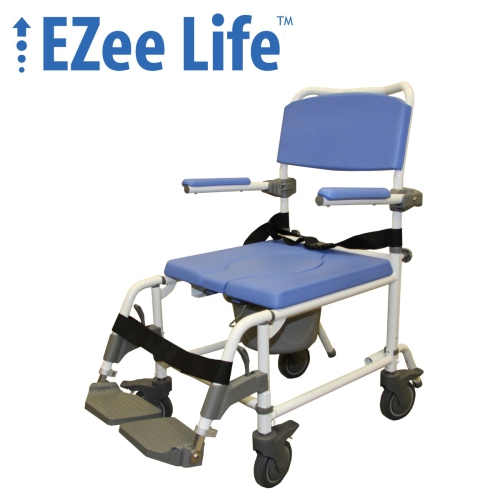
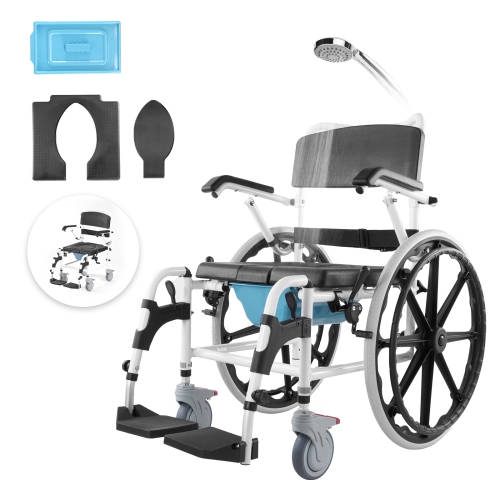
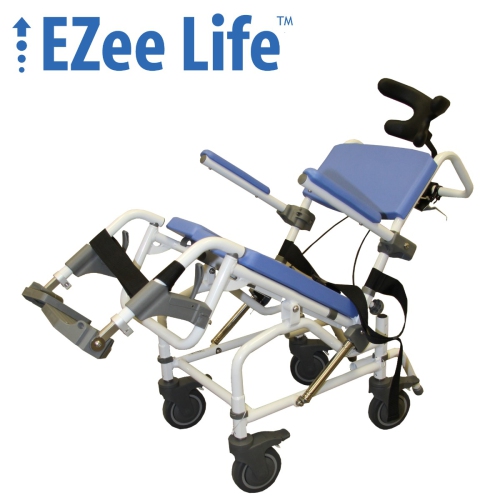
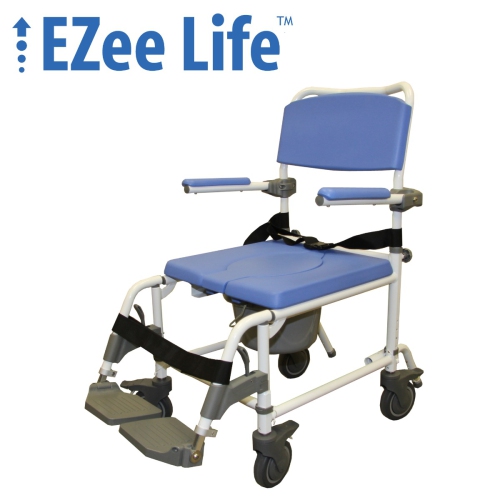
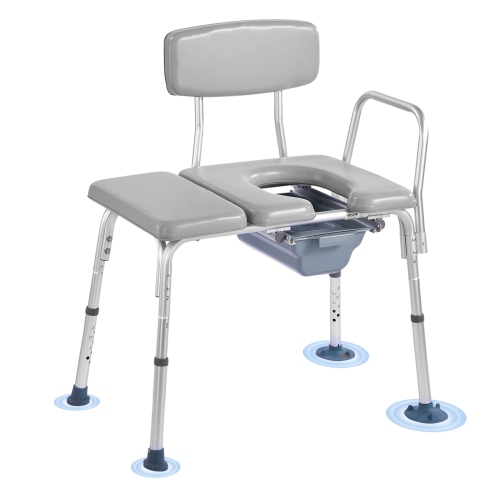
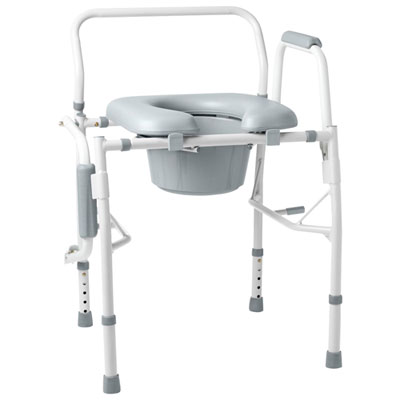
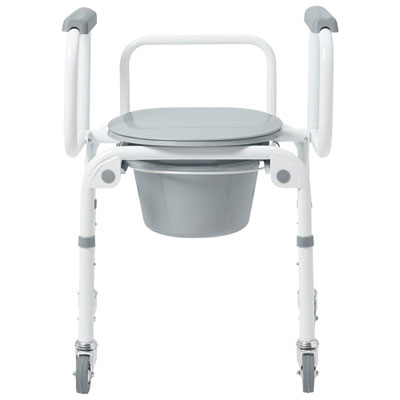
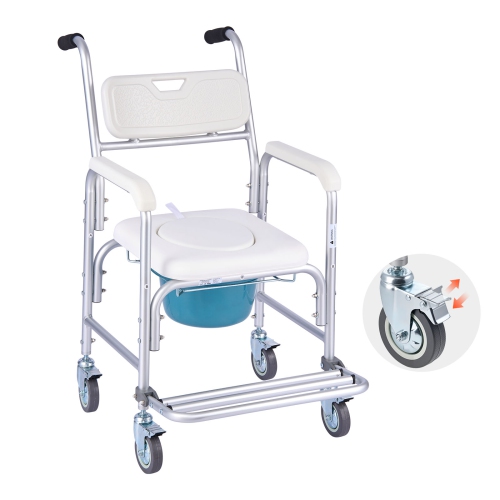
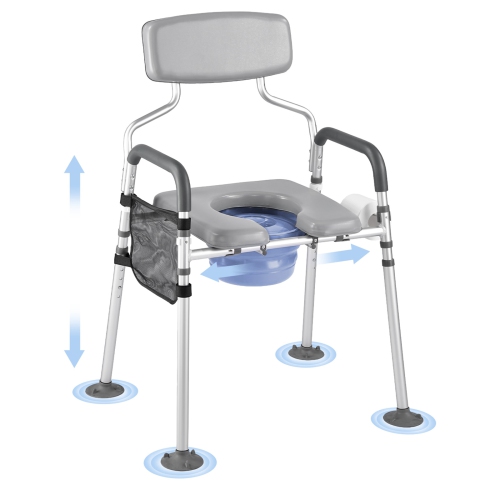
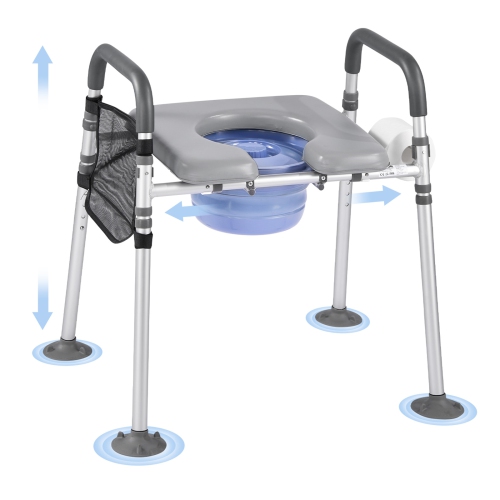
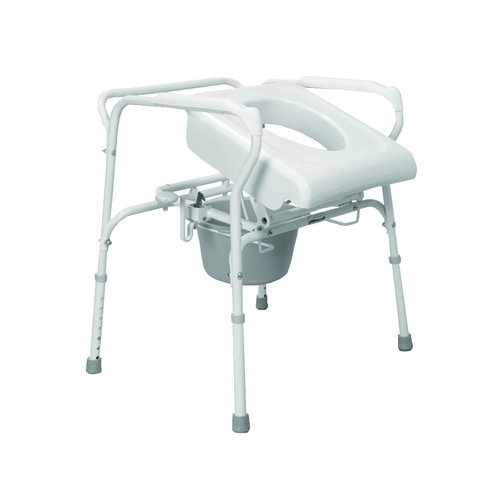
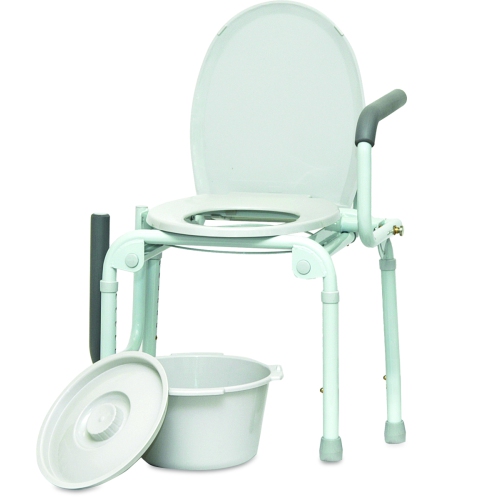
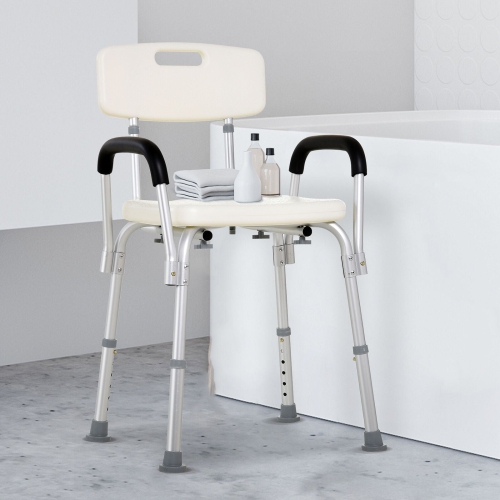
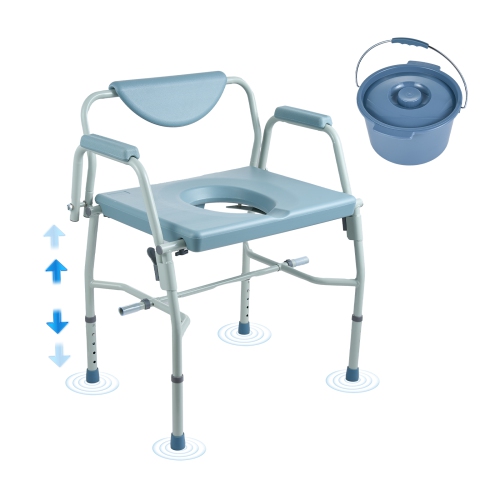
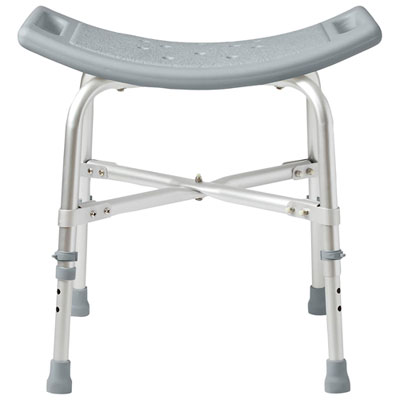
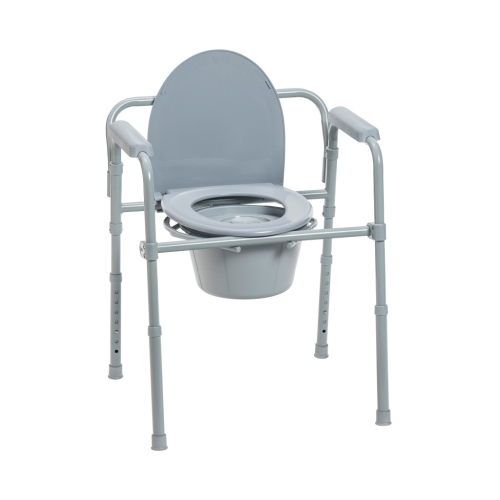
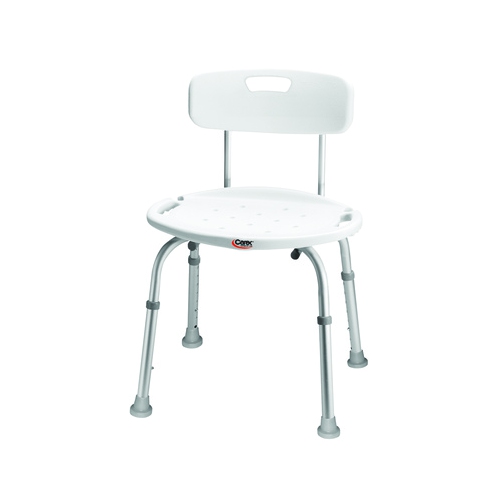
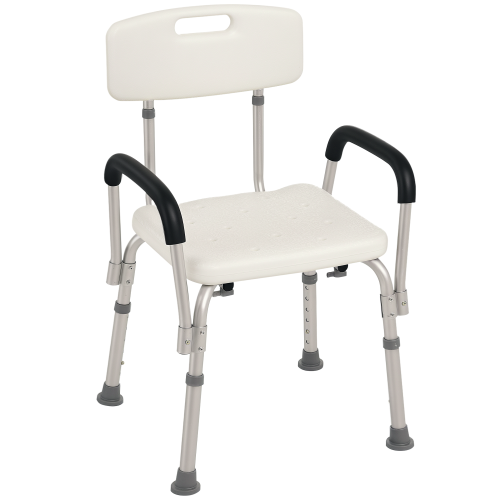

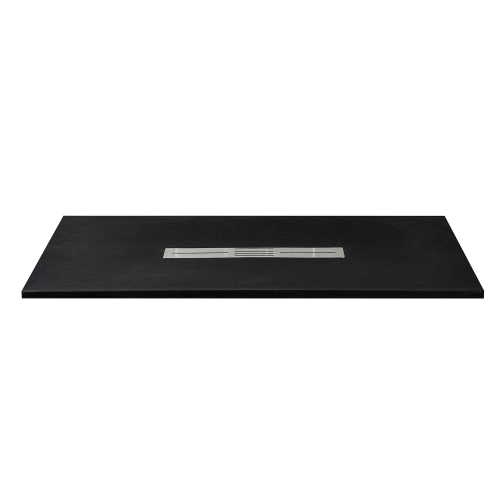
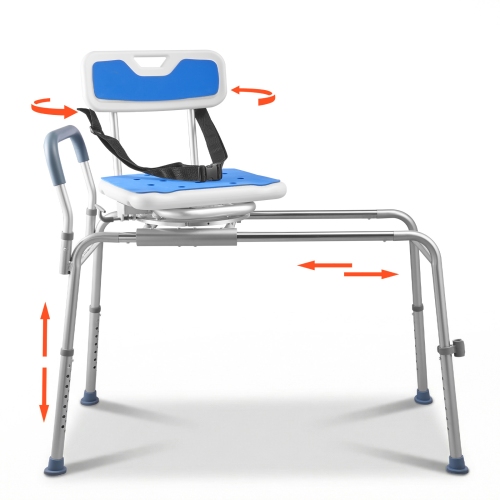
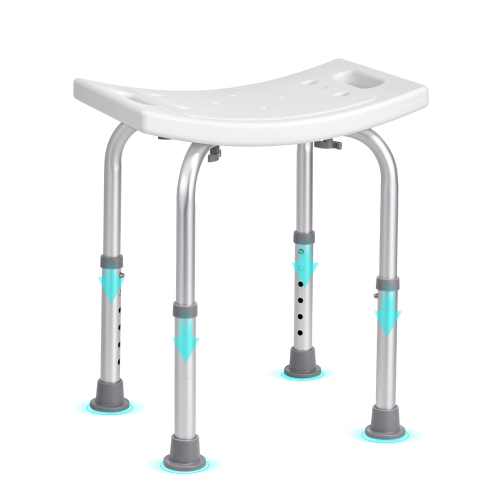
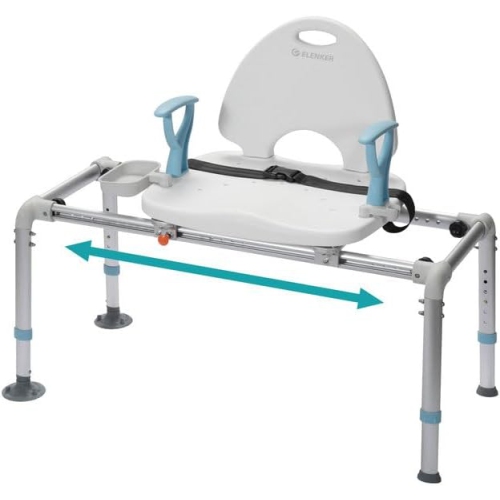
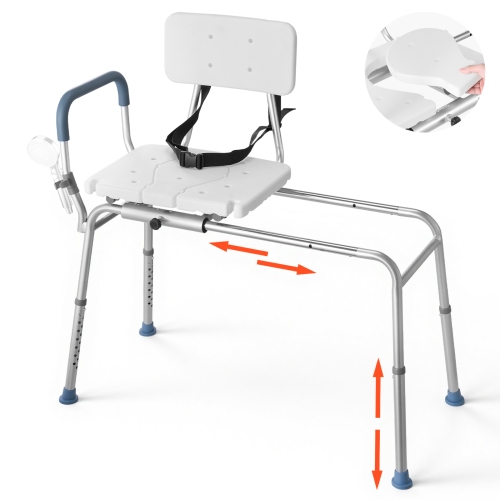
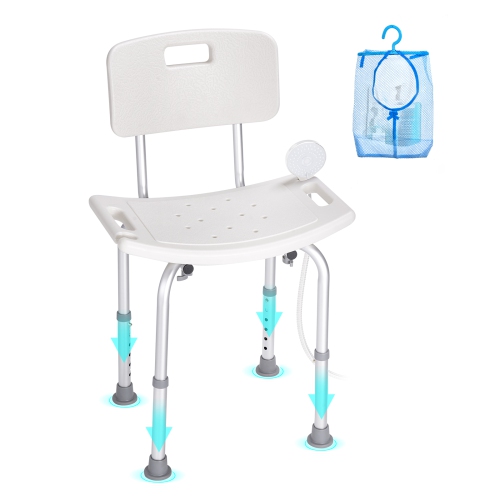
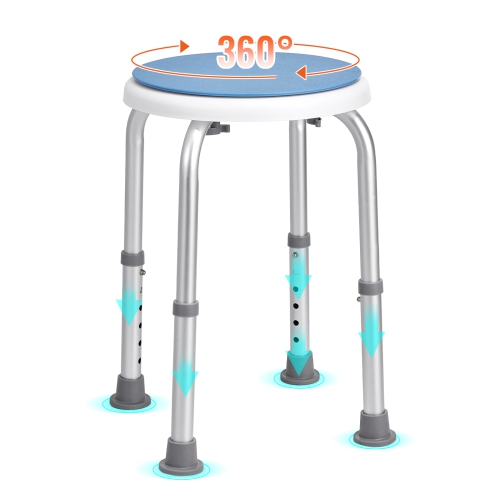
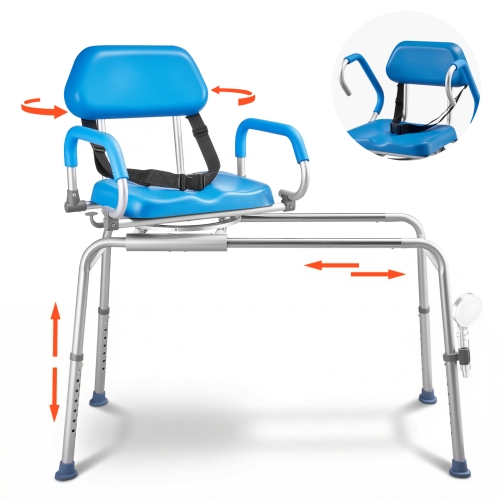
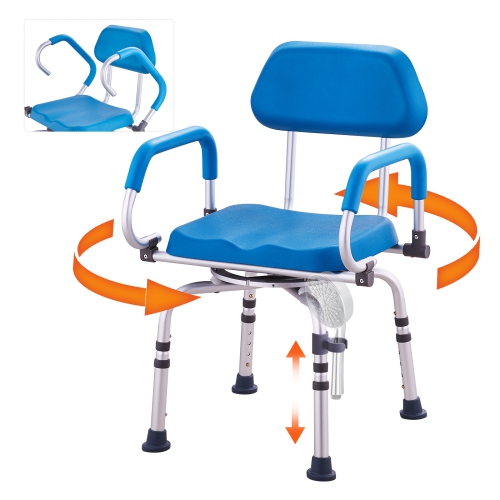
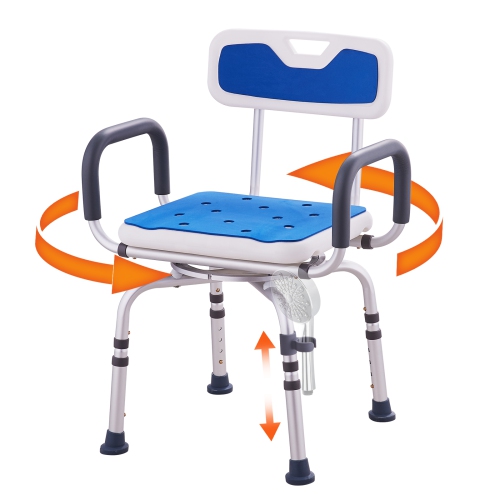
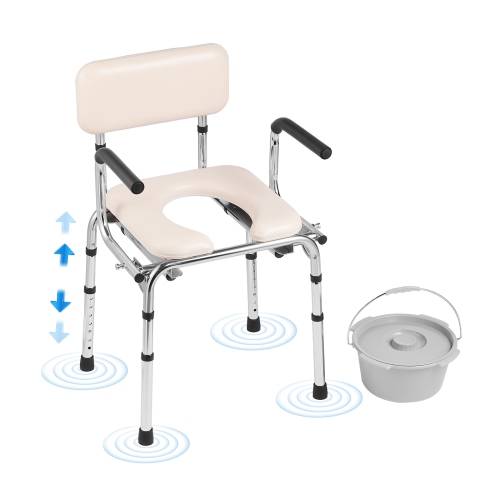
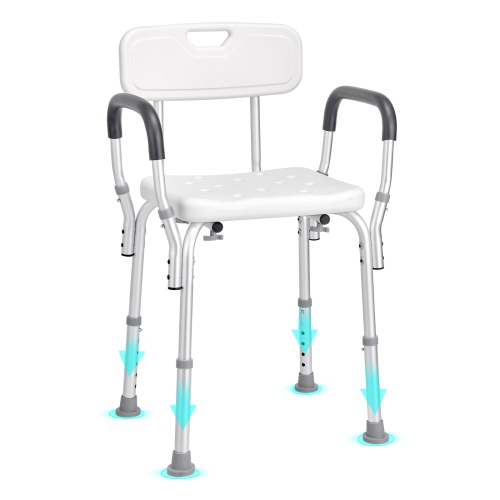

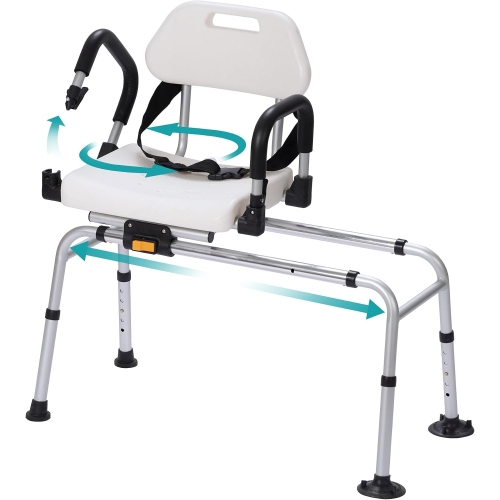
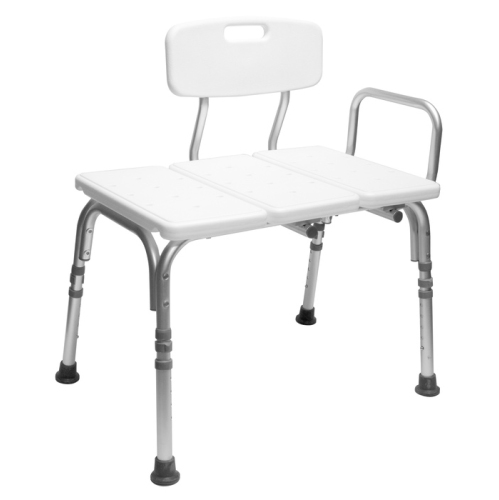
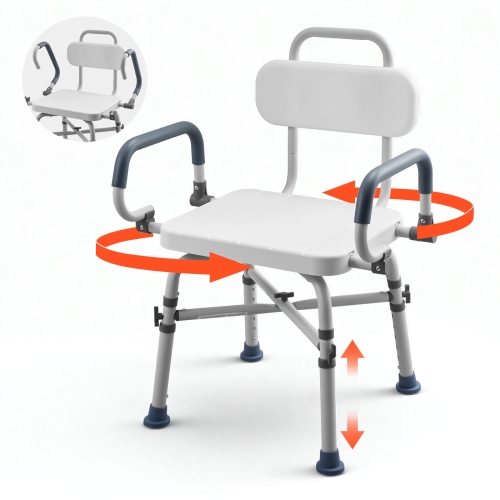
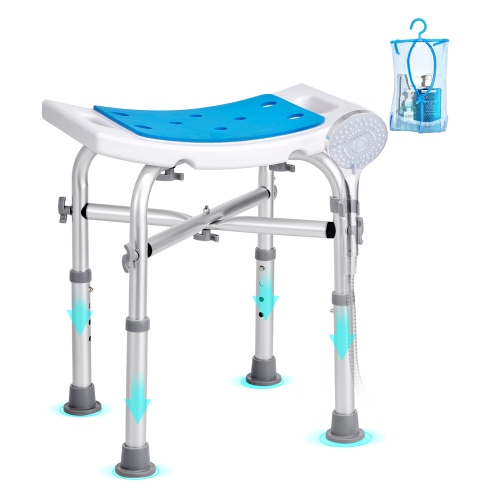
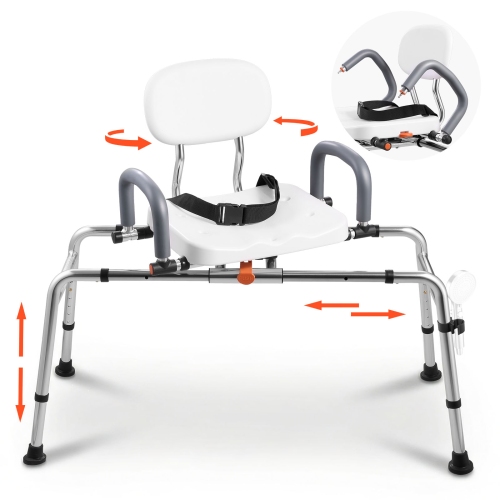
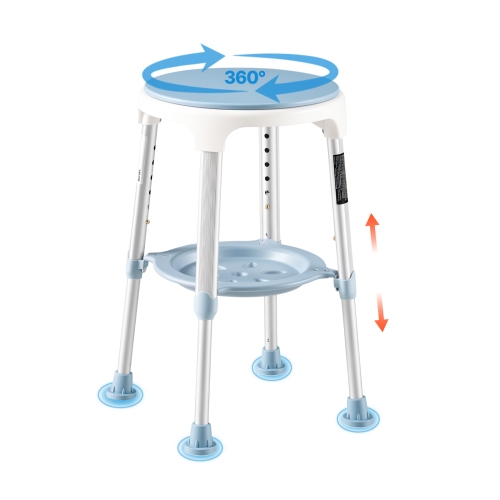
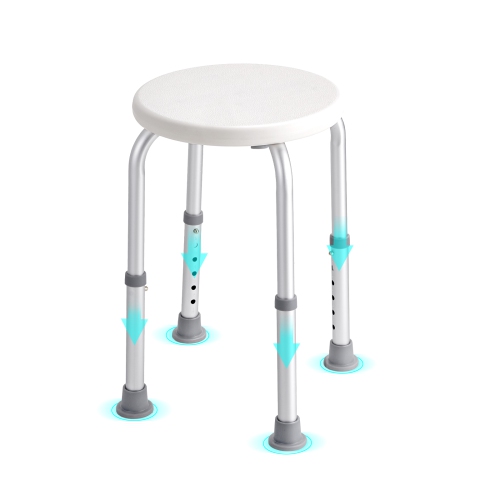
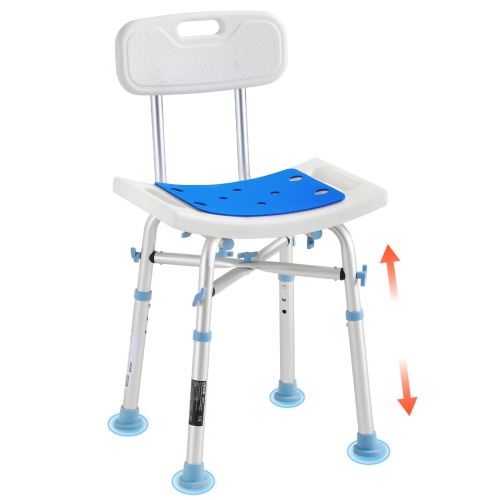
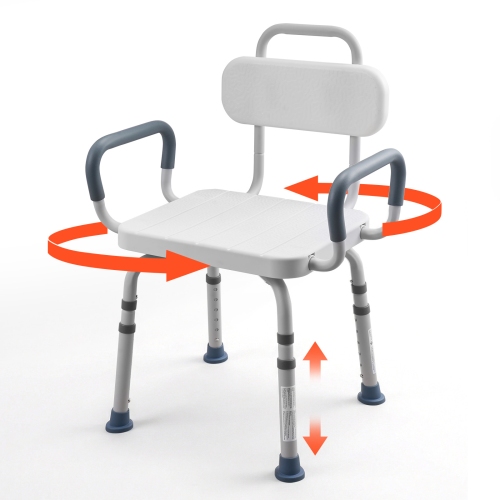
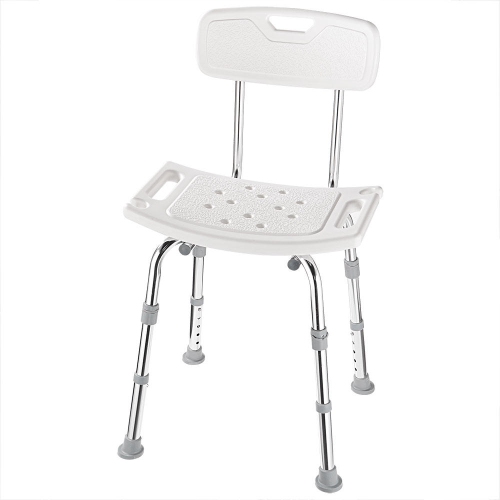
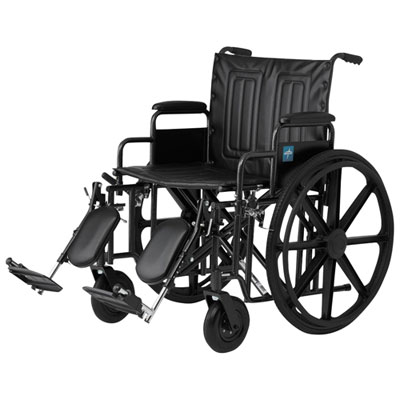
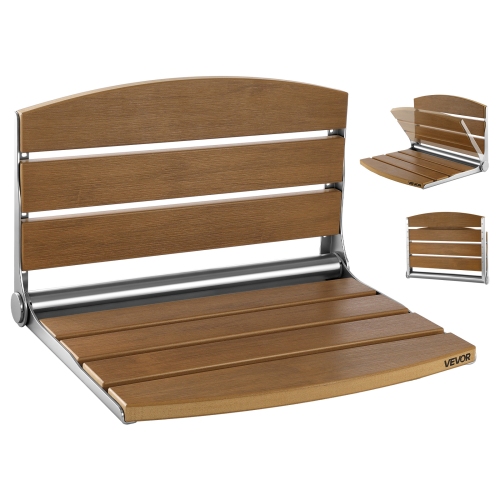
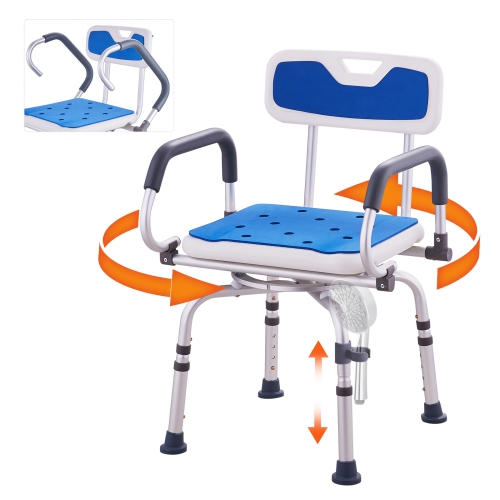
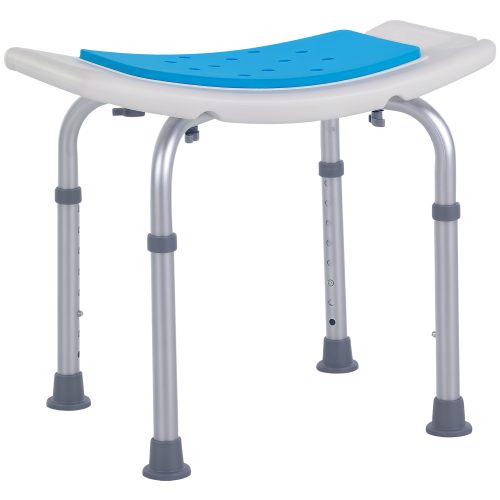
Seated support for bathing and toileting at home
A shower commode wheelchair is a wheeled mobility aid designed to provide seated support for bathing and toileting. Depending on its intended use, it may serve as a shower chair, fit over a compatible toilet, or function as a bedside commode with a removable receptacle. Some designs also support short, assisted trips between a bedroom and an accessible bathroom, reducing the number of transfers involved in a daily routine. These chairs can be useful for older adults, people with disabilities, and people recovering from surgery or injury who have difficulty standing, walking, or transferring without support. Their purpose is different from that of a standard wheelchair: the frame, seating and components must be suitable for the wet conditions and personal care tasks specified by the manufacturer. Within the broader selection of Shower Commodes, wheeled designs offer a way to bring seated support to the bathroom rather than relying solely on a fixed shower seat. A person who tires easily may benefit from remaining seated during washing, while someone with limited balance may need supportive seating and assistance throughout the routine. An open seat allows access for toileting and washing, with the opening’s shape and position affecting both comfort and access. Removable commode pans, fitted lids and accessible handles can make bedside use more practical when a toilet is difficult to reach. Attendant-propelled chairs typically have smaller wheels and push handles, while self-propelled designs may have larger rear wheels that an appropriate user can operate independently. Neither configuration automatically suits every bathroom or level of mobility. A chair intended for assisted use may require another person to remain present, and a model suitable for showering is not necessarily intended for longer-distance travel. The right arrangement depends on the person’s sitting balance, strength, transfer method and support needs, as well as the layout of the home. Comfort and dignity matter alongside the chair’s mechanical features, especially when it becomes part of an everyday routine.
Fit involves more than whether the chair can pass through the bathroom doorway. Overall width, seat width and depth, seat height, armrest position and foot support all affect how the user sits and how a caregiver can assist. A seat that is too narrow can create uncomfortable pressure, while one that is too wide may make the armrests difficult to reach. Feet need appropriate support rather than being left to dangle, and seat depth should allow comfortable positioning without pressing against the backs of the knees. Adjustable components can help accommodate different users, but every adjustment has to remain within the manufacturer’s stated limits. Weight capacity is a separate consideration from seat size; a roomy chair is not necessarily rated for a higher load. For over-toilet use, the clearance beneath the frame, the height and shape of the toilet, and the alignment of the seat opening all matter. Bathroom measurements should account for door frames, tight turns, fixtures and the space needed by an assisting person. A chair that rolls through a doorway may still be difficult to position beside a toilet or within a shower. Roll-in access is especially relevant because small castors are generally not designed to cross raised shower thresholds or steps. Removable or swing-away armrests and footrests may make certain transfers easier, provided they suit the transfer technique and lock securely where required. Wheel locks help keep the chair stationary during transfers and personal care, but they do not replace assistance or make an unsuitable surface safe. Footplates are intended to support the feet, not to serve as a step when entering or leaving the chair. Tilt, recline, head supports and additional positioning features serve different needs and are not interchangeable. For someone who cannot maintain a stable seated posture, input from an occupational therapist or another qualified clinician can help establish appropriate support. The practical goal is a chair that works with the person, their caregiver and the available space, without requiring awkward lifting or improvised positioning.
Materials and construction influence how a shower commode wheelchair feels in daily use and how well it tolerates repeated washing. Aluminium frames are often chosen for their relatively low weight and resistance to corrosion, while stainless steel components can provide strength and resistance to rust when properly maintained. No material removes the need for regular care, particularly around joints, fasteners and moving parts where water and residue can collect. Moulded plastic seats and removable pans can offer smooth, accessible surfaces for cleaning. Padded seats, backrests and armrests may improve comfort, although the covering, seams and attachment points need to be suitable for their intended exposure to water. Soft padding alone does not establish that a seat will meet a person’s pressure-management needs, especially during longer periods of sitting or when skin sensation is reduced. Drainage openings and accessible surfaces help water escape and make cleaning less cumbersome. After use, soap residue and waste need to be removed using cleaning products and methods approved by the manufacturer, followed by rinsing and drying as directed. Harsh chemicals, abrasive tools or prolonged soaking can damage some finishes, upholstery and components. A removable receptacle should be emptied and cleaned after use, with its lid and fittings maintained according to the care instructions. Routine inspection is equally important: wheels should turn freely, locks should engage correctly, and armrests, footrests and adjustable sections should remain secure. Loose fasteners, cracked seating, damaged padding or worn castors can affect dependable use and warrant attention before the chair is used again. Storage space matters, too, since the chair needs a suitable place to dry without blocking access through the bathroom. Folding or removable components may make storage easier where the design allows, but a shower commode wheelchair still needs to be stable and fully secured when in use. Thoughtful fit, suitable materials and consistent care support a more manageable bathing and toileting routine for both the user and anyone assisting them.
Top selling and popular products
-
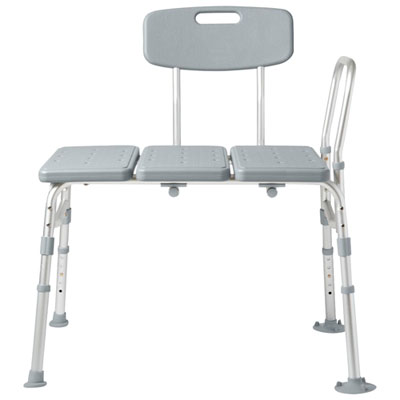 Your price for this item is $90.99
-
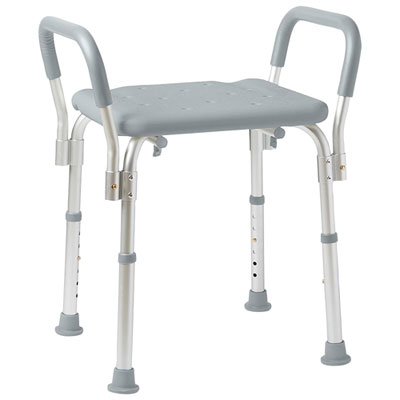 Your price for this item is $56.99
-
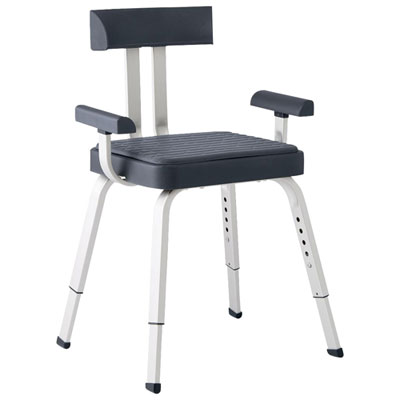 Your price for this item is $190.98
-
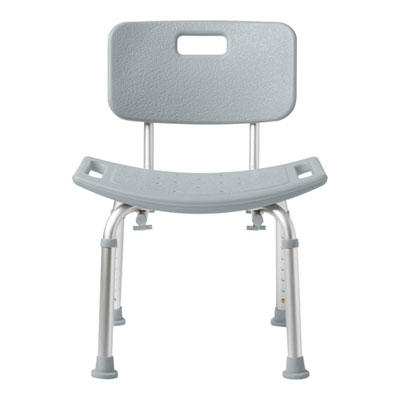 Your price for this item is $109.98
-
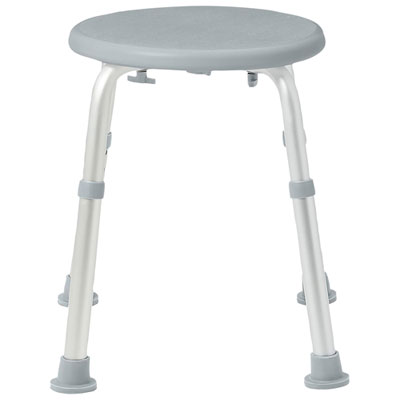 Your price for this item is $32.99
-
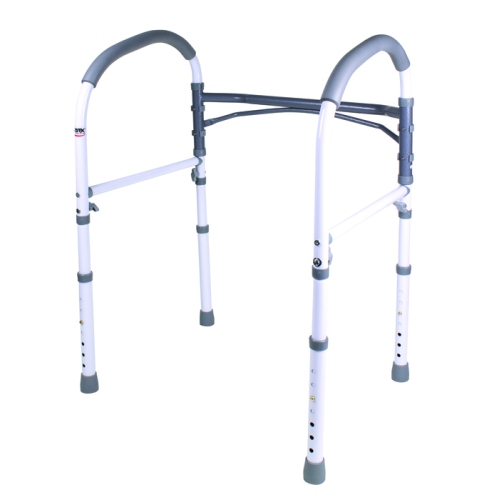 Your price for this item is $89.99
-
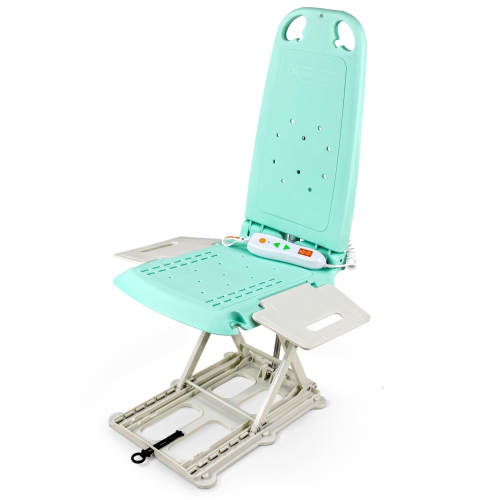 Your price for this item is $419.99
-
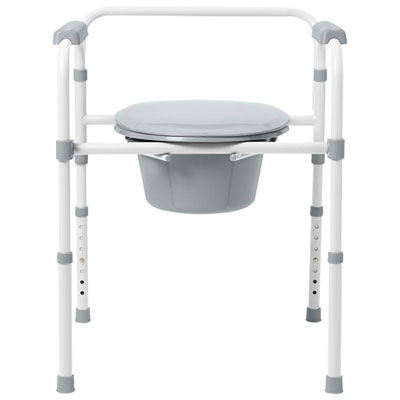 Your price for this item is $177.98
Discover more categories related to Shower Commode Wheelchair
Top Collections:
Best Black Friday Deals This Year, Best Black Friday Deals On Electronics, Kindle Devices, Dyson Airwrap, Best Cameras for Sports Photography, Best Budget Office Chairs, Canon G7X Cameras, PS5 Pro Consoles, Best Black Friday Deals On Apple Products, XBOX One S Consoles
Some products may be subject to Environmental Handling Fees
(EHF) depending on your province.
Learn more about EHFs.