Shower Commode
Shower commode solutions offer versatile support for personal care routines, combining convenience and comfort in one essential product. Designed to assist with daily hygiene needs, a shower commode can enhance accessibility and promote independence in the bathroom. Whether for home use or in a professional care setting, these products provide practical assistance where it matters most. Explore the range of shower commode options to find the right fit for your lifestyle and needs.
Sort
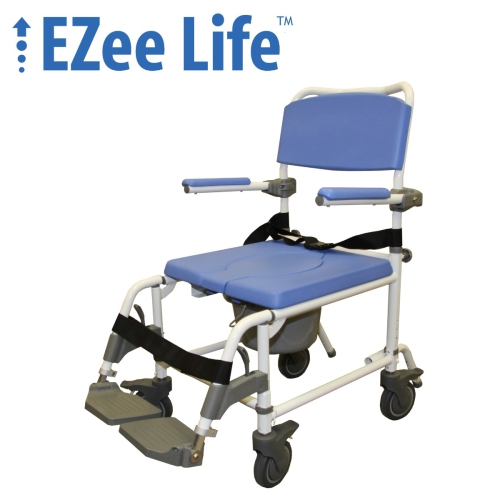
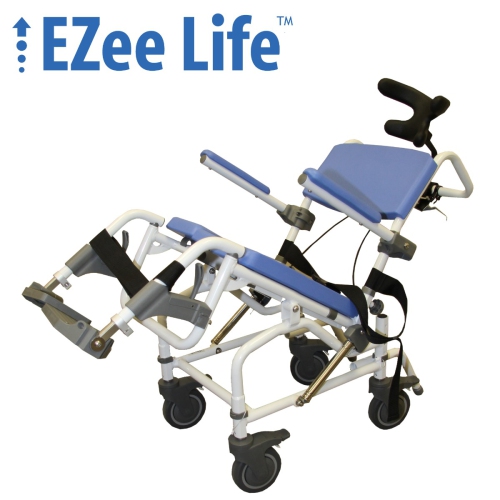
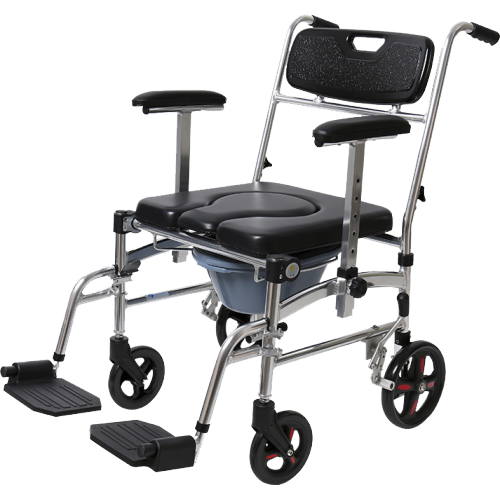
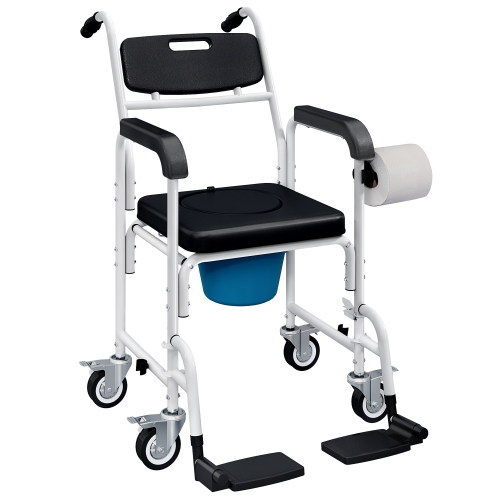
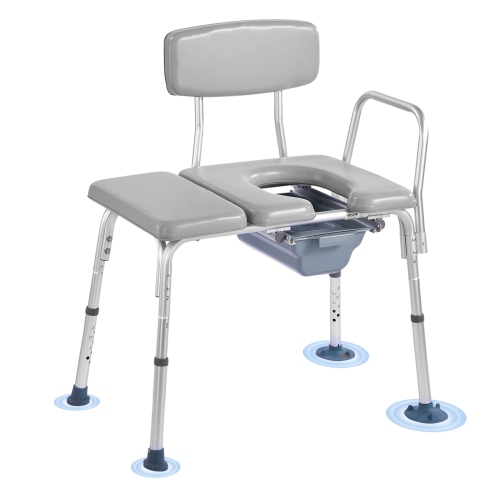
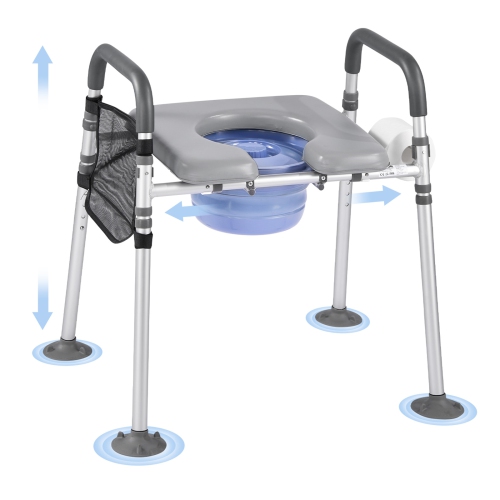
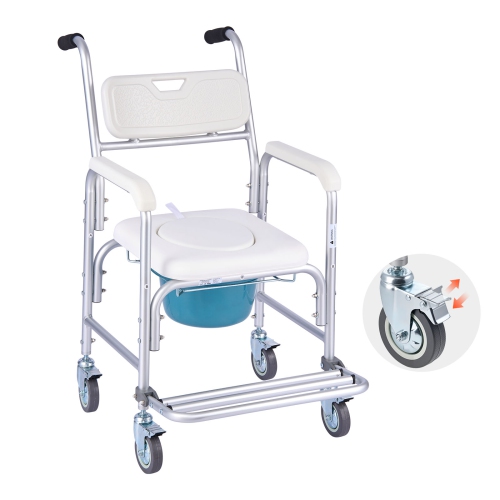
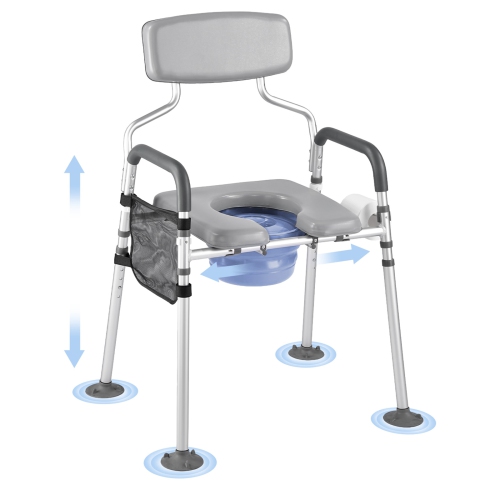
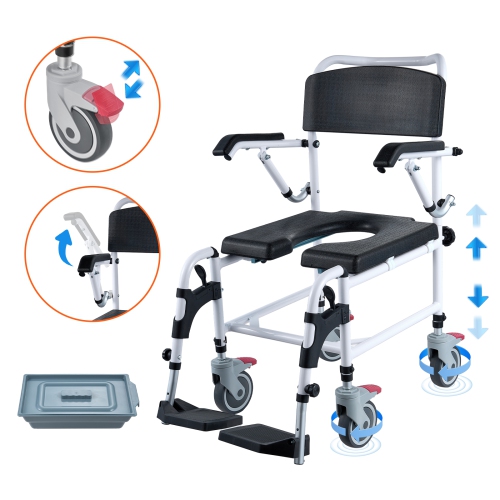
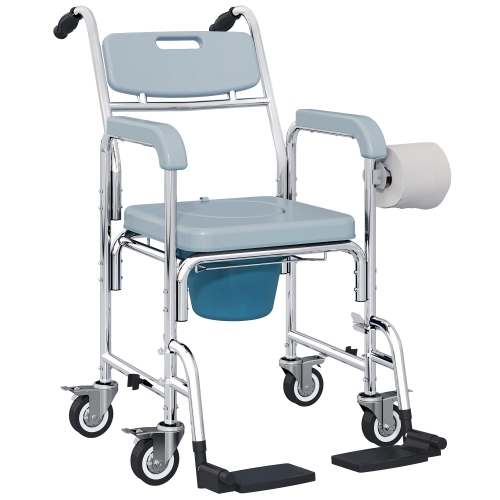
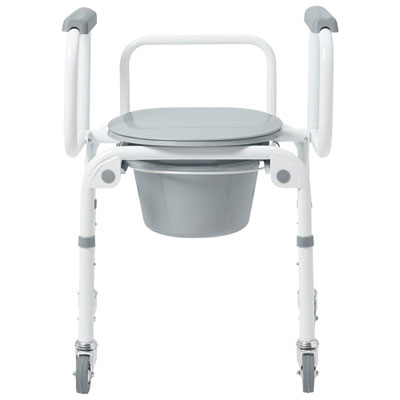
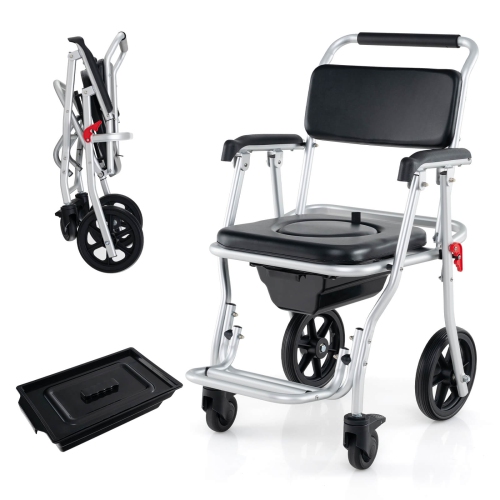
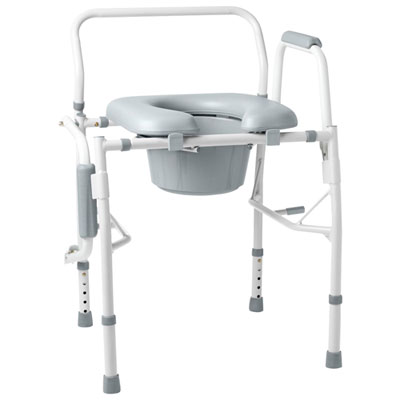
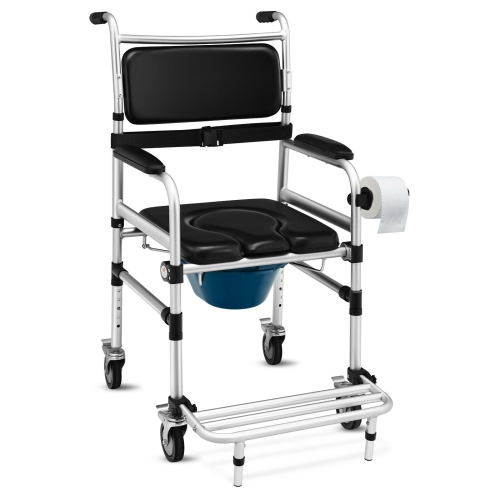
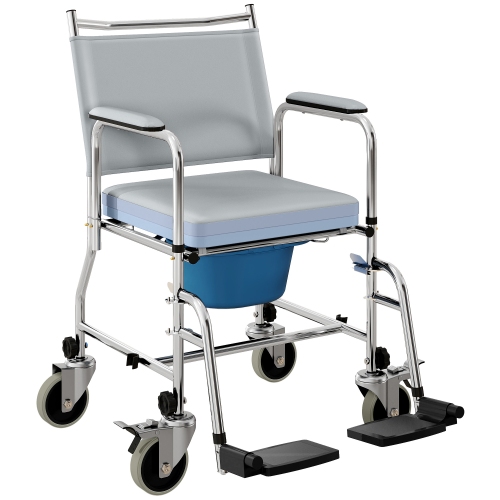
How seated showering and toileting can reduce transfers
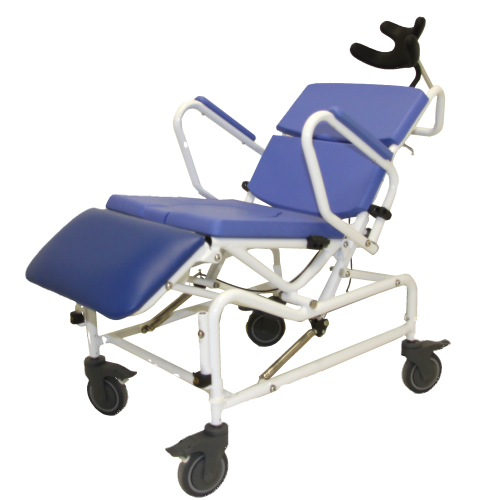
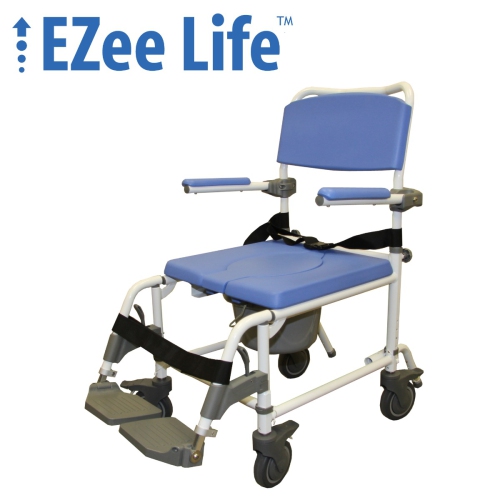
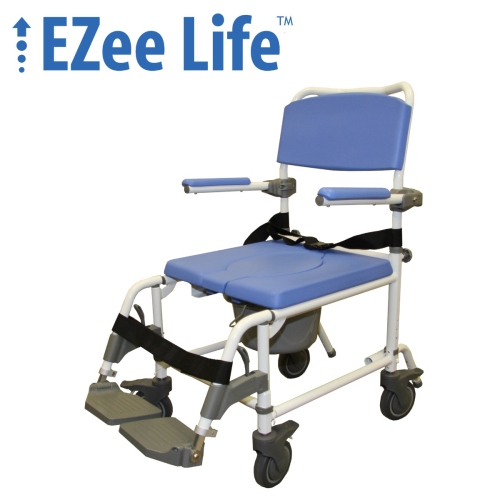
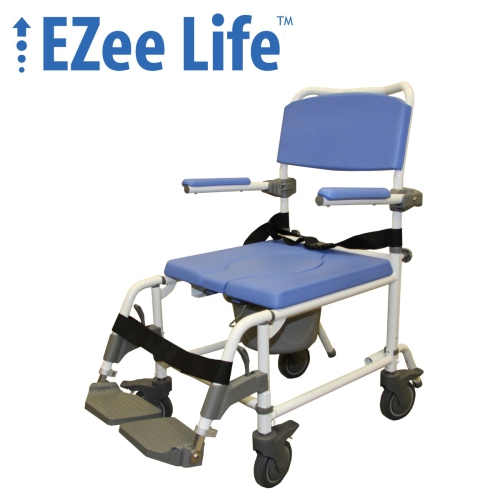
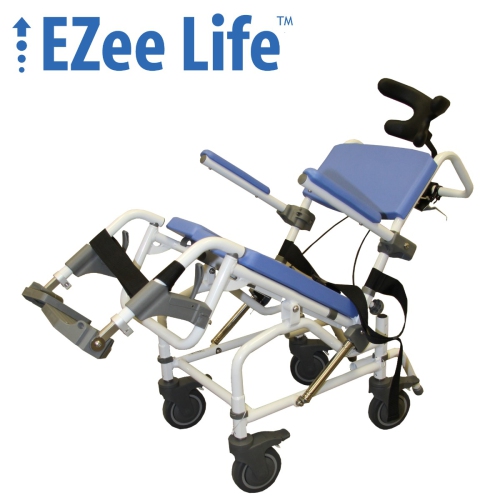
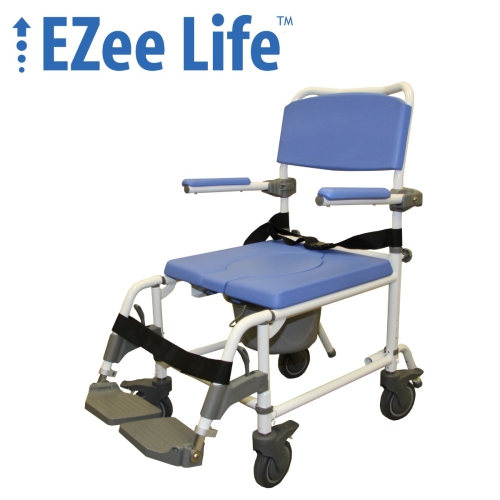
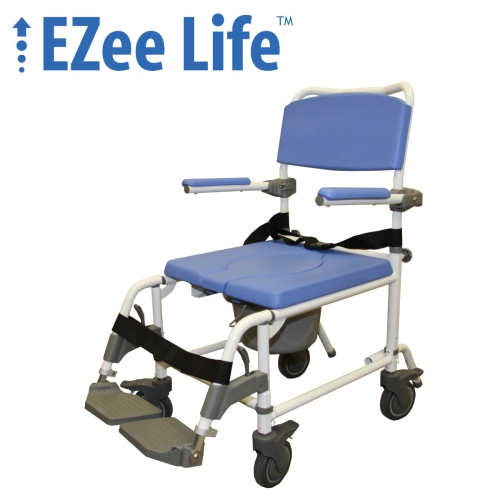
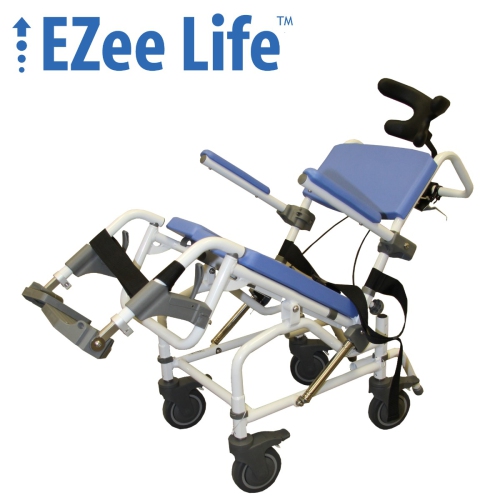
A shower commode is a water-resistant chair with a toileting opening that supports seated showering and toileting for people who find standing, walking, or transferring difficult. Depending on its design, it may be used in an accessible shower, positioned over a compatible toilet, or fitted with a removable commode pan for toileting away from the bathroom. Combining these functions can reduce the number of transfers in a daily routine, although the chair’s intended uses and the person’s support needs determine what is practical. Shower commodes may suit older adults, people with limited balance or strength, wheelchair users, and people recovering from surgery or injury. Some people use them independently, while others need assistance from a caregiver. Attendant-propelled shower commodes generally have smaller castors and rear push handles, allowing another person to position the chair. Self-propelled designs typically have larger rear wheels with handrims for users who have the strength, reach, and coordination to move themselves. Stationary designs serve a different purpose, providing a fixed seat rather than a means of moving between spaces. Tilt-in-space designs change the angle of the seat and back together and may be appropriate when someone needs additional positioning support, following an assessment by a qualified healthcare professional. Heavy-duty or bariatric designs accommodate higher user weights, but their wider frames also require sufficient bathroom and doorway clearance. These distinctions matter in everyday situations: a person who can propel a chair along a hallway may still need help crossing a shower threshold, while someone who needs assisted transfers may benefit from armrests that move out of the way. A shower commode is not automatically suitable as a general transport wheelchair, and its permitted uses should always match the manufacturer’s specifications. The most useful design fits both the person’s abilities and the way assistance is provided.
Fit involves more than choosing a seat that feels spacious. Seat width, depth, height, opening shape, back support, and armrest position all affect how the person sits and how easily personal care can be provided. Too little room can create pressure or restrict movement, while an overly wide seat may make reaching the armrests or handrims difficult. A padded seat may improve comfort for some users, but padding alone does not establish that a chair is suitable for someone with sensitive skin or specific pressure-management needs. Footrests should support the feet without forcing an awkward position, and removable or swing-away components can provide access during an assisted transfer when used as directed. Weight capacity applies to the complete chair as specified by its manufacturer; it should not be estimated from the frame’s appearance. Bathroom measurements are equally important. A chair may pass through the doorway yet leave too little space to turn beside the sink or position safely in the shower. When a shower commode is intended to roll over a toilet, the clearance beneath the seat, the toilet’s height, and the alignment of the opening all need to work together. Raised shower edges, floor slopes, and narrow spaces can limit use even when the overall room seems large enough. Frame materials commonly include aluminum, coated steel, and rigid PVC, each with different implications for weight, handling, and care. Aluminum is relatively lightweight and corrosion-resistant, while coated steel depends on an intact protective finish to help resist rust. Rigid PVC frames resist corrosion but still require inspection for damage and loose connections. Smooth surfaces, accessible joints, and removable components can make cleaning easier. Durable construction also depends on the quality and condition of castors, wheel locks, fasteners, upholstery, and adjustment mechanisms, especially when the chair is moved and cleaned frequently.
Daily use brings smaller details into focus. A caregiver helping with hair washing needs access around the backrest, while a person washing independently may need arm supports that remain secure without blocking movement. The toileting opening should provide useful access without compromising the support the person needs when seated. A removable pan with a secure attachment and a well-fitting lid can make bedside toileting more manageable, but the pan must be removed or fitted according to the chair’s instructions before other uses. For households comparing bathroom support with toileting beside the bed, Bedside Commodes serve a related purpose, though a bedside commode should not be assumed suitable for showering unless it is specifically designed for wet use. Wheel locks help hold a mobile shower commode in place during appropriate tasks, but they do not eliminate transfer risks or replace necessary assistance. Transfers, adjustments, and positioning should follow the manufacturer’s directions and any personalized advice from an occupational therapist or another qualified healthcare professional. Care routines also influence how well a chair holds up. Soap, body oils, and residue can collect beneath seats, around pan rails, and near wheel assemblies, so cleaning needs to include these less visible areas. Manufacturer-approved cleaners help protect padding, coatings, and moving parts; abrasive tools or unsuitable chemicals may damage them. Rinsing and drying as directed, checking that drainage openings remain clear, and storing the chair in a suitable space help keep it ready for its next use. Routine checks can reveal a loose armrest, a sticking castor, damaged padding, or a wheel lock that no longer holds properly. If a chair is used by more than one person, cleaning and disinfection must also follow the applicable care setting’s procedures. Whether needed for a period of rehabilitation or ongoing daily support, a shower commode works best when its fit, functions, and maintenance requirements suit the person using it and the bathroom where it will be used.
Top selling and popular products
-
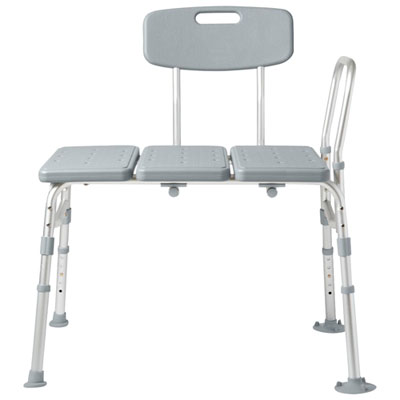 Your price for this item is $90.99
-
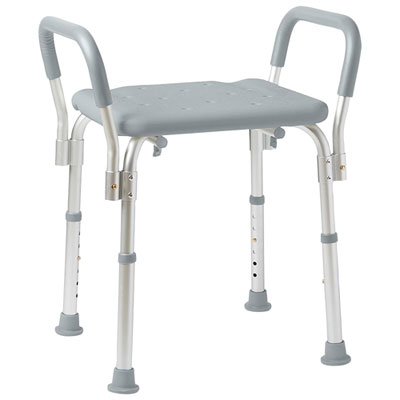 Your price for this item is $56.99
-
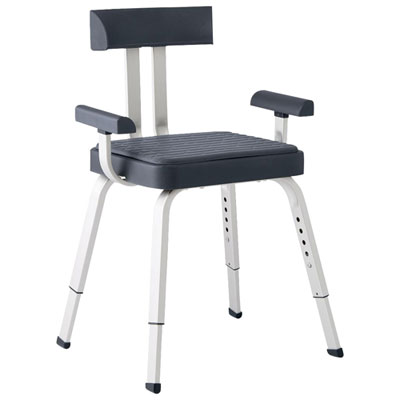 Your price for this item is $190.98
-
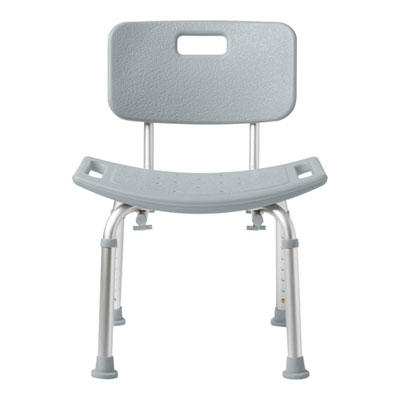 Your price for this item is $109.98
-
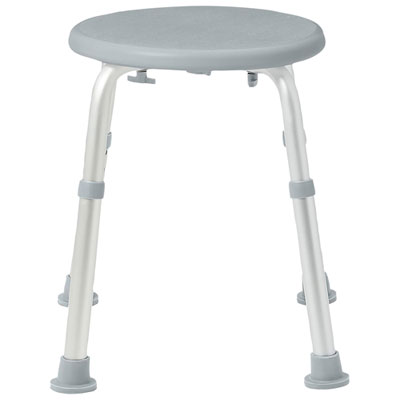 Your price for this item is $32.99
-
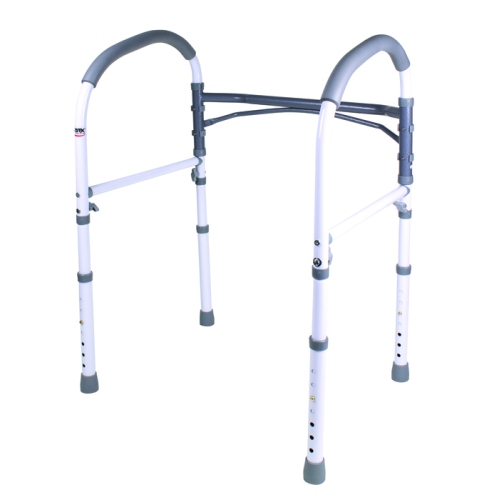 Your price for this item is $89.99
-
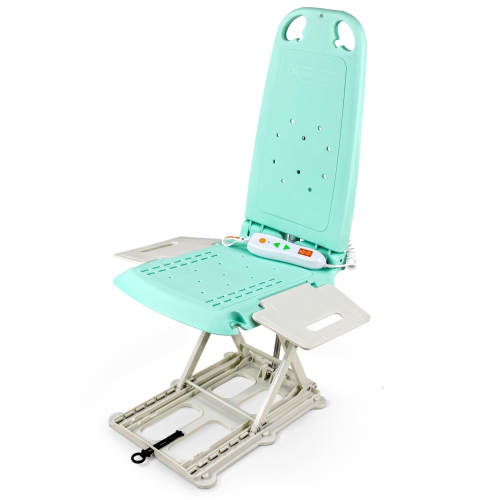 Your price for this item is $419.99
-
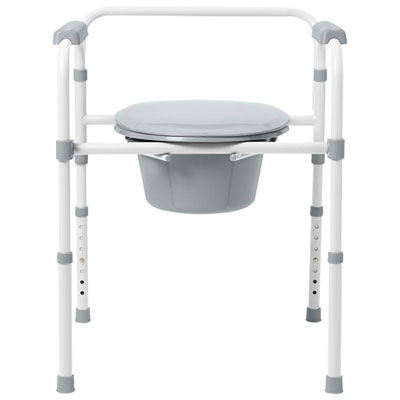 Your price for this item is $177.98
Discover more categories related to Shower Commode
Top Collections:
Best Black Friday Deals This Year, Best Black Friday Deals On Electronics, Kindle Devices, Best Black Friday Deals On Apple Products, Best Budget Office Chairs, Best Cameras for Sports Photography, Dyson Airwrap, Canon G7X Cameras, Best Laptops for Writers, Samsung Galaxy Phones
Some products may be subject to Environmental Handling Fees
(EHF) depending on your province.
Learn more about EHFs.