Silicone Containers
Looking for a convenient and eco-friendly way to store your food and keep it fresh? Our selection of silicone containers offers the perfect solution for all your storage needs. Made from durable and food-grade silicone material, these containers are not only safe for you and your family but also sustainable for the environment. Whether you're meal prepping for the week ahead or looking to reduce waste in your kitchen, these versatile containers are a must-have addition to any home. Browse our range of sizes and shapes to find the perfect fit for your lifestyle.
Sort

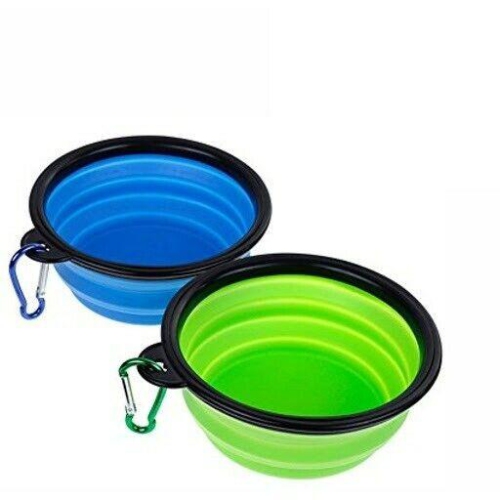
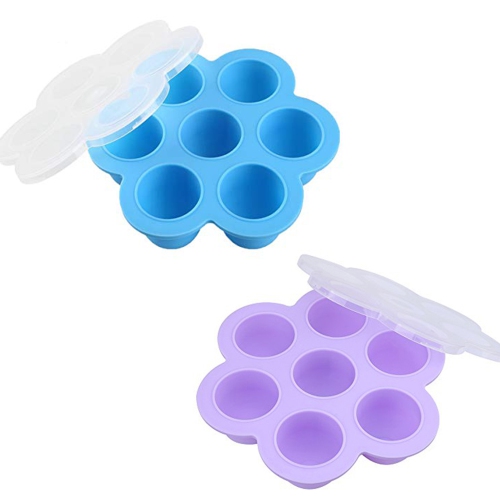
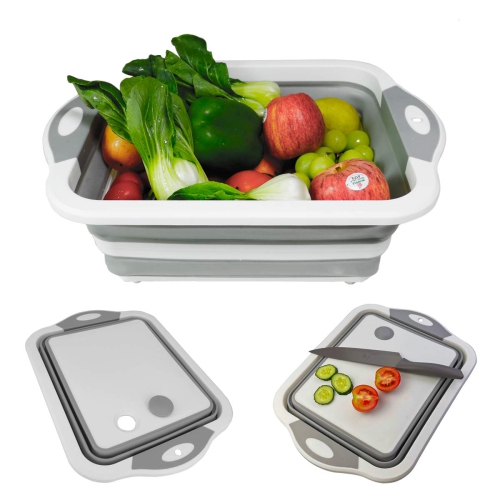

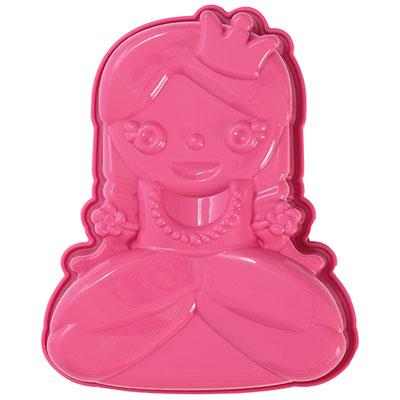

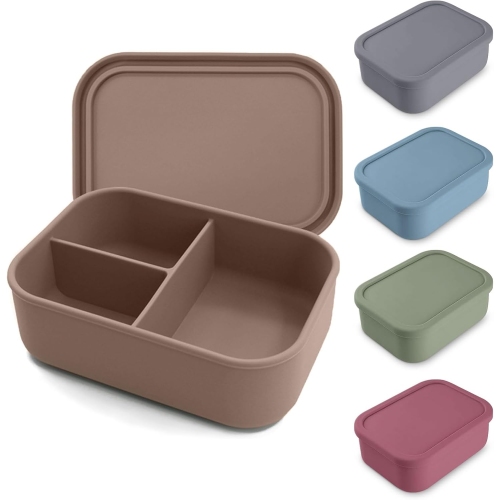
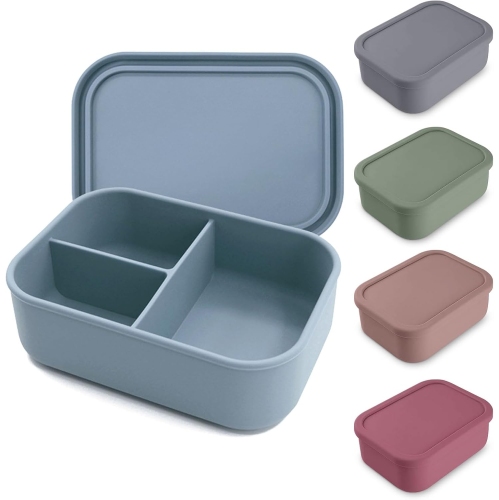
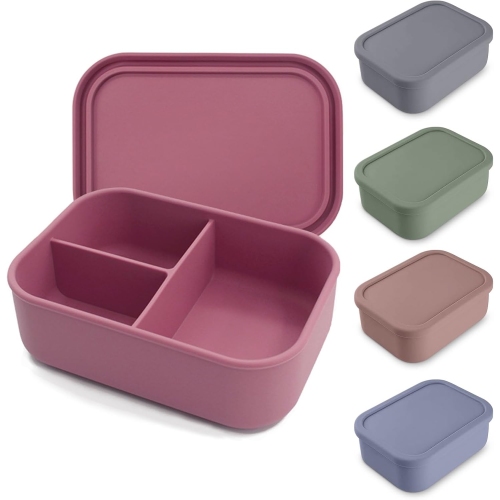
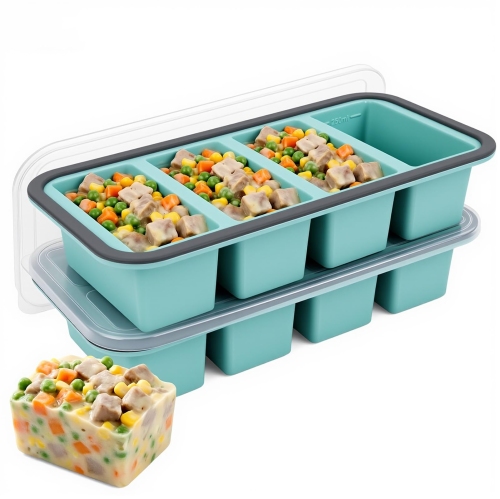
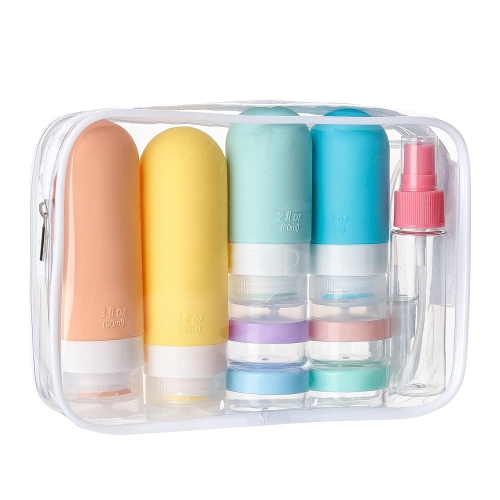
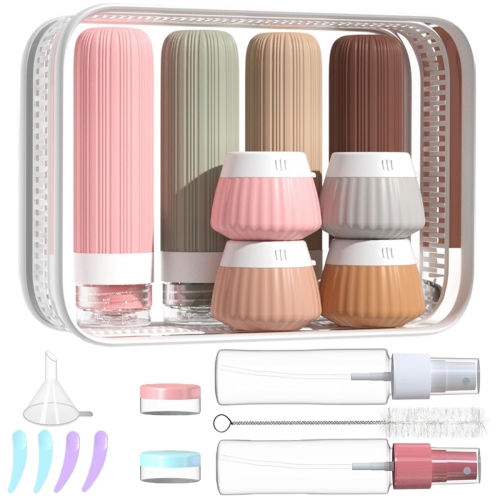
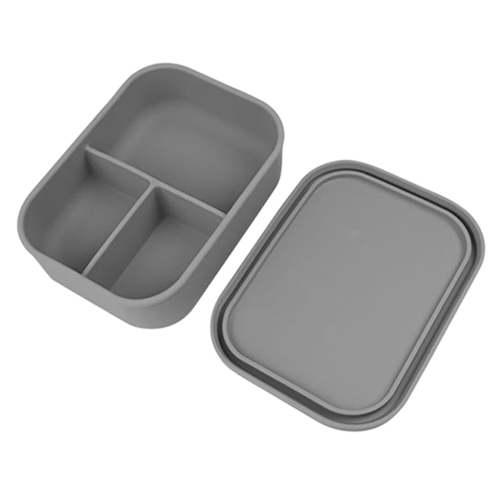
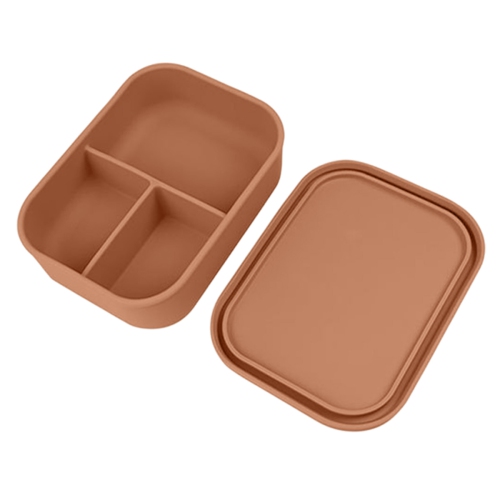
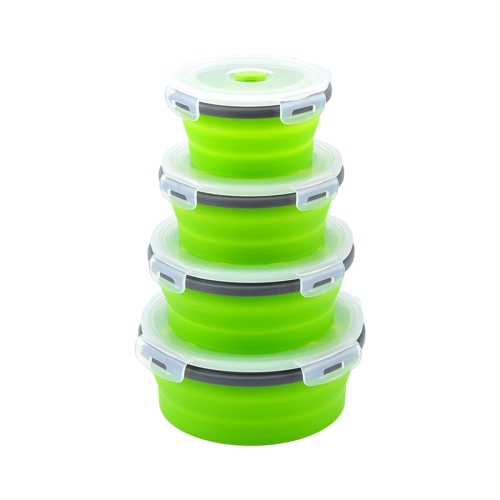
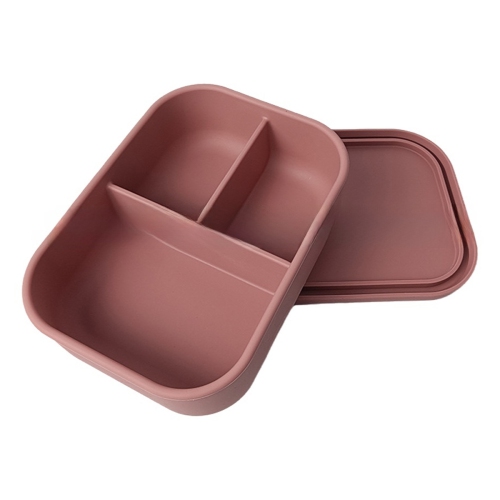
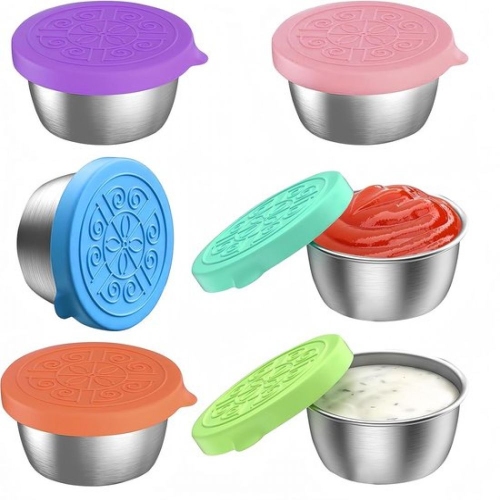
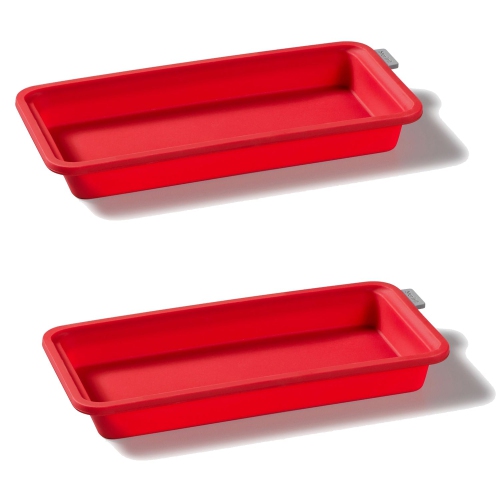
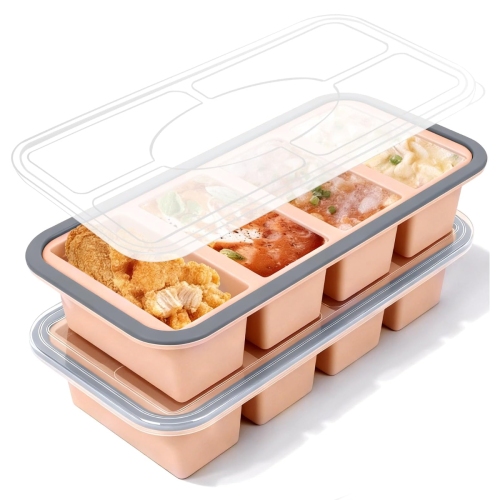
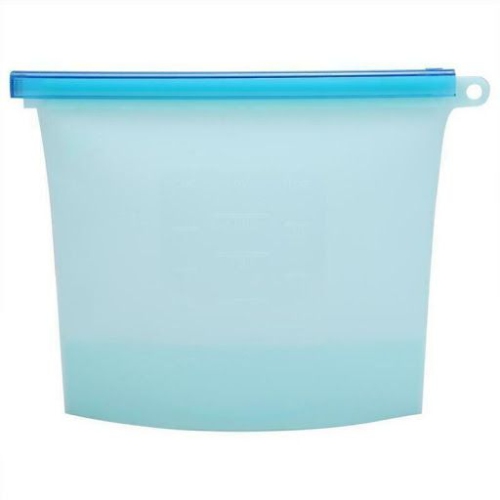

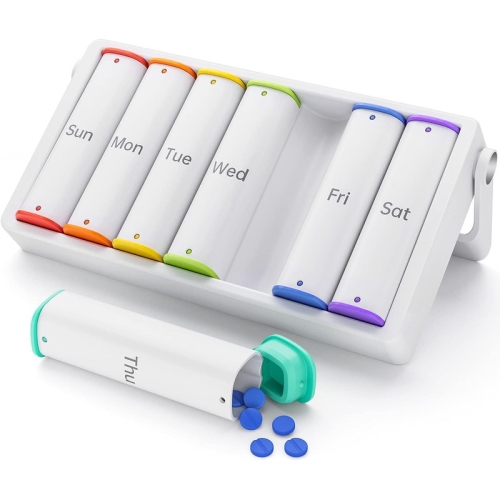
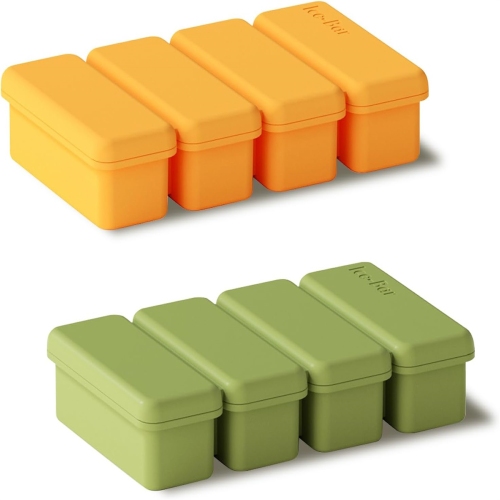
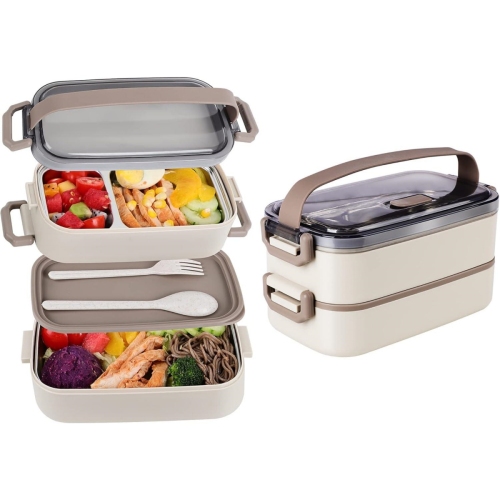
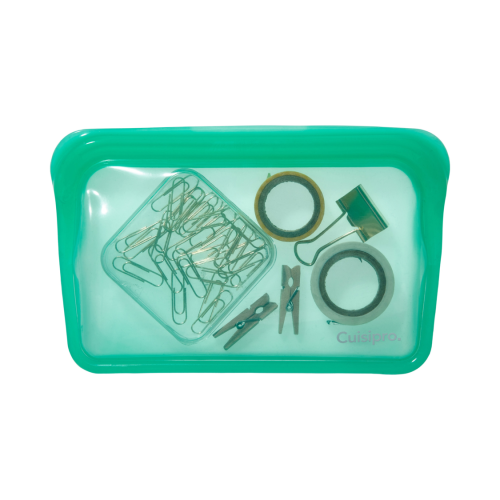


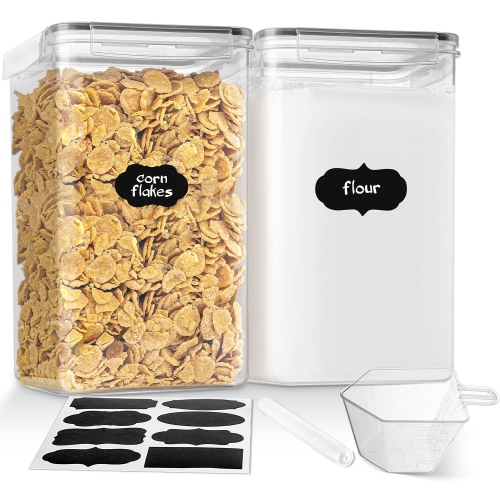
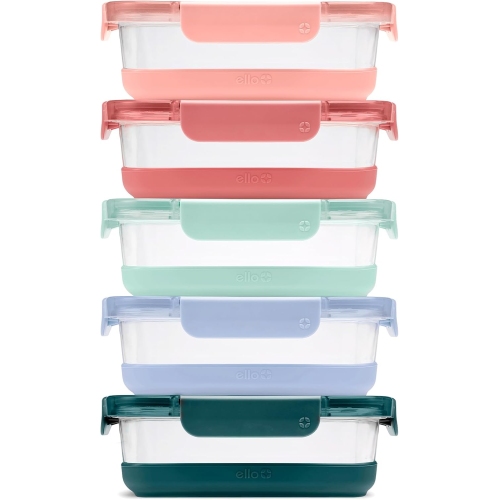
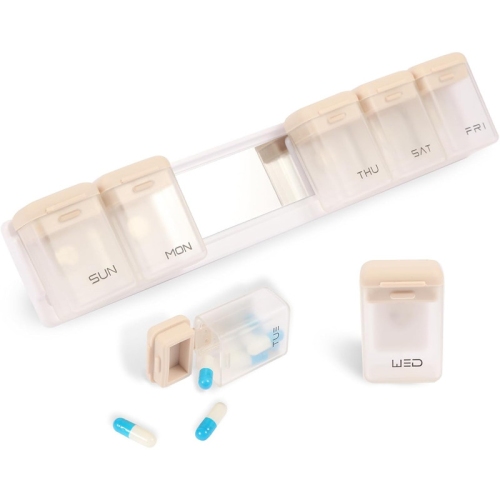
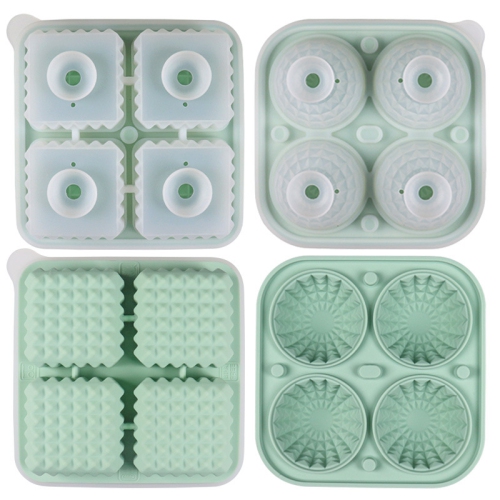
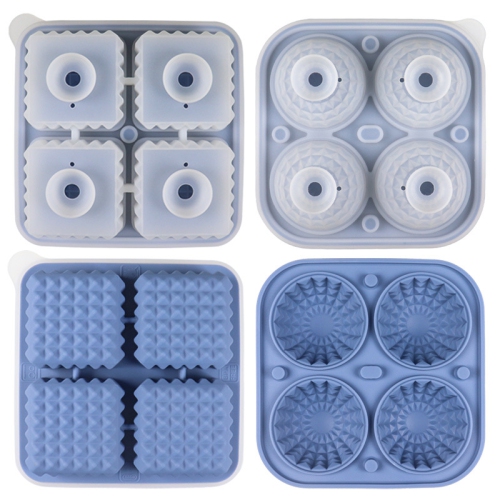
Why shape and seals matter for everyday food storage
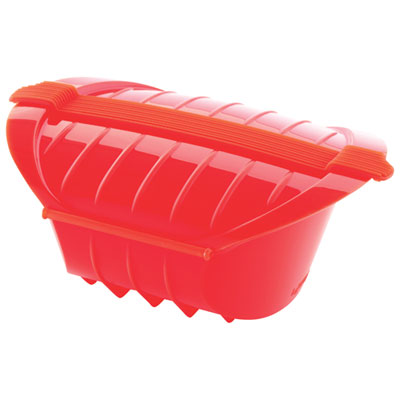
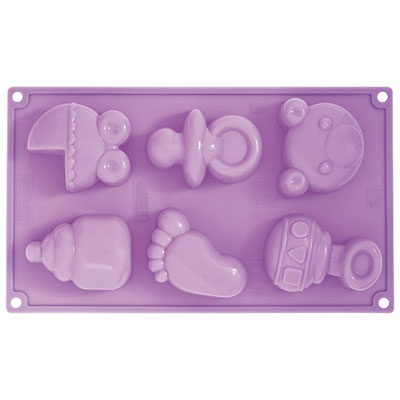
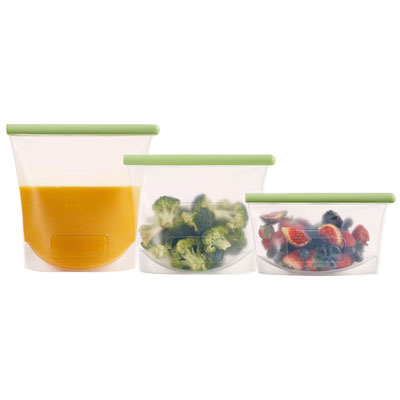
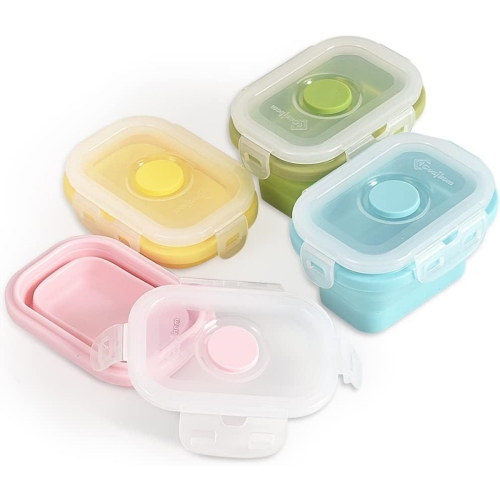
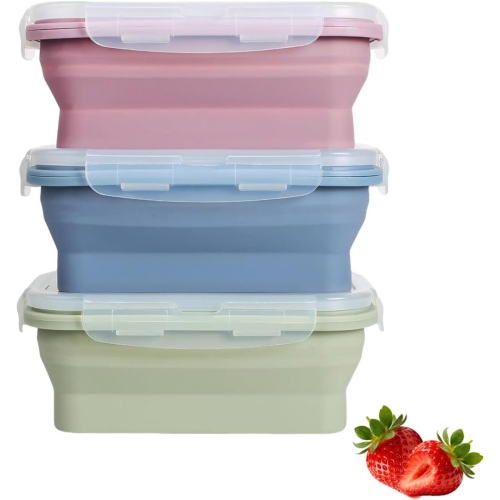
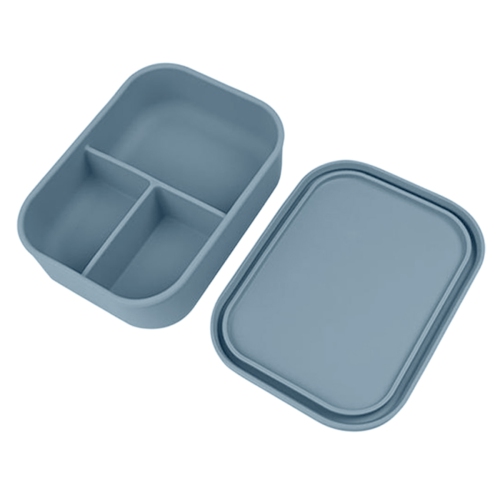
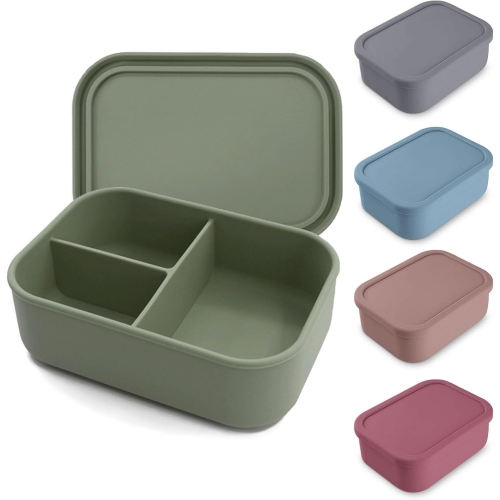
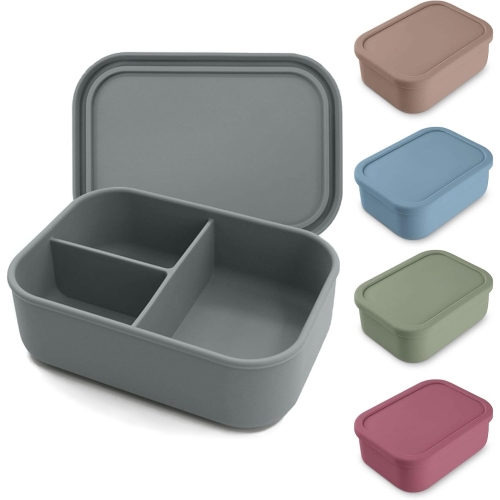
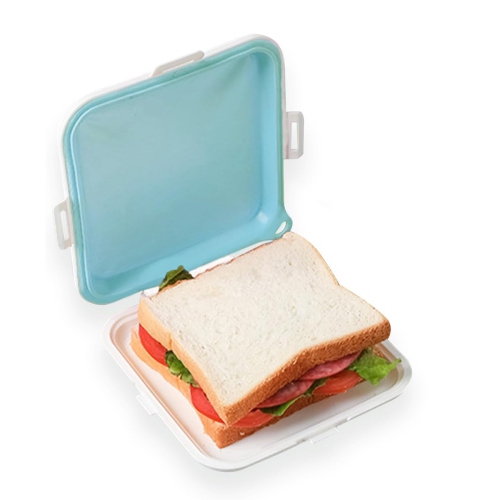
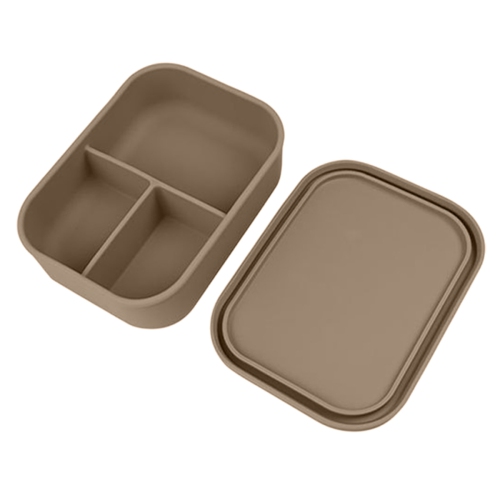
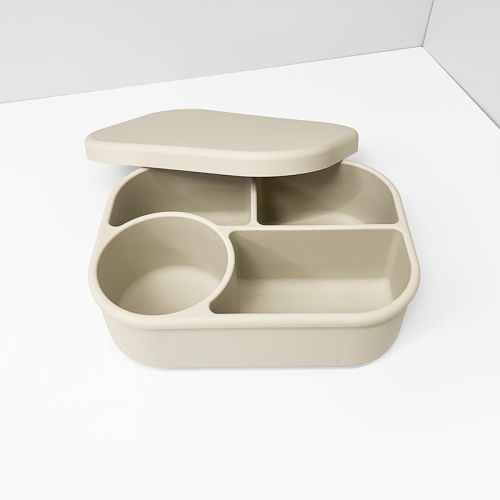
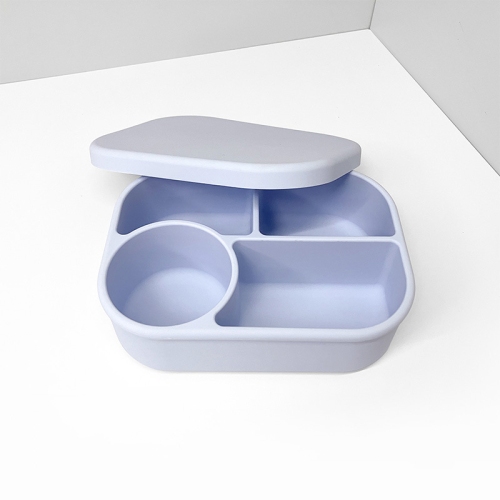
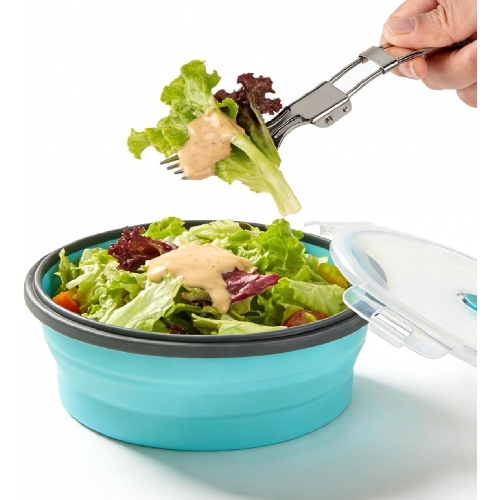
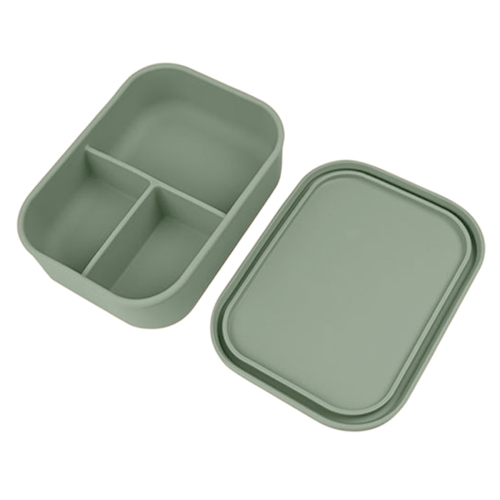
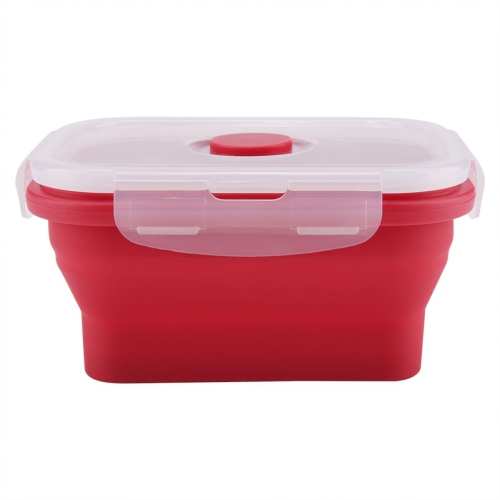
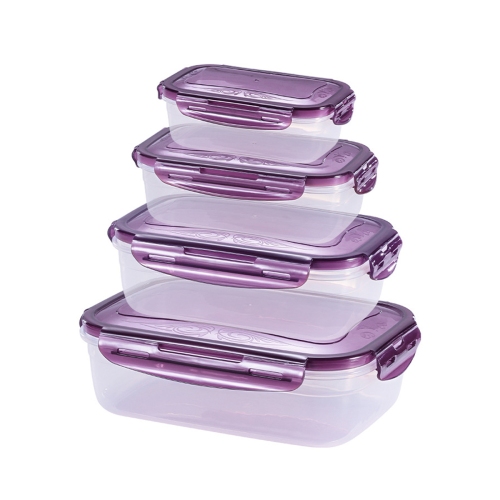
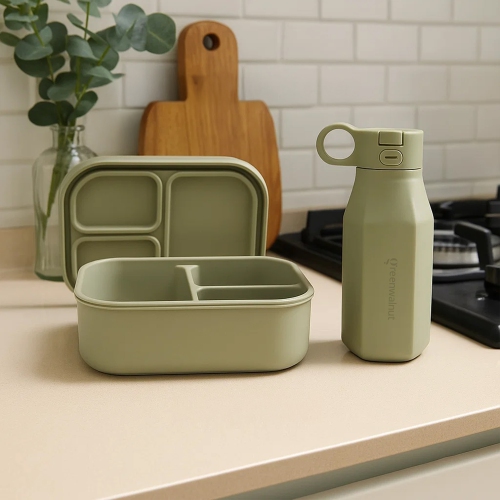
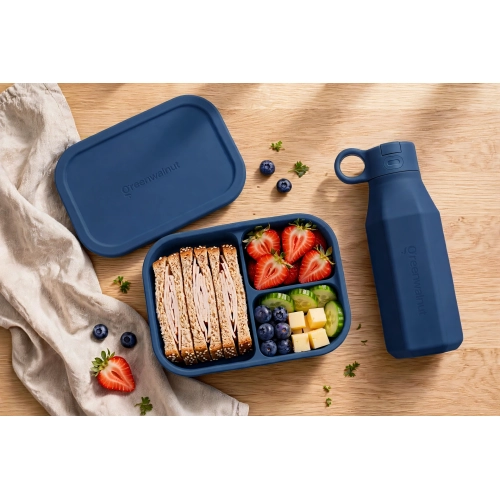
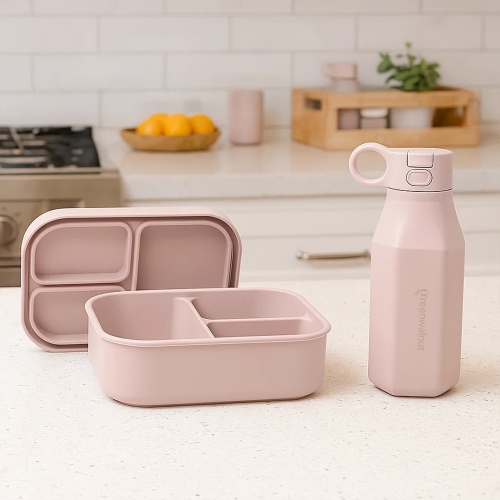
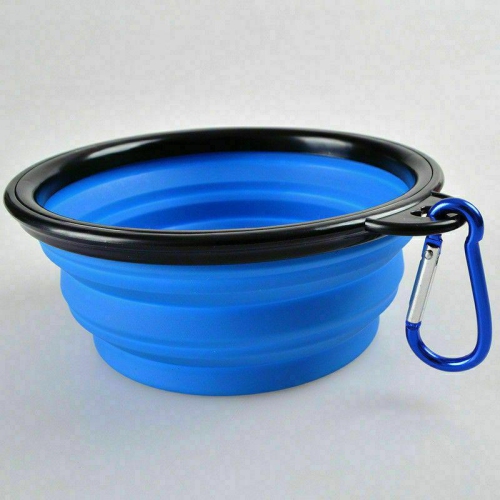
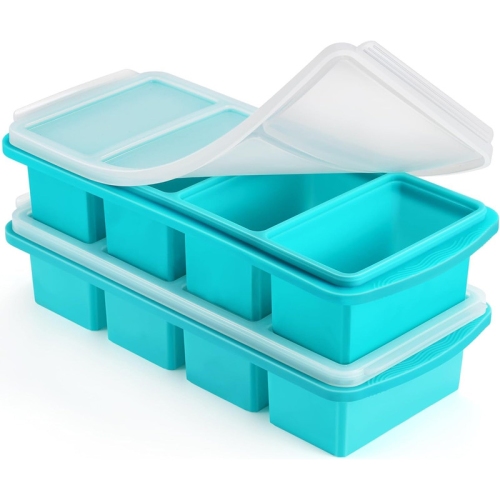
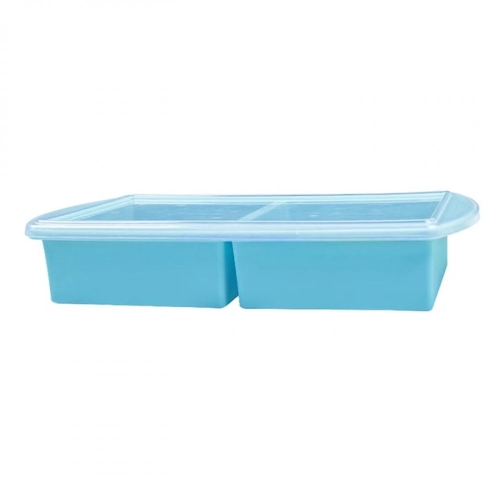
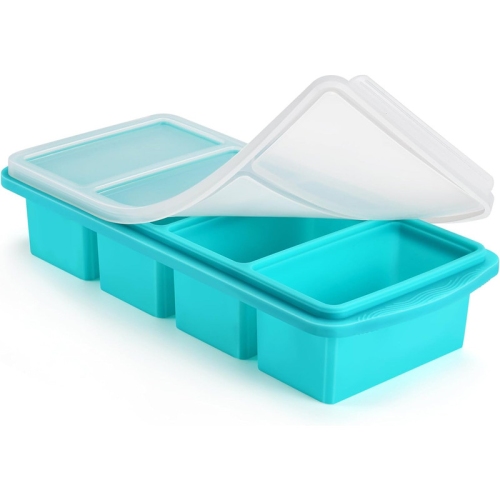
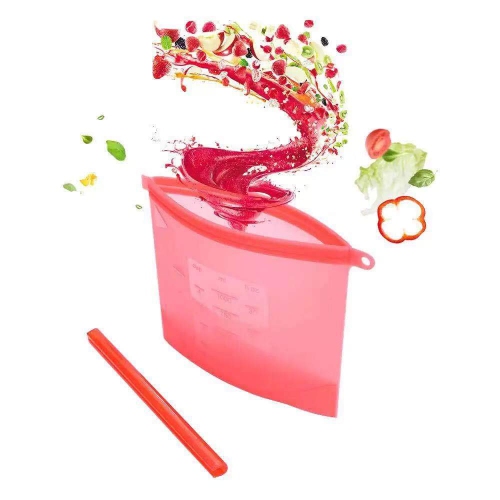
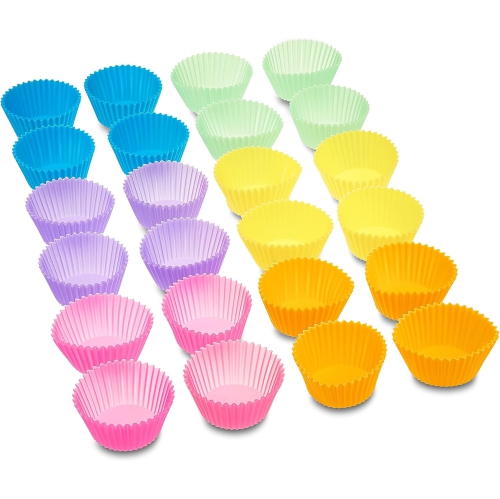
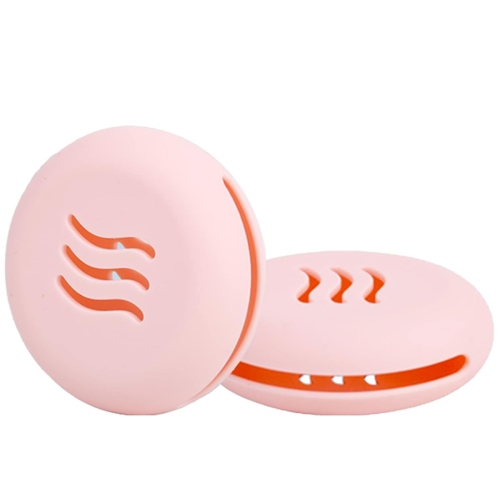
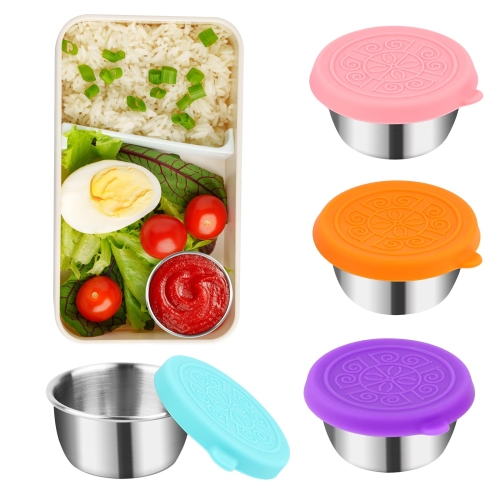
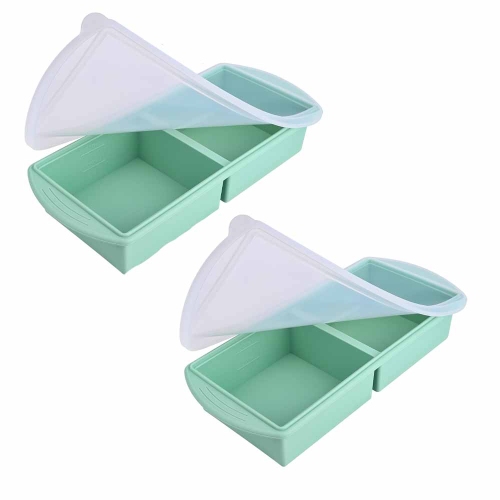
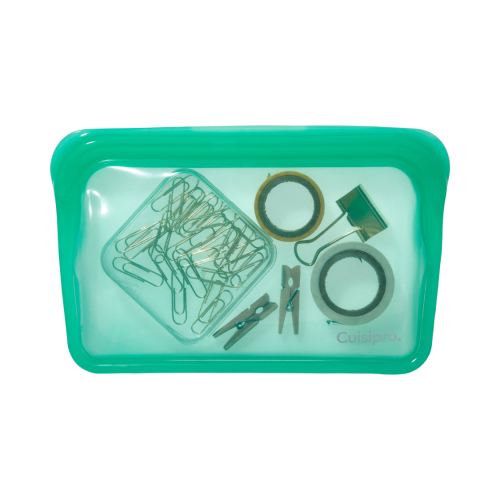
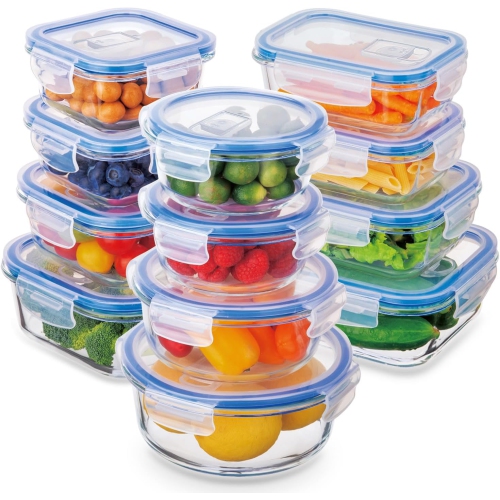
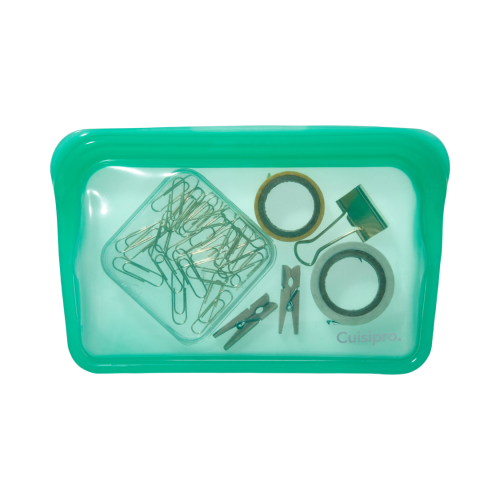
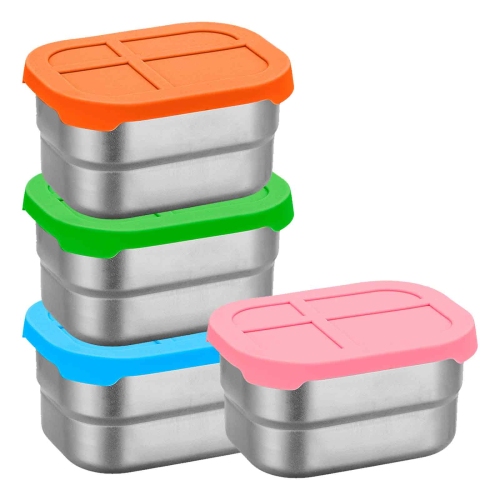
Silicone containers are flexible, lightweight storage vessels commonly used for food preparation, packed lunches, snacks, and leftovers. Food-grade silicone offers a soft, shatter-resistant alternative to glass, and many silicone food containers are suitable for the freezer, microwave, and dishwasher within the manufacturer’s stated limits. These features vary by design, especially when a container has a lid or frame made from another material. The most useful shape and capacity depend on what needs storing and where it will go. Shallow containers make individual portions easy to arrange, while deeper shapes leave room for salads, chopped vegetables, or a serving of pasta. Smaller compartments can keep crackers separate from sliced fruit or hold a dressing until lunchtime. Flexible storage bags suit foods that do not need a rigid base, while containers with structured rims can feel steadier when being filled or carried. Collapsible designs reduce their height when empty, which can help in a crowded cupboard, a shared kitchen, or a lunch bag that needs to fold away after use. Their expanded dimensions still matter, particularly when fitting several portions onto a refrigerator shelf. Capacity alone does not reveal whether a container will accommodate a sandwich without compressing it or sit flat inside a narrow bag. A broad opening makes it easier to spoon in rice, arrange larger pieces of food, and reach the corners during washing. A stable base is useful on a countertop, especially when transferring food from a cutting board. For people preparing several lunches at once, matching shapes can make portions easier to stack and identify. Students, commuters, caregivers, and households managing different meal schedules may all find this combination of flexibility and organized storage useful. A container that fits the food, closes comfortably, and occupies a practical amount of space is more likely to become part of an everyday routine than one chosen on capacity alone.
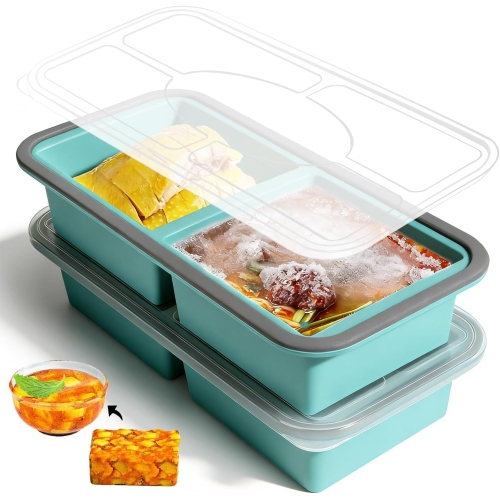
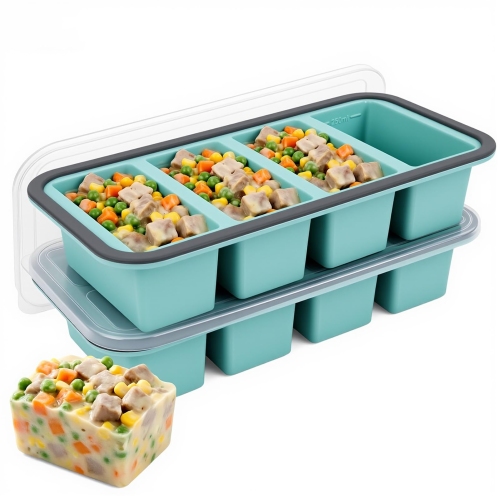
Material construction and closure design influence how silicone containers perform throughout that routine. A silicone seal inside a rigid container is not the same as a container with a silicone body, and a flexible base does not necessarily mean every component can be heated. Food-contact suitability should be stated for any container intended to hold meals or ingredients. Freezer, microwave, and oven use are separate capabilities rather than interchangeable claims; oven use is appropriate only when expressly permitted for the complete container or the relevant component. Microwave-safe designs may require a vent to be opened or a lid to be loosened, and a tightly sealed container should not be heated unless its instructions specifically allow it. When freezing soup, sauce, or other liquids, space below the rim allows for expansion. A flexible base can help release frozen portions, but frozen contents should not be forced out with a knife or another sharp utensil. Support also matters when moving a filled container: a soft-sided vessel can bend under the weight of a large portion, so carrying it from underneath helps keep it level. For travel, the distinction between an airtight closure and a leak-resistant or leakproof design is important. A seal that helps limit air exposure is not automatically suitable for carrying soup sideways in a backpack. Secure closures, clean sealing edges, and an upright position can make transport more dependable, while liquids call for a design specifically intended to contain them. Food caught along a rim or inside a sealing channel can prevent a lid from seating properly. Easy-to-grip tabs may be helpful for people who find small clips awkward, although a closure still needs to hold firmly during normal handling. Perishable food also needs appropriate chilling; a silicone container does not replace refrigeration or an insulated lunch bag with an ice pack when needed. These practical differences help distinguish containers suited to dry snacks from those intended for chilled meals, frozen portions, or reheating.
Care has a direct effect on how pleasant silicone containers remain to use. Smooth interiors and rounded corners are generally easier to wash than narrow channels, deep folds, or complicated closures, although collapsible designs naturally have more creases to inspect. Dishwasher-safe containers still need to be positioned according to their care instructions so water can reach the interior and drain away. Removable seals or other detachable parts should be cleaned separately when the design allows it, then reassembled only after everything is dry. Gentle washing with dish soap and a soft sponge helps remove food residue without scratching other components or damaging sealing surfaces. Strongly scented detergents can leave an unwanted smell, while tomato sauces and richly coloured foods may leave staining; a colour change alone does not necessarily mean the container has lost its function. Persistent odours, sticky residue, tears, or a lid that no longer fits securely deserve closer attention. Cutting food directly inside a silicone container can damage the material, and abrasive scrubbers or unapproved cleaning treatments can shorten its useful life. Dry storage with lids resting loosely or kept separately can help avoid trapped moisture. In a busy cupboard, nesting compatible shapes and keeping lids together makes matching pieces less of a daily chore. Clear capacity markings can also help with portioning, while different colours can distinguish lunches or separate sweet and savoury foods. For families moving from storage to serving, Silicone Bowls provide a related option for small portions at mealtimes; storage and serving needs may call for different shapes and features. Silicone containers can also make a practical housewarming gift or a useful addition for someone setting up a first kitchen, particularly when the sizes suit the recipient’s cooking habits and cupboard space. For everyday use, comfortable handling, straightforward cleaning, and a closure that remains dependable matter more than having a large assortment of shapes that rarely leave the drawer.
Top selling and popular products
-
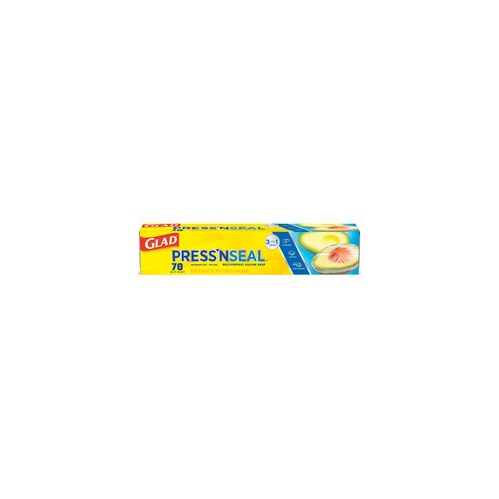 Your price for this item is $15.99
-
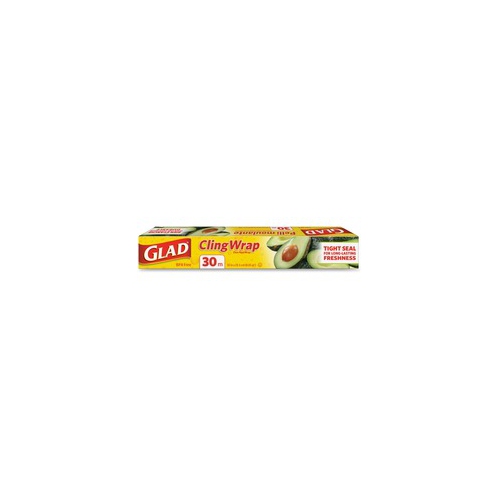 Your price for this item is $3.99
-
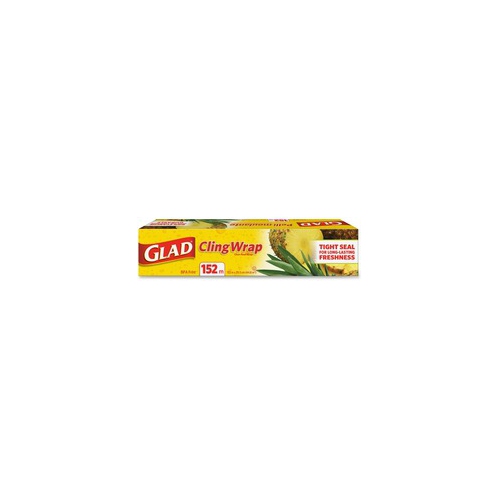 Your price for this item is $19.99
-
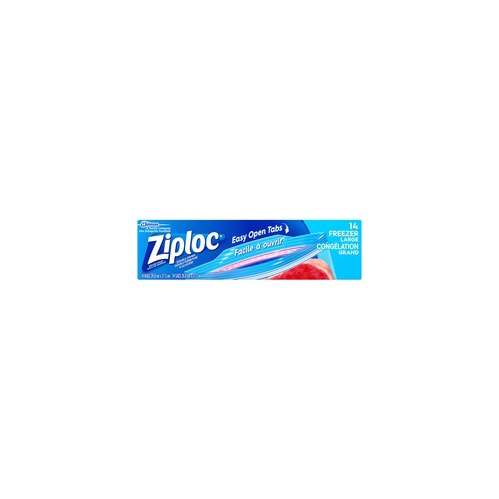 Your price for this item is $7.99
-
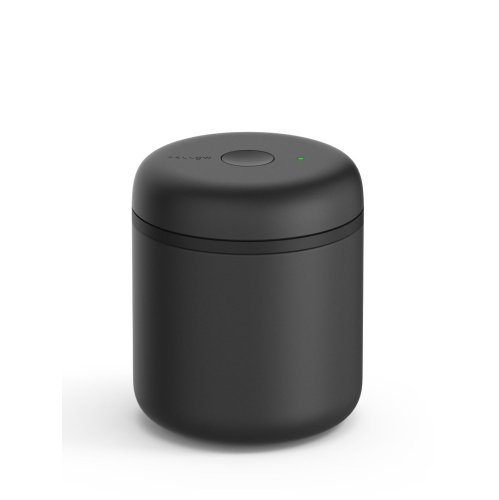 Your price for this item is $99
-
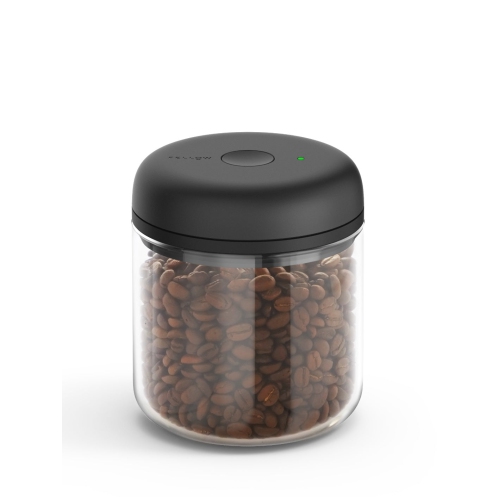 Your price for this item is $99
-
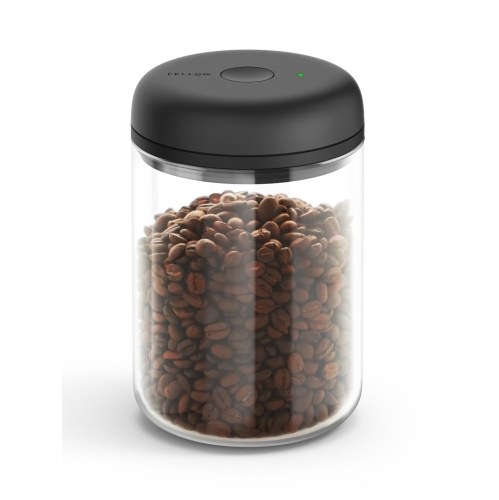 Your price for this item is $109
-
 Your price for this item is $109
Discover more categories related to Silicone Containers

Top Collections:
Best Black Friday Deals This Year, Best Black Friday Deals On Electronics, Kindle Devices, Pokemon Centers, Best Black Friday Deals On Apple Products, Best Cameras for Sports Photography, Dyson Airwrap, Pokémon 30th Celebration Cards, Apple iPhone 17 Pro, Canon G7X Cameras
Some products may be subject to Environmental Handling Fees
(EHF) depending on your province.
Learn more about EHFs.