Silicone Cupcake Molds
Silicone cupcake molds are an essential addition to any kitchen, offering a versatile and convenient way to bake your favorite treats. These flexible and durable molds make it easy to create perfectly shaped cupcakes that pop out effortlessly without sticking. Ideal for both amateur bakers and seasoned professionals, silicone cupcake molds come in a variety of sizes, shapes, and vibrant colors to suit any baking project. Whether you're preparing for a special occasion or simply indulging in some homemade goodies, these molds provide a hassle-free baking experience that enhances your culinary creativity.
Sort
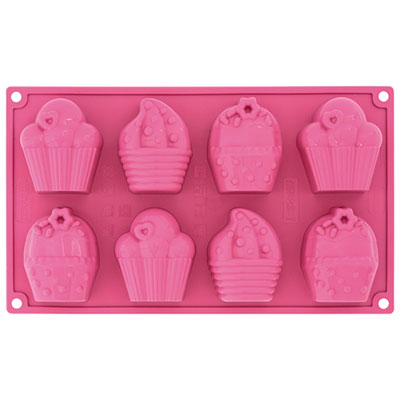
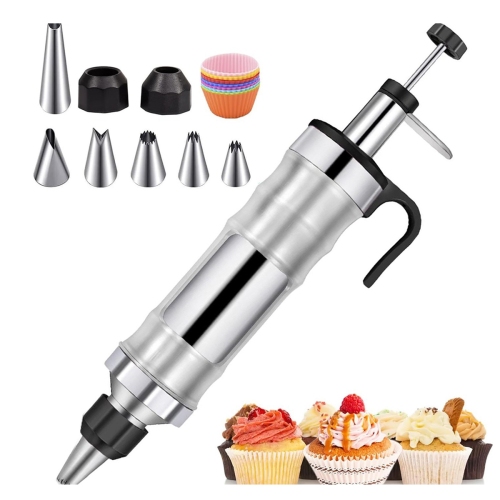



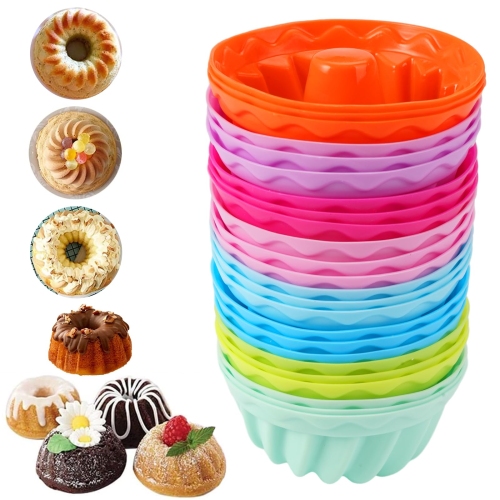
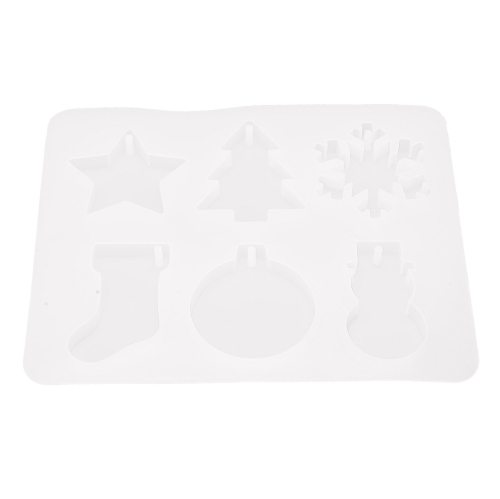
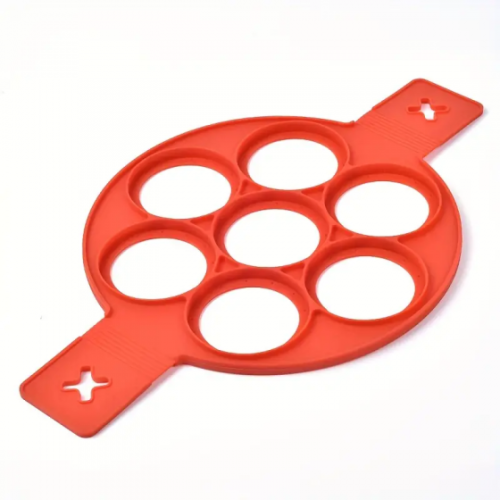
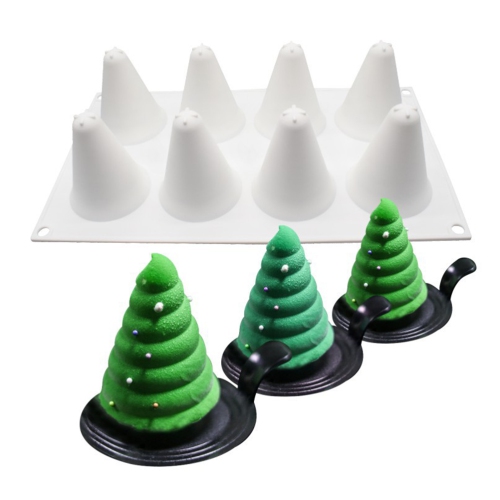
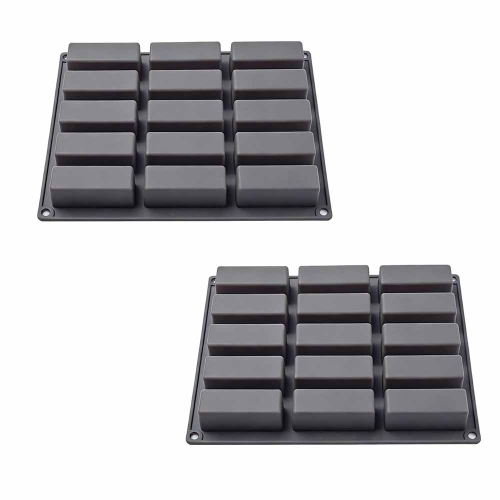
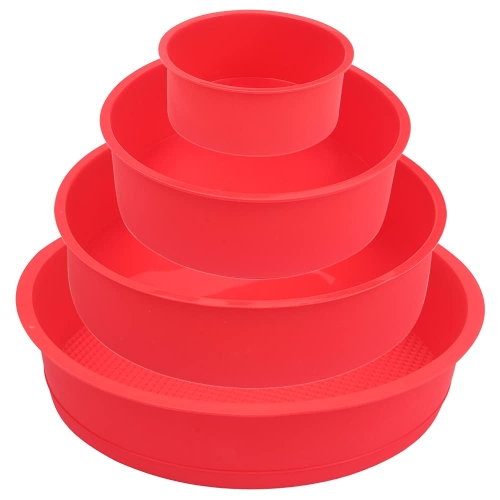
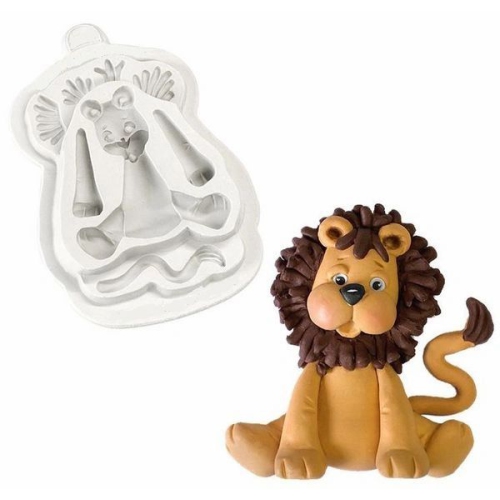
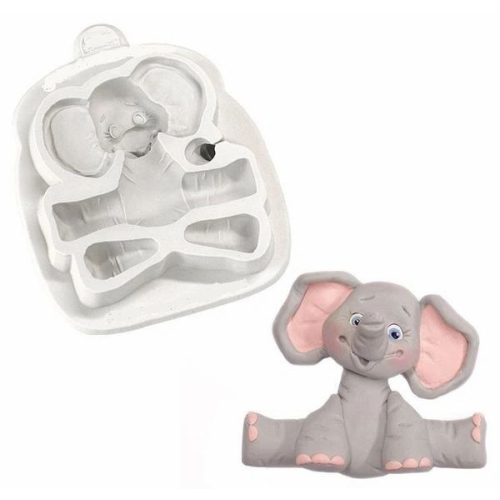
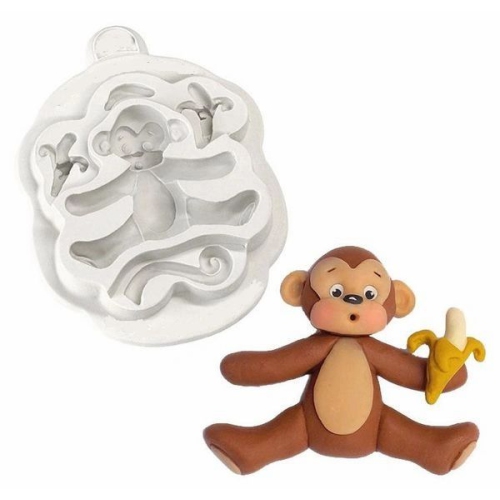
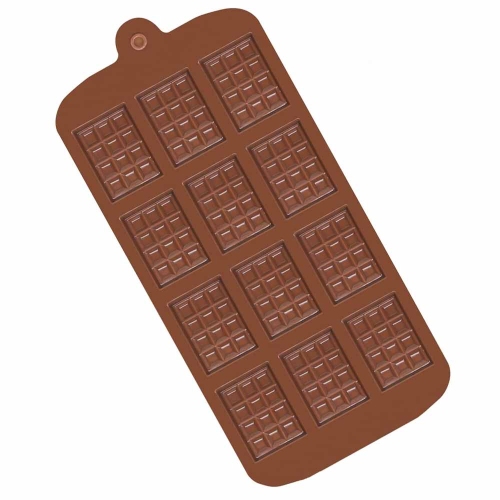
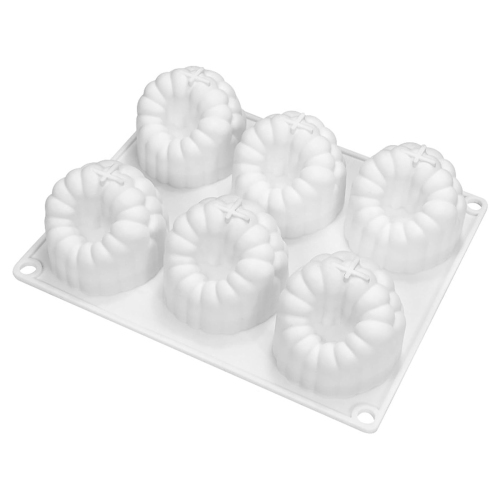

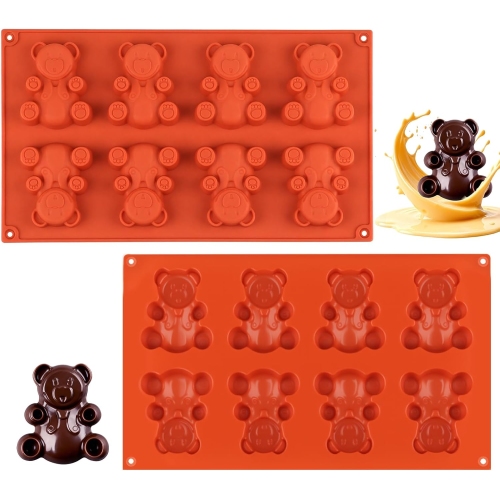
Flexible baking cups for small batches and easier release
Silicone cupcake moulds are flexible, reusable baking cups and trays designed to hold batter while it bakes and bend gently to help release the finished cupcakes. Their naturally non-stick surface can make removing a delicate vanilla sponge or a chocolate cupcake easier, although some recipes and moulds still benefit from light greasing. Individual silicone baking cups sit separately on a baking sheet or inside a compatible muffin tin, while connected trays keep several cavities together in one piece. Separate cups offer flexibility when making a small batch or dividing different flavours; a connected tray keeps a full batch organized and reduces the number of loose pieces to handle. Standard, mini, and larger formats suit different portions, from small cupcakes for a dessert platter to generous muffins for breakfast. Capacity matters as much as the outside dimensions: two cups that look similar can hold different amounts of batter, affecting portion size and baking time. The stated cavity measurements are useful when matching moulds to an existing tin, a favourite recipe, or a storage container. Straight sides, fluted edges, and shaped cavities also influence the finished appearance. A simple round cup leaves an easy surface for a swirl of icing, while a more detailed shape can add interest to an unfrosted cake. Flexible walls are convenient for releasing baked goods, but they provide less support than rigid metal. Individual cups and soft trays generally benefit from being placed on a flat baking sheet before filling, making the trip to and from the oven steadier. Space between separate cups also helps prevent crowded edges and makes the filled sheet easier to handle. Within the broader range of Silicone Bakeware, cupcake moulds offer a compact format for familiar recipes, smaller portions, and batches that can be tailored to the number of people being served.
Material quality, construction, and appliance compatibility are important distinctions between silicone cupcake moulds. Food-grade silicone intended for baking should have clear care instructions and a stated temperature range; flexibility alone does not establish whether a cup is suitable for an oven or contact with food. Oven, microwave, freezer, and dishwasher compatibility depend on the particular design, so those uses should be confirmed rather than assumed. Any BPA-free claim should likewise come from the product information. Reinforced rims can make a connected tray easier to lift, while a softer, unreinforced design may be easier to tuck into a shallow drawer. Wall thickness affects how a mould feels in the hand and how well it holds its shape when filled. Very flexible cups may need the support of a muffin tin, especially with a thin batter. Silicone also behaves differently from metal during baking, so a familiar recipe may produce a softer or less deeply browned exterior. Doneness is better judged by the recipe’s usual cues, such as a set centre and a tester that comes out as expected, rather than colour alone. Consistent portions help cupcakes bake at a similar pace and leave a more even surface for decorating. The required headroom depends on the recipe, since a light cupcake batter and a dense muffin mixture do not rise in exactly the same way. Once baking is complete, a brief cooling period helps the crumb set before the sides are eased away. Pulling sharply at the rim can damage both the cake and the mould; gently peeling the silicone back is usually more effective. Although silicone may feel different from a metal tin, it can still be hot enough to cause burns, and the supporting baking sheet requires oven mitts. Direct flame, stovetop burners, and broiler heat are generally unsuitable unless the manufacturer explicitly permits them.
Everyday care helps silicone cupcake moulds remain pleasant to use and keeps fine details ready for the next batch. A first wash before use removes handling residue, while cleaning after baking lifts away butter, oil, crumbs, and traces of icing. Warm water, dish soap, and a soft sponge are useful for reaching fluted edges without scraping the surface. Detailed shapes may need a little extra attention around narrow grooves, where cake can cling even when the larger surfaces look clean. Dishwasher-safe moulds offer another cleaning option, provided they are positioned securely and washed according to their care directions. Thorough drying before storage helps prevent moisture from remaining between nested cups. Silicone does not rust, but it is not indestructible: sharp knives, pointed utensils, and aggressive scouring can leave cuts or tears. A mould with damaged edges or a compromised surface is no longer a good choice for holding batter. Keeping baking moulds away from strongly scented cleaning products can also help avoid unwanted odours. Beyond cupcakes, suitable moulds can hold muffin batter, small portions of baked oats, or savoury egg bites, with cooking times adjusted for the recipe and portion size. Freezer-rated versions can be useful for portioning certain chilled or frozen preparations, though a mould used for a strongly flavoured savoury mixture may be best kept separate from delicate desserts. For home bakers, the appeal often lies in the small practical details: cups that nest neatly, portions that release without being turned out all at once, and a familiar shape that works for both everyday baking and a birthday dessert table. They can also make a thoughtful gift for someone setting up a first kitchen, a keen cupcake decorator, or a family that enjoys baking together. A straightforward shape and a size compatible with the recipient’s existing bakeware are often more useful than an elaborate design that is difficult to fill or clean. For children helping with batter or decorations, flexible cups can make preparation approachable, while adults remain responsible for handling hot trays and checking that the bake is complete.
Top selling and popular products
-
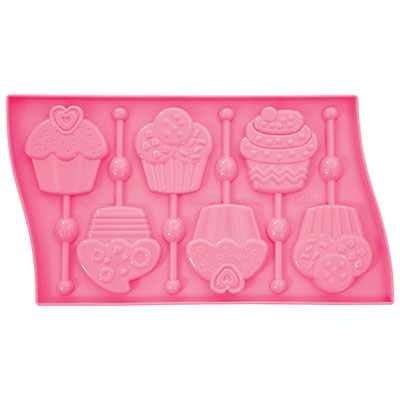 Your price for this item is $29.99
-
 Your price for this item is $20.35
-
 Your price for this item is $25.88
-
 Your price for this item is $27.7
-
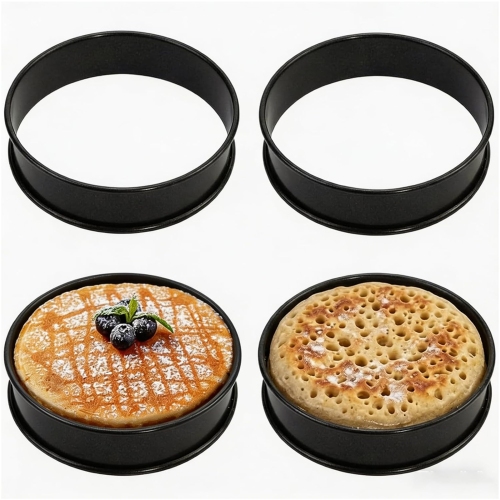 Your price for this item is $23.99
-
 Your price for this item is $48.09
-
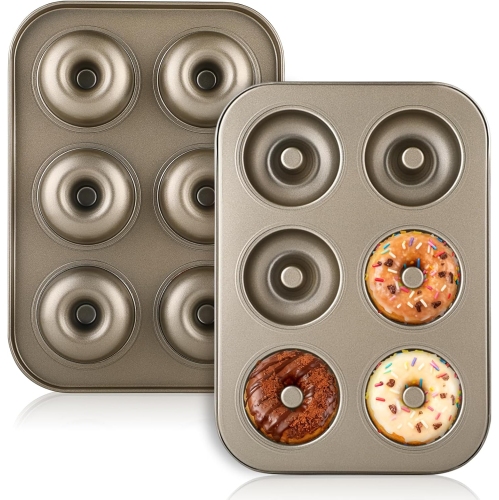 Your price for this item is $24.71
-
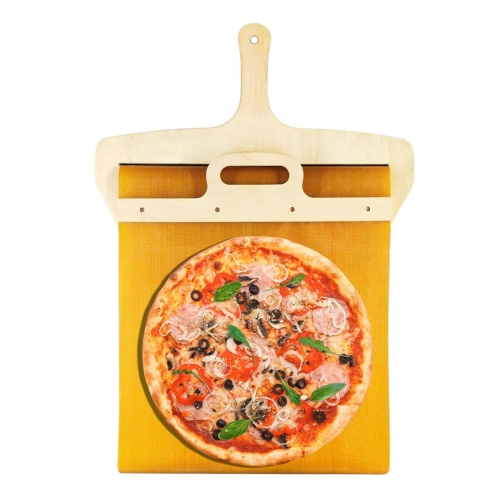 Your price for this item is $45.88
Discover more categories related to Silicone Cupcake Molds


Top Collections:
Best Black Friday Deals This Year, Best Black Friday Deals On Electronics, Kindle Devices, Pokemon Centers, Best Black Friday Deals On Apple Products, Best Cameras for Sports Photography, Dyson Airwrap, Pokémon 30th Celebration Cards, Apple iPhone 17 Pro, Canon G7X Cameras
Some products may be subject to Environmental Handling Fees
(EHF) depending on your province.
Learn more about EHFs.