Silver Framed Mirrors
Upgrade your space with elegance and sophistication by exploring our collection of silver-framed mirrors. Whether you're looking to add a touch of glamour to your living room, bedroom, or hallway, these mirrors are the perfect choice to elevate any decor style. From sleek and modern designs to ornate and classic frames, our selection offers a variety of options to suit your taste and enhance the aesthetic of your home. Discover the reflective beauty and timeless appeal of silver-framed mirrors that will brighten up any room while adding a hint of luxury.
Sort
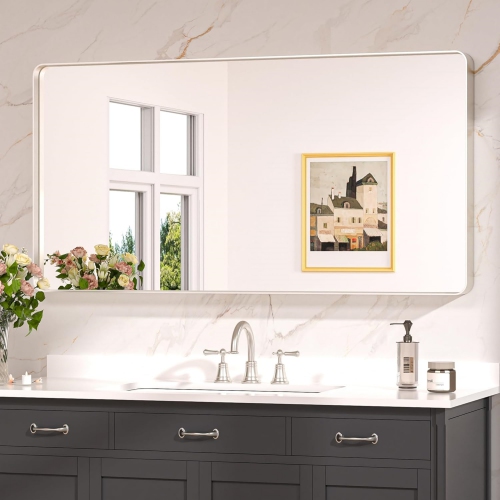
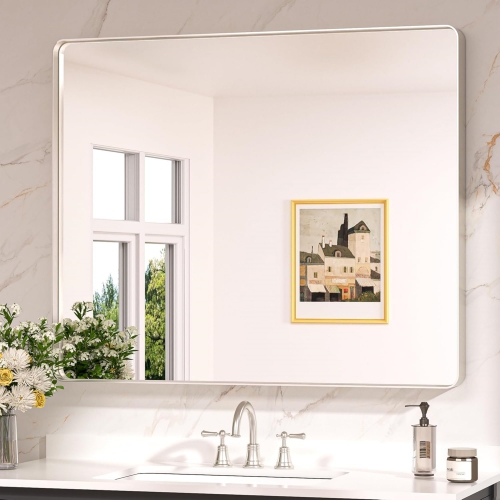
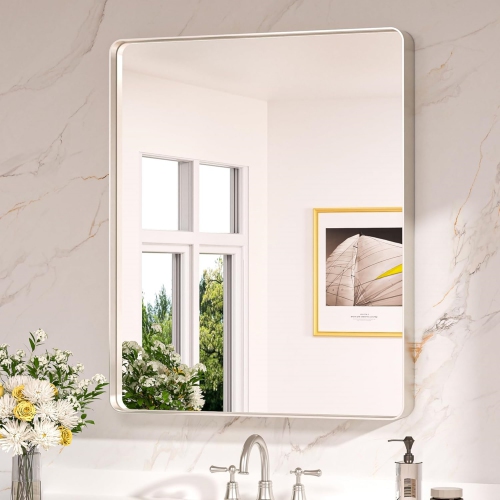
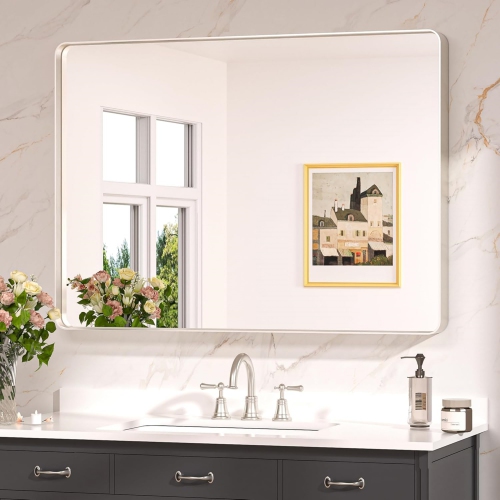
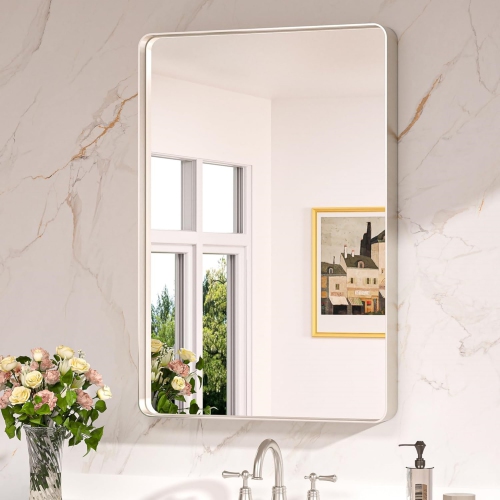
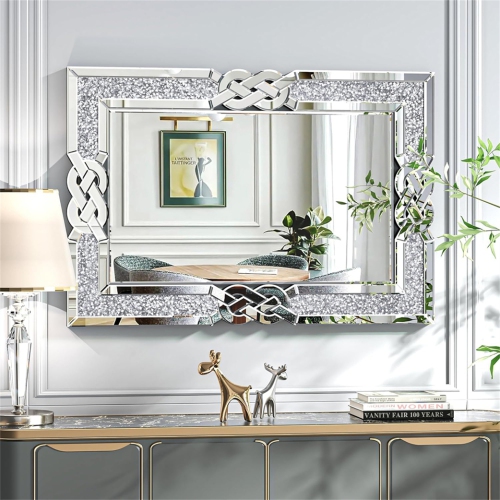
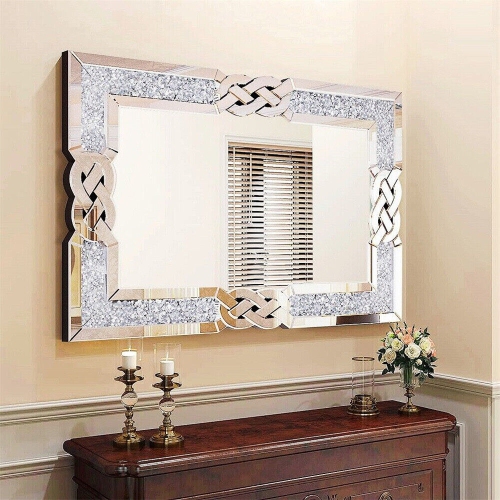
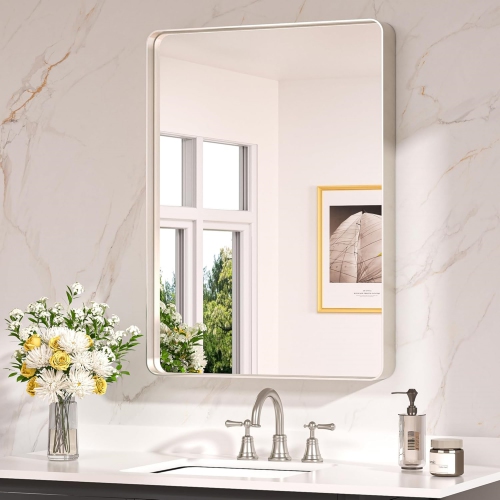
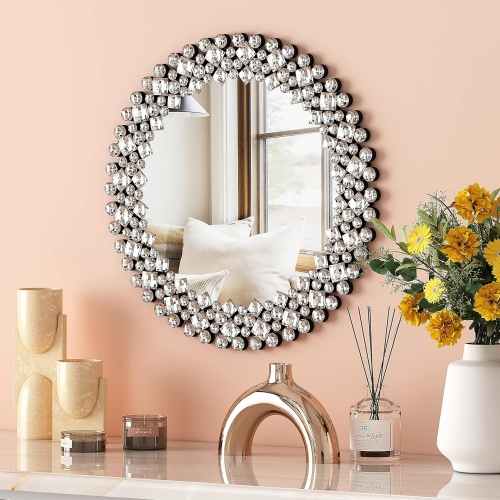
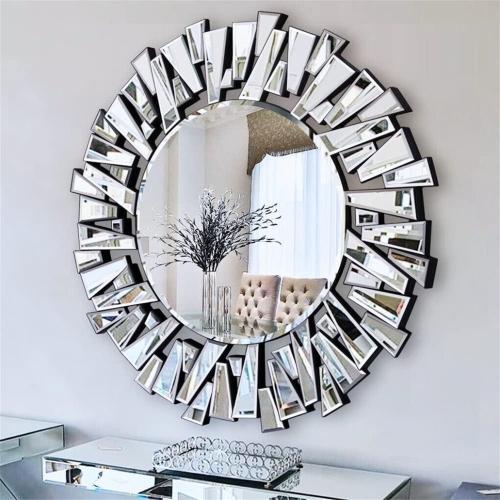
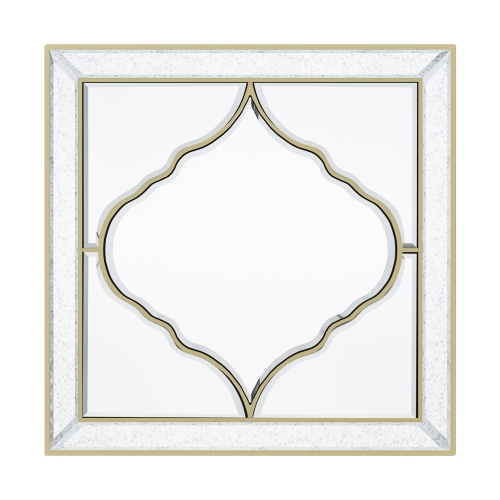
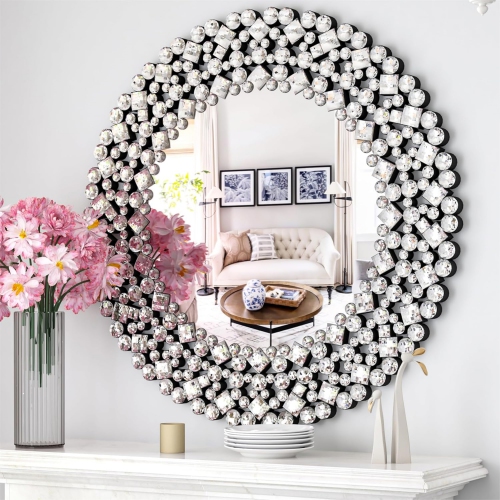
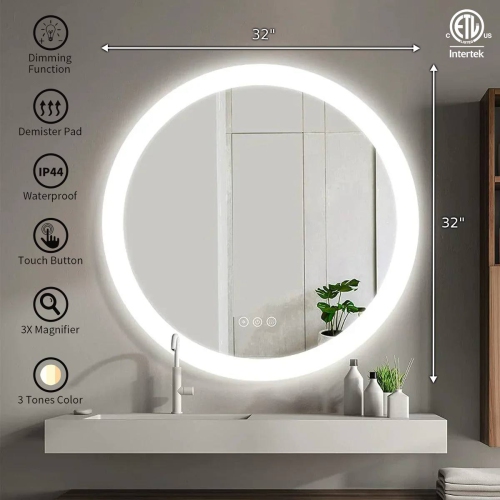
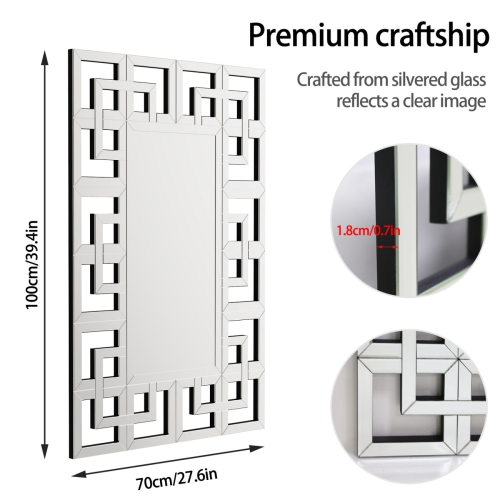
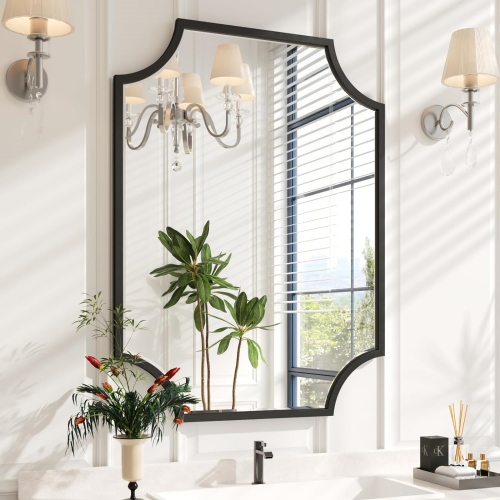
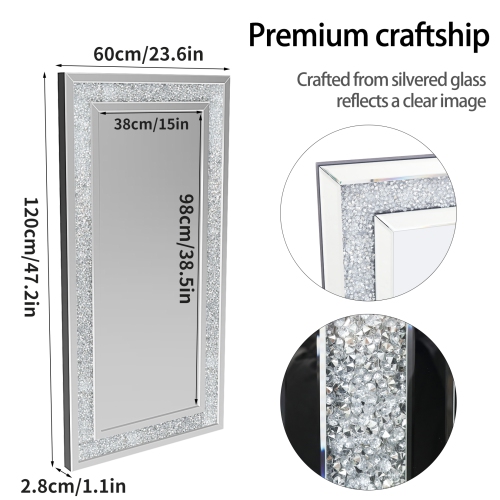
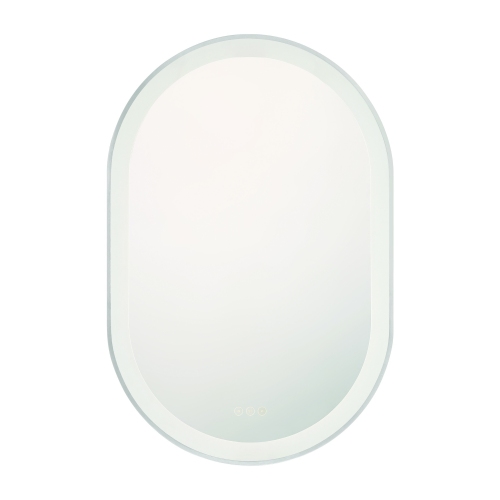

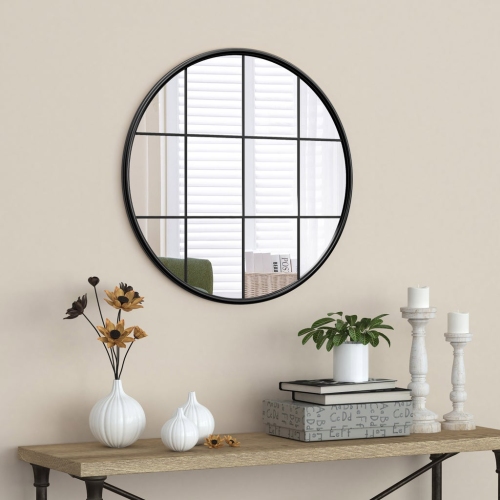
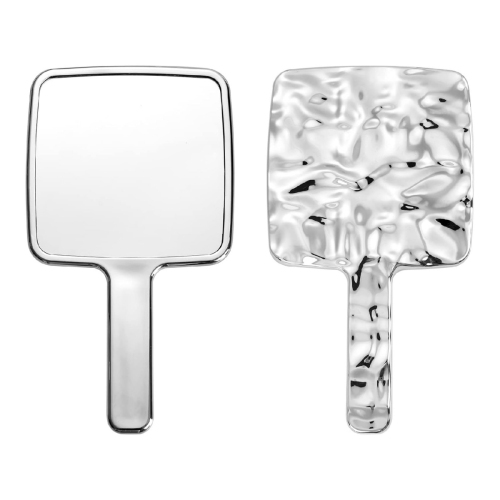
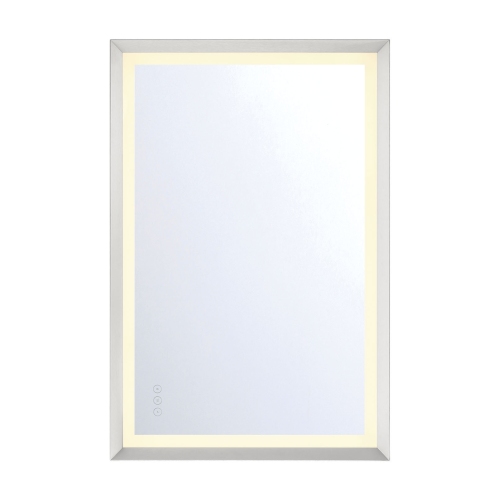
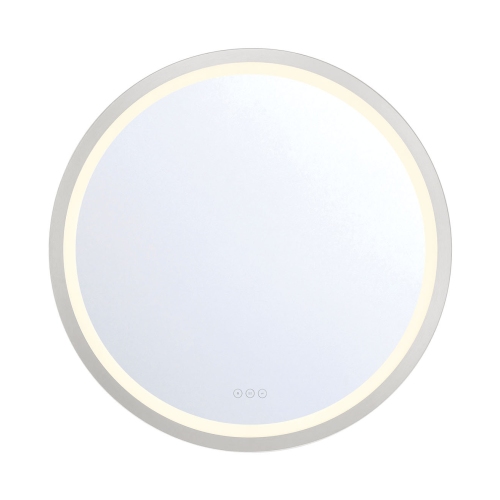

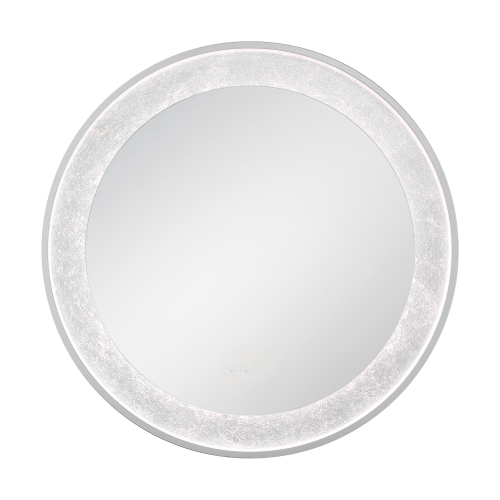
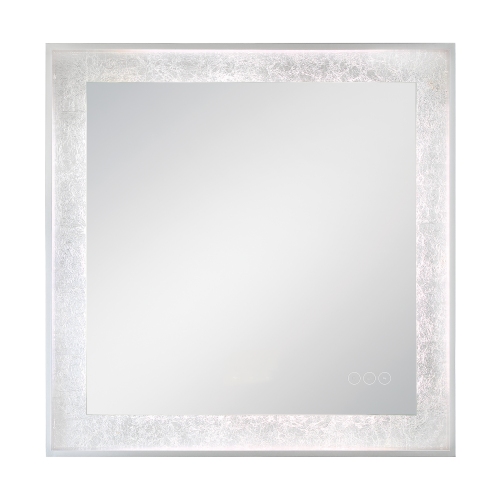
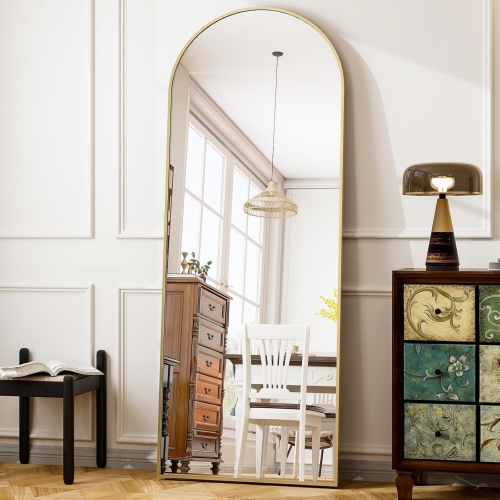
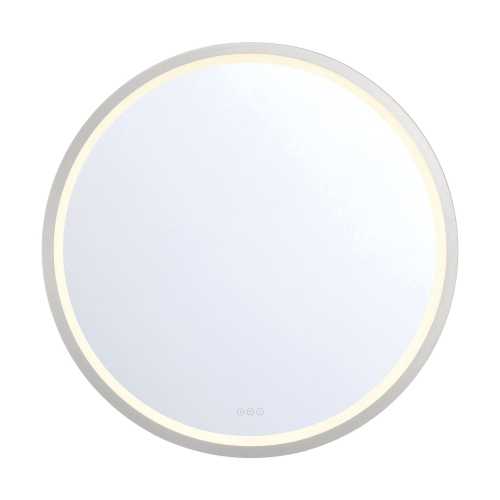
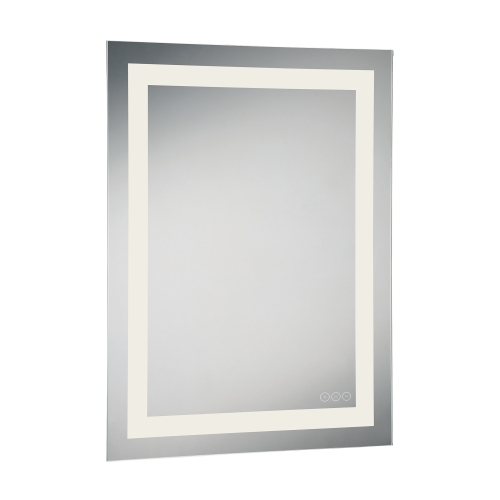
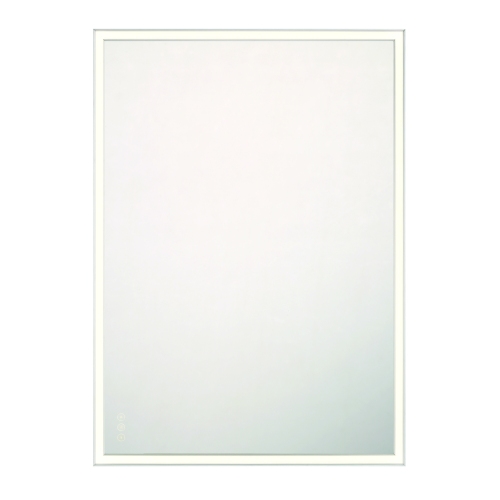
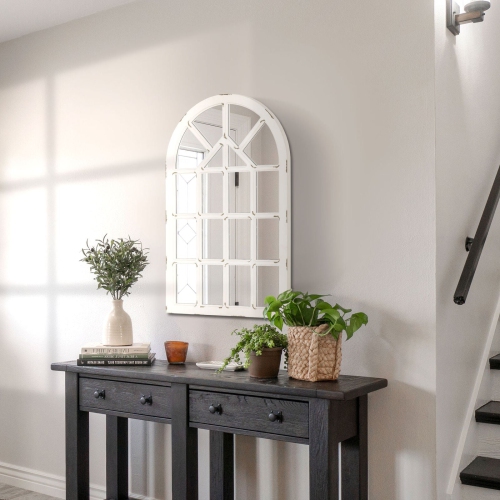
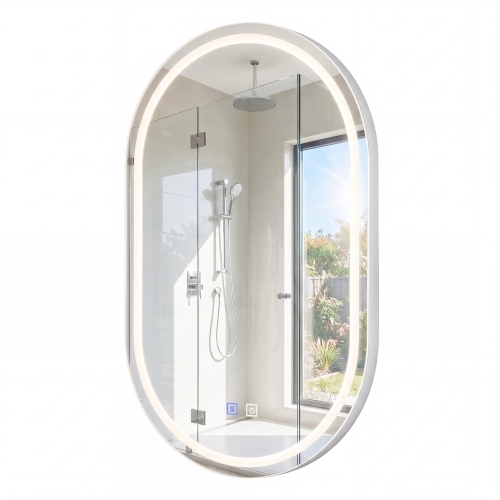
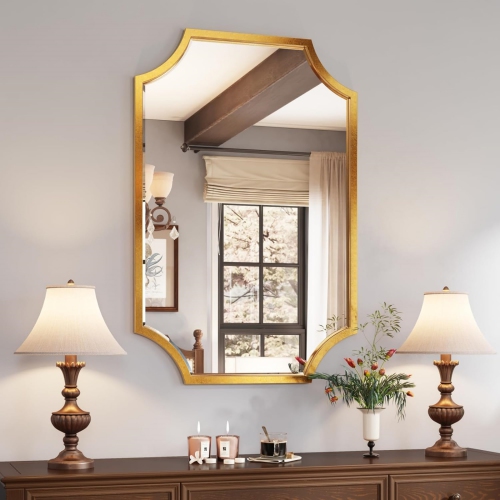
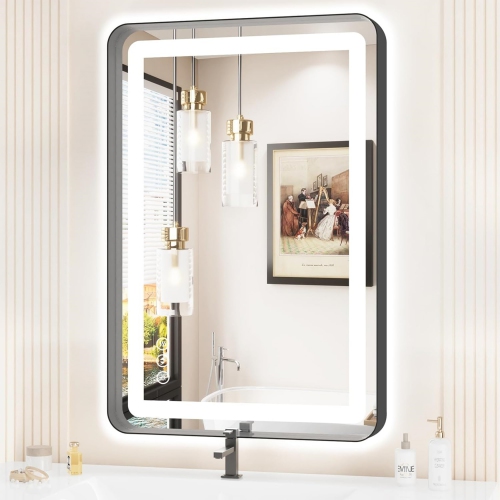
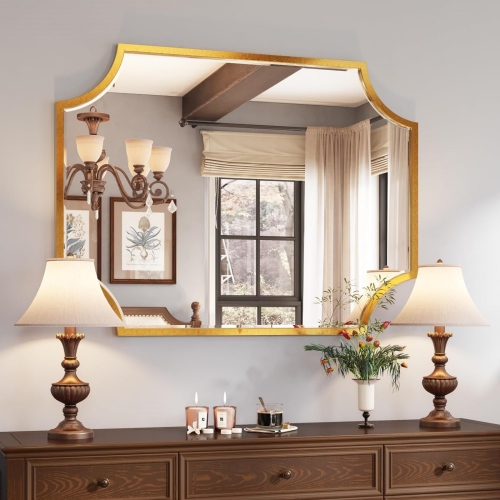
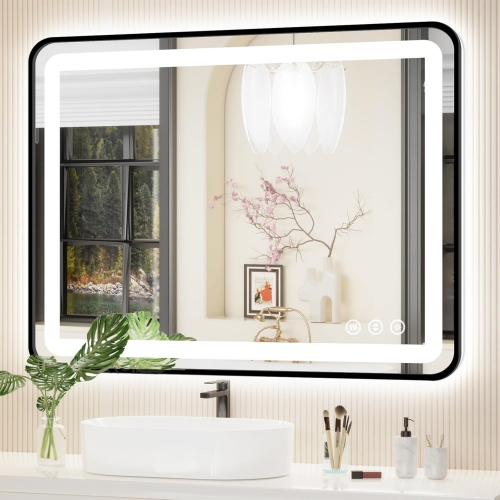
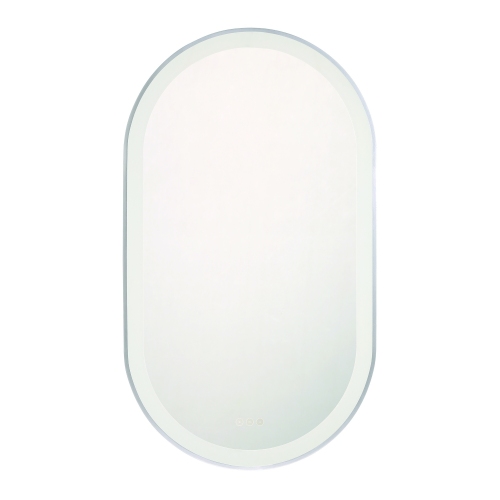
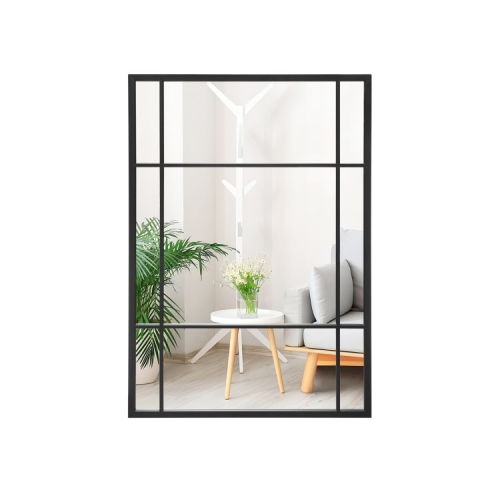
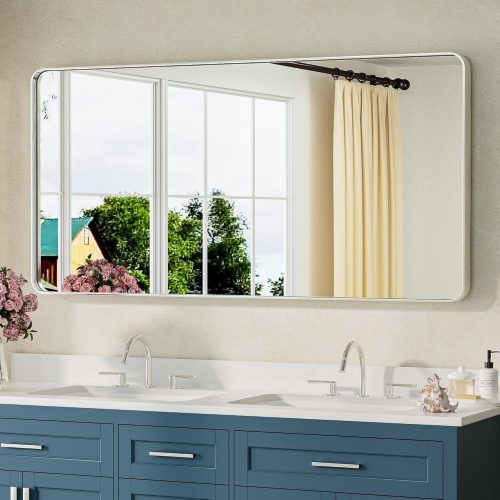
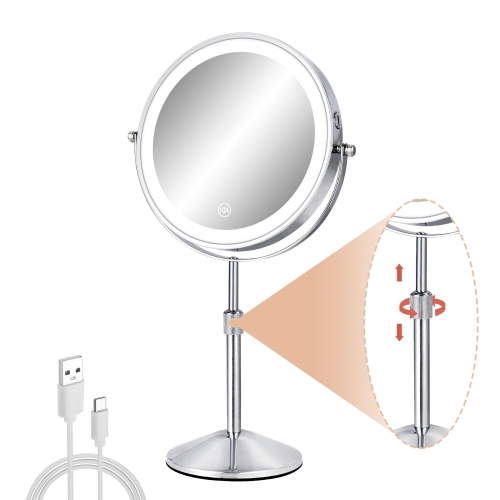
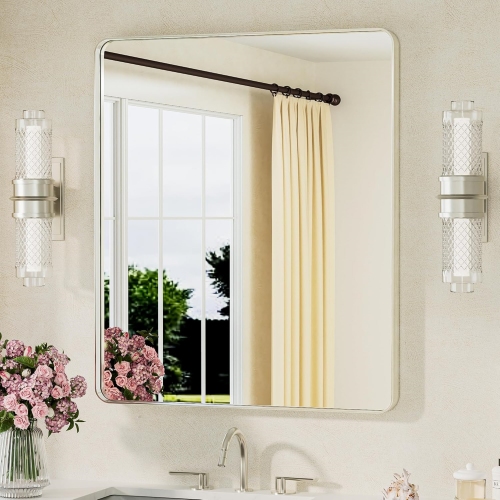
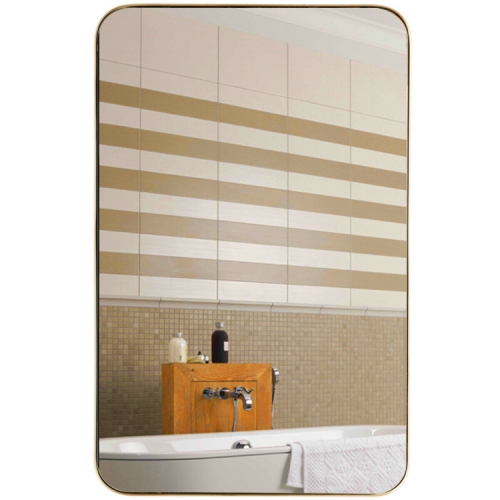
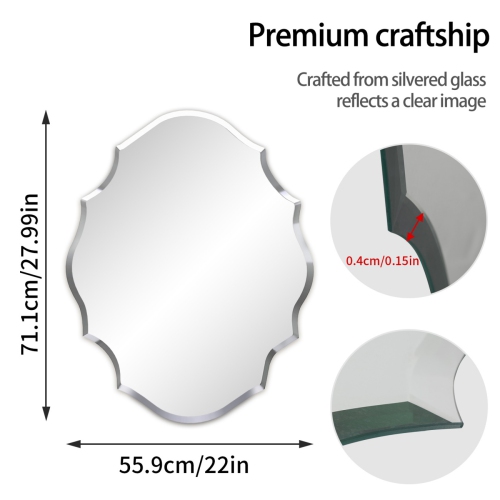
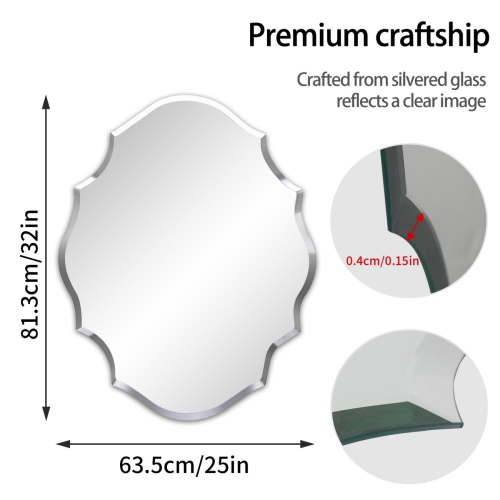
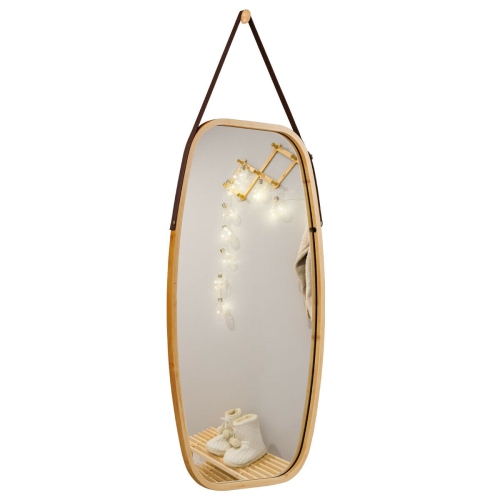
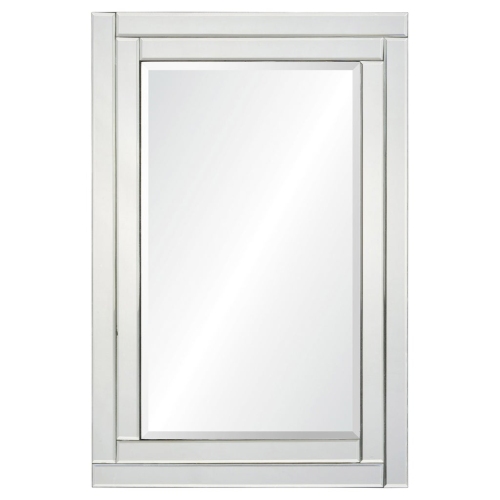
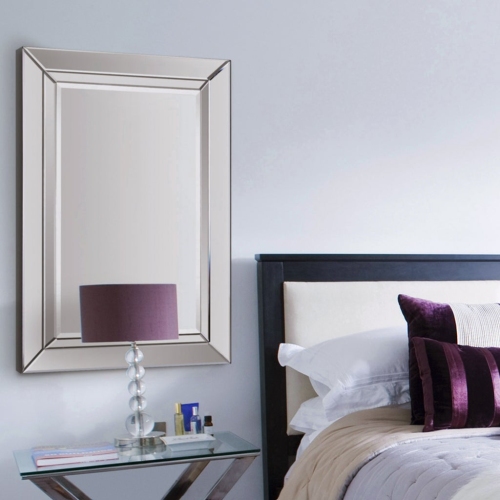
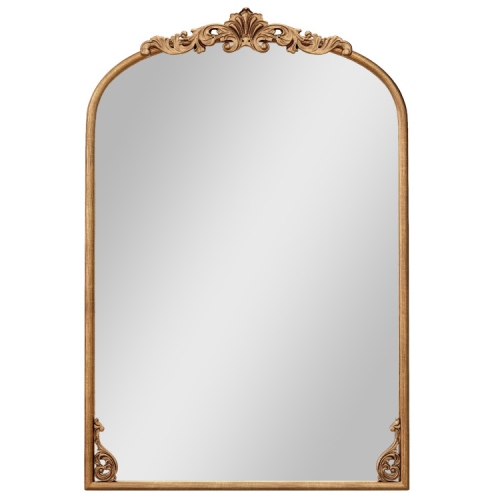
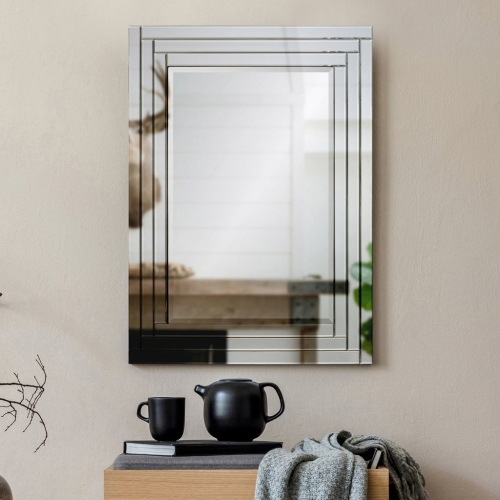
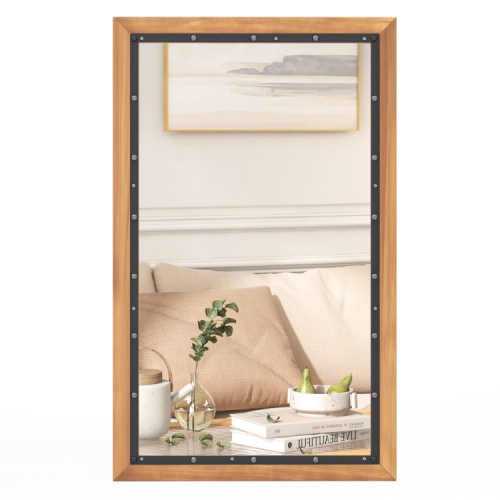
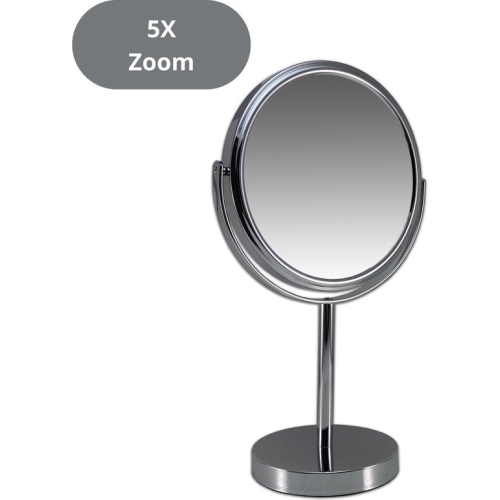


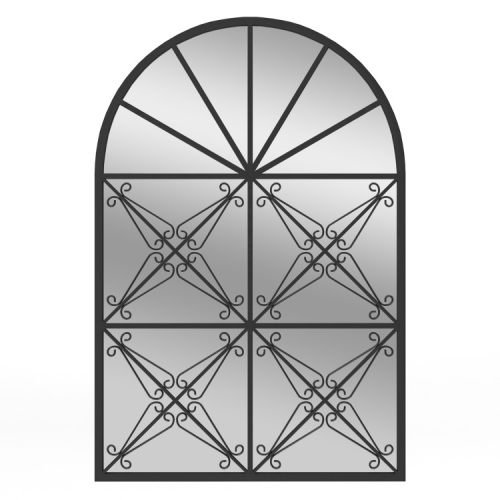
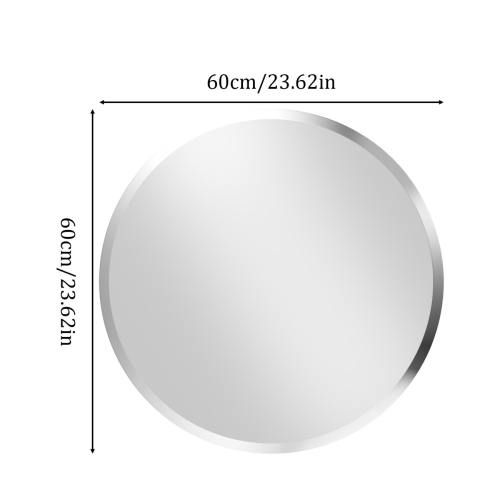
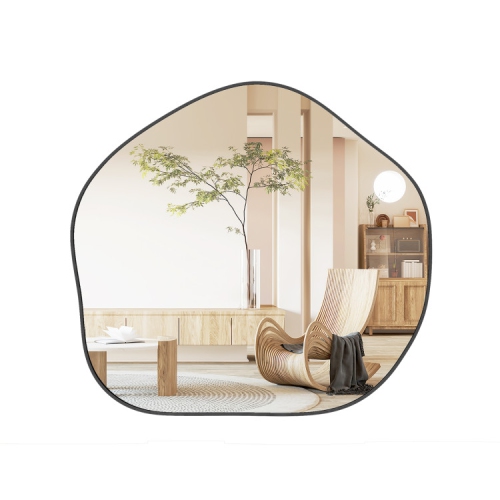
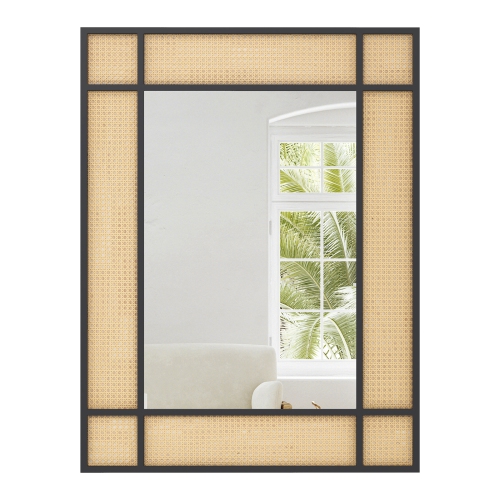


A silver finish tells only part of the story
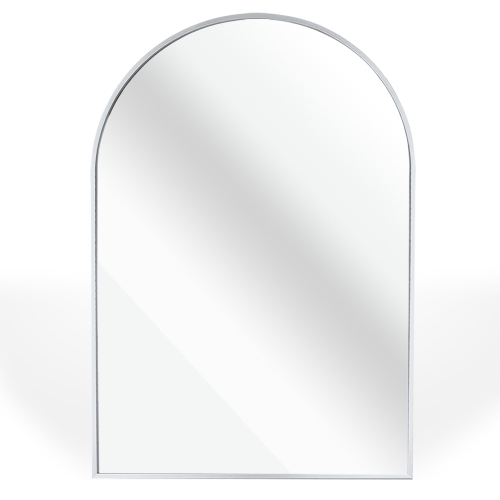
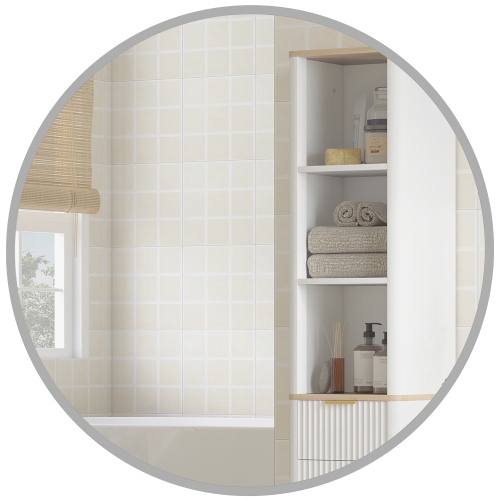
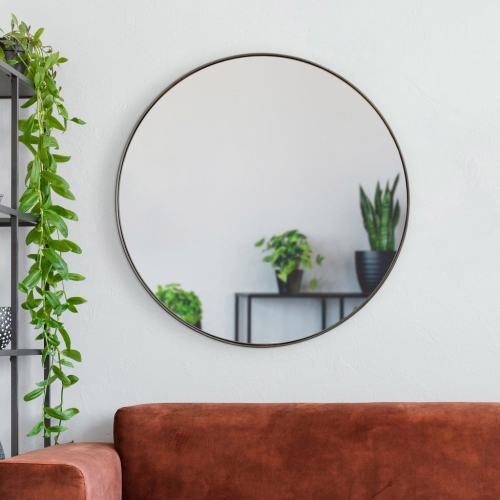
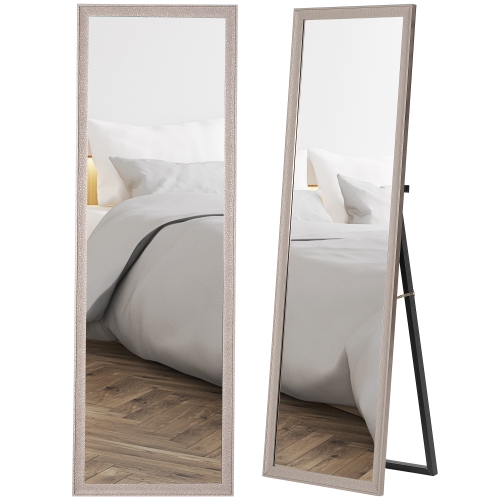
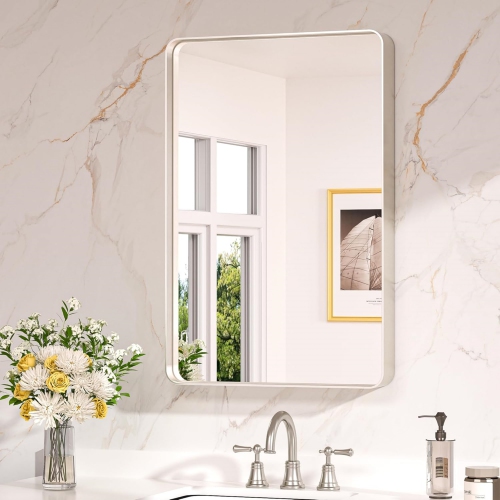
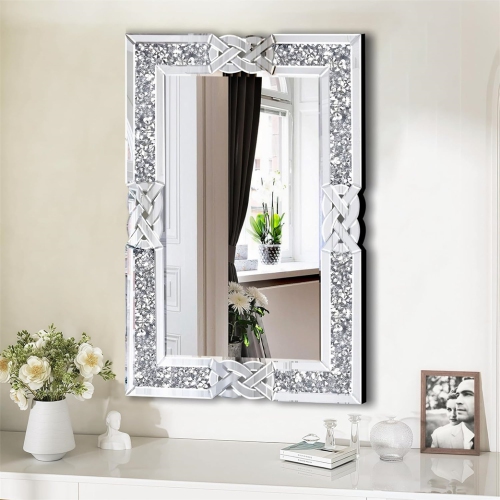
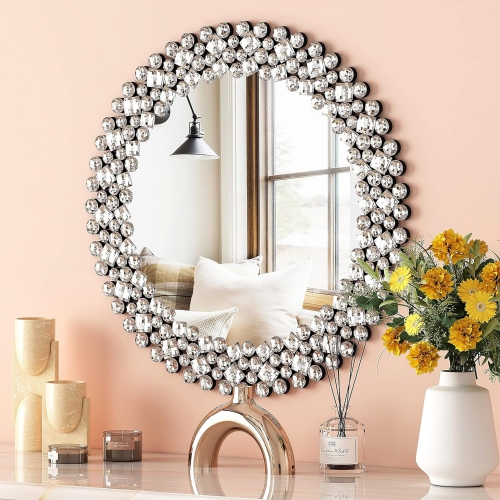
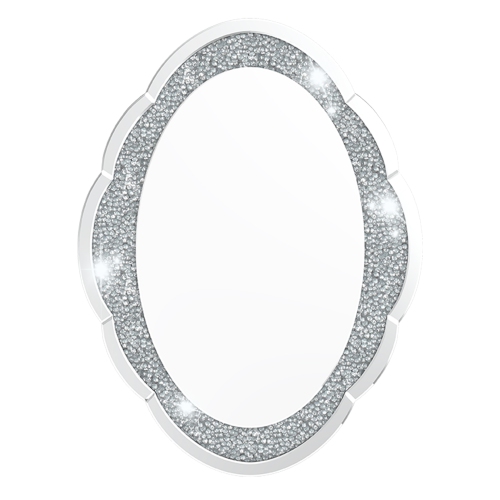
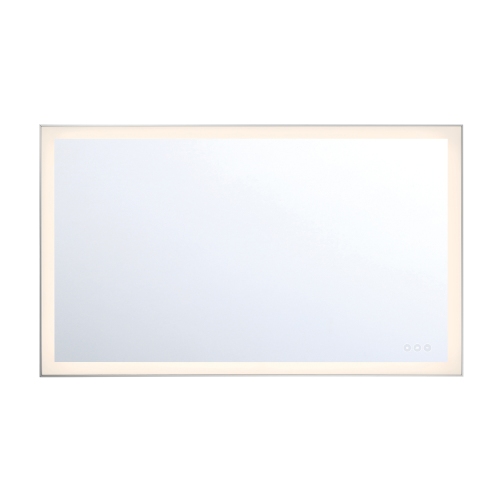
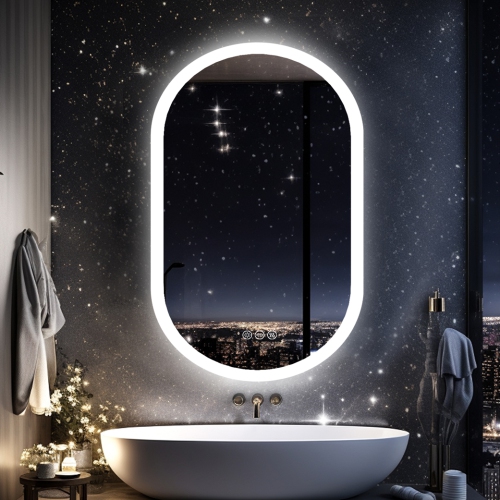
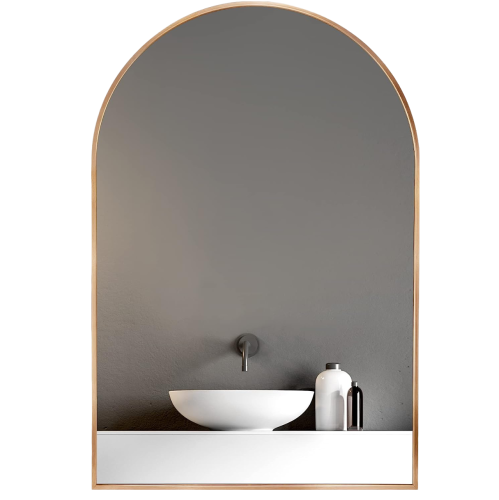
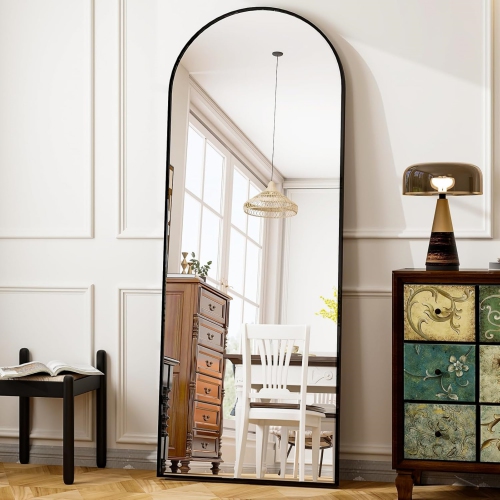
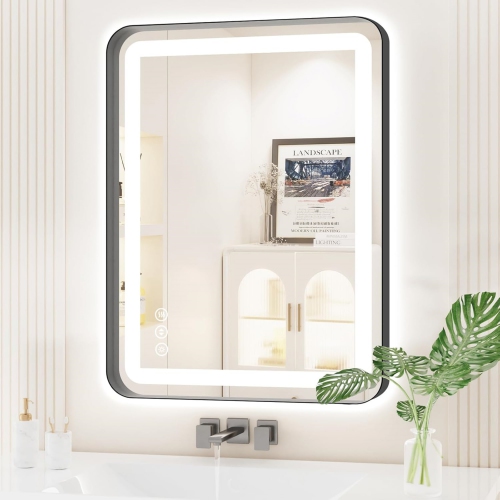
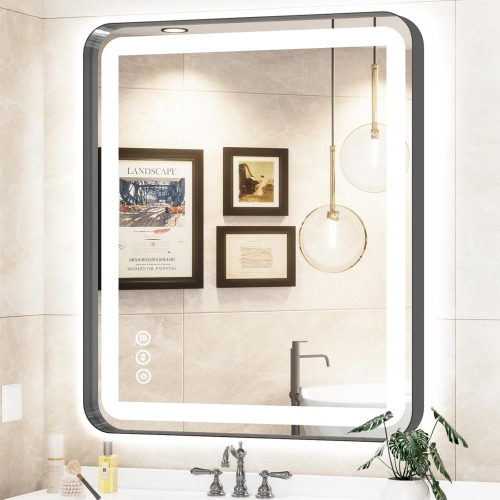
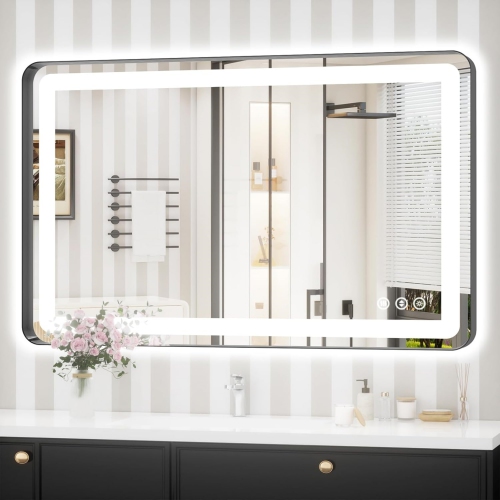
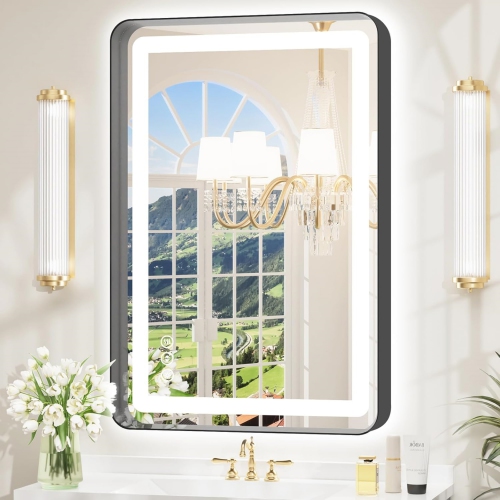
Silver framed mirrors combine a practical reflective surface with a metallic-looking border that can suit both contemporary and traditional interiors. Used above a console, beside a wardrobe, or as an accent on a living room wall, they reflect existing light and views, which can make a room feel brighter and more open without adding another light source. The silver description generally refers to the frame’s colour or finish, rather than indicating that the frame is made from solid silver. Finishes range from bright and highly reflective to brushed, satin, or antiqued, each giving the mirror a different presence. A narrow, smooth border keeps attention on the reflection and works well with clean-lined furniture, while a broader frame with moulding or raised detailing adds a more decorative element. Shape also influences how a mirror fits into a room. Rectangular mirrors provide a familiar, structured look above a dresser or vanity, while round and oval mirrors soften the straight lines of cabinets, doorways, and shelving. An arched mirror introduces a curved outline while retaining the useful height of a rectangular design. Full-length mirrors offer enough viewing area for checking an outfit, making them useful in bedrooms, dressing areas, and entryways. Smaller wall mirrors can provide a convenient place to check a collar or hairstyle before leaving home. Overall dimensions include the frame, so two mirrors with similar exterior measurements may have noticeably different amounts of reflective glass. The relationship between the mirror and nearby furniture matters as much as its size: a substantial frame can feel balanced over a wide sideboard, while a lighter profile may be better suited to a narrow hallway. Placement also determines what becomes part of the room’s reflected view. A mirror facing artwork or an uncluttered corner can repeat an attractive detail, whereas one facing open storage may make that storage more visually prominent. In a compact entryway, a wall-mounted design can offer everyday usefulness without taking up floor space.
The materials beneath a silver finish affect a mirror’s weight, texture, care needs, and suitability for different spaces. Metal frames may use aluminium, steel, or other alloys, with finishes that create anything from a crisp polished edge to a softer brushed appearance. Wood and engineered wood frames can support deeper profiles and decorative moulding, while resin or plastic frames can reproduce intricate detailing with different weight and construction characteristics. A silver-coloured frame is therefore not necessarily a metal frame. Those interested specifically in metal construction can explore Metal Frame Mirrors for a broader view of that category. Beyond the border, the glass, backing, corner joints, and mounting hardware all contribute to how a mirror performs over time. Bevelled glass has an angled perimeter that catches light and adds definition; a flat edge gives a simpler appearance. Neither treatment replaces the importance of a clear reflection, sound construction, and secure installation. A wall mirror’s weight and hanging system need to suit the wall material and the hardware used, particularly when it is positioned above furniture or near a frequently used doorway. Full-length designs may be wall-mounted, freestanding, or intended to lean, and those formats are not automatically interchangeable. Stability and any specified anchoring are especially important in homes with children or pets. Bathroom placement calls for materials, backing, and finishes expressly suited to damp conditions; a decorative mirror intended for a dry living space should not be assumed suitable above a sink. Care is usually straightforward, but the frame’s finish deserves attention. A soft cloth helps remove dust without scuffing raised details, and glass cleaner applied to a cloth rather than sprayed directly onto the mirror reduces liquid collecting along the edges. Abrasive pads and unsuitable metal polishes can damage coated finishes. Manufacturer care directions remain important because a painted silver surface, a plated finish, and exposed metal may require different treatment.
The appeal of silver framed mirrors lies partly in how easily their colour works with familiar household materials. Silver can sit comfortably beside white cabinetry, grey upholstery, dark furniture, and clear glass, while providing contrast against warm wood tones. A bright finish brings a sharper highlight to a room; a brushed or satin finish gives a gentler metallic accent, and an antiqued surface adds variation that can suit more textured interiors. Matching every metal detail is not essential to a cohesive space. A silver mirror can share a room with brass lighting or black cabinet hardware when the shapes, finishes, or surrounding colours give the arrangement a clear connection. Frame width helps establish that relationship: a slim border can echo the fine lines of a lamp or chair base, while an ornate frame can complement carved furniture or patterned textiles. In an entryway, a mirror above a console creates a practical spot for a last glance before heading out. Over a bedroom dresser, it supports daily routines while leaving the top available for frequently used belongings. In a dining or living area, its role may be mainly decorative, reflecting a pendant light, a piece of art, or the room beyond. The height and viewing angle should suit that intended use, rather than simply filling an empty section of wall. For households with several people, a generously sized mirror in a shared dressing area can be more useful than a small accent mirror, while a compact design may suit a guest room or modest apartment. Silver framed mirrors can also make thoughtful housewarming gifts when the recipient’s taste, wall space, and installation preferences are known. A restrained frame is easier to coordinate with an established room than a highly decorative one, though a distinctive shape can be meaningful for someone furnishing a new space. The most satisfying fit brings together an appropriate reflective area, a frame that complements nearby furnishings, and a construction suited to the place where the mirror will be used.
Top selling and popular products
-
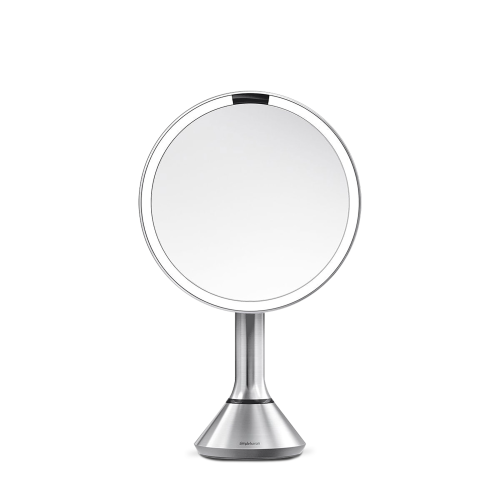 Your price for this item is $270
-
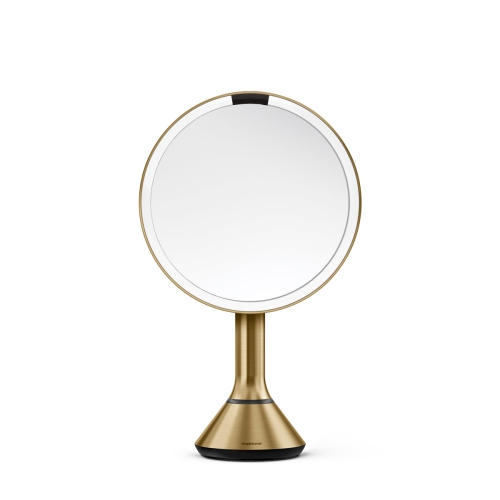 Your price for this item is $270
-
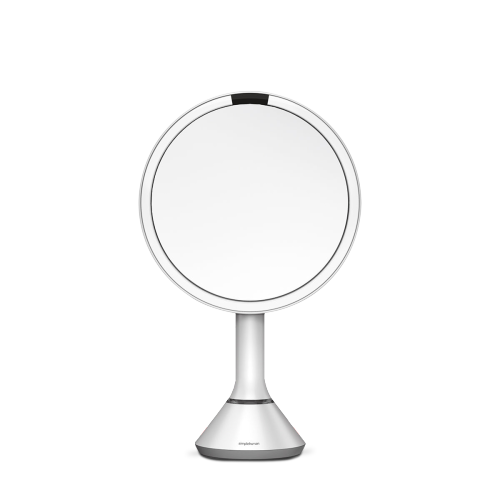 Your price for this item is $270
-
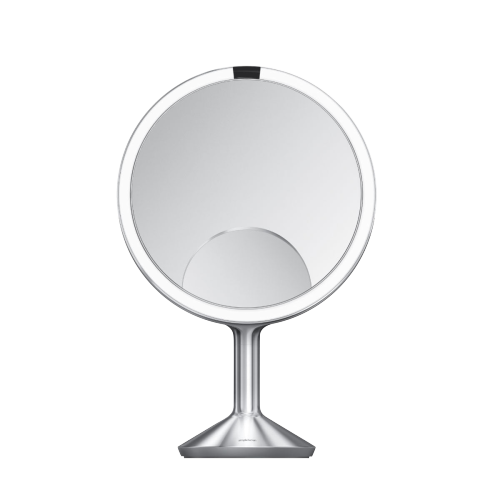 Your price for this item is $450
-
 Your price for this item is $154.99
-
 Your price for this item is $184.99
-
 Your price for this item is $149.99
-
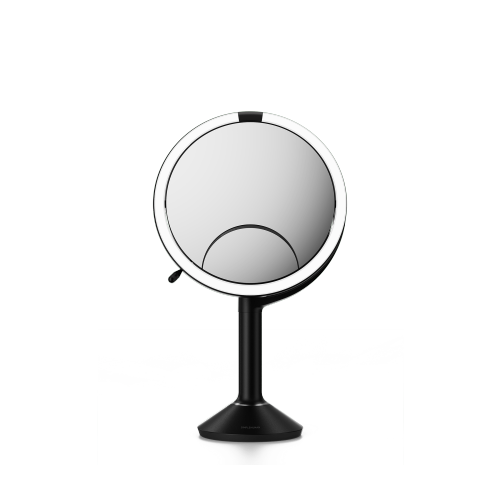 Your price for this item is $400
Discover more categories related to Silver Framed Mirrors
Top Collections:
Best Black Friday Deals This Year, Best Black Friday Deals On Electronics, Kindle Devices, Pokemon Centers, Best Black Friday Deals On Apple Products, Best Cameras for Sports Photography, Dyson Airwrap, Pokémon 30th Celebration Cards, Apple iPhone 17 Pro, Canon G7X Cameras
Some products may be subject to Environmental Handling Fees
(EHF) depending on your province.
Learn more about EHFs.