Silver Round Cake Boards
Silver Round Cake Boards add a touch of elegance and style to any cake presentation, making them a popular choice for both professional bakers and home enthusiasts. Ideal for showcasing cakes at birthdays, weddings, and special events, these boards provide a polished foundation that enhances the overall look of your creations. With Silver Round Cake Boards, your desserts are ready to impress at every occasion.
Sort


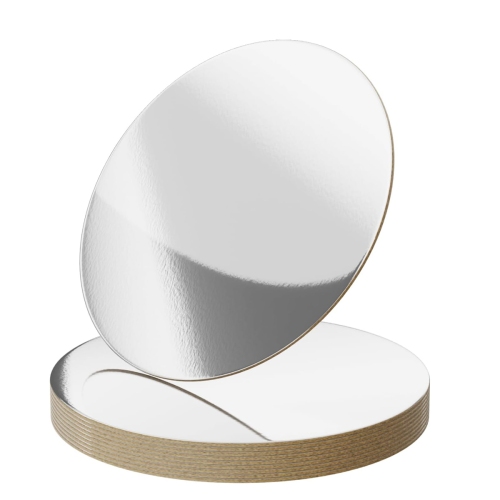


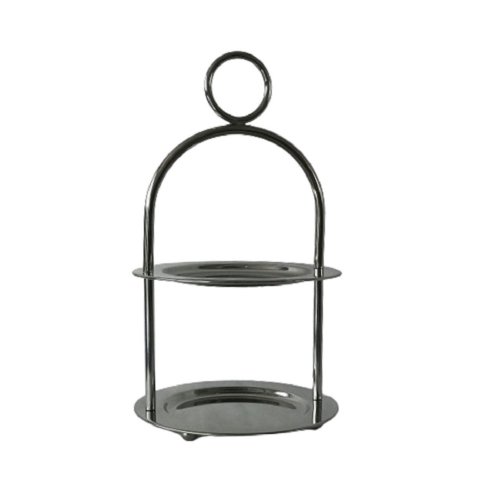
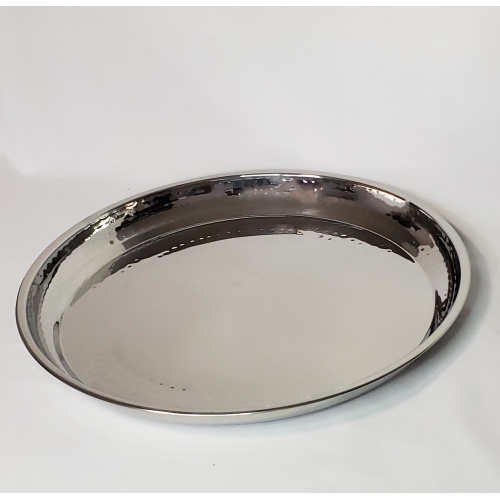
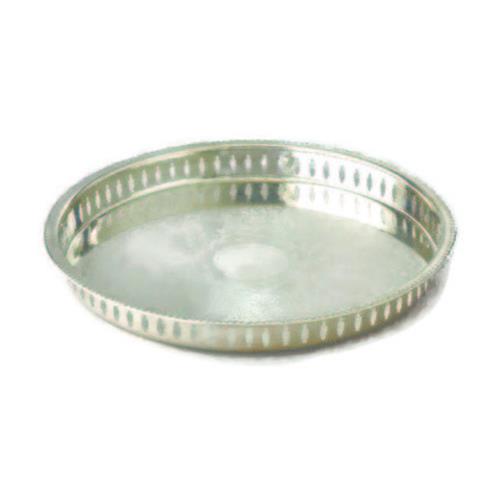
Cake support with a polished silver finishing touch
Silver round cake boards provide a flat base for round cakes while adding a neat, reflective border to the presentation. Their circular shape follows the outline of the cake, and the silver finish suits everything from a simple buttercream birthday cake to a fondant-covered centrepiece. Within this category, thinner cake cards or circles generally suit lighter cakes and individual tiers, while thicker, more rigid cake drums are designed to provide a sturdier base for heavier celebration cakes. Reinforced boards may be around 1/4 inch thick, and many cake drums are around 1/2 inch thick, although dimensions and construction vary. Thickness is only one consideration: the core material, diameter, resistance to bending, and stated weight capacity also affect performance. Common constructions include compressed paperboard, corrugated cardboard, or layered board covered with a silver-coloured finish. Some surfaces are smooth and reflective, while others have an embossed texture that gives the exposed edge a more detailed appearance. A surface identified as suitable for direct food contact is important wherever cake or icing touches the board. A grease-resistant covering helps limit marks from buttercream and other rich fillings, but it does not necessarily make the board waterproof. Wrapped edges can also contribute to a finished appearance, particularly when a generous border remains visible around the cake. Against white icing, silver creates a crisp outline; beside deep chocolate, bright fruit, or coloured piping, it provides a neutral backdrop without competing with the design. The broader Cake Boards category includes bases for different cake shapes and presentation needs, while silver round cake boards offer a consistent look for circular bakes. For home bakers, cake decorators, and people preparing celebration desserts, they bring together two practical needs: supporting the cake and making its base look intentional on the table.
The fit of a silver round cake board depends on both the cake itself and the way it will be presented. For a finished single-tier cake, a board about 2 inches wider than the cake often leaves a useful border of roughly 1 inch on each side. A wider border may be needed for a piped shell border, a written message, or other details placed around the base. The relevant measurement is the finished cake, including its outer coating, rather than the baking tin alone; thick buttercream or fondant can noticeably increase the diameter. Boards used beneath individual tiers serve a different purpose and are often close to the diameter of the tier they support, allowing them to remain largely hidden. A tiered cake also needs a suitable internal support system, since a cake board by itself does not prevent an upper tier from pressing into the cake below. Weight distribution matters even with a single tier. A tall cake with several layers of dense sponge and filling places different demands on its base than a shallow, lightweight cake of the same diameter. Flexing can disturb a clean icing finish, so rigidity becomes especially important when the cake must move from a work surface into a box and then onto a serving table. The board and box need to work together: the base should sit flat inside the box, with enough room for safe placement and removal but without excessive space for sliding. Any cake stand or serving platter beneath it should also provide stable support. A board that extends far beyond a narrow stand may be vulnerable to tipping when a slice is cut near the edge. These small differences in fit explain why diameter, construction, and intended use are more useful considerations than appearance alone.
Care and handling help preserve both the board’s strength and the cake’s finish. Silver-covered paperboard is generally best protected from soaking, running water, and prolonged contact with moisture unless its care information expressly allows otherwise. A grease-resistant surface can tolerate normal contact with icing, yet exposed edges or cuts in the covering may allow moisture to reach the core. Refrigerated cakes can also leave condensation on the surface as they are prepared for serving, making the board’s stated suitability for chilled use worth considering. Some boards are intended for a single occasion; others may allow limited reuse when they remain clean, dry, undamaged, and suitable for food contact. A board with a softened core, a lifting covering, deep knife marks, or persistent food residue is no longer a dependable base. During serving, sharp blades can score a foil-covered surface, so the board should not be treated like a cutting board. Carrying places another demand on the material: supporting the base from underneath helps reduce bending, particularly with a broad or heavy cake. These practical qualities matter to an occasional baker carrying a birthday cake across town just as much as to someone finishing cakes regularly for family celebrations. A matching silver base can give several cakes a coordinated appearance on a dessert table, while the same neutral finish works with very different icing colours and styles. For someone building a cake-decorating kit, a range of useful diameters may be more practical than several boards in one size; as a gift, the best fit depends on the kinds of cakes the recipient enjoys making. A compact everyday sponge, a tall celebration cake, and a tiered centrepiece do not necessarily need the same support. Silver round cake boards are most effective when their clean appearance is matched by the right dimensions, a suitable food-contact finish, and enough strength for the cake they carry.
Top selling and popular products
-
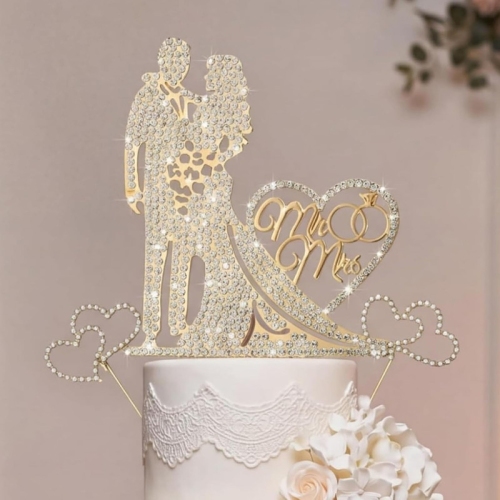 Your price for this item is $26.99
-
 Your price for this item is $24
-
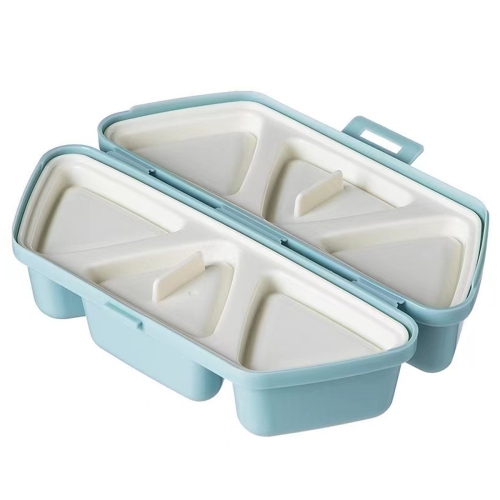 Your price for this item is $21.88
-
 Your price for this item is $23
-
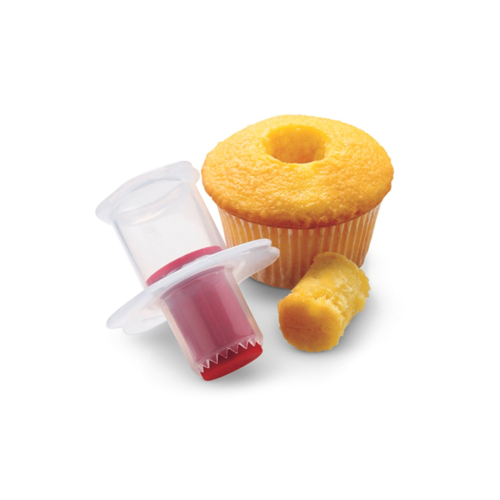 Your price for this item is $29.78
-
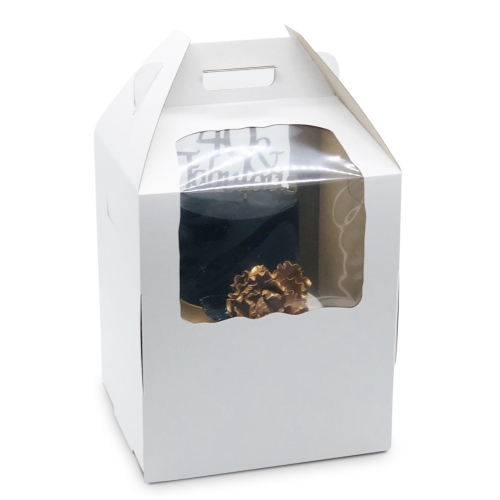 Your price for this item is $79.6
-
 Your price for this item is $95
-
 Your price for this item is $47.35
Discover more categories related to Silver Round Cake Boards

Top Collections:
Best Black Friday Deals This Year, Best Black Friday Deals On Electronics, Kindle Devices, Pokemon Centers, Best Black Friday Deals On Apple Products, Best Cameras for Sports Photography, Dyson Airwrap, Pokémon 30th Celebration Cards, Apple iPhone 17 Pro, Canon G7X Cameras
Some products may be subject to Environmental Handling Fees
(EHF) depending on your province.
Learn more about EHFs.