Cake Boards
Elevate your baking creations with sturdy and reliable cake boards, essential for presenting and transporting your delicious treats. Whether you're a seasoned baker or just starting out, a quality cake board provides the perfect foundation for showcasing your cakes at any event or celebration. Explore a variety of sizes and styles to suit your needs and ensure your desserts shine from presentation to the last bite.
Sort


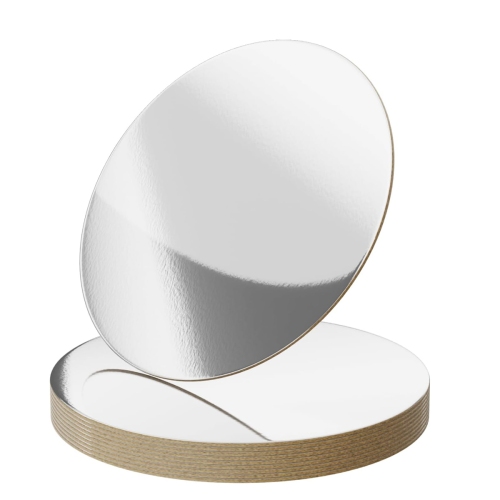
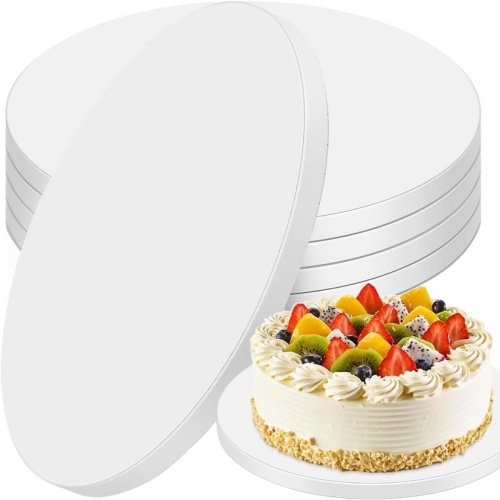
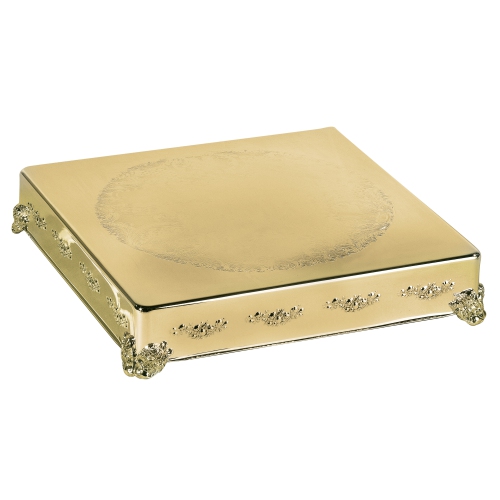
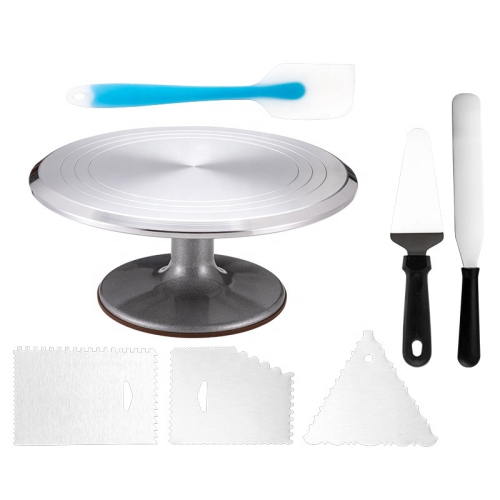
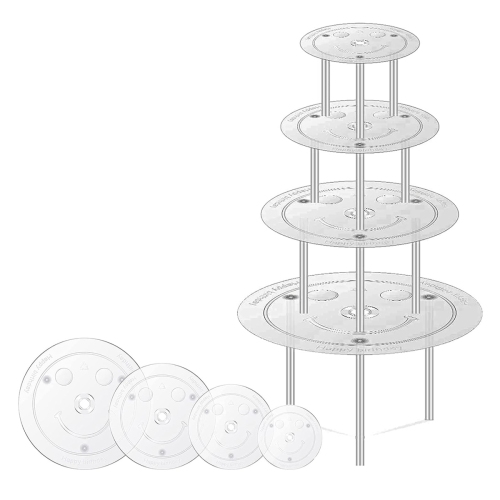
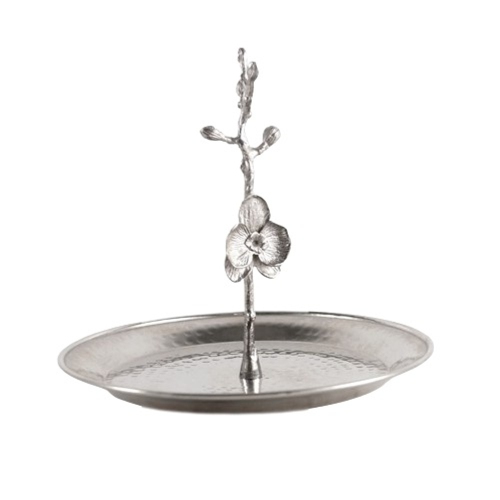
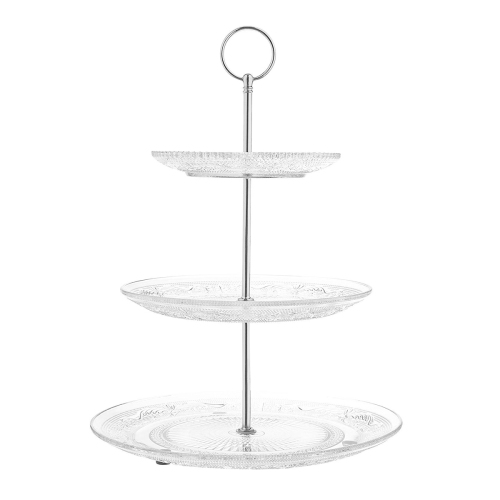
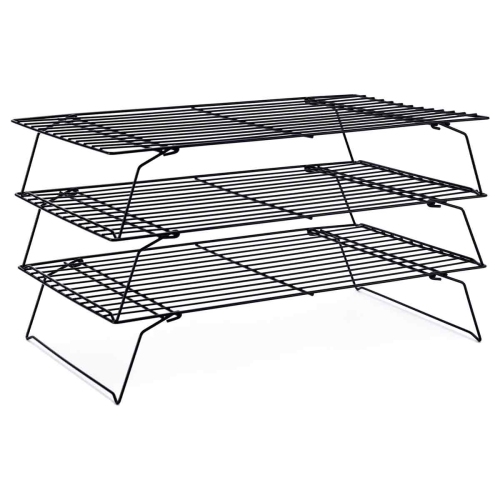
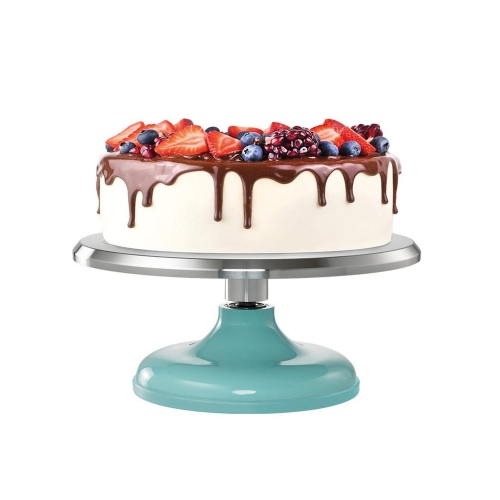

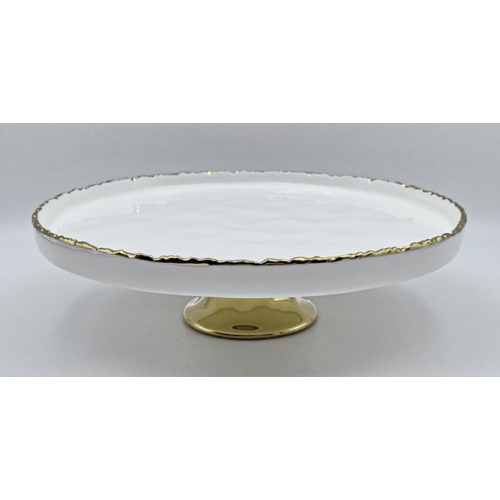
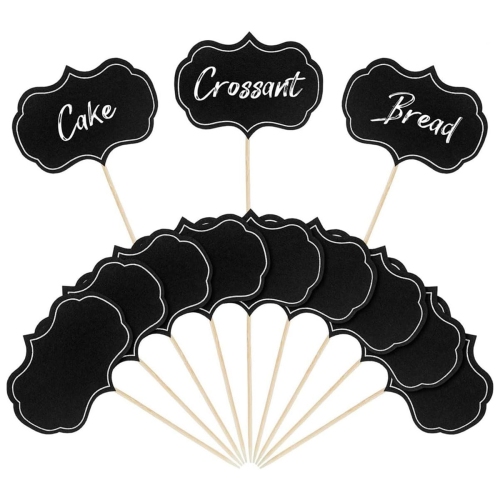
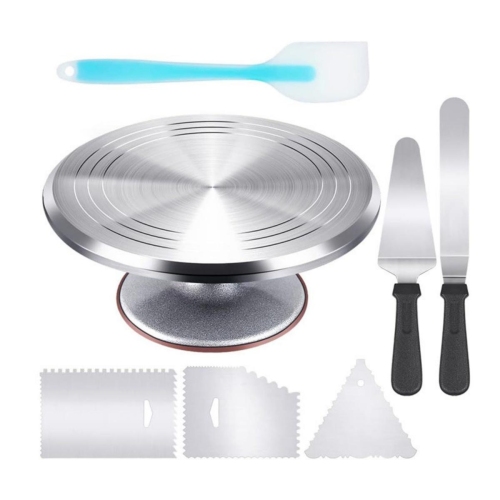
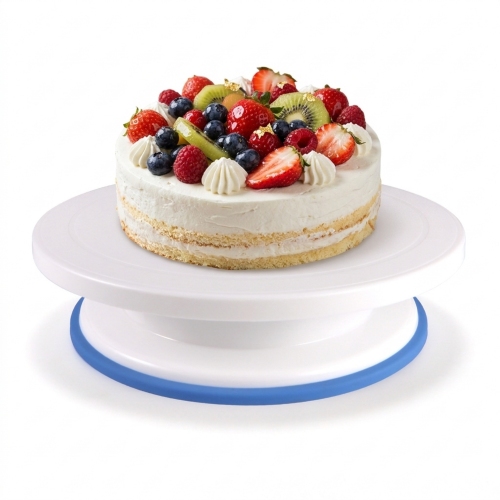
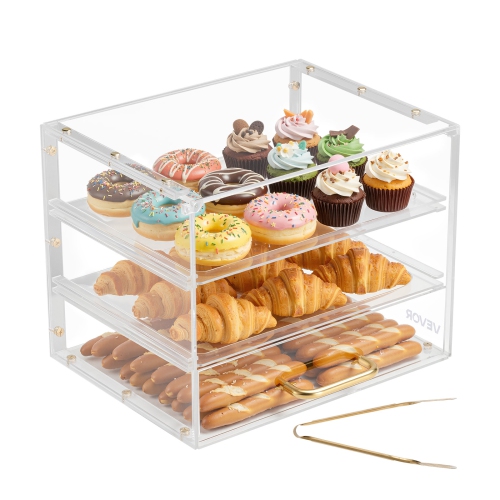

Steady support from the turntable to the celebration table
Cake boards are flat, sturdy bases used to support, transport, and present cakes, cupcakes, and individual cake tiers. They create a stable surface beneath a bake, making it easier to move from a decorating turntable to a box or serving table without handling the cake itself. For home bakers, cake decorators, and anyone preparing a celebration dessert, the right base becomes part of both the structure and the presentation. A neatly finished board frames a buttercream border, keeps crumbs and icing away from the table, and gives a cake a defined footprint. Round and square shapes suit familiar cake tins, while rectangular boards accommodate slab cakes, number cakes, and arrangements of smaller treats. The board’s dimensions matter as much as its shape: an 8-inch round cake centred on a 10-inch round board leaves a 1-inch border around the edge. That space can accommodate piped details and provide some room for handling, although a larger border may be useful for elaborate decorations. A board close to the cake’s diameter creates a more discreet base, especially beneath an individual tier in a stacked design. Thickness also changes the effect. A slim cake card keeps the edge unobtrusive, while a thicker cake drum creates a more substantial platform and can be finished with ribbon around its edge. Terminology varies between manufacturers, so the stated dimensions, construction, and intended use are more useful than the name alone. White, metallic, and coloured finishes offer different ways to complement icing and decorations without competing with them. A simple white base can keep attention on hand-piped flowers, while a reflective finish can frame a smooth fondant cake. Beyond appearance, a suitable board needs enough rigidity for the finished cake, including its filling, icing, and decorations.
Cake board materials influence weight, strength, and resistance to grease and moisture. Paperboard and corrugated cardboard constructions are commonly used for lighter cakes and everyday decorating, often with a covering that helps protect the base from contact with icing. Thicker laminated boards and cake drums offer additional rigidity, while some reusable bases use plastic, wood, or wood-based cores. The suitability of any construction depends on its thickness, covering, and stated load capacity rather than the material alone. A tall sponge cake with several layers of filling can place more demand on a board than its diameter suggests, and a dense fruit cake may need a stronger base than a lighter cake of the same size. Flexing is more than a handling inconvenience: movement beneath a finished cake can crack a firm icing layer or disturb a carefully smoothed surface. For tiered cakes, each tier generally rests on its own appropriately sized board, with a suitable internal support system transferring the weight through the tiers below. A strong bottom board does not replace those internal supports. Moisture resistance also deserves attention when working with soft fillings, buttercream, or cakes that need refrigeration. A covered surface may resist grease without being waterproof, and exposed edges can absorb moisture even when the top looks well protected. Food-contact suitability is especially important wherever cake, icing, or loose treats touch the board. Craft board and decorative coverings are not automatically suitable for direct food contact. Fit extends beyond the cake itself: the board needs to sit level on the decorating turntable and fit inside the cake box without bending or forcing the sides outward. Enough clearance above and around the decorations helps prevent damage when the lid closes. During transport, a supportive board, a correctly sized box, and a non-slip mat beneath the box work together to reduce movement; the board should not be expected to make an unsecured cake travel safely on its own.
Care and handling depend on whether a cake board is intended for single use or repeated use. Many covered cardboard boards are designed for limited use and should not be soaked or treated like washable serving dishes. Grease staining, soft spots, peeling coverings, or a bent edge can all indicate that the board is no longer suitable for another cake. Reusable bases need cleaning according to their material and the manufacturer’s directions, with particular attention to seams, edges, and any areas where the surface has been scratched. A clean-looking top does not necessarily mean the underlying material is protected, especially if knife cuts have broken through a coating. Clean, dry storage helps preserve the shape and finish of unused boards; keeping them flat also prevents a thin board from developing a curve before decorating begins. Cake boards are presentation and support pieces, not baking tins, and should not go into an oven unless expressly designed for that purpose. At the serving table, a board can remain beneath the cake to make lifting and portioning easier, while Cake Plates offer a separate serving surface for the finished presentation. When a board rests on a pedestal or platter, the support beneath it should be broad and stable enough for the cake’s weight, without leaving a thin board to span a large unsupported area. For birthdays, anniversaries, weddings, and other gatherings, the most useful board balances a tidy appearance with dependable support. A larger base can hold a short icing message beside a cake, while a closely fitted board can disappear beneath a clean border. Bakers who regularly share their creations may appreciate cake boards as a practical addition to decorating supplies, particularly when the dimensions match the tins and boxes they already use. From a modest single-layer bake to a carefully assembled centrepiece, a well-matched board helps the finished cake arrive looking as thoughtfully prepared as it did on the decorating table.
Top selling and popular products
-
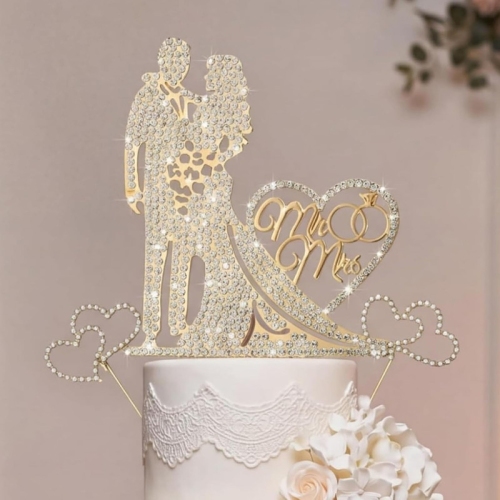 Your price for this item is $26.99
-
 Your price for this item is $24
-
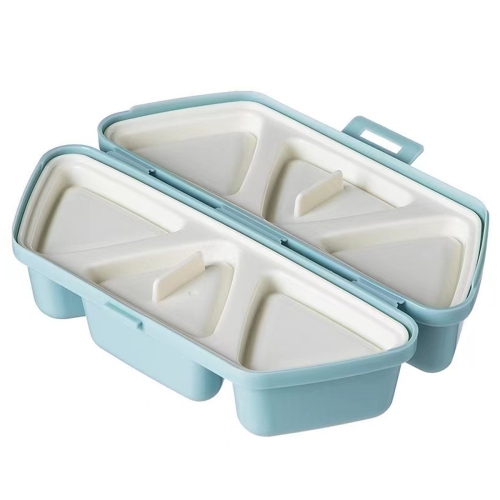 Your price for this item is $21.88
-
 Your price for this item is $23
-
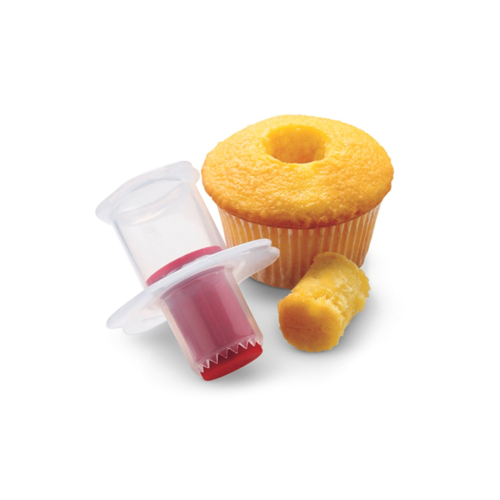 Your price for this item is $29.78
-
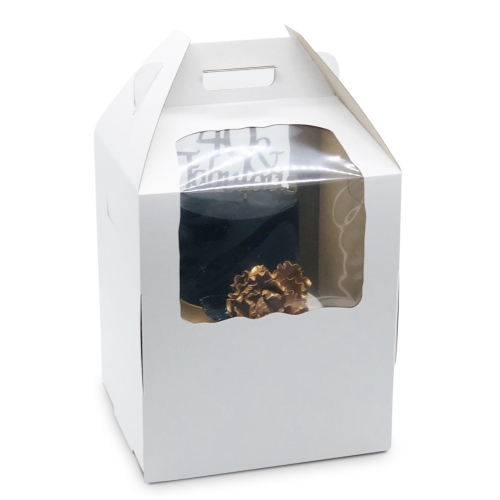 Your price for this item is $79.6
-
 Your price for this item is $95
-
 Your price for this item is $47.35
Discover more categories related to Cake Boards
Top Collections:
Best Black Friday Deals This Year, Best Black Friday Deals On Electronics, Kindle Devices, Pokemon Centers, Best Black Friday Deals On Apple Products, Best Cameras for Sports Photography, Dyson Airwrap, Pokémon 30th Celebration Cards, Apple iPhone 17 Pro, Canon G7X Cameras
Some products may be subject to Environmental Handling Fees
(EHF) depending on your province.
Learn more about EHFs.