Simple Mirrors
Enhance the aesthetic appeal of your living space with our collection of simple mirrors. Whether you're looking to create the illusion of a larger room, add a touch of elegance, or simply need a functional mirror for daily use, our range offers a variety of sizes, shapes, and styles to suit any decor. From sleek minimalist designs to classic frames, these mirrors are versatile accents that can effortlessly elevate any room in your home. Explore our selection and find the perfect mirror to reflect your personal style and enhance the ambiance of your space.
Sort
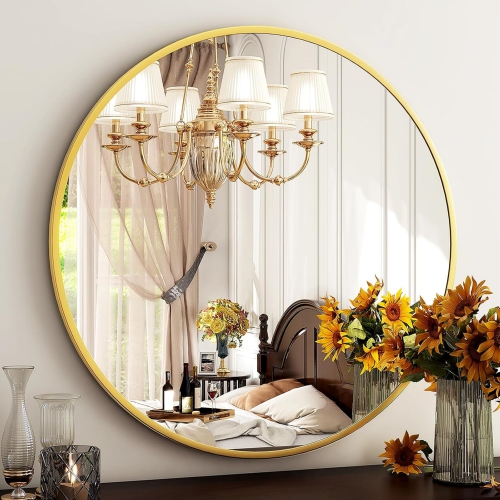
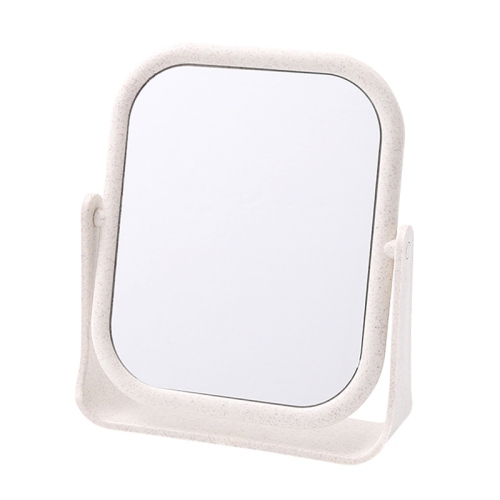
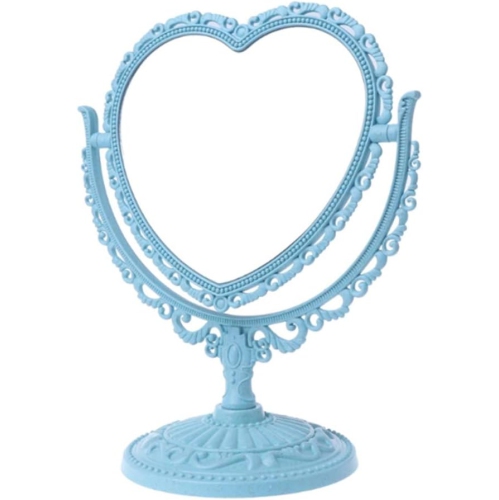
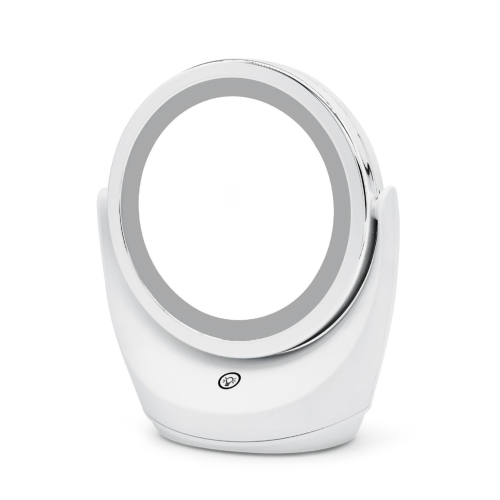
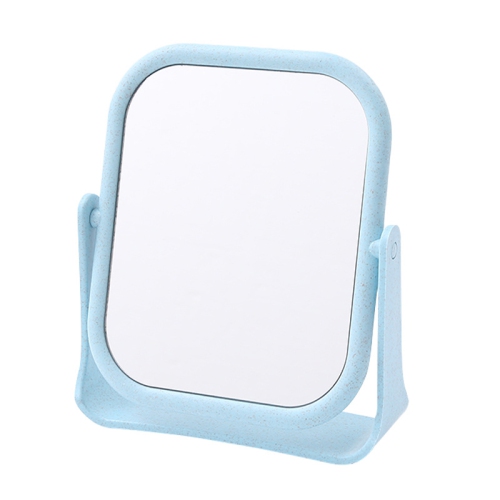
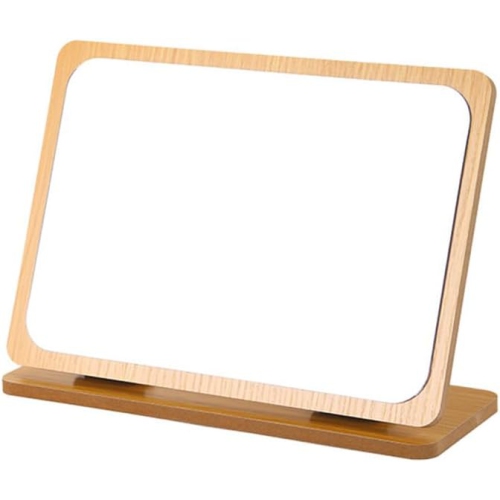
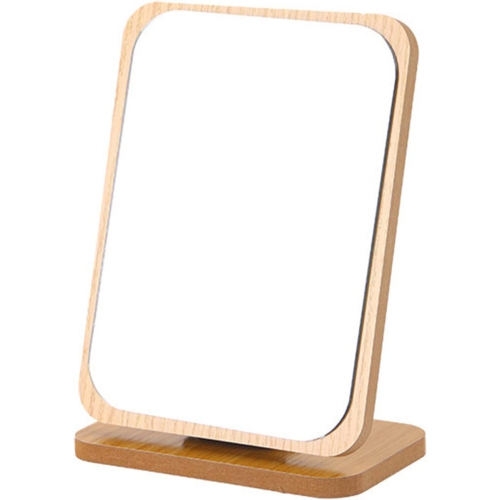
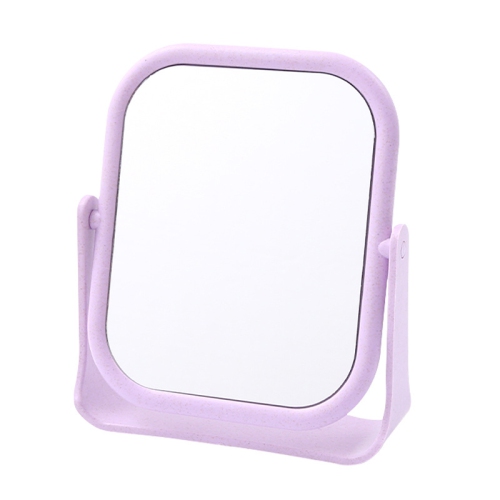
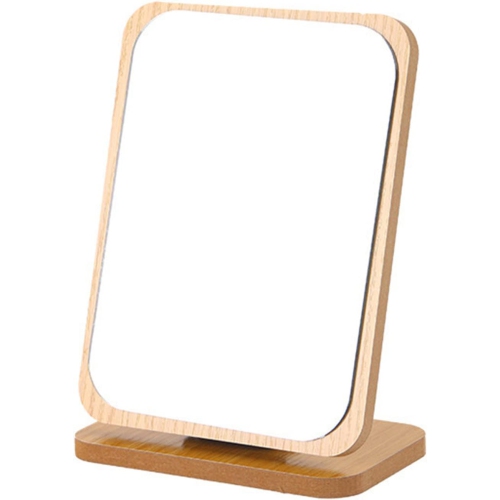
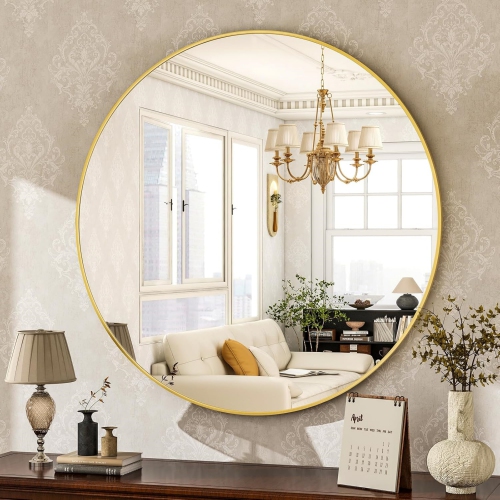
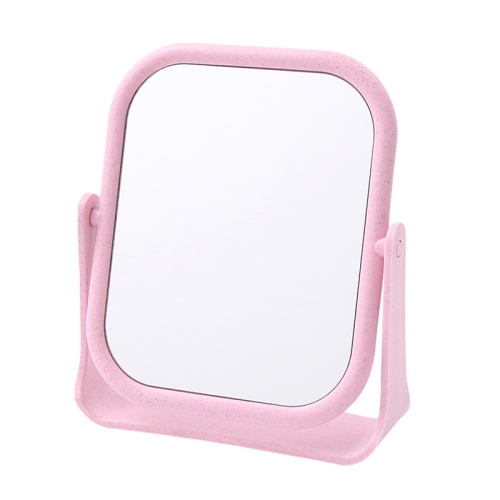
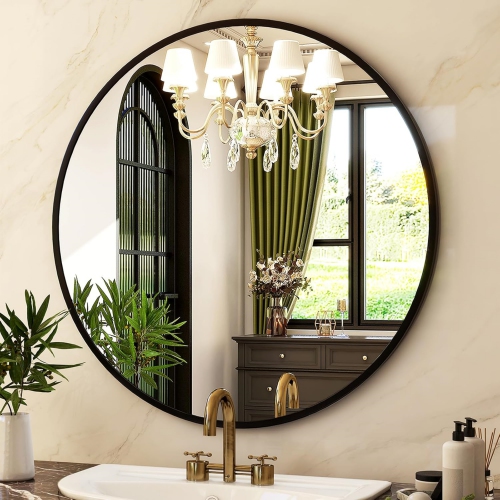
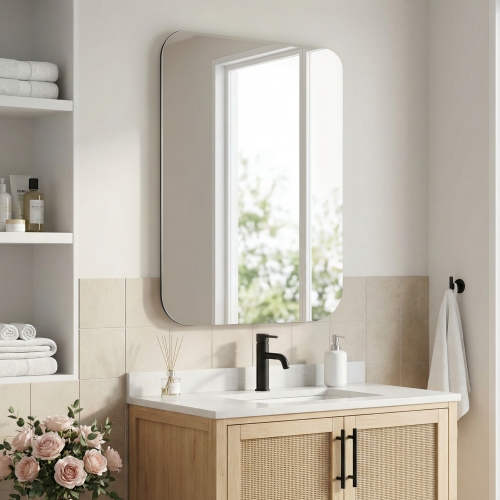
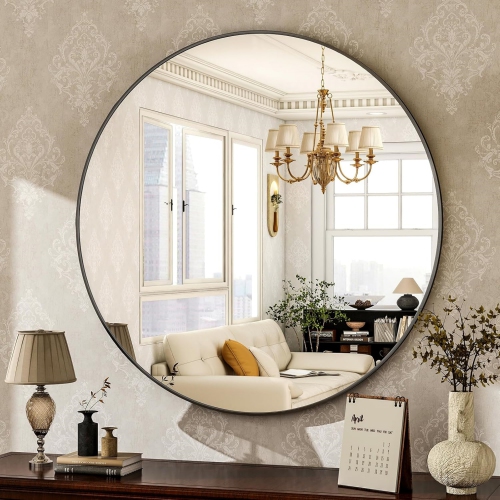
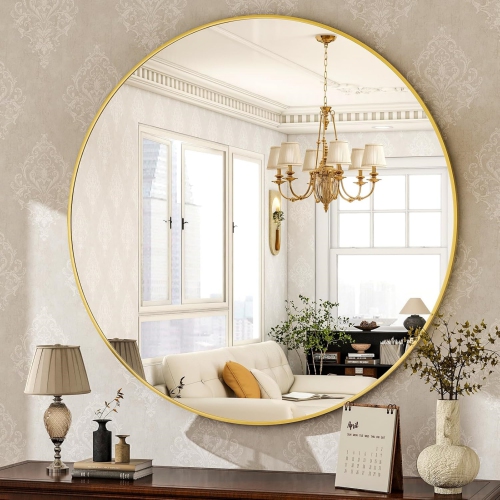
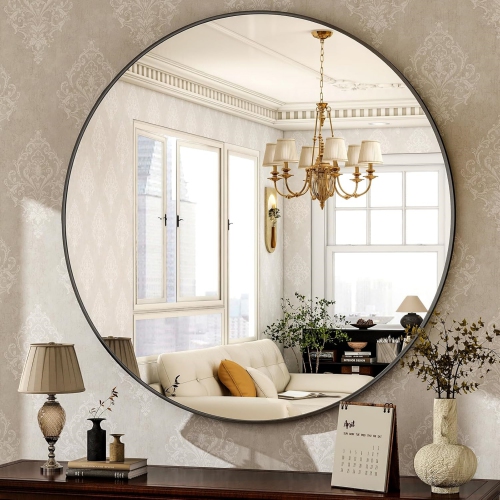
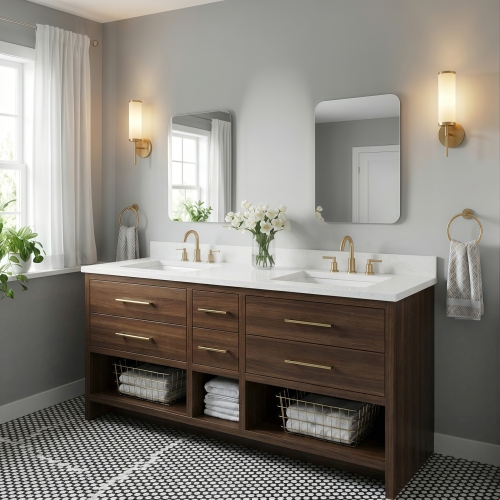
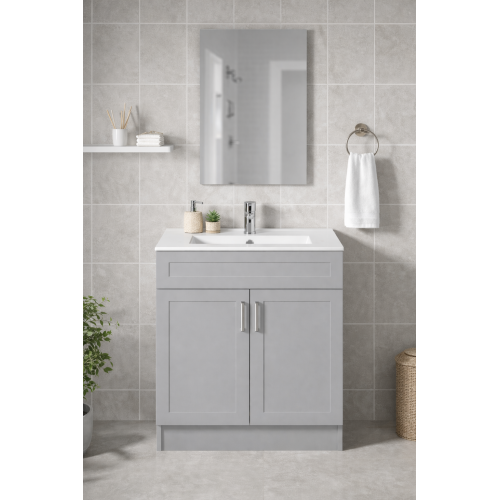
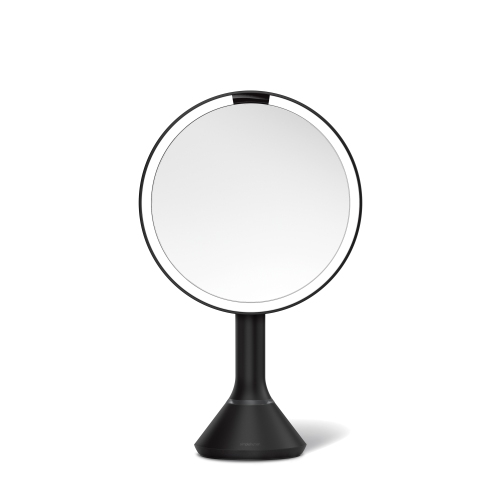
Clear reflections without taking over the room
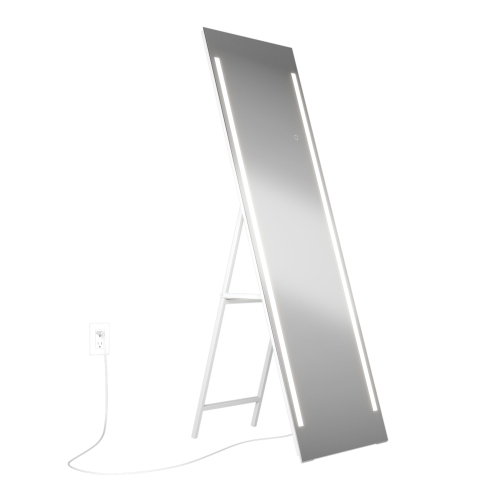
Simple mirrors are flat, reflective glass panels designed to show an upright, same-size image without intentional magnification or distortion. A reflective coating behind the glass, commonly made from silver or aluminum, returns light to create the familiar reflection used for dressing, grooming, and checking details before heading out. Their uncomplicated appearance makes them easy to place in bedrooms, bathrooms, entryways, and living spaces, where they can serve a practical purpose without dominating the room. A narrow frame, a clean bevelled edge, or a frameless finish keeps attention on the reflection and the surrounding furnishings. Rectangular mirrors provide a broad view above a dresser or console, while round and oval shapes introduce softer lines among cabinets, shelving, and other angular furniture. A full-length mirror allows someone to see an entire outfit, including footwear, while a smaller wall mirror can provide a convenient place to straighten a collar or adjust a scarf. Size and placement affect how useful that reflection feels: a mirror positioned too high may miss the needs of shorter household members, while one that is too narrow can make everyday dressing awkward. The overall dimensions include the frame, so two mirrors with similar outside measurements may have noticeably different reflective areas. In a shared space, a generous viewing area can accommodate people of different heights without repeated adjustments. Mirrors also reflect existing light and views, which can make a compact hallway or room feel more open, although they do not create additional light themselves. What appears in the reflection matters as much as the mirror’s shape. A clear sightline towards artwork, an uncluttered wall, or a well-positioned lamp creates a different effect from a reflection of an overflowing shelf. This combination of everyday usefulness and visual simplicity makes plain mirrors a natural fit for both furnished rooms and spaces that are still taking shape.
Materials and construction influence a simple mirror’s appearance, weight, and suitability for its intended location. Glass provides a familiar reflective surface, but its clarity depends on the quality and flatness of the panel as well as the reflective coating. A well-made plane mirror should show straight lines without obvious waviness when viewed from a normal distance. Glass thickness alone does not establish quality, though larger panels often require more substantial support and careful handling. Acrylic mirrors are lighter and more resistant to breakage than ordinary glass, but they can scratch more easily and may show distortion if the panel flexes or is mounted unevenly. Frames introduce their own practical differences. Solid wood offers visible grain and warmth, while metal can create a slim outline that coordinates with taps, handles, or light fixtures. Engineered wood and moulded frames can provide a smooth, uniform finish, with resistance to moisture varying according to their construction and coating. In bathrooms and other damp indoor spaces, suitability for that use is especially important because moisture can affect frames, backing, and exposed edges. Dark patches around the perimeter may develop when the reflective layer deteriorates; an intact backing and protected edges help preserve the surface. Mounting hardware deserves the same attention as the finish. The mirror’s weight, hanging orientation, attachment points, and wall construction all affect the support required. Plasterboard, masonry, and wall studs call for different fastening arrangements, and the supplied hardware may not suit every wall. Large or heavy mirrors may need professional installation. Leaning mirrors require a design intended for that position and appropriate restraint rather than simply resting an ordinary wall mirror against a surface. In homes with children or pets, secure installation helps reduce the risk of tipping or falling. Where safety backing or shatter-resistant construction is specified, it is worth understanding what that feature covers; it does not make a mirror unbreakable.
Daily use and straightforward care help a simple mirror retain its clarity. A soft, clean microfibre cloth removes fingerprints without the abrasion of a rough cleaning pad, and a cleaner approved for the surface helps avoid damage to coatings or decorative finishes. Applying a small amount to the cloth rather than spraying the mirror directly limits liquid collecting along the bottom edge or running behind the frame. Excess moisture is particularly unwelcome around exposed backing, joints, and unfinished wood. Abrasive powders, harsh chemicals, and scraping tools can leave permanent marks, while frame finishes may need a different cleaning method from the glass itself. In a bathroom, ventilation and prompt removal of splashes help keep the mirror and its surrounding fittings in good condition. Placement also shapes the daily experience. A dressing mirror needs enough clear floor space for someone to step back, while a mirror above a console should leave room for the objects beneath it without creating a crowded arrangement. For grooming, light falling evenly across the face is generally more useful than a bright source directly behind the person, which can leave facial details in shadow. A plain mirror suits anyone who wants a reflection without displays, controls, or power requirements. For those interested in additional connected or display functions, Smart Mirrors offer a different approach, with features and installation needs that vary by design. The quieter appeal of a simple mirror is its flexibility: it can move between decorating styles and remain useful as furniture, wall colours, and routines change. It can also make a thoughtful housewarming gift when the recipient’s preferred dimensions, finish, and mounting options are known. Whether used for a final outfit check near the door or as part of a dressing area, a simple mirror works best when its proportions, reflection, and construction suit the people and space around it.
Top selling and popular products
-
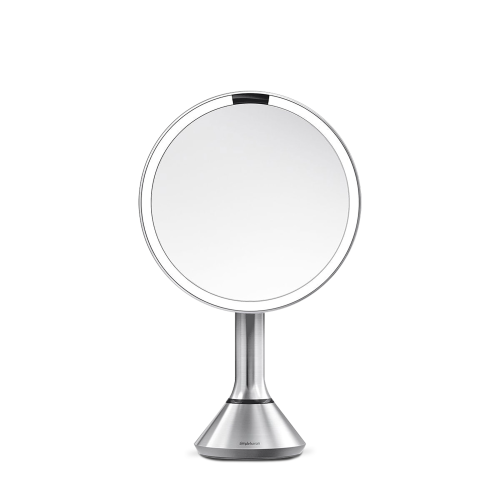 Your price for this item is $270
-
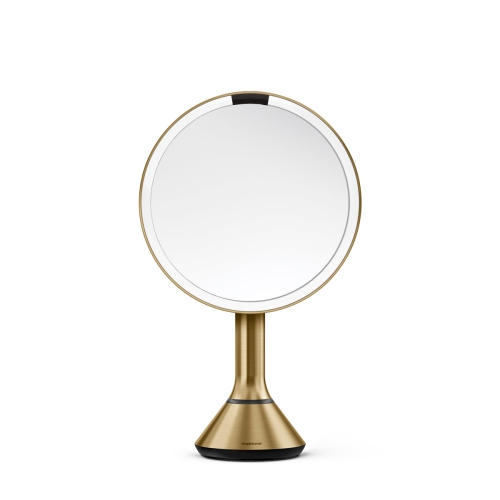 Your price for this item is $270
-
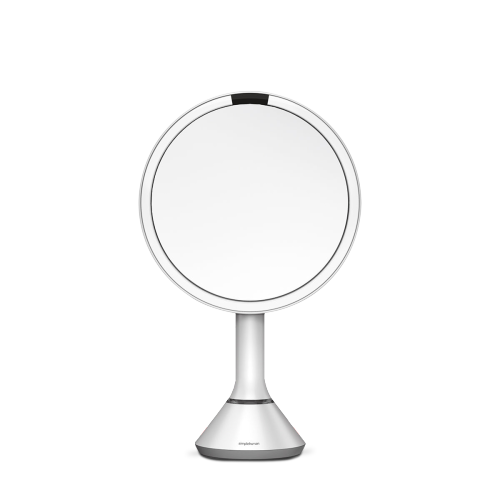 Your price for this item is $270
-
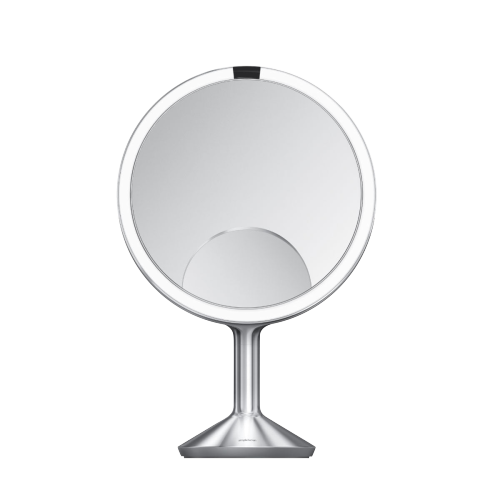 Your price for this item is $450
-
 Your price for this item is $154.99
-
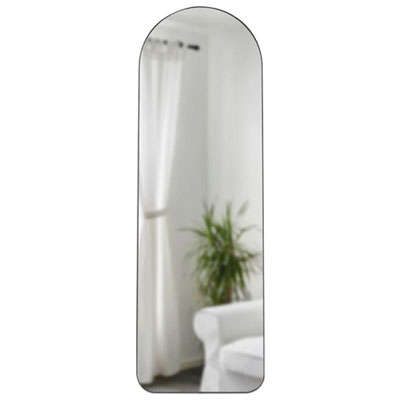 Your price for this item is $184.99
-
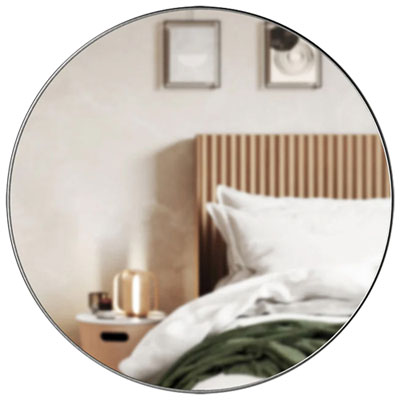 Your price for this item is $149.99
-
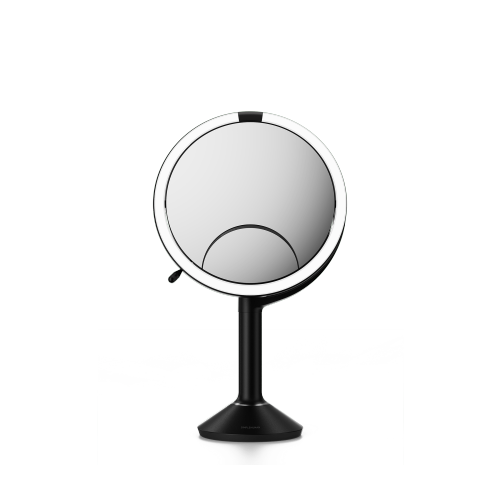 Your price for this item is $400
Discover more categories related to Simple Mirrors
Top Collections:
Best Black Friday Deals This Year, Best Black Friday Deals On Electronics, Kindle Devices, Pokemon Centers, Best Black Friday Deals On Apple Products, Best Cameras for Sports Photography, Dyson Airwrap, Pokémon 30th Celebration Cards, Apple iPhone 17 Pro, Canon G7X Cameras
Some products may be subject to Environmental Handling Fees
(EHF) depending on your province.
Learn more about EHFs.