Single Size Beds
Looking for the perfect single-size bed to complete your bedroom setup? Look no further! Our selection of single-size beds offers a variety of styles, materials, and features to suit your needs and preferences. Whether you're looking for a sleek and modern design, a cozy and traditional feel, or something in between, we have the perfect bed for you. From sturdy frames to upholstered designs, our single-size beds help support a restful night's sleep while complementing your bedroom décor. Browse our collection now to find the ideal single-size bed for your space.
Sort
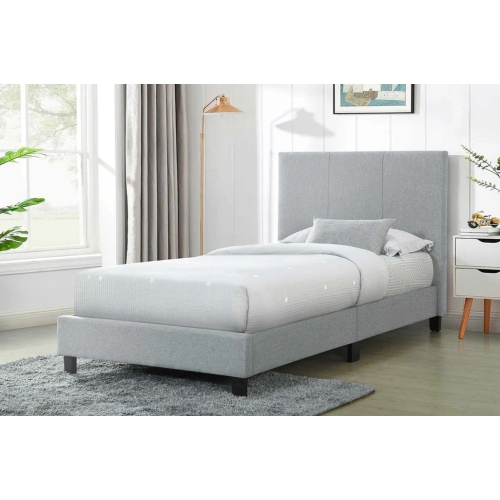
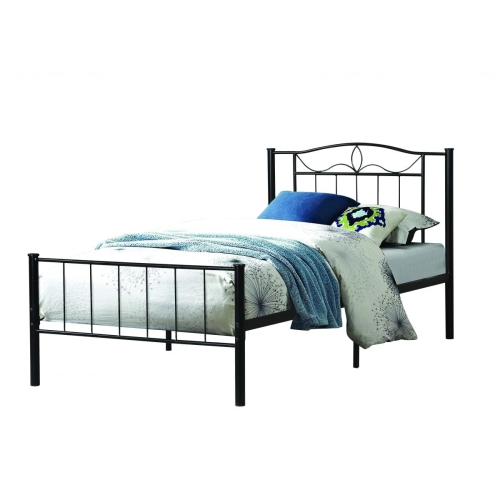
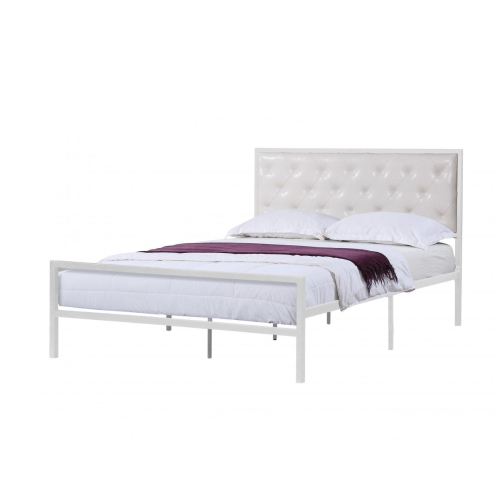
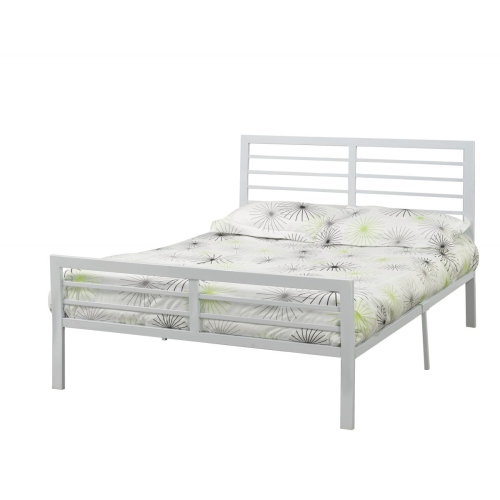
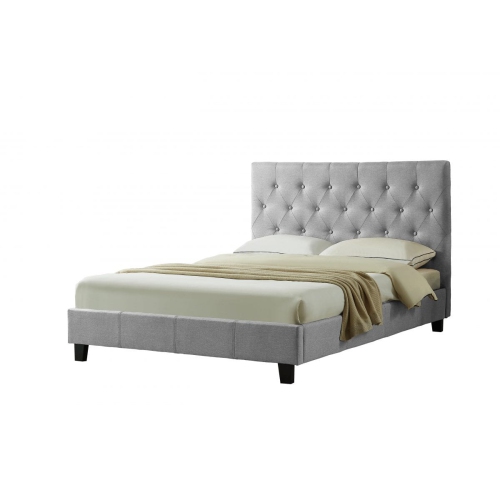
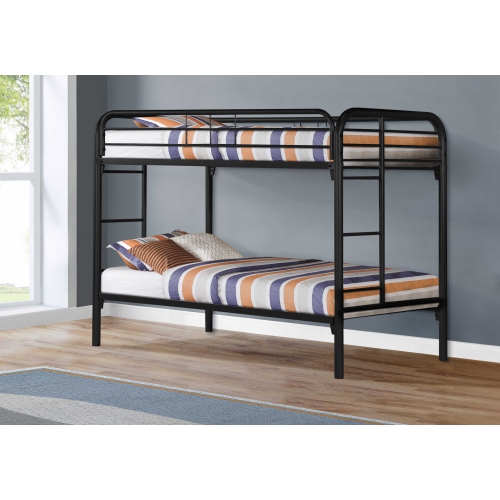
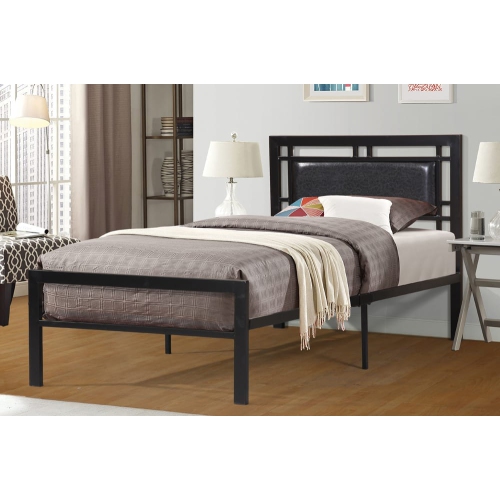

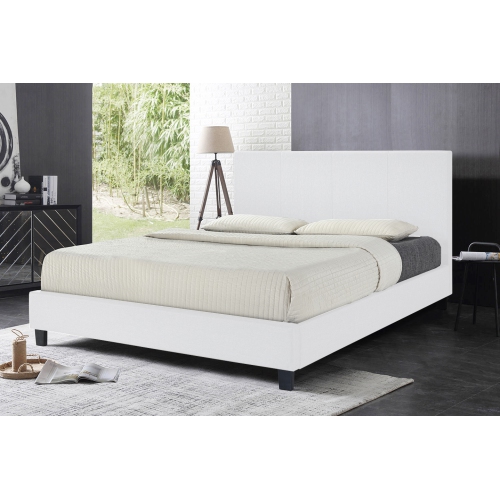
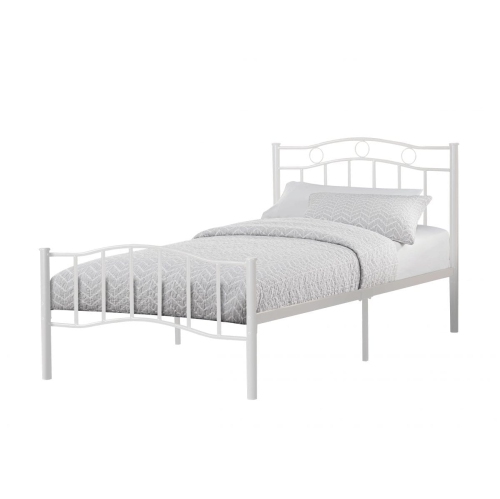
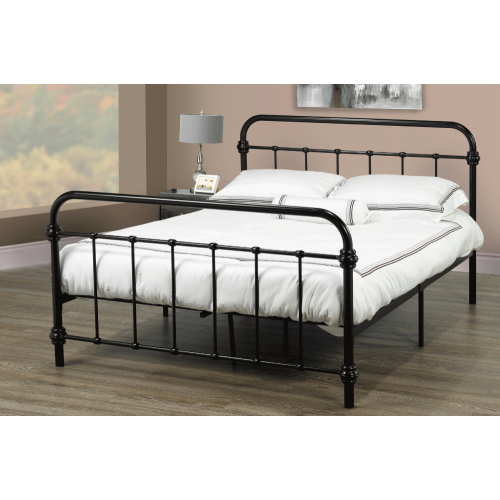
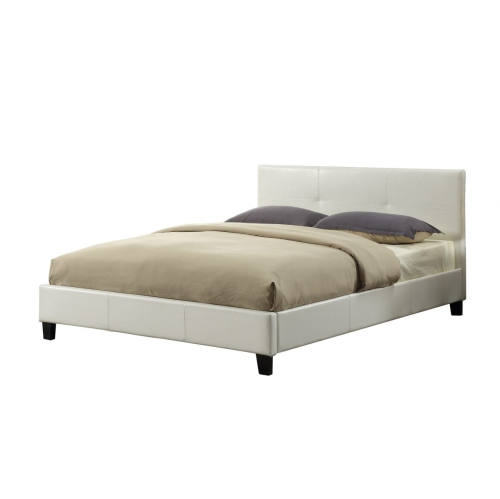
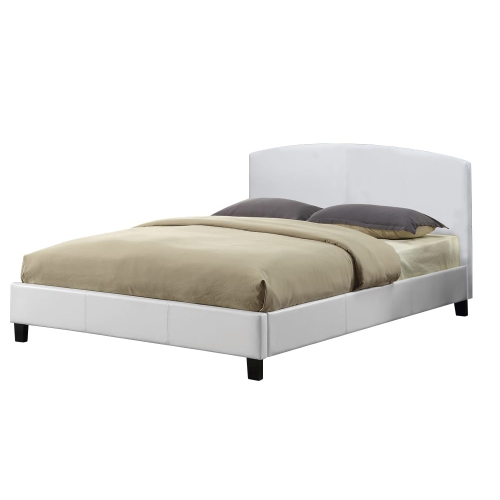
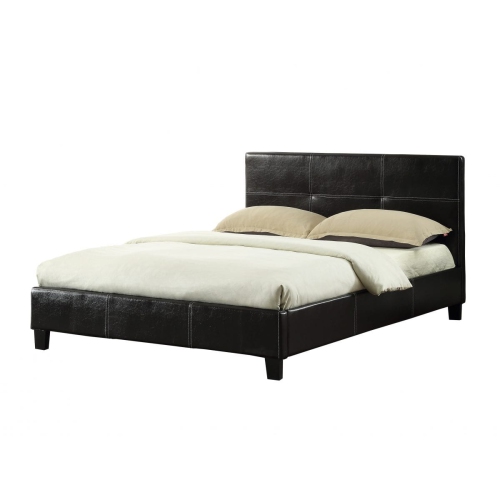

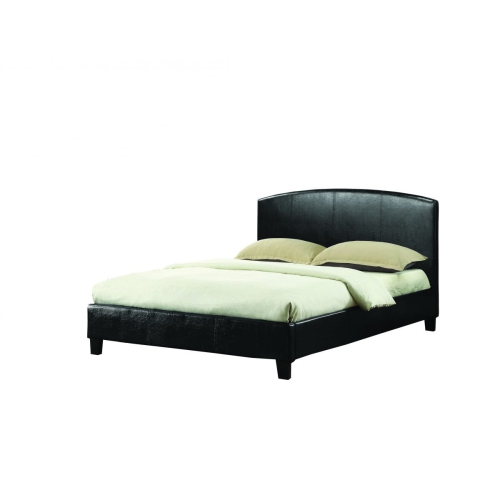
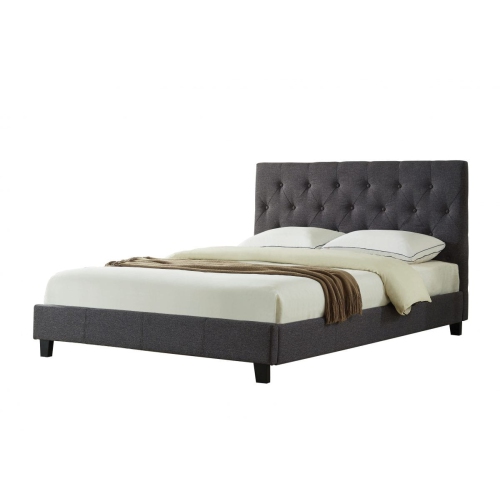
Practical sleep solutions for compact rooms and changing needs
Single size beds are a practical choice for bedrooms where every centimetre matters, while still providing a comfortable, familiar sleep surface for one person. A standard single bed, also commonly called a twin bed, measures approximately 38–39 inches wide by 75 inches long, or about 96.5 by 190.5 centimetres. Its compact footprint makes it well suited to children’s rooms, teen bedrooms, guest rooms, studio apartments, cottages, and shared spaces where a larger bed could make the room feel crowded. It is also the smallest standard bed size and is frequently used in bunk beds, trundle beds, daybeds, and other space-conscious sleeping arrangements. For taller sleepers, a Single XL—also known as a Twin XL—offers the same approximate 38-inch width as a standard single but adds 5 inches of length, measuring about 38 by 80 inches. That extra length can make a noticeable difference for older teenagers, university students, and adults who prefer more room to stretch out without taking up much additional floor space. When comparing single size beds, start by measuring the room, including the space needed to open doors, drawers, wardrobes, or windows comfortably. Leave enough clearance around the bed for making it, changing sheets, and moving through the room without bumping into nearby furniture. It is also worth checking the full outside dimensions of the frame rather than relying only on the mattress size, since headboards, footboards, built-in shelves, and side rails can add several inches. A low-profile frame may help a smaller room feel more open, while a raised design can create useful storage underneath for spare bedding, clothing, seasonal items, or folded luggage. If the bed will be used by a child, consider rounded edges, sturdy construction, and a height that makes it easy to get in and out independently. In a bunk or loft arrangement, confirm the recommended mattress thickness and follow the frame’s safety requirements, particularly around guardrail height and ladder access. Single size beds can also be a thoughtful choice for a growing child’s room because the standard dimensions can remain useful through several stages of life, from story time and sleepovers to homework, reading, and quiet downtime.
Comfort depends on more than the bed frame itself, so consider how the mattress, foundation, and sleeping surface will work together. Check whether the frame includes slats or requires a separate foundation, and review the spacing between slats to ensure it supports the chosen mattress properly. A stable frame should feel secure when someone sits on the edge or turns during the night, with minimal movement or creaking. Mattress preferences vary, but a child may appreciate a supportive surface that is easy to climb onto, while a teenager or adult may place greater importance on pressure relief, temperature control, or a firmer feel. Measure the mattress and frame carefully before choosing sheets, protectors, blankets, and other bedding; standard single and Single XL bedding are different lengths, and fitted sheets are designed to match a specific size and mattress depth. In a guest room, a single bed can offer visitors a private and comfortable place to sleep without dedicating the entire room to a large bedroom set. It can also make a useful addition to a home office, playroom, basement room, or cottage, providing an adaptable sleeping option when family or friends stay overnight. During the warmer part of the year, a single bed in a spare room can create a simple retreat for visiting children, while during the cooler months, the same setup can feel especially inviting with layered blankets, a supportive pillow, and convenient bedside lighting. Students moving into a residence or shared rental may value the familiar proportions of a single bed, particularly when working with a narrow room and limited storage. For a child transitioning from a smaller sleep space, a single bed can mark a meaningful step toward a more independent room without overwhelming the layout. Before selecting one, consider who will use it, how long they are likely to use it, and whether the room may later serve another purpose. Features such as under-bed clearance, washable or removable components, adjustable support, and a durable finish can make the setup easier to maintain as routines change. If the room calls for a wider sleeping surface, you can also browse Queen Size Beds for another bedroom layout option. With the right dimensions, support system, mattress pairing, and available floor space, a single size bed can provide an inviting place to sleep, read, rest, and recharge without dominating the room.
Comfort depends on more than the bed frame itself, so consider how the mattress, foundation, and sleeping surface will work together. Check whether the frame includes slats or requires a separate foundation, and review the spacing between slats to ensure it supports the chosen mattress properly. A stable frame should feel secure when someone sits on the edge or turns during the night, with minimal movement or creaking. Mattress preferences vary, but a child may appreciate a supportive surface that is easy to climb onto, while a teenager or adult may place greater importance on pressure relief, temperature control, or a firmer feel. Measure the mattress and frame carefully before choosing sheets, protectors, blankets, and other bedding; standard single and Single XL bedding are different lengths, and fitted sheets are designed to match a specific size and mattress depth. In a guest room, a single bed can offer visitors a private and comfortable place to sleep without dedicating the entire room to a large bedroom set. It can also make a useful addition to a home office, playroom, basement room, or cottage, providing an adaptable sleeping option when family or friends stay overnight. During the warmer part of the year, a single bed in a spare room can create a simple retreat for visiting children, while during the cooler months, the same setup can feel especially inviting with layered blankets, a supportive pillow, and convenient bedside lighting. Students moving into a residence or shared rental may value the familiar proportions of a single bed, particularly when working with a narrow room and limited storage. For a child transitioning from a smaller sleep space, a single bed can mark a meaningful step toward a more independent room without overwhelming the layout. Before selecting one, consider who will use it, how long they are likely to use it, and whether the room may later serve another purpose. Features such as under-bed clearance, washable or removable components, adjustable support, and a durable finish can make the setup easier to maintain as routines change. If the room calls for a wider sleeping surface, you can also browse Queen Size Beds for another bedroom layout option. With the right dimensions, support system, mattress pairing, and available floor space, a single size bed can provide an inviting place to sleep, read, rest, and recharge without dominating the room.
Top selling and popular products
-
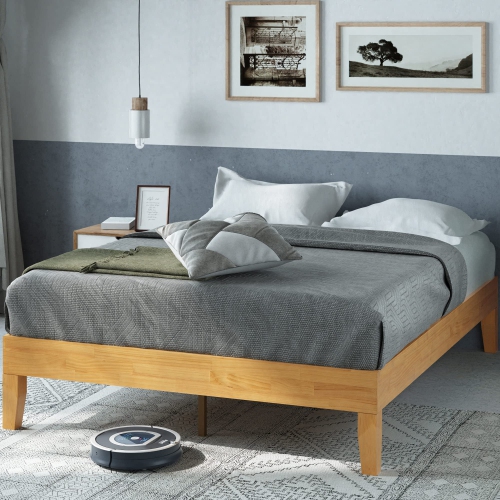 Your price for this item is $493.52
 -
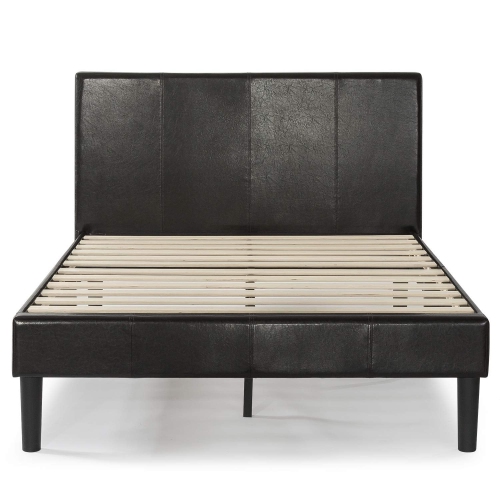 Your price for this item is $611.85
 -
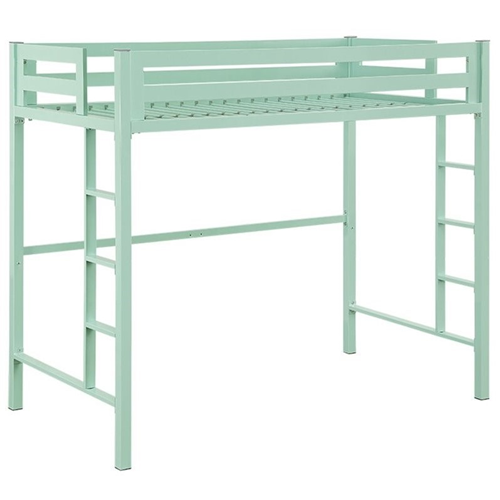 Your price for this item is $824.18
 -
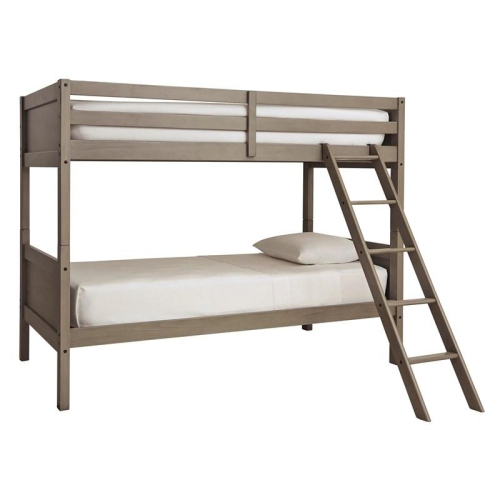 Your price for this item is $799.99
 -
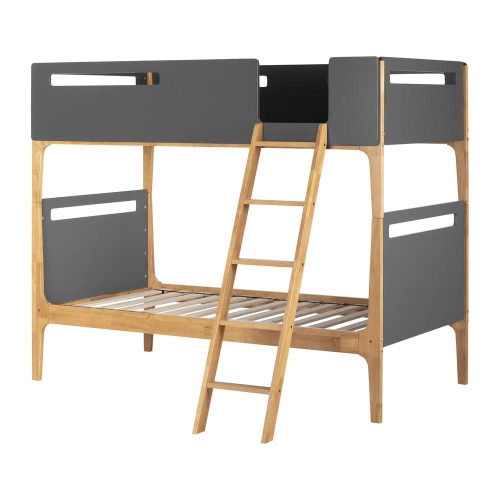 Your price for this item is $985.42
 -
 Your price for this item is $157.99
 -
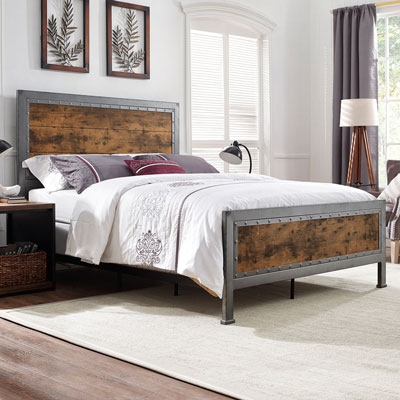 Your price for this item is $862.99
 -
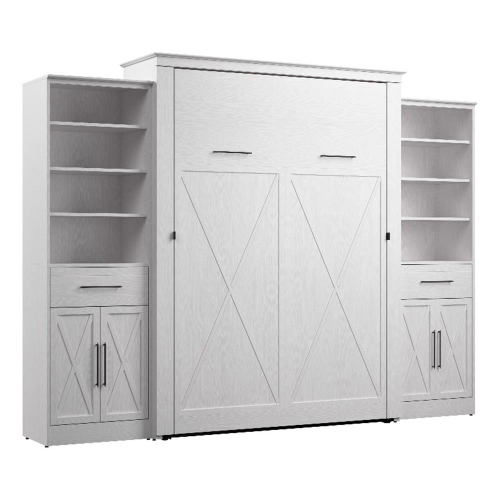 Your price for this item is $3519.99
Discover more categories related to Single Size Beds
Top Collections:
Pokemon Centers, Kindle Devices, Best Budget Office Chairs, Apple iPhones 16, Best Laptops for Writers, iPhone 15 Apple, Canon G7X Cameras, Refurbished Apple Laptops, Alarm Clock, Motorola Razr Phones
Some products may be subject to Environmental Handling Fees
(EHF) depending on your province.
Learn more about EHFs.