Single Storage Drawers
Organize your space efficiently with our selection of single storage drawers. These versatile pieces are perfect for decluttering your home or office, offering a convenient solution to keep your belongings neat and tidy. Whether you need extra storage for clothing, accessories, documents, or other essentials, our single storage drawers come in a variety of styles and sizes to suit your needs. Explore our collection to find the perfect storage solution that combines functionality with style.
Sort
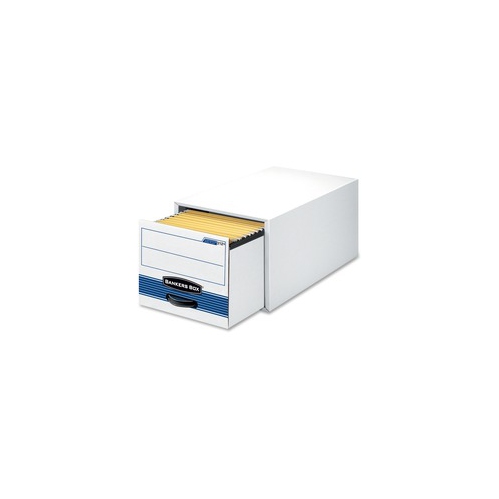
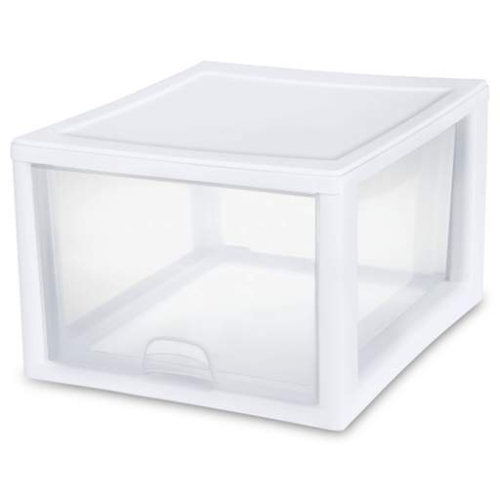
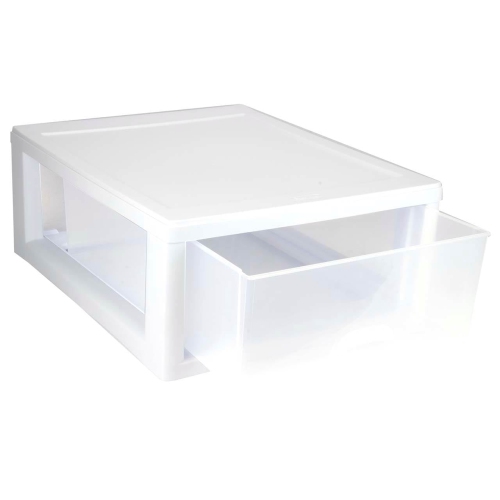
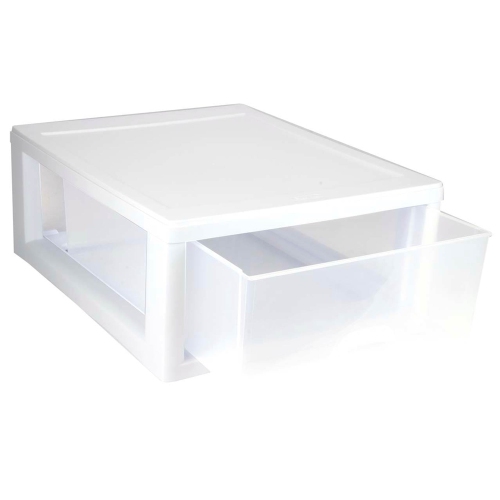
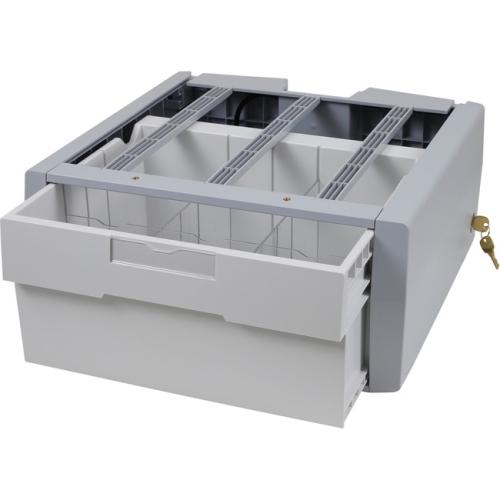
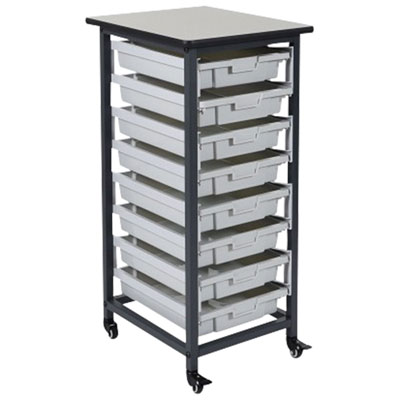
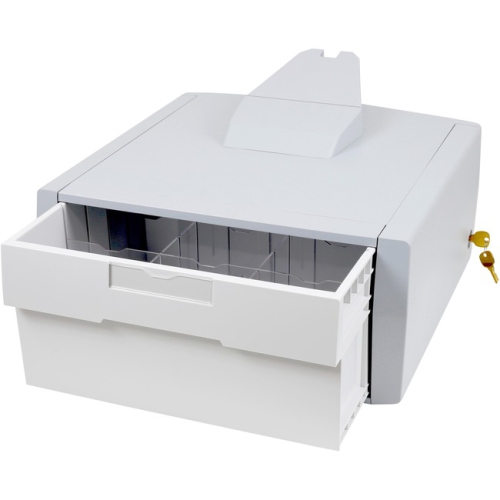
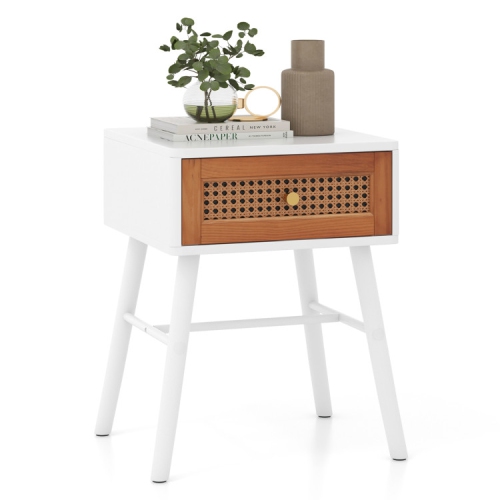
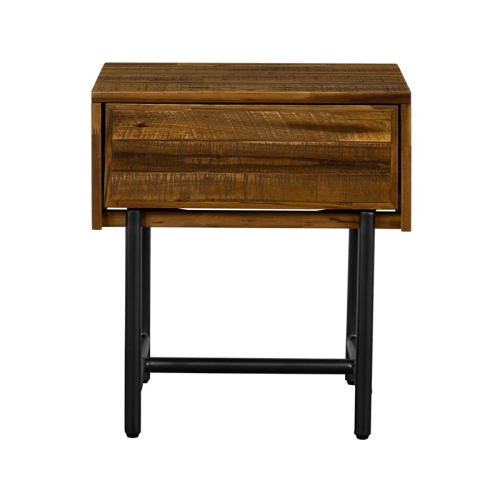
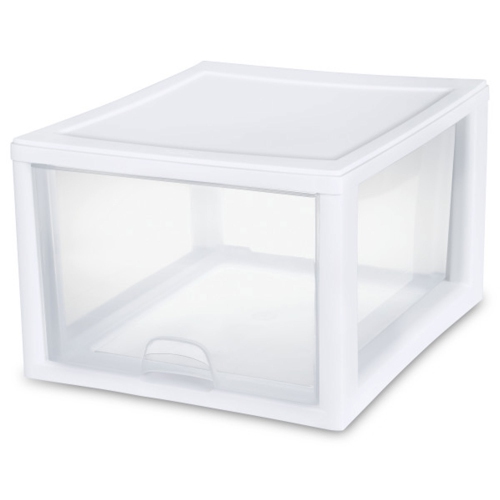
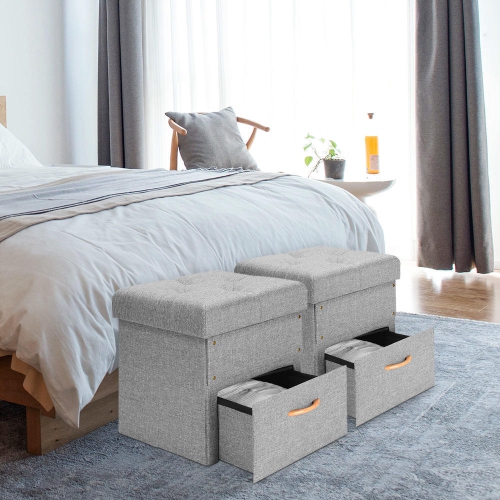
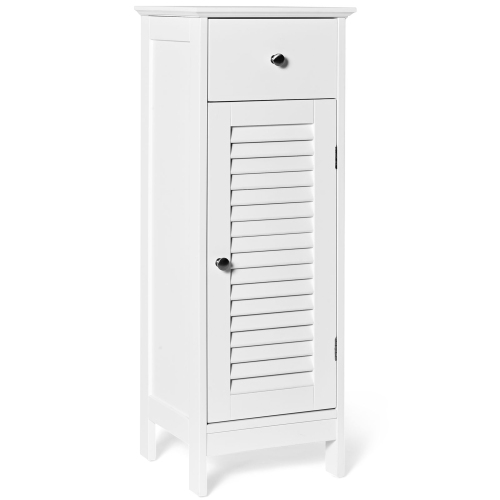
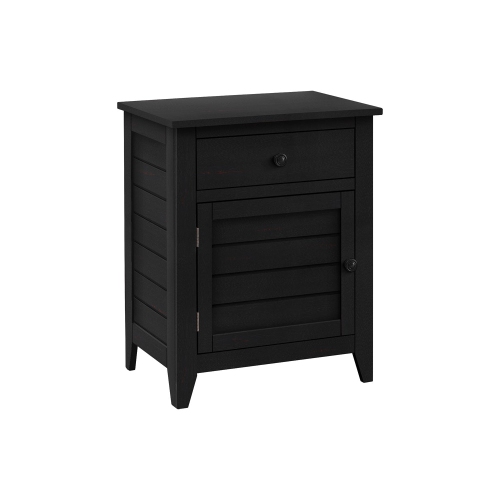
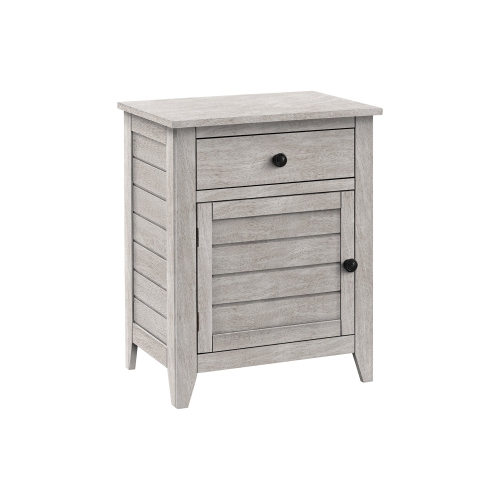
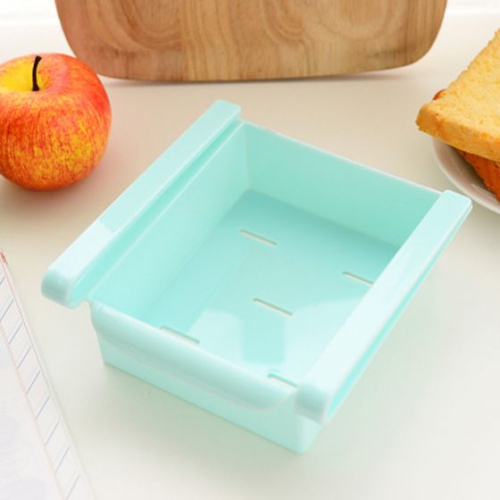
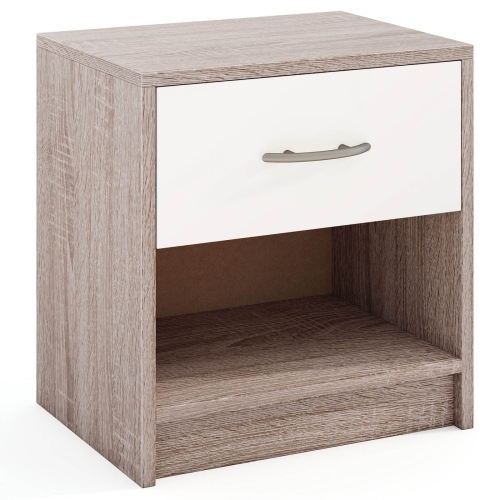
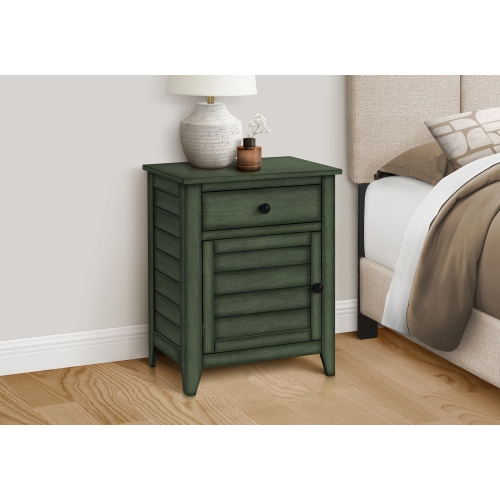
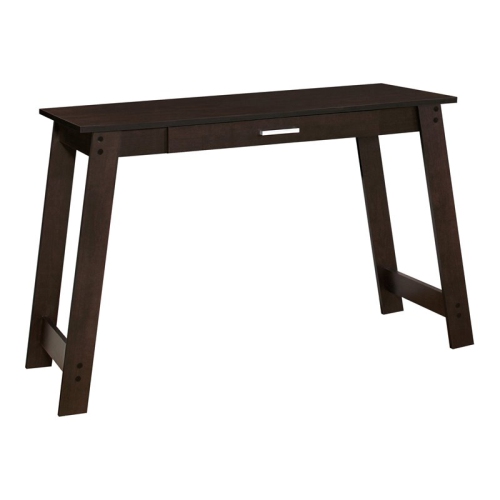
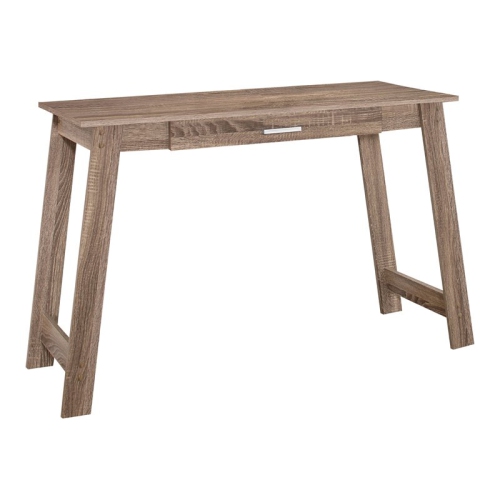
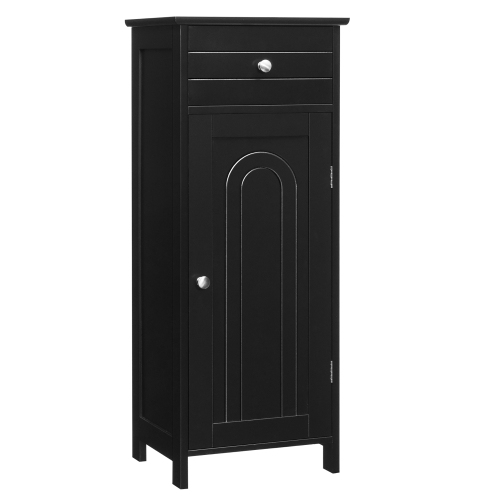
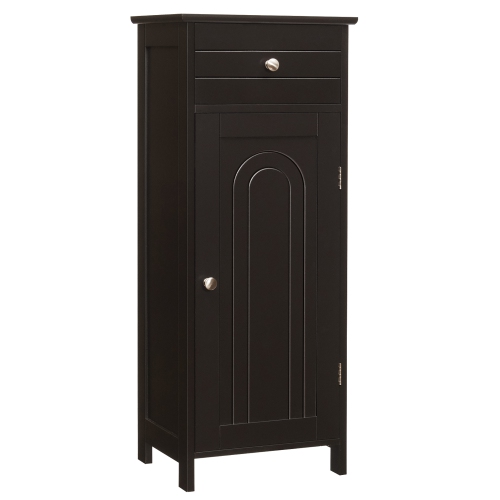
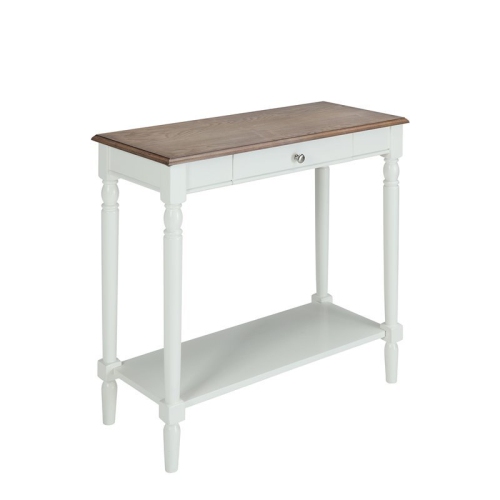
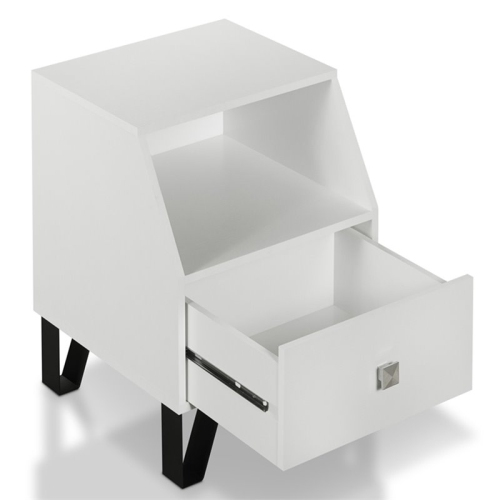
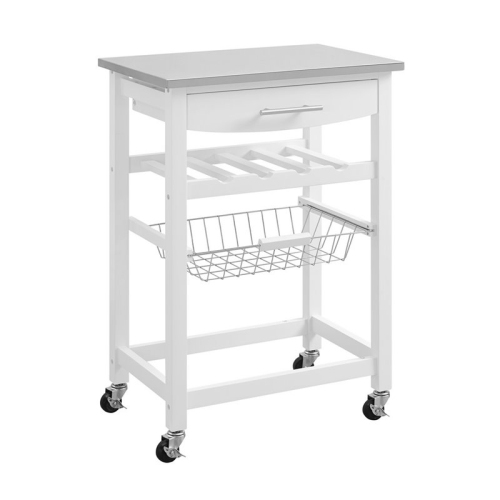
A dedicated place for everyday essentials without bulky furniture
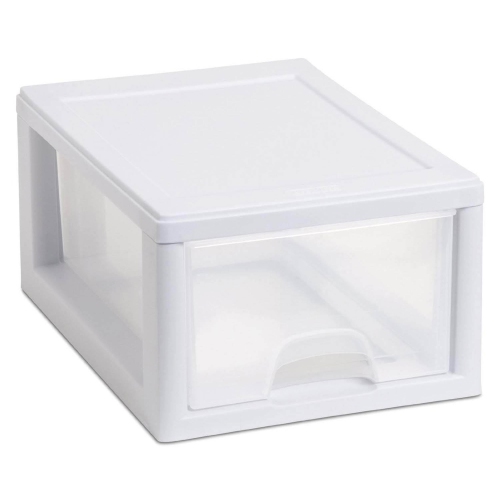
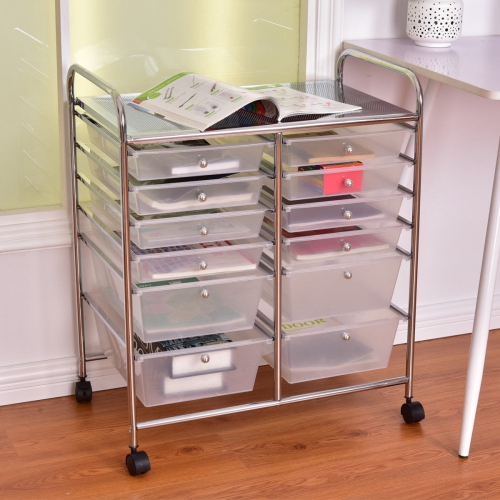
Single storage drawers are individual pull-out compartments that keep everyday belongings contained while making them easy to reach. They can sit on a desk, fit inside a cupboard, slide beneath a bed, or form part of a modular storage arrangement, depending on their dimensions and construction. Unlike a chest with several fixed drawers, a single-drawer unit provides one enclosed space that can serve a particular purpose without requiring a large piece of furniture. In a home office, that might mean a place for charging cables, spare pens, and the notebook that otherwise drifts across the desk. In a bedroom, it might be a compartment for socks, scarves, or folded sleepwear. Craft supplies, sewing notions, and small household tools also benefit from a defined home, especially when several people share a room or work surface. The outer frame supports the compartment as it opens, distinguishing a drawer unit from a simple basket or loose storage bin. Some designs stand alone, while others are made to stack with compatible units; a shape that looks stackable does not necessarily mean it is designed to support another loaded drawer. Clear fronts make the contents visible at a glance, which is useful for frequently used supplies or materials sorted by colour. Opaque fronts keep mixed contents out of sight and can give open shelving a calmer appearance. A translucent finish offers a middle ground, revealing general shapes without displaying every detail. For smaller accessories and tighter surfaces, Small Storage Drawers offer a related format suited to compact storage needs. Single storage drawers work particularly well when the goal is to give one group of belongings a consistent place rather than fill an entire wall with cabinetry. That focused approach can make a shared desk easier to reset, a wardrobe shelf less crowded, or a bedside surface more useful without changing the rest of the room.
Materials influence how a single storage drawer looks, feels, and holds up to daily handling. Plastic designs are often lightweight and easy to wipe clean, making them practical for stationery, hair accessories, and other everyday essentials. Their sturdiness varies with the thickness of the material, the strength of the frame, and the way the drawer is supported when extended. A broad drawer with a lightly built base may not suit dense contents such as hand tools, even if those objects fit inside. Metal designs can provide a firm structure, while mesh panels allow visibility and airflow but leave contents more exposed to dust. Wood and engineered wood can create a furniture-like appearance that works beside a bed or beneath a desk, although weight, surface finish, and assembly quality differ among designs. Fabric drawers supported by a frame offer a softer finish for lightweight textiles; their suitability for heavier belongings depends on the base and side supports. Fit matters just as much as material. External width, depth, and height determine whether the unit fits its intended location, while internal measurements establish what the compartment can actually hold. Handles, feet, frame edges, and drawer stops can all affect usable space. A low drawer may fit beneath a bed frame but still be difficult to open over a thick rug. Inside a cupboard, hinges or the edge of a door can interrupt the drawer’s path even when the frame fits neatly on the shelf. Space in front is essential, too: the drawer needs enough clearance to open far enough for the contents at the back to be reached. For frequent use, a comfortable grip and a smooth pull make a noticeable difference. Recessed handles can reduce projections in narrow spaces, while larger handles may be easier to grasp. Where compatible stacking is supported, the combined height and loaded weight should remain within the manufacturer’s limits, with heavier contents positioned low to help maintain stability.
The most useful arrangement reflects the way a room is actually used. A shallow single drawer near a work surface keeps frequently handled accessories within reach without turning the desktop into a catch-all. A deeper compartment on a wardrobe shelf can hold folded clothing, but filling it too tightly makes opening and closing harder and can leave fabric caught along the edges. In a craft area, removable dividers help separate small supplies so that opening the drawer does not send everything sliding into one corner. For students, renters, or anyone working with a compact room, a standalone unit can add storage without taking over the floor space needed for a larger cabinet. In a shared household, assigning a drawer to a person or activity can keep homework supplies separate from household paperwork. A clearly labelled compartment can also make tidying more straightforward, particularly when the contents are not visible through the front. As a practical housewarming or student gift, a single storage drawer is most useful when its dimensions and intended location are known in advance. Care is generally simple, but it should match the construction. Many hard surfaces can be cleaned with a soft, slightly damp cloth and a mild cleaner where permitted by the manufacturer, followed by thorough drying. Wood-based panels need protection from standing moisture, particularly around exposed edges and joins. Fabric compartments may require vacuuming or spot cleaning rather than soaking, and metal frames should be dried after cleaning to help protect the finish. Dust and loose fibres can collect along runners and corners, so an occasional empty-and-wipe keeps the sliding path clear. Forcing an overfilled drawer or pulling it by one corner can strain the front, handle, or supports. Observing weight limits, keeping contents below the upper edge, and checking fasteners where applicable help preserve smooth operation. Drawers without locks should not be treated as secure storage for medicines, sharp tools, or other potentially hazardous belongings. With an appropriate size, suitable materials, and a sensible load, a single drawer can provide dependable storage for the small essentials that need a place of their own.
Materials influence how a single storage drawer looks, feels, and holds up to daily handling. Plastic designs are often lightweight and easy to wipe clean, making them practical for stationery, hair accessories, and other everyday essentials. Their sturdiness varies with the thickness of the material, the strength of the frame, and the way the drawer is supported when extended. A broad drawer with a lightly built base may not suit dense contents such as hand tools, even if those objects fit inside. Metal designs can provide a firm structure, while mesh panels allow visibility and airflow but leave contents more exposed to dust. Wood and engineered wood can create a furniture-like appearance that works beside a bed or beneath a desk, although weight, surface finish, and assembly quality differ among designs. Fabric drawers supported by a frame offer a softer finish for lightweight textiles; their suitability for heavier belongings depends on the base and side supports. Fit matters just as much as material. External width, depth, and height determine whether the unit fits its intended location, while internal measurements establish what the compartment can actually hold. Handles, feet, frame edges, and drawer stops can all affect usable space. A low drawer may fit beneath a bed frame but still be difficult to open over a thick rug. Inside a cupboard, hinges or the edge of a door can interrupt the drawer’s path even when the frame fits neatly on the shelf. Space in front is essential, too: the drawer needs enough clearance to open far enough for the contents at the back to be reached. For frequent use, a comfortable grip and a smooth pull make a noticeable difference. Recessed handles can reduce projections in narrow spaces, while larger handles may be easier to grasp. Where compatible stacking is supported, the combined height and loaded weight should remain within the manufacturer’s limits, with heavier contents positioned low to help maintain stability.
The most useful arrangement reflects the way a room is actually used. A shallow single drawer near a work surface keeps frequently handled accessories within reach without turning the desktop into a catch-all. A deeper compartment on a wardrobe shelf can hold folded clothing, but filling it too tightly makes opening and closing harder and can leave fabric caught along the edges. In a craft area, removable dividers help separate small supplies so that opening the drawer does not send everything sliding into one corner. For students, renters, or anyone working with a compact room, a standalone unit can add storage without taking over the floor space needed for a larger cabinet. In a shared household, assigning a drawer to a person or activity can keep homework supplies separate from household paperwork. A clearly labelled compartment can also make tidying more straightforward, particularly when the contents are not visible through the front. As a practical housewarming or student gift, a single storage drawer is most useful when its dimensions and intended location are known in advance. Care is generally simple, but it should match the construction. Many hard surfaces can be cleaned with a soft, slightly damp cloth and a mild cleaner where permitted by the manufacturer, followed by thorough drying. Wood-based panels need protection from standing moisture, particularly around exposed edges and joins. Fabric compartments may require vacuuming or spot cleaning rather than soaking, and metal frames should be dried after cleaning to help protect the finish. Dust and loose fibres can collect along runners and corners, so an occasional empty-and-wipe keeps the sliding path clear. Forcing an overfilled drawer or pulling it by one corner can strain the front, handle, or supports. Observing weight limits, keeping contents below the upper edge, and checking fasteners where applicable help preserve smooth operation. Drawers without locks should not be treated as secure storage for medicines, sharp tools, or other potentially hazardous belongings. With an appropriate size, suitable materials, and a sensible load, a single drawer can provide dependable storage for the small essentials that need a place of their own.
Top selling and popular products
-
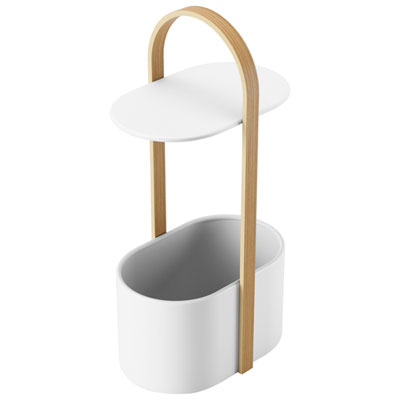 Your price for this item is $69.98
 -
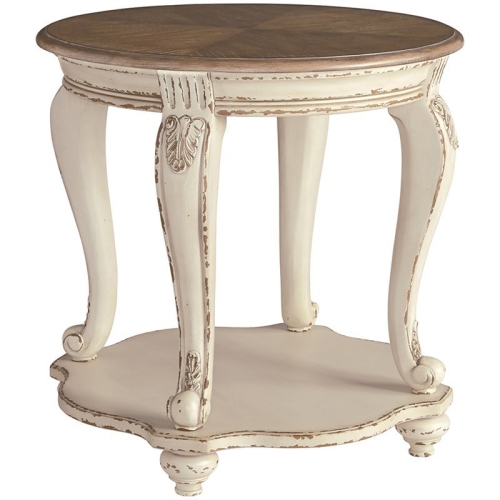 Your price for this item is $369
 -
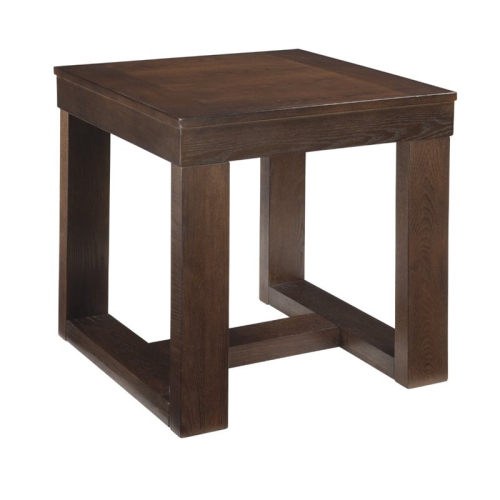 Your price for this item is $199
 -
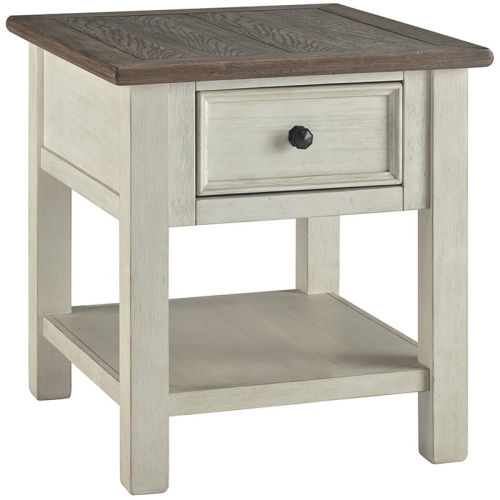 Your price for this item is $399
 -
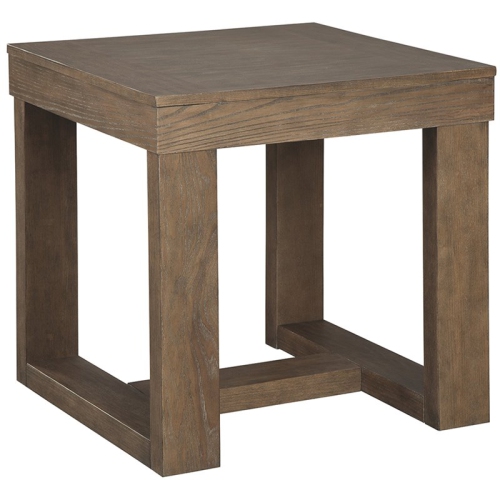 Your price for this item is $416.14
 -
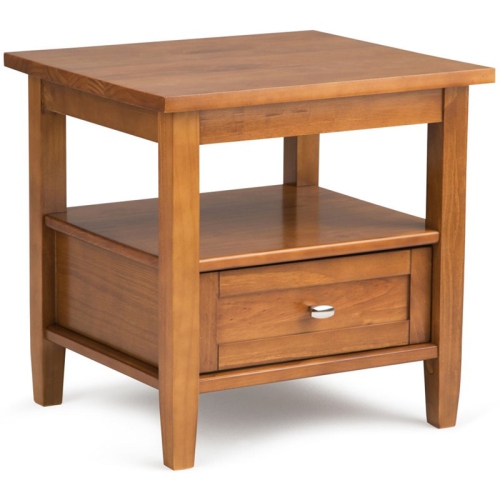 Your price for this item is $379.37
 -
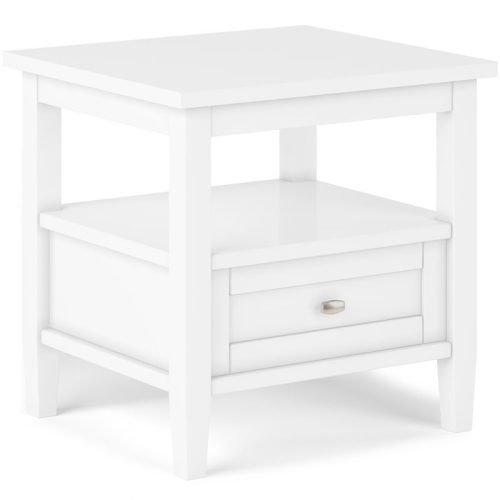 Your price for this item is $400.69
 -
 Your price for this item is $400.25
Discover more categories related to Single Storage Drawers
Top Collections:
Pokemon Centers, Kindle Devices, Best Budget Office Chairs, Apple iPhones 16, Best Laptops for Writers, iPhone 15 Apple, Canon G7X Cameras, Refurbished Apple Laptops, Alarm Clock, Motorola Razr Phones
Some products may be subject to Environmental Handling Fees
(EHF) depending on your province.
Learn more about EHFs.