White Storage Drawers
Transform your space with the sleek and versatile addition of white storage drawers. Ideal for organizing any room in your home, these stylish storage solutions offer a clean and modern aesthetic that complements any decor. Whether you're looking to tidy up your bedroom, office, or living area, white storage drawers provide the perfect blend of functionality and elegance. Discover how these essential pieces can help you create a clutter-free environment while adding a touch of sophistication to your space.
Sort
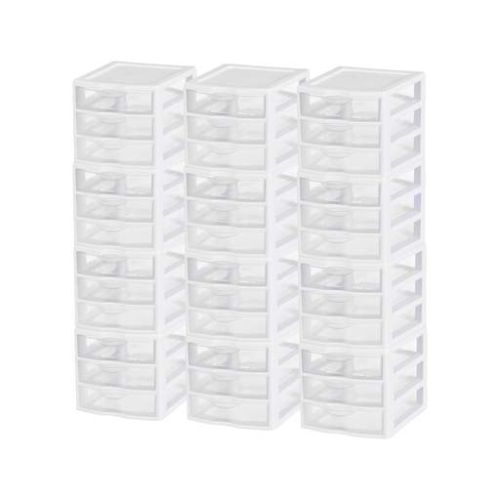
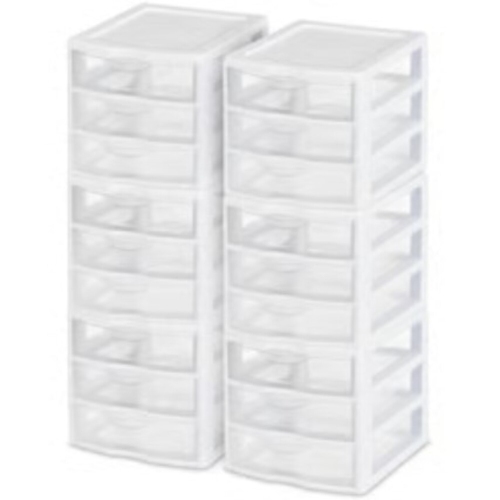
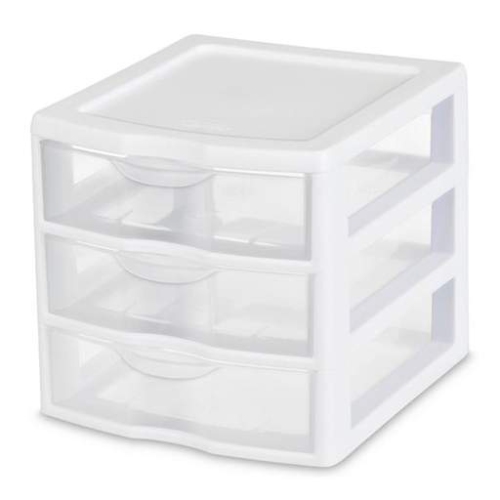
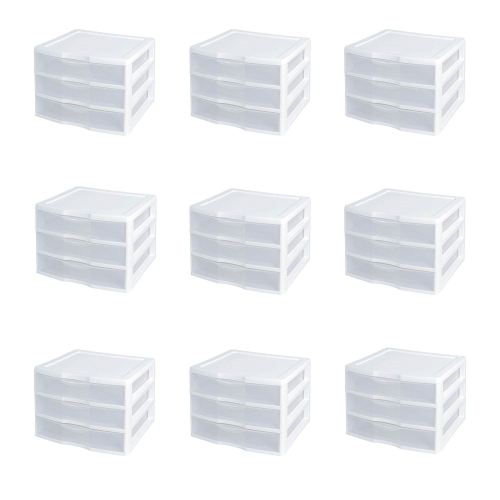
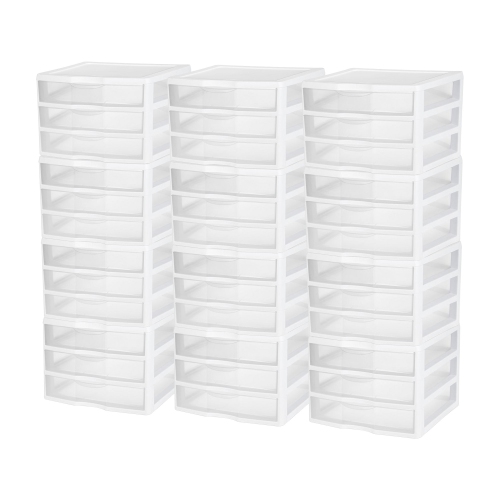
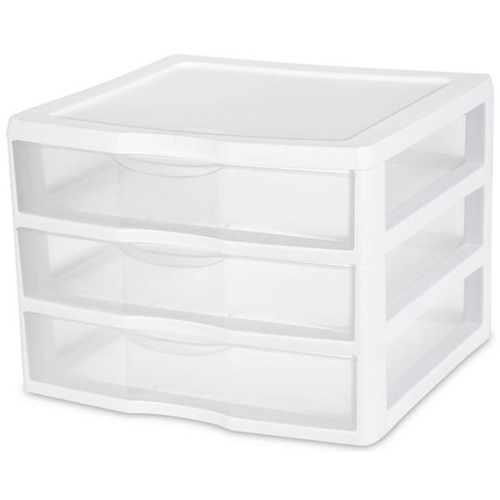
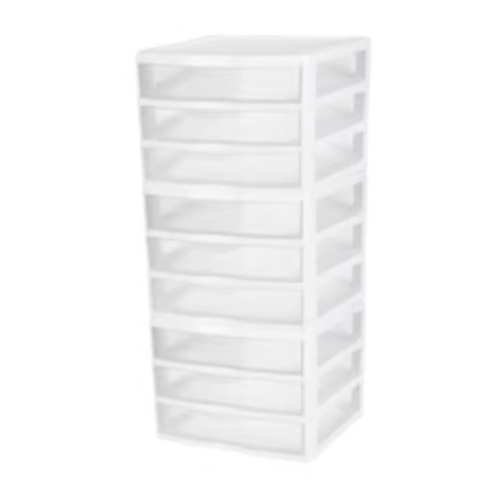
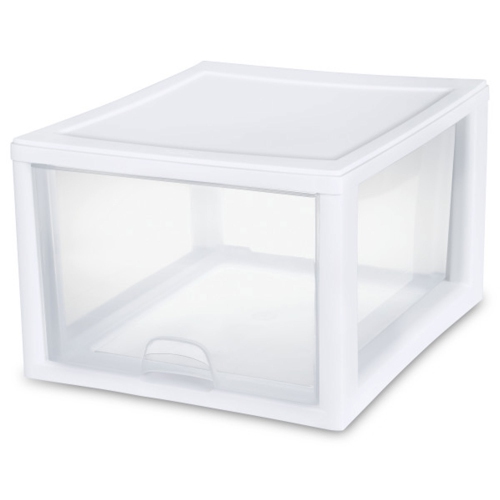
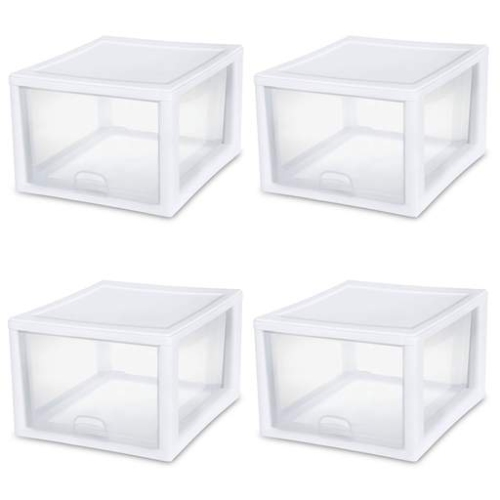
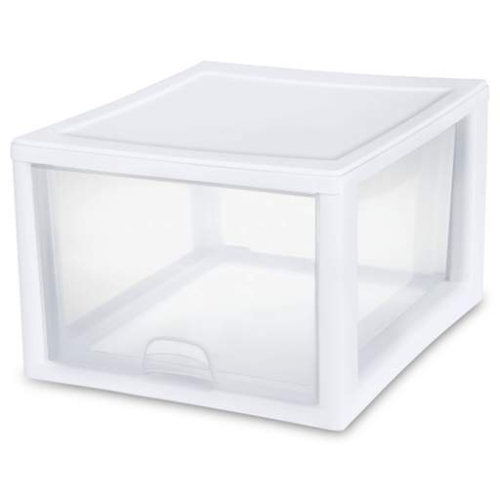
Everyday essentials within reach, without everything on display
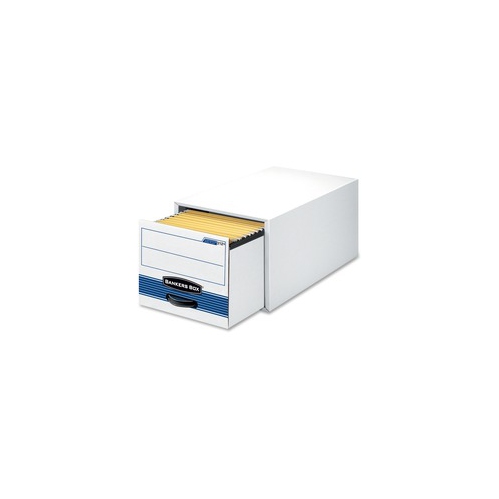
White storage drawers bring enclosed organization to bedrooms, home offices, closets, and shared living spaces, keeping everyday belongings within reach without leaving everything on display. The category includes lightweight plastic drawer towers, metal drawer units, wood and engineered wood chests, and fabric drawers supported by rigid frames. Each construction suits a different kind of storage: plastic works well for small household supplies, metal offers a practical option for workspaces, furniture-style chests accommodate clothing and linens, and fabric drawers provide flexible storage for lighter belongings. A white finish can blend into pale walls, brighten a dark closet, or sit comfortably beside natural wood and black hardware. The effect varies with the surface, from crisp glossy fronts to softer matte finishes and painted wood grain. In a bedroom, drawers make space for folded T-shirts, socks, and spare pillowcases; beside a desk, shallow compartments keep pens, charging cables, and stationery from spreading across the work surface. A narrow tower can use an otherwise awkward gap, while a wider, lower chest offers a more substantial furniture presence. For students, renters, and households sharing limited floor space, the appeal often comes down to giving each person a defined place for daily essentials. Opaque drawer fronts keep mixed contents out of sight, while translucent drawers in a white frame make supplies easier to identify at a glance. Handles also influence both appearance and everyday comfort. Recessed pulls create a streamlined front, projecting handles offer a more distinct grip, and fabric pull tabs keep lightweight drawers simple to open. White finishes are not all identical: warm ivory tones feel different from a cool, bright white, particularly when placed beside existing furniture. Coordinating the undertone and finish can make separate storage pieces feel intentional without requiring an exact match. When a room needs both concealed storage and open display space, White Storage Shelves can complement drawers by keeping books and frequently used baskets visible while smaller belongings stay tucked away.
Materials and construction influence how white storage drawers feel in use and how well they hold up to their intended contents. Plastic drawer units are generally lightweight and easy to wipe down, making them practical for craft supplies, accessories, and other modest loads. Their performance depends on the rigidity of the frame, the drawer design, and the stated weight limits; a deep plastic drawer is not necessarily intended for a heavy stack of paper or tools. Metal units can offer firm support and a compact profile, although capacity still varies by design. Mesh drawers allow contents to remain visible and air to circulate, while solid metal fronts create a more enclosed appearance. Painted or coated metal benefits from gentle cleaning and prompt drying wherever moisture collects. Wood and engineered wood storage drawers tend to have a more furniture-like look, with construction details such as panel thickness, joint quality, drawer bottoms, and runners affecting their durability. Solid wood can respond to changes in indoor humidity, while engineered wood surfaces need protection from standing water, especially along seams and exposed edges. Fabric drawers are useful for lightweight clothing, scarves, and soft accessories, but their sides and bases may be less suited to dense or sharply edged contents. Removable bins can be convenient when sorting laundry or moving supplies between rooms, provided their handles and bases support the load. For frequently opened drawers, smooth runners, secure handles, and stops that help prevent accidental removal are useful details. Where included, soft-close hardware can reduce abrupt closing, though it does not replace careful use. White surfaces also make dust, fingerprints, and scuffs noticeable in different ways depending on their sheen and texture. A soft cloth and a cleaner approved for the material help preserve the finish; abrasive pads and harsh chemicals can dull glossy surfaces or damage coatings. Routine care also includes drying spills promptly, checking fasteners when appropriate, and keeping drawer loads within the manufacturer’s limits.
The right fit involves more than the space a unit occupies when its drawers are closed. Overall width, depth, and height determine whether white storage drawers sit neatly beside a bed, beneath a desk, or inside a closet, but opening clearance determines whether they remain comfortable to use. A drawer that extends into a doorway or catches on a bed frame can make an otherwise tidy arrangement frustrating. Under a desk, both knee room and chair movement matter, while closet placement needs to account for hanging clothes, door tracks, and access to lower drawers. Interior measurements are equally important because frames, runners, and drawer walls reduce usable space. Shallow drawers suit smaller accessories that can disappear in a deep compartment; deeper drawers accommodate bulkier textiles but benefit from dividers when several types of belongings share the same space. Paper storage needs particular attention to interior dimensions, and ordinary drawers should not be assumed to support hanging files unless designed for them. Rolling units make it easier to bring supplies beside a work area and move them away afterwards. Locking casters can help hold a mobile unit in position during use, while wheel size and flooring affect how smoothly it travels. Fixed units offer a stationary arrangement, and tall or freestanding furniture may require wall anchoring according to the manufacturer’s instructions, especially in homes with children or pets. Heavier contents generally belong in lower drawers within the stated load limits, and drawers should never serve as steps. In a busy entryway, a designated compartment for mittens and hats helps keep cooler-weather accessories together; in a guest room, an empty drawer gives visitors somewhere to unpack. For a craft corner or home office, separating supplies by task makes the storage easier to maintain than filling every compartment to capacity. Whether the priority is folded clothing, household essentials, or a clearer workspace, white storage drawers work best when their proportions, materials, and layout reflect the belongings they will hold and the people who will use them each day.
Materials and construction influence how white storage drawers feel in use and how well they hold up to their intended contents. Plastic drawer units are generally lightweight and easy to wipe down, making them practical for craft supplies, accessories, and other modest loads. Their performance depends on the rigidity of the frame, the drawer design, and the stated weight limits; a deep plastic drawer is not necessarily intended for a heavy stack of paper or tools. Metal units can offer firm support and a compact profile, although capacity still varies by design. Mesh drawers allow contents to remain visible and air to circulate, while solid metal fronts create a more enclosed appearance. Painted or coated metal benefits from gentle cleaning and prompt drying wherever moisture collects. Wood and engineered wood storage drawers tend to have a more furniture-like look, with construction details such as panel thickness, joint quality, drawer bottoms, and runners affecting their durability. Solid wood can respond to changes in indoor humidity, while engineered wood surfaces need protection from standing water, especially along seams and exposed edges. Fabric drawers are useful for lightweight clothing, scarves, and soft accessories, but their sides and bases may be less suited to dense or sharply edged contents. Removable bins can be convenient when sorting laundry or moving supplies between rooms, provided their handles and bases support the load. For frequently opened drawers, smooth runners, secure handles, and stops that help prevent accidental removal are useful details. Where included, soft-close hardware can reduce abrupt closing, though it does not replace careful use. White surfaces also make dust, fingerprints, and scuffs noticeable in different ways depending on their sheen and texture. A soft cloth and a cleaner approved for the material help preserve the finish; abrasive pads and harsh chemicals can dull glossy surfaces or damage coatings. Routine care also includes drying spills promptly, checking fasteners when appropriate, and keeping drawer loads within the manufacturer’s limits.
The right fit involves more than the space a unit occupies when its drawers are closed. Overall width, depth, and height determine whether white storage drawers sit neatly beside a bed, beneath a desk, or inside a closet, but opening clearance determines whether they remain comfortable to use. A drawer that extends into a doorway or catches on a bed frame can make an otherwise tidy arrangement frustrating. Under a desk, both knee room and chair movement matter, while closet placement needs to account for hanging clothes, door tracks, and access to lower drawers. Interior measurements are equally important because frames, runners, and drawer walls reduce usable space. Shallow drawers suit smaller accessories that can disappear in a deep compartment; deeper drawers accommodate bulkier textiles but benefit from dividers when several types of belongings share the same space. Paper storage needs particular attention to interior dimensions, and ordinary drawers should not be assumed to support hanging files unless designed for them. Rolling units make it easier to bring supplies beside a work area and move them away afterwards. Locking casters can help hold a mobile unit in position during use, while wheel size and flooring affect how smoothly it travels. Fixed units offer a stationary arrangement, and tall or freestanding furniture may require wall anchoring according to the manufacturer’s instructions, especially in homes with children or pets. Heavier contents generally belong in lower drawers within the stated load limits, and drawers should never serve as steps. In a busy entryway, a designated compartment for mittens and hats helps keep cooler-weather accessories together; in a guest room, an empty drawer gives visitors somewhere to unpack. For a craft corner or home office, separating supplies by task makes the storage easier to maintain than filling every compartment to capacity. Whether the priority is folded clothing, household essentials, or a clearer workspace, white storage drawers work best when their proportions, materials, and layout reflect the belongings they will hold and the people who will use them each day.
Top selling and popular products
-
 Your price for this item is $1089.99
 -
 Your price for this item is $246.99
 -
 Your price for this item is $679.99
 -
 Your price for this item is $906.99
 -
 Your price for this item is $452.99
 -
 Your price for this item is $133.99
 -
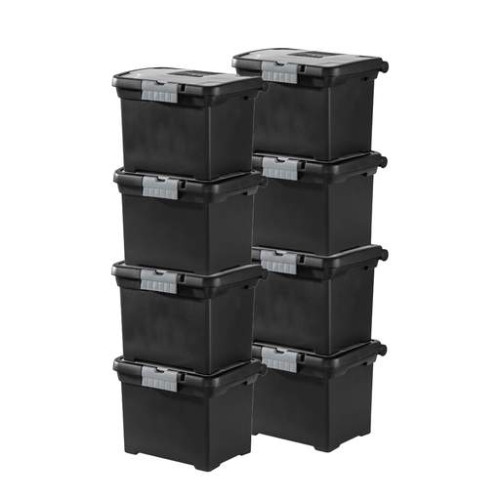 Your price for this item is $264.99
 -
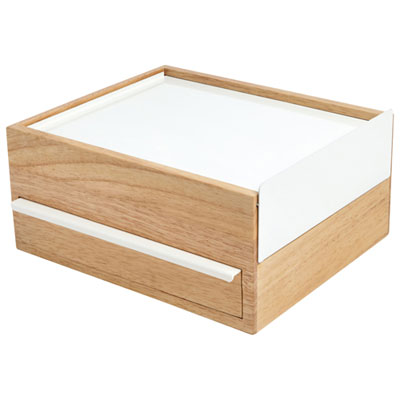 Your price for this item is $64.98
Discover more categories related to White Storage Drawers
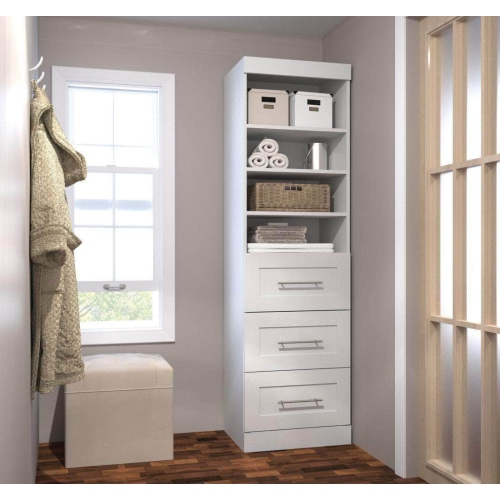

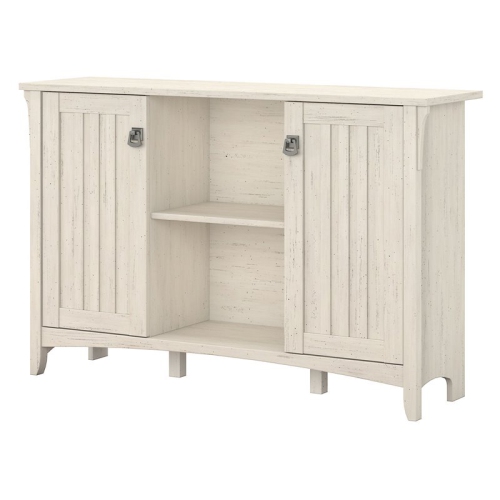
Top Collections:
Pokemon Centers, Kindle Devices, Best Budget Office Chairs, Apple iPhones 16, Best Laptops for Writers, iPhone 15 Apple, Canon G7X Cameras, Refurbished Apple Laptops, Alarm Clock, Motorola Razr Phones
Some products may be subject to Environmental Handling Fees
(EHF) depending on your province.
Learn more about EHFs.