Sleep Country Twin Mattresses
Sleep Country Twin Mattress options offer comfort and support for any bedroom, whether you're outfitting a child's room, guest space, or dorm. Designed to fit standard twin bed frames, these mattresses provide a reliable foundation for restful sleep. Explore a variety of choices to suit your preferences and make bedtime more inviting with a Sleep Country Twin Mattress that meets your needs.
Sort

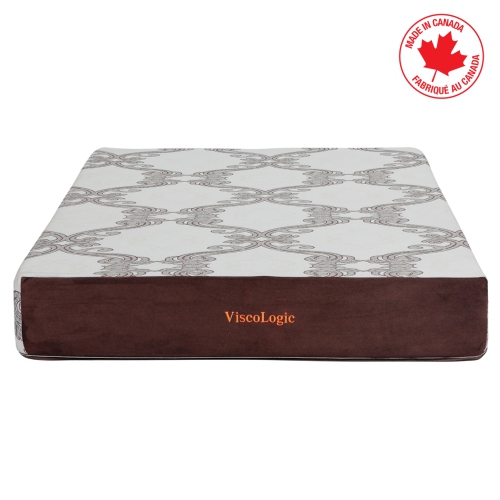
![VISCOLOGIC [] Fusion-Gel 12" Thick Gel-Infused Cool Memory Foam Mattress (Twin/single)](https://multimedia.bbycastatic.ca/multimedia/products/500x500/138/13898/13898471.jpeg)



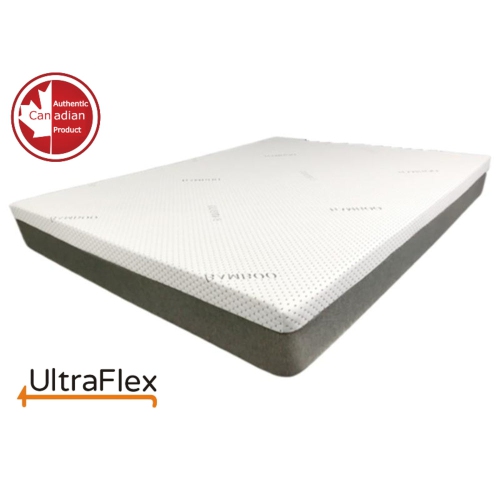
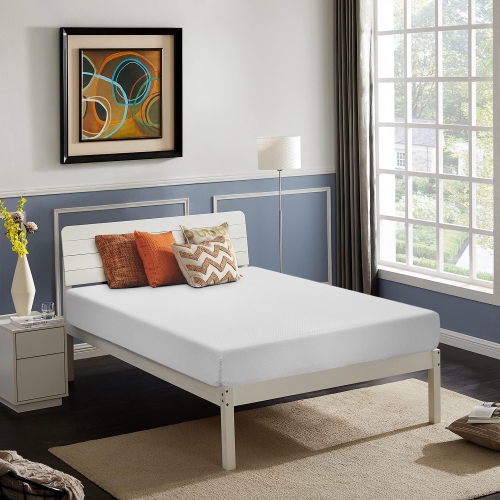
A full-length sleep surface with a smaller footprint
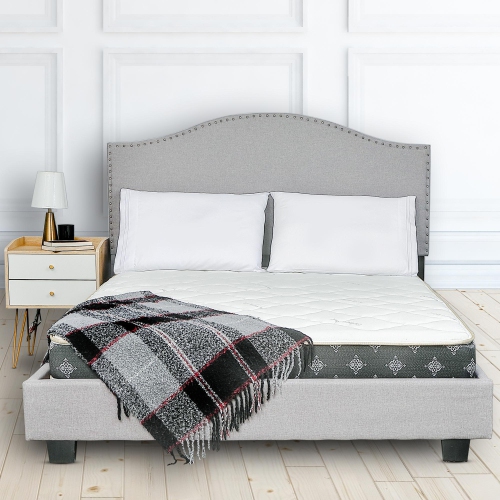
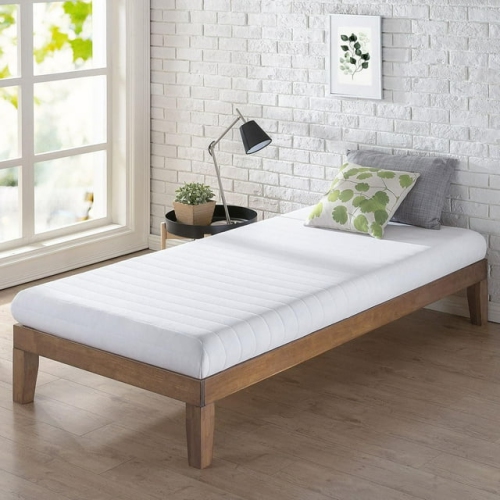
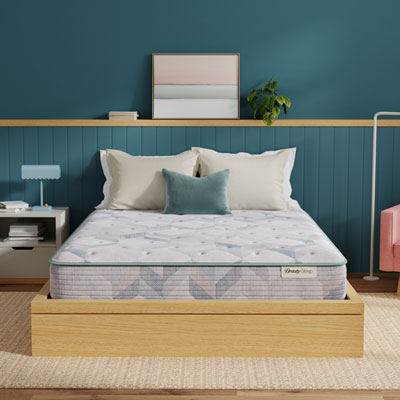
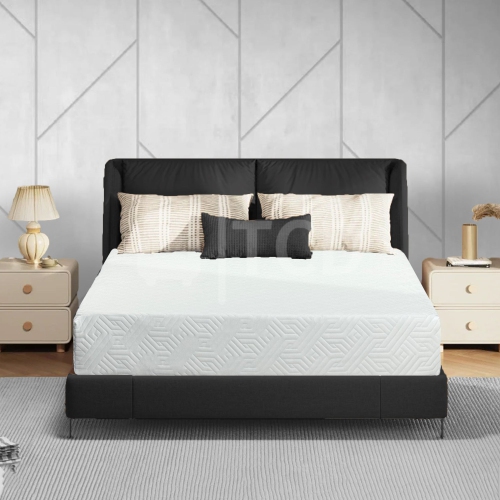
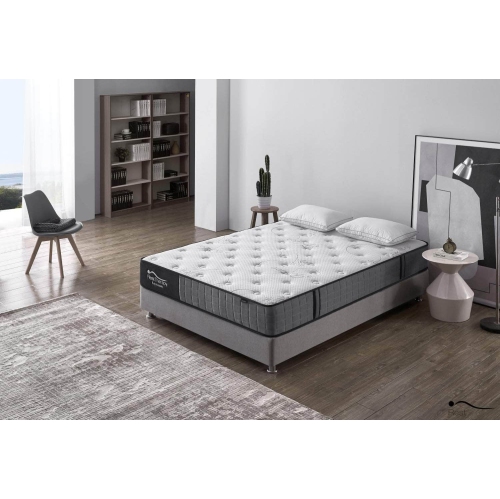
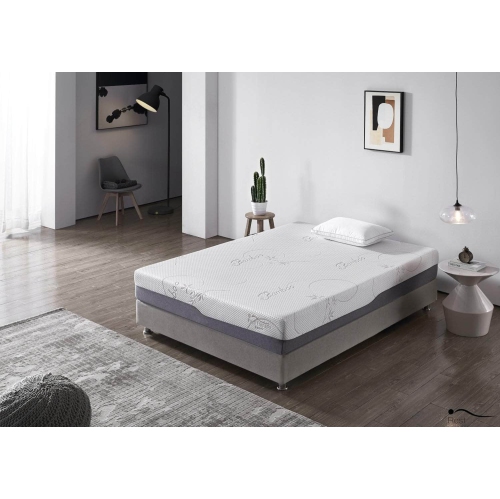
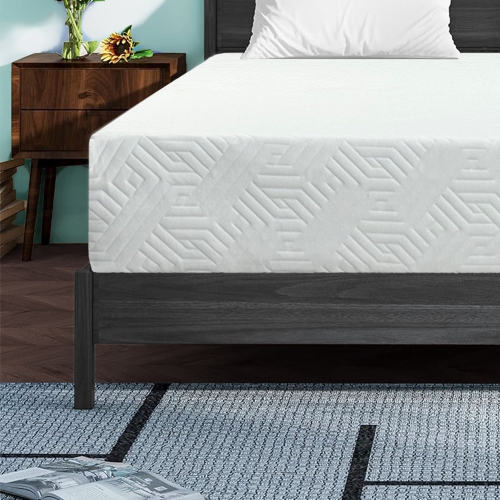
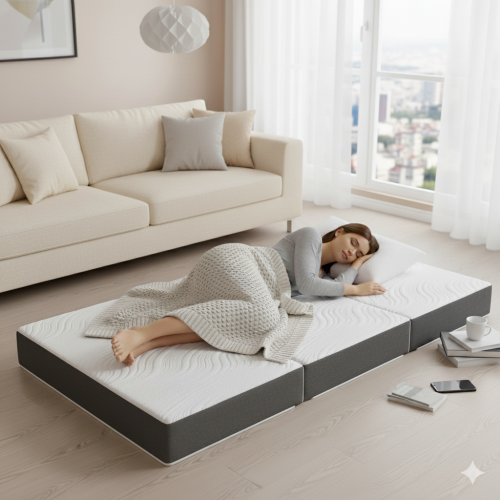
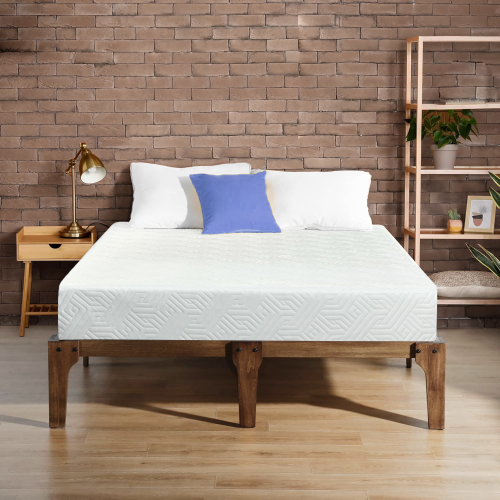
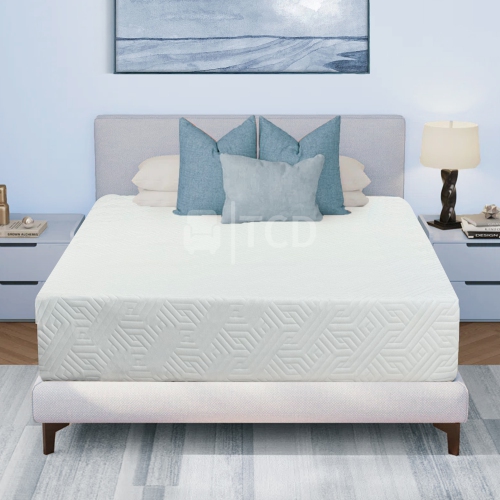
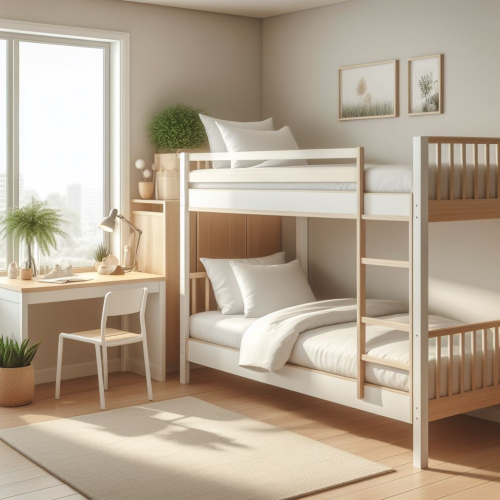
Twin mattresses provide a full-length sleeping surface for one person while leaving more floor space for everyday living. A standard twin mattress measures approximately 38 inches wide by 75 inches long, although exact dimensions vary by manufacturer. That compact footprint works well in a child’s bedroom, a shared room with separate beds, or a guest room that also serves as a home office. For a child moving out of a toddler bed, a twin can accommodate years of growth without taking up the space of a double mattress. It can also suit an adult who sleeps alone and prefers a smaller bed, provided the length and width allow comfortable movement. In a narrow room, those saved inches can leave room for a bedside table, a dresser drawer to open fully, or a clear path between the bed and the door. Mattress fit involves more than matching the size name on the bed frame: the frame’s internal measurements, the height of the sleep surface, and the space needed for bedding all matter. A thicker mattress raises the finished bed height, which can affect how easily a younger child or someone with limited mobility gets in and out. Bunk beds and loft beds require particular attention to the frame manufacturer’s maximum mattress thickness so the guardrails remain at the intended height above the sleeping surface. Trundle beds may also need a thinner profile to slide beneath the main bed without catching. Standard twin and twin XL mattresses generally share a similar width, but twin XL adds approximately 5 inches of length. Taller teenagers, adult guests, and students furnishing a longer bed frame may find twin XL memory foam mattresses a more suitable fit. Sheets, protectors, and foundations need to match the chosen size; a standard twin fitted sheet generally will not fit a twin XL properly. Checking these measurements together helps create a bed that feels comfortable and fits naturally into the room.
The feel of a twin mattress comes from the way its comfort layers and support core work together. Memory foam responds to body heat and pressure, contouring around areas such as the shoulders and hips for a closer, more cushioned feel. It also tends to absorb movement, which can be useful for a restless sleeper, though the ease of turning over depends on the foam’s firmness and construction. Other cushioning foams can feel quicker to respond, while latex often has a buoyant quality that allows the sleeper to settle in without as much of a hugging sensation. Innerspring mattresses use a coil support system beneath their cushioning layers and typically offer noticeable bounce. Hybrid mattresses pair a coil core with substantial foam or latex comfort layers, bringing together spring support and surface cushioning. Individually wrapped coils can respond more locally to weight than interconnected springs, but the overall feel still depends on the complete design. Firmness describes how soft or firm the surface feels; support describes how well the mattress holds the body in a comfortable position. A plush mattress is not automatically unsupportive, and a firm mattress is not necessarily the best choice for every sleeper. Side sleepers often appreciate cushioning where the shoulder and hip press into the bed, while back and stomach sleepers may prefer a surface that limits excessive sinking around the middle. Body weight and personal preference influence those sensations, so firmness labels are best understood as broad descriptions rather than identical measurements across manufacturers. Edge construction matters on a narrow bed, especially for someone who sits on the side to put on socks or sleeps close to the perimeter. Reinforced edges may provide a steadier sitting surface, although the result varies by design. Temperature comfort also reflects several details working together, including the cover fabric, foam structure, airflow through the mattress, and the bedding above it. A breathable cover or open coil structure may help air circulate, but no single feature guarantees a cool night’s sleep. During the cooler months, adjustable layers of bedding can add warmth without changing the underlying feel of the mattress.
Everyday use and care play a large part in how a twin mattress performs over time. A bed used nightly by a growing teenager faces a different routine from one used occasionally in a guest room, but both need a suitable, stable base. Platform frames, slatted bases, foundations, and adjustable bases have different requirements, and not every mattress is compatible with every type. Slat spacing and centre support should follow the mattress manufacturer’s directions; gaps that are too wide can allow the mattress to sag between supports. A protective cover helps shield the sleeping surface from spills, perspiration, and everyday marks. For a child’s room or a guest bed that sees varied use, a washable, water-resistant or waterproof protector can make small mishaps easier to manage. Its depth should accommodate the mattress without pulling tightly across the corners, and its texture should remain comfortable beneath a fitted sheet. Care instructions vary by material, particularly for removable covers, so a zippered cover should not be assumed to be machine washable. When spot cleaning is permitted, using only the specified cleaner and avoiding excess moisture helps protect the interior layers; the surface should dry fully before bedding goes back on. Many modern mattresses are designed for one-sided use and should not be flipped. Head-to-foot rotation may help distribute wear when the manufacturer permits it. Durability depends on the quality of the materials, the support underneath, the sleeper’s weight, and the frequency of use, rather than mattress thickness alone. Persistent impressions, uneven support, or a noticeable change in comfort can signal that a mattress needs attention. Compressed mattresses also need the unpacking and expansion time stated by the manufacturer before normal use. For a bedroom refresh, a teenager’s new bed, or a welcoming place for overnight visitors, the most useful twin mattress is one that brings together the right dimensions, a suitable comfort level, and straightforward care. If it is being given as a gift, confirming the recipient’s bed size and preferred feel helps make it a practical addition to their daily routine.
The feel of a twin mattress comes from the way its comfort layers and support core work together. Memory foam responds to body heat and pressure, contouring around areas such as the shoulders and hips for a closer, more cushioned feel. It also tends to absorb movement, which can be useful for a restless sleeper, though the ease of turning over depends on the foam’s firmness and construction. Other cushioning foams can feel quicker to respond, while latex often has a buoyant quality that allows the sleeper to settle in without as much of a hugging sensation. Innerspring mattresses use a coil support system beneath their cushioning layers and typically offer noticeable bounce. Hybrid mattresses pair a coil core with substantial foam or latex comfort layers, bringing together spring support and surface cushioning. Individually wrapped coils can respond more locally to weight than interconnected springs, but the overall feel still depends on the complete design. Firmness describes how soft or firm the surface feels; support describes how well the mattress holds the body in a comfortable position. A plush mattress is not automatically unsupportive, and a firm mattress is not necessarily the best choice for every sleeper. Side sleepers often appreciate cushioning where the shoulder and hip press into the bed, while back and stomach sleepers may prefer a surface that limits excessive sinking around the middle. Body weight and personal preference influence those sensations, so firmness labels are best understood as broad descriptions rather than identical measurements across manufacturers. Edge construction matters on a narrow bed, especially for someone who sits on the side to put on socks or sleeps close to the perimeter. Reinforced edges may provide a steadier sitting surface, although the result varies by design. Temperature comfort also reflects several details working together, including the cover fabric, foam structure, airflow through the mattress, and the bedding above it. A breathable cover or open coil structure may help air circulate, but no single feature guarantees a cool night’s sleep. During the cooler months, adjustable layers of bedding can add warmth without changing the underlying feel of the mattress.
Everyday use and care play a large part in how a twin mattress performs over time. A bed used nightly by a growing teenager faces a different routine from one used occasionally in a guest room, but both need a suitable, stable base. Platform frames, slatted bases, foundations, and adjustable bases have different requirements, and not every mattress is compatible with every type. Slat spacing and centre support should follow the mattress manufacturer’s directions; gaps that are too wide can allow the mattress to sag between supports. A protective cover helps shield the sleeping surface from spills, perspiration, and everyday marks. For a child’s room or a guest bed that sees varied use, a washable, water-resistant or waterproof protector can make small mishaps easier to manage. Its depth should accommodate the mattress without pulling tightly across the corners, and its texture should remain comfortable beneath a fitted sheet. Care instructions vary by material, particularly for removable covers, so a zippered cover should not be assumed to be machine washable. When spot cleaning is permitted, using only the specified cleaner and avoiding excess moisture helps protect the interior layers; the surface should dry fully before bedding goes back on. Many modern mattresses are designed for one-sided use and should not be flipped. Head-to-foot rotation may help distribute wear when the manufacturer permits it. Durability depends on the quality of the materials, the support underneath, the sleeper’s weight, and the frequency of use, rather than mattress thickness alone. Persistent impressions, uneven support, or a noticeable change in comfort can signal that a mattress needs attention. Compressed mattresses also need the unpacking and expansion time stated by the manufacturer before normal use. For a bedroom refresh, a teenager’s new bed, or a welcoming place for overnight visitors, the most useful twin mattress is one that brings together the right dimensions, a suitable comfort level, and straightforward care. If it is being given as a gift, confirming the recipient’s bed size and preferred feel helps make it a practical addition to their daily routine.
Top selling and popular products
-
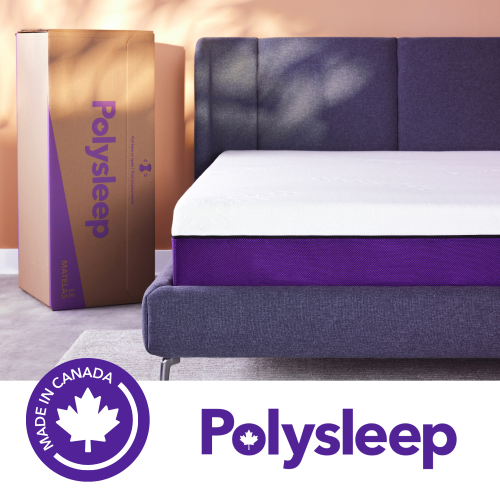 Your price for this item is $1195
 -
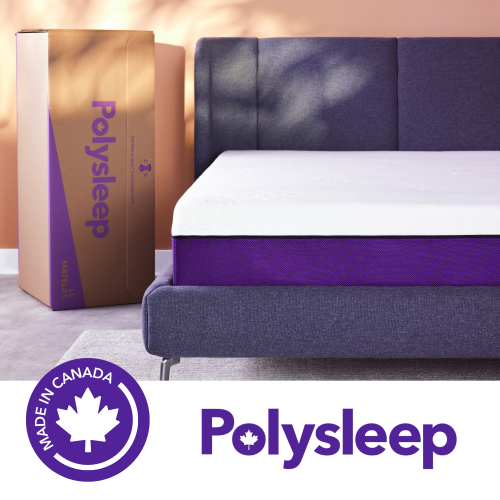 Your price for this item is $1395
 -
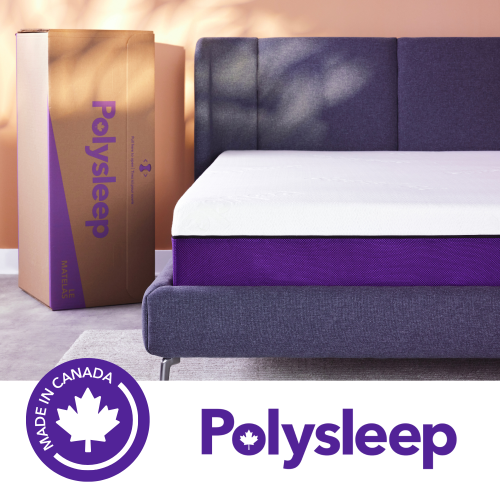 Your price for this item is $1095
 -
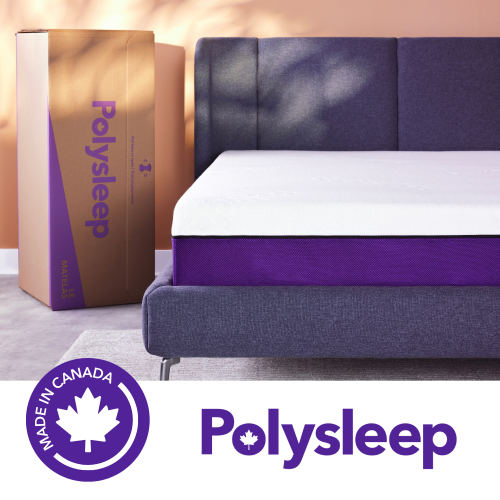 Your price for this item is $945
 -
 Your price for this item is $1199
 -
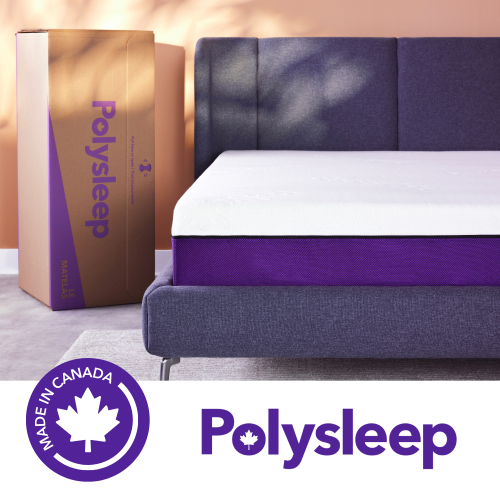 Your price for this item is $1395
 -
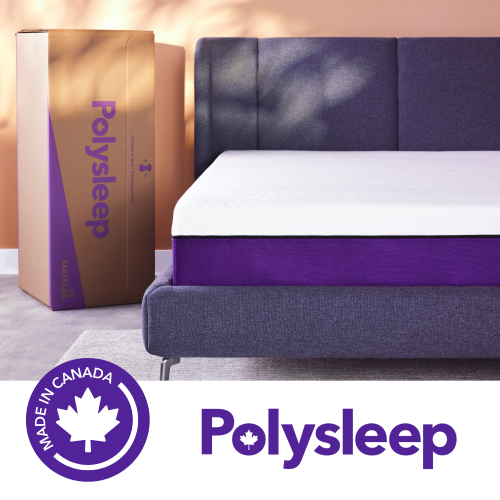 Your price for this item is $895
 -
 Your price for this item is $920
Discover more categories related to Sleep Country Twin Mattresses
Top Collections:
Pokemon Centers, Kindle Devices, Best Budget Office Chairs, Apple iPhones 16, Best Laptops for Writers, iPhone 15 Apple, Canon G7X Cameras, Refurbished Apple Laptops, Alarm Clock, Motorola Razr Phones
Some products may be subject to Environmental Handling Fees
(EHF) depending on your province.
Learn more about EHFs.