Small Corner Tables
A corner table is a great way to add extra seating to a room, and it's also a nice place to set down your drink while you work or play video games. It can also help you make the most of a small space. Here are some of our favorites.
Sort
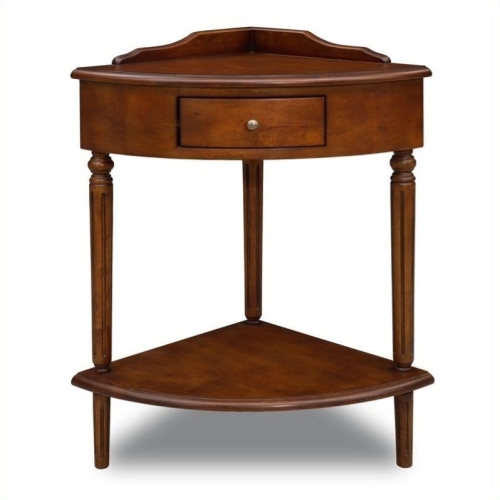
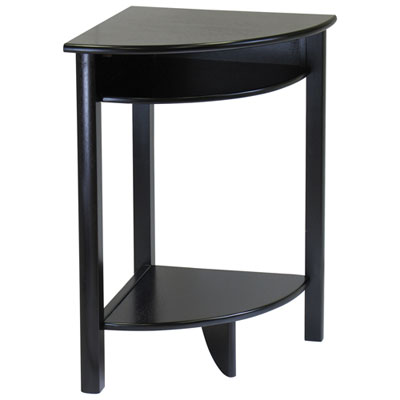
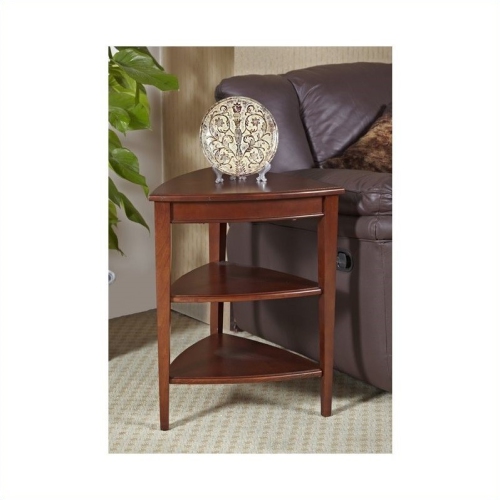
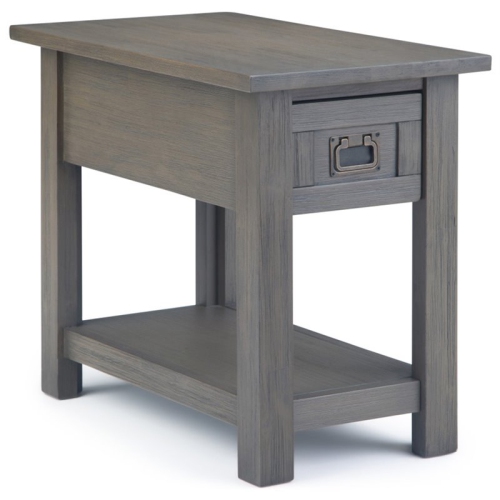
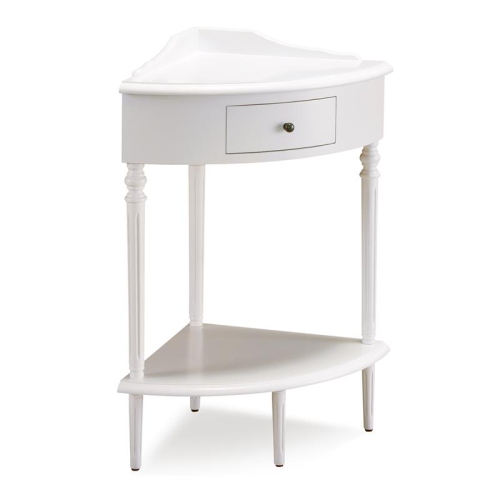

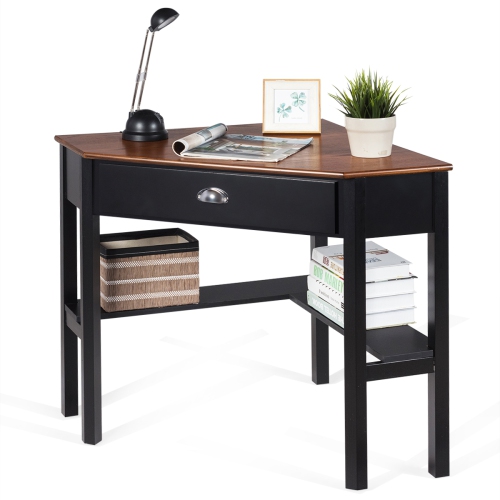
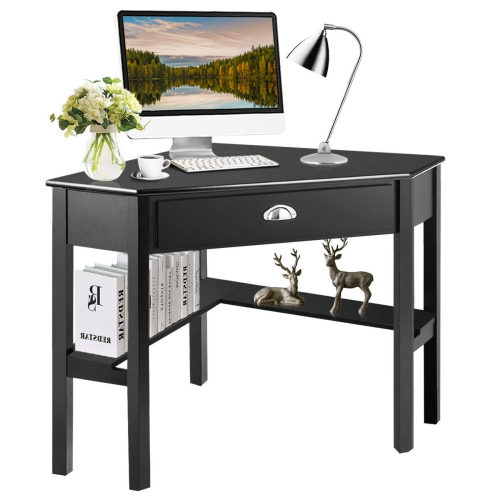
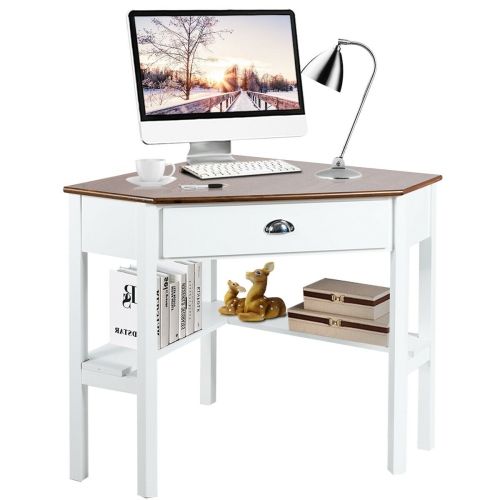
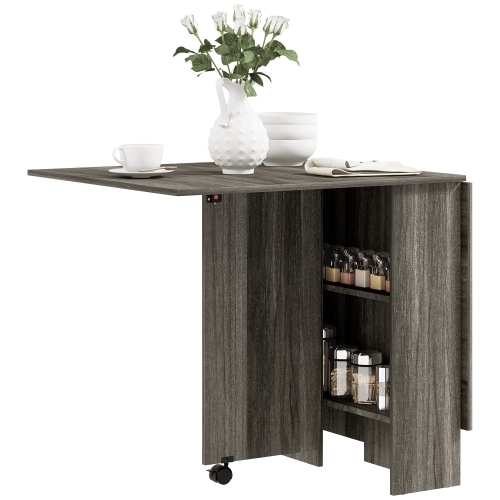

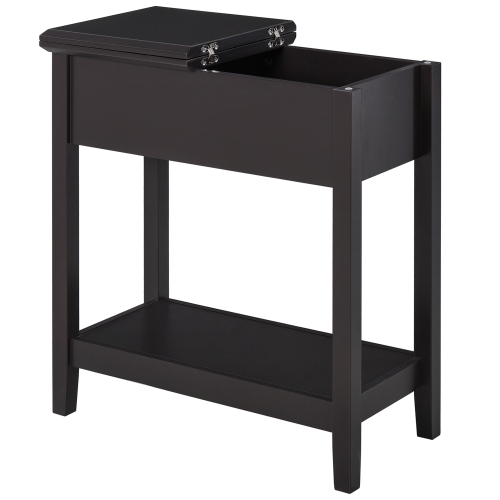
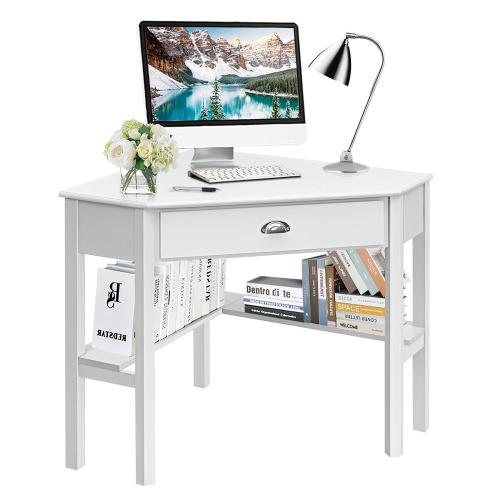
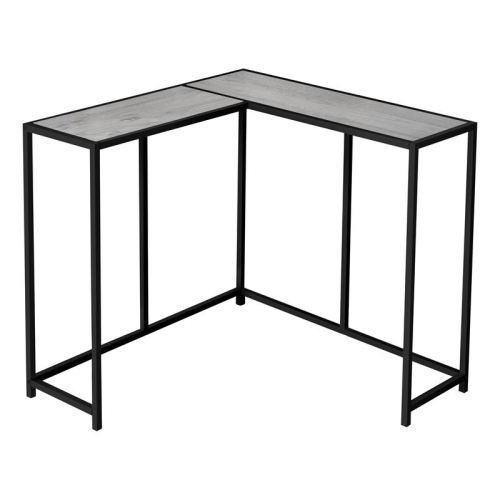


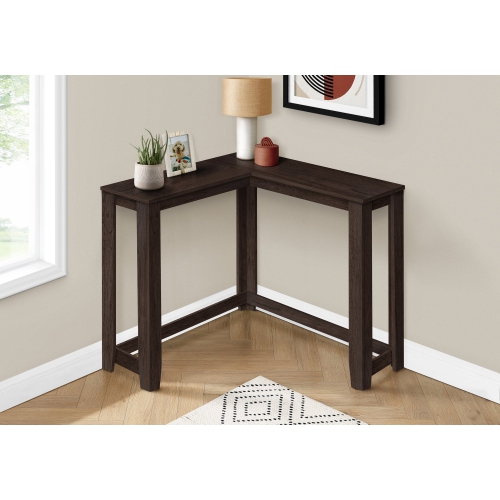
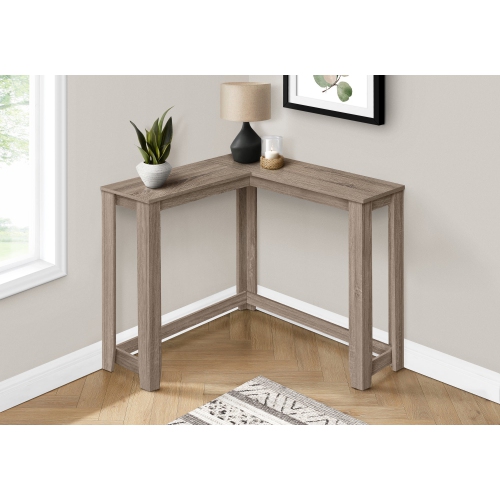
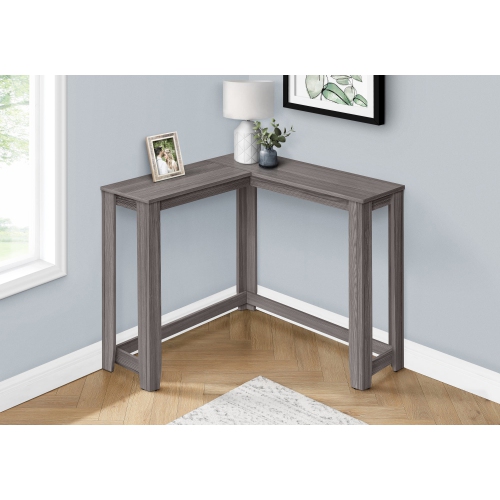
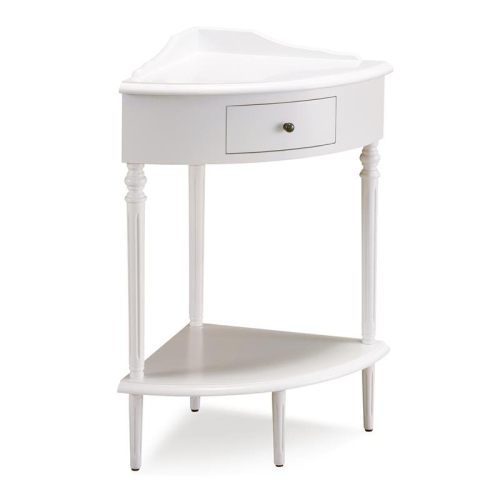
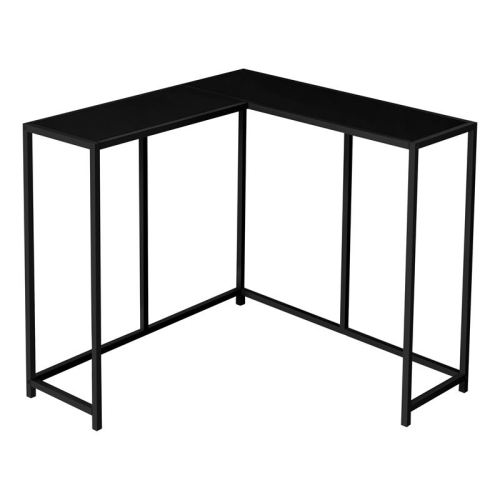

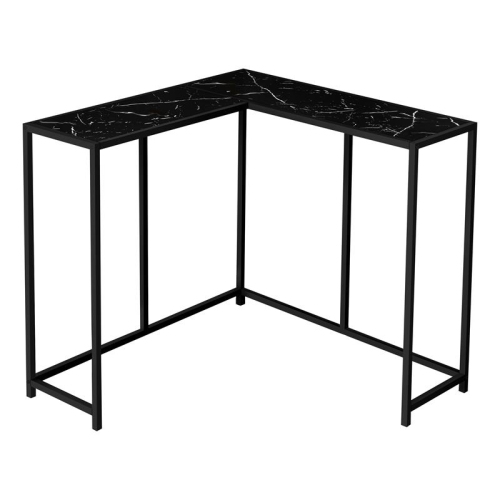
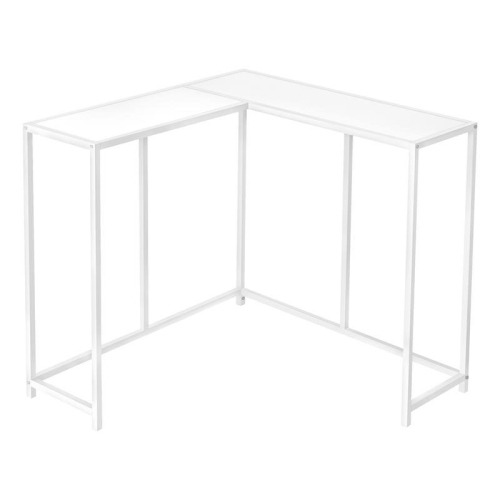
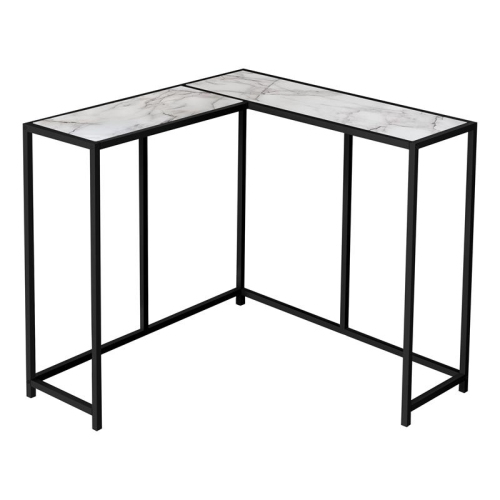

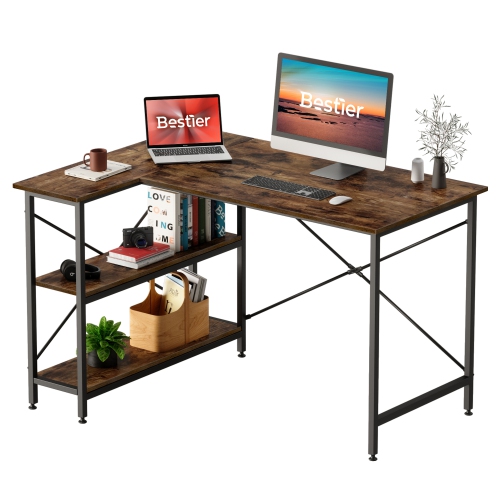
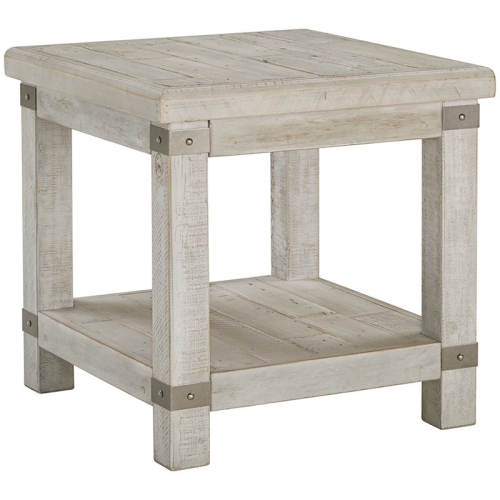
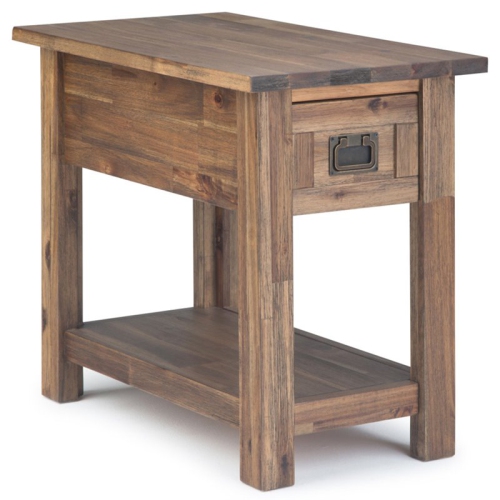
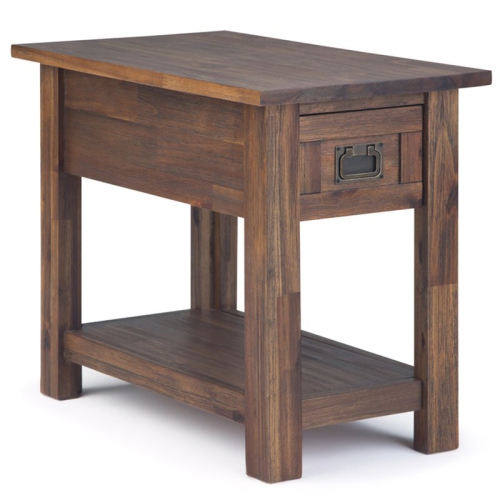
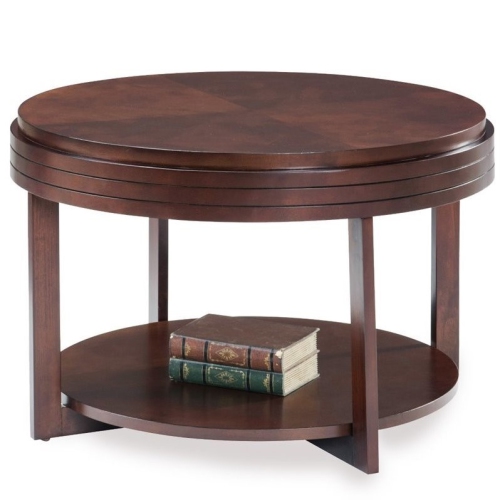
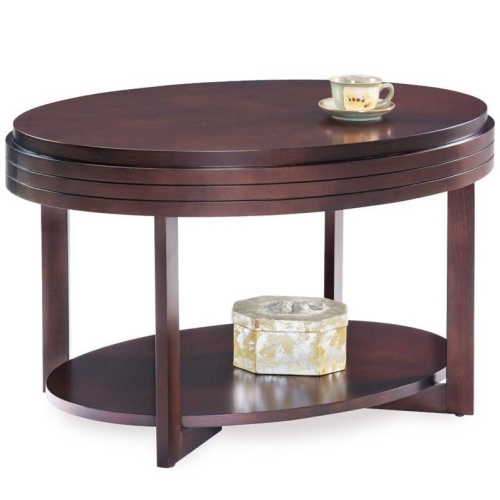
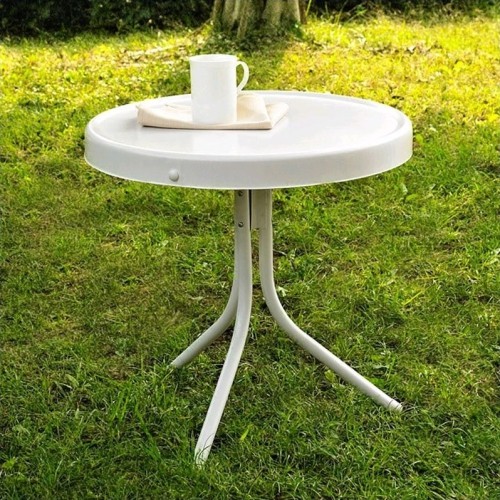
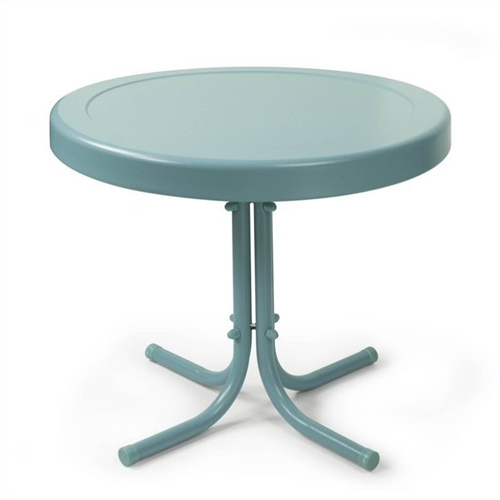
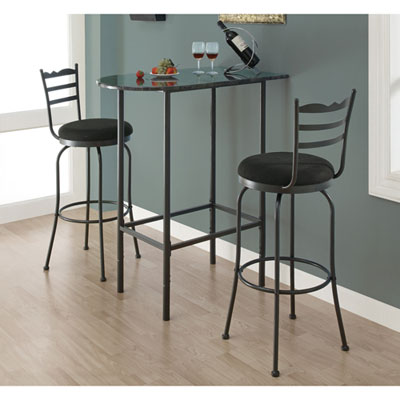
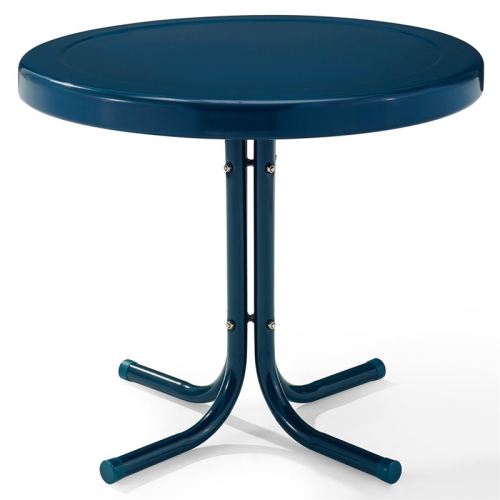
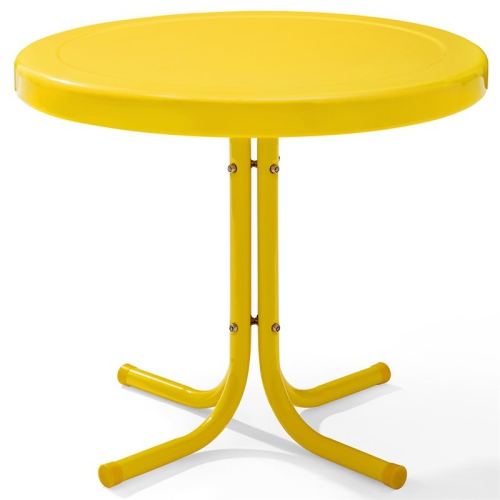
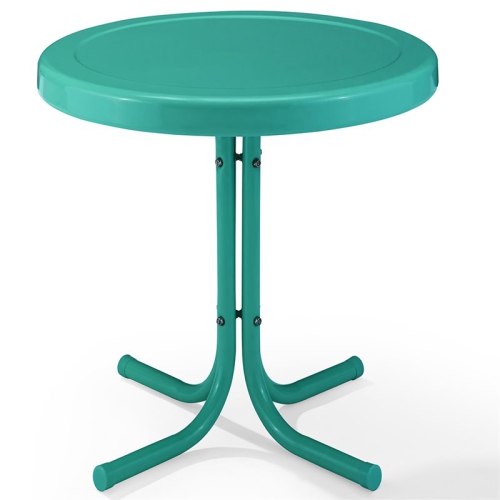
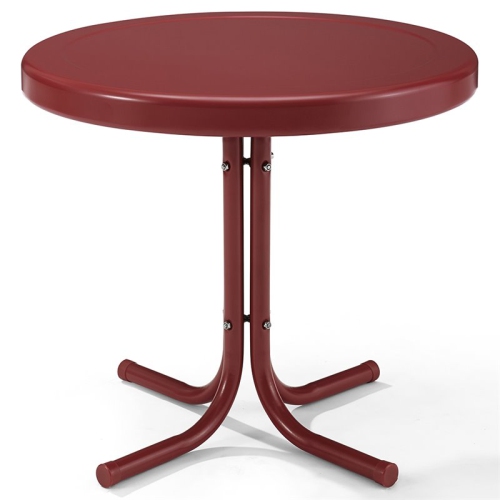
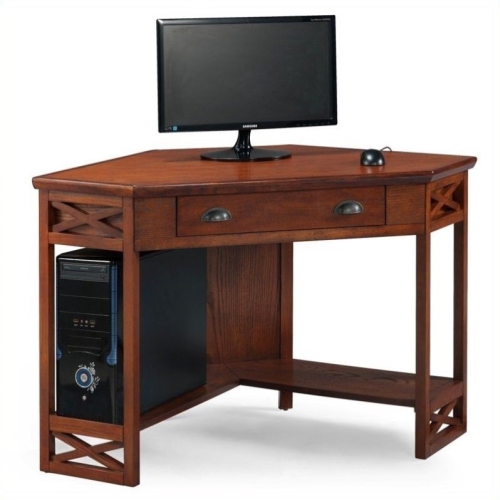
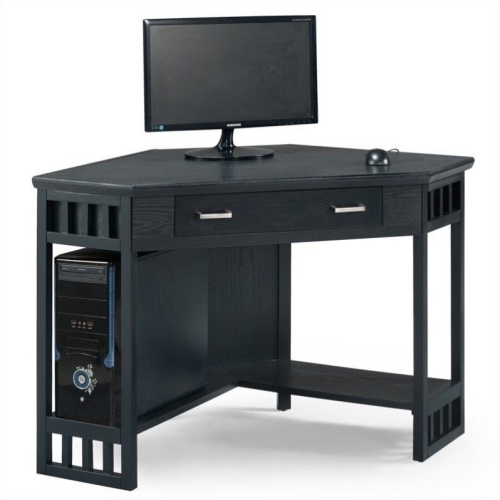
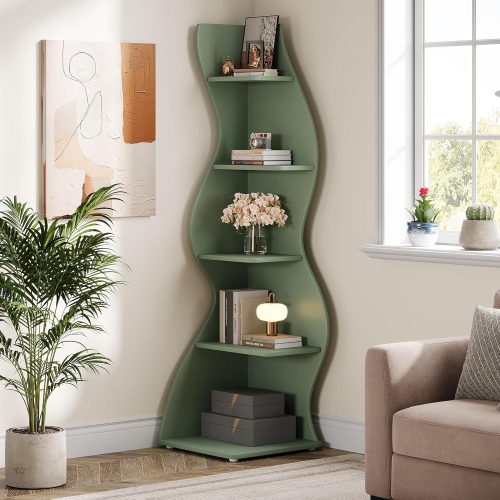
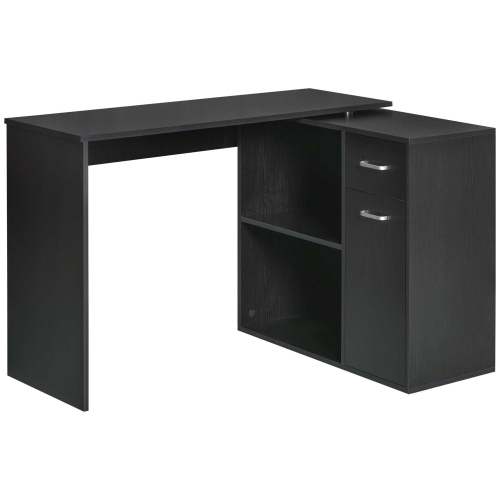
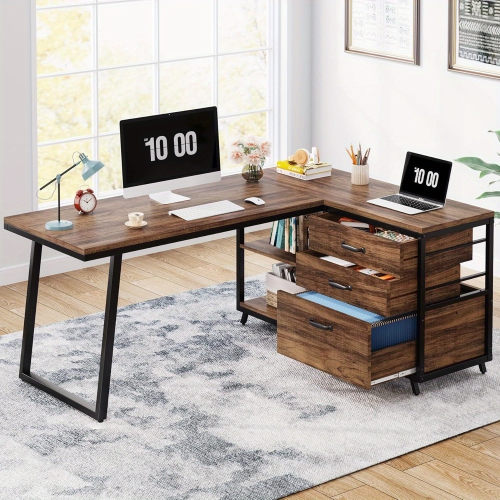
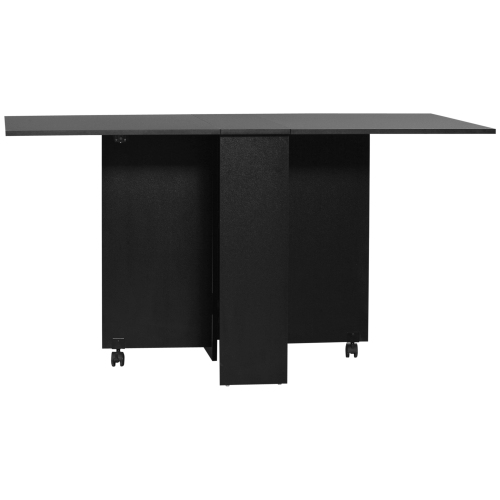

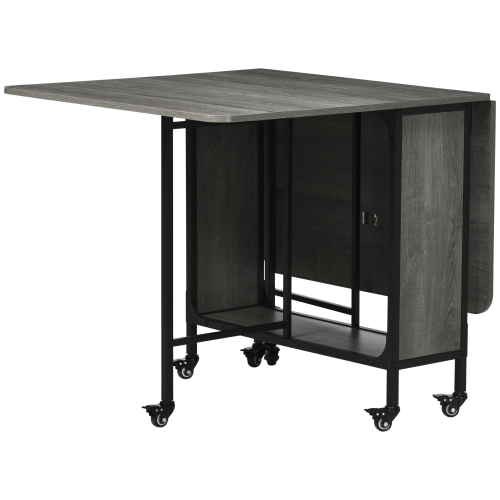
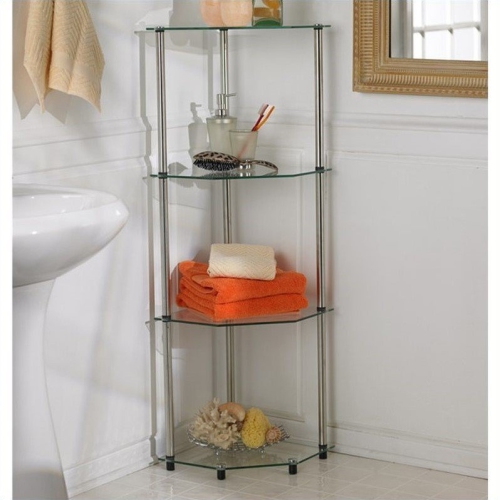
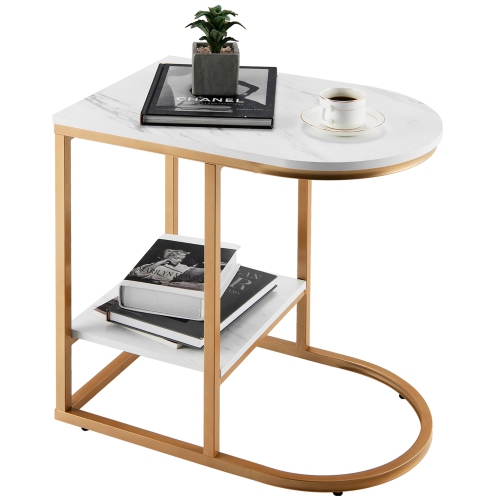
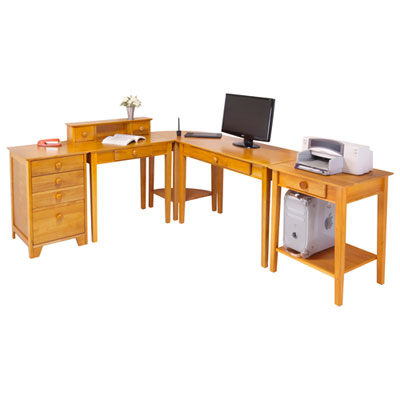
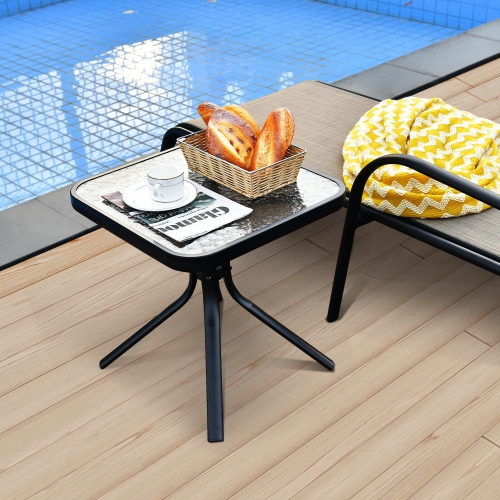
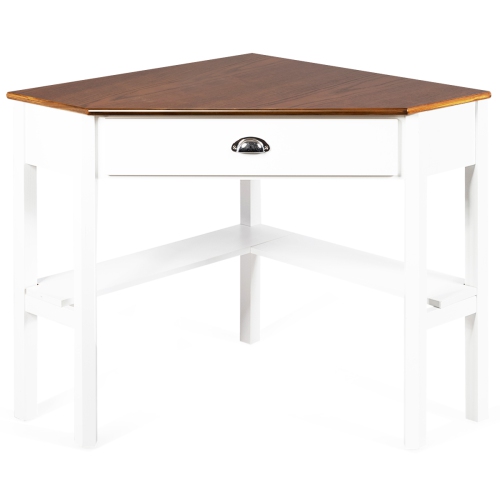
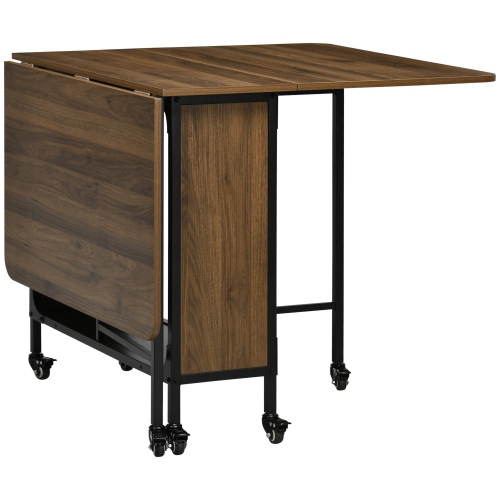
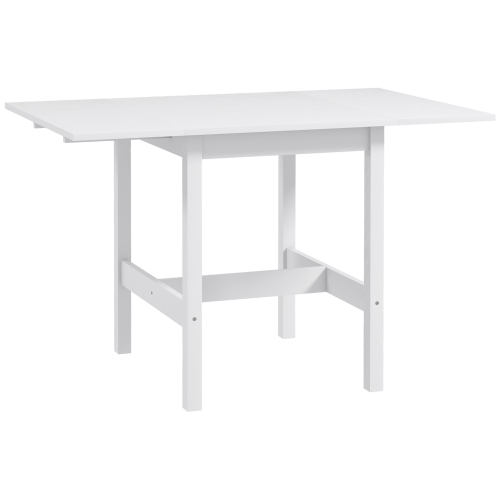
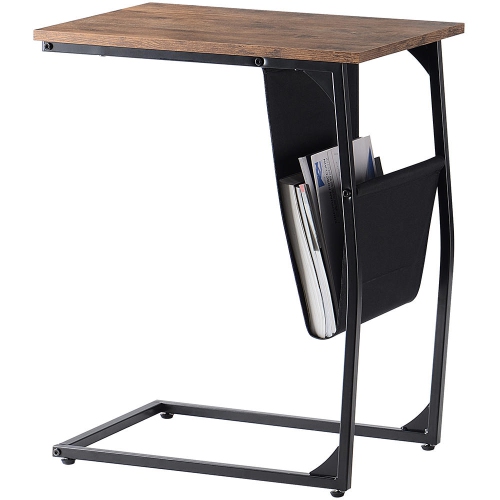
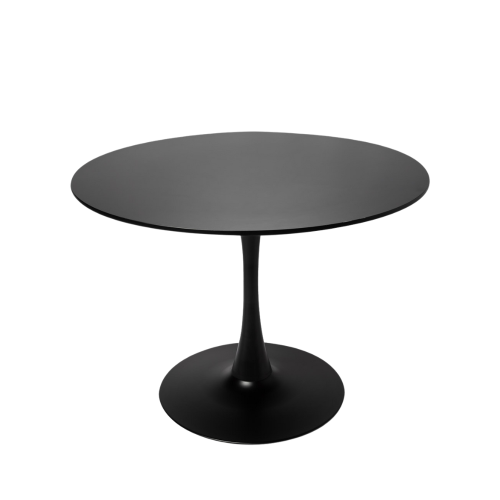
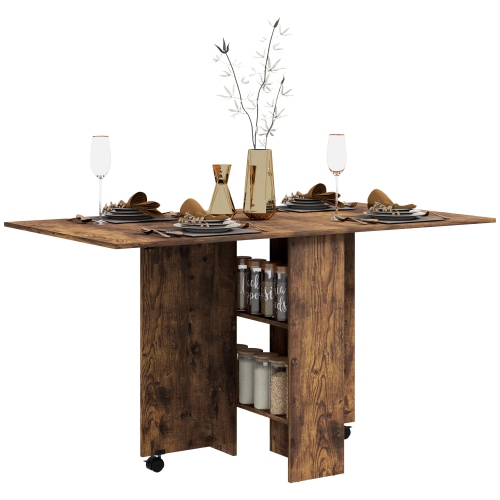
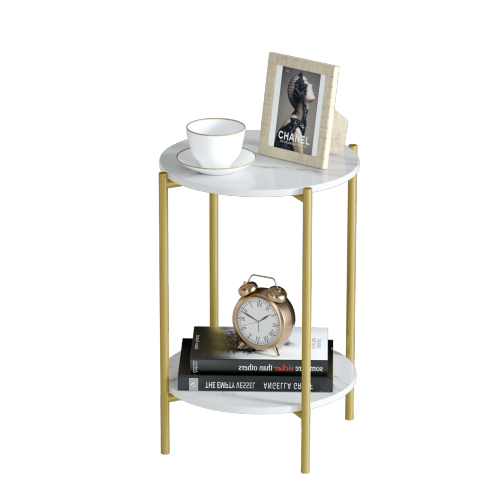
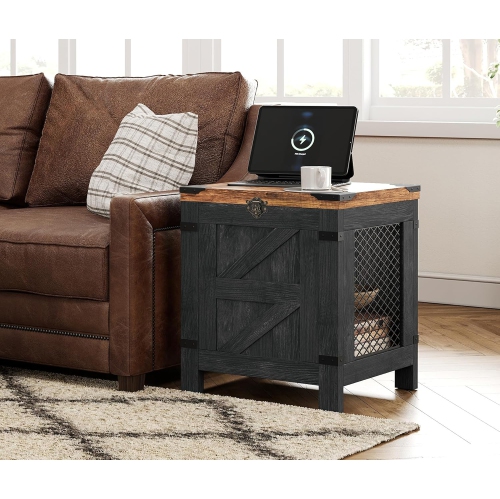
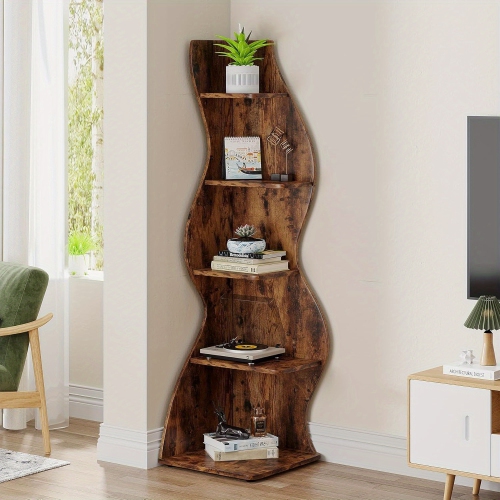
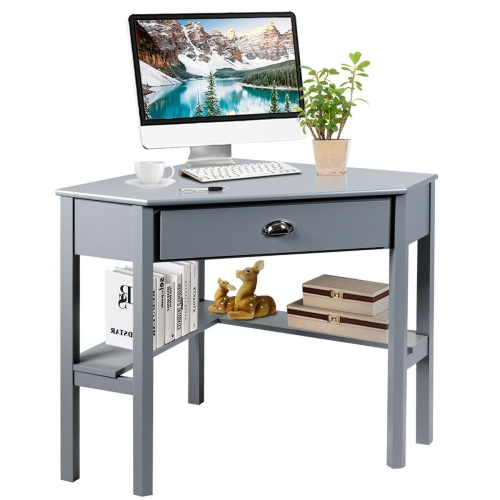
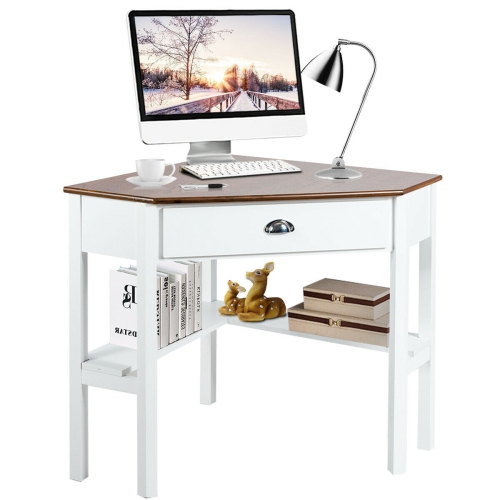

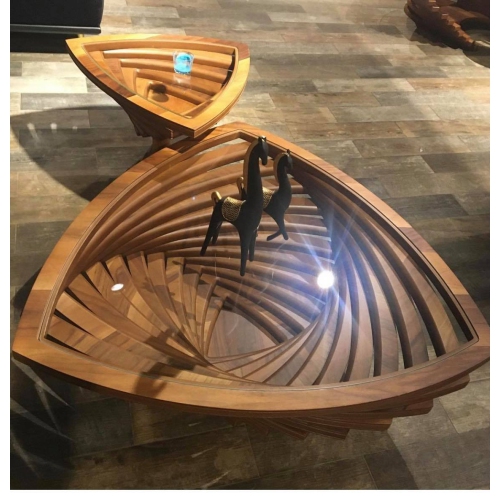
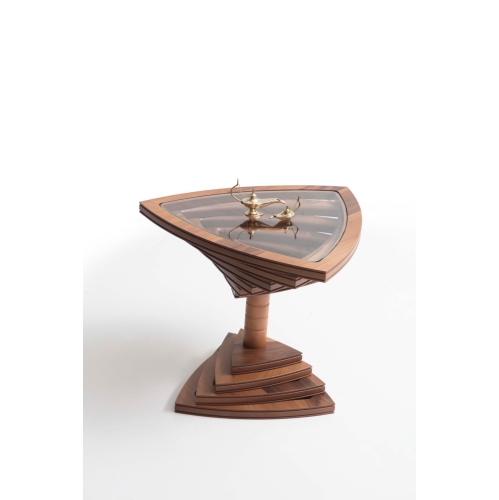
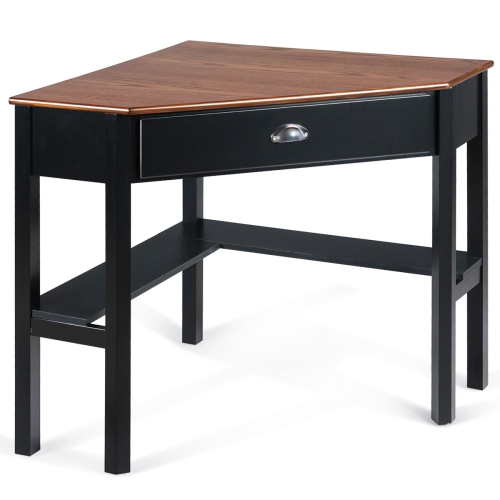
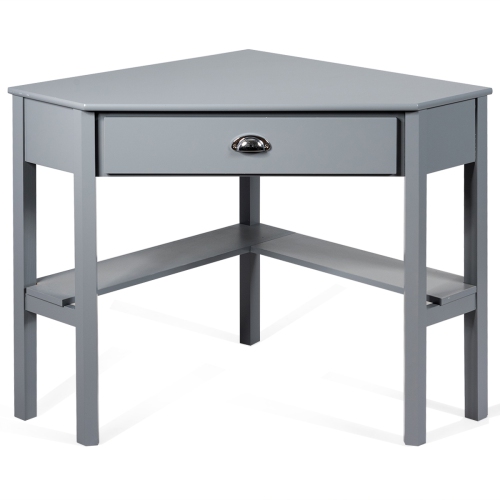
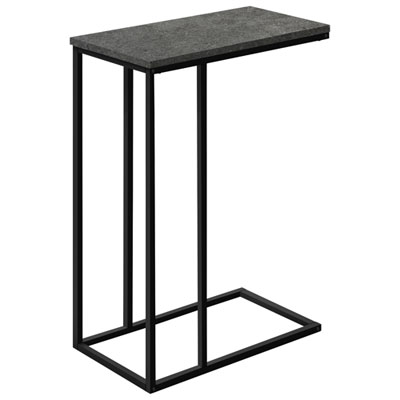
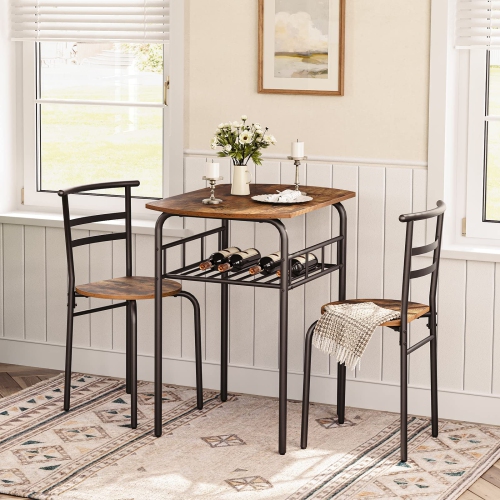
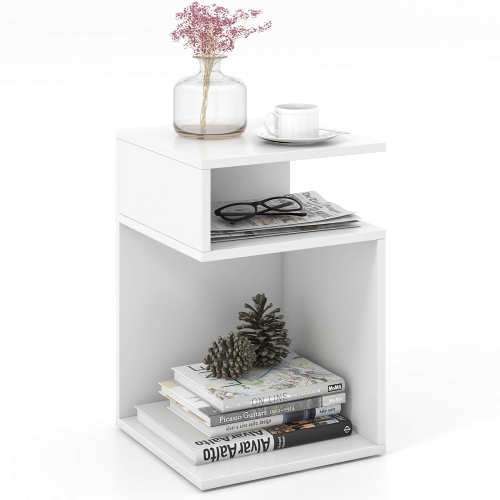
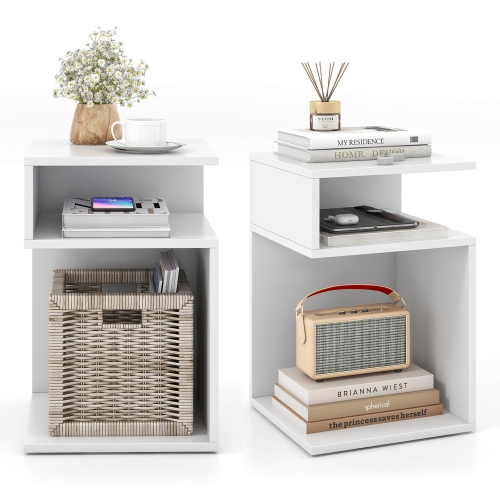
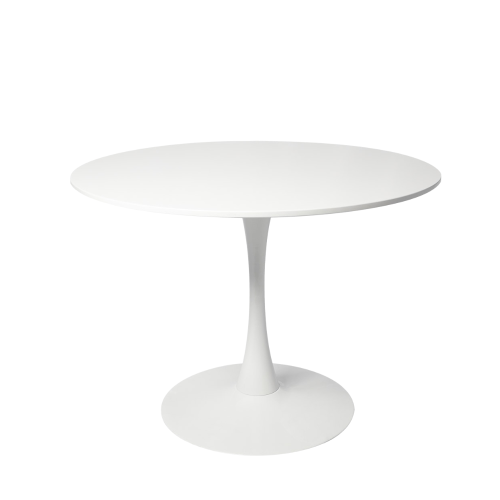
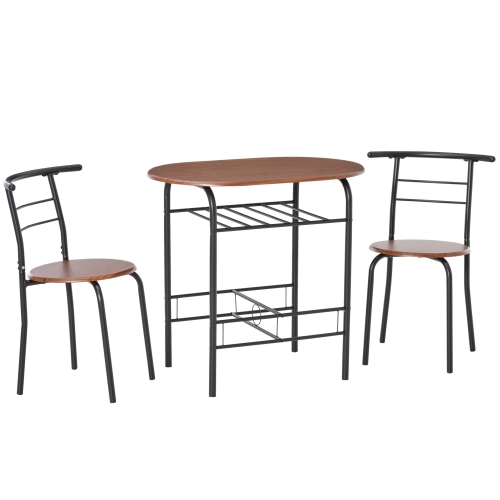
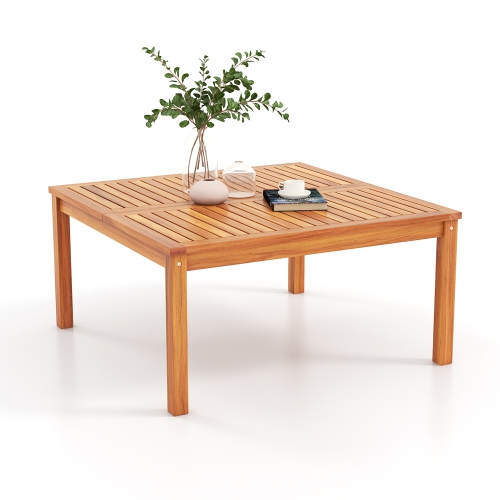
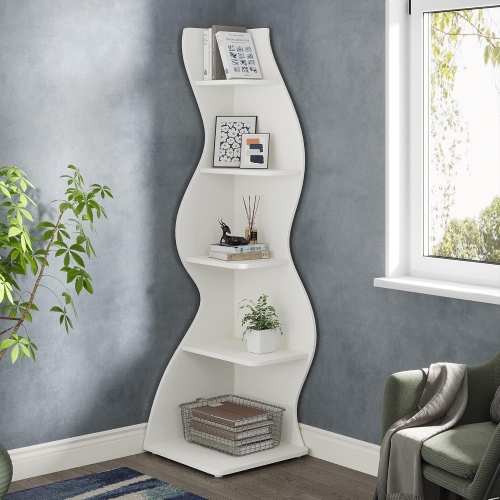
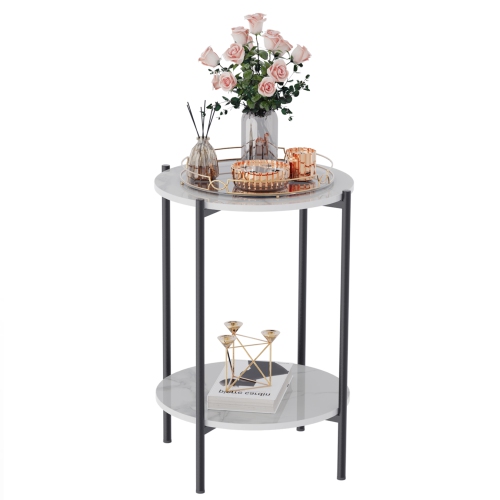
Room for everyday essentials in otherwise unused corners
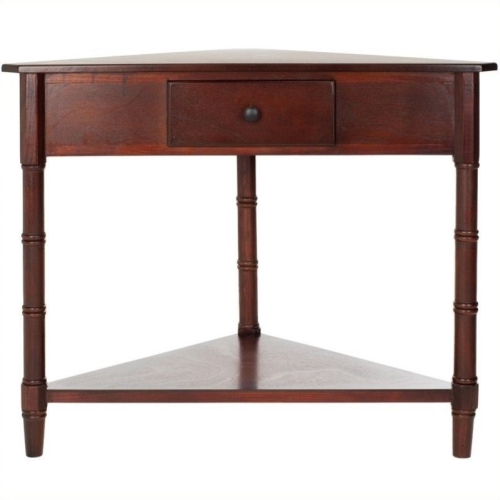
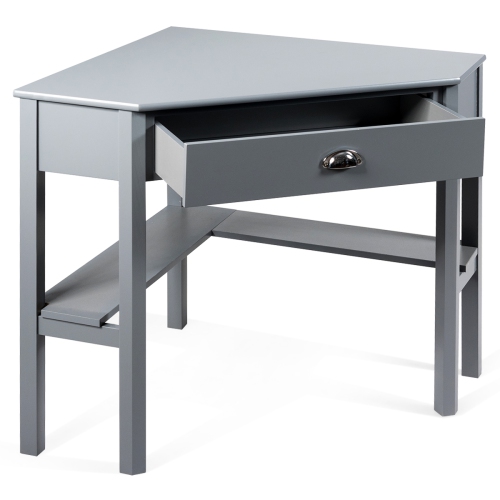
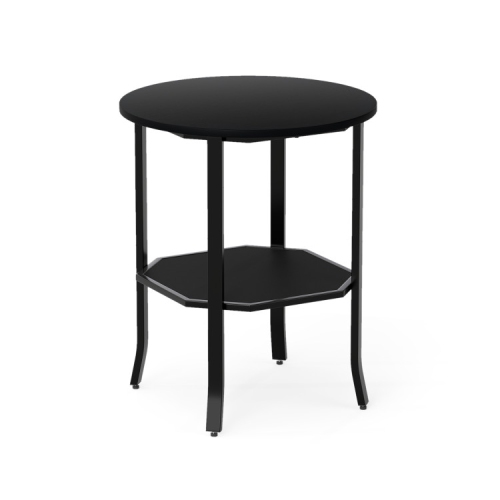
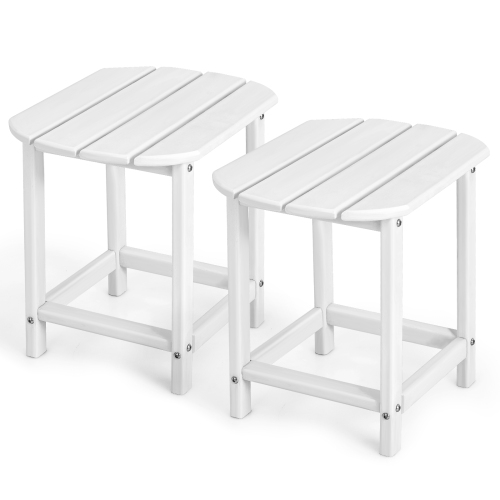
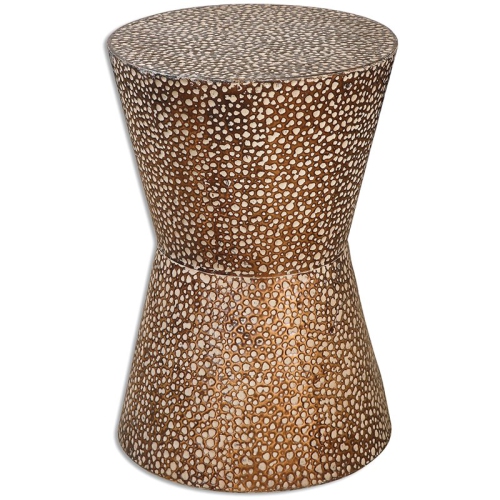
Small corner tables are compact furniture pieces designed to make room angles useful, providing a surface for a lamp, plant, book, or everyday essentials without taking over the floor space. Their shape is what sets them apart from a standard side table: triangular tops tuck into two adjoining walls, while quarter-circle designs pair straight back edges with a curved front. Other compact shapes can sit neatly beside seating near a corner, although their footprint may leave a little space behind them. In a living room, a corner accent table can turn the gap beside an armchair into a comfortable spot for reading glasses and a mug. In a bedroom, it can offer a bedside surface where a full-width nightstand would crowd the bed. An entryway corner might hold a small tray for keys, while a dining nook can gain a place for a modest arrangement without adding another large piece of furniture. These tables are particularly useful in apartments, condos, student rooms, and shared homes where each piece needs a clear purpose. A single tabletop suits a simple arrangement, such as a lamp with enough space left for a phone. Two-tier and multi-tier designs add storage below, keeping books, baskets, or small accessories off the main surface. Open shelves make belongings easy to see and reach, whereas a drawer or enclosed compartment can keep loose charging cables and other small necessities out of sight. The most useful layout depends on what happens around the table every day. Beside a favourite chair, an accessible top may matter more than extra shelving; in a quiet hallway corner, vertical storage can be more valuable. A small corner table can also make a thoughtful housewarming gift when the recipient’s room measurements and furniture preferences are known, especially for someone furnishing a first apartment or adding the finishing touches to a reading nook.
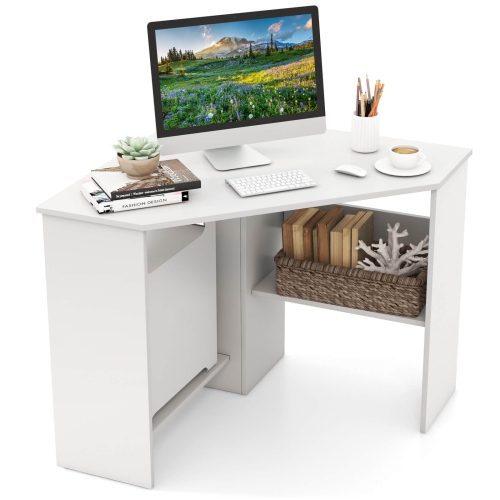
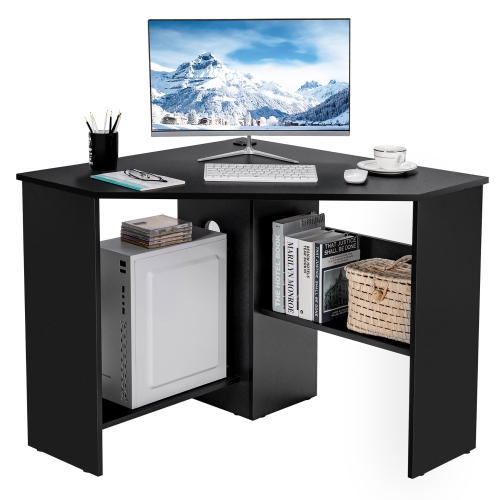
Fit involves more than finding a tabletop narrow enough for a room. The table’s full width, depth, and height determine how comfortably it sits between walls, furniture, and walking routes. Legs may extend beyond the top, and baseboards can prevent a back edge from sitting flush against the wall. Nearby floor vents, power outlets, curtain panels, and door swings also affect placement. A shallow table that looks unobtrusive in an empty corner may feel quite different once a chair is pulled out or a closet door is opened. Marking the footprint on the floor with removable tape can help show how much usable space remains, particularly in a narrow bedroom or entrance. For use beside a sofa or armchair, a tabletop close to the arm height generally makes a drink or remote easier to reach without leaning far forward. Next to a bed, a height close to the top of the mattress can serve a similar purpose. Taller corner tables are better suited to display or storage than to reaching from a low seat. Shelf spacing matters as well: an opening that holds paperbacks may not accommodate a tall basket, and a lower shelf set close to the floor can be awkward to access beside deep seating. Tabletop dimensions should suit the objects placed on them, with room around a lamp base or plant pot rather than edges crowded by overhanging belongings. Weight limits apply to both the top and individual shelves, so a heavy planter or stack of large books needs more consideration than a lightweight tray. For a phone or tablet charging spot, proximity to an outlet helps keep cords from crossing a walkway. A small corner table can support occasional everyday tasks, but it is not a substitute for a workstation with suitable legroom and space for equipment. For a dedicated work area, Small Corner Office Desks offer a more relevant furniture category for arranging a computer, keyboard, and other work essentials.
Materials and construction shape both the appearance of a small corner table and how it holds up to daily use. Solid wood brings natural grain and variation, with finishes that can sit comfortably alongside upholstered seating or other wood furniture. Wood veneer offers a real wood surface over a supporting core, while laminate and other finished engineered wood surfaces can provide a consistent colour or pattern. Resistance to scratches, moisture, and heat varies by finish, so a wood-look surface should not automatically be treated like solid wood. Metal frames can give a table a slim profile, leaving more visible floor space beneath the top; stable joints and a protective finish are important where the frame may meet shoes, vacuum heads, or chair legs. Glass tops keep a corner visually light and allow an open base to show through, though fingerprints and dust may be more noticeable. Tempered glass is worth distinguishing from ordinary glass, and any glass surface needs protection from hard impacts, particularly along its edges. Mixed-material tables can connect different elements in a room, such as a dark frame that echoes a floor lamp and a warm wood top that softens the arrangement. Durability also depends on assembly, balanced loading, and a level position. Secure fasteners, well-supported shelves, and feet suited to the flooring help a compact table feel steady rather than wobbly. Rounded front edges can make tight spaces more comfortable to pass through, but no small table should be used as a seat, step, or climbing surface. Where anchoring hardware is supplied or recommended, following the manufacturer’s directions is especially important in homes with children or pets. Everyday care is usually straightforward when it matches the material: a soft cloth for dust, prompt attention to spills, and cleaning products approved for the finish. Coasters, a protective tray beneath a plant, and felt pads under accessories can reduce marks during routine use. Keeping heavier objects low and leaving some clear space on top helps a small corner table remain practical, whether it holds an evening cup of tea, a bedside book, or the essentials collected on the way out the door.
Fit involves more than finding a tabletop narrow enough for a room. The table’s full width, depth, and height determine how comfortably it sits between walls, furniture, and walking routes. Legs may extend beyond the top, and baseboards can prevent a back edge from sitting flush against the wall. Nearby floor vents, power outlets, curtain panels, and door swings also affect placement. A shallow table that looks unobtrusive in an empty corner may feel quite different once a chair is pulled out or a closet door is opened. Marking the footprint on the floor with removable tape can help show how much usable space remains, particularly in a narrow bedroom or entrance. For use beside a sofa or armchair, a tabletop close to the arm height generally makes a drink or remote easier to reach without leaning far forward. Next to a bed, a height close to the top of the mattress can serve a similar purpose. Taller corner tables are better suited to display or storage than to reaching from a low seat. Shelf spacing matters as well: an opening that holds paperbacks may not accommodate a tall basket, and a lower shelf set close to the floor can be awkward to access beside deep seating. Tabletop dimensions should suit the objects placed on them, with room around a lamp base or plant pot rather than edges crowded by overhanging belongings. Weight limits apply to both the top and individual shelves, so a heavy planter or stack of large books needs more consideration than a lightweight tray. For a phone or tablet charging spot, proximity to an outlet helps keep cords from crossing a walkway. A small corner table can support occasional everyday tasks, but it is not a substitute for a workstation with suitable legroom and space for equipment. For a dedicated work area, Small Corner Office Desks offer a more relevant furniture category for arranging a computer, keyboard, and other work essentials.
Materials and construction shape both the appearance of a small corner table and how it holds up to daily use. Solid wood brings natural grain and variation, with finishes that can sit comfortably alongside upholstered seating or other wood furniture. Wood veneer offers a real wood surface over a supporting core, while laminate and other finished engineered wood surfaces can provide a consistent colour or pattern. Resistance to scratches, moisture, and heat varies by finish, so a wood-look surface should not automatically be treated like solid wood. Metal frames can give a table a slim profile, leaving more visible floor space beneath the top; stable joints and a protective finish are important where the frame may meet shoes, vacuum heads, or chair legs. Glass tops keep a corner visually light and allow an open base to show through, though fingerprints and dust may be more noticeable. Tempered glass is worth distinguishing from ordinary glass, and any glass surface needs protection from hard impacts, particularly along its edges. Mixed-material tables can connect different elements in a room, such as a dark frame that echoes a floor lamp and a warm wood top that softens the arrangement. Durability also depends on assembly, balanced loading, and a level position. Secure fasteners, well-supported shelves, and feet suited to the flooring help a compact table feel steady rather than wobbly. Rounded front edges can make tight spaces more comfortable to pass through, but no small table should be used as a seat, step, or climbing surface. Where anchoring hardware is supplied or recommended, following the manufacturer’s directions is especially important in homes with children or pets. Everyday care is usually straightforward when it matches the material: a soft cloth for dust, prompt attention to spills, and cleaning products approved for the finish. Coasters, a protective tray beneath a plant, and felt pads under accessories can reduce marks during routine use. Keeping heavier objects low and leaving some clear space on top helps a small corner table remain practical, whether it holds an evening cup of tea, a bedside book, or the essentials collected on the way out the door.
Top selling and popular products
-
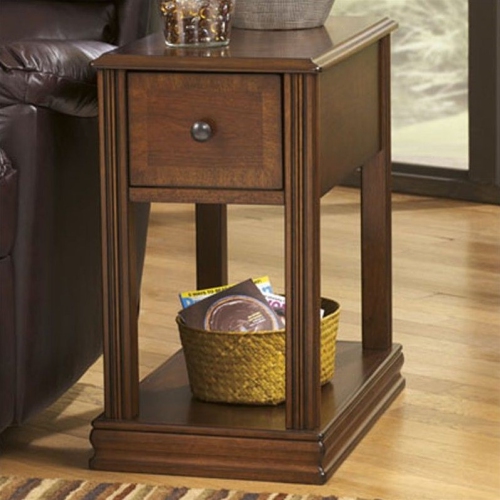 Your price for this item is $380.94
 -
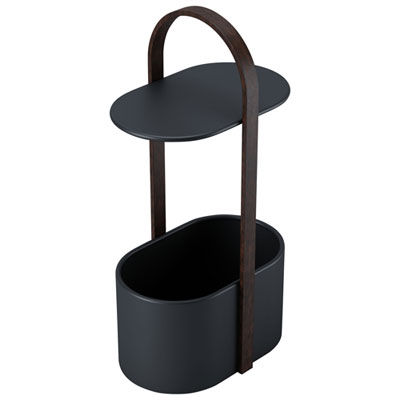 Your price for this item is $93.98
 -
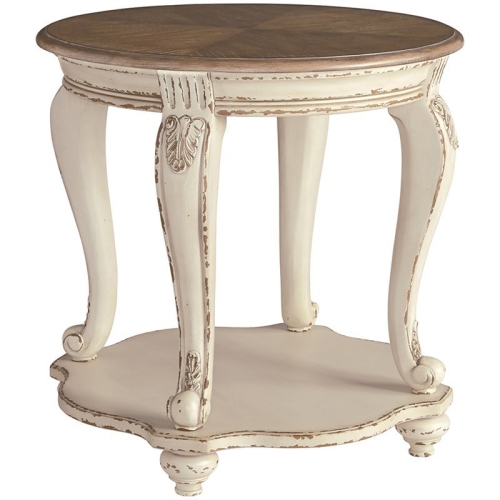 Your price for this item is $369
 -
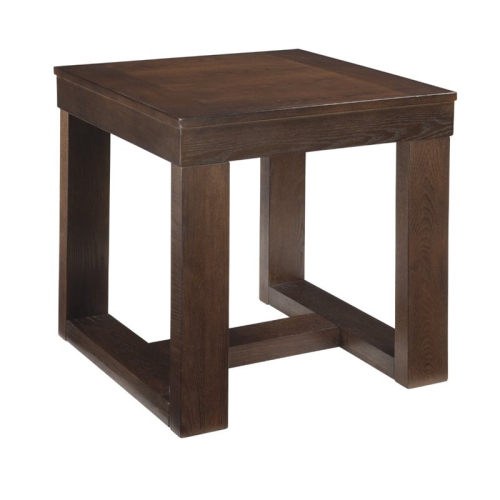 Your price for this item is $199
 -
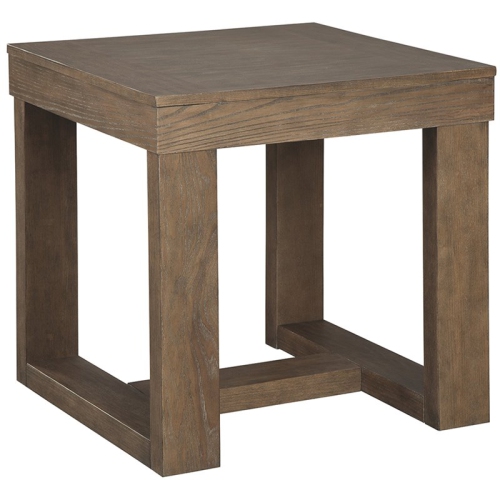 Your price for this item is $414.29
 -
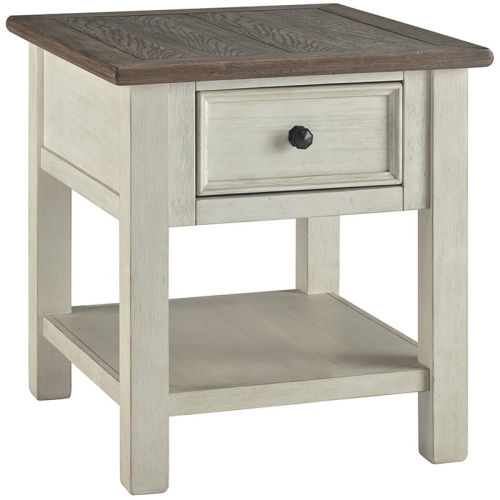 Your price for this item is $399
 -
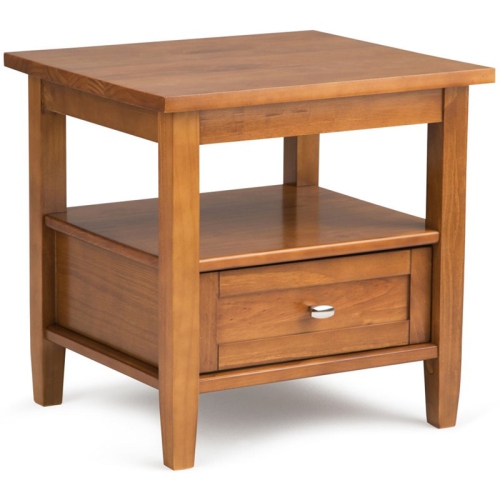 Your price for this item is $377.95
 -
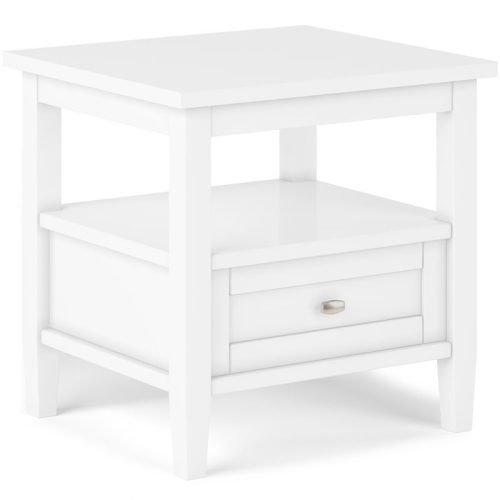 Your price for this item is $390.61
Discover more categories related to Small Corner Tables
Top Collections:
Pokemon Centers, Budget 4K TVs, Kindle Devices, Canon G7X Cameras, Apple iPhones 16, iPhone 15 Apple, Laptops for Business Work, Flip Phones, Xiaomi Phones, Refurbished Apple Laptops
Some products may be subject to Environmental Handling Fees
(EHF) depending on your province.
Learn more about EHFs.