Small Desk Chairs
Small desk chairs are the perfect solution for creating a comfortable and efficient workspace in any room. Ideal for compact offices, study nooks, or dorm rooms, these chairs offer space-saving design without compromising on style. Whether you’re working from home, studying, or gaming, small desk chairs provide the support you need while fitting seamlessly into smaller areas. Explore a variety of options to find the right chair that complements your setup and enhances your productivity.
Sort
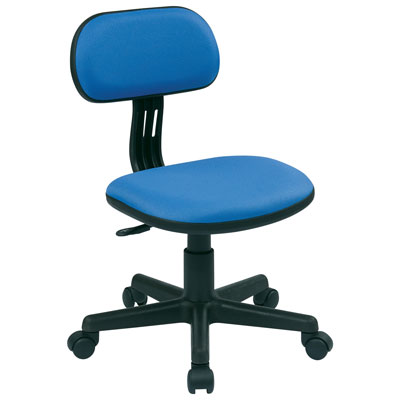
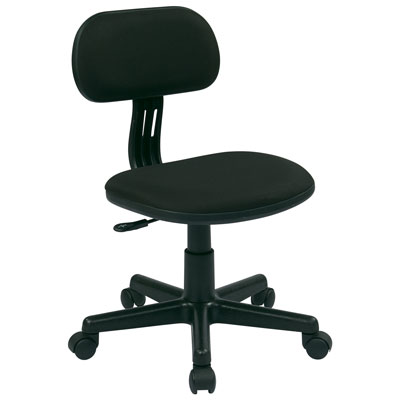
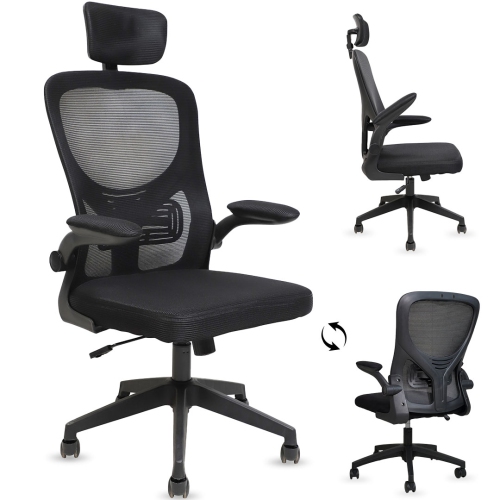
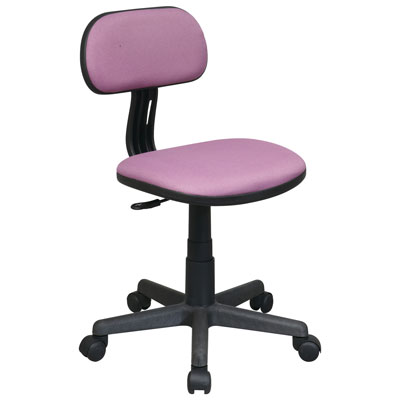
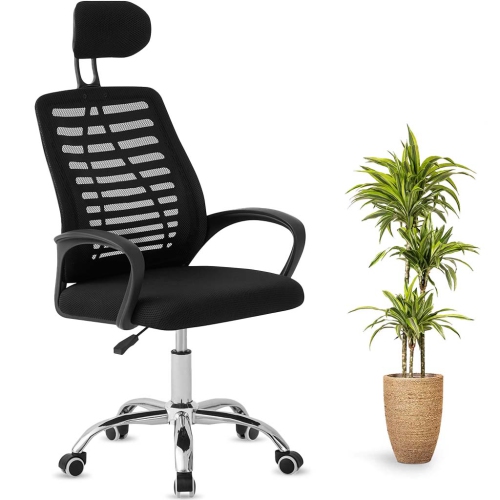
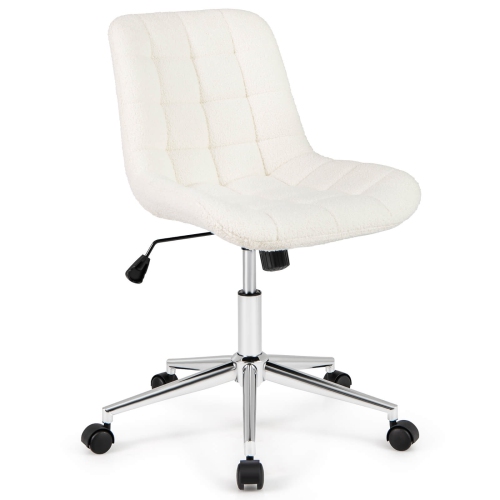
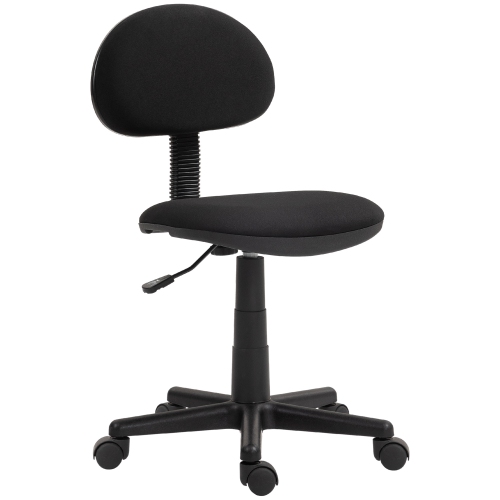
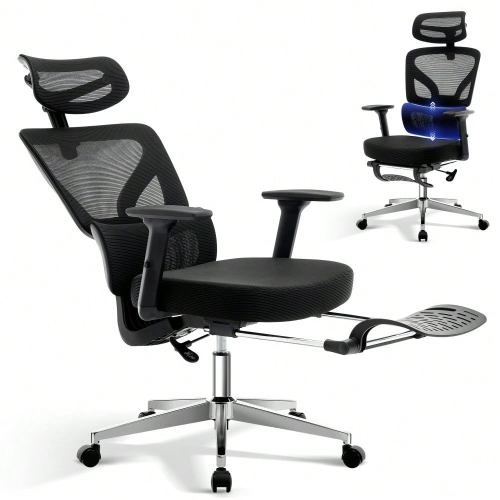
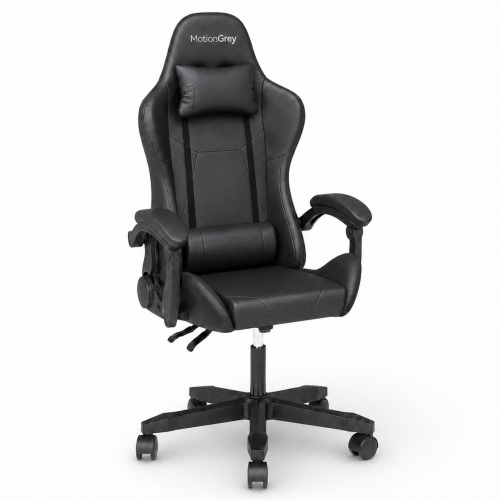
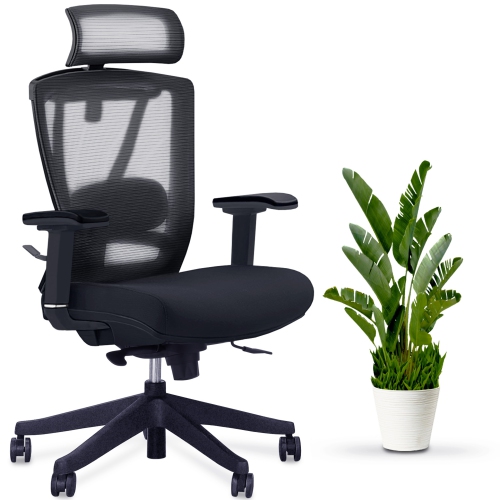
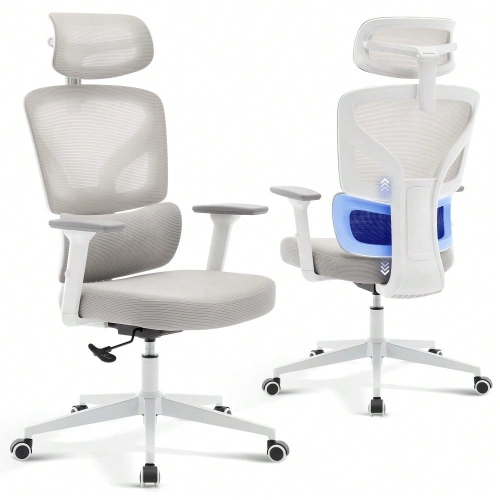
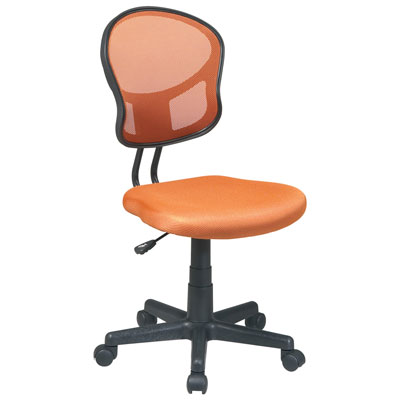
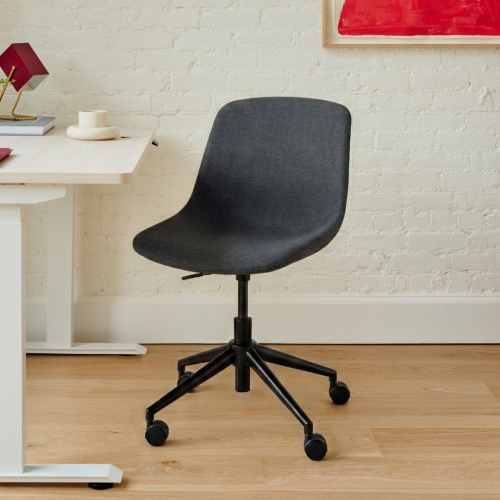
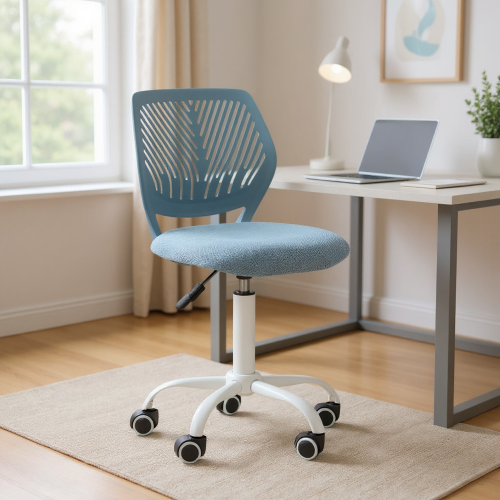
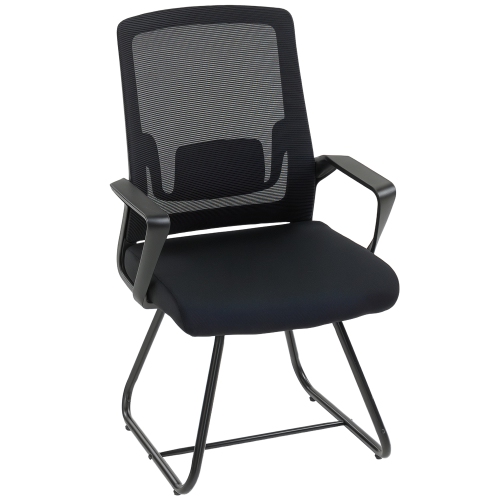
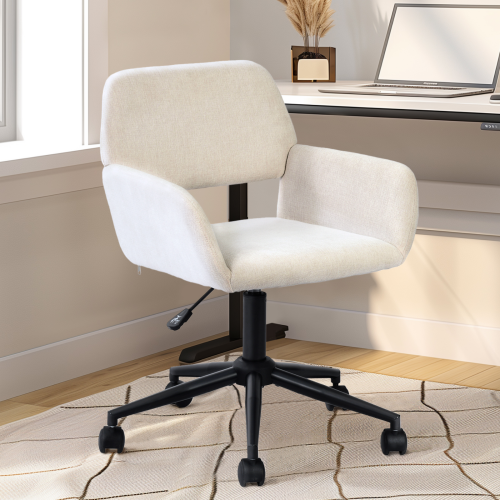
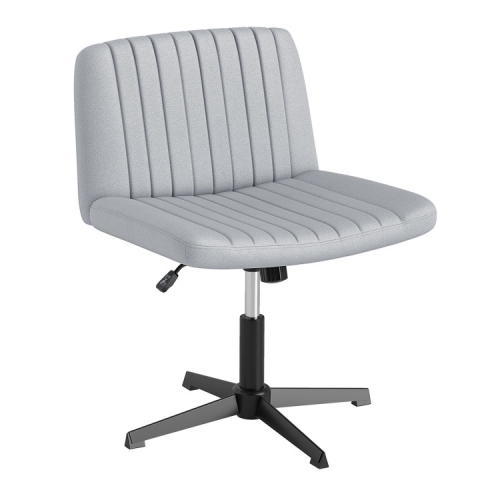
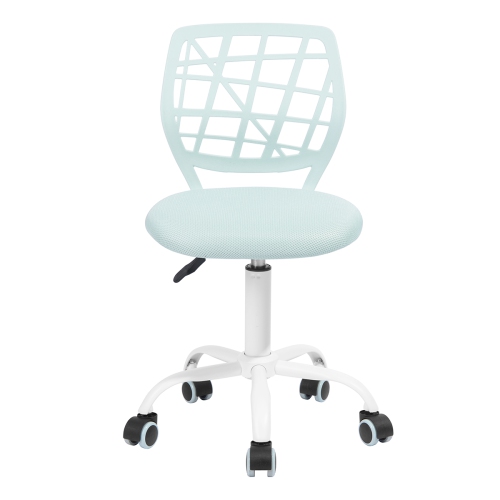
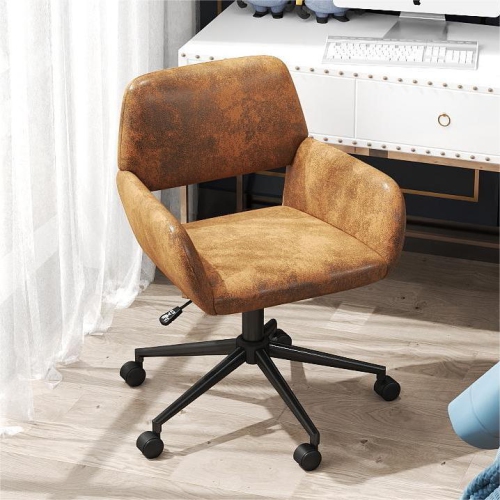
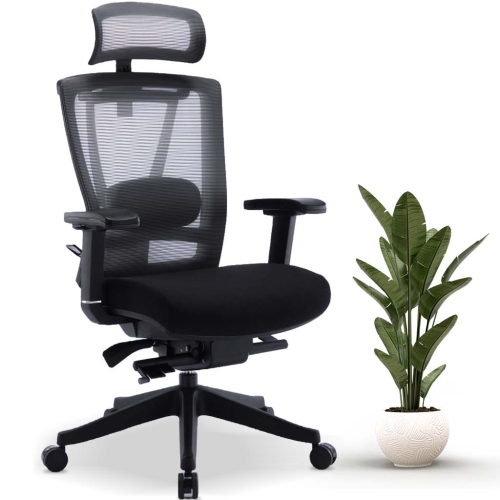
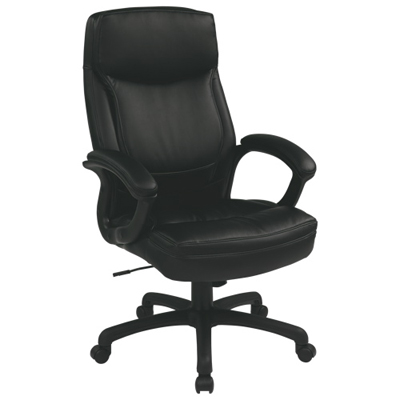
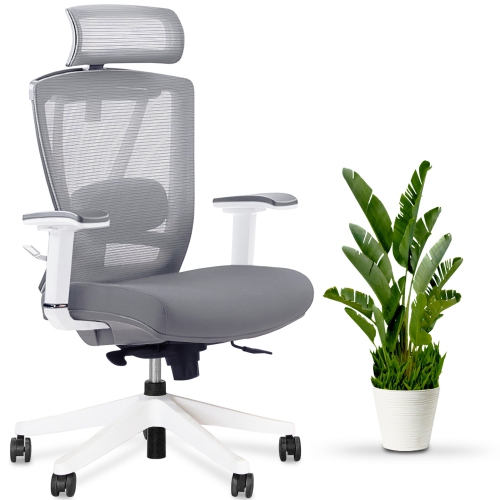
Compact seating that leaves room to move
Small desk chairs bring practical seating to tight study corners, bedrooms, and home offices without taking over the room. Their compact proportions can make it easier to create a useful workspace beside a bed, beneath a window, or along a living room wall. A smaller chair may have a narrower seat, a shorter backrest, a space-saving base, or no armrests, but these features vary between designs. Compact does not automatically mean suitable for children, and a slim-looking chair is not necessarily narrow at floor level. The overall width, depth, and base diameter matter just as much as the appearance of the seat. In a bedroom workspace, for example, a chair that tucks beneath the desktop can leave a clearer path between the desk and the wardrobe. At a shallow writing desk, a modestly sized task chair can provide room to move without projecting too far into the room. Armless styles are especially useful where desk openings are narrow, while low-back designs can keep an open-plan workspace from looking visually crowded. Swivel chairs offer convenient movement between a keyboard, notebook, and nearby storage; stationary chairs suit simpler setups where rolling is unnecessary. The best fit leaves enough space to pull the chair out, sit down comfortably, and move around it without catching a foot on the base. Desk aprons, drawers, and crossbars can reduce the usable space beneath a tabletop, so the opening under the desk is more informative than its overall width alone. For seating centred on this particular pairing, Office Chairs for Small Desks offers a closely related category. Small desk chairs can serve students completing assignments, adults working from a shared room, or anyone who needs a dedicated place for paperwork without furnishing an entire office.
Comfort in a compact chair depends on how its dimensions and adjustments suit the person using it. A smaller footprint should not require sitting on a seat that feels cramped or leaves the thighs unsupported. Seat width needs to accommodate the user comfortably, while seat depth should allow the back to rest against the backrest with a little clearance behind the knees. With the seat height adjusted appropriately, feet should rest flat on the floor or on a suitable footrest rather than hang unsupported. This becomes particularly important at desks with fixed heights: raising the chair to reach a keyboard comfortably may also create a need for foot support. Height-adjustable designs are useful when a workspace is shared, although the actual adjustment range matters more than the presence of a lever. A chair that does not lower far enough can still be unsuitable for a shorter user. Backrest shape, lumbar support, and tilt features also influence how the chair feels through different tasks. Reading on a screen, writing by hand, and joining video calls can involve slightly different positions, so gentle movement and accessible adjustments can be useful during longer sessions. Armrests may provide a place to rest the forearms between tasks, but they can also stop a chair from sliding beneath a desk. Adjustable or flip-up arms can offer flexibility where clearance is limited; an armless chair removes that particular obstruction altogether. Neither style is automatically more comfortable, since shoulder position, desk height, and personal preference all play a part. A chair intended for occasional household administration may need fewer adjustments than one used for several hours of study or work. Manufacturer weight limits and intended-use information remain important even when a chair appears sturdy. Compact seating is about making efficient use of space, not assuming every user needs the same proportions. For children and teenagers, appropriate seat height and fit deserve particular attention rather than relying on an adult chair simply because it looks small.
Materials give small desk chairs different textures, levels of cushioning, and care requirements. Mesh backrests allow airflow and can create a lighter visual profile, while upholstered backs offer a softer appearance that blends naturally with bedroom furniture. Fabric seats provide texture and come in colours ranging from quiet neutrals to brighter accents, although spills and dust may need prompt attention. Faux leather and other coated upholstery can often be wiped clean, but suitable cleaning methods depend on the finish; harsh cleaners can damage some surfaces. Moulded seats and wood-backed designs tend to have a more streamlined look, with comfort influenced by their shape and any added padding. Cushioning should feel supportive rather than simply thick, particularly when the chair will be used for extended desk work. Construction details also affect everyday durability. Secure connections, a stable base, neatly finished seams, and adjustment controls that operate smoothly are useful qualities in a chair that will be moved and repositioned frequently. Rolling designs need casters suited to the flooring, and a compatible chair mat can help protect a surface when recommended for that setup. Stationary legs need appropriate glides to reduce scraping, especially on hard floors. Regularly removing dust, cleaning upholstery according to its care label, and checking accessible fasteners as directed can help keep the chair working well. Hair and threads caught around casters can interfere with movement, an easy detail to overlook beneath a busy desk. Appearance matters too when the workspace shares a room with other activities: a slim upholstered chair may blend with a dressing table, while a simple task chair can distinguish a study nook from the surrounding bedroom. For a student or someone setting up a first home workspace, a compact chair can also be a thoughtful gift when their measurements and preferences are known. The most useful small desk chair feels proportionate to both the room and the person, leaving space for daily life without making the desk less comfortable to use.
Top selling and popular products
-
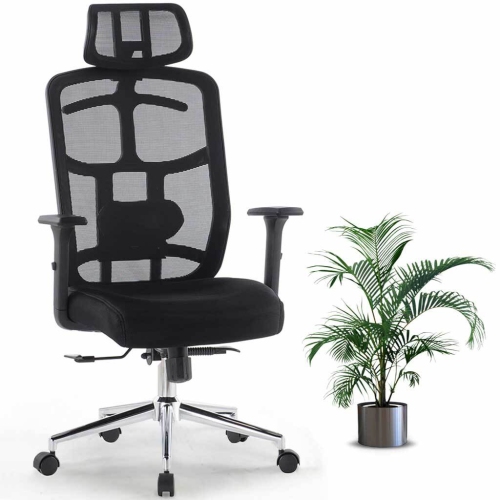 Your price for this item is $126.99
-
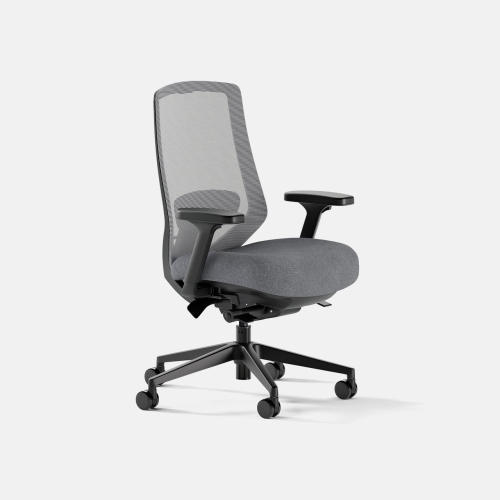 Your price for this item is $599
-
 Your price for this item is $599
-
 Your price for this item is $599
-
 Your price for this item is $599
-
 Your price for this item is $649
-
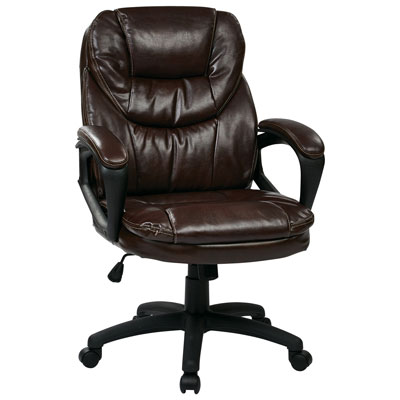 Your price for this item is $459.99
-
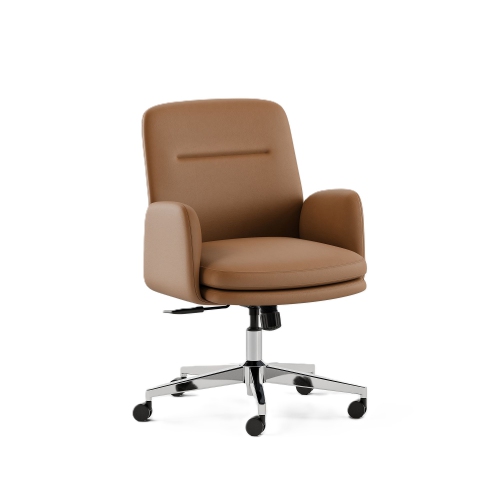 Your price for this item is $429
Discover more categories related to Small Desk Chairs
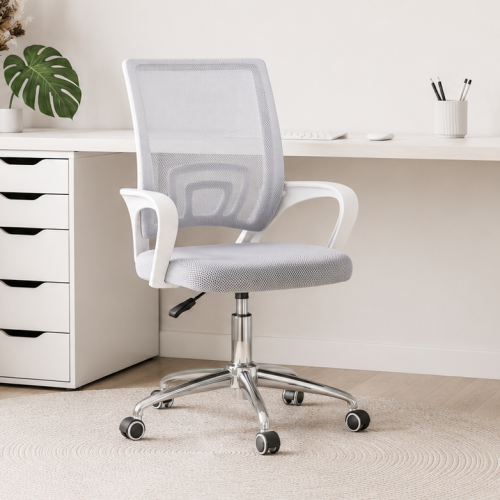
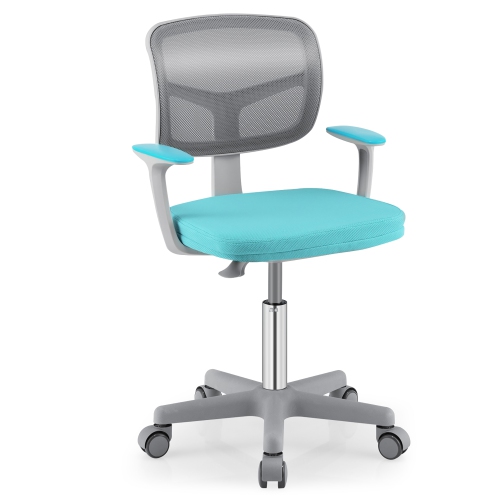
Top Collections:
Best Black Friday Deals This Year, Best Black Friday Deals On Electronics, Kindle Devices, Pokemon Centers, Best Black Friday Deals On Apple Products, Best Cameras for Sports Photography, Dyson Airwrap, Pokémon 30th Celebration Cards, Apple iPhone 17 Pro, Canon G7X Cameras
Some products may be subject to Environmental Handling Fees
(EHF) depending on your province.
Learn more about EHFs.