Office Chairs for Small Desks
Office Chairs for Small Desks are designed to help you maximize comfort and productivity in compact workspaces. Perfect for home offices, student study areas, or any room with limited space, these chairs offer the ideal seating solution without overwhelming your desk. Discover a variety of styles and finishes that pair seamlessly with your décor while ensuring you stay supported throughout your workday. Find the right fit for your small desk setup and create a workspace that keeps you focused and comfortable.
Sort
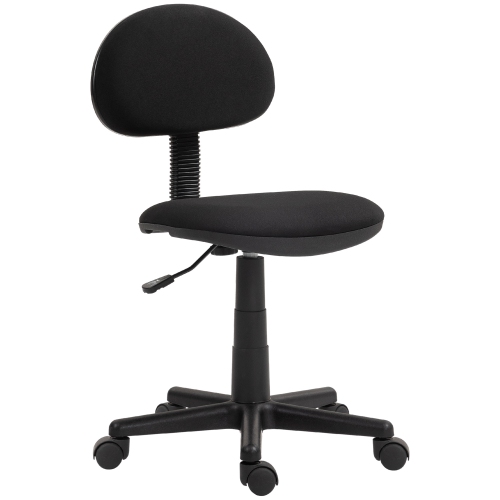
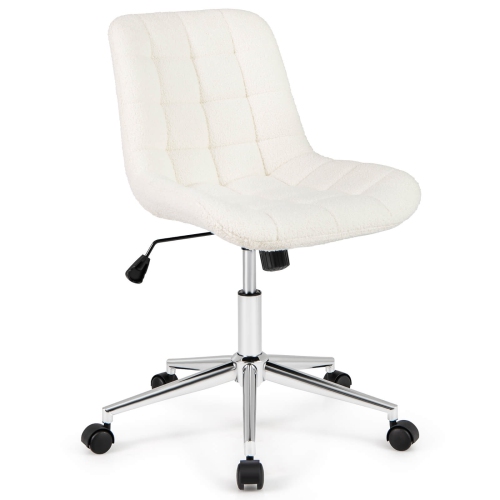
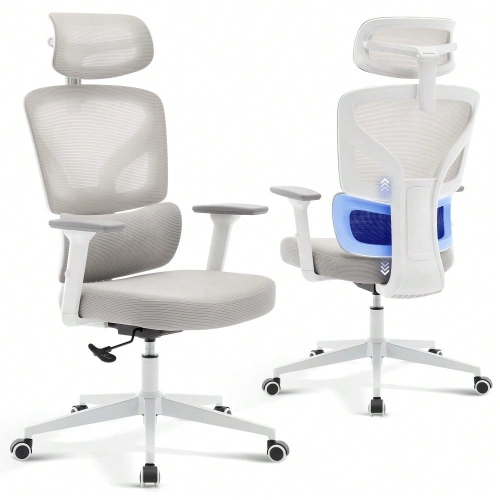
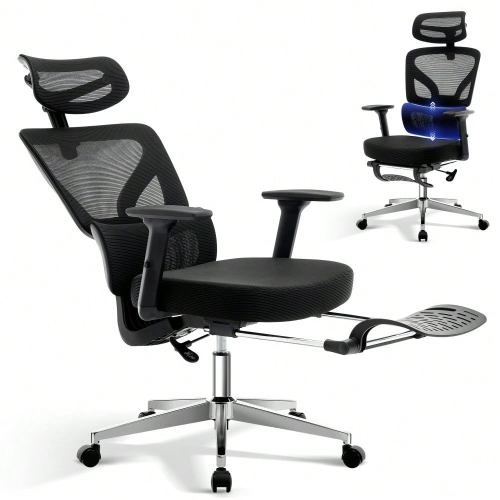

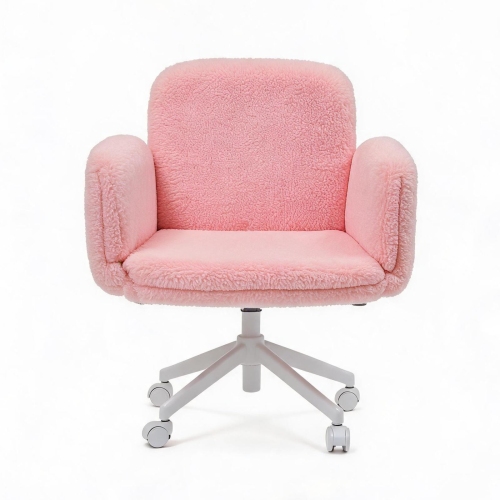
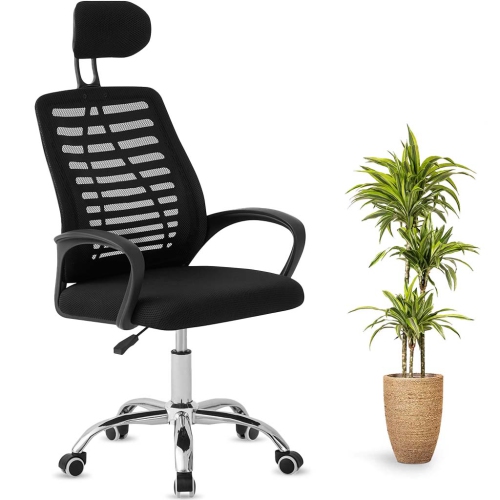
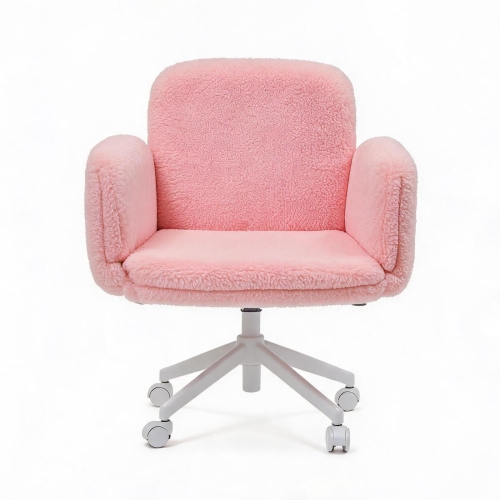
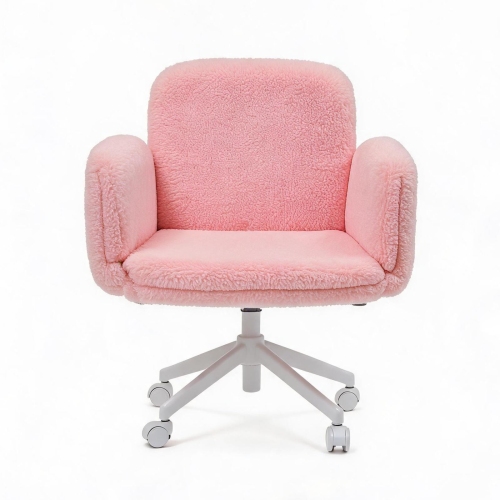
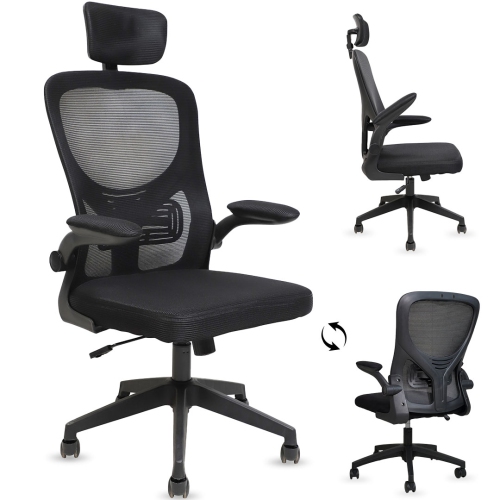
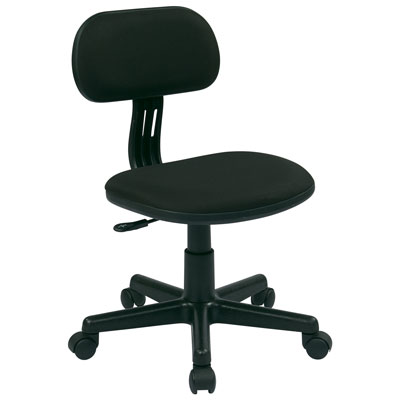
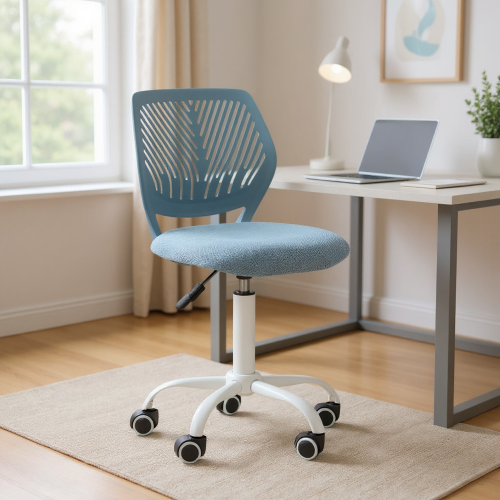
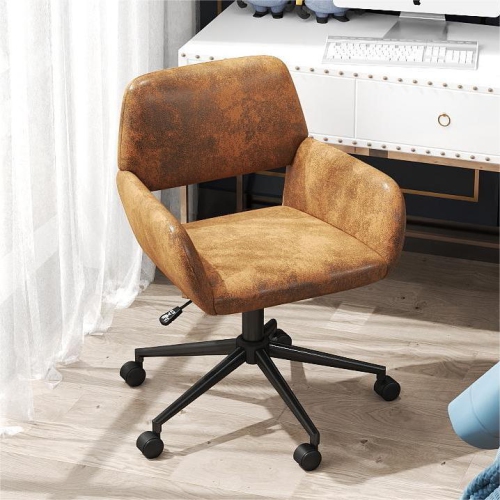
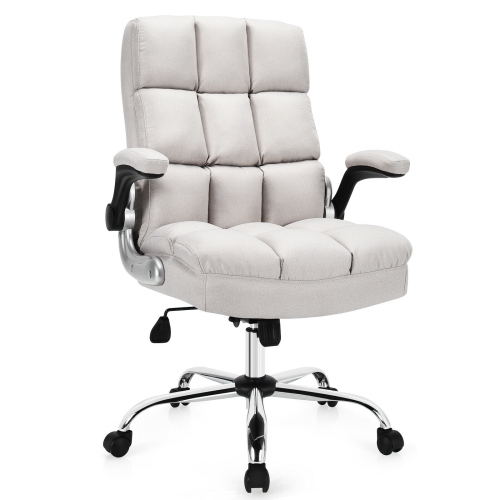
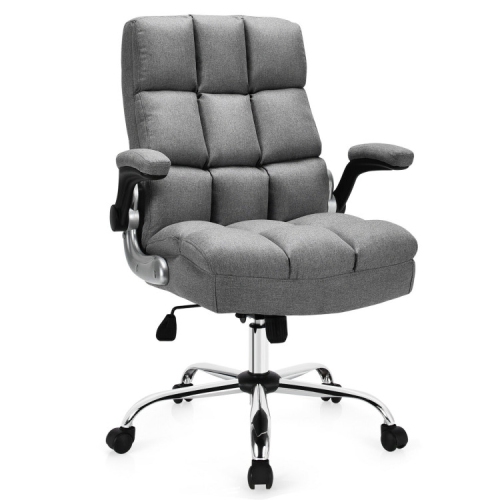
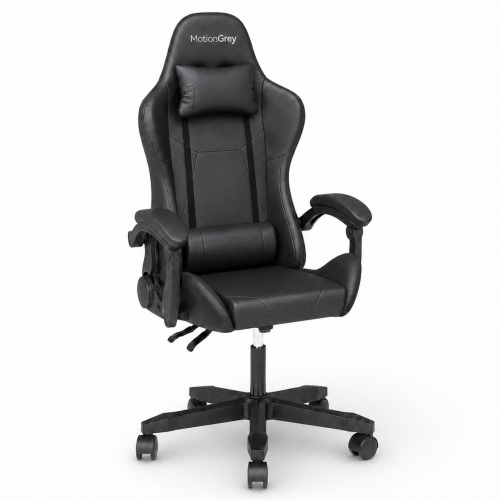
The right fit goes beyond a narrow seat
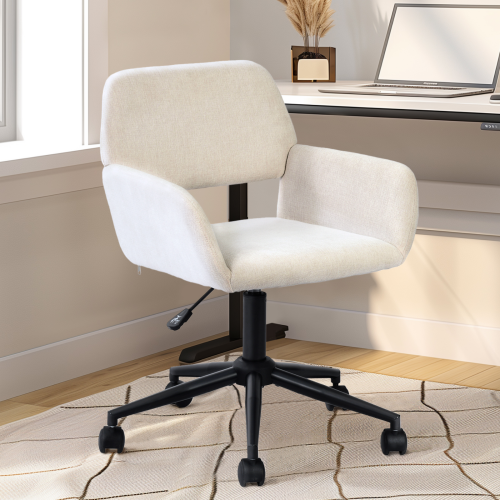
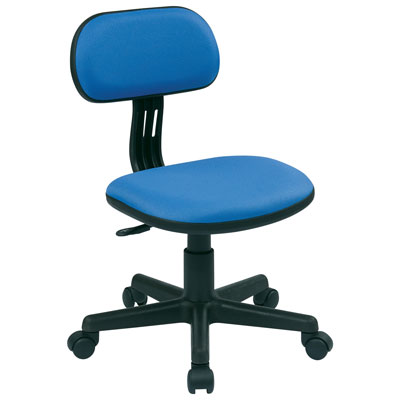
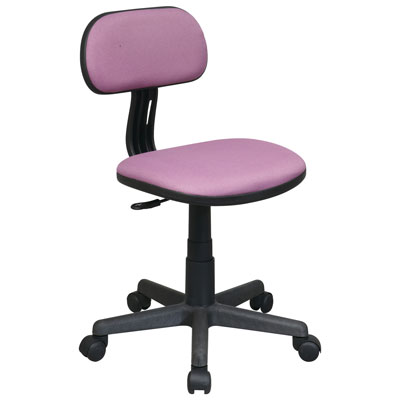
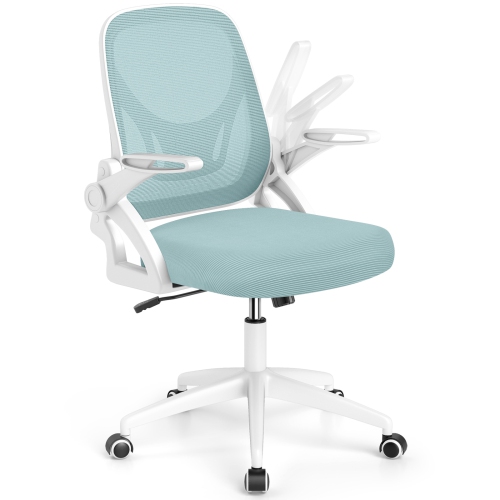
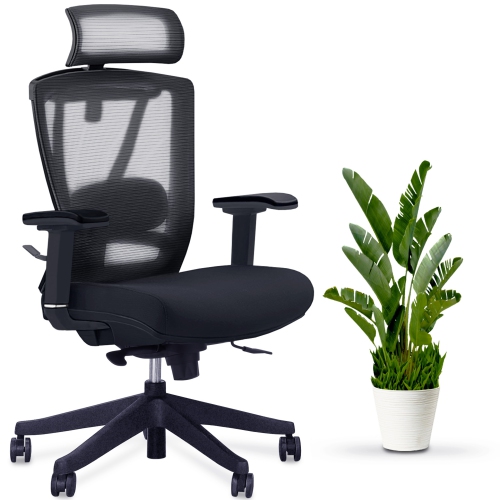
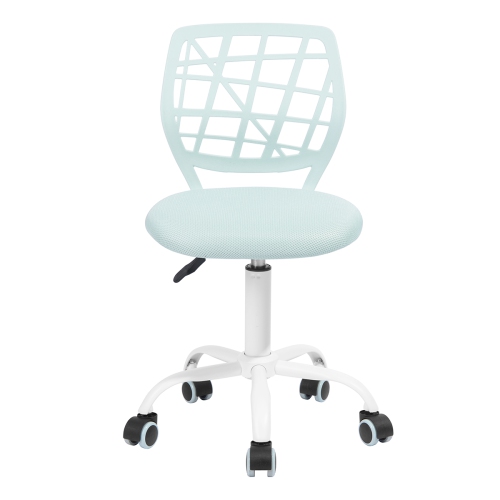
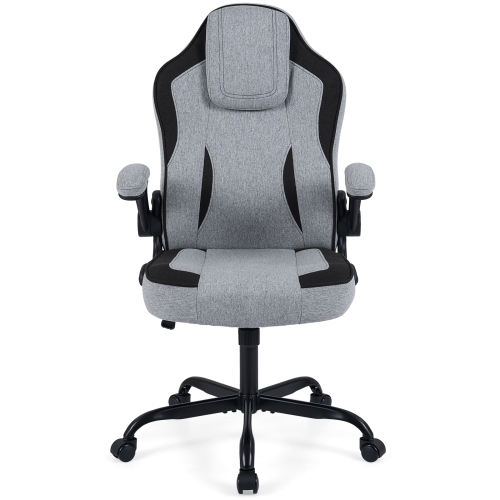
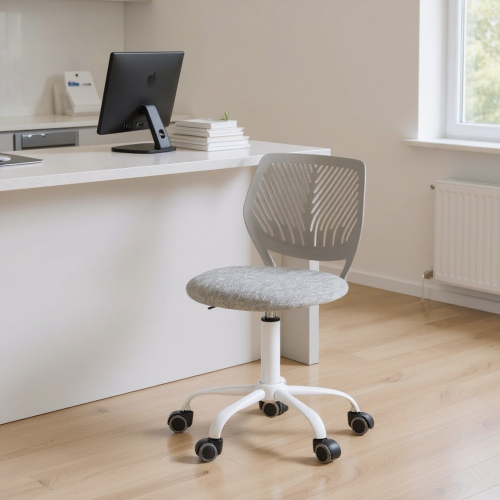
Office chairs for small desks combine a compact footprint with practical seating features, helping a work area fit comfortably into a bedroom, apartment, study nook, or shared living space. Armless designs, adjustable seat heights, and slim backrests are useful features for these setups, but the best fit depends on both the desk opening and the person using the chair. A narrow seat does not necessarily mean a narrow chair: the base, castors, armrests, and backrest can extend beyond the cushion. Overall width and depth matter when a workstation sits beside a bed, between storage units, or near a doorway. The space beneath the desktop matters just as much. Drawers, keyboard trays, support bars, and decorative aprons can reduce clearance, even when the desk looks open from the front. An armless office chair can often tuck farther underneath, leaving more room to walk past when work is finished. Flip-up or height-adjustable arms offer another option, provided their lowered position clears the underside of the desk. Armrests can support the forearms during some tasks, while an armless design allows easier movement when turning between a laptop and a nearby shelf. Seat height should allow a comfortable working position, with feet supported and shoulders relaxed rather than raised toward the desktop. A footrest may help when a fixed-height desk requires the chair to sit higher than the user would otherwise need. Seat depth is also important: there should be a little space behind the knees while the back rests against the backrest. A compact chair should save room around the workstation without feeling cramped across the hips or thighs. Space to pull the chair out, sit down, and turn is part of its footprint too. In a tight corner, a swivel seat can make entry easier, but nearby walls and furniture still need enough clearance for comfortable movement.
Comfort and construction help distinguish a chair suited to brief household tasks from one intended for longer periods of typing, studying, or working from home. Adjustable height is a useful starting point, while lumbar support, backrest shape, seat cushioning, and tilt settings influence how the chair feels throughout a session. Support should suit the user’s proportions rather than simply add bulk. A shorter person may find a shallow seat easier to use, while a taller person may need more seat depth and a higher backrest even at a small desk. A curved back can provide comfortable contact without a large frame, and adjustable lumbar support allows the support position to be changed where that feature is included. For work areas where seating comfort and floor space are equally important, Ergonomic Office Chairs for Small Spaces brings the focus to seating designed around support and compact layouts. Upholstery affects both feel and upkeep. Mesh backrests allow airflow and can give a chair a lighter appearance, although mesh tension, edge finishing, and the surrounding frame influence comfort. Fabric upholstery offers texture and a soft surface, with cleaning requirements that vary by material. Faux leather generally has a smooth finish that can be wiped according to the care directions, but seams and surfaces need suitable treatment to avoid damage. Cushioned seats should provide enough support that the user does not feel the underlying structure during normal use; softness alone is not a reliable measure of lasting comfort. Firmness preferences differ, and a very thick cushion can also affect how neatly the chair fits beneath a low desk. Frame construction, secure joints, a stable base, and the stated weight capacity are worth considering together. Adjustment controls should be reachable without awkward stretching, and any tilt function needs enough room behind the chair to operate without touching a wall.
The way a small workspace is used can be more revealing than its dimensions alone. At a laptop desk in a bedroom, a chair that tucks away neatly can keep the route to a wardrobe clear. At a compact workstation used for remote work, a supportive backrest and accessible adjustments may matter more than achieving the smallest possible outline. Students may need a chair that moves easily between a desk and nearby bookshelves, while a shared household workspace benefits from adjustments that accommodate different users. For occasional paperwork or video calls, a simple task chair may provide the necessary function without a tall back or broad armrests. Longer sessions usually call for closer attention to support, movement, and how the chair works with the screen and keyboard positions. Even a well-fitting chair does not replace changes in posture and regular movement away from the desk. Flooring also shapes everyday use. Castors should be appropriate for the surface, with different designs intended for carpet or hard flooring. A suitable chair mat can help protect the floor and improve rolling, but its dimensions and edge height should work with the surrounding space. A stationary base may suit a workstation where rolling is unnecessary, provided the chair can still be moved safely for sitting and standing. Care is usually straightforward when matched to the material: dust and crumbs can collect around seams, adjustment levers, and castors, while upholstery may require vacuuming, spot cleaning, or gentle wiping. Following the care directions helps protect finishes and cushioning. Checking fasteners as directed and keeping wheels clear of tangled hair can help maintain smooth operation. Visually, slim frames and simple silhouettes can make a compact desk area feel less crowded, while colour and texture can connect the chair with nearby furniture. A chair chosen as a practical gift is most useful when the recipient’s desk clearance, body proportions, and usual tasks are known. The lasting appeal of office chairs for small desks comes from that balance: enough room to move, enough support to work comfortably, and a shape that fits naturally into daily life.
Top selling and popular products
-
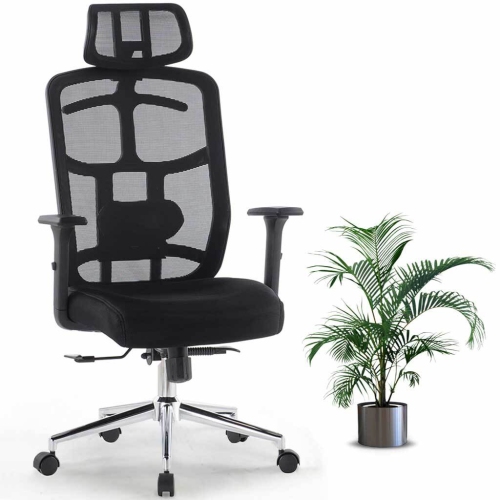 Your price for this item is $126.99
-
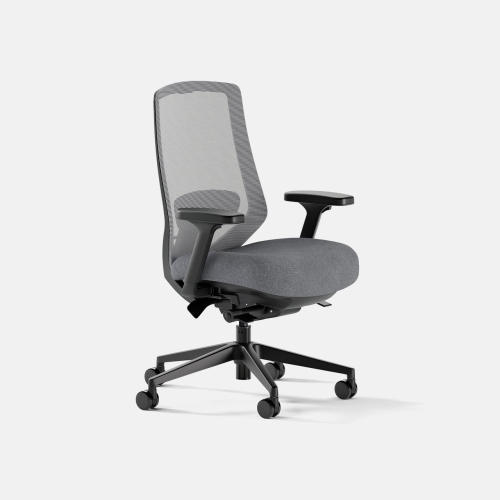 Your price for this item is $599
-
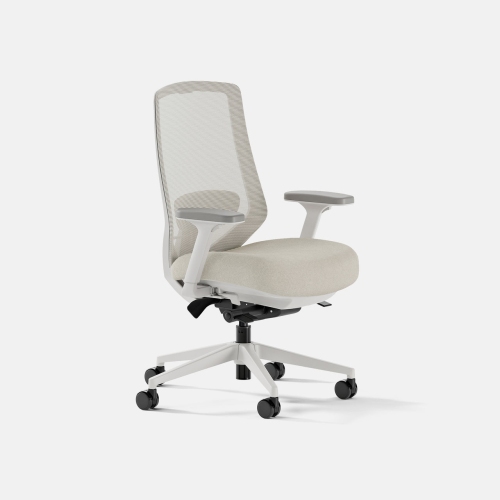 Your price for this item is $599
-
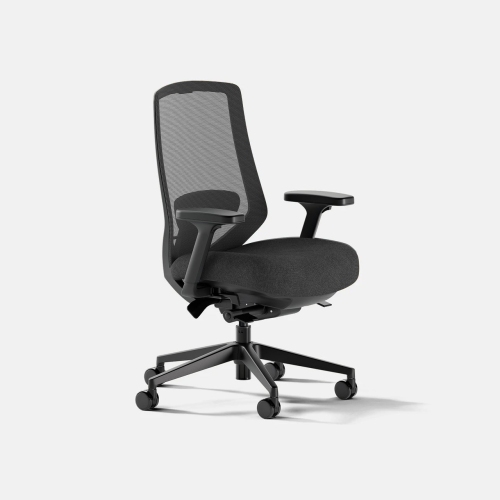 Your price for this item is $599
-
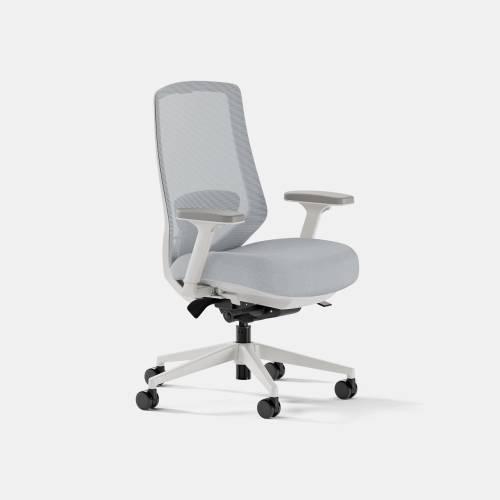 Your price for this item is $599
-
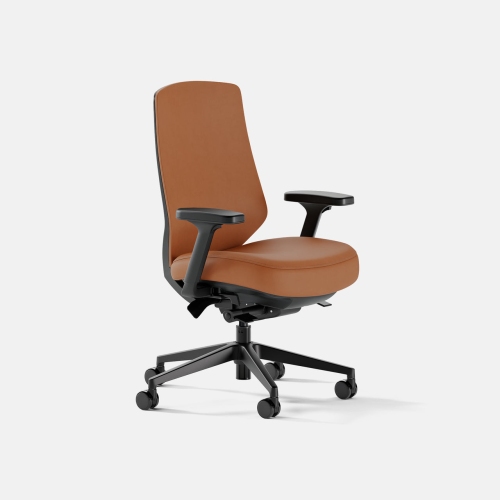 Your price for this item is $649
-
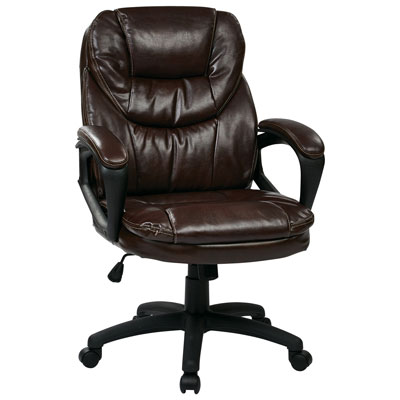 Your price for this item is $459.99
-
 Your price for this item is $429
Discover more categories related to Office Chairs for Small Desks
Top Collections:
Best Black Friday Deals This Year, Best Black Friday Deals On Electronics, Kindle Devices, Pokemon Centers, Best Black Friday Deals On Apple Products, Best Cameras for Sports Photography, Dyson Airwrap, Pokémon 30th Celebration Cards, Apple iPhone 17 Pro, Canon G7X Cameras
Some products may be subject to Environmental Handling Fees
(EHF) depending on your province.
Learn more about EHFs.